By the City Viking editorial teamPublished Ranked by mean annual snowfall · 12 min read
Last verified Checked before launchOct 30, 202618 sources4 publishers3 government & parks15 encyclopedias & researchPublished · Nov 3, 2026Researched and checked before it went liveClick for every source and the full change log.
The record
679 cm, Japan Meteorological Agency 1991–2020 normal at Hirosaki AMeDAS station
Hirosaki
Japan
The record
The snowiest city in the world is Hirosaki, in Japan — 679 cm, Japan Meteorological Agency 1991–2020 normal at Hirosaki AMeDAS station, mean annual snowfall.
Source: Japan Meteorological Agency. Verified .
Aomori is the city most rankings call the snowiest on Earth, on an old figure of 792 cm, yet on the 1991–2020 normals it comes second, beaten by its neighbour Hirosaki. This countdown ranks the 15 snowiest cities in the world by mean annual snowfall, from Hirosaki at 679 cm to Yamagata at 285 cm: eleven in Japan, three in Canada and one, Syracuse, in the United States.
Each figure is the 1991–2020 normal for fresh snow at the station that names the city or serves as its airport or centre, published by the Japan Meteorological Agency, Environment and Climate Change Canada or NOAA, and it is snow depth, not water content (Japan totals automatic snow-depth gauges, Canada and the US use observers).
A city needs 100,000 people, so snow towns such as Tsunan or Valdez, Alaska, do not count, and nor do mountain stations inside a city's limits, such as Sukayu Onsen above Aomori at 1,706 cm. Russia, Scandinavia, Korea and China publish no comparable snowfall normal.
The city famous as the snowiest is not first. Popular rankings give Aomori 792 cm a year, an older figure; on the 1991–2020 normals it has 567 cm and its neighbour Hirosaki has 679 cm.
Japan's snowiest inhabited weather station is inside a city: Sukayu Onsen, a hot-spring hamlet in the Hakkōda Mountains within Aomori's limits, averages 1,706 cm a year.
Skiing came to Japan through one of these cities. On 12 January 1911 the Austrian officer Theodor von Lerch began giving ski lessons on Mount Kanaya in Jōetsu.
Snow and record cold go together in Asahikawa, where a weather station recorded −41 °C on 25 January 1902, the lowest temperature in Japanese history.
St. John's once got 76.2 cm of snow in a single day, on 17 January 2020, and the city spent about a week under a state of emergency while it dug out.
Syracuse has a trophy for it: the Golden Snowball Award goes to the snowiest city in Upstate New York, and Syracuse won every season from 2002–03 to 2010–11.
11. Hirosaki
Hirosaki, Aomori Prefecture, Japan
679 cm, Japan Meteorological Agency 1991–2020 normal at Hirosaki AMeDAS station
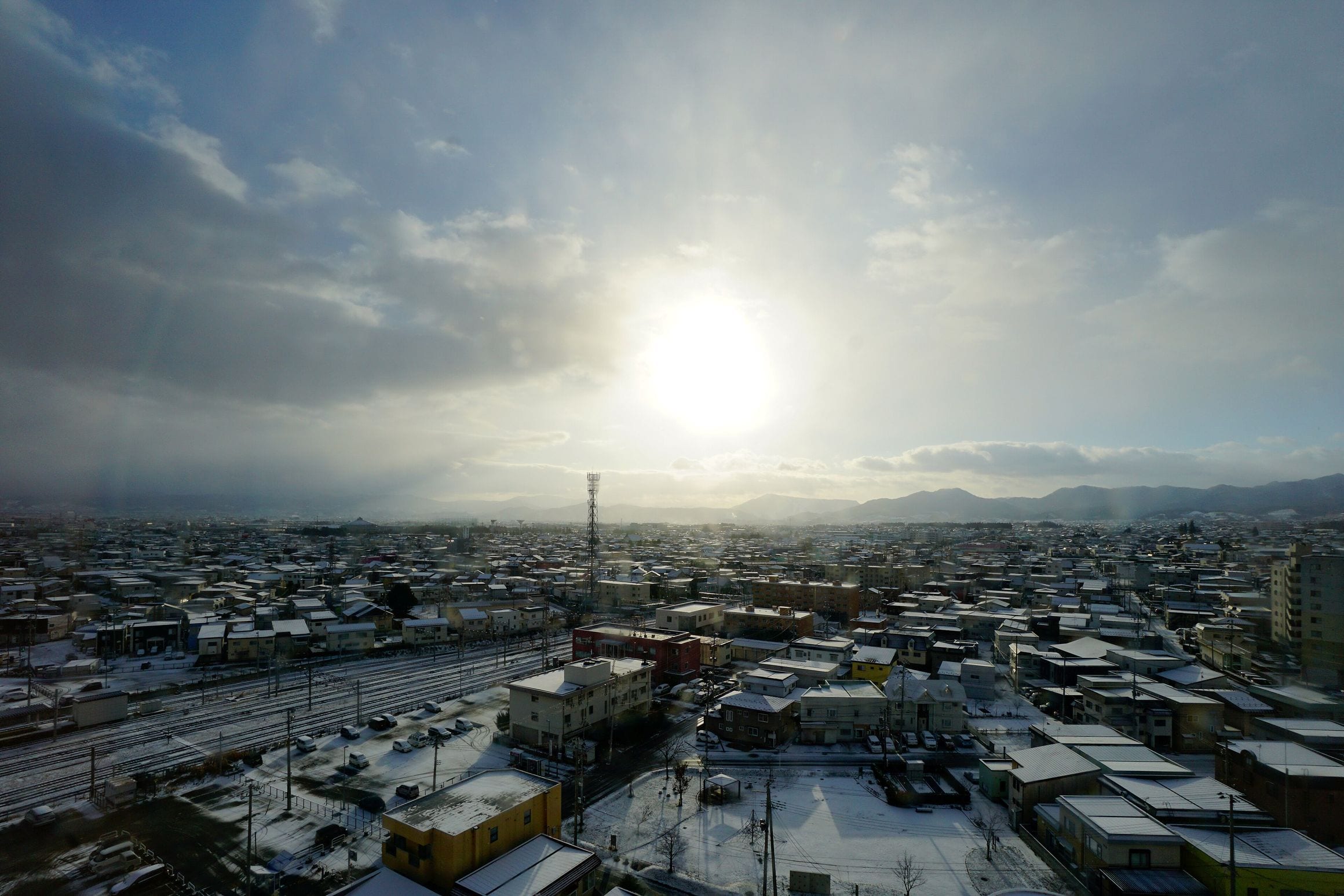
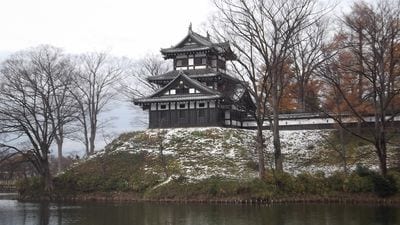
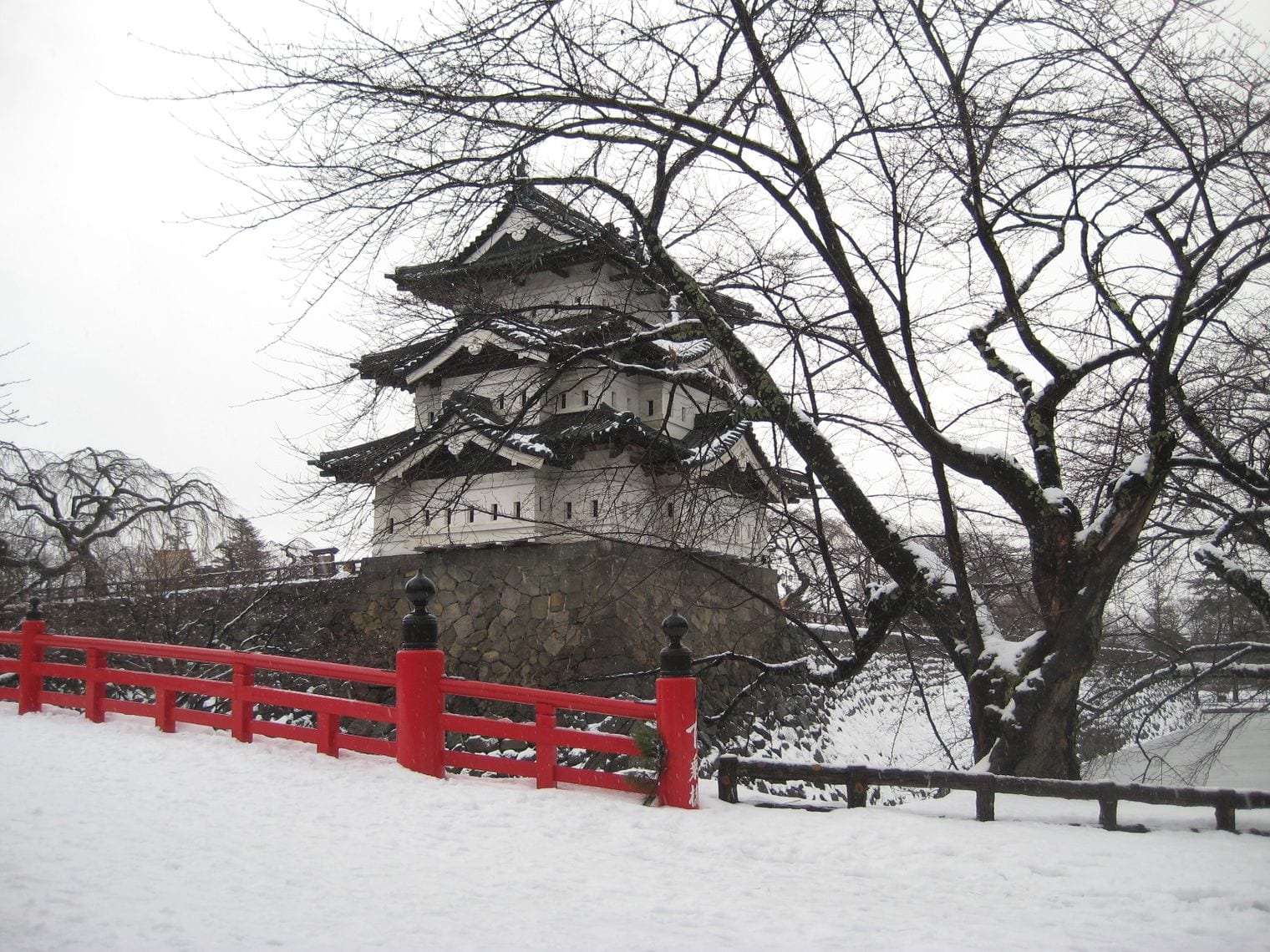
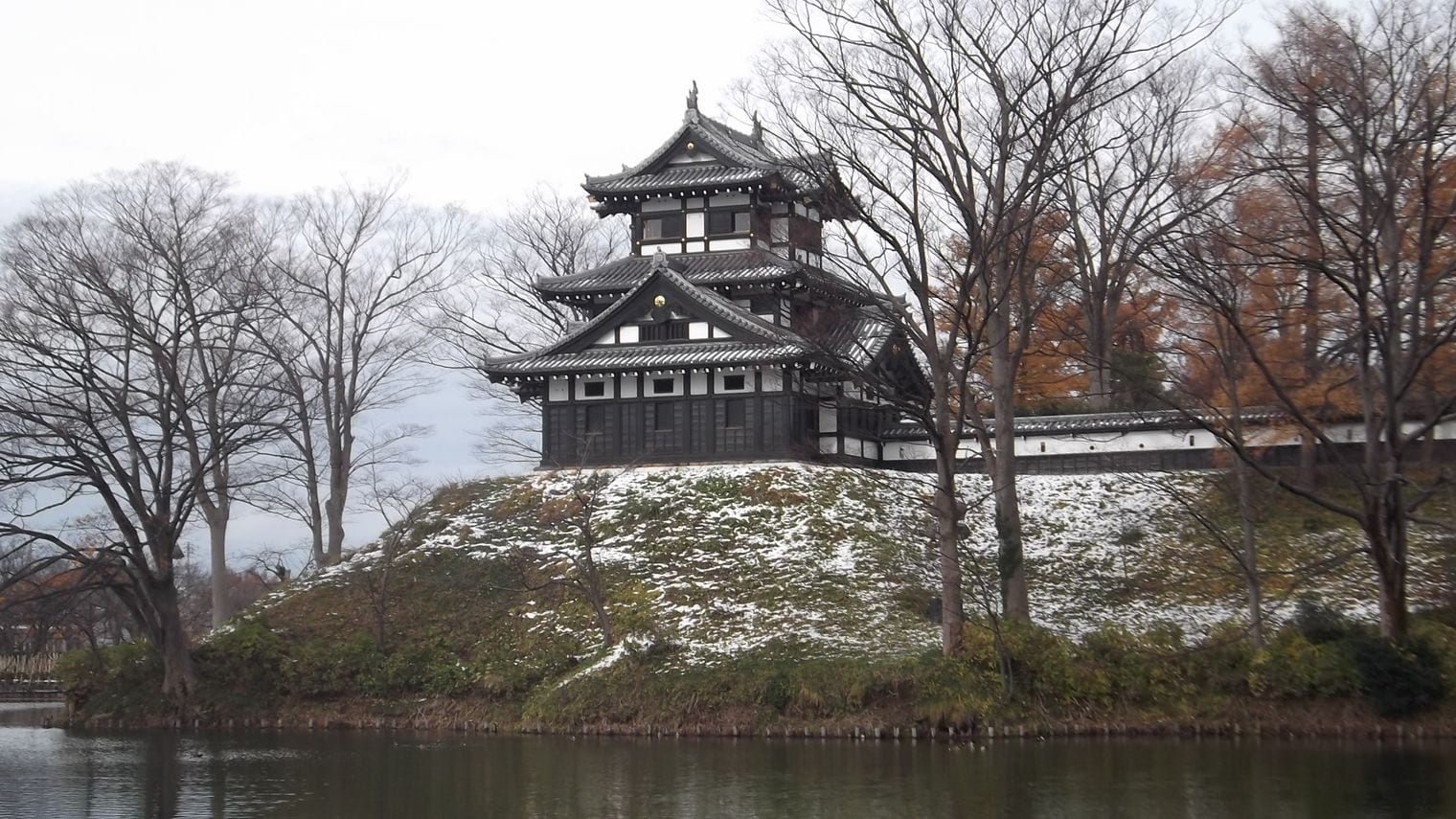
At 679 cm (267 inches) a year, Hirosaki gets more snow than any other city of 100,000 people or more, on the Japan Meteorological Agency's 1991–2020 normal for the city's own station. The castle town of about 157,000 people lies in western Aomori Prefecture, where winter winds off the Sea of Japan bring heavy snow to a plain ringed by mountains, and it beats the far better-known Aomori, 35 km to the northeast, by more than a metre.
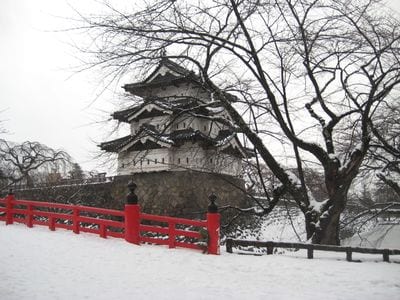
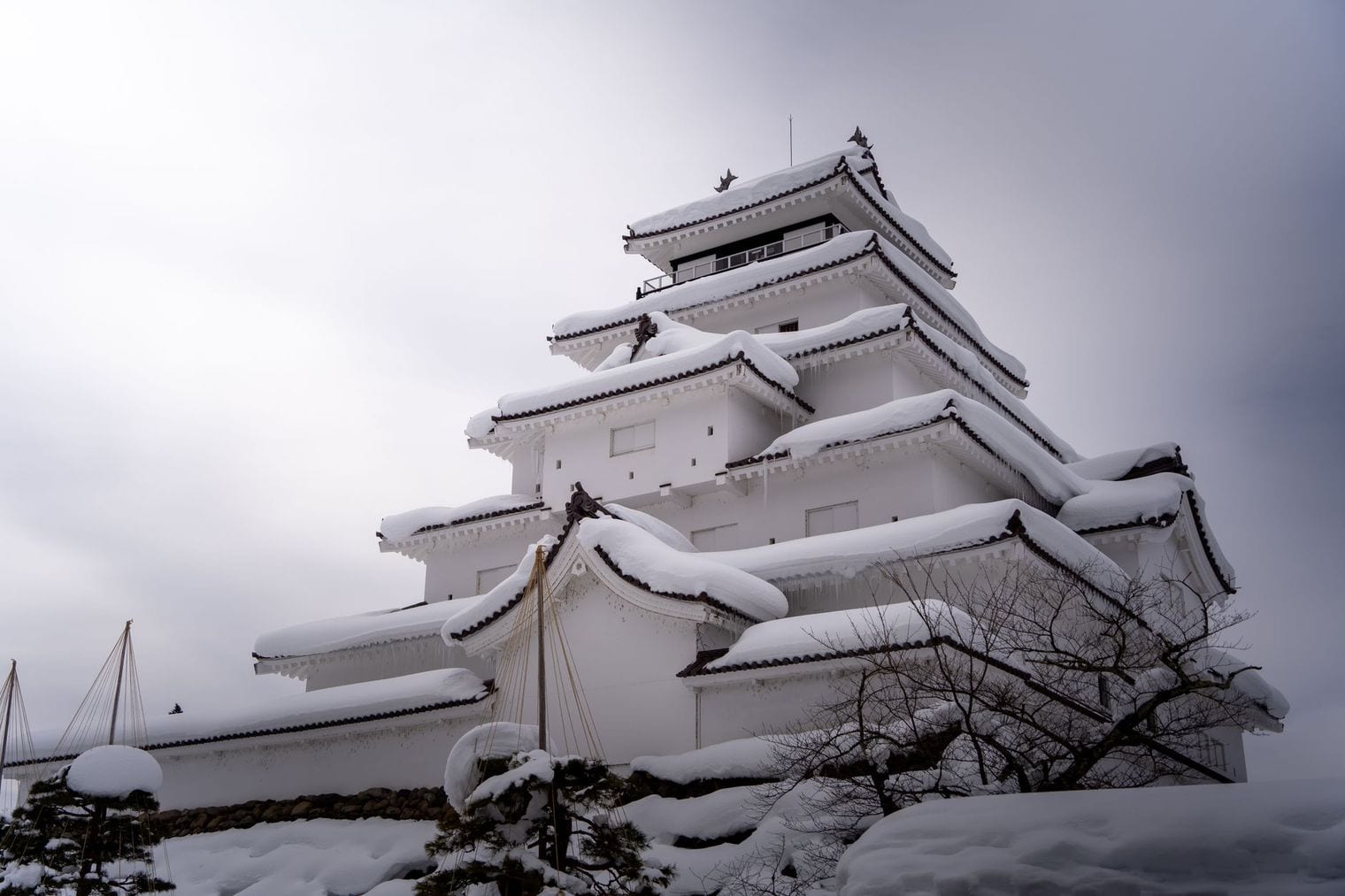
Hirosaki Castle, completed in 1611, keeps one of the few original Edo-period keeps left in Japan: the three-storey tower was built in 1810, after lightning burned the first one in 1627. Each February the castle park fills with snow lanterns and small candlelit igloos for the Hirosaki Castle Snow Lantern Festival, and in spring its cherry trees draw the crowds. Hirosaki is also the largest apple producer in Japan.
22. Aomori
Aomori, Aomori Prefecture, Japan
567 cm, Japan Meteorological Agency 1991–2020 normal at Aomori Local Meteorological Observatory
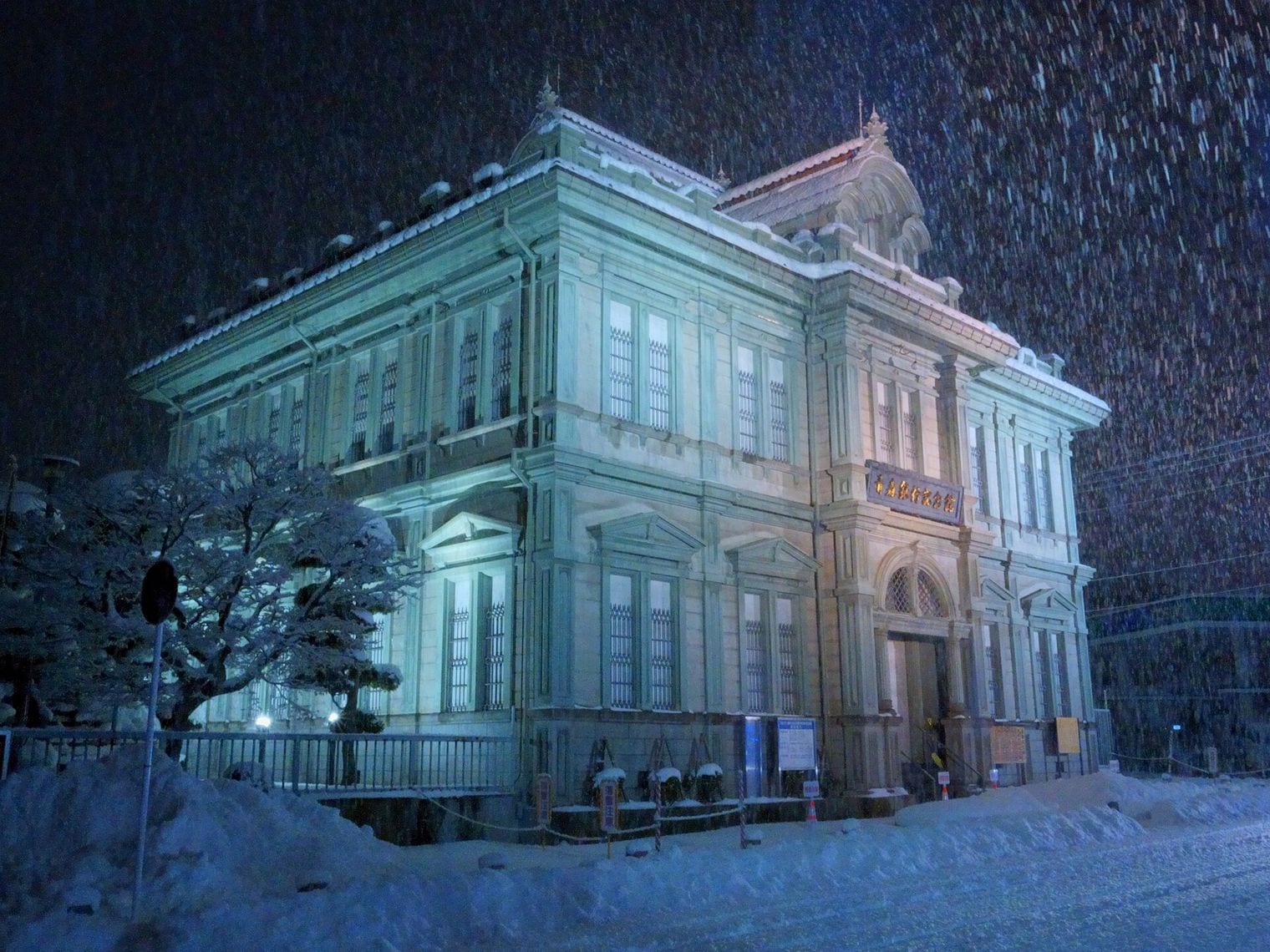
At 567 cm (223 inches) a year at its local meteorological observatory, Aomori is the second-snowiest city in the world and the one most often named the snowiest. Popular rankings still give it 792 cm, an older figure; on the Japan Meteorological Agency's 1991–2020 normals it falls behind Hirosaki. The prefectural capital of about 265,000 people faces Aomori Bay, with the Hakkōda Mountains rising behind it.
Those mountains, inside the city's limits, hold Sukayu Onsen, a hot-spring hamlet whose 1,706 cm makes it the snowiest inhabited weather station in Japan. In the winter of 1902, 199 of 210 soldiers on a cold-weather exercise died trying to cross the Hakkōda range from Aomori. Summer is louder: every early August the Aomori Nebuta Matsuri parades giant illuminated warrior floats through the city centre.
33. Asahikawa
Asahikawa, Hokkaido, Japan
557 cm, Japan Meteorological Agency 1991–2020 normal at Asahikawa Local Meteorological Observatory
At 557 cm (219 inches) a year, Asahikawa is the snowiest large city in Hokkaido, a single centimetre ahead of Otaru on the Japan Meteorological Agency's 1991–2020 normals. Hokkaido's second-largest city lies inland in a mountain basin, and it is cold as well as snowy: on 25 January 1902 a weather station here recorded −41 °C, the lowest temperature in Japanese history.
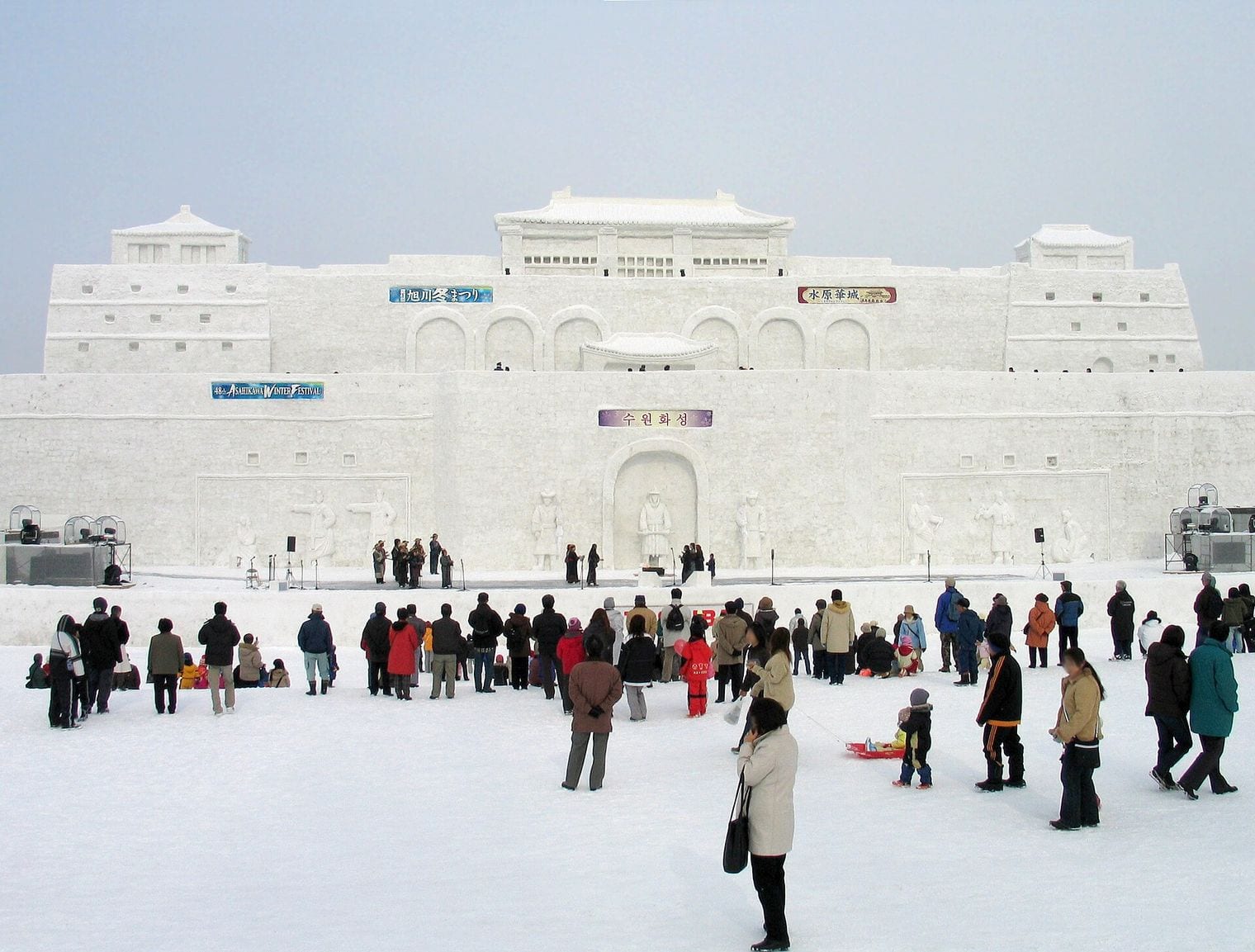
Winter is when the city puts on its best show. At Asahiyama Zoo, king penguins are walked along a snowy path through the visitors on winter days, a routine started to give them exercise, and the Asahikawa Winter Festival fills the bank of the Ishikari River with snow sculptures. The city is also known for its ramen, and UNESCO named it a City of Design in 2019.
44. Otaru
Otaru, Hokkaido, Japan
556 cm, Japan Meteorological Agency 1991–2020 normal at Otaru weather station
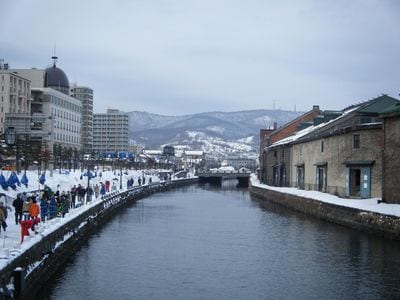
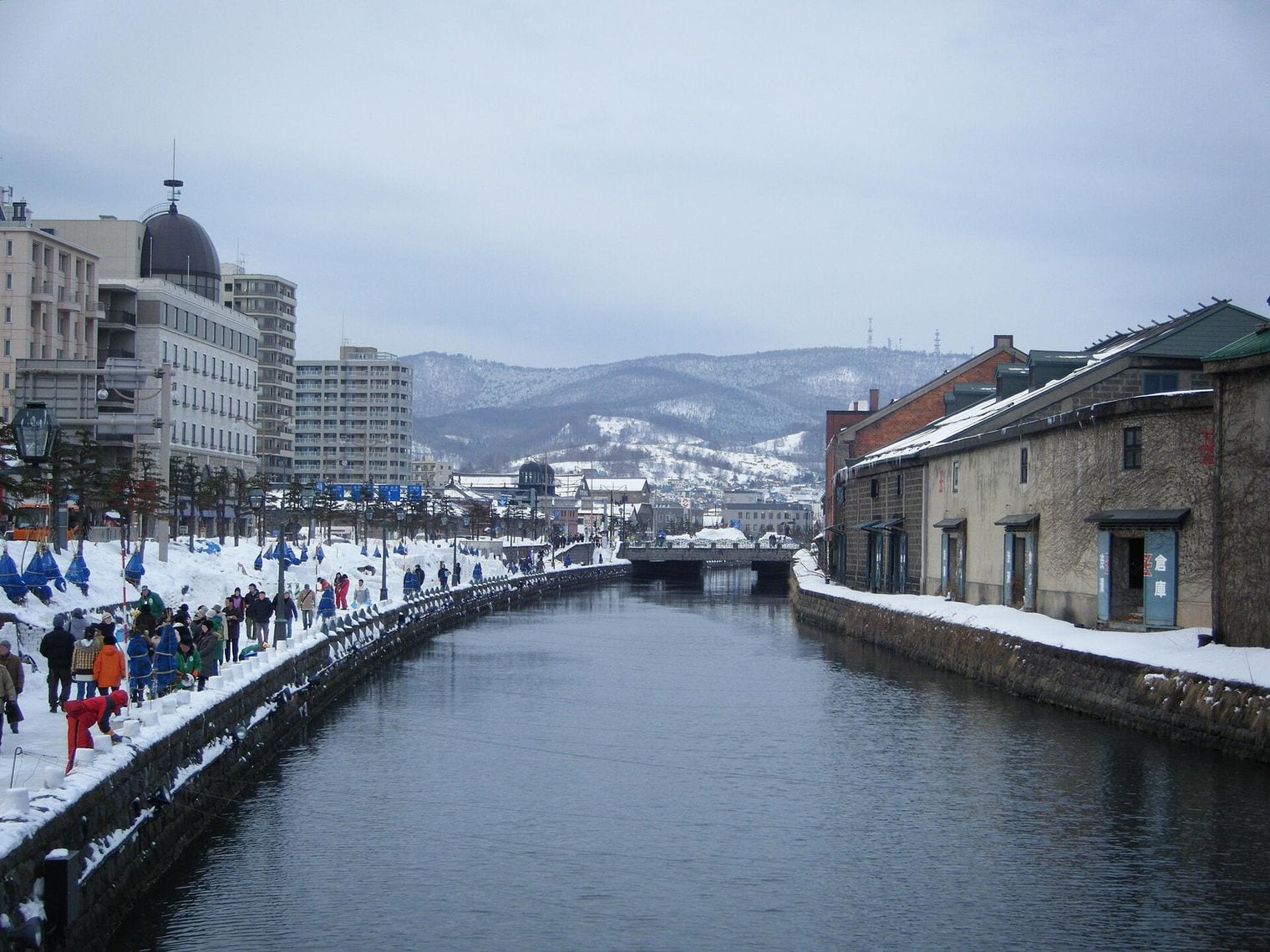
At 556 cm (219 inches) a year, Otaru trails Asahikawa by just one centimetre on the Japan Meteorological Agency's 1991–2020 normals. The port city of about 107,000 people faces Ishikari Bay and the Sea of Japan, about 25 minutes' drive northwest of Sapporo, and from November to March it snows almost constantly while sunshine all but disappears.
Otaru grew rich on herring and shipping, and its stone warehouses along the Otaru Canal and the herring mansion of Nishin Goten on the west side of the city recall those years. In early February the canal and the old streets are lit by candles set in snow and ice for the Otaru Snow Light Path, which runs alongside the Sapporo Snow Festival.
55. Sapporo
Sapporo, Hokkaido, Japan
479 cm, Japan Meteorological Agency 1991–2020 normal at Sapporo District Meteorological Observatory
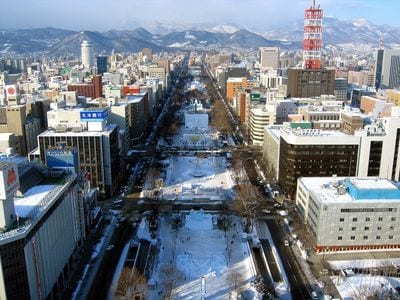
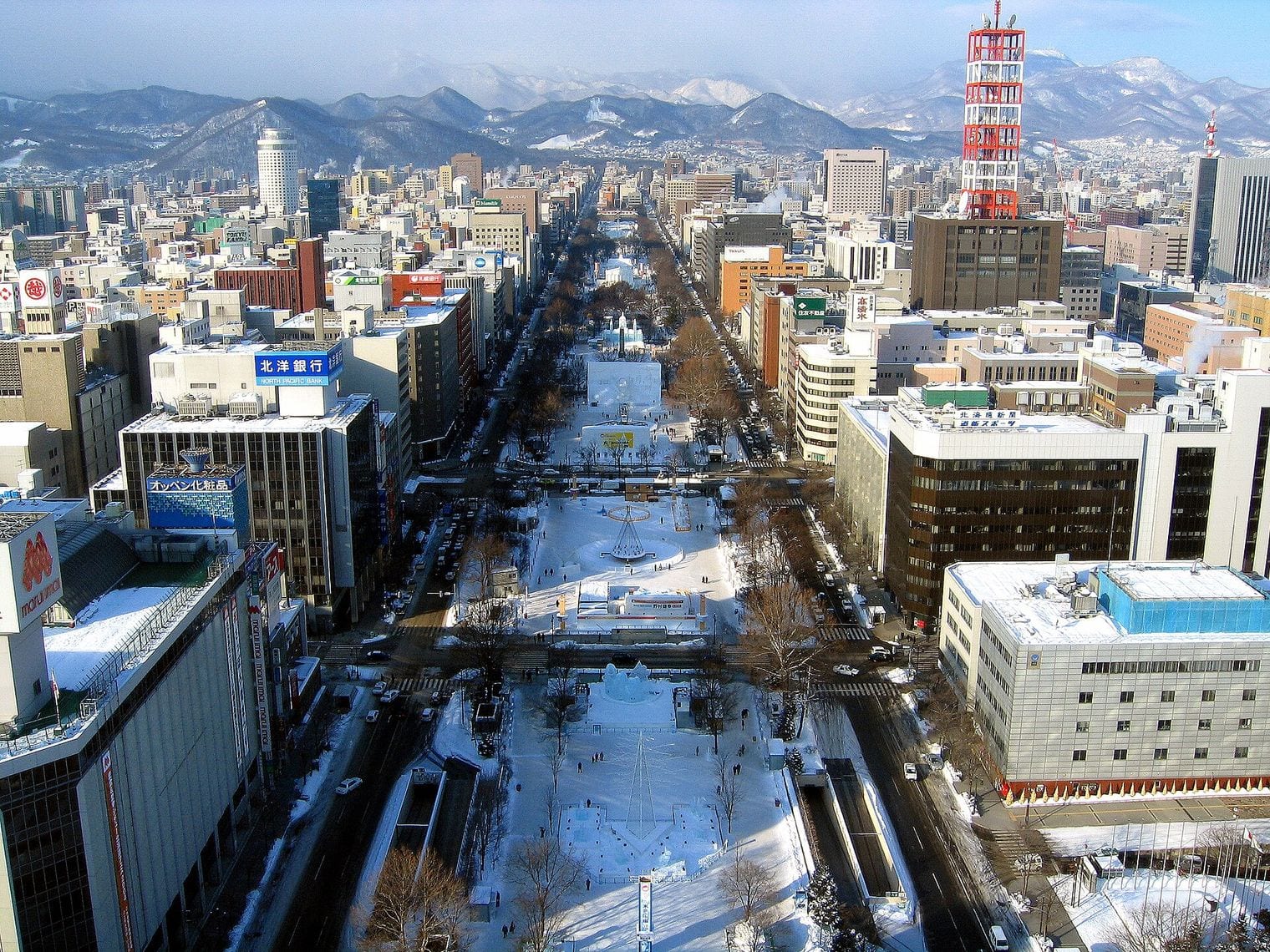
At 479 cm (189 inches) a year, measured at its District Meteorological Observatory, Sapporo is by far the largest city on this list: almost two million people live with nearly five metres of fresh snow each winter. The capital of Hokkaido is the largest city in Japan north of Tokyo, laid out on a grid around Odori Park after the Hokkaido Development Commission set up its headquarters here in 1869.
Snow is Sapporo's calling card. The Sapporo Snow Festival, first held in 1950, fills Odori Park and other sites with hundreds of snow statues and ice sculptures every February and draws about two million visitors. In 1972 the city hosted the first Winter Olympics ever held in Asia, decades after the war cancelled the Games it was meant to host in 1940.
66. Nagaoka
Nagaoka, Niigata Prefecture, Japan
477 cm, Japan Meteorological Agency 1991–2020 normal at Nagaoka AMeDAS station
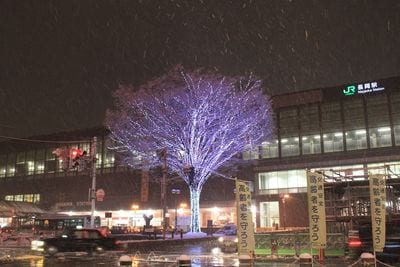
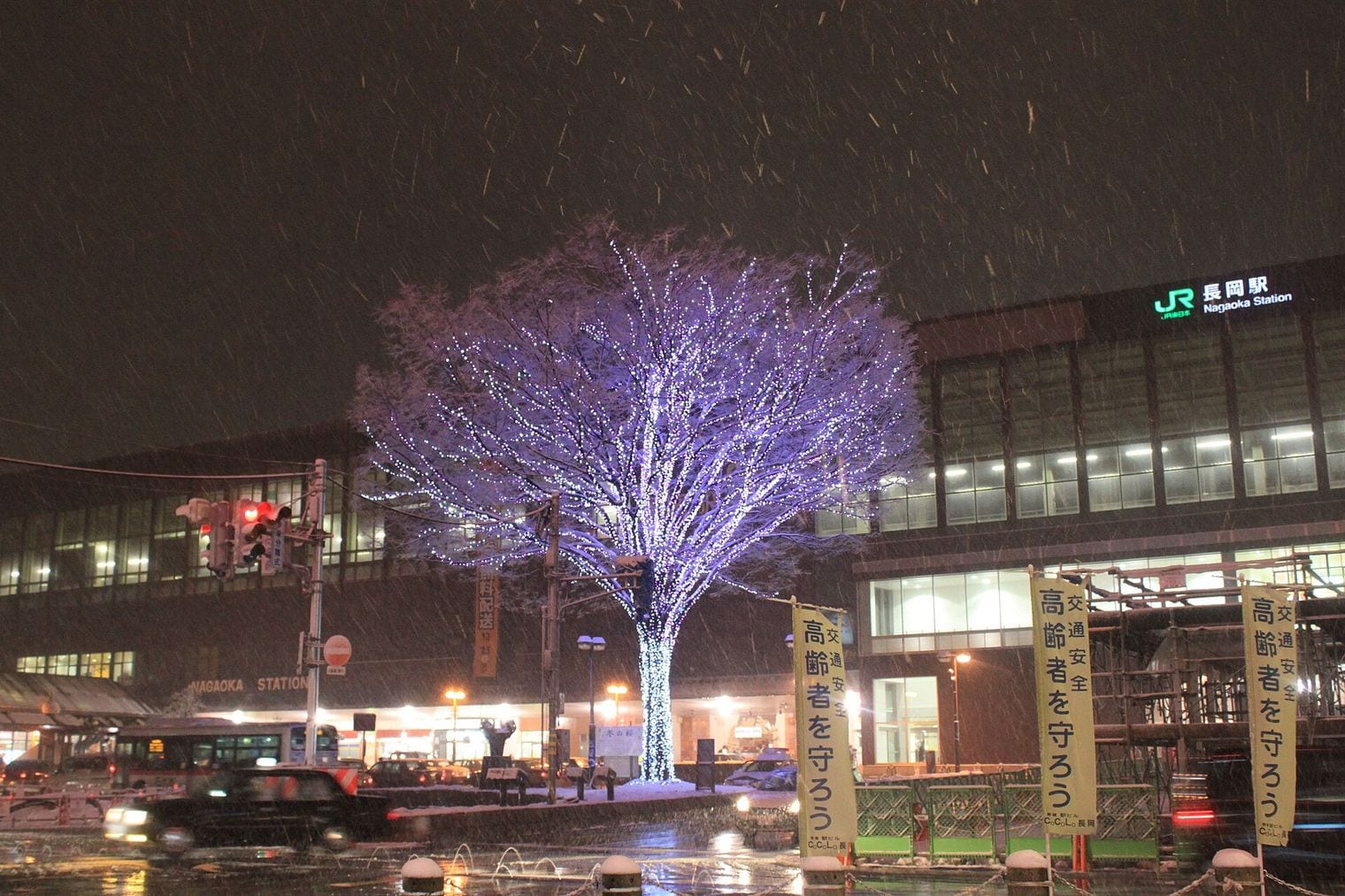
At 477 cm (188 inches) a year, Nagaoka gets only 2 cm less snow than Sapporo on the Japan Meteorological Agency's 1991–2020 normals. The city of about 265,000 people is the second-largest in Niigata Prefecture, on the Shinano River, and it has had record-breaking winters, among them the heavy snows of January 1963.
Living with that much snow shaped its streets. Nagaoka is where Japan began sprinkling groundwater onto the roads from buried pipes to melt the snow, in 1961, a method that soon spread across the snowy side of the country. In summer the Nagaoka Festival fireworks over the Shinano River, every August, are counted among Japan's three great fireworks displays, and they also remember the city's 1945 air raid.
77. Kitami
Kitami, Hokkaido, Japan
414 cm, Japan Meteorological Agency 1991–2020 normal at Kitami AMeDAS station
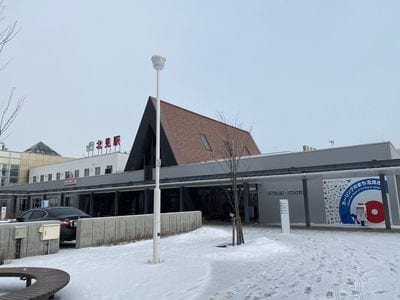
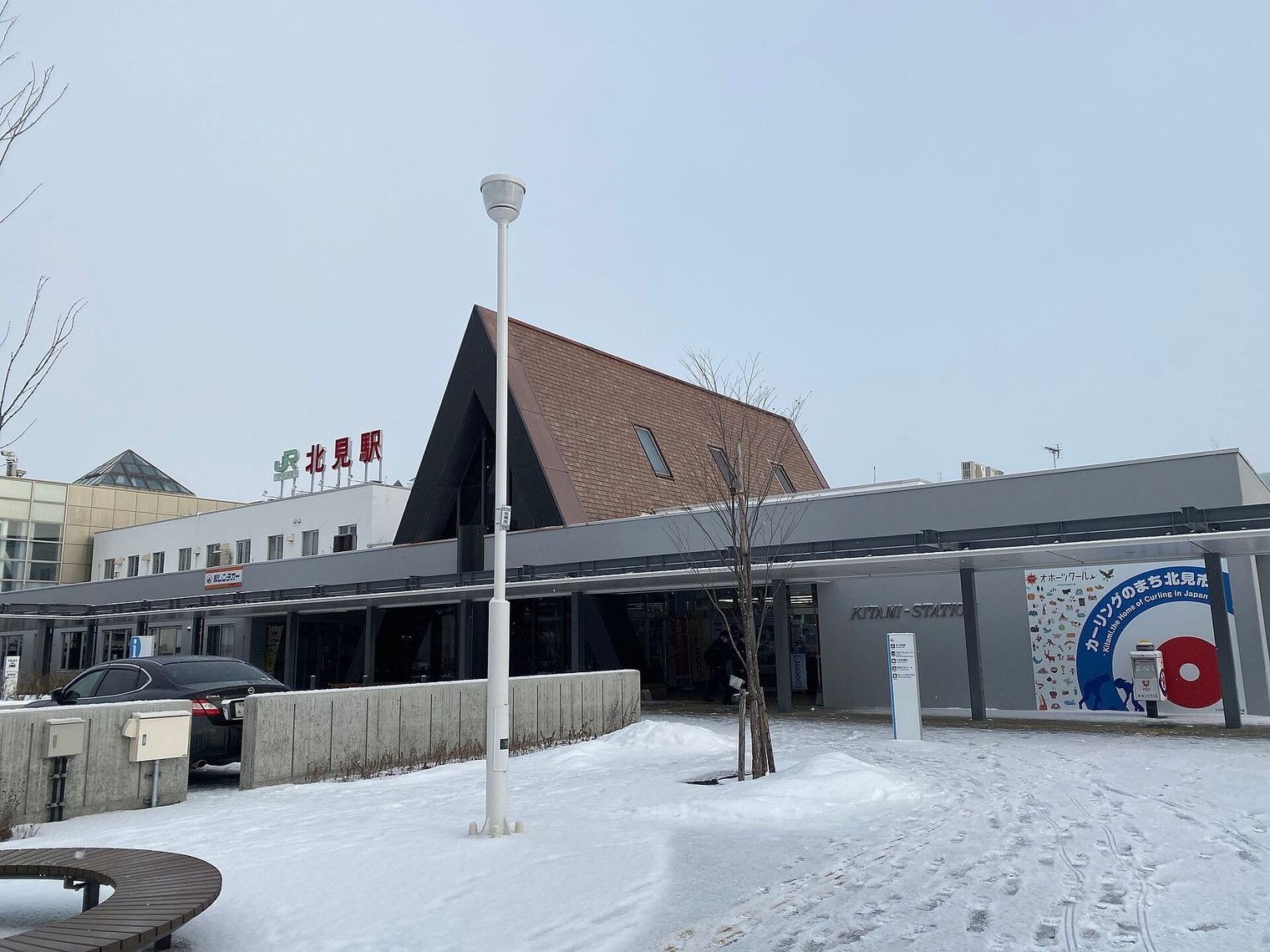
At 414 cm (163 inches) a year at its Japan Meteorological Agency station, Kitami is the largest city in Okhotsk Subprefecture and the only city on this list on the Sea of Okhotsk side of Hokkaido. It was formed in 2006 by merging Kitami with the towns of Tanno, Tokoro and Rubeshibe; the Rubeshibe station records more, 507 cm, but only the station that names the city counts here.
Kitami is farm and fishing country. It grows more onions than anywhere else in Japan, and in 1939 its mint production reached about 70 per cent of the world market. Its coast on the Sea of Okhotsk is known as the birthplace of scallop farming in Japan.
Get new guides like this by email
One email every Thursday with our newest guides for the places you tick.
88. Jōetsu
Jōetsu, Niigata Prefecture, Japan
413 cm, Japan Meteorological Agency 1991–2020 normal at Takada weather station
At 413 cm (163 inches) a year, Jōetsu's figure comes from Takada, the old castle town at its heart, whose station is the one the Japan Meteorological Agency keeps for the city. Mountain districts of the merged city, such as Yasuzuka at 799 cm, get far more, but they are outlying stations and do not count. Jōetsu, with about 190,000 people, faces the Sea of Japan in Niigata Prefecture.
Takada has lived with deep snow for centuries: its streets are lined with gangi, wooden eaves stretched over the pavement so people can walk under cover. Skiing reached Japan here, when the Austrian officer Theodor von Lerch began giving ski lessons on Mount Kanaya on 12 January 1911. In spring, the cherry trees around the moats of Takada Castle draw big crowds for the city's blossom festival.
99. St. John's
St. John's, Newfoundland and Labrador, Canada
363.4 cm, Environment Canada 1991–2020 normal at St. John's International Airport
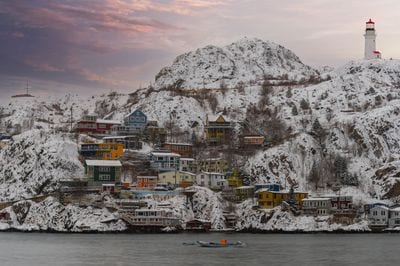
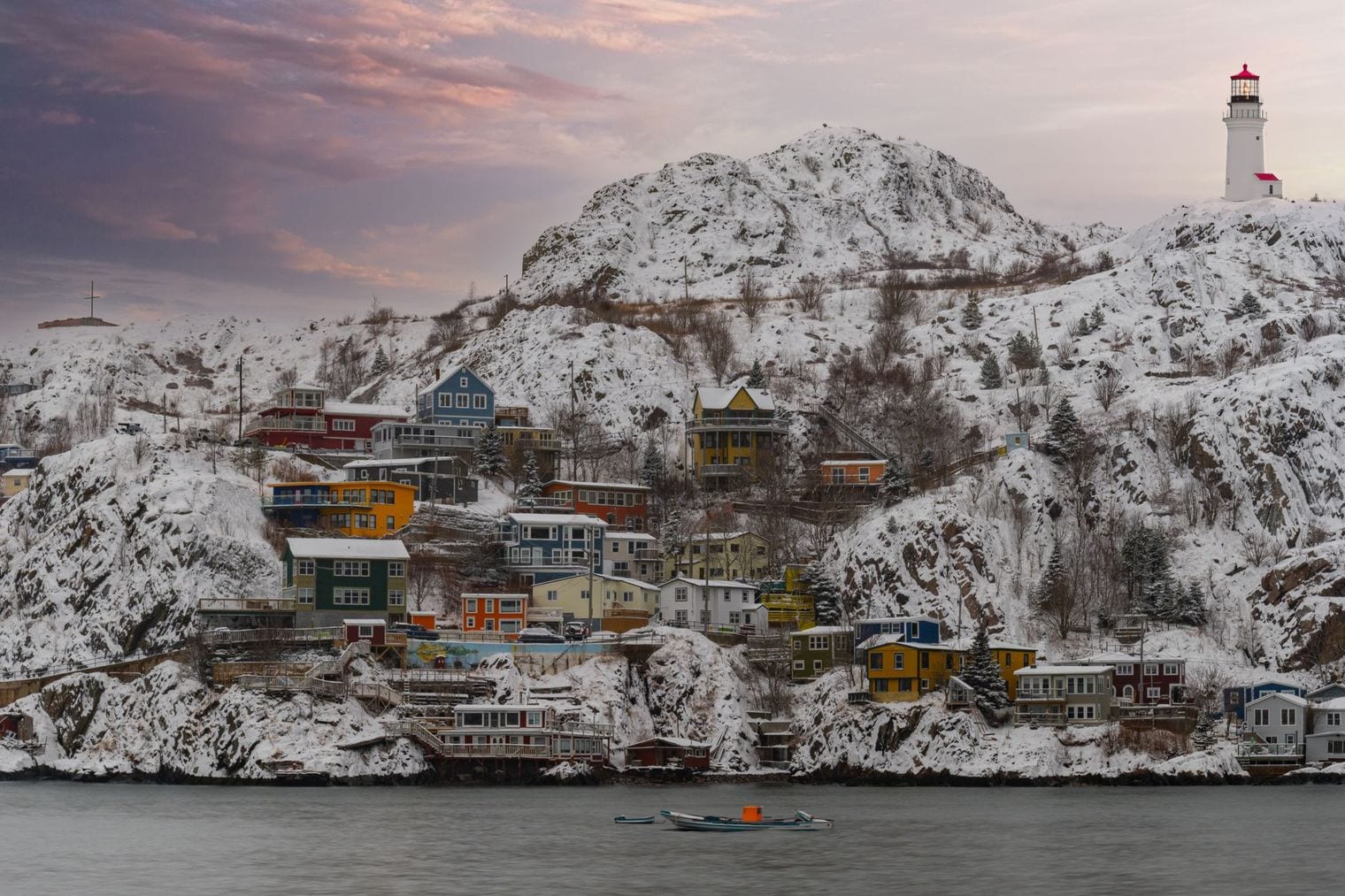
At 363.4 cm (143 inches) a year, St. John's is the snowiest city outside Japan on this list, on Environment and Climate Change Canada's 1991–2020 normal for its international airport. The capital of Newfoundland and Labrador sits on the eastern tip of the Avalon Peninsula, the easternmost city in North America outside Greenland, and its Atlantic storms can switch between snow, freezing rain and rain in a few hours, washing away what has just fallen.
On 17 January 2020 the airport recorded 76.2 cm of snow in a single day, an all-time daily record, and the city spent about a week under a state of emergency while it dug out. Above the harbour, Signal Hill is where Guglielmo Marconi received the first transatlantic wireless transmission in 1901, and the brightly painted row houses of downtown climb the slopes below it.
1010. Aizuwakamatsu
Aizuwakamatsu, Fukushima Prefecture, Japan
328 cm, Japan Meteorological Agency 1991–2020 normal at Wakamatsu weather station
At 328 cm (129 inches) a year, Aizuwakamatsu's figure comes from the Japan Meteorological Agency's Wakamatsu station, on its 1991–2020 normals. The city of about 118,000 people lies inland in the Aizu basin of western Fukushima Prefecture, surrounded by mountains that hold the winter snow.
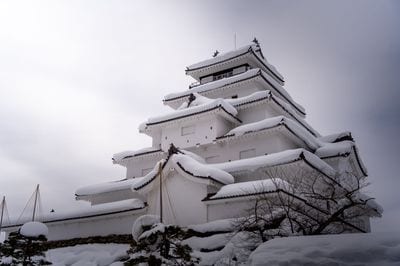
Its landmark is Tsuruga Castle, besieged in 1868 during the Boshin War; the keep that stands today is a concrete reconstruction completed in 1965. On Iimori Hill above the town, a group of teenage samurai of the Byakkotai took their own lives that year, believing the castle had fallen. The city has long been known for its sake breweries and lacquerware.
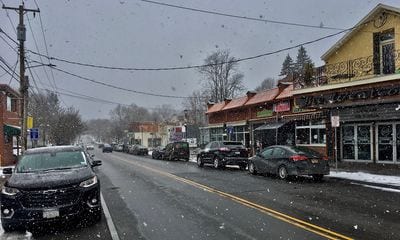
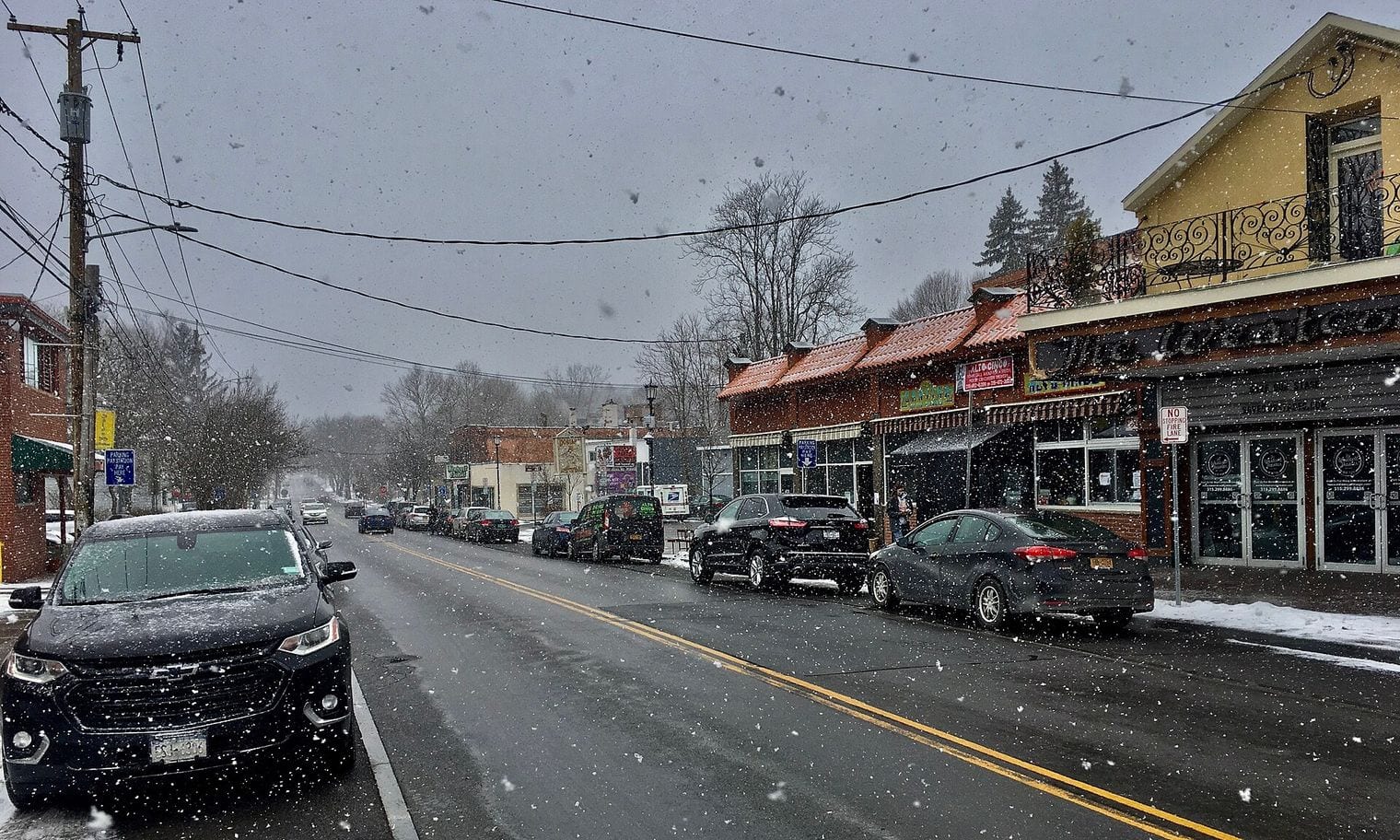
At 127.8 inches (325 cm) a year, Syracuse is the snowiest city of 100,000 people or more in the United States, on NOAA's 1991–2020 normal for Hancock International Airport. Most of it is lake-effect snow: cold air crossing Lake Ontario picks up moisture and drops it in narrow, intense bands over Central New York.
Syracuse treats snow as a competition. It won the Golden Snowball Award, the contest for the snowiest city in Upstate New York, every season from 2002–03 to 2010–11, and its record season, 1992–93, brought 192.1 inches. The city grew around the Erie Canal, which crossed Clinton Square downtown, and brine springs made it the Salt City; Syracuse University stands on University Hill.
1212. Hakodate
Hakodate, Hokkaido, Japan
306 cm, Japan Meteorological Agency 1991–2020 normal at Hakodate Local Meteorological Observatory
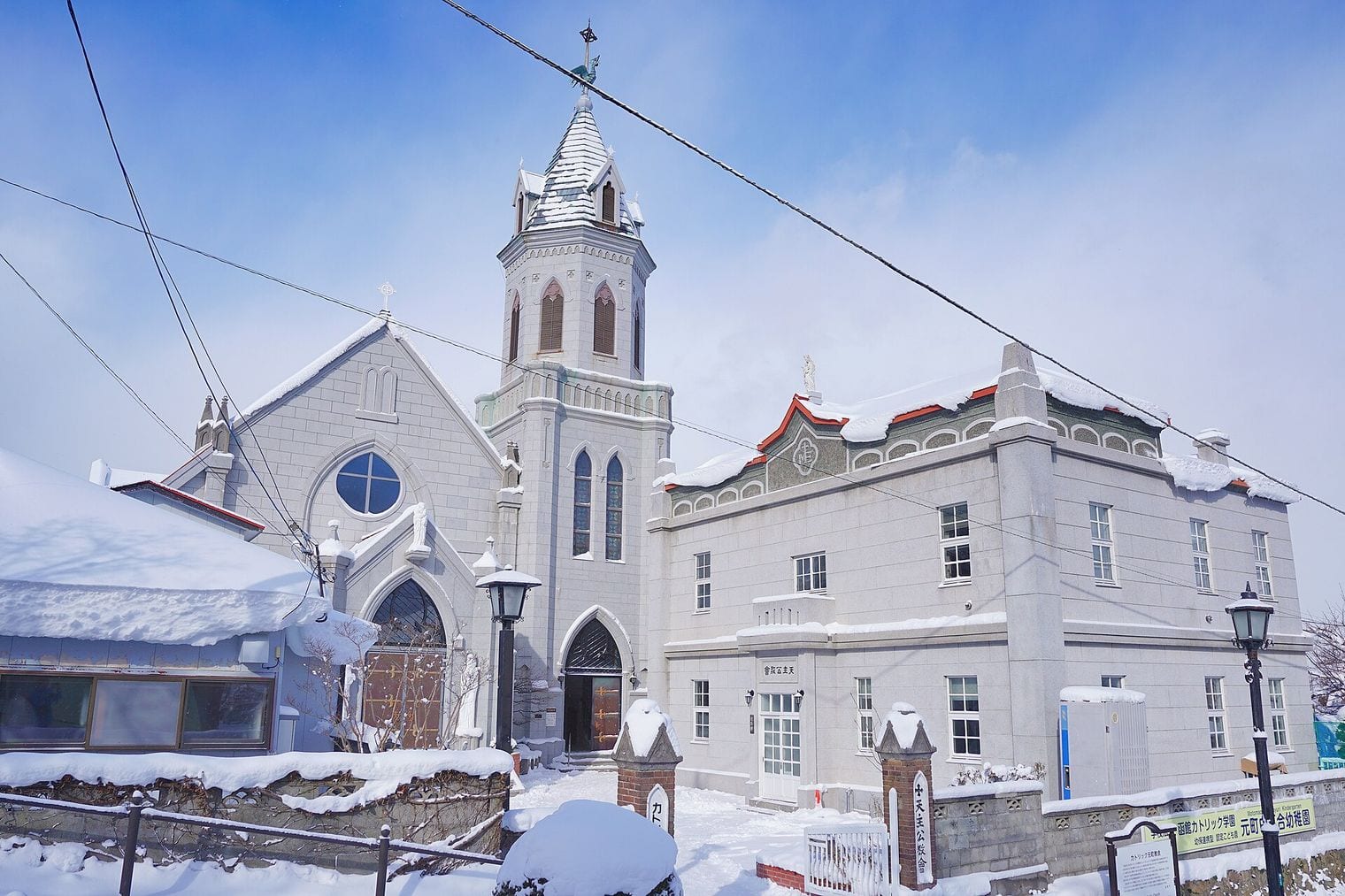
At 306 cm (120 inches) a year, measured at its Local Meteorological Observatory, Hakodate gets far less snow than Sapporo or Otaru but still ranks among the world's snowiest cities. Hokkaido's third-largest city, with about 240,000 people, lies in the island's far south, on a sandbar that ties Mount Hakodate, once an island, to the mainland.
Hakodate was one of the first Japanese ports opened to foreign trade, in 1859. Ten years later the last holdouts of the shogunate made their stand at Goryōkaku, a five-pointed star fort, until government forces won the Battle of Hakodate in 1869. Today the fort's moats and the view of the city from the top of Mount Hakodate are the two classic sights.
1313. Saguenay
Saguenay, Quebec, Canada
301.7 cm, Environment Canada 1991–2020 normal at Bagotville Airport
At 301.7 cm (119 inches) a year at Bagotville Airport, Saguenay edges out Lévis by less than 3 cm as the snowier of the two Quebec cities on this list, on Environment and Climate Change Canada's 1991–2020 normals. The city of about 148,000 people was created in 2002 by merging Chicoutimi, Jonquière and La Baie, on the Saguenay River about 200 km north of Quebec City.
Downstream, the river runs through the Saguenay Fjord, one of the most southerly fjords in the Northern Hemisphere, protected by Saguenay Fjord National Park. Chicoutimi began as a French fur-trading post in 1676, and in July 1996 flash floods tore through the region in what became known as the Saguenay flood.
1414. Lévis
Lévis, Quebec, Canada
298.9 cm, Environment Canada 1991–2020 normal at Lauzon station
At 298.9 cm (118 inches) a year at its Lauzon station, Lévis gets almost as much snow as Saguenay, on Environment and Climate Change Canada's 1991–2020 normals. The city of about 150,000 people faces Quebec City across the St. Lawrence River; Quebec City itself has no 1991–2020 annual snowfall normal from Environment Canada, so it cannot be ranked.
A ferry links Old Lévis with Old Quebec, crossing the river in full view of the city's skyline. In 1759 the British general James Wolfe camped at Pointe-Lévy to besiege Quebec, and in 1900 Alphonse Desjardins founded the first caisse populaire in Lévis, the start of the Desjardins credit-union movement, whose legal headquarters is still in the city.
1515. Yamagata
Yamagata, Yamagata Prefecture, Japan
285 cm, Japan Meteorological Agency 1991–2020 normal at Yamagata Local Meteorological Observatory
At 285 cm (112 inches) a year, measured at its Local Meteorological Observatory, Yamagata closes the list on the Japan Meteorological Agency's 1991–2020 normals. The capital of Yamagata Prefecture, with about 240,000 people, lies in an inland basin and is part of Japan's officially designated heavy-snow zone, with snow falling on most winter days.
Its city limits reach up to Mount Zaō, where wind and snow plaster the trees with rime until they turn into the snow monsters, or juhyō, that skiers ride past at the Zaō resorts. Northeast of the centre, the mountain temple of Yama-dera is where the poet Matsuo Bashō wrote his haiku on cicadas in 1689, and every August the Hanagasa Festival fills the streets with dancers.
FAQ: The World's Snowiest Cities
What is the snowiest city in the world?
Hirosaki, in Japan's Aomori Prefecture, with a mean of 679 cm of snow a year on the Japan Meteorological Agency's 1991–2020 normals. Aomori is second at 567 cm, then Asahikawa at 557 cm and Otaru at 556 cm. Sapporo, at 479 cm, is the only city of more than a million people in the top 15.
Why do so many rankings say Aomori is the snowiest city?
They repeat older figures from an AccuWeather ranking that give Aomori 792 cm (312 in) a year and put Toyama third at 363 cm. The Japan Meteorological Agency's 1991–2020 normals give Aomori 567 cm and Toyama 253 cm, which leaves Toyama off this list, and those rankings leave out Hirosaki, the snowiest of all, altogether.
Why are most of the snowiest cities in Japan?
In winter, cold air from Siberia crosses the warmer Sea of Japan, picks up moisture and drops it as heavy snow on Hokkaido and the Sea of Japan side of Honshu. Eight Japanese cities average more than 400 cm. Russia, Scandinavia, Korea and China publish no comparable snowfall normal, so their cities cannot be ranked on the same basis.
How was the snowfall measured?
Each figure is the 1991–2020 climate normal for annual snowfall, the depth of fresh snow added up over the year, at the station that names the city or serves as its airport or centre. The Japan Meteorological Agency totals daily increases on automatic snow-depth gauges, while Environment and Climate Change Canada and NOAA use observer measurements. None of the figures is water equivalent.
Why aren't Sukayu, Valdez or Quebec City on the list?
Sukayu Onsen, at 1,706 cm, and Yasuzuka, at 799 cm, are outlying mountain stations inside Aomori and Jōetsu, and only a city's own station counts. Valdez, Alaska, and Tsunan in Niigata are snowy towns far below 100,000 people. Quebec City is big enough, but Environment Canada publishes no 1991–2020 annual snowfall for it; the often-quoted 303 cm or so is a 1981–2010 figure.
What is the snowiest city in North America?
St. John's, Newfoundland and Labrador, at 363.4 cm a year at its airport, followed by Syracuse, New York, at 127.8 in (325 cm), the snowiest city of 100,000 people or more in the United States. Saguenay, at 301.7 cm, and Lévis, at 298.9 cm, complete the North American entries; Rochester, at 102.0 in, and Buffalo, at 95.4 in, fall short.
Sources & updates
How this ranking was checked
Checked before launch
Sources cited
18
Publishers
4
Every figure in this ranking was checked against the record-keeper or official source behind it before publication, and the top of the ranking re-checked live so a newer record would not be missed.
One email every Thursday with our newest guides for the places you tick.
Newsletter
Stay updated with new World Record Breakers
One email every Thursday with our newest guides for the places you tick.
We use cookies to analyse site traffic and improve your experience.
You can accept or reject analytics cookies. See our
May we use analytics cookies? See ourCookie Policy.