By the City Viking editorial teamPublished Ranked by latitude · 13 min read
Last verified Checked before launchOct 30, 202615 sourcesPublished · Nov 4, 2026Researched and checked before it went liveClick for every source and the full change log.
The record
54.9335°S
Puerto Williams
Chile
The record
The southernmost city in the world is Puerto Williams, in Chile — 54.9335°S, latitude.
Source: GeoNames / Wikipedia. Verified .
Short answer
Puerto Williams in Chile, at 54.93°S, is the southernmost town in the world with more than 1,000 residents, just ahead of Argentina's Ushuaia at 54.81°S, the southernmost city of real size. The two face each other across the Beagle Channel, so either makes a base for the channels and islands at the tip of South America.
Ushuaia sells itself as the city at the end of the world, yet the most southerly town of any real size lies across the Beagle Channel, in Chile. This countdown ranks the 15 southernmost cities and towns on Earth, from Puerto Williams at 54.93°S to El Chaltén at 49.33°S, below Mount Fitz Roy; ten are in Argentina, four in Chile and one, Stanley, in the Falkland Islands.
Each ranks by the latitude of its centre point in the GeoNames gazetteer, checked against Wikipedia and Wikidata. To count, a place must be a permanent civilian settlement with at least 1,000 residents at its latest census: Puerto Williams passes with 1,868 people in 2017, and Chile's statistics agency classed it as a city in 2019.
That rule leaves out Puerto Toro, home to 55 people further south, the fishing hamlet of Puerto Almanza, Antarctic stations such as Villa Las Estrellas and the military base at Mount Pleasant in the Falklands.
Two towns claim the same title. Both Ushuaia and Puerto Williams call themselves the world's southernmost city. Chile's statistics agency classed Puerto Williams as a city in 2019, and President Gabriel Boric revived the argument with Argentina in July 2025.
A prison railway still runs at the end of the world. The End of the World Train out of Ushuaia began as a freight line hauling rock, sand and timber for the town's prison, and it is considered the southernmost working railway in the world.
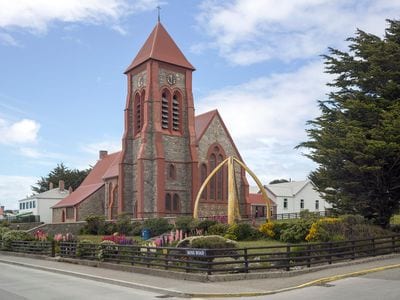
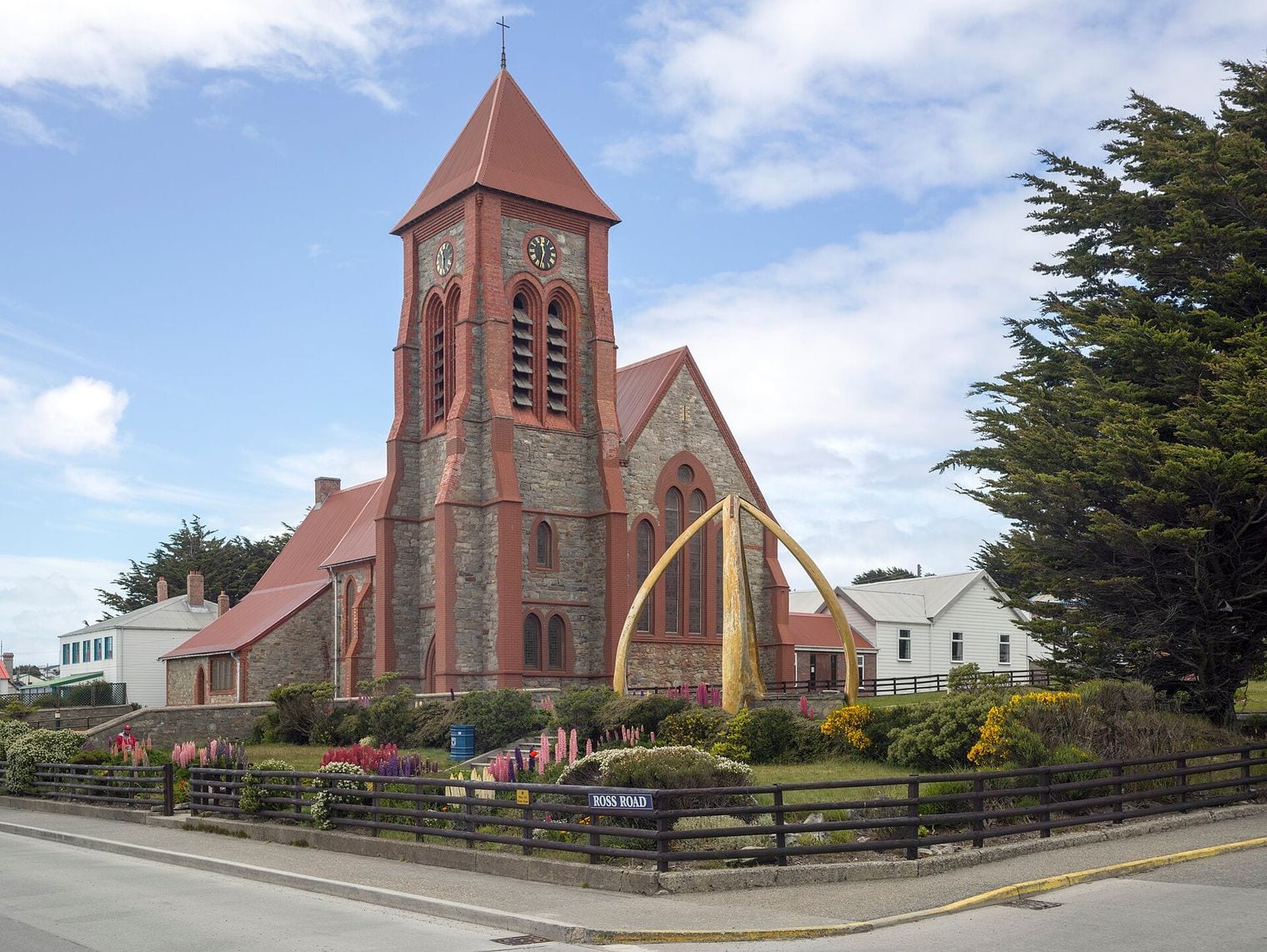
Stanley's cathedral has a whalebone arch. In front of Christ Church Cathedral in Stanley, the southernmost Anglican cathedral in the world, stands an arch made from the jaws of two blue whales, put up in 1933.
Darwin rowed up the Santa Cruz River. In April 1834 HMS Beagle was laid ashore in the estuary at Puerto Santa Cruz for repairs, and Charles Darwin joined the boat party that rowed upriver past the site of Comandante Luis Piedrabuena.
A giant sloth's skin turned up near Puerto Natales. In 1895 skin and bones of the Mylodon, an extinct ground sloth that died out more than 10,000 years ago, were found in the Cueva del Milodón outside Puerto Natales.
The southernmost ski resort is a short drive from Ushuaia. Cerro Castor, 26 km from Ushuaia, is the southernmost ski resort in the world, and its season runs longer than at any of Argentina's other main ski centres.
11. Puerto Williams
Puerto Williams, Navarino Island, Magallanes Region, Chile
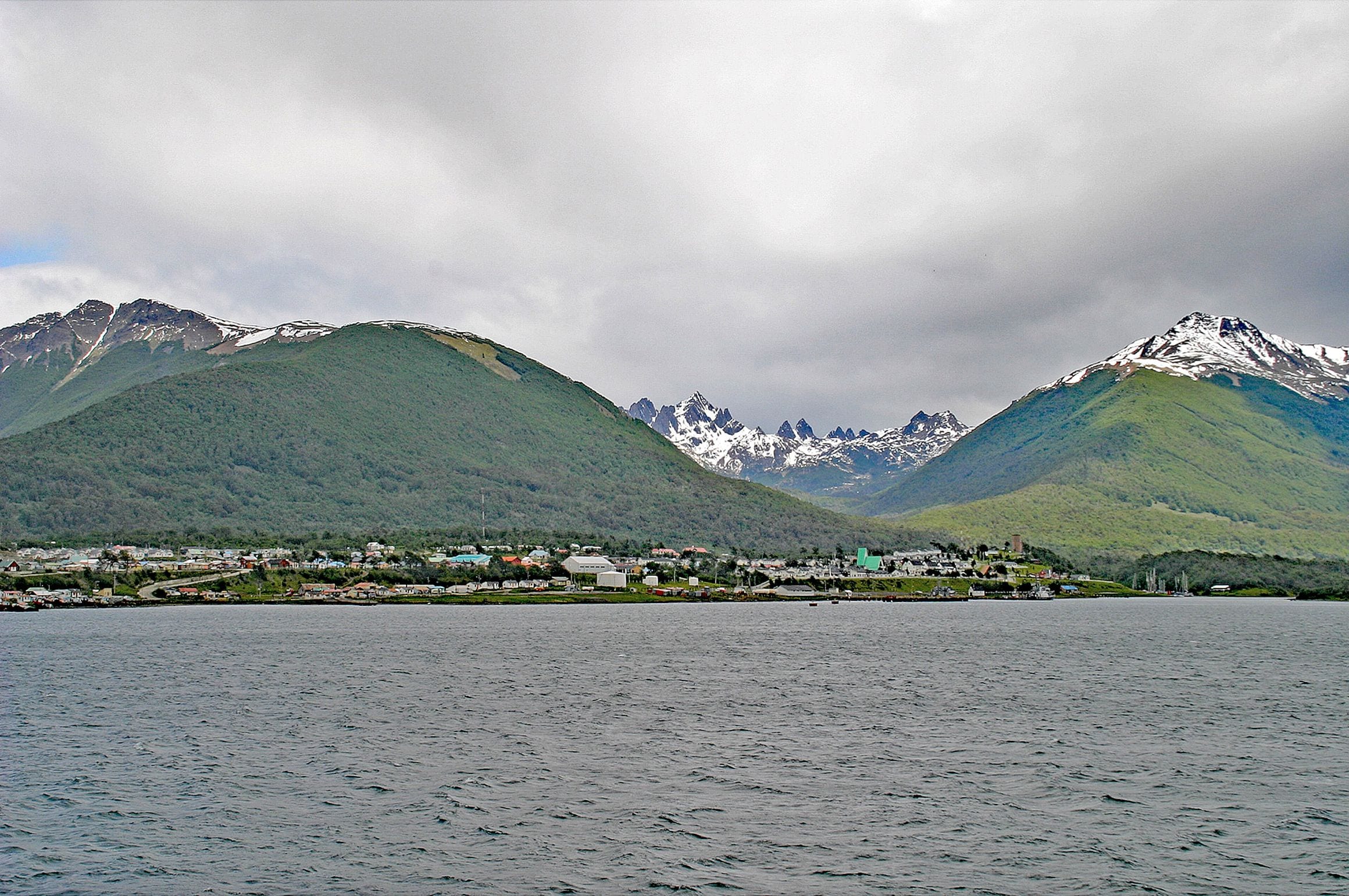
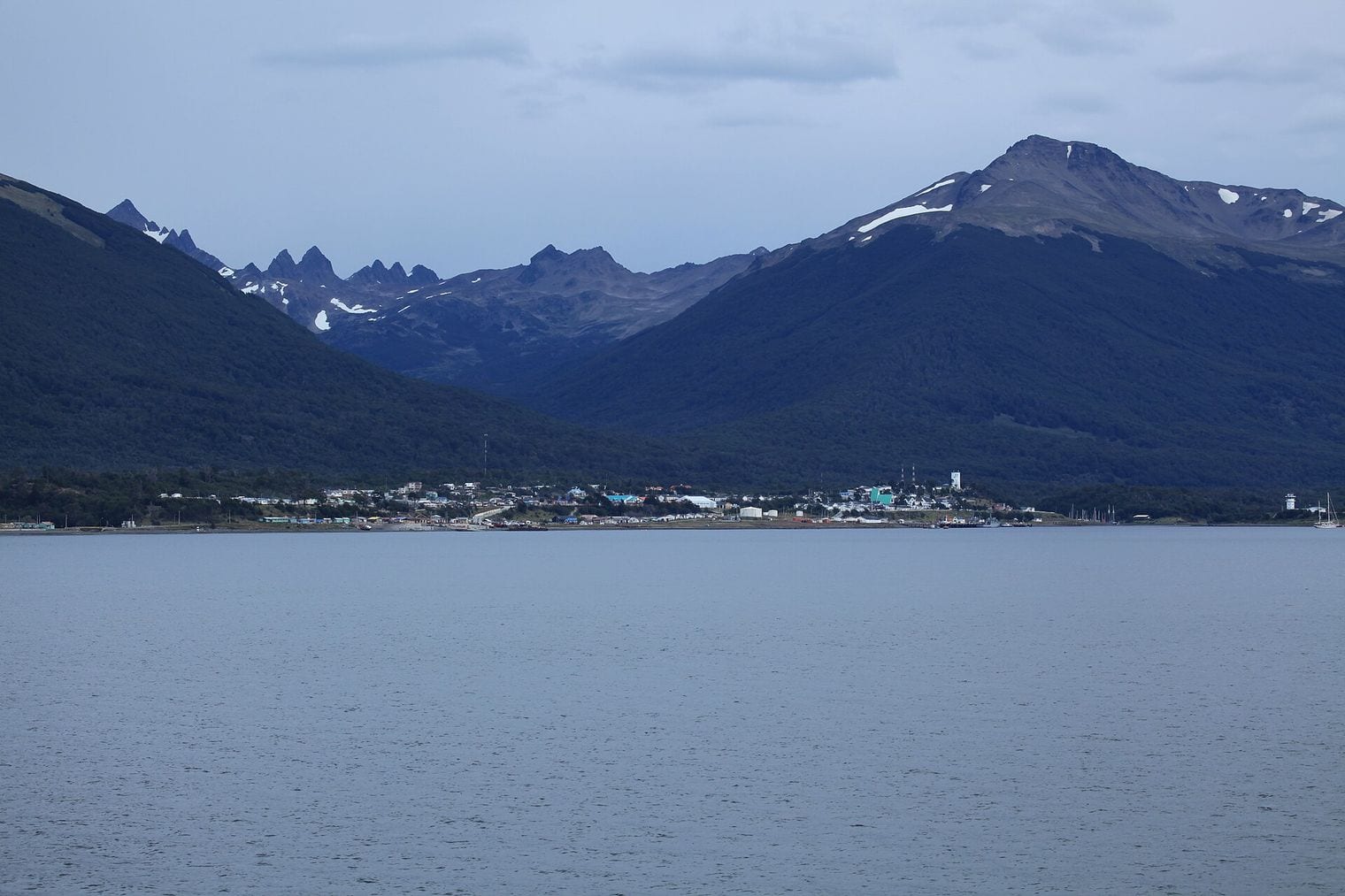
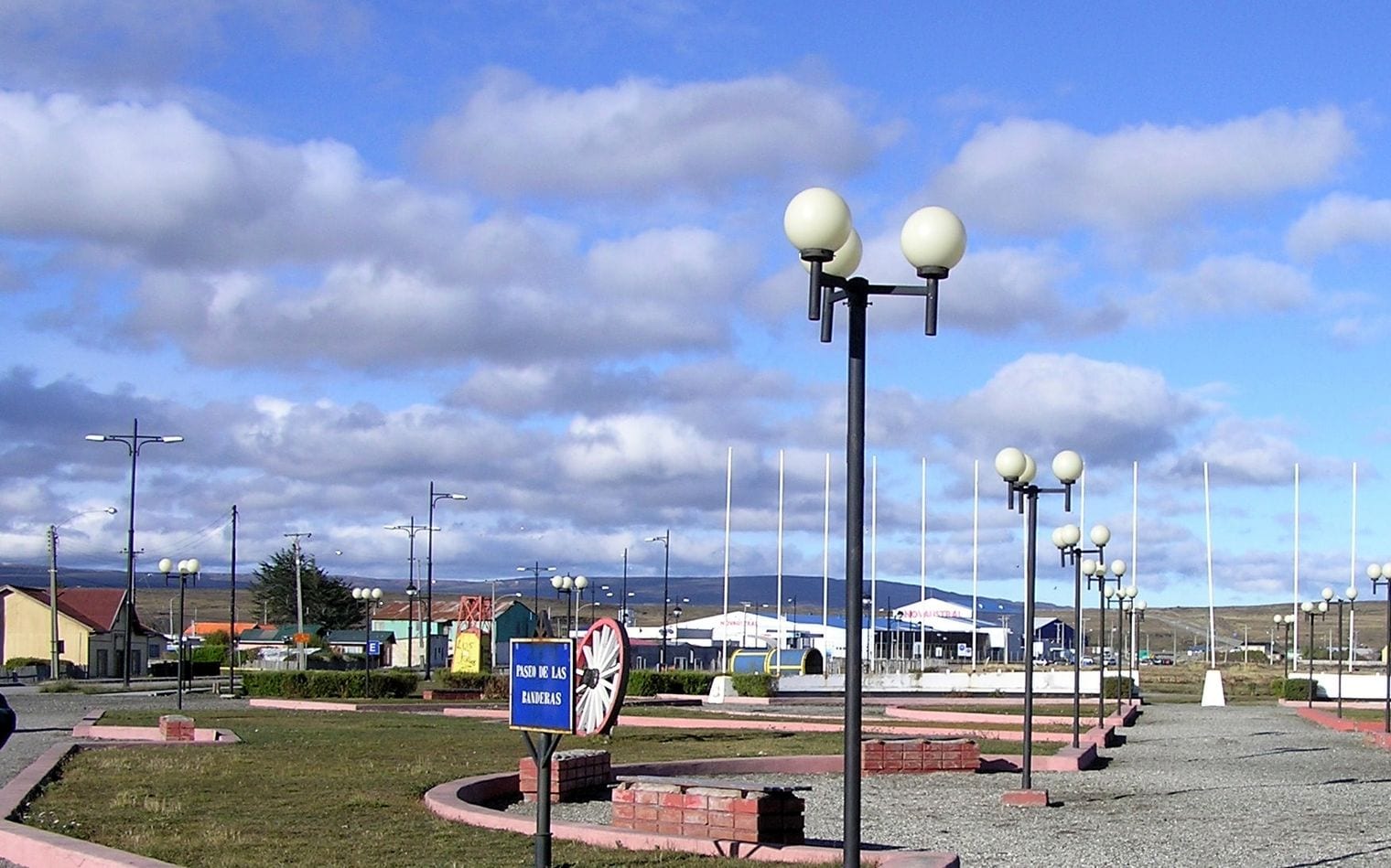
At 54.93°S, Puerto Williams is the southernmost town in the world with more than 1,000 residents, strung along the northern shore of Navarino Island and facing Ushuaia across the Beagle Channel. It began in 1953 as a Chilean naval settlement called Puerto Luisa and was later renamed after John Williams Wilson, who founded Fuerte Bulnes, the first settlement on the Strait of Magellan. Today it is the capital of the Chilean Antarctic Province.
The town has built its identity around the title of the world's southernmost city, which Chile's statistics agency backed in 2019 by classing it as a city and which Ushuaia still disputes. One- and two-storey houses line the shore beneath the jagged Dientes de Navarino, and at the eastern end Villa Ukika is home to the Yaghan community, whose old camps and fish traps still mark the shoreline. Boats leave the harbour for Cape Horn and Antarctica.
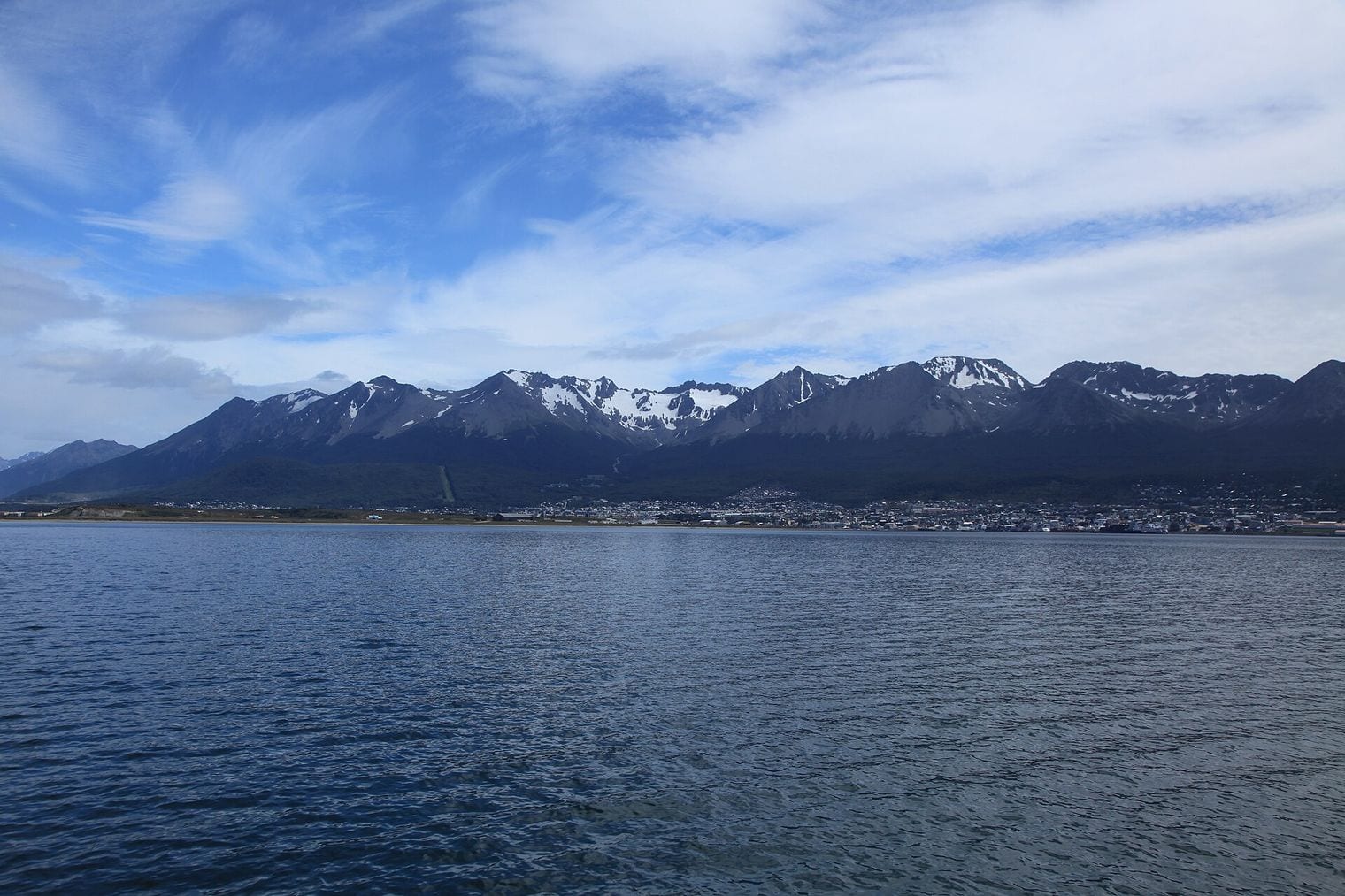
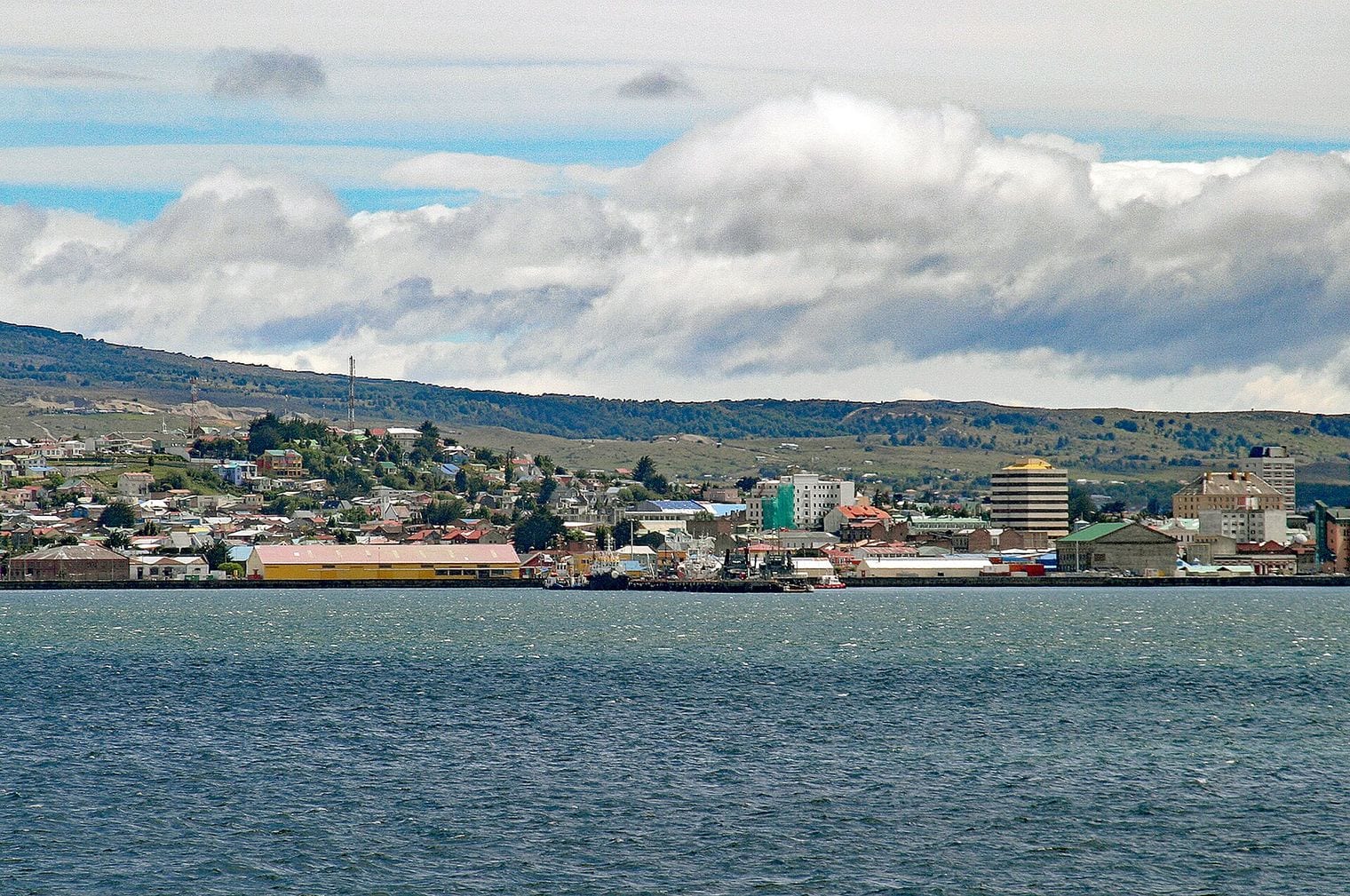
At 54.81°S, Ushuaia is the southernmost city of real size anywhere, a place of more than 80,000 people wedged between the Martial mountains and the Beagle Channel, and the capital of Argentina's Tierra del Fuego Province. Augusto Lasserre founded it on 12 October 1884, and the town grew up around a prison built to settle the island, which took its first inmates in 1896.
The prison held inmates until 1947, and its cell blocks now house the Museo Marítimo y del Presidio. The narrow line built to haul rock, sand and timber for it runs today as the End of the World Train, a heritage railway into Tierra del Fuego National Park, 11 km from the city.
Ushuaia is one of five internationally recognised Antarctic gateway cities, about 1,100 km from the Antarctic Peninsula, and in winter Cerro Castor, the southernmost ski resort in the world, opens 26 km out of town.
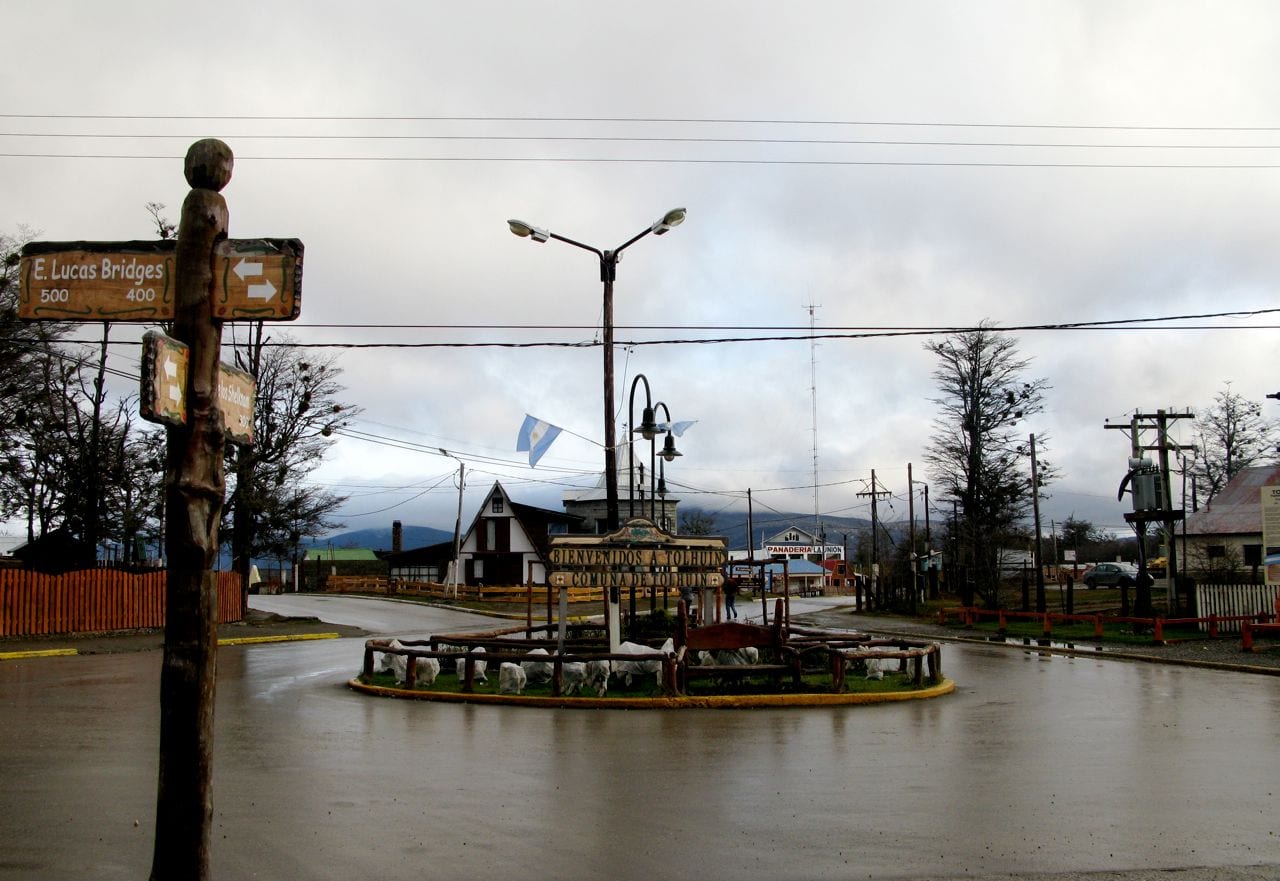
At 54.51°S, Tolhuin sits on the eastern shore of Lake Fagnano, in the forested south of Isla Grande de Tierra del Fuego, and is the only town on National Route 3 between Ushuaia, about 103 km to the south, and Río Grande, about 133 km to the north. Founded on 9 October 1972, it is the youngest town in the top five, and its name means 'like a heart' in the Selkʼnam language.
Most travellers meet Tolhuin as the halfway stop on the drive across the island, and many pull in at a bakery in the town centre that has become famous across the region, its walls lined with signed photographs of the Argentine celebrities who have called in over the decades. Behind the town the long lake runs west toward the Chilean border between wooded hills, with quiet shores for walks, fishing and camping.
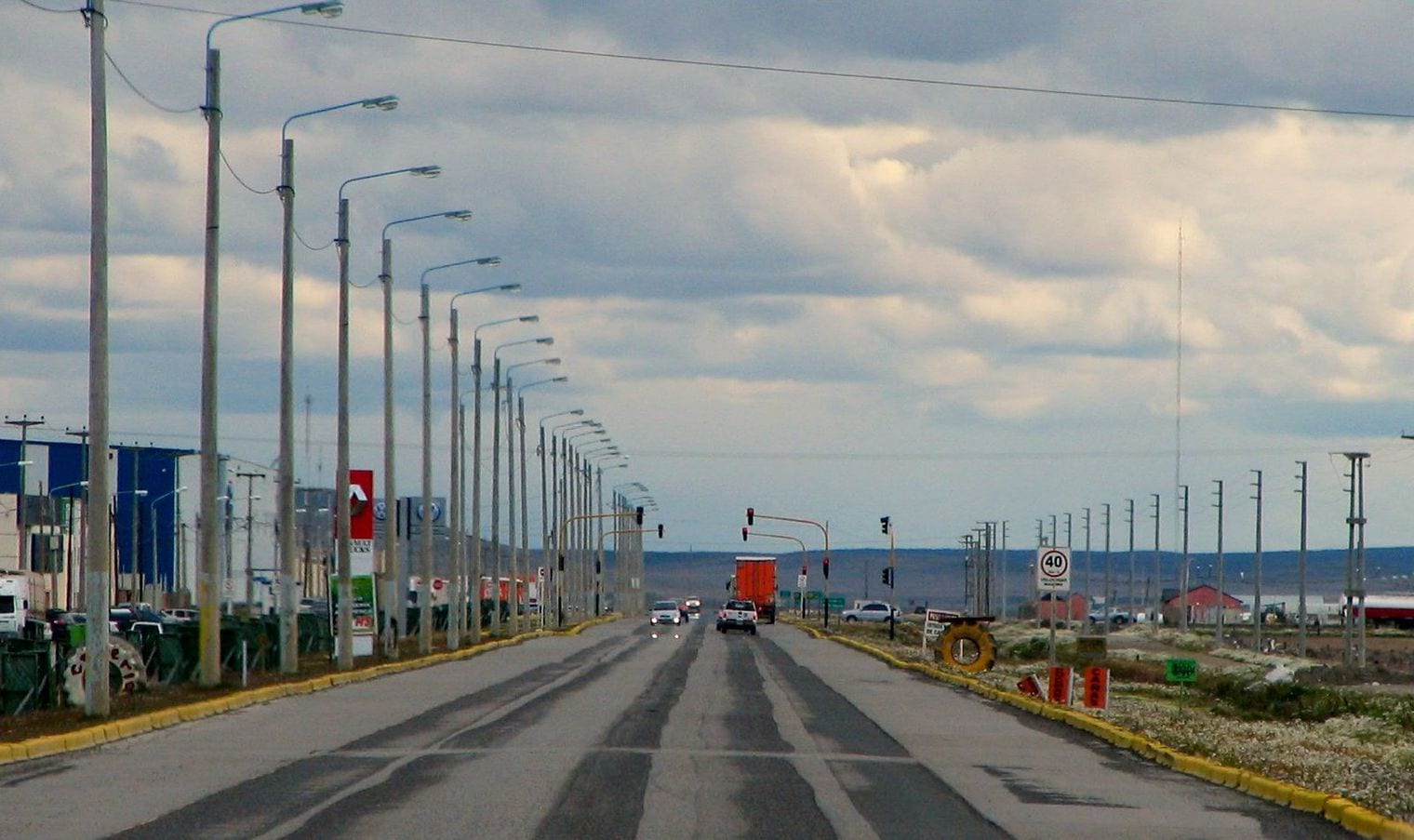
At 53.79°S, Río Grande is the most populous town in Tierra del Fuego, with 98,017 people at the 2022 census, spread along the island's windswept Atlantic coast at the mouth of the river it is named after. A government decree of 11 July 1921 founded it as an agricultural colony, and it is now the industrial capital of the province.
Tierra del Fuego is exempt from VAT and federal income tax, and that pull brought factories to Río Grande, many of them assembling electronics. The river itself is famous among fly fishers for its run of sea-run brown trout, descended from fish introduced to the island in the twentieth century, which draws anglers from around the world to the estancias along its banks. The climate is shaped by the ocean: cool all year and often very windy.
55. Porvenir
Porvenir, Tierra del Fuego, Magallanes Region, Chile
At 53.30°S, Porvenir is the capital of Chile's Tierra del Fuego Province, a small port on the Strait of Magellan looking across the water toward Punta Arenas. Immigrants from Croatia and Chiloé founded it in 1883, drawn by the gold mining that came just before the Tierra del Fuego gold rush of 1884, and its name means 'yet to come' in Spanish.
Some gold deposits are still mined commercially. Porvenir is reached by ferry across the strait or by air from Punta Arenas, or by road from the Argentine side of the island, and it is the main town on the Chilean half of Tierra del Fuego, a base for exploring the sheep country, lagoons and empty coast that surround it.
At 53.16°S, Punta Arenas is the largest city in the world south of the 46th parallel, the capital of Chile's Magallanes and Antarctica Chilena Region, on the Brunswick Peninsula above the Strait of Magellan.
Chile founded it in 1848 as a small penal colony to assert its claim to the strait, and the wool boom that followed made it rich: the largest sheep company, which controlled 10,000 square kilometres in Chile and Argentina, was based here and its owners lived in the city.
Visitors come for the cathedral and the city's other notable churches, the city cemetery and the statue of Magellan. Like Ushuaia, Punta Arenas is an Antarctic gateway city and one of the world's most southerly ports, and many Antarctic expeditions set out from here.
At 51.73°S, Puerto Natales lies at the opening of Última Esperanza Sound, in the province the sailor Juan Ladrilleros named 'Last Hope' in 1557 while searching for the Strait of Magellan. The town was formally founded on 31 May 1911 and is the capital of Última Esperanza Province, on land first inhabited by the Kawésqar and Aónikenk peoples.
It is the main transit point for Torres del Paine National Park and the last port of call for the passenger ferries that sail south from Puerto Montt through the Chilean fjords. Just outside town, the Cueva del Milodón is where skin, bones and other remains of the extinct giant ground sloth Mylodon were found in 1895, and a life-size replica of the animal stands at its entrance.
Get new guides like this by email
One email every Thursday with our newest guides for the places you tick.
At 51.69°S, Stanley is the capital of the Falkland Islands and the southernmost capital of a self-governing territory or state, home to about four in five of the islands' people. It sits on East Falkland, and its Anglican Christ Church Cathedral, consecrated in 1892, is the southernmost Anglican cathedral in the world.
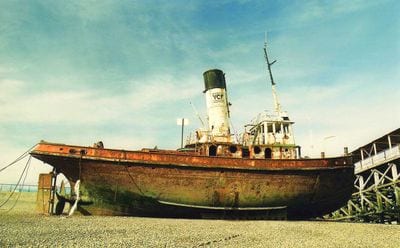
In front of the cathedral stands an arch made from the jaws of two blue whales, put up in 1933 for the centenary of British rule. Argentine troops occupied the town for about ten weeks during the 1982 Falklands War, and Argentina, which claims the islands, calls it Puerto Argentino. Government House, built in 1845, the Falkland Islands Museum, the war memorials and the shipwrecks in the harbour fill a walk along the waterfront.
At 51.63°S, Río Gallegos is the capital and largest settlement of Argentina's Santa Cruz Province, on the estuary of the Gallegos River, 2,636 km south of Buenos Aires. It was established on 19 December 1885 to strengthen Argentina's hold on southern Patagonia and became the capital of the Santa Cruz territory in 1888, taking the role from Puerto Santa Cruz.
It is one of the windiest cities on Earth, where winds above 50 km/h are commonplace. During the 1982 Falklands War its airport was a base for Argentine Air Force Mirage and Skyhawk jets. Today it is the gateway to the far south of Argentine Patagonia, with a paved road of 315 km running west to El Calafate and the glaciers.
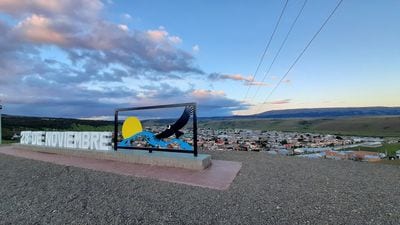
1010. Veintiocho de Noviembre
Veintiocho de Noviembre, Santa Cruz Province, Argentina
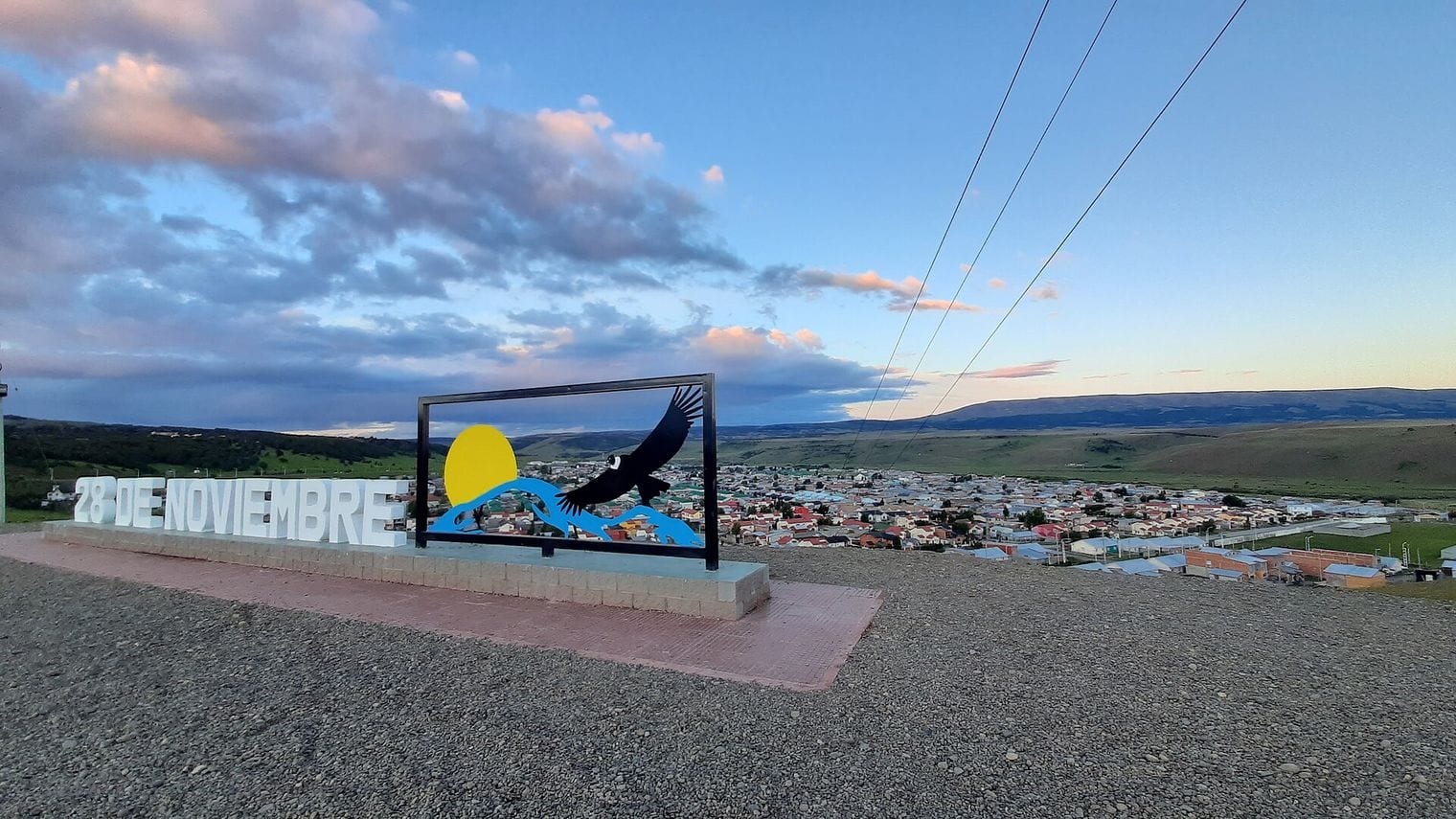
At 51.58°S, Veintiocho de Noviembre is a coal-mining town in the far southwest of Santa Cruz Province, close to the Chilean border and not far from Puerto Natales. Some lists place it further south than Río Gallegos, but the Argentine government's Georef service, GeoNames and OpenStreetMap all put its centre a little to the north.
The town was founded on 28 November 1959, the second anniversary of the adoption of the provincial constitution, when a decree merged several settlements into one town named after the date. Coal mining is still its main trade, shared with neighbouring Río Turbio a few kilometres to the north, and Puerto Natales and the road to Torres del Paine lie just across the border in Chile.
At 51.54°S, Río Turbio is Argentina's coal town, founded in 1942 because of the mining in the surrounding hills near the Chilean border. It sits on the largest coal deposit in the country, worked by the state company Yacimientos Carboníferos Río Turbio.
A railway was built to carry the coal east across the steppe to the Atlantic port of Punta Loyola, near Río Gallegos. Río Turbio is a working mining community rather than a resort, its streets climbing a valley in the foothills, and for travellers it is a border town: Puerto Natales and Chile's fjord country lie a short way to the west.
At 50.34°S, El Calafate stretches along the southern shore of Lago Argentino and is the hub for visitors to Los Glaciares National Park, the Perito Moreno Glacier and the peaks of Cerro Chaltén and Cerro Torre. Argentina founded it officially in 1927 to promote settlement, but it was the creation of the nearby national park in 1937 that set off the town's growth and brought better roads.
It takes its name from the calafate, a small bush with yellow flowers and dark-blue berries that grows all over the region. Before the national park, the site was little more than a sheltering place for wool traders. Its airport, about 20 km east of town, brings in most visitors, and paved roads run 220 km to El Chaltén and 315 km to Río Gallegos.
At 50.02°S, Puerto Santa Cruz sits near the Atlantic coast on the southwestern bank of the Santa Cruz River estuary. Founded in 1878, it is the second-oldest town in Santa Cruz Province, and it was the capital of the Santa Cruz National Territory until Río Gallegos took over the role in 1888.
The river carries history older than the town. In April 1834 Captain Robert FitzRoy laid HMS Beagle ashore in the estuary to repair her keel and copper sheathing, then set out upriver in three boats with 25 men, among them the naturalist Charles Darwin. Darwin studied the stepped plains of pebbles along the banks, and they shaped his thinking on how the land had formed.
1414. Comandante Luis Piedrabuena
Comandante Luis Piedrabuena, Santa Cruz Province, Argentina
At 49.99°S, Comandante Luis Piedrabuena stands on the left bank of the Santa Cruz River on National Route 3, 231 km from Río Gallegos, and had 9,278 inhabitants at the 2022 census. It is named after the Argentine explorer Luis Piedrabuena, who first settled here in 1859 on Pavón Island in the river.
The river that runs past the town drains Lago Argentino, the glacier-fed lake at El Calafate, on its way to the Atlantic, and it is the same water FitzRoy and Darwin rowed up in 1834. Piedrabuena is a natural stop on the long coastal drive through Patagonia, a small riverside town with the island that started it all at its doorstep.
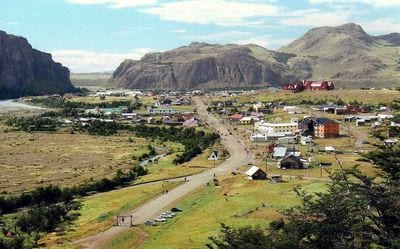
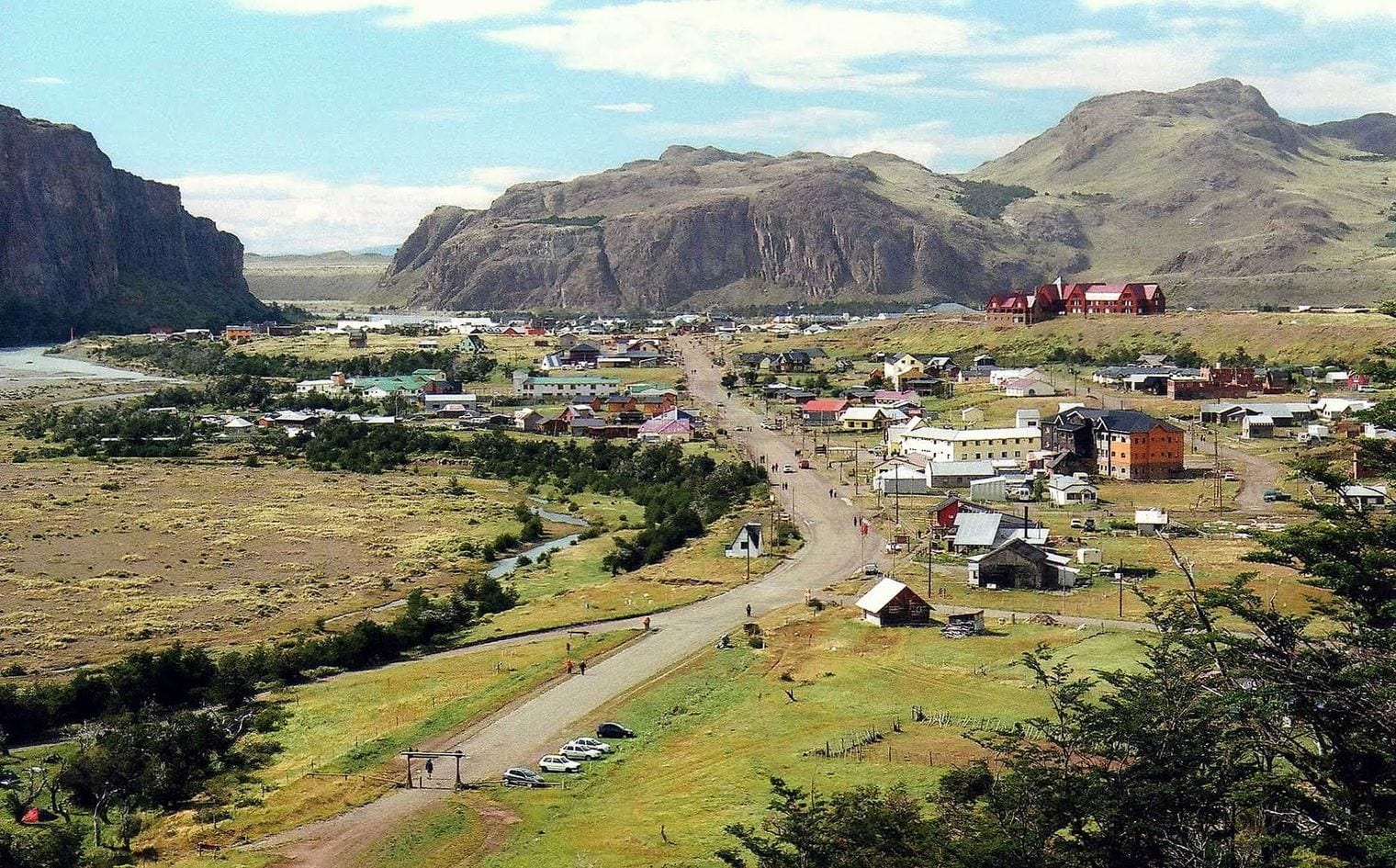
At 49.33°S, El Chaltén is the closest call on this list: it lies only 2 to 3 km further south than Puerto San Julián, the next town in line.
It sits on the Río de las Vueltas inside Los Glaciares National Park, at the foot of the Cerro Torre and Fitz Roy spires, and had 1,865 residents at the 2022 census. Founded on 12 October 1985 to settle the Andean border zone then disputed with Chile, it is the youngest town in this countdown.
Argentina calls El Chaltén its National Trekking Capital, and trails leave straight from the streets for the bases of the surrounding peaks and glacial lakes such as Laguna Torre and Laguna de los Tres, near the foot of Fitz Roy. The mountain keeps the name Francisco Moreno gave it in 1877, after Robert FitzRoy of HMS Beagle, while the town took the peak's older name, Chaltén.
FAQ: The World's Southernmost Cities
What is the southernmost city in the world?
Puerto Williams, on Chile's Navarino Island at 54.93°S, is the southernmost town with more than 1,000 residents; it had 1,868 people at the 2017 census, and Chile's statistics agency classed it as a city in 2019. Ushuaia, across the Beagle Channel in Argentina at 54.81°S, is a little further north but far larger, with more than 80,000 people.
Is Ushuaia the southernmost city in the world?
Ushuaia calls itself the southernmost city in the world, and it is the southernmost place of real city size, the capital of Argentina's Tierra del Fuego Province. Puerto Williams lies slightly further south, and Argentine commentators argue it is more an administrative settlement than a city, so the two towns still dispute the title.
How are the cities ranked?
Each place ranks by the latitude of its centre point in the GeoNames gazetteer, checked against its Wikipedia infobox and its Wikidata coordinates, which agree to within a few hundredths of a degree. To be included it must be a permanent civilian settlement with at least 1,000 residents at its latest census or official estimate, whatever its legal status as a city or town.
Why are Puerto Toro and the Antarctic stations not on the list?
Puerto Toro on Navarino Island, at 55.08°S, is often called the southernmost village in the world but had only 55 residents in 2017, and the Argentine fishing hamlet of Puerto Almanza has around 200. Antarctic settlements such as Villa Las Estrellas are research and base communities rather than towns, and the military base at Mount Pleasant in the Falklands is not a civilian settlement.
Which towns just missed the list?
Next in line is Puerto San Julián, at 49.31°S, only 2 to 3 km of latitude north of El Chaltén, followed by Gobernador Gregores and Puerto Deseado in Argentina and Cochrane in Chile. Outside South America, the southernmost town of 1,000 or more is Bluff in New Zealand, at 46.60°S, and the southernmost large city is nearby Invercargill. More rankings like this sit among our world record breakers.
Sources & updates
How this ranking was checked
Checked before launch
Sources cited
15
Every figure in this ranking was checked against the record-keeper or official source behind it before publication, and the top of the ranking re-checked live so a newer record would not be missed.
One email every Thursday with our newest guides for the places you tick.
Newsletter
Stay updated with new World Record Breakers
One email every Thursday with our newest guides for the places you tick.
We use cookies to analyse site traffic and improve your experience.
You can accept or reject analytics cookies. See our
May we use analytics cookies? See ourCookie Policy.