By the City Viking editorial teamPublished Ranked by mean annual sunshine duration · 11 min read
Last verified Checked before launchOct 30, 202616 sources2 publishers1 government & parks15 encyclopedias & researchPublished · Nov 5, 2026Researched and checked before it went liveClick for every source and the full change log.
The record
3,608.9 hours, 1991–2020 normal at Dubai International Airport
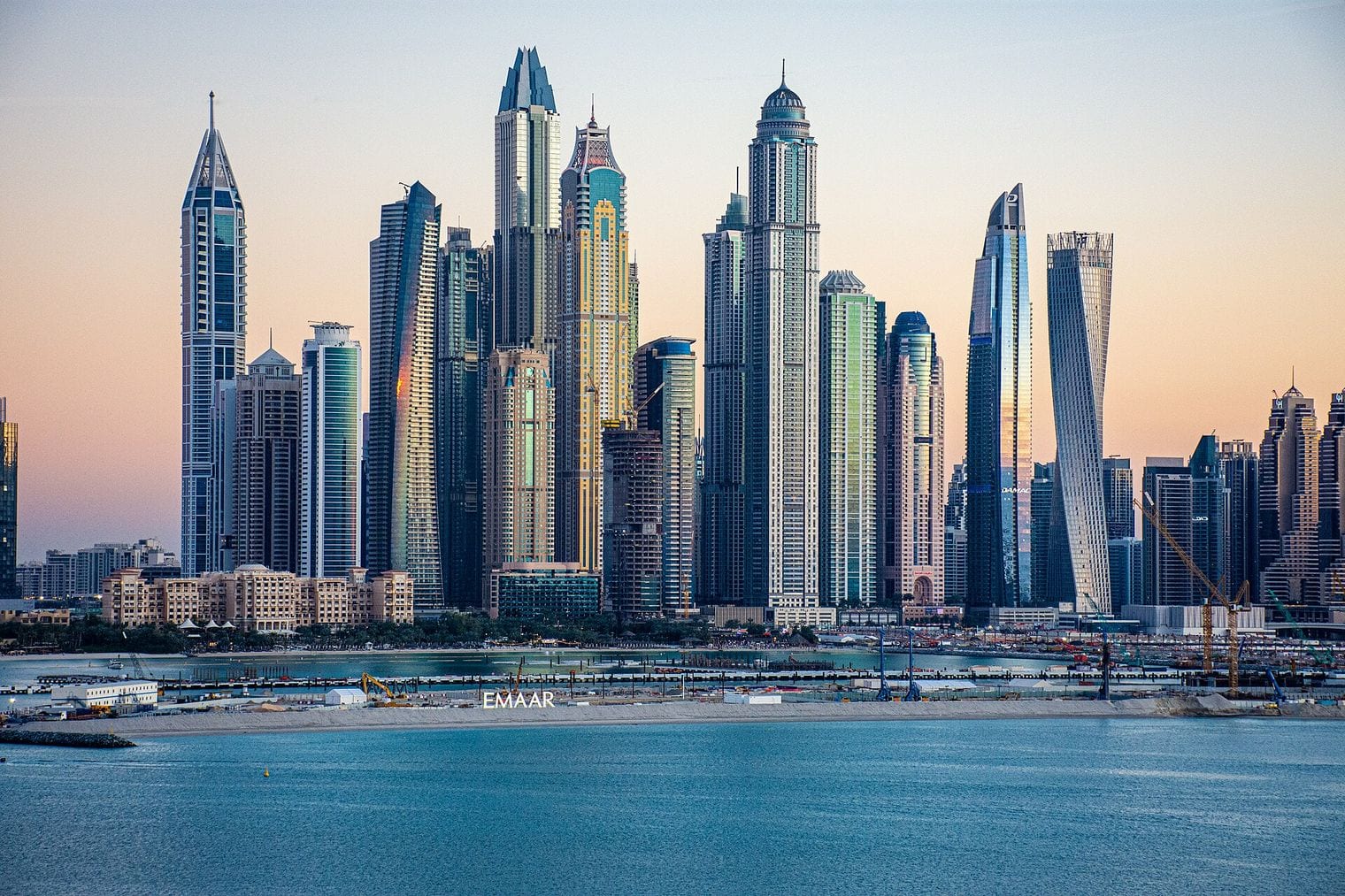
Dubai
United Arab Emirates
The record
The sunniest city in the world is Dubai, in the United Arab Emirates — 3,608.9 hours, 1991–2020 normal at Dubai International Airport, mean annual sunshine duration.
Source: nodc.noaa.gov. Verified .
Short answer
Dubai is the sunniest city in the world, with 3,608.9 hours of sunshine a year on the 1991–2020 normal at its airport, just ahead of Al Ain at 3,596.6 hours. Even Dubai's dullest month, February, averages 250.8 hours, so a winter visit still brings close to nine hours of sun a day.
Yuma, Arizona, and Aswan, Egypt, top many sunshine rankings, but neither makes this one: Yuma has fewer than 100,000 people, and neither the United States nor Egypt published a 1991–2020 sunshine normal for its stations.
This countdown ranks the 15 sunniest cities in the world by mean annual sunshine duration, from Dubai at 3,608.9 hours to Birjand in eastern Iran at 3,358 hours: eight cities in Iran, three in the United Arab Emirates, two in Sudan and one each in Mexico and Bahrain.
Each figure is the 1991–2020 climate normal for the station that names the city or serves as its airport, as published in the WMO standard normals; Dubai's is Dubai International Airport. A city needs 100,000 people on the official census figure, which rules out Upington in South Africa and Tamanrasset in Algeria, while Phoenix, Muscat, Riyadh and Mecca drop out because their countries filed no 1991–2020 sunshine normal.
Dubai wins by about two minutes a day. Its 3,608.9 hours of sunshine a year are just 12.3 hours more than the 3,596.6 of Al Ain, the inland oasis city 130 km away.
The sunniest single month belongs to the city in 15th place.Birjand's July averages 373 hours, well above Dubai's best month, May, at 350.0.
The two Sudanese cities are sunniest in winter.Kassala and Wad Madani peak in December and are dullest in August, while every Gulf and Iranian city on the list peaks between May and August.
Durango has the highest station on the list, at 1,872 m in Mexico's Valley of Guadiana, and it is the only city in the ranking from the Americas.
Iran holds 8 of the 15 places. The next city of 100,000 people or more outside Iran, Hami in China's Xinjiang region, falls just short at 3,347.7 hours a year.
A mountain observatory beats every city. Izaña, high on Tenerife in the Canary Islands, records 3,737 hours a year, more than Dubai, but it measures a mountaintop, not a city.
11. Dubai
Dubai, United Arab Emirates
3,608.9 hours, 1991–2020 normal at Dubai International Airport
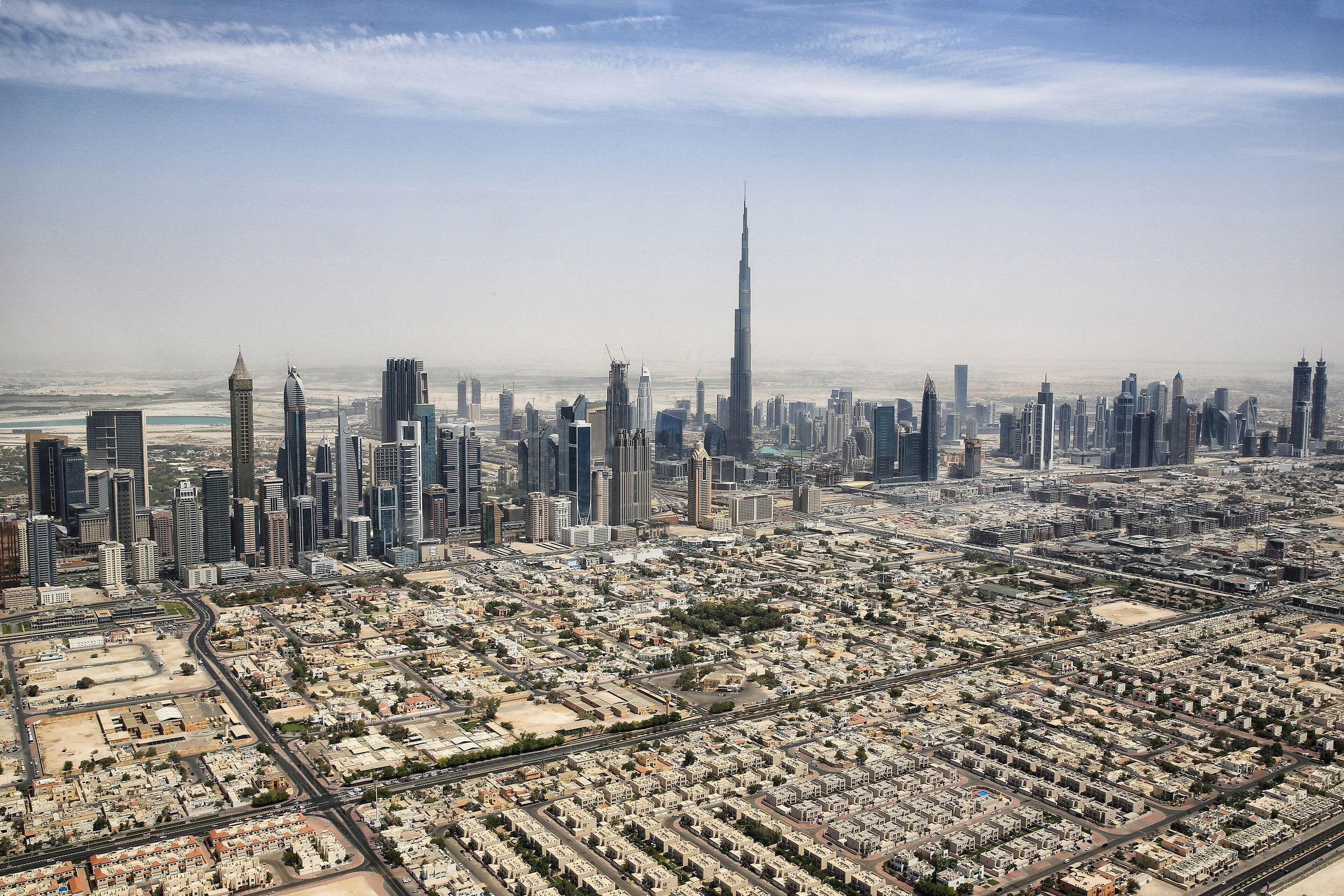
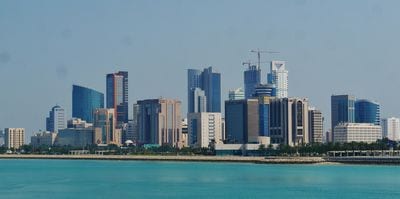
At 3,608.9 hours a year, Dubai is the sunniest city in the world, on the 1991–2020 normal for Dubai International Airport. May is its brightest month at 350.0 hours, and even February, the dullest, averages 250.8, close to nine hours of sunshine a day in the depth of winter.
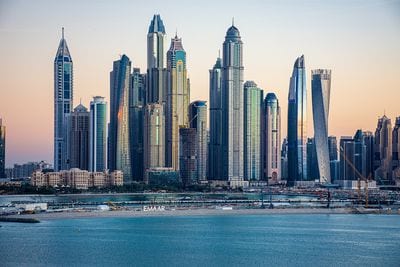
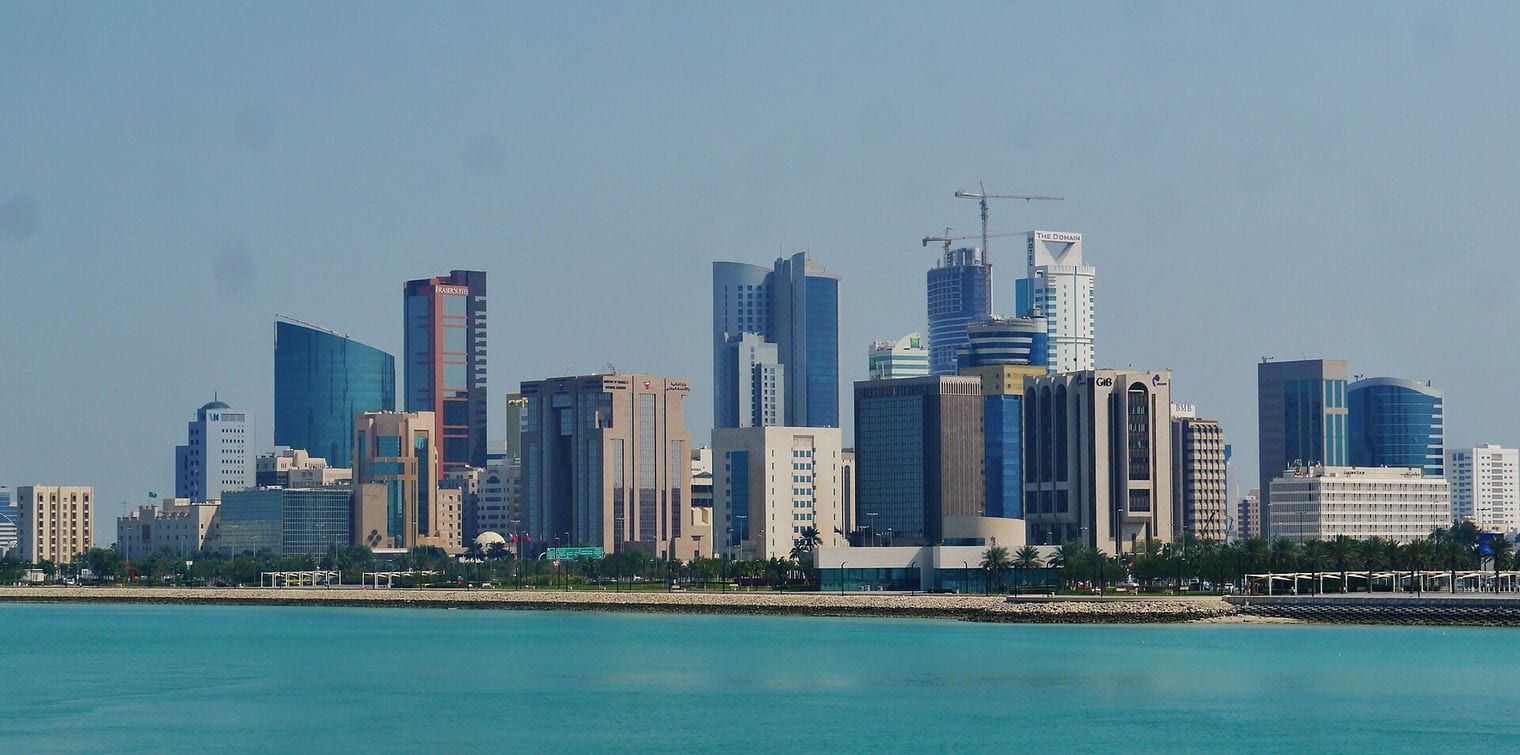
Founded in the early 18th century as a pearling and fishing settlement on Dubai Creek, a natural inlet later dredged for large ships, Dubai grew into a regional trade hub after declaring itself a free port in 1901. Rapid building since the 1990s has given it one of the world's densest skylines, topped by the Burj Khalifa, the world's tallest building since it opened in 2010.
22. Al Ain
Al Ain, Abu Dhabi, United Arab Emirates
3,596.6 hours, 1991–2020 normal at Al Ain International Airport
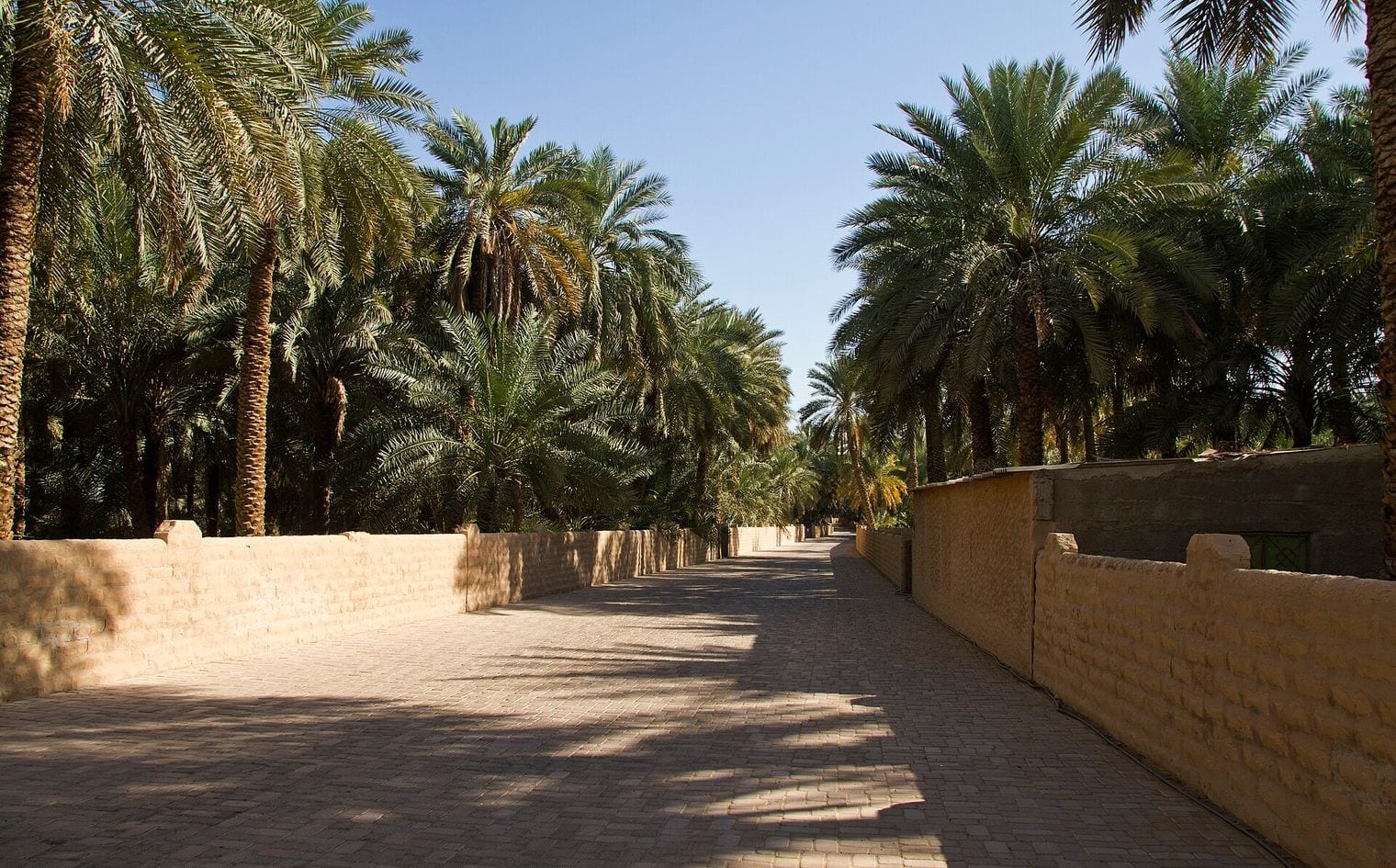
At 3,596.6 hours a year, Al Ain, the inland oasis city of the Emirate of Abu Dhabi, finishes just 12.3 hours behind Dubai, about two minutes of sunshine a day. The figure is the 1991–2020 normal at Al Ain International Airport, and May is the brightest month, at 344.0 hours.
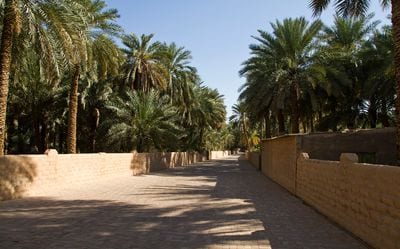
Known as the Garden City for its oases, parks and tree-lined avenues, Al Ain borders the Omani town of Al-Buraimi, and the area has been settled for nearly 8,000 years, with archaeological sites at Hili, Rumailah and Jebel Hafeet.
That mountain, an outlier of the Hajar range, rises just south of the city, and Sheikh Zayed bin Sultan Al Nahyan, the founder of the United Arab Emirates, spent much of his life here before he became Ruler of Abu Dhabi in 1966.
33. Durango
Victoria de Durango, Durango, Mexico
3,572 hours, 1991–2020 normal at Durango (WMO 76423, 24.095, -104.600, 1,872 m)
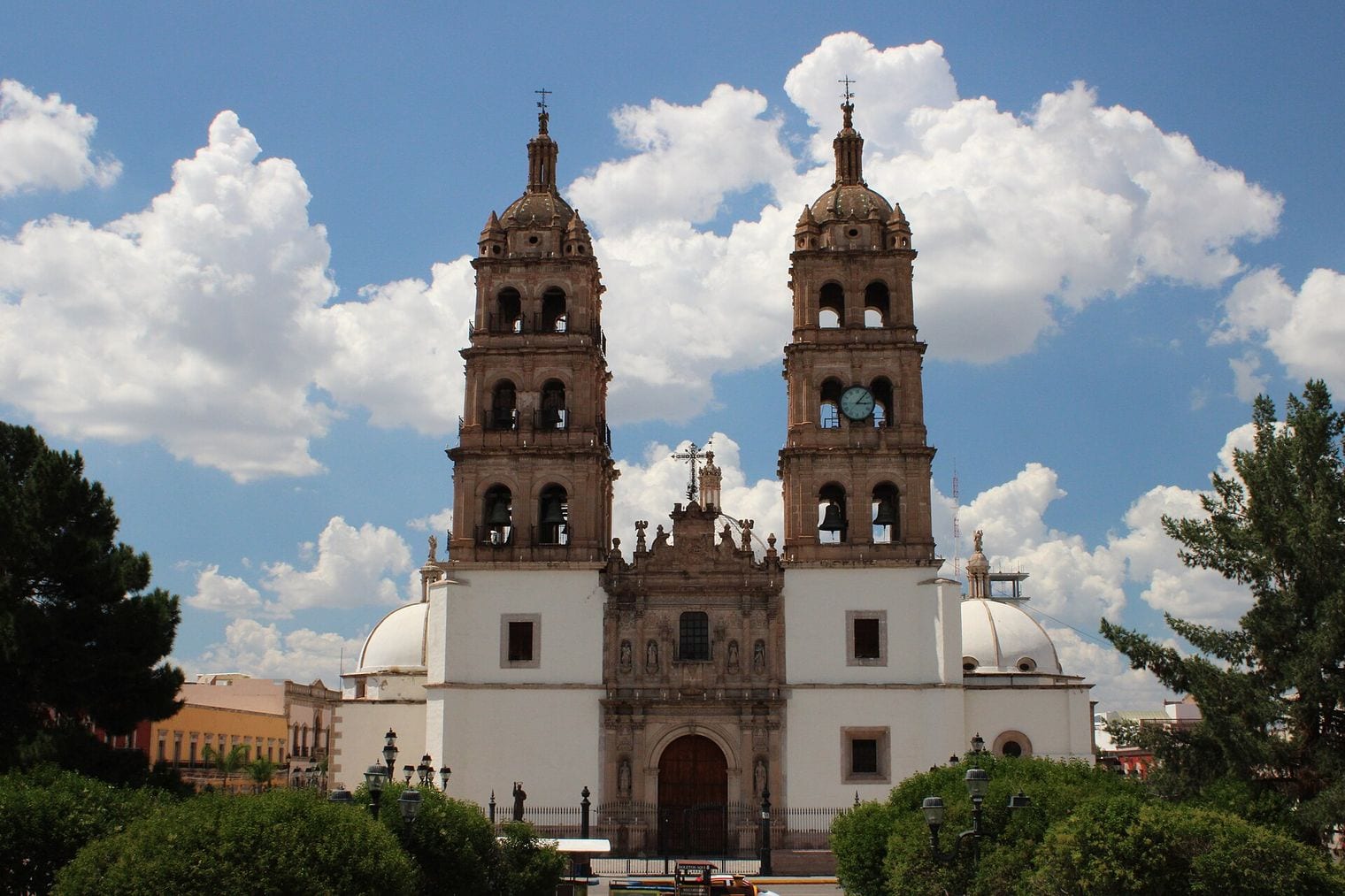
At 3,572 hours a year, Durango, capital of the northern Mexican state of the same name, is the only city in the Americas on the list. It ranks on the 1991–2020 normal Mexico submitted to the WMO for its station, at 1,872 m in the Valley of Guadiana; older normals for the same station are lower, and the 1981–2010 one is 2,998 hours. Spring is the brightest season, peaking at 364.9 hours in May before the cloudier summer months.
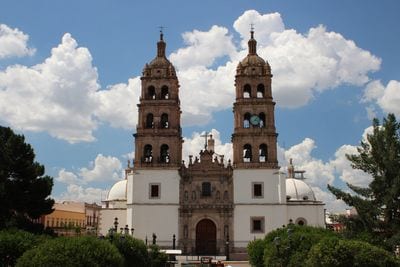
Officially Victoria de Durango, after Guadalupe Victoria, Mexico's first president and a native of the state, the city was founded on 8 July 1563 by the Spanish explorer Francisco de Ibarra, close to the Cerro del Mercado, a hill once thought to hold large amounts of silver. Its historic centre spreads around the Plaza de Armas and the Cathedral Basilica, and from the 1950s film crews came to shoot Westerns in the landscape around it.
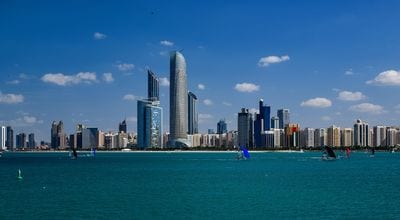
44. Abu Dhabi
Abu Dhabi, United Arab Emirates
3,522 hours, 1991–2020 normal at Abu Dhabi International Airport
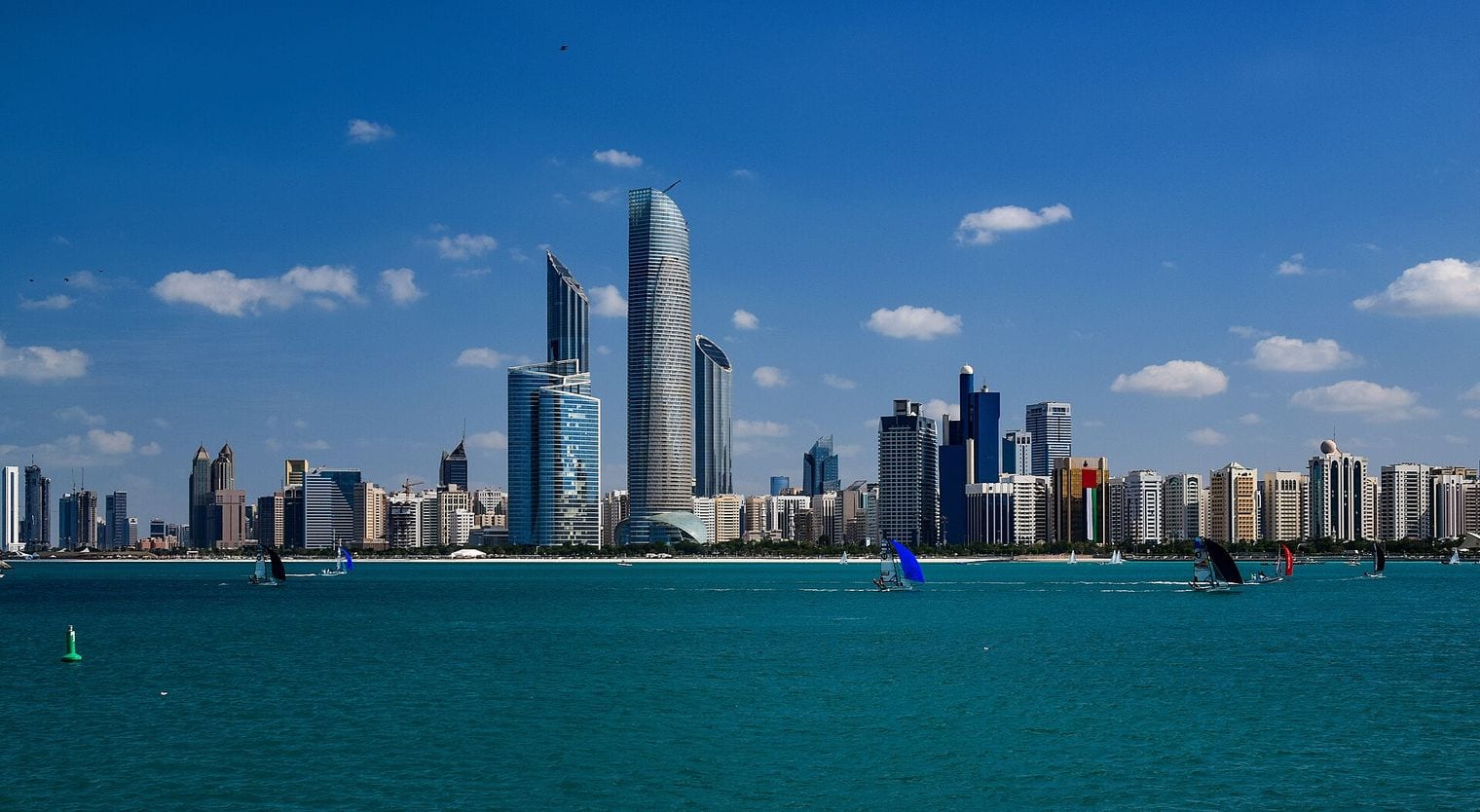
At 3,522 hours a year on the 1991–2020 normal for Abu Dhabi International Airport, Abu Dhabi, the capital of the United Arab Emirates, gives the Emirates a third city in the top four. May is its sunniest month at 342.9 hours, while December and January dip to 254.3 and 249.4.
The heart of the city sits on a T-shaped island less than 250 metres from the mainland, joined to it by the Maqta and Mussafah bridges and, since late 2010, by the Sheikh Zayed Bridge, designed by Zaha Hadid. The Qasr Al Hosn fort still stands at the centre of Abu Dhabi, and the city is the headquarters of the Abu Dhabi Investment Authority, one of the largest sovereign wealth funds in the world.
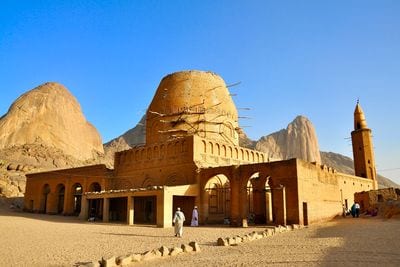
55. Kassala
Kassala, Sudan
3,449.5 hours, 1991–2020 normal at Kassala (WMO 62730, 15.467, 36.400, 500 m)
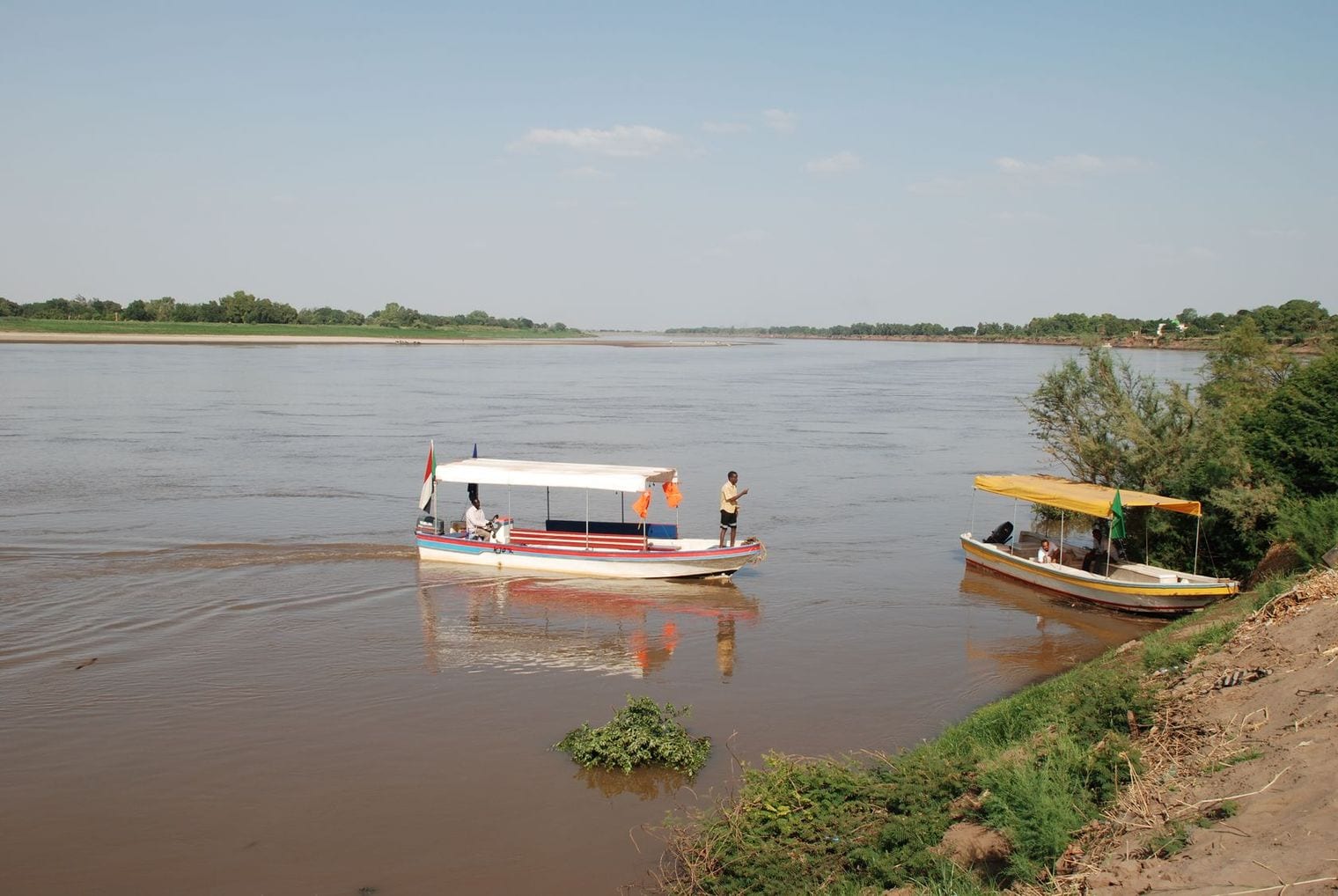
At 3,449.5 hours a year, Kassala, capital of Kassala state in eastern Sudan, is the sunniest African city on the list. Unlike the Gulf cities, it is brightest in winter: December averages 313.1 hours, while August, the dullest month, falls to 238.7.
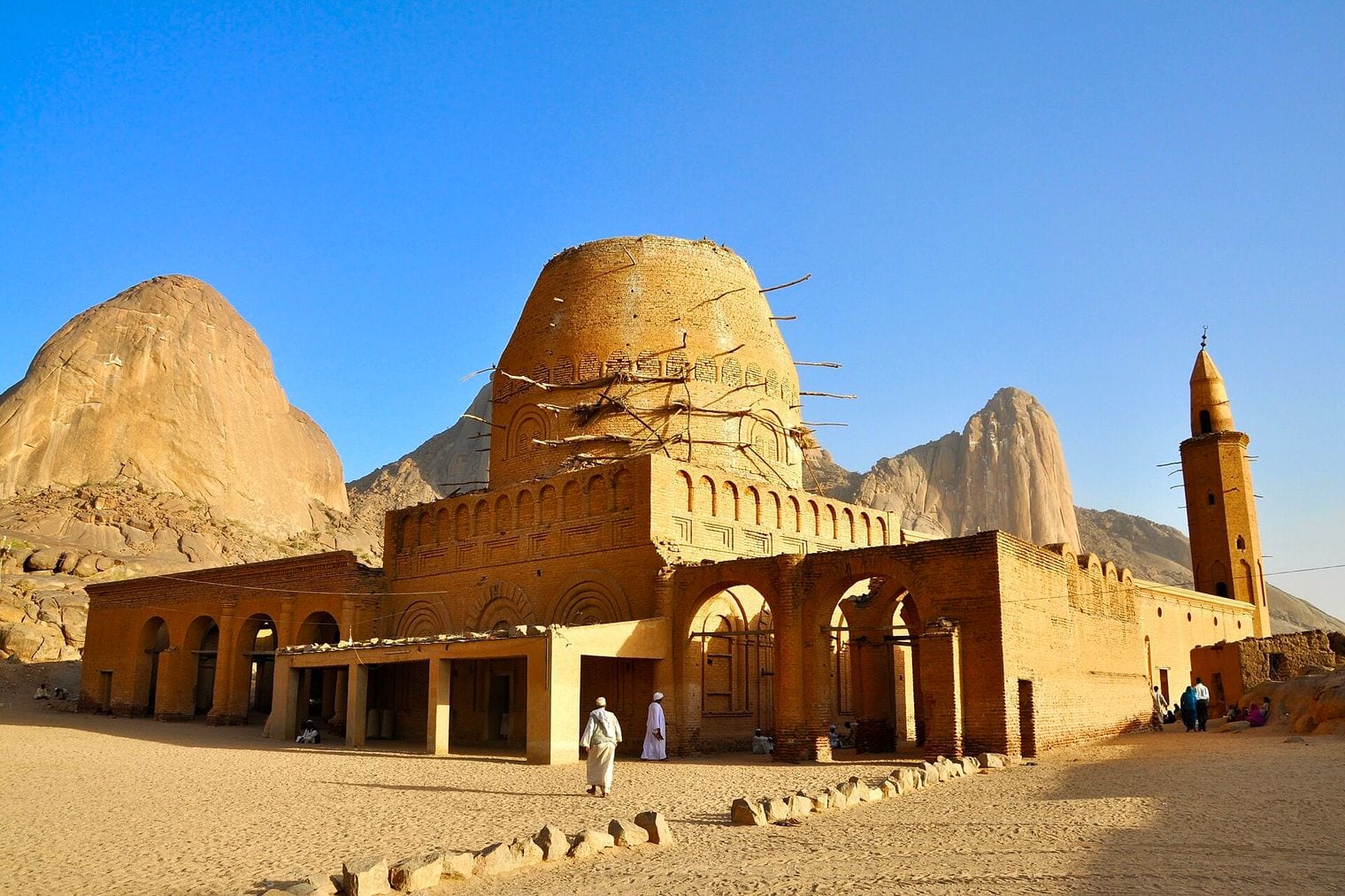
Built on the banks of the Gash River, Kassala is a market city famous for its fruit gardens, and many of its people are Hadendawa, a branch of the Beja. Its most important cultural site is the Khatmiyya Mosque, built in 1840 and a centre of the Sufi Khatmiyya order, and its place on the main highway between Khartoum and Port Sudan makes it an important trading town.
66. Sirjan
Sirjan, Kerman Province, Iran
3,423 hours, 1991–2020 normal at Sirjan (WMO 40851, 29.467, 55.683, 1,739 m)
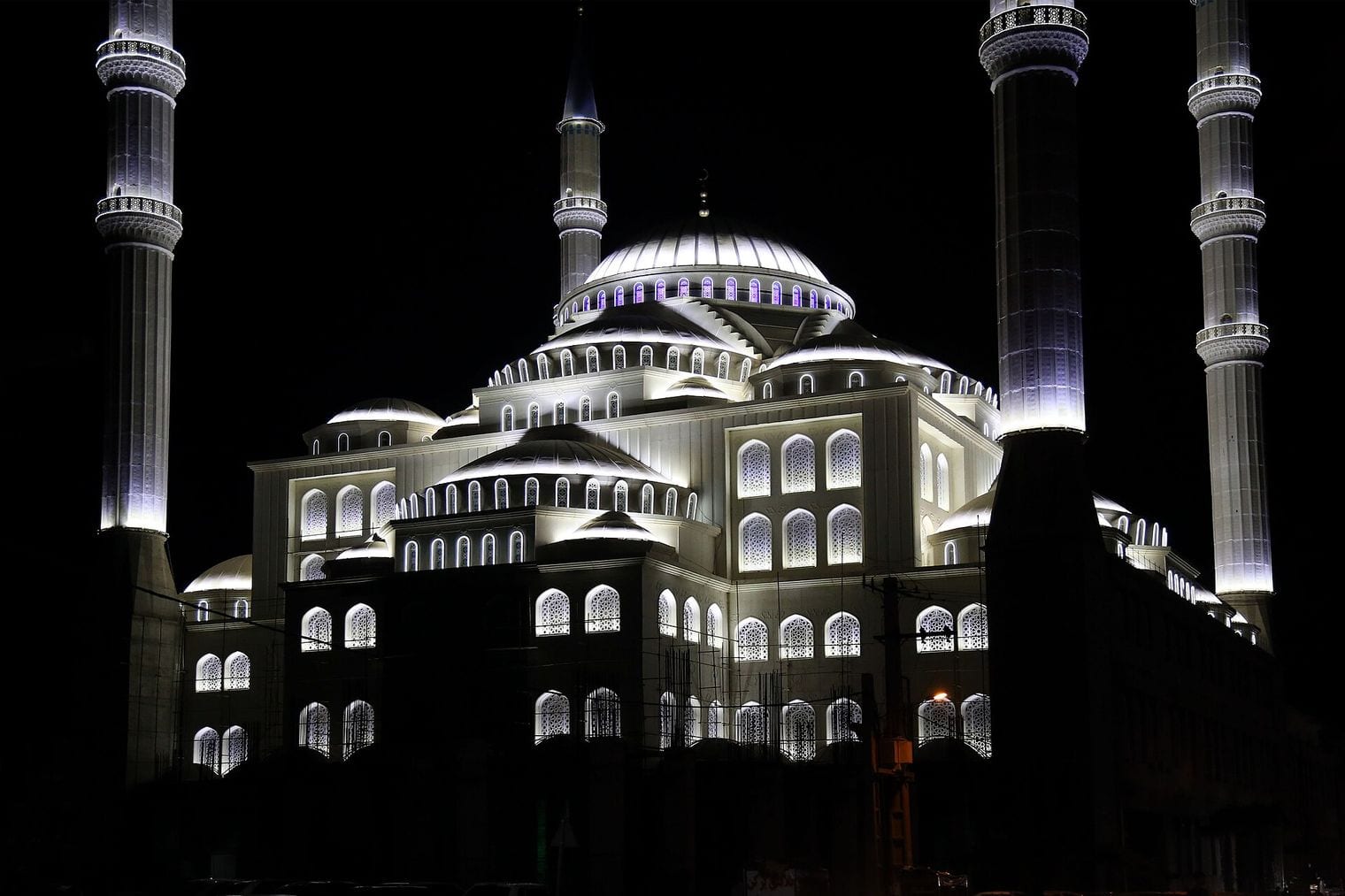
At 3,423 hours a year, Sirjan, in Iran's Kerman province, is the sunniest of the eight Iranian cities on the list, ranked on the 1991–2020 normal Iran filed with the WMO for its station at 1,739 m. June is its brightest month, at 349 hours.
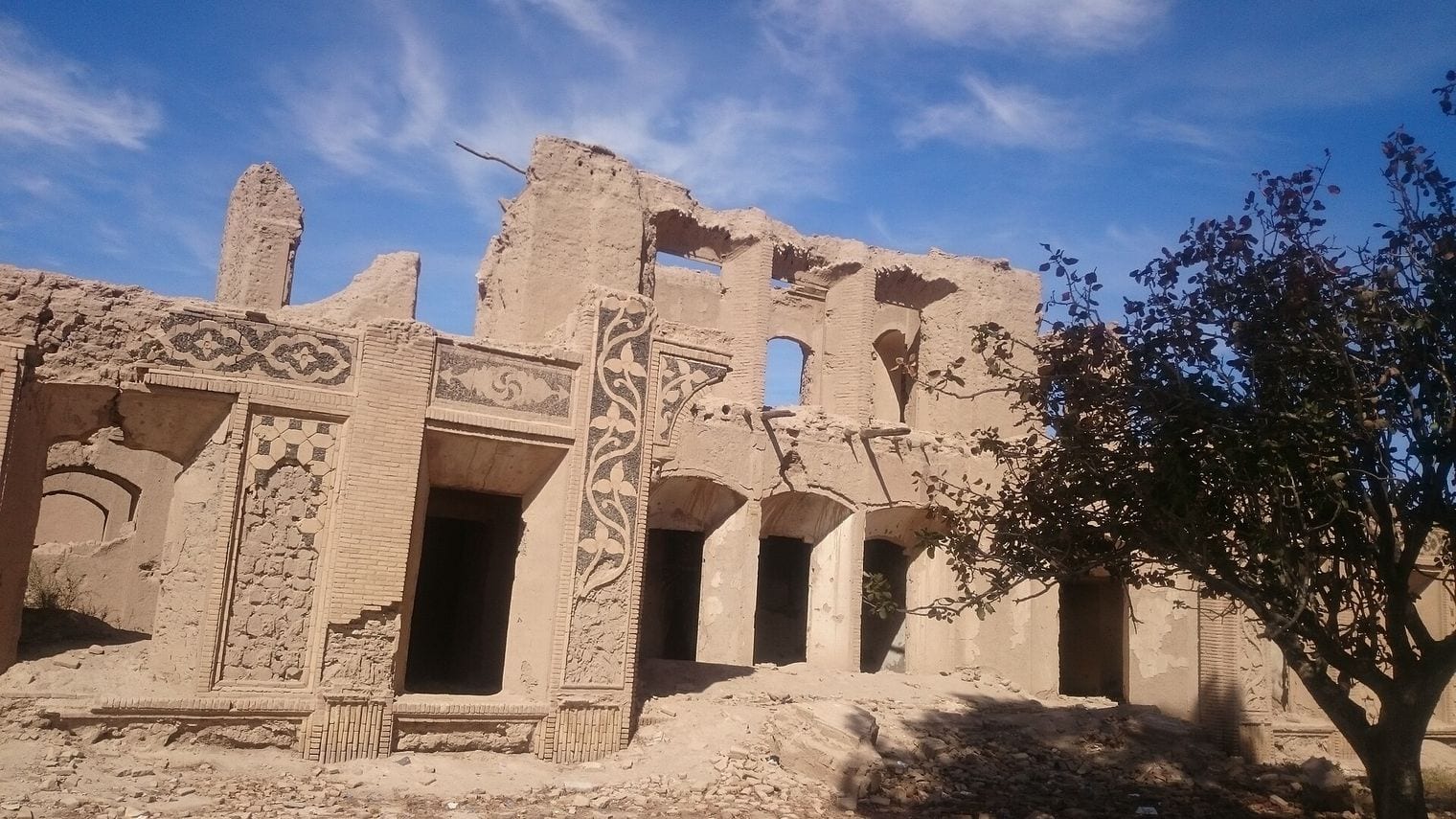
The city lies 175 km from the provincial capital, Kerman, and is known for its pistachios, its kilims and the Chopoqi windcatcher, a Pahlavi-era tower known locally as Bādgir-e Chopoqi. The ruins of Sang Castle are what is left of medieval Sirjan, which Timur destroyed.
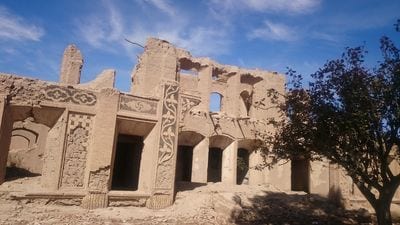
77. Fasa
Fasa, Fars Province, Iran
3,410 hours, 1991–2020 normal at Fasa (WMO 40859, 28.899, 53.719, 1,268 m)
At 3,410 hours a year, Fasa, in Fars province, ties exactly with Iranshahr and ranks seventh on the tie-break, the sunniest month: Fasa's June averages 349 hours, Iranshahr's best month, May, 319. The figure is the 1991–2020 normal for the city's station at 1,268 m.
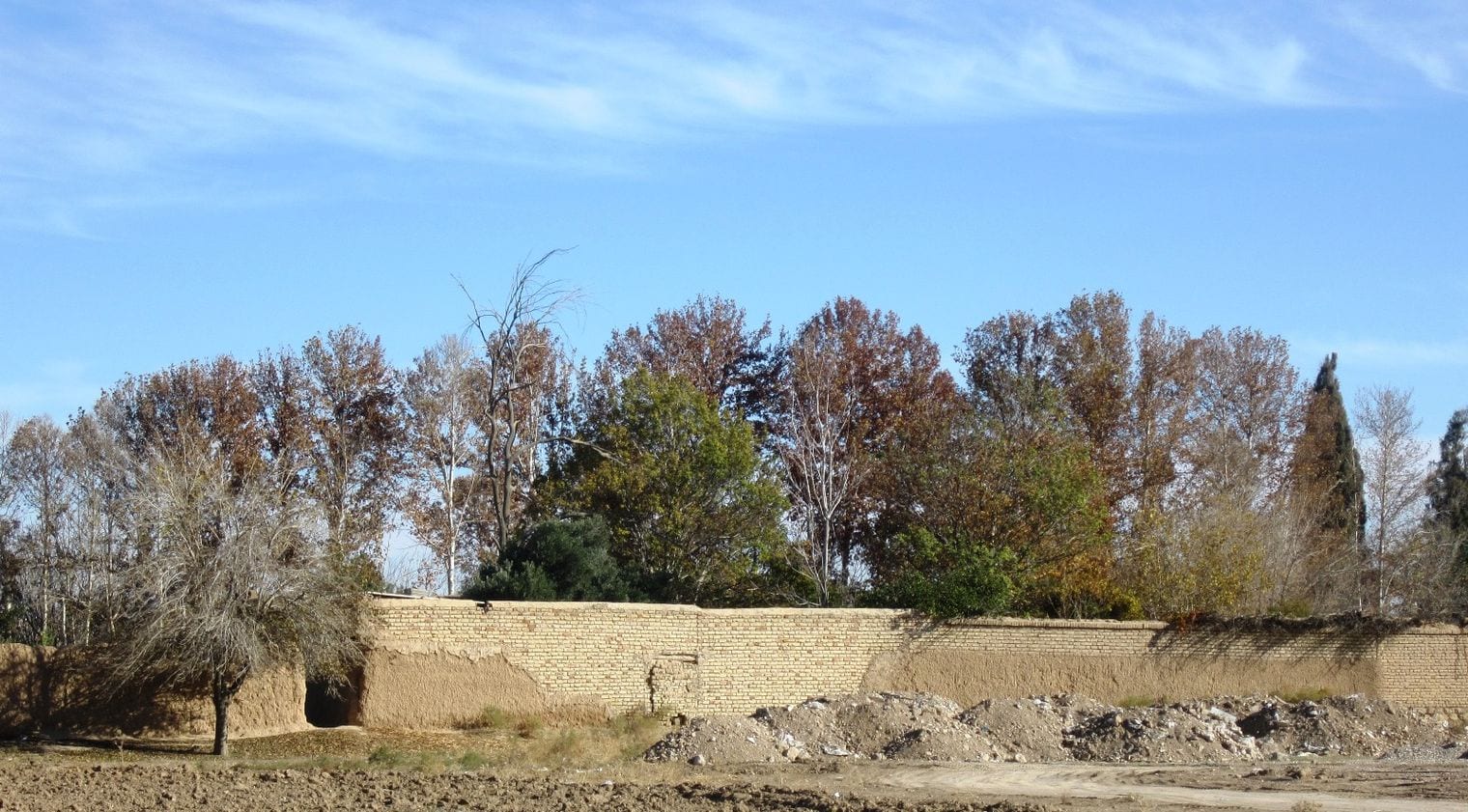
With 110,825 people at the 2016 census, Fasa is the fourth most populous city of Fars, and its origins go back at least to the Achaemenid period: a large mud-brick platform at the site probably dates from Achaemenid times, given its likeness to the platforms at Persepolis and Pasargadae. The town stands on the road from Shiraz to Kerman and lives from farming and herding.
Get new guides like this by email
One email every Thursday with our newest guides for the places you tick.
88. Iranshahr
Iranshahr, Sistan and Baluchestan Province, Iran
3,410 hours, 1991–2020 normal at Iranshahr (WMO 40879, 27.229, 60.718, 591 m)
At 3,410 hours a year, the same total as Fasa, Iranshahr in Sistan and Baluchestan province ranks eighth only on the tie-break. Its station, at 591 m the lowest of the Iranian stations on the list, has the flattest year of them: no month tops May's 319 hours, but January still averages 248, more than any other Iranian city here.
Iranshahr lies near the borderlands between Iran and Pakistan where the Baloch people live. As ancient Pahrah, it is held to be where Alexander the Great celebrated with and regrouped his troops after his Indian campaigns, and the old Bampur fort stands near the city.
99. Manama
Manama, Bahrain
3,390.4 hours, 1991–2020 normal at Bahrain International Airport
At 3,390.4 hours a year, Manama, the capital and largest city of Bahrain, ranks ninth on the 1991–2020 normal for Bahrain International Airport, which stands on neighbouring Muharraq island. It is only a few hours ahead of Zahedan in tenth place, and its sunniest month is June, at 343.7 hours.
Long a trading centre on the Persian Gulf, Manama came under Portuguese control in the early 1500s; the Safavid Persians expelled the Portuguese in 1602, and the town grew into a centre of commerce and pearling. The Portuguese built the Bahrain Fort on the outskirts of Manama, and Muharraq, across the water, served as the capital of Bahrain until 1923.
1010. Zahedan
Zahedan, Sistan and Baluchestan Province, Iran
3,386 hours, 1991–2020 normal at Zahedan (WMO 40856, 29.472, 60.900, 1,370 m)
At 3,386 hours a year, Zahedan, capital of Sistan and Baluchestan province, sits a few hours behind Manama and a few ahead of Yazd. Its station lies at 1,370 m, and July is its sunniest month, at 344 hours.
Once called Duzdab, Zahedan stands about 41 km south of the point where Iran, Afghanistan and Pakistan meet, and it is linked to Pakistan by rail. It grew from a small village into the provincial administrative centre in the 1930s, and refugees fleeing the Soviet invasion of Afghanistan after 1980 helped triple its population by 1986.
1111. Yazd
Yazd, Yazd Province, Iran
3,381 hours, 1991–2020 normal at Yazd (WMO 40821, 31.904, 54.290, 1,230 m)
At 3,381 hours a year, Yazd, capital of Yazd province in central Iran, is a few hours behind Zahedan on the 1991–2020 normal for its station at 1,230 m. Summer is its brightest stretch, peaking at 357 hours in August.
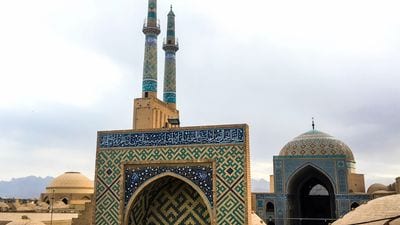
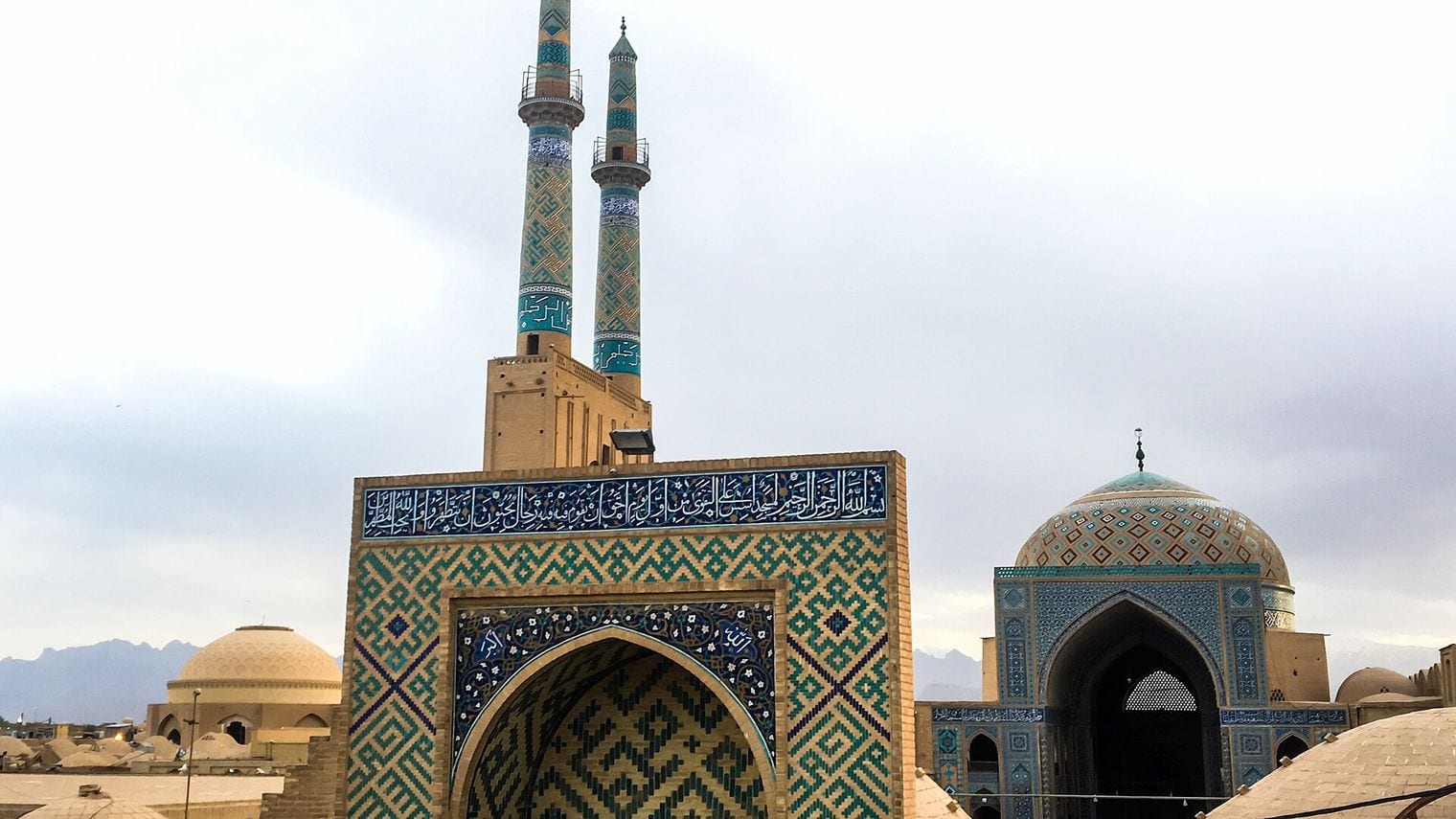
The historic city of Yazd has been a UNESCO World Heritage Site since 2017, and its many windcatchers earned it the nickname City of Windcatchers. It is also known for its Zoroastrian fire temples, its qanats, the underground channels that carry water across the desert, its ab anbar cisterns and yakhchal ice houses, and for termeh, a handwoven cloth.
1212. Wad Madani
Wad Madani, Gezira State, Sudan
3,375.4 hours, 1991–2020 normal at Wad Madeni (WMO 62651, 14.200, 33.483, 405 m)
At 3,375.4 hours a year, Wad Madani, capital of Al Jazirah state in central Sudan, is the second Sudanese city on the list. Like Kassala it is brightest in winter, with 322.4 hours in December, while August falls to 213.9.
The city lies on the west bank of the Blue Nile, about 136 km southeast of Khartoum, and grew from a small Turko-Egyptian outpost after the Gezira Scheme of irrigation began in 1925, which made Wad Madani the centre of a cotton-growing region. It is home to the University of Gezira, the second-largest public university in Sudan.
1313. Isfahan
Isfahan, Isfahan Province, Iran
3,368 hours, 1991–2020 normal at Esfahan (WMO 40800, 32.518, 51.706, 1,550 m)
At 3,368 hours a year, Isfahan, the third-most populous city in Iran, ranks 13th on the 1991–2020 normal for its station at 1,550 m. June and August tie as its brightest months, at 358 hours each, and December is the dullest, at 199.
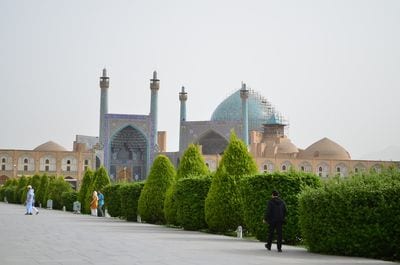
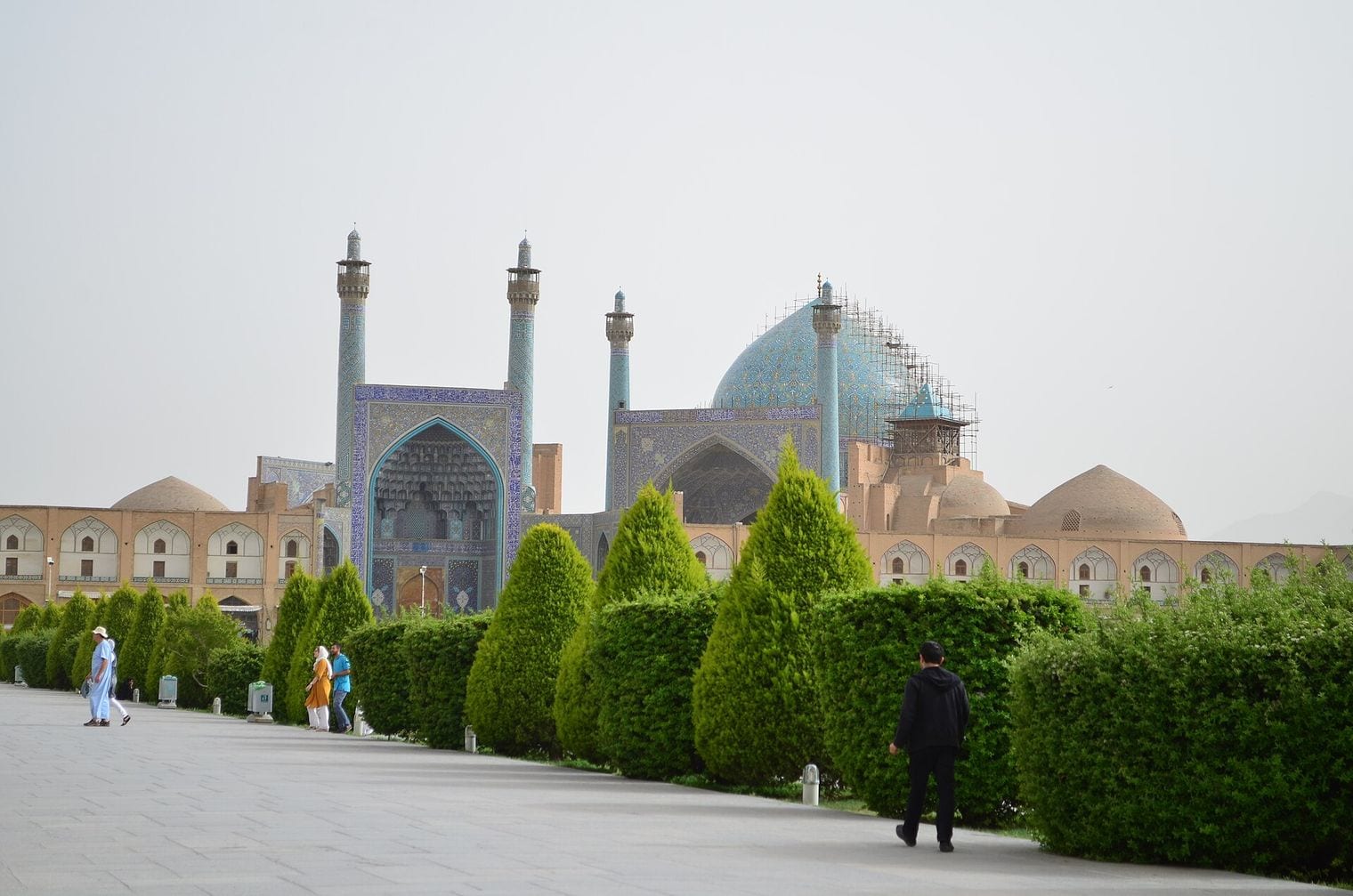
Under Abbas the Great, Isfahan became the Safavid capital of Iran and entered a golden age, and its fame gave rise to the Persian proverb "Isfahan is half the world". Naqsh-e Jahan Square, one of the largest city squares in the world and a UNESCO World Heritage Site, has the Shah Mosque on its south side and a gate to the Grand Bazaar on its north, and the city grew up on the banks of the Zayandeh River.
1414. Shiraz
Shiraz, Fars Province, Iran
3,363 hours, 1991–2020 normal at Shiraz (WMO 40848, 29.561, 52.602, 1,488 m)
At 3,363 hours a year, Shiraz, capital of Fars province, is a few hours ahead of Birjand on the 1991–2020 normal for its station at 1,488 m, with June the brightest month, at 353 hours.
Known as the city of poets, literature and flowers, Shiraz is the home of Hafez and Saadi, two famous Iranian poets whose tombs lie on the north side of the city, and of gardens such as Eram Garden. The earliest reference to the city, as Tiraziš, is on Elamite clay tablets dated to 2000 BCE.
1515. Birjand
Birjand, South Khorasan Province, Iran
3,358 hours, 1991–2020 normal at Birjand (WMO 40809, 32.891, 59.284, 1,491 m)
At 3,358 hours a year, Birjand, capital of South Khorasan province in eastern Iran, closes the list a few hours behind Shiraz, yet its July, at 373 hours, is the sunniest single month of any city in the ranking. The figure is the 1991–2020 normal for its station at 1,491 m.
Birjand is known for its saffron, barberries, jujubes and handmade carpets, which it exports. A customs office opened in the city in 1938 to handle trade with the Indian subcontinent and Afghanistan.
FAQ: The World's Sunniest Cities
What is the sunniest city in the world?
Dubai, with a mean of 3,608.9 hours of sunshine a year at Dubai International Airport on the 1991–2020 normals. Al Ain, also in the United Arab Emirates, is a close second at 3,596.6 hours, and Durango in Mexico third at 3,572. Even Dubai's dullest month, February, averages 250.8 hours of sun.
Why aren't Yuma, Phoenix or Las Vegas on the list?
The United States filed no 1991–2020 sunshine normals with the WMO, so its desert cities have only older figures: Yuma about 4,015 hours on 1981–2010 data, Phoenix 3,872 and Las Vegas 3,825 on still older periods, with Tucson and El Paso close behind. Yuma also falls short on size, with 95,548 people at the 2020 census.
Why aren't Aswan, Mecca or Muscat on the list?
Egypt, Saudi Arabia, Oman, Iraq and Qatar published no 1991–2020 sunshine normal. The 3,863 hours often quoted for Aswan is a 1961–1990 mean, and Muscat's 3,493 also predates 1991. The figures Wikipedia gives for Mecca (3,472.6 hours) and Basra (3,506.5) cite a WMO file that holds no sunshine data for them, so neither can be checked.
How was the sunshine measured?
Each figure is the annual total of the mean monthly sunshine hours for 1991–2020 at the station that names the city or serves as its airport, from the WMO Climatological Standard Normals. Durango ranks on the 1991–2020 normal Mexico submitted to the WMO; older normals for the same station are lower. Fasa and Iranshahr tie at 3,410 hours, so the sunnier best month decides.
Why are so many of the sunniest cities in Iran?
Much of Iran is high, dry plateau, and Iran filed 76 stations to the WMO 1991–2020 sunshine normals, while Saudi Arabia, Oman and Iraq filed none. Its cities of 100,000 or more sit between 3,358 and 3,423 hours, and the next city outside Iran, Hami in China, falls just below Birjand at 3,347.7 hours.
Why aren't sunny desert towns like Wadi Halfa or Calama on the list?
The list counts only cities of 100,000 or more, which rules out Wadi Halfa and Dongola in Sudan, Upington in South Africa, Tamanrasset in Algeria and Alice Springs in Australia. Calama's 3,926 hours comes from 2007 course material, not a Chilean weather-service normal, and the Izaña observatory on Tenerife, at 3,737 hours, is a mountaintop station, not a city's.
Sources & updates
How this ranking was checked
Checked before launch
Sources cited
16
Publishers
2
Every figure in this ranking was checked against the record-keeper or official source behind it before publication, and the top of the ranking re-checked live so a newer record would not be missed.
One email every Thursday with our newest guides for the places you tick.
Newsletter
Stay updated with new World Record Breakers
One email every Thursday with our newest guides for the places you tick.
We use cookies to analyse site traffic and improve your experience.
You can accept or reject analytics cookies. See our
May we use analytics cookies? See ourCookie Policy.