The record
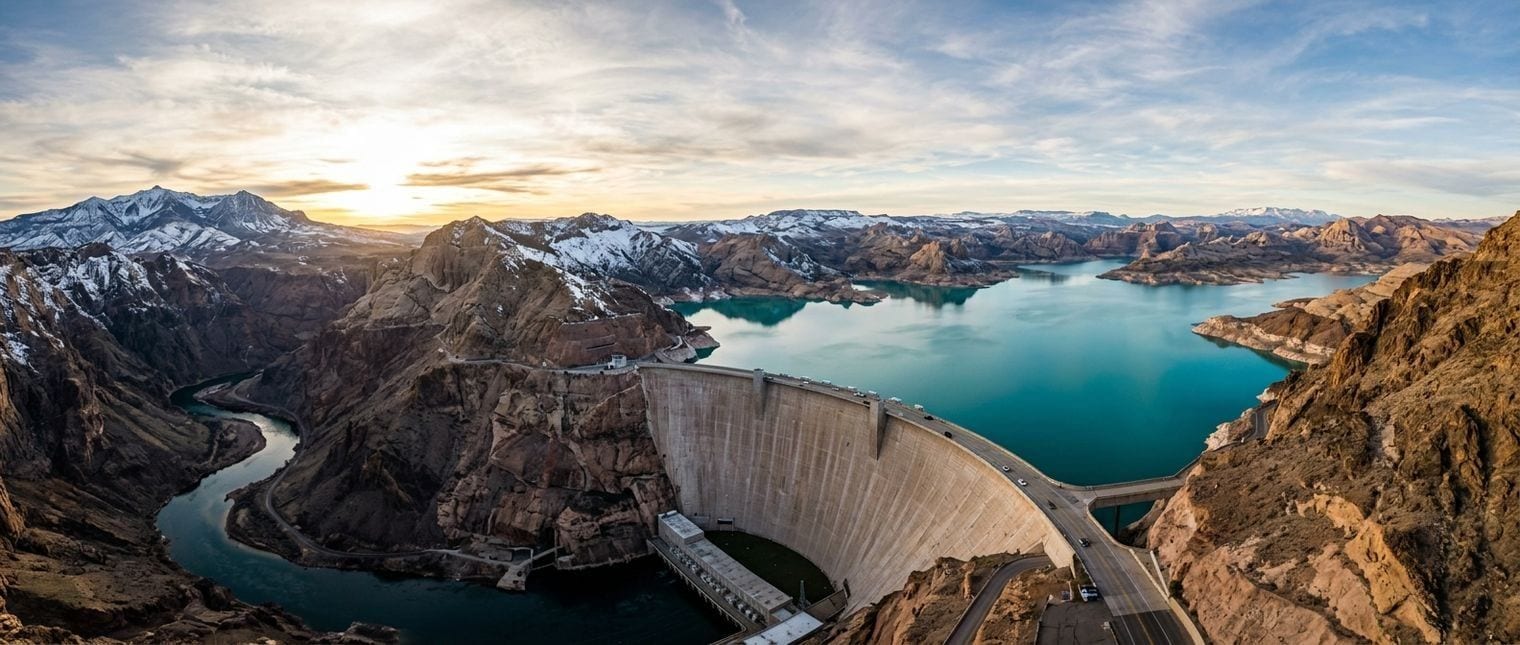
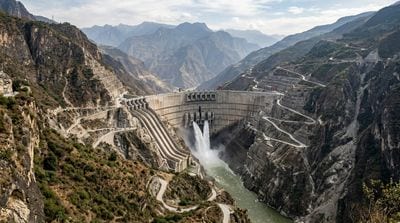
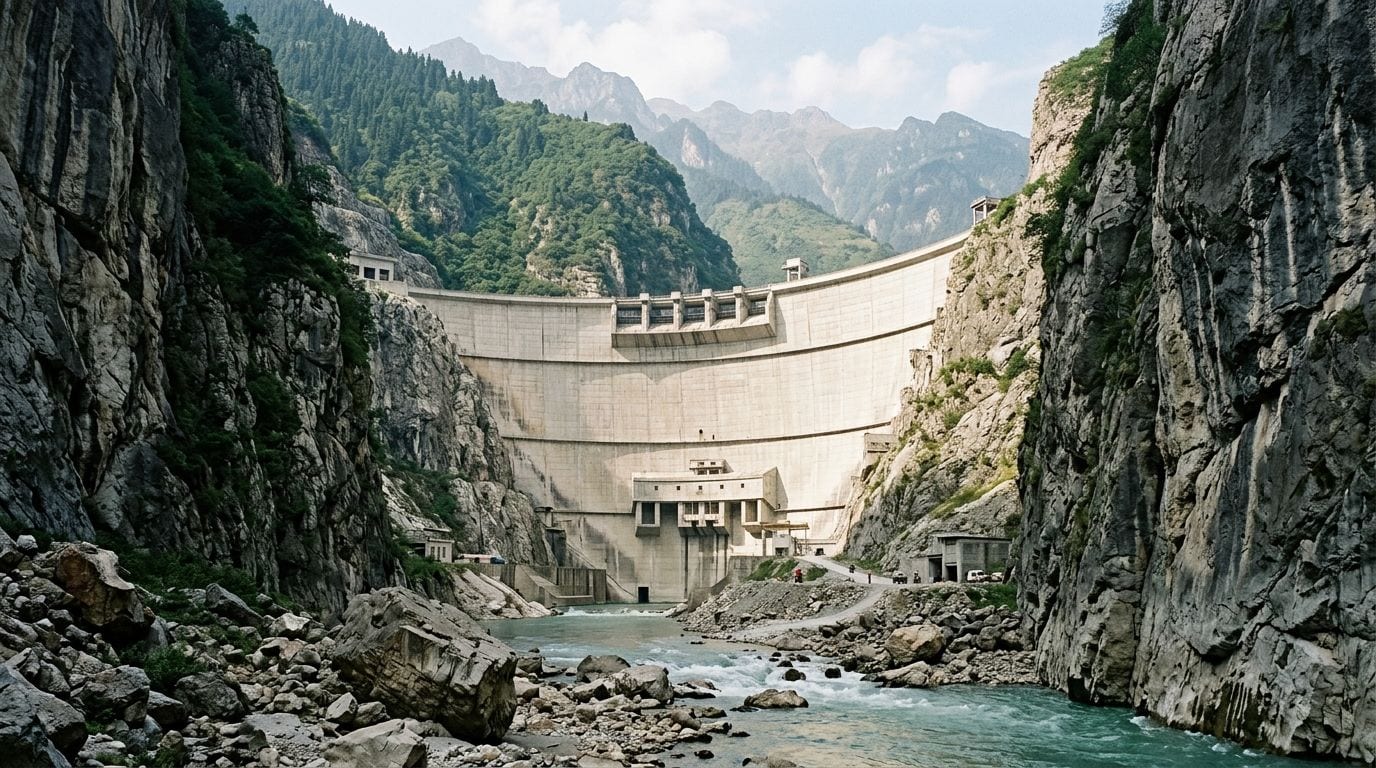
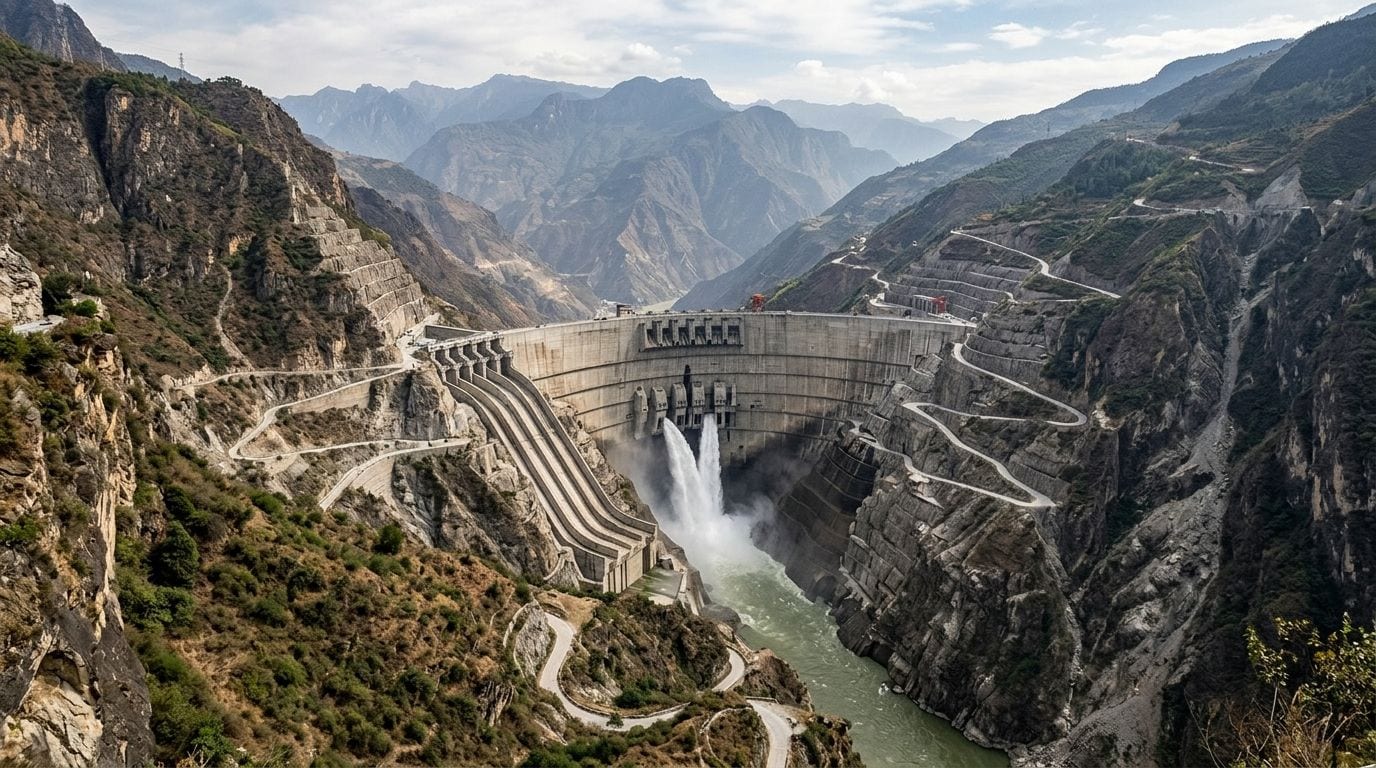
The tallest dam in the world is the Jinping-I Dam, in China — 305 m (1,001 ft), dam height.
Source: Wikipedia. Verified .
Photo: Illustrative image
Hoover Dam is 221 metres tall and does not make this list. Neither does the Three Gorges Dam, the biggest power station on Earth, which is only 181. This countdown opens at 249 metres and climbs to 305 — fifteen walls across seven countries, seven of them in China.
Two rules decide what qualifies. The first is where the tape starts: this ranks structural height, measured from the lowest point of the foundation to the crest, not the wall you can see above the river. Turkey's Yusufeli Dam is 270 metres by that measure and 223 from the riverbed.
The second is that the dam has to be finished and holding water, which is why China's Shuangjiangkou is absent — its first turbine is already turning, but the embankment stands at 260 metres of a planned 315 and tops out in 2027. Together those rules cost the list the tallest dam of all: Tajikistan's 567-metre Usoi Dam, thrown across the Murghab valley by an earthquake in 1911 and never touched by an engineer.
The tallest dam on Earth was built by an earthquake — Tajikistan’s 567-metre Usoi Dam was thrown across the Murghab valley when a mountainside collapsed in 1911. Because no engineer designed it, it sits outside this ranking, which counts only dams people built.
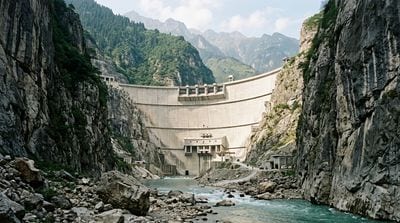
Italy’s Vajont Dam is still standing and holds back nothing. At 262 metres it would rank eleventh here, but a landslide filled its reservoir in October 1963 and the wave that overtopped the wall killed around 2,000 people below. The dam survived almost intact; the dry valley behind it has been open to visitors since 2007.
Nurek held the record longer than any modern dam — 33 years, from 1980 until Jinping-I passed it in 2013.
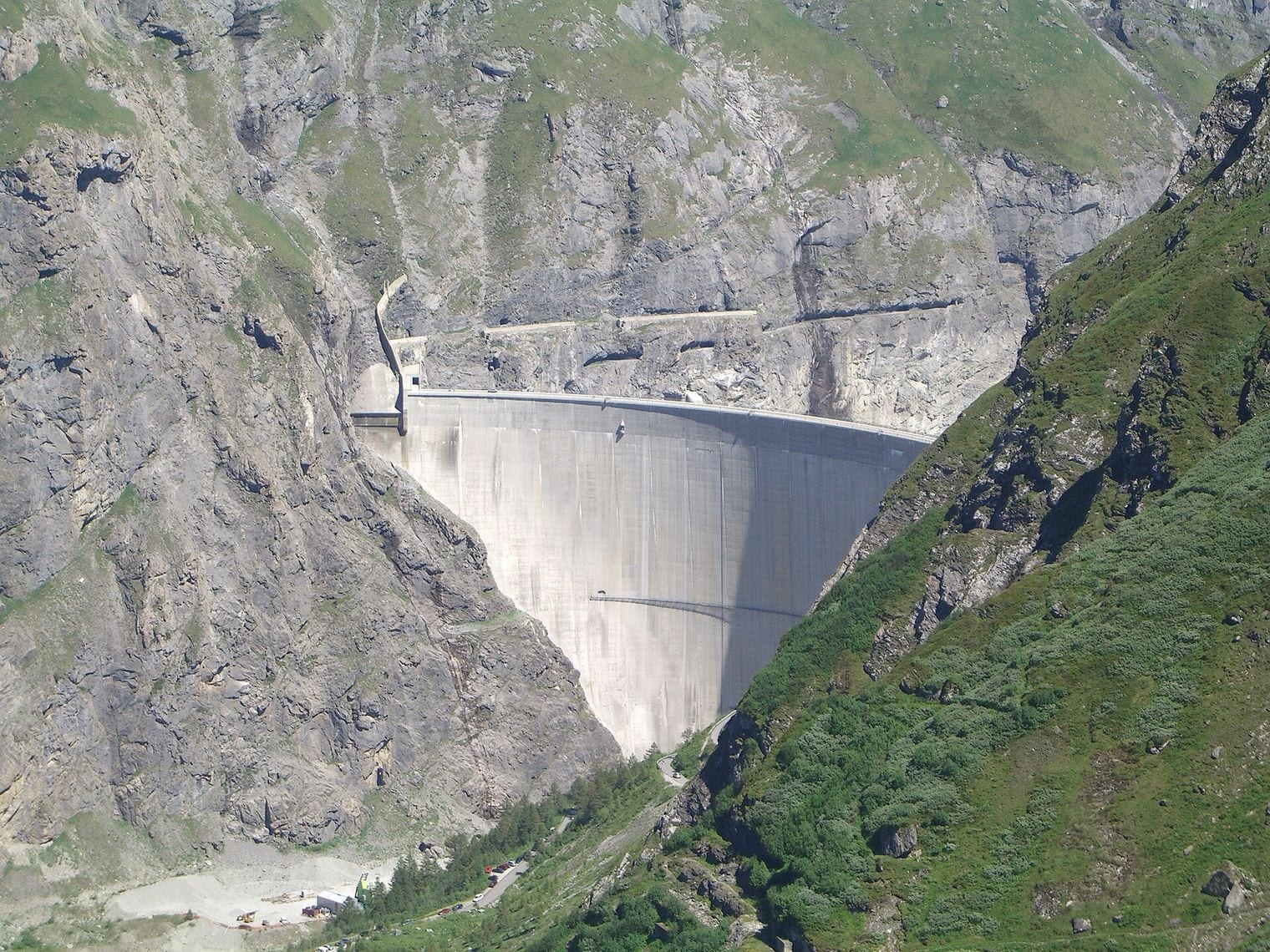
Grande Dixence is a wall of six million cubic metres of concrete, roughly twice the volume of stone in the Great Pyramid of Giza, and the only dam in this top fifteen that stays up by weight alone rather than by arching into the rock.
Two of the fifteen drowned a town and replaced it: the reservoirs behind Yusufeli in Turkey and Tehri in India both flooded the settlements they were named after, and both were rebuilt on higher ground.
At 305 m1,001 ft, Jinping-I is the tallest dam on Earth, a double-curvature concrete arch wedged into a gorge on the Yalong River in Sichuan. Curving in two directions at once lets it carry the reservoir's weight sideways into the rock walls rather than straight down through its own base, which is how a structure this tall can also be relatively thin. Its final generator was commissioned in July 2014.
The Yalong is a Yangtze tributary, and the canyon here is narrow enough that even a wall of this height backs up a reservoir you could mistake for a wide river. Reaching it is genuinely hard: this is western Sichuan, a long day of switchbacks inland, in a stretch of country most travellers only cross on the way to the Tibetan plateau.
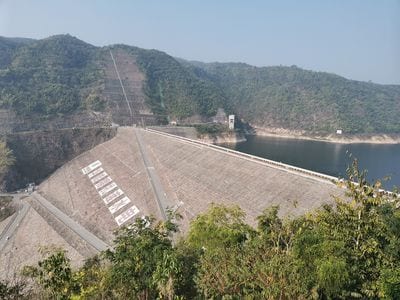
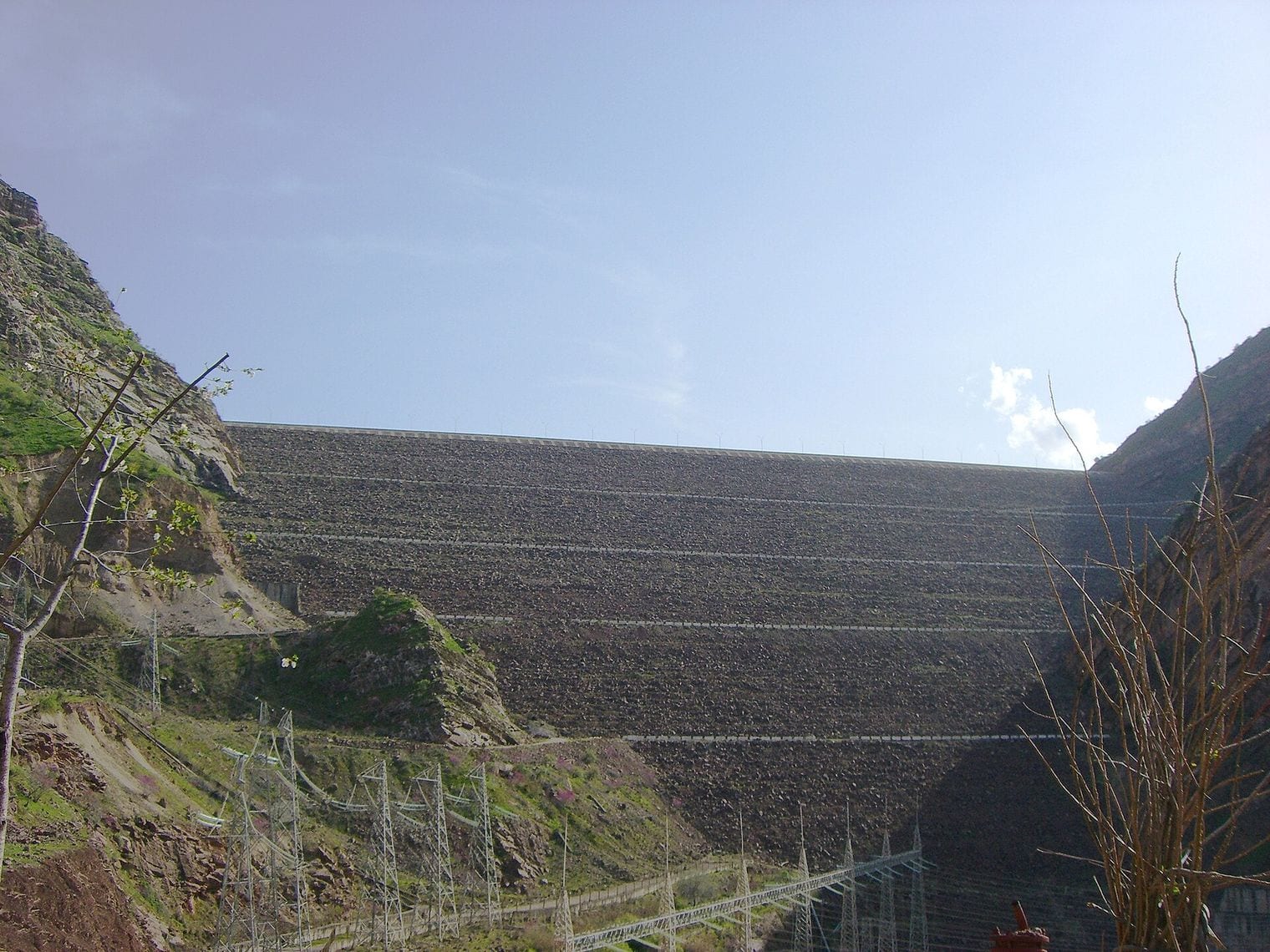
At 300 m984 ft, the Nurek Dam held the world record for 33 years, from its completion in 1980 until Jinping-I overtook it in 2013.
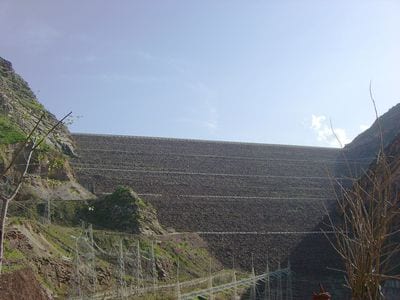
It is an earth-fill embankment rather than a concrete arch — a vast wedge of rock and soil built across the Vakhsh River in southern Tajikistan, with a waterproof core buried inside it. Building it in the 1960s and 70s, in a seismic mountain valley, was one of the Soviet era’s largest civil-engineering undertakings.
The dam still generates a large share of Tajikistan’s electricity, and the reservoir behind it reaches far up the valley into the western Pamirs. The town of Nurek was built for the workforce and remains the access point; it is a straightforward drive east from Dushanbe, and the road climbs to meet the crest itself.
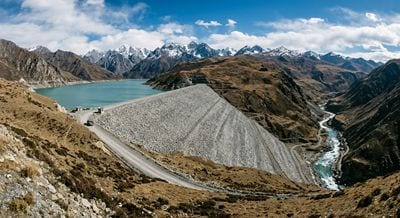
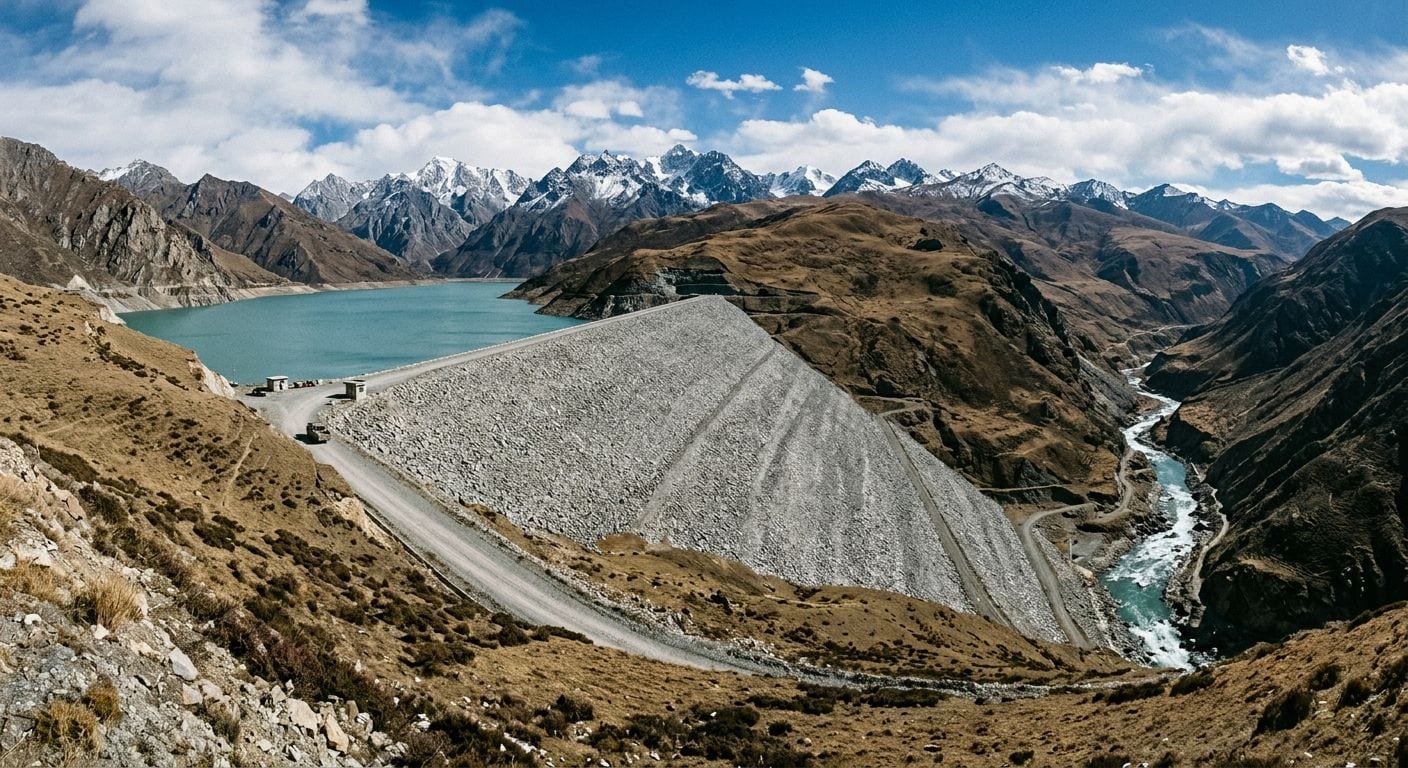
At 295 m968 ft, Lianghekou is the tallest of the newer generation of Chinese embankment dams, a clay-core rockfill wall on the upper Yalong River in the Garzê Tibetan Autonomous Prefecture of Sichuan. Its final generating unit entered service in March 2022, which makes it the youngest entry in this top five.
What sets it apart is altitude. The dam sits high on the eastern edge of the Tibetan plateau, where the building season is short and the air is thin, and the reservoir it created fills a valley most of the way to the treeline. The surrounding country is grassland and monastery towns rather than industrial gorge — the same route travellers take toward Litang and the western Sichuan highlands.
At 292 m958 ft, the Xiaowan Dam is a double-curvature arch across the Lancang River in Yunnan — the name China uses for the upper Mekong, before it crosses into Laos. Completed in 2010, it was briefly the tallest arch dam in the world, and it remains one of the largest structures on the entire Mekong system.
Its reservoir is the storage heart of a cascade of dams down the Chinese reach of the river, which is why Xiaowan is watched closely far downstream — what it holds and releases is felt in Laos, Thailand, Cambodia and Vietnam. The dam lies in a deep, hot gorge west of Dali, a few hours by road from one of Yunnan’s most-visited old towns.
55. Baihetan Dam
Jinsha River, Ningnan, Sichuan and Qiaojia, Yunnan, China
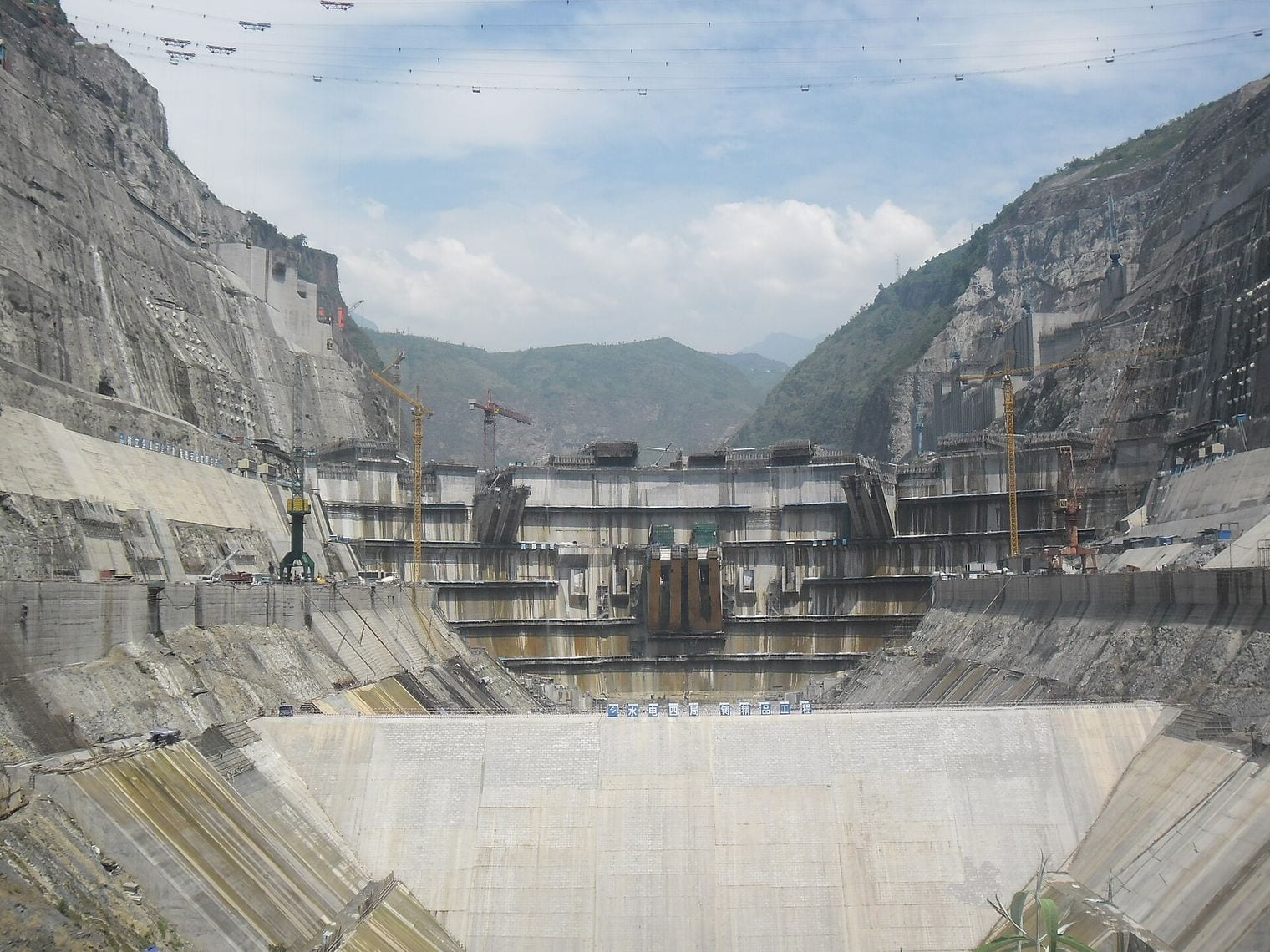
At 289 m948 ft, Baihetan is an arch dam on the Jinsha River, the upper Yangtze, straddling the border between Sichuan and Yunnan. Its sixteen turbines are rated at a gigawatt each, which makes the station behind this wall the second most powerful in the world, exceeded only by the Three Gorges Dam far downstream.
The full station came online in 2021 after roughly a decade of construction in a gorge so steep that much of the plant is buried inside the mountainside rather than built beside the river. It is not a visitor attraction in the way a Swiss dam is, but the drive along the Jinsha between here and Xiluodu passes through some of the most dramatic river country in China, crossed by several of the highest bridges in the world.
66. Xiluodu Dam
Jinsha River, Leibo, Sichuan and Yongshan, Yunnan, China
At 285.5 m937 ft, Xiluodu is the third of the great Jinsha River arch dams and sits just half a metre above Grande Dixence below it — close enough that the two are effectively level, and the order here comes down to a rounding decision. Its last generator came online in 2014, and the station behind the wall is the fourth-largest in the world by installed capacity.
The dam plugs a gorge on the Sichuan–Yunnan border downstream of Baihetan, and the two are operated as part of the same cascade. Its reservoir drowned a long stretch of canyon that had been almost impassable by road, and the highway built to serve construction is now the easiest way to travel this section of the upper Yangtze.
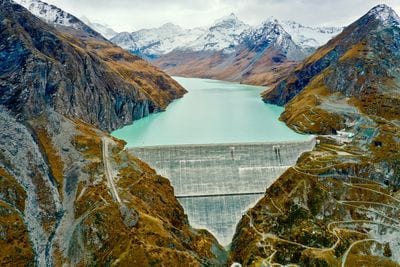
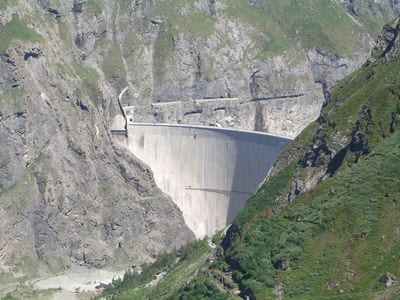
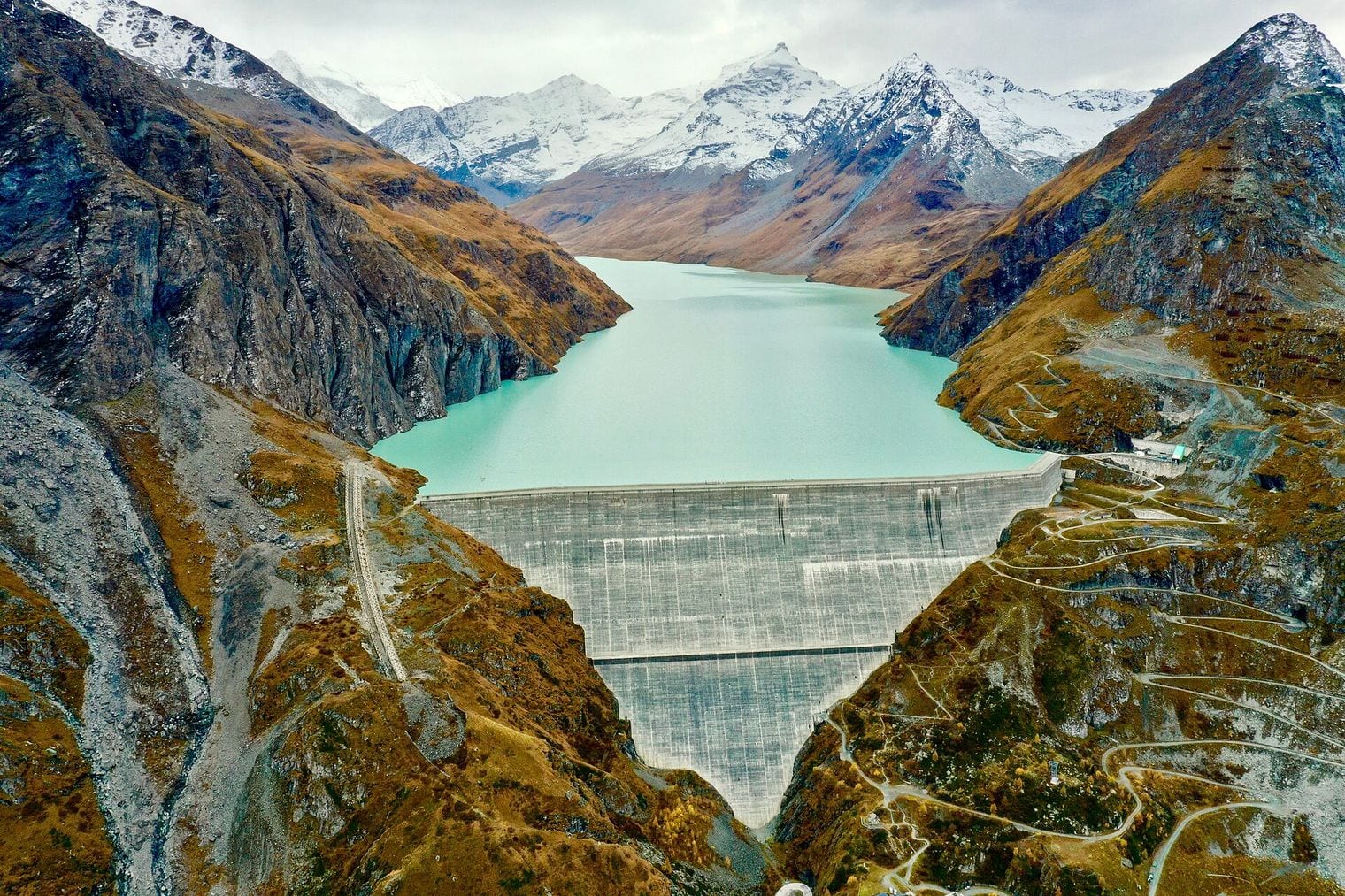
At 285 m935 ft, Grande Dixence is the tallest gravity dam in the world and the only entry that holds its water back by sheer mass rather than by arching into the rock. Six million cubic metres of concrete went into it in the Valais Alps between 1950 and the early 1960s, and it sits within half a metre of Xiluodu above it — the two are a near-dead heat separated only by where each source rounds.
It is also, by some distance, the easiest dam on this list to visit. A road climbs the Val d’Hérens to the foot of the wall, the 700-metre crest is walkable, and behind it the Lac des Dix feeds a network of high mountain paths under the Grand Combin and the peaks along the Italian frontier.
88. Enguri Dam
Enguri River, Jvari, Samegrelo-Zemo Svaneti, Georgia
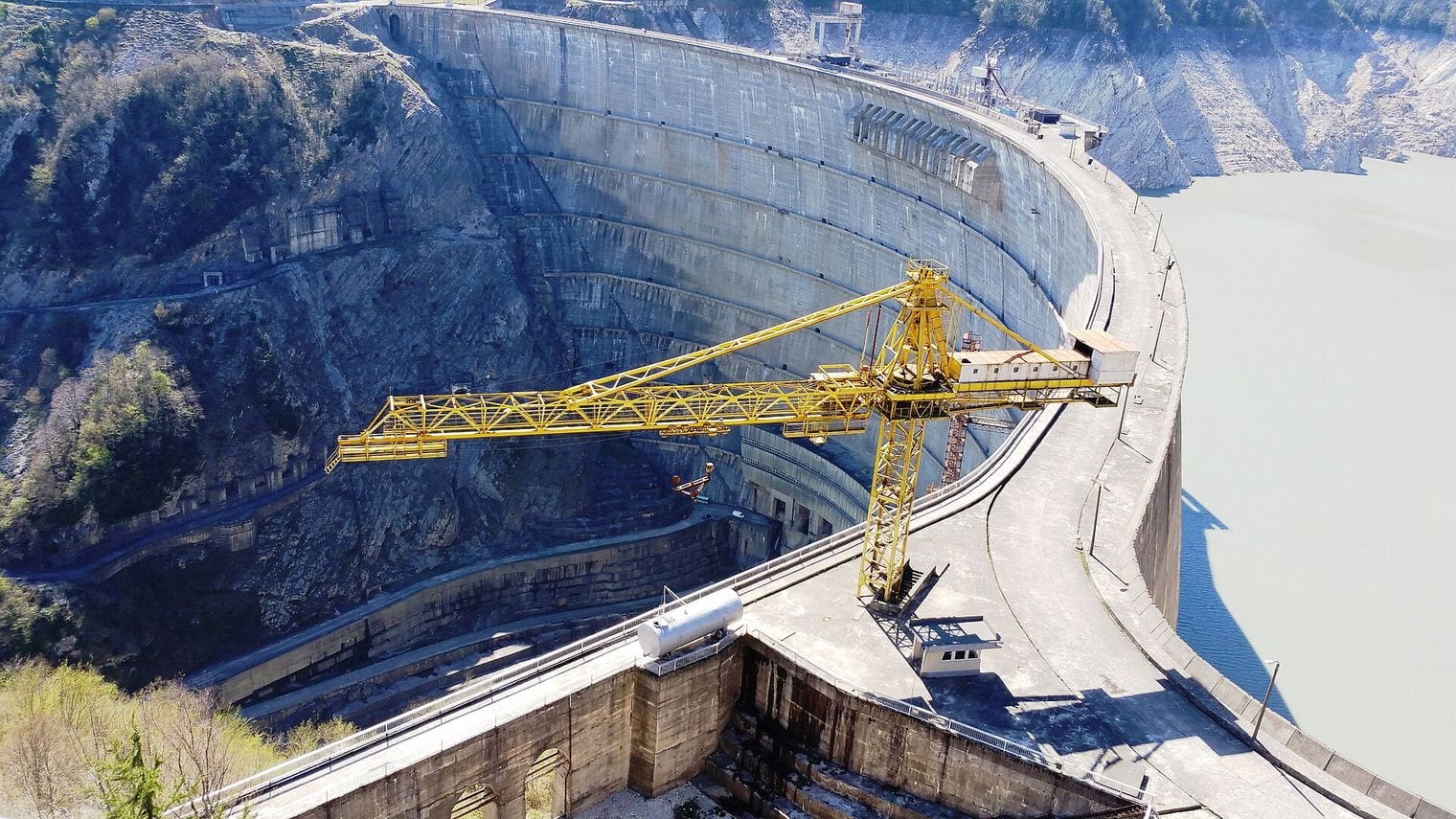
At 271.5 m891 ft, the Enguri Dam is a concrete arch in the foothills of the Caucasus, and for years after its completion in 1987 it was among the tallest arch dams anywhere. It generates a substantial share of Georgia's electricity from a single site.
Its geography is unusual. The dam stands in Georgia proper near the town of Jvari, while the power station that uses its water lies downstream in Abkhazia — so the plant has been run as a shared operation across a disputed line for decades, an arrangement that has outlasted the politics around it. The road up to the crest is a straightforward detour from the coastal highway and a common first stop for travellers heading into the Svaneti mountains.
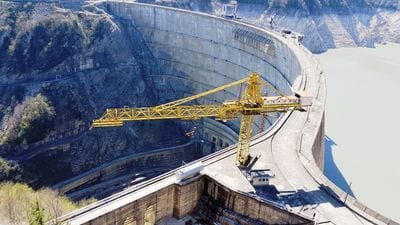
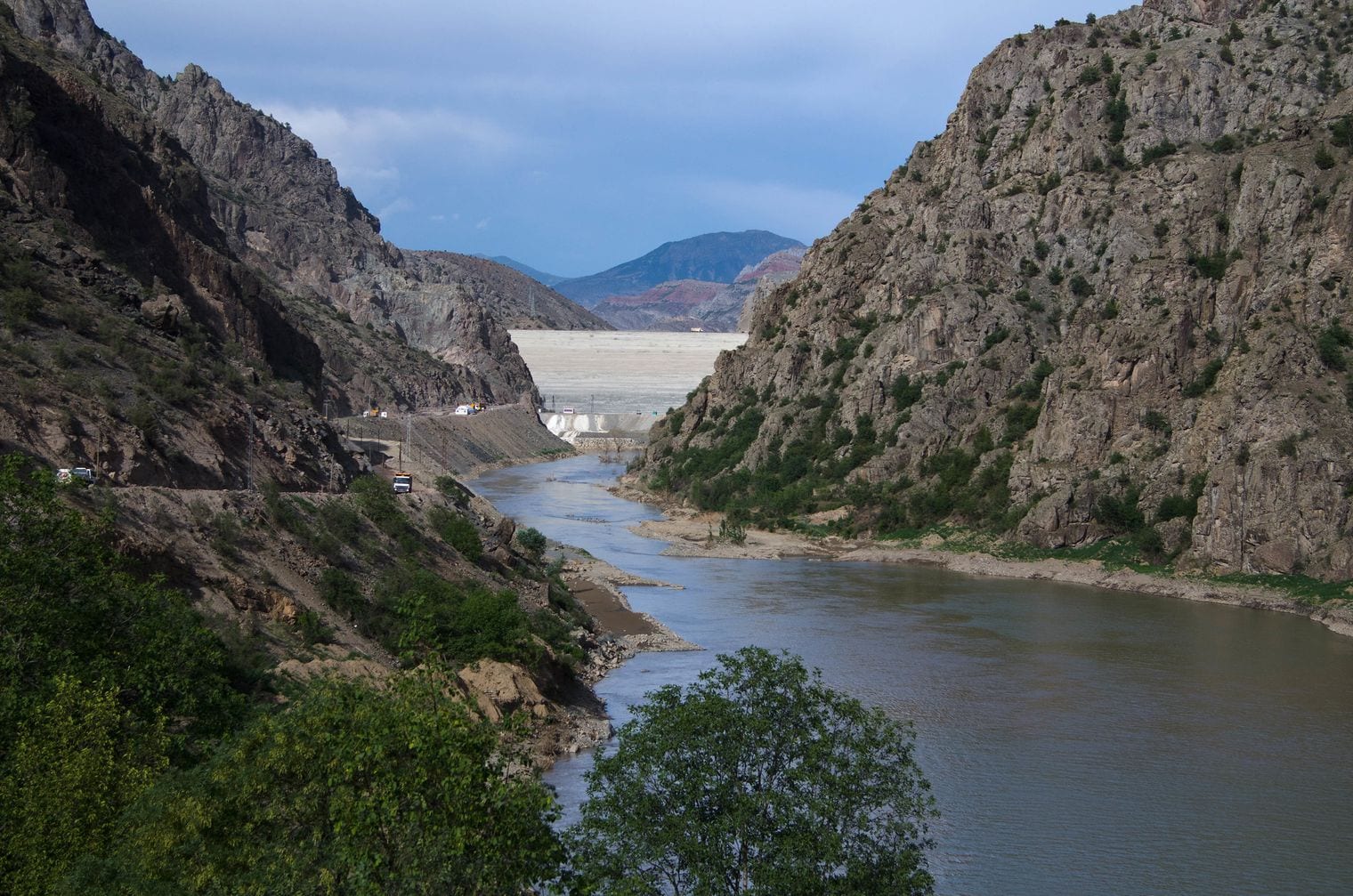
At 270 m886 ft from its foundation, Yusufeli is Turkey's tallest dam and the clearest illustration of why this list measures the way it does: the same wall is 223 metres when you count only from the riverbed. It is a double-curvature arch on the Çoruh River in Artvin province, opened in November 2022.
The reservoir flooded the old town of Yusufeli, and a replacement town was built on higher ground before the valley filled. The Çoruh was one of Europe and Asia's great whitewater rivers, and the stretch behind the dam is now lake rather than rapids — but the surrounding valleys, with their medieval Georgian churches and steep tea-growing hillsides, remain one of the most rewarding corners of north-east Turkey.
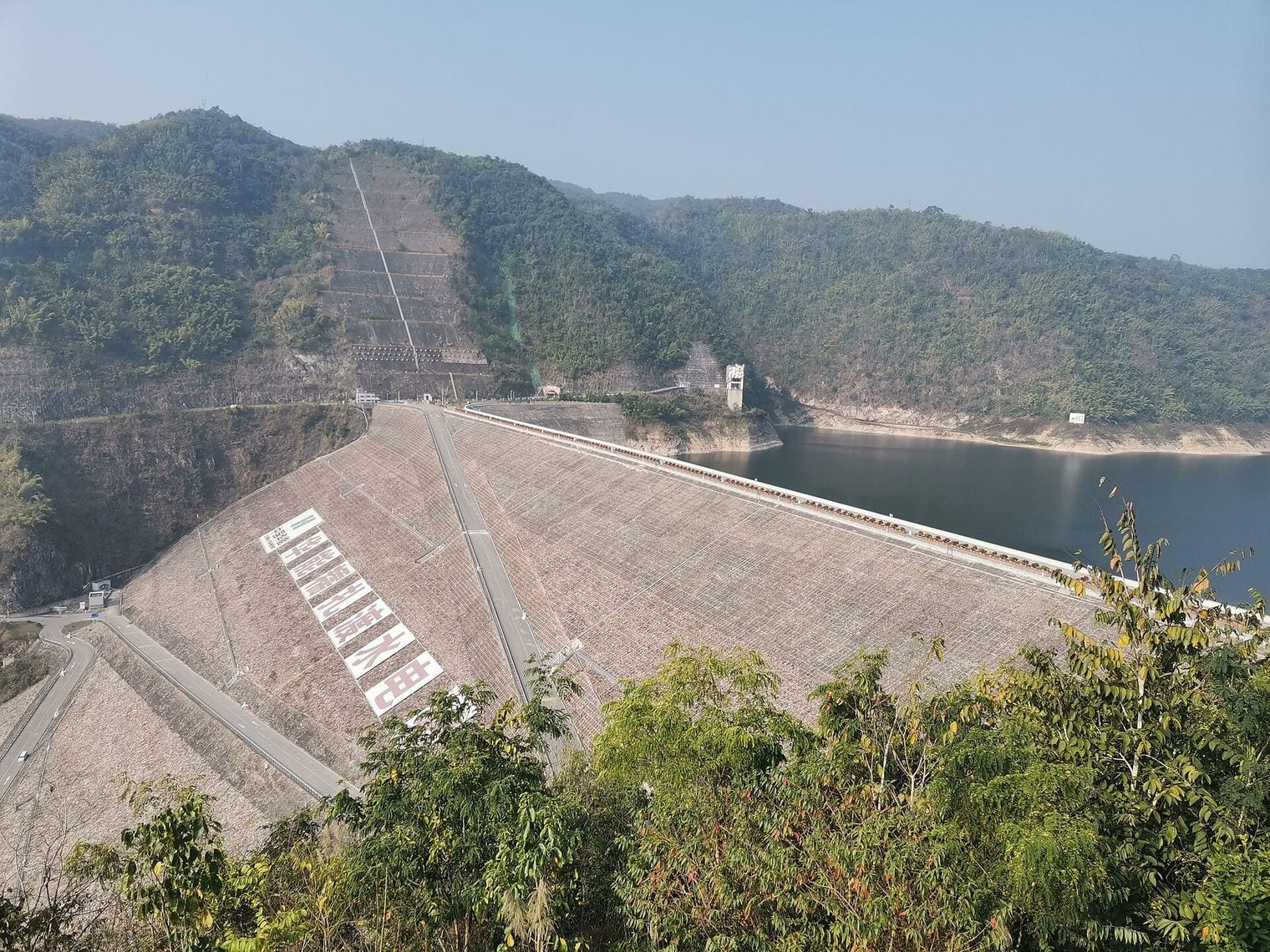
At 261.5 m858 ft, Nuozhadu is the tallest embankment dam on the Mekong and, by installed capacity, the largest hydropower station on the river. It was completed in 2012, and unlike the arch dams higher up this list it works as a rockfill wedge with a compacted central core, a design better suited to the wider valley it crosses.
It sits in southern Yunnan near Pu’er, the region that gives its name to the fermented tea, and the surrounding hills are tea terraces and subtropical forest rather than bare gorge. Half a metre separates it from Chicoasén immediately below — one of three near-ties in this stretch of the countdown, where the ranking turns on a rounding rather than a real difference in height.
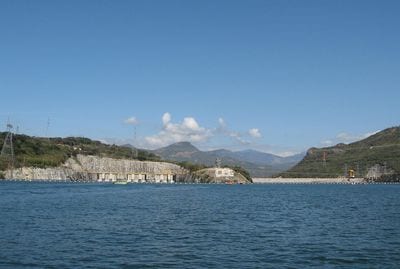
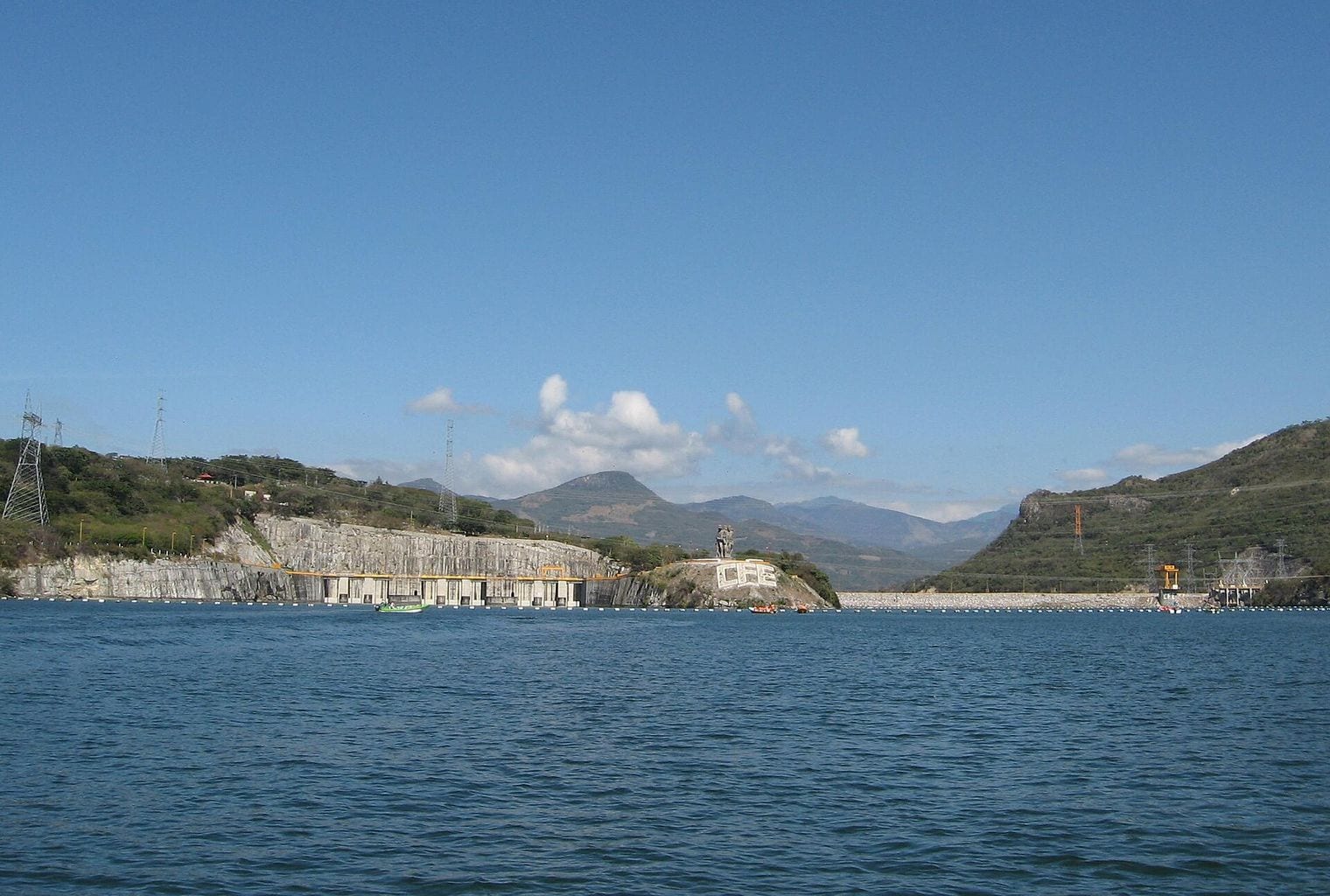
At 261 m856 ft, the Chicoasén Dam — officially the Manuel Moreno Torres hydroelectric station — is the tallest dam in the Americas and the only entry on this list outside Europe and Asia. It is an earth-and-rock fill embankment on the Grijalva River in Chiapas, completed in 1980, and it sits within half a metre of both the entry above it and the entry below.
It also has the best approach of any dam here. The Grijalva runs out of the Sumidero Canyon, a limestone gorge with walls up to a kilometre high, and the boat trips that leave from Chiapa de Corzo run the length of that canyon and finish at the foot of the dam itself.
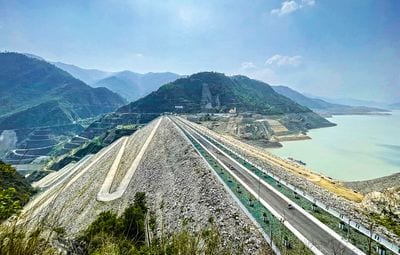
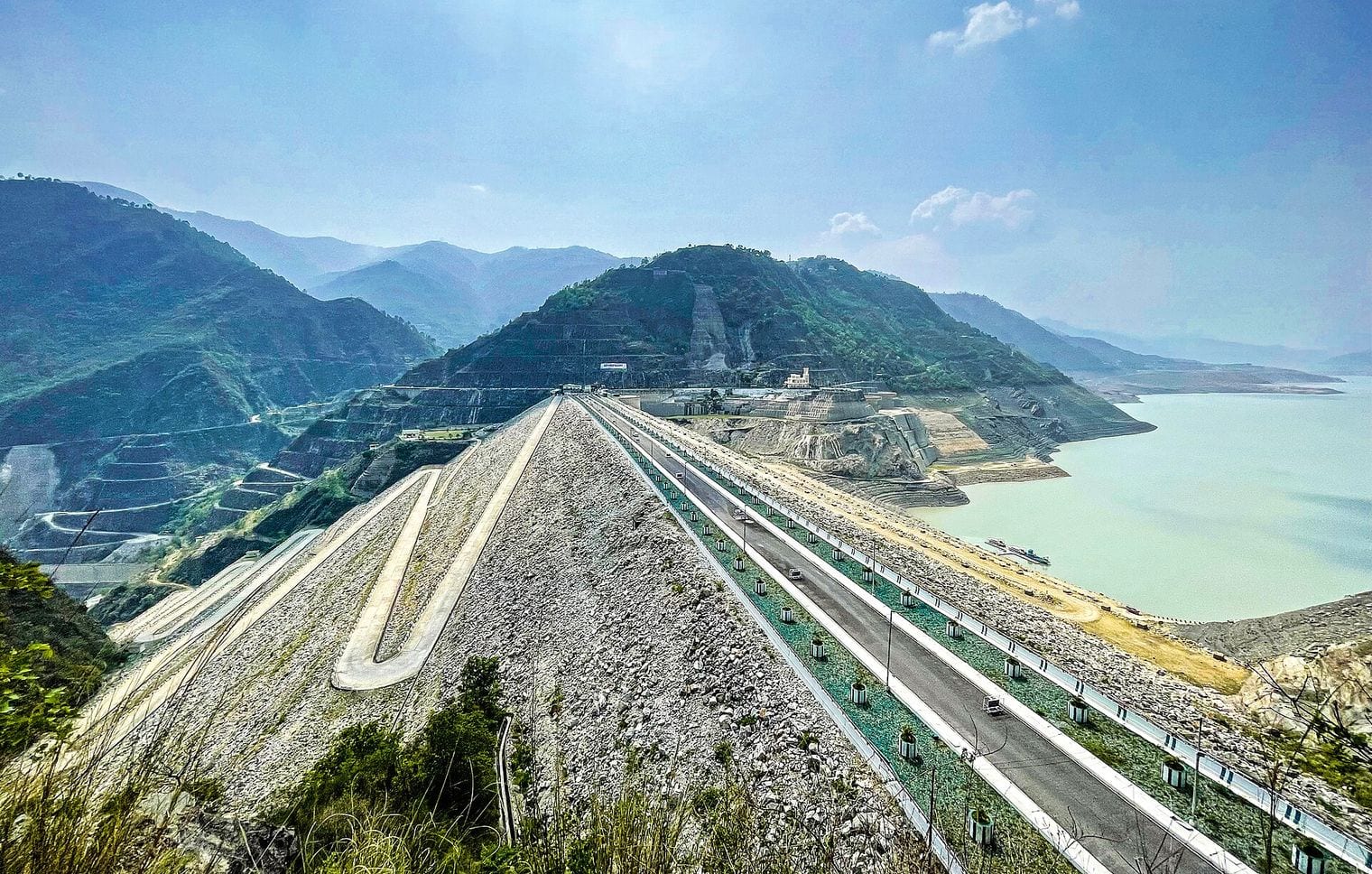
At 260.5 m855 ft, the Tehri Dam is India’s tallest and one of the largest earth-and-rockfill embankments anywhere. It stands on the Bhagirathi, a headwater of the Ganges, in the Uttarakhand Himalaya, and was completed in 2006 after decades of construction and sustained opposition from the valley it would flood.
The old town of Tehri now lies beneath the reservoir and more than 100,000 people were resettled, with a replacement town, New Tehri, built above the waterline. Tehri Lake has since become a destination in its own right, on the road that runs up from Rishikesh toward the Garhwal high country.
1313. Mauvoisin Dam
Dranse de Bagnes, Val de Bagnes, Valais, Switzerland
At 250 m820 ft, Mauvoisin is the second Swiss entry on this list and one of the tallest arch dams in Europe.
It closes a narrow valley at the head of the Val de Bagnes in Valais, was completed in 1957, and was raised in 1991 to reach its present height — which puts it in an exact dead heat with Laxiwa below it, at the same 250 metres. The two are ordered here by which reached that height first.
The road up the valley ends at a car park just below the wall, and a footpath crosses the crest toward the Chanrion hut and the glaciers at the head of the valley. It is one of the classic walking approaches into the Grand Combin massif.
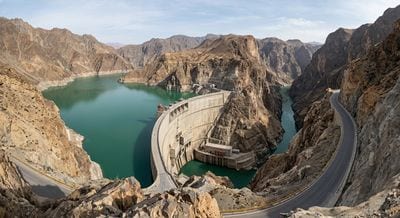
At 250 m820 ft, Laxiwa is the tallest dam on the Yellow River and level to the metre with Mauvoisin above it. It is a concrete arch in a steep gorge in Qinghai province, commissioned in 2009, and its generating capacity is the largest of any station on the river.
This is the Yellow River near its source region, where the water still runs clear and green rather than carrying the silt that gives the river its name further east. The dam lies a couple of hours upstream of Xining, close to the Guide county badlands, and the same road continues toward the Tibetan grasslands of southern Qinghai.
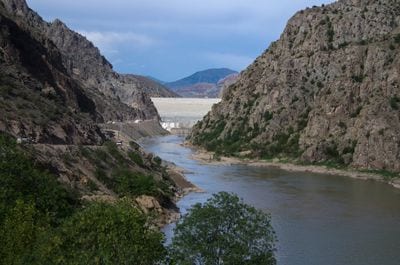
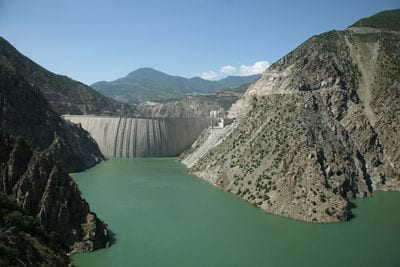
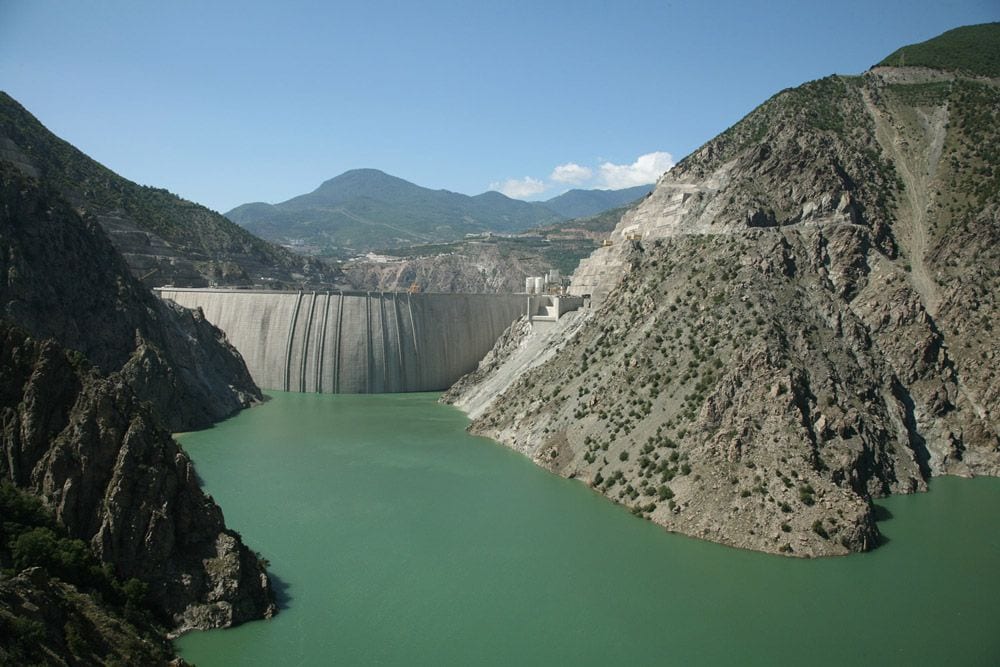
At 249 m817 ft, the Deriner Dam closes this countdown and is the second Turkish entry, standing on the same river as Yusufeli a short way downstream. It is a double-curvature arch near the city of Artvin, completed in 2012, and it was the country’s tallest dam for a decade until Yusufeli overtook it in 2022.
Building it meant excavating deep into steep and difficult gorge walls, and the resulting reservoir reaches almost to Artvin itself. The Çoruh valley here is tight, green and sheer-sided, on the road that runs from the Black Sea coast up toward the Georgian border and the high pastures of the Kaçkar mountains.
FAQ: The World's Tallest Dams
What is the tallest dam in the world?
Jinping-I, on the Yalong River in Sichuan, China, at 305 metres from foundation to crest. It is a double-curvature concrete arch dam whose last generator came online in 2014. It has held the title since overtaking Tajikistan's Nurek Dam, which stood 300 metres and had been the record-holder since 1980.
How is the height of a dam measured?
By structural height: from the lowest point of the foundation, often well below the riverbed, up to the crest. That is why Turkey's Yusufeli Dam counts as 270 metres here but is quoted as 223 metres when measured from the river. Every entry on this list uses the same foundation-to-crest basis.
Is the tallest dam also the biggest dam?
No — height, power and volume are three different rankings, and we keep them apart across our world record-breakers. The Three Gorges Dam generates more electricity than any other station on Earth but stands only 181 metres. Tajikistan's Usoi Dam is 567 metres, far taller than anything here, but an earthquake built it rather than engineers.
Which of the world's tallest dams can you visit?
Grande Dixence in Switzerland is the most accessible, reached by road up the Val d'Hérens with a walkable 700-metre crest. Mexico's Chicoasén sits at the end of the Sumidero Canyon boat trip from Chiapa de Corzo, Georgia's Enguri is a short detour off the coastal highway, and India's Tehri Lake draws its own visitors.
Will this ranking change soon?
Yes. China's Shuangjiangkou is designed to reach 315 metres and is already generating power, but its embankment stands at 260 metres and is not due to top out until 2027. Tajikistan's Rogun Dam is planned at 335 metres and is a decade away. Both are excluded here until they are finished.