We may earn a commission if you book tickets, tours or a stay through a link on
this page, at no extra cost to you. It never affects which places we list or how
we rank them (how we make money).
The record
634 m2,080 ft
Tokyo Skytree
Japan
The record
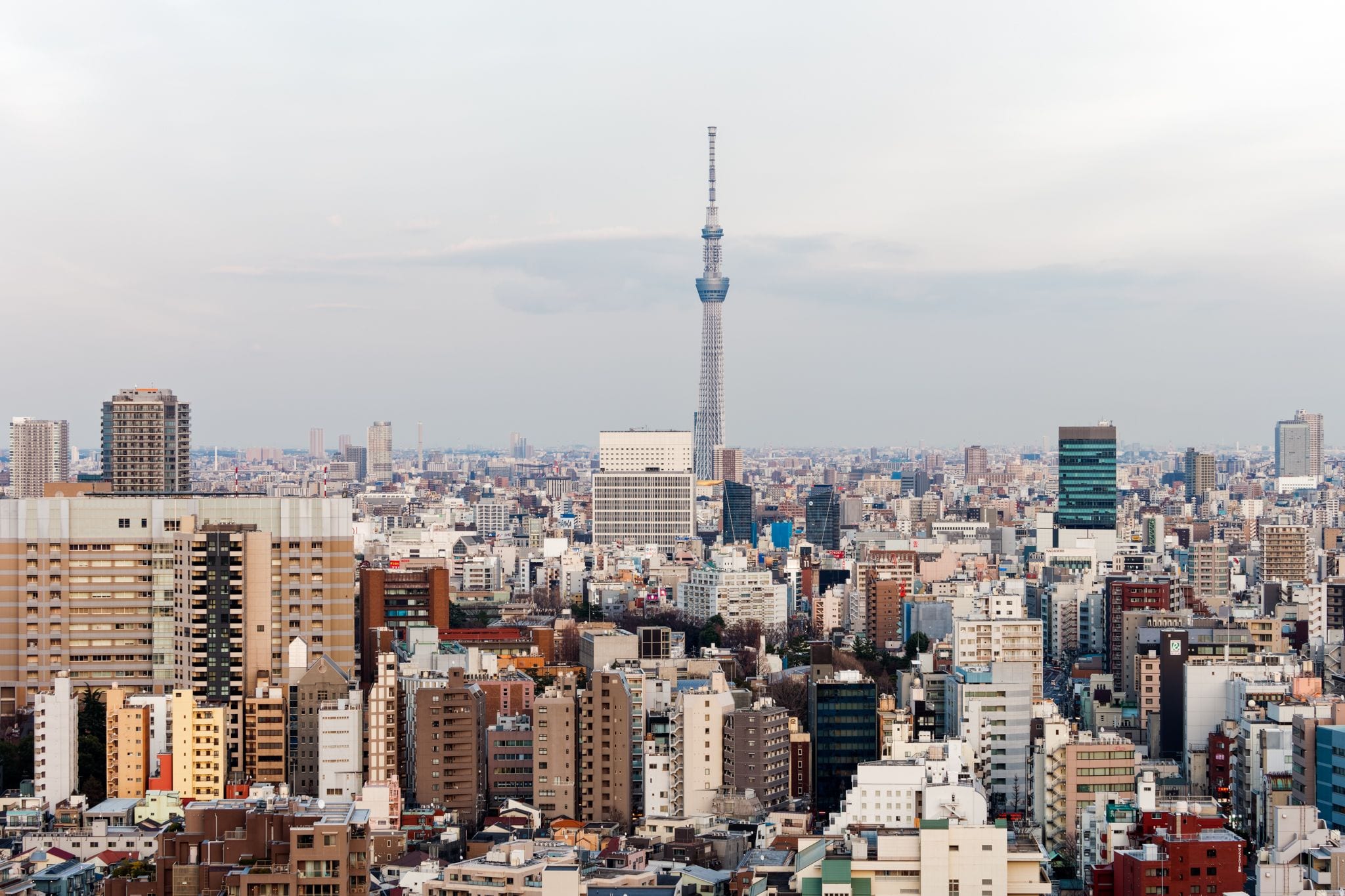
The tallest observation tower in the world is Tokyo Skytree, in Japan — 634 m (2,080 ft), total structural height.
Source: Tokyo Skytree (operator). Verified .
The Burj Khalifa is not on this list, and neither is the Shanghai Tower. Both are buildings, and a tower is something else: under the definition the industry uses, a tower gives less than half its floor space over to occupiable rooms. It is a mast with a viewing deck attached, not a place anyone lives or works.
Rank the world's towers by total structural height with the antenna included, count only the ones you can ride to the top of today, and this is the countdown you get — twenty structures from 330 metres to 634 metres across thirteen countries.
Those two rules cost some famous names. Kyiv's 385-metre lattice tower and Almaty's 371.5-metre spire carry no public deck at all, and Riga's has been closed to visitors since 2019, its refit now running to 2029. The Eiffel Tower only just scrapes in, at number twenty.
Fun Facts About the World’s Tallest Observation Towers
Tokyo Skytree’s height is a pun. Its 634 metres was chosen because 6-3-4 reads as mu-sa-shi in Japanese number wordplay — Musashi being the old province that covered the land the tower now stands on.
The Eiffel Tower has grown by 18 metres since it opened.It stood 312 metres for the 1889 World’s Fair; every metre added since has come from broadcast antennas, the most recent of which took it to 330 metres in 2022.
The tallest tower on this list made of steel is not the tallest overall. Nearly every tower above 350 metres is prestressed concrete — Zhongyuan Tower in Zhengzhou is the exception, and at 388 metres it is the tallest steel tower in the world.
Two taller towers were disqualified for having no lift to a public deck. Kyiv’s 385-metre lattice tower and Almaty’s 371.5-metre spire both out-measure Çamlıca Tower, but neither admits visitors to a viewing platform.
Height rankings are routinely thrown off by hills. Qingdao TV Tower is often quoted at 348 metres, which would place it inside this top 20 — but that figure is 232 metres of tower sitting on a 116-metre hill, not structural height.
The oldest tower here predates the next-oldest by nearly 70 years.The Eiffel Tower was finished in 1889; Tokyo Tower, which was modelled on it and deliberately built taller, did not open until 1958.
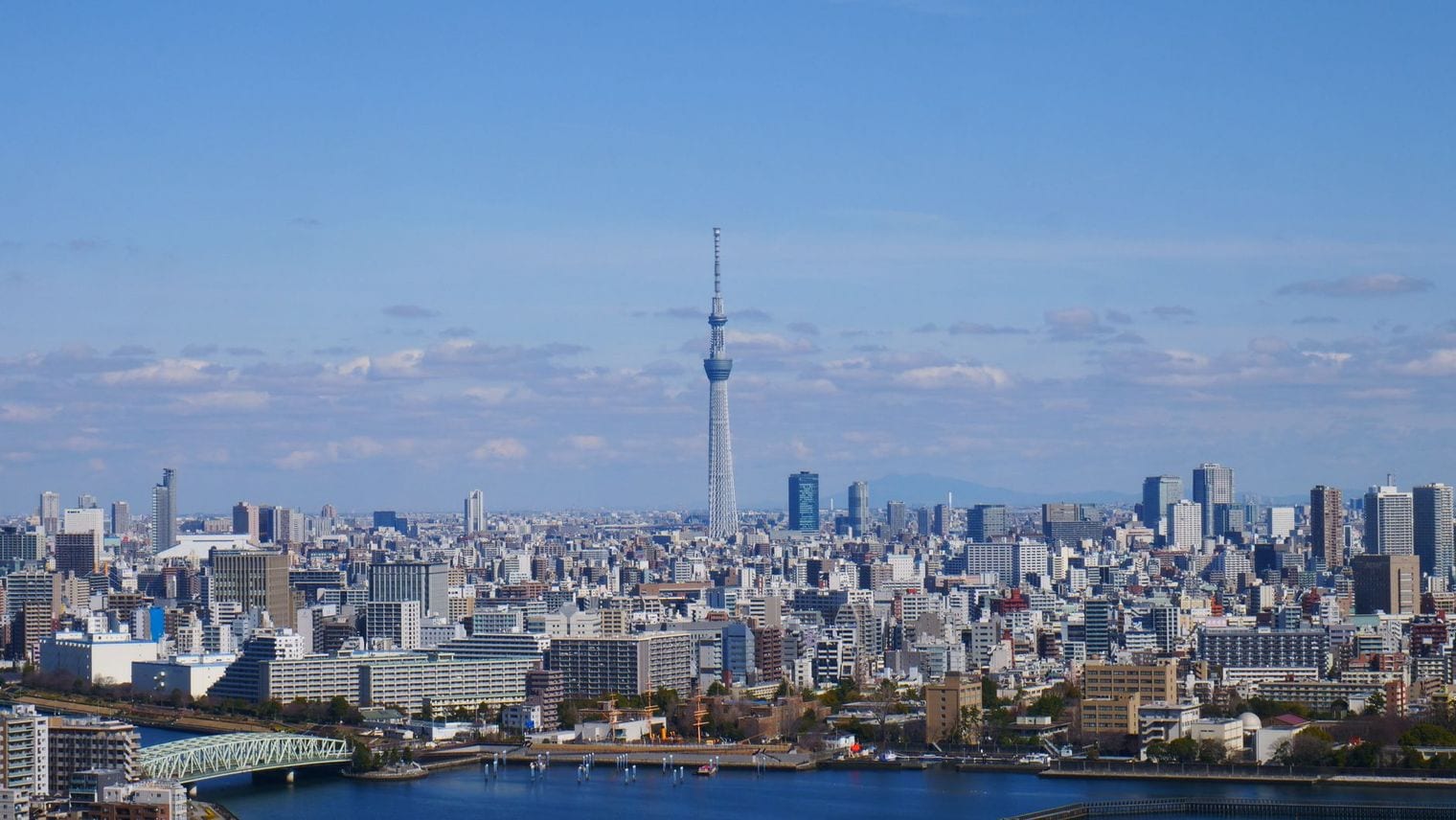
At 634 metres, Tokyo Skytree is the tallest tower on Earth, and only a handful of buildings and guyed masts anywhere stand higher.
It rises from the flat Sumida ward on the eastern side of Tokyo, a lattice of steel that tapers from a triangular base to a circular shaft, and it was built to do a job the older Tokyo Tower could no longer manage: push a digital broadcast signal clear over the high-rises that had grown up around the capital.
Visitors get two separate decks. The Tembo Deck sits at 350 metres and wraps the shaft in glass, with a section of transparent floor for looking straight down at the streets. Above it the Tembo Galleria climbs to 450 metres along a sloping spiral ramp that feels like walking up through the sky. On a clear winter morning the view reaches Mount Fuji, more than 100 kilometres to the southwest.
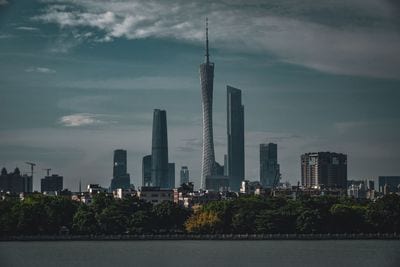
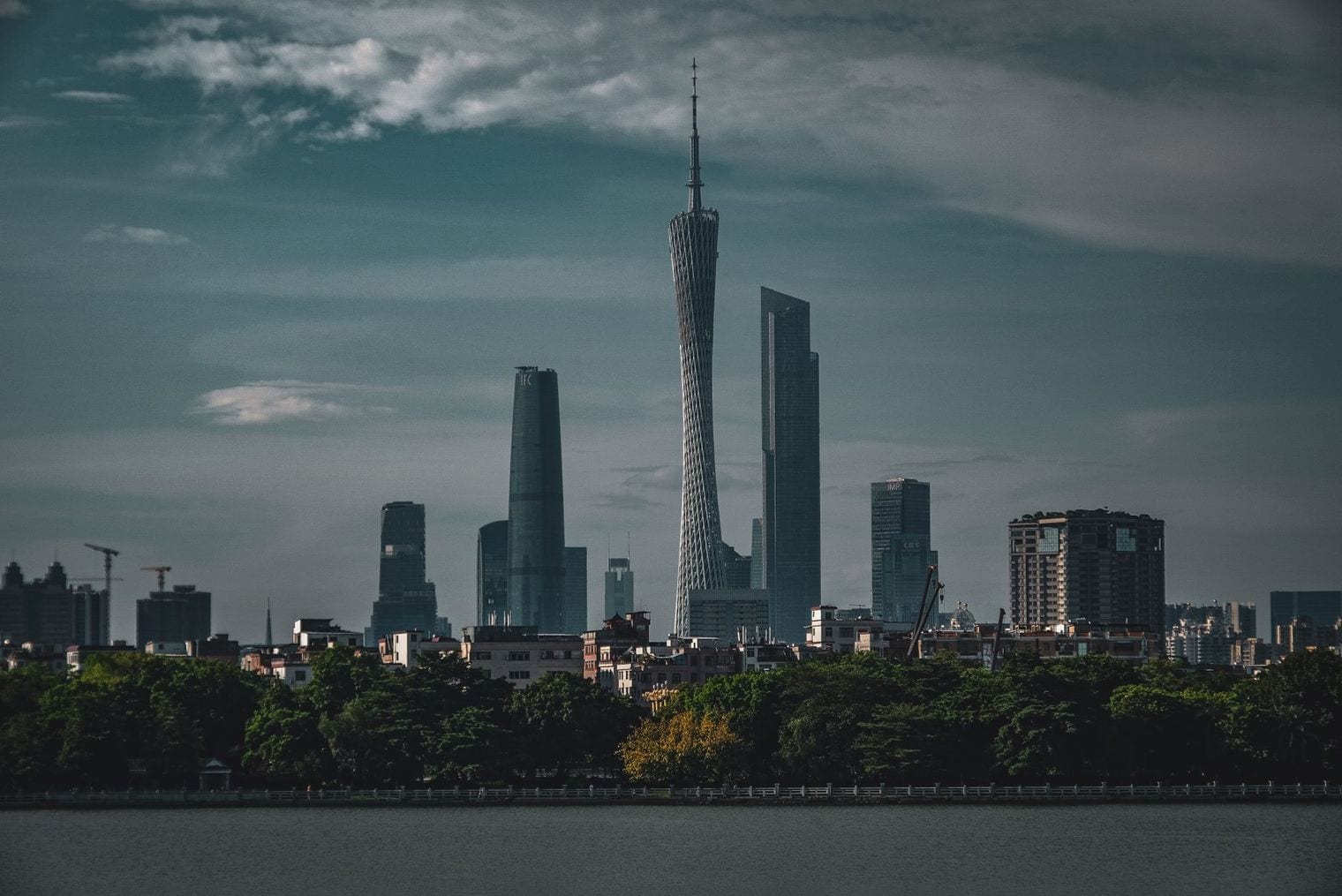
Canton Tower reaches 600 metres in Guangzhou, made up of a 454-metre lattice body and a 146-metre mast above it. Its shape is the reason people remember it: a hyperboloid of steel tubes that twists as it rises, pinching to a narrow waist about two-thirds of the way up before flaring again.
Locals nicknamed it the Small Waist long before the official name stuck, and at night the whole frame is lit as a single colour-shifting sculpture above the Pearl River.
The upper levels are given over to visitors in unusually inventive ways. There is a revolving restaurant, an open-air deck near the top of the lattice, and a Bubble Tram — a ring of glass pods that runs around the tower's rim like a ferris wheel laid flat. Canton Tower is a member of the World Federation of Great Towers, the industry body for towers that operate as visitor attractions.
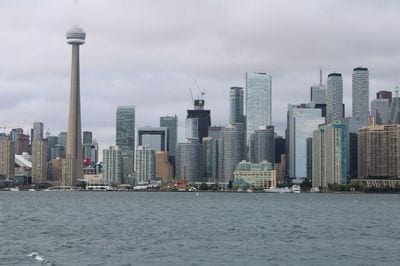
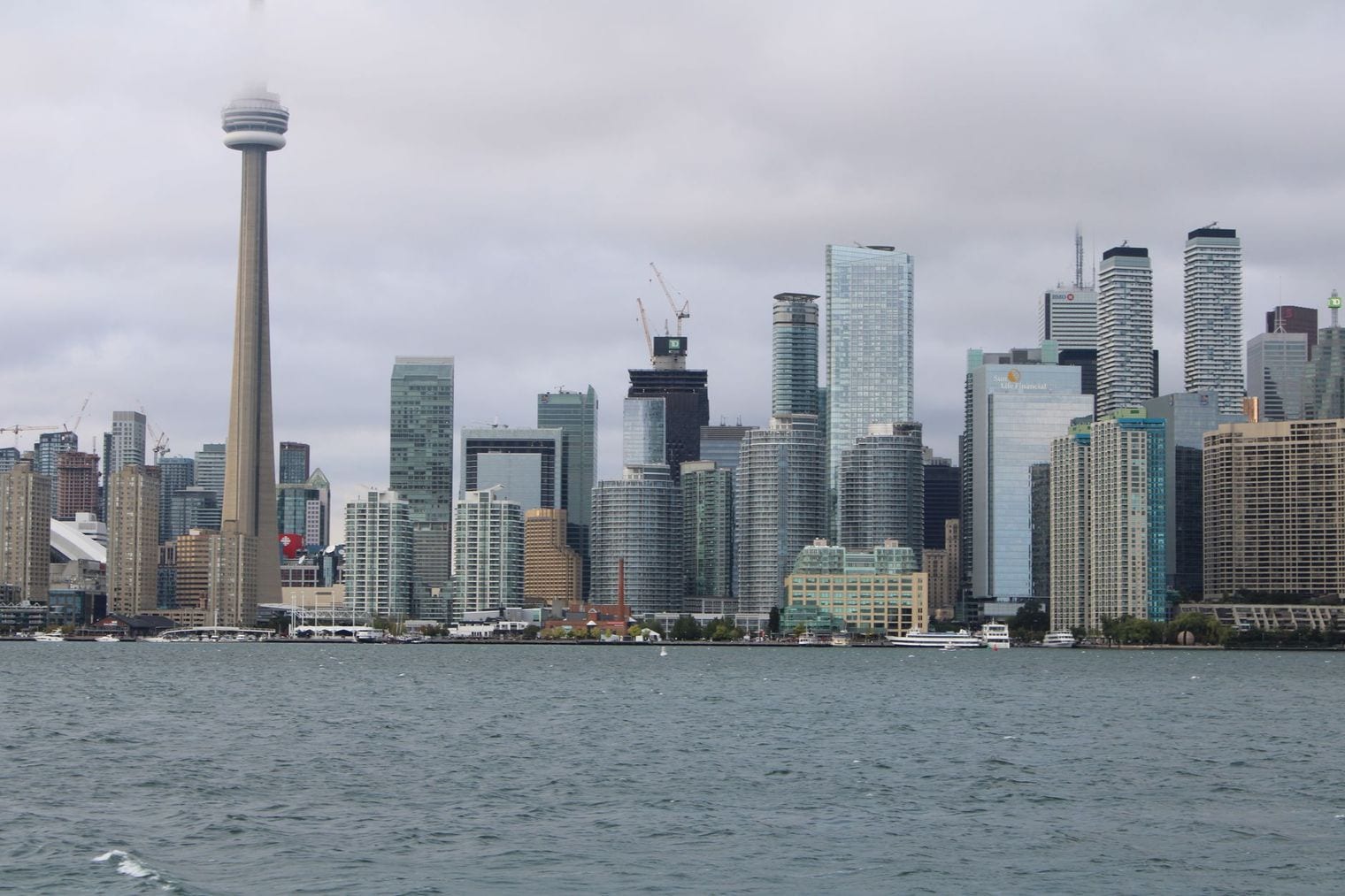
The CN Tower stands 553.3 metres over downtown Toronto and held the record for the world's tallest freestanding structure for over three decades, from its completion in the mid-1970s until Burj Khalifa overtook it. For a generation of Canadians it was simply the tallest thing in the world, and it still anchors the Toronto skyline so completely that the city is hard to photograph without it.
Its main LookOut level sits at about 351 metres and includes a glass floor panel that has been unnerving visitors for years, while the SkyPod at roughly 447 metres is the highest point the public can reach. The tower also runs EdgeWalk, a harnessed walk around the outside of the main pod's roof with nothing between you and Lake Ontario. A revolving restaurant completes a full turn while you eat.
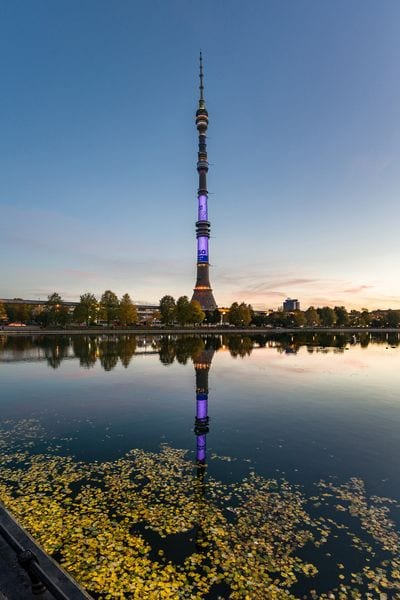
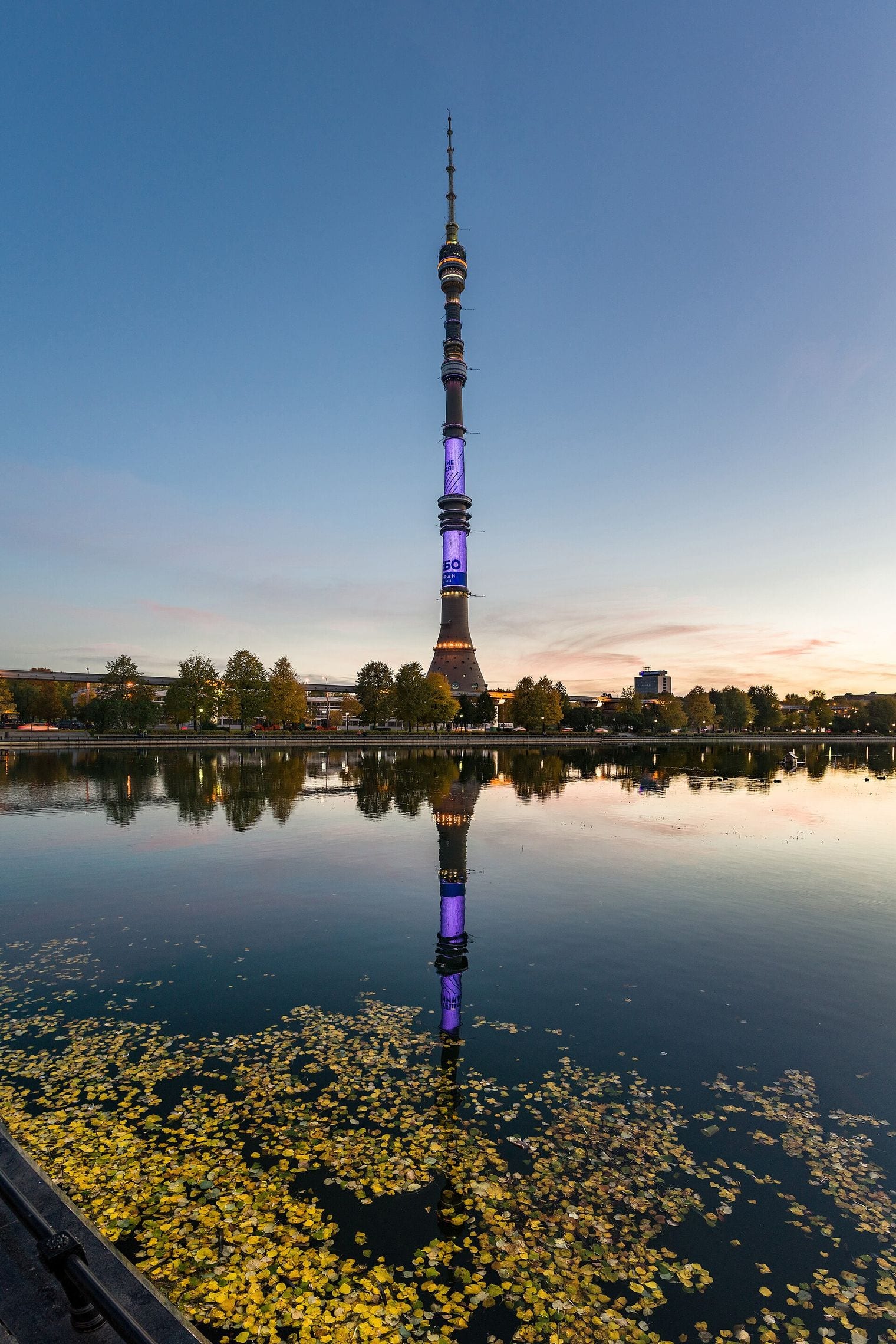
Ostankino Tower rises 540.1 metres above northern Moscow and was the tallest freestanding structure in the world when it topped out in the 1960s, a Soviet-era statement in prestressed concrete that held the title until Toronto took it. Its slender tapering shaft rests on a ring of splayed concrete supports, and the engineering trick that keeps it standing is a bundle of steel cables running the length of the concrete, holding the whole structure in permanent compression.
Two observation decks are open to visitors, at 337 and 340 metres, and the Seventh Heaven restaurant occupies the levels just below them and rotates as it serves. The open-air deck operates seasonally and in fair weather only, and every visitor needs identification, with tickets booked several working days ahead. The reward is a bird's-eye sweep across the whole Moscow sprawl.
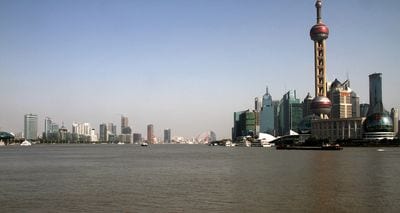
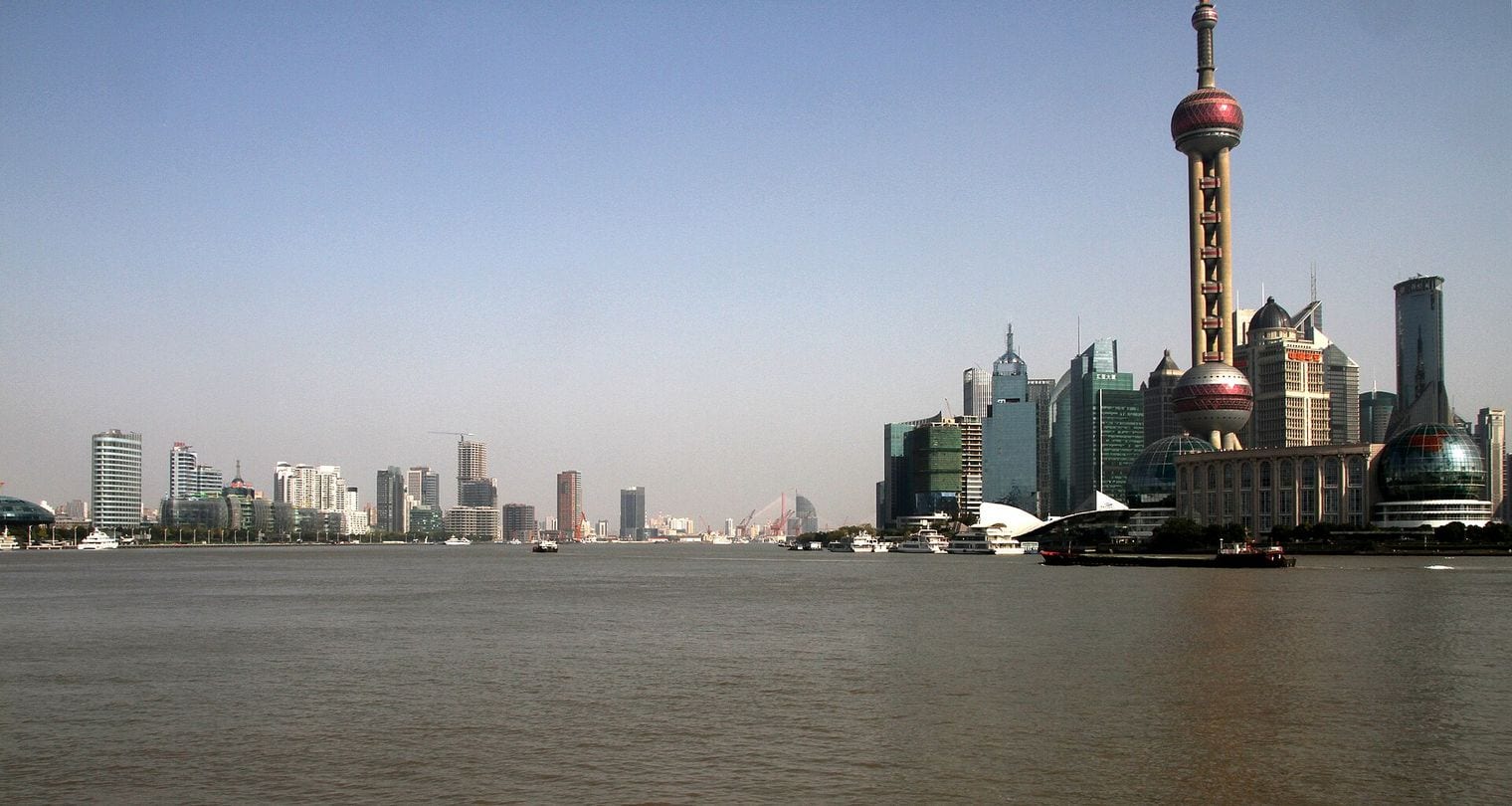
The Oriental Pearl Tower reaches 468 metres on the Pudong waterfront and is the most recognisable silhouette in Shanghai after the skyscrapers that later grew up around it. Eleven steel spheres of varying size are threaded onto three enormous columns, a design the architects drew from a classical Chinese poem about pearls falling onto a jade plate, and the two largest spheres read from across the Huangpu River like beads on a wire.
The spheres are where the public goes. Viewing levels sit at roughly 90, 263 and 342 metres, the highest of them known as the Space Module, and one of the lower spheres carries a glass-floored walkway around its circumference. A revolving restaurant and a hotel occupy other spheres, and the museum in the base covers the history of the city. It is a founding-generation member of the World Federation of Great Towers.
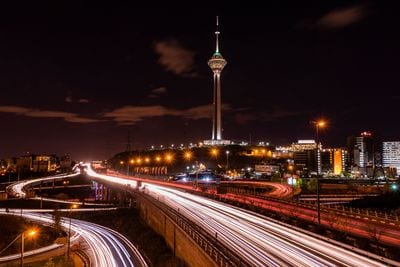
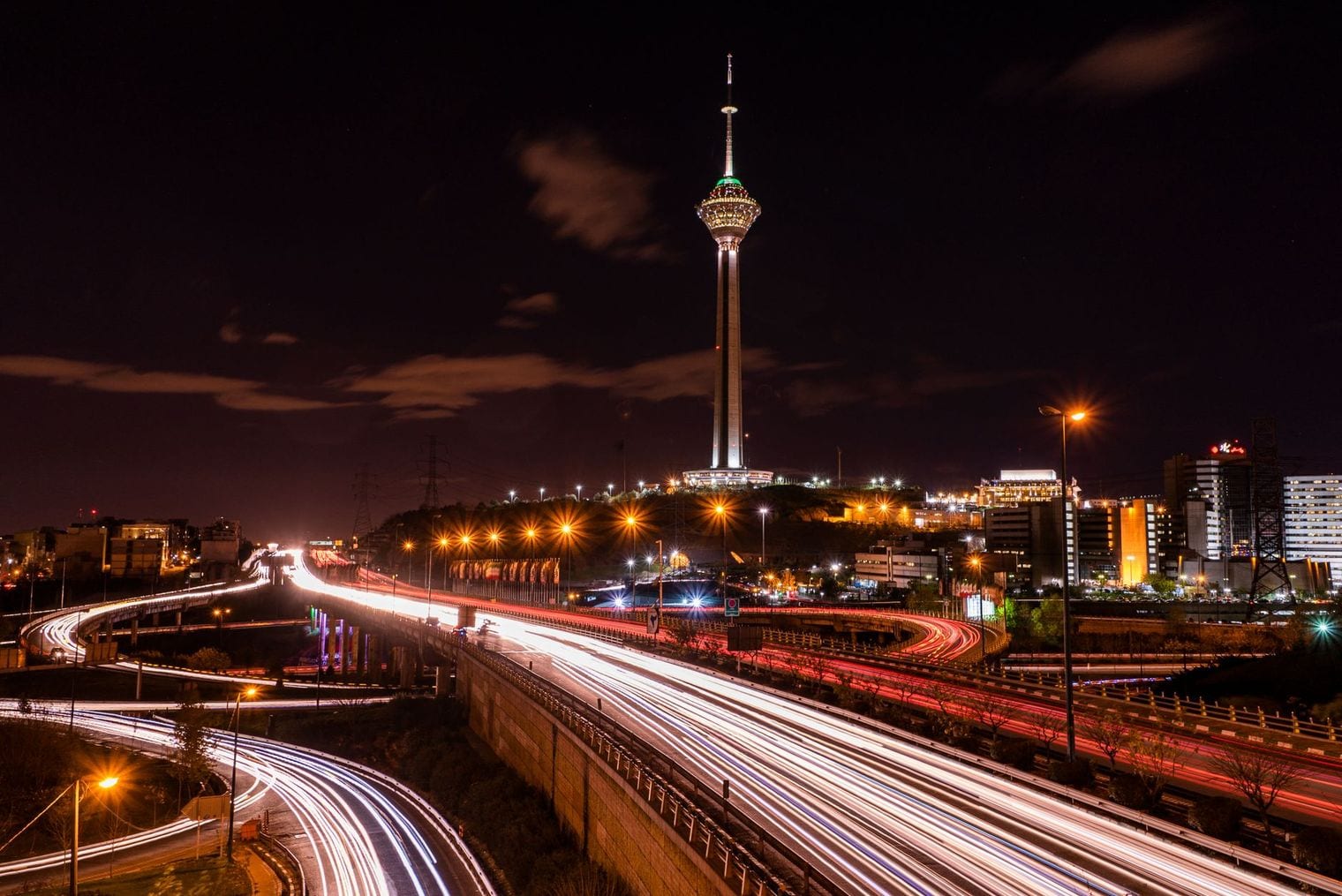
Milad Tower climbs to 435 metres over western Tehran and is the tallest structure in Iran by a wide margin. Its concrete shaft rises from an octagonal base — a shape borrowed from traditional Persian architecture — and swells near the top into a twelve-storey head that holds the public levels. From the surrounding districts it is visible from almost anywhere in the city, and it serves as the reference point locals give when describing where something is.
The head of the tower contains an enclosed observation deck, an open-air gallery above it, and a revolving restaurant, with the viewing levels sitting roughly between 250 and 315 metres. On a clear day, when the smog lifts off the basin, the Alborz mountains stand up sharply along the northern horizon with snow on them for much of the year. Milad is a member of the World Federation of Great Towers.
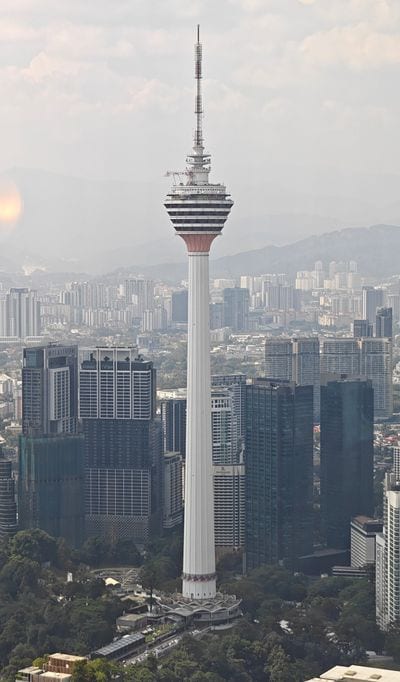
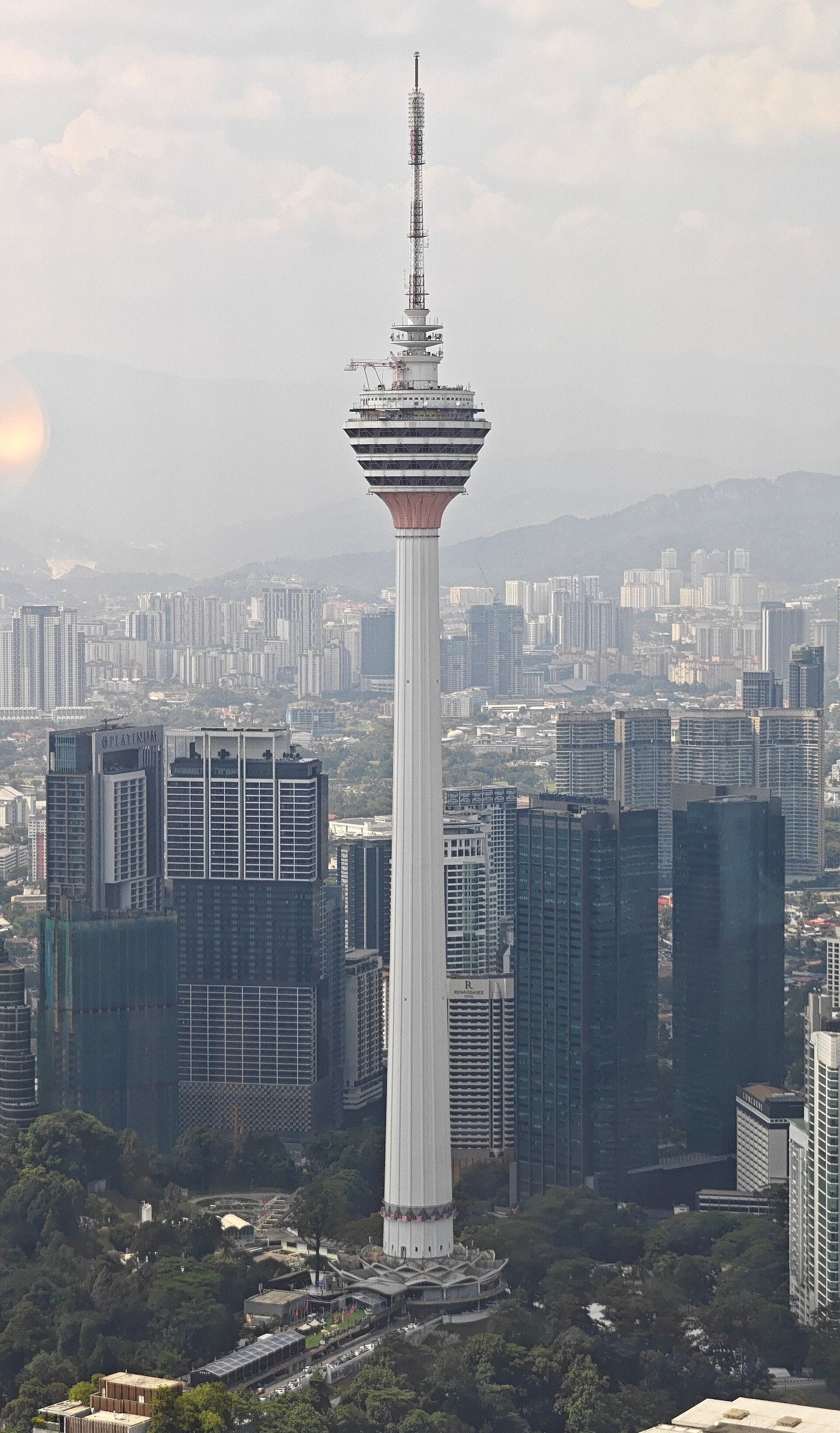
Kuala Lumpur Tower, known locally as Menara Kuala Lumpur, reaches 421 metres and is the tallest tower in Southeast Asia. What sets it apart from its peers is its footing: it stands inside the Bukit Nanas Forest Reserve, a pocket of primary rainforest that survived in the middle of the capital, and the approach road curls up through genuine jungle before the tower appears above the canopy.
The enclosed observation deck sits at 276 metres, with an open-air Sky Deck and a glass-floored Sky Box above it that cantilevers out over the drop. A revolving restaurant turns below. Because the tower sits on a hill, its decks look down on the Petronas Twin Towers rather than up at them, which makes it the best place in the city to photograph them. It also serves as the national falak observatory for sighting the crescent moon.
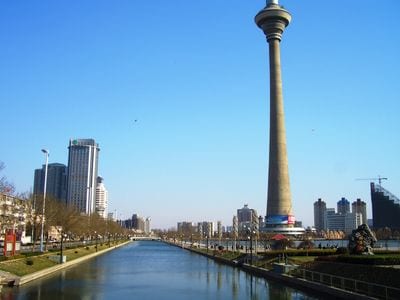
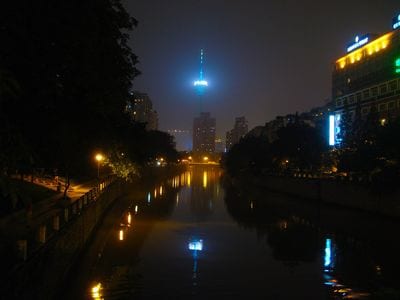
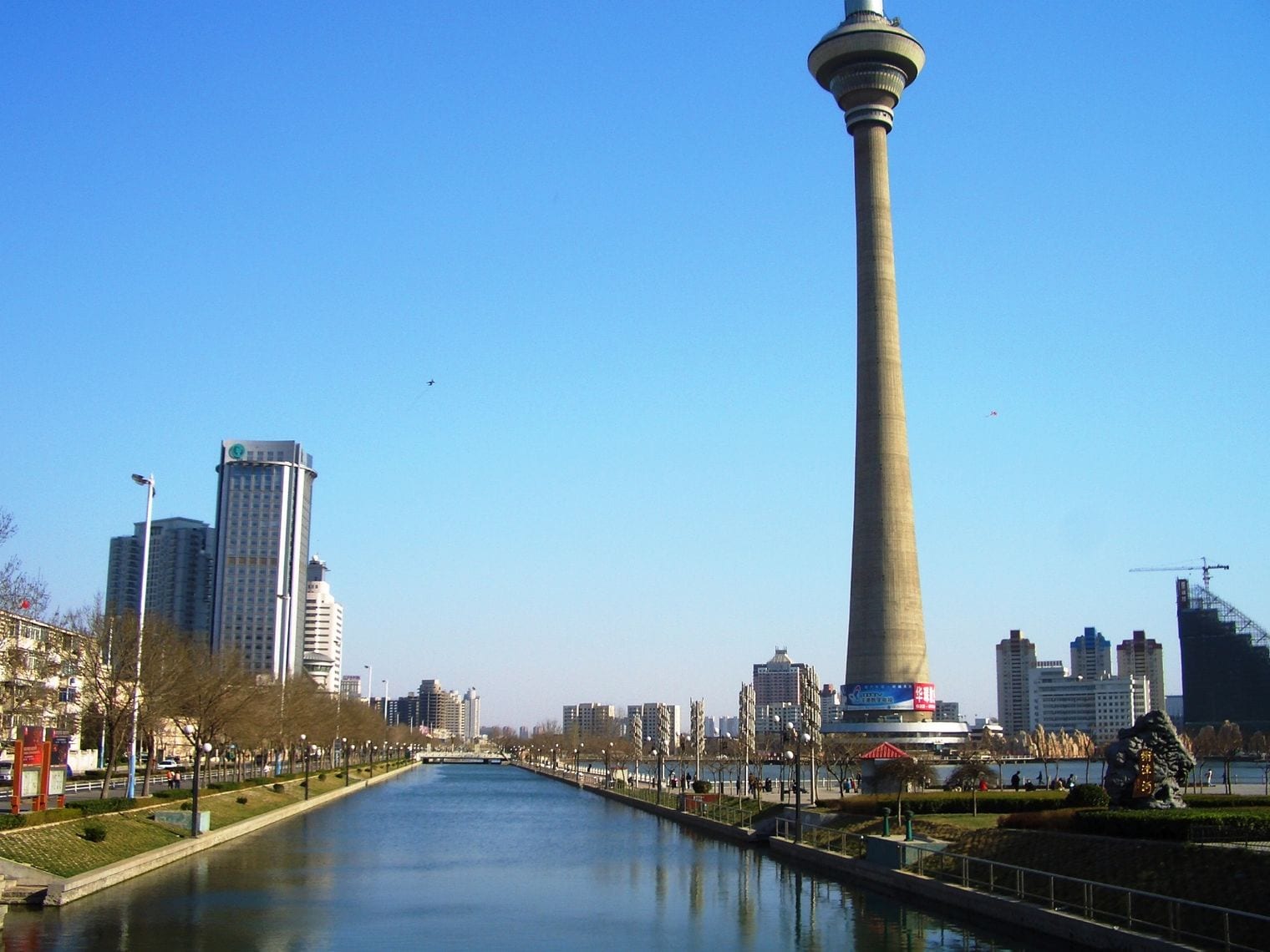
The Tianjin Radio and Television Tower rises 415.2 metres in the Hexi district and is one of the few towers on this list to stand in water — it was built on an island in an artificial lake, so the whole shaft is mirrored on calm days and reached by a causeway. Tianjin residents call it Tianta, and the metro station beneath it takes the same name.
The main observation deck sits at roughly 253 metres and is enclosed in glass, with a revolving restaurant on the level above where a meal covers the cost of the view. Telescopes ring the deck. Because Tianjin is flat and the tower sits away from the central business district, the outlook is unusually open — the city spreads out in every direction, and the port and the Hai River are both legible from the top.
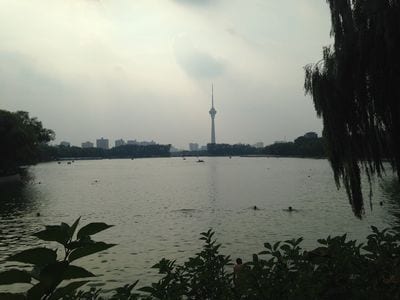
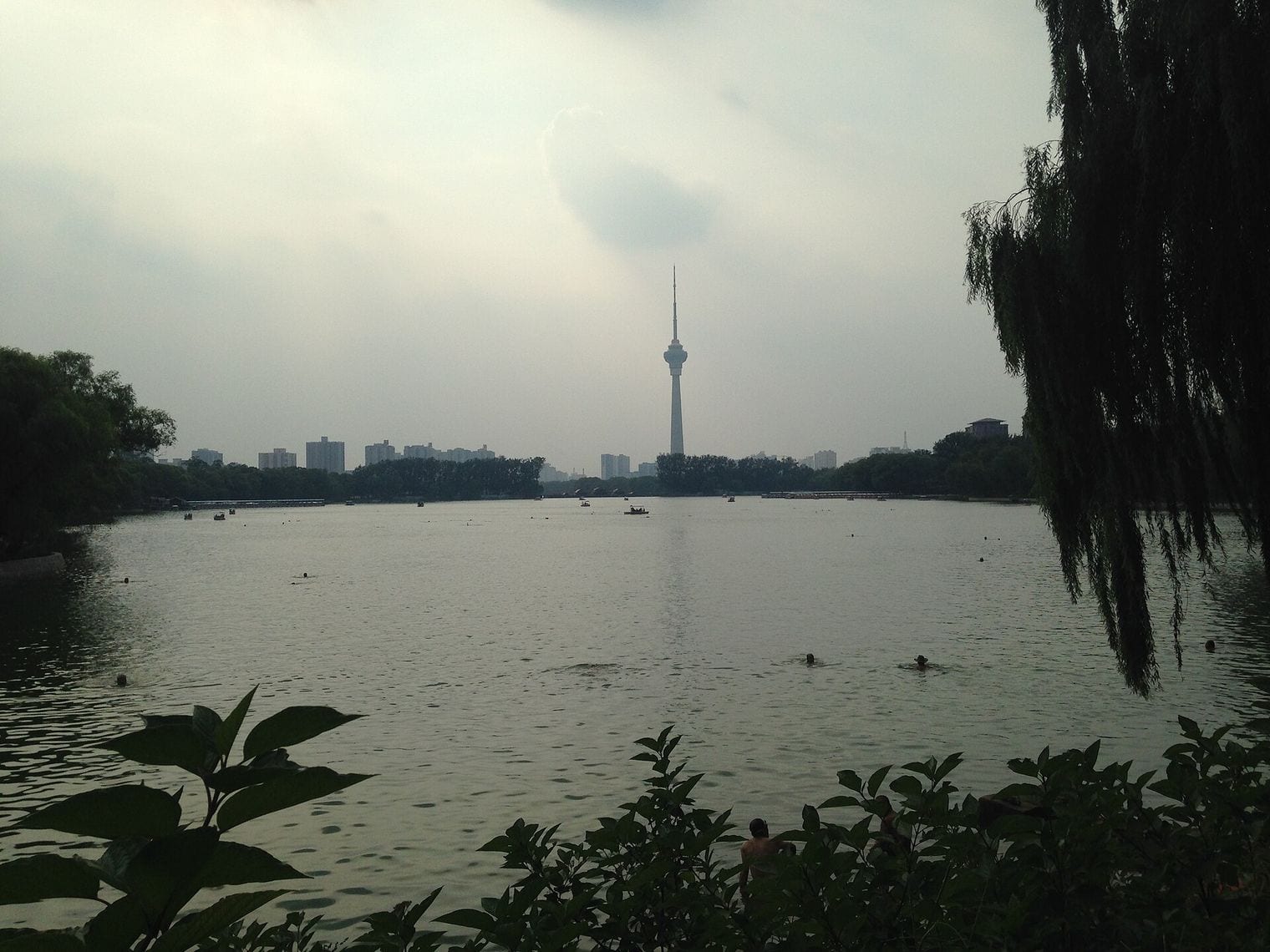
Beijing's Central Radio & TV Tower reaches 405 metres in the Haidian district on the western side of the city, a concrete shaft topped by a broad disc that reads as a flying saucer from a distance. It went up in the early 1990s as the broadcast hub for the national networks, and it remains the tallest structure in that part of Beijing, standing clear of everything around it beside Yuyuantan Park.
There are two viewing levels: a glazed platform at about 225 metres for cold weather, and an open-air deck at roughly 238 metres above it where nothing sits between you and the city. Below them a revolving restaurant turns at around 221 metres, the highest dining room in Beijing. Looking east the whole central axis of the city lines up, and on a clear day the Western Hills rise behind you.
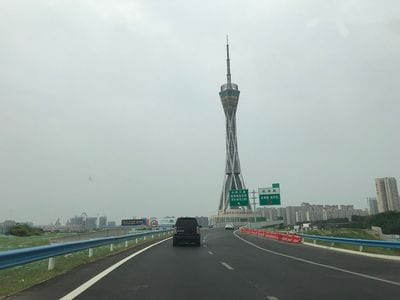
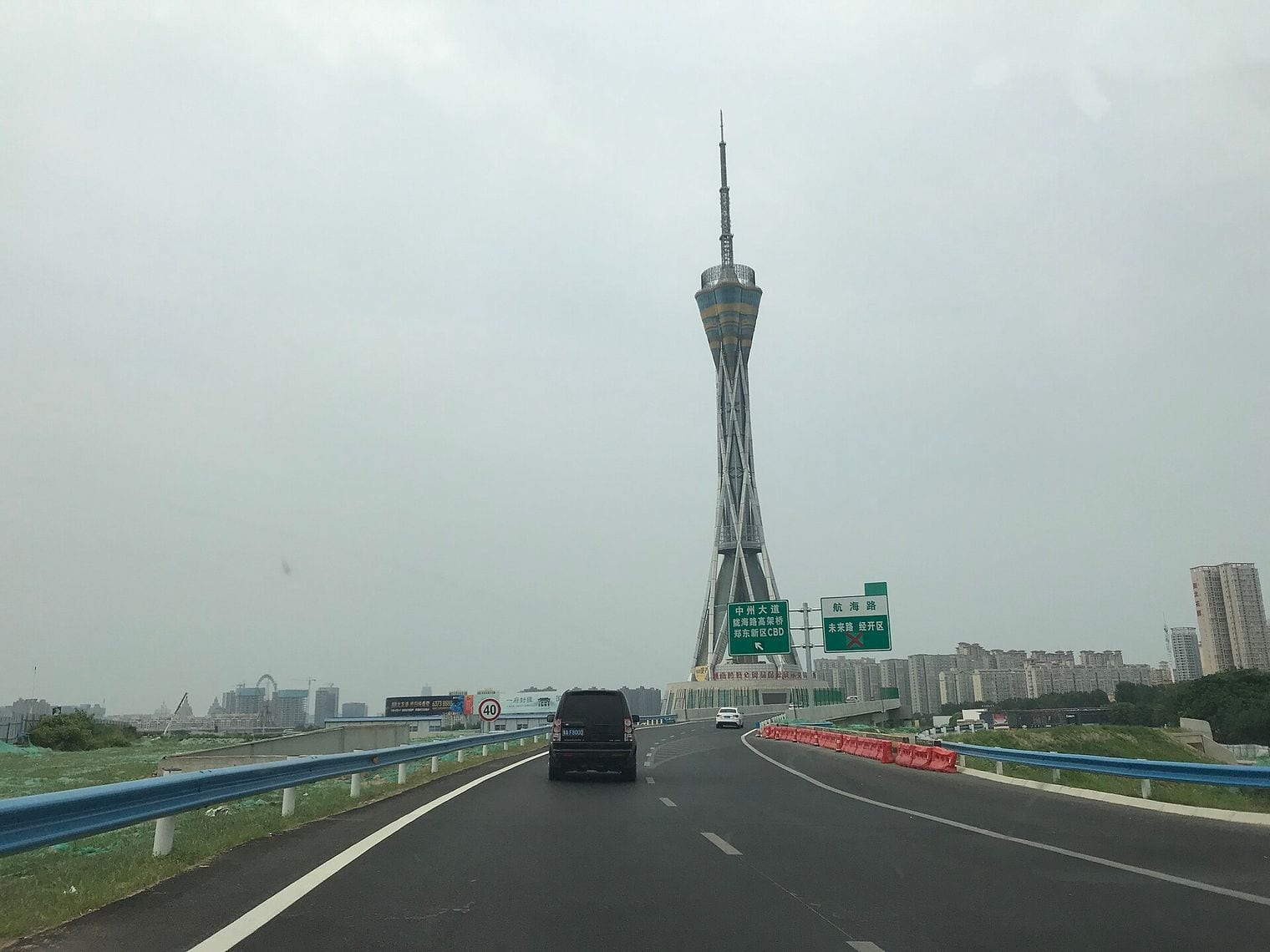
Zhongyuan Tower stands 388 metres in Zhengzhou and is the tallest steel tower in the world — a distinction worth pausing on, because almost every other tower at this height is built from concrete. Its frame is a lattice of steel that narrows to a mast, and it is known locally as the Tower of Fortune, or Fu Tower, a name that appears alongside Henan Radio and Television Tower on much of its signage.
The public levels sit in the head of the tower, with an observation deck, a revolving restaurant and exhibition space covering the history of Henan province. The building at its base holds a broadcasting complex and an art gallery. Zhengzhou sits on the flat North China Plain, so there is nothing to interrupt the view in any direction, and the Yellow River runs a short distance to the north. It is a World Federation of Great Towers member.
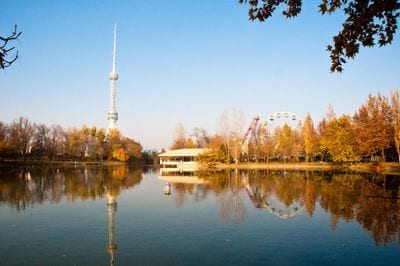
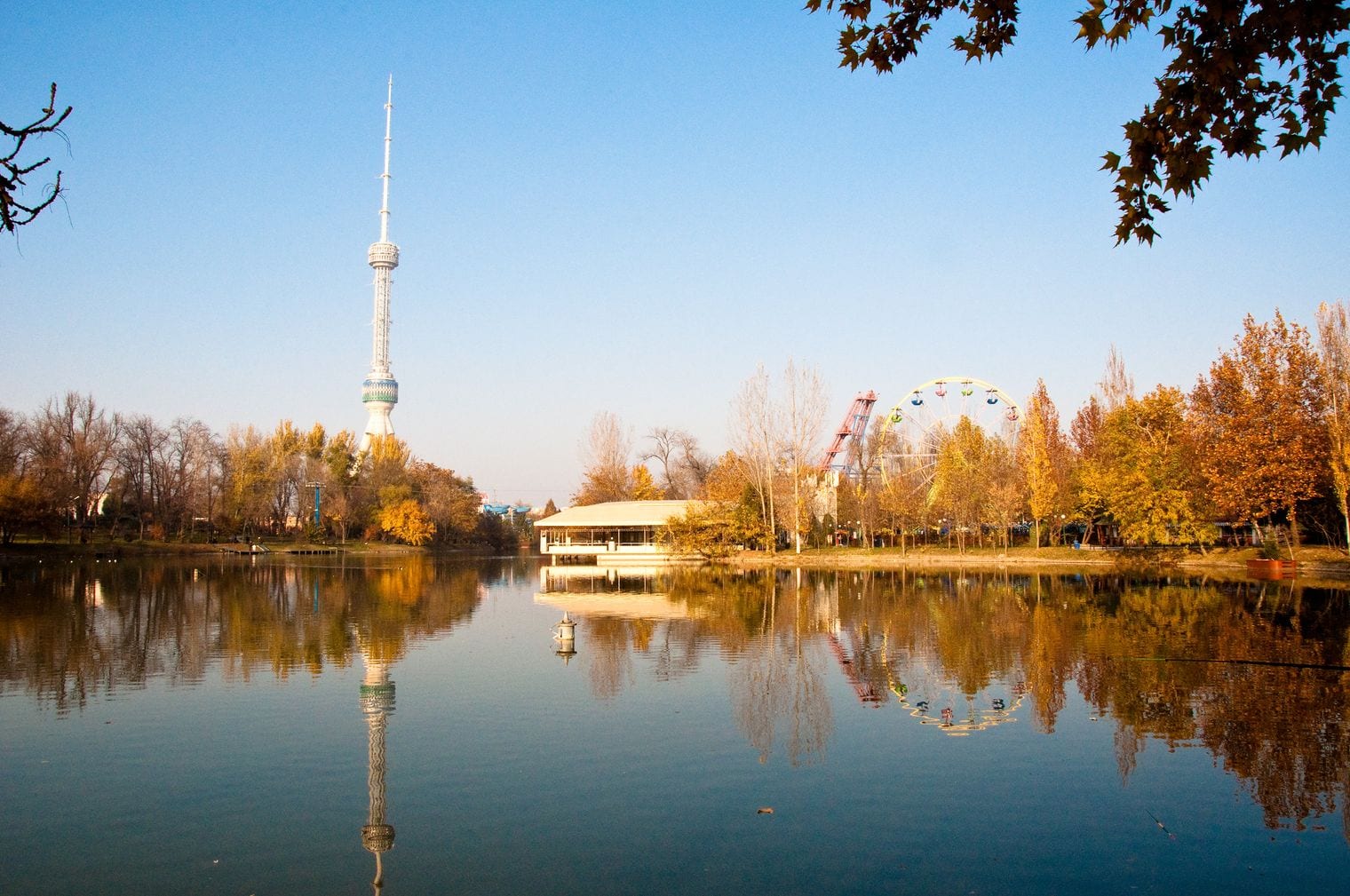
Tashkent Tower reaches 375 metres and is the tallest structure in Central Asia, a Soviet-era design completed in the mid-1980s that has aged into something genuinely striking. Its three splayed legs lift the shaft clear of the ground before it narrows into the mast, and the detailing around the head of the tower borrows from Uzbek ornamental patterns rather than the plain concrete of its Moscow counterparts.
The observation deck sits at about 220 metres, with restaurant levels lower down, at around 94 to 104 metres. Tashkent is a low-rise city on a wide plain, so the deck looks out over an unbroken carpet of trees and courtyards, and the Chatkal range is visible to the northeast on clear days. It is one of the longest-standing members of the World Federation of Great Towers.
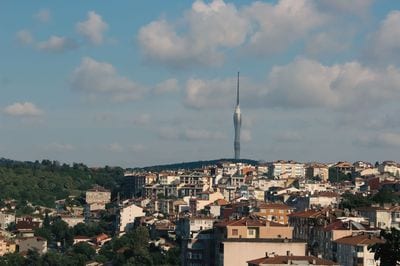
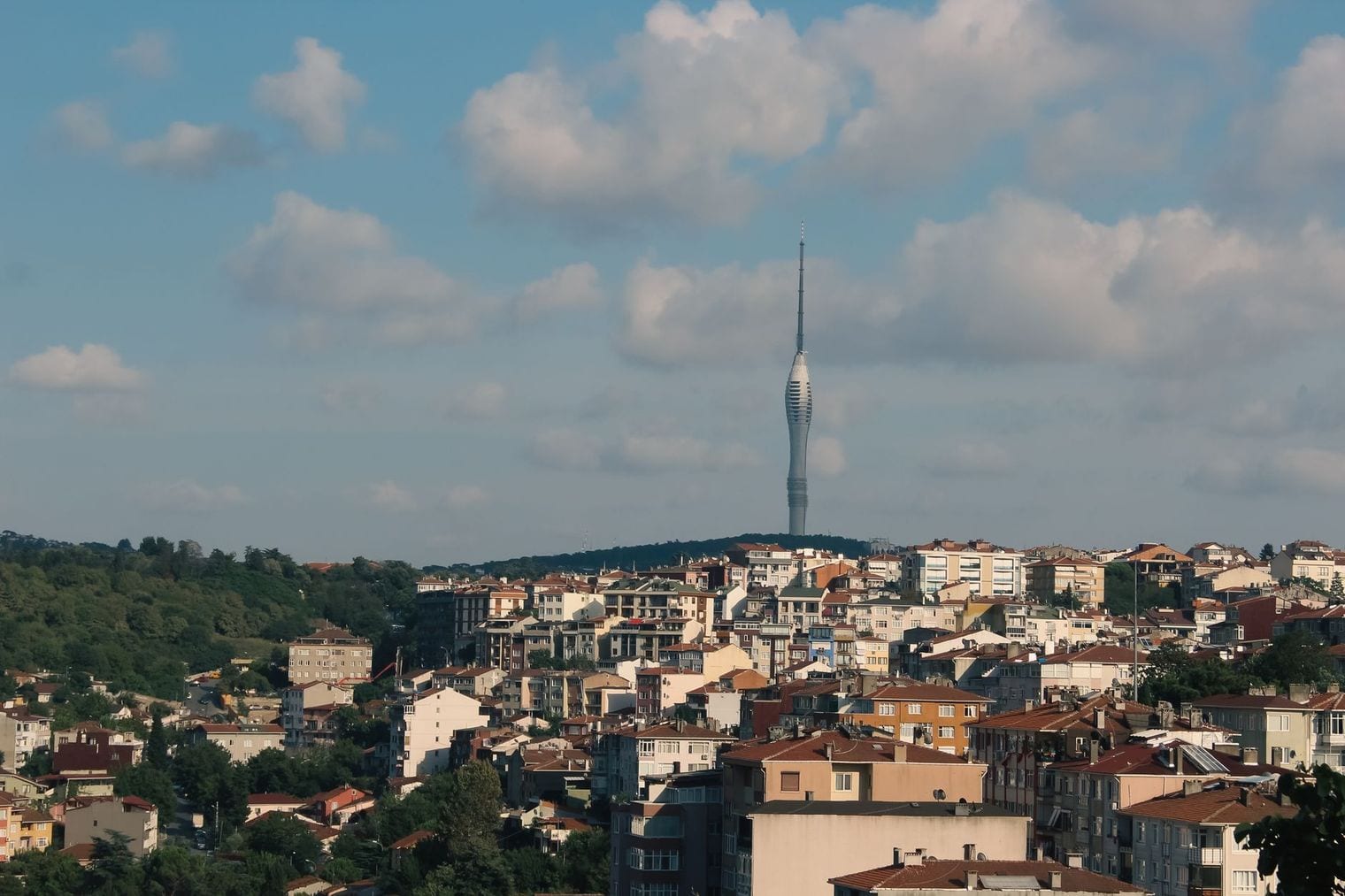
Çamlıca Tower rises 369 metres on the Asian side of Istanbul and is the newest entry in the upper half of this list, opened in 2021. It exists to solve a specific problem: for decades the hills above the Bosphorus bristled with dozens of separate transmission masts, and this single tower replaced them, clearing the skyline in one move. Its tapering form is clad in a diagonal metal lattice that catches the light differently through the day.
Two observation decks are open to visitors, at 220 and 268 metres, and because the tower stands on Çamlıca Hill the outlook is exceptional — the Bosphorus, both suspension bridges, the Golden Horn and the historic peninsula all lay out below you at once. Restaurants occupy the levels above the decks. An audio guide runs in more than twenty languages, and the tower can hold several thousand visitors at a time.
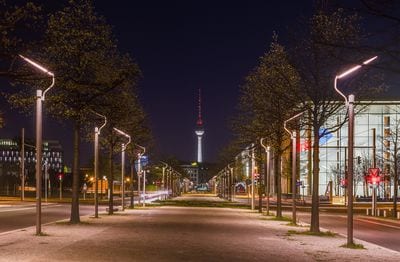
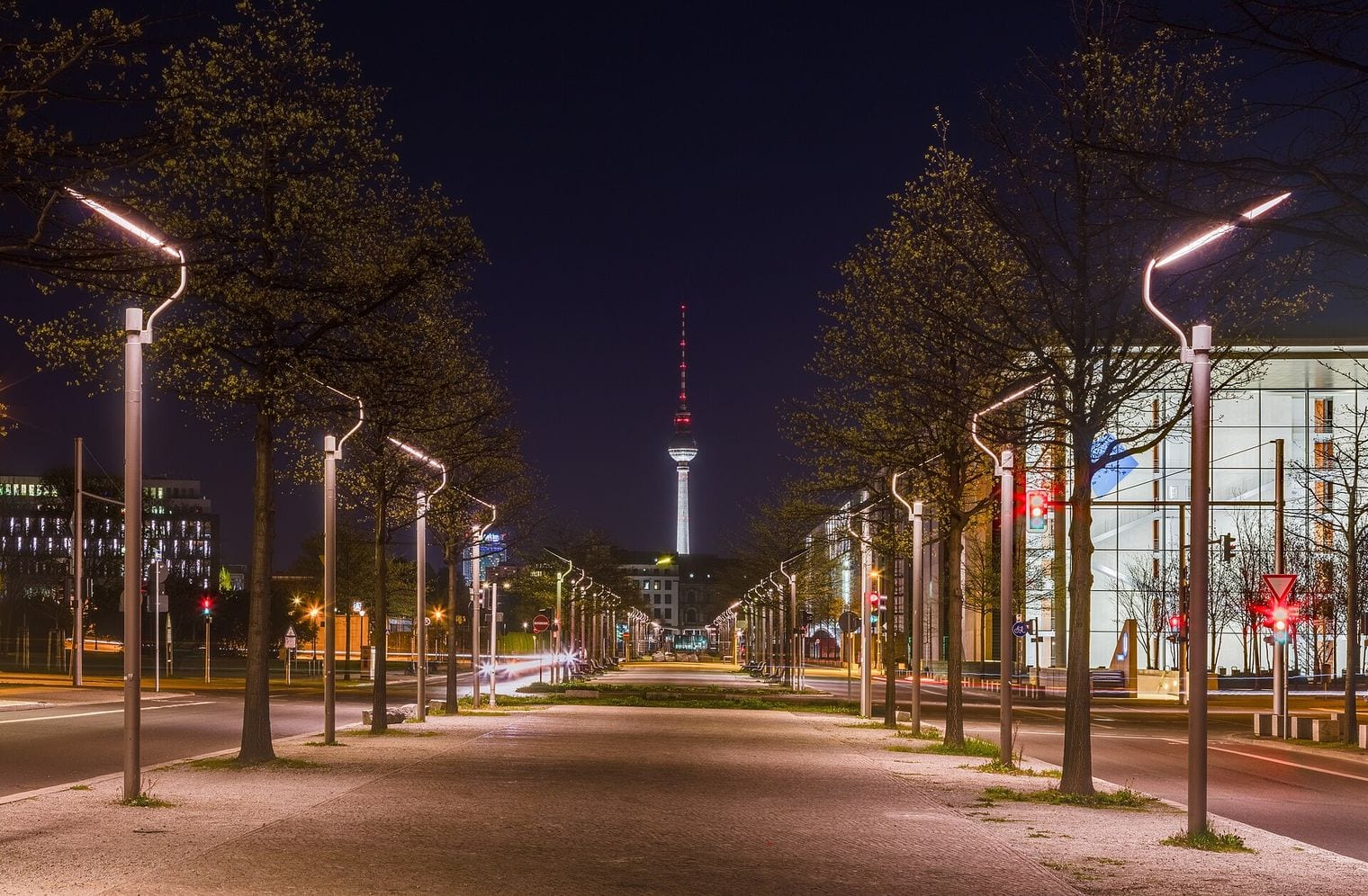
The Berlin TV Tower reaches 368 metres at Alexanderplatz and is the tallest structure in Germany. It was raised by East Germany in the 1960s as a deliberate act of visibility, planted where it could be seen from both halves of the divided city, and the sphere near its top has been the defining shape of the Berlin skyline ever since. Berliners call it the Telespargel, the tele-asparagus.
The visitor levels sit inside that sphere: an enclosed observation deck ringed with windows, and above it a restaurant that completes a slow rotation while you eat. The city is flat and low-rise, so the view carries a remarkable distance — the Tiergarten, the Reichstag, the Fernsehturm's own shadow lying across the rooftops. There is also the famous optical accident the East German government never lived down: in sunlight, the sphere's cladding throws a cross of light.
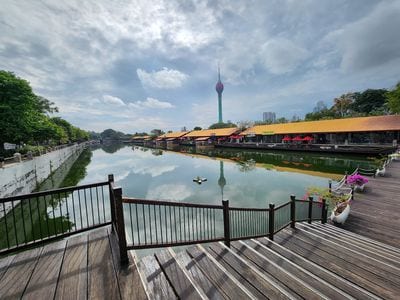
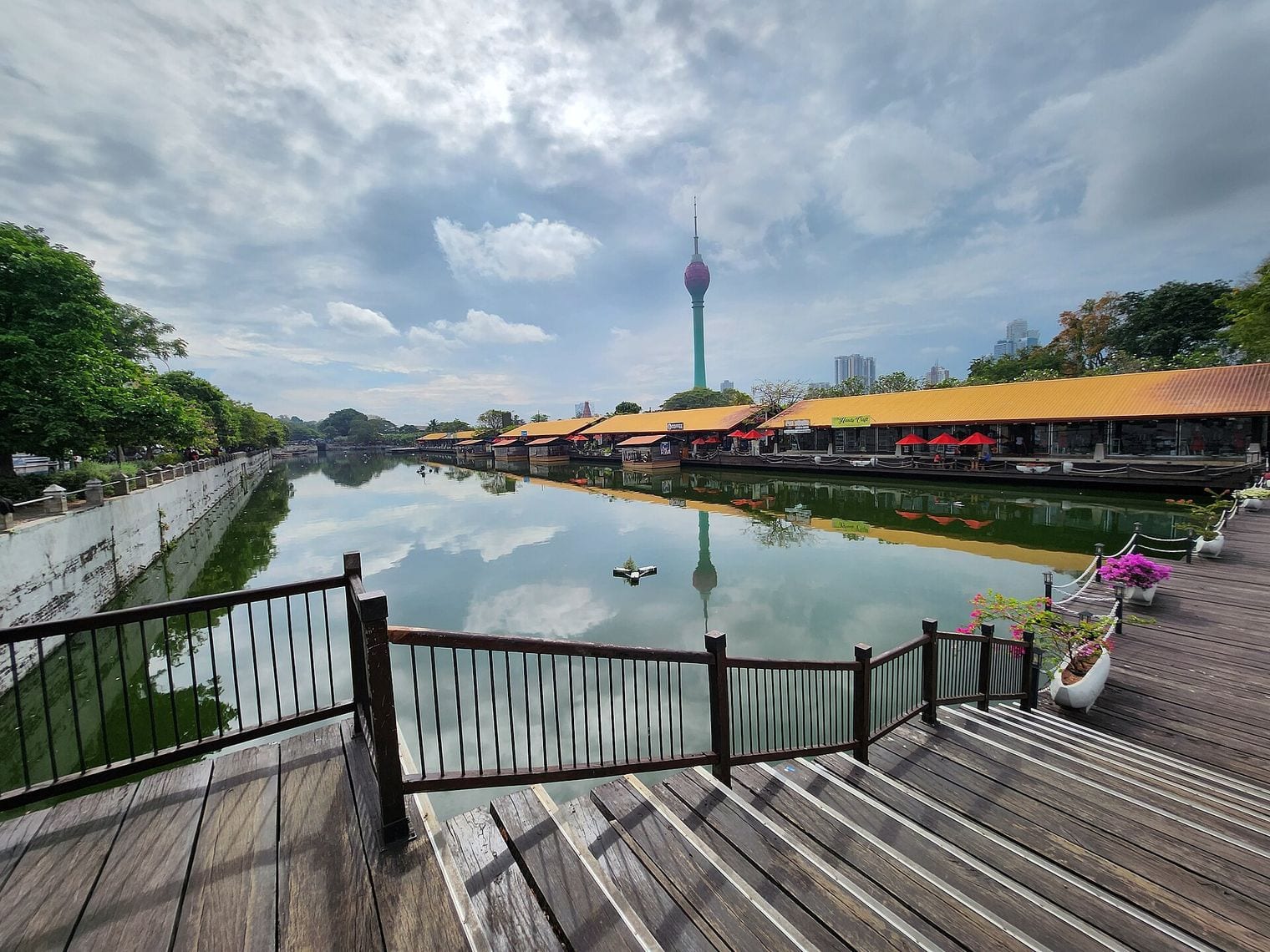
The Colombo Lotus Tower reaches 351.5 metres and is the tallest self-supporting structure in South Asia. Its name is not decorative shorthand — the tower genuinely is shaped like a lotus, with a slender stem opening into a bulb of overlapping golden-pink petals that hold the public floors. It sits beside Beira Lake in the middle of Colombo and dominates a skyline that has nothing else remotely as tall.
It opened to visitors in September 2022 after a long construction, and the observation deck sits at roughly 244 metres, taking in the city grid on one side and the Indian Ocean on the other. Sunset is the moment to be up there. A digital museum, restaurant space and a banquet hall occupy other levels, and the ticket for overseas visitors normally bundles the deck together with the museum.
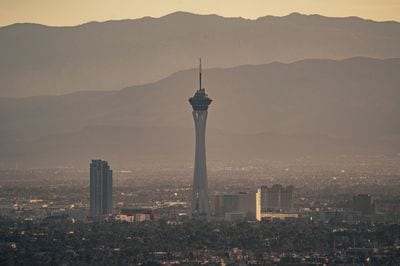
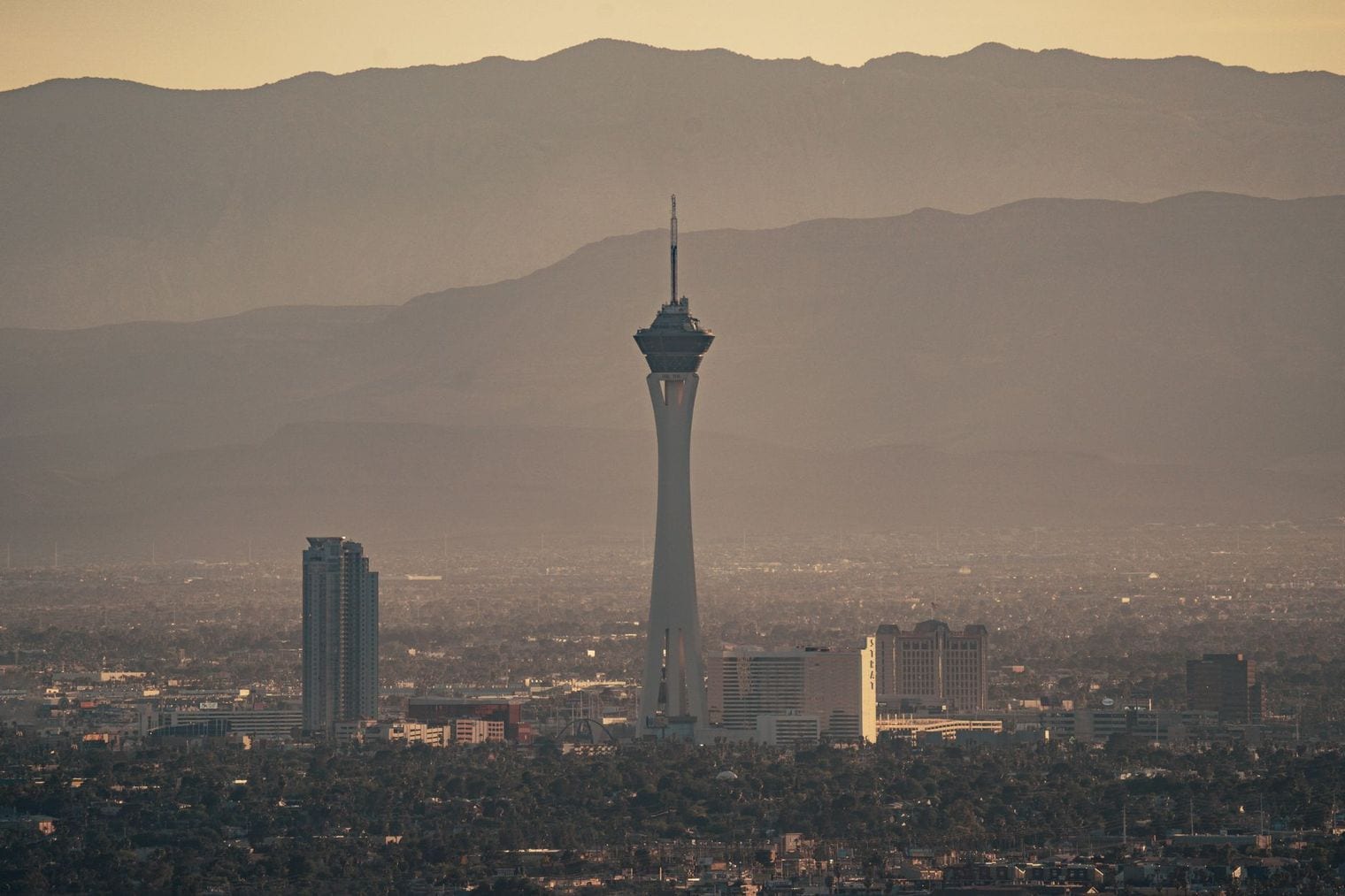
The Strat rises 350.2 metres at the northern end of the Las Vegas Strip and is the tallest observation tower in the United States — and the tallest in the Western Hemisphere outside Toronto. Its three-legged concrete shaft was topped out in the mid-1990s and stands well apart from the casino towers further south, which is exactly why it works as a viewpoint: nothing blocks the sightline down the length of the Strip.
The SkyPod holds indoor and outdoor observation decks along with a revolving restaurant. What genuinely distinguishes it, though, is what sits on the roof. Three thrill rides operate from the top of the tower, including a controlled drop down the outside of the shaft and a seat that swings you out beyond the edge of the pod, several hundred metres above the desert floor. The night view over the valley is the real draw.
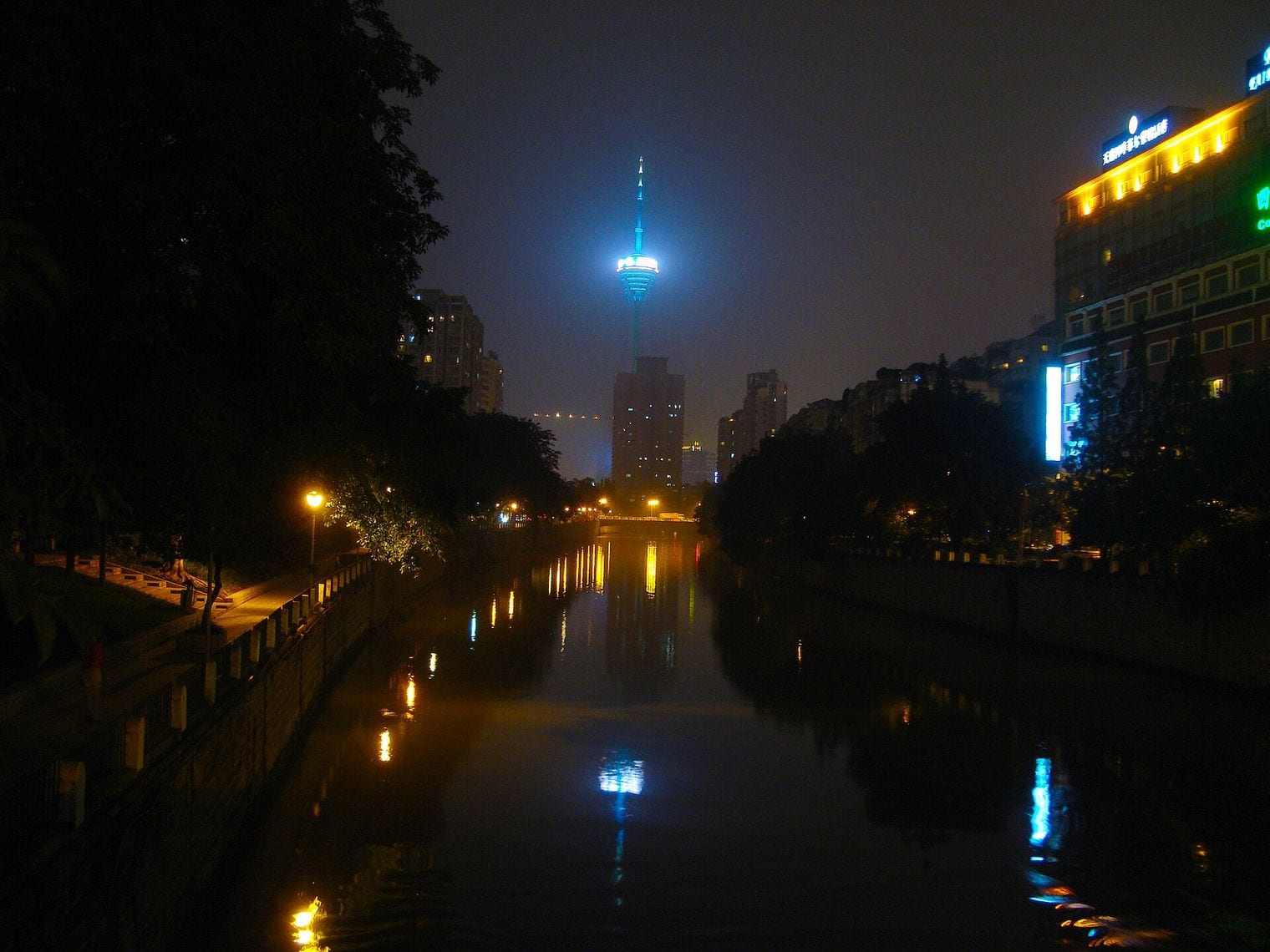
Tianfu Panda Tower reaches 339 metres in Chengdu and is the tallest tower in western China. It is better known by its numeric nickname, the 339, which comes straight from its height and has since attached itself to the whole entertainment district that grew up around its base beside the Jin River. It is lit after dark as the centrepiece of the city's night skyline.
A high-speed lift carries visitors to the observation levels near the top, where the outlook covers the Chengdu plain — a city of many millions laid out almost entirely flat, with the mountains of Sichuan standing along the western horizon on a clear day. The surrounding 339 area is packed with restaurants and bars, so the tower functions as an evening destination rather than a daytime stop.
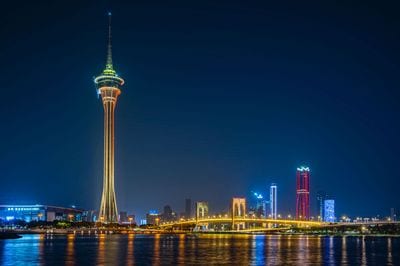
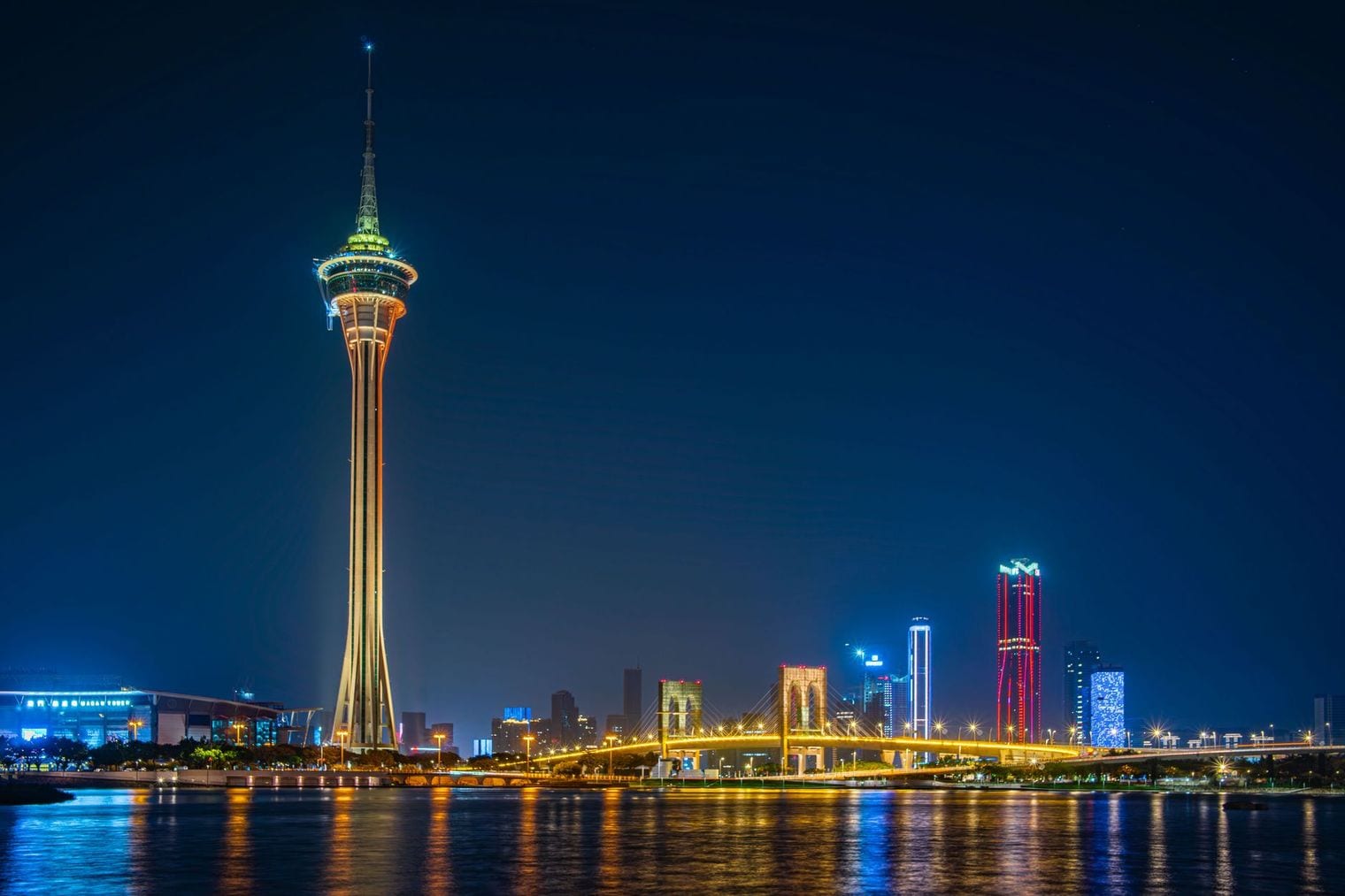
Macau Tower stands 338 metres above the waterfront and was designed by the same New Zealand engineers behind Auckland's Sky Tower, which explains the strong family resemblance — a slim concrete shaft carrying a broad disc-shaped pod near the top. It looks across the water to Taipa and, on a clear day, out toward the Pearl River estuary and mainland China.
The main observation lounge sits at 223 metres and includes glass floor panels set into the outer ring, so you can stand directly over the drop.
Above that the tower runs one of the most serious adventure programmes anywhere: an outer rim walk with no handrail, a vertical mast climb to the very top, and a bungee jump from 233 metres that is among the highest commercial jumps in the world. Plenty of visitors come only to watch other people do it.
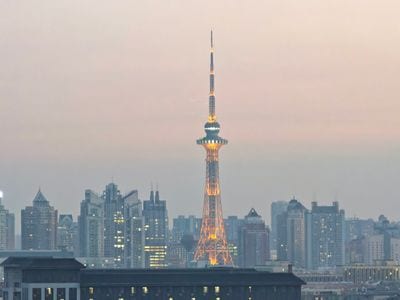
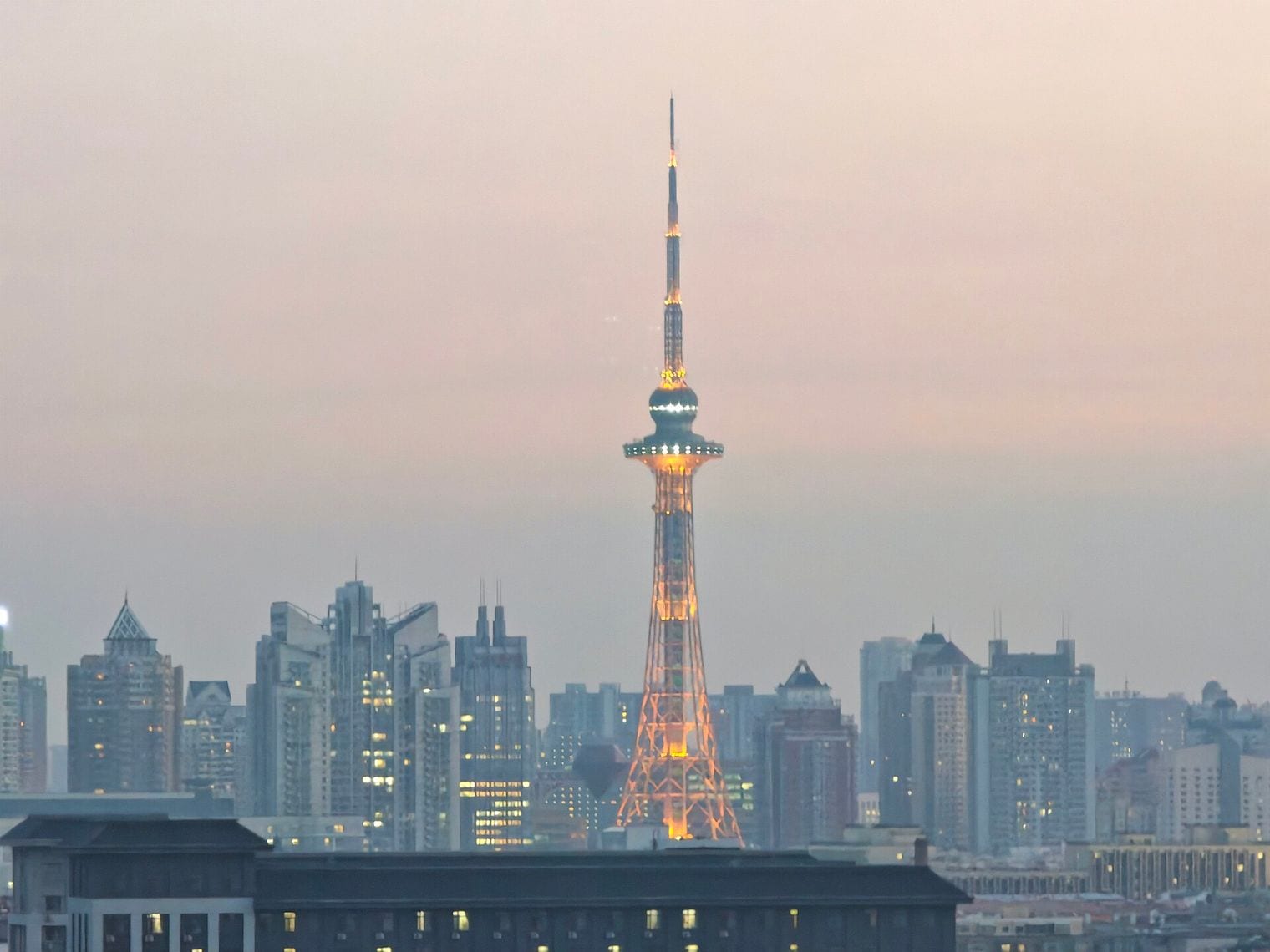
Dragon Tower, or Long Ta, reaches 336 metres in Harbin and is the tallest steel lattice tower in China. It serves broadcasting across Heilongjiang province in the far northeast, and its slender open framework suits the climate — Harbin winters are severe enough that the city's other great attraction is carved entirely from ice. The tower is lit in colour after dark and reads clearly from across the Songhua River.
Its observation decks sit at roughly 181 and 190 metres, and the enclosure was reworked some years ago: the original mesh screening came out and glass went in, which turned a fenced-in view into an unobstructed 360-degree one, with a glass floor section for looking straight down. There are buffet restaurants at deck level. The tower holds a national AAAA scenic rating, the tier just below China's highest.
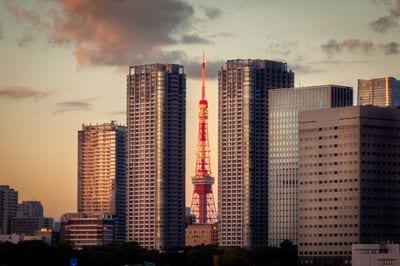
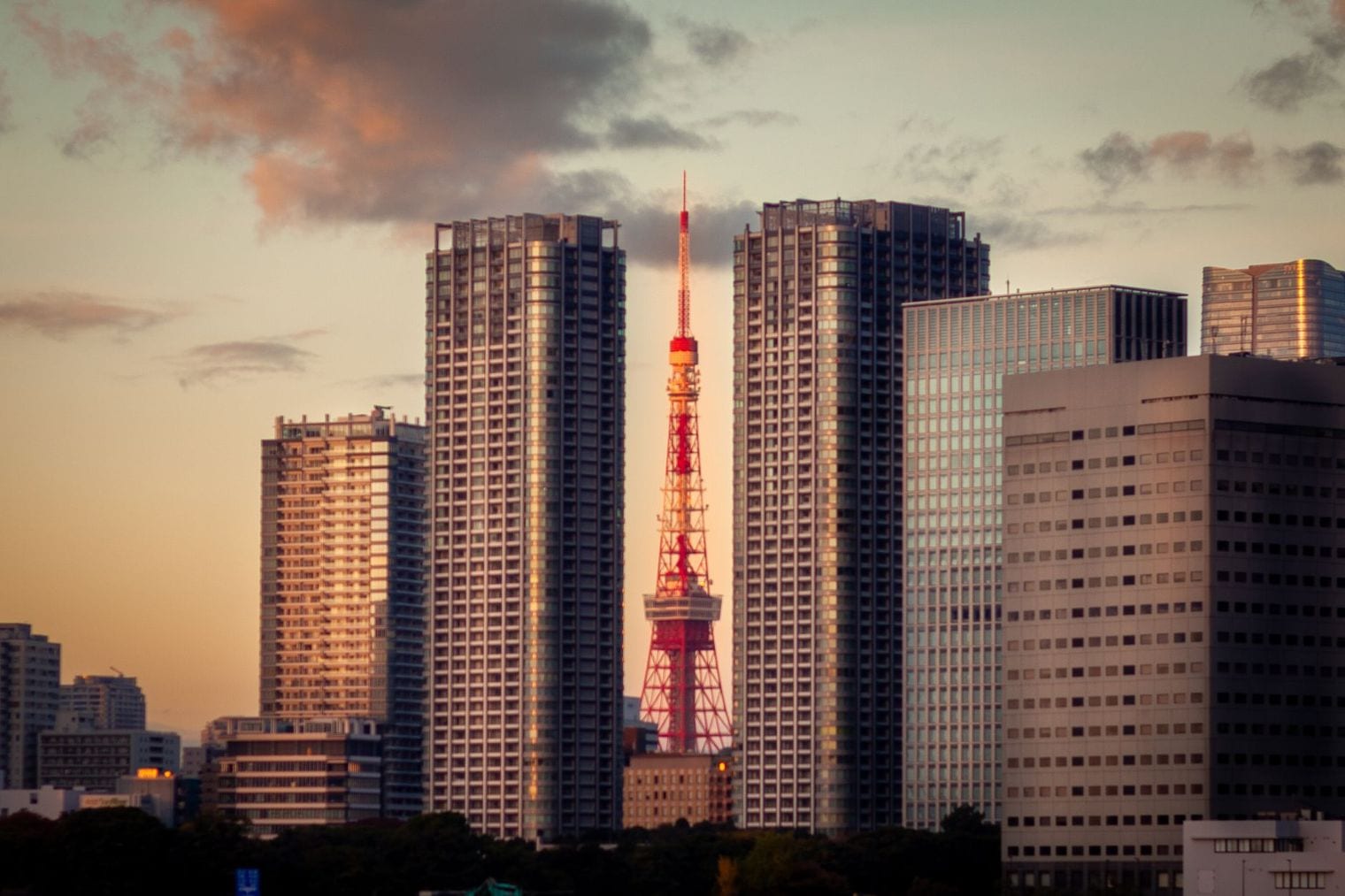
Tokyo Tower stands 332.9 metres in Minato and is the sentimental favourite among Japan's towers, even now that Tokyo Skytree has nearly doubled its height. Completed in 1958, it was modelled on the Eiffel Tower and then built taller, painted in the white and international orange that aviation rules required, and it became the emblem of a country rebuilding itself at speed.
The Main Deck sits at 150 metres with a glass floor section, and the Top Deck at about 250 metres is visited on a guided tour with a mirrored interior. Because the tower stands among mid-rise streets rather than skyscrapers, the view is more intimate than Skytree's — you look at Tokyo rather than over it, with Zojoji Temple's roofs directly below and Mount Fuji on the horizon in winter. It remains a World Federation of Great Towers member.
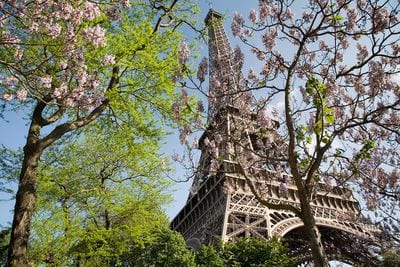
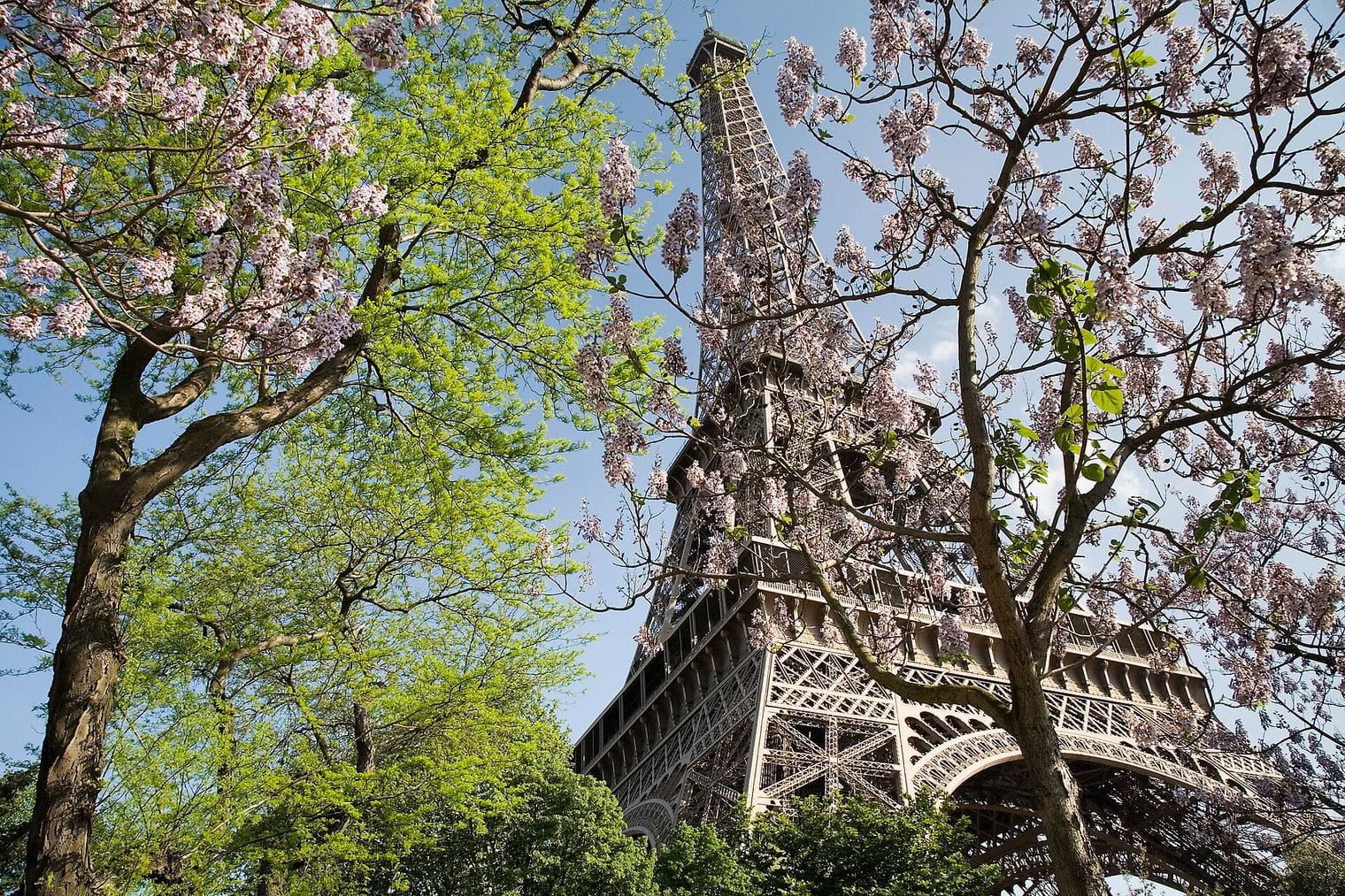
The Eiffel Tower closes this countdown at 330 metres, which surprises people who assume the world's most famous tower must also be among its tallest. It stood 312 metres when it opened for the 1889 World's Fair in Paris and was then the tallest structure on Earth by a huge margin; everything it has gained since has come from the broadcast antennas added to its crown, the most recent of which lifted it to its current height in 2022.
Three levels are open to visitors. The first two are reachable by stairs for anyone who wants them, and the summit at roughly 276 metres is lift-only, with Gustave Eiffel's small reconstructed office tucked up there. What keeps it interesting among the concrete shafts on this list is that it is pure exposed ironwork, riveted by hand, and every part of the structure is visible as you climb through it.
FAQ: The World’s Tallest Observation Towers
What is the tallest observation tower in the world?
Tokyo Skytree, at 634 metres. It has held the title since it opened in 2012 and stands well clear of second-placed Canton Tower in Guangzhou, which reaches 600 metres. Only a small number of buildings and guyed broadcast masts anywhere on Earth rise higher than Skytree, and none of them is a tower.
What makes something a tower rather than a skyscraper?
The test the industry uses is floor space. A building gives at least half its interior over to occupiable rooms; a tower gives less than half. That is why the Burj Khalifa and the Shanghai Tower are absent from this ranking despite standing taller — they are buildings with observation decks, not observation towers.
Is the Eiffel Tower one of the tallest towers in the world?
Only just. At 330 metres it ranks twentieth here, and it reaches even that height only because broadcast antennas have been added to its crown over the years. The Eiffel Tower opened at 312 metres in 1889, when it was comfortably the tallest structure anywhere on Earth.
Which tower has the highest observation deck?
Tokyo Skytree again. Its Tembo Galleria sits at 450 metres, higher than the deck on any other purpose-built tower, with the CN Tower’s SkyPod at roughly 447 metres the closest rival. Several skyscrapers do have decks above both — the Shanghai Tower’s is above 550 metres — but those are buildings.
Are there taller towers that did not make this list?
Yes. Three out-measure entries here but admit no visitors to a viewing platform: Kyiv’s tower at 385 metres and Almaty’s at 371.5 metres have no public deck at all, while Riga’s 368.5-metre tower has a deck that is not open to visitors during a refit running to 2029.
Which parts of the world are missing from the ranking?
Africa, South America and Oceania have no qualifying tower. Asia dominates with fifteen entries, Europe has three and North America two. The nearest miss is Auckland’s Sky Tower in New Zealand, which reaches 328 metres — two metres short of the Eiffel Tower at the bottom of this list. Towers are only one of the categories we rank; the full set of record countdowns covers everything from waterfalls to roller coasters.