By the City Viking editorial teamPublished Ranked by height · 13 min read
Last verified Checked before launchOct 30, 202615 sources7 publishers1 government & parks10 encyclopedias & research4 venues & other sitesPublished · Nov 2, 2026Researched and checked before it went liveClick for every source and the full change log.
The record
116.22 m381.3 ft
Hyperion
United States
The record
The tallest tree in the world is Hyperion, in the United States — 116.22 m (381.3 ft), height.
Source: guinnessworldrecords.com. Verified .
Short answer
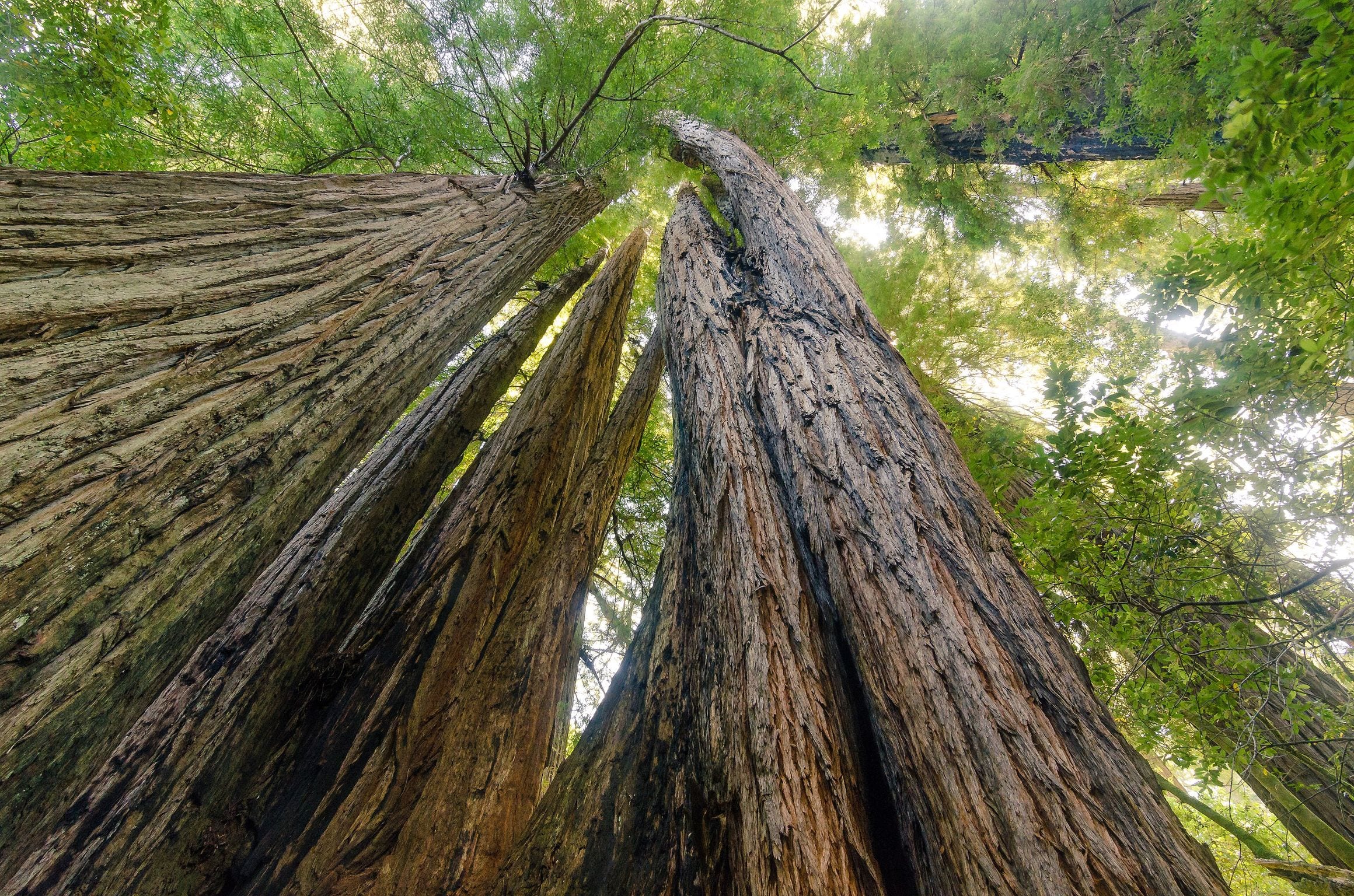
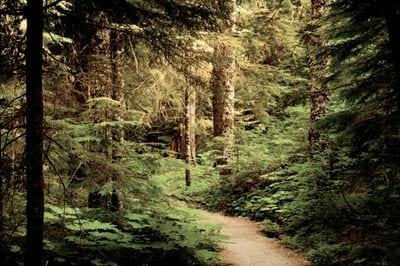
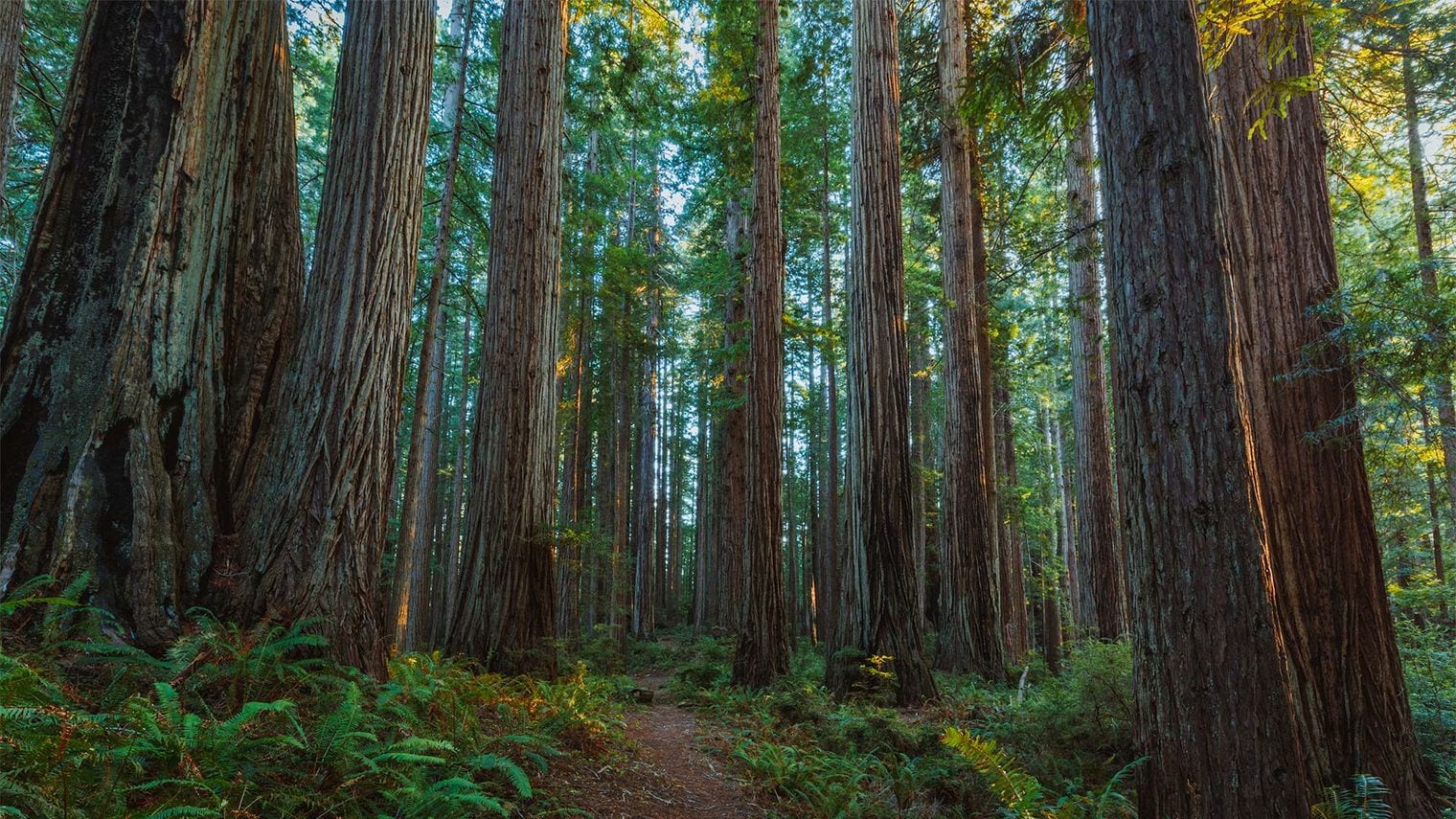
Hyperion, a coast redwood in California's Redwood National Park, is the tallest tree in the world at 116.22 m (381.3 ft), ahead of Tibet's South Tibetan Cypress No. I at 102.3 m. Hyperion's valley is off limits, so to walk among the giant redwoods, take the Grove of Titans boardwalk in the same park system.
Helios, Stratosphere Giant and Icarus all stand more than 113 m tall, higher than every tree on this list except one, yet none of them makes it: like Hyperion, they are coast redwoods, and this list takes only the tallest measured tree of each species.
That rule turns a chart of California redwoods into a world tour of 15 trees in five countries, from Hyperion's 116.22 m in Redwood National Park to an 84.41 m Shorea superba in the rainforest of Malaysian Borneo.
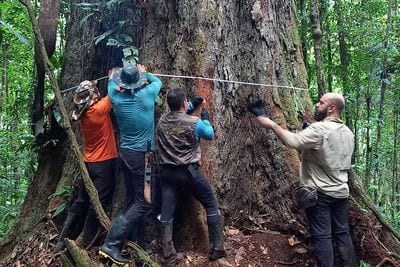
Each figure is the measured height of a living tree, from its base to its highest top, taken by laser rangefinder or by climbers dropping a tape; on a slope the base is the average ground level, which is why Malaysia's Menara counts 97.58 m and not the 100.8 m its tape gives from the bottom of its buttress.
Dead record holders such as Tasmania's White Knight and the Goat Marsh Giant in Washington are left out, along with estimates and unverified reports.
The tallest tree was found only in 2006. Naturalists Chris Atkins and Michael Taylor came across Hyperion on 25 August 2006, though the coast redwood is thought to be 600 to 800 years old.
The largest tree is too short for this list. The General Sherman Tree in Sequoia National Park is the largest tree on Earth by volume, but at 83.8 m it stands well below the tallest giant sequoia, which grows in the same forest.
Menara means tower. The researchers who found Menara in Borneo named it with the Malay word for tower, and a climbing team measured it with a tape in January 2019.
Bees guard one of Borneo's giants. Giant honey bees hang their combs from the mengaris, or tapang, and because the honey is worth more than the timber, the bees help protect the trees from loggers.
Princess Picabella's species was the first eucalyptus described. Eucalyptus obliqua, the species of Princess Picabella, was collected in 1777 on James Cook's third voyage and was the first eucalyptus ever formally described.
Australia has more giants than any other country here. Five of the 15 trees grow in Australia, four of them in Tasmania, led by Centurion; Malaysia has four, three of them in a single park, Tawau Hills.
11. Hyperion
Redwood National and State Parks, Humboldt County, California (exact spot withheld; closed area), United States
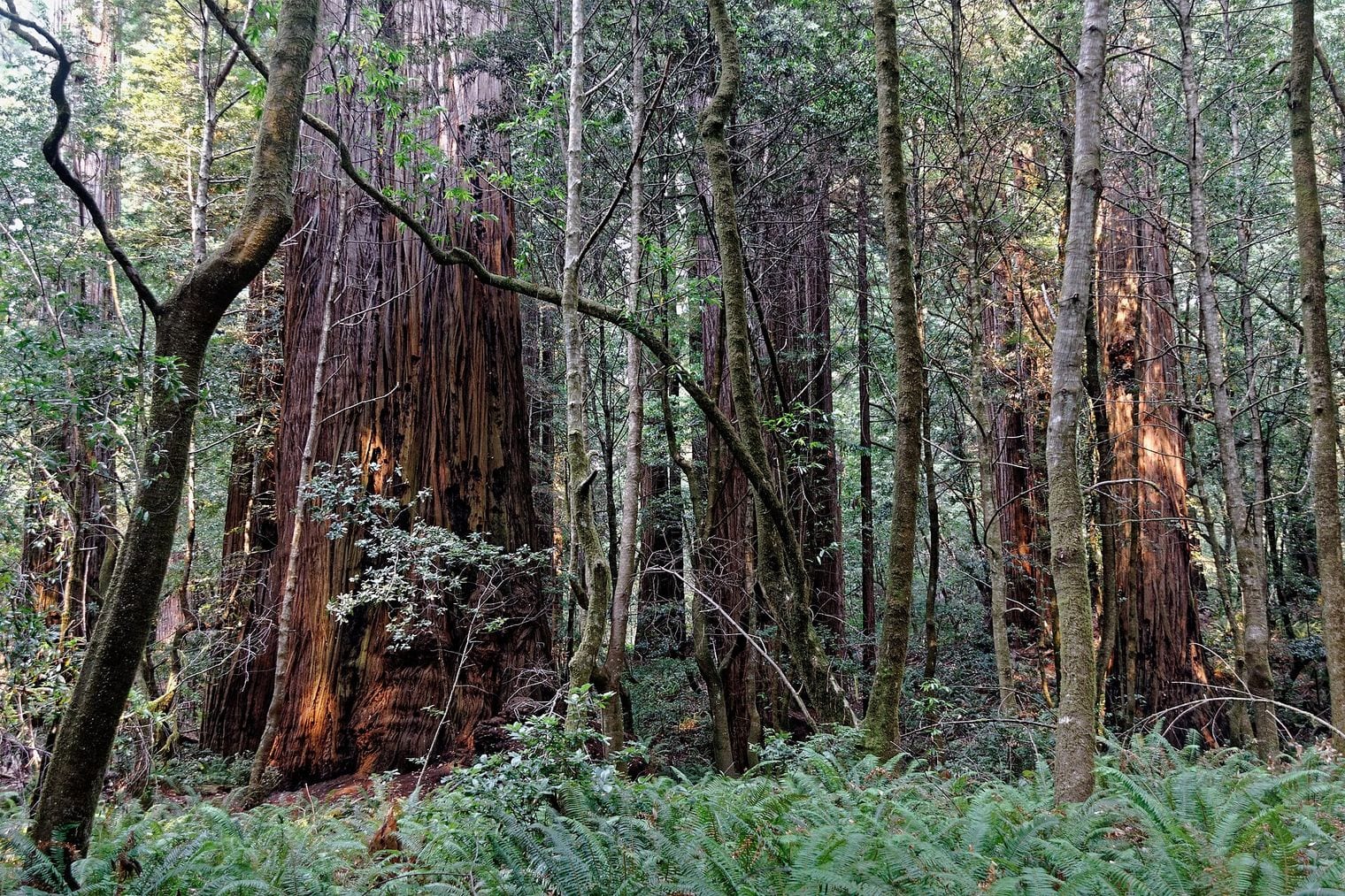
At 116.22 m381.3 ft, Hyperion is the tallest known living tree in the world, a coast redwood in a remote valley of Redwood National Park in northern California. Tree measurer Michael Taylor re-measured it at 381.3 ft in 2026, while Guinness World Records lists the 116.07 m recorded in 2019, so the sources differ by only 15 cm.
Naturalists Chris Atkins and Michael Taylor found the tree on 25 August 2006, and the scientist Stephen Sillett confirmed its height with a laser rangefinder and a fibreglass tape. Named after a Titan of Greek mythology, it is thought to be 600 to 800 years old.
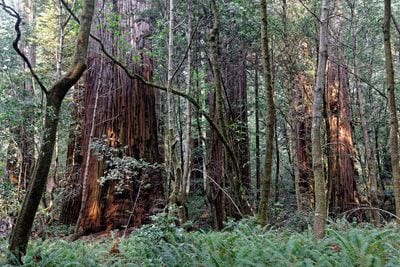
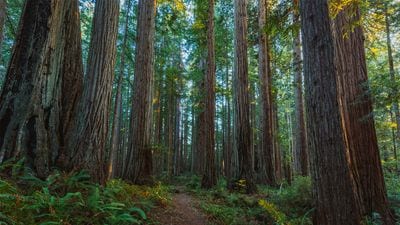
Its exact spot lies far off any trail, and after visitors trampled the slopes around it, the park put the whole area off limits in July 2022; entering it can bring a fine or jail. The park points visitors instead to its hundreds of miles of trails through old-growth redwoods, including the boardwalk through the Grove of Titans.
22. South Tibetan Cypress No. I
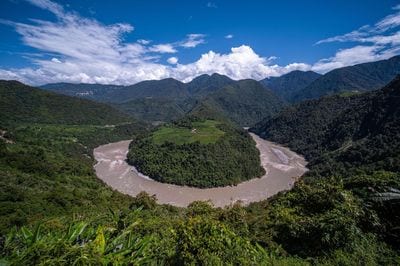
Yarlung Zangbo Grand Canyon National Nature Reserve, Bomê (Bomi) County, Nyingchi, Tibet (Xizang), China
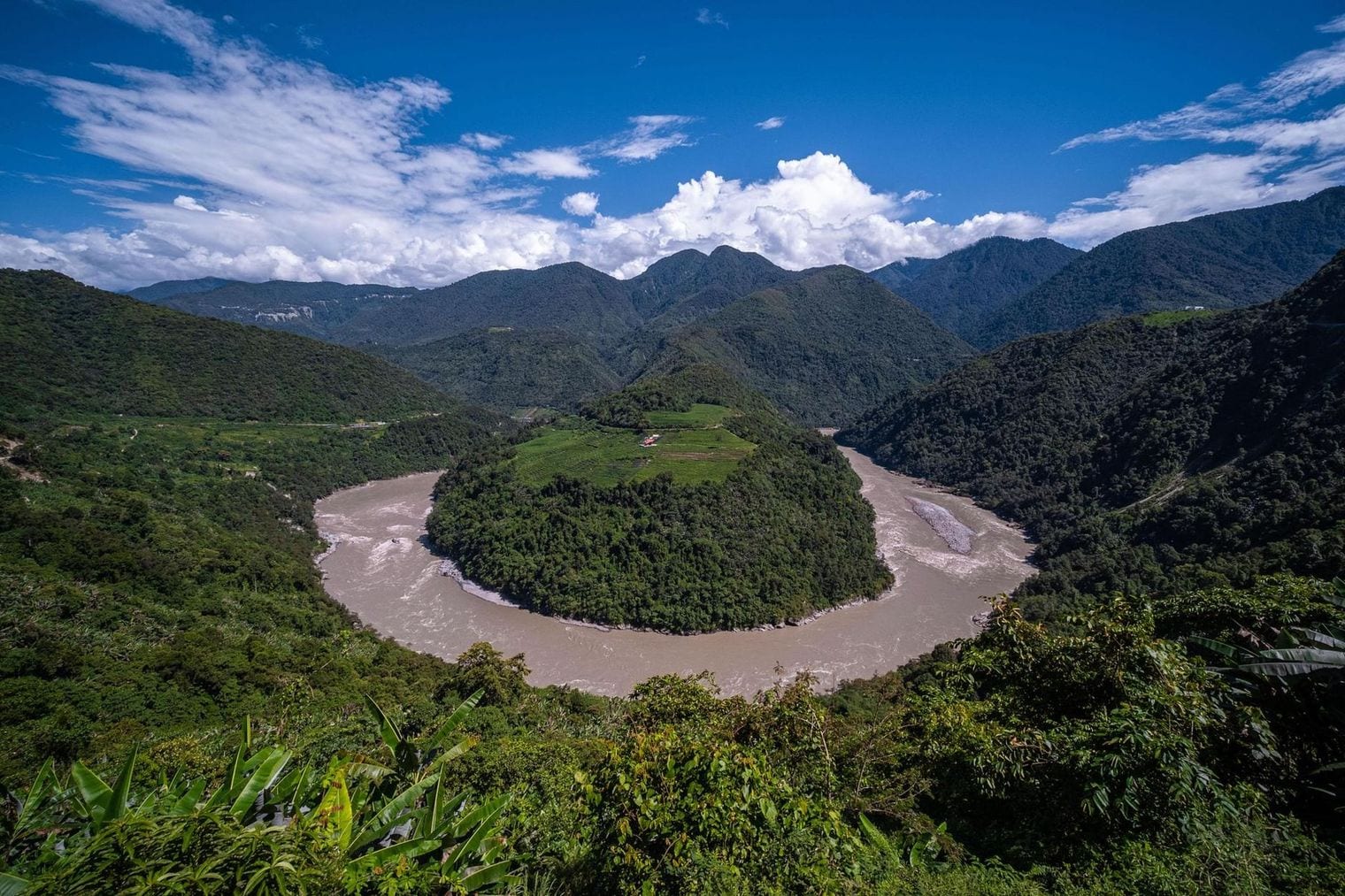
At 102.3 m336 ft including its dead top, South Tibetan Cypress No. I is the tallest known tree in Asia, growing in the Yarlung Zangbo Grand Canyon National Nature Reserve in Bomê County, Tibet. Its living crown reaches 101.2 m, and on either figure it ranks second in the world, behind only the coast redwoods.
A team led by Peking University found it in May 2023, flying a lidar drone over the canyon's cypress groves and carrying a backpack scanner through the forest beneath. The find broke the Asian record held by Menara in Borneo, and the survey counted 25 trees over 90 m in the same area. First reported as a Himalayan cypress, the tree belongs to the South Tibetan cypress, Cupressus austrotibetica, the second-tallest tree species on Earth.
33. Tallest Sitka spruce, Redwood National and State Parks
Redwood National and State Parks, California (the 2026 Taylor note places a 328.5 ft Sitka spruce in Prairie Creek Redwoods State Park); exact spot withheld, United States
At 100.2 m329 ft, the tallest known Sitka spruce stands in Redwood National and State Parks in northern California, at a spot that has never been published. It tops the tallest coast Douglas-fir at #4 by just 0.7 m, about 2 ft, close enough that a single new measurement could swap the two.
The Sitka spruce is by far the largest spruce in the world and one of only three tree species documented to exceed 100 m. The redwood parks also hold Raven's Tower, a 96.7 m Sitka spruce in Prairie Creek Redwoods State Park, which this list leaves out because only the tallest tree of each species counts.
44. Tallest coast Douglas-fir, Oregon
Oregon Coast Range (register: Siuslaw National Forest; Taylor 2026 places a 327.5 ft Douglas-fir near Eugene); exact spot withheld, United States
At 99.5 m326 ft, the tallest known coast Douglas-fir grows in the Oregon Coast Range, in Siuslaw National Forest according to the register, with its exact location withheld. It sits 0.7 m below the Sitka spruce at #3; one measurement of this tree reaches 99.82 m, which narrows the gap without closing it.
The best-known giant of the species, the Doerner Fir in Coos County, measured 99.3 m in 2022, but in August 2025 a fire burned in its trunk and took about 15 m off its crown before tree climbers put it out. This tree also outranks Menara at #5 on the list's measure, although the tape from the lowest point of Menara's buttress, 100.8 m, would carry the tropical tree past both conifers.
55. Menara
Danum Valley Conservation Area, Sabah, Borneo, Malaysia
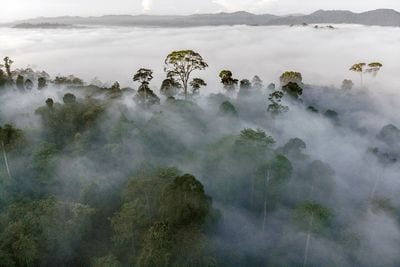
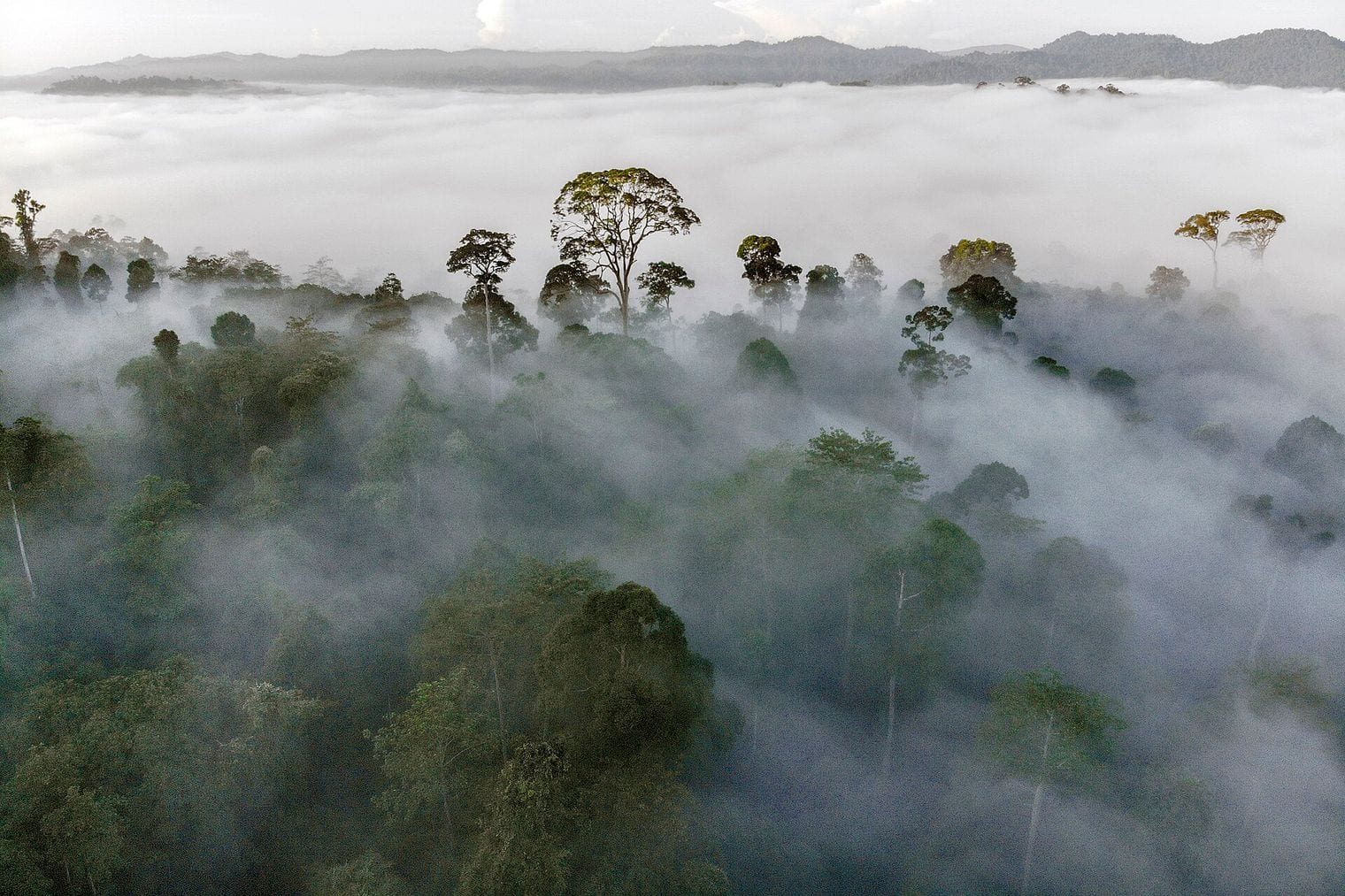
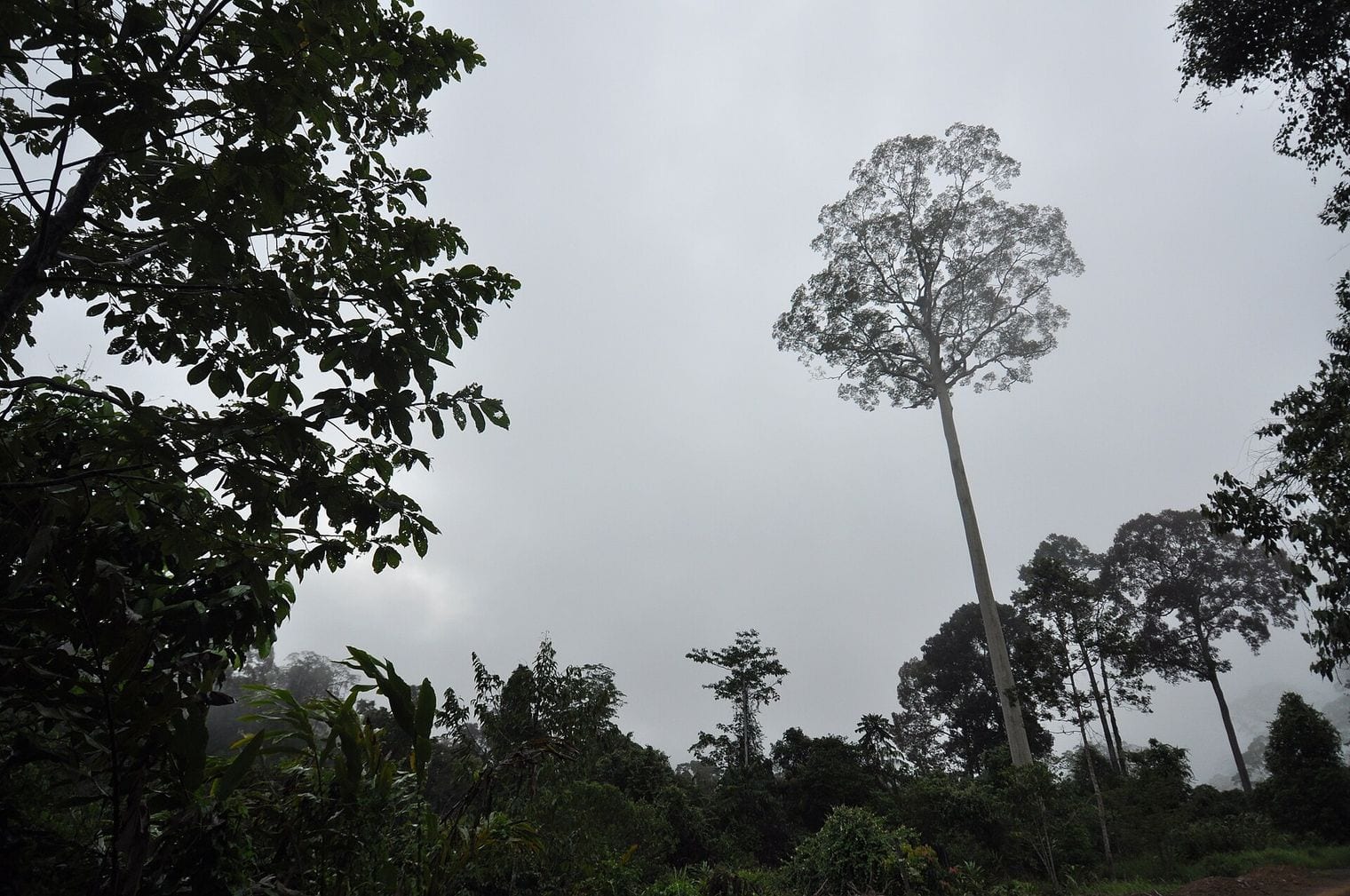
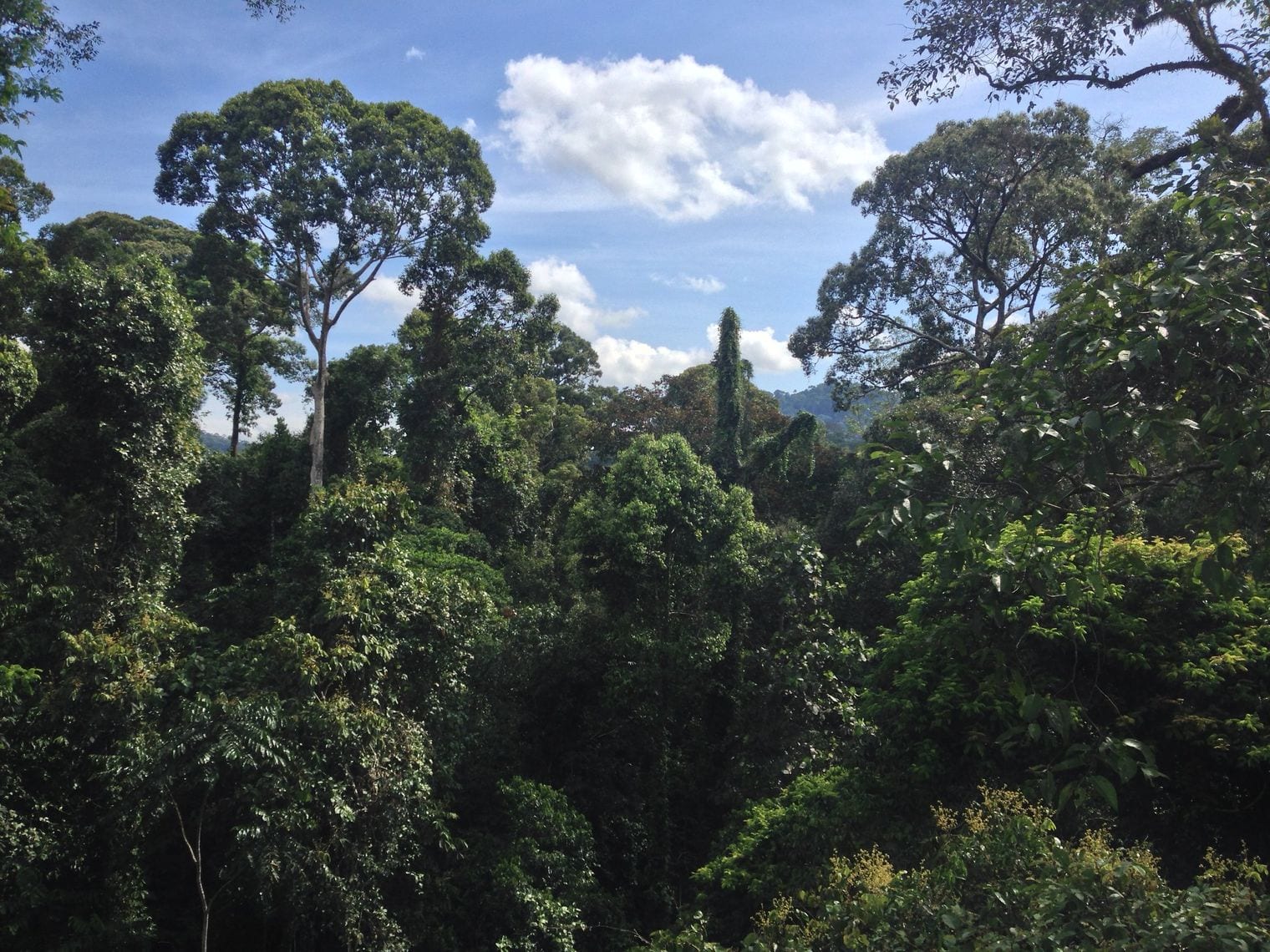
At 97.58 m320.1 ft from the average ground level around its base, Menara is the tallest known tropical tree in the world, a yellow meranti in the Danum Valley Conservation Area of Sabah, on Malaysian Borneo.
On its steep slope the starting point matters: the tape gives 100.8 m from the lowest point of its buttress and 96.26 m from the highest point of its base, a spread that reaches past the Douglas-fir above it and down to the giant sequoia below.
Menara was discovered in August 2018, and on 6 January 2019 the tree climber Unding Jami and his team climbed it and measured it with a tape. The research team named it Menara, the Malay word for tower. It was the tallest known tree in Asia until the South Tibetan cypress at #2 was measured in 2023.
66. Tallest giant sequoia, Giant Forest, Sequoia National Park
Giant Forest (near General Sherman / Sherman Creek), Sequoia National Park, California, United States
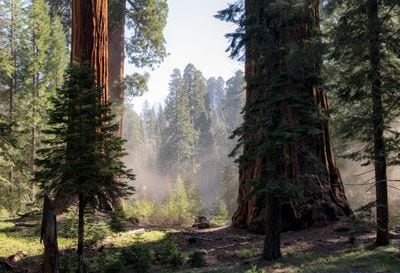
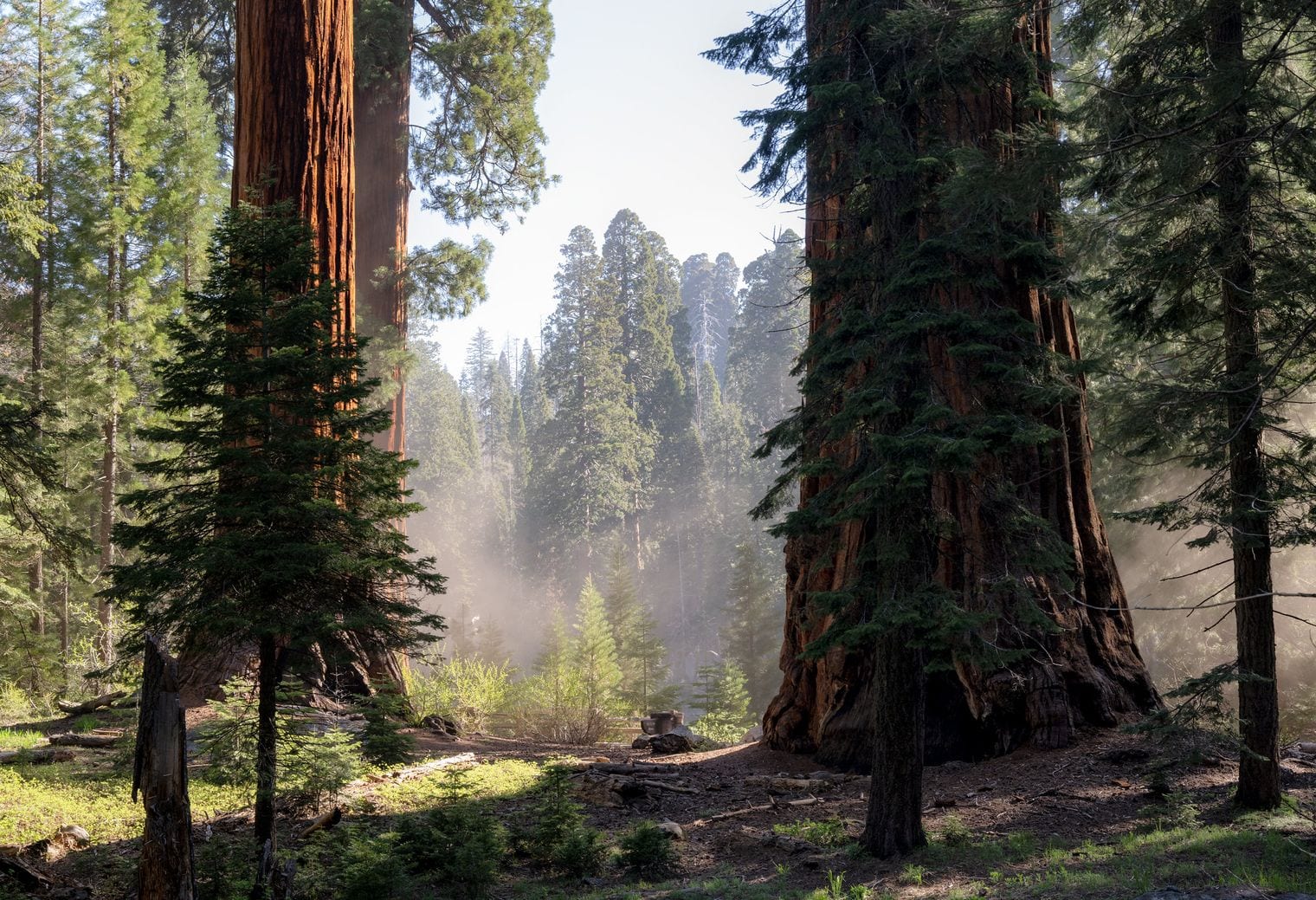
At 96.37 m316.2 ft, the tallest known giant sequoia stands in the Giant Forest of Sequoia National Park in California, not far from the General Sherman Tree. Stephen Sillett measured it at 96.5 m when he climbed it in 2016, the same height a 2025 survey table gives for Centurion at #7, so the two are effectively level and the order rests on the 96.37 m listing.
Giant sequoias are the most massive trees on Earth, and the nearby General Sherman Tree is the largest of all by volume, yet at 83.8 m it is too short for this list. Recent wildfires have killed many large sequoias, but a 2026 field update from the tree measurer Michael Taylor reported this giant still standing near General Sherman.
77. Centurion
Arve Valley (Huon catchment, near the Tahune Airwalk), southern Tasmania, Australia
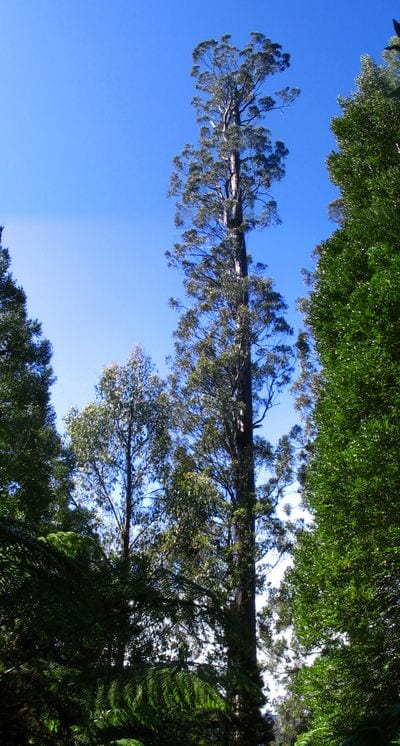
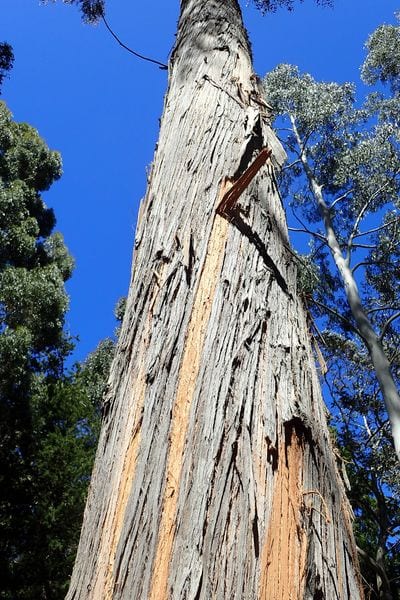
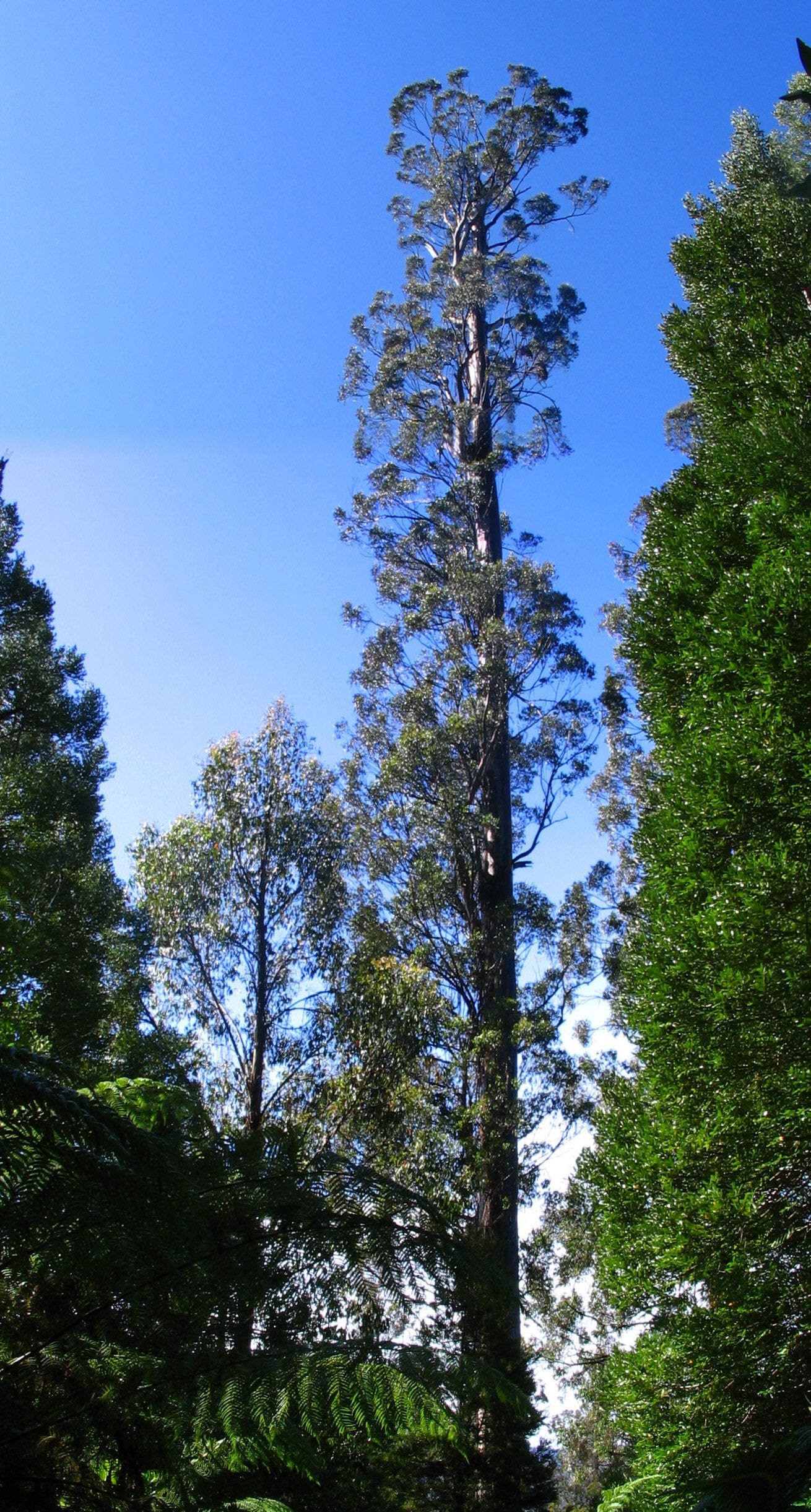
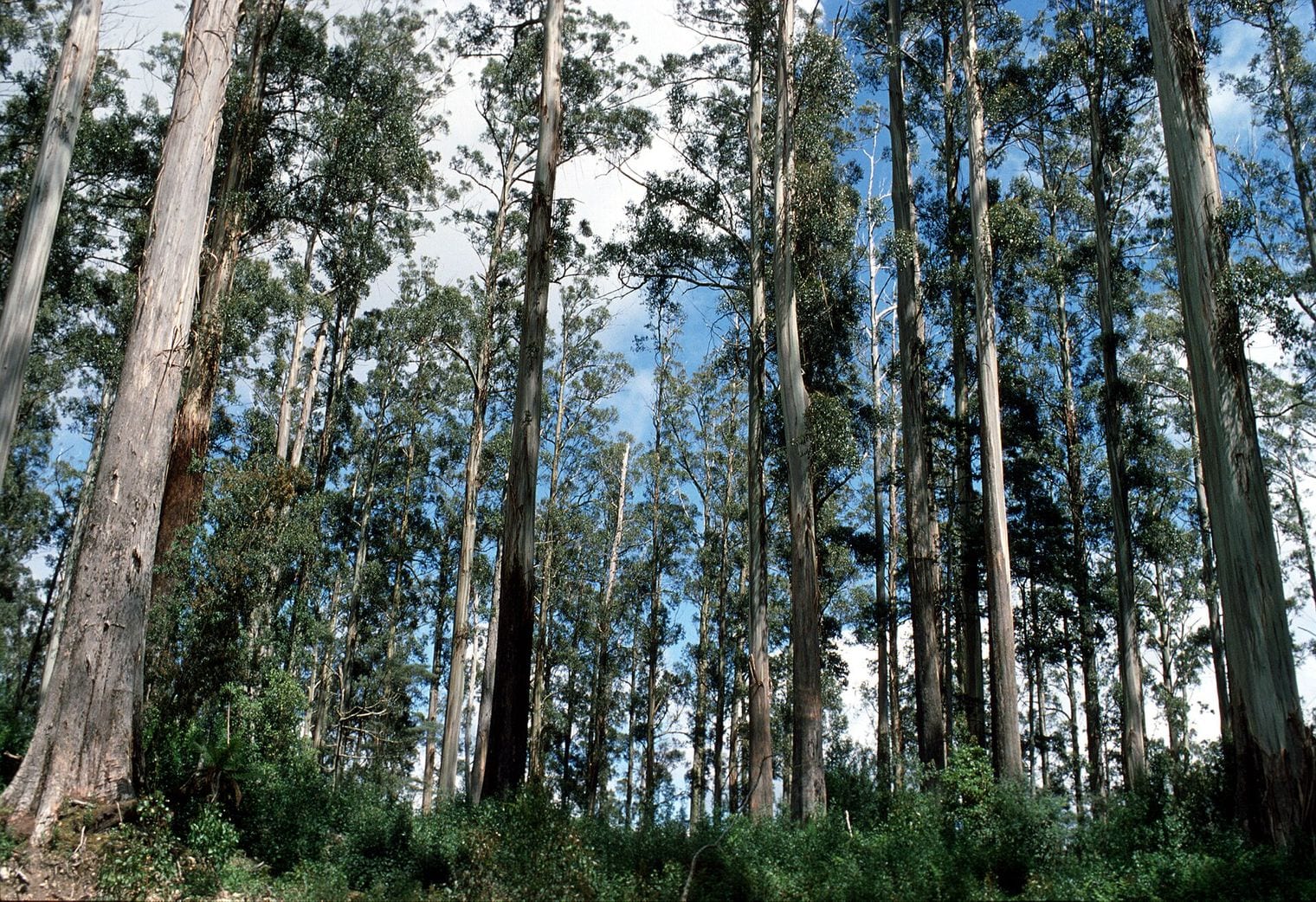
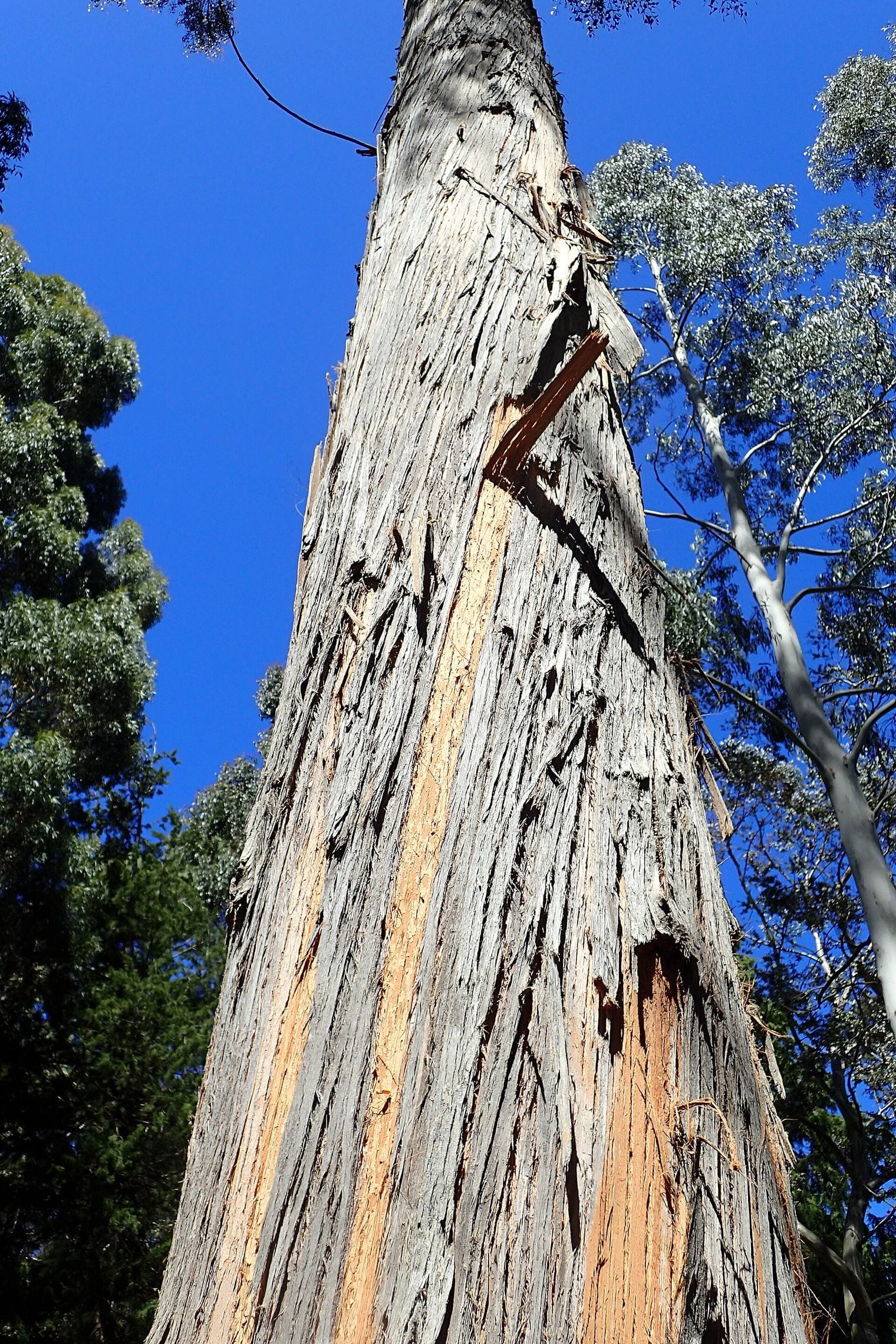
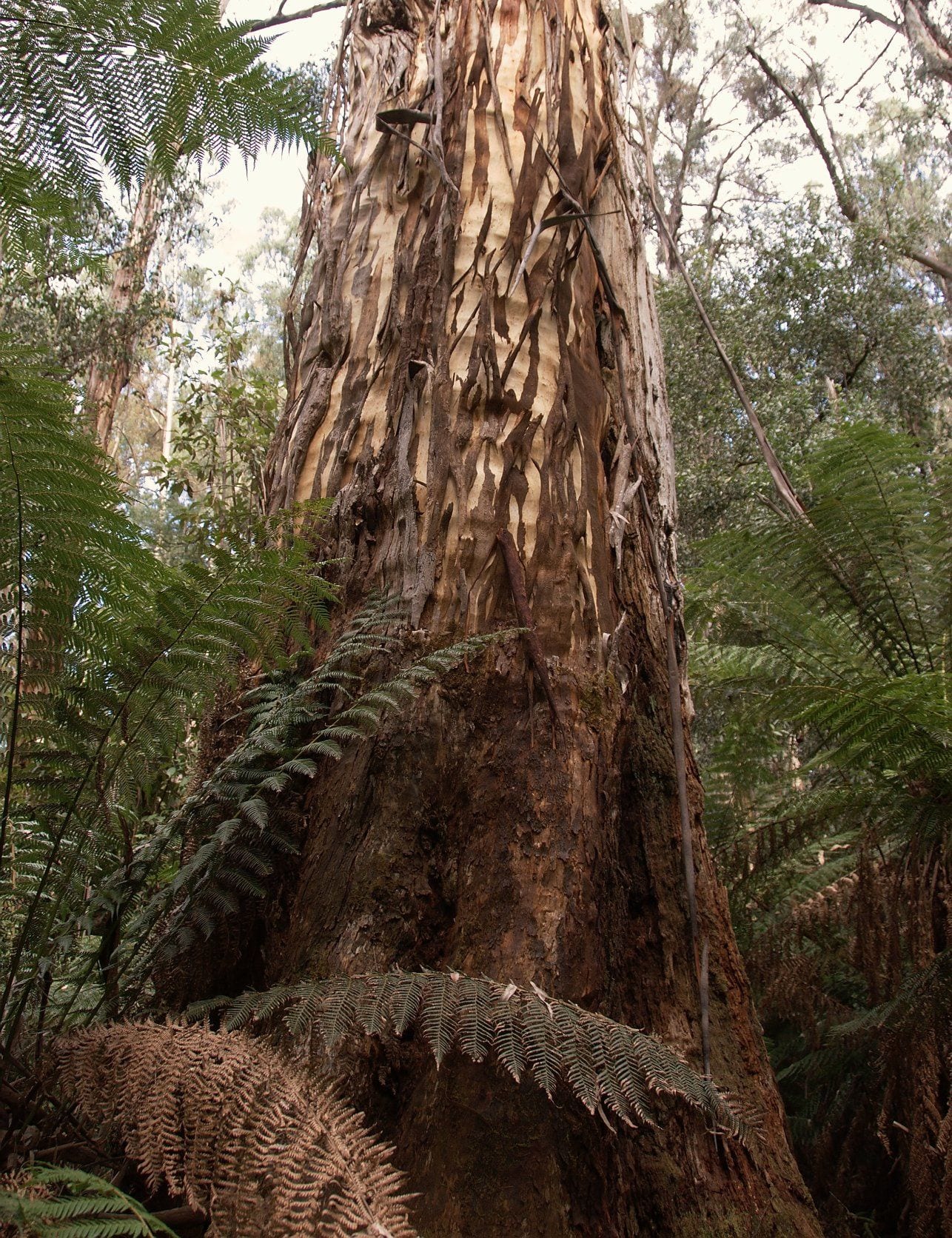
At 96 m315 ft, Centurion is the tallest known mountain ash and the tallest tree in Australia, growing in the Arve Valley near the Tahune Airwalk in southern Tasmania. Guinness World Records confirmed the 96 m height in late 2022 after its top broke off; a 2025 survey table gives 96.5 m, level with the giant sequoia at #6, so the two are a near-tie.
Forestry Tasmania staff discovered Centurion in August 2008 while analysing LiDAR data from a survey of state forests, and climbers then measured it at 99.6 m with a tape. Bushfires in February 2019 burned the forest around it and opened a new hollow in its base, and by 2025 it had lost about 4 m of height. A neighbouring giant called The Prefect, with a girth of 19 m, was destroyed in the same fires.
Get new guides like this by email
One email every Thursday with our newest guides for the places you tick.
88. Neeminah Loggerale Meena
Denison Road, west of Judbury, Huon Valley, southern Tasmania (Denison catchment), Australia
At 90.7 m298 ft, Neeminah Loggerale Meena is the tallest known Tasmanian blue gum, growing beside Denison Road west of Judbury in Tasmania's Huon Valley. That height comes from the 2025 Australian Journal of Botany survey of Tasmania's giant trees and the Tasmanian giant tree register; some lists print 92 m for the species, but both surveys give 90.7 m.
The Tasmanian blue gum has been the floral emblem of Tasmania since 1962. This tree stands on the edge of a logging coupe, and its stand escaped the 2019 bushfires by a narrow margin, but its top died long ago and its crown is in decline.
99. Princess Picabella
West Picton area (Picton River catchment), southern Tasmania - exact site withheld; pin is the area, Australia
At 88.5 m290 ft, Princess Picabella is the tallest known messmate stringybark, also called brown top stringybark, growing in the Picton River area of southern Tasmania at a site that has not been published. It ties exactly with the red angelim at #10 and takes the higher place on the list's tiebreak, the more recent measurement: Princess Picabella was measured by laser in 2020, the Brazilian tree by airborne LiDAR in 2019.
The tree hunter Brett Mifsud's records give it a girth of about 12 m, and it keeps most of its original crown. Its species, Eucalyptus obliqua, was the first eucalyptus ever formally described, from a specimen collected in 1777 during James Cook's third voyage, which makes it the type species of the whole genus.
1010. Tallest Dinizia excelsa (red angelim), Jari River region
Jari River region on the Para-Amapa border (Almeirim, Para; Floresta Estadual do Paru per BBC Brasil and Diario de Pernambuco); exact spot withheld, Brazil
At 88.5 m290 ft, a red angelim, Dinizia excelsa, near the Jari River is the tallest known tree in the Amazon rainforest, growing in the Paru State Forest on the border of Pará and Amapá in northern Brazil. It ties exactly with Princess Picabella at #9 and ranks second on the tiebreak, because its height comes from a 2019 airborne LiDAR survey, a year before Picabella's laser measurement.
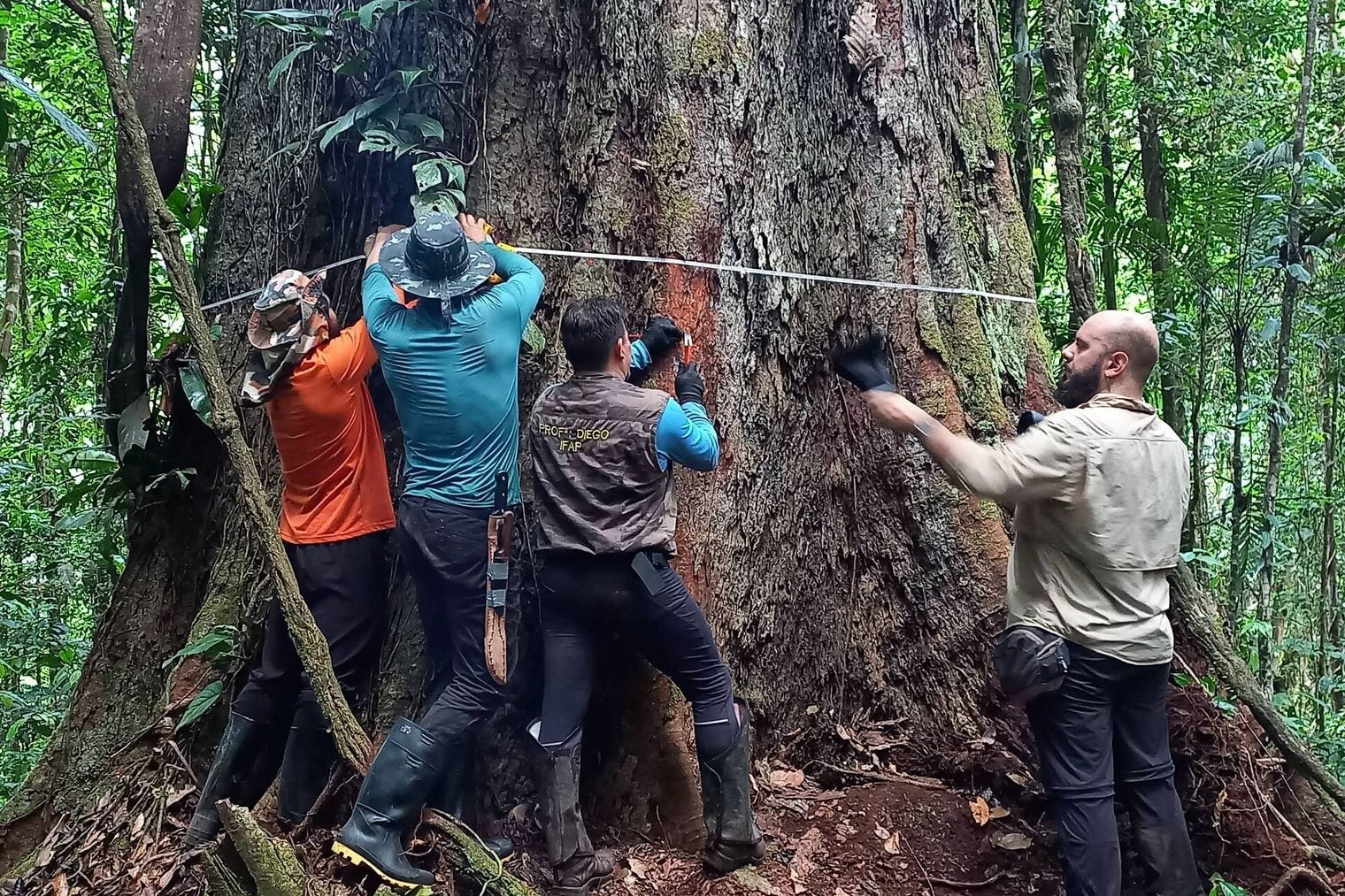
Researchers spotted the tree in laser scans in 2019, and after several failed attempts a team reached it on 7 October 2022; Eric Gorgens located the exact tree the LiDAR had found and confirmed it at 88.5 m, with a trunk 9.9 m around. It is believed to be about 400 years old. Dinizia excelsa is the tallest-growing species in the pea family, and its wood gives off a strong, foul smell that can linger for years.
1111. Tallest alpine ash, Tasmania
Tasmania (Beech Creek / Wayatinah forest if it is King Stringy; site not stated in the AJB), Australia
At 86 m282 ft, the tallest known alpine ash grows in Tasmania, but only one source, the 2025 Australian Journal of Botany survey of the island's giant trees, publishes a measured height for it, and that survey names neither the tree nor its site.
Figures for the species run from 85 m to 87.9 m, and the 87.9 m tree on the 2011 Tasmanian giant tree register is marked historical; that span takes in Mengaris (85.76 m) at #12, so the two could change places on a new measurement.
Alpine ash, Eucalyptus delegatensis, is a tall eucalypt endemic to southeastern Australia, also known as gum-topped stringybark, white-top and, in Victoria, woollybutt. It was formally described in 1900 from a specimen collected on Delegate Mountain, which gave the species its name.
1212. Mengaris, Tawau Hills Park
Mengaris Knob, Tawau Hills Park (Tawau Hills National Park), Sabah, Borneo, Malaysia
At 85.76 m281.4 ft, the Mengaris on Mengaris Knob in Tawau Hills Park, Sabah, is the tallest known Koompassia excelsa and, according to Guinness World Records, the tallest living deciduous tree. Climbers measured it in February 2007; it stands 0.76 m above the mountain grey gum at #13 and inside the 85 to 87.9 m span given for the alpine ash at #11, so the trees from #11 to #15 sit within 1.6 m of one another.
Koompassia excelsa, also called tapang or mengaris, raises its branches above the forest canopy on a smooth, slippery trunk that protects it from sun bears, and giant honey bees hang their huge combs from its limbs. Because the honey is worth more than the timber, the bees help protect the trees from loggers, and Borneo has a long tradition of climbers collecting the combs from bamboo ladders built into the trunk.
1313. Tallest mountain grey gum, Errinundra National Park
Errinundra National Park, East Gippsland, Victoria (exact site withheld), Australia
At 85 m279 ft, the tallest known mountain grey gum grows on a steep, south-facing slope in Errinundra National Park, in remote East Gippsland, Victoria, the only tree on this list from mainland Australia. It stands 0.76 m below Mengaris at #12 and only 0.15 m above the Shorea argentifolia at #14, gaps small enough that a new measurement could reorder them.
The tree hunter Brett Mifsud announced its discovery, and the 2025 Australian Journal of Botany survey lists it as the species' tallest known tree. Mountain grey gum, Eucalyptus cypellocarpa, is a straight, smooth-barked forest eucalypt of southeastern Australia, also called mountain gum, monkey gum or spotted mountain grey gum.
At 84.85 m278.4 ft, a Shorea argentifolia on Gaharu Ridge in Tawau Hills Park is the tallest known of its species, one of three giants on this list measured in the same Sabah park in February 2007. It is a fraction of a metre from its neighbours: 0.15 m below the mountain grey gum at #13 and 0.44 m above the Shorea superba at #15.
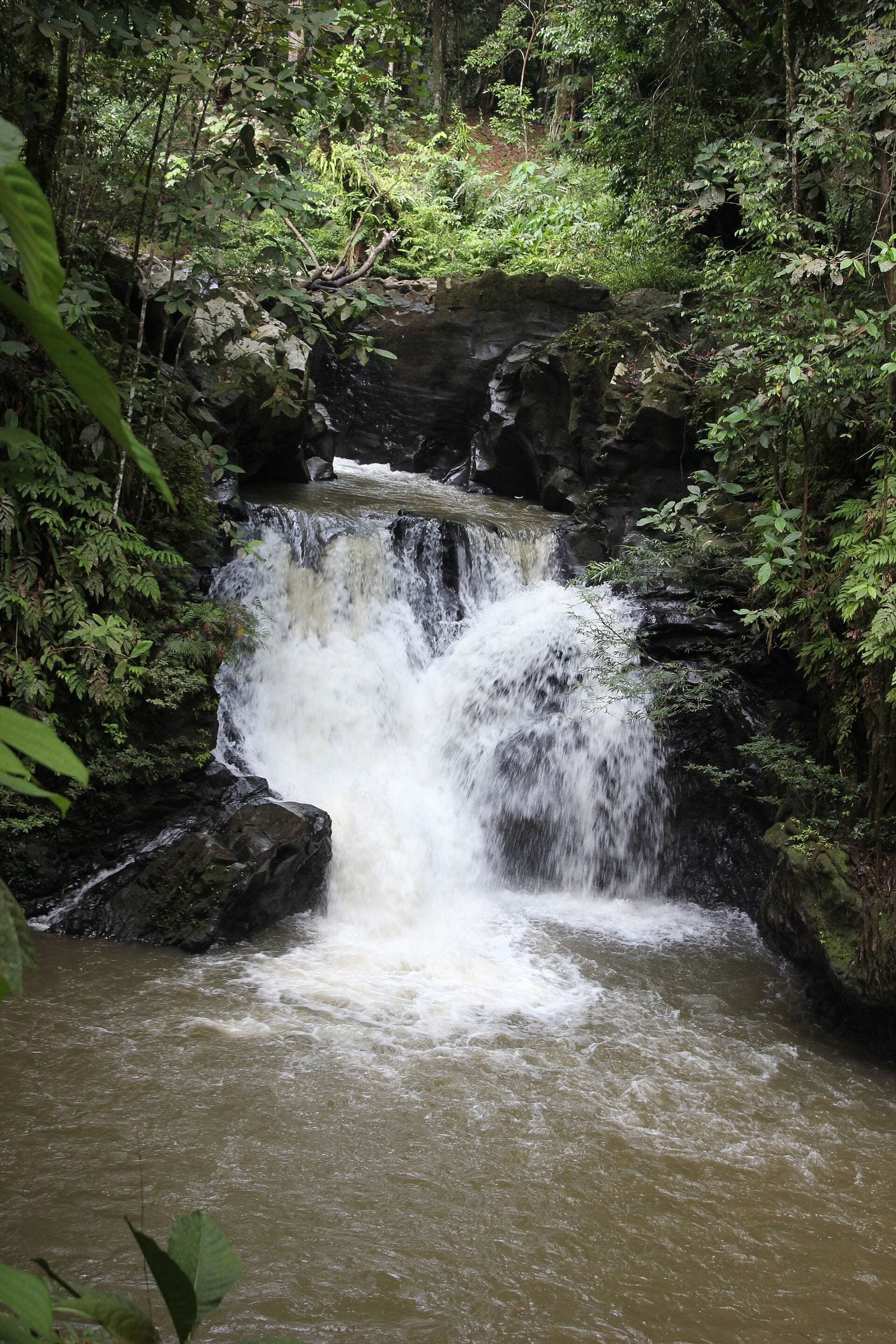
The species, one of the dark red merantis and now placed in the genus Rubroshorea, is an emergent rainforest tree native to Borneo, growing on hills and ridges, and it is threatened by habitat loss. Tawau Hills Park was set up in 1979 to protect the water catchment of the town of Tawau, and its rugged volcanic landscapes also hold a hot spring and waterfalls.
1515. Shorea superba, Gergassi Ridge, Tawau Hills
Gergassi Ridge, Tawau Hills Park (National Park), Sabah, Borneo, Malaysia
At 84.41 m276.9 ft, a Shorea superba on Gergassi Ridge in Tawau Hills Park is the tallest known of its species and the last tree on this list. The cut is tight: the next tree down, a shining gum in the O'Shannassy catchment of Victoria, Australia, measures 84.3 m, only 0.11 m shorter.
Shorea superba is a tree endemic to Borneo, and its name comes from the Latin superbus, magnificent, for its stature and elegance. The species usually grows to around 75 m, which makes this tree, measured by climbers in 2007, an outlier even among the rainforest giants of Tawau Hills.
FAQ: The World's Tallest Trees
What is the tallest tree in the world?
Hyperion, a coast redwood in Redwood National Park in northern California, re-measured at 116.22 m381.3 ft in 2026; Guinness World Records lists the 116.07 m recorded in 2019. The tallest tree of any other species is South Tibetan Cypress No. I in Tibet, 102.3 m including its dead top, found in 2023.
Why is only one coast redwood on the list?
This list ranks one tree per species, the tallest measured individual of each, so Hyperion stands for every coast redwood. Counted tree by tree, redwoods would fill the top places: Helios (114.8 m), Stratosphere Giant (113.5 m) and Icarus (113.1 m), all in the same park, are each taller than the champion of any other species.
Can you visit Hyperion?
No. The park does not publish its location, and in July 2022 Redwood National Park put the whole area around it off limits after visitors damaged the surrounding habitat; entering can bring a fine or jail. The park asks visitors to stay on its trails instead, such as the boardwalk through the Grove of Titans, among other old-growth giants.
Is General Sherman the tallest tree in the world?
No. The General Sherman Tree in Sequoia National Park is the largest tree on Earth by volume, but it is 83.8 m tall, too short for this list. The tallest known giant sequoia, at 96.37 m, grows in the same Giant Forest and ranks sixth here, in a near-tie with Tasmania's Centurion.
Why are some famous record trees missing?
Because the list counts only living trees with a published measurement. Tasmania's White Knight, a 91.3 m manna gum, was dead by 2020, and the 89.9 m Goat Marsh Giant, a noble fir near Mount St. Helens in Washington, has also died. A karri often listed at 85 m has no published source; the tallest measured living karri is 78 m.
How do scientists measure the tallest trees?
Airborne LiDAR, a laser scanner flown over the forest, finds the candidates, as it did for Centurion in 2008 and for the Amazon's tallest red angelim in 2019. The height is then confirmed on the ground, with a laser rangefinder or by climbers who drop a tape from the top. On a slope, height is taken from the average ground level at the base.
Sources & updates
How this ranking was checked
Checked before launch
Sources cited
15
Publishers
7
Every figure in this ranking was checked against the record-keeper or official source behind it before publication, and the top of the ranking re-checked live so a newer record would not be missed.
One email every Thursday with our newest guides for the places you tick.
Newsletter
Stay updated with new World Record Breakers
One email every Thursday with our newest guides for the places you tick.
We use cookies to analyse site traffic and improve your experience.
You can accept or reject analytics cookies. See our
May we use analytics cookies? See ourCookie Policy.