The record
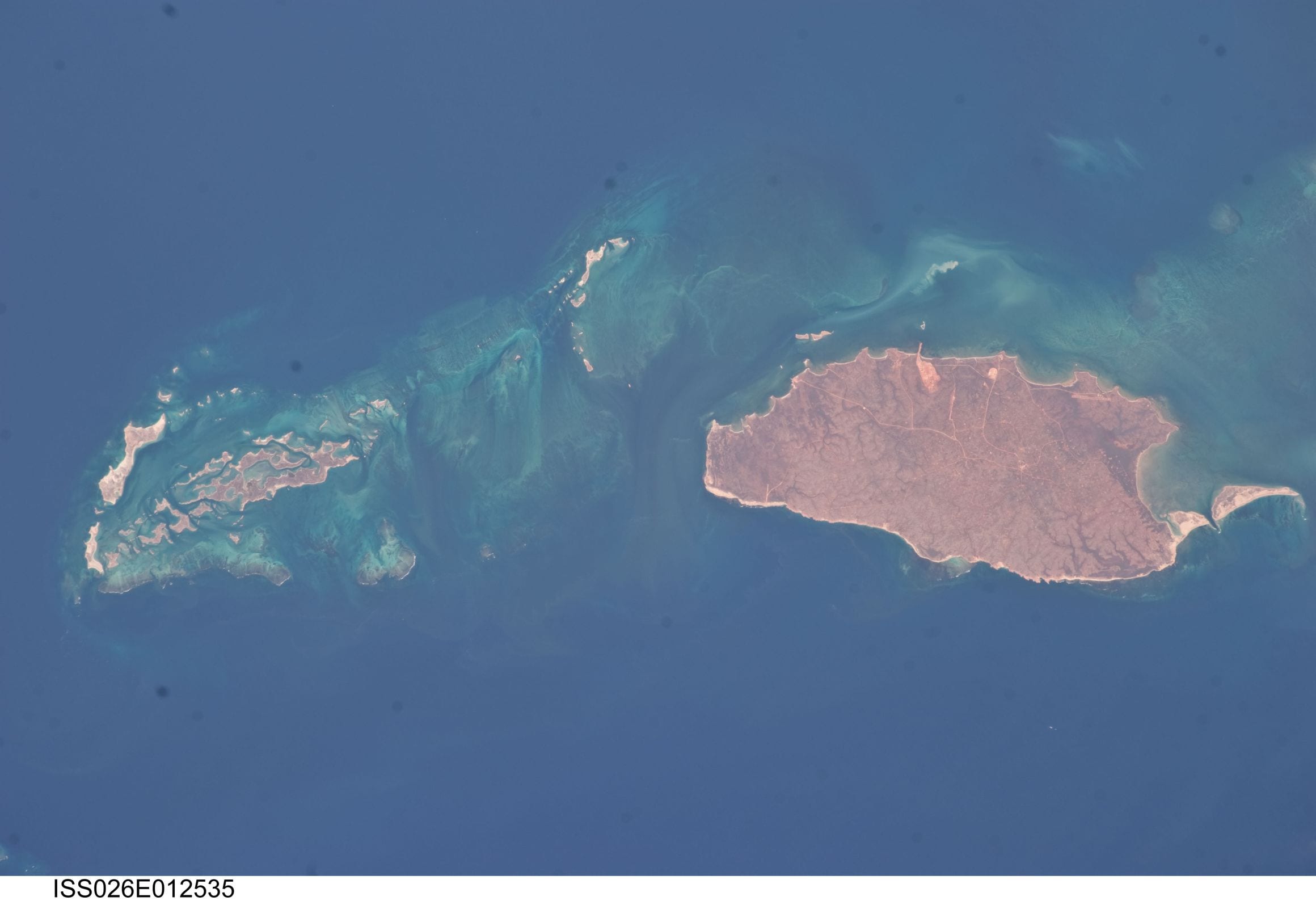
The windiest place in the world is Barrow Island, in Australia — 253 mph (408 km/h), highest recorded wind gust.
Source: WMO Archive of Weather and Climate Extremes. Verified .
The fastest wind ever measured on Earth was not recorded at any place on this list. A dropsonde falling through Hurricane Melissa in October 2025 clocked 252 mph, and mobile Doppler radar put the 1999 Bridge Creek tornado at 318 mph, but the first reading came from 250 metres above open ocean and the second was never touched by an anemometer at all.
This countdown ranks the highest surface wind gust ever officially recorded at a named meteorological station, the standard the World Meteorological Organization keeps, running from 173 mph on a Scottish summit up to 253 mph on an Australian island across nine countries and territories. Every place here still exists and is still observed today, so a reading from 1934 sits alongside one from October 2023.
That rule costs the list its most famous name: Antarctica's Commonwealth Bay is the windiest place on Earth by average wind speed, blowing at roughly 50 mph year-round, but Douglas Mawson's shrieking hurricanes were estimates, and no ratified gust from Cape Denison has ever entered the record.
The world record sat on a New Hampshire summit for sixty-two years — Mount Washington's 231 mph stood unbeaten from 1934 until a WMO panel ratified Barrow Island's 253 mph in 2010, and it is still the fastest wind ever measured by people who were standing in it.
The strongest wind ever measured is not on this list — Hurricane Melissa's 252 mph in October 2025 was read by a dropsonde 250 metres above the Caribbean. Wind accelerates with height, so a reading taken aloft is not comparable to one taken at a station on the ground.
Tornadoes are excluded, and they would win easily — mobile radar clocked 318 mph inside the 1999 Bridge Creek–Moore tornado and 295 mph at El Reno in 2013. Both were sensed remotely from a distance; no instrument in the wind survived to record them.
The place actually called the windiest on Earth is missing — Commonwealth Bay in Antarctica averages about 50 mph all year and is named the windiest place in both Guinness World Records and the National Geographic Atlas, but it is ranked on mean wind, not on a single certified gust.
Almost every record here is a floor, not a ceiling — the Dines anemometer at Paso Real de San Diego was blown off the roof, Orchid Island's broke moments after its reading, and Cape Muroto's was destroyed at 84.5 m/s against an 85 m/s measuring ceiling. The true peaks were higher.
Japan holds a quarter of the list — Mount Fuji, Miyako-jima and Cape Muroto take three of the twelve places, from three different typhoons, two of them just twenty days apart in the autumn of 1966.
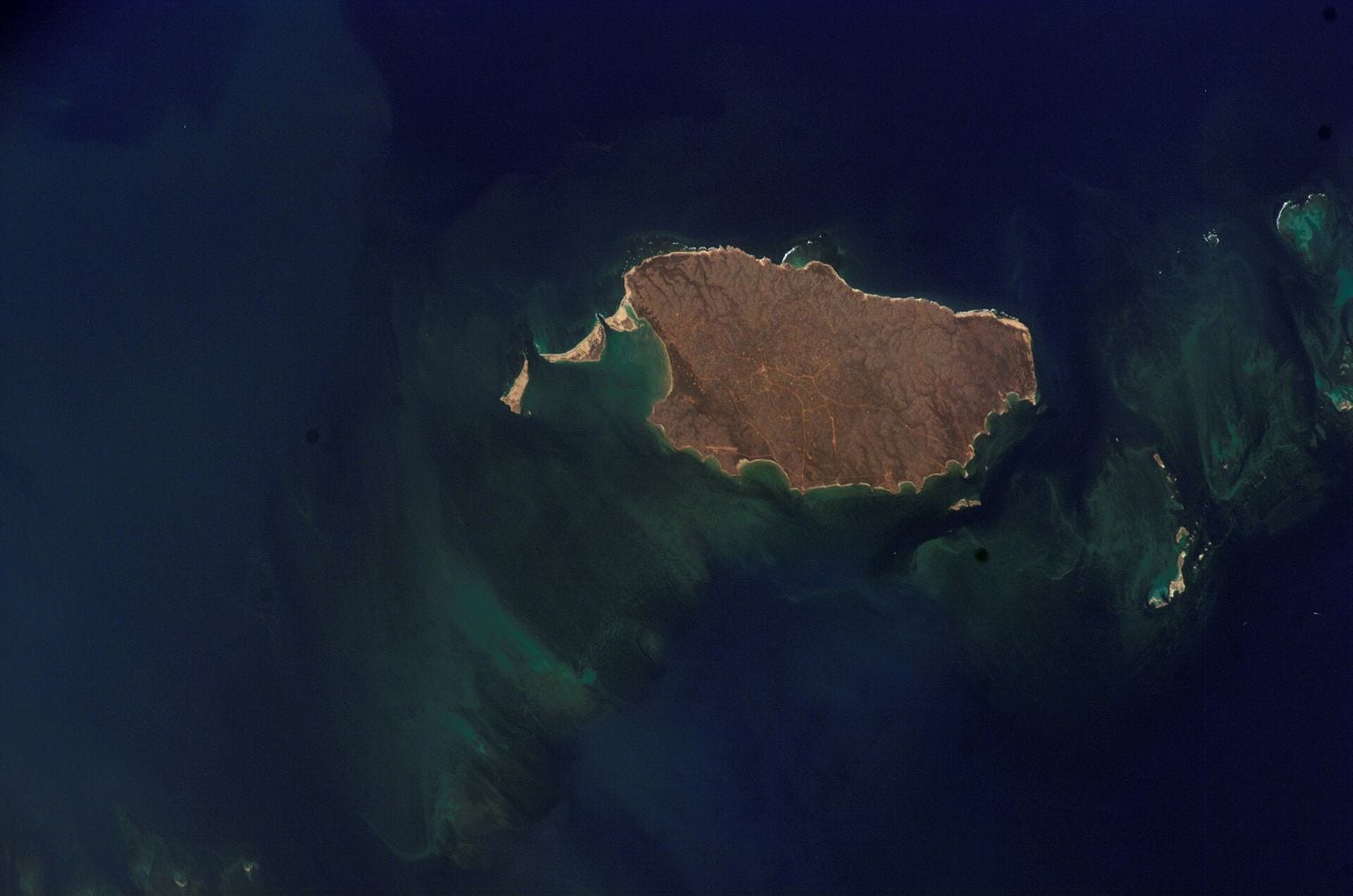
At 253 mph408 km/h, Barrow Island holds the highest surface wind gust ever officially recorded anywhere on Earth, measured by an automatic weather station on 10 April 1996 as the eyewall of Severe Tropical Cyclone Olivia crossed the island.
The reading was treated as suspect for years, simply because nothing else had come close. A World Meteorological Organization evaluation panel finally examined it in 2010, found the anemometer mechanically sound and the value statistically plausible, and ratified it — retiring a record that had stood since 1934.
What made the gust possible was not the cyclone's overall strength but a mesovortex, a small violent whirl embedded in the eyewall that briefly concentrated the wind far beyond the storm's mean.
Barrow Island itself is a low, scrubby limestone island about 50 kilometres off the Pilbara coast of Western Australia, and it is a genuine oddity: a Class A nature reserve, home to golden bandicoots and flatback turtles found almost nowhere else, that has also been an operating oilfield since 1967. Access is tightly controlled and quarantine rules are among the strictest in the country, so the windiest spot on Earth is one almost nobody gets to stand on.
22. Mount Washington
Mount Washington Observatory, White Mountains, New Hampshire, United States
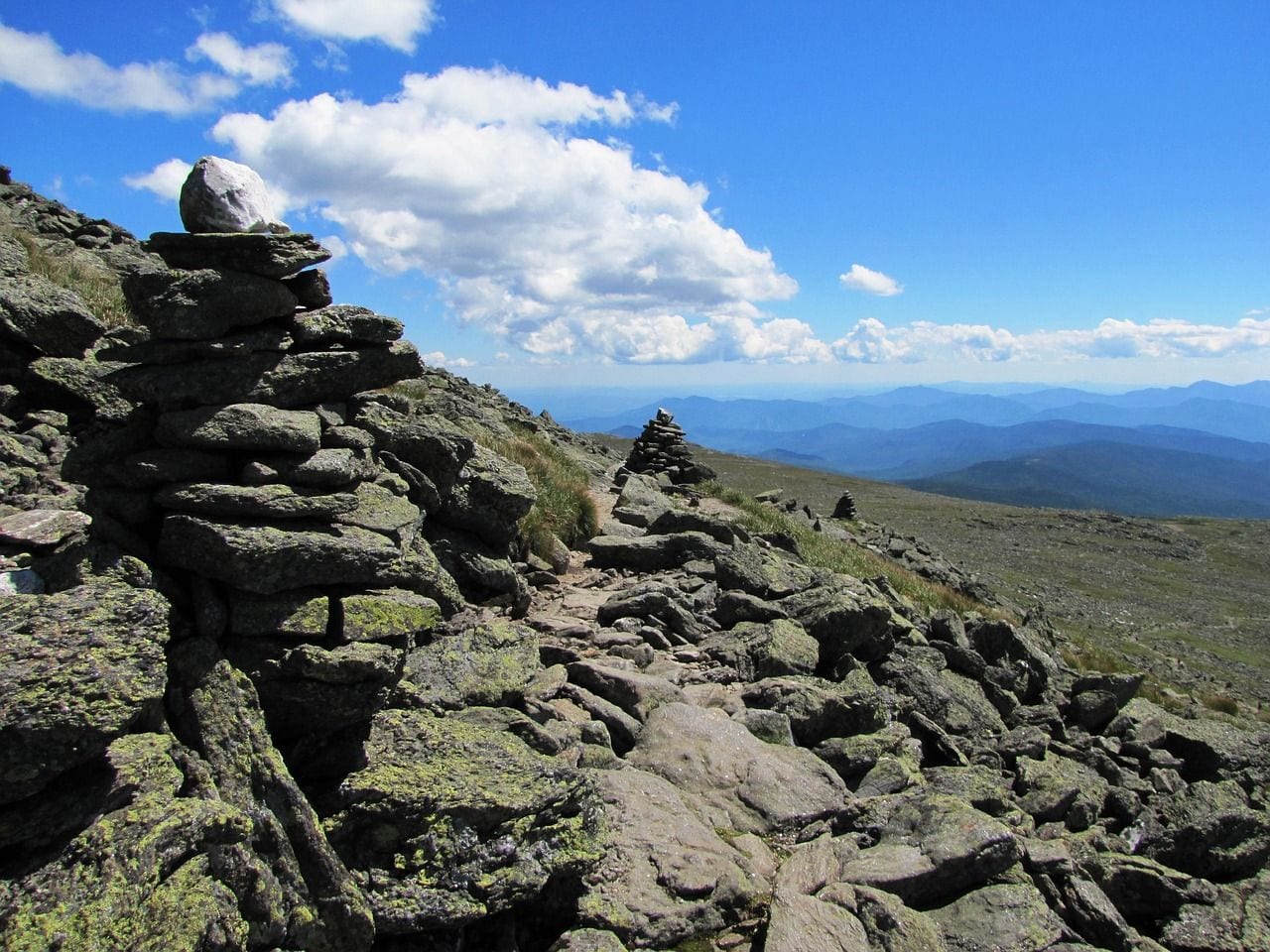
At 231 mph372 km/h, Mount Washington recorded what was the world's fastest wind for sixty-two years, and what remains the fastest ever measured by people who were physically present in it.
The gust arrived on 12 April 1934, in icing conditions severe enough that the crew had to go outside repeatedly and beat the rime off the anemometer with a wooden club. The instrument was calibrated afterwards and the value has survived every re-examination since, including the WMO review that handed the global title to Barrow Island.
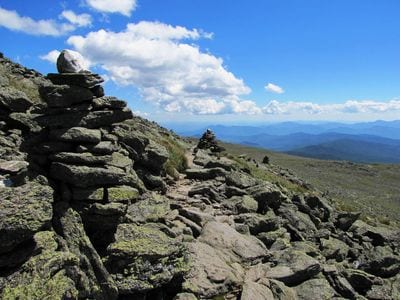
The mountain earns its weather. At 1,917 metres it is not high by world standards, but it stands where three major storm tracks converge, and its north–south ridge funnels air over a summit that sits well above the surrounding peaks. Winds reach hurricane force on more than a hundred days a year.
The Mount Washington Observatory has been staffed continuously since 1932 and runs summit trips and overnight stays in winter, and in summer the Auto Road and the Cog Railway carry visitors to the top — making this the most accessible extreme on the entire list.
At 213 mph343 km/h, Orchid Island produced the strongest gust ever recorded in Asia and the newest entry on this list, logged at 9:53 p.m. on 4 October 2023 as Typhoon Koinu passed directly overhead.
The Central Weather Administration station measured 95.2 metres per second before the anemometer broke, an instrument failure that has become almost a signature of readings at this altitude of violence. It shattered a Taiwanese record that had stood since anemometers were first installed on the island in 1897.
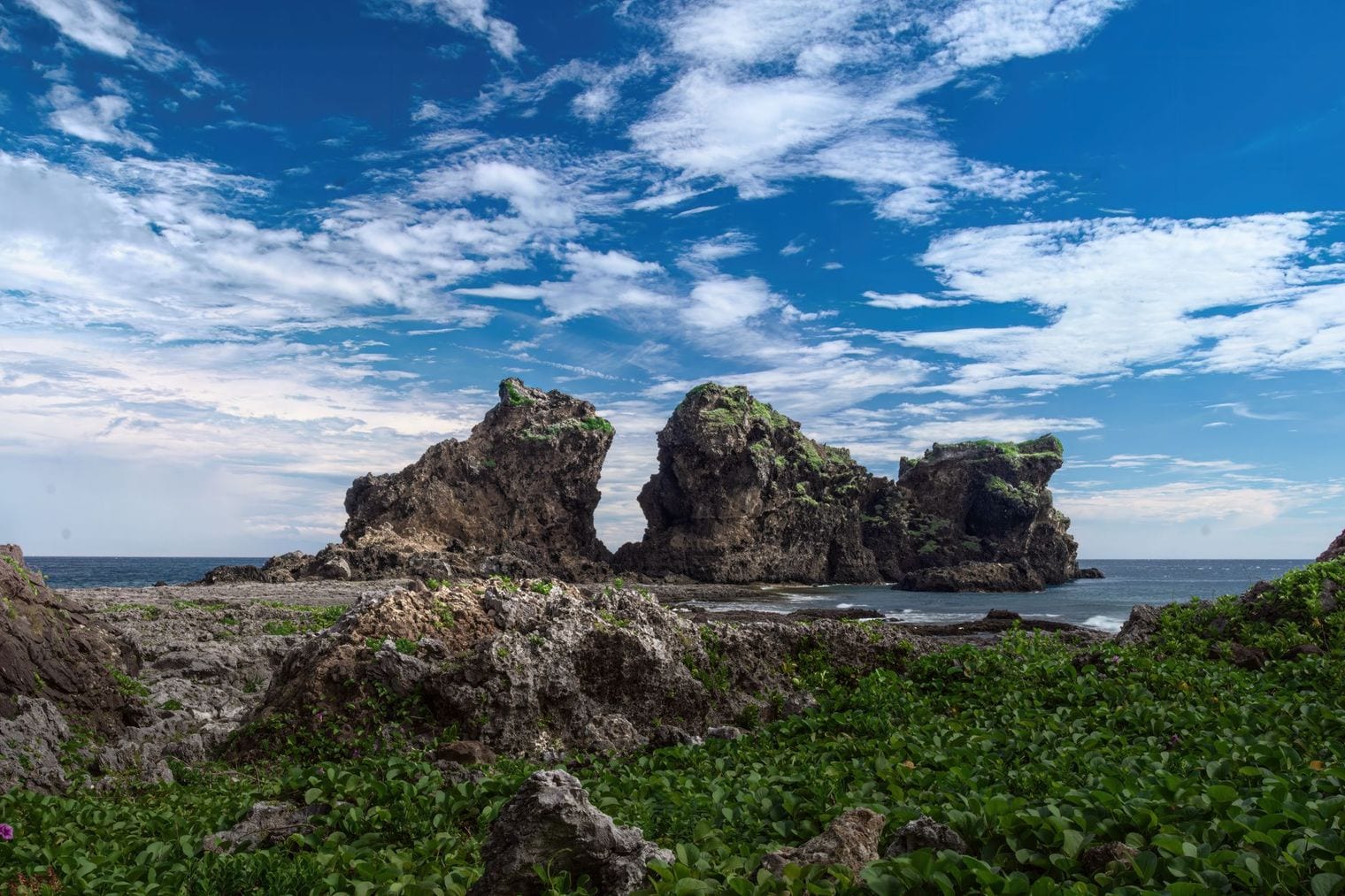
Orchid Island, known in Mandarin as Lanyu and to its indigenous Tao people as Ponso no Tao, is a volcanic island roughly 65 kilometres off Taiwan's southeast coast, sitting squarely in one of the busiest typhoon corridors on the planet. Its exposure is the whole explanation: storms arrive off open ocean having lost nothing to friction over land.
The island is reached by ferry from Taitung or by a small propeller flight, and it is best known for Tao culture, hand-built plank canoes and some of the clearest diving water in Taiwan — for about eleven months of the year.
44. Paso Real de San Diego
Paso Real de San Diego, Pinar del Rio Province, Cuba
At 211.7 mph340 km/h, Paso Real de San Diego holds the world record for the strongest gust ever measured in a hurricane, recorded on 30 August 2008 as Gustav came ashore in western Cuba at Category 4 strength.
A Dines pressure-tube anemometer on the roof of the weather office caught the value and was then torn off the building, so the reading is a minimum rather than a maximum. The WMO investigated the report and declared it valid in 2009.
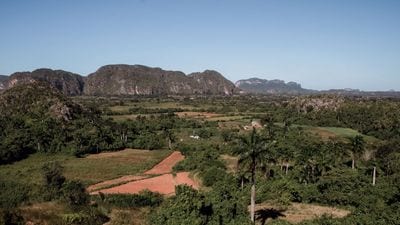
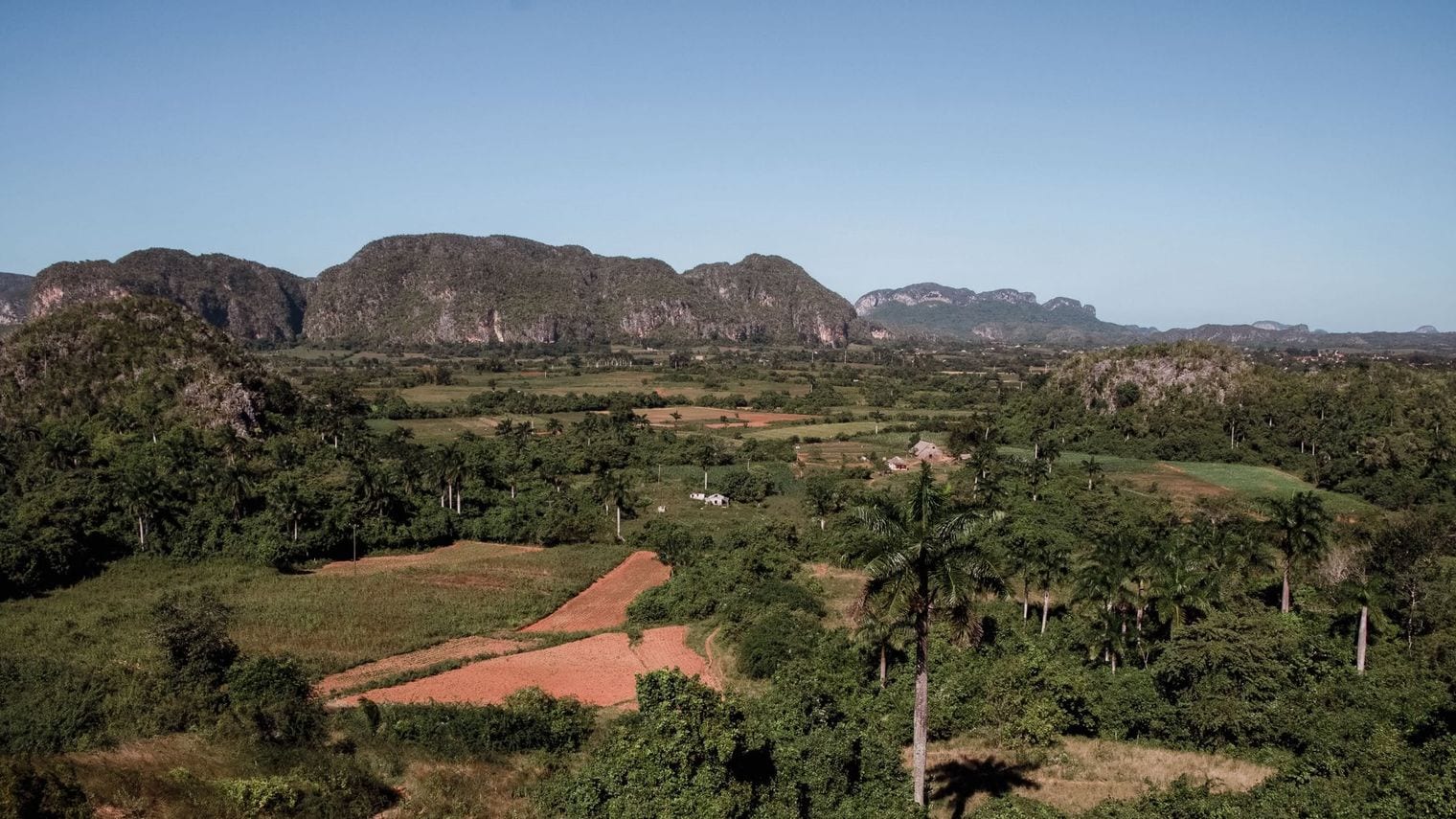
The station sits in Pinar del Río, the tobacco-growing province at Cuba's western end, where the island narrows to a strip barely 40 kilometres across and offers a landfalling hurricane almost no land to weaken over. Gustav flattened tens of thousands of homes in the province and stripped the tobacco harvest.
Pinar del Río is better known to travellers for the Viñales valley, its limestone mogotes and its cigar farms, and the region rebuilt; but its meteorologists hold a record that no station in Florida, Texas or the Caribbean has come close to matching.
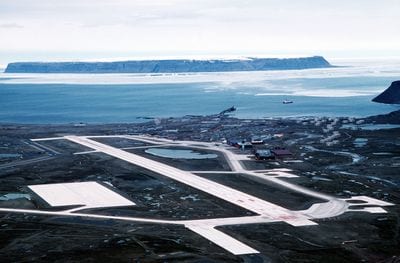
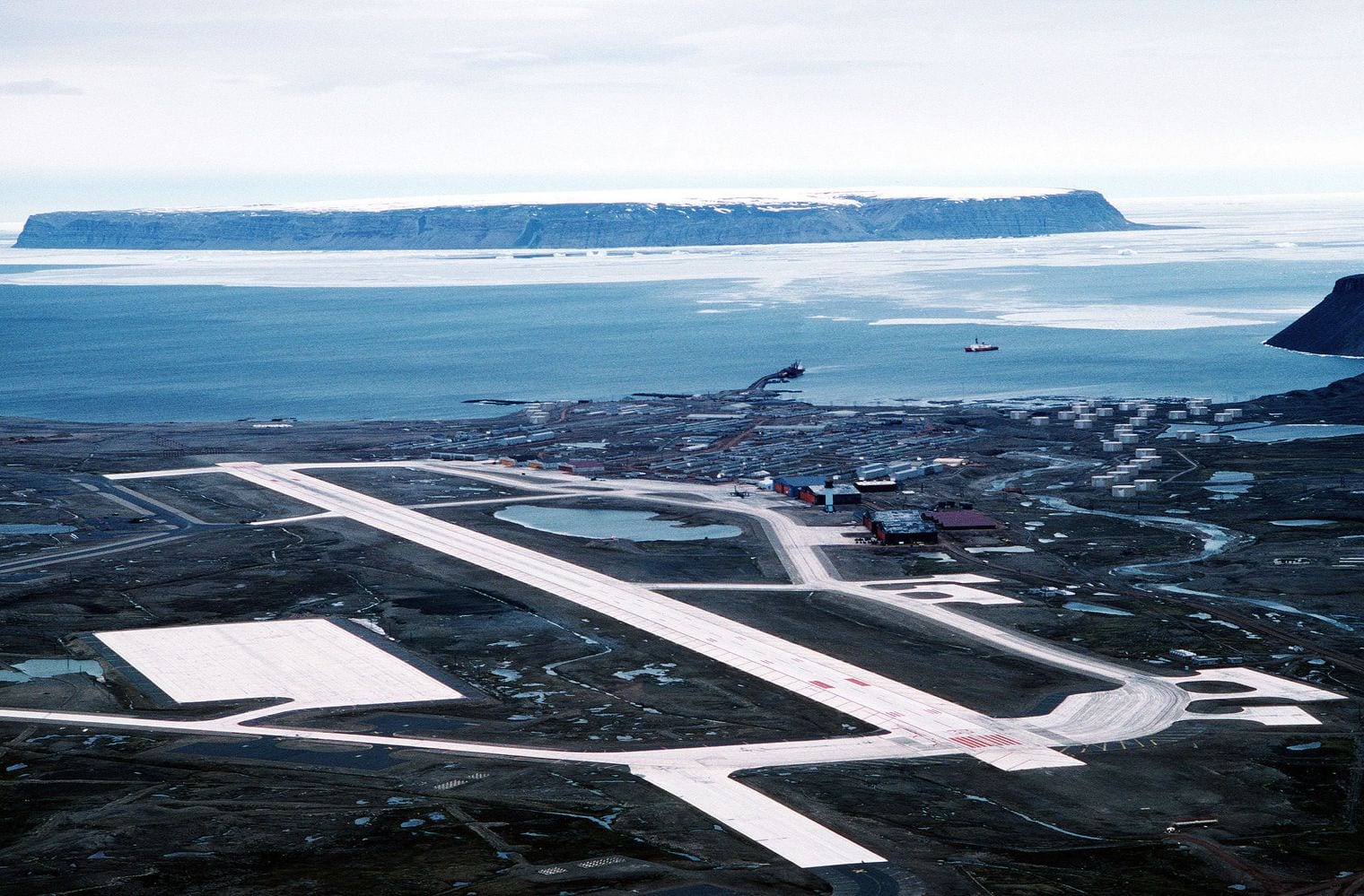
55. Pituffik Space Base
Pituffik Space Base, Northwest Greenland, Greenland
At 207 mph333 km/h, Pituffik Space Base recorded the strongest low-elevation wind ever measured on Earth outside a tropical cyclone or tornado, on 8 March 1972.
The gust was caught on a Bendix-Friez Aerovane anemometer at an outlying survival shelter a few miles east of the base, during a storm that held winds above 138 mph for four unbroken hours with the temperature sitting near minus 26 °C. The base carried the name Thule until 2023, when it was renamed for the Greenlandic region it occupies.
The wind here is katabatic and topographic at once. Dense cold air pools on the Greenland ice sheet, spills downslope under its own weight, and is then squeezed and accelerated by the terrain behind the base — a downslope windstorm trapped beneath a lee wave, the same physics that drives the Chinook and the Santa Ana, running on an ice cap.
Pituffik lies about 1,200 kilometres north of the Arctic Circle and is the northernmost installation the US Department of Defense operates. It is a working military base, not a destination, and civilian access is essentially nil.
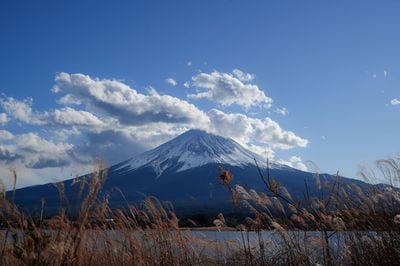
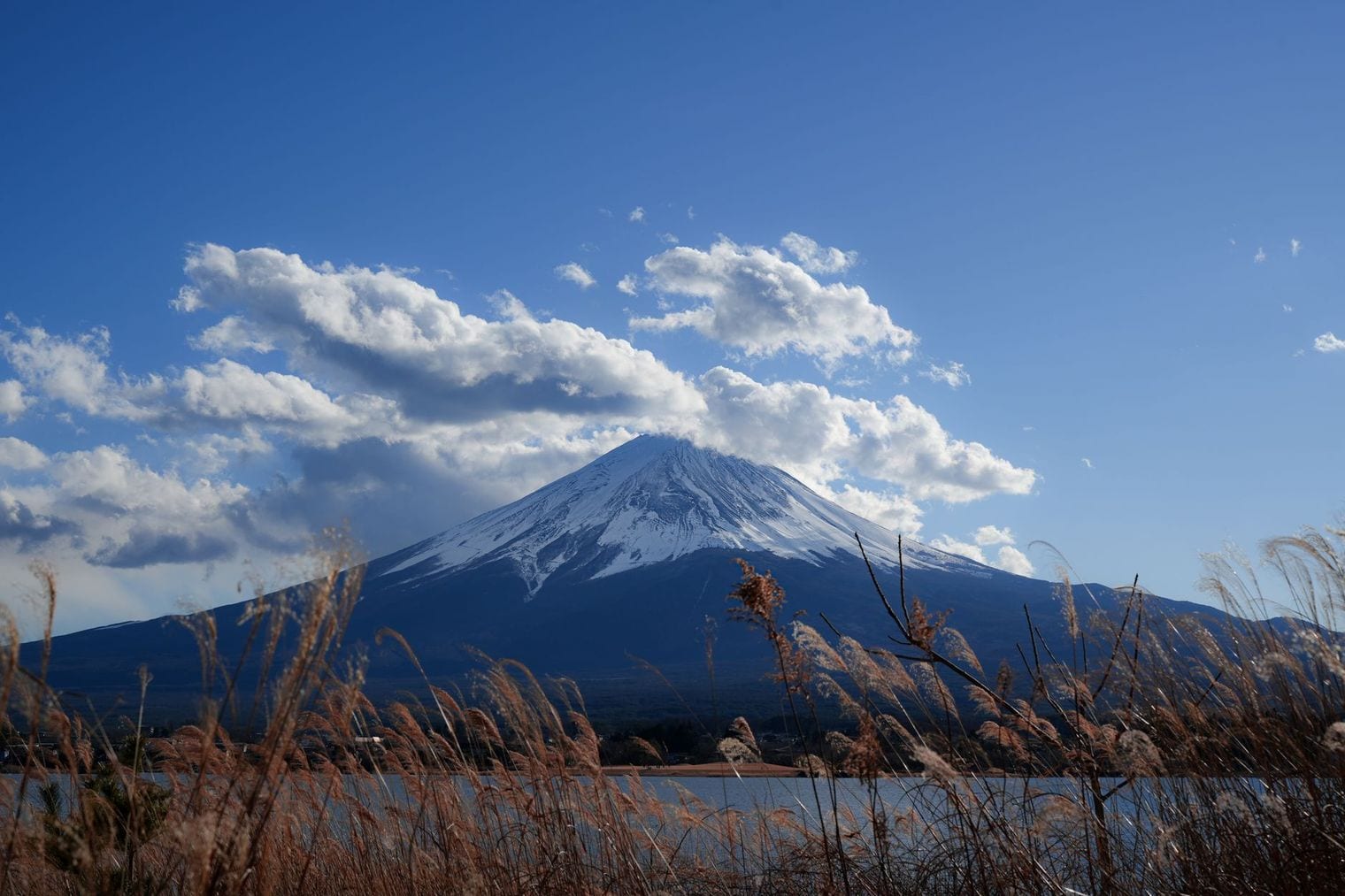
66. Mount Fuji
Mount Fuji Weather Station, Shizuoka and Yamanashi Prefectures, Japan
At 203.6 mph327.6 km/h, Mount Fuji holds the highest wind speed ever measured anywhere in Japan, a gust of 91.0 metres per second logged at the summit observatory on 25 September 1966 as Typhoon Ida drove up the archipelago. The reading still tops the Japan Meteorological Agency's all-time table almost sixty years later, and it was set on the same mountain, in the same month, that a second typhoon had already battered further south.
At 3,776 metres, Fuji's summit stands far above anything around it and pushes into the jet stream in autumn and winter, which is why its numbers dwarf those from Japan's coastal stations. The observatory was staffed continuously from 1932 and became famous for its radar dome; the resident crew stood down in 2004 and an automated system has kept the record going since.
Around 200,000 people climb the mountain each year, but only during the official July-to-early-September season — outside it the summit is a place of ice, thin air and precisely the winds that put Fuji on this list.
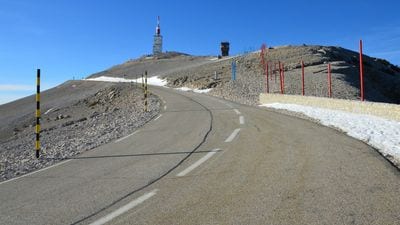
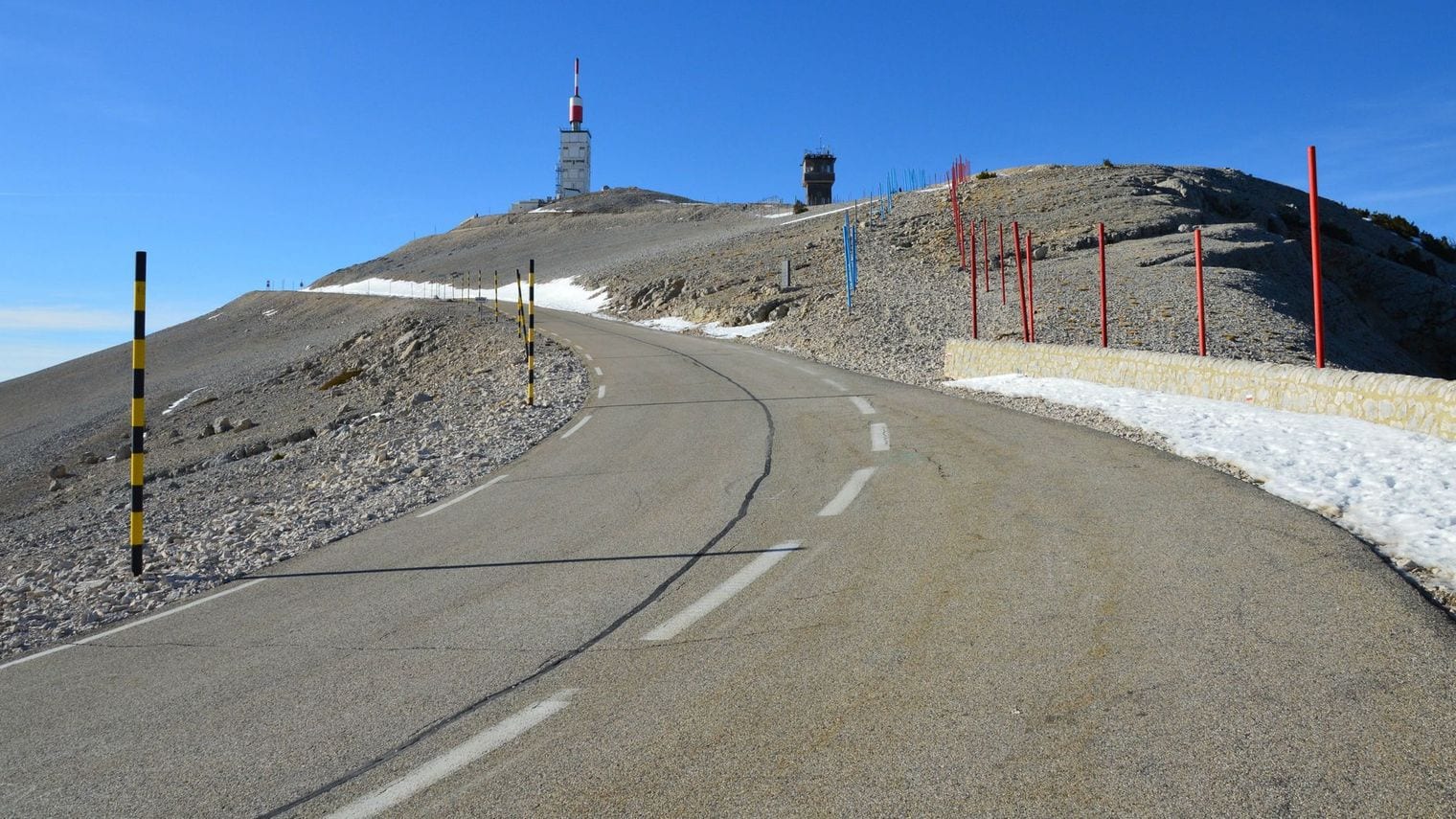
At 198.8 mph320 km/h, Mont Ventoux recorded one of the strongest gusts ever measured in mainland Europe, in 1967. Météo-France has since noted that instruments of that era tended to over-read at extreme speeds, so the true figure was probably somewhat lower — a caveat worth carrying, though the summit's reputation does not depend on a single number.
Gusts above 100 mph are logged there most years, and the mountain records winds over 55 mph on roughly 240 days out of 365.
The culprit is the mistral, the cold northerly that accelerates down the Rhône corridor and then meets a 1,910-metre limestone dome standing alone above the plains of Provence, with nothing upwind to slow it. The white scree cap that makes Ventoux look snow-covered in July is bare rock, scoured by that wind.
Cyclists know it as one of the hardest climbs in the Tour de France, and the summit road is often gated shut in winter and occasionally in summer too, closed for the simple reason that the wind would push a car sideways.
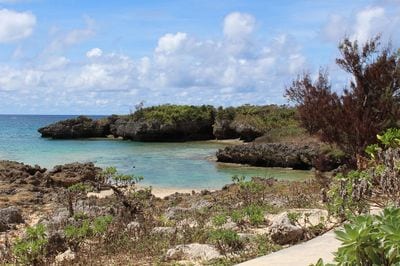
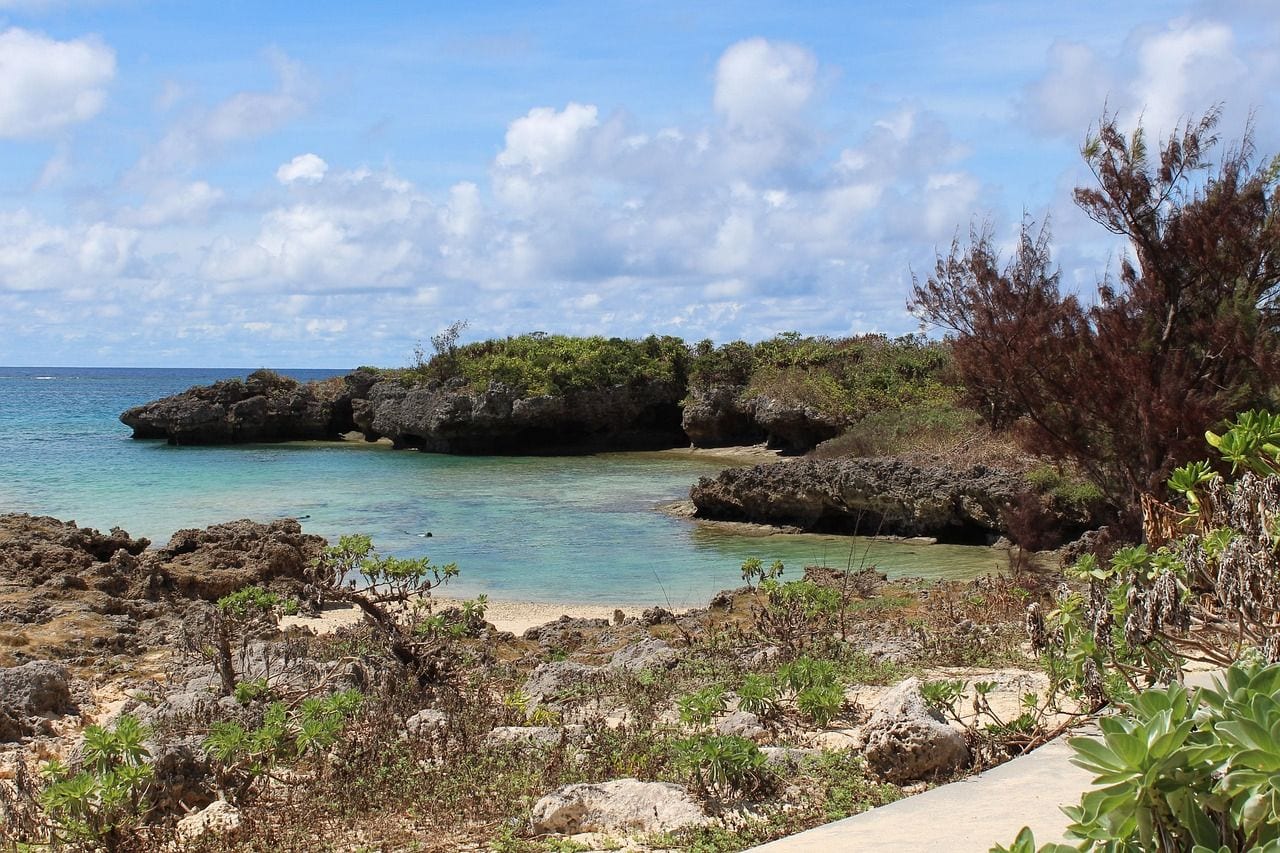
At 190.8 mph307.1 km/h, Miyako-jima holds the highest gust ever recorded at a lowland station in Japan, 85.3 metres per second measured at Hirara on 5 September 1966 during the storm the country still calls the Second Miyako-jima Typhoon. The same event produced a sustained wind of 60.8 m/s, itself a national record, and it came just twenty days before Mount Fuji's summit reading — an extraordinary autumn even by the standards of the western Pacific.
Miyako-jima is a flat coral island in Okinawa Prefecture, about 300 kilometres from Taiwan and far closer to the tropics than to Tokyo, which places it directly in the path of storms still at full ocean strength.
The island has been hit hard enough, often enough, that its concrete architecture and low-slung roofs are essentially a typhoon design language. Today it is better known for white-sand beaches, the long bridges linking it to its neighbouring islets, and some of the best snorkelling in Japan — an easy flight from Naha, and unrecognisable from its record-setting day.
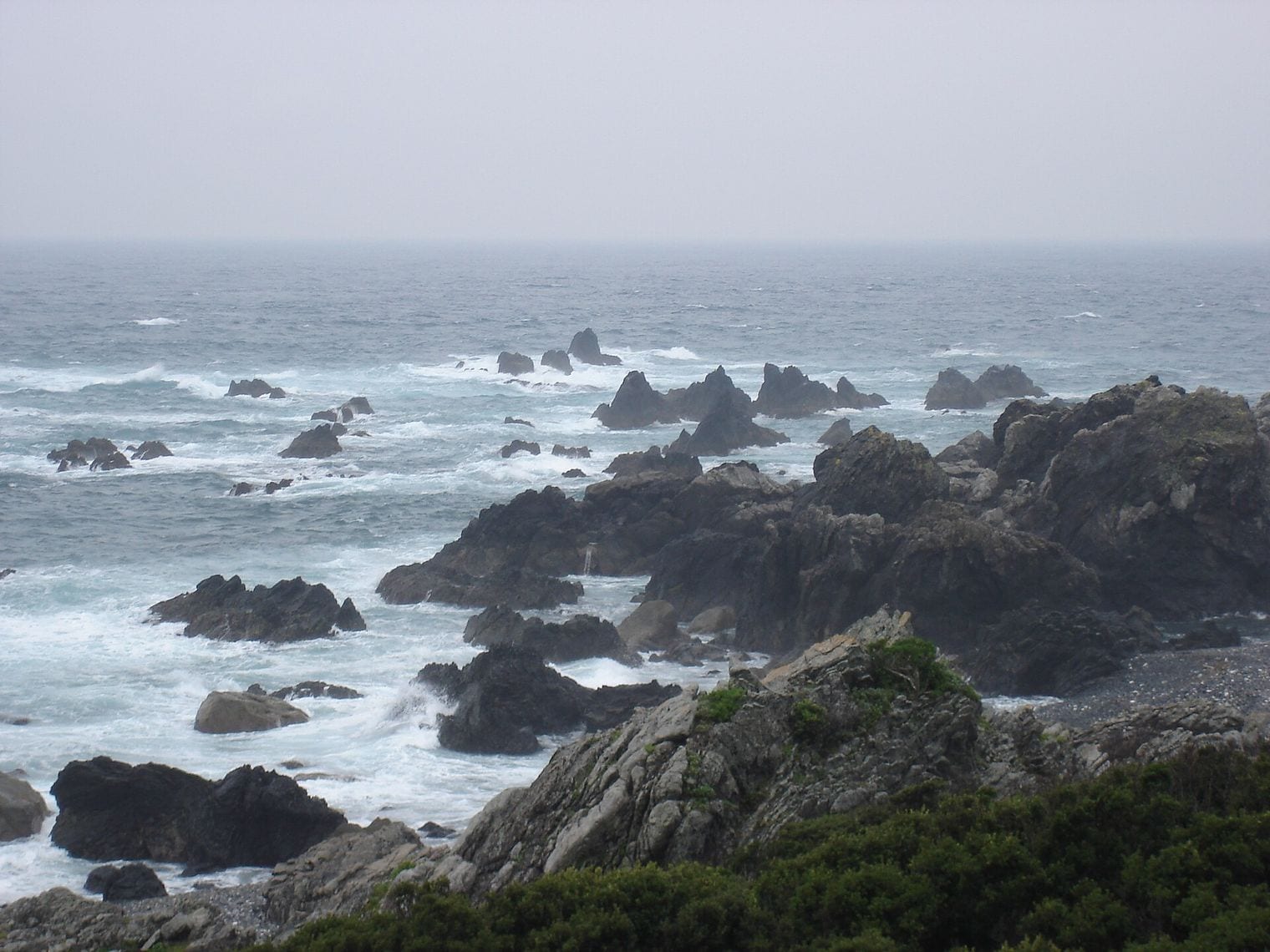
At 189 mph304.2 km/h, Cape Muroto recorded 84.5 metres per second on 16 September 1961 as Typhoon Nancy made landfall almost directly on top of it. The number comes with an asterisk of the best kind: the anemometer's measuring ceiling was 85 m/s, and the instrument was destroyed immediately after the reading. The wind at Muroto that day was almost certainly faster than the record it set, and nobody will ever know by how much.
The cape is a blunt headland at the southeastern tip of Shikoku, jutting into the Pacific with deep water on three sides and the whole ocean upwind — a geometry that has made it Japan's most reliable typhoon landfall for a century.
It gave its name to the Muroto Typhoon of 1934 as well, and Nancy is still remembered as the Second Muroto Typhoon. Today the headland is part of the Muroto UNESCO Global Geopark, with raised marine terraces, a working lighthouse and a coastal walk that is thoroughly pleasant in any month without a storm in it.
1010. Blue Hill Observatory
Blue Hill Observatory, Milton, Massachusetts, United States
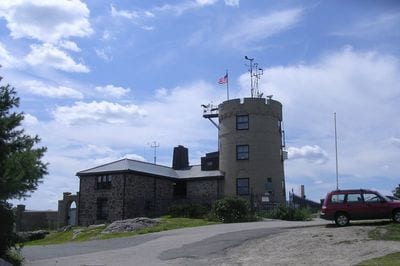
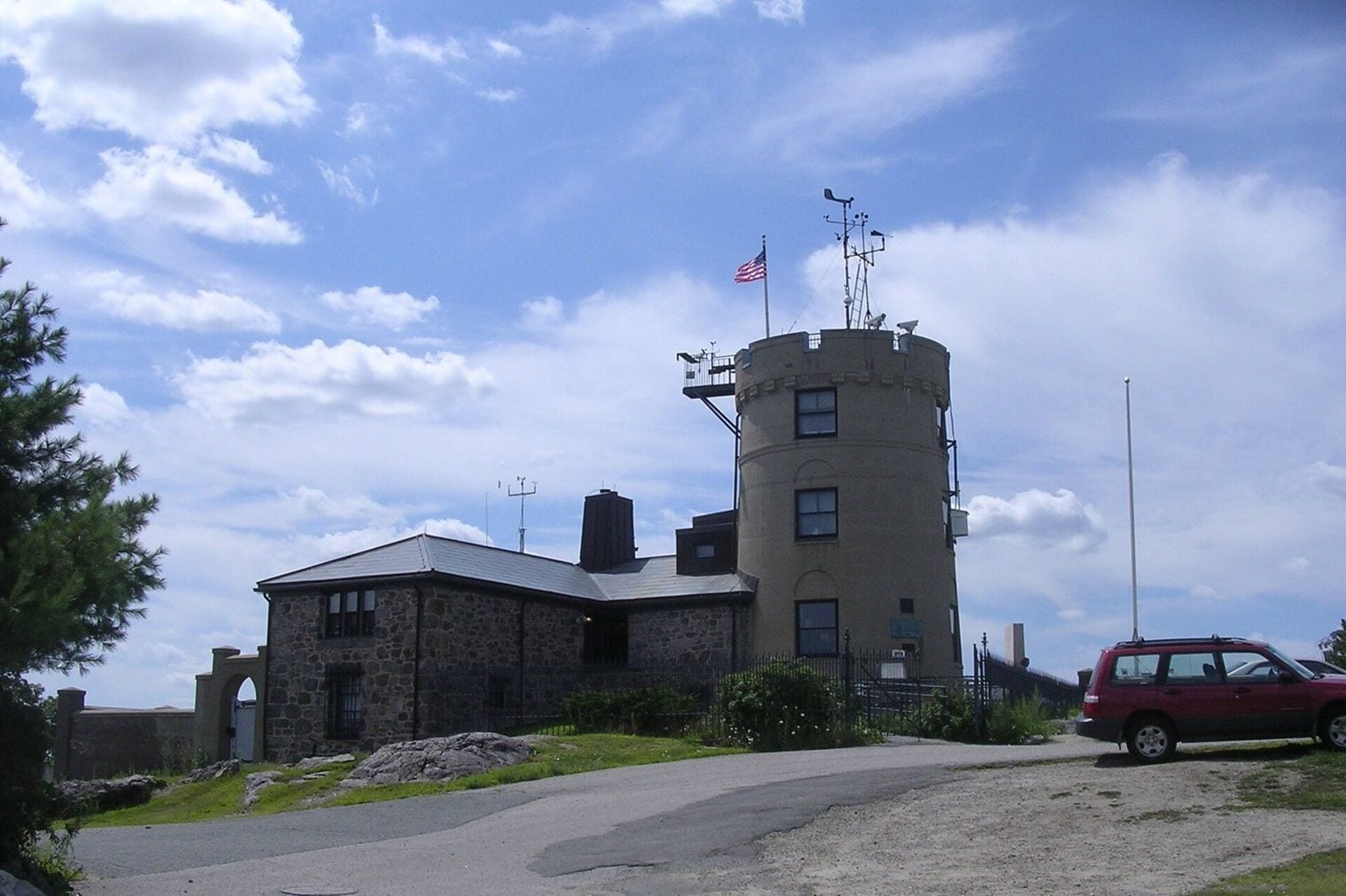
At 186 mph299 km/h, Blue Hill Observatory measured the strongest hurricane gust ever recorded on a continental landmass, on 21 September 1938 as the Great New England Hurricane came ashore. The observatory also logged a sustained wind of 121 mph the same afternoon. The storm killed some 685 people and remains the deadliest natural disaster in New England's history, and this reading is the hardest single number that survives from it.
What makes the figure remarkable is how ordinary the hill is. Great Blue Hill rises just 194 metres above Milton, Massachusetts, barely ten miles from central Boston — no summit, no ice cap, no ocean funnel, simply a modest rise that happened to lie under the right quadrant of the right storm.
The observatory has run continuously since 1885, making it the oldest continuously operating weather station in the United States, and it keeps the country's longest unbroken climate record. It sits inside the Blue Hills Reservation, is open to visitors, and can be walked up in half an hour.
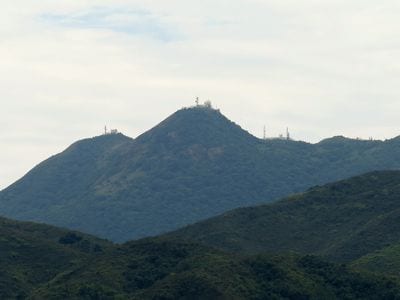
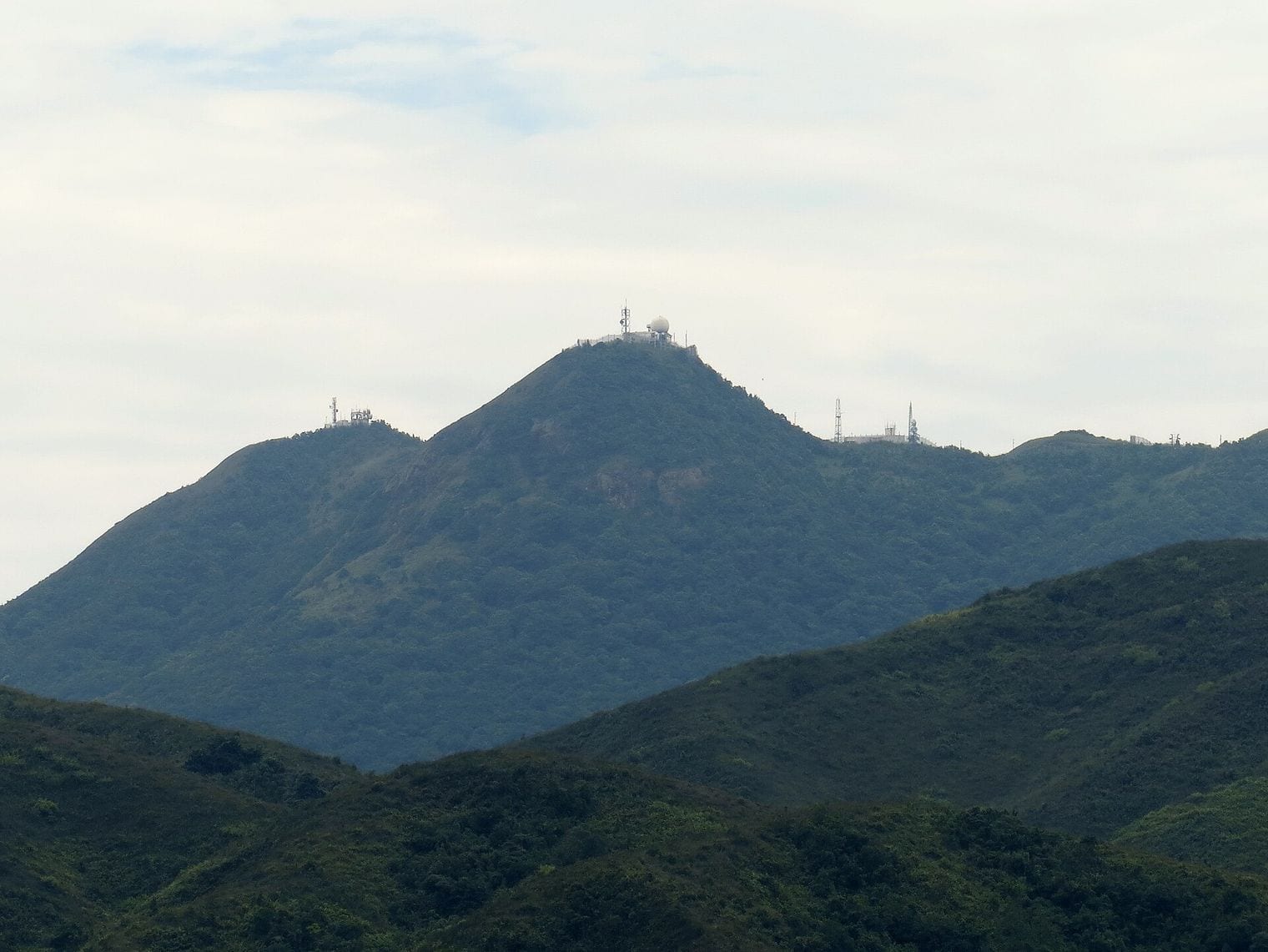
At 177.2 mph285 km/h, Tate's Cairn recorded a gust of 154 knots on 1 September 1962 as Typhoon Wanda crossed Hong Kong, the highest the territory has ever measured. Wanda remains the benchmark against which every Hong Kong typhoon is judged: the Royal Observatory itself logged 140 knots, the strongest at that site since gust records began in 1911, and the storm surge in Tolo Harbour reached more than five metres.
Tate's Cairn is a 577-metre hill in the New Territories, and its summit weather station is deliberately sited to catch what the harbour below never feels. Hong Kong's dense terrain shelters the city so effectively that a storm's real strength only shows on the ridgelines, which is why the territory's highest readings almost all come from here or from Waglan Island offshore.
The hill is crossed by the Wilson Trail and MacLehose Trail and is a straightforward half-day walk from Kowloon, with the whole city laid out below on the clear dry days that follow a typhoon.
1212. Cairn Gorm
Cairn Gorm, Cairngorms National Park, Scotland, United Kingdom
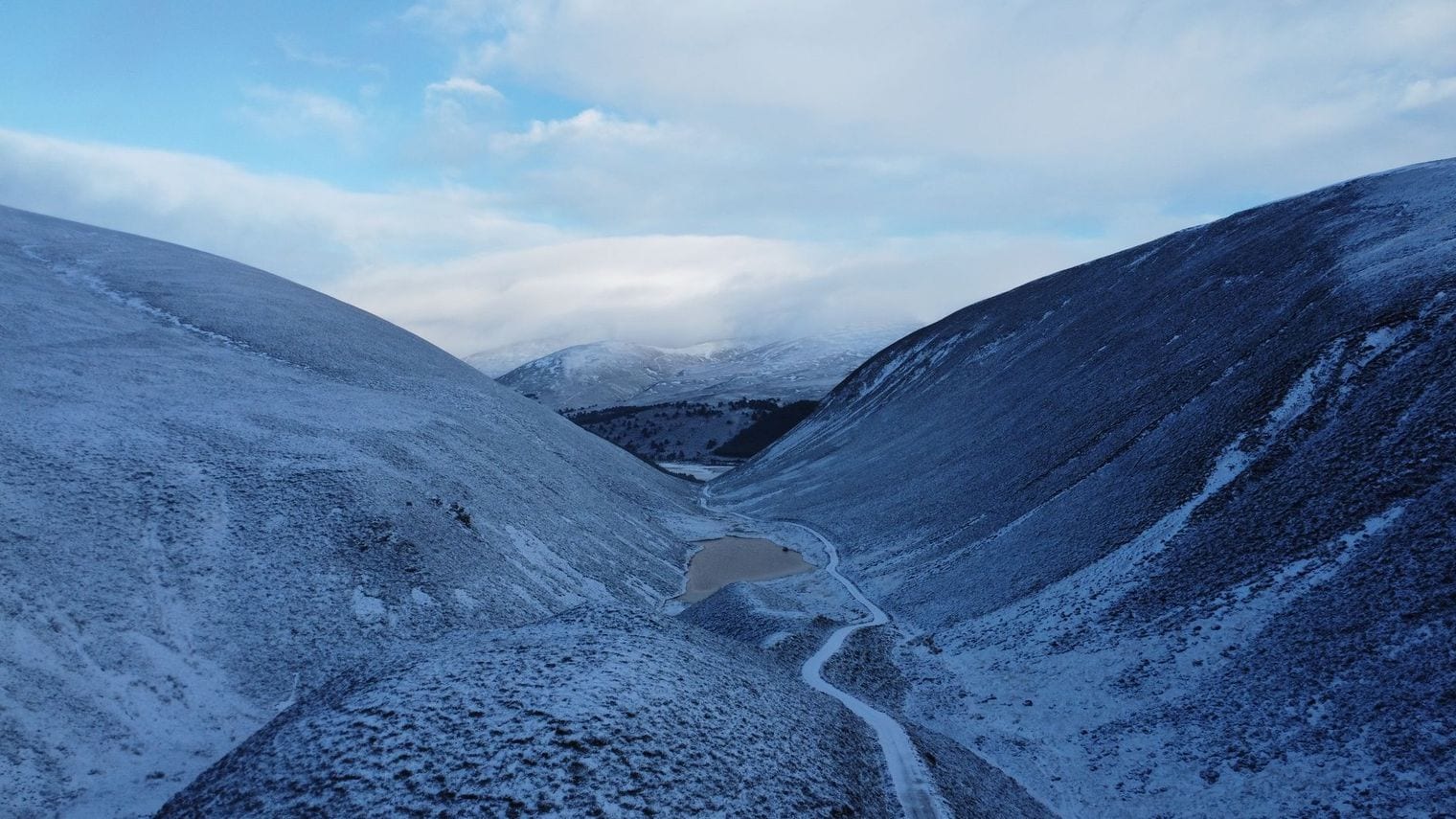
At 173 mph278 km/h, Cairn Gorm holds the highest wind gust ever recorded in the United Kingdom, 150.3 knots measured at the summit automatic weather station on 20 March 1986. The Met Office lists it among its official UK climate extremes, and as with so many entries here the instrument reportedly failed at that value, leaving the true peak unknown. Britain's low-level record is far softer at 142 mph, set at Fraserburgh on the Aberdeenshire coast.
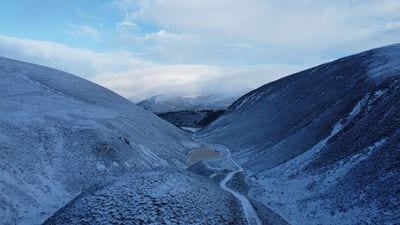
At 1,245 metres Cairn Gorm is the sixth-highest mountain in Britain, and the Cairngorm plateau behind it is the largest area of high ground in the country — an Arctic-grade tableland with nothing to break the wind for miles.
The summit station has fed continuous data to climbers and forecasters since the 1970s, and its readings are a standard part of Scottish winter planning. A funicular railway climbs most of the way up from the Coire Cas car park, and the plateau is a serious mountain environment in winter, when those numbers are anything but historical.
FAQ: The World's Windiest Places
What is the windiest place in the world?
By the strongest gust ever officially recorded, it is Barrow Island off Western Australia, where an automatic weather station measured 253 mph408 km/h on 10 April 1996 during Tropical Cyclone Olivia. The World Meteorological Organization ratified the reading in 2010. By average wind speed the answer is different: Commonwealth Bay in Antarctica blows at roughly 50 mph year-round, which is why it is often named the windiest place on Earth even though it holds no gust record.
Why isn't Commonwealth Bay or Antarctica on this list?
Because this countdown ranks certified single gusts at named stations, and Antarctica has never produced one high enough. Cape Denison's legendary winds were estimated by Douglas Mawson's expedition rather than measured to modern standards, and the figures widely quoted for Dumont d'Urville do not hold up against that station's own climatological record. The best-documented Antarctic gusts, at Casey and Mawson stations, reach around 150 mph — extraordinary, but short of everything listed here.
Why don't tornadoes count?
Tornado winds are measured by mobile Doppler radar from a safe distance, not by an instrument standing in the wind, and the WMO keeps them in a separate category for that reason.
The values are far higher: 318 mph inside the 1999 Bridge Creek–Moore tornado and 295 mph at El Reno in 2013. The same logic excludes Hurricane Melissa's 252 mph in 2025, which was read by a dropsonde 250 metres above the ocean rather than at a station on the ground.
Is Mount Washington still a record holder?
Yes, though not the global one. Its 231 mph gust lost the world title when Barrow Island's reading was ratified in 2010, but it remains the fastest wind ever recorded by a staffed weather station with observers present, and it is still the highest surface wind measured in the Western Hemisphere. The Mount Washington Observatory has been continuously staffed since 1932 and celebrates the anniversary each April as Big Wind Day.
Can you visit any of these places?
Several, and more easily than you might expect. Mount Washington has an auto road, a cog railway and an observatory that runs summit trips; Blue Hill sits half an hour's walk above suburban Boston; Cairn Gorm has a funicular; and Mont Ventoux, Cape Muroto, Miyako-jima, Orchid Island and Tate's Cairn are all straightforward day trips.
Barrow Island and Pituffik are effectively closed to the public. For more extremes mapped the same way, see the rest of our world record breakers.