We build and rank every list first. Booking links come after, and only where
a partner sells a ticket, tour or stay for that exact place, so a place with
nothing to book is listed exactly as prominently as one you can book.
So how do we earn? Some links on this page go to booking
partners, and if you book tickets, tours or a stay through
one, we may earn a commission. It costs you nothing extra.
That commission never decides which places make the list, the order they
appear in, or what we write about them. No entry is sponsored or a paid
placement.
By the City Viking editorial teamPublished 20 places · 16 min read
Fact-checked Checked before launchOct 6, 202620 sources17 publishers3 government & parks4 tourism boards4 encyclopedias & research9 venues & other sitesPublished · Oct 6, 2026Researched and checked before it went liveClick for every source and the full change log.
Short answer
Start with Jackson for the elk-antler arches of Town Square and the Teton Range, Cody for the five-museum Buffalo Bill Center of the West, and Thermopolis for free soaks beside the Big Spring in Hot Springs State Park. Most towns on this list fill a relaxed day, while Jackson and Cody deserve two or three days each as bases for Grand Teton and Yellowstone.
Wyoming is the least populous state in the country, and its towns still feel like it: brick main streets, rodeo arenas and saddle shops beneath the Tetons, the Bighorns and the Wind River Range. Many grew up around railroads, cattle and hot springs, and Jackson and Cody double as gateways to Yellowstone.
This guide ranks the 20 best small towns in Wyoming, from resort Jackson to tiny Story in the Bighorn foothills, with what to see in each. Most need a day; string several together along one highway and plan a week or more.
Wyoming is the Equality State: in 1869 its territorial government became the first to grant women the right to vote, and in 1924 it elected Nellie Tayloe Ross, the first woman governor in U.S. history.
In 1920, voters in Jackson elected an all-woman town government, a mayor and council who in turn appointed women as town marshal, clerk and treasurer.
The outlaw Harry Longabaugh was jailed in Sundance for a theft in 1887, the only time he was ever imprisoned, and took the town's name as his nickname: the Sundance Kid.
Ten Sleep is named for a distance: it was an American Indian rest stop said to be ten days' travel, or "ten sleeps," from Fort Laramie, Yellowstone and an Indian agency in Montana.
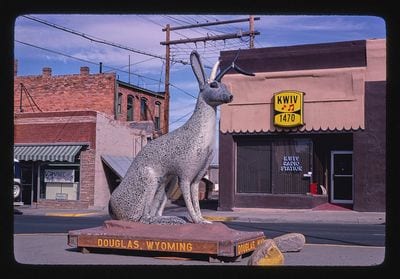
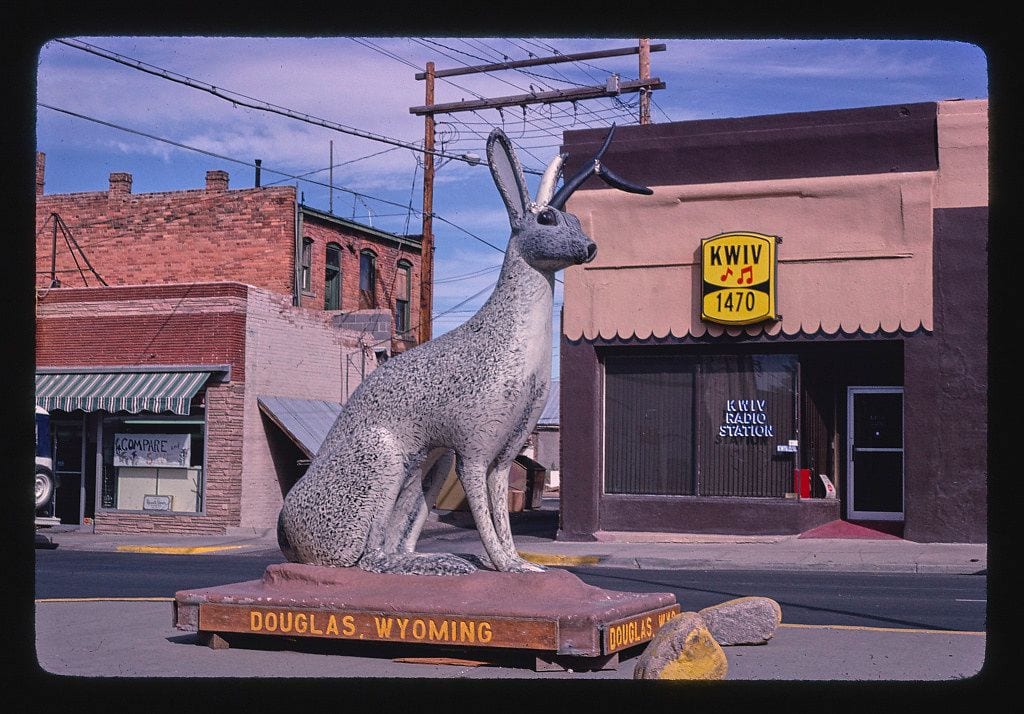
The jackalope is credited to Douglas Herrick of Douglas, a taxidermist who mounted antlers on a jackrabbit in the 1930s, and in 1985 the state named Douglas the Home of the Jackalope.
Bathing in the Big Spring at Thermopolis, billed as the world's largest mineral hot spring, is free at the State Bath House under the terms of the 1896 treaty that ceded the springs.
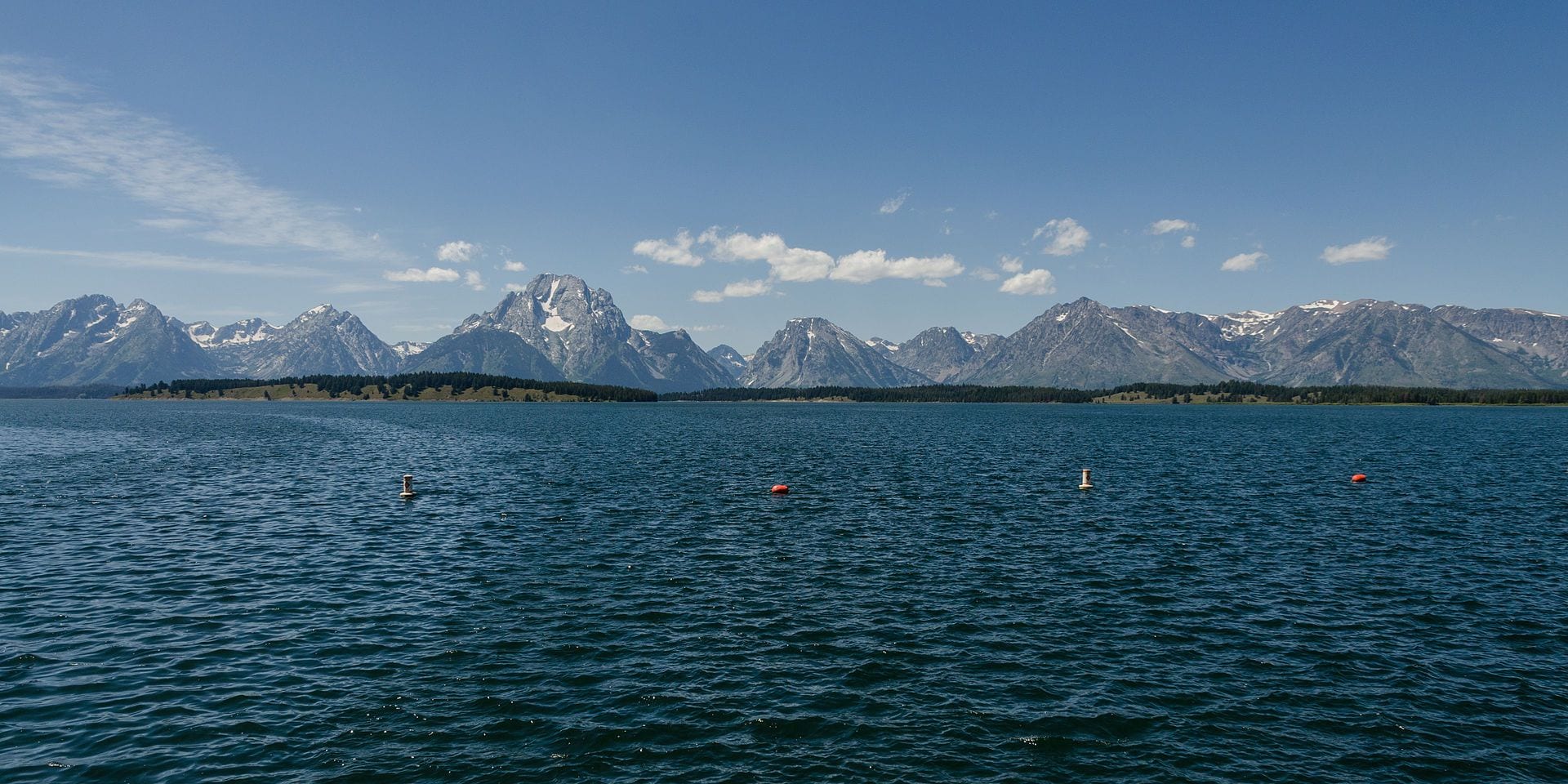
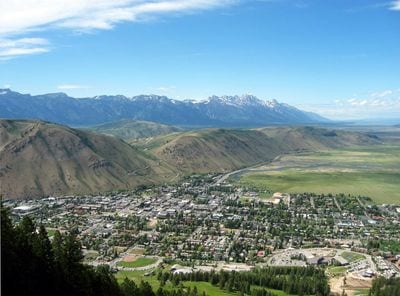
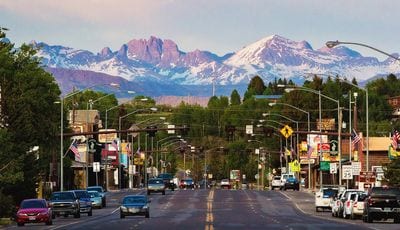
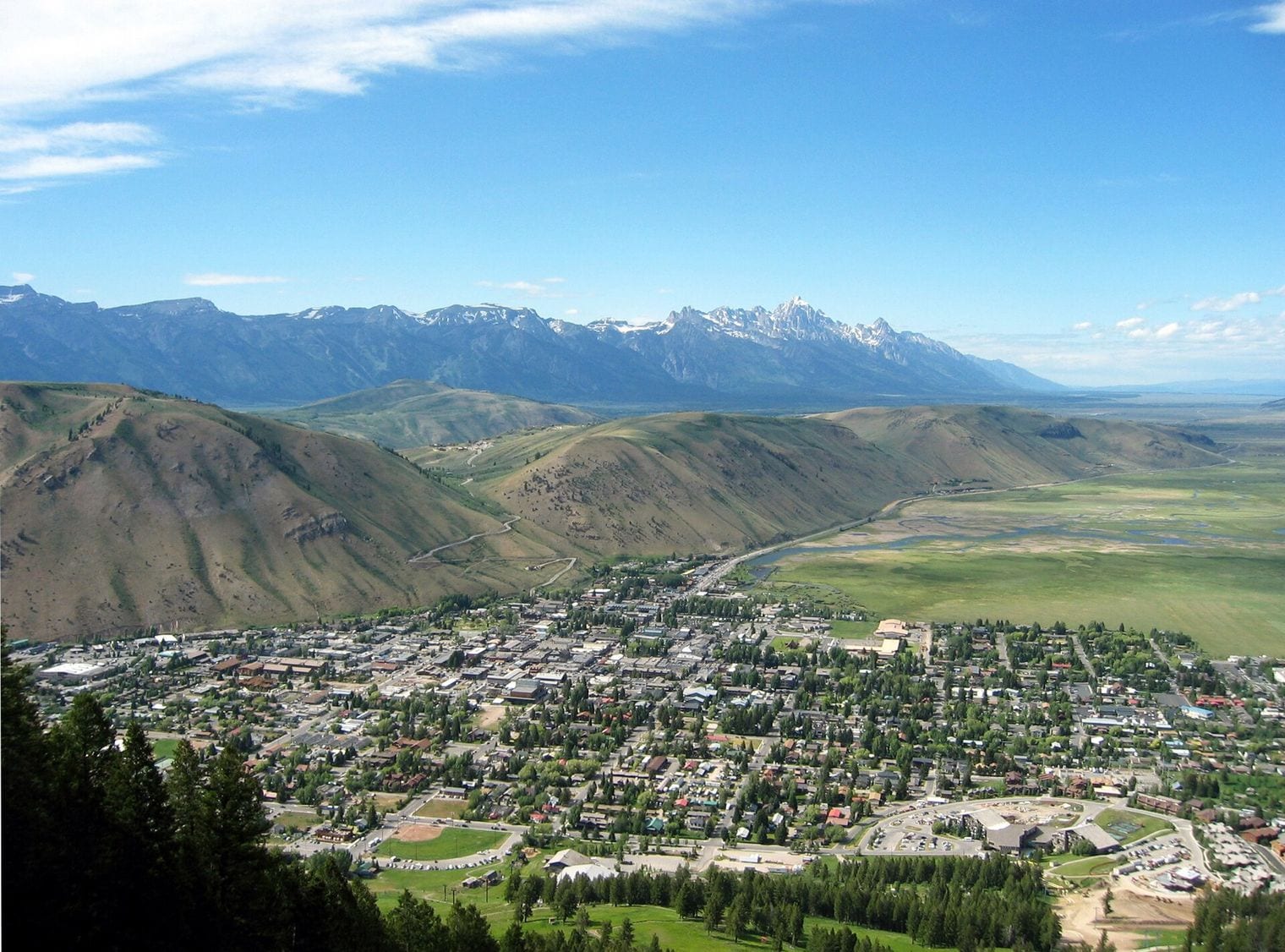
Jackson is the town most travelers picture when they think of Wyoming, a western resort of about 10,800 people in the valley of Jackson Hole, with the Teton Range on the horizon. Its Town Square, entered through arches built from shed elk antlers, is ringed with boardwalks, galleries and western outfitters, and some of the town's early buildings still stand nearby.
On the edge of town, the National Elk Refuge shelters one of the largest elk herds in the country, and the National Museum of Wildlife Art looks out over it from a hillside, with a sculpture trail outside. Snow King Mountain, the town's first ski hill, rises straight from the streets, and Grand Teton National Park and the road north to Yellowstone begin just beyond town.
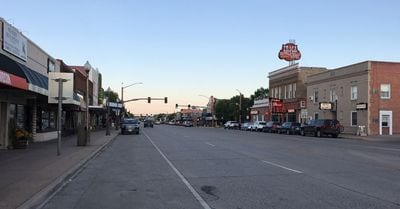
Buffalo Bill helped found Cody in 1896, and the town that carries his name still wears his legacy proudly. The Buffalo Bill Center of the West gathers five museums in one complex, covering his Wild West show, Plains Indian cultures, western art, the natural history of Greater Yellowstone and one of the most comprehensive firearms collections in the country.
Cody calls itself the Rodeo Capital of the World, and the amateur Cody Nite Rodeo is a summer-evening tradition, while Old Trail Town reassembles more than 25 historic frontier buildings. West of town, the Shoshone River cuts a deep canyon past the Buffalo Bill Dam on the way to Yellowstone's East Entrance.
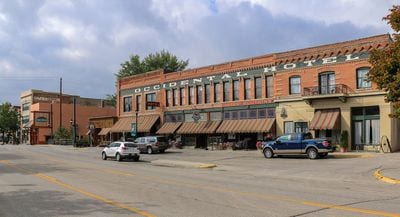
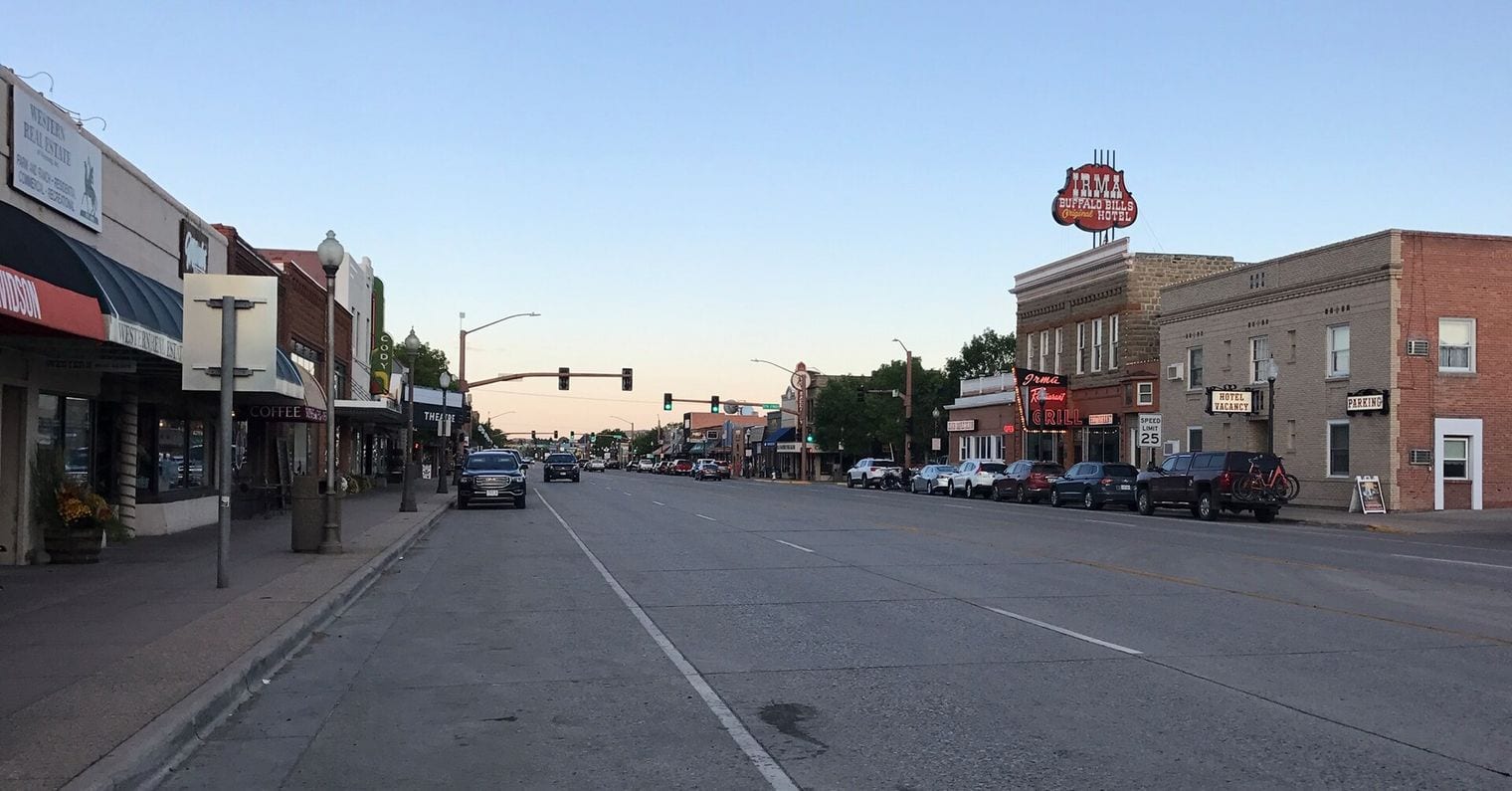
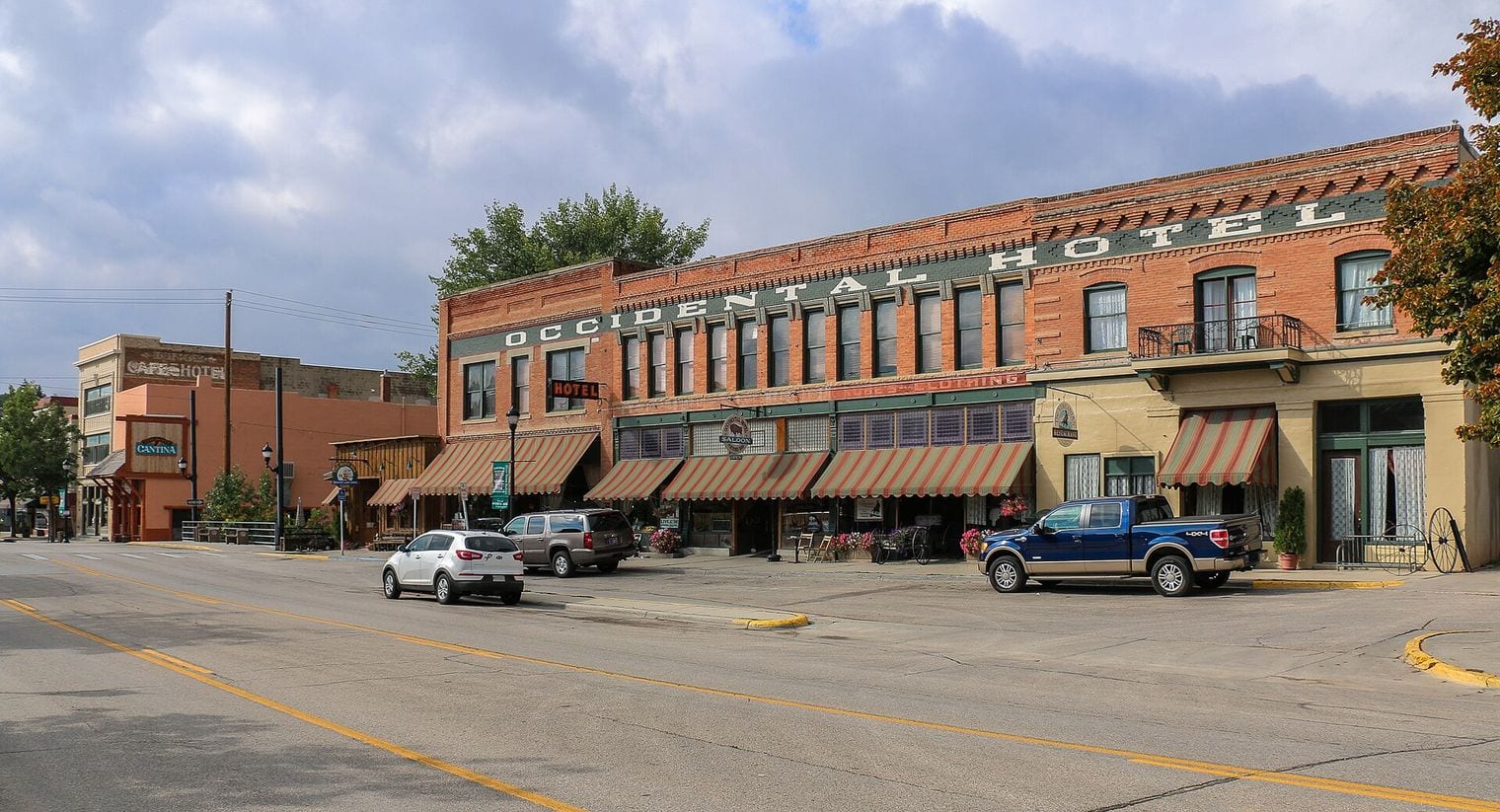
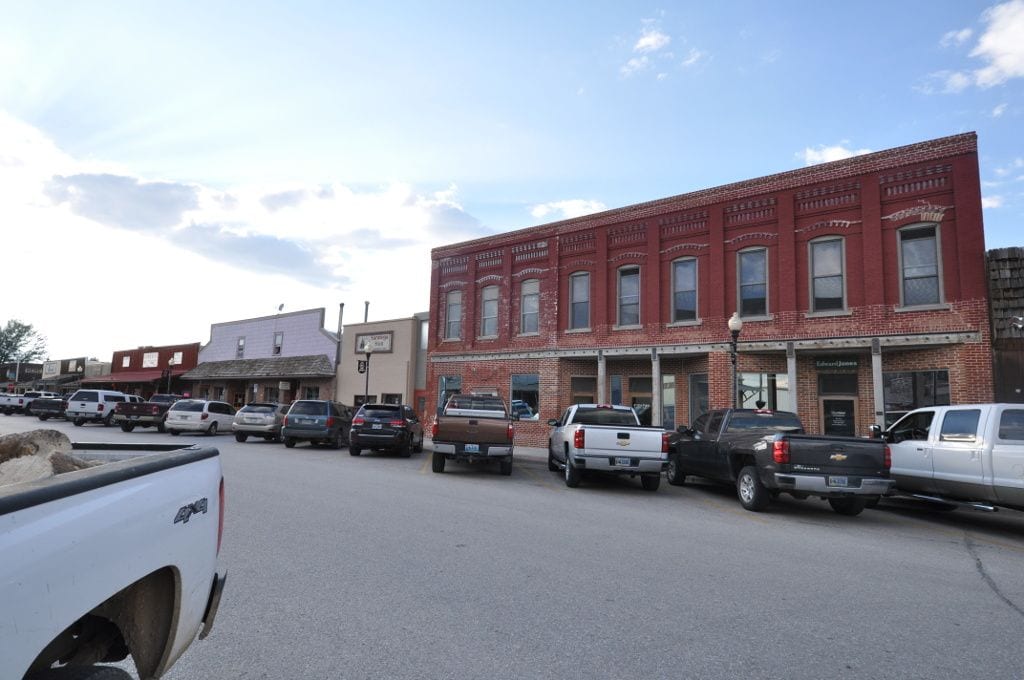
Buffalo sits where Clear Creek runs out of the Bighorn Mountains, a ranching town of about 4,400 people that has kept its frontier bones. Its landmark is the Occidental Hotel, founded in 1880 near the Bozeman Trail, whose restored saloon still shows bullet holes in its pressed-tin ceiling.
Beside the county courthouse, the Jim Gatchell Memorial Museum tells the story of the Bozeman Trail and of the 1892 Johnson County War between cattle barons and homesteaders, which came to a head in a siege at a ranch near Buffalo. From town, US 16 climbs west over the Bighorns as the Cloud Peak Skyway, one of the state's finest mountain drives, and drops down to Ten Sleep.
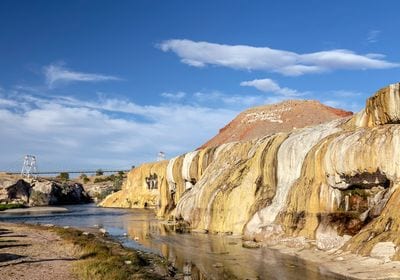
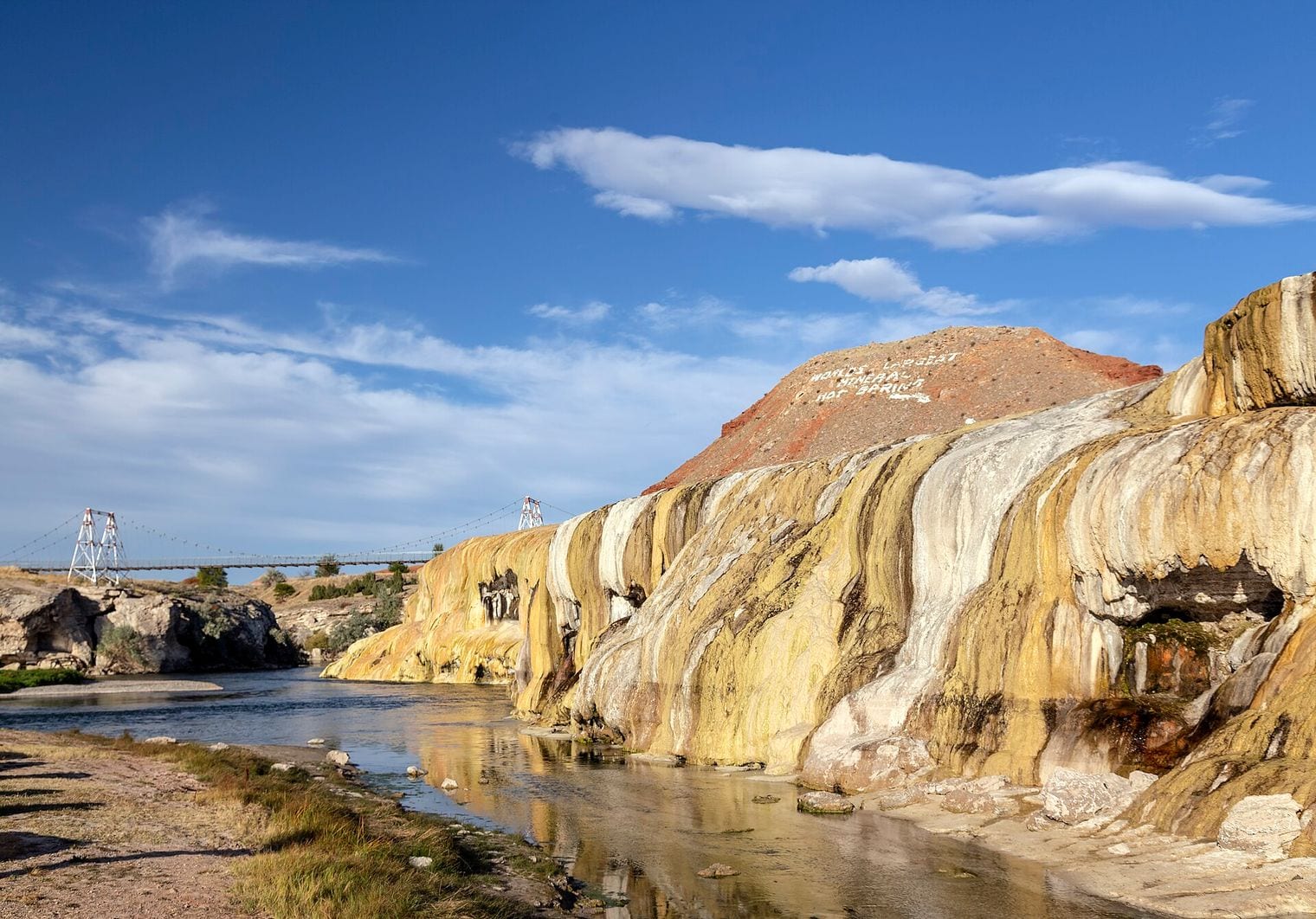
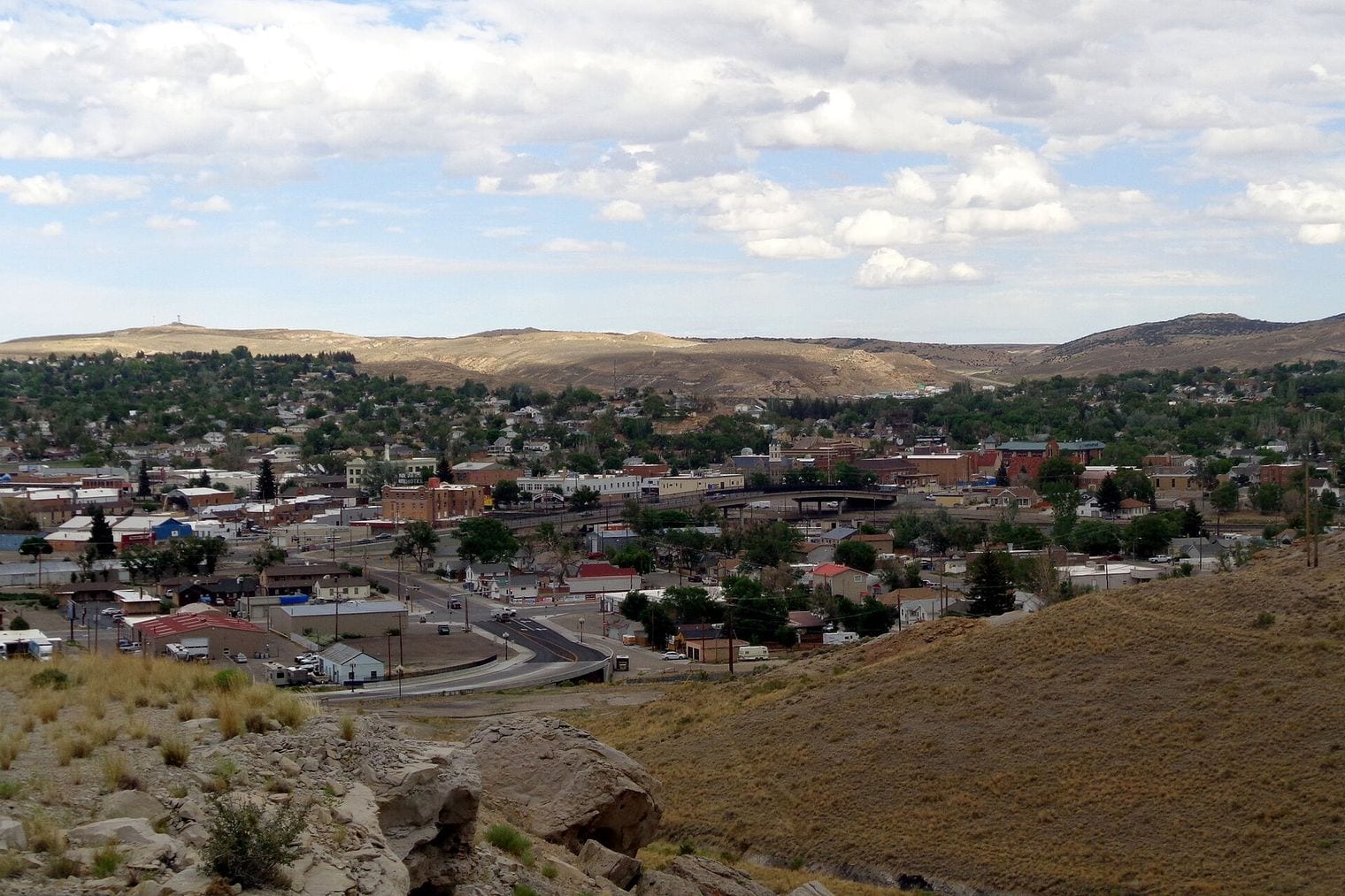
Thermopolis takes its name from the Greek for "hot city," and the town of about 2,700 people is built around the springs of Hot Springs State Park, Wyoming's first state park. The Big Spring, which the town bills as the world's largest mineral hot spring, spills over terraces of travertine beside the Bighorn River, and a suspension footbridge crosses the river for the view.
Under the terms of the 1896 treaty that ceded the springs, soaking at the State Bath House is free, and a small state bison herd grazes the park's pastures. The Wyoming Dinosaur Center adds fossil halls and working dig sites, and just south of town the highway threads Wind River Canyon to the Wedding of the Waters, where the Wind River becomes the Bighorn.
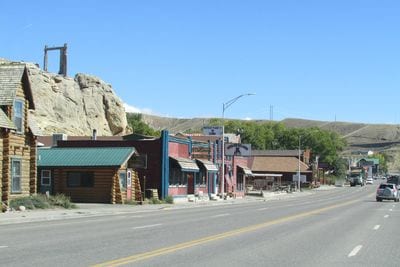
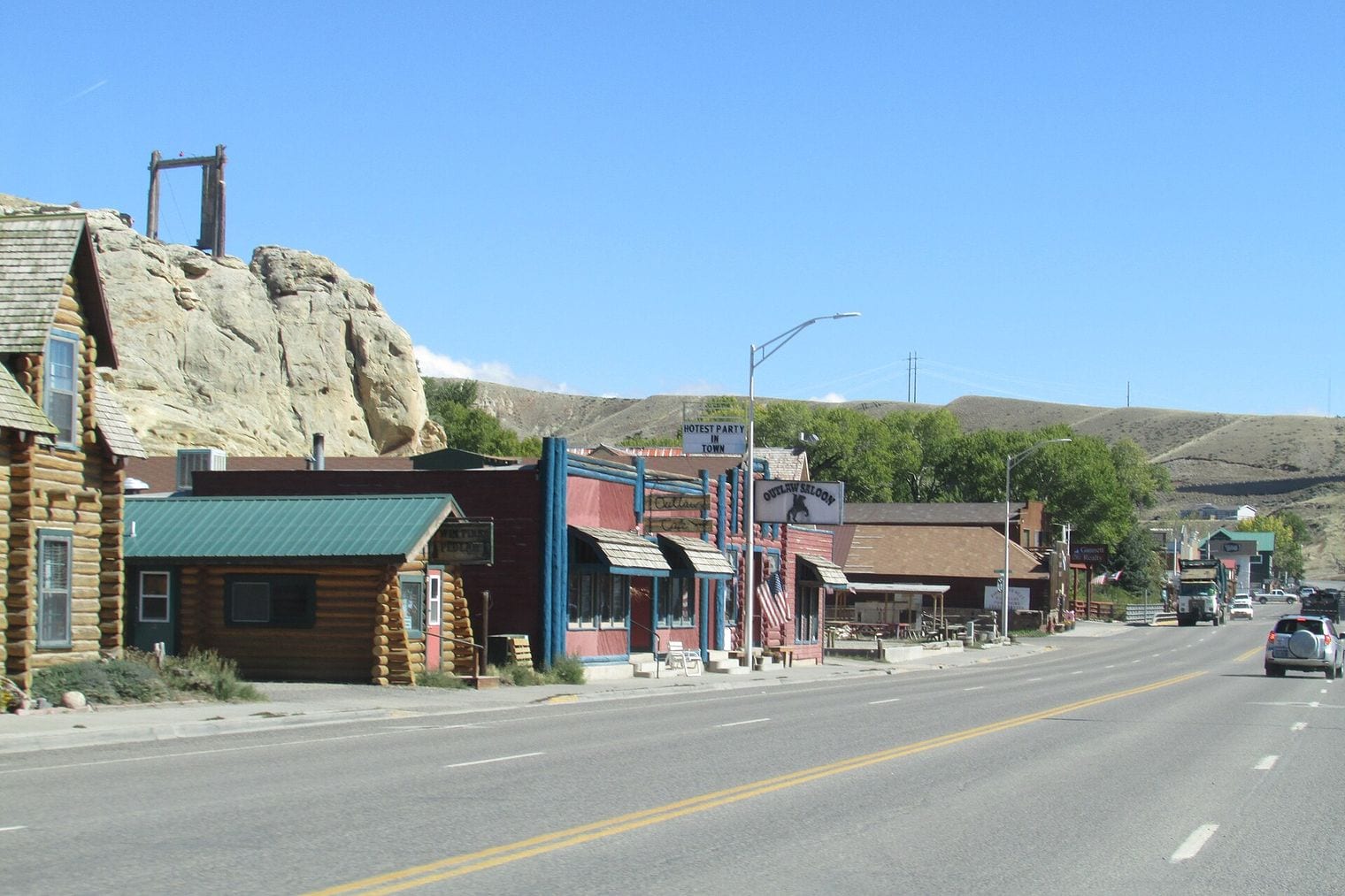
Dubois is a cowboy town of about 900 people in the upper Wind River valley and a long-time base for dude ranches; the first in the area opened just west of town in 1907, and the outlaw Butch Cassidy once owned a ranch on its outskirts. On the main street, the Dubois Museum traces the valley's story from the Sheepeater Shoshone onward.
The National Bighorn Sheep Center explains the herd that winters in nearby Whiskey Basin, one of the largest herds of Rocky Mountain bighorns in the lower 48 states, and the privately funded National Museum of Military Vehicles lies just southeast of town. West of Dubois, US 26 climbs over Togwotee Pass on the Continental Divide toward Grand Teton National Park.
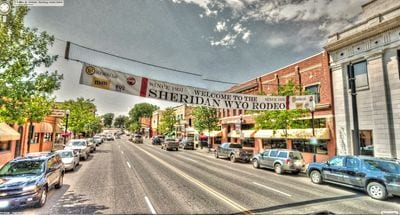
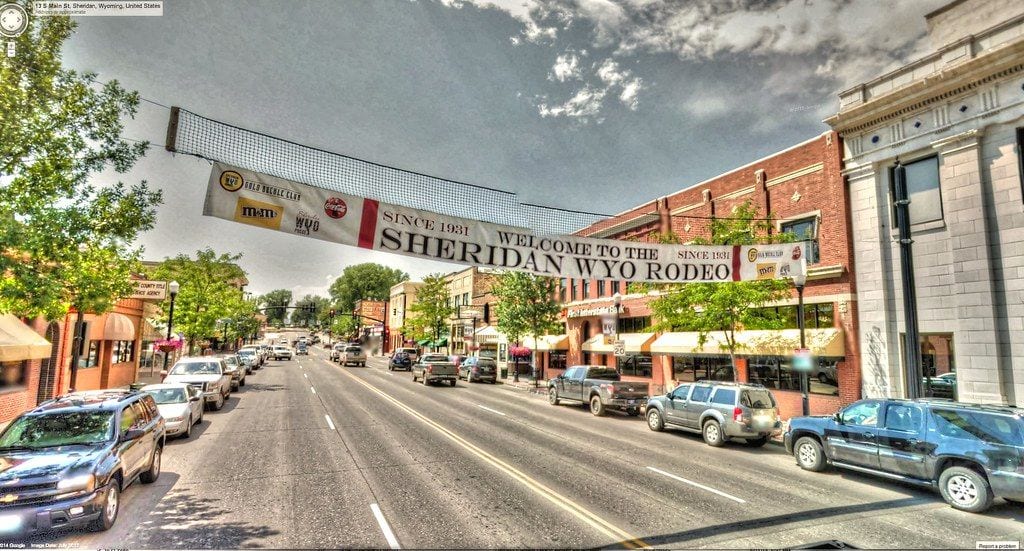
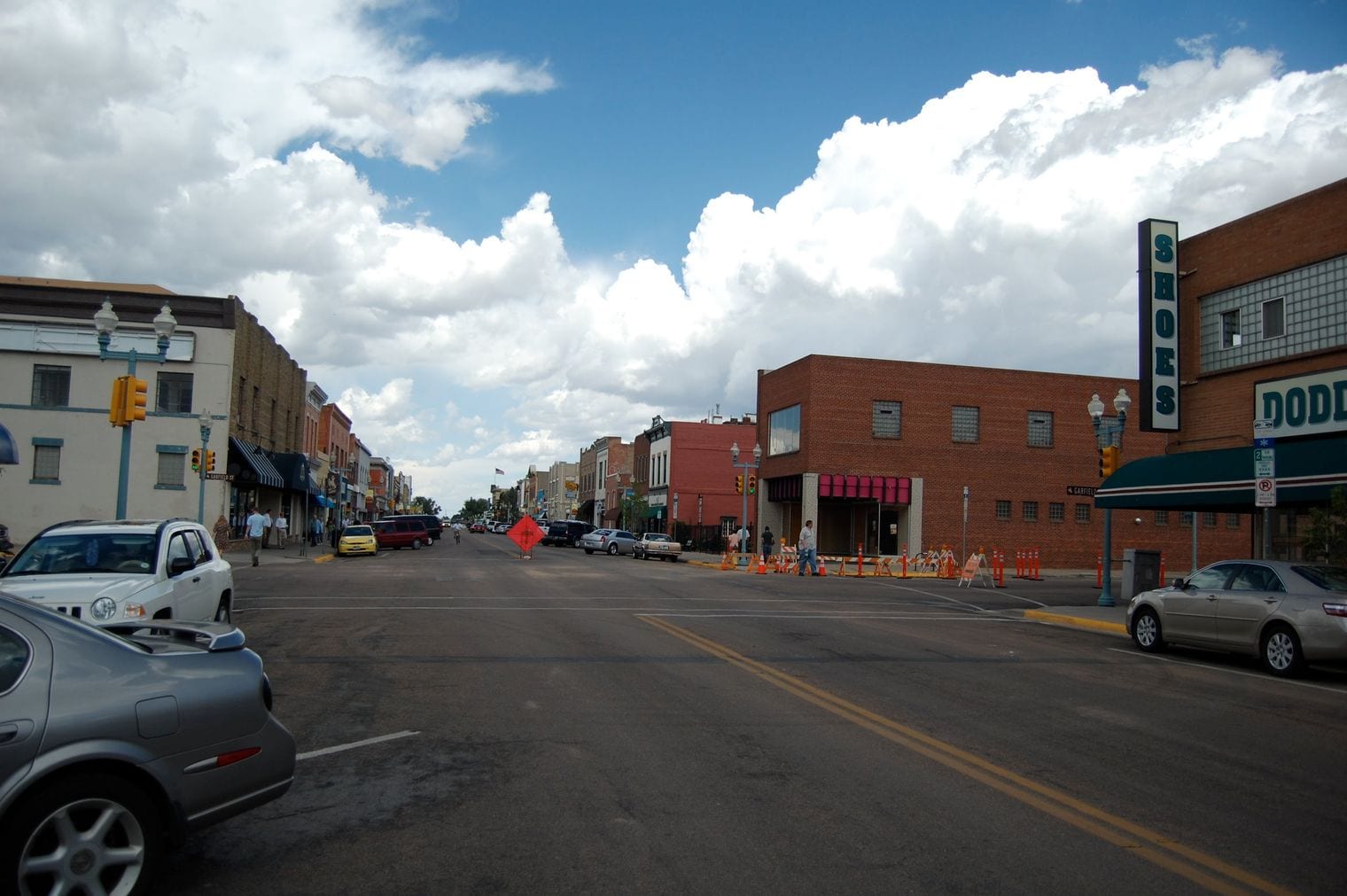
Sheridan is a city of about 18,700 people at the foot of the Bighorn Mountains, but its brick downtown, built during a coal boom in the 1890s, still has the feel of a cowboy town. Western heritage is everyday business here: the King's Saddlery Museum is a local institution, and the Sheridan WYO Rodeo, held since 1931, is one of the big events of the northern Wyoming summer.
Trail End State Historic Site preserves the 1913 mansion of John B. Kendrick, a cattleman who became governor and then a U.S. senator, with most of its contents original to the family. A short drive south, The Brinton Museum shows western and American Indian art on a historic working ranch in the hamlet of Big Horn.
Lander sits on the Middle Fork of the Popo Agie River at the foot of the Wind River Range, just south of the Wind River Indian Reservation, and it is Wyoming's outdoor-school town. NOLS, the National Outdoor Leadership School, was founded here in 1965 and is still headquartered in downtown Lander, sending students into the Wind Rivers.
Six miles southwest, Sinks Canyon State Park shows off a river trick: the Popo Agie disappears into a limestone cavern at the Sinks and reemerges a quarter-mile down the canyon at the Rise. The dolomite cliffs around town draw rock climbers, Lander hosts an annual International Climbers' Festival, and the Fremont County Pioneer Museum covers local history.
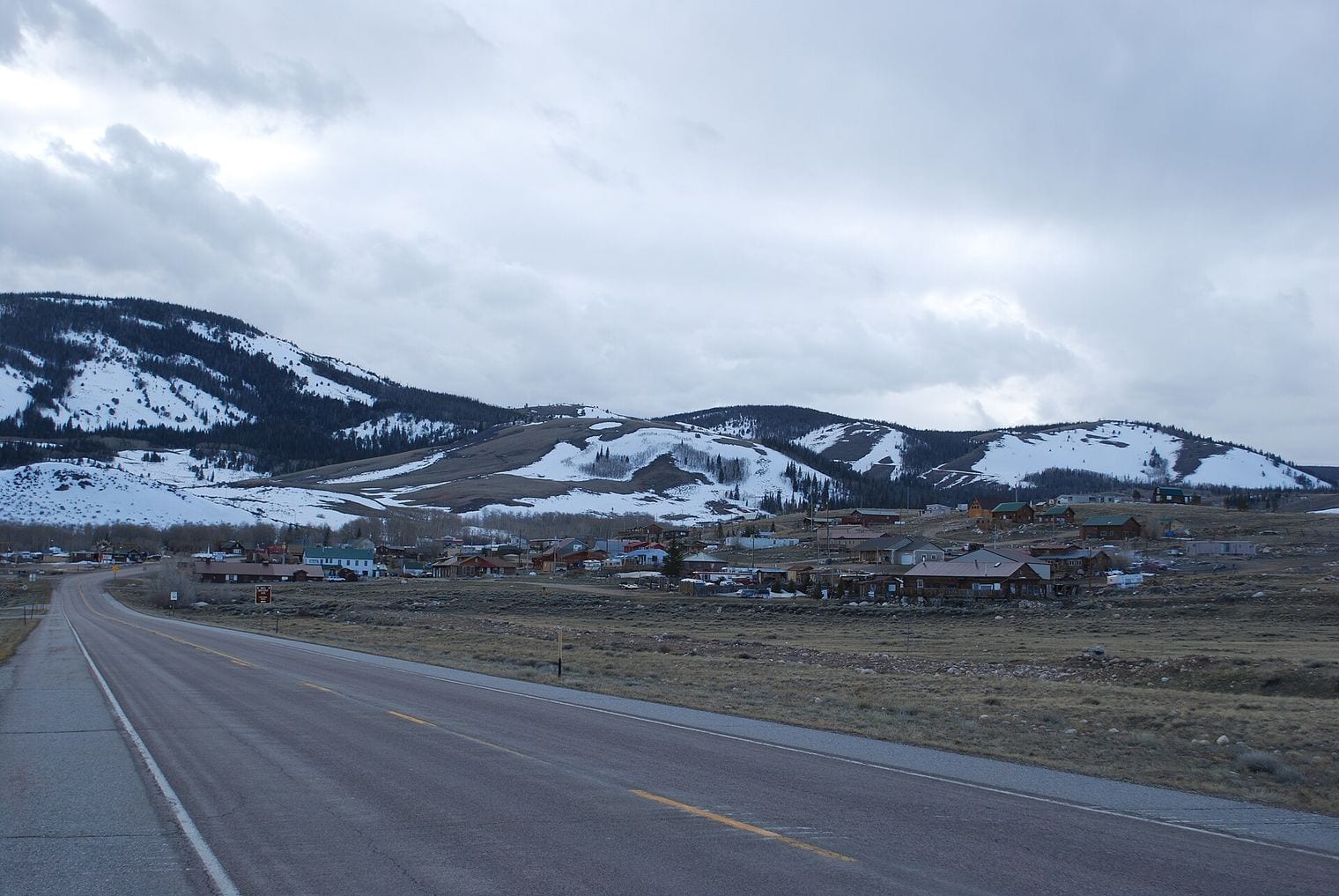
Pinedale is a hunting and outfitting town of about 2,000 people, set at roughly 7,175 feet in the upper Green River valley, and it is a gateway to the Wind River Range. Pine Creek runs through the middle of town from Fremont Lake, about four miles away and the second-largest natural lake in Wyoming.
The Museum of the Mountain Man explores the fur trappers who roamed this region in the early 19th century, and each summer the Green River Rendezvous reenacts their trading gatherings at the historic rendezvous site near Daniel. The country around Pinedale is home to moose, elk, pronghorn, mule deer and bighorn sheep, so keep a camera handy on every drive.
Ten Sleep is a town of about 260 people in the western foothills of the Bighorn Mountains, and its name is a measure of distance: it was an American Indian rest stop said to be ten days' travel, or "ten sleeps," from Fort Laramie, Yellowstone and an Indian agency in Montana. The town keeps an old cattle-country feel, with a rodeo and parade around the Fourth of July.
Above town, Ten Sleep Canyon cuts deep into the Bighorns, and its miles of dolomite walls have made it one of North America's best-known sport-climbing areas. US 16 continues up the canyon as the Cloud Peak Skyway toward Buffalo, and the area was also the scene of the Spring Creek Raid, one of the last clashes of the range wars between sheepmen and cattlemen.
Free printable checklist of all 20 places
Tick them off as you go. Confirm your email to download it, plus one email every Thursday with new guides for the places you tick.
Sundance, the Crook County seat of about 1,000 people, takes its name from the Sun Dance ceremony and gave one famous outlaw his nickname. Harry Longabaugh was jailed here for a theft in 1887, the only time he was ever imprisoned, and after his release he became known as the Sundance Kid.
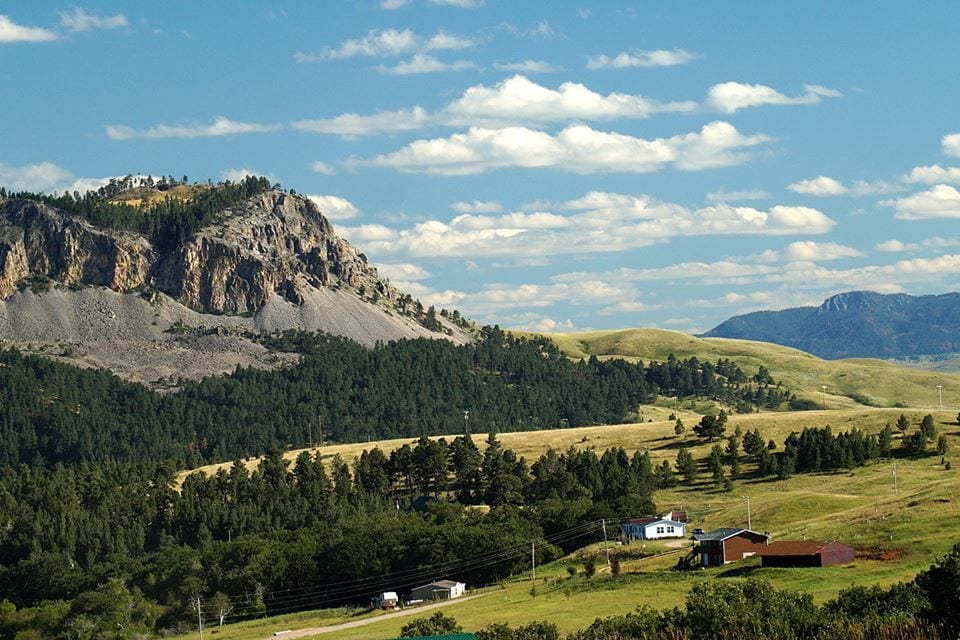
The town sits just south of the Bear Lodge Mountains in the Wyoming corner of the Black Hills, with the Crook County Courthouse anchoring its small downtown. Devils Tower, which the National Park Service calls the nation's first national monument, rises a short drive to the north, which makes Sundance a quiet base for the tower and the Black Hills National Forest.
Centennial is a mountain hamlet of fewer than 300 people at the foot of the Snowy Range, named in 1876 for the hundredth anniversary of American independence after gold was found on the mountain above it. The gold ran out quickly, but the town stayed, and its 1907 railroad depot is now part of the Nici Self Historical Museum.
Centennial is the eastern doorway to the Snowy Range Scenic Byway, Highway 130, which climbs past alpine lakes beneath Medicine Bow Peak, at 12,013 feet the highest summit on the Wyoming side of the range. In winter, the Snowy Range Ski Area and cross-country trails in the national forest bring skiers up from Laramie, about 30 miles east.
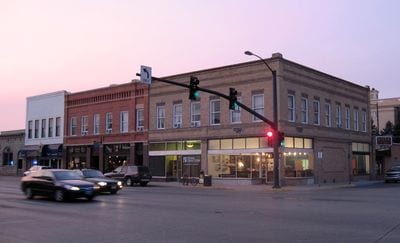
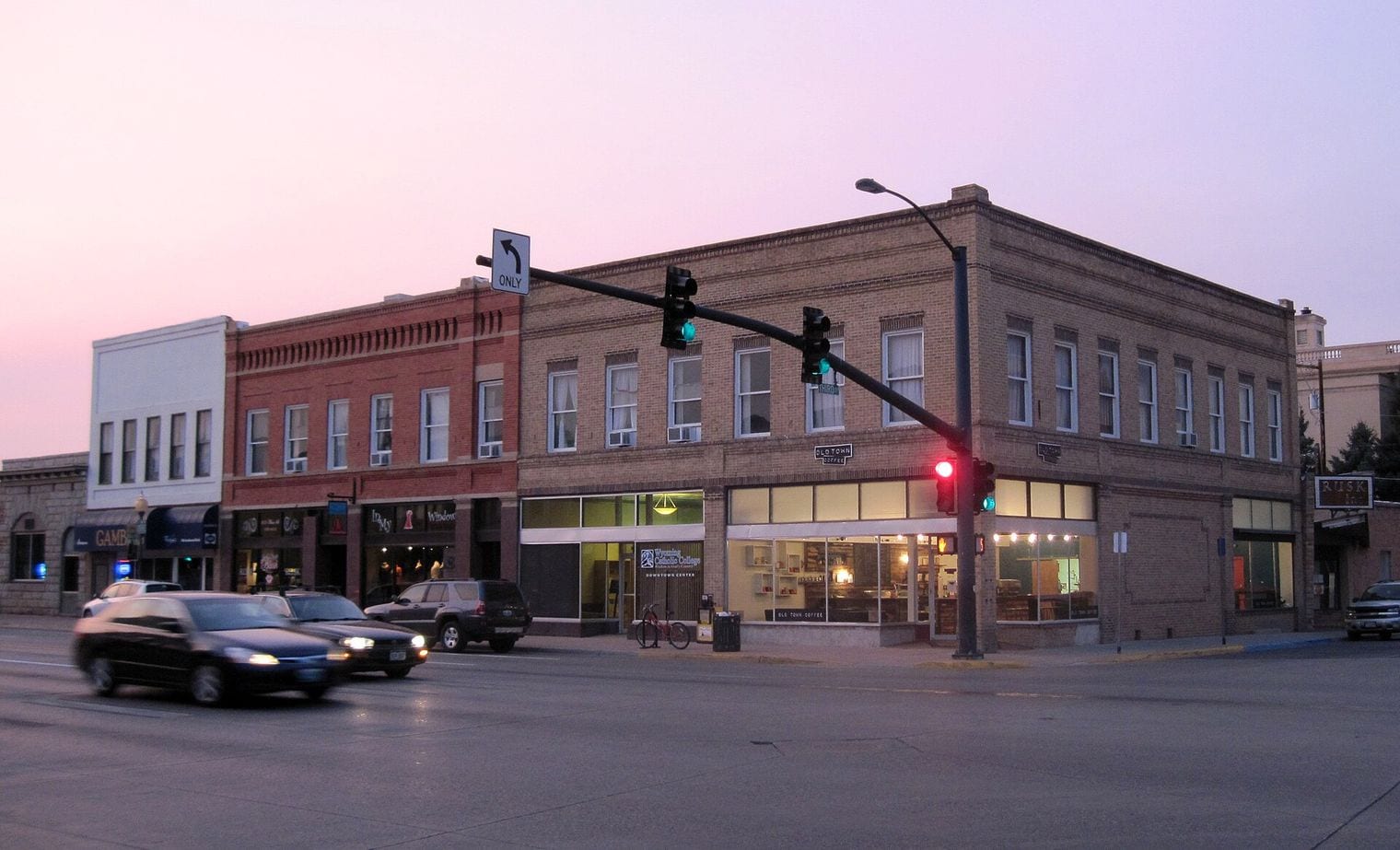
Laramie is no village, with more than 31,000 people, but its historic downtown and college-town energy earn it a place here. Home of the University of Wyoming, the state's only public university, Laramie sits at about 7,200 feet between the Snowy Range and the Laramie Range, and the campus Geological Museum, with its dinosaur exhibit, is open to the public.
Laramie also made suffrage history: in 1870, residents became the first women in the world to serve on a jury, and Louisa Swain cast a ballot that the State of Wyoming calls the first equal suffrage vote in the nation by a woman. The Wyoming Territorial Prison, which held Butch Cassidy in the 1890s, is now a state historic site, and the granite formations of Vedauwoo lie about 16 miles east.
Saratoga is a river town of about 1,700 people on the North Platte, which is designated a Blue Ribbon trout stream through the area, and that explains the town motto, "Where the Trout Leap in Main Street." Anglers wade and float the river right through town, and Veterans Island Park sits on a small island in the current.
The other draw is hot water. The town's Hobo Hot Pool, fed by natural hot springs, is free to use, and the public swimming pool next door is heated by a hot spring too. With mountain country rising on both sides of the Platte Valley, Saratoga makes a quiet base for fishing, soaking and scenic drives.
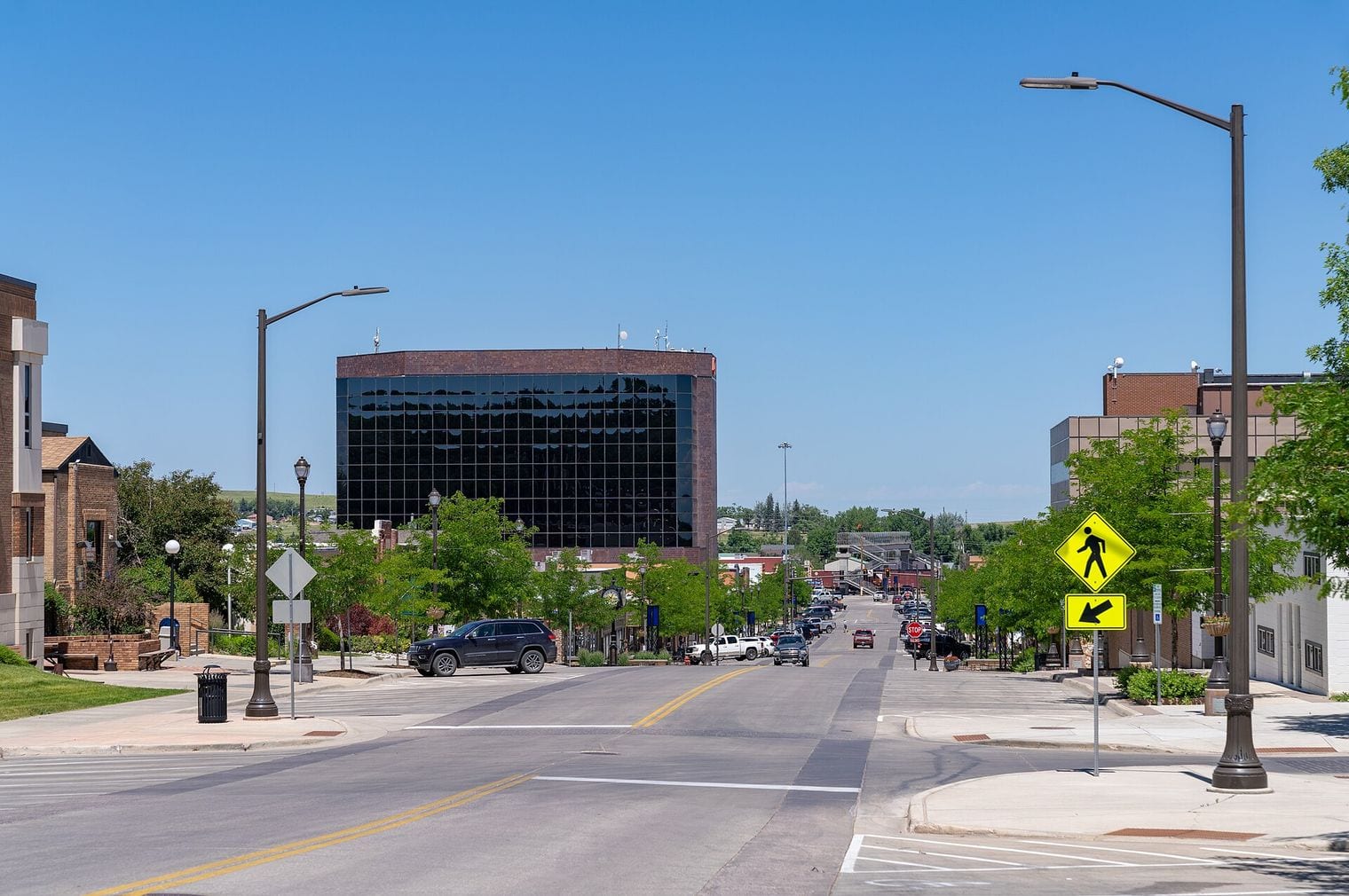
Gillette is a working energy city of more than 33,000 people, founded in 1891 as a railroad town, and it makes no pretense of being quaint. It calls itself the Energy Capital of the Nation, sitting in Powder River Basin coal country in a state that supplies roughly a third of America's coal.
That is exactly what makes it interesting: Gillette has long offered summer tours from its visitor center into a working surface coal mine, where the shovels and haul trucks dwarf everything around them. The CAM-PLEX event center hosts large shows and events, and Gillette is a practical overnight stop on the way to Devils Tower and the Black Hills to the northeast.
Rock Springs grew up around the railroad and its coal mines, which drew immigrant workers from many countries, and it is now a city of about 23,500 people. Its history includes a dark chapter, the 1885 Rock Springs massacre of Chinese miners, one of the worst incidents of anti-immigrant violence in American history.
Most visitors come for the high desert around it. The Pilot Butte Wild Horse Scenic Loop, a mostly gravel route of about 24 miles, crosses White Mountain, where wild horses roam, with views of Pilot Butte, Boar's Tusk and the Killpecker Sand Dunes, and the canyon country of Flaming Gorge lies to the south.
Powell is a farm town of about 6,400 people in the Bighorn Basin, named for John Wesley Powell, the explorer of the Colorado River, and home to Northwest College. Its fields were opened up by the Shoshone Project, one of the earliest federal reclamation projects, which helped turn the basin into farmland in the early 20th century.
The most important stop is just outside town: the Heart Mountain Interpretive Center, at the site of the World War II camp where nearly 14,000 Japanese Americans were incarcerated. At its peak the camp was unofficially regarded as the third-largest community in Wyoming, and the center's photographs, artifacts and oral histories tell that story beneath the distinctive outline of Heart Mountain.
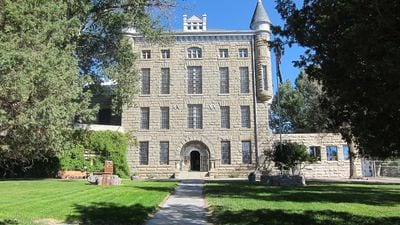
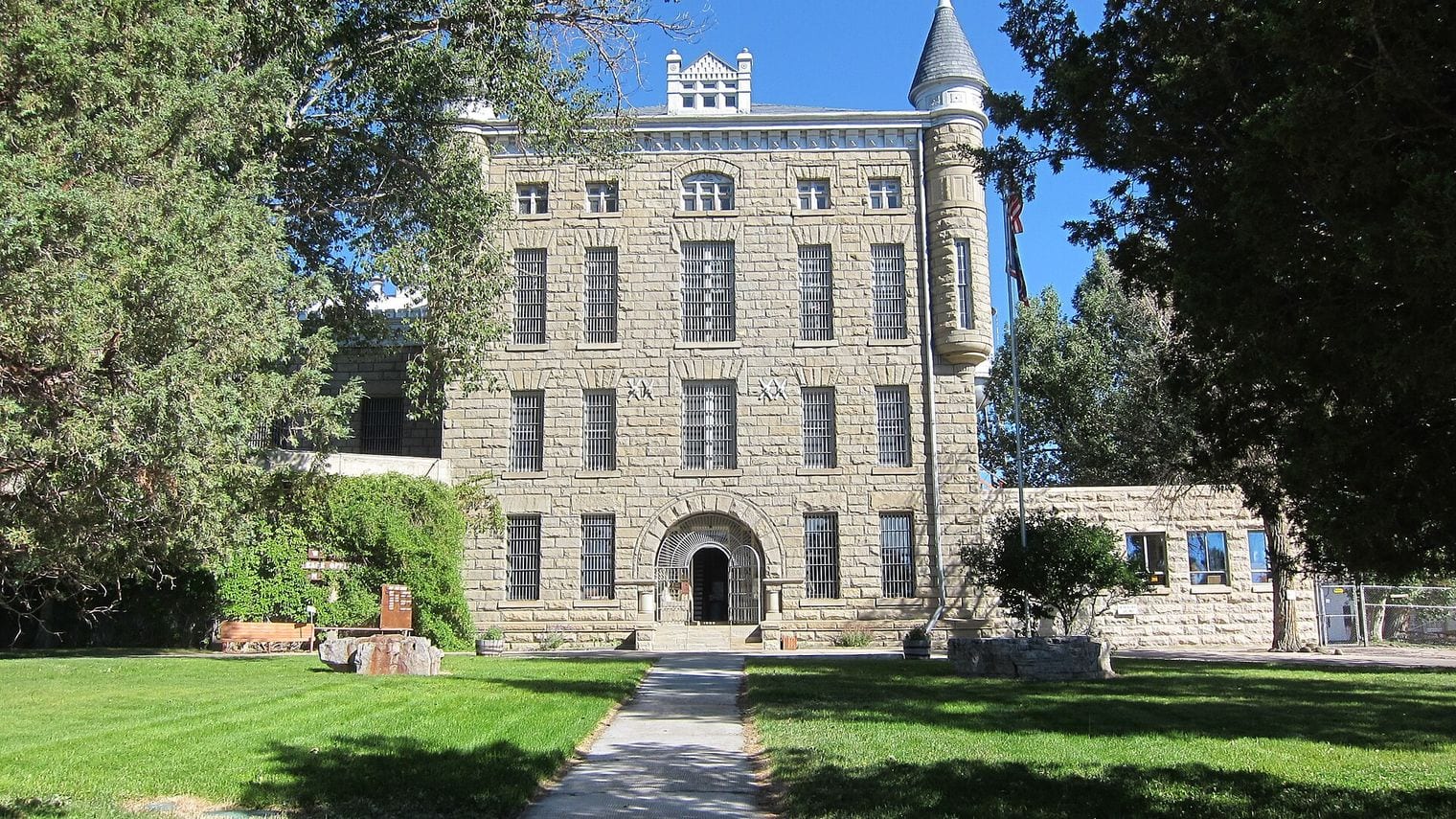
Rawlins is a railroad and ranching town of about 8,200 people on Interstate 80, named for Union general John Aaron Rawlins, who camped here in 1867. Its best-known attraction is the Wyoming Frontier Prison, the old state penitentiary that opened in 1901, a Romanesque stone building now open for guided tours of its cellblocks.
The town's outlaw history runs deep: the outlaw Big Nose George was hanged by a lynch mob here in 1881. Rawlins also sits on the route of the Continental Divide National Scenic Trail, with the open sagebrush country of the Red Desert stretching away to the west.
Douglas is a ranching town of about 6,400 people on the North Platte River and the official Home of the Jackalope: the antlered jackrabbit is credited to local taxidermist Douglas Herrick in the 1930s, and the state gave the town that title in 1985. Each August the town hosts the Wyoming State Fair, whose grounds hold the Wyoming Pioneer Memorial Museum.
The old railroad depot houses the Douglas Railroad Interpretive Center, with a steam locomotive and cars displayed outside. Fort Fetterman State Historic Site lies about 11 miles northwest, Ayres Natural Bridge, a sandstone arch carved by LaPrele Creek, is a short drive west, and Casper is under an hour up Interstate 25.
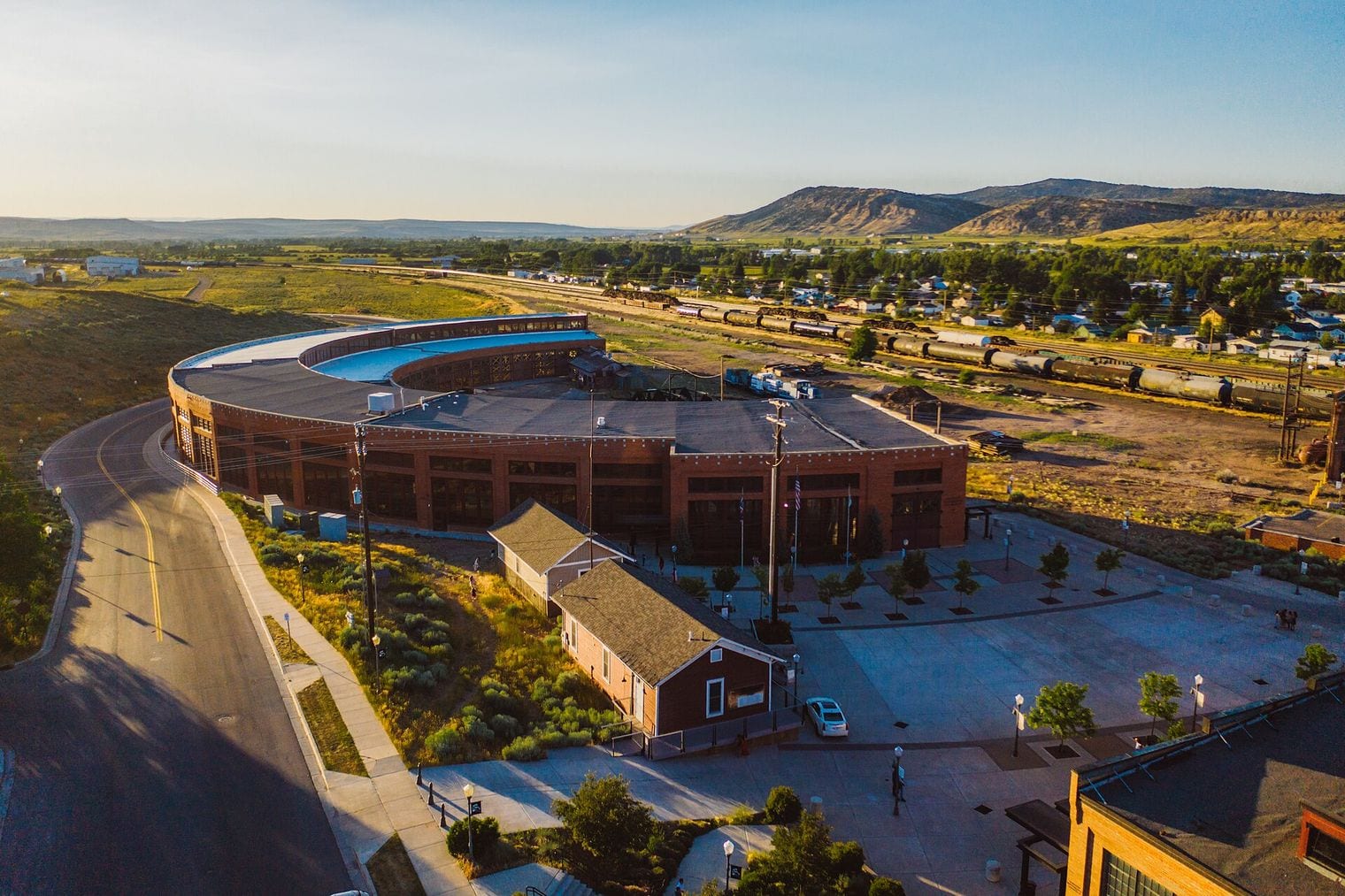
Evanston, on the Bear River near the Utah line, was founded in 1868 as a Union Pacific division point, and the railroad gave it staying power: the roundhouse and machine shop built in 1871 survive as the restored Union Pacific Railroad Complex. Downtown, Depot Square holds the Uinta County Museum and a rebuilt Chinese joss house with a model of the town's early Chinatown.
The Bear River Greenway follows the river from downtown to Bear River State Park on the eastern edge of town, with trails, fishing and winter ice skating. Evanston was also a stop on the Lincoln Highway, and with about 11,700 people it makes an easy first or last stop in Wyoming on Interstate 80.
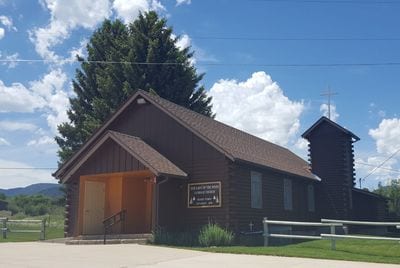
Story is a tiny unincorporated community of about 900 people in the foothills of the Bighorn Mountains, where the Bighorn National Forest rises just to the west. It feels like a hideaway, yet it sits beside some of the most important frontier history in the state.
Fort Phil Kearny State Historic Site, about five miles south, preserves the Army post that guarded the Bozeman Trail during Red Cloud's War, along with the nearby sites of the 1866 Fetterman Fight and the 1867 Wagon Box Fight. Two miles west of Story, the state fish hatchery and visitor center on South Piney Creek is open to the public, and trails lead up into the mountains.
Free Things to Do in These Wyoming Towns
Some of the best moments on this list cost nothing. Walk under the elk-antler arches of the Town Square in Jackson, soak at the State Bath House in Hot Springs State Park in Thermopolis, and slip into the Hobo Hot Pool in Saratoga.
In Douglas the steam locomotive and railroad cars outside the old depot are free to see, and so is Ayres Natural Bridge west of town. Drive the gravel Pilot Butte Wild Horse Scenic Loop outside Rock Springs to look for wild horses, and stroll the Bear River Greenway in Evanston.
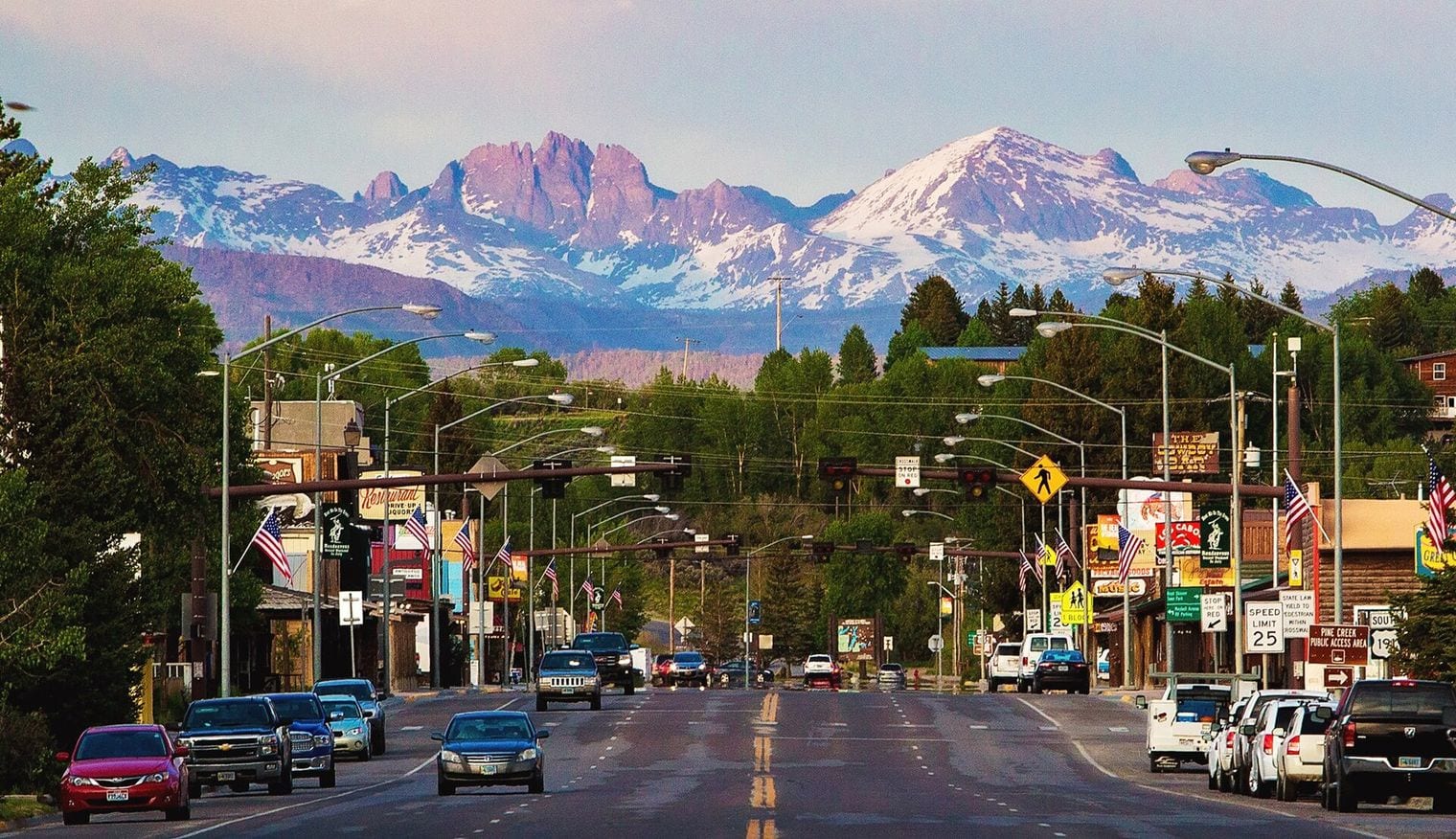
Wyoming is big and its towns are far apart, so the easiest way to see them is to pick a region and link several on one highway. In the northwest, Jackson sits south of Grand Teton National Park, with Dubois over Togwotee Pass to the east and Pinedale to the south.
Cody and Powell lie east of Yellowstone in the Bighorn Basin, and Thermopolis is a scenic drive south of Cody, with Lander beyond it past Wind River Canyon. Along the eastern foot of the Bighorns, Sheridan, Story and Buffalo sit close together, and US 16 crosses the mountains from Buffalo to Ten Sleep.
In the northeast, Gillette and Sundance lie on Interstate 90 on the way to Devils Tower and the Black Hills.
Douglas is a short run east of Casper on Interstate 25, and the southern towns line up along Interstate 80: Evanston near the Utah line, then Rock Springs, Rawlins and Laramie, with Saratoga just south of the interstate and Centennial at the eastern end of the Snowy Range Scenic Byway, which links the two in summer and is closed by snow in winter.
FAQ: Visiting the Best Small Towns in Wyoming
What is the best small town in Wyoming?
Jackson is the best small town in Wyoming for scenery and things to do, a western resort beneath the Teton Range with its famous elk-antler arches on Town Square. Cody, Buffalo, Thermopolis and Dubois round out the top five, for Buffalo Bill's museums, frontier history, free hot springs and dude-ranch country.
Which small towns are closest to Yellowstone?
Cody is the gateway to Yellowstone's East Entrance, through the Shoshone River canyon, and Jackson is the gateway from the south, by way of Grand Teton National Park. Dubois sits on the road from the Wind River valley over Togwotee Pass toward the Tetons, and Powell lies in the Bighorn Basin just northeast of Cody.
Which small towns in Wyoming have hot springs?
Thermopolis is built around Hot Springs State Park, where the Big Spring flows over travertine terraces and soaking at the State Bath House is free. Saratoga has the town's free Hobo Hot Pool and a public pool heated by a hot spring, so either one makes a good base for a soaking trip.
What are the best small towns near the Bighorn Mountains?
Sheridan, Story and Buffalo line the eastern foot of the Bighorns, with Trail End, Fort Phil Kearny and the Jim Gatchell Memorial Museum between them. Ten Sleep sits on the western side at the mouth of Ten Sleep Canyon, and the Cloud Peak Skyway links it with Buffalo over the mountains on US 16.
When is the best time to visit Wyoming's small towns?
Summer is the main season, when mountain roads such as the Snowy Range Scenic Byway are open, rodeos and fairs fill the calendar and the Wind River and Bighorn trailheads are snow-free. Winter brings skiing around Jackson, Centennial and Laramie and quiet soaks in the hot springs of Thermopolis and Saratoga.
How many days do you need to visit a small town in Wyoming?
Most towns on this list fill a relaxed day, enough for the main street, a museum and a nearby drive. Jackson and Cody deserve two or three days each, more if you use them as bases for Grand Teton and Yellowstone, and a week lets you link several towns in one region.
Sources & updates
How this guide was checked
Checked before launch
Sources cited
20
Publishers
17
Every town on this list was pinned on the map and checked against official and local sources before publication.
A PDF with a box to tick for every place. Confirm your email to download it, and get one email every Thursday with our newest guides for the places you tick.
Free Wyoming small towns printable checklist
All 20 places in one PDF
Tick them off as you go. Confirm your email to download it, plus one email every Thursday with new guides for the places you tick.
We use cookies to analyse site traffic and improve your experience.
You can accept or reject analytics cookies. See our
May we use analytics cookies? See ourCookie Policy.