Ask what the biggest stadium in the world is and the answer surprises almost everyone. It is not a soccer cathedral in Europe or an NFL palace in the United States, but a cricket ground in western India that swallows a small city's worth of spectators in a single afternoon. Ranked strictly by official seating capacity, the ten largest stadiums on Earth are a curious mix: one Indian cricket giant, one enigmatic North Korean showpiece, and a run of American college-football coliseums that most of the world has never heard of.
That last fact is the real story of this list. Once you clear the top two, the entire hundred-thousand-seat tier belongs to United States college football, where Saturday crowds regularly outdraw the biggest professional leagues on the planet. This is a countdown of operational venues you could, in theory, buy a ticket to today, ordered from largest to smallest by the seats they hold. The gaps at the top are enormous and the finish is a photo, with four stadiums separated by barely two thousand seats.
With a seating capacity of 132,000, the Narendra Modi Stadium in Ahmedabad is the largest stadium in the world and the largest cricket ground ever built, dwarfing the runner-up by nearly twenty thousand seats. Rebuilt from the ground up and reopened in 2020 on the site of the old Motera stadium, its clean, bowl-like design gives every one of those seats an unobstructed view of the pitch, an engineering feat at this scale.
The stadium anchors a vast sports complex beside the Sabarmati River and has quickly become the beating heart of Indian cricket, hosting marquee internationals including a Cricket World Cup final. For a first-time visitor, the sheer scale is the spectacle: a sea of orange seats sweeping around the field in an unbroken ring, with room for more people than live in many world capitals.
The Rungrado 1st of May Stadium in Pyongyang holds 113,281 spectators, making it the second-largest stadium on Earth and the biggest outside of India. Opened in 1989 on an island in the Taedong River, its unmistakable roof is formed from sixteen arches arranged in a ring, a silhouette often likened to a magnolia blossom floating above the water.
More than a sports arena, it is a stage for North Korea's famous mass games, choreographed spectacles involving tens of thousands of performers in perfect unison. The scalloped roof, the enormous playing field, and the tiered stands make it one of the most visually distinctive stadiums anywhere, a monument built as much for pageantry as for football and athletics.
Known to everyone in college football simply as The Big House, Michigan Stadium in Ann Arbor seats 107,601, making it the largest stadium in the United States and the Western Hemisphere. Home to the University of Michigan Wolverines, it packs a crowd larger than the entire population of Ann Arbor into a single afternoon roughly half a dozen times each autumn.
What startles first-time visitors is how deceptive it looks from outside: much of the bowl is sunk below ground level, so the stadium reveals its true, staggering depth only once you walk in and look down. On a home Saturday the noise and the maize-and-blue wall of humanity make it one of the great sensory experiences in American sport.
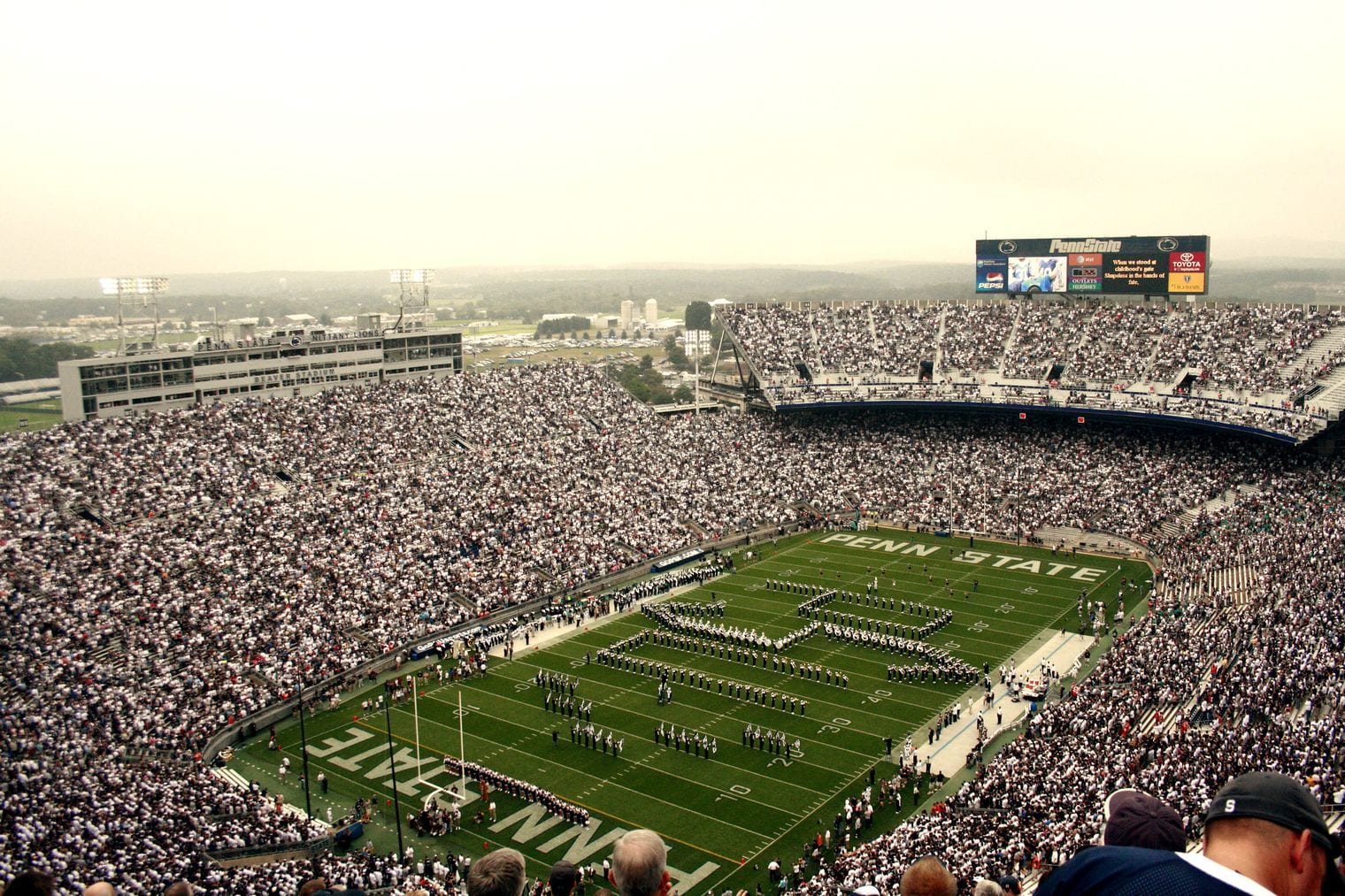
Beaver Stadium at Penn State holds 106,572 fans, ranking it the fourth-largest stadium in the world and a perennial rival to Michigan for the title of biggest in the United States. Set among the rolling hills of University Park, it is the home of the Nittany Lions and the crucible for one of college football's most feared traditions, the White Out, when the entire crowd dresses in white and the stands turn into a single blinding mass.
The stadium has grown by repeated expansion since 1960 and continues to evolve through an ongoing renovation that could push its capacity even higher in the years ahead. Visitors consistently rank a night game here among the loudest, most intimidating atmospheres anywhere in the sport, the sound trapped and amplified by the stadium's steep, towering decks.
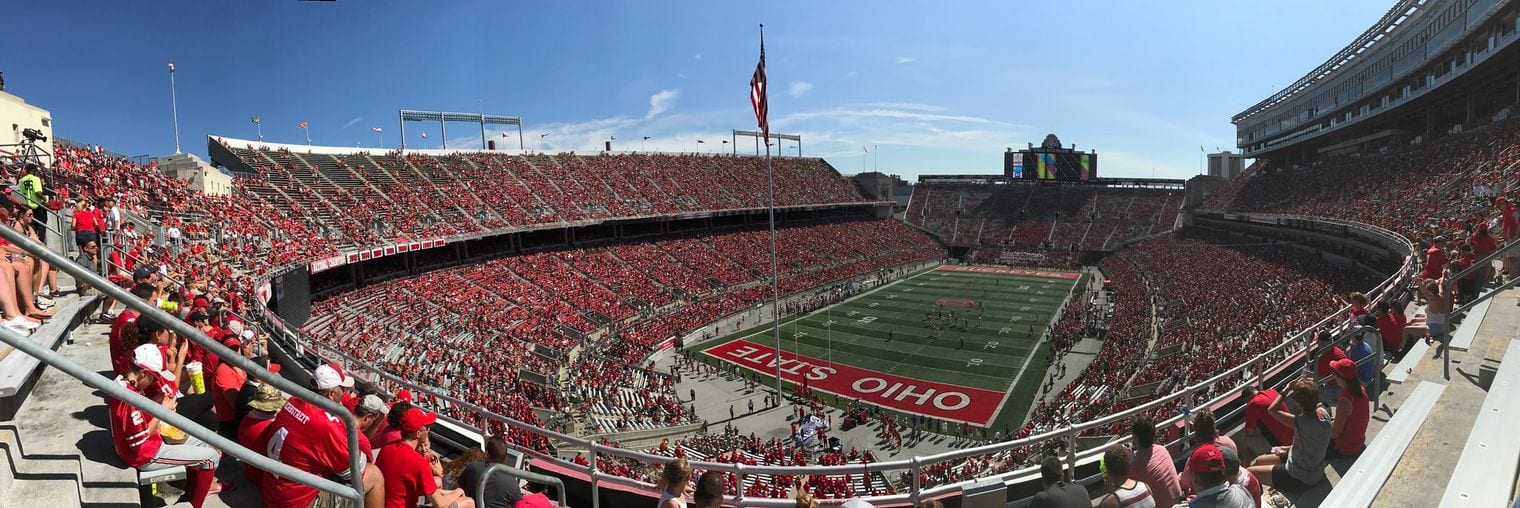
Ohio Stadium in Columbus seats 102,780, making it the fifth-largest stadium in the world and the home of the Ohio State Buckeyes since it opened in 1922. Nicknamed The Horseshoe for its distinctive U-shaped bowl, its double-decked stands and closed end have been expanded over a century into one of the most recognizable structures in American sport.
Unlike the purely functional coliseums that surround it on this list, Ohio Stadium is an architectural landmark in its own right, a rare stadium listed on the National Register of Historic Places. On game day its horseshoe shape channels the roar of more than a hundred thousand scarlet-clad fans down onto the field, and the marching band's ramp entrance is a spectacle in itself.
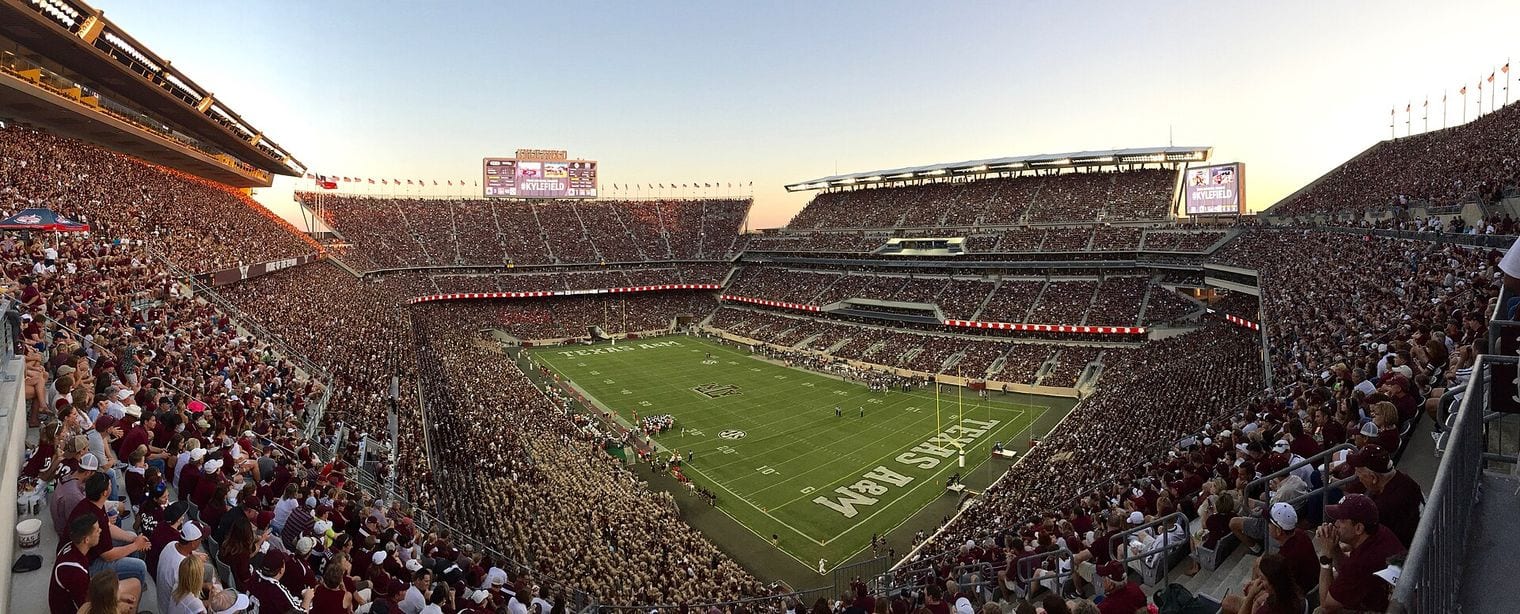
Kyle Field, the home of Texas A&M in College Station, holds 102,733 spectators, making it the sixth-largest stadium in the world and the biggest in the Southeastern Conference. A sweeping redevelopment turned it into a fully enclosed, steep-sided bowl designed to trap and hurl sound back onto the field, and it delivers: the venue is famous as one of the loudest in college football.
Aggie tradition sets Kyle Field apart from any other stadium on Earth. The student body stands for the entire game, a custom called the Twelfth Man that treats the crowd itself as an extra player, and the whole stadium sways together during yell practice. It is less a place to watch a game than to take part in one.
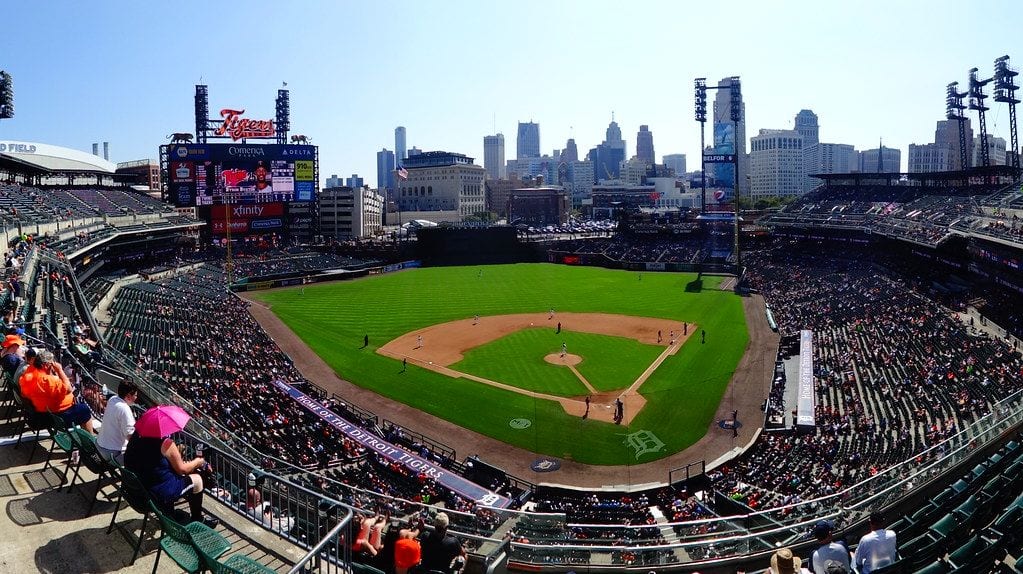
Tiger Stadium at LSU in Baton Rouge seats 102,321, ranking it the seventh-largest stadium in the world and one of the most storied venues in American sport. Its nickname, Death Valley, is a warning to visiting teams, and its reputation for deafening night games under the Louisiana sky is the stuff of college-football legend.
The atmosphere here is so intense that a roaring crowd once registered on a seismograph as a small earthquake, an event fans still recount with pride. Wrapped tightly around the field with towering upper decks, Tiger Stadium concentrates the energy of more than a hundred thousand people into a wall of sound that few opponents ever get used to.
Neyland Stadium in Knoxville holds 101,915 fans, making it the eighth-largest stadium in the world and the home of the Tennessee Volunteers. Perched on the banks of the Tennessee River, it enjoys one of the most scenic settings of any major stadium, and on game day the water fills with the Vol Navy, a flotilla of boats that ferry fans to the game by river.
The sea of orange that floods the stands is one of college football's signature sights, and the pregame ritual of running through the T formed by the marching band is a tradition generations of fans have grown up with. Expanded steadily across the decades, Neyland remains among the largest and most atmospheric arenas in the American South.
The Darrell K Royal–Texas Memorial Stadium in Austin seats 100,119, making it the ninth-largest stadium in the world and the home of the Texas Longhorns. Named for the university's legendary coach, it sits just east of downtown Austin and forms the emotional center of one of the most passionate fan bases in the sport.
Game days here paint the Texas capital in burnt orange, and the crowd's Hook 'em Horns hand sign becomes a stadium-wide gesture repeated a hundred thousand times over. Repeated expansions have lifted it past the six-figure mark, and its position in a fast-growing city keeps it firmly among the giants of college football.
Rounding out the top ten, Bryant–Denny Stadium in Tuscaloosa holds 100,077 spectators, making it the tenth-largest stadium in the world and the home of the Alabama Crimson Tide. Named jointly for onetime university president George Denny and the celebrated coach Paul Bear Bryant, it is the fortress of one of the most successful programs in college-football history.
The stadium has been enlarged repeatedly to keep pace with the Crimson Tide's dynasty, and its crowd of more than a hundred thousand generates an atmosphere every bit as formidable as the team's record. Walking the concourses, visitors pass statues of championship-winning coaches, a reminder that at Bryant–Denny the history is as heavy as the crowds are large.
FAQ: The World's Biggest Stadiums
What is the biggest stadium in the world?
The biggest stadium in the world is the Narendra Modi Stadium in Ahmedabad, India, with a seating capacity of 132,000. It is also the largest cricket stadium ever built, seating nearly 20,000 more spectators than the second-place Rungrado 1st of May Stadium in North Korea.
Why are so many of the biggest stadiums American college-football venues?
Eight of the ten largest stadiums are U.S. college-football grounds because American universities draw enormous Saturday crowds, often larger than professional leagues. Schools like Michigan, Penn State and Ohio State have expanded their stadiums for a century to hold well over 100,000 fans each.
What is the biggest stadium in the United States?
Michigan Stadium in Ann Arbor, known as The Big House, is the biggest stadium in the United States and the entire Western Hemisphere, seating 107,601. It is the home of the University of Michigan Wolverines and ranks third-largest in the world overall.
Are these stadiums ranked by capacity or by physical size?
This countdown ranks stadiums strictly by official seating capacity — the number of spectators they hold — not by land area or footprint. Every venue on the list is currently operational, so in principle you could attend an event at any of them today.
Is the biggest stadium in the world a soccer stadium?
No. Surprisingly, none of the top three are primarily soccer venues. The largest is a cricket ground, the second is a multi-purpose athletics and football stadium, and the rest of the top ten are American college-football stadiums. Europe's largest soccer stadiums fall just outside this list.

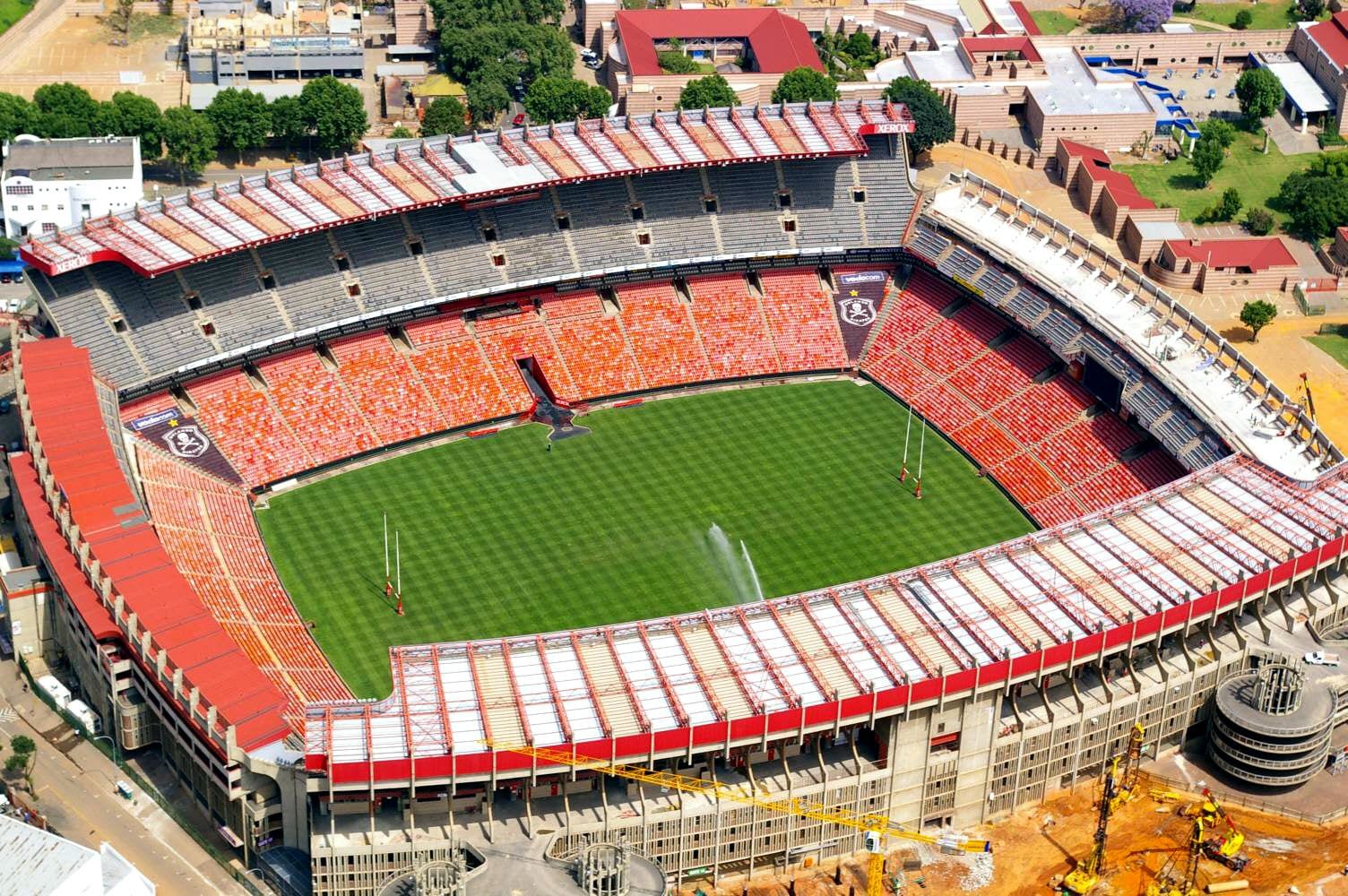
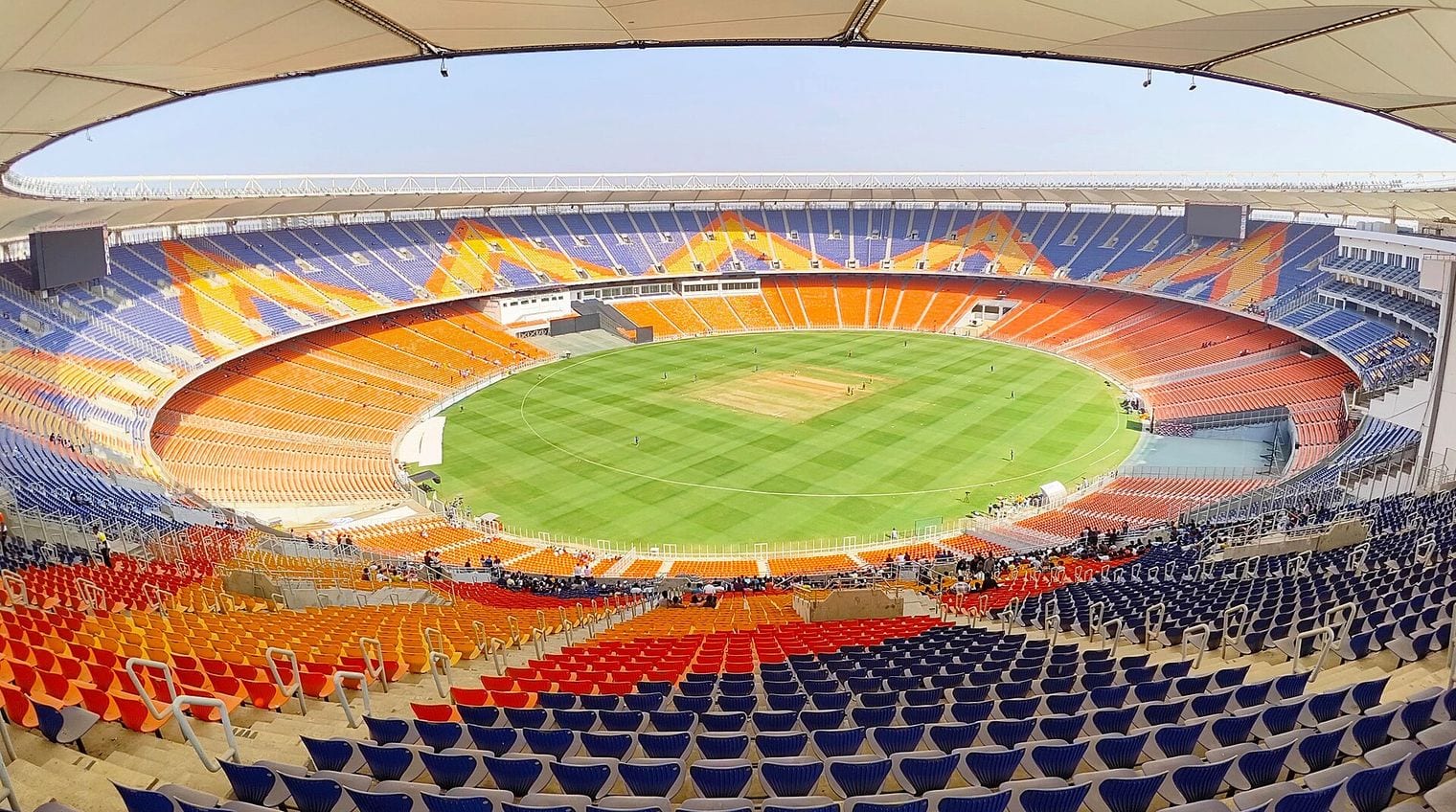 1Narendra Modi Stadium132,000 seatsIndia
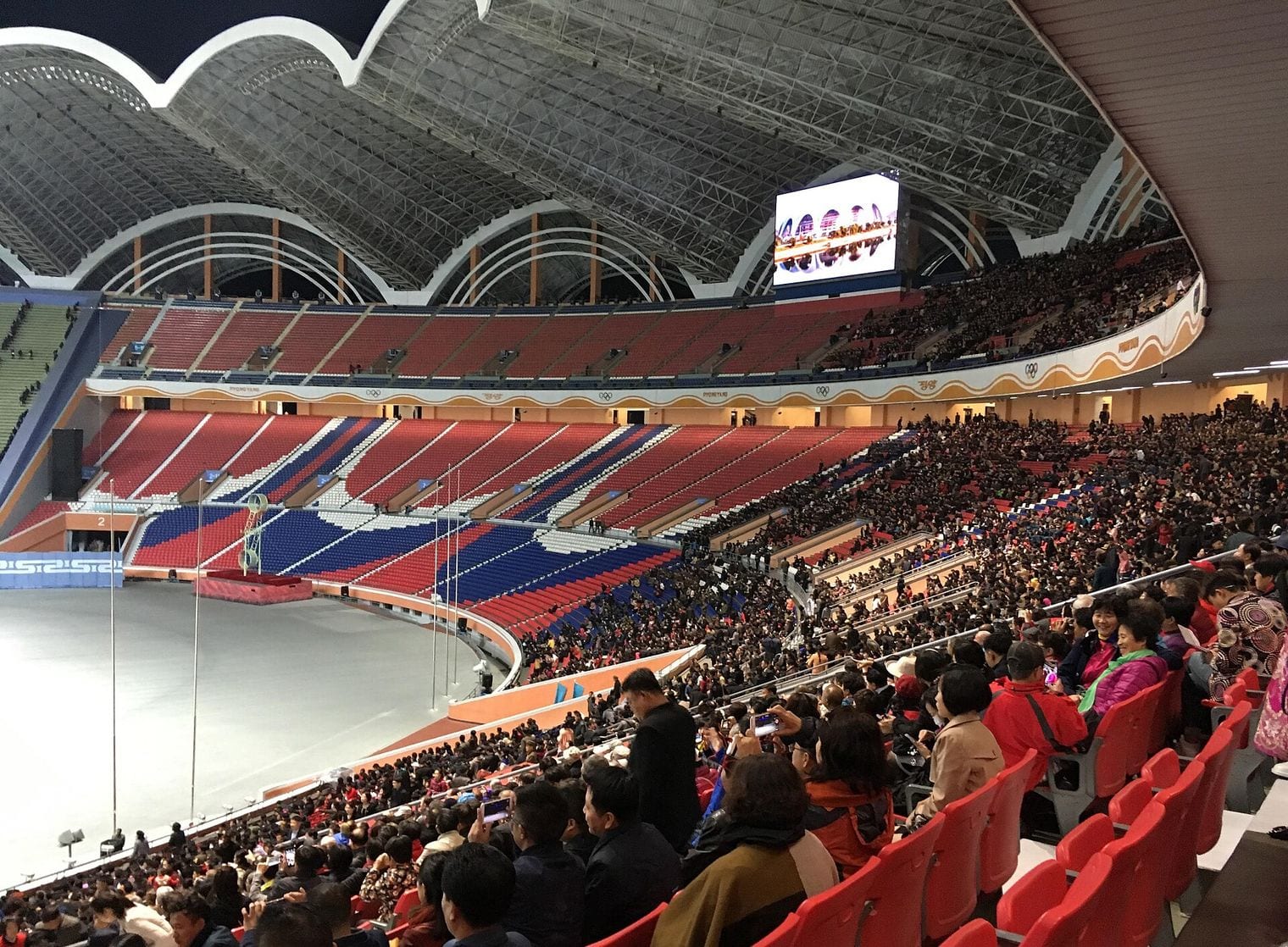 2Rungrado 1st of May Stadium113,281 seatsNorth Korea
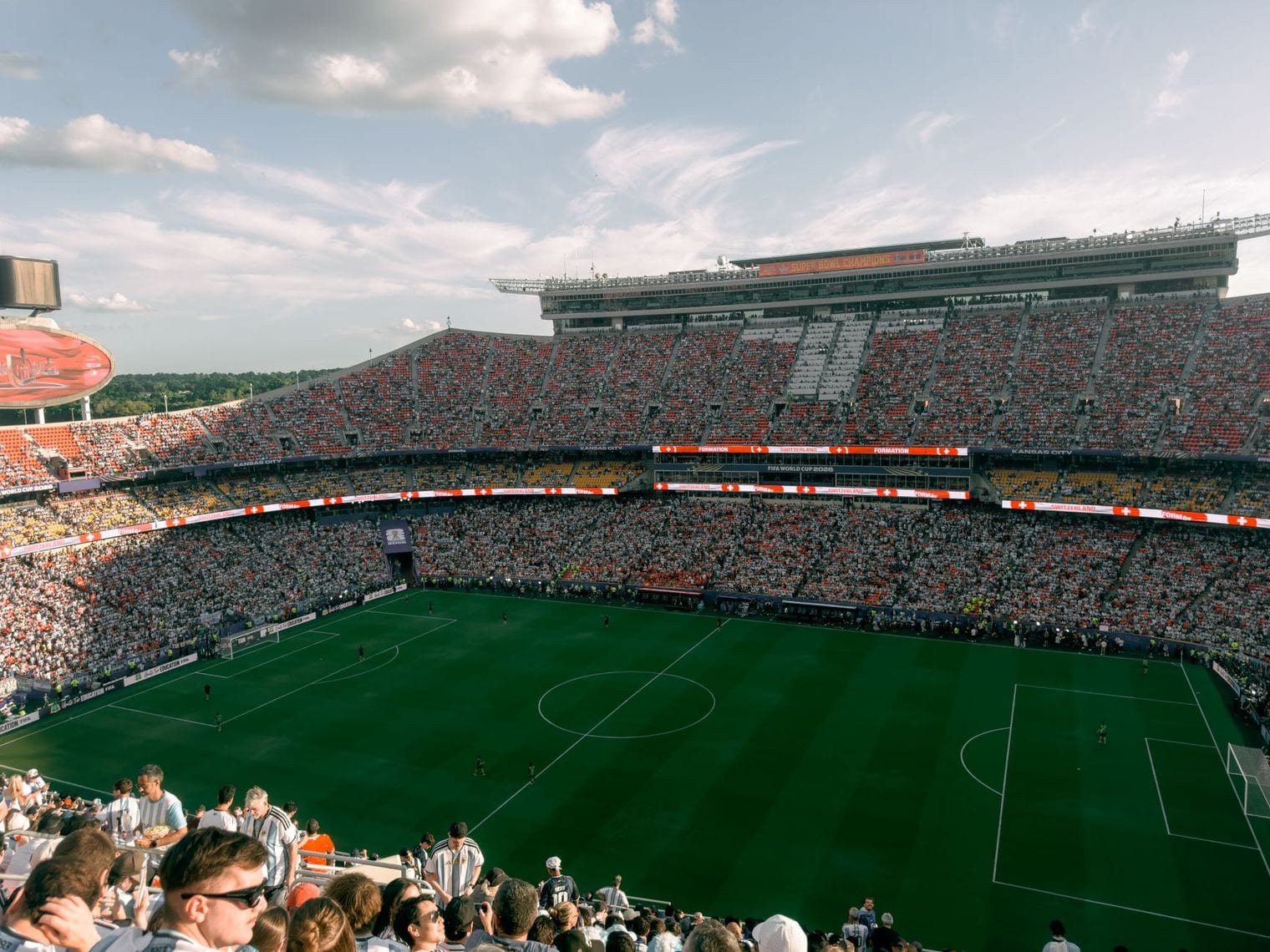 3Michigan Stadium107,601 seatsUnited States
 4Beaver Stadium106,572 seatsUnited States
 5Ohio Stadium102,780 seatsUnited States
 6Kyle Field102,733 seatsUnited States
 7Tiger Stadium102,321 seatsUnited States
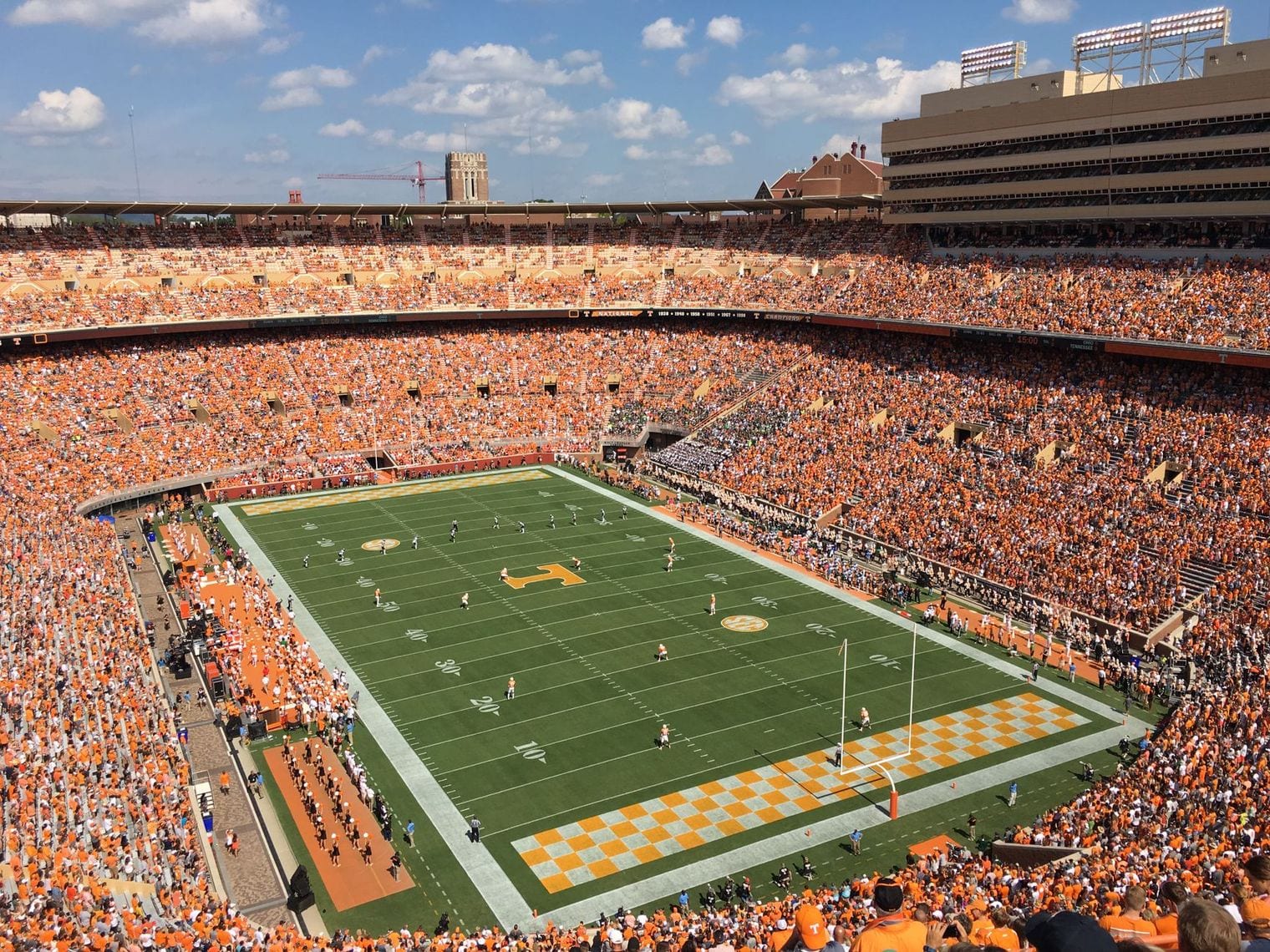 8Neyland Stadium101,915 seatsUnited States
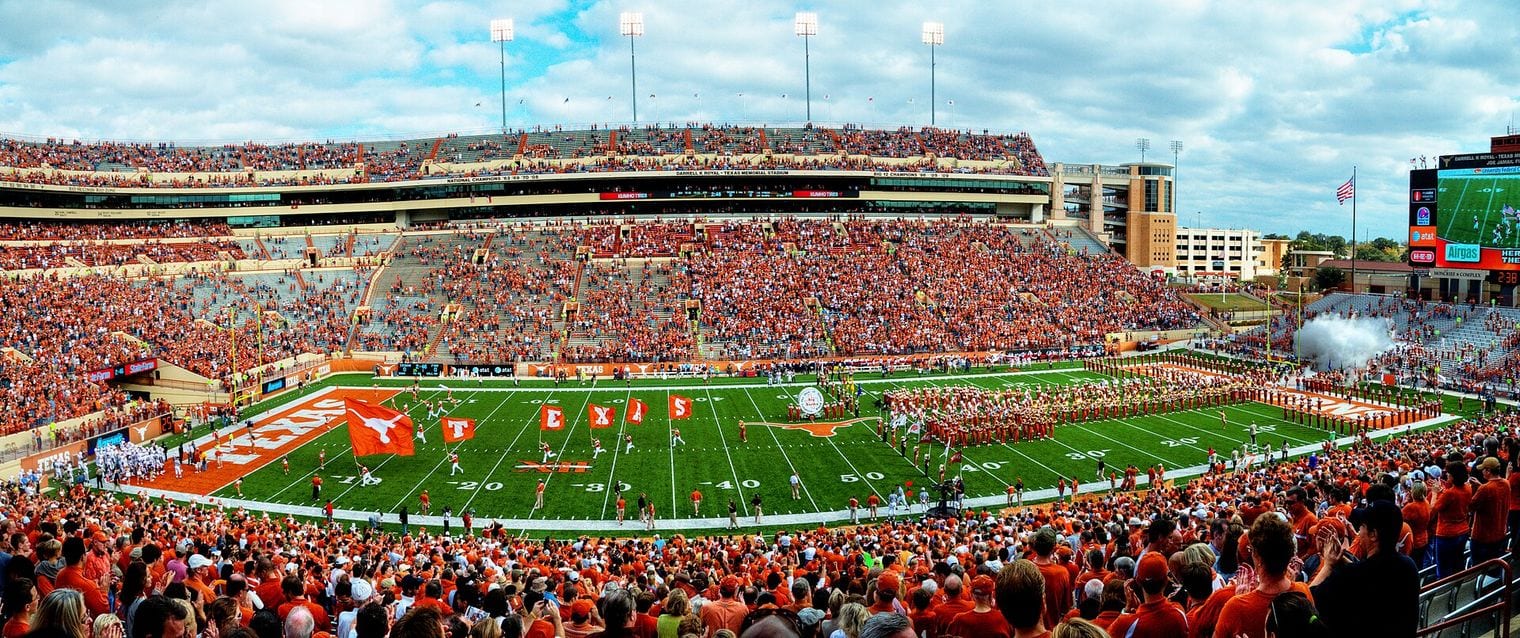 9Darrell K Royal–Texas Memorial Stadium100,119 seatsUnited States
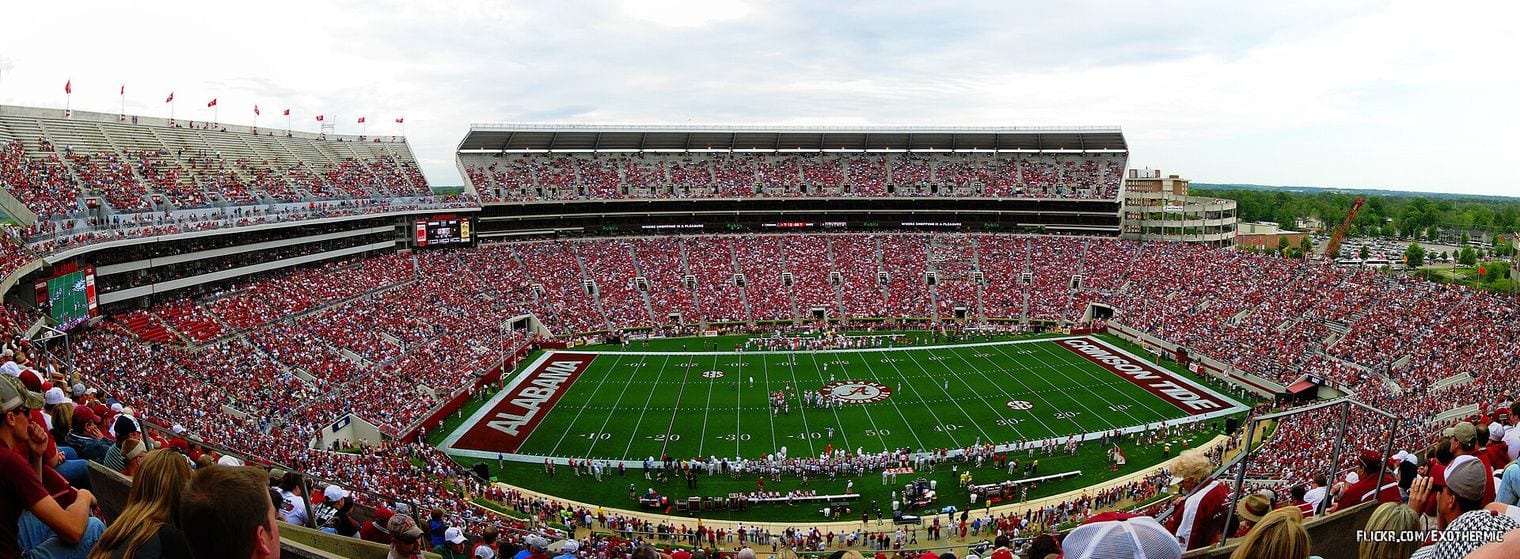 10Bryant–Denny Stadium100,077 seatsUnited States