Alaska·
Published July 15, 2026 · 25 things to do
· 27 min read
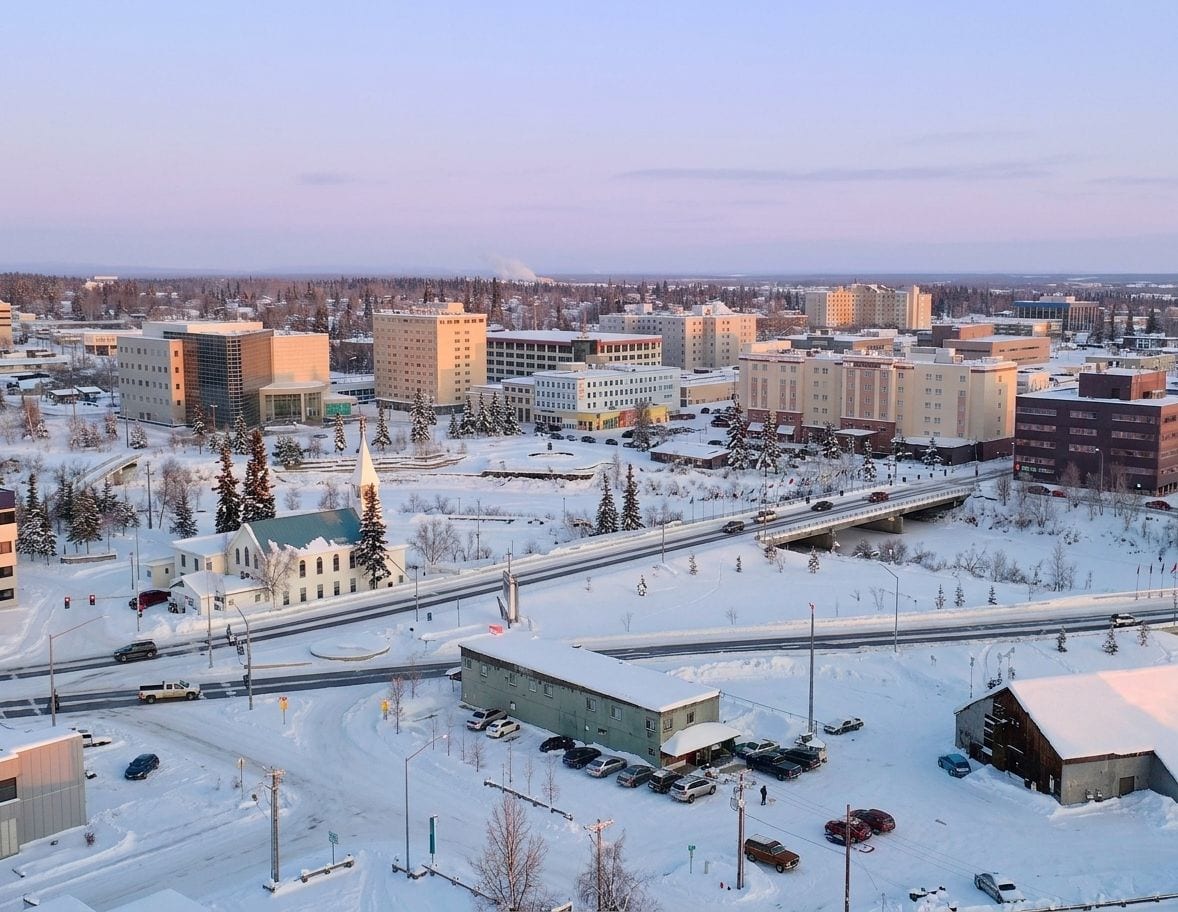
Fairbanks, Alaska
Source: Illustrative image
Fairbanks sits in Alaska's Interior on the banks of the Chena River, close enough to the Arctic Circle that the sky does most of the talking. In midsummer the sun barely bothers to set and locals play baseball at midnight without switching on the lights; by deep winter the dark runs long enough that the aurora borealis becomes a nightly possibility rather than a lucky break. It is a gold-rush town that never quite stopped being one, and the mining history is still visible in the dredges, the paydirt, and the tunnels dug into permanently frozen ground.
What makes Fairbanks worth the trip is how much of it happens outside the city grid. The best things to do here are strung out along the highways that radiate from downtown: a hot-spring lake steaming at the end of a 60-mile road, a reindeer herd in the boreal forest, a Christmas store in a town called North Pole, an oil pipeline you can walk up and put your hand on. Downtown itself is small and easily walked in a morning, so use it as a base and let the rest of the Interior pull you outward. Most visitors fly straight in, though plenty drive up from Anchorage on the Parks Highway and fold the city into a wider Alaska road trip.
Fun Facts About Fairbanks, Alaska
Fairbanks exists because a steamboat got stuck. In 1901 the trader E.T. Barnette was headed further upriver when his boat grounded on the Chena, forcing him to unload where he stood — the camp he set up there became the city.
The city sits at about 65 degrees north, directly beneath the auroral oval — the ring around the geomagnetic pole where the northern lights concentrate. That geography, not luck, is why the aurora season here runs roughly 240 nights a year.
Fairbanks has played a baseball game at midnight every summer solstice since 1906, and has never switched on the lights to do it. The Alaska Goldpanners have hosted the Midnight Sun Game since 1960; Tom Seaver and Dave Winfield both played for them.
Gold miners thawing the permafrost outside town in 1979 uncovered a mummified steppe bison roughly 36,000 years old. Nicknamed Blue Babe, it is now on display at the University of Alaska Museum of the North.
Twenty minutes down the road is a town called North Pole, where the streetlights are shaped like candy canes and letters addressed to Santa Claus arrive by the sackful every December.
Map of Things to Do in Fairbanks, Alaska
Things to Do in Fairbanks, Alaska
1. Chena Hot Springs Resort
Source: Illustrative image
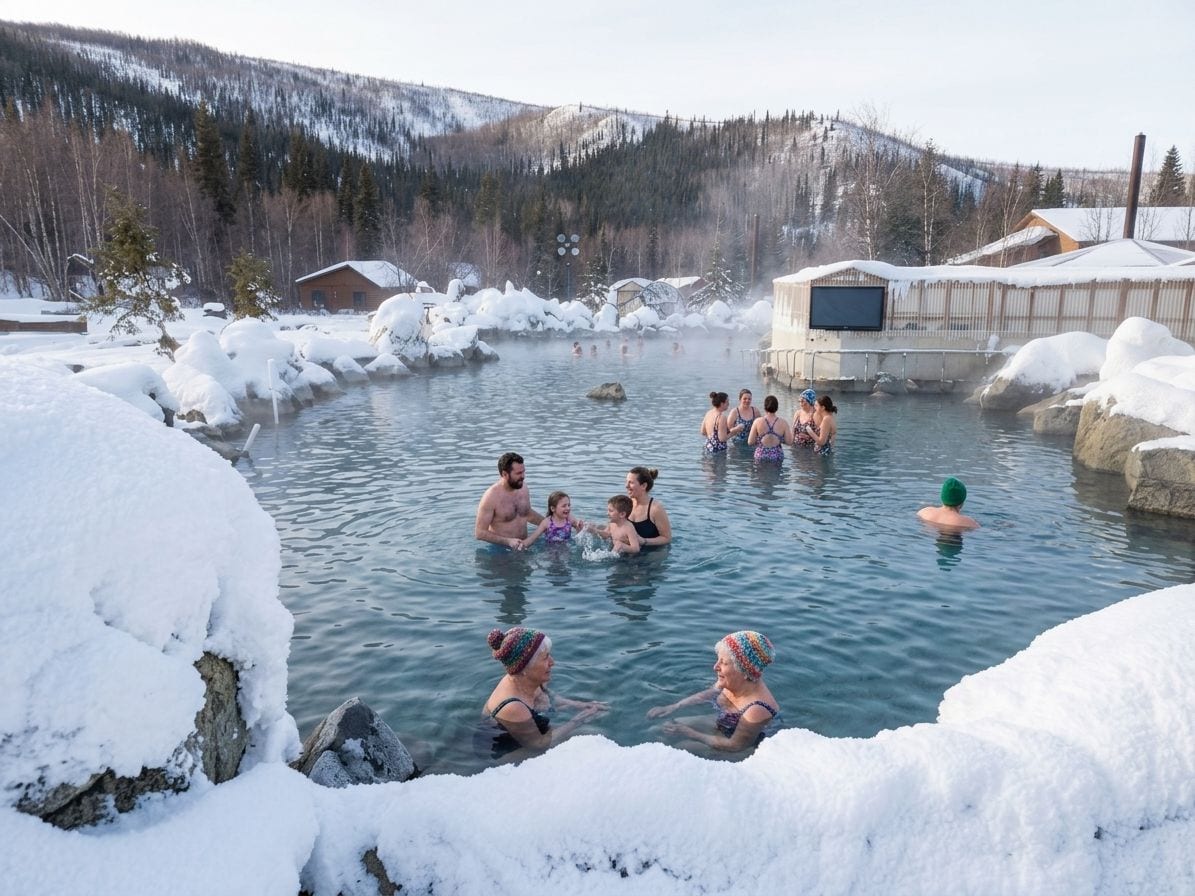
About 60 miles east of town, at the point where Chena Hot Springs Road simply stops, a natural geothermal spring feeds an outdoor rock lake that stays hot enough to sit in while the air around it is far below freezing. Gold prospectors found the springs while looking for something else entirely, and soaking here has been the reason to make the drive ever since. The water arrives naturally hot, and the resort also puts it to work heating its buildings and greenhouses, which is why you can eat lettuce grown on site in the middle of an Interior winter.
Chena Hot Springs Resort is also one of the best-known places in Alaska to watch for the northern lights, partly because it sits well away from the light pollution of Fairbanks and partly because you can wait for them from inside a hot pool. On the same grounds you will find the Aurora Ice Museum, a building of carved ice kept frozen year-round. The drive out takes roughly ninety minutes each way, so treat it as a full day or an overnight rather than a quick errand.
2. Riverboat Discovery
Source: Illustrative image
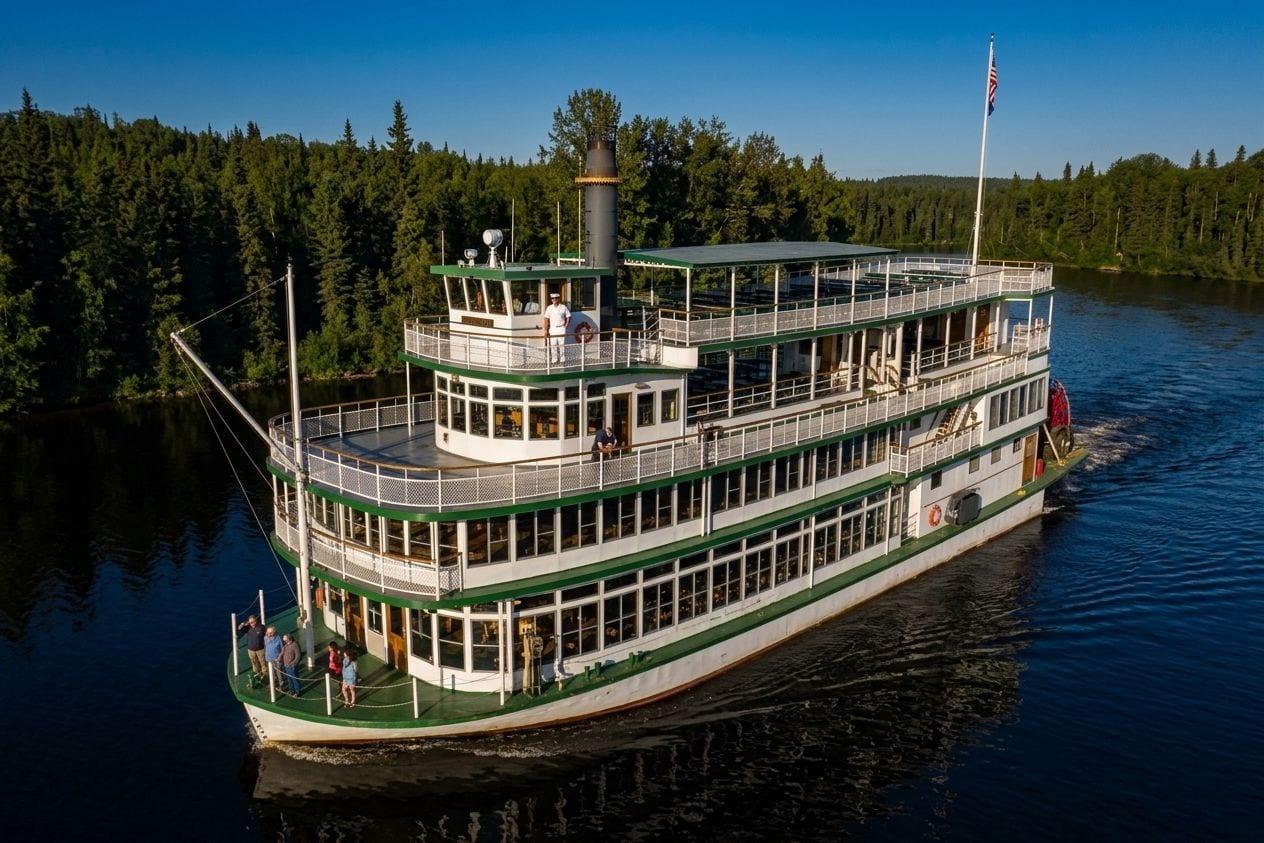
The Riverboat Discovery is a genuine sternwheeler that carries visitors down the Chena River on a narrated cruise, and it has been run by the same Fairbanks family for generations, which is why the commentary sounds like family history rather than a script. The boat is large, the seats are covered, and the river moves slowly enough that you spend the trip watching the bank rather than the water.
The cruise is really a series of stops without ever making you disembark until the end. A bush plane takes off and lands alongside the boat to show how Alaskans reach places roads do not go, a sled-dog kennel demonstrates a team on the shore, and the boat pauses at a recreated Athabascan village where guides talk through fish wheels, furs, and how people lived along this river long before Fairbanks existed. It is the most complete introduction to the Interior you can get in a single afternoon.
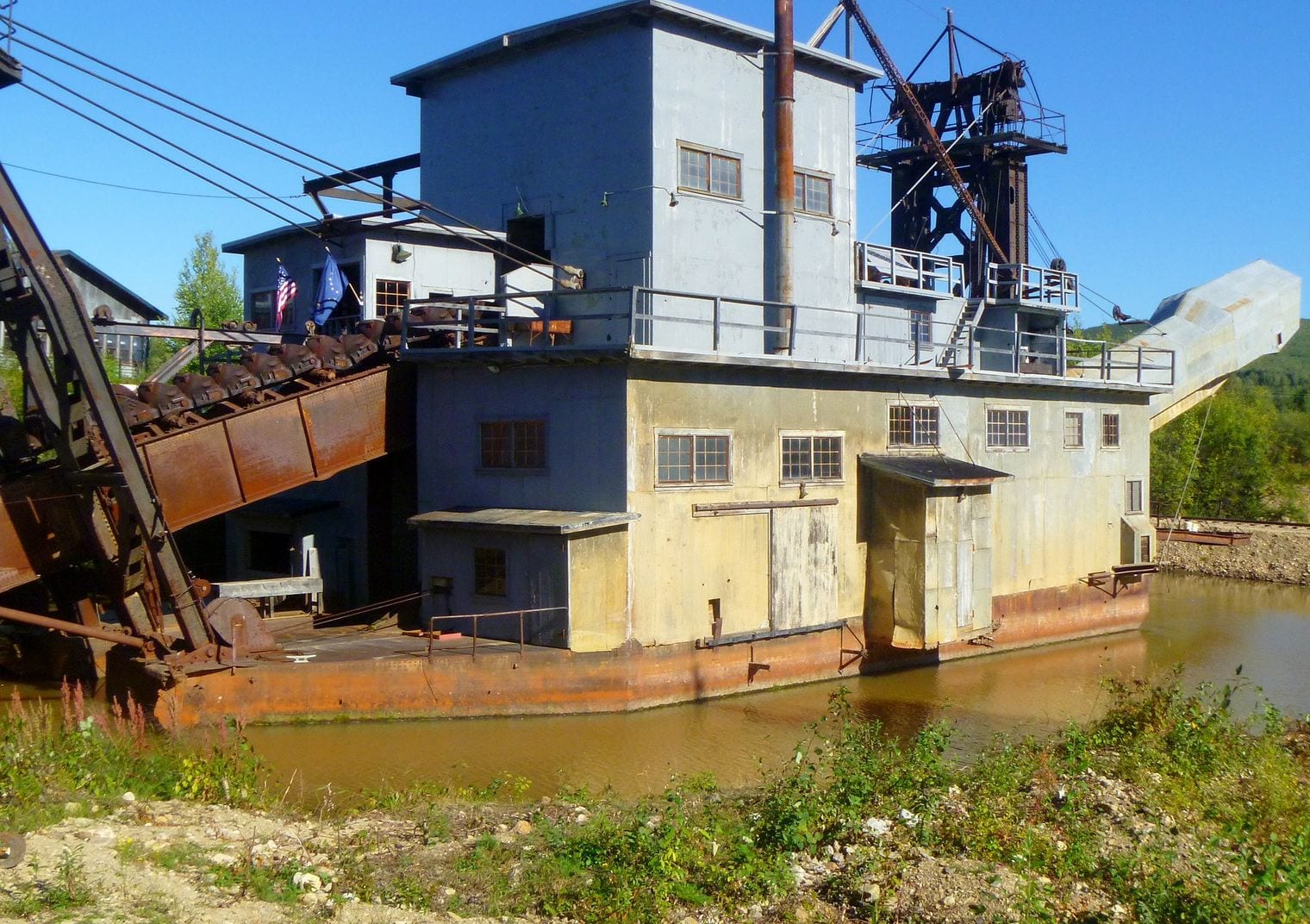
Gold Dredge 8 is a hulking piece of mining machinery parked in the Goldstream Valley north of town, a floating factory that once worked its way through the creek beds chewing up gravel and spitting out gold. You reach it on a narrow-gauge train that runs a short loop to the site, with commentary about the permafrost and the men who mined it along the way. Standing underneath the dredge, it is easy to understand how thoroughly this landscape was turned over.
The part everyone remembers is the panning. You are handed a poke of paydirt and shown how to work the pan, and the gold in it is real — enough that most people leave with a few flakes and the option to have them weighed. It is unashamedly a tourist operation, but it is a good one, and it does the useful job of making the gold rush feel like something that physically happened here rather than a story on a plaque.
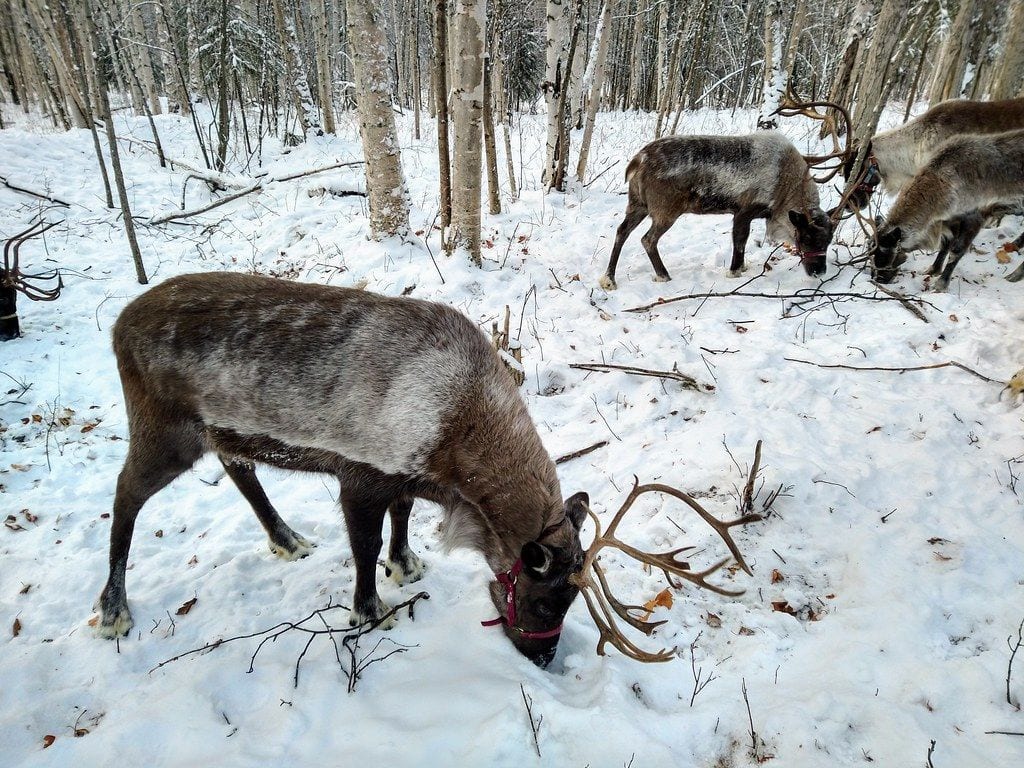
This is not a petting zoo and there is no fence between you and the animals. At Running Reindeer Ranch, on the edge of the Goldstream Valley, you are introduced to the herd and then you simply go for a walk with them through the birch and spruce, with the reindeer wandering ahead, behind, and occasionally straight into you. They are curious rather than tame, and the whole experience is quieter and stranger than you expect.
The walk is guided and unhurried, and the conversation covers reindeer biology, how the herd came to be, and what it takes to keep animals like this in the boreal forest. Because the group sizes are small and the ranch is a working home rather than an attraction park, it feels like a personal visit. It is one of the few things in Fairbanks that could not be reproduced anywhere else, and it is worth booking ahead.
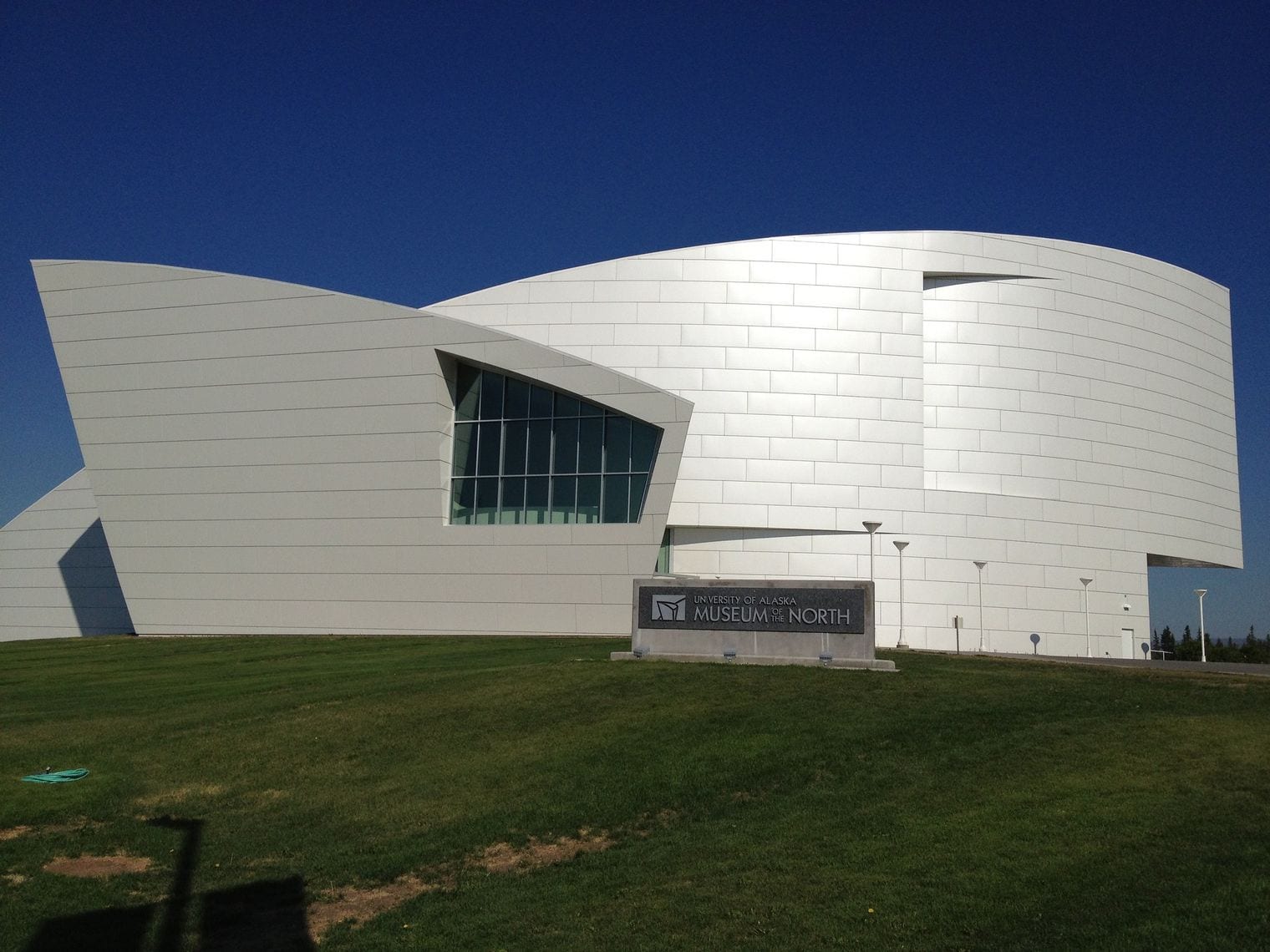
Perched on a ridge on the University of Alaska Fairbanks campus, the Museum of the North is impossible to mistake for anything else — its white exterior is all curves and angles, meant to echo glaciers, ridgelines, and the tails of whales. From the parking area you get one of the best free views in Fairbanks, looking south across the flats toward the Alaska Range on a clear day.
Inside, the collection ranges across the whole state rather than just the Interior. The main gallery walks you through Alaska's regions with Native cultural objects and natural history, a separate art gallery covers some two thousand years of Alaska art, and the standout specimen is Blue Babe, a mummified steppe bison that gold miners pulled out of the permafrost near Fairbanks and handed to the museum. There is also a sound-and-light installation driven by real seismic and daylight data, which is a genuinely odd and lovely thing to stumble into. Allow longer than you think.
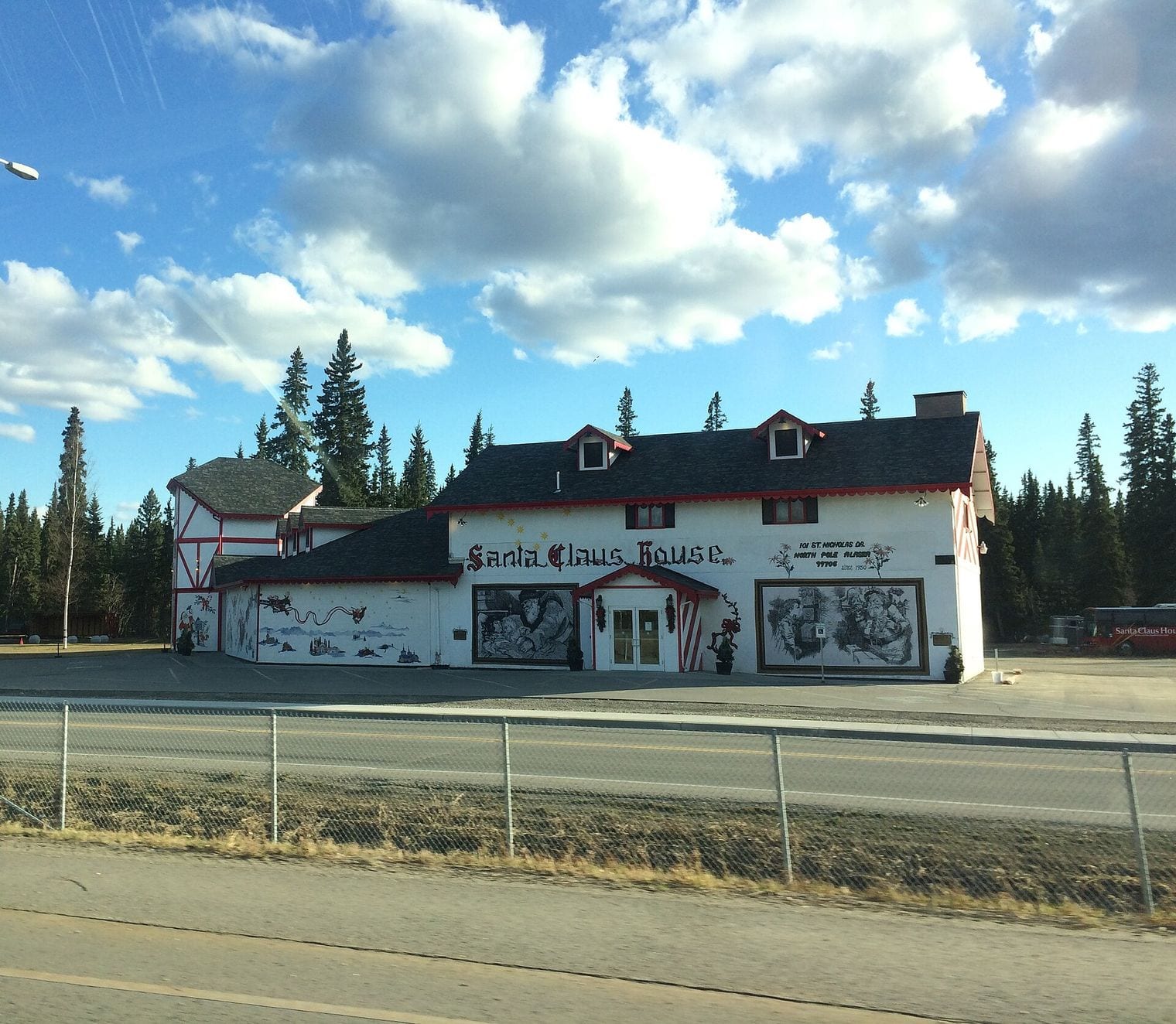
About twenty minutes southeast of Fairbanks is a small city called North Pole, where the streetlights are candy canes and the streets have names like Santa Claus Lane. The Santa Claus House is the reason it exists in the public imagination: a red-and-white year-round Christmas store with an enormous Santa statue out front and a genuine post office postmark that sends letters from North Pole, Alaska.
Whether you find it charming or deeply strange, it is hard to drive past. The store is stacked with ornaments and Alaskan gifts, there are reindeer in a pen outside, and children can meet Santa on any random day of the year, which is a much odder experience in July than in December. It is the easiest add-on in the region — a short detour off the highway that costs nothing to walk into.
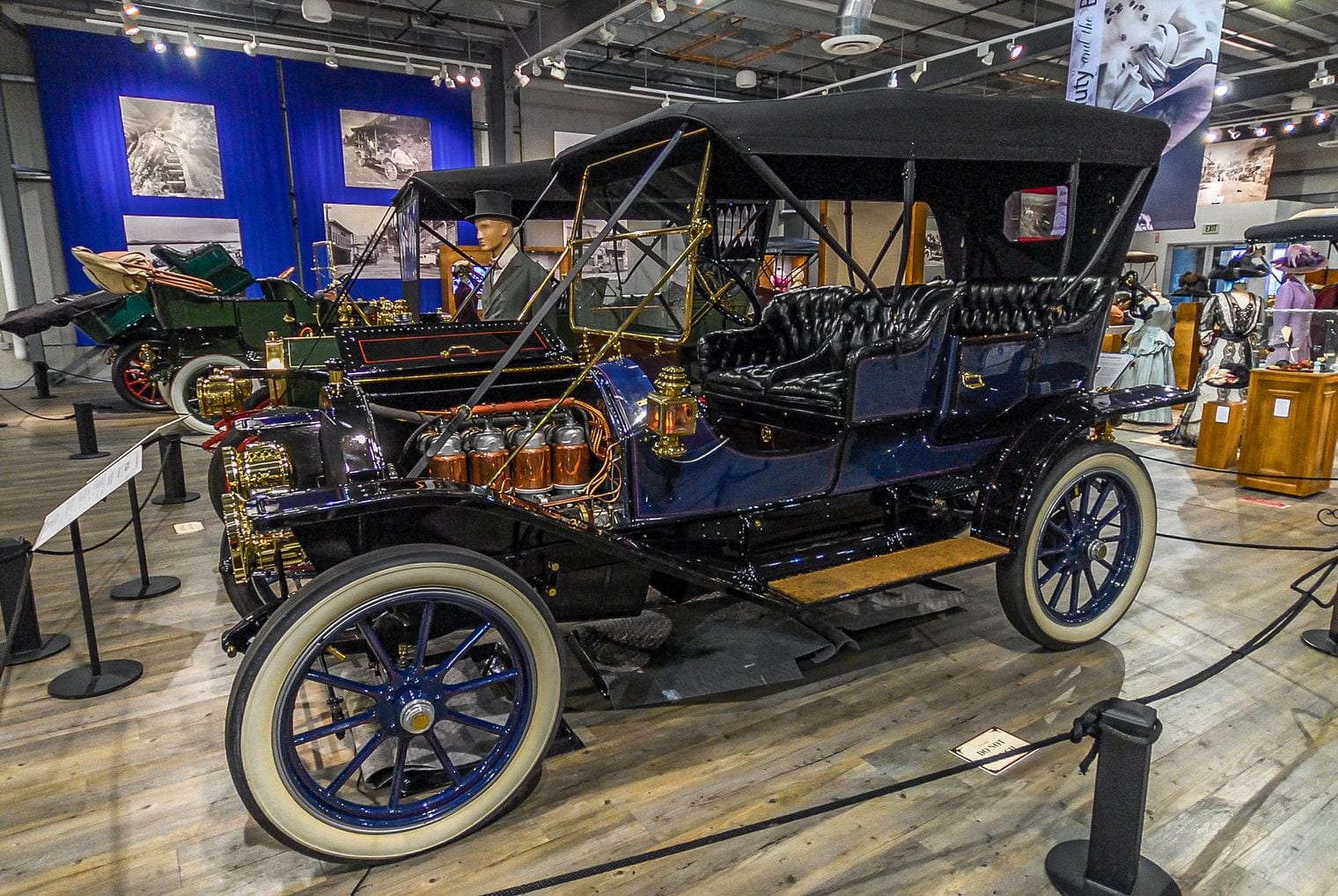
The Fountainhead Antique Auto Museum is far better than a car museum in Fairbanks has any right to be. The collection concentrates on early American automobiles, arranged so you can watch the machine evolve from something that looks like a carriage with an engine bolted on into something recognisably modern. Many of the cars are kept in running order rather than embalmed, and several have Alaskan histories of their own.
What lifts it above a hall of vehicles is the clothing. Each car is paired with period fashion from the same years, so the galleries read as a social history of what people wore to be seen in these things. The result is a museum that works even for people who do not care about cars, and it makes an obvious rainy-day or deep-winter option since the entire thing is indoors.
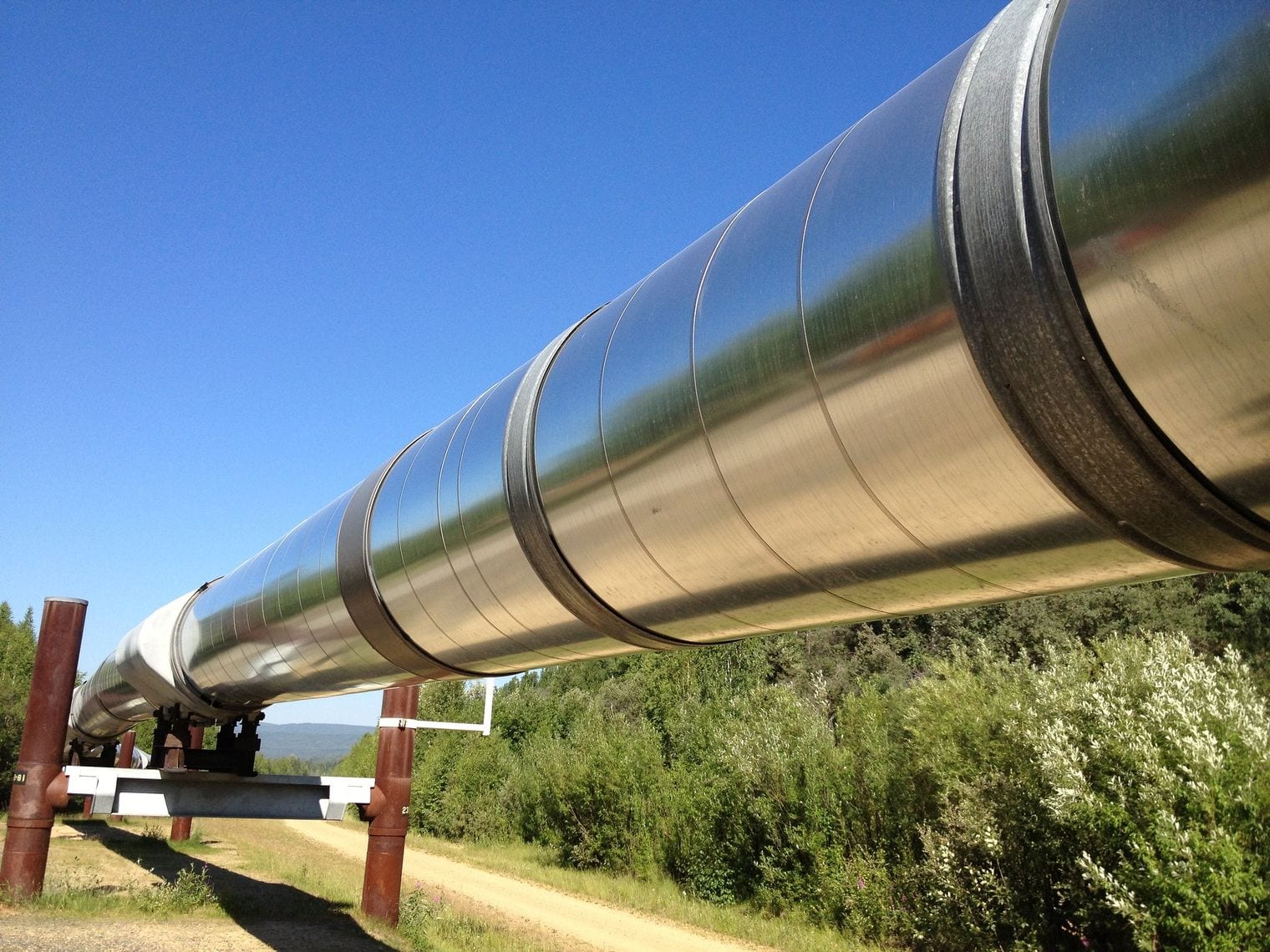
A few miles north of Fairbanks on the Steese Highway, the Trans-Alaska Pipeline climbs out of the ground and runs along beside the road on stilts, and there is a pullout where you can park and walk right up to it. Being able to put a hand on it is the point. The pipeline carries crude oil roughly 800 miles from Prudhoe Bay on the Arctic coast to the port of Valdez, and this is one of the easiest places in the state to actually see the thing.
The interpretive signs at the pullout are worth the ten minutes: they explain why so much of the line is elevated rather than buried, how it is engineered to move during an earthquake and to avoid thawing the permafrost it crosses, and how the pipe is cleaned from the inside. There is usually a pig — the cleaning device that gets pushed through the line — on display. It is free, it takes very little time, and it explains modern Alaska more efficiently than any museum.
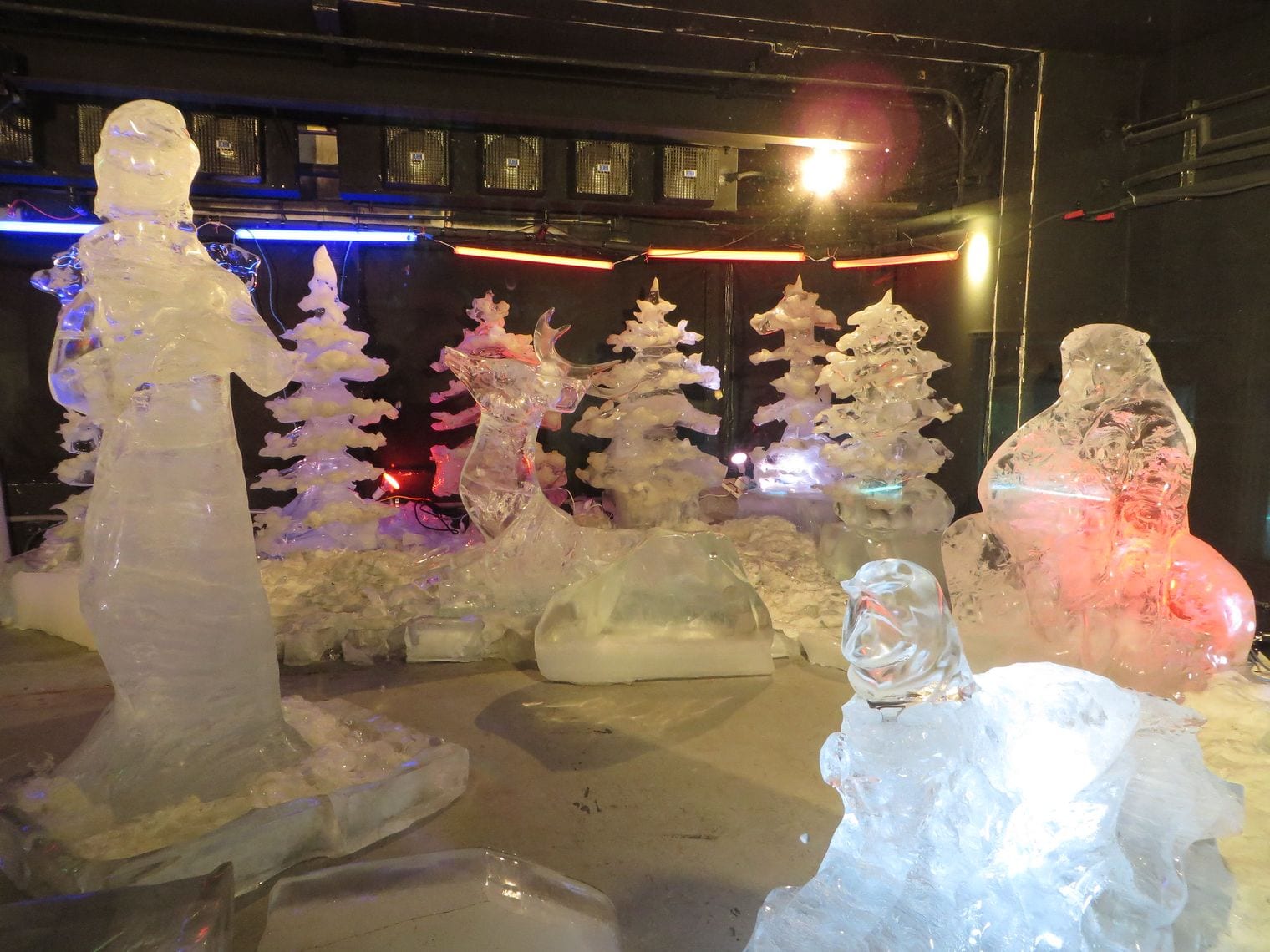
Housed in the old Lacey Street Theatre on the edge of downtown, the Fairbanks Ice Museum keeps a room full of carved ice cold enough to walk into year-round. Fairbanks takes ice carving seriously as an art form, and this is where you can see the results in July as easily as in January, which is otherwise impossible.
The visit pairs a film about how the ice is harvested and carved with the chilled gallery itself, where sculptures are lit in colour and there is usually an ice slide for children. Coats are provided, though the cold still gets through eventually. It is small and it is squarely aimed at visitors, but on a hot summer afternoon there is something genuinely funny about queuing to get cold, and it is a short walk from the rest of downtown.
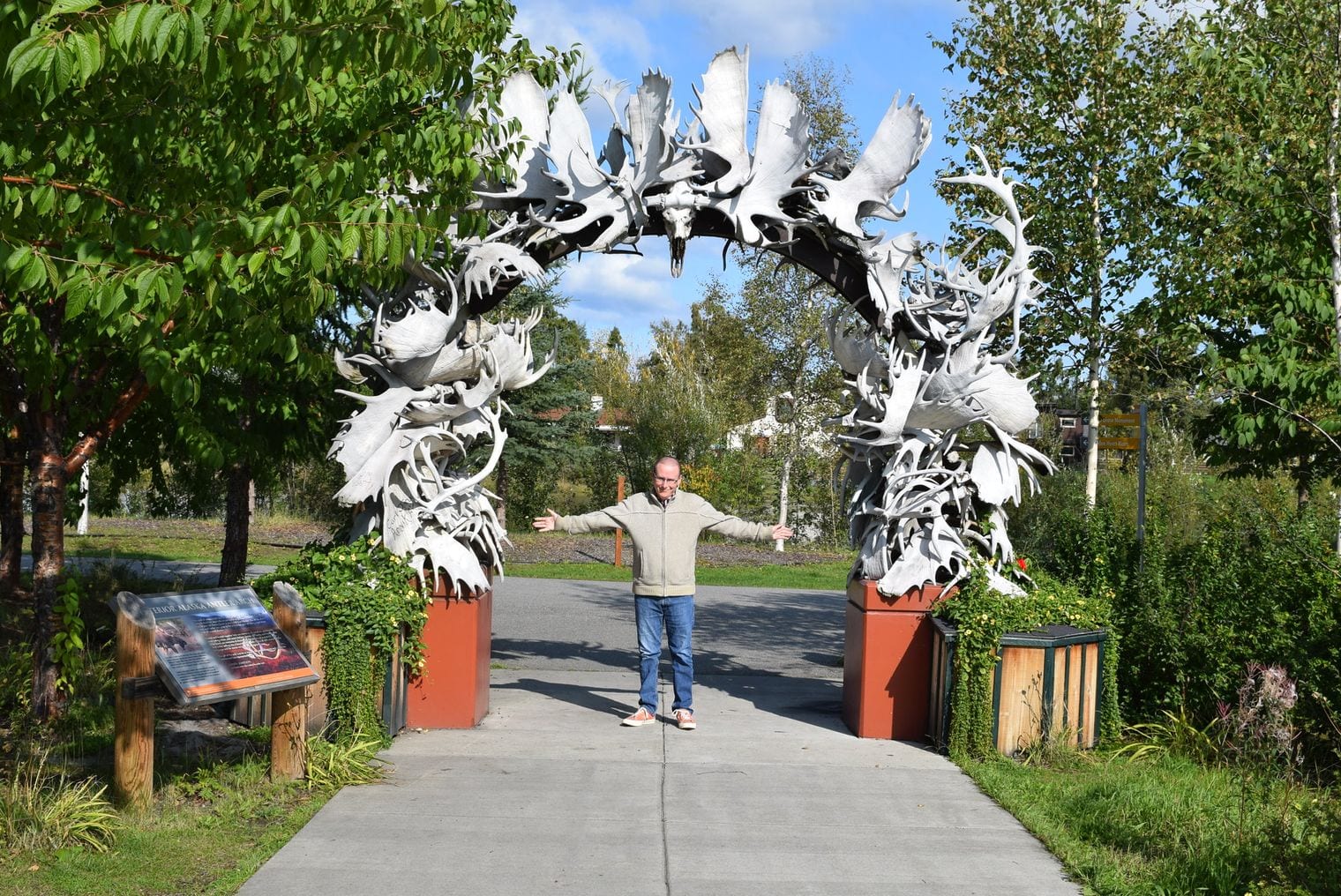
Outside the Morris Thompson Center in downtown Fairbanks stands the Moose Antler Arch, built entirely out of shed moose and caribou antlers gathered from across Alaska and fitted together into a single span you can walk beneath. It is the closest thing the city has to a designated photograph, and it exists mainly because it is a very Alaskan solution to the question of what to build a landmark out of.
Up close, the appeal is in the detail — every antler is a different shape and colour, bleached to different degrees by however many winters it spent on the ground before someone picked it up. It sits right by the river path and the visitor centre, so it costs nothing and takes five minutes. Fold it into a downtown walk rather than making a separate trip for it.
11. Gold Daughters
Source: Illustrative image
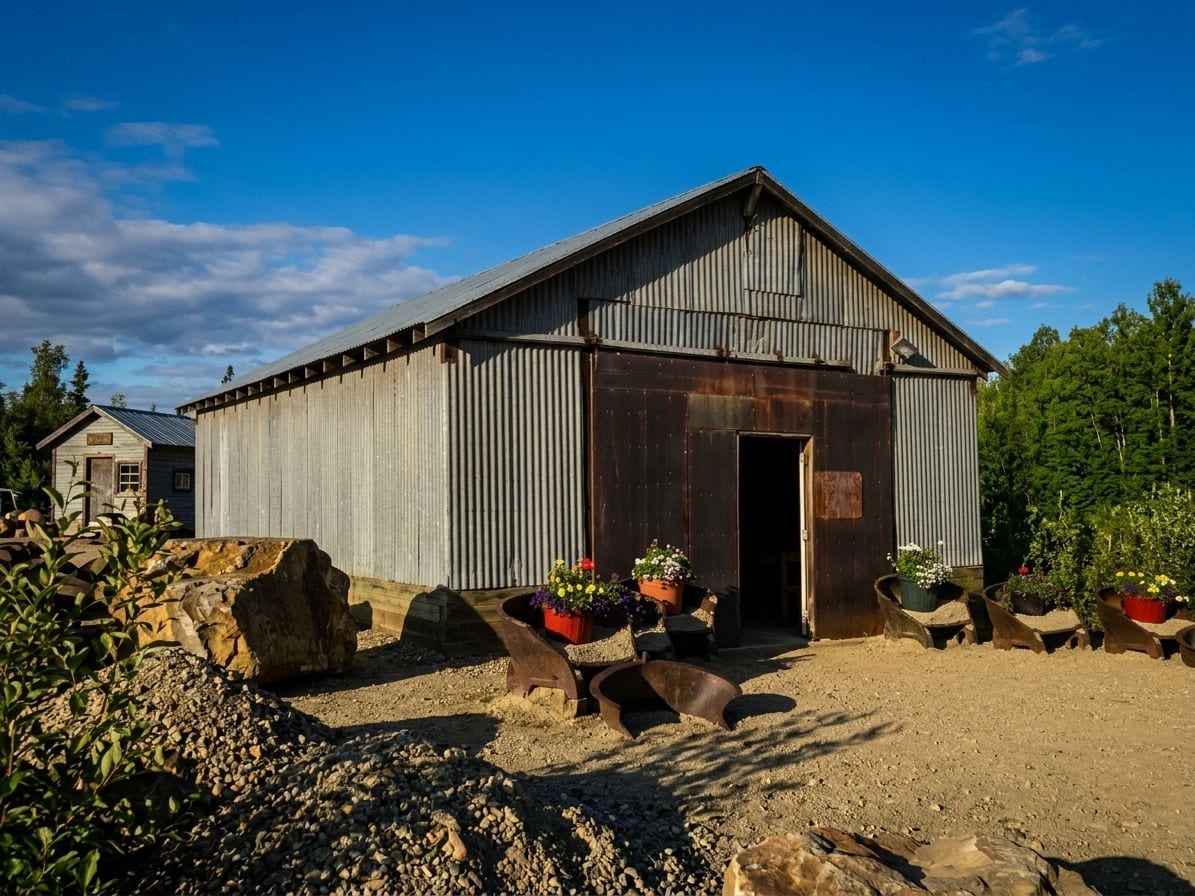
Gold Daughters is the smaller, more homespun option for panning near Fox, run as a family operation rather than a coach-tour machine. You buy a bag of paydirt, get shown the technique properly, and then spend as long as you like working it in the troughs while somebody wanders over periodically to check how you are doing and tell you that you are being too impatient, which you are.
The informality is the draw. There is no schedule to keep up with, the staff are happy to talk about where the dirt comes from and how the local mining actually worked, and the gold you find is genuinely yours. It suits anyone who wants the panning experience without the production values, and it pairs naturally with the other stops strung along the highway north of town.
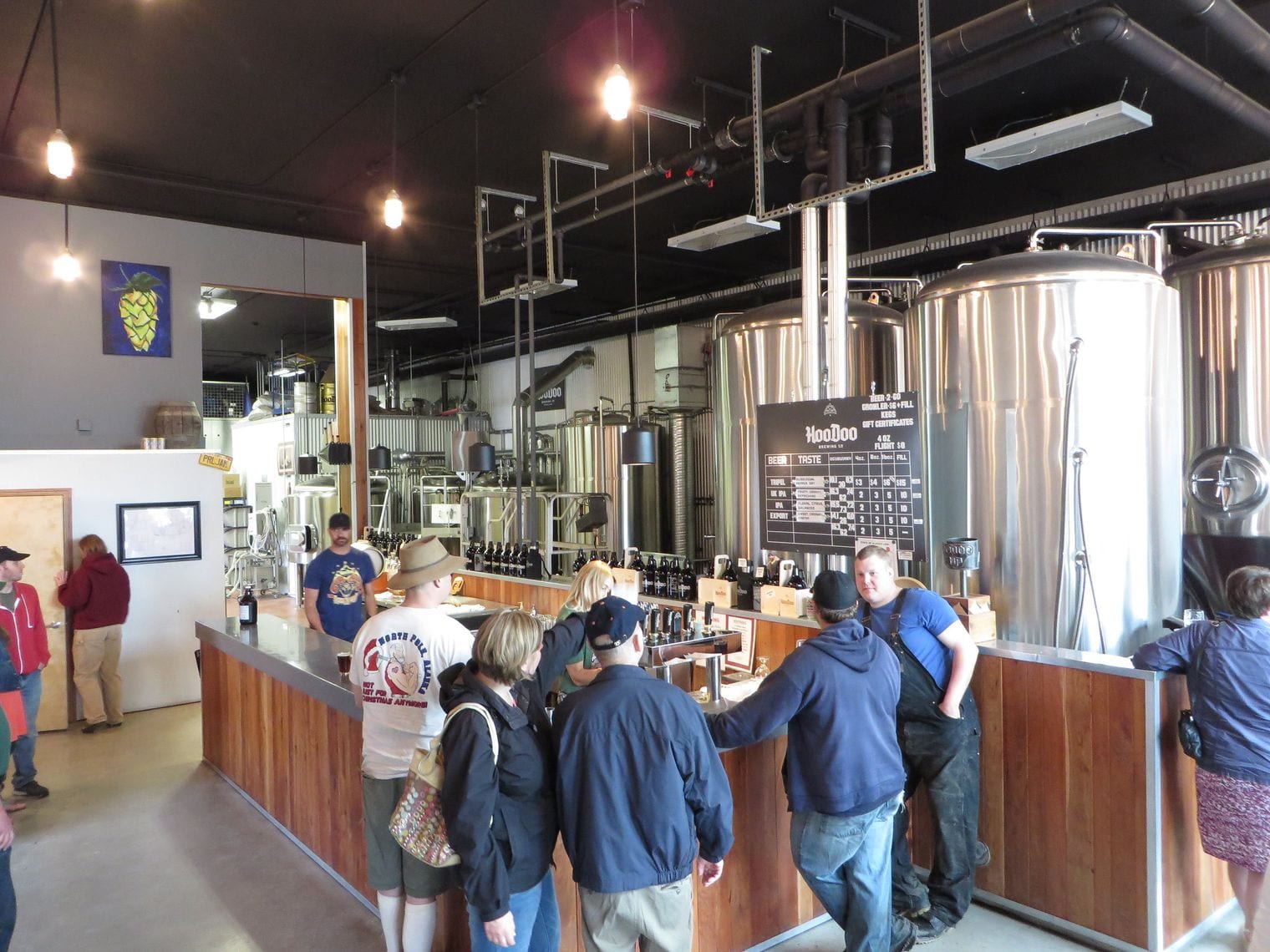
HooDoo Brewing Company is the brewery Fairbanks locals will point you at, a compact taproom turning out clean, German-leaning beer a short drive from downtown. The beer list runs to styles that reward being made carefully rather than loudly — kolsch, pale ale, stout, a rotating cast of seasonals — and the taproom itself is small, wooden, and usually full.
In summer the beer garden outside is the whole point, and given how long the daylight lasts it stays busy at hours that would be closing time anywhere else. Food is generally handled by whichever truck has parked up outside rather than a kitchen. There are brewery tours on set days for anyone who wants to see the tanks, but most people come simply because it is the best pint in town and everyone knows it.
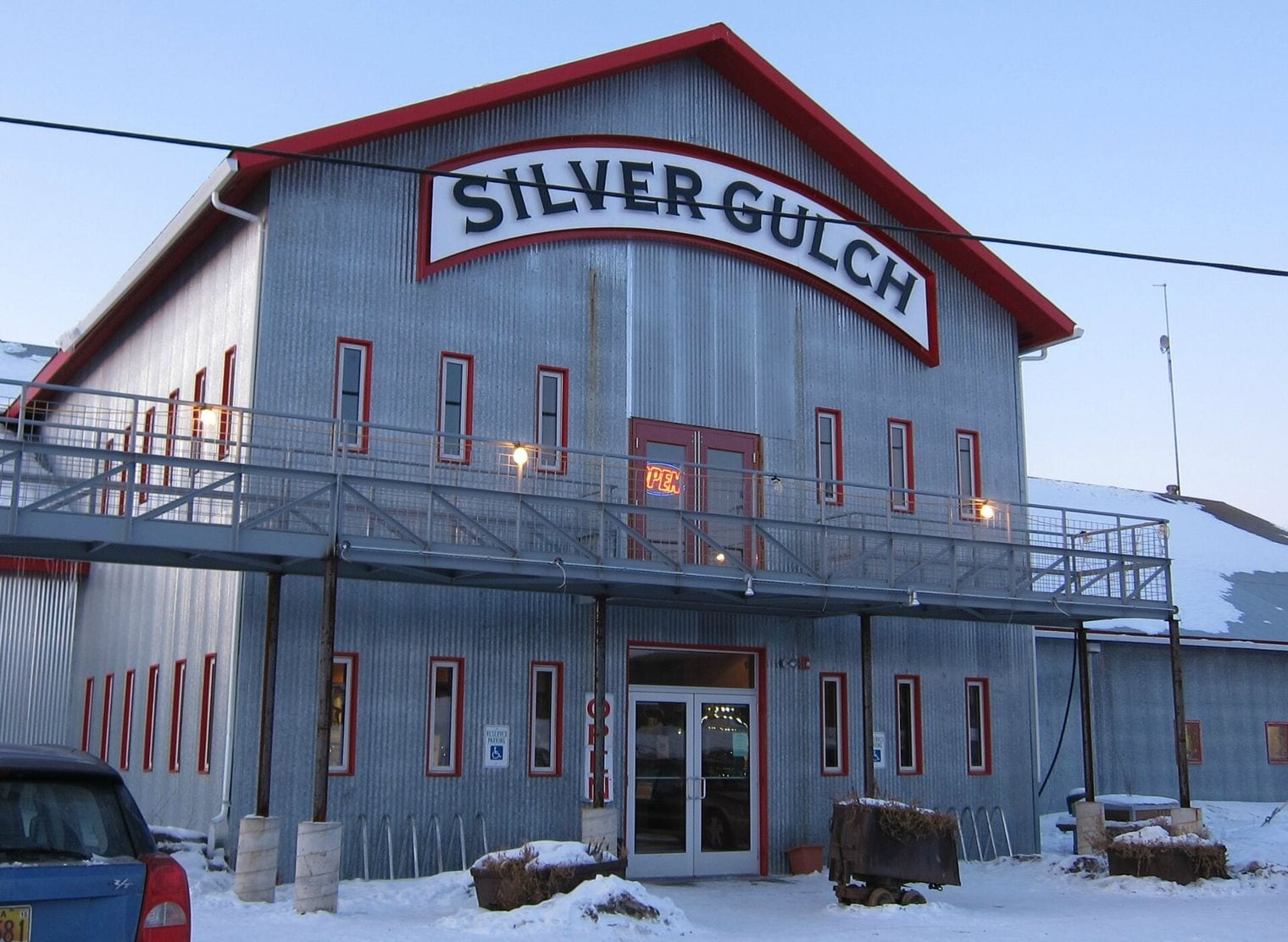
Ten miles north of Fairbanks in the old mining settlement of Fox, Silver Gulch bills itself as the northernmost brewery in America — a claim nobody local seems inclined to dispute, and one that is at least half the reason people drive out. The brewery makes a broad range of beers and bottles them for distribution around the state, so you will see the labels well beyond Fairbanks.
Unlike a taproom, this is a full restaurant, which makes it a practical dinner stop rather than just a drink. The dining room is large and the menu is substantial, and the drive out along the Steese Highway takes fifteen minutes or so from town. It combines neatly with Gold Dredge 8 and the pipeline viewpoint, all of which sit along the same stretch of road north of the city.
14. Trail Breaker Kennel
Source: Illustrative image
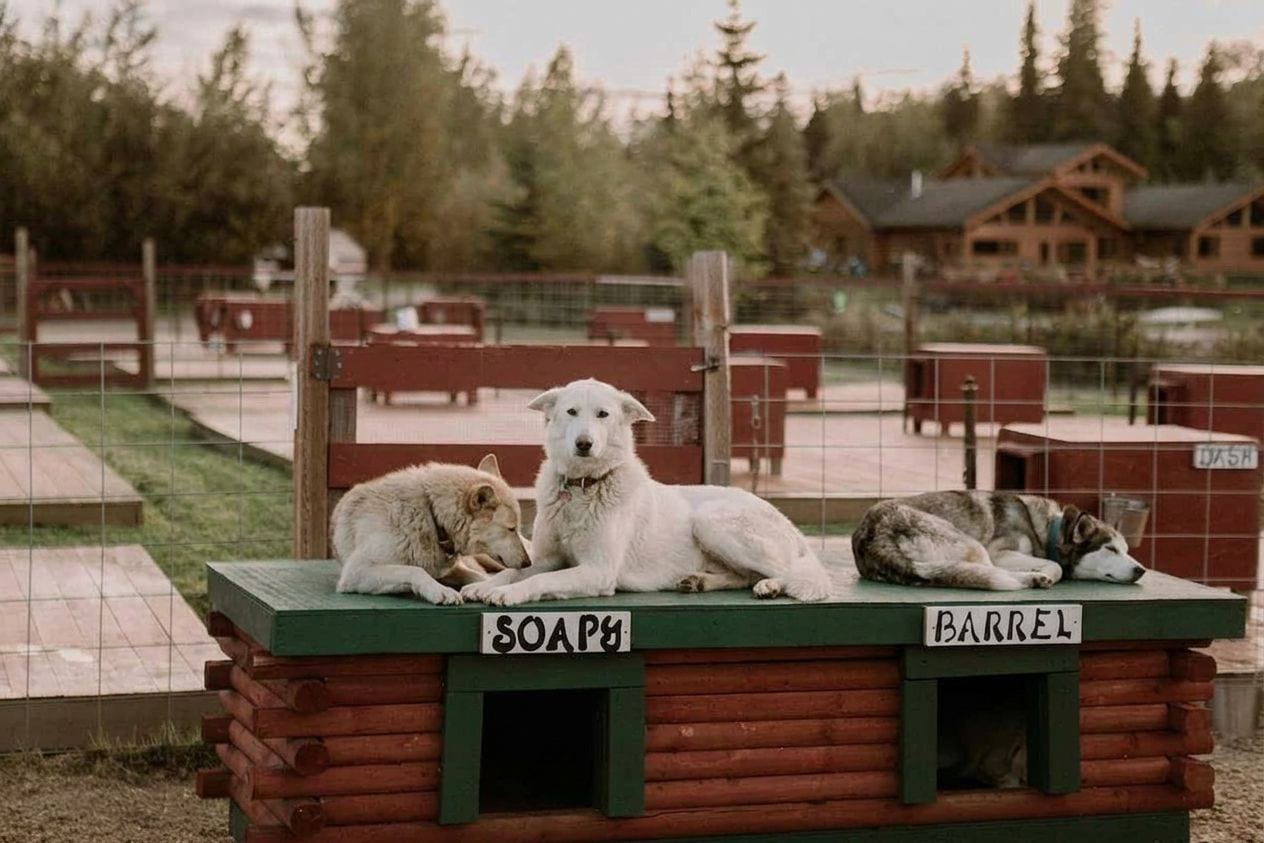
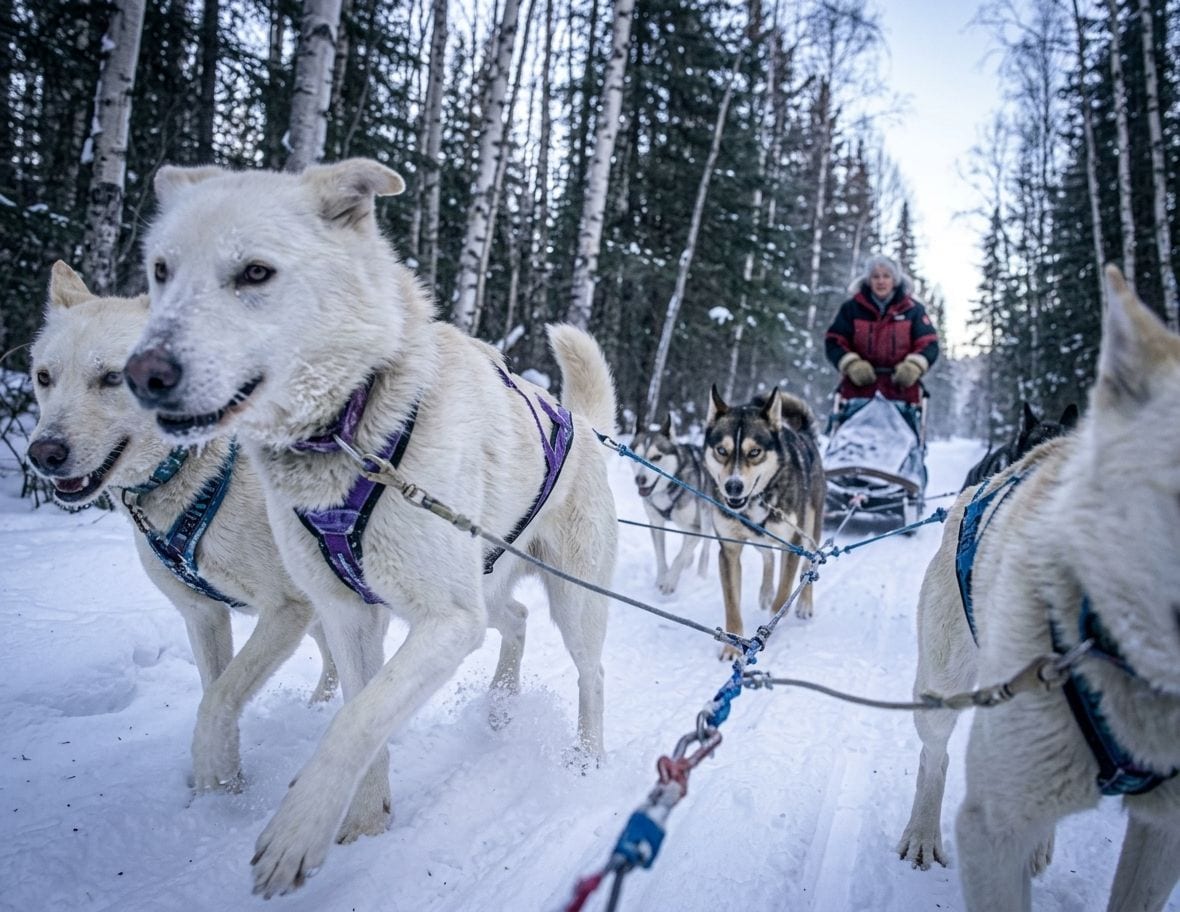
Trail Breaker Kennel was the home of Susan Butcher, a four-time Iditarod champion and one of the most successful mushers the race has known, and it is still a working sled-dog kennel today. That lineage is what separates it from a generic dog-sledding stop — the dogs here descend from a serious racing programme rather than having been assembled for visitors.
A visit means meeting the team, hearing how a distance kennel is actually managed through an Interior winter, and getting hold of a puppy if the timing is right, which is the part that undoes most visitors. Depending on the season, you can take a ride behind a team on a sled or on a wheeled cart when there is no snow. It is the most substantive introduction to mushing available this close to Fairbanks.
15. Fairbanks Children's Museum
Source: Illustrative image
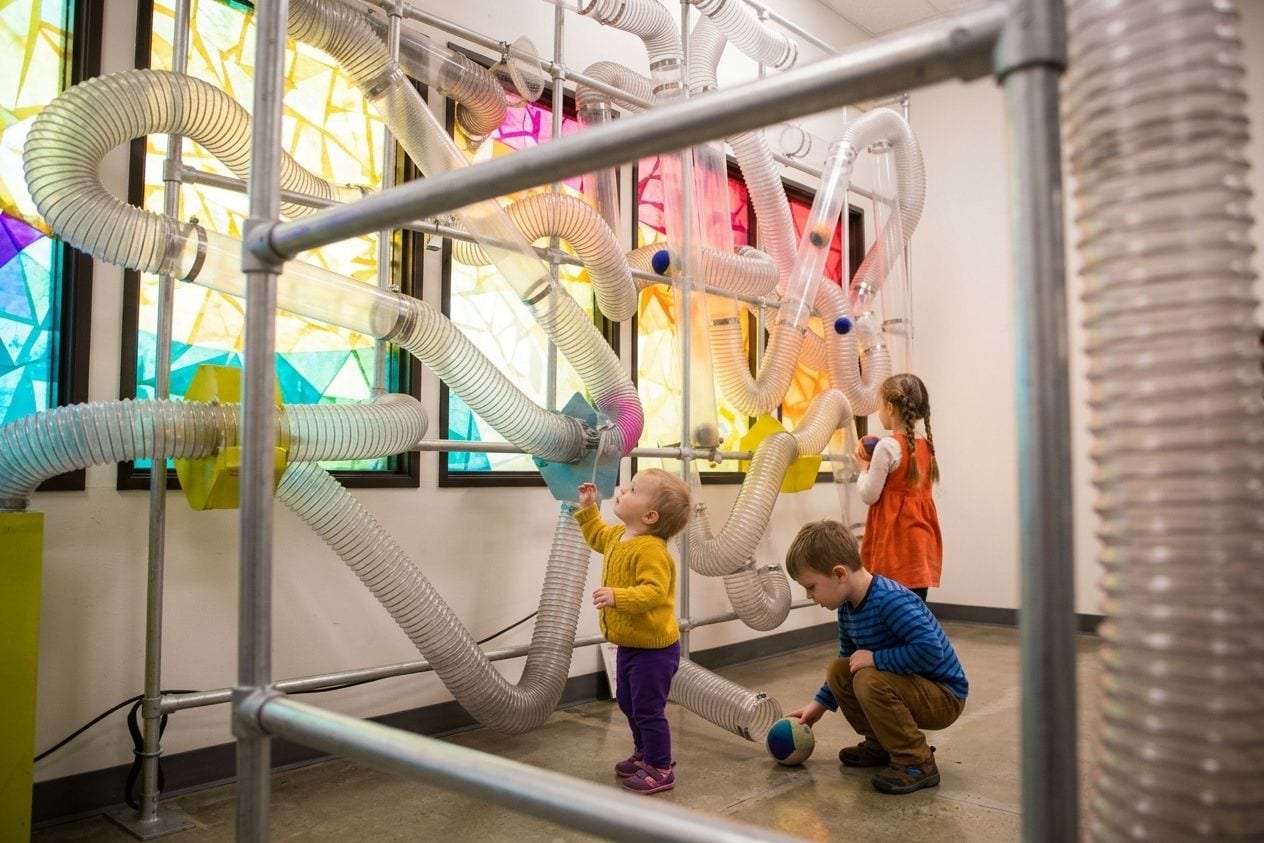
The Fairbanks Children's Museum is a downtown indoor space built for young children to touch everything, which is exactly what it is for. The exhibits are hands-on and rotate between themes — building, water play, art, an Alaska-flavoured pretend-play area — and they are pitched at the under-eights rather than trying to stretch to teenagers.
Its real value is situational. Fairbanks winters are long, dark, and cold enough that outdoor plans with small children collapse quickly, and this is one of the few places in town designed for exactly that problem. It is central, it is warm, and it will absorb a couple of hours. If you are travelling without young kids you can skip it without guilt; if you are travelling with them, you will end up here.
16. Chena Outdoor Collective
Source: Illustrative image
Out along Chena Hot Springs Road, the Chena Outdoor Collective runs small-group encounters with both reindeer and sled dogs on a working property rather than a purpose-built visitor site. The scale is deliberately modest, which means you are handling and walking with the animals rather than watching a demonstration from behind a rope.
Because it sits on the road out toward the hot springs, it slots naturally into a day heading that direction rather than demanding its own trip. Depending on the season you might be walking reindeer through the trees or meeting a dog team, and the guides are candid about what the animals are actually like to live with. It is a good option for anyone who found the bigger operations in town a little too polished.
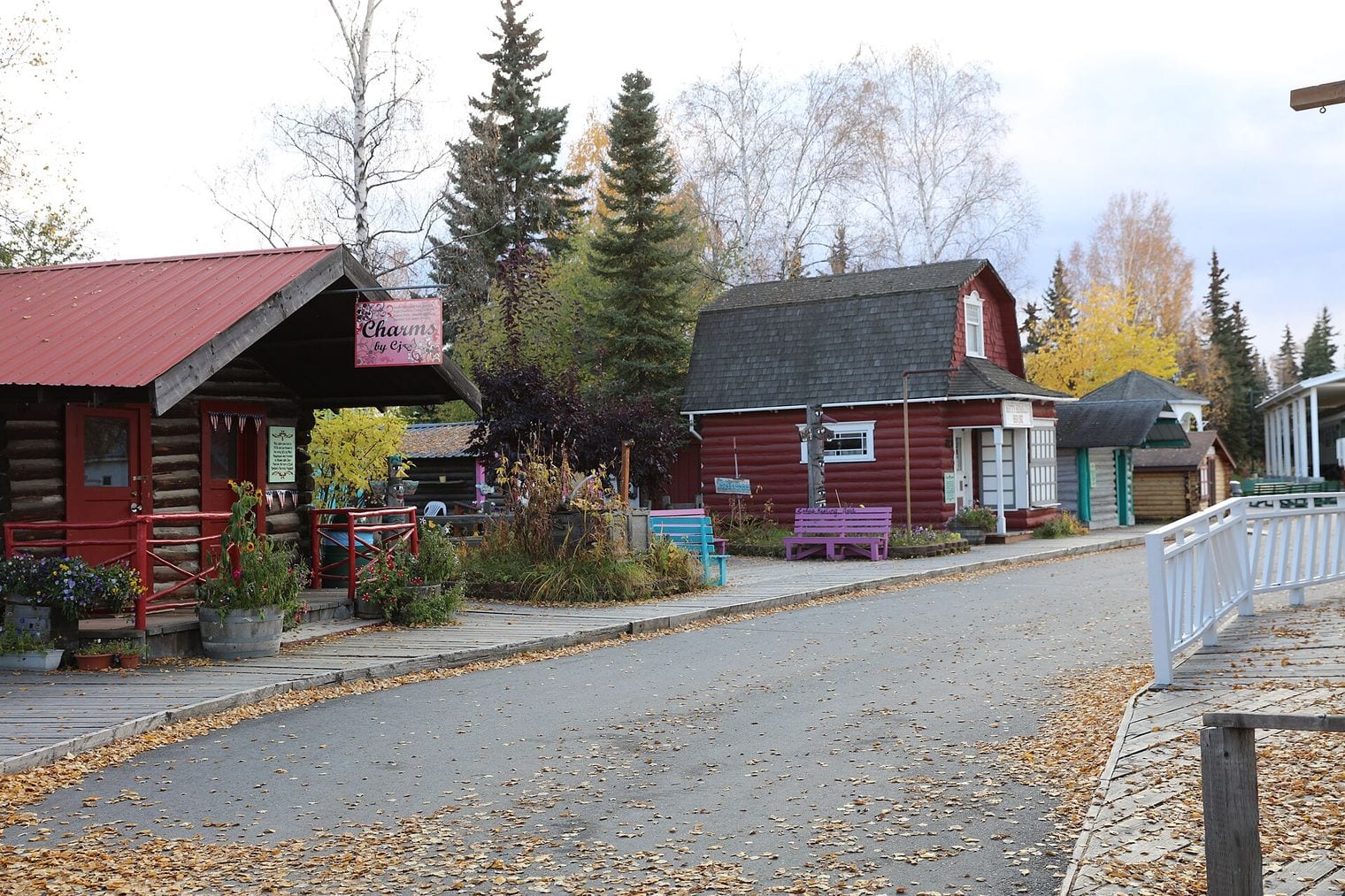
Pioneer Park is Fairbanks's attempt to keep its own history in one place, and it works better than that description suggests. Historic buildings from the gold-rush city were physically moved here and reassembled into a walkable town of cabins and storefronts, so you are wandering through actual Fairbanks rather than reproductions. Admission to the grounds is free, which makes it the easiest afternoon in the city.
Scattered through the park are a dry-docked sternwheeler you can board, an aviation museum in a gold dome, a railroad museum, a carousel, and a small train that loops the perimeter. There is a theatre running a vaudeville-style revue and an outdoor salmon bake in the summer months. It is part museum, part park, part fairground, and it is the one place in Fairbanks where you can hand a day over to chance.
18. Creamer's Field Migratory Waterfowl Refuge
Source: Illustrative image
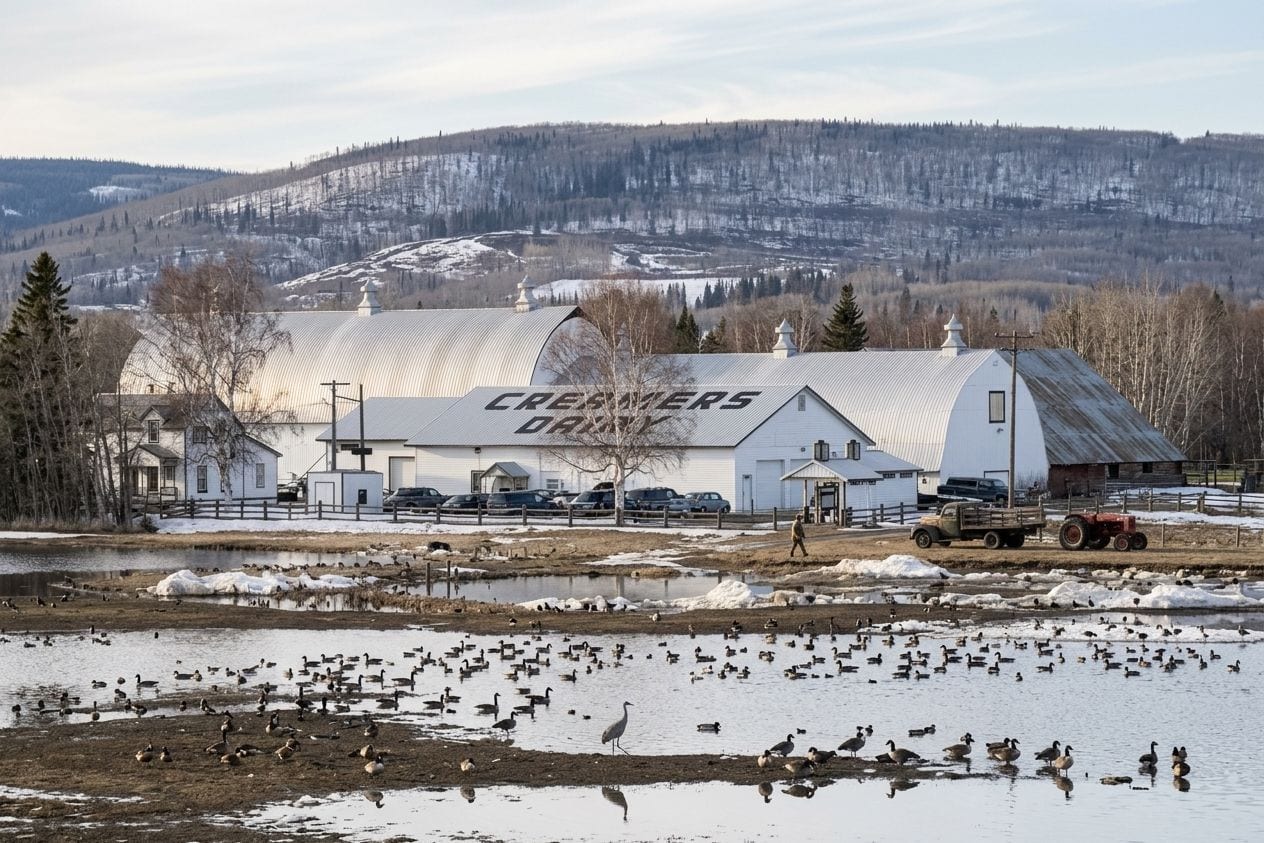
Creamer's Field was a working dairy farm on the edge of town until the fields it left behind turned out to be exactly what migrating birds wanted. It is now a refuge, and in spring and autumn the open ground fills with sandhill cranes and geese staging on their way through — the cranes in particular are loud, enormous, and completely indifferent to the people watching them.
Boardwalks and easy trails run out from the old farmhouse across the fields and into the boreal forest behind, and the walking is flat and short enough for anyone. The farmhouse itself serves as a visitor centre with displays about the migration. It is free, it is minutes from downtown, and it is the most reliable place in Fairbanks to see large wildlife without driving anywhere.
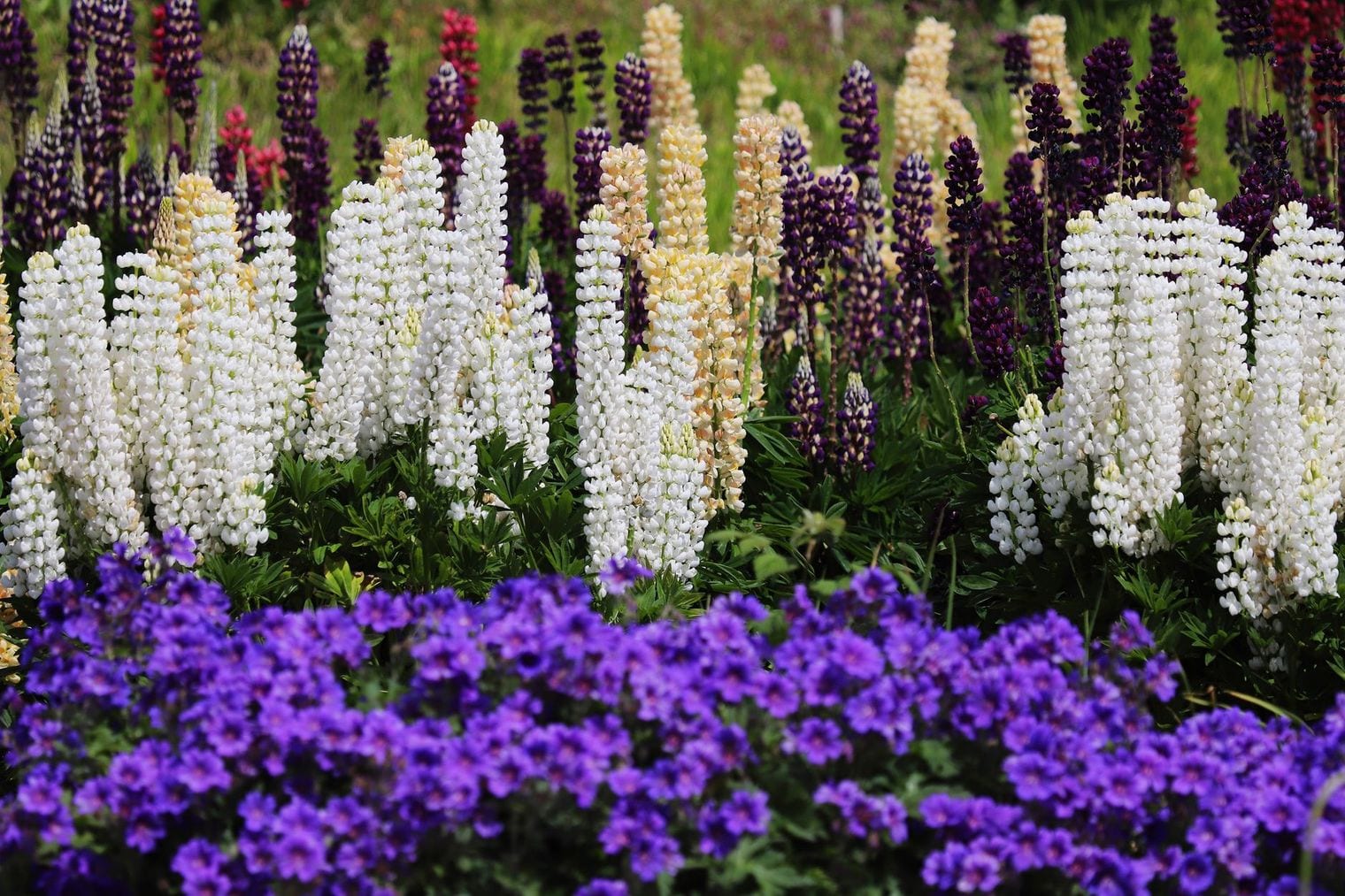
The Georgeson Botanical Garden sits on the University of Alaska Fairbanks farm and exists to answer a research question that turns out to be a spectacle: what happens when you give plants twenty-odd hours of daylight. The answer is vegetables of ridiculous size, and the garden leans into it — the cabbages in particular have to be seen to be believed.
Beyond the giant produce there are flower beds, herbs, and trial plots of crops being tested for the Interior climate, all laid out for wandering. It is small, it is seasonal by definition, and in a deep Fairbanks winter there is nothing to see. But in July, when everything is running at full tilt under a sun that will not go down, it is a very direct demonstration of what the midnight sun actually does.
20. The Great Alaskan Bowl Company
Source: Illustrative image
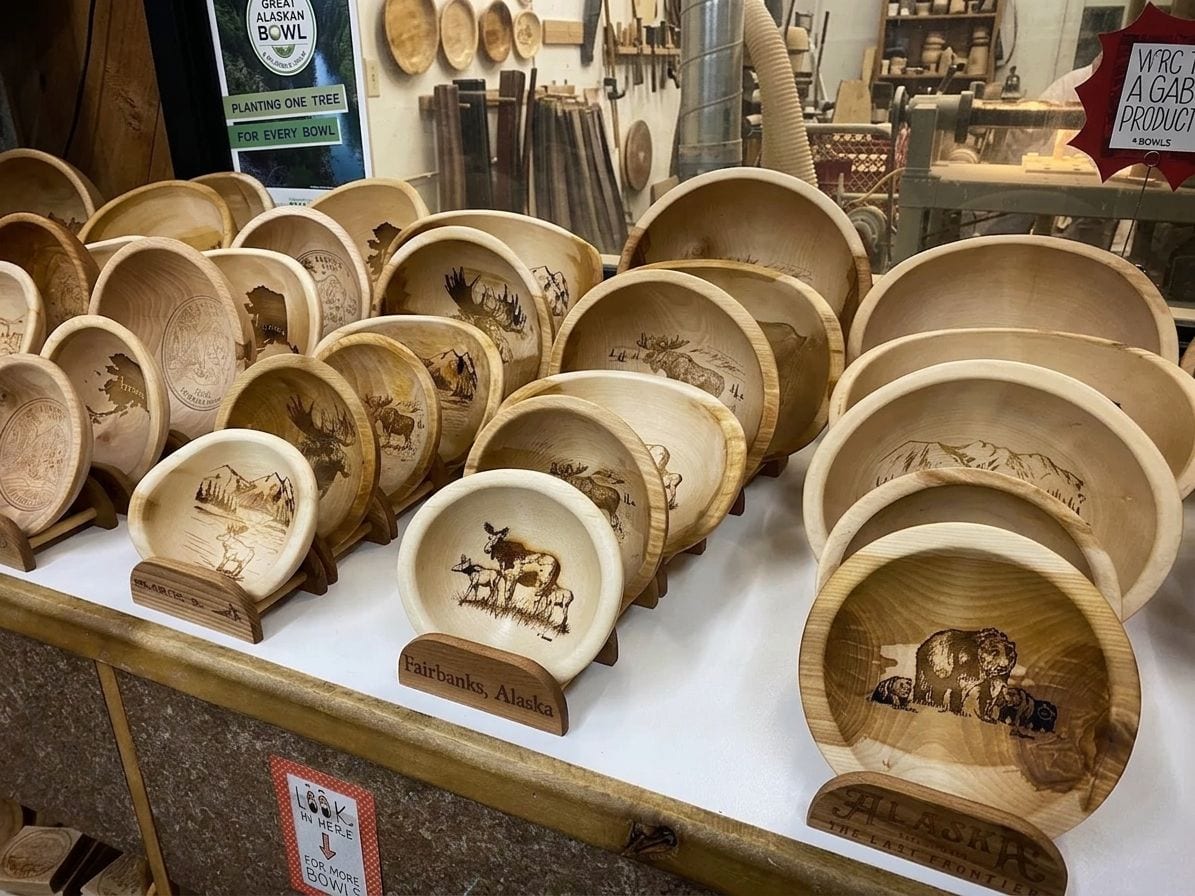
The Great Alaskan Bowl Company turns bowls out of Alaska birch on the premises, and the reason to visit is that they let you watch. A viewing window looks onto the shop floor where blanks are cut and turned, and a single log yields a nested set of bowls one inside the other, which is a much more satisfying thing to see explained than to read.
The front of the building is a shop, so it is unambiguously a retail stop, but it is a local manufacturer making a local product from local wood rather than an importer of souvenirs — a rarer thing than it should be. It takes twenty minutes, it is free to look, and it is a decent answer to the problem of finding something to bring home that was actually made in Fairbanks.
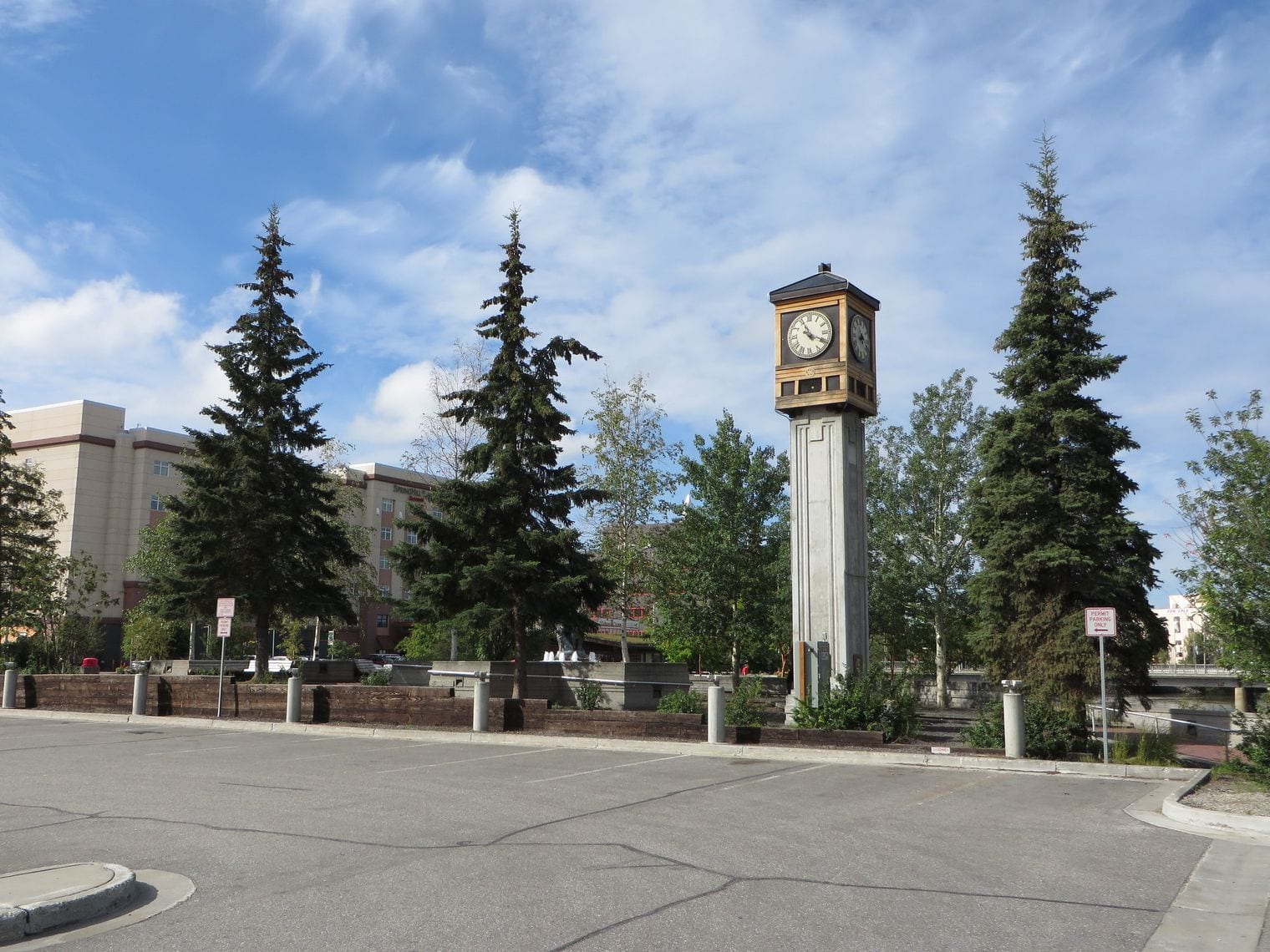
Golden Heart Plaza is the open square where downtown Fairbanks meets the Chena River, and it is the city's default gathering place — the spot where events set up, where the summer market spills over, and where people sit out the long evenings. Its centrepiece is a bronze statue called the Unknown First Family, a monument to the people who settled the Interior rather than to any particular one of them.
It is a plaza rather than an attraction, and it will not hold you long on its own. What it does well is anchor a downtown walk: the river path runs from here, the visitor centre and the antler arch are a couple of minutes away, and the pedestrian bridge crosses to the far bank. Come through in the evening in summer, when the light refuses to fade and the square stays busy far later than the hour suggests.
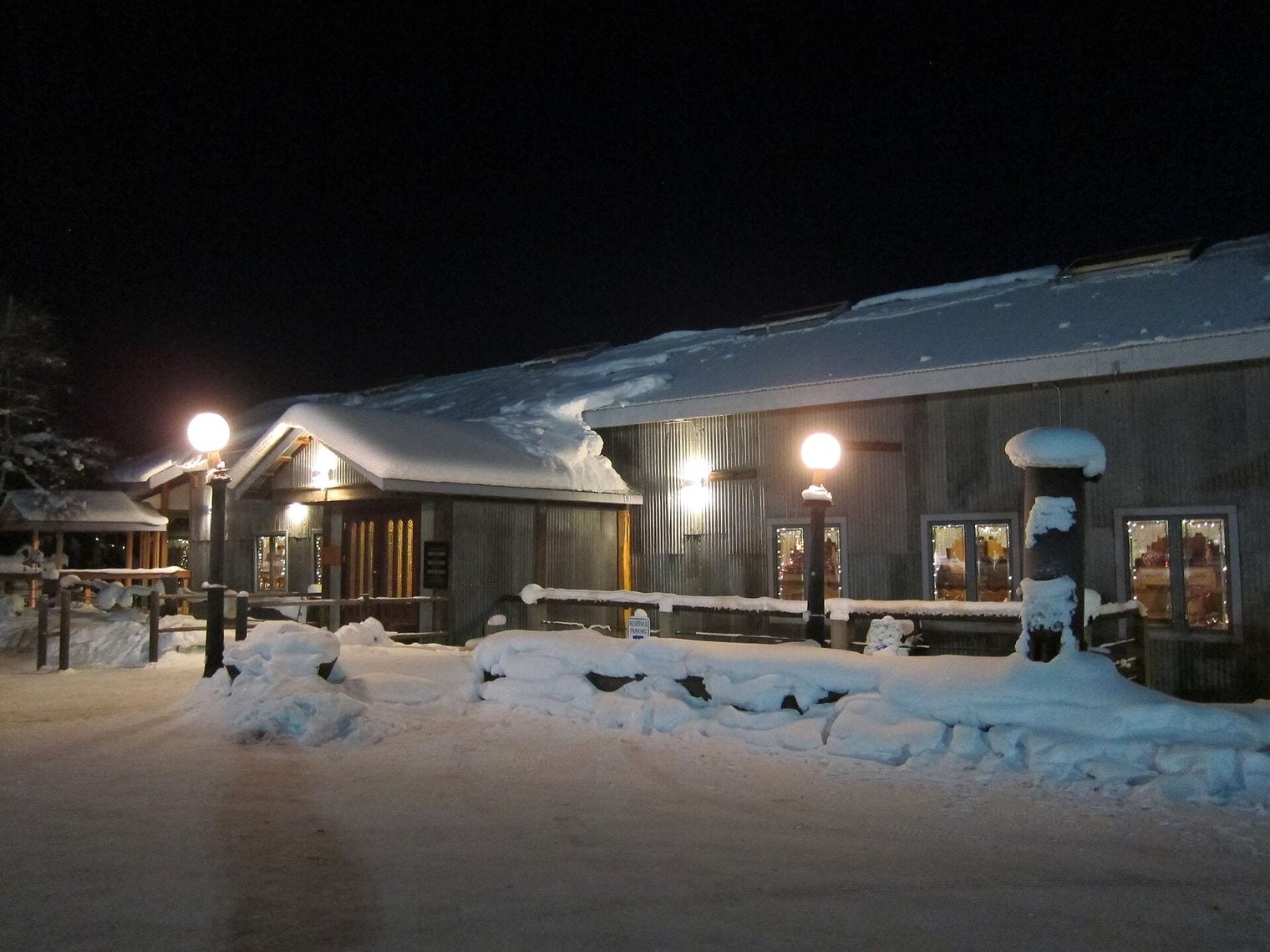
The Pump House sits on the bank of the Chena in a building that began life as a gold-mining pump station, moving water for the dredges that worked this ground. It is listed on the National Register of Historic Places, and the interior has been left to look its age — dark wood, mining hardware, and a long bar salvaged from elsewhere and installed here.
The reason to go is the deck. In summer it hangs over the river, boats tie up at the dock, and the daylight goes on long enough that dinner and late evening become the same thing. The food is Alaskan in the way you would hope, leaning on fish and game. It is a working restaurant rather than a museum, but it is the rare place where the building is as much of the point as the meal.
23. Morris Thompson Cultural & Visitors Center
Source: Illustrative image
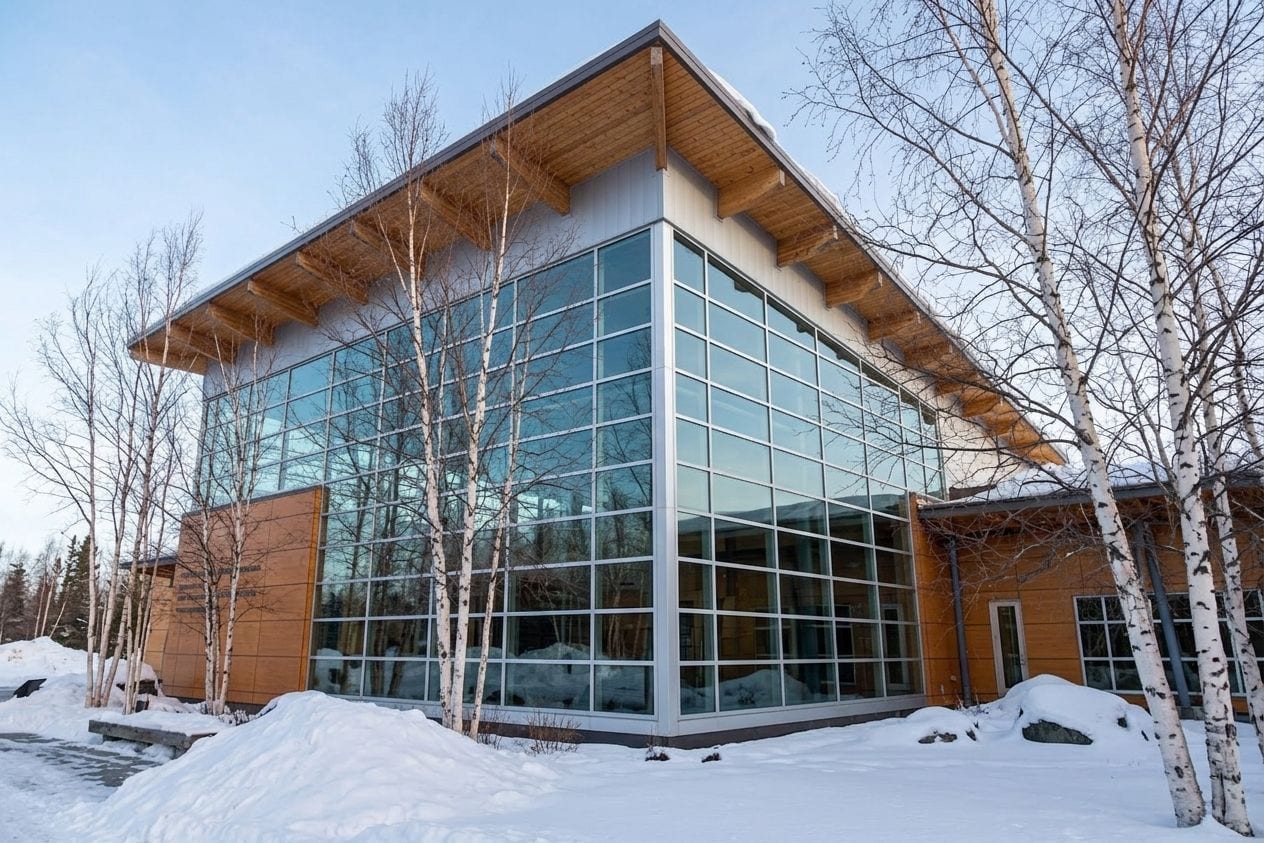
The Morris Thompson Center is the place to start if you have just arrived and do not know what to do with the Interior. It is free, it is downtown by the river, and it functions simultaneously as the visitor centre, the public-lands information desk, and a genuine museum of Alaska Native culture in the region.
The exhibits are better than the word 'visitor centre' prepares you for — full-size displays on subsistence living, the seasons, and how people have moved through this landscape, alongside a shop and staff who can tell you which road is worth driving. In summer there are Native artists and cultural programmes on site. The antler arch stands just outside. If your trip is short, an hour here will make the rest of it better organised.
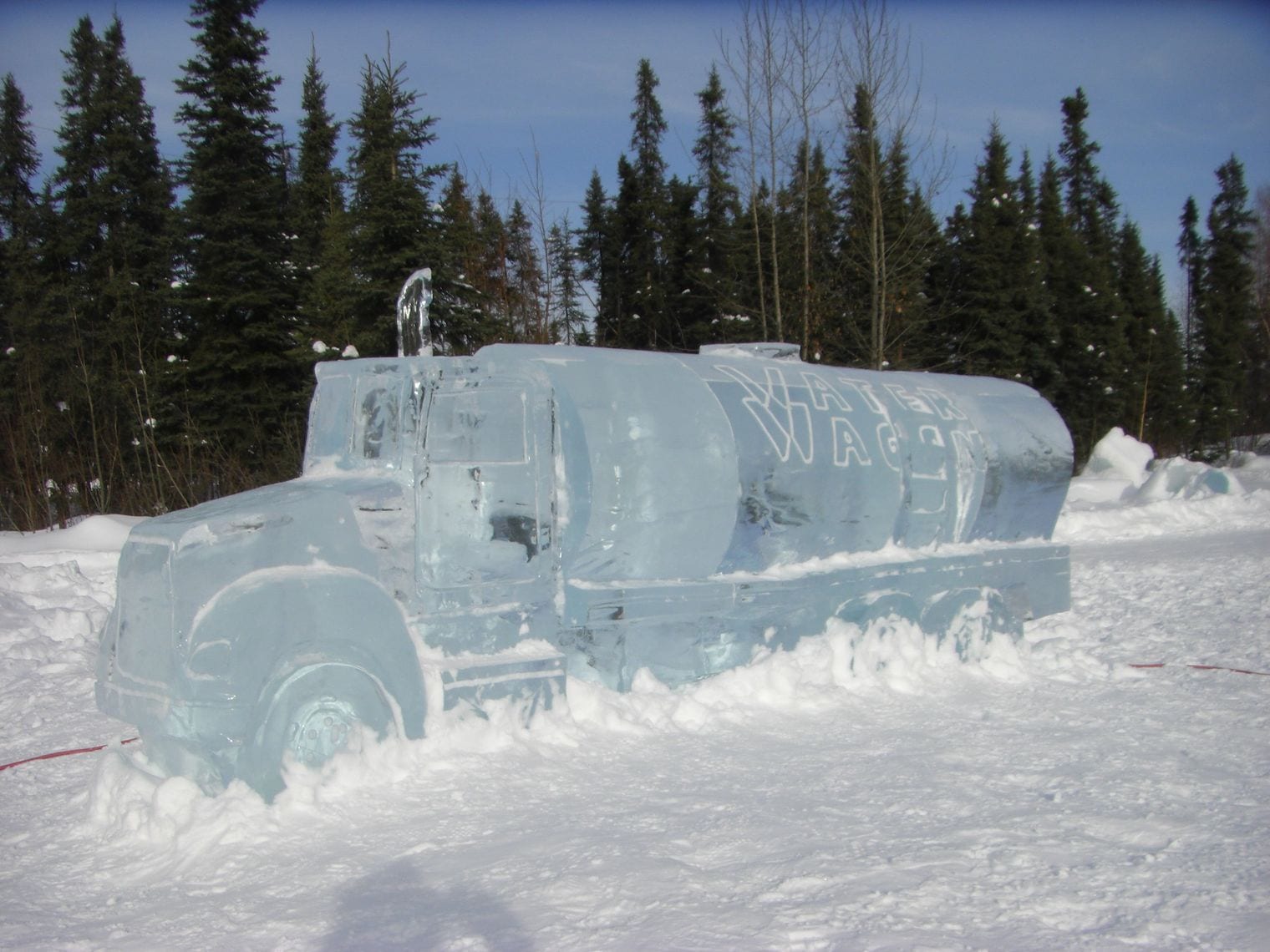
Each late winter the World Ice Art Championships bring carvers from around the world to Fairbanks to cut sculptures out of blocks of local pond ice, and the results fill the Ice Park on the edge of town. The ice here is prized for its clarity, which is a large part of why the competition ended up in Fairbanks rather than somewhere easier to reach, and the finished pieces are lit at night so the whole park turns into an outdoor gallery.
The scale is what surprises people. The multi-block category produces sculptures several times the height of a person, and the carvers work in the open where you can watch the process as well as the result. There is an ice playground with slides for children, which is a much better idea than it sounds. It runs on a season rather than year-round, so it is a reason to visit in late winter rather than something to slot into a summer trip.
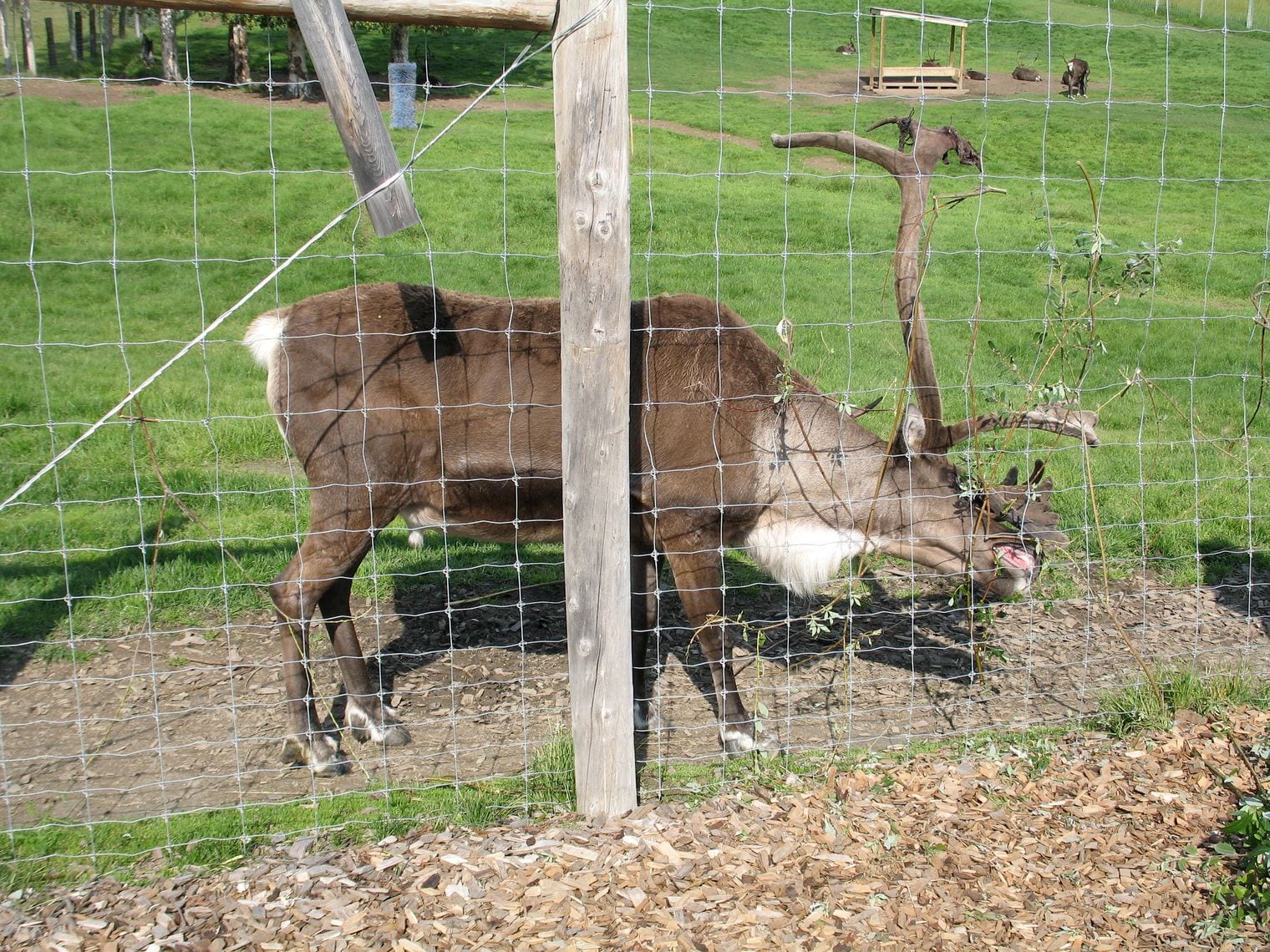
The Large Animal Research Station is a University of Alaska Fairbanks facility a few minutes from the campus where muskoxen, caribou, and reindeer are kept and studied. Muskoxen are the reason to come. They are shaggy, prehistoric-looking animals built for the Arctic, and there is nowhere else near Fairbanks you can reliably stand and look at one.
The station is a research operation first and a visitor attraction second, which is exactly what makes the guided tours good — you are hearing from people whose actual job is these animals, on subjects like how muskoxen survive the winter and what qiviut, their remarkably fine underwool, is worth. Tours run on a schedule during the warmer months, and there is a viewing area along the fence line. Check the timings before driving out.
Best Time to Visit Fairbanks
Fairbanks is really two destinations, and you have to pick one. Late summer through early spring is aurora season: the sky is dark enough for the northern lights to be a realistic hope most clear nights, the ice carvers arrive in late winter, and the sled dogs are running. The trade-off is cold that is not a figure of speech — the Interior sits well below freezing for months, and a deep-winter cold snap can push far past anything most visitors have experienced.
Summer is the opposite trip. Around the solstice the sun barely sets, which means hiking, floating the river, and the botanical garden's absurd vegetables, but no aurora at all — it is up there, just invisible against a bright sky. Late August into September is the sweet spot if you want both: dark enough at night for the lights, mild enough by day to still be outside. The shoulder months of April and October are the quietest and cheapest, and the least reliable for either.
Getting to Fairbanks
Fairbanks International Airport sits a few minutes from downtown and is served year-round, which is the way most visitors arrive. It is a small airport and the walk from gate to kerb is short. The alternative is flying into Anchorage and driving north on the Parks Highway, which takes roughly six to eight hours and passes Denali National Park — a genuinely worthwhile drive in summer, and a serious undertaking in winter.
By road, Fairbanks is the northern end of the Alaska Highway system: the Richardson Highway runs south toward Delta Junction and Valdez, the Parks Highway runs southwest toward Anchorage, and the Steese and Elliott Highways head north into the bush. The Alaska Railroad also runs between Anchorage and Fairbanks via Denali, which is slow, scenic, and a destination in itself rather than a way to save time.
Getting Around Fairbanks
You want a car. Downtown Fairbanks is compact and perfectly walkable — the plaza, the visitor centre, the antler arch, and the ice museum are all within a few blocks of each other — but downtown is a small fraction of what you came for. Almost everything on this list is spread along the highways radiating out of the city, and the distances are Alaskan: the hot springs are an hour and a half each way, the gold dredges and breweries a further ten to twenty minutes north.
There is a local bus system and rideshare exists, but neither is built for visitors trying to reach a reindeer ranch at the end of a gravel drive. Parking is abundant and generally free, which removes the usual reason to avoid driving. In winter, rentals come with the equipment you need and most parking spaces have electrical outlets for engine block heaters — plug in, because at Interior temperatures it is not optional.
Where to Stay in Fairbanks
Downtown puts you within walking distance of the river, the plaza, and the visitor centre, and it is the easiest base if you want to be able to leave the car alone for an evening. The area along the Chena River just west of downtown is the other obvious choice — quieter, still close in, and with the river on your doorstep. Both put you within about fifteen minutes of the airport and on the right side of town for the highways north.
If the aurora is the reason you came, consider basing yourself outside the city entirely. Light pollution is the enemy, and the lodges scattered along the Chena Hot Springs Road corridor and up toward the ridgelines north of town trade convenience for genuinely dark sky and, in many cases, a wake-up call when the lights appear. The university area is a useful middle ground, close to the museum and the botanical garden without being downtown.
Where to Eat in Fairbanks
Downtown holds the densest concentration of places to eat, and the food is more varied than a city this size in the Lower 48 would manage — a legacy of the military bases and the university. Thai food in particular is a genuine local institution and turns up everywhere, which surprises everybody. The riverfront is where the atmosphere is: restaurants on the Chena with decks that stay busy until absurd hours in summer.
For local flavour, look for Alaskan salmon and halibut, reindeer sausage — sold from carts as readily as in restaurants — and birch syrup, which the Interior taps in spring and which tastes nothing like maple. Sourdough is a genuine Fairbanks tradition rather than a menu affectation, tied to the gold-rush cooks who kept a starter alive through the winter. The highway north toward Fox has a small cluster of long-standing roadhouses that are worth the drive for dinner.
Afternoon: Head north on the Steese Highway. Stop at the Trans-Alaska Pipeline Viewpoint — it takes ten minutes and explains the state — then carry on to Gold Dredge 8 for the train, the dredge, and a pan of paydirt. If the timing works, detour to Running Reindeer Ranch in the Goldstream Valley for a walk with the herd, which is the thing you will still be describing to people next year.
Evening: Come back into town via HooDoo Brewing Company for a beer in the garden while the light refuses to fade, then eat on the river at The Pump House. In winter, swap all of this for the drive out to Chena Hot Springs Resort and sit in the hot lake watching for the aurora — but give that its own day rather than trying to bolt it on.
The obvious one is the drive east to Chena Hot Springs, about ninety minutes each way along a road that dead-ends at the resort — pair the soak with the ice museum and make a full day of it. Twenty minutes southeast is North Pole, worth it mostly for the novelty of the candy-cane streetlights and the Christmas store. North of the city, the old mining settlement of Fox sits fifteen minutes up the Steese Highway and gathers the dredge, the brewery, and a couple of roadhouses into one short trip.
Further afield, Denali National Park is roughly two hours south on the Parks Highway, which makes a long but genuinely doable day if you leave early — though it deserves an overnight. The truly ambitious drive the Dalton Highway north to cross the Arctic Circle, a full and demanding day on gravel that most visitors sensibly hand over to a tour. Anchorage is six to eight hours south and firmly a trip rather than a day out, but it makes an obvious second stop on a wider Alaska itinerary.
FAQ: Visiting Fairbanks
What is Fairbanks best known for?
Fairbanks is best known for the northern lights — it sits under the auroral oval, making it one of the most reliable places in the world to see them. It is also known for Chena Hot Springs, the Riverboat Discovery sternwheeler, gold-rush sites like Gold Dredge 8, the Museum of the North, and the midnight sun, which keeps the sky light around the clock in midsummer.
How many days do you need in Fairbanks?
Three days is the sensible minimum. One covers downtown, the museum, and the sights north along the Steese Highway; a second is given over entirely to Chena Hot Springs; a third leaves room for a reindeer walk, a kennel visit, or Pioneer Park. If the aurora is your reason for coming, add nights rather than days — the lights need clear sky, and more attempts mean better odds.
When is the best time to visit Fairbanks?
It depends what you want. Late August to early April is aurora season, with the ice carving arriving in late winter. Summer brings the midnight sun, hiking, and river trips, but no visible aurora. Late August and September overlap the two, offering dark enough nights for the lights and mild enough days to enjoy being outside.
Can you see the northern lights in Fairbanks in summer?
No. The aurora is still occurring overhead, but from roughly May through July the Interior sky never gets dark enough to see it. Viewing season runs from around late August to early April. If the northern lights are the point of your trip, do not come in June — come in autumn or winter and plan on several nights.
What can you do in Fairbanks for free?
Quite a lot. The Trans-Alaska Pipeline Viewpoint, the Morris Thompson Center, the Moose Antler Arch, and Golden Heart Plaza all cost nothing, as do the trails at Creamer's Field and the grounds of Pioneer Park. Watching for the aurora is free if you drive yourself somewhere dark, and downtown Fairbanks is small enough to see on foot in a morning.