Anchorage, the Kenai & Seward
~1 weekThe classic first-trip loop through Southcentral Alaska, pairing the city gateway with the Kenai Peninsula's glaciers, fjords and fishing towns — all on the connected road system.

Why visit AlaskaNowhere else in America puts a 20,000-foot peak, a calving glacier and a breaching humpback within a single day's reach.
Alaska is America's last frontier writ large — tidewater glaciers, the highest peak on the continent, and more coastline than the rest of the country combined, spread across a state so vast that Denali, the Inside Passage and the Arctic feel like different worlds. Use this hub to plan your trip: browse our Anchorage and Seward guides below, then build outward toward Denali, the Kenai Peninsula and the fjords.
Shoulder season and the tail of aurora season — long, brightening days, snow still on the higher ground and thawing rivers. Late May sees the first tour boats and lodges reopen as the road system dries out, with fewer visitors than the summer rush.
The short, glorious high season, with near-endless daylight around the solstice, salmon running and every road, ferry and glacier cruise fully open. This is peak wildlife-watching and the only reliable window for Denali's park road and the Arctic, so book lodging and boats well ahead.
A brief, spectacular autumn: tundra turning red and gold, the first snow dusting the peaks and the northern lights returning to darkening skies. Crowds thin quickly and many seasonal operators wind down by early October.
Deep cold, short days and prime aurora-viewing in the interior around Fairbanks, plus dog-sledding, ice fishing and the coastal ski hills. Much of the wilderness and many tour operators close, but the winter light and the lights themselves are unforgettable.
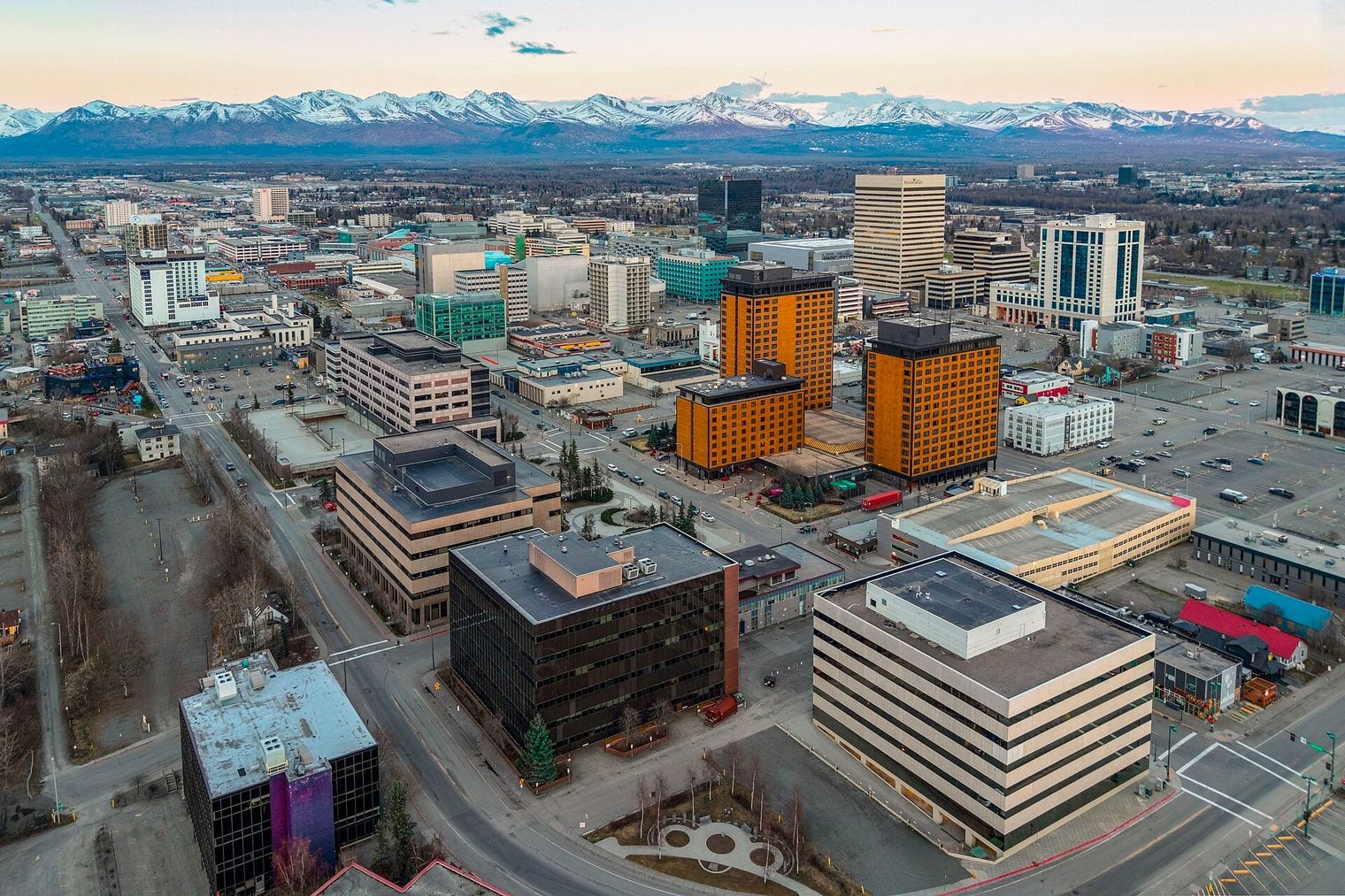
The most-visited corner and the base for most road trips, where Anchorage anchors the airport and city, and the Seward and Sterling highways run down the Kenai Peninsula to Seward, Kenai Fjords and the fishing towns of Homer and Soldotna.
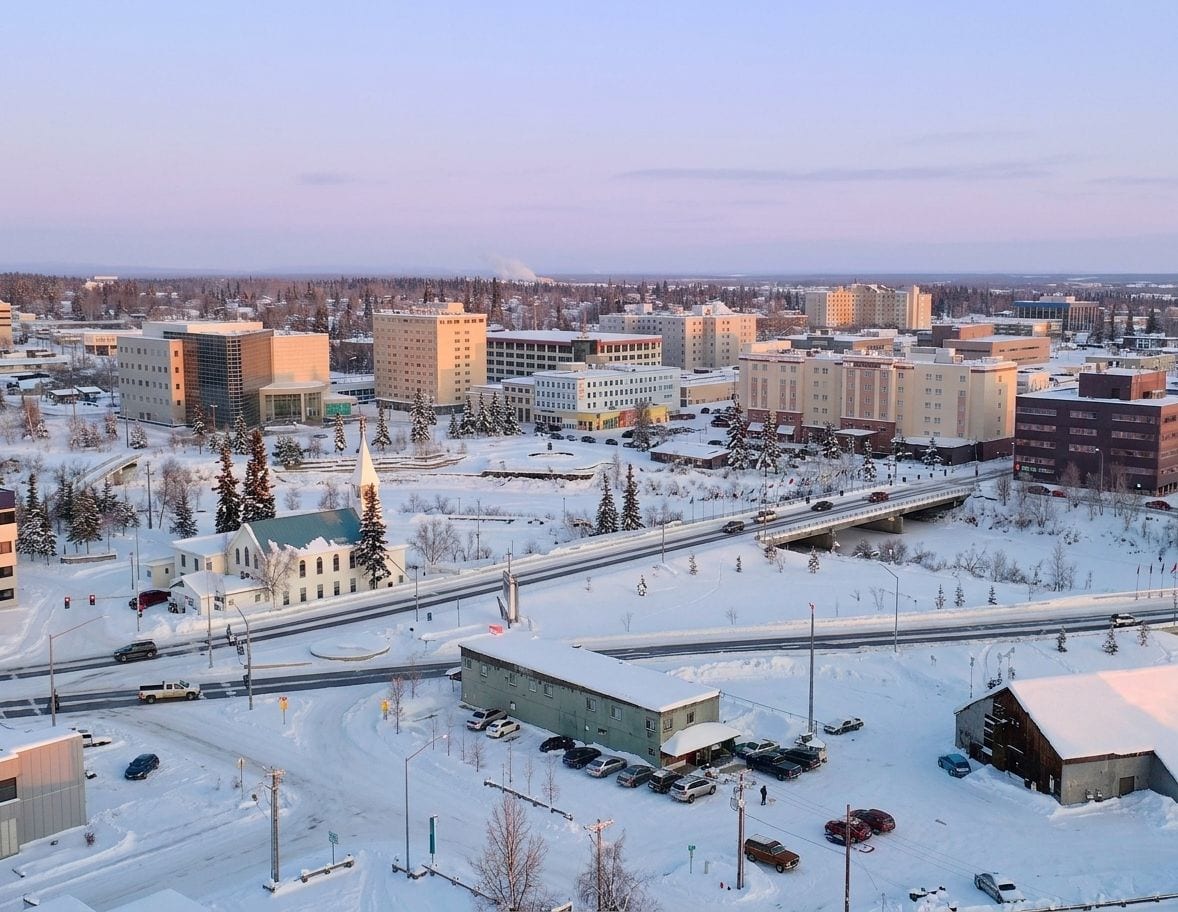
The heart of the state, where the Parks Highway climbs from the Mat-Su valley to Denali National Park and North America's highest peak, then on to Fairbanks — the interior hub for the Arctic, the aurora and the road to the Arctic Circle.
A roadless ribbon of islands and fjords reached by ferry and cruise ship, home to the capital Juneau and the Mendenhall Glacier, the gold-rush port of Skagway, Ketchikan and Sitka, and Glacier Bay National Park.
A glacier-ringed sound east of Anchorage, reached through the tunnel to Whittier or the highway to Valdez, with tidewater glaciers, sea otters and the Columbia and Meares glaciers on the day-cruise circuit.
The vast, roadless top of the state — the Brooks Range, Gates of the Arctic and the Dalton Highway north from Fairbanks to the oil town of Deadhorse — remote, expensive to reach and unforgettable, best for well-prepared adventurers.
A rental car covers the connected road system — Anchorage, the Kenai Peninsula, Denali and Fairbanks all link along a handful of scenic highways — and it's the simplest way to reach Seward, Whittier and the Matanuska-Susitna valley. But Alaska is only partly a driving state: the capital, Juneau, and the whole Inside Passage have no road connection at all and are reached by the Alaska Marine Highway ferries, cruise ships or small planes, and bush communities depend on floatplanes year-round. Most visitors fly into Anchorage, drive the highways in reach, and add a ferry, a cruise leg or a flightseeing trip for the roadless corners. Distances are enormous and services sparse, so fuel up and check road and ferry schedules before you set out.
The classic first-trip loop through Southcentral Alaska, pairing the city gateway with the Kenai Peninsula's glaciers, fjords and fishing towns — all on the connected road system.
A northbound drive from Anchorage up the Parks Highway to Denali and on to Fairbanks — the interior hub for the aurora and the Arctic — best in summer for the open park road.
A roadless journey up Alaska's Southeast coast by cruise ship or Alaska Marine Highway ferry, linking the capital and the gold-rush ports through a maze of islands, glaciers and fjords.
 Map of Alaska
 For most visitors, June through August is the prime window — the long daylight, warmest weather, running salmon and full ferry, cruise and Denali park-road schedules all line up then. Late May and early September are quieter shoulder seasons with good value, while winter (roughly November through March) is the season for the northern lights and dog-sledding, mostly in the interior around Fairbanks.
A focused first trip around Anchorage, the Kenai Peninsula and Seward works well in about five to seven days. Adding Denali National Park pushes it toward a week to ten days, and folding in an Inside Passage cruise or a Fairbanks-and-Arctic leg easily fills two weeks — the state is enormous, so it's better to see one region well than to rush across several.
For the connected road system — Anchorage, the Kenai Peninsula, Seward, Denali and Fairbanks — a rental car is the easiest way to get around and reach the trailheads and small towns. But large parts of the state, including the capital Juneau and the whole Inside Passage, have no road access and are reached only by ferry, cruise ship or plane, so many itineraries combine driving with a ferry leg, a cruise or a flightseeing trip.
Alaska is famous for its wilderness on a grand scale: Denali, the highest peak in North America; tidewater glaciers calving into the sea at places like Kenai Fjords and Glacier Bay; abundant wildlife including bears, whales, moose and bald eagles; the summer's near-endless daylight and the winter's northern lights; and its gold-rush and frontier history.
Yes — Alaska is one of the best places in the world for the aurora. They're seen on clear, dark nights roughly from late August through April, and are strongest in the interior around Fairbanks, which sits under the auroral oval. You won't see them during the bright nights of high summer, so plan an autumn, winter or early-spring visit if the lights are your goal.
Alaska's capital and the rest of the Inside Passage have no road connection to the mainland highway system. You reach them by air, by cruise ship, or on the Alaska Marine Highway state ferries, which link Juneau, Sitka, Ketchikan, Skagway and other Southeast towns. Many visitors experience the region as part of a cruise up the coast from the Lower 48 or Vancouver.
For most Alaska trips, yes. Denali protects six million acres of subarctic wilderness around North America's highest peak, with a single ribbon of park road giving access to tundra, wildlife and, on a clear day, the mountain itself. The peak is often hidden by cloud, so build in flexibility, and check the National Park Service site before you go, since the road, shuttle system and any road-repair closures change from year to year.
No — you can see a great deal of Alaska independently by car and ferry, especially the Southcentral region, the Kenai Peninsula and Denali off the road system. A cruise is the classic and often easiest way to experience the roadless Inside Passage and its glaciers, but it's one option among several rather than a requirement. Many travellers combine a cruise leg with a land tour to see both the coast and the interior.