Two of America's greatest national parks bookend a state of open plains, blue-ribbon rivers and mountain towns with room to breathe.
Montana is Big Sky Country: the northern Rockies rise into the glacier-carved peaks of Glacier National Park, then spill east into open plains, badlands and the trout rivers of the Yellowstone and Missouri. Use this hub to plan your trip — browse our city guides to Billings, Bozeman and Great Falls below, and pair them with the national parks, scenic byways and small towns in between.
Known for
Glacier & Yellowstone country
Best for
National parks, hiking & fly-fishing
Capital
Helena
Main gateway
Bozeman Yellowstone Int'l (BZN)
Time zone
Mountain (MT)
Trip planner
Plan your trip to Montana
Best time to visit — season by season
Spring
Mar–May
A shoulder season of melting snow and swelling rivers — the plains and lower valleys green up early, but Glacier's high country and the Going-to-the-Sun Road stay snowbound, with the road's full length usually not open until well into summer.
Summer
Jun–Aug
Peak season and the only window when both national parks are fully open — long, warm days in the 70s and 80s°F, alpine trails clear of snow, and the rivers running for fishing and rafting. Book Glacier lodging and campsites far ahead.
Fall
Sep–Oct
A quiet, golden reward: aspens and larches turn along the mountains, crowds thin after Labor Day, and the fishing stays excellent. Days are crisp and mountain passes can see the first snow, so watch the weather.
Winter
Nov–Feb
Long and genuinely cold on the plains, with sub-zero snaps, while the mountains deliver deep snow for skiing at Big Sky and Whitefish. Glacier's high road closes, but Yellowstone's interior opens to snowcoach and snowmobile tours from the west.
Regions of Montana
Glacier & the northwest
Montana's alpine showpiece, where Glacier National Park's peaks, lakes and the Going-to-the-Sun Road anchor a green, forested corner — with Whitefish, Kalispell and Flathead Lake as the resort-town basecamps below the mountains.
Yellowstone country & the southwest
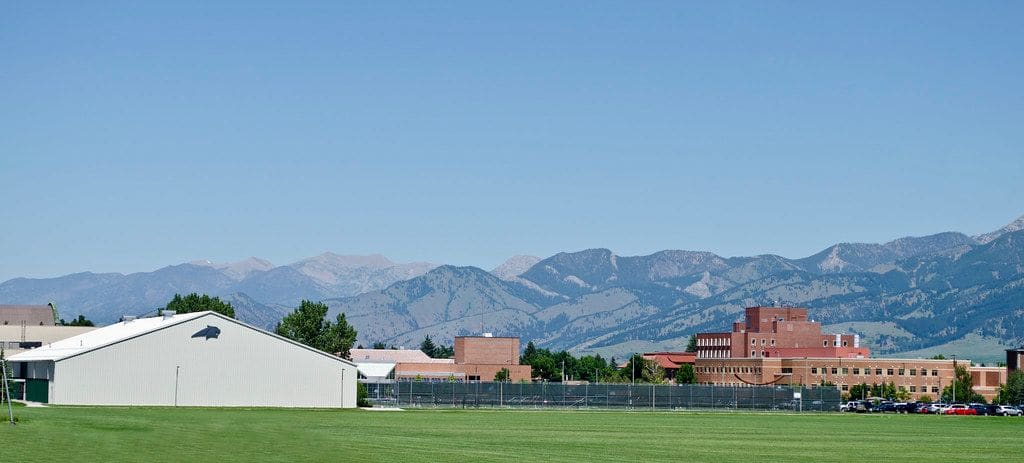
The Gallatin and Paradise valleys leading to Yellowstone's northern and western gates, where Bozeman pairs a lively college town with quick access to Big Sky's slopes, the Gallatin River and the park entrances at Gardiner and West Yellowstone.
Yellowstone River & the south-central plains
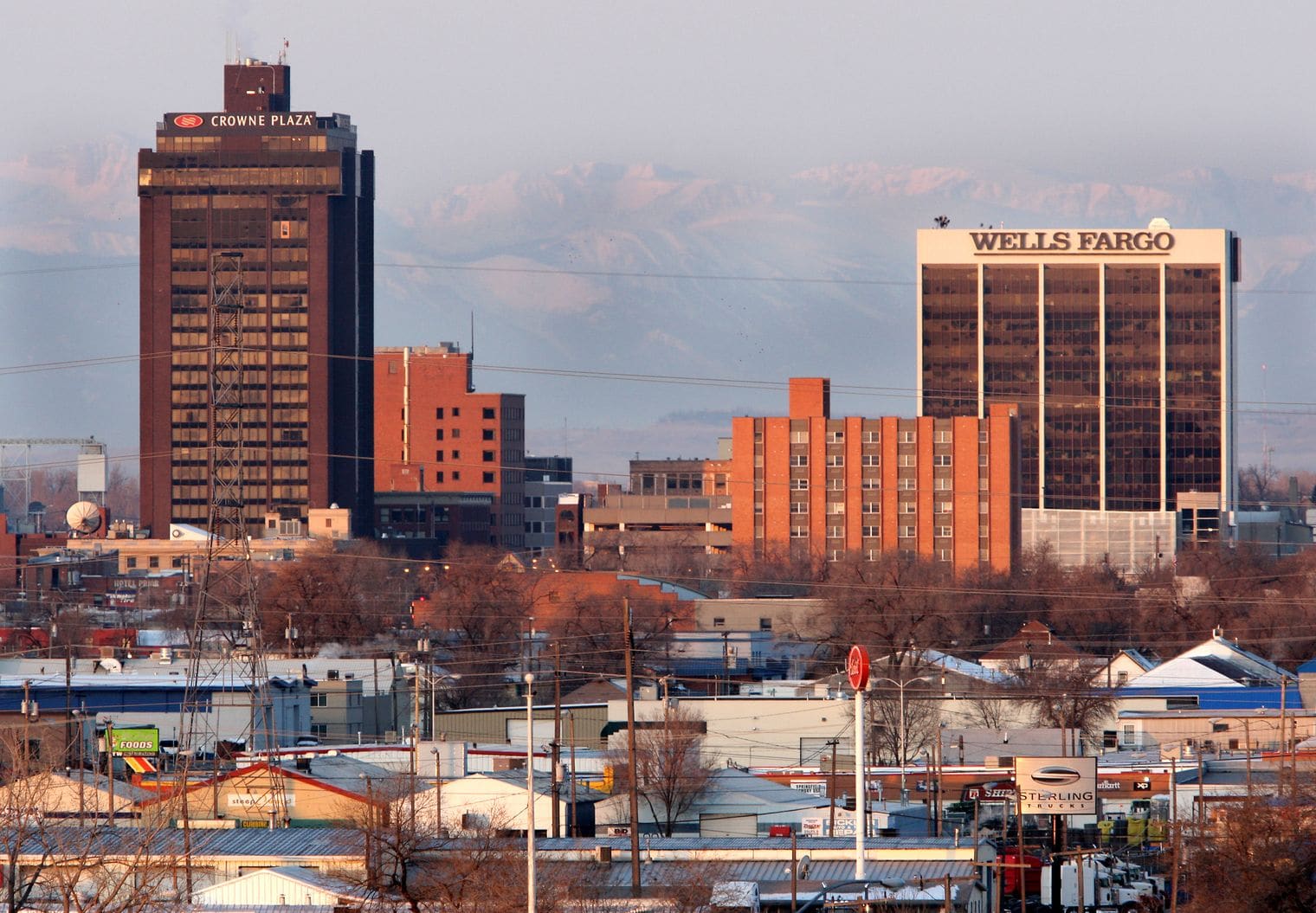
Big-sky ranch country along the Yellowstone River, where Billings — the state's largest city, ringed by the Rimrocks — is the basecamp for the Beartooth Highway, Red Lodge and the Pryor Mountains.
The Missouri River & central Montana
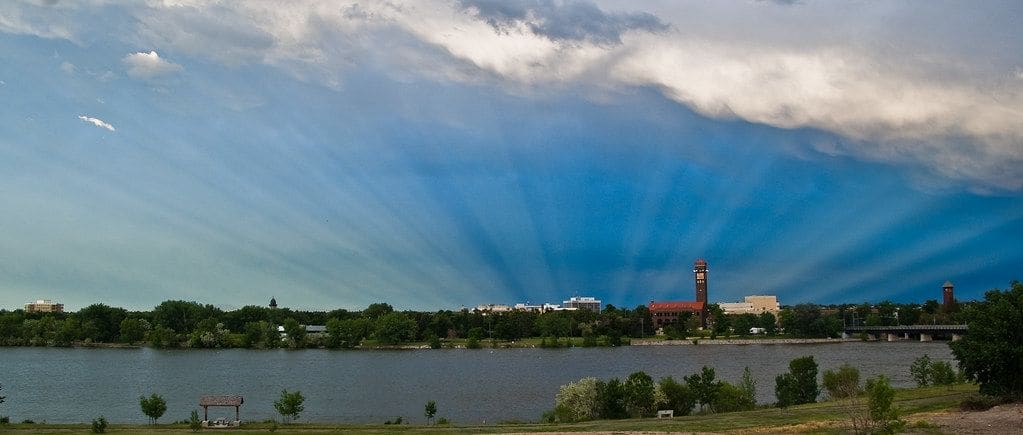
Where the plains meet the Rockies' front, and Great Falls sits by the Missouri's cascades and Giant Springs, with Lewis and Clark history, the C. M. Russell Museum and First Peoples Buffalo Jump nearby.
The eastern plains & badlands
The wide, empty east and south-east — badlands, wheat country and the Missouri Breaks — where the Little Bighorn Battlefield, Makoshika State Park's dinosaur badlands and the vast Charles M. Russell wildlife refuge reward the long drives.
Getting around
A rental car is essential — Montana is the fourth-largest state, the distances between towns are long, and public transit barely reaches the parks. Bozeman Yellowstone International is the busiest gateway and the natural start for Yellowstone and Big Sky; Billings serves the south-east and the Beartooth Highway, while Glacier is reached via the airports at Kalispell and Great Falls. Fill up whenever you can, carry water and layers, and check pass and road conditions in shoulder seasons, when snow can close high routes like Going-to-the-Sun and the Beartooth well into June.
The highlights Montana's signature sights & road trips
Montana's headline sights at a glance
Glacier National Park Glacier-carved peaks, turquoise lakes and the cliff-hugging Going-to-the-Sun Road over Logan Pass.Basecamp: Whitefish / Kalispell
Flathead Lake The largest natural freshwater lake in the West, ringed by cherry orchards below Glacier's peaks.
Suggested routes
Glacier to Yellowstone: the two-parks road trip
~1 week
The classic Montana journey, linking the state's two great national parks end to end with the mountain towns in between. Run it north to south; reverse it if you're flying into Bozeman first.
Whitefish / Glacier National Park — start in the north-west, drive the Going-to-the-Sun Road
Flathead Lake — lakeside stop heading south
Great Falls — Missouri River and Giant Springs on the way
Bozeman — Gallatin Valley basecamp for Yellowstone
Big Sky — detour for the slopes or the Gallatin River
Yellowstone National Park — enter at Gardiner or West Yellowstone
Beartooth & the south-east loop
3–4 days
A shorter southern loop from Billings that pairs the state's largest city with one of America's great alpine drives and Yellowstone's quiet north-east gate.
Summer, from June to August, is the classic window — it's the only time both Glacier and Yellowstone are fully open, the Going-to-the-Sun Road is clear of snow, and the alpine trails and rivers are at their best. September and early October are a quieter, golden alternative with excellent fishing, while winter is for skiing at Big Sky and Whitefish and for snowcoach tours into Yellowstone.
How many days do you need in Montana?
For a focused trip to one corner — Glacier in the north-west, or Yellowstone and Bozeman in the south-west — plan on four to five days. Linking both national parks with the towns in between is a classic week-to-ten-day road trip, and the distances are long enough that it's worth not trying to cram the whole state into one visit.
Do you need a car in Montana?
Yes. Montana is vast and the national parks, byways and small towns we cover are thinly served by public transit, so a rental car is essential. Most visitors fly into Bozeman for Yellowstone and Big Sky, or into Kalispell or Great Falls for Glacier, and drive from there — filling up often, because gas stops are sparse on the long stretches between towns.
What is Montana best known for?
Montana — nicknamed 'Big Sky Country' — is famous for its two great national parks, Glacier in the north and the northern gateway to Yellowstone along its southern edge, along with world-class fly-fishing on rivers like the Yellowstone, Madison and Missouri, the Beartooth and Going-to-the-Sun scenic drives, and wide-open ranch country under enormous skies.
Should you visit Glacier or Yellowstone in Montana?
If you can, do both — they sit at opposite ends of the state and each offers something different. Glacier National Park, in the north-west near Whitefish and Kalispell, is about alpine peaks, glacial lakes and the dramatic Going-to-the-Sun Road. Yellowstone, entered from the south-west near Bozeman via Gardiner or West Yellowstone, is about geysers, hot springs and wildlife. A full Montana road trip links the two with a week or more on the road.
When does the Going-to-the-Sun Road open in Glacier?
The full length of the Going-to-the-Sun Road over Logan Pass is only open for a few months in summer — plowing the deep alpine snow usually isn't finished until late June or early July, and the high section closes again with the autumn snows. The exact dates shift every year with the snowpack, and Glacier uses seasonal vehicle-reservation systems on its busiest corridors, so always check the National Park Service site before you go.
Is the Beartooth Highway worth driving?
Yes — the Beartooth Highway, which climbs to nearly 11,000 feet between Red Lodge and Yellowstone's north-east gate, is one of the most spectacular drives in the United States, with switchbacks, alpine lakes and tundra above the treeline. It's a seasonal road, typically open only from late May to mid-October, and snow can close it even in summer, so check conditions before setting out from Billings or Red Lodge.
Do you need to worry about bears in Montana?
Montana is home to both black and grizzly bears, and in the Glacier and Yellowstone regions you're in grizzly country, so it's worth being prepared. The standard advice is to make noise on the trail, hike in groups, store food properly, and carry bear spray and know how to use it. Encounters are uncommon if you take basic precautions, and park visitor centers post current guidance and any trail closures.
We use cookies to analyse site traffic and improve your experience.
You can accept or reject analytics cookies. See our Cookie Policy.