Set along the Missouri River in north-central Montana, Great Falls takes its name from the string of waterfalls that first drew Lewis and Clark, then the industry that made it the state's third-largest city. Entrepreneur Paris Gibson platted the townsite in 1883, and today around 60,000 people live here amid a rich blend of frontier history, Western art and wide-open landscapes. From thundering cascades and freshwater springs to museums, parks and a historic bison jump, here are the 25 best things to do in Great Falls.
Fun Facts About Great Falls, Montana
Great Falls is nicknamed the “Electric City” for the five hydroelectric dams that harness the Missouri River, beginning with Black Eagle Dam in 1890 — Montana’s first hydroelectric dam.
The city is named for the Great Falls of the Missouri, a series of five waterfalls that forced the Lewis and Clark Expedition into a grueling 18-mile portage in 1805 that took roughly a month.
Businessman Paris Gibson, backed by railroad magnate James J. Hill, platted the Great Falls townsite in 1883, envisioning “a Minneapolis on the Missouri.”
Great Falls is Montana’s third-largest city, with a population of just over 60,000 recorded in the 2020 census.
Famed cowboy artist Charles M. Russell lived and worked in Great Falls for 24 years, and his home and log studio there are now a National Historic Landmark.
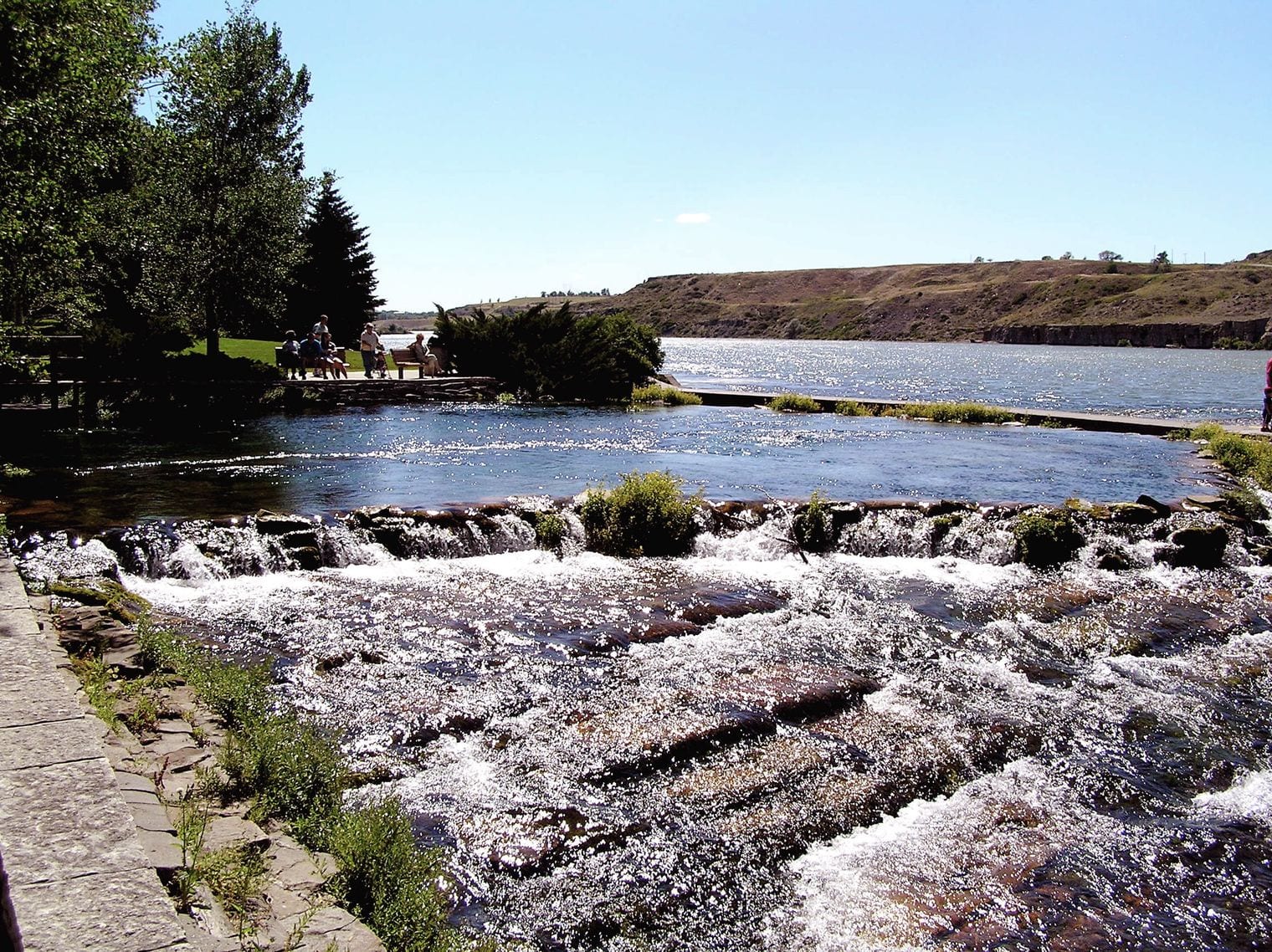
Giant Springs is one of the largest freshwater springs in the country, and the tiny Roe River it feeds — about 200 feet long — was once listed by Guinness as one of the world’s shortest rivers.
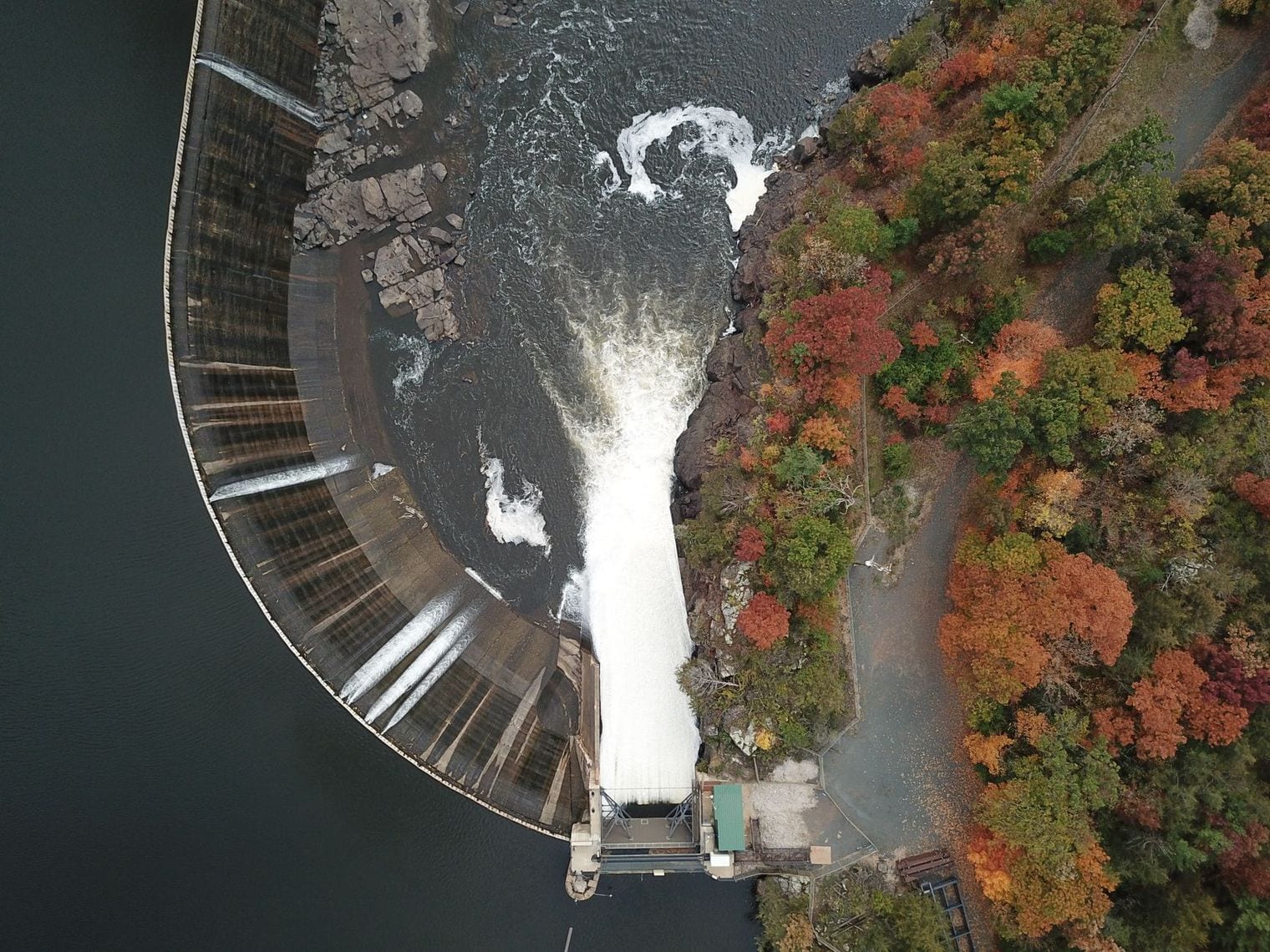
Roughly ten miles downstream of the city, Big Falls and Ryan Dam pair a thundering Missouri River waterfall with a century-old feat of engineering. The dam, completed in 1915, stretches 1,336 feet across and rises about 61 feet, a run-of-river structure perched atop the natural cascade. It backs up only a modest pool rather than a sprawling reservoir.
The waterfall itself drops around 87 feet on its own, and with the dam crowning it the combined descent is often cited near 148 feet, a genuinely awe-inspiring sight. Come for the sheer spectacle of churning water, then stay to cast a line or wander the surrounding trails. It rewards anyone willing to venture beyond downtown Great Falls.
One of the largest freshwater springs in the United States, Giant Springs pours roughly 150 million gallons a day into the Missouri River. This first-magnitude spring runs a constant 54 degrees year-round, and Lewis and Clark documented it back in 1805 during their journey up the river. Its clear, steady flow makes for a striking stop on any Great Falls visit.
The water arrives here on a remarkable journey. Snowmelt from the Little Belt Mountains, some 60 miles away, seeps underground and travels for roughly 3,000 years before resurfacing at the springs. That cold, dependable flow now feeds a state trout hatchery, so you can watch the fish while you take in one of Montana’s most impressive natural water sources.
Anyone drawn to the art of the American West should make time for the C. M. Russell Museum, home to one of the country’s finest collections of Western American art. Its galleries center on Charles M. Russell himself, the cowboy artist who made Great Falls his home, alongside works by Winold Reiss, Joseph H. Sharp, E. E. Heikka and other influential painters and sculptors.
With more than 3,000 pieces to explore, you can trace how these artists captured frontier life, Native cultures and the sweeping Montana landscape. Beyond the permanent collection, the museum keeps things lively with rotating exhibitions, guided tours, lectures and special events throughout the year, making it a rewarding stop whenever your travels bring you through the region.
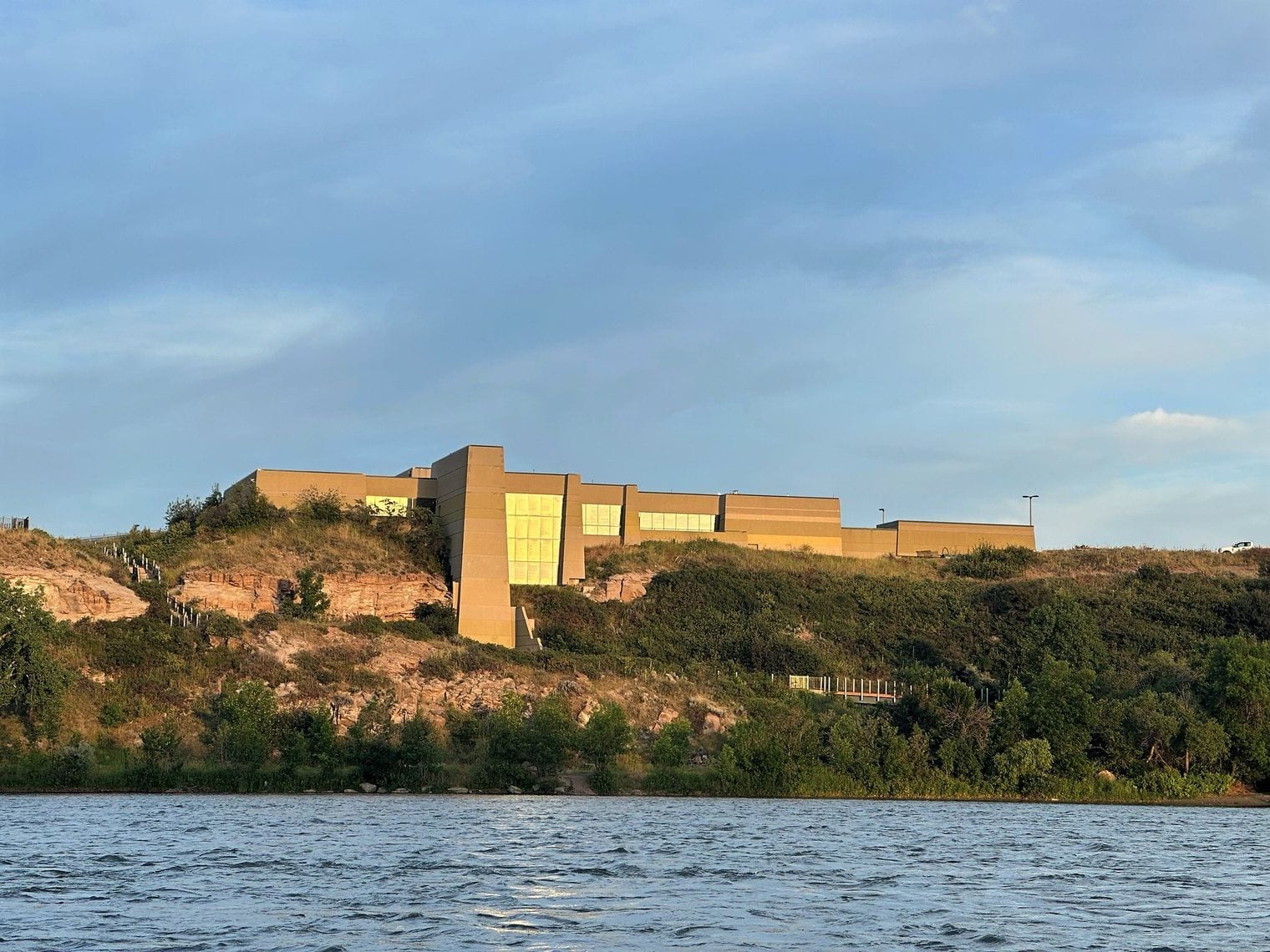
If the story of the American West fascinates you, make The Lewis and Clark Interpretive Center a priority. It brings the Corps of Discovery to life through interactive exhibits and multimedia presentations, tracing the expedition’s grueling journey across the frontier. You’ll follow the explorers step by step, gaining a vivid sense of the challenges they faced on the way.
Beyond the storytelling, the center holds an extensive collection of expedition artifacts, from journals and maps to period weapons, that ground the history in tangible detail. Educational programs geared to all ages round out the experience, making it as rewarding for curious kids as for lifelong history buffs. It’s one of Great Falls’ most enriching stops for anyone drawn to the past.
If you skate, make time for Riverside Railyard Skate Park, a standout stop along the Missouri River in Great Falls. Spanning 27,000 square feet, it welcomes riders of every skill level with a generous mix of features to explore, from a deep 9-foot bowl to an array of pipe rails, ledges, and smooth transitions.
The park’s credentials add to the appeal: it was developed in partnership with the International Association of Skateboard Companies and the Tony Hawk Foundation, so the design genuinely delivers. Whether you’re carving the bowl, dialing in a line, or simply watching the action roll by, it’s a lively spot to get your wheels moving.
Gibson Park is Great Falls at its most relaxed, a leafy downtown green space built for slow afternoons. Wander among flower gardens and scattered sculptures, spread a blanket in the picnic areas, or let the kids loose on the play areas. Down at the pond you’ll watch ducks paddle and swans glide across the water.
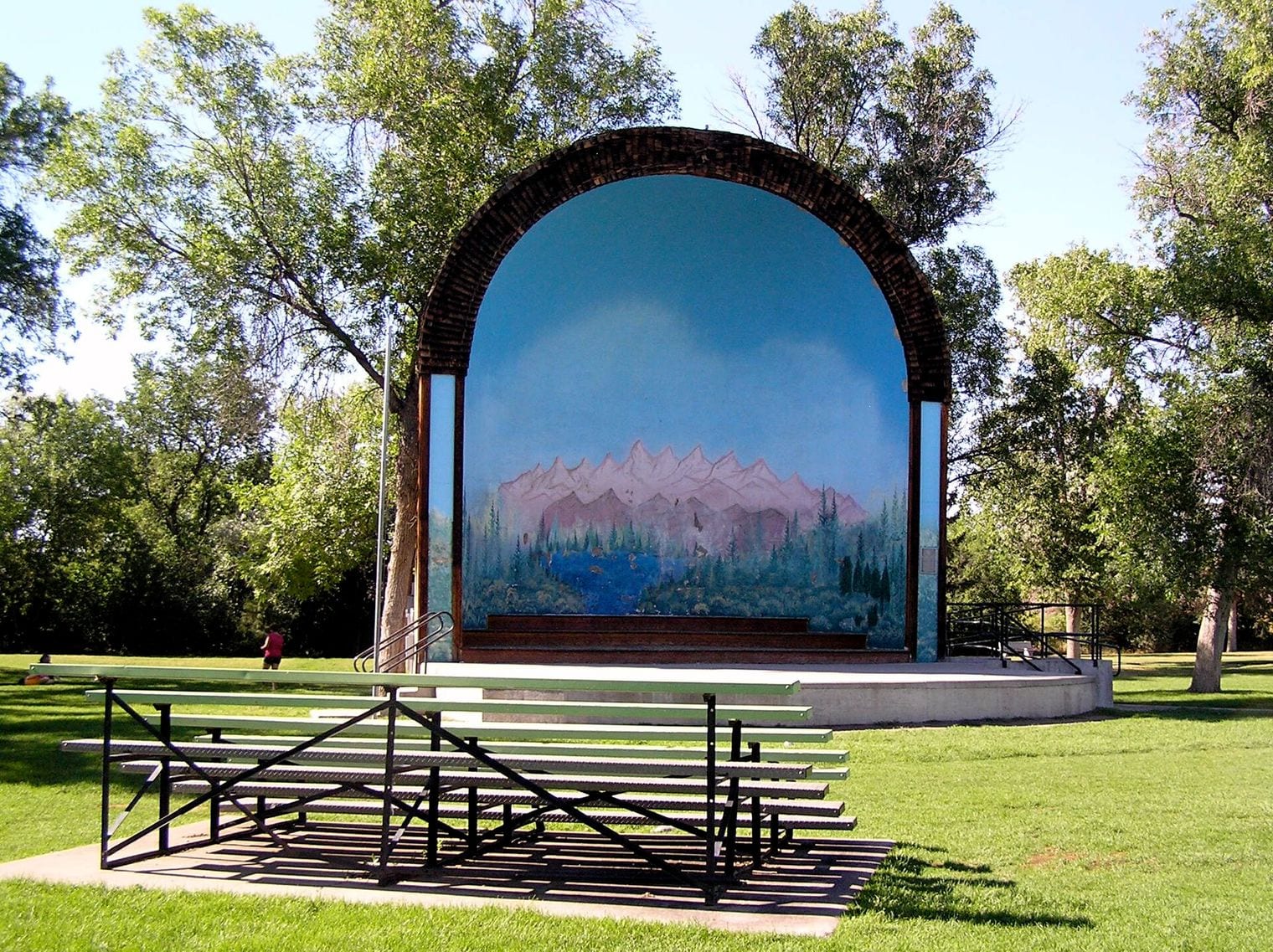
There’s history here too: the year-round Historic Vinegar Jones Cabin sits within the grounds, a tangible link to the city’s early days. Time your visit for a concert and you can catch local bands playing from the bandstand, and the park’s rentable pavilions make a fine backdrop for a family gathering or special occasion outdoors.
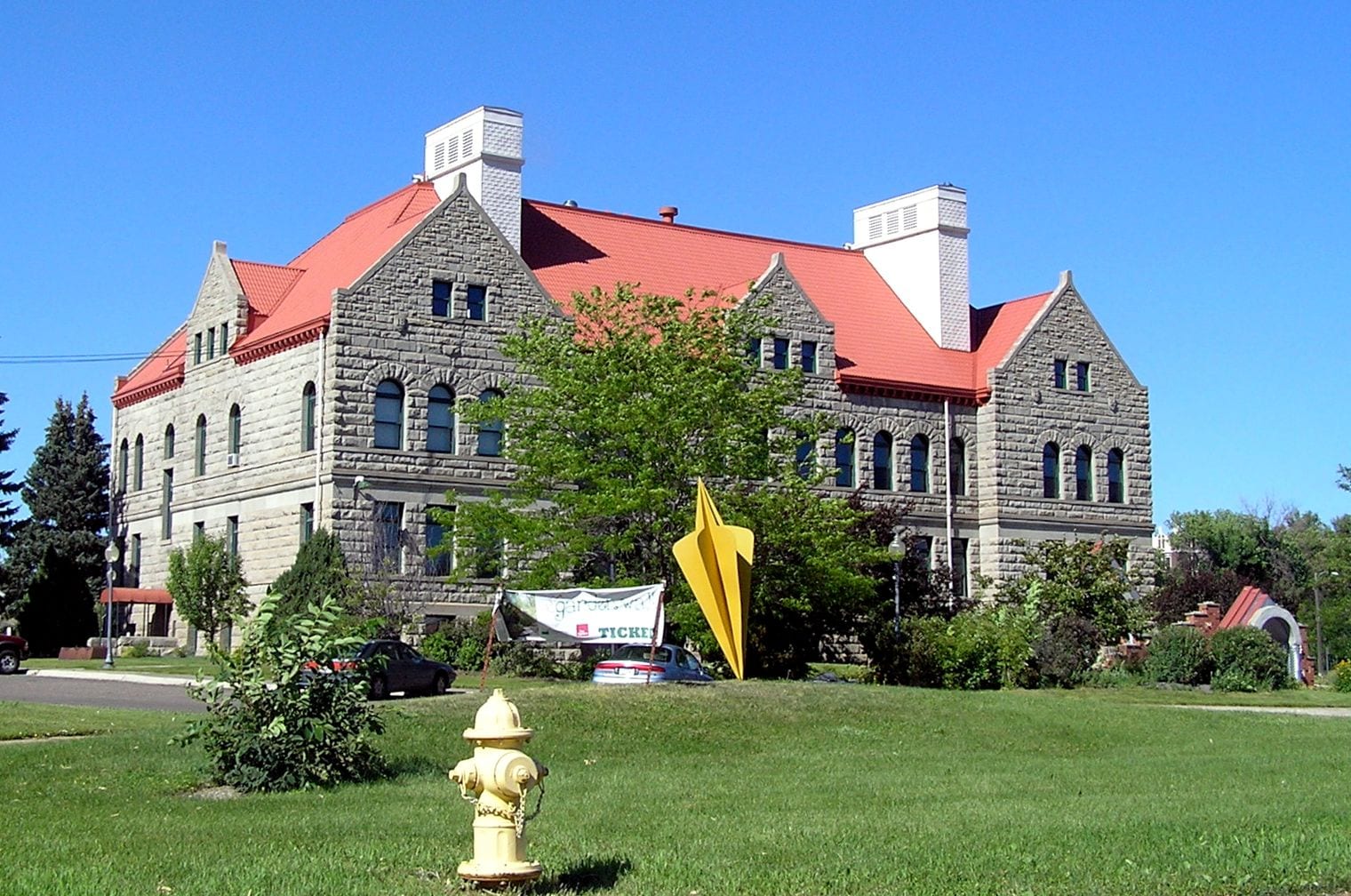
Set inside a handsome sandstone building from 1896, the Paris Gibson Square Museum of Art wears its history proudly. For thirty-four years the structure served as Central High School, later becoming Paris Gibson Junior High. In 1977 the community rallied to renovate and reopen it, giving the landmark a bold new life as a cultural anchor downtown.
Today the Square is devoted to nurturing the region’s creative spirit. You can wander contemporary art exhibitions, sign up for hands-on classes, or catch a lecture, docent-led tour, or live performance. It’s a welcoming stop that pairs striking historic architecture with fresh, thought-provoking work, making it an easy favorite for anyone exploring the Great Falls art scene.
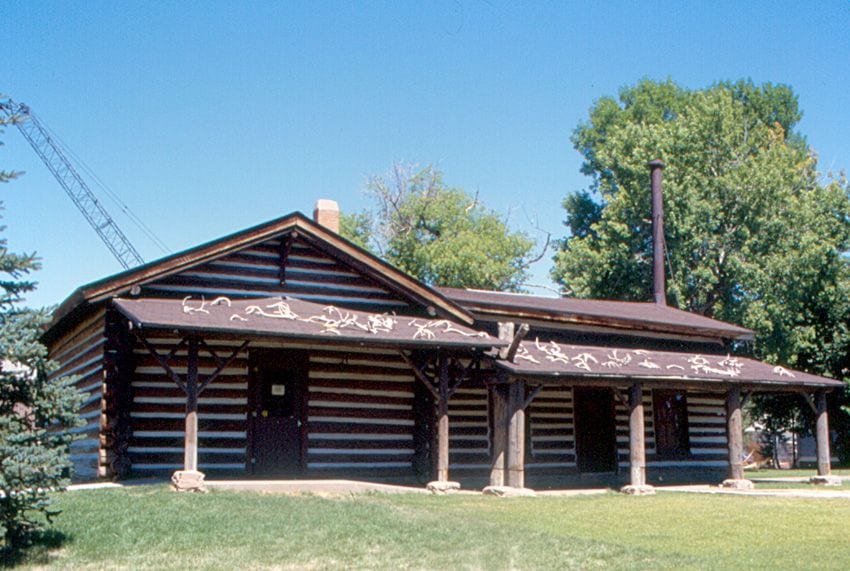
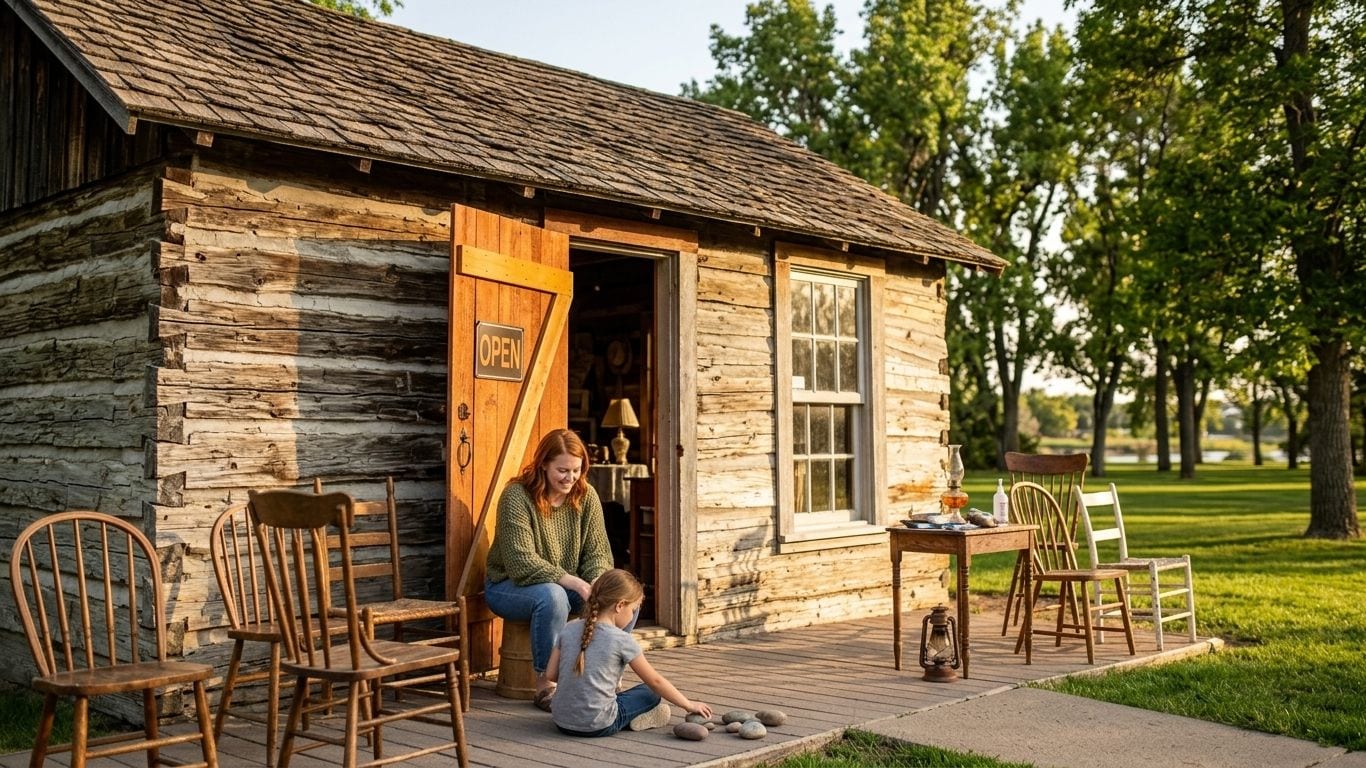
Tucked into Gibson Park, the Vinegar Jones Cabin is one of Great Falls’ most charming windows into frontier life. Fort Benton carpenter Josiah Peeper built it in 1884, and it takes its name from Whitman Gibson “Vinegar” Jones, who lived in and preserved the little log home from 1890 through 1931.
Step inside and you’ll find a room that feels frozen in the 19th century, furnished with period pieces, maps and interpretive displays that sketch out everyday pioneer living. It’s a quick, atmospheric stop that pairs naturally with a stroll through the surrounding park, rewarding anyone curious about how the region’s early settlers actually made their homes.
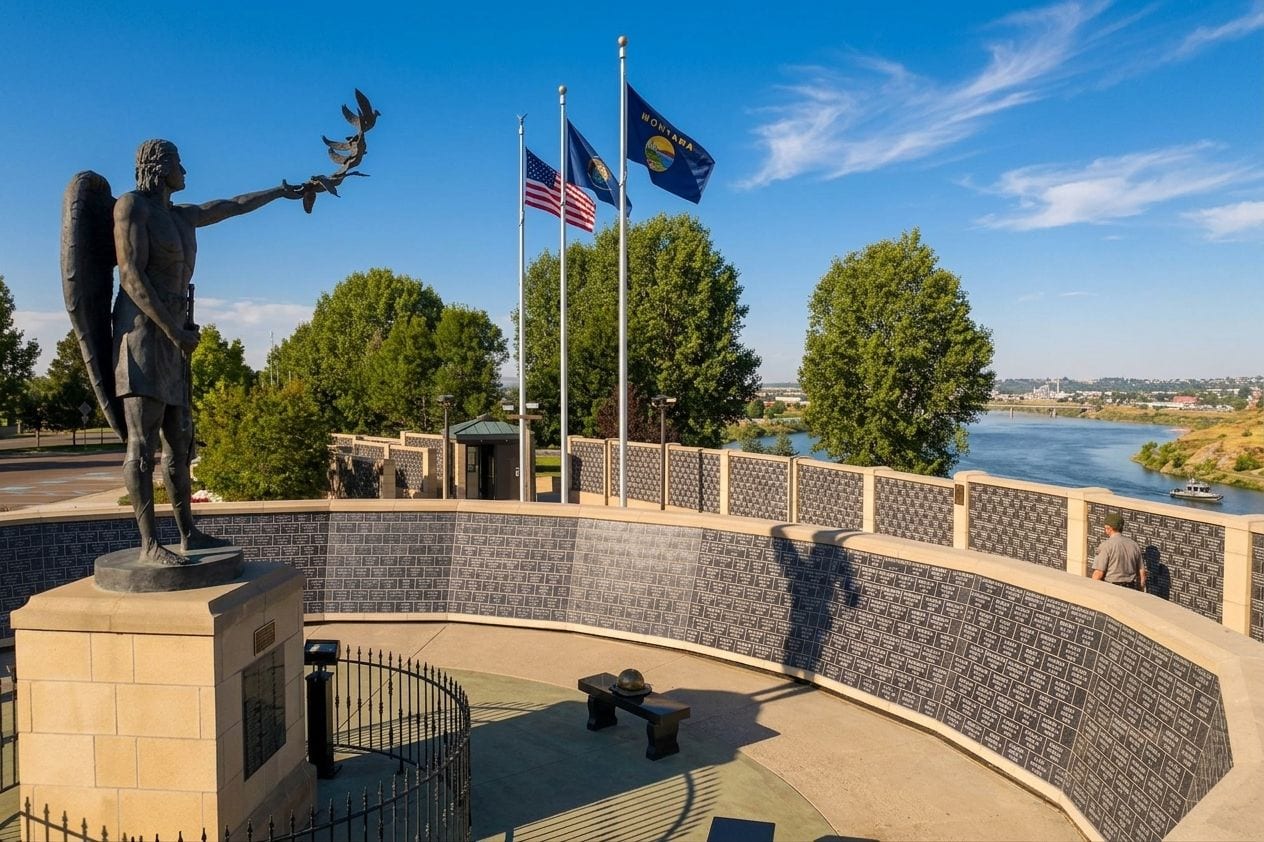
The Montana Veterans Memorial is a solemn tribute to the state’s fallen soldiers, and a quietly moving stop on any visit to Great Falls. At its heart, a large circular plaza centers on a statue of a soldier kneeling in prayer, ringed by engraved names honoring the Montanans who gave their lives in combat.
Open to the public year-round, it offers a peaceful place to pause and reflect on the sacrifices of veterans and the families they left behind. Throughout the year the memorial also anchors ceremonies such as Memorial Day observances and wreath layings, so you may find the grounds gathered for remembrance during your stay.
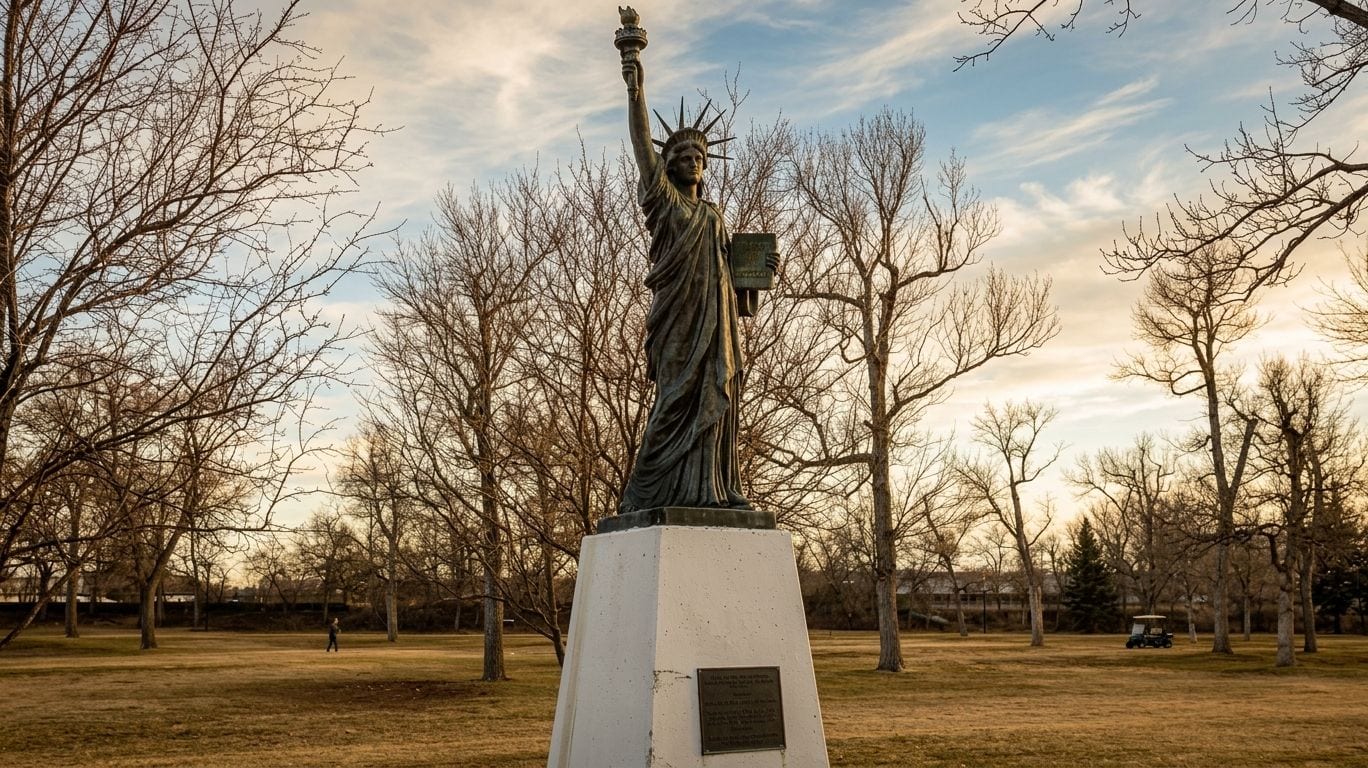
Not every Statue of Liberty stands in New York Harbor. Tucked into Gibson Park, Great Falls has its own Statue of Liberty Replica, a roughly eight-and-a-half-foot copper Lady Liberty raised on a stone base. It is one of some 200 such replicas placed across the country by the Boy Scouts of America.
The Scouts installed it in 1951 as part of their “Strengthen the Arm of Liberty” campaign marking the organization’s 40th anniversary, and it has watched over the park ever since. Whether you are drawn by patriotism or simply curious about the city’s landmarks, it makes an easy, memorable addition to a stroll through downtown Great Falls.
A short drive southwest of the city near Ulm, First Peoples Buffalo Jump State Park preserves one of the largest bison cliff jumps in North America. For more than a thousand years, Plains tribes drove herds off the mile-long sandstone cliff, and the compacted bison remains layered in the soil below run as deep as eighteen feet in places.
Inside, an interpretive center brings the story to life with exhibits, a storytelling circle and a bookstore. Outside, you can walk the hiking trails, watch a busy prairie-dog town, spread out at the picnic areas and take in wide-open prairie views. It makes an easy, memorable half-day trip for families exploring the country around Great Falls.
For a peaceful stretch of Montana wilderness, set aside time for Benton Lake National Wildlife Refuge, a quiet nature preserve just north of Great Falls. Established in 1935 as a sanctuary for migratory waterfowl, it spreads across more than 16,000 acres, giving you plenty of room to wander its trails and soak up the wide, open prairie stillness.
The refuge stitches together a patchwork of habitats, from shallow wetlands and open prairie to woodlands and riparian corridors along the water. That variety makes it a rewarding stop for birdwatchers, so bring your binoculars and watch for waterfowl and other wildlife. Lace up your boots, follow the hiking paths, and let the landscape unfold at its own unhurried pace.
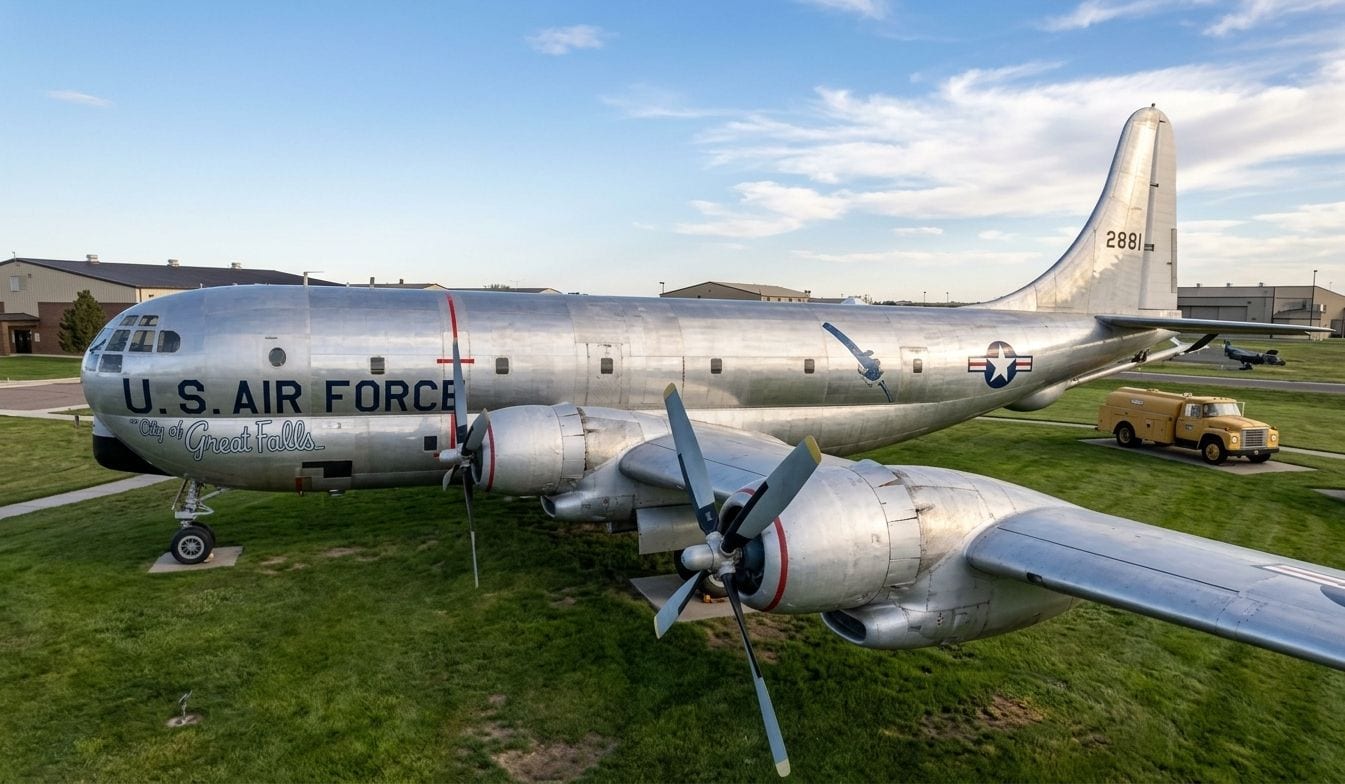
Aviation buffs and military-history fans will want to make time for the Malmstrom Air Force Base Museum and Air Park. This sprawling museum honors the story of America’s Air Forces and the Montana National Guard, with displays that trace the base’s long-running contributions to the nation’s defense and its enduring role in the region.
The real draw sits outside in the air park, where you can walk right up to retired aircraft parked on the grounds. Standouts include a sleek F-16 Fighting Falcon and a hulking C-130 Hercules, giving you a close-up sense of scale you simply cannot get from a photo. It is a memorable, hands-on slice of Great Falls history.
Families chasing a day of play and discovery should head to Spark! Children’s Museum of Montana, tucked into downtown Great Falls at 201 2nd Avenue South. As one of Montana’s oldest and largest children’s museums, it has been sparking young imaginations since 1997, blending science, history, and creativity into a space built entirely around hands-on fun.
Inside, you’ll find interactive exhibits designed for little ones, roughly ages zero to twelve, where climbing, building, and experimenting are always encouraged. Every station invites curious minds to touch, tinker, and learn through play, nurturing both imagination and early development. It’s a lively, welcoming stop that turns an afternoon into an adventure your kids won’t soon forget.
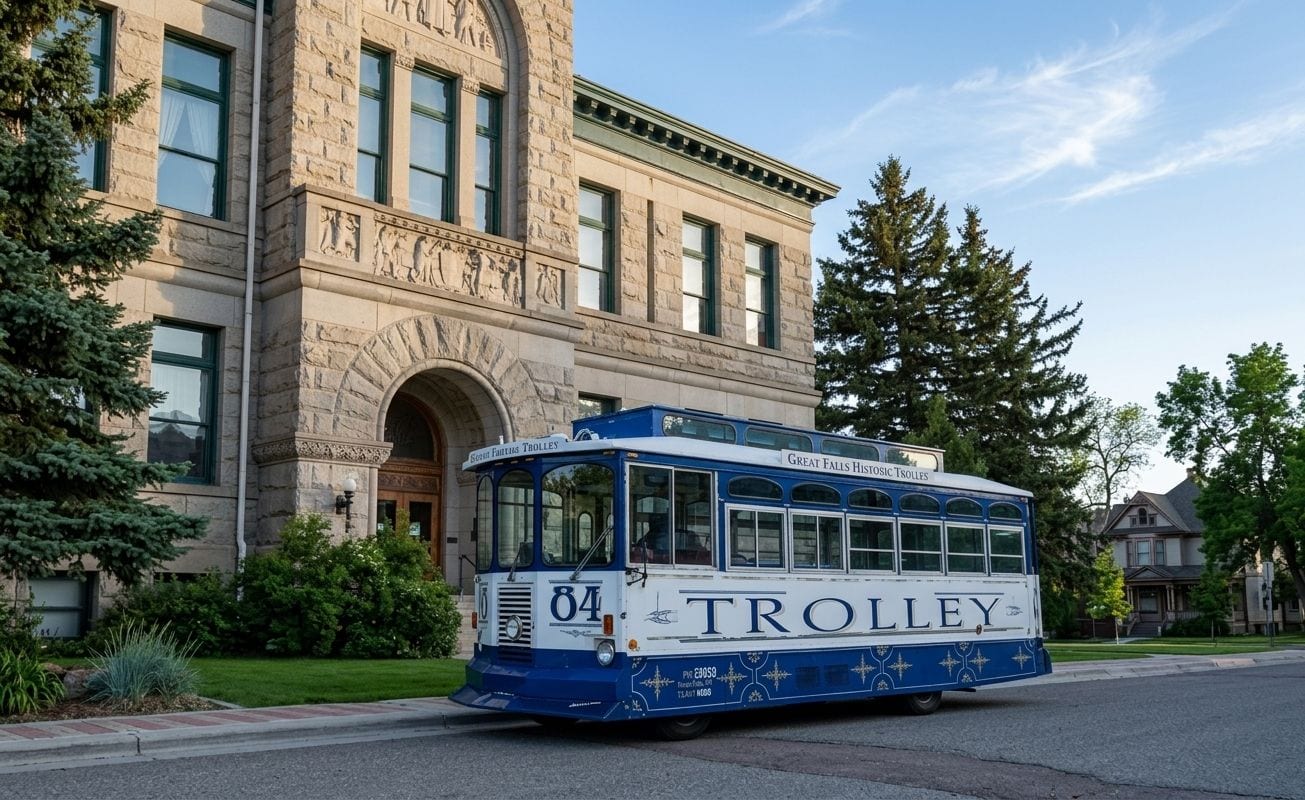
Hop aboard the Great Falls Trolley for a guided ride past the city’s landmarks, with several themed routes to choose from. The Downtown Tour rolls through the heart of Great Falls, taking in Gibson Park and other favorite sights, while the Lewis and Clark Tour traces the landmarks that commemorate the famous expedition’s journey through the region.
History buffs will appreciate stops tied to the Corps of Discovery, including First Peoples Buffalo Jump and Fort Benton. If sweeping views are more your speed, the Scenic Tour frames the Rocky Mountains and the Missouri River, with a pause at Giant Springs State Park. It’s a relaxed, story-rich way to get your bearings around town.
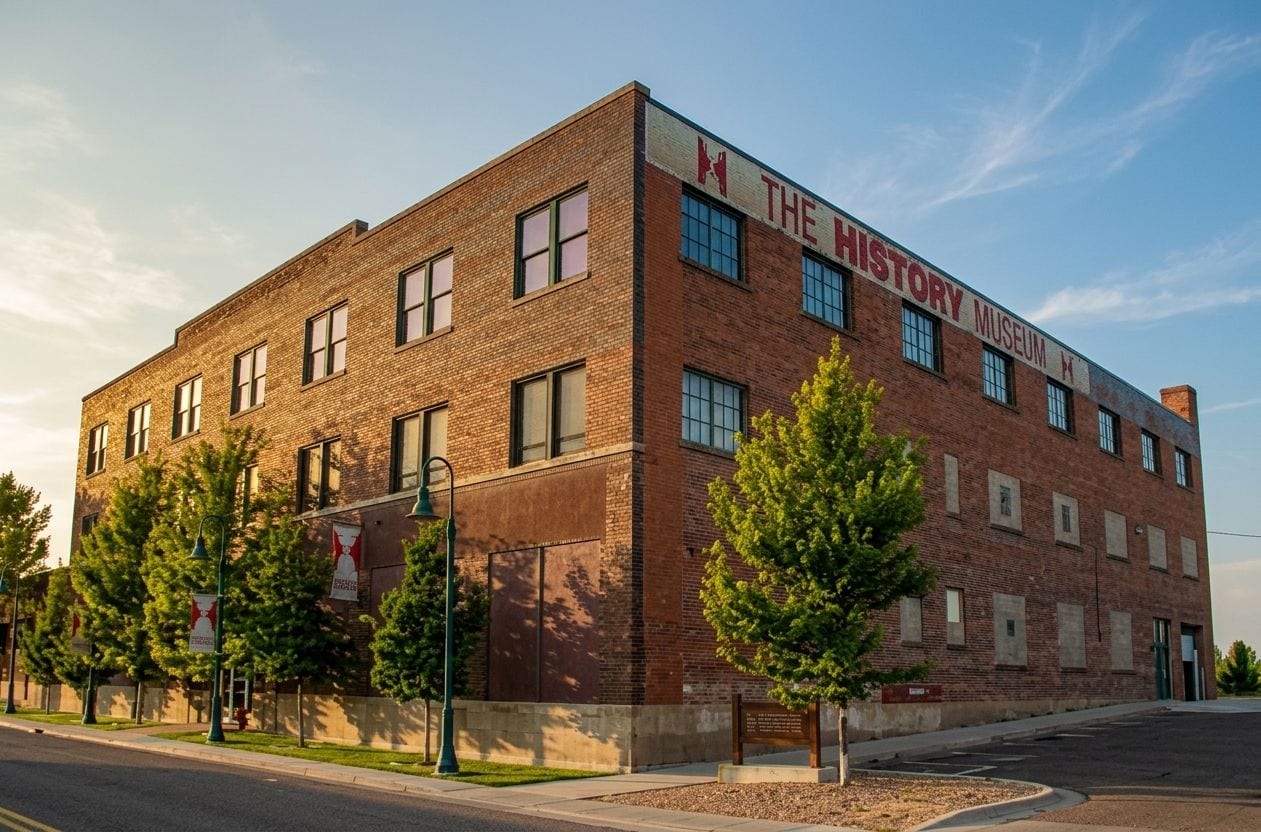
Dig into the story of Great Falls and the region at The History Museum, founded in 1972. Its exhibits trace Montana’s past across many threads, from the Lewis and Clark Expedition and early aviation to agriculture and the everyday lives of the people who settled this stretch of the Missouri River country.
Behind those displays sits a sprawling permanent collection of historical objects, artifacts, and archives gathered over decades. Whether you are chasing your own family roots or simply curious about how this corner of Montana took shape, you will find plenty here to slow down for and quietly absorb before heading back out to explore the city.
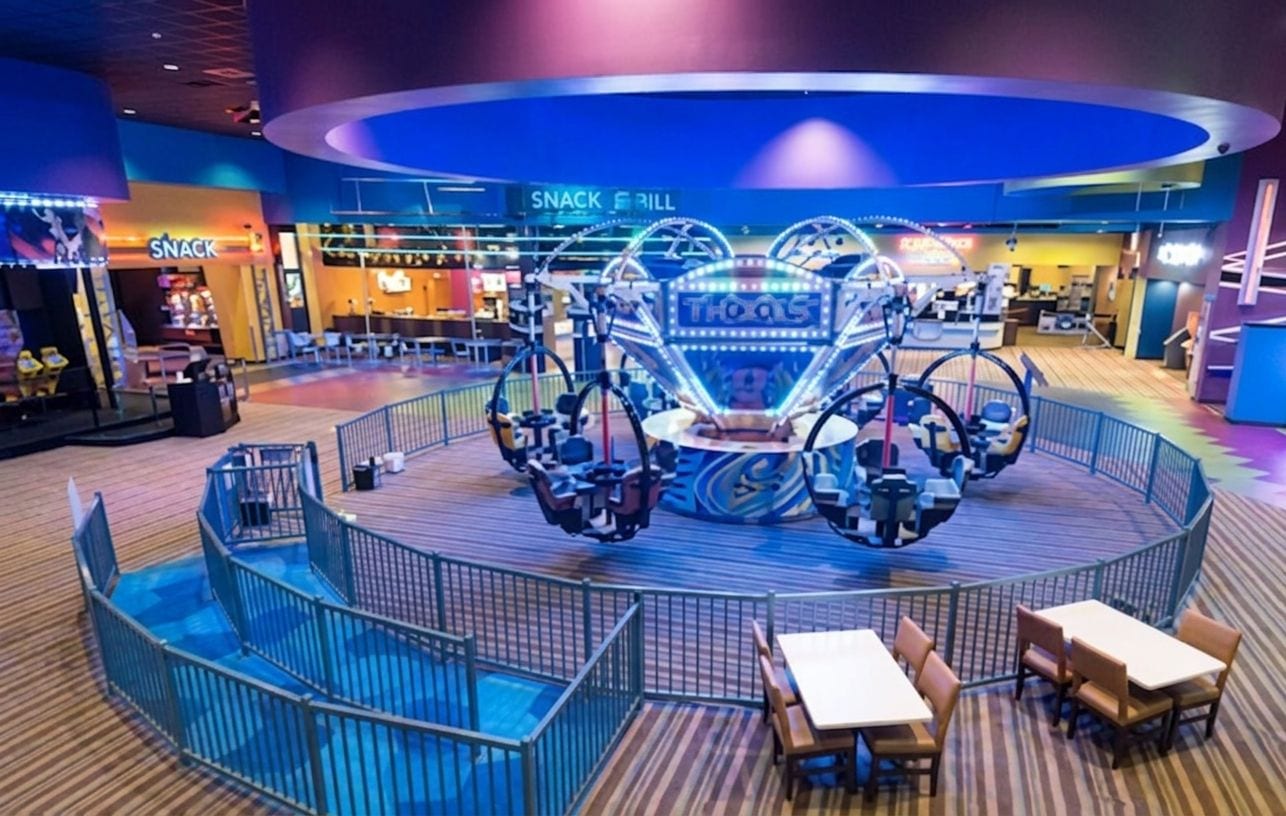
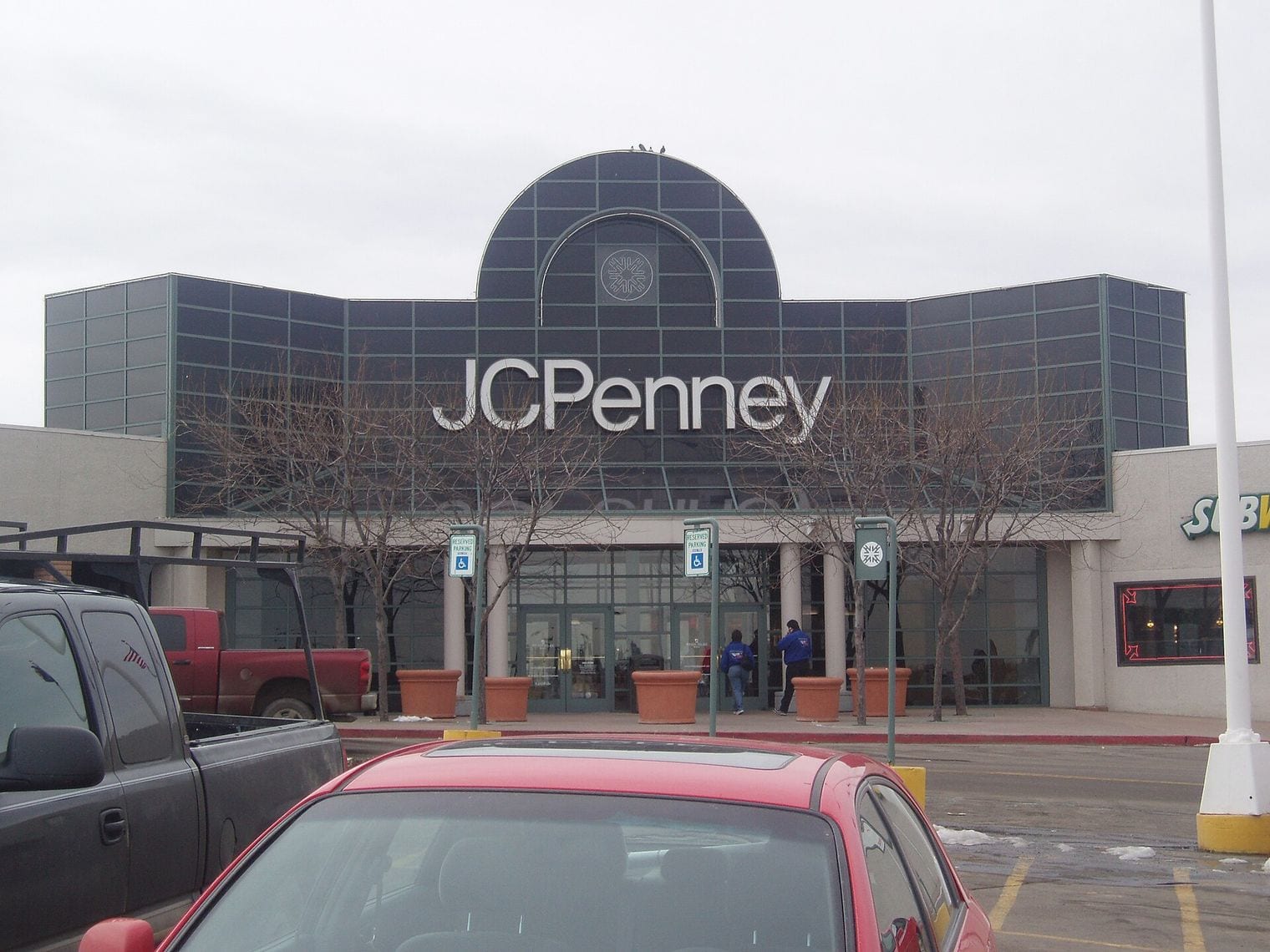
When you need a break from Great Falls’ rivers and trails, Holiday Village Mall pulls the whole family under one roof. Browse familiar anchor stores including Walmart and JCPenney, then wander the wider stretch of shops for everything from everyday errands to a little casual retail therapy between your outdoor adventures around the city.
The mall keeps you fed and entertained well beyond the storefronts. Grab a bite at one of the sit-down and quick-serve restaurants, catch whatever is playing on the movie theater screens, and let younger travelers burn off energy in the kid-friendly play area. It is an easy, weatherproof stop that works no matter the Montana forecast outside.
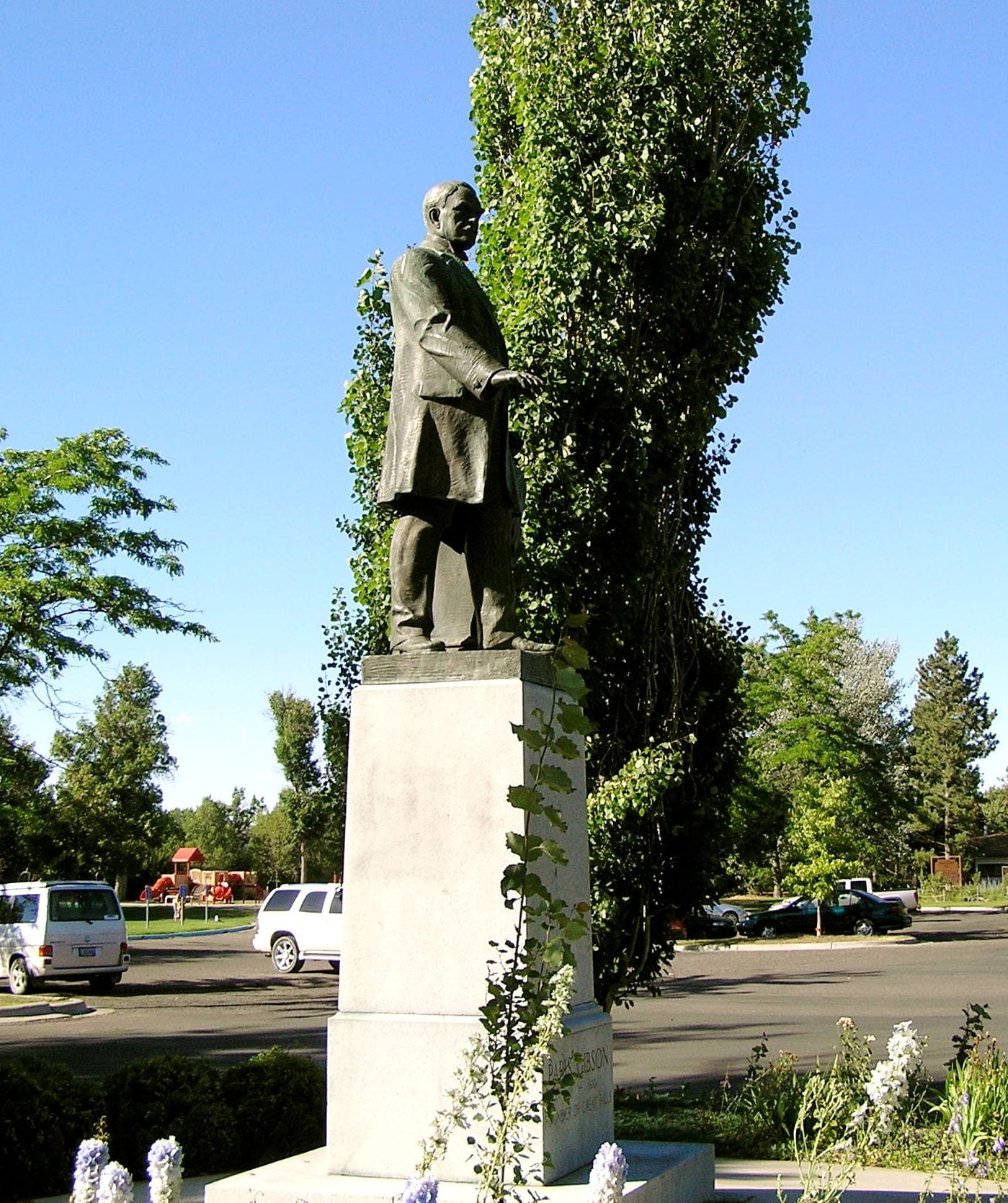
A tribute to one of the city’s founding figures, the Paris Gibson Statue honors the entrepreneur who moved to town in 1889 and shaped its earliest years. Gibson threw himself into local business and politics, eventually serving as mayor, and his vision helped set the young settlement on its course toward a lasting future.
Placed in 1966, the bronze figure stands tall above downtown along Main Street, holding a scroll that proudly proclaims “Great Falls - A City With A Future!” Pause here to reflect on how far the community has come since its early days, and you’ll find it a fitting stop while exploring the historic heart of town.
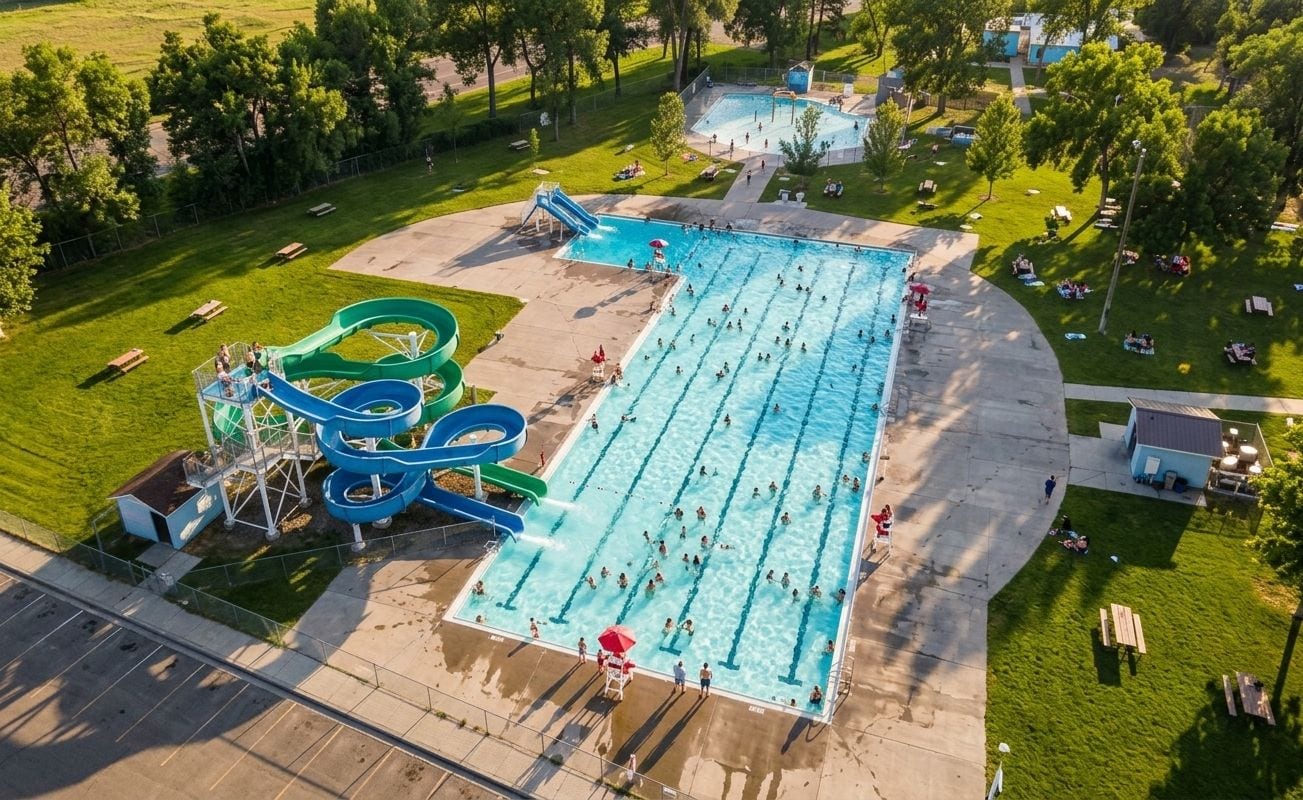
Cool off on a hot summer day at Electric City Water Park, a lively aquatic playground in downtown Great Falls. Thrill-seekers can plunge down the Kamikaze Slide or race a friend on the Double Dipper, while the winding lazy river offers a gentler way to drift and unwind. There is genuinely something here for every age.
Families with little ones will appreciate the dedicated children’s area, complete with mini-slides and playful spray jets sized for smaller swimmers. Whether you are chasing splashy adventure or simply floating away an afternoon in the sun, it makes an easy, refreshing stop when the Montana heat rises. Pack your swimsuit and plan for a fun-filled day.
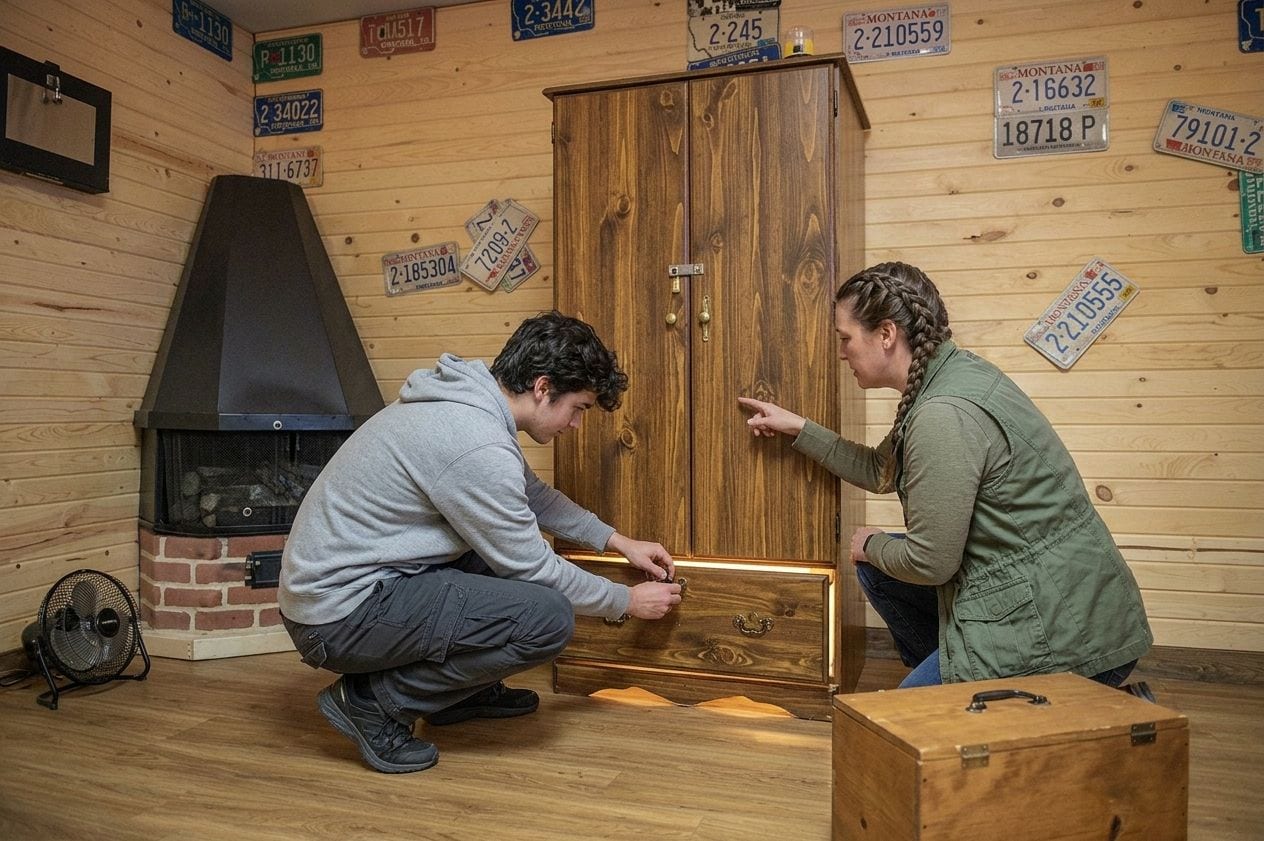
Ready to test your wits under pressure? Escape The Falls is an interactive escape room in Great Falls where you and your crew are locked into a themed scenario and given one hour to break free. It is a natural fit for families, groups of friends, or a work team looking for a hands-on bonding challenge.
Inside, you will hunt down carefully crafted clues, piece together hidden puzzles, and race the clock to outwit some of history’s most notorious criminals. Communication and quick thinking are everything, so rally your sharpest teammates. When the rest of Great Falls has you outdoors, this indoor thriller makes a perfect change of pace.
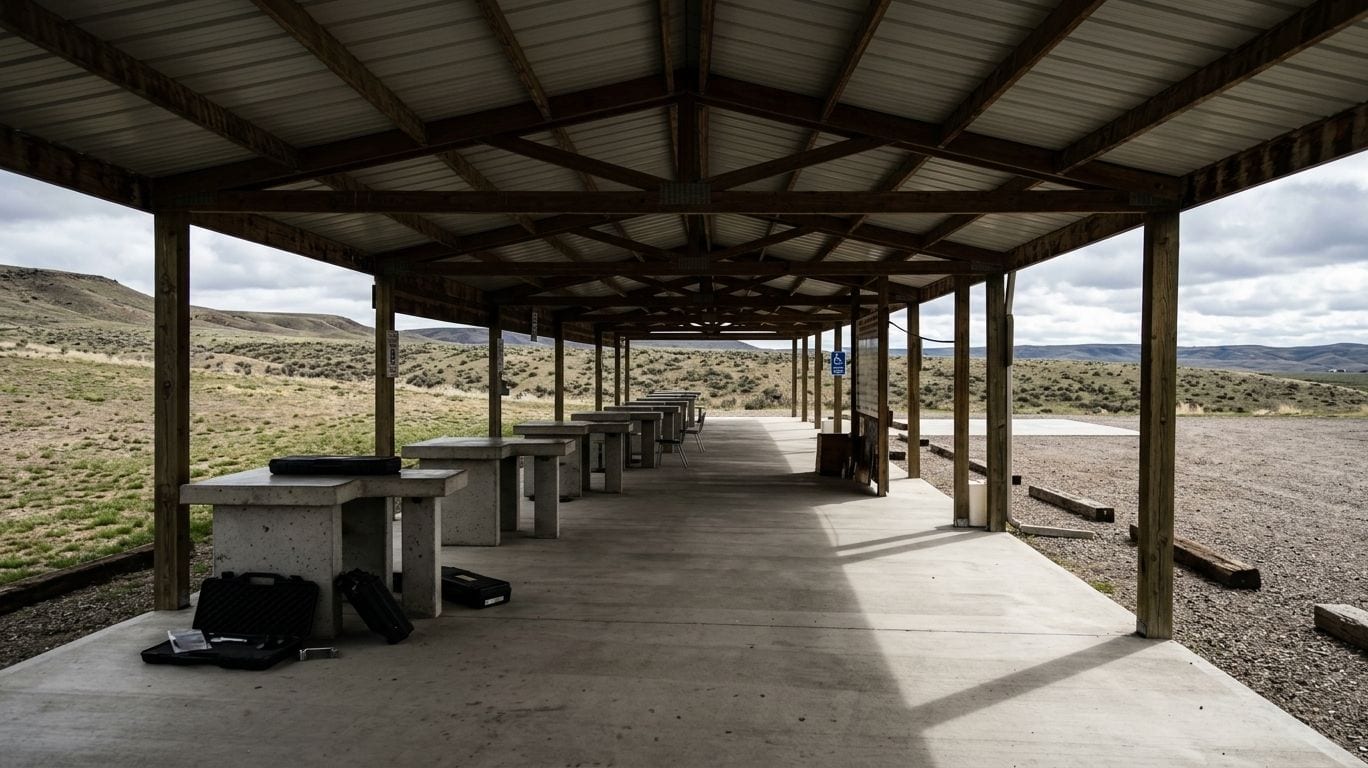
If you like taking aim, the Great Falls Sports Shooting Complex hands you three disciplines under one roof: archery, airsoft, and pistol shooting. It’s built for every skill level, so whether you’re a curious first-timer or a seasoned marksman, you can spend an afternoon testing your accuracy and coming away with a new personal best.
The archery range stretches across twenty lanes with targets set from ten to seventy yards, giving your form room to grow. A cavernous airsoft arena holds as many as two hundred players for team battles, while the seven-lane pistol range places targets between seven and twenty-five yards. It’s a genuine draw for anyone who enjoys the challenge of a steady hand.
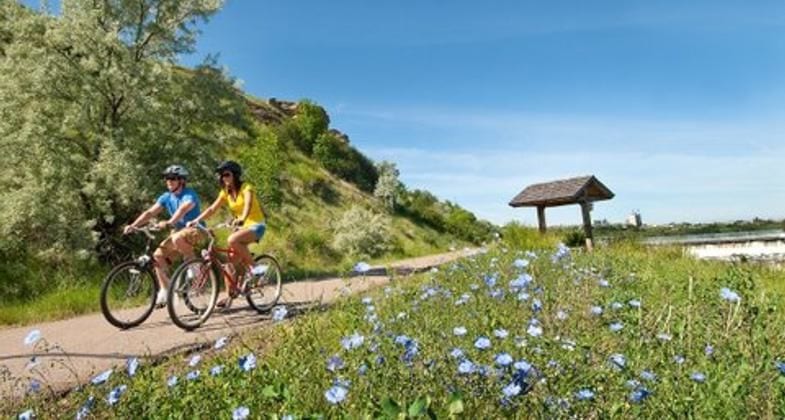
Lace up and follow the River’s Edge Trail as it traces the Missouri River through the heart of Great Falls. This multi-use path welcomes walkers, runners and cyclists of every age and ability, staying open year-round. Peaceful and scenic, it makes an easy way to slow down and connect with the water.
As you go, sweeping river views open up at nearly every turn, with benches and picnic tables set along the way whenever you feel like pausing for a rest or an outdoor meal. Interpretive signs scattered throughout share the story of the river’s history and local ecology, so you learn a little as you wander.
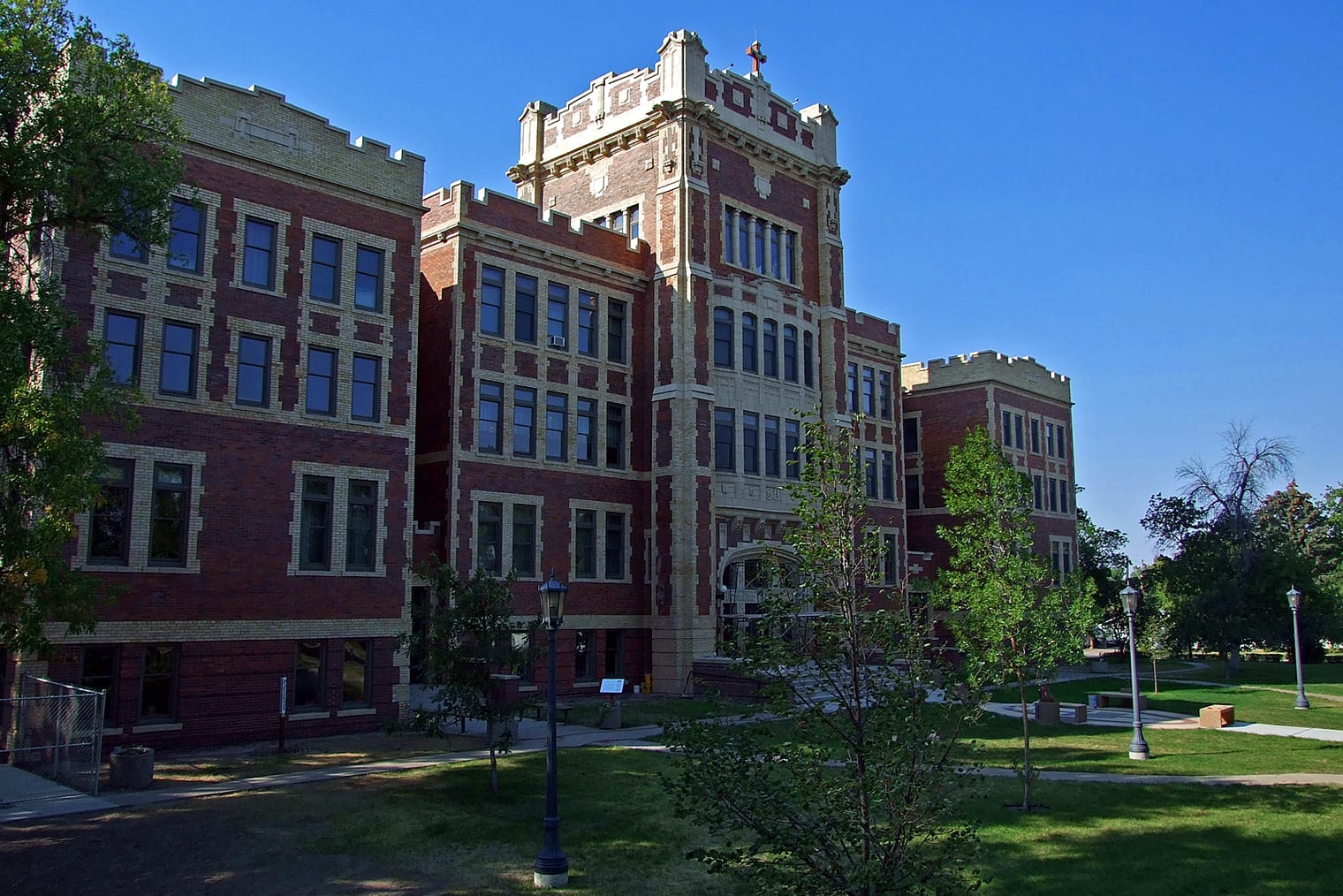
For more than a century, The Ursuline Center has anchored a corner of Great Falls with a quiet sense of purpose. The Ursuline Sisters first came to Montana in 1884 under Mother Amadeus, and their landmark Great Falls building opened in 1912 as a school and place of ministry – a heritage that still shapes the atmosphere you feel the moment you step through its doors.
The Ursuline Sisters have called it home ever since, carrying on a long tradition of teaching and charitable work. Today you can explore the center’s remarkable history and browse the gift shop for religious items and keepsakes. It’s a peaceful, reflective stop that rewards anyone curious about the spiritual roots of Great Falls.
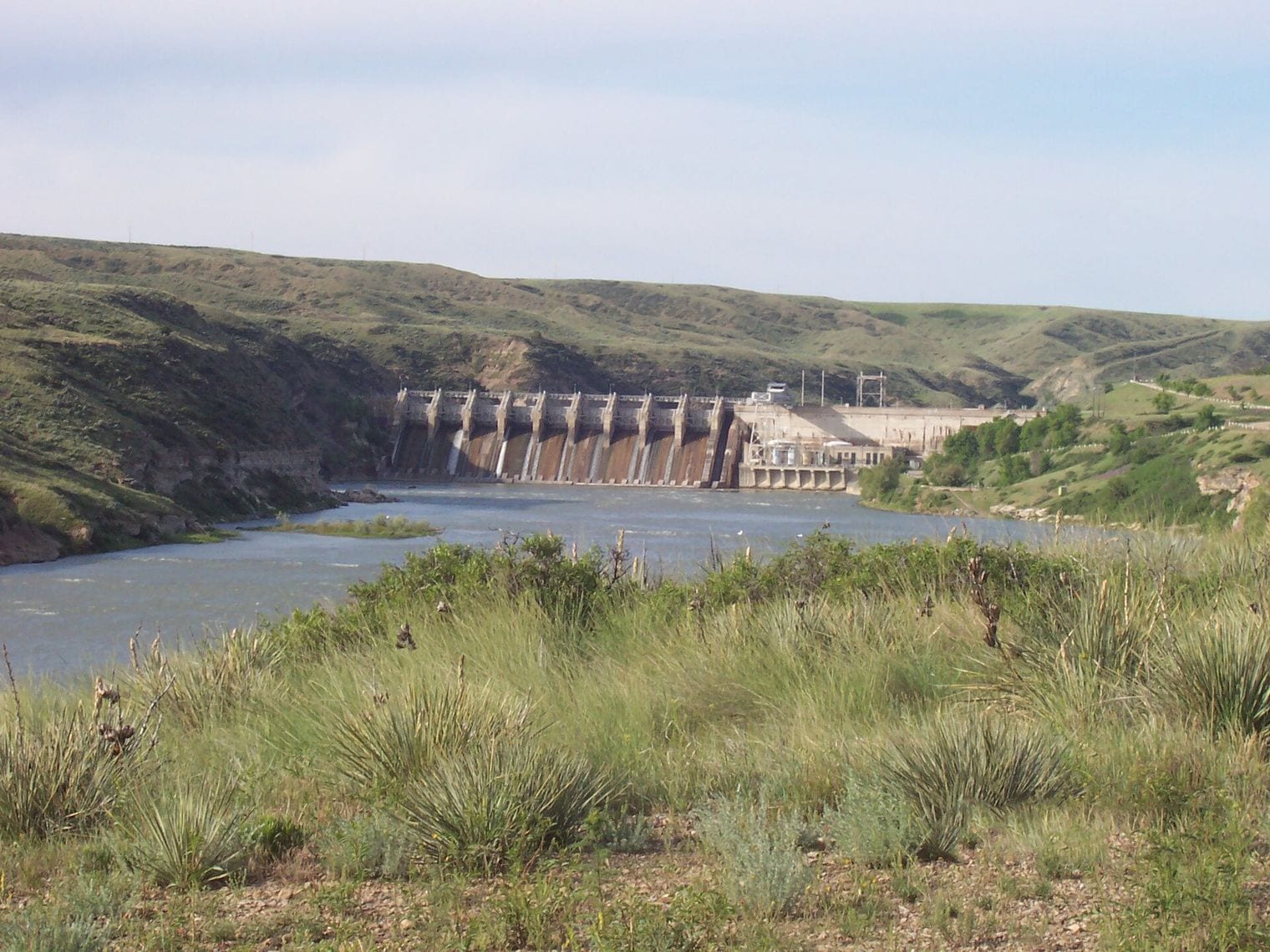
Head downstream from the city and you’ll reach Morony Dam, a historic hydroelectric station on the Missouri River completed in 1930. It’s the farthest-downstream of the string of dams that gave Great Falls its “Electric City” nickname, still quietly generating power along the same stretch of water that first drew industry to this corner of Montana.
Come for the scenery rather than the machinery. The dam anchors a rugged canyon where the river runs fast and the views open wide below the falls. Anglers know the surrounding waters well, and a stop here rounds out any tour of the area’s landmark river structures with a stretch that feels genuinely wild and off the beaten path.
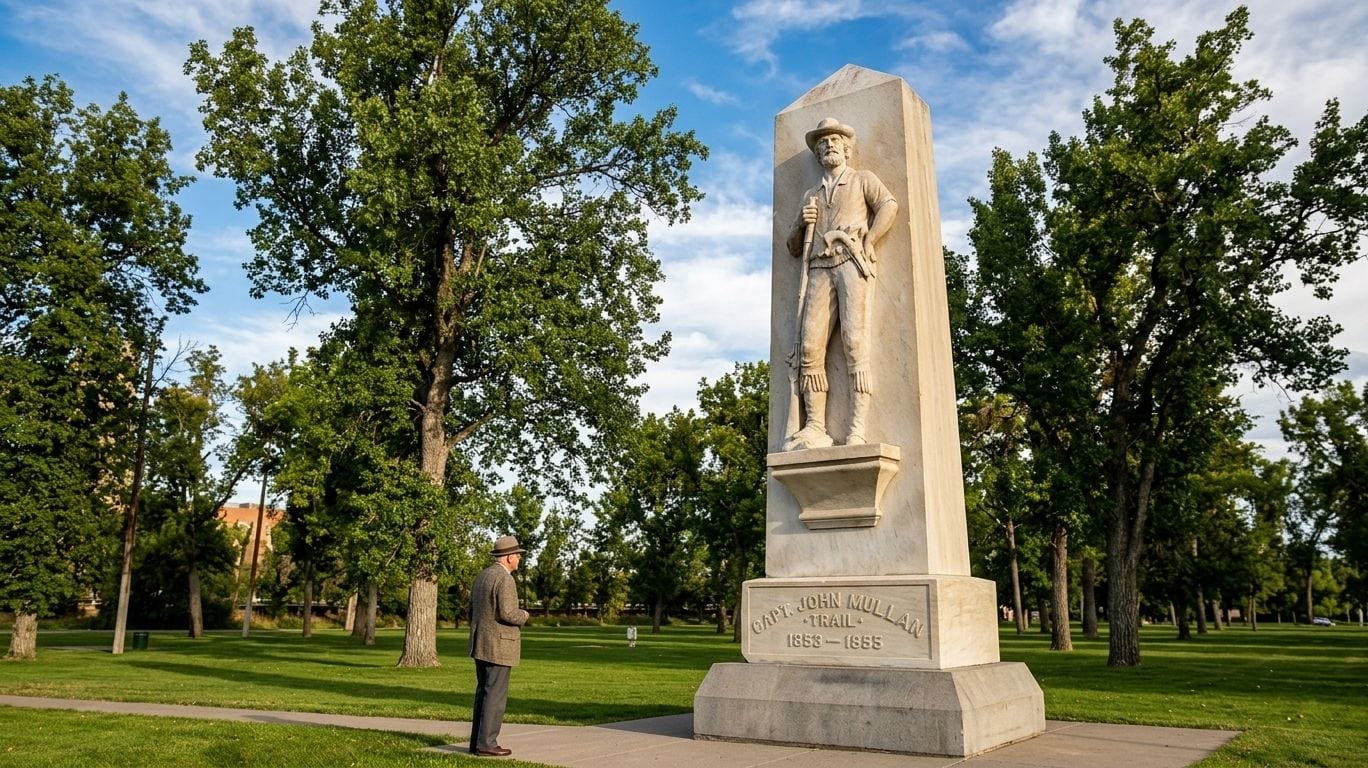
Tucked into Gibson Park, the Captain John Mullan Trail Statue honors one of the figures who helped shape Great Falls. Mullan was a trailblazer and surveyor whose work mapping the region’s first road system back in 1859 opened up the surrounding country and set the stage for the city that would rise here.
Pause at the monument as you stroll the park’s shaded paths, and you get a small window into the routes and surveyors that connected early Montana. It’s a quiet, easy stop that pairs naturally with a wider wander through Gibson Park’s gardens and pond, and a fitting nod to how far Great Falls has traveled from its frontier roots.
Getting to Great Falls
Great Falls sits on Interstate 15, the main north–south corridor through this part of Montana; the freeway skirts the west side of the city, and a signed business route peels off to carry you straight into the center. US highways run through town as well, threading east toward the plains and north into the Rocky Mountain Front, so arriving by car from almost any direction is straightforward. The city has its own commercial airport just a few miles from downtown, which keeps a modest schedule of flights to regional and connecting hubs; if you want more nonstop options, larger airports to the south and southwest are an easy drive, with the nearest bigger regional airport about an hour and a half away by road.
There is no passenger train directly into Great Falls. The nearest rail line runs across the northern tier of the state, and travelers reach it by connecting road service rather than boarding in the city itself. Long-distance intercity buses do stop centrally, giving a car-free option for getting in and out, though a vehicle is by far the most flexible way to reach the surrounding parks, dams, and open country.
Getting Around Great Falls
The historic core along the riverfront is compact and pleasant on foot, with the downtown grid, the central park by the river, and the paved trail that follows the Missouri all linking together for walkers and cyclists. Outside that central pocket, though, Great Falls spreads out, and most visitors will want a car to reach the dam, the springs, the museums, and the interpretive sites, which sit apart from one another across the city and its edges.
A local bus network covers the main corridors on weekday schedules, and rideshare and taxis operate in town, but service is not dense enough to lean on for a full day of sightseeing. Cycling is genuinely rewarding thanks to the long riverside trail, which doubles as a car-free way to string several attractions together. Parking is rarely a headache here: downtown lots and street parking are easy, and the outlying attractions have their own free lots, so driving between stops is low-stress.
Where to Stay in Great Falls
For a first visit, basing yourself downtown near the riverfront puts you within walking distance of the central park, the riverside trail, and the main museum district, and gives you the most walkable evenings. This central area suits travelers who want to leave the car parked and stroll to dinner and the water.
If you are mainly passing through or plan to day-trip out to the parks and dams, the commercial strips near the interstate on the city’s western and southern edges are convenient for quick highway access and easy parking, though they are quieter and more car-dependent after dark. Neighborhoods near the university on the higher ground south of the river offer a calmer, more residential feel while still being a short drive from the center.
Where to Eat in Great Falls
The downtown core and the blocks along Central Avenue are the heart of the dining scene, with the widest mix of sit-down spots, casual cafes, and evening drinks within a short walk of the river. The strips out toward the interstate cover the quick, familiar options, but the older heart of town is where you’ll find the more characterful independent kitchens.
Great Falls eats like the ranching country it sits in: Montana beef is the signature, served as thick steaks and burgers, and bison turns up on menus as a leaner local alternative. Trout and other cold-water fish from the region’s rivers are a natural order, and you’ll find the hearty Western-American plates, breakfast diners, and the huckleberry desserts and preserves that are a point of pride across this corner of the state.
One Day in Great Falls
Great Falls rewards a day built around the Missouri River’s edge, pairing a morning outdoors with an afternoon of the museums that made this city Montana’s cultural anchor.
Morning: Start where the river does the heavy lifting. Roll out early to Giant Springs, one of the largest freshwater springs in the country, where the water surfaces cold and impossibly clear before feeding straight into the Missouri. From the springs you can step directly onto the River’s Edge Trail, the paved-and-singletrack ribbon that traces the bluffs above the water — walk or bike as much of it as you like, keeping an eye out for the raptors that ride the thermals over the canyon. A short drive along the same corridor brings you to The Lewis and Clark Interpretive Center, which frames the whole reason the city exists: the brutal month-long portage the Corps of Discovery made around the falls, told with the river itself as the backdrop.
Afternoon: Head back toward downtown for the art. The C. M. Russell Museum is the essential stop — the definitive collection of the cowboy artist who lived and worked here, complete with his original log-cabin studio. When you surface, drift over to Gibson Park for a lakeside stretch of green and duck ponds in the heart of the city, then round out the culture with Paris Gibson Square Museum of Art, a handsome former school turned contemporary gallery just a few blocks on. Families trading canvases for hands-on chaos can swap in Spark! Children’s Museum of Montana nearby without leaving the neighborhood.
Evening: Wind down indoors with a team puzzle at Escape The Falls, a downtown escape room that’s an easy walk from the day’s last stops and a good way to cap the day if the weather turns. With a second day, chase the city’s namesake water out of town: drive northeast to Big Falls and Ryan Dam, the thundering cataract Lewis and Clark first described, or point west to First Peoples Buffalo Jump State Park, where a mile-long sandstone cliff tells a far older story of the plains.
Free Things to Do in Great Falls
You do not need to spend a cent to enjoy some of the best of Great Falls. Many of the city’s signature sights are free to visit year-round.
Walk or bike the paved River’s Edge Trail along the Missouri River, with interpretive signs and riverside views.
Watch the water at Giant Springs and stroll the surrounding state park grounds and shoreline paths.
Relax in downtown’s Gibson Park among the flower gardens, pond and the historic Vinegar Jones Cabin.
Photograph the city’s public landmarks, including the Statue of Liberty Replica, the Paris Gibson statue and the Montana Veterans Memorial.
Take in the Great Falls of the Missouri and the dams that follow the river, including the dramatic falls at Ryan Dam.
Day Trips from Great Falls
The city’s biggest draw for a day out is the mountains to the northwest: following the US highway that runs north toward the Rocky Mountain Front, you can reach the edge of Glacier National Park in roughly three to three and a half hours, making it a long but very doable outing for the alpine peaks, lakes, and the famous scenic road. Closer to home, the plains and river country immediately around Great Falls reward short drives to the dams and springs the region is known for.
For a change of city, Bozeman lies about three hours to the south and pairs a lively downtown with easy access to the mountains and hot springs of southwest Montana. Billings, the state’s largest city, is roughly three and a half to four hours southeast and makes a good base for the rimrock bluffs and the badlands country beyond. Both are far enough to warrant an overnight if you want to explore properly rather than just turn around.
FAQ: Visiting Great Falls
What is Great Falls, Montana known for?
Great Falls is known for the string of Missouri River waterfalls it is named after, its five hydroelectric dams (earning it the nickname the “Electric City”), and its ties to Lewis and Clark and to cowboy artist Charles M. Russell, whose home and studio are preserved here.
Is Great Falls worth visiting?
Yes. Great Falls packs waterfalls, freshwater springs, riverside trails, Western-art museums and a historic bison jump into an easily walkable, uncrowded city, making it a rewarding stop for history buffs, families and outdoor lovers exploring central Montana.
How many days do you need in Great Falls?
One to two days is enough to cover the highlights. A single day handles the C. M. Russell Museum, Giant Springs and the River’s Edge Trail, while a second day leaves room for the Lewis and Clark Interpretive Center and a drive out to First Peoples Buffalo Jump State Park.
When is the best time to visit Great Falls?
Late spring through early fall (roughly May to September) offers the warmest weather and the fullest access to trails, river attractions and seasonal tours. Summer brings the most reliable conditions for the falls, springs and outdoor sites.
Is Great Falls a good place to visit with kids?
It is very family-friendly. The interactive Spark! Children’s Museum of Montana, the Electric City Water Park, Gibson Park’s play areas, and the prairie-dog town at First Peoples Buffalo Jump all give younger visitors plenty to do.
What outdoor activities are there in Great Falls?
The Missouri River is the hub: you can walk, run or bike the River’s Edge Trail, fish and take in the waterfalls near the dams, watch wildlife at Benton Lake National Wildlife Refuge, and hike the trails at Giant Springs and First Peoples Buffalo Jump.
How far is First Peoples Buffalo Jump from Great Falls?
First Peoples Buffalo Jump State Park is a short drive southwest of the city near Ulm, roughly ten miles from downtown Great Falls, making it an easy half-day trip.