Flint Hills prairie loop
2–3 daysA relaxed loop through the tallgrass heart of Kansas, pairing prairie preserves and scenic byways with the capital and a lively college town. Easy to reach from Wichita, Topeka or Kansas City.

Why visit KansasDrive west across Kansas and the horizon just keeps opening — prairie to grassland to the empty, sky-filled High Plains.
Kansas is the tallgrass prairie heartland — a state of endless wheat fields and Flint Hills grassland in the east giving way to the wide, wind-swept High Plains and chalk badlands of the west. It's cattle-drive history, Wild West cow towns, aviation heritage in Wichita and the geographic centre of the Lower 48. Use this hub to plan your trip: browse our city guides below, or read on for the regions, road trips and seasons that shape a Kansas itinerary.
A fine window for the Flint Hills, when the tallgrass greens up and wildflowers bloom across the prairie. It's also peak severe-weather season on the plains, so keep an eye on the sky — Kansas sits squarely in Tornado Alley.
Hot, humid and often 90s°F, with the tallgrass at its tallest and long, thunderstorm-lit evenings. The dry western High Plains bake even hotter by day but cool off sharply after dark.
Arguably the best all-round season: warm days, cool nights, thinner crowds and the prairie grasses turning amber and russet across the Flint Hills. Comfortable driving weather statewide.
Cold and often windy, with cutting north winds racing unobstructed across open country and periodic snow and ice. The cities stay easy to visit, but prairie trails and back roads can turn bleak and exposed.
The green heart of eastern Kansas, where the last great swath of tallgrass prairie rolls unbroken — the Tallgrass Prairie National Preserve near Strong City, the college town of Manhattan and the Konza Prairie anchor this classic Kansas landscape.
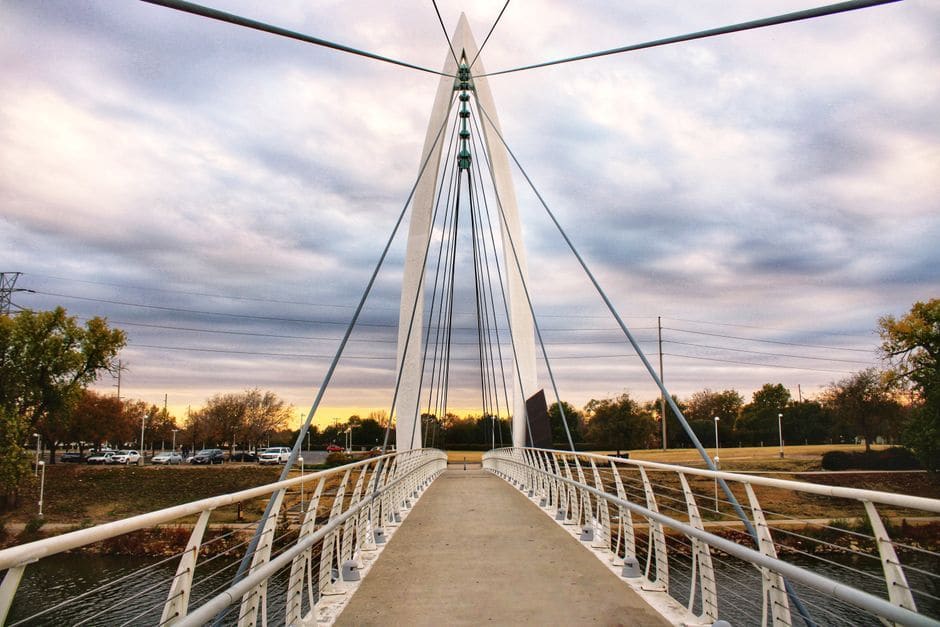
The state's largest city and cultural hub, where Wichita pairs Old Cowtown Museum and the Keeper of the Plains on the Arkansas River with aviation heritage, plus the Wild West legacy of nearby Dodge City out on the plains.
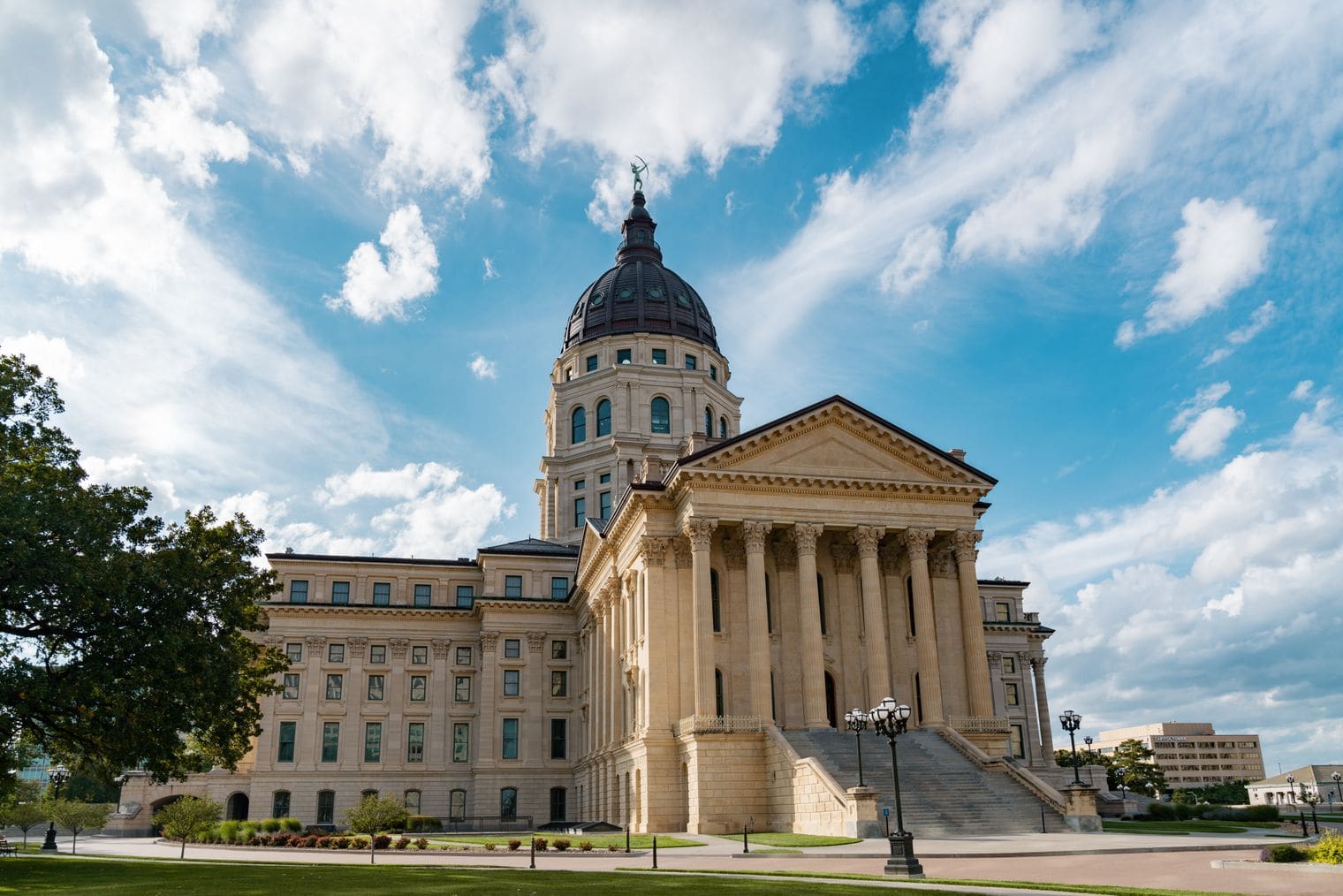
The capital corner, where Topeka's grand State Capitol and the Brown v. Board of Education National Historical Park sit near Lawrence, the University of Kansas and the Missouri River gateway toward Kansas City.
The wide, empty west, where the land climbs toward the Rockies and chalk formations like Monument Rocks and Castle Rock rise from the shortgrass, with Lake Scott State Park hidden in a wooded canyon nearby.
A rental car is essential in Kansas: the state is big, flat and made for driving, and the sights we cover are spread across long, straight highways with little public transit between them. Wichita's Eisenhower National Airport is the main gateway and the state's largest air hub, while Topeka and Kansas City (just over the Missouri line) give access to the east. Interstate 70 runs the full width of the state and is the spine of most road trips; distances are long and towns thin out heading west, so fuel up before the empty stretches and expect the far-western counties to slip into Mountain Time.
A relaxed loop through the tallgrass heart of Kansas, pairing prairie preserves and scenic byways with the capital and a lively college town. Easy to reach from Wichita, Topeka or Kansas City.
A westbound trip out of Wichita chasing frontier history and the wide, empty High Plains — cattle-town lore in Dodge City, then the chalk badlands of the far west.
 Map of Kansas
 Late spring and autumn are the sweet spots. September through early November brings warm days, cool nights and amber prairie grasses across the Flint Hills, while April and May green up the tallgrass and bring wildflowers — though spring is also peak storm season on the plains. Summers are hot and humid, and winters cold and windy.
A focused visit to one area — Wichita, or Topeka and Lawrence — works well in two or three days. Adding a Flint Hills prairie loop and a run out to the western badlands or Dodge City makes a satisfying four-to-six-day road trip across the state.
Yes. Kansas is large, flat and thinly served by public transit, and the sights are spread along long highways, so a rental car is essential. Most visitors fly into Wichita's Eisenhower National Airport or drive in via Interstate 70, then take to the road from there.
Kansas is famous as the tallgrass-prairie heartland and the setting of 'The Wizard of Oz', with a rich frontier history — Wild West cattle towns like Dodge City, endless wheat fields, aviation manufacturing in Wichita and the wide-open High Plains rolling west toward the Rockies.
Not entirely. The state does tilt gently upward from the eastern lowlands to the High Plains in the west, and much of it is genuinely level, but the Flint Hills roll with grassy ridges, the far west hides chalk badlands like Monument Rocks and Castle Rock, and rivers carve wooded valleys such as the canyon at Lake Scott State Park.
Most of Kansas is in the Central Time Zone. Only a handful of counties in the far west — the Greeley, Hamilton, Sherman and Wallace corner near the Colorado line — observe Mountain Time, so watch the clock if you're driving all the way across the state.
Very much so. It's built for driving, with long straight highways, big skies and Interstate 70 running the full width of the state. The Flint Hills scenic drives, the Wild West trail through Dodge City and the run out to the western chalk badlands all reward a road trip, and distances between towns are part of the appeal.