Few places fold ancient cliff dwellings, alien deserts and world-class green chile into one long, luminous drive.
New Mexico is the Land of Enchantment — high desert and 13,000-foot peaks, the rippling gypsum dunes of White Sands and the deep caverns at Carlsbad, layered over centuries of Pueblo, Hispanic and frontier history. Santa Fe and Taos anchor the art world, Albuquerque grounds the balloon-filled skies of the Rio Grande, and Roswell keeps the UFO legend alive. Use this hub to plan your trip: browse our city and adventure guides below, or start with the full statewide list for the headline sights.
A fine all-round window: the southern desert around Las Cruces, White Sands and Carlsbad warms into the 70s and 80s°F before the summer heat, while Santa Fe and the high country stay crisp and can still see late snow.
Summer
Jun–Aug
The southern deserts bake past 100°F, so hike at dawn and carry more water than you think. The high-elevation north — Santa Fe, Taos and the Sangre de Cristo Mountains — stays far milder, though July and August bring the afternoon monsoon thunderstorms.
Fall
Sep–Nov
Arguably the best season statewide: cooling deserts, golden aspens and cottonwoods in the northern mountains, roasting green chile scenting the air, and the Albuquerque International Balloon Fiesta filling the October sky.
Winter
Dec–Feb
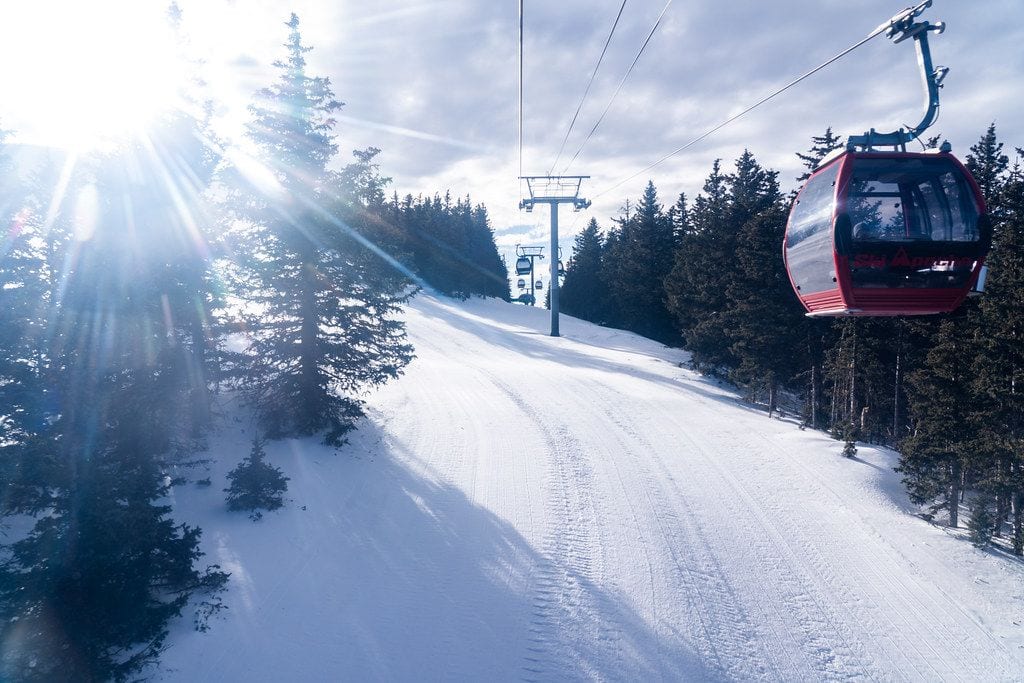
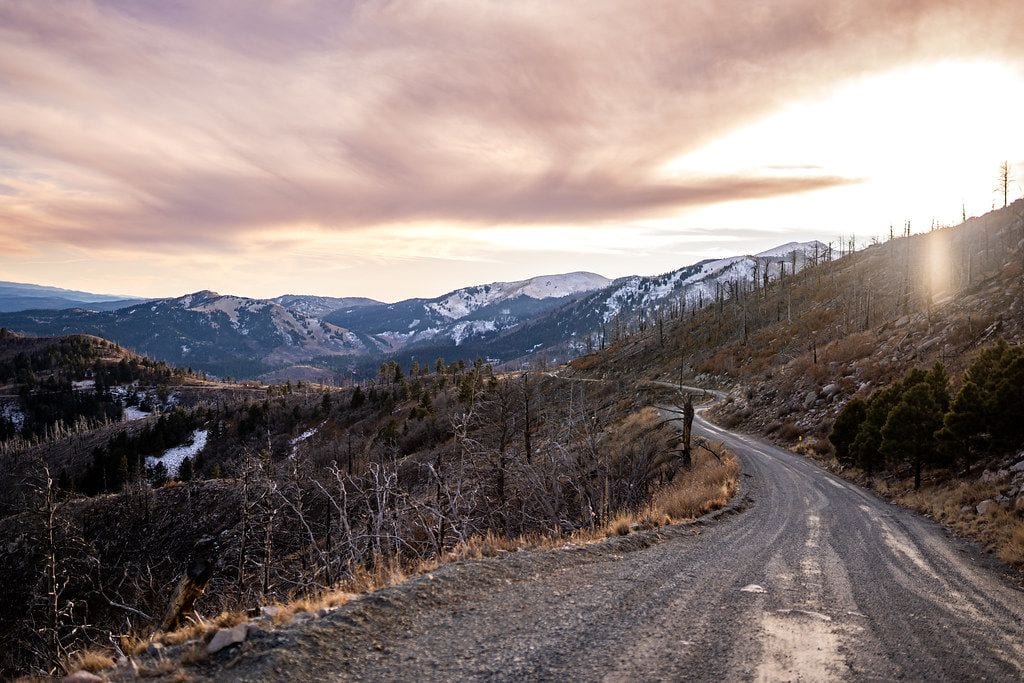
Ski season in the north, with Taos Ski Valley and Ski Apache holding real snow at altitude. The southern corner around Las Cruces, White Sands and Carlsbad stays mild and hikeable, while high-desert nights turn sharply cold.
Regions of New Mexico
Santa Fe, Taos & the north-central mountains
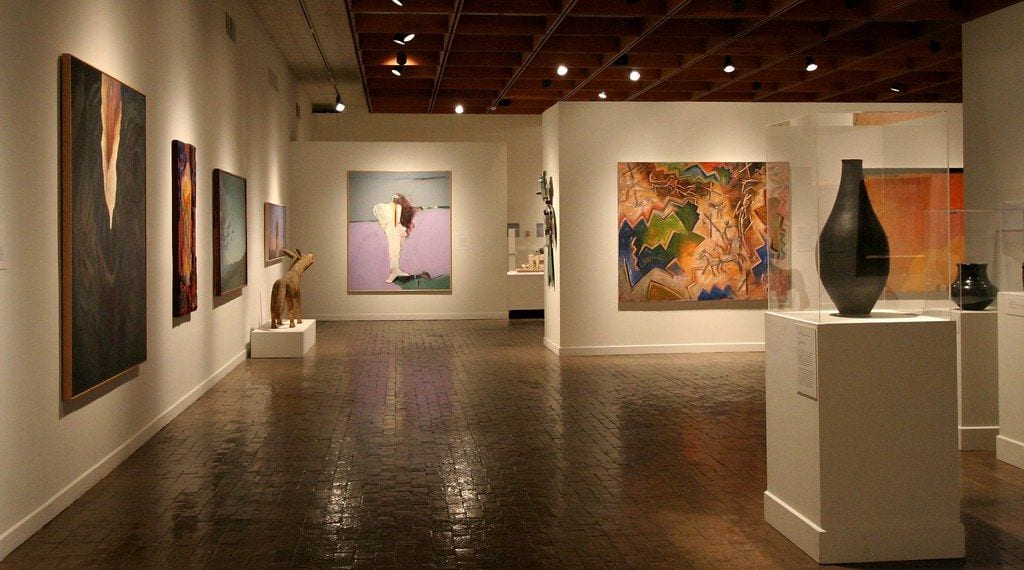
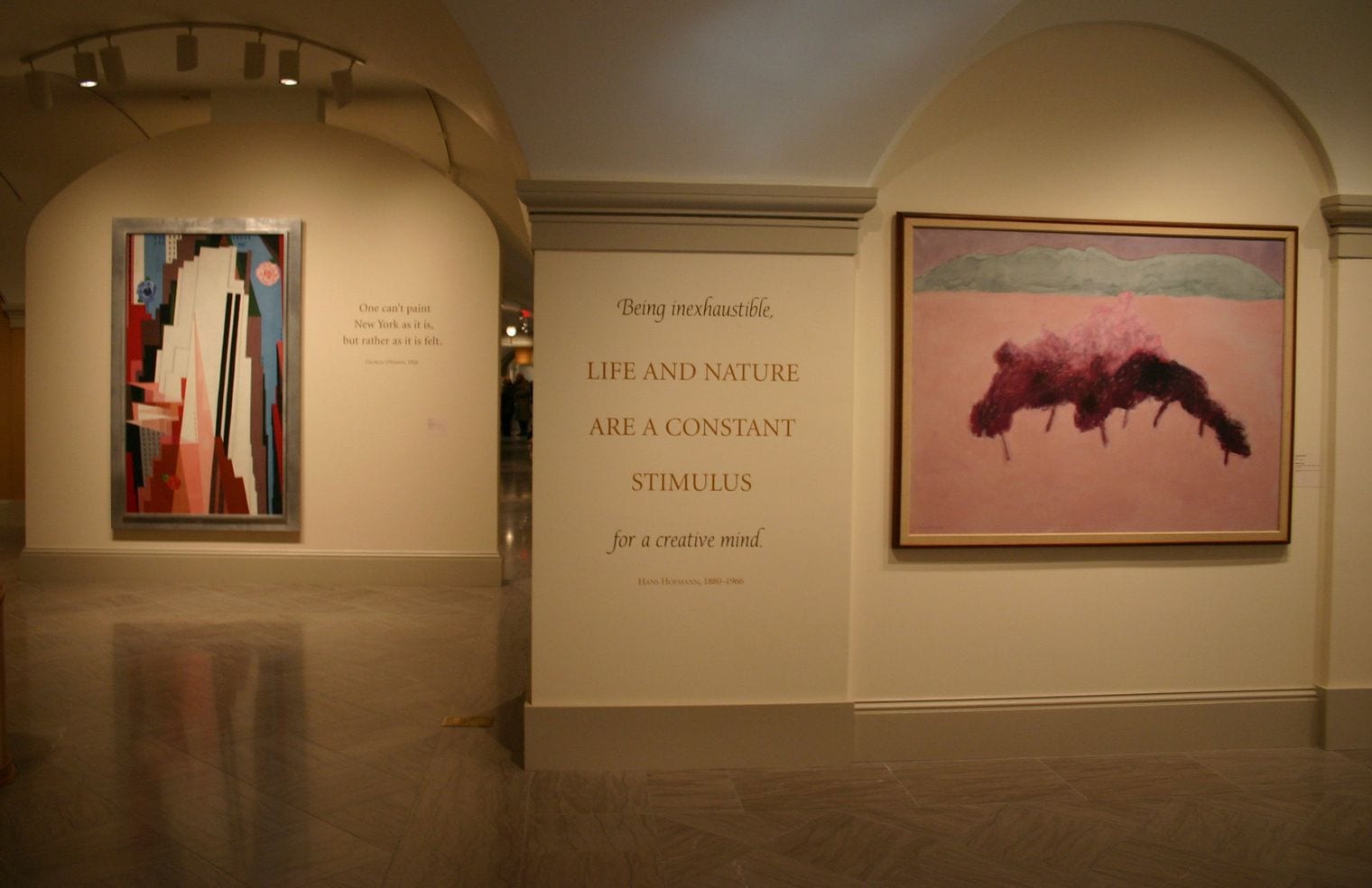
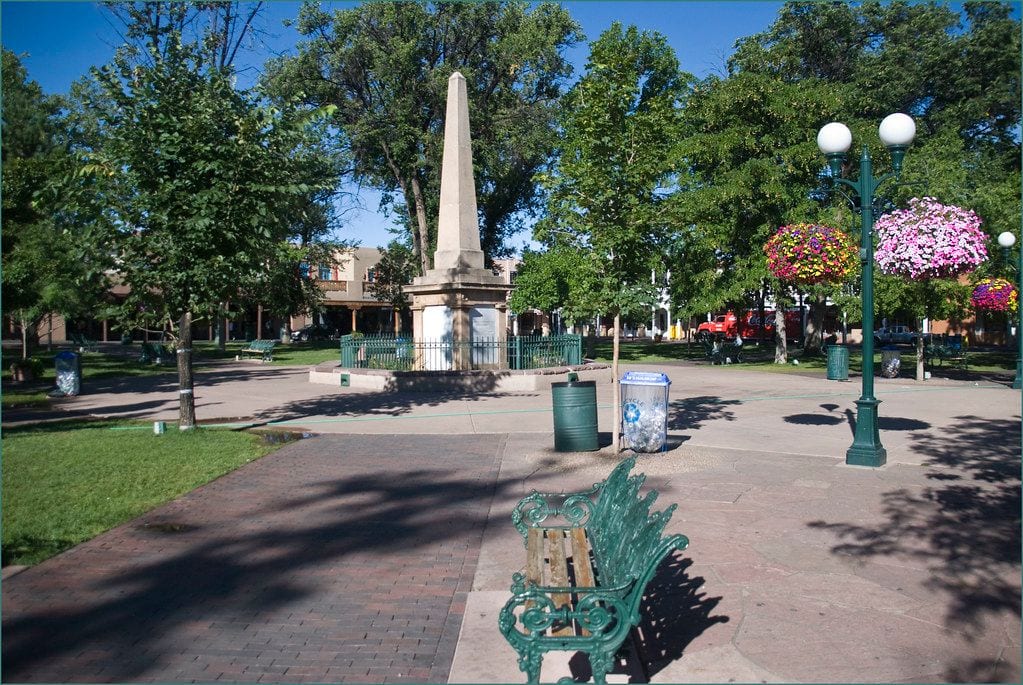
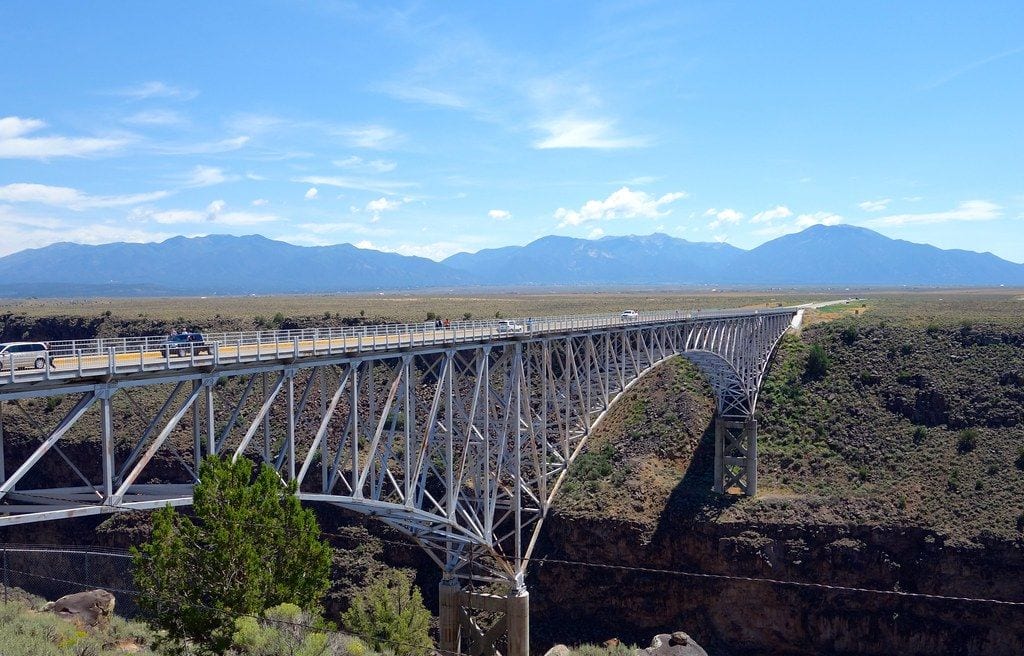
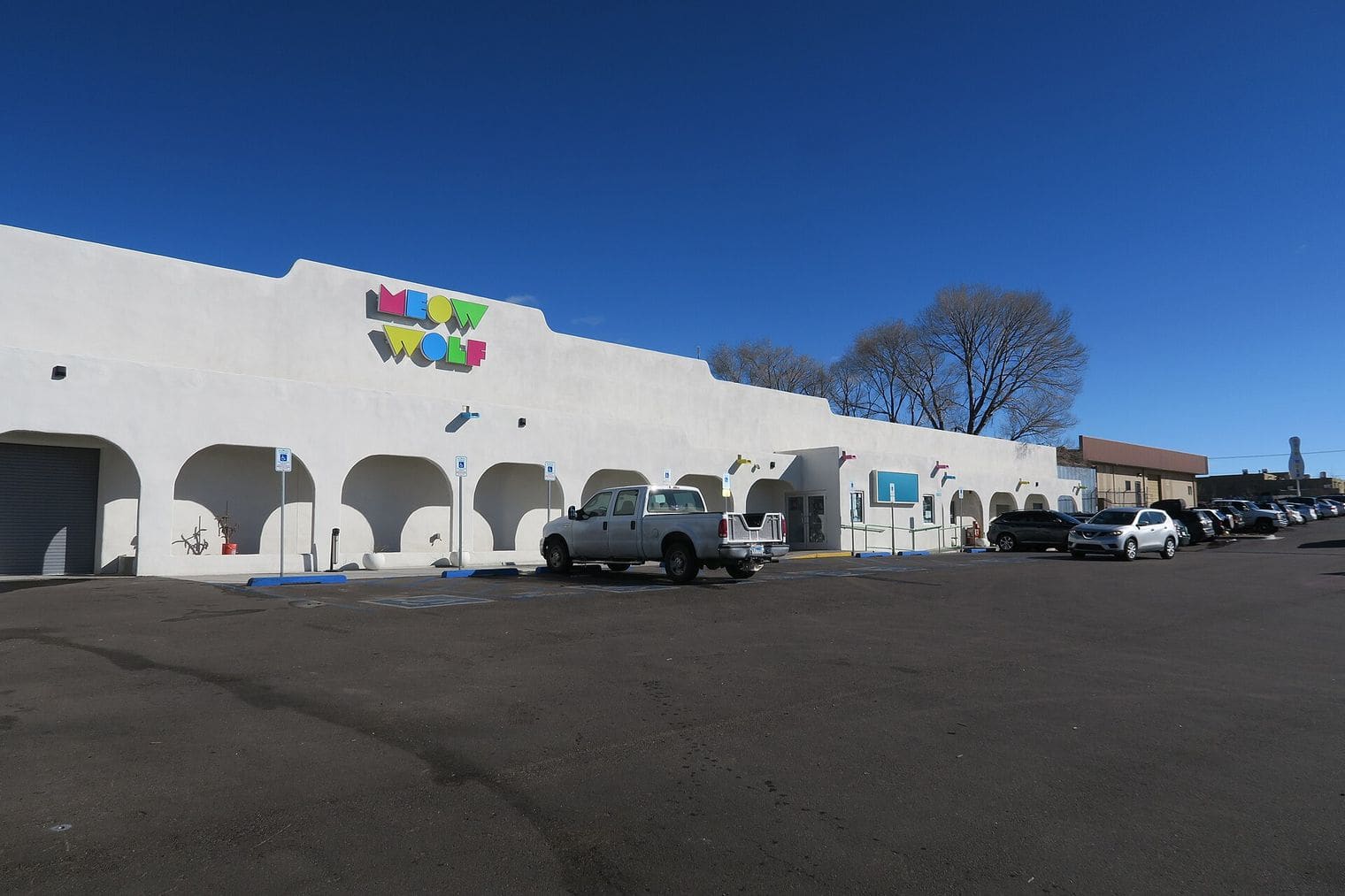
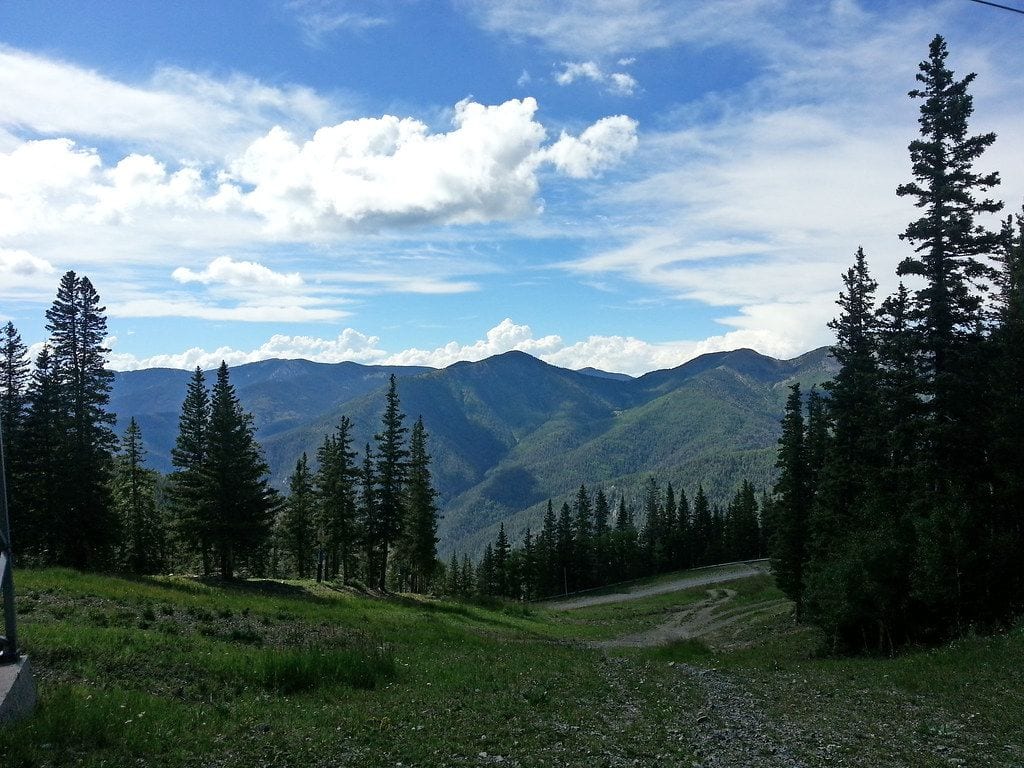
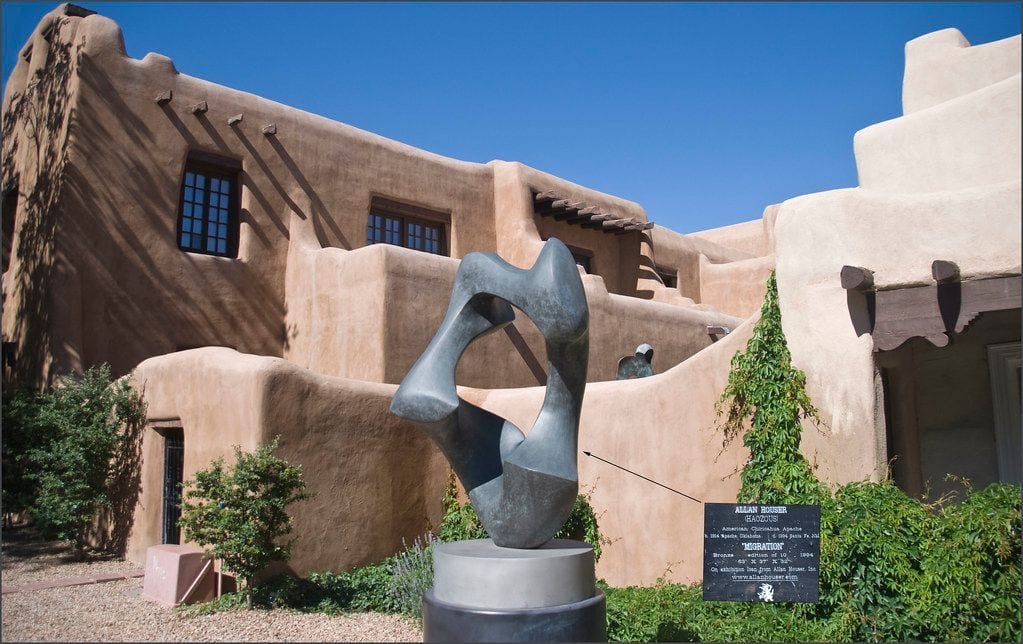
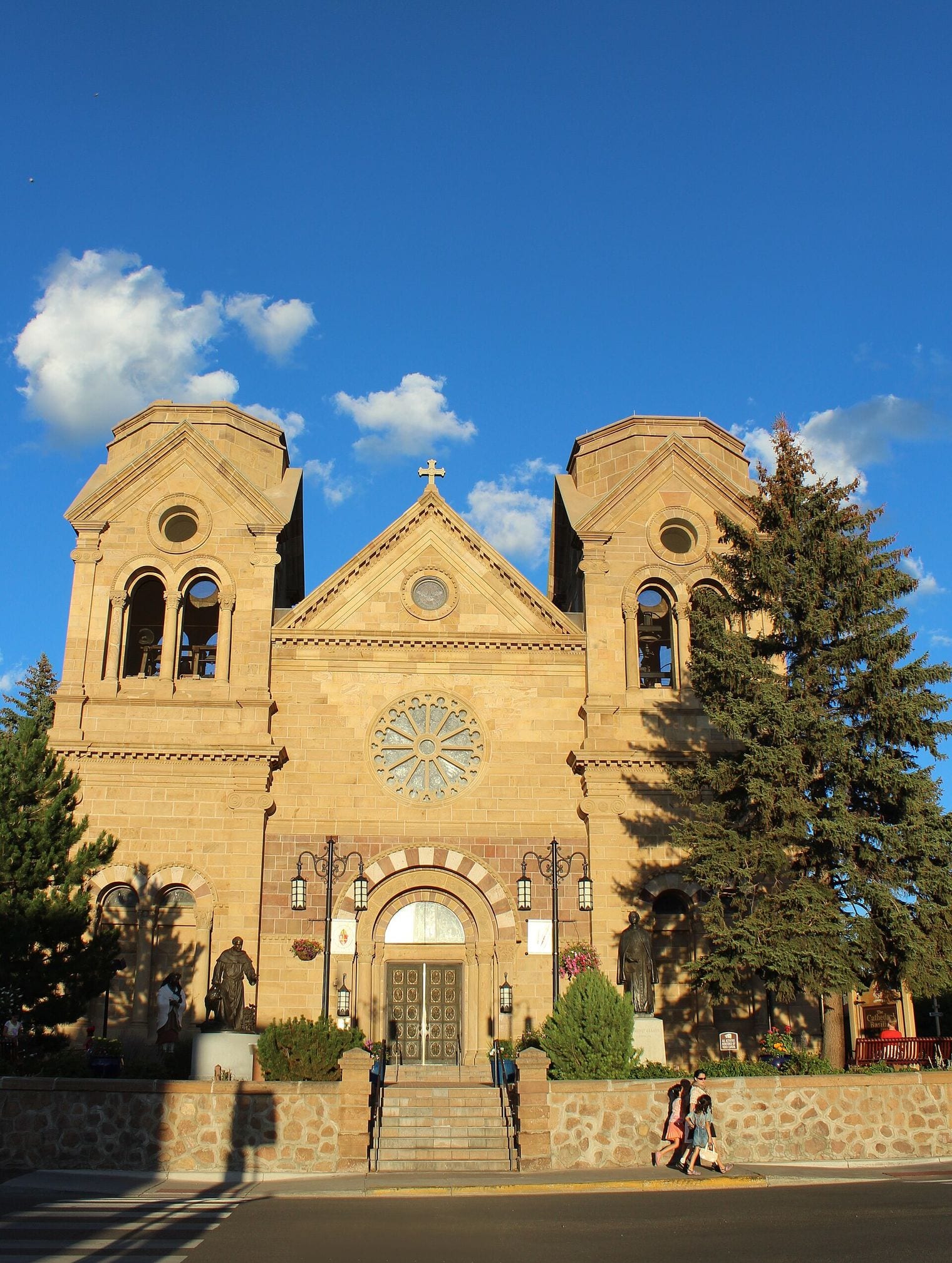
The cultural and artistic heart, where Santa Fe pairs its adobe Plaza and Canyon Road galleries with the Georgia O'Keeffe Museum and Meow Wolf, and the High Road climbs through the Sangre de Cristo Mountains to Taos, the Rio Grande Gorge Bridge and Taos Ski Valley.
Albuquerque & the Rio Grande corridor
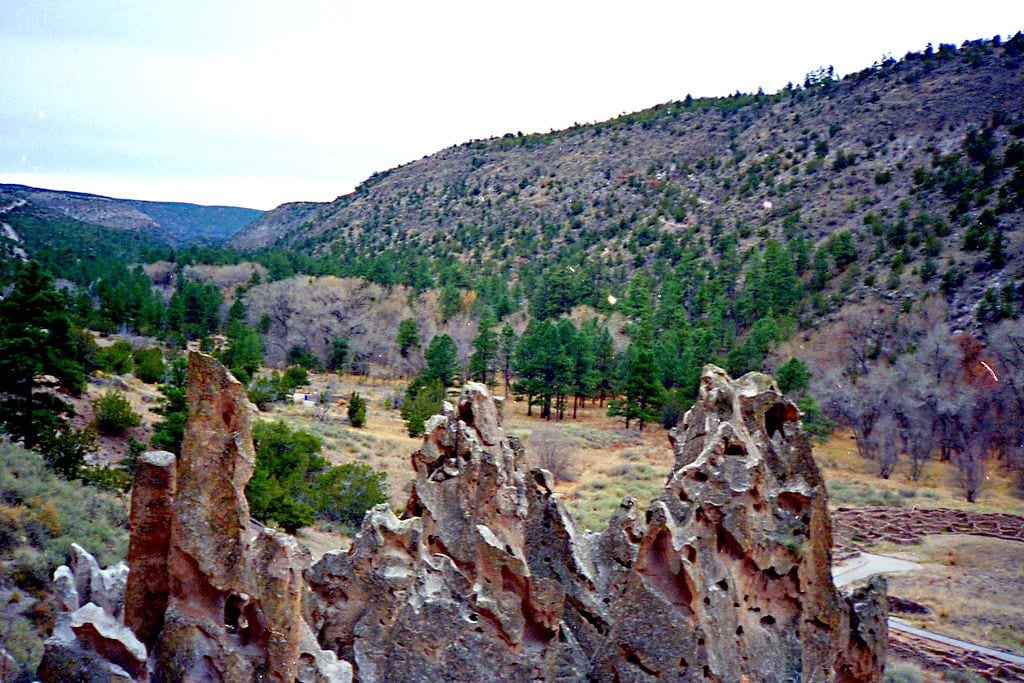
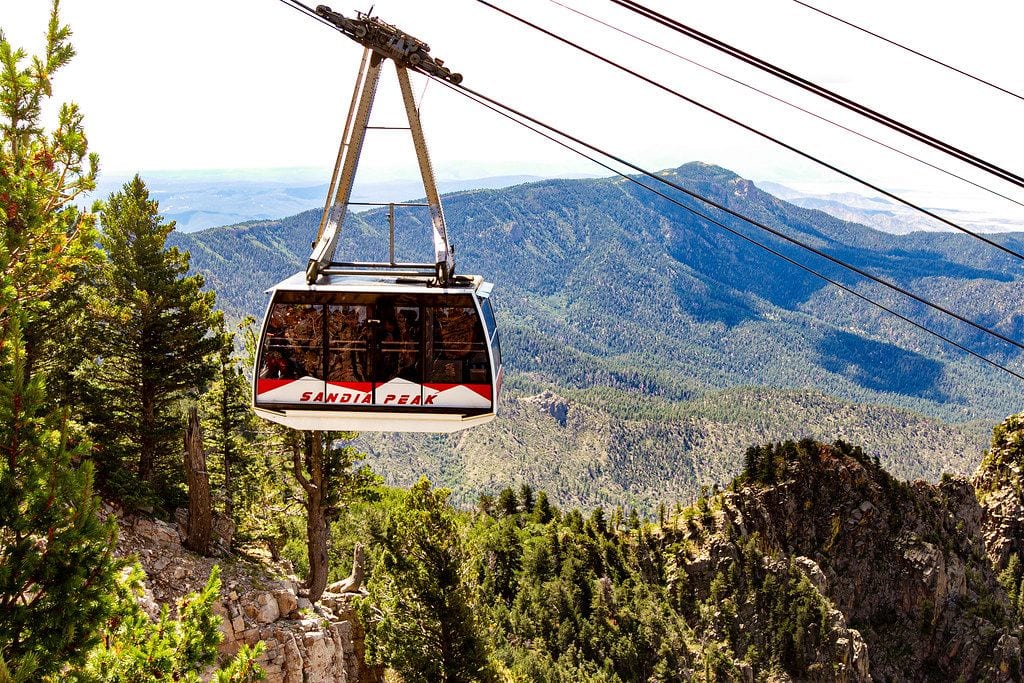
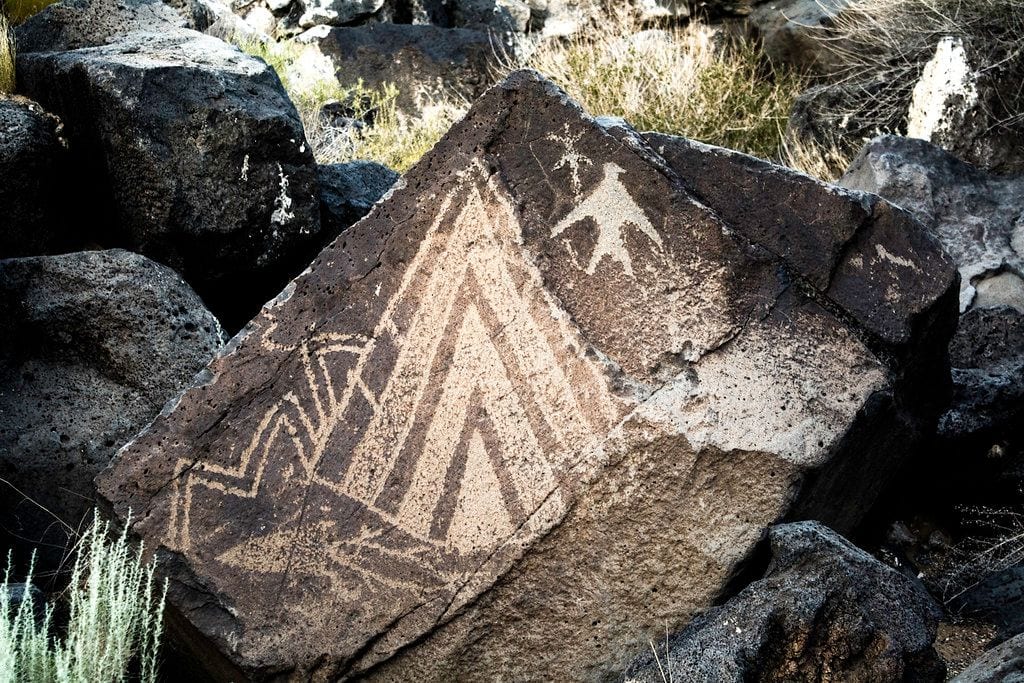
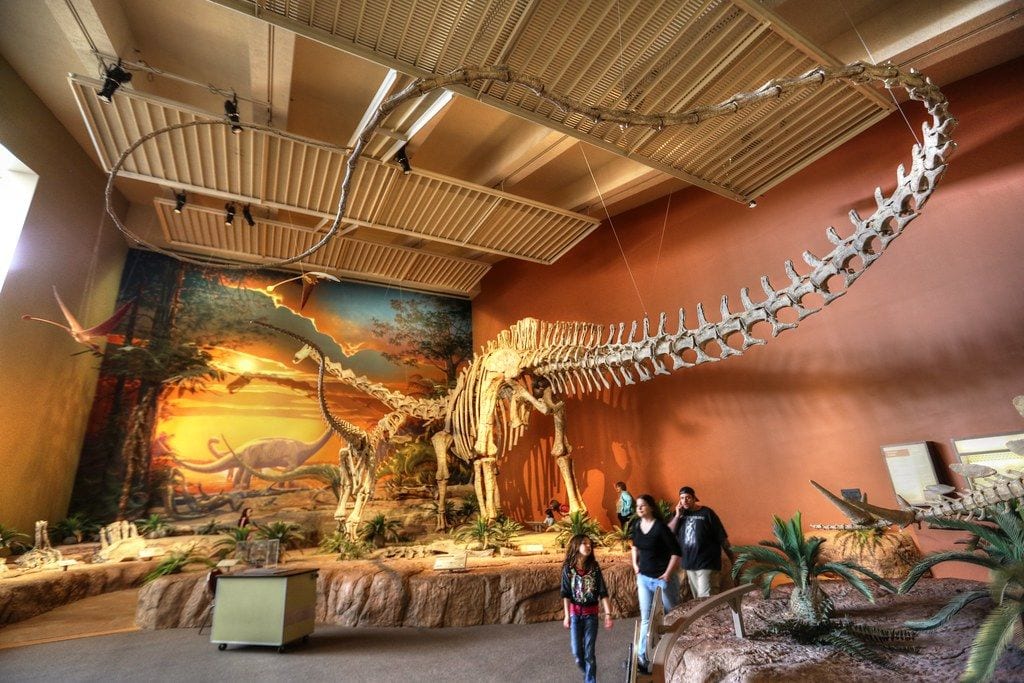
The populous middle of the state along Interstate 25 and the river, where Albuquerque anchors Old Town, the Sandia Peak Tramway, Petroglyph National Monument and the ABQ BioPark, with Bandelier National Monument and the science and history museums close by.
Southern deserts (Las Cruces, White Sands & Carlsbad)
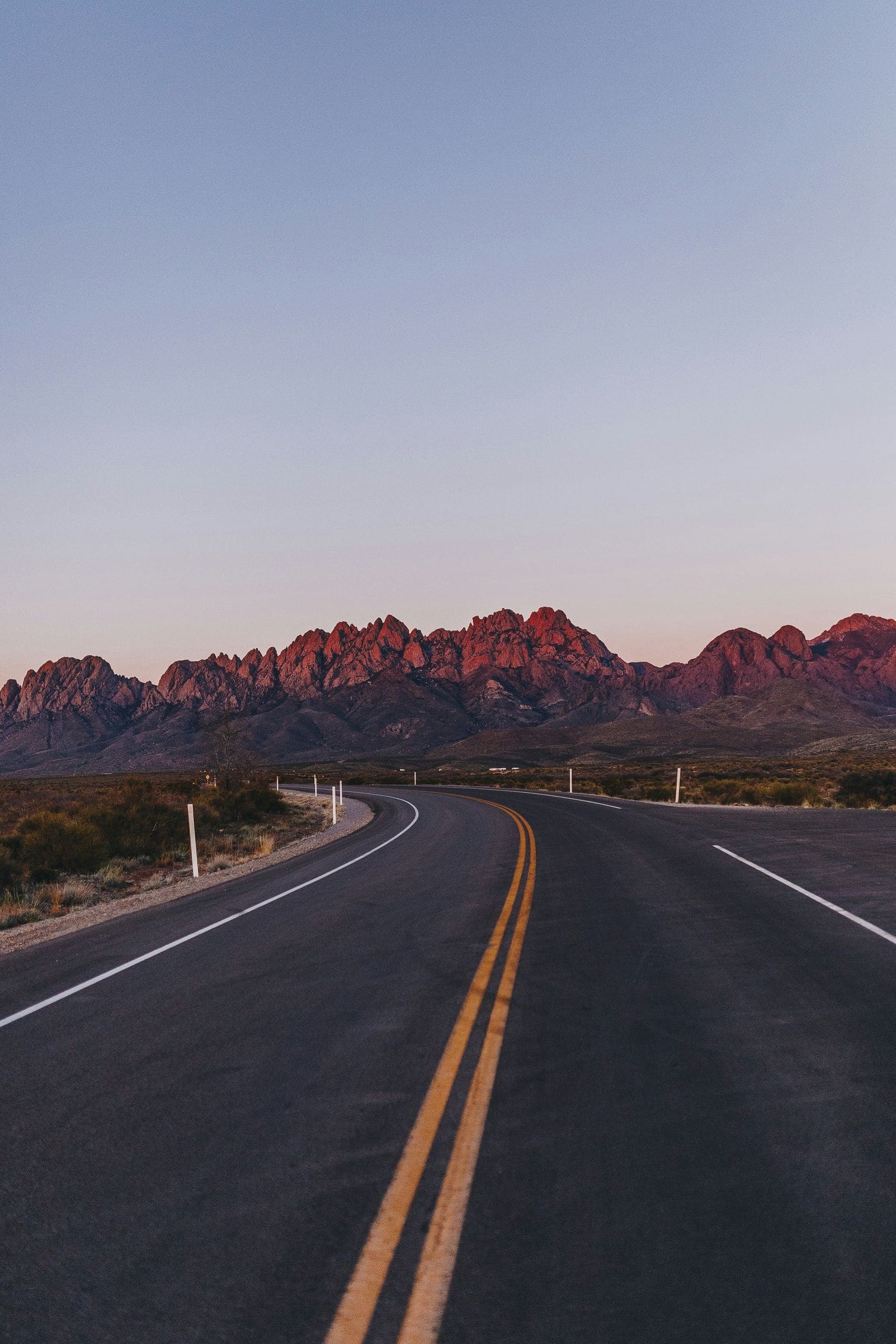
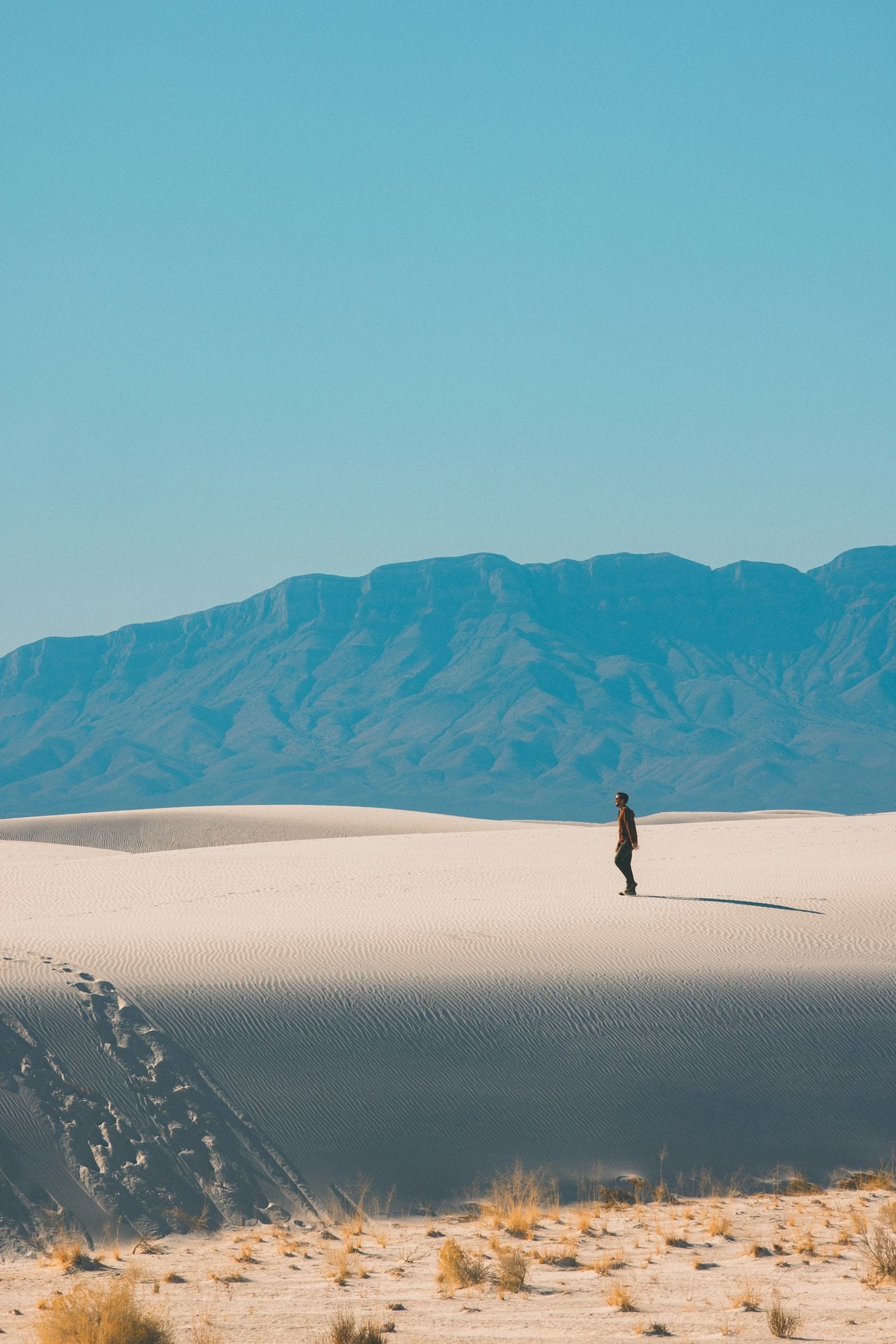
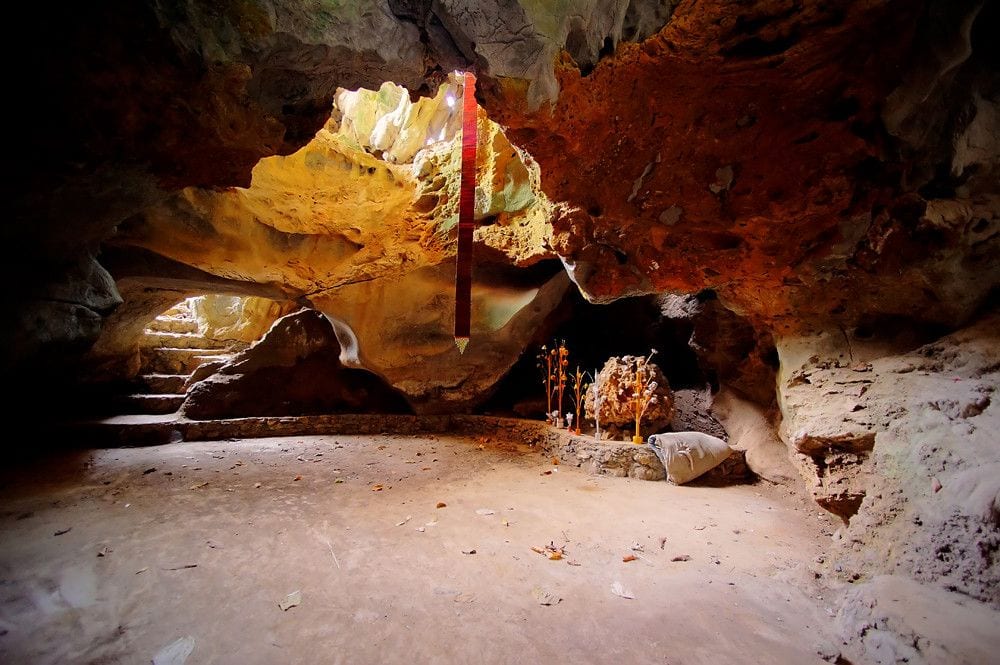
The warm-weather south, where Las Cruces sits beneath the Organ Mountains near White Sands National Park, and the desert runs east to the vast underground chambers of Carlsbad Caverns National Park.
Roswell & the southeast plains
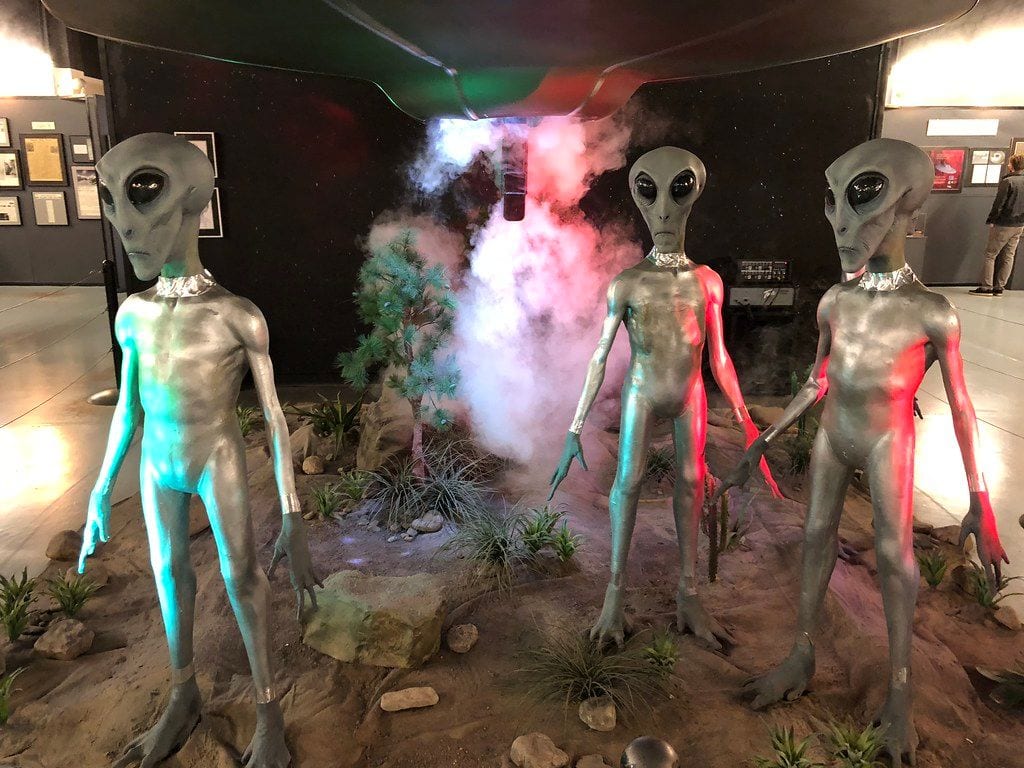
The flat, open Pecos country famous for the 1947 'incident' — Roswell leans into its UFO legend with the International UFO Museum and alien-themed streets, with Carlsbad and the caverns a short drive south.
The northwest & Four Corners
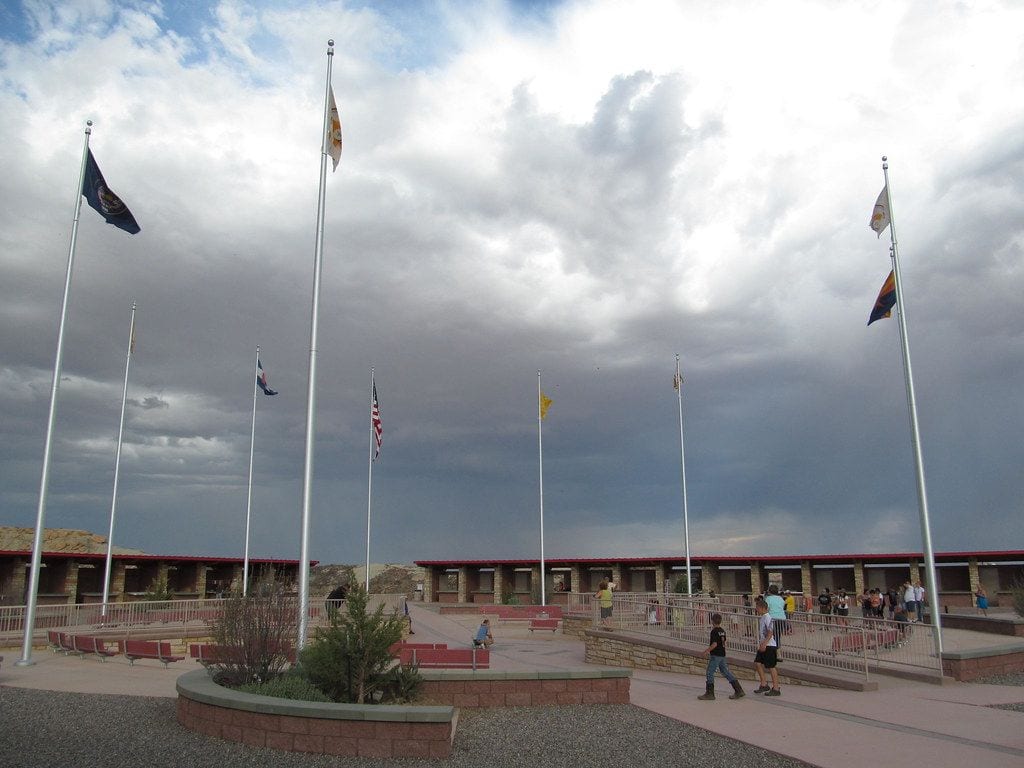
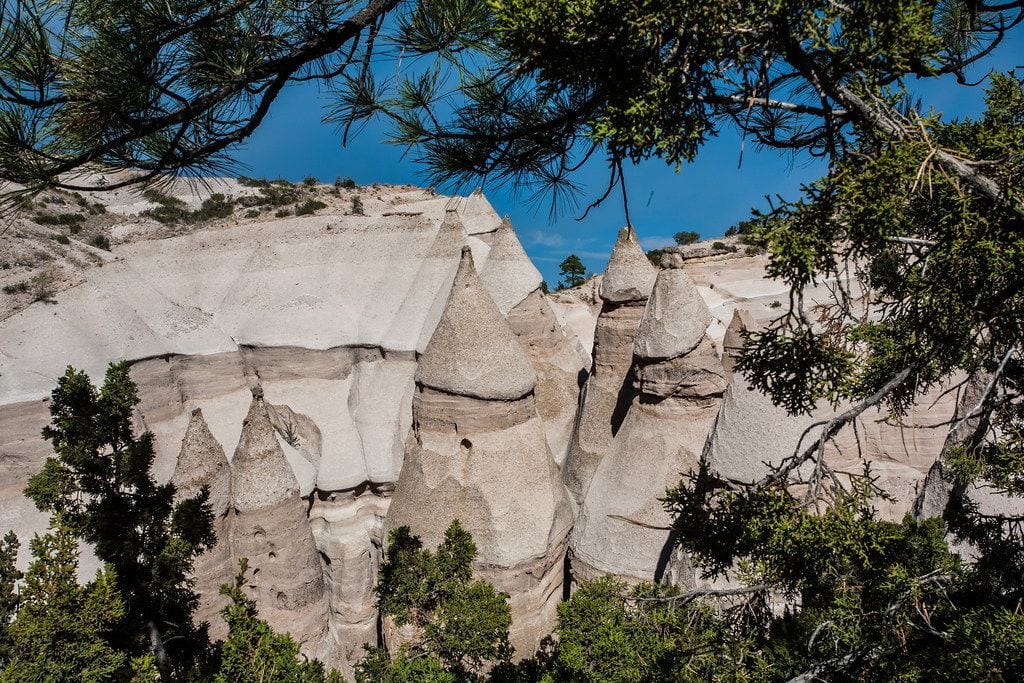
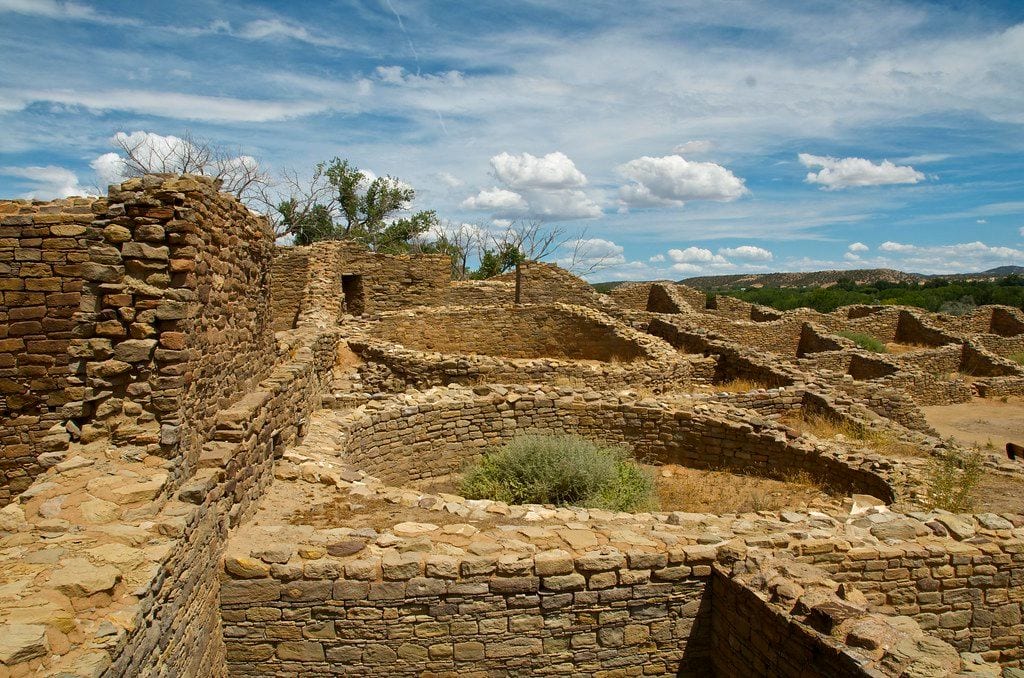
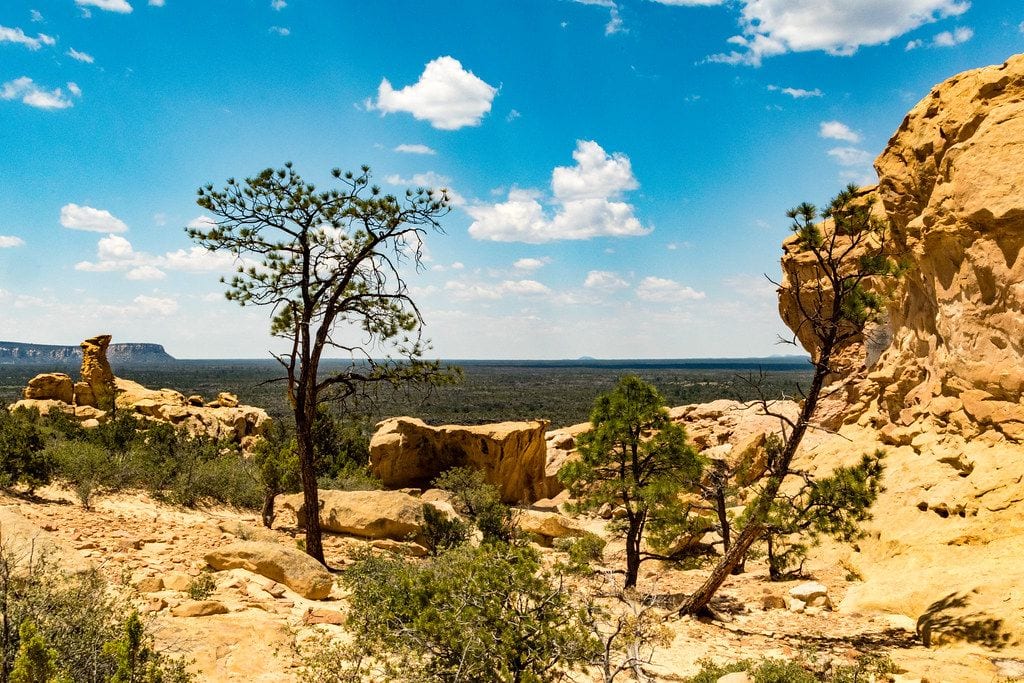
Ancestral Puebloan and volcanic country in the far corner, where Aztec Ruins National Monument, the badlands of El Malpais and the Four Corners Monument sit amid wide reservation lands and high mesa.
The Gila & the southwest
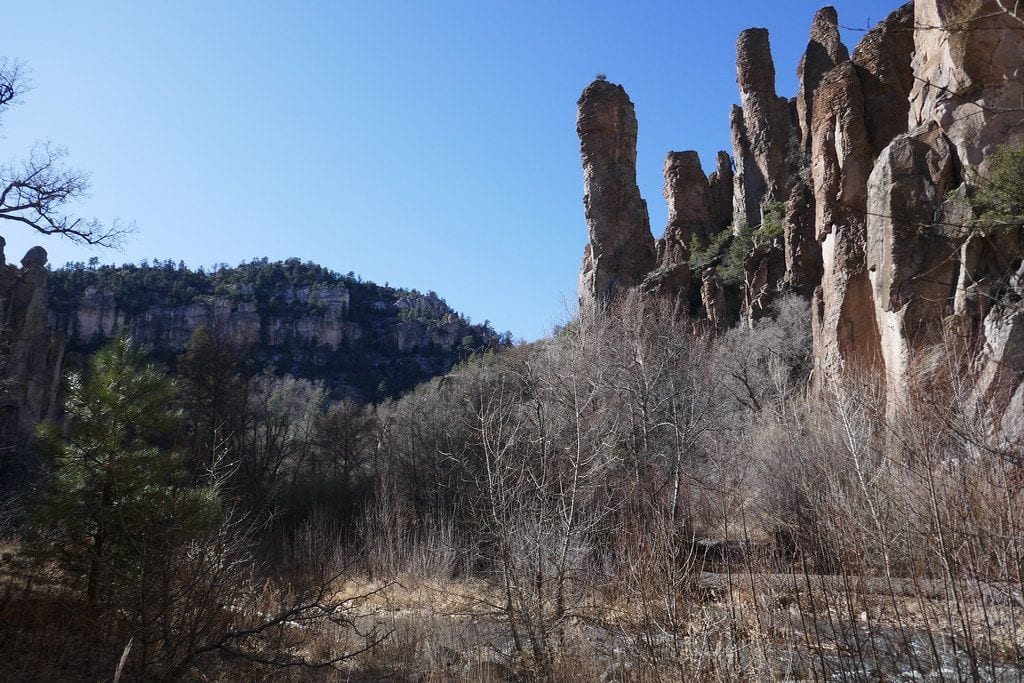
New Mexico's wild, mountainous corner, home to the remote Gila Cliff Dwellings National Monument and the vast, empty forests of the Gila Wilderness — some of the least-visited backcountry in the state.
Getting around
A rental car is essential: New Mexico is a big, thinly populated state, and the parks, art towns and desert sights we cover are spread far apart with little transit between them. Albuquerque International Sunport is the main gateway, roughly an hour south of Santa Fe on Interstate 25 and central to trips in every direction. Distances are long and services sparse once you leave the interstates — the drive south to Carlsbad or White Sands, or the mountain roads up to Taos, cover empty country — so fuel up before leaving the last town and keep water in the car. The whole state sits in the Mountain time zone.
The highlights New Mexico's signature sights & road trips
The classic introduction to New Mexico's cultural heart, linking the three great towns of the north — Albuquerque, Santa Fe and Taos — with the mountains, galleries and Pueblo sights between them. Easy from the Sunport.
A warm-weather run through the far south, pairing the state's two most extraordinary landscapes — the white gypsum dunes and the underground caverns — with the UFO kitsch of Roswell on the way back north.
It depends on where you're headed. Spring and autumn are the sweet spots statewide — comfortable temperatures in the southern deserts around White Sands and Carlsbad, and golden aspens up north around Santa Fe and Taos. Summer opens the high mountains but bakes the southern deserts past 100°F, while winter is ski season in the north and stays mild in the far south.
How many days do you need in New Mexico?
A focused trip to one region — Santa Fe, Taos and the northern mountains, or the southern desert parks — works well in three to four days. Linking Albuquerque, Santa Fe and Taos with a run down to White Sands and Carlsbad comfortably takes about a week, and the state rewards a slower pace given how far apart its sights are.
Do you need a car in New Mexico?
Yes. New Mexico is a large, sparsely populated state and the parks, art towns and desert attractions we cover are spread far apart with little public transit between them, so a rental car is essential. Most visitors fly into Albuquerque International Sunport and drive from there.
What is New Mexico best known for?
New Mexico is famous for its high-desert landscapes and light — White Sands National Park, the underground chambers of Carlsbad Caverns, and the Pueblo and Hispanic heritage of Santa Fe and Taos. It's also known for its art scene, its green and red chile cuisine, the Albuquerque International Balloon Fiesta, and the Roswell UFO legend.
Should you order red or green chile in New Mexico?
Both — chile is the heart of New Mexican cooking, and the classic move is to answer 'Christmas' when a server asks red or green, meaning you'd like both on your plate. Green tends to be brighter and roasted, red deeper and earthier; neither is a 'chilli con carne', and the state takes the question seriously enough that it's the official state question.
What's the difference between Santa Fe, Albuquerque and Taos?
Albuquerque is the largest city and main gateway, spread along the Rio Grande with the Sandia Peak Tramway, Old Town and the balloon fiesta. Santa Fe, an hour north, is the smaller, higher state capital, known for adobe architecture, Canyon Road galleries and the Georgia O'Keeffe Museum. Taos, further north still in the mountains, is a compact art-and-ski town beside the Rio Grande Gorge and Taos Pueblo. Many trips string all three together.
Is Roswell worth visiting for the UFO story?
If you enjoy the kitsch and the legend, yes. Roswell fully embraces the 1947 'incident' — the International UFO Museum and Research Center, alien-themed murals and even lamp-posts give the town its personality. It sits out on the southeastern plains, so most travellers fold it into a wider southern-New-Mexico loop with Carlsbad Caverns rather than a trip in itself.
How high is New Mexico, and does the altitude affect visitors?
Much of northern New Mexico sits well above 6,000 feet — Santa Fe is around 7,000 feet and Taos and the surrounding peaks climb far higher — so some visitors feel the thinner air on arrival. Drink plenty of water, ease into strenuous hikes for the first day or two, and expect strong high-altitude sun year-round. The southern deserts sit lower and hotter.
We use cookies to analyse site traffic and improve your experience.
You can accept or reject analytics cookies. See our Cookie Policy.