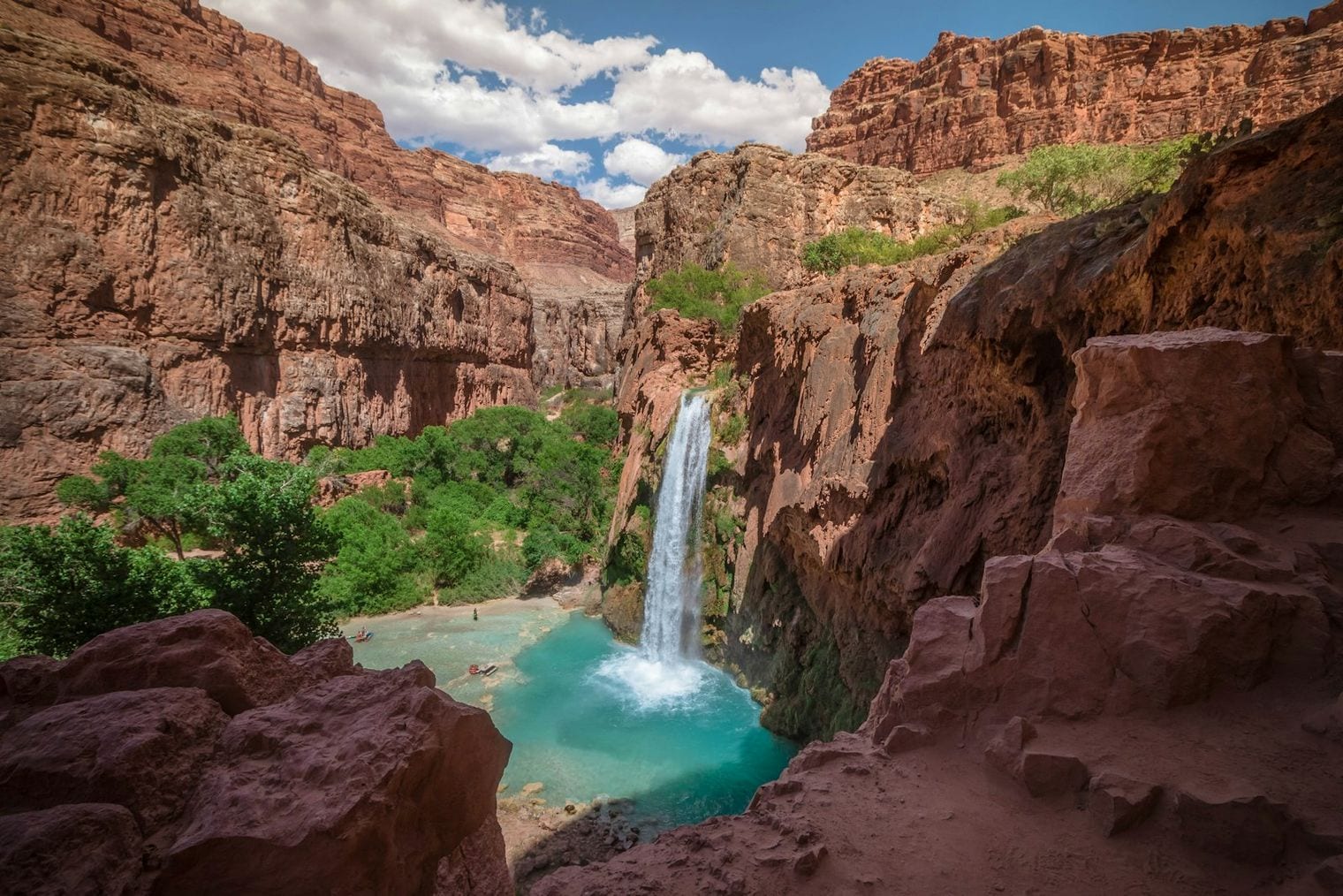
One state holds the Grand Canyon, red-rock Sedona and a giant saguaro forest — and the sun shines on all of it.
Arizona is the Grand Canyon State, where the Colorado Plateau's red-rock canyons and pine-clad high country in the north give way to the saguaro-studded Sonoran Desert around Phoenix and Tucson in the south. Use this hub to plan your trip: browse our city and adventure guides below, or start with the full statewide list for the headline sights.
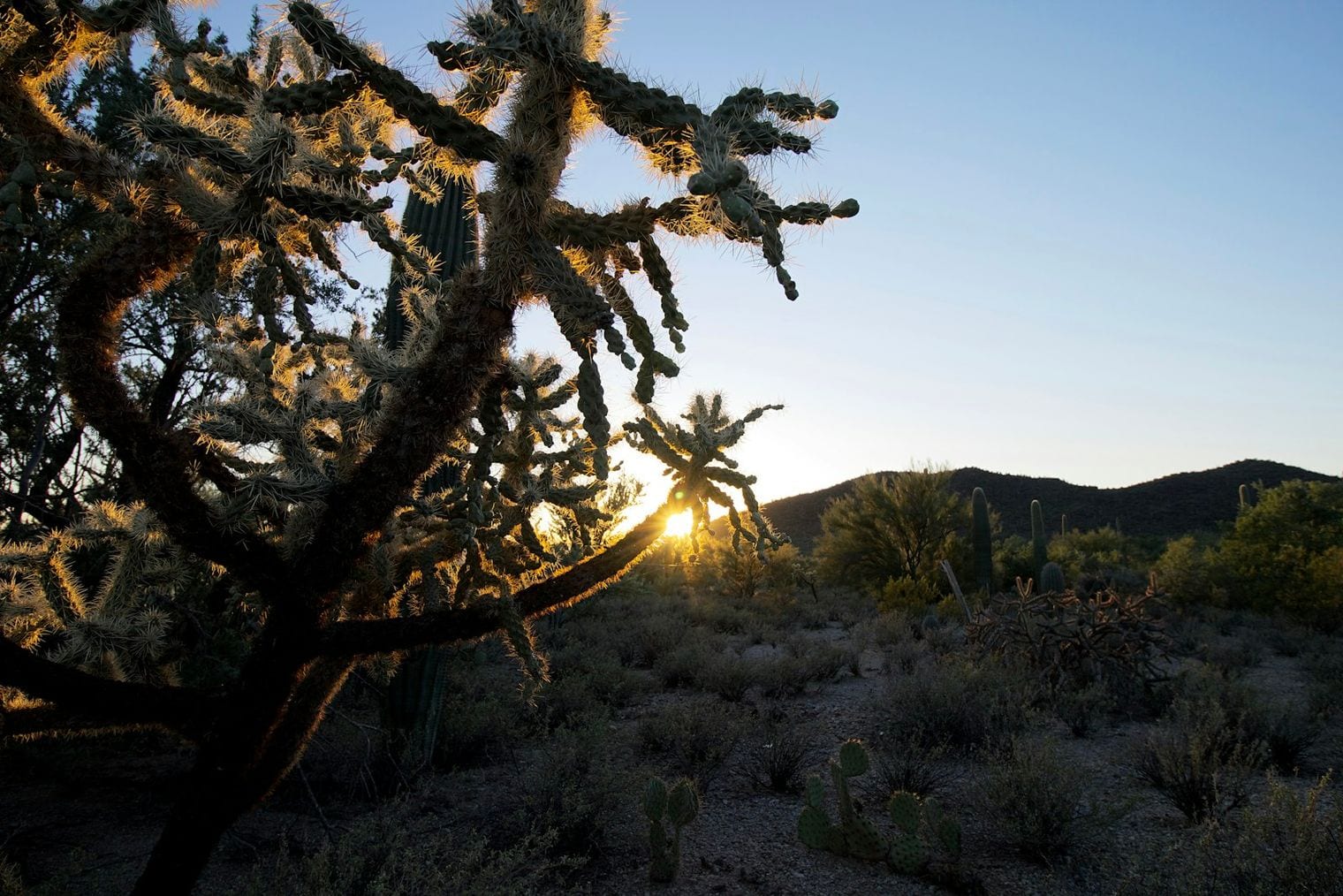
The finest all-round window in the desert south: Phoenix, Scottsdale and Tucson sit warm in the 80s°F, the Sonoran cactus bloom is on, and the desert wildflowers peak after a wet winter. The Grand Canyon's North Rim is still snowbound and closed until mid-May.
Summer
Jun–Aug
The low deserts bake past 110°F, so this is the season to head for altitude — Flagstaff, the Grand Canyon rim and the Coconino forests stay pleasant, and the July–August monsoon brings dramatic afternoon thunderstorms and flash-flood risk in the slot canyons.
Fall
Sep–Nov
The desert cools back into comfortable hiking weather while the aspens turn gold around Flagstaff and the San Francisco Peaks. October is arguably the best month statewide — warm days, cool nights and thinner Grand Canyon crowds.
Winter
Dec–Feb
Peak season in the sunny 'Valley of the Sun' — Phoenix, Scottsdale and Tucson draw snowbirds with mild 60–70°F days — while the high country around Flagstaff gets real snow and skiing. The Grand Canyon's South Rim stays open, cold and often dusted white.
Regions of Arizona
The Grand Canyon & Colorado Plateau
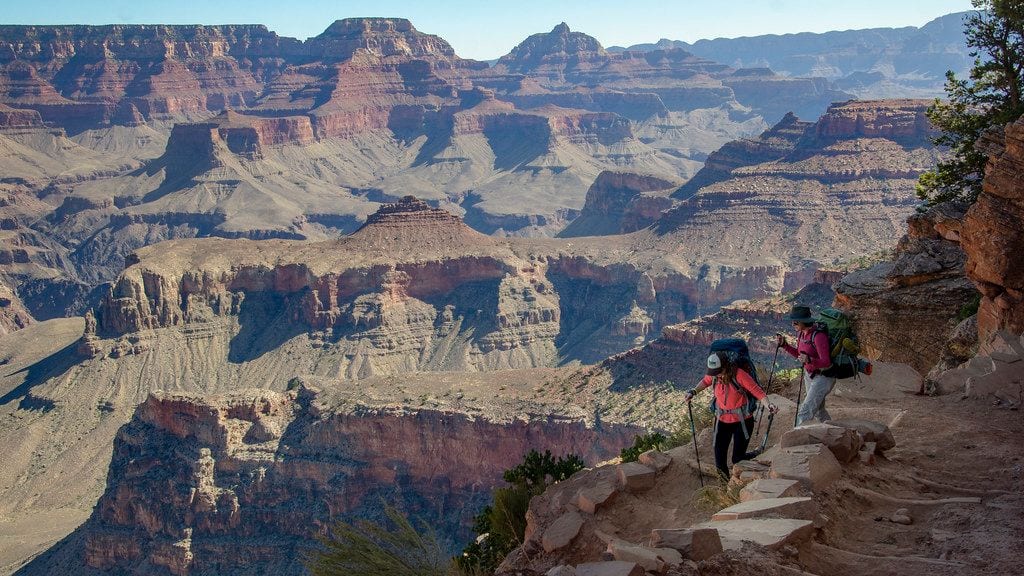
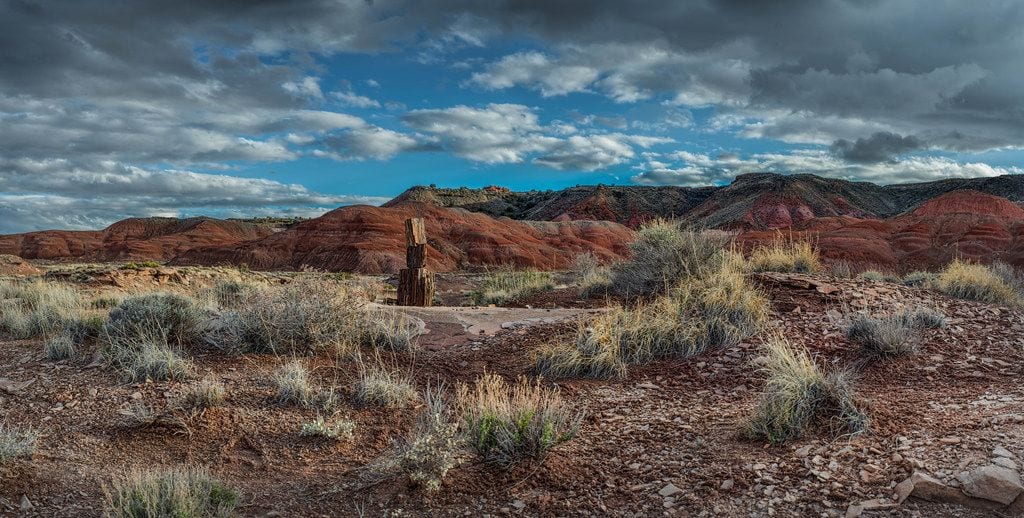
Arizona's north, where the South Rim of the Grand Canyon is the headline sight and the plateau rolls east through the Painted Desert to the Petrified Forest.
Sedona & the red-rock high country
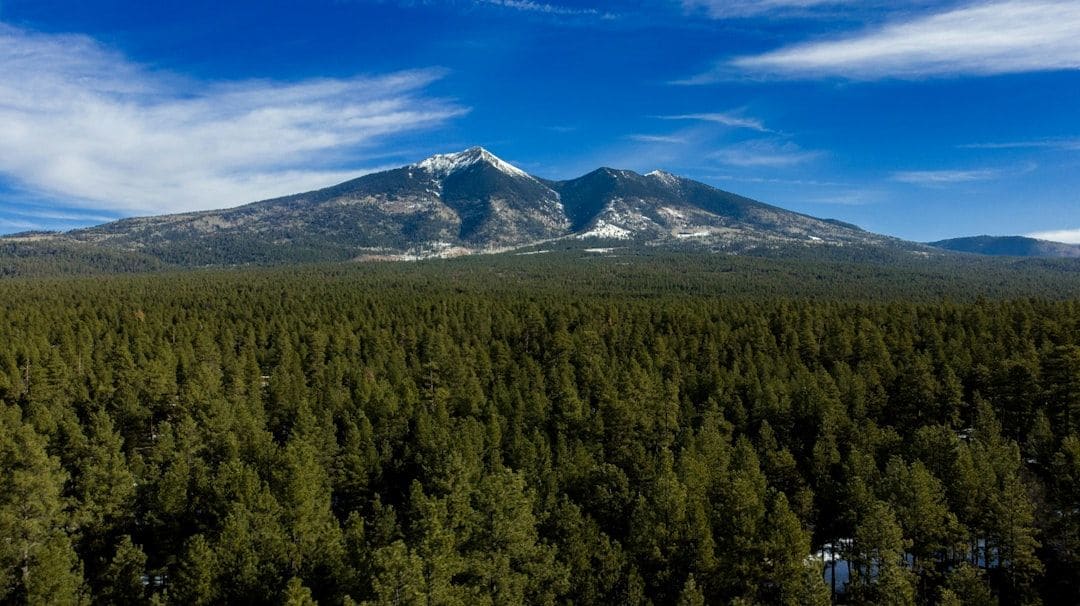
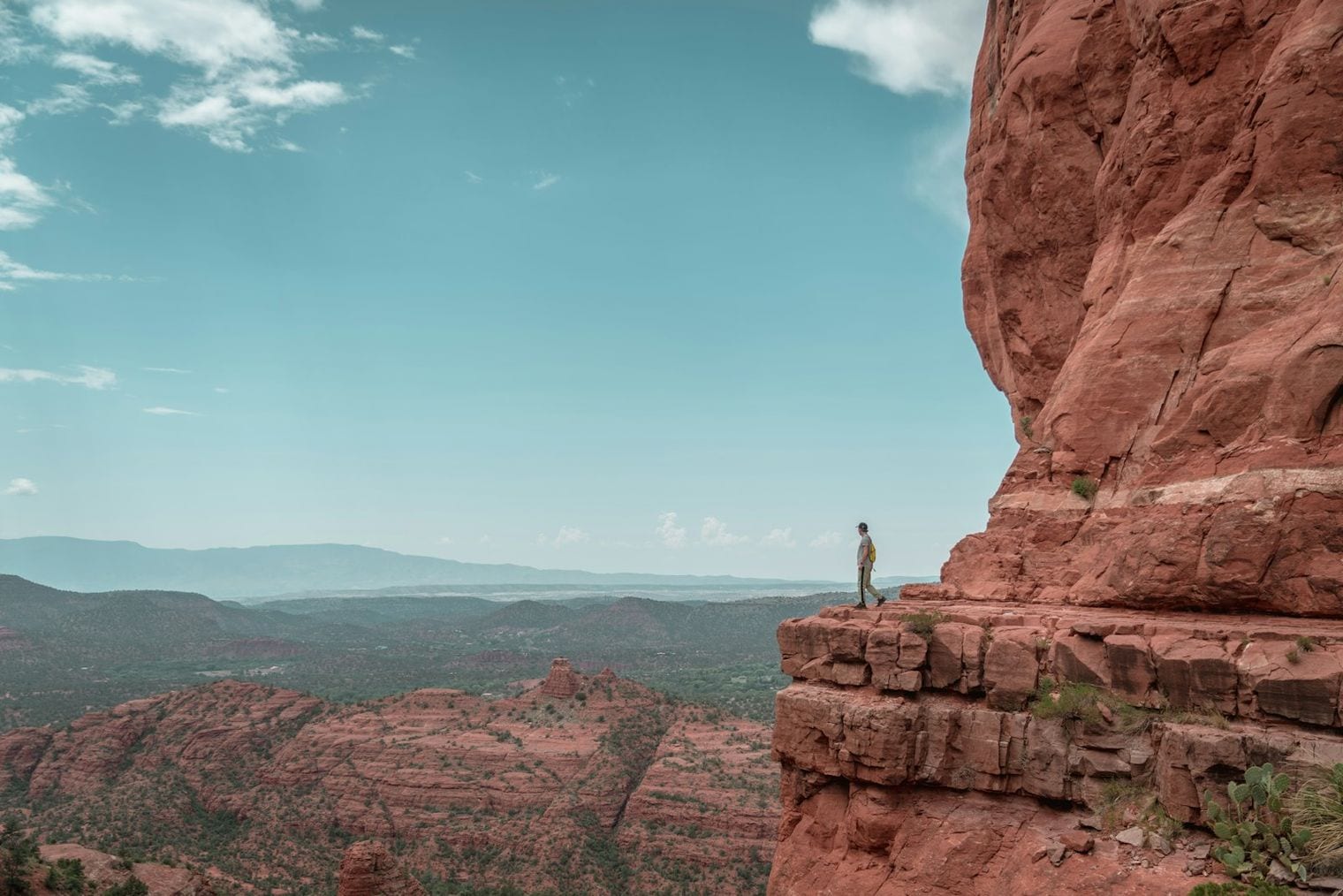
The pine-and-red-rock heart of the state around Flagstaff, gateway to Sedona, the San Francisco Peaks, Oak Creek Canyon and the Coconino National Forest.
Page & the canyon country (the northeast)
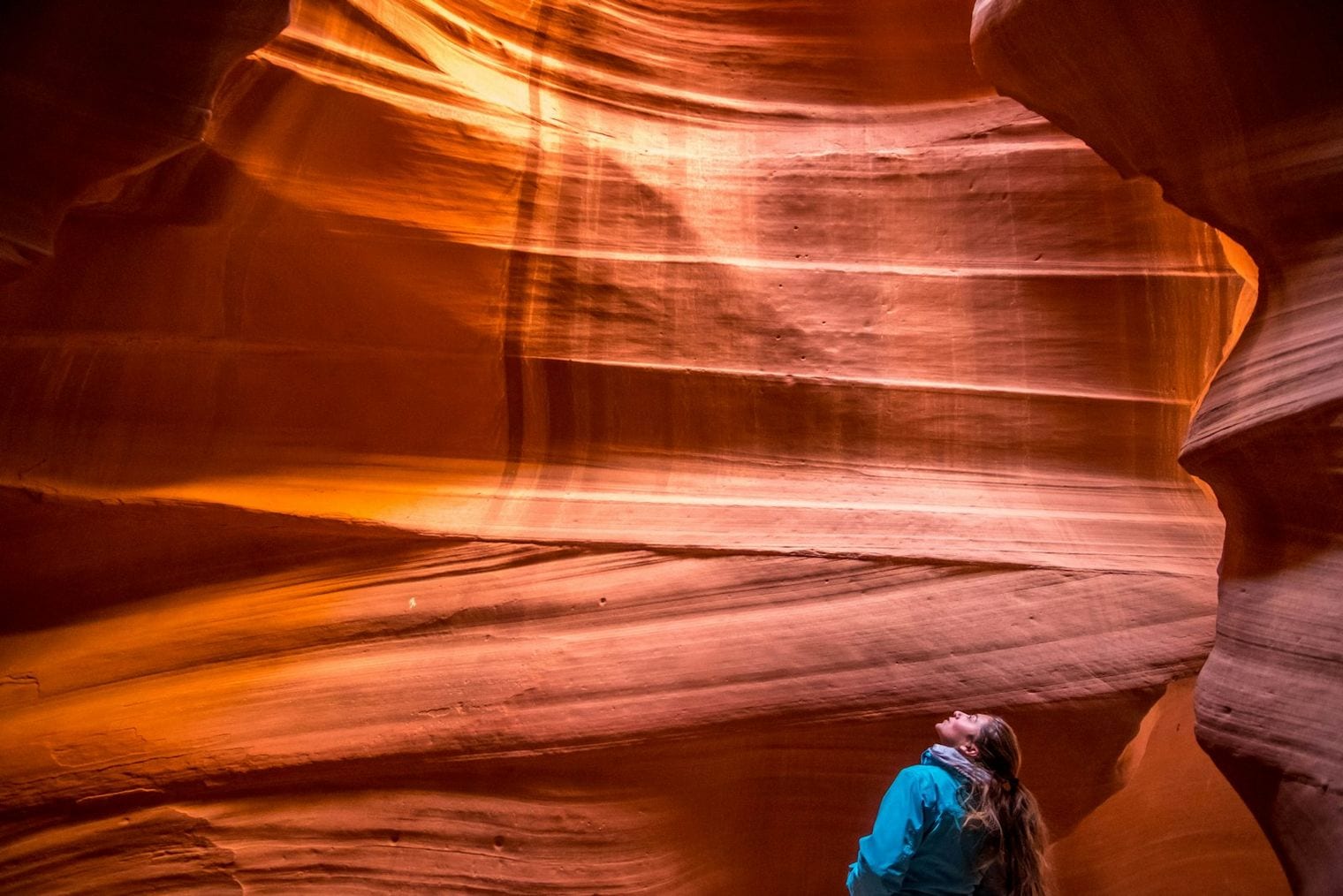
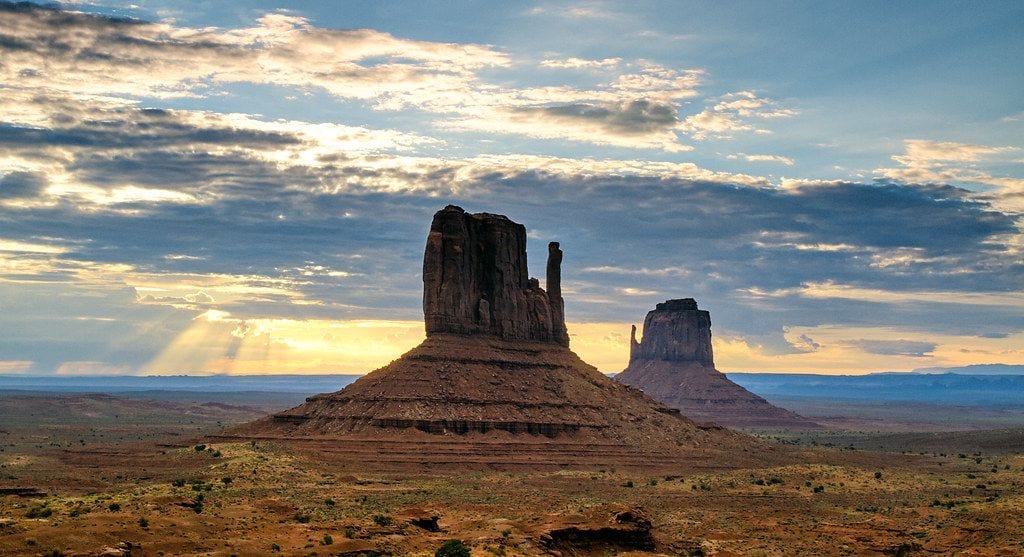
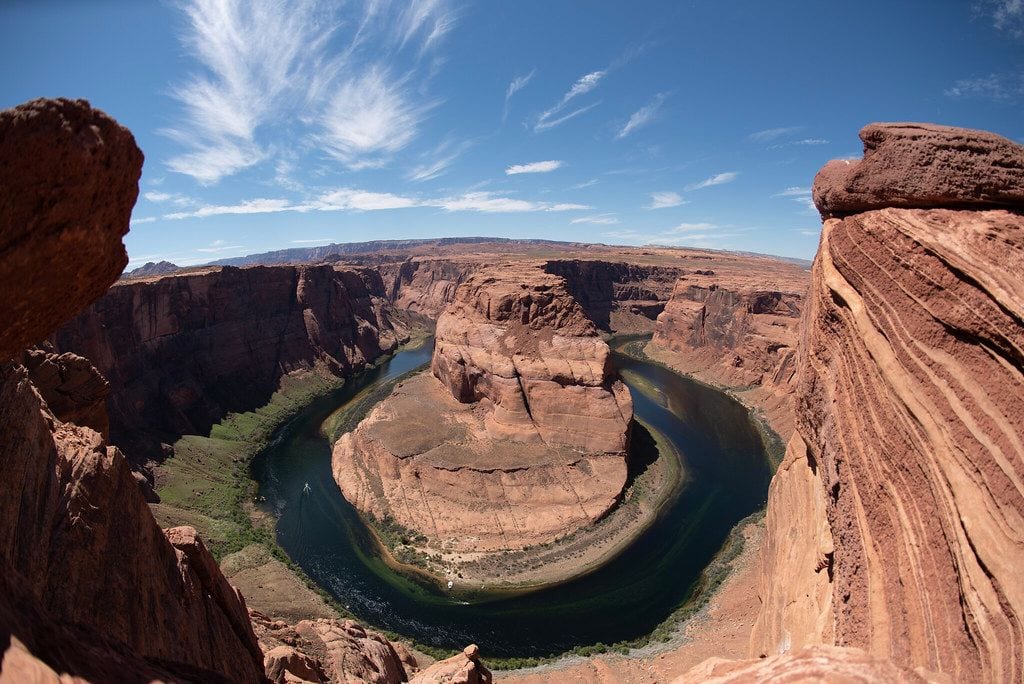
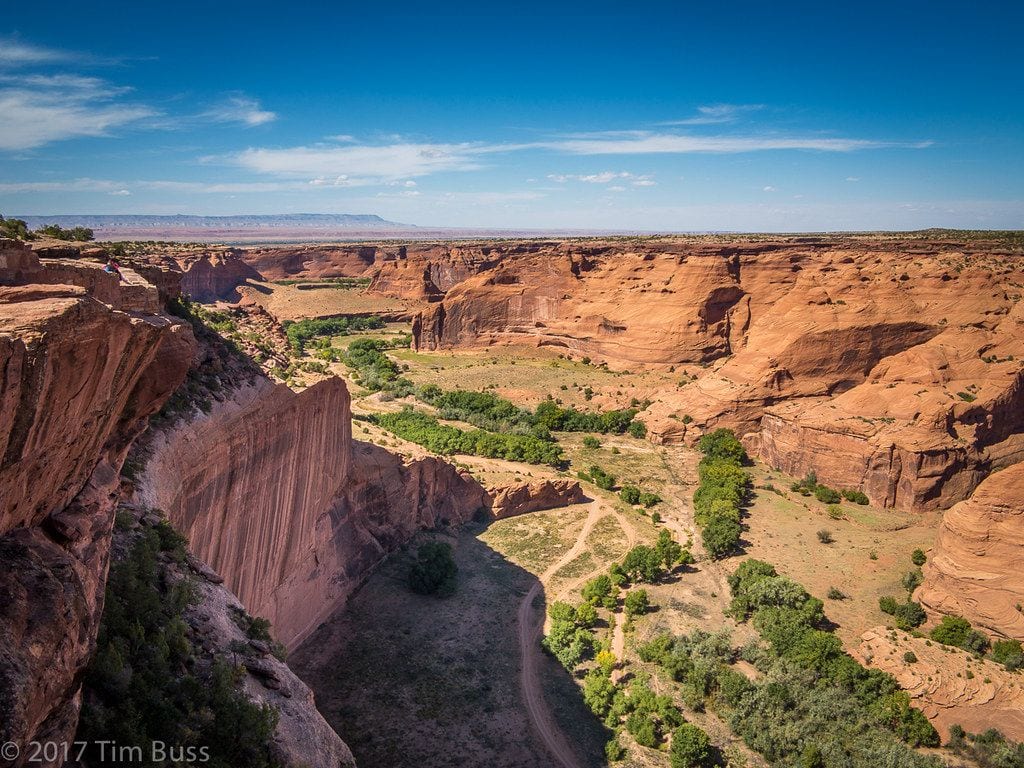
The photogenic corner near the Utah line, where Page anchors Lake Powell, Antelope Canyon, Horseshoe Bend and the drive out to Monument Valley and Canyon de Chelly on the Navajo Nation.
Phoenix & central Arizona
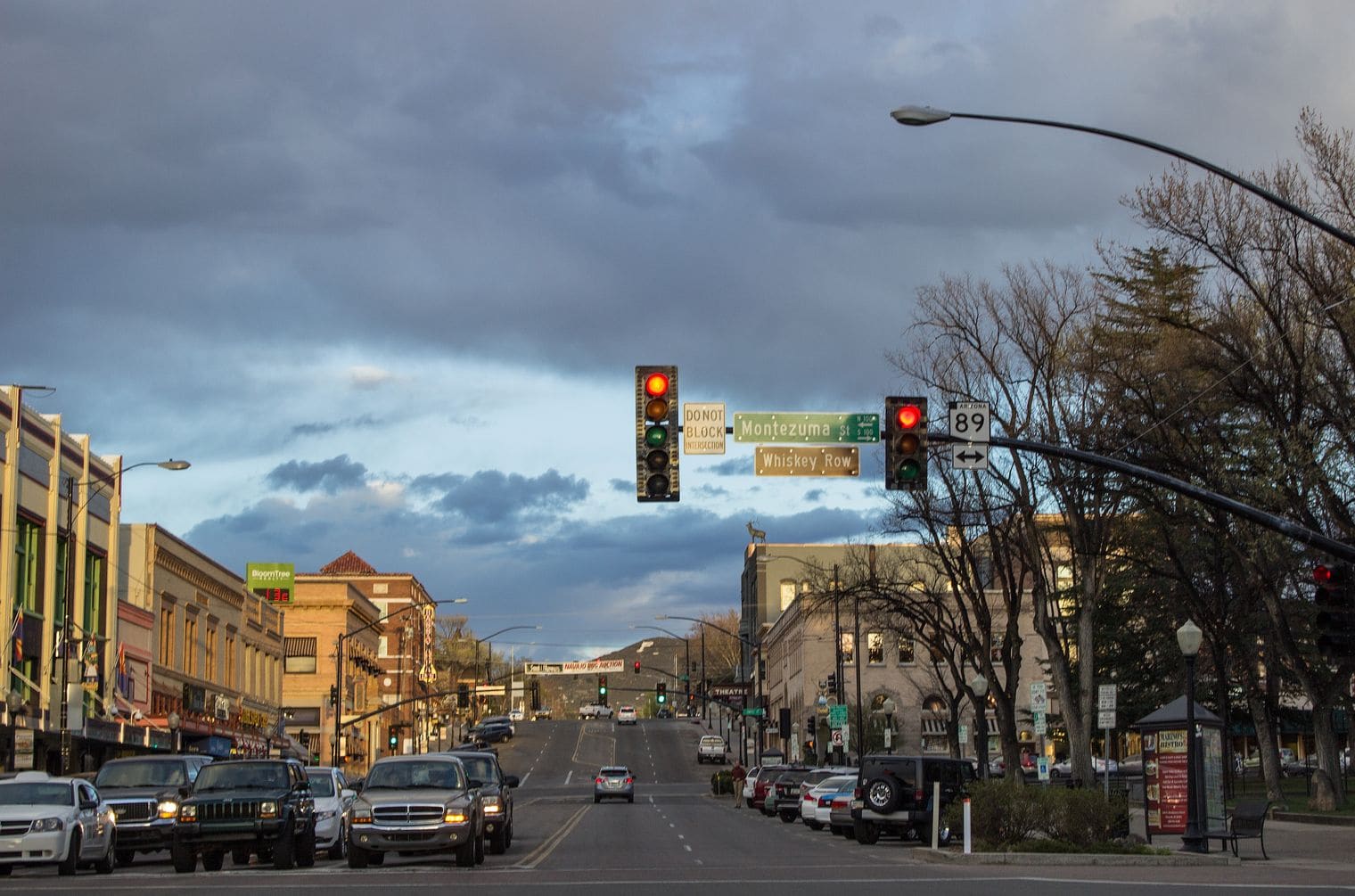
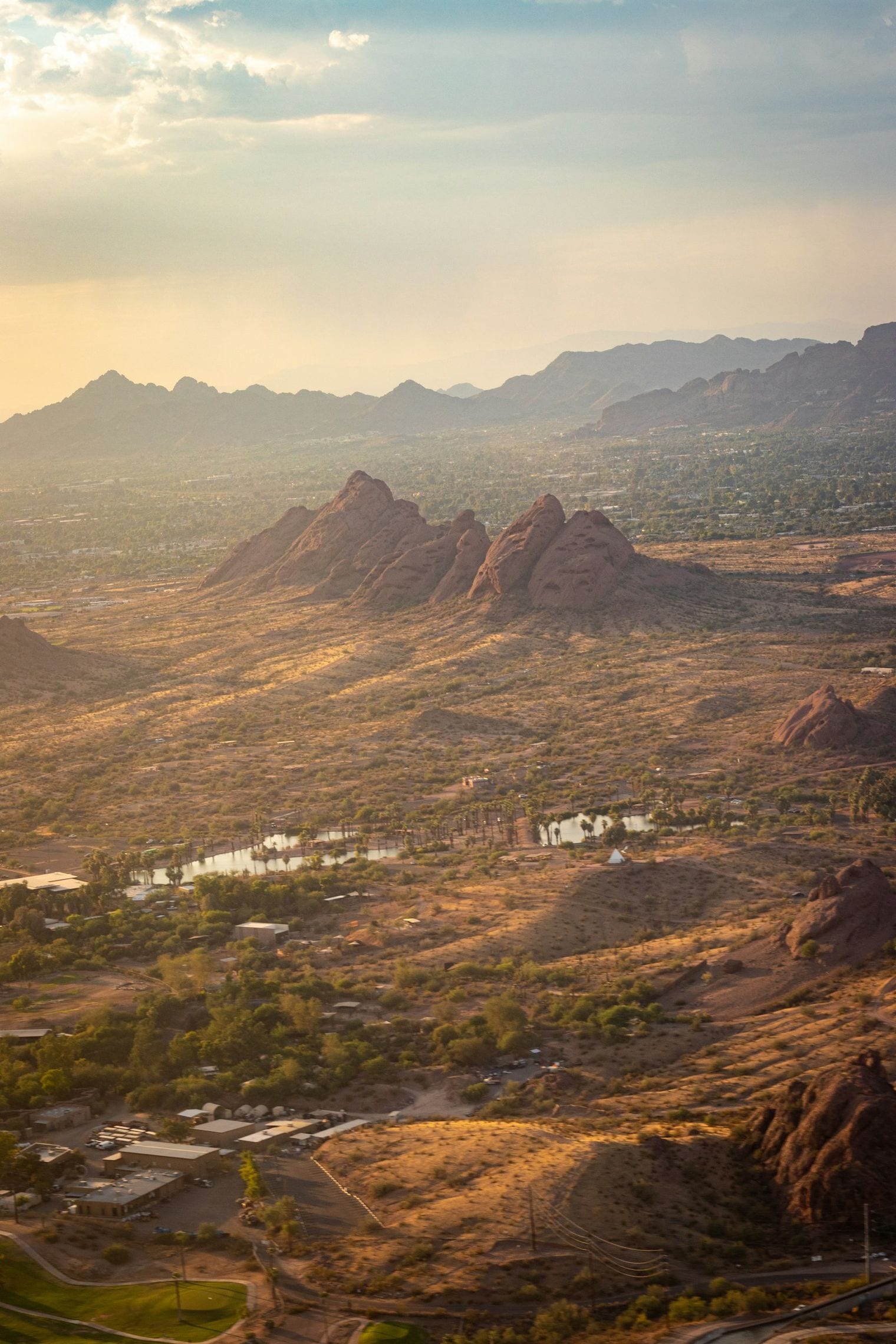
The populous Valley of the Sun, where Phoenix, Scottsdale and the Sonoran suburbs pair desert-city culture and golf with quick access north to Prescott and the mountains.
Tucson & the Sonoran south
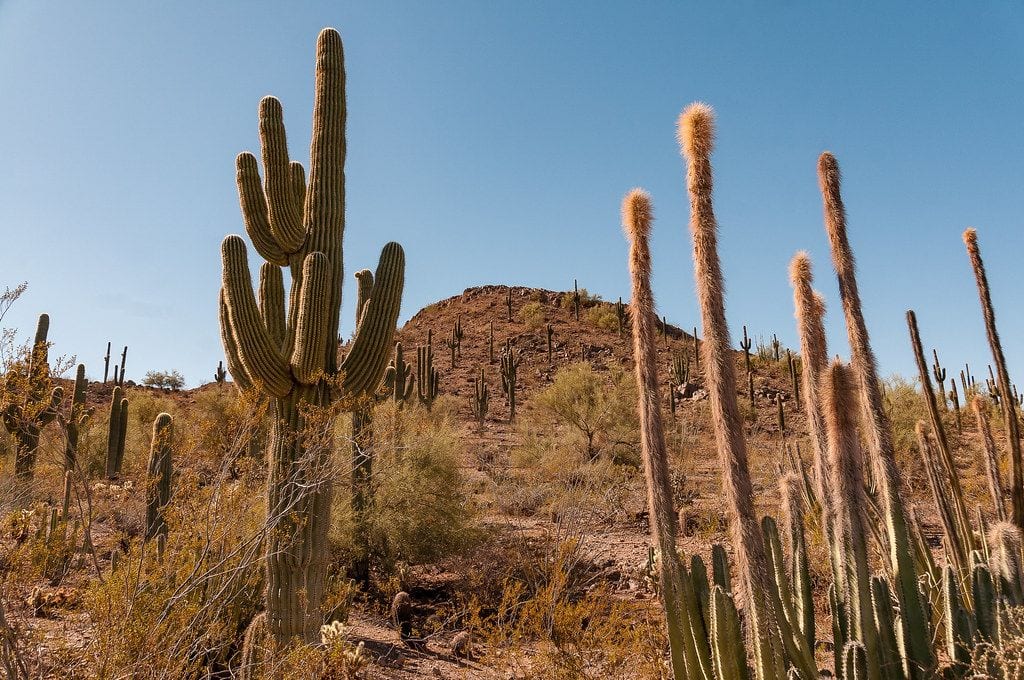
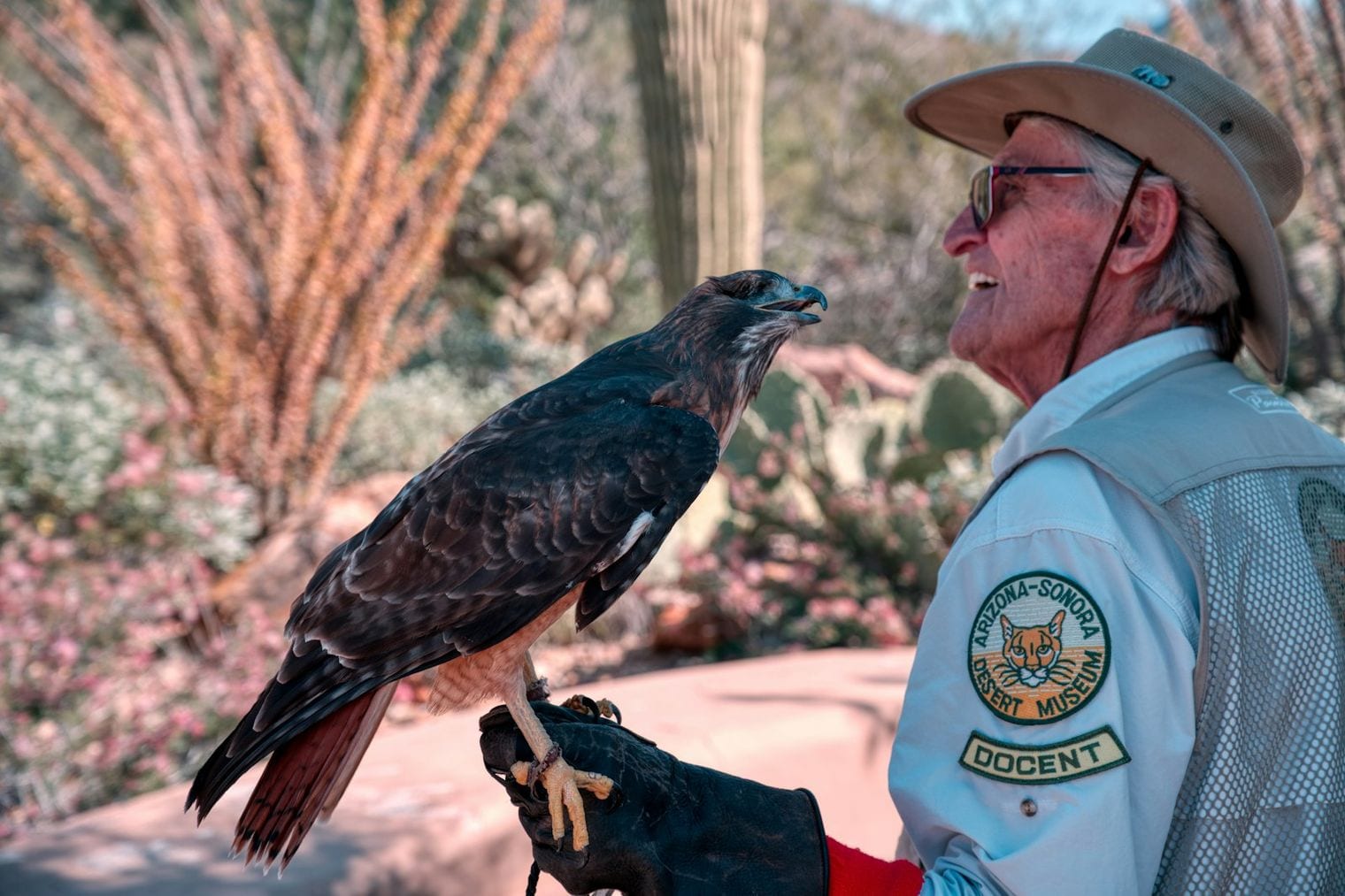
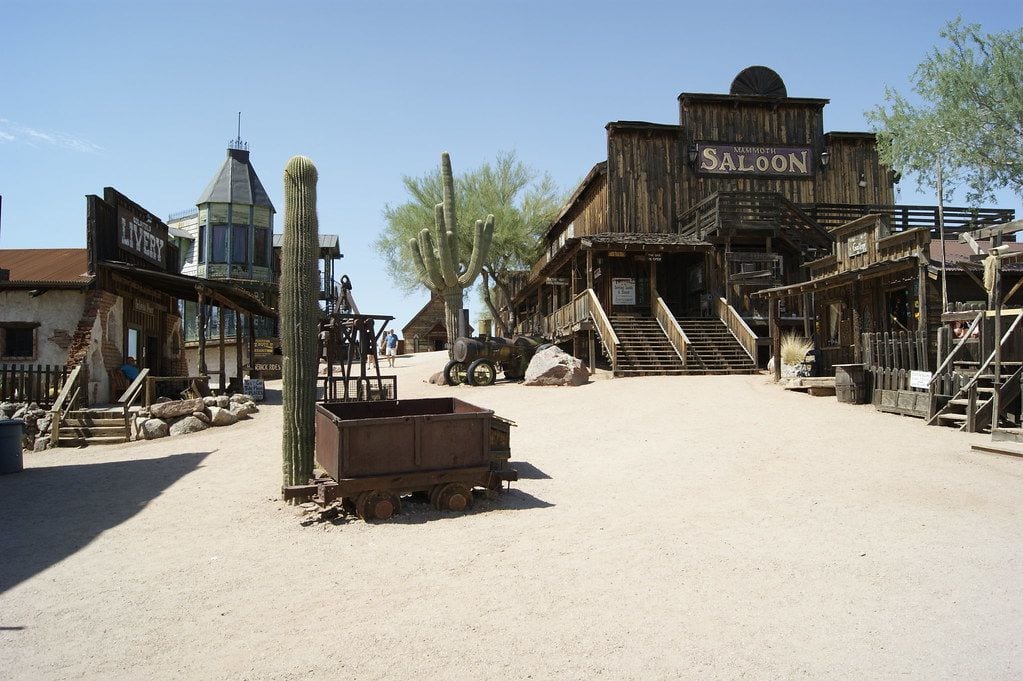
The saguaro-forest south, where Tucson sits between the two halves of Saguaro National Park with the Arizona-Sonora Desert Museum, Old West towns like Tombstone and the border ranges beyond.
Getting around
A rental car is essential: Arizona's marquee sights are spread from the Grand Canyon in the north to Tucson near the Mexican border, and transit between them barely exists. Phoenix Sky Harbor is the main gateway and the natural base for the desert south, while Flagstaff makes the closest high-country basecamp for the Grand Canyon, Sedona and the Colorado Plateau's canyon country. One quirk to plan around: Arizona does not observe daylight saving time, so for half the year its clocks differ from neighbouring states — and the Navajo Nation in the north-east does keep DST, which can shift the hour mid-drive. Fill up before long empty stretches on the reservations and the plateau.
The highlights Arizona's signature sights & road trips
The classic red-rock-and-canyon road trip through Arizona's north, linking the Grand Canyon, Sedona and the Page canyon country from a Flagstaff base. Run it in either direction.
A warm-weather long weekend across the desert south, pairing the culture of Phoenix and Scottsdale with the saguaro country and museums of Tucson — ideal in winter and spring.
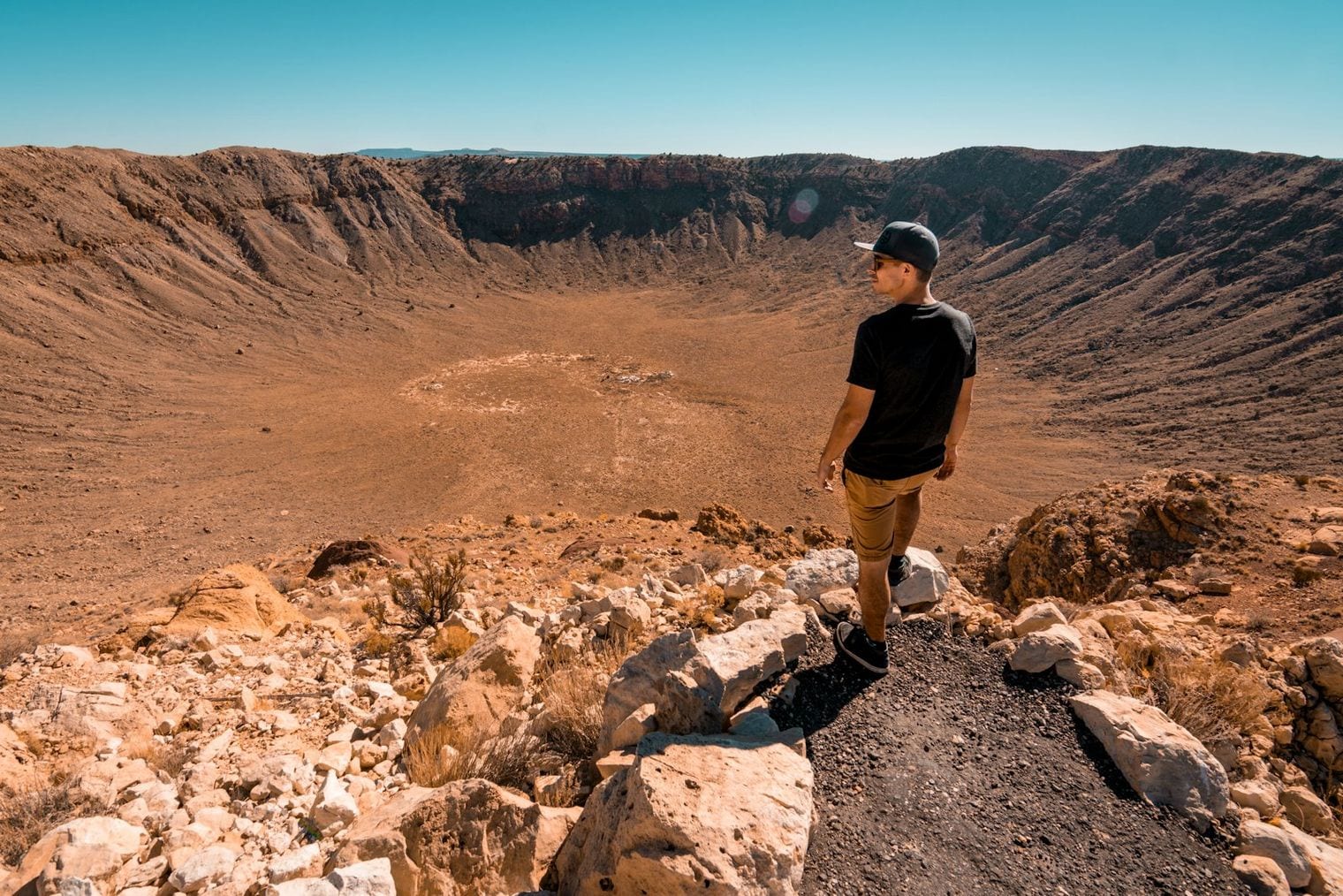
A road-trip weekend along historic Route 66 and the Colorado Plateau, from the pines of Flagstaff east past Meteor Crater to the petrified logs and painted badlands of the plateau.
It depends on the elevation. Spring and autumn are ideal statewide — the desert cities of Phoenix, Scottsdale and Tucson are warm but comfortable, and the high country is mild. Winter is peak season in the sunny southern deserts, while summer is the time to escape the 110°F valleys for altitude around Flagstaff and the Grand Canyon rim.
How many days do you need in Arizona?
A focused trip works well in three to four days — the Grand Canyon and Sedona from a Flagstaff base, or Phoenix and Tucson in the desert south. A week lets you combine the north and south, and adding the Page canyon country and Monument Valley to a full loop pushes it toward ten days.
Do you need a car in Arizona?
Yes. The Grand Canyon, Sedona, the Page canyons and the southern deserts are spread far apart and barely served by public transit, so a rental car is essential. Most visitors fly into Phoenix Sky Harbor and drive from there, though Flagstaff is the closer base for the Grand Canyon and the high country.
What is Arizona best known for?
Arizona is famous above all for the Grand Canyon, one of the natural wonders of the world. It's also known for the red rocks of Sedona, the slot canyons and Horseshoe Bend near Page, the towering saguaro cactus of the Sonoran Desert around Tucson and Phoenix, and the sweeping buttes of Monument Valley.
Should you visit the Grand Canyon's South Rim or North Rim?
The South Rim is the classic choice — open all year, easiest to reach from Flagstaff or Phoenix, with the most viewpoints, services and shuttle access. The North Rim is higher, cooler, far quieter and a longer drive from anywhere, and it closes for winter (typically mid-October to mid-May) when snow blocks the road. First-time visitors almost always head for the South Rim.
Does Arizona observe daylight saving time?
Mostly no. Arizona stays on Mountain Standard Time year-round and does not spring forward, so for the summer half of the year its clocks match Pacific Time rather than the rest of the Mountain zone. The one exception is the Navajo Nation in the north-east, which does observe daylight saving — worth remembering if you're driving through Monument Valley or Canyon de Chelly.
Do you need a permit or reservation for Arizona's top sights?
Several of the most popular spots do. Antelope Canyon can only be visited on a guided tour booked through a Navajo operator, and Havasu Falls requires a permit from the Havasupai Tribe that sells out far in advance. The Grand Canyon itself needs only the standard park entry pass for day visits, though its most sought-after trails and campgrounds use permits. Rules change year to year, so always check the official park or tribal site before you go.
How hot does Arizona get in summer, and is it safe to hike?
In the low deserts around Phoenix and Tucson, summer highs routinely top 110°F, and desert hiking in that heat can be genuinely dangerous. If you visit in summer, hike at dawn, carry far more water than you think you need, and save the strenuous trails for the cooler high country around Flagstaff and the Grand Canyon rim. Watch too for the July–August monsoon, which can trigger sudden flash floods in slot canyons and washes.
We use cookies to analyse site traffic and improve your experience.
You can accept or reject analytics cookies. See our Cookie Policy.