From the Alamo to Big Bend, everything really is bigger here — the distances most of all.
Texas is a country-sized state where Gulf beaches, Hill Country rivers, high desert mountains and big-shouldered cities all sit under the same enormous sky. This hub pulls it together: browse our city and adventure guides below — from Waco and Tyler to El Paso and the Dallas–Fort Worth suburbs — or start with the full statewide list for the headline sights, from the Alamo and the River Walk to Big Bend.
The best all-round window: Hill Country bluebonnets carpet the roadsides, days are warm rather than brutal, and the desert around Big Bend and El Paso is at its most comfortable before the summer heat sets in.
Summer
Jun–Aug
Hot and humid on the Gulf and across the eastern half, often pushing into the high 90s°F, while the West Texas desert bakes past 100°F. It's peak beach season on Galveston and Padre Island — plan indoor museums or early starts elsewhere.
Fall
Sep–Nov
Heat eases into long, mild afternoons and the state's calendar fills with football and fairs. October and November are prime for Big Bend and the Guadalupe Mountains, and East Texas around Tyler turns to autumn colour.
Winter
Dec–Feb
Generally mild — the southern coast and the Rio Grande Valley stay warm enough to draw snowbirds — though northern Texas and the Panhandle can turn sharply cold with the odd ice storm. A quiet, pleasant time for the big cities.
Regions of Texas
Central Texas & the Hill Country
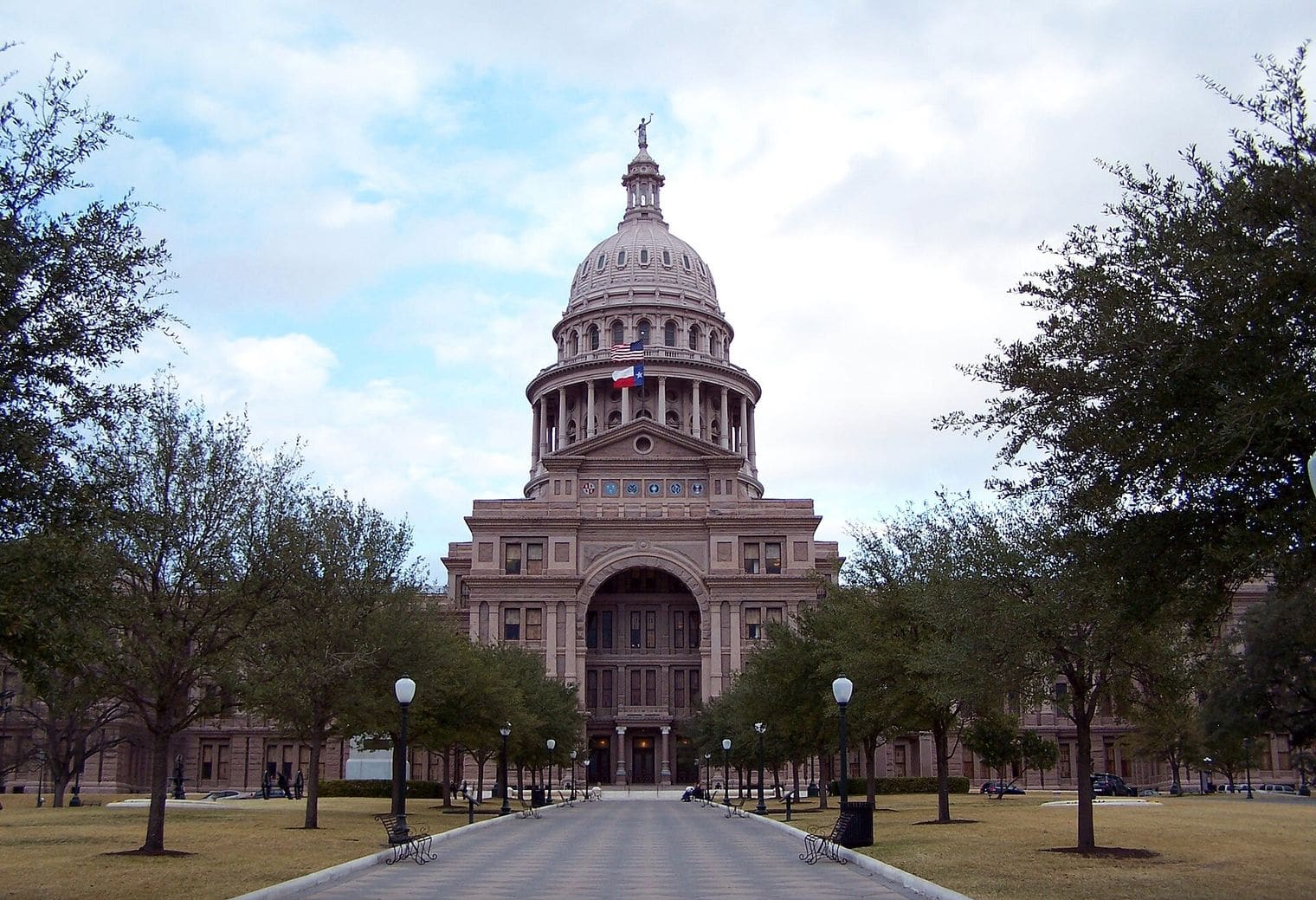
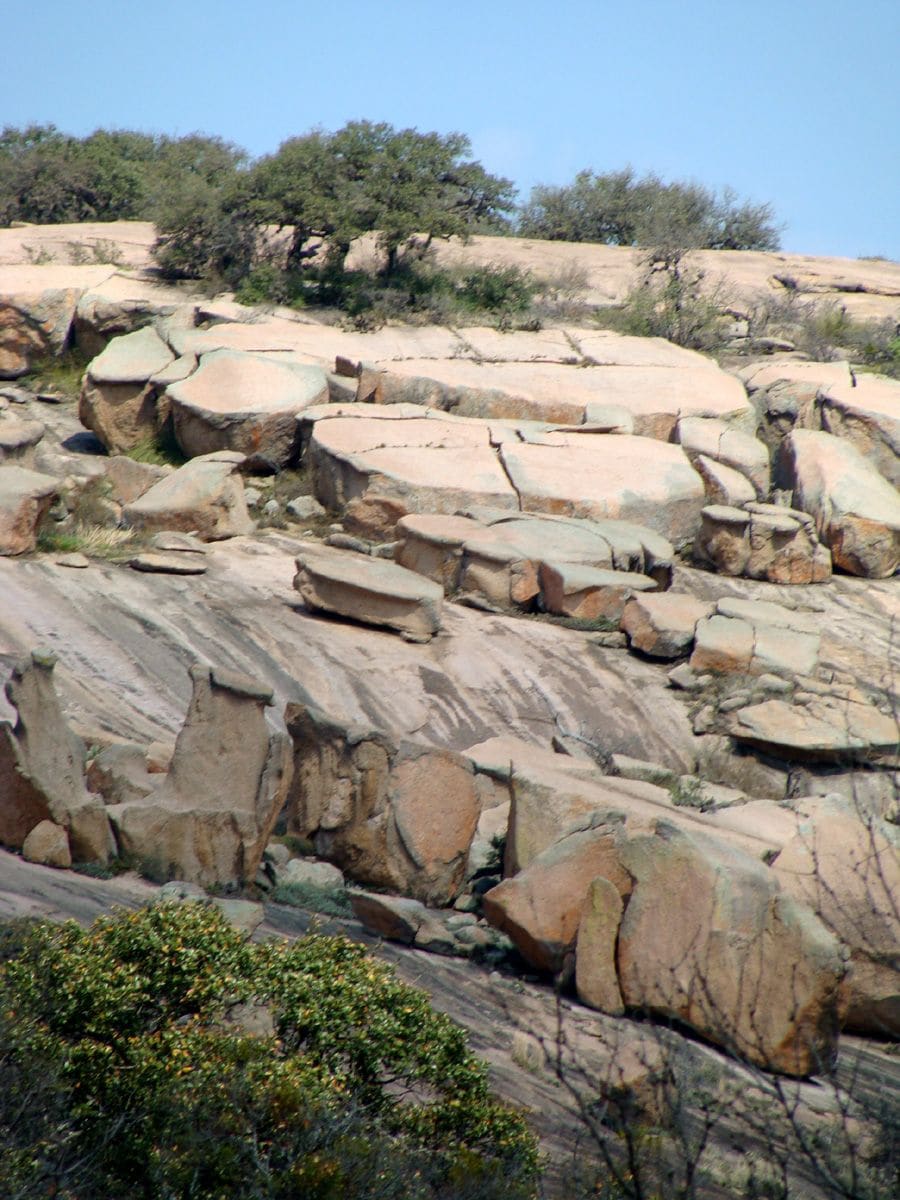
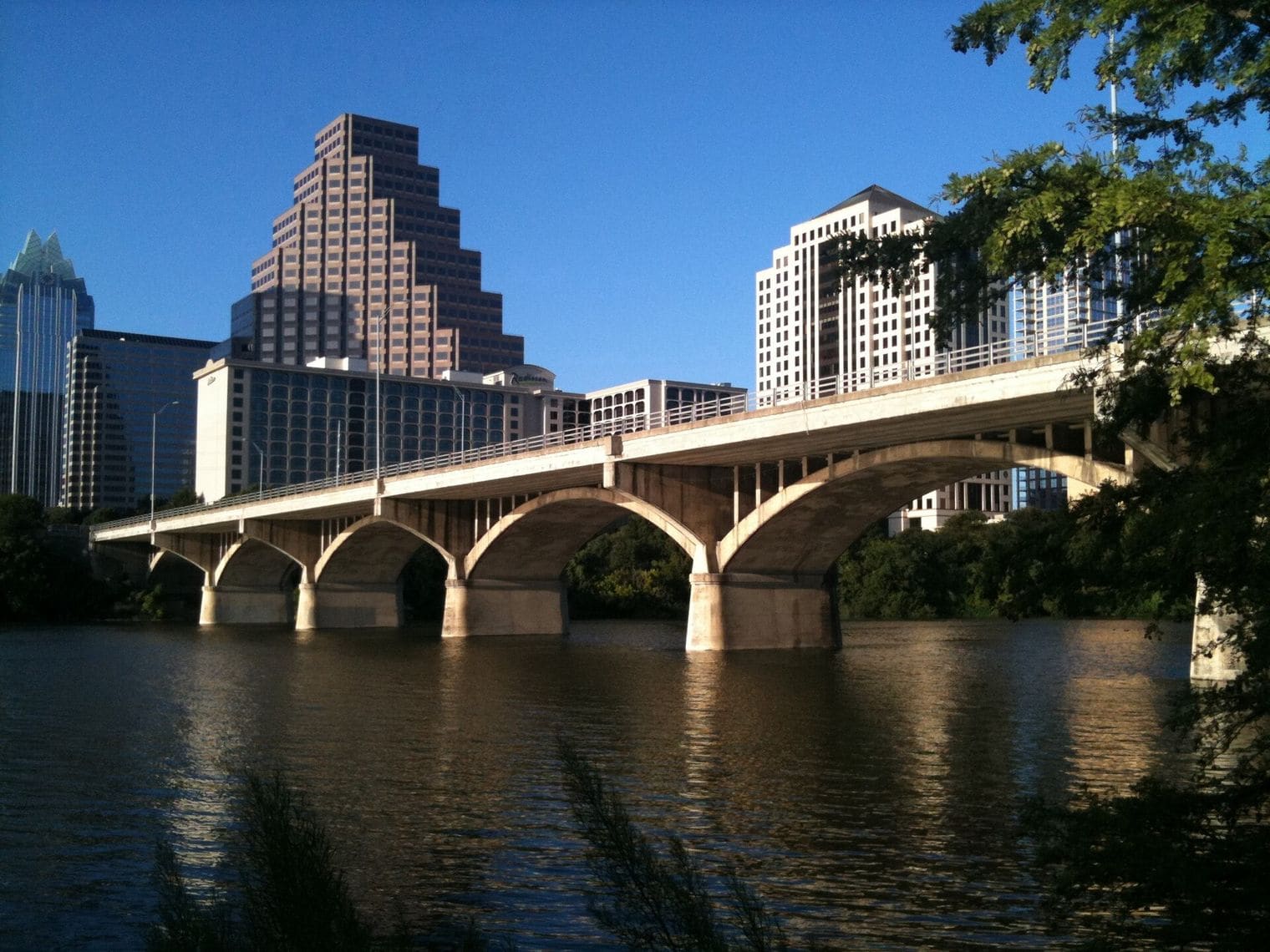
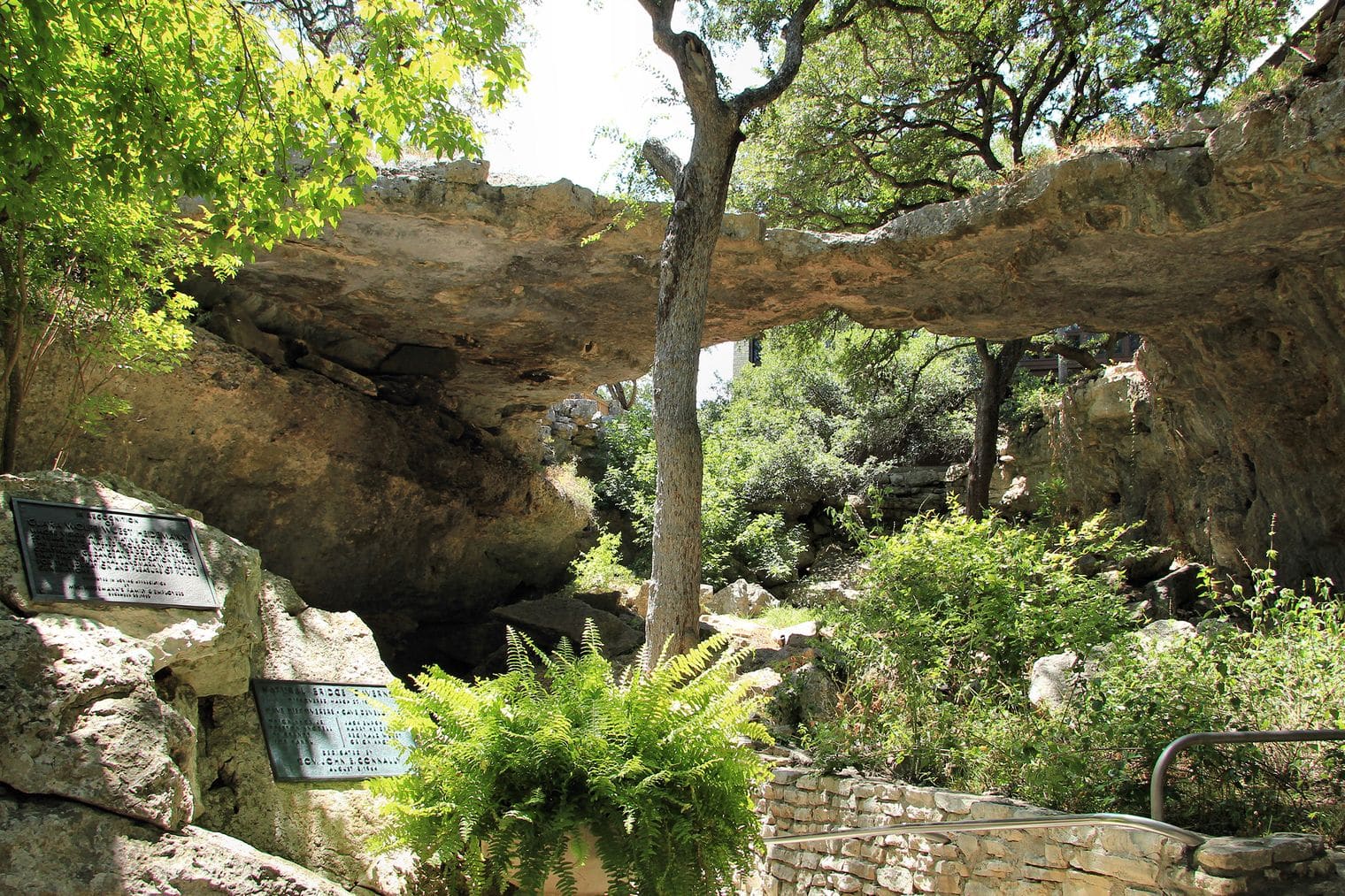
The green, spring-fed heart of the state, where Austin's music and the Texas State Capitol sit above a landscape of rivers, wineries and granite domes — Enchanted Rock, Natural Bridge Caverns and the tubing rivers around New Braunfels are all within an easy drive.
San Antonio & the south
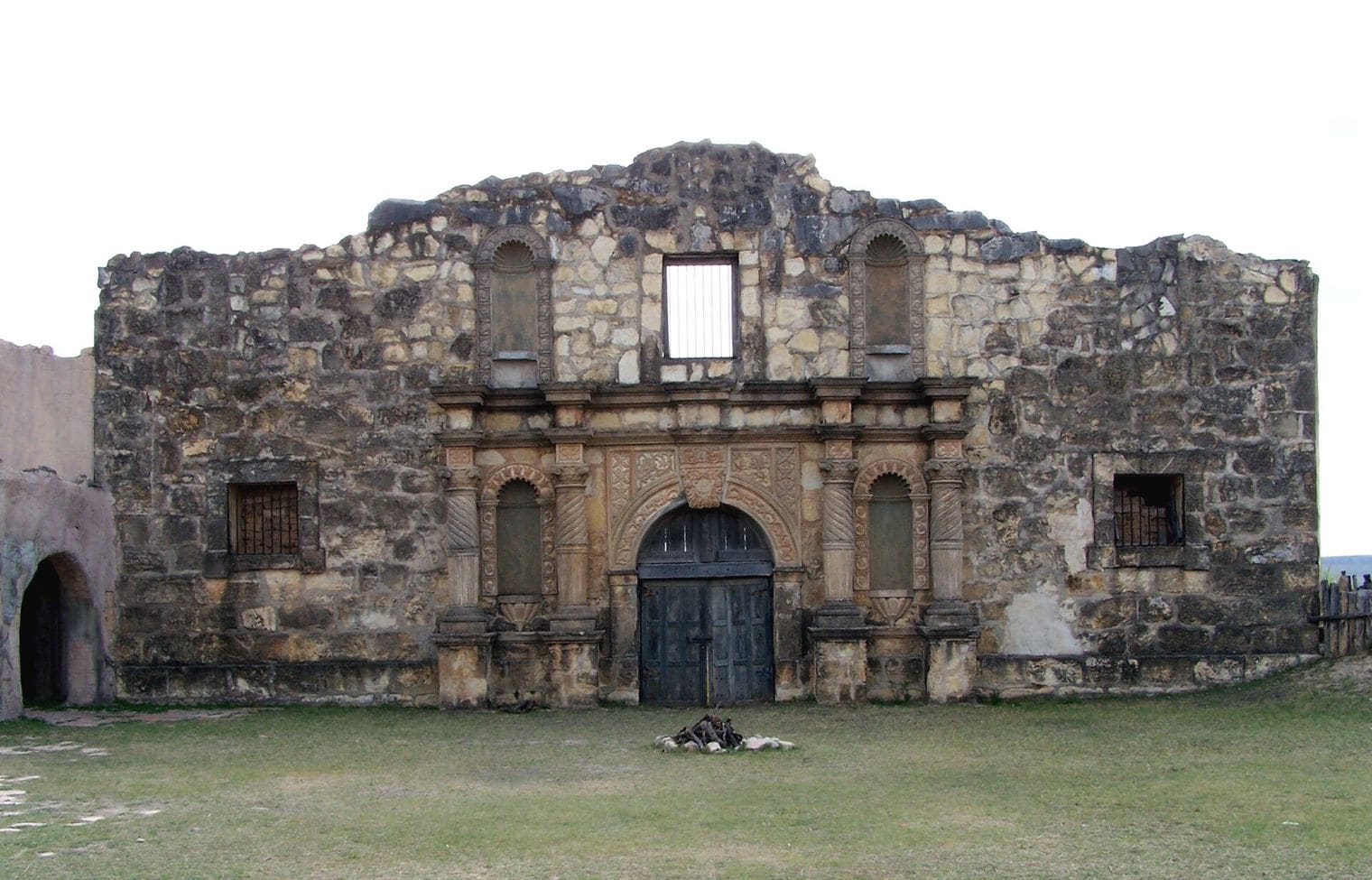
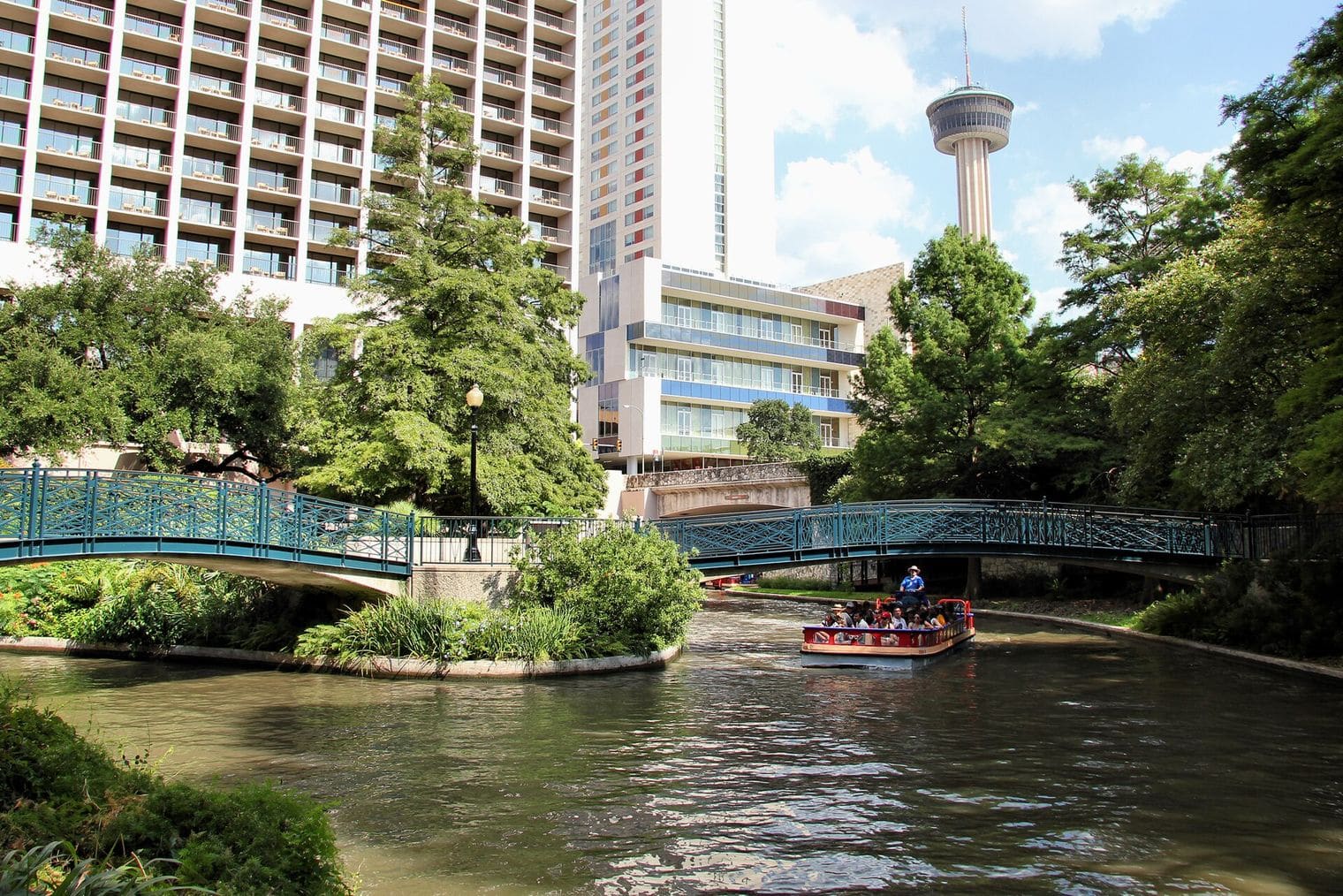
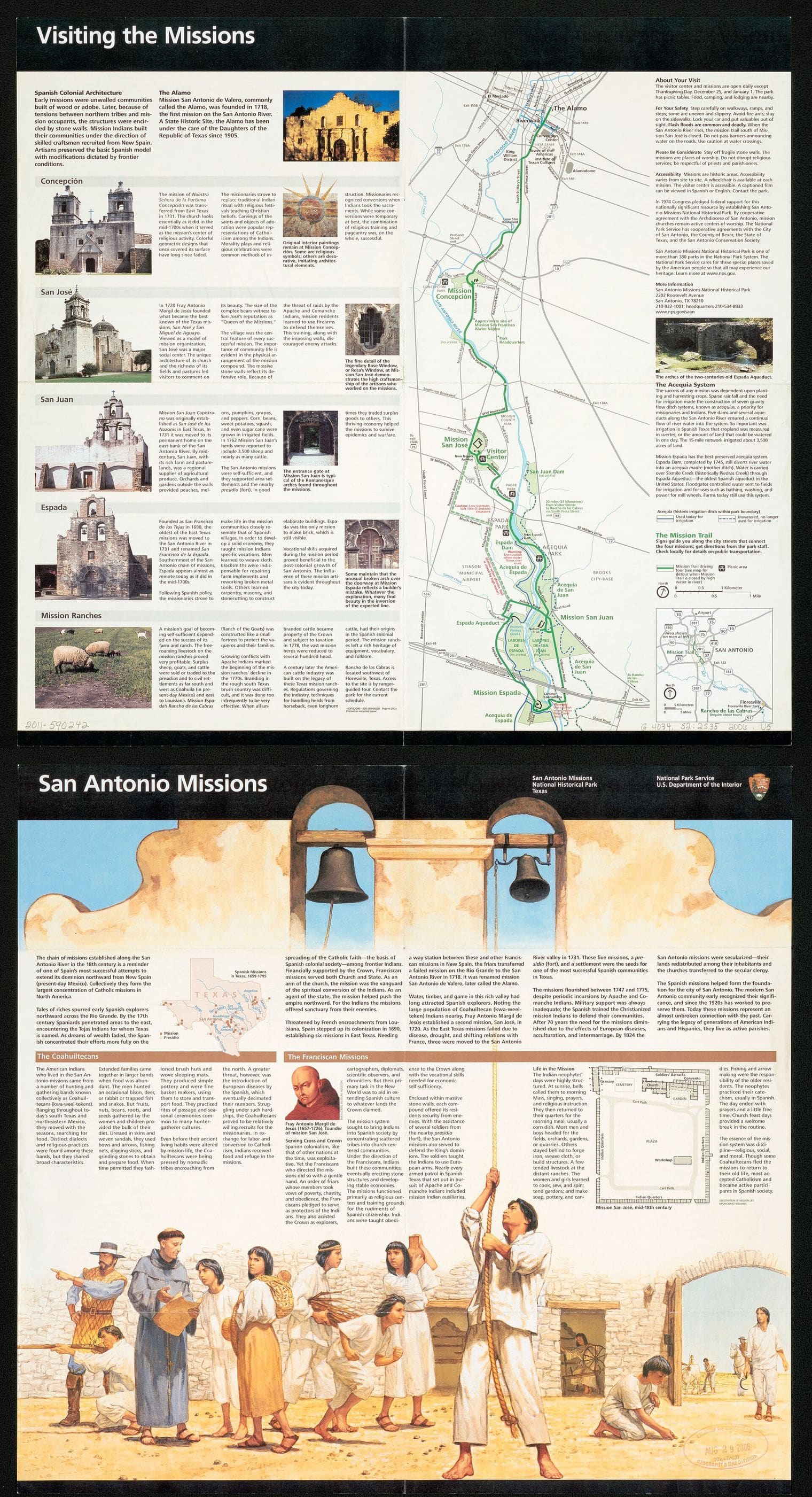
History-rich and Tex-Mex to the core, anchored by the Alamo, the River Walk and the San Antonio Missions, and running south toward the beaches of Padre Island and the Rio Grande Valley.
Dallas–Fort Worth (DFW)
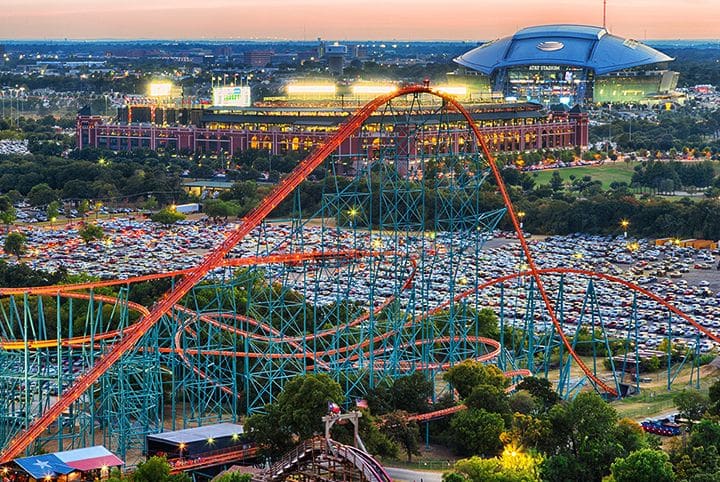
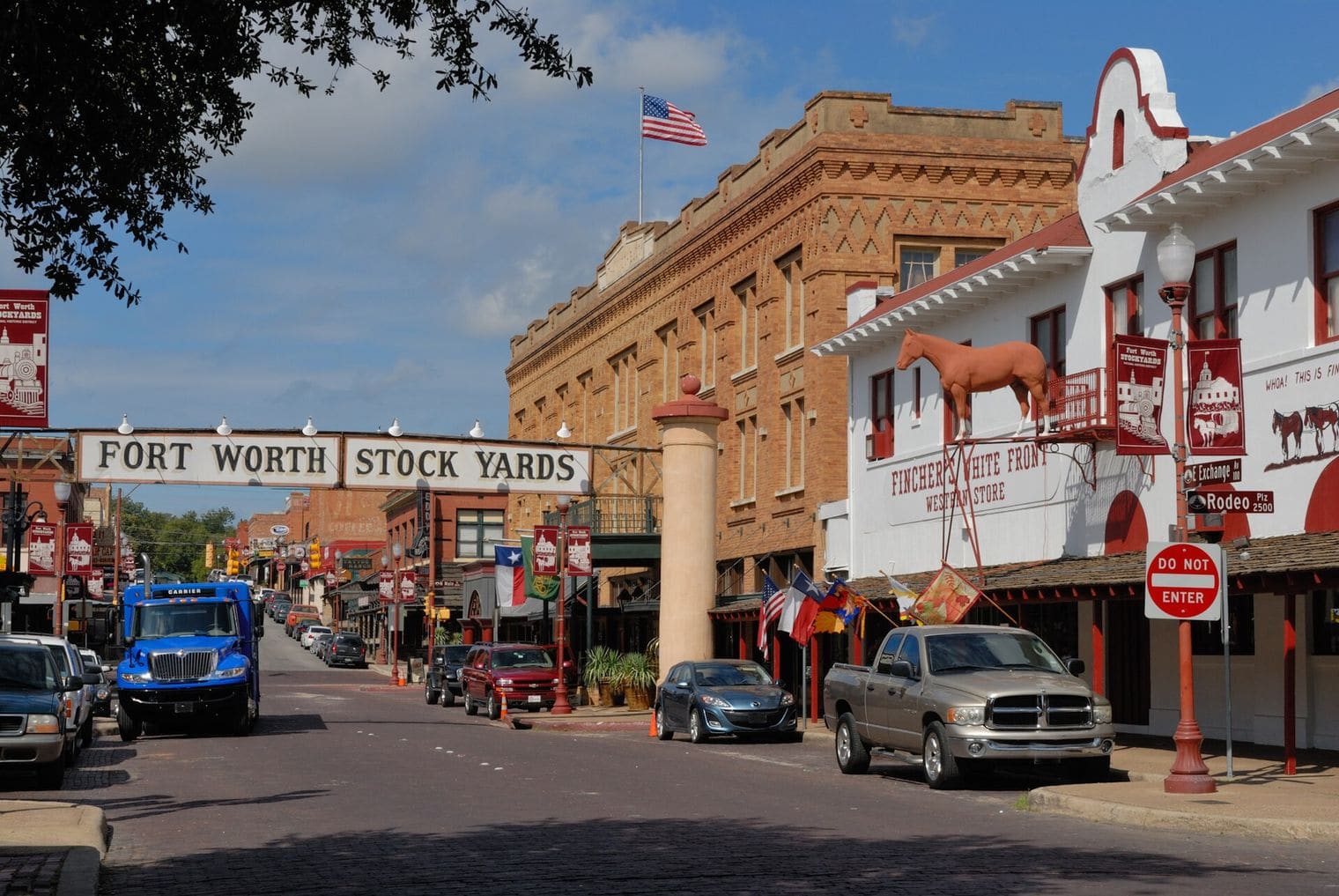
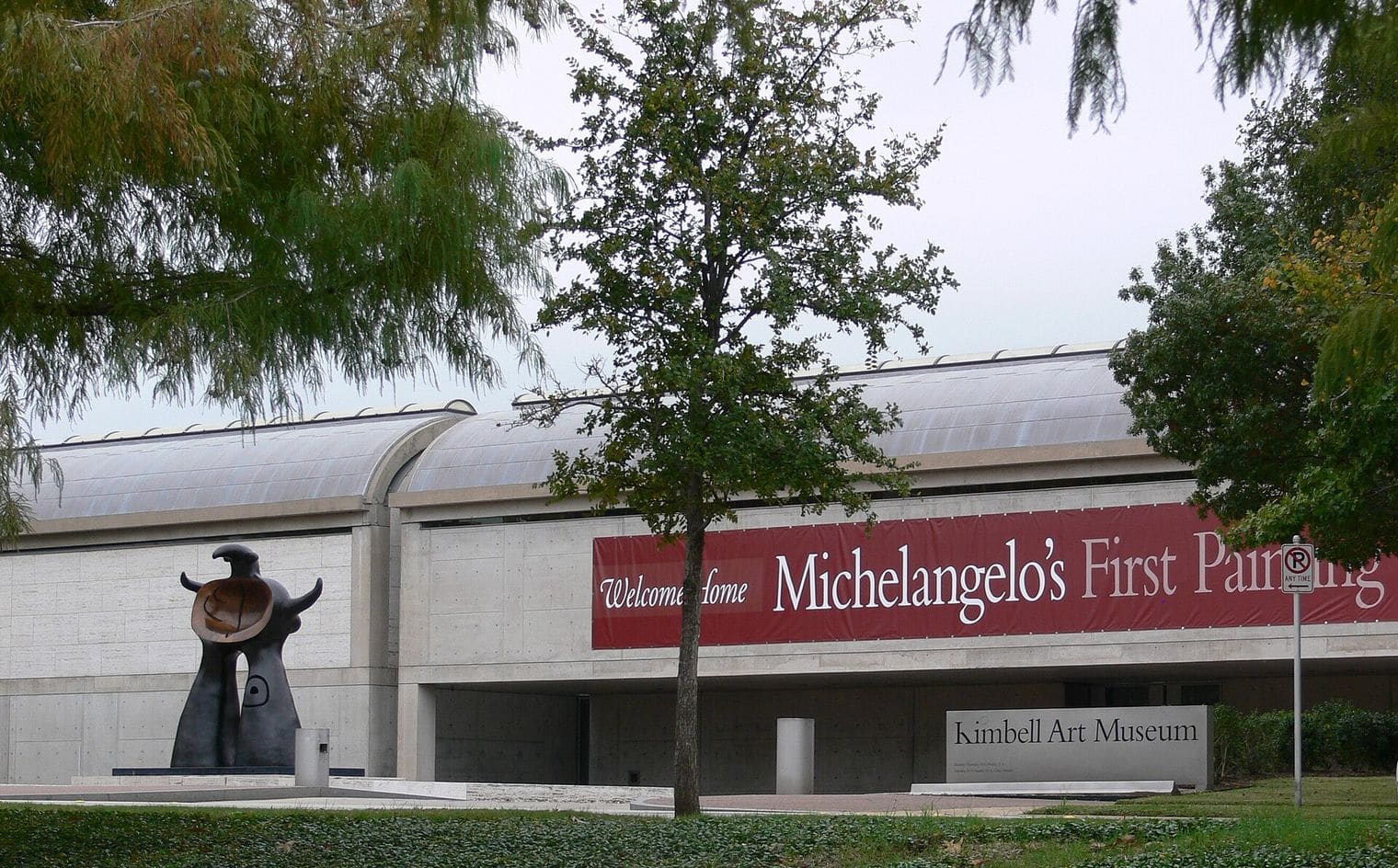
The big northern metroplex, pairing Dallas's Sixth Floor Museum with Fort Worth's Stockyards and Kimbell Art Museum — with our guides to the suburbs of Arlington and Grapevine filling in the theme parks, stadiums and wineries between them.
Houston & the Gulf Coast
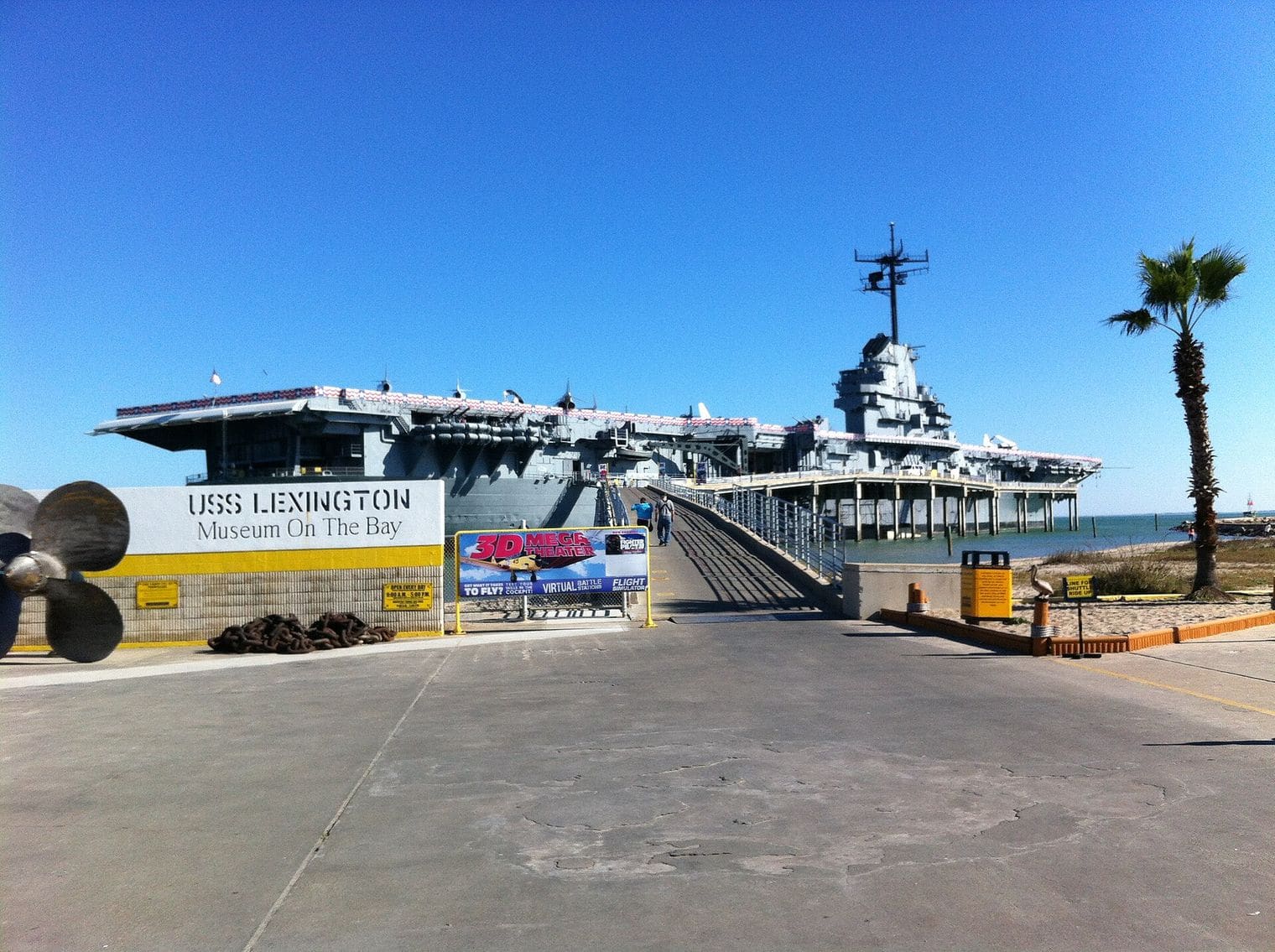
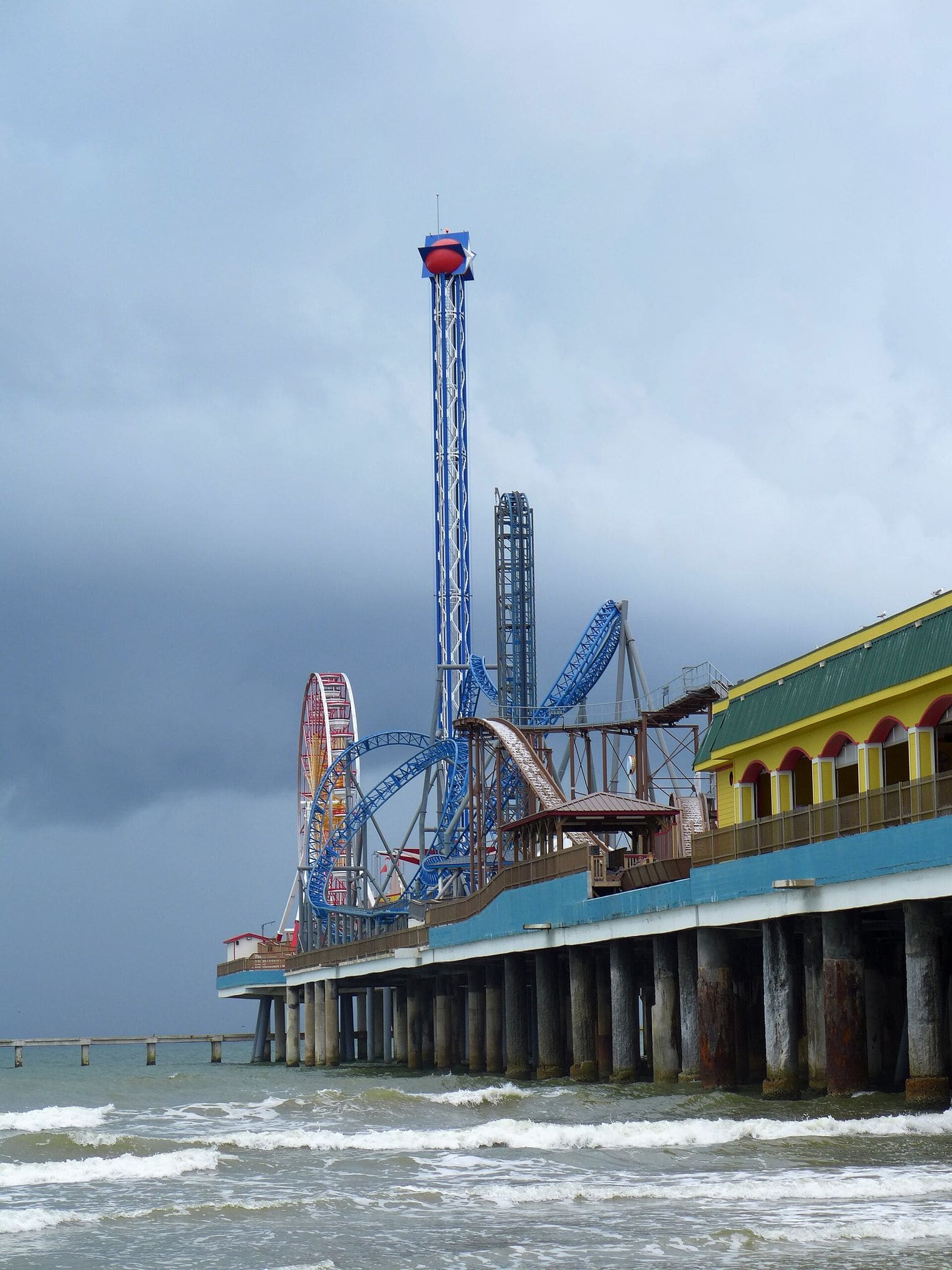
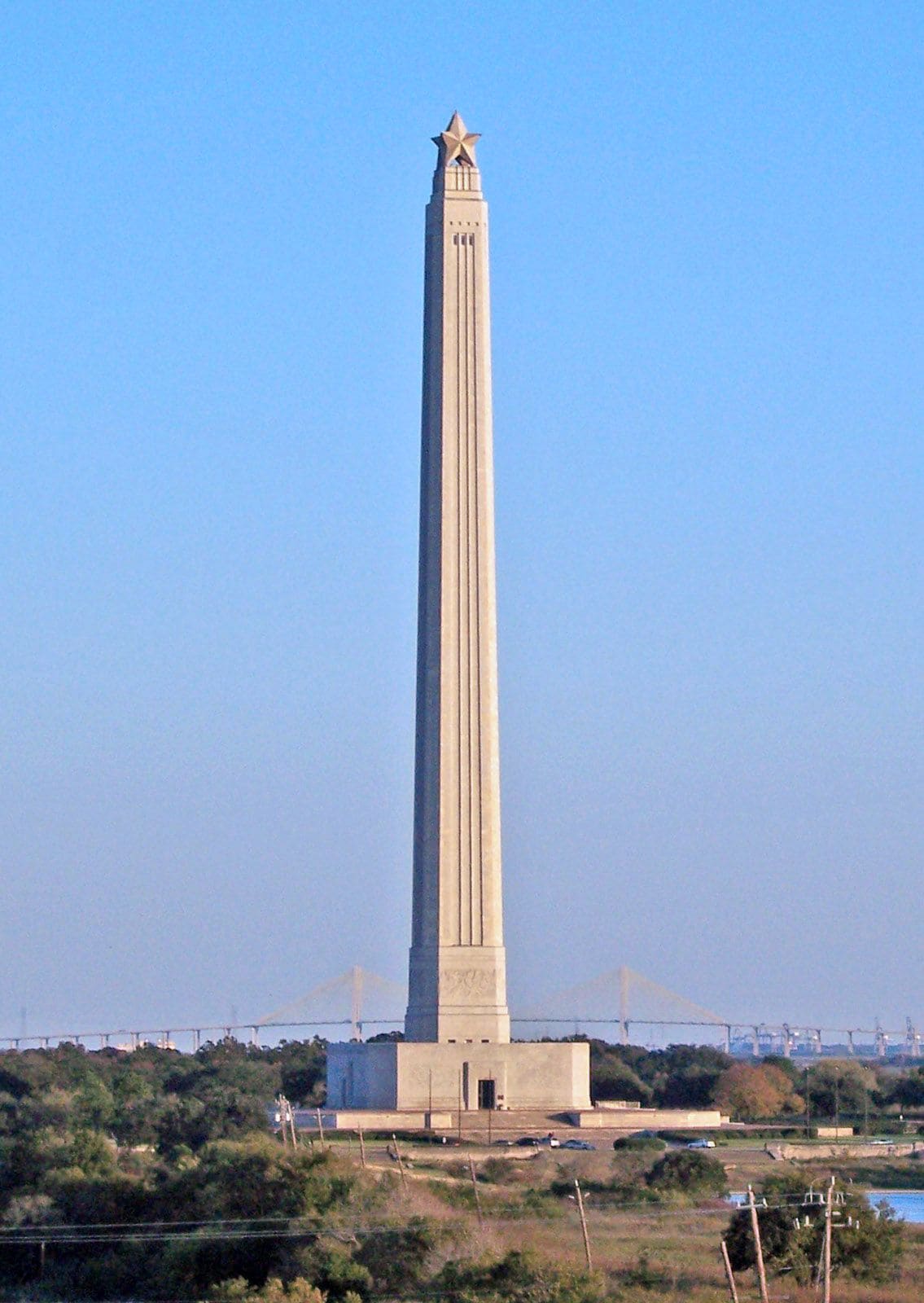
The Gulf gateway, where Space Center Houston and the city's world-class museums sit an hour from the beaches and piers of Galveston, with the wooded suburb of The Woodlands to the north and Corpus Christi's USS Lexington down the coast.
East Texas & the Piney Woods
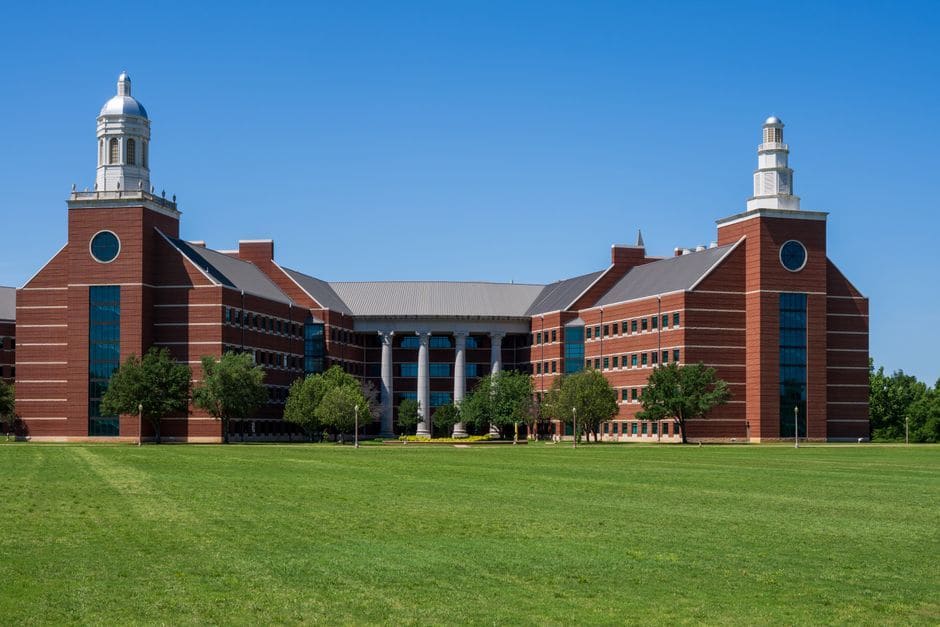
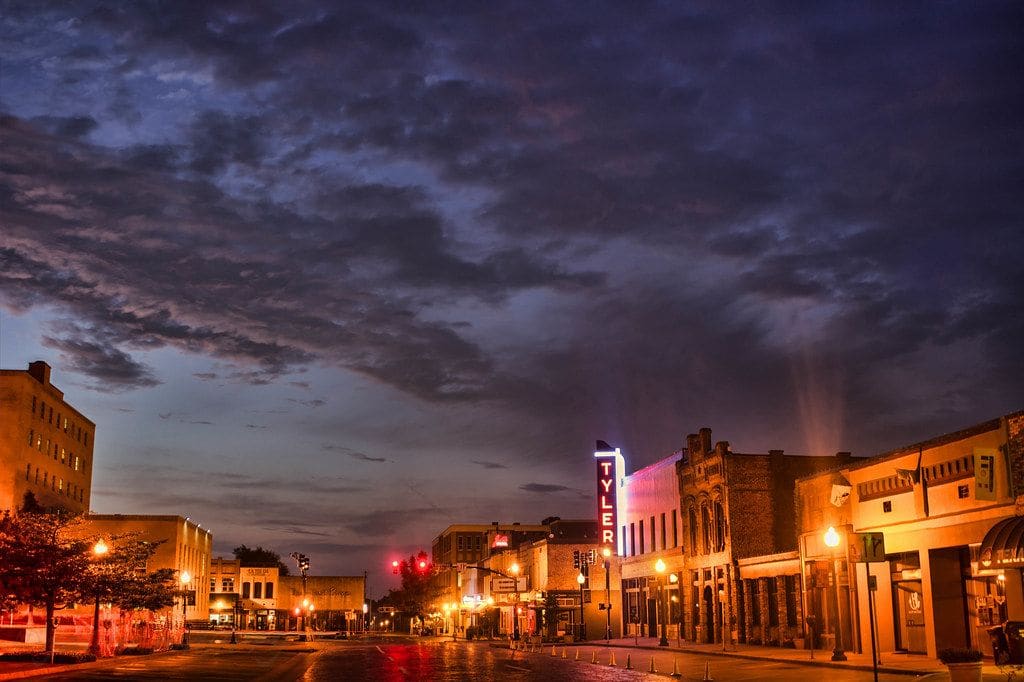
The green, lake-dotted eastern belt, where Tyler's rose gardens and Waco's Magnolia and Baylor sit among pine forests — a softer, more Southern side of Texas.
West Texas & the Big Bend country
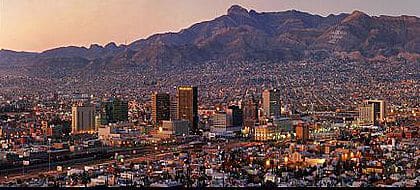
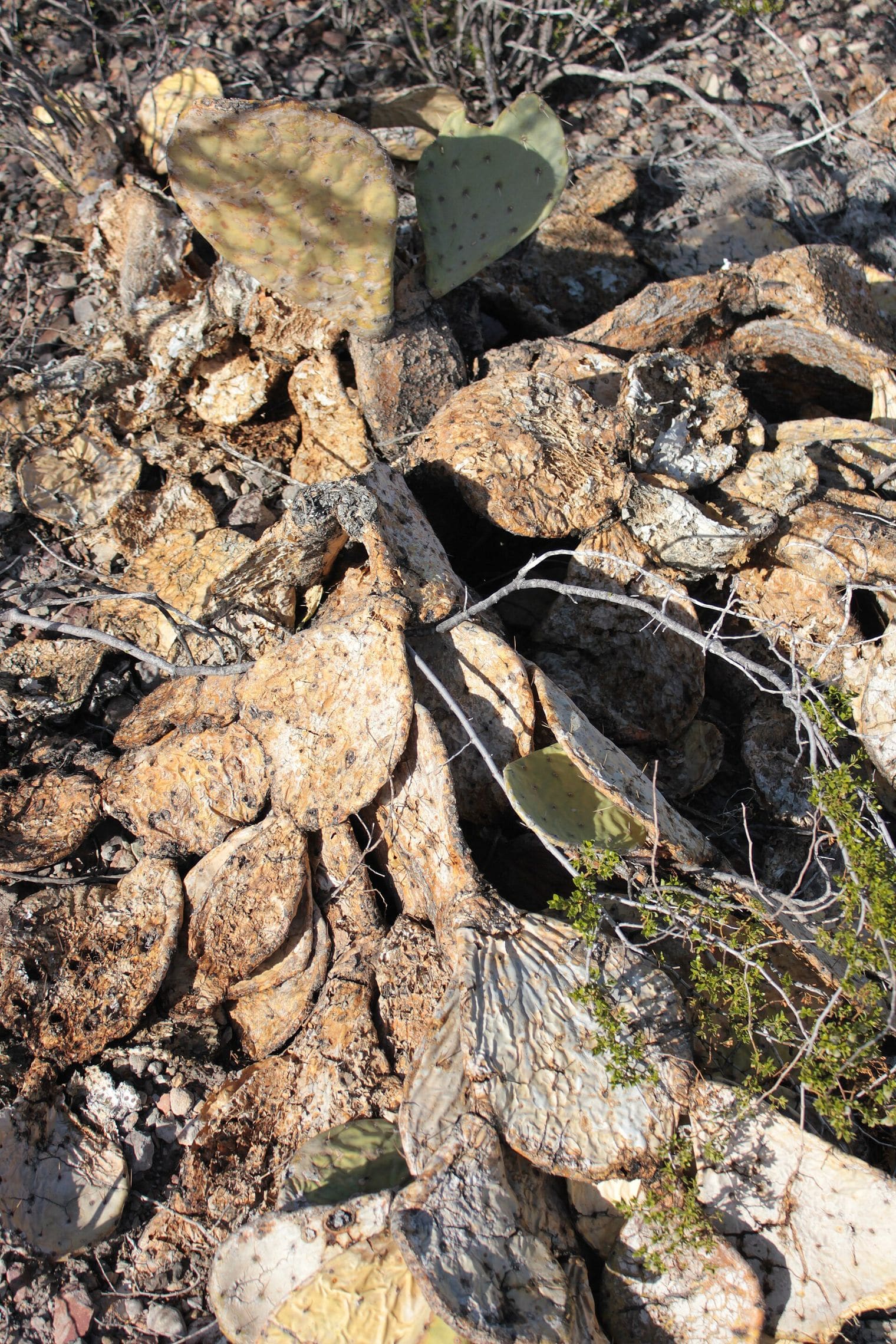
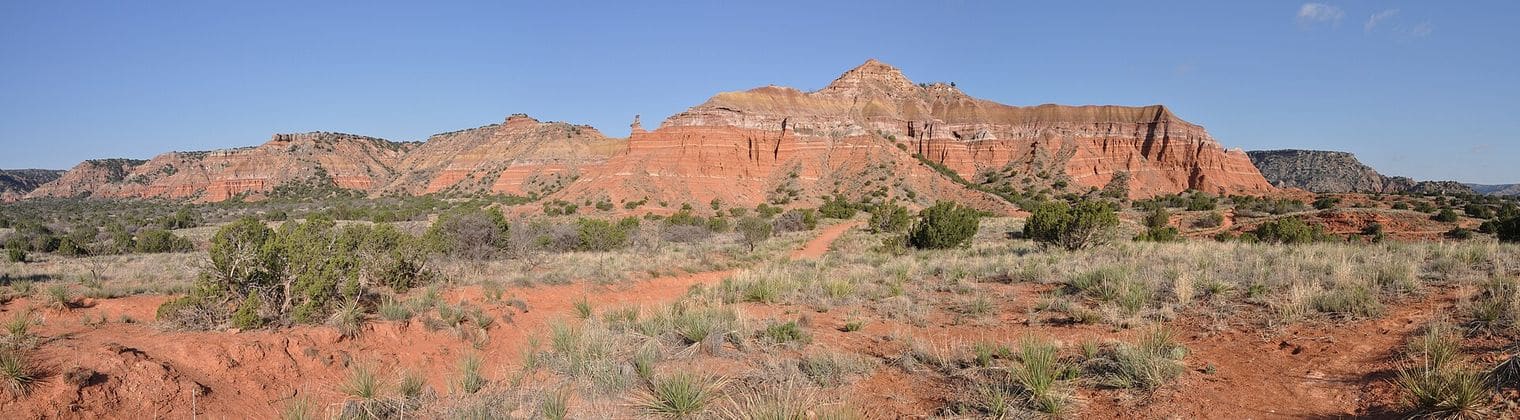
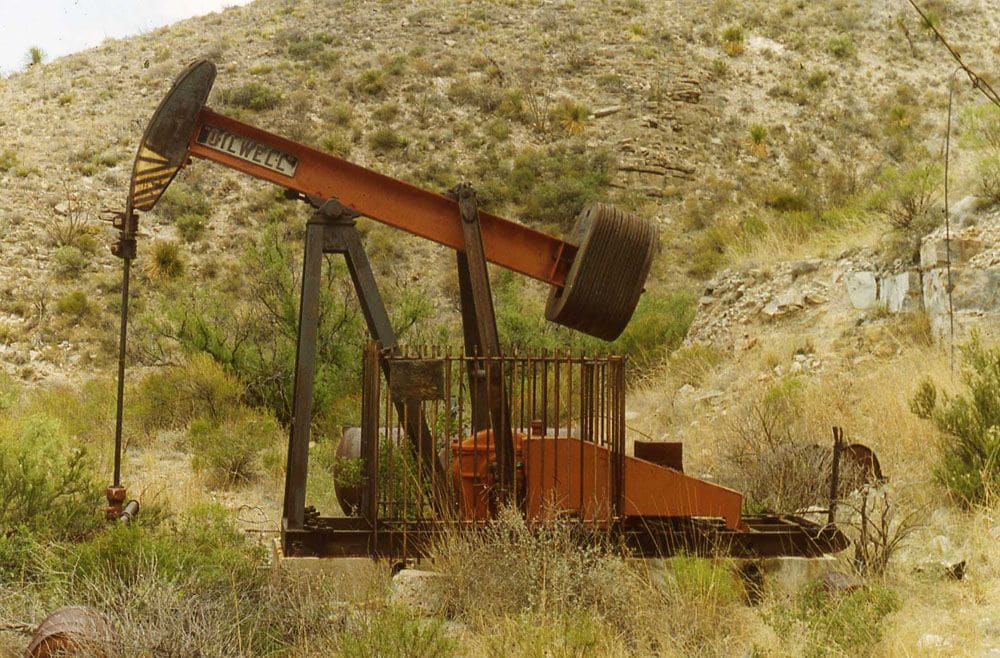
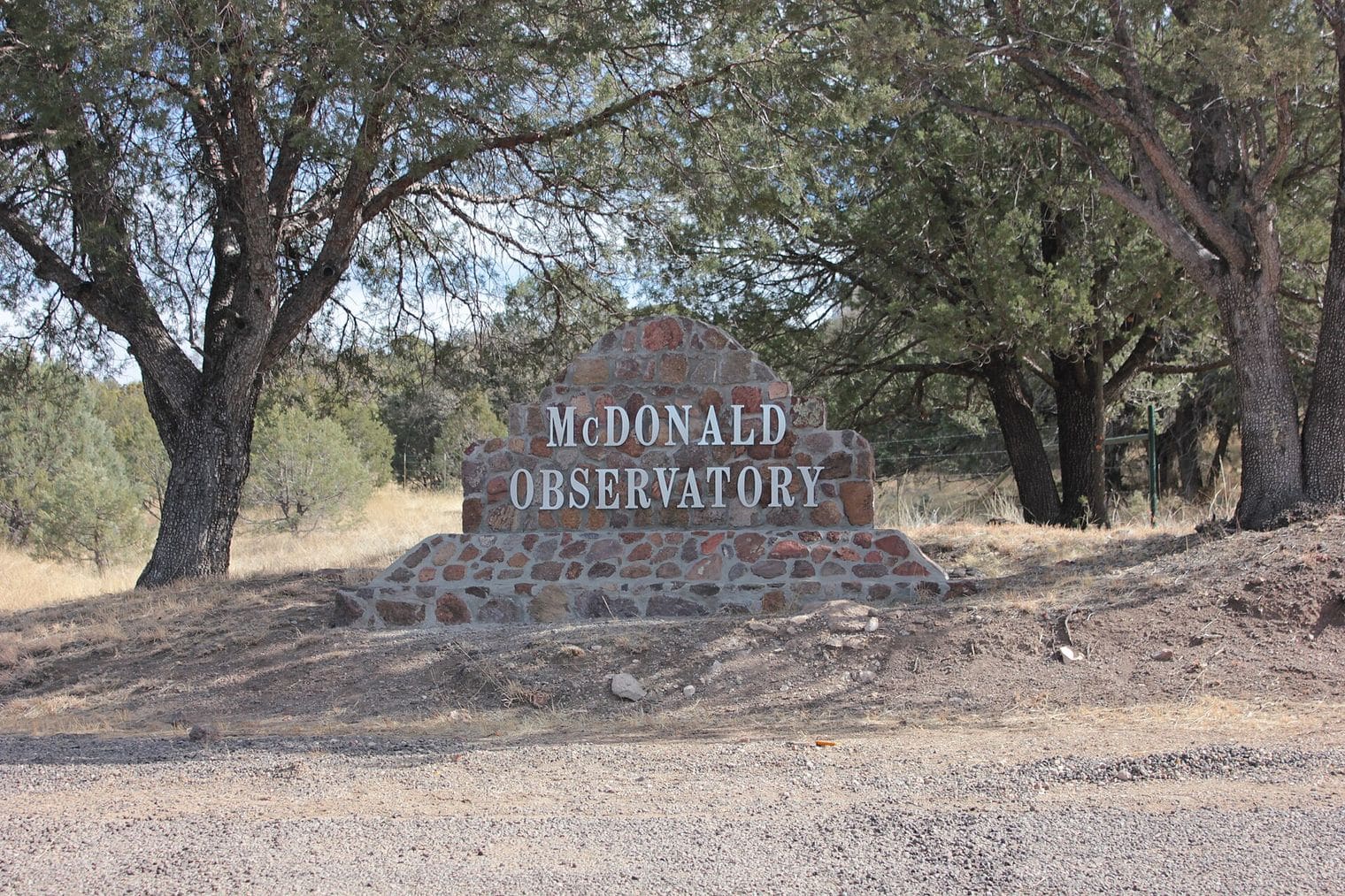
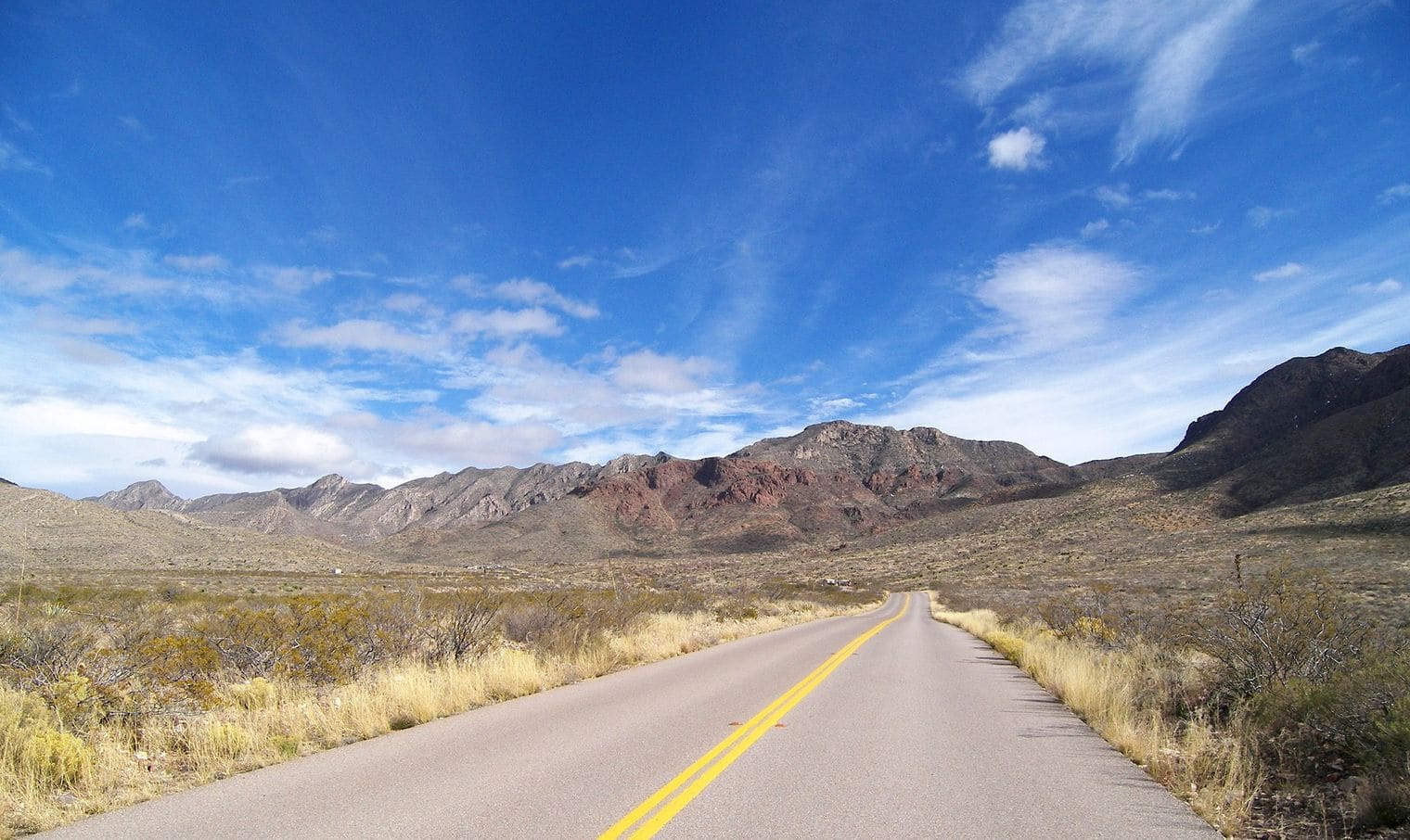
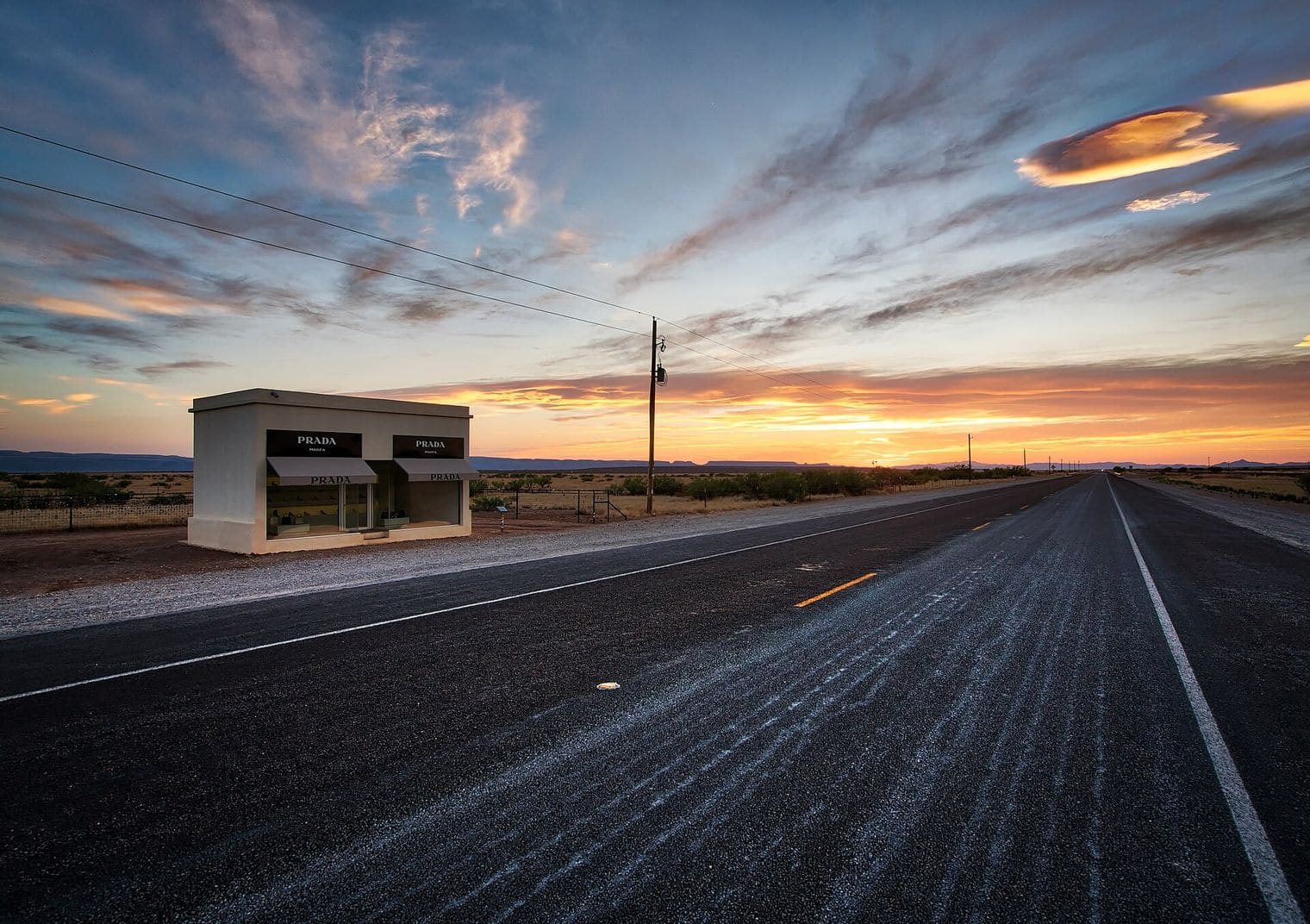
The high desert and mountain frontier: El Paso and the Franklin Mountains, the McDonald Observatory's dark skies, the art of Marfa, and the vast wilderness of Big Bend and the Guadalupe Mountains — the highest, emptiest, most dramatic corner of the state.
Getting around
A rental car is essential for all but a single-city trip: Texas is vast, and the places we cover are hundreds of miles apart, thinly linked by transit. Most visitors fly into Dallas/Fort Worth (DFW) or Houston Intercontinental (IAH), with Austin, San Antonio and El Paso as useful regional gateways. Distances are the thing to respect — El Paso is closer to San Diego than to Houston, and the drive out to Big Bend crosses long, empty stretches, so fuel up before leaving the last town.
The highlights Texas's signature sights & road trips
The classic first-timer's Texas trip, linking the three great metro areas of the state's populated heart. Run it in either direction; this version starts and ends in the Dallas–Fort Worth area.
A focused loop through the green, spring-fed heart of Texas, pairing San Antonio's history with the granite domes, caverns and tubing rivers of the Hill Country. Easy from either Austin or San Antonio.
The state's great desert road trip — a long, remote arc from El Paso through the Big Bend country, trading cities for mountains, dark skies and one very unexpected art installation. Distances are long; fuel up between towns.
Spring (March to May) and autumn (September to November) are the sweet spots statewide — warm but not punishing, with Hill Country wildflowers in spring and comfortable desert weather around Big Bend in autumn. Summer is hot and humid, best saved for the Gulf beaches, and winters are mild in the south while the Panhandle can turn sharply cold.
How many days do you need in Texas?
A single city — Austin, San Antonio, Houston or the Dallas–Fort Worth area — is an easy three to four days. Pairing two nearby cities, such as Austin and San Antonio, works well over four to five. Seeing the state end to end, including the long haul out to Big Bend and El Paso, realistically needs ten days to two weeks.
Do you need a car in Texas?
For anything beyond a single city, yes. Texas is enormous and its sights are spread across huge distances with limited transit between them, so a rental car is essential. The cities themselves are also car-oriented; you can get by on ride-shares within Austin or downtown San Antonio, but you'll want a car to reach the parks, beaches and Hill Country.
What is Texas best known for?
Texas is famous for its barbecue and Tex-Mex, live music in Austin, and its history — the Alamo and the San Antonio Missions above all. It's also known for big cities and pro sport, the Space Center in Houston, the cowboy culture of the Fort Worth Stockyards, and wide-open landscapes from the Hill Country to the desert mountains of Big Bend.
Which airport should you fly into for Texas?
Dallas/Fort Worth (DFW) and Houston Intercontinental (IAH) are the two big international gateways, best for the northern and Gulf-coast halves of the state. Austin and San Antonio are handy for the Hill Country and the south, while El Paso is the natural entry point for far West Texas and the Guadalupe Mountains.
How far is Big Bend National Park, and is it worth the drive?
Big Bend sits in a remote corner of West Texas, roughly a five-hour drive from El Paso and much further from the eastern cities — there's no way around the distance. For anyone who loves desert, mountains, canyons and some of the darkest night skies in the country, it's well worth it, but plan it as a destination in itself rather than a quick side trip, and fuel up before you go.
Is Texas in one time zone?
Almost. The vast majority of Texas is on Central Time, including Dallas, Houston, Austin and San Antonio. The far-western corner around El Paso and Hudspeth County runs on Mountain Time — an hour behind the rest of the state — which is worth remembering if you're driving out west.
Where should you go for the beach in Texas?
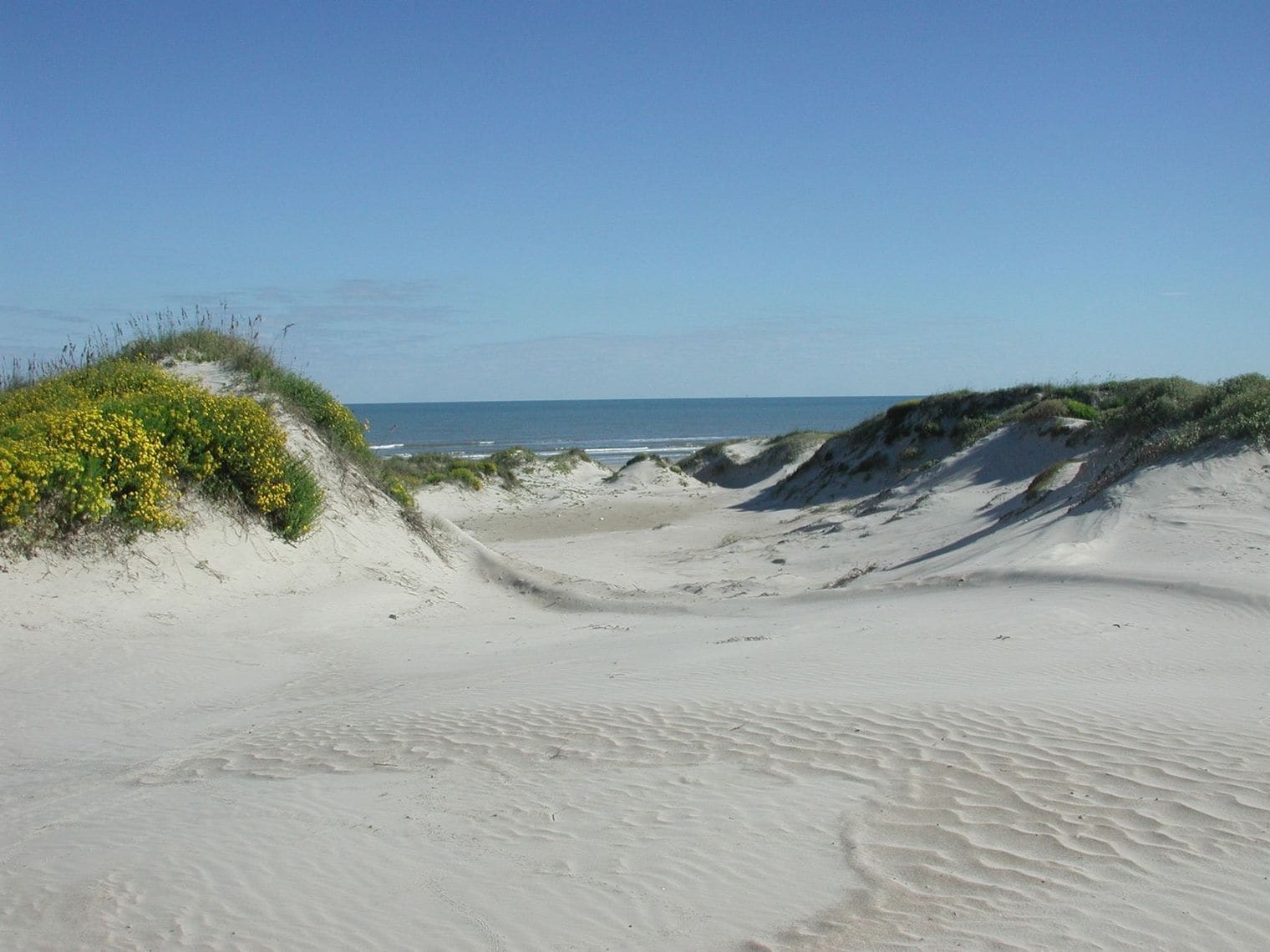
The Gulf Coast is the answer. Galveston Island, an hour from Houston, is the classic day-trip beach with its historic pier and seawall, while Padre Island National Seashore near Corpus Christi offers miles of wild, undeveloped shoreline. The water is warm and the sand soft, though the Gulf tends to be a little murky rather than turquoise.
We use cookies to analyse site traffic and improve your experience.
You can accept or reject analytics cookies. See our Cookie Policy.