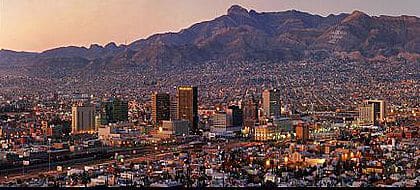
Nicknamed “Sun City” for its roughly 302 days of sunshine a year, El Paso sits at the far western tip of Texas where the Rio Grande, the Franklin Mountains and the Mexican border all meet. It is the largest American city on the US–Mexico line, sharing the valley with Ciudad Juárez just across the river.
That border setting gives El Paso its character — a blend of Texan and Mexican food, culture and history spread beneath the desert peaks. From museums and state parks to plazas and one of the country’s great regional restaurants, here are the 25 best things to do in the Sun City.
Map of Things to Do in El Paso, Texas
Things to Do in El Paso, Texas
Fun Facts About El Paso, Texas
El Paso is nicknamed the “Sun City” for its roughly 302 days of sunshine each year.
Its name is short for El Paso del Norte — “the pass of the north” — the historic gap through the mountains along the Rio Grande.
It is the largest American city on the US–Mexico border, sitting directly across the river from Ciudad Juárez.
Franklin Mountains State Park, at more than 24,000 acres entirely within the city limits, is the largest urban state park in the United States.
The city sits at about 3,740 feet above sea level in the high Chihuahuan Desert.
El Paso’s culture is a deep blend of Texan and Mexican food, music and history shaped by its border location.
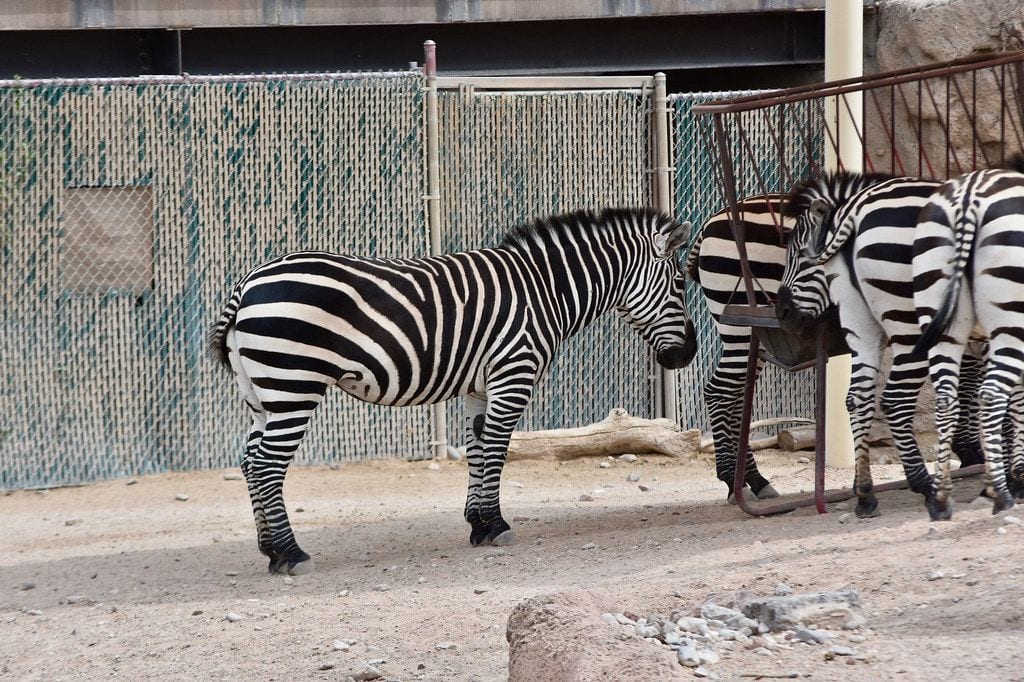
Spread across 35 acres, the El Paso Zoo is home to roughly 220 African, American and Asian species, from big cats to birds. A standout Chihuahuan Desert exhibit spotlights the flora and fauna of the surrounding borderland region, giving visitors a memorable window into the wildlife that thrives in this arid corner of Texas.
Newer habitats add to the appeal, including a jaguar enclosure with overhead crossing bridges and a spacious wolf area where you can watch the pack roam. Families find plenty to keep younger visitors busy too, with a splash pad, a treehouse play area and a train ride that loops around the grounds.
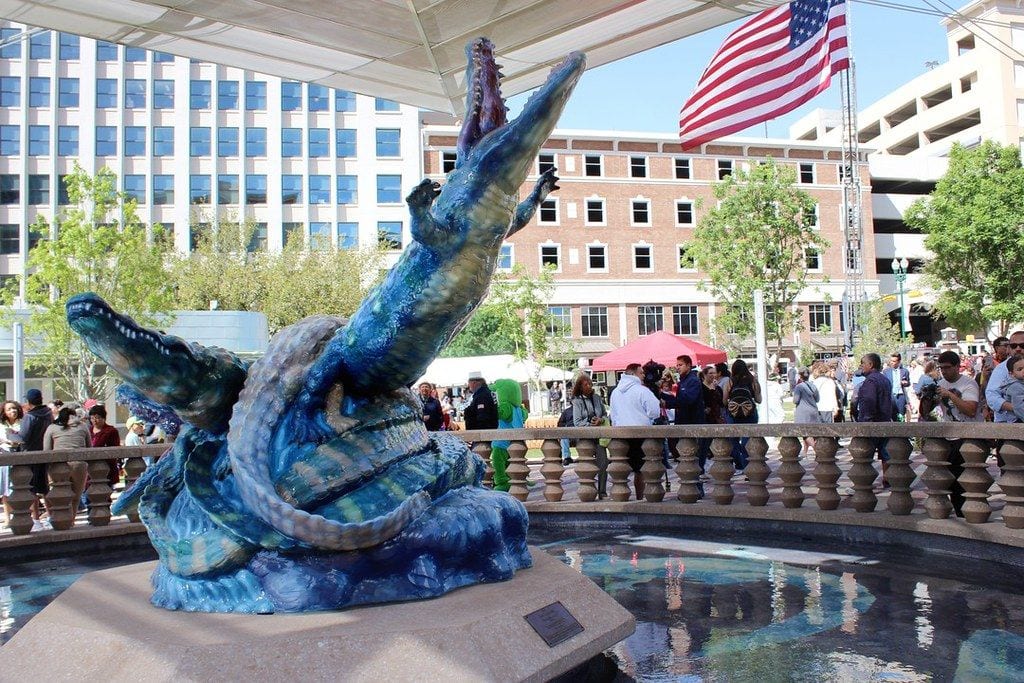
San Jacinto Plaza sits at the heart of downtown El Paso, a tranquil square with tended green spaces, shade trees and plenty of benches. Ringed by turn-of-the-century architecture, it's a rewarding spot to sense where the city began, and an easy place to pause between downtown sights and simply watch the day unfold.
There's more to do here than sit and admire the buildings. The Placita Cafe serves Mexican snacks from the concession stand, and you can borrow gear for the ping-pong tables and other outdoor games right on the plaza. Grab a bite, challenge a companion to a match, and settle in beneath the shade trees.
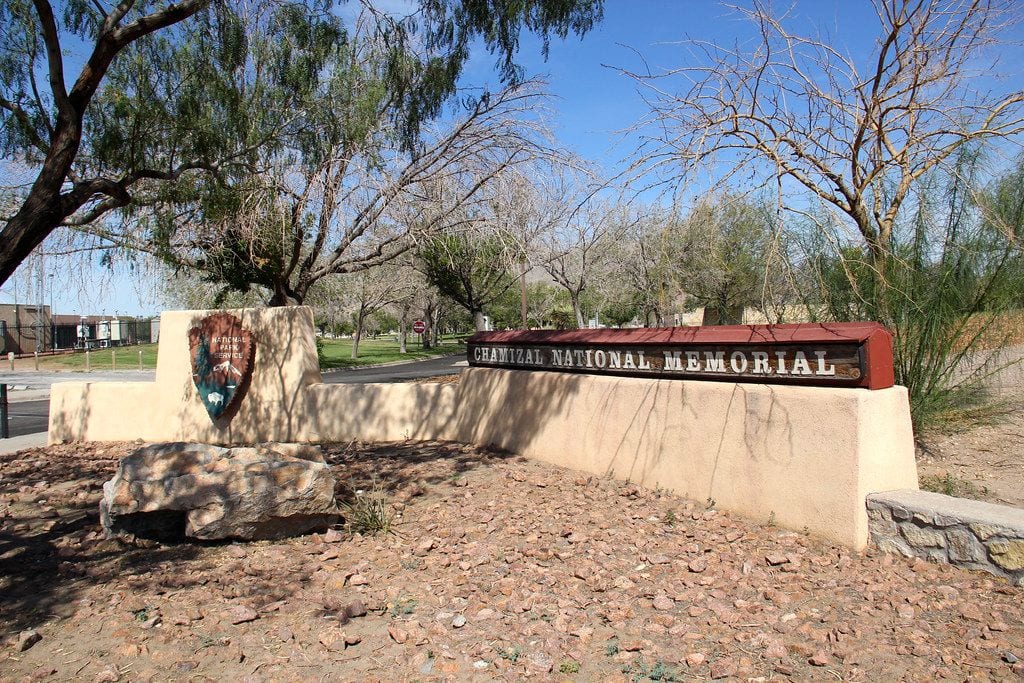
Chamizal National Memorial is a 55-acre park set right on the US-Mexico border, honoring the friendship and compromise that settled a long-running boundary dispute between the two countries. Its border museum traces that shared history, while an amphitheater and visitor center round out the grounds, giving you plenty of room to wander and explore.
The park sits within sight of the Bridge of the Americas, so you can watch people cross between the United States and Mexico from the memorial itself. It is a quiet, thoughtful stop that pairs open green space with a genuine sense of place, telling the story of the border and the neighbors who share it.
Spread across 400 acres, Ascarate Park is a county recreation area built for a full day outdoors. You'll find sports fields, playgrounds, two pools and an 18-hole golf course, plus a man-made lake at its center. It's a versatile spot where families, golfers and casual visitors can each find their own corner of green space.
A gravel walking path circles Ascarate Lake, drawing steady traffic from strollers and joggers alike, while ducks and other birds gather along the water's edge. The lake is a popular fishing spot, so bring a rod if you're after a quiet afternoon by the shore. Together the trail and water make the park's heart its most inviting stretch.
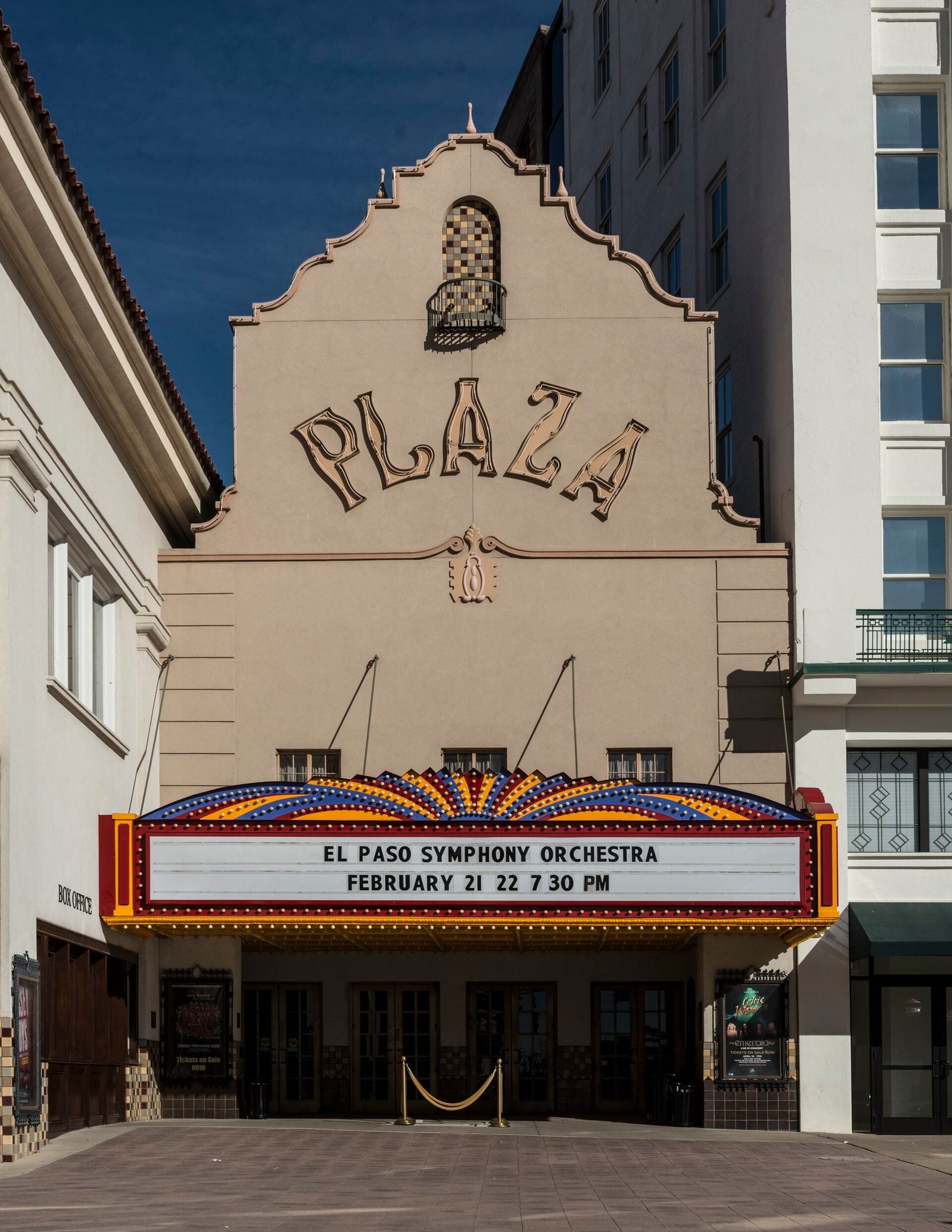
Step inside The Plaza Theatre and you step into the 1930s. This lovingly restored Spanish Colonial-style landmark anchors downtown El Paso, its ornate fixtures and painted ceilings setting the stage for plays, concerts and touring Broadway shows. Come early to take in the details before the house lights dim and the performance begins.
The auditorium seats around 2,000, yet the room keeps a surprisingly intimate feel, drawing you close to whatever unfolds on stage. Between acts, listen for the original Wurlitzer organ, a period centerpiece that still fills the hall with rich, resonant sound. It's a graceful reminder of the theatre's golden age and downtown's enduring cultural heart.
Just over the New Mexico line from El Paso, Sunland Park Racetrack & Casino wraps horse racing, a casino, a hotel and dining into one lively entertainment complex. Watch the thoroughbreds thunder down the track, then step inside for a spin at the electronic slots or a turn at the roulette wheel.
The atmosphere stays lively across the property, and visitors consistently praise the warm, attentive customer service. On-site restaurants keep you fed between races and casino sessions, while the hotel makes it easy to stay the night. It is an easy, all-in-one outing for anyone chasing a little racetrack energy near the border.
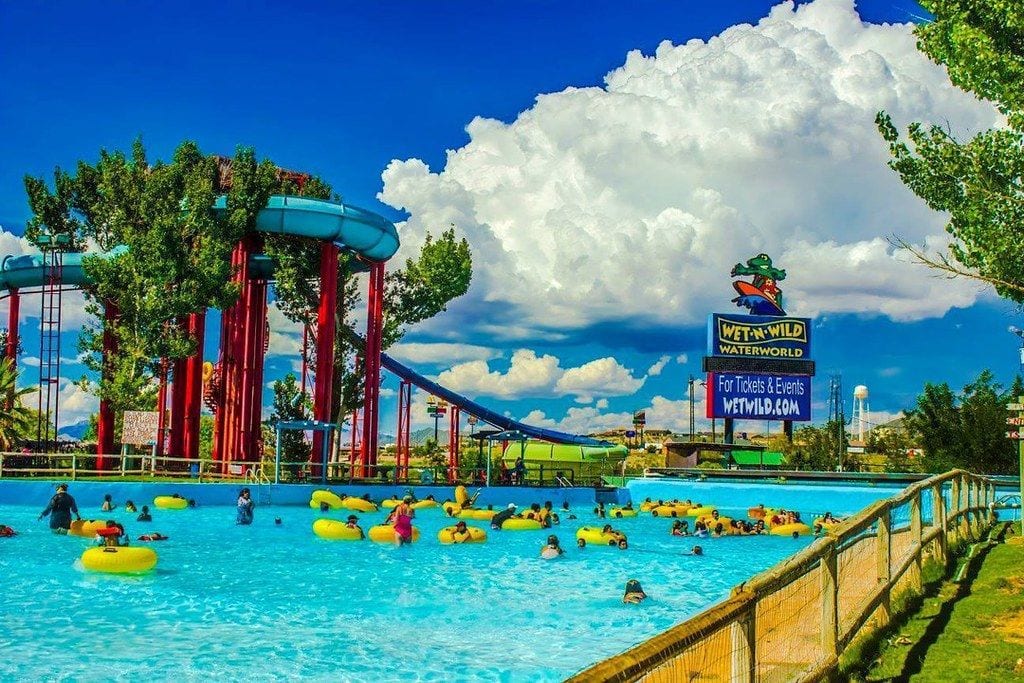
Wet 'N' Wild Waterworld is a seasonal, family-friendly water park built for a hot desert afternoon, and it's home to the largest wave pool in Texas. Around 25 slides fan out across the grounds, from a heart-stopping seven-story drop slide to the gentler Atlantis Adventure area designed for younger kids to splash and play safely.
When you need a break from the rush, drift along the Little Rio lazy river or claim a reserved cabana with its own grill for an easy poolside cookout. The water stays warm, the waits stay short, and occasional live-band events add a festive soundtrack to a full day of splashing under the sun.
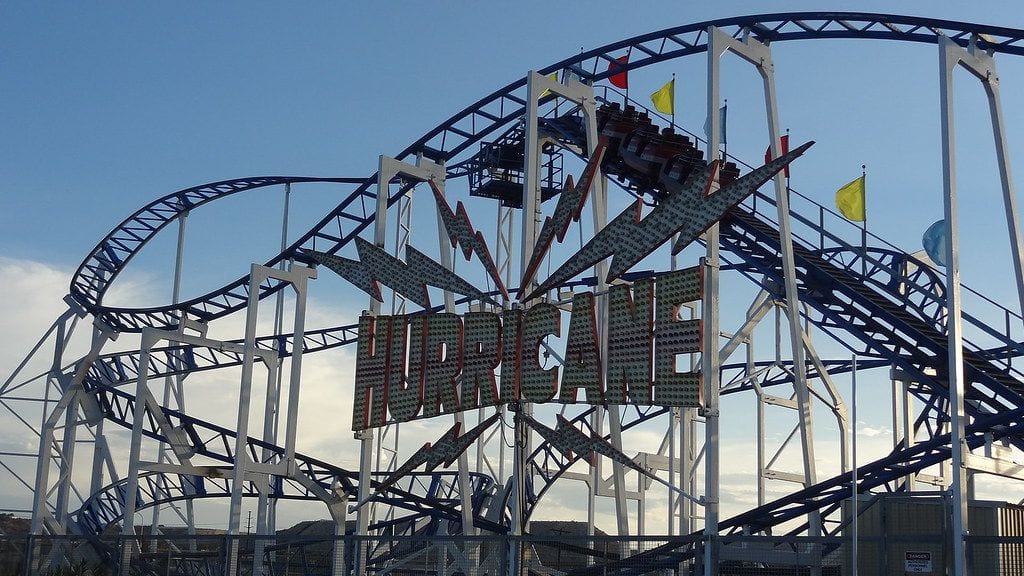
Western Playland brings an old-school, traveling-carnival vibe to a permanent home, mixing classic concessions, a full lineup of rides and plenty of midway games. It is a laid-back family amusement park where the atmosphere leans nostalgic, letting families wander the midway, snack on the classics and rack up ride time together at an easygoing pace.
The sweet spot here is kids in the middle age range: too big for the tot area but not quite tall enough for the biggest coasters. Hardcore thrill-seekers may find it tame, but a solid variety of rides for all ages means everyone in the group has something worth climbing aboard.
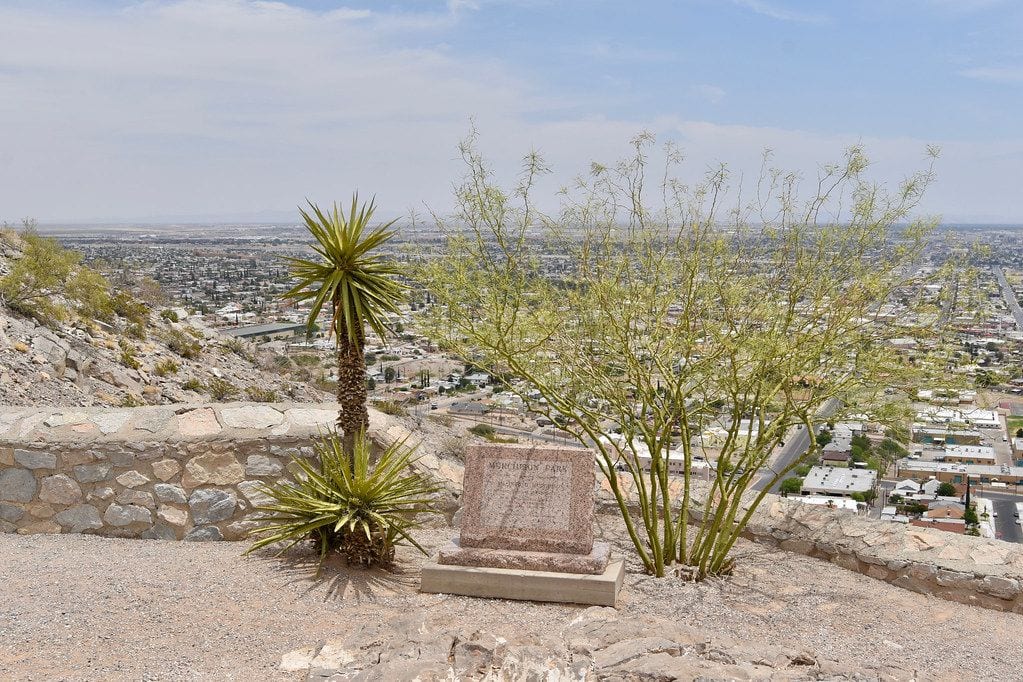
Perched on a rocky mountainside, Scenic Drive is an overlook road that opens up wide views of El Paso and Ciudad Juarez spread out across the border. From up top you can take in two countries and three states at once — Texas, New Mexico and Chihuahua — a rare vantage point that rewards the climb.
Benches, walking paths and interpretive plaques line the route, giving you space to pause and read up on what you're seeing. The skyline stretches out on one side, while El Paso's historic old neighborhood sits on the other. It's a simple, memorable stop that pairs a sweeping panorama with an easy, unhurried walk.
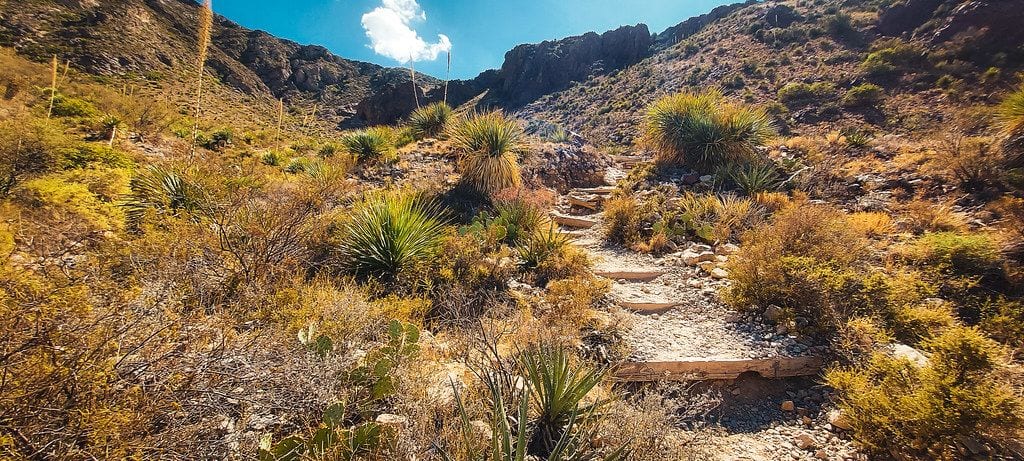
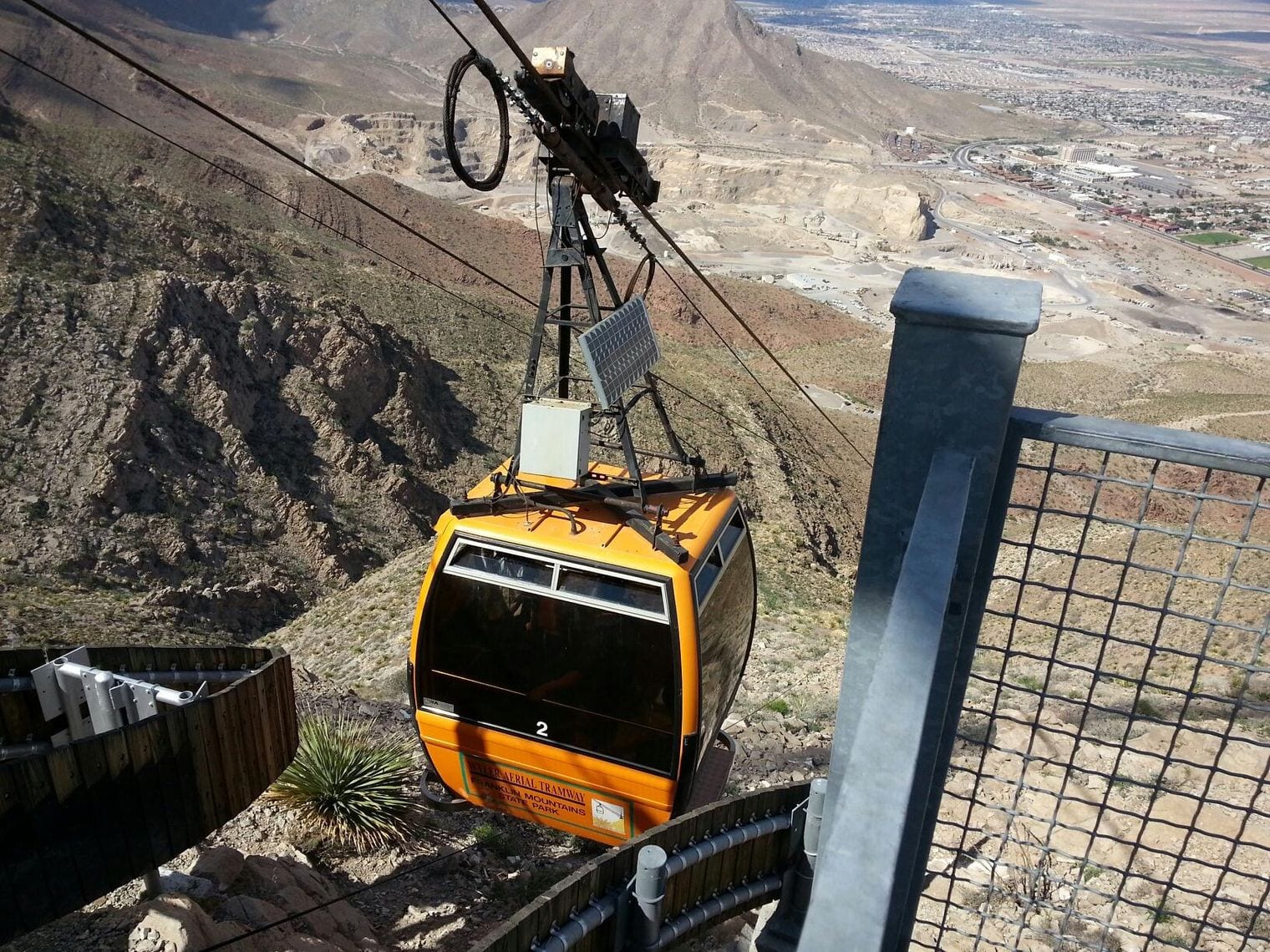
Franklin Mountains State Park spreads across roughly 24,000 acres of rugged desert mountains, and it holds a rare distinction: it is the largest urban park in the nation, lying entirely within El Paso's city limits. Rising dramatically above the surrounding streets, it delivers hiking, rock climbing, wildlife, camping, and sweeping views without ever leaving town.
Trails suit every level of ambition. Beginners can wander the easy Agave Loop or climb to the Aztec Caves, while stronger hikers push toward North Franklin Peak via Mundy's Gap, a summit that takes around two hours to reach. Whatever route you choose, the reward is the same: desert quiet, big skies, and a mountain wilderness right in the city.
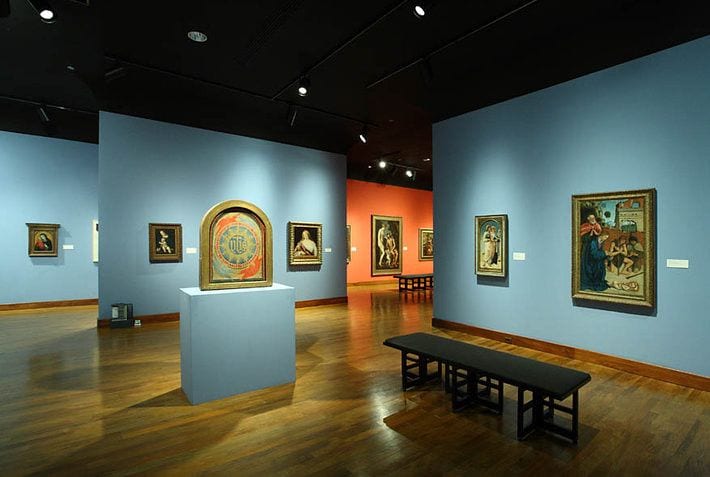
The El Paso Museum of Art anchors the downtown arts scene with five galleries that trace the region's American, Mexican and European roots. Displays range from large sculptures to changing exhibits, and best of all, admission is free, making it one of the finest free things to do in the city.
The collection spans an impressive stretch, reaching from local El Paso artists all the way back to 1600s Italian painters. The museum has also hosted work by major contemporary names such as Jeff Koons, so there's genuine range across those five galleries whether you favor old masters or bold modern statements.
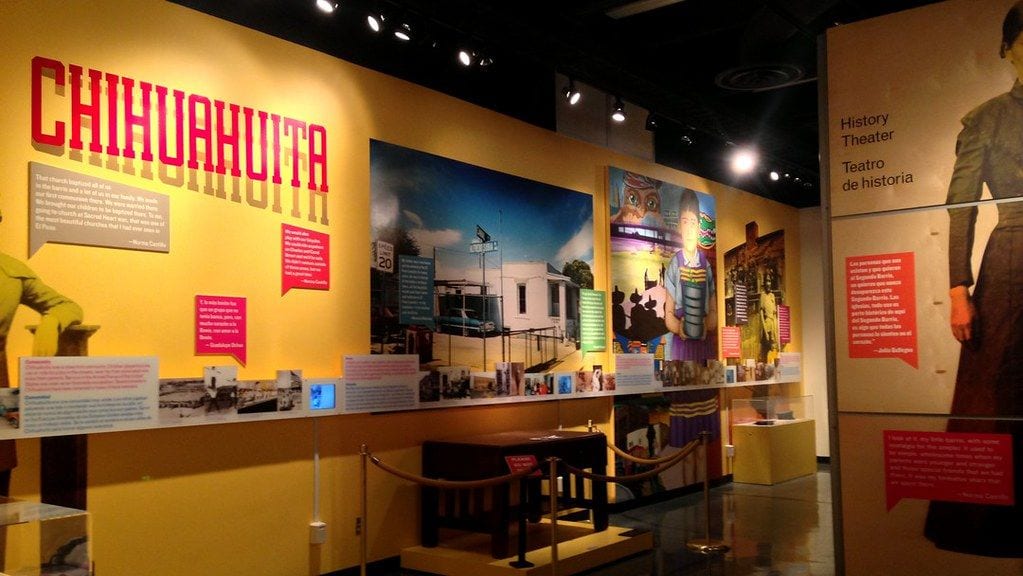
Housed downtown, the El Paso Museum of History traces 400 years of border life across five galleries, weaving together artifacts, first-person narratives, photos and videos. Admission is free, making it an easy stop for anyone curious about how the region and its people took shape over the centuries along this stretch of the frontier.
The collection holds a few pleasant surprises, including a comprehensive baseball exhibit and a section devoted to the Federal Reserve. A digital interactive display invites hands-on exploration of the stories on show, while an outdoor park with benches offers a quiet place to pause and reflect once you have finished wandering the galleries inside.
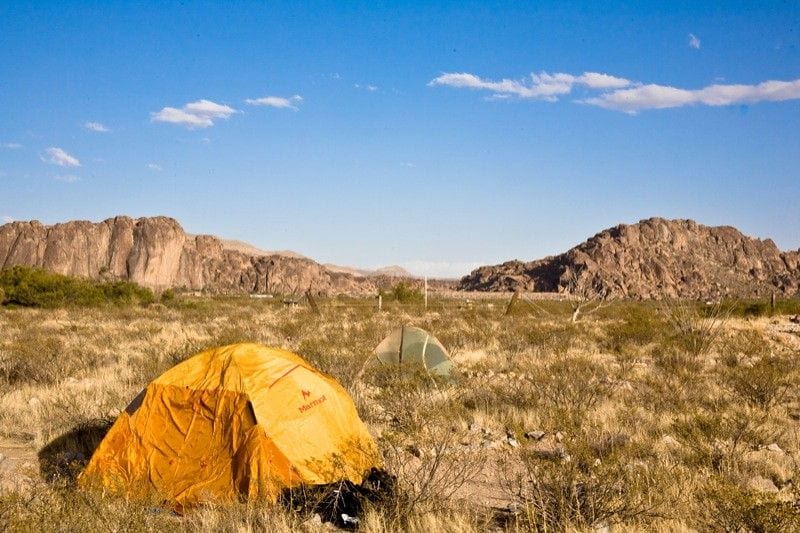
Just outside El Paso, Hueco Tanks State Park & Historic Site protects ancient rock art scattered across a rugged desert landscape. Guided and self-led tours reveal the pictographs and petroglyphs left on the stone, while the park's namesake "huecos"—giant natural rock basins—collect rainwater in hollows worn into the boulders over countless years.
Short trails wind through the site, rewarding a bit of scrambling with sweeping views over the rocks. The park is world-renowned for bouldering, drawing climbers to its distinctive formations from far and wide. Picnic areas make it easy to linger, and campsites open for year-round camping let you stay overnight and watch the desert sky.
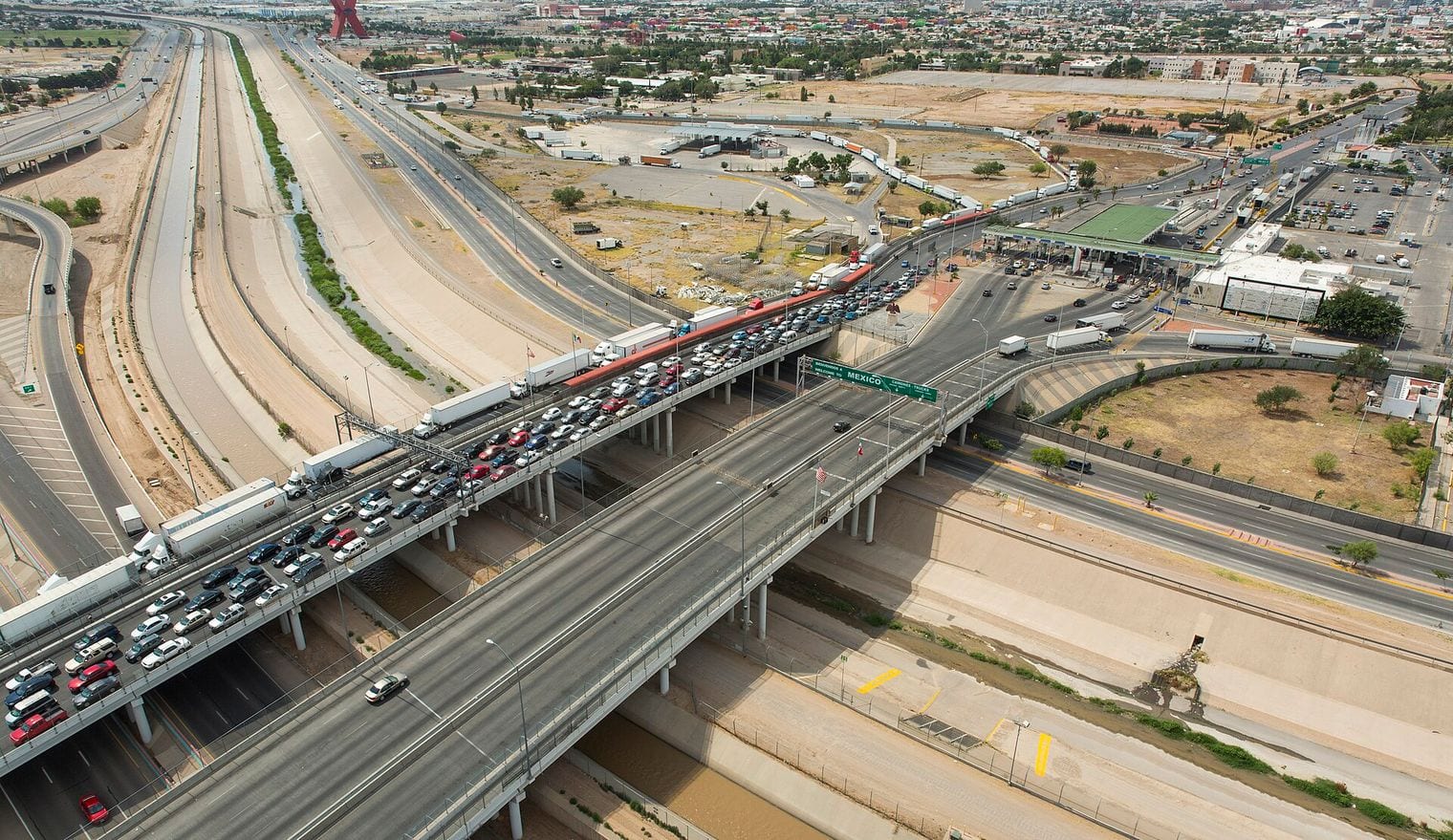
The Bridge of the Americas, also known as the Cordova Bridge, is a free international crossing linking El Paso with Ciudad Juarez, Mexico. Staffed by US Customs and Border Protection, it offers a straightforward way to step between two countries on foot, opening up the sister city just across the Rio Grande.
Because the bridge is toll-free, lines can stretch long, so pack a little patience for your crossing. Even so, the experience is worth it. Simply watching the constant flow of people and vehicles moving between the United States and Mexico is a sight in itself, a living picture of two nations meeting at the border.
Step inside the Magoffin Home State Historic Site, a preserved 1875 adobe mansion in central El Paso that once housed four generations of the prominent Magoffin family, whose members helped shape the early city. The thick-walled Territorial-style architecture and original furnishings have been carefully kept, offering a genuine window into frontier-era life along the border.
Guided tours bring the property to life, tracing the Magoffin family's story and the growth of the frontier city around them. Run today as a Texas state historic site with a modern visitor center, it makes an easy, rewarding stop for anyone curious about El Paso's roots, its people, and the enduring architecture of the Southwest.
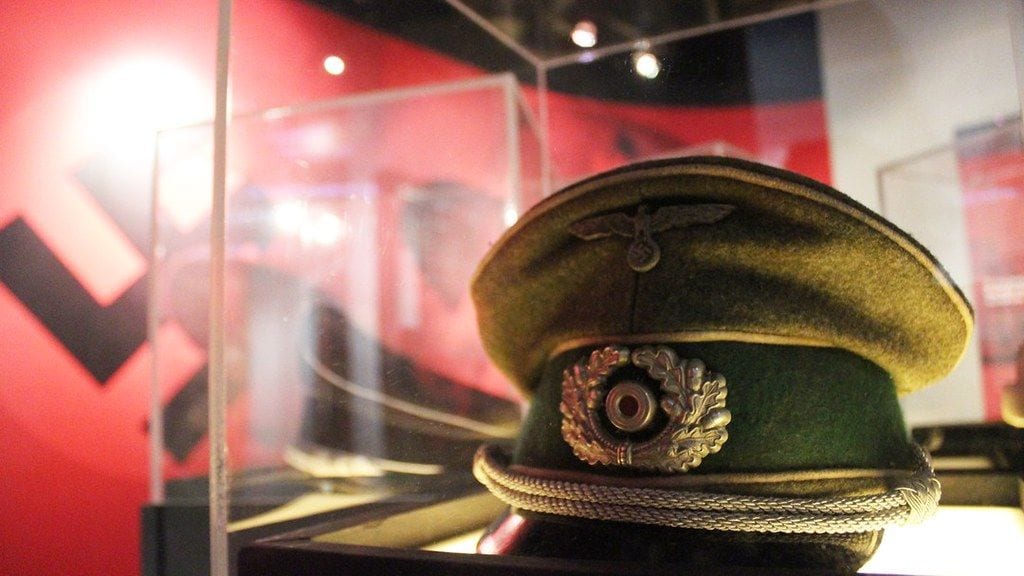
The El Paso Holocaust Museum & Study Center tells the history of the Holocaust through photographs and artifacts, with every exhibit presented bilingually in English and Spanish. Vivid accounts trace the rise of the Nazi regime and life inside the concentration camps, framing the museum as a center for tolerance, remembrance, and scholarly research.
A dedicated section explores the history of Jewish El Paso, grounding the wider story in the local community. Walk the self-guided tour at your own pace, with knowledgeable staff on hand for questions, then pause at the memorial where visitors place a stone in remembrance. A small bookstore rounds out the visit.
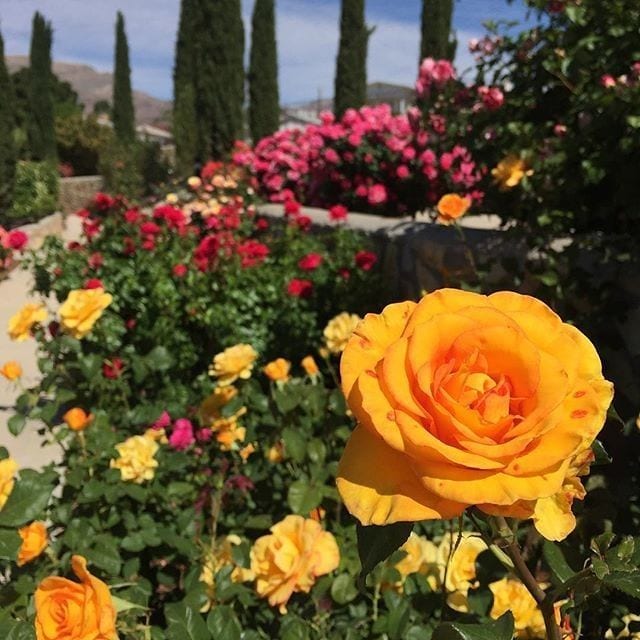
Tucked into the hills, the El Paso Municipal Rose Garden is a well-designed public space where walking paths wind between labeled plantings and a small water cascade. Romantic city views open up beyond the blooms, making it an easy, scenic stop when you want to slow down and take in the surroundings.
It is a quiet, fragrant place to relax, whether you are strolling with someone or simply pausing on a bench. The labeled roses turn a casual wander into a small pleasure, letting you match names to colors and shapes as you go. Come to breathe, unwind, and enjoy a calm pocket of the city.
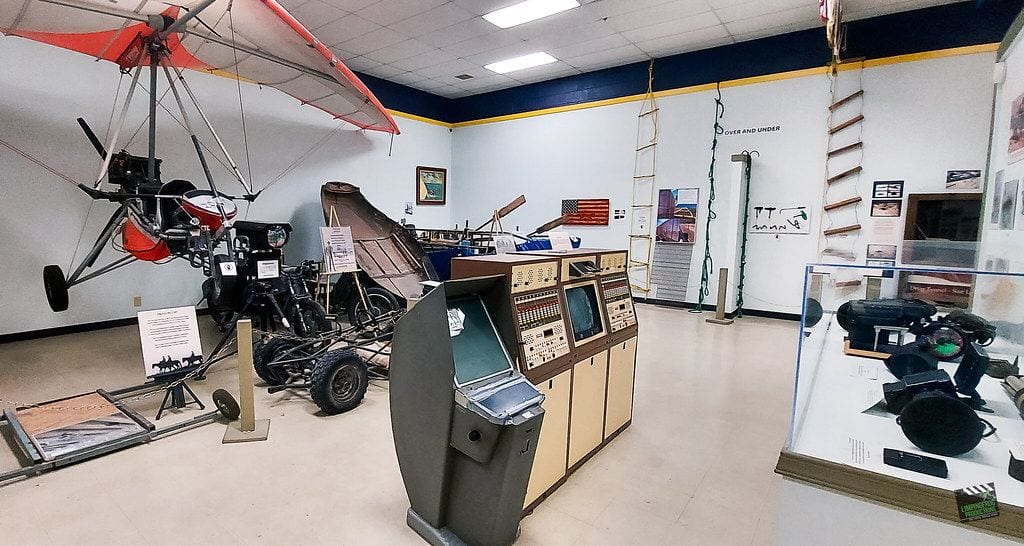
The National Border Patrol Museum traces the history of the US Border Patrol from the Old West to the high-tech present. Admission is free, and the collection spans historical aircraft, vehicles, weaponry, uniforms and electronics, offering a detailed look at how the agency and its equipment have evolved over more than a century.
Displays also include items from the war on drugs, tracing shifts in the agency's work over the decades. A memorial room honors agents who died in the line of duty, and a gift shop rounds out the visit. It's an unusual, focused museum that adds real depth to an El Paso itinerary.
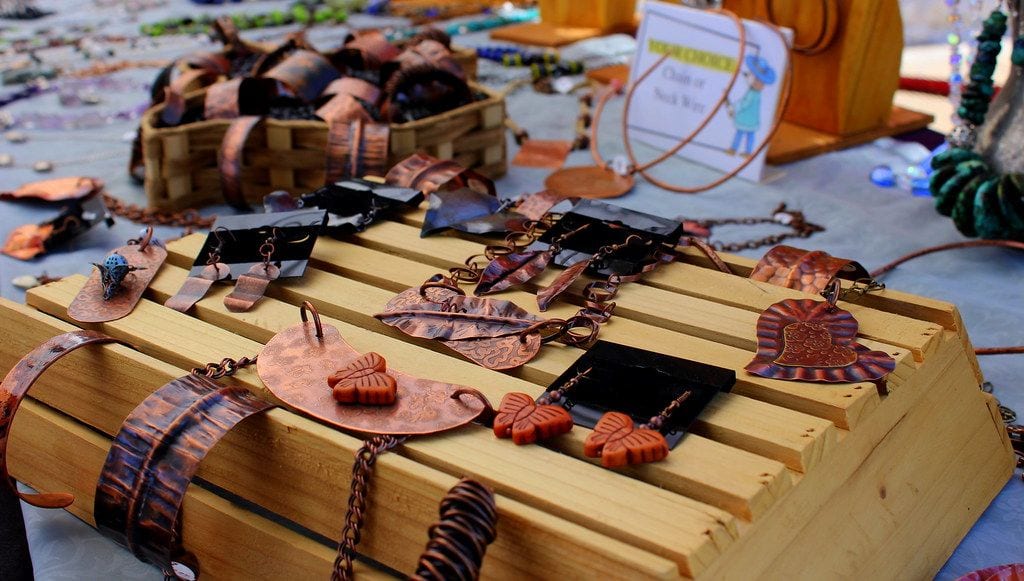
On Saturdays, the El Paso Downtown Art and Farmers Market brings the Union Plaza area to life with fresh produce, handmade artisan crafts, and food trucks. Local vendors set up throughout the district, and the mix of farmers, authors, jewelers, and artists makes it an easy, lively stop for anyone exploring the heart of downtown.
Wandering the stalls is a rewarding way to support local makers and pick up something you won't find in a chain store. Live music sometimes adds to the atmosphere, giving the market a relaxed, community feel. Whether you're shopping for produce or simply browsing the crafts, it captures the creative energy of the Union Plaza neighborhood.
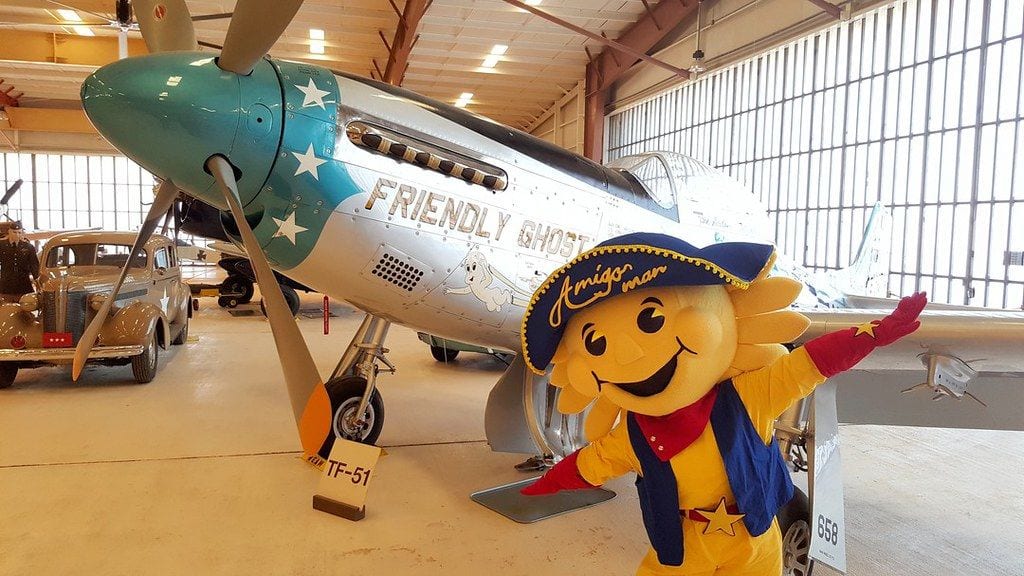
A short drive from El Paso rewards aviation fans with the War Eagles Air Museum, set in a large hangar at Dona Ana County Airport in Santa Teresa, New Mexico, roughly 30 minutes away. The collection restores and displays historic aircraft from WWII and the Korean War, alongside vintage cars and vehicles.
Wander among planes and machines spanning the 1930s through the 1980s, all lovingly maintained and presented up close. A standout exhibit honors the WASP, the Women Airforce Service Pilots of WWII, whose story adds real depth to the visit. It is an easy, engaging half-day trip across the state line.
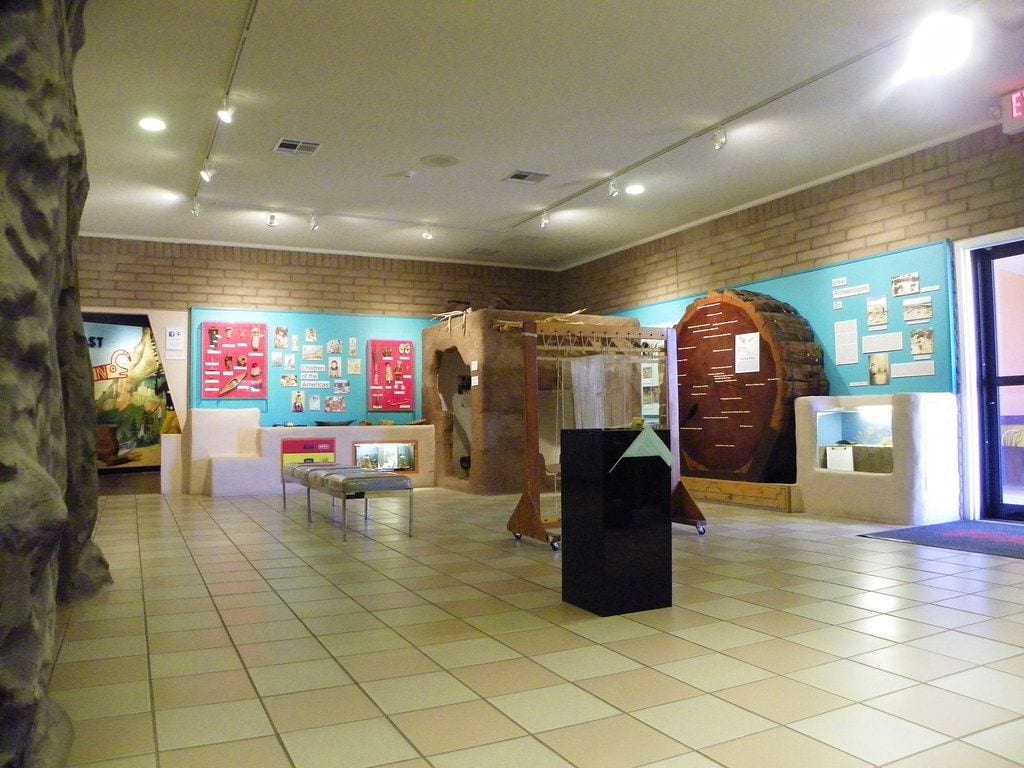
Tucked into a wilderness park in northeast El Paso, the El Paso Museum of Archaeology explores the ancient history of the Southwest and northern Mexico. Founded in 1977 near several archaeological sites, this small institution holds a strong collection tracing the prehistory and cultures of the region, thoughtfully presented through accessible educational exhibits.
Beyond the galleries, the museum makes a fine base for exploring, with surrounding mountain views and trails inviting a wander before or after your visit. Public talks deepen the experience for curious travelers, while the spring Poppies Festival brings color to the grounds. It is a quiet, rewarding stop for anyone drawn to the deep roots of the borderland.
22. Keystone Heritage Park and the El Paso Desert Botanical Garden
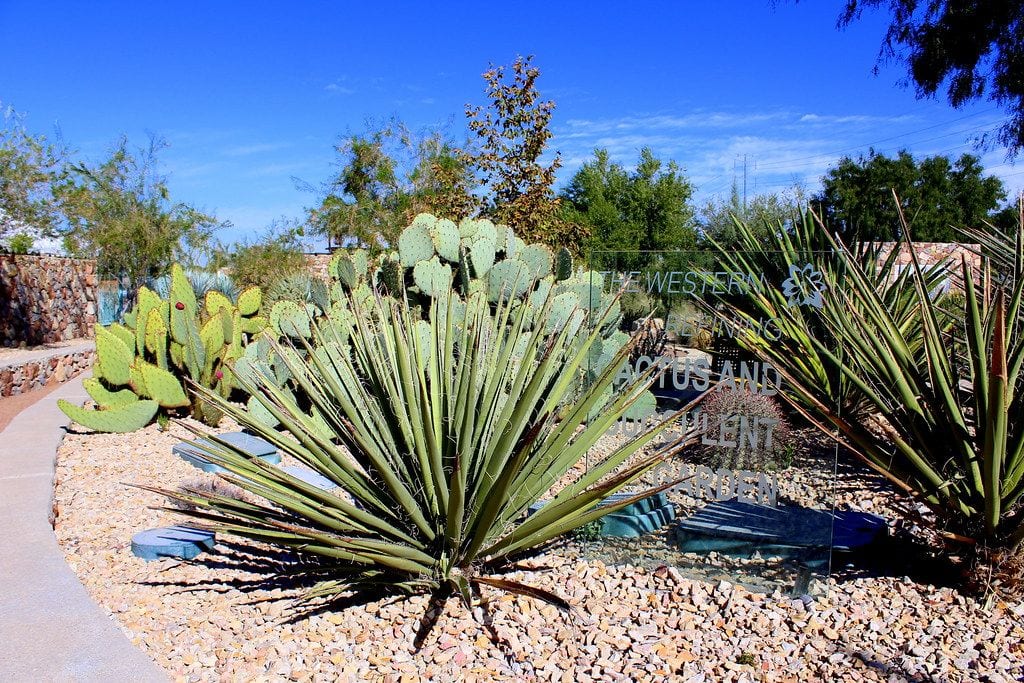
Keystone Heritage Park and the El Paso Desert Botanical Garden spreads across 52 acres of heritage ground, weaving together wetlands, the remains of an ancient village, and a small but genuinely beautiful garden. A central fountain anchors the space, ringed by varied cacti, some in flower, alongside regional medicinal plants that root the whole place firmly in its high-desert setting.
Wander past the water-lily pond, where koi drift beneath the blooms, then explore the salt-cedar maze that gives the grounds a playful edge. A shaded gazebo and scattered grills make it easy to linger, and a native-plant nursery nearby is worth a look. It is a quiet, rewarding pocket of green in the desert.
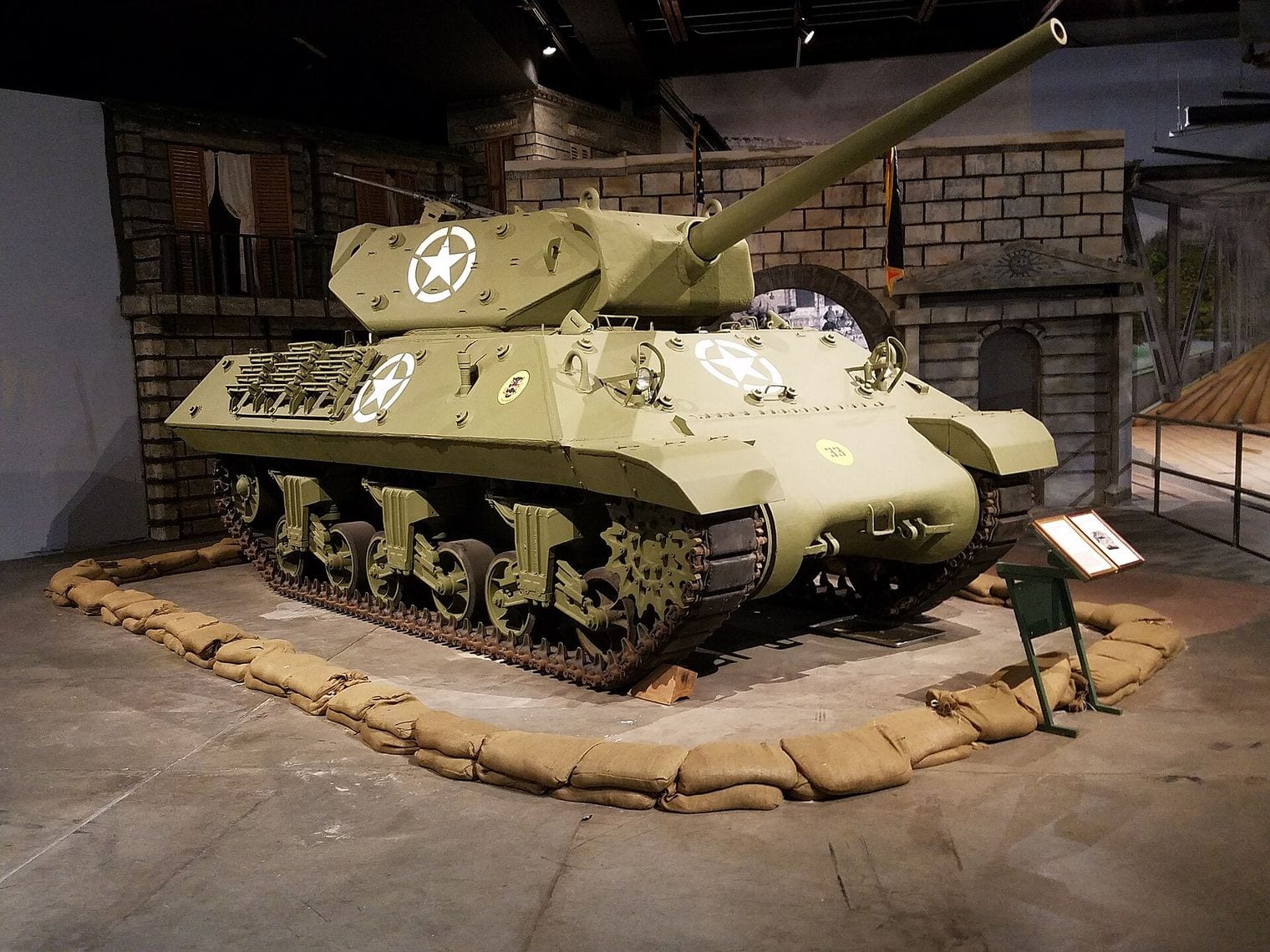
The Fort Bliss Museum traces the military history of this storied post across many eras, blending replicas and authentic artifacts to tell the story of Old Ironsides, the 1st Armored Division. It's a rewarding stop for anyone curious about the soldiers, campaigns, and machinery that shaped the fort and the wider region over time.
The collection's biggest draw is its array of armored vehicles, from the American M1 Abrams to a captured Russian T-72, lined up alongside jeeps, rockets, heavy machinery, and guns. Whether you're a hardware buff or a casual visitor, the sheer scale of the equipment on display makes for an engaging, hands-on look at military engineering.
Cielo Vista Mall is a large two-story indoor shopping center in east El Paso, home to a wide mix of retail alongside a food court and casual restaurants. With plenty of room to browse and refuel, it's an easy, air-conditioned stop when the Texas heat has you seeking a change of pace.
The mall doubles as a favorite spot for indoor walking, its long corridors offering a comfortable loop in any weather. Families appreciate the free kids' play area downstairs, where little ones can hop aboard motorized animals and train rides. It's a relaxed, practical stop that suits browsers, strollers, and young travelers alike.
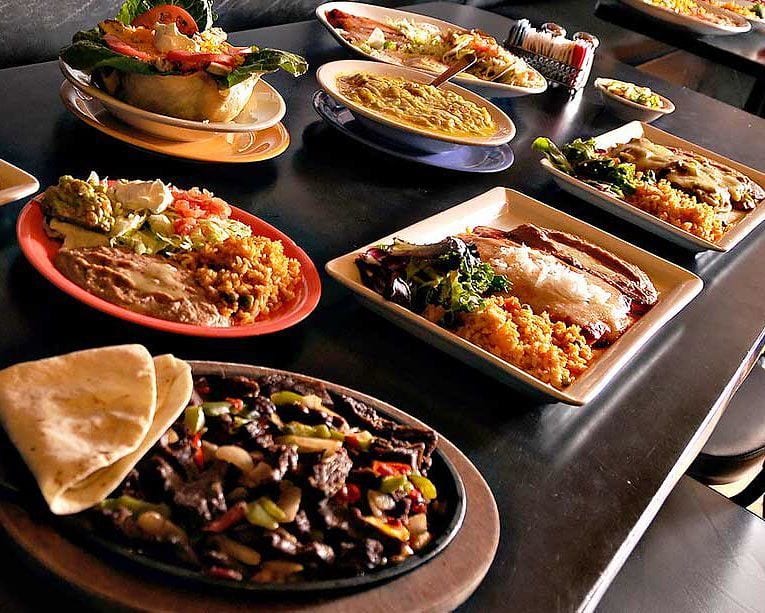
Family-run since 1927, L&J Cafe is an El Paso institution serving regional Mexican food and cold beer. It opened during Prohibition as Tony's Place, a modest spot whose reputation grew on honest home-style cooking. The exterior stays plain and unassuming, while inside you'll find a warm, well-decorated dining room that has welcomed generations of locals.
The restaurant took its current name in 1968, when new owners stepped in and carefully preserved the traditions and recipes that had already made the kitchen beloved. Come hungry for the classics that define the menu: green-sauce chicken enchiladas, crisp potato tacos and hearty picadillo burritos, all rooted in the same regional flavors the cafe has served for decades.
Getting to El Paso
El Paso sits at the far western tip of Texas where the state meets New Mexico and Mexico, and Interstate 10 is the spine that connects it to the rest of the region, running east-west straight through the heart of the city. From the north and east, US 54 funnels traffic in toward downtown, while US 62 and US 180 branch off to the northeast toward the mountains and desert beyond; a beltway loop encircles the growing metro area, making it easy to skirt the centre if you are heading to the outer suburbs.
The city has its own international airport just northeast of downtown, close enough that most arrivals are a short drive from their lodging, so there is rarely any need to fly into a distant hub and drive in. If you prefer to arrive overland, a long-distance passenger train serving the southern route between the coasts stops at the historic downtown depot, and an intercity bus terminal a short walk away links El Paso to cities across the Southwest.
Getting Around El Paso
El Paso is a spread-out, car-friendly city, and for most visitors a rental car is the practical way to string together the zoo, the state park in the Franklin Mountains, and the plazas and memorials without a lot of backtracking. The historic downtown core is the exception: its walkable grid of plazas, the theatre district, and adjacent civic blocks are easy to explore on foot once you have parked, and the flat central streets suit a short stroll between sights.
A local bus network covers the city and links downtown with outlying districts, and rideshare is widely available for hops the buses do not cover conveniently. Parking is rarely a headache away from the immediate downtown blocks, where garages and lots are your best bet during busy hours; out at the mountain parks and the larger attractions you will generally find dedicated lots. Cyclists can find paved paths in parts of the city, though the desert heat and long distances make a car the default for anything beyond the compact centre.
Where to Stay in El Paso
For a first visit, basing yourself in or near the downtown district makes the most sense: it puts the plazas, the theatre, and the civic sights within walking distance and keeps you central to everything else. Travellers who want to be close to the arrival points or to slip in and out of the city quickly often prefer the districts strung along the main interstate corridor and near the airport, where access is easy and there is a wide spread of lodging.
If you are here for the outdoors, the neighbourhoods on the west and northeast sides sit closest to the Franklin Mountains and the state park, trading a central location for quieter streets and quicker trailhead access. The university district near campus is another calm, walkable base with cafes and green space, while the newer suburban areas ringing the metro offer a quiet, low-key stay for those who don’t mind a short drive into the sights.
Where to Eat in El Paso
El Paso’s food is border food, and its defining flavour is the local take on Tex-Mex and New Mexican cooking built around the region’s chiles. Look for enchiladas smothered in red or green chile, gorditas and chile rellenos, machaca and menudo, and the flour-tortilla tacos and burritos that are a staple here; roasted green chile turns up on almost everything, and no-frills taquerias and family kitchens are where the cooking is at its most honest.
The historic downtown and the surrounding central districts are the easiest place to graze, with everything from casual taquerias to sit-down Mexican dining, while the university district leans toward affordable, student-friendly spots. Away from the centre, the neighbourhood commercial strips reward a little wandering with home-style cooking, and any market or bakery is a good place to pick up conchas and other pan dulce to round out the day.
One Day in El Paso
El Paso rewards an early start in the high desert and a route that drops down out of the Franklin Mountains, gathers the downtown museums in a single walk, then eases east toward the river before dinner.
Morning: Begin above the city in Franklin Mountains State Park, where the cool early air and long views over the Rio Grande valley are at their best before the heat builds. Wind back down toward town along Scenic Drive, a ridge-hugging road with a pull-off that frames El Paso and Ciudad Juárez in one sweep, then settle into the shaded paths of the El Paso Municipal Rose Garden before the family-minded exhibits of the El Paso Zoo just to the south.
Afternoon: Head into the compact heart of downtown, starting under the restored Spanish-colonial marquee of The Plaza Theatre and the collections a block away at the El Paso Museum of Art. Trace the local story next door at the El Paso Museum of History, then take a breather among the fountains and turquoise alligator sculpture of San Jacinto Plaza at the center of it all.
Evening: Drift east along the river to the murals, cultural pavilion, and wide lawns of the Chamizal National Memorial, a fitting place to watch the light soften over the border, before circling back for green chile and enchiladas at the beloved L & J Café. If a farther-flung outing tempts you, save a second morning for the drive east to the ancient pictographs and rock basins of Hueco Tanks State Park & Historic Site.
Free Things to Do in El Paso
El Paso rewards visitors on a budget. Several of its best museums are free, including the El Paso Museum of Art, the El Paso Museum of History and the National Border Patrol Museum, and there is no charge to wander downtown’s historic San Jacinto Plaza or the El Paso Municipal Rose Garden.
Outdoors, the trails of Franklin Mountains State Park and the viewpoints along Scenic Drive cost nothing but the effort, and browsing the Downtown Art and Farmers Market on a Saturday is free unless you buy. Even watching the constant flow of traffic over the Bridge of the Americas is a distinctly El Paso thing to do at no cost. Its far-western setting also makes the city a natural starting point for a wider Texas road trip.
Day Trips from El Paso
The easiest escape is Las Cruces, just under an hour north over the New Mexico line via the interstate, a relaxed college town with its own historic plaza and food scene and a natural gateway to the surrounding desert. Roughly an hour and a half north of the city lies a vast field of glittering white gypsum dunes, one of the region’s most surreal landscapes and an easy half-day outing; combining it with Las Cruces makes for a full and rewarding day.
For a longer drive, head northeast into New Mexico toward Carlsbad, about two and a half to three hours away, where an enormous network of underground caverns ranks among the country’s most spectacular natural sights. Along the same northeastern route you pass the rugged limestone peaks and canyon trails of a national park straddling the Texas-New Mexico line, which makes a natural stop for hikers on the way out or back.
FAQ: Visiting El Paso
What is El Paso known for?
El Paso is known as the “Sun City” for its 302 days of sunshine a year, its position as the largest American city on the Mexican border, and its blend of Texan and Mexican culture. It is also home to the Franklin Mountains, the largest urban park in the country.
How many days do you need in El Paso?
A weekend — one to two days — is enough to see El Paso’s highlights, covering downtown, a museum or two and a mountain overlook. With two to three days you can add a state park hike, a border crossing and time to explore the food scene.
When is the best time to visit El Paso?
Spring (March to May) and fall (September to November) are the most comfortable, with mild temperatures in the 60s to 80s. Summer months of June through August are hot, often reaching the mid-90s, so plan indoor stops or early-morning outings.
Is El Paso worth visiting?
Yes. El Paso offers a distinctive mix of border culture, Mexican and Tex-Mex food, desert mountain scenery and a strong roster of museums and historic sites. Its sunshine and relaxed pace make it an underrated Southwestern city break.
What free things are there to do in El Paso?
Plenty: the El Paso Museum of Art, El Paso Museum of History and National Border Patrol Museum are all free, as are San Jacinto Plaza, the Municipal Rose Garden, the trails of Franklin Mountains State Park and the views along Scenic Drive.
Is El Paso a good place to visit with kids?
Very much so. The El Paso Zoo, Wet ’N’ Wild Waterworld, Western Playland amusement park and the interactive El Paso Museum of History all cater to families, and Ascarate Park adds a lake, pools and playgrounds.
What food is El Paso famous for?
El Paso is a Tex-Mex and border-food destination. Regional Mexican dishes — enchiladas with green sauce, potato tacos and picadillo burritos at longtime landmarks like L&J Cafe — sit alongside the wider Texan and Mexican culinary traditions that define the city.