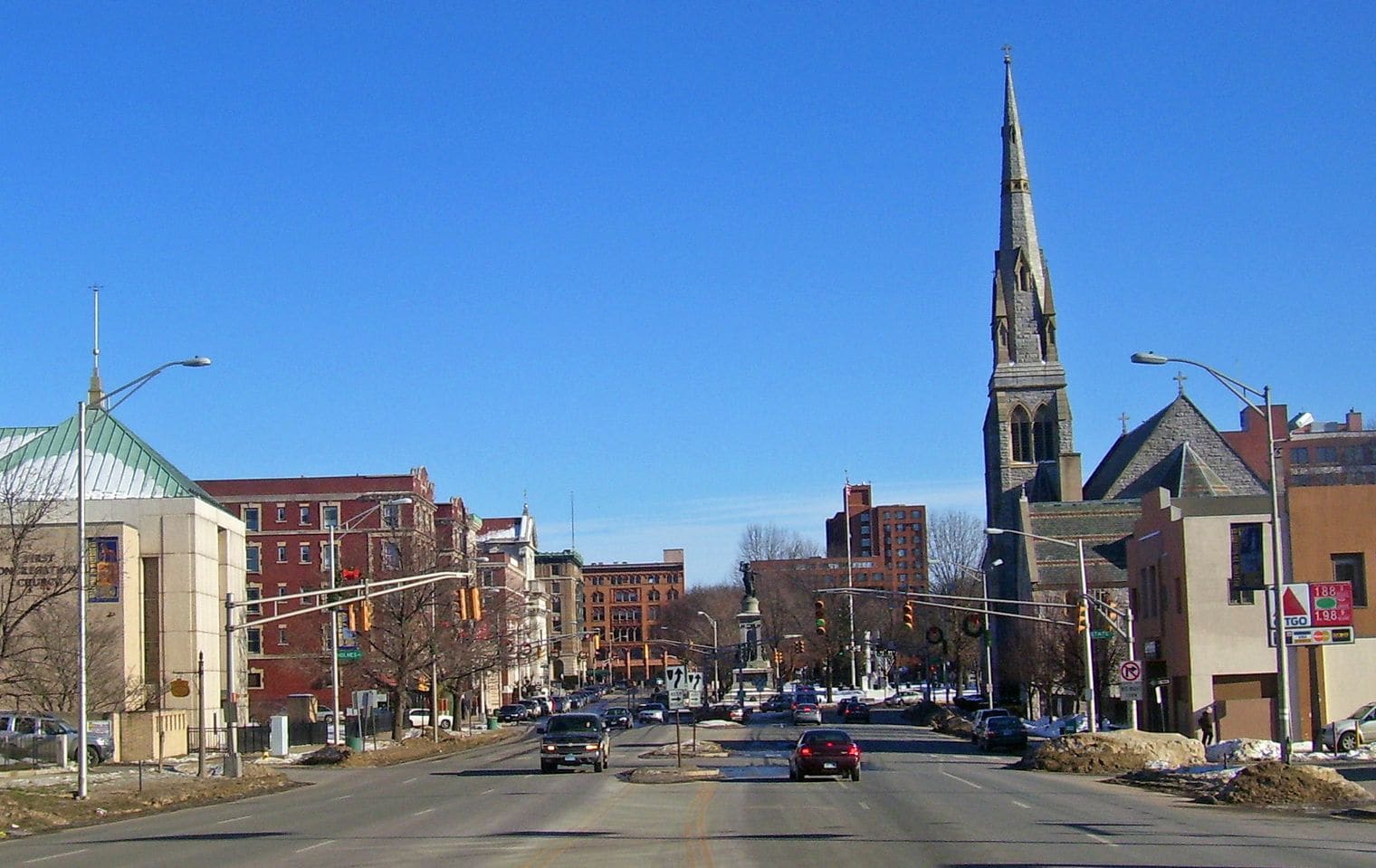
Fewer than a hundred miles separate a working whaling seaport, an Ivy League green and a foliage-lit New England hillside.
Connecticut packs a lot into a small package: the maritime shoreline of Mystic and the Thimble Islands, the wooded hills and covered-bridge villages of the Litchfield corner, and college-town culture in New Haven, all within easy reach of Hartford's Connecticut River valley. Use this hub to plan your trip — browse our city guides below, or read on for the regions, seasons and road trips that tie the state together.
Known for
Colonial coast & New England charm
Best for
Coastal towns, foliage & Ivy League culture
Capital
Hartford
Main gateway
Bradley Int'l (BDL)
Time zone
Eastern (ET)
Trip planner
Plan your trip to Connecticut
Best time to visit — season by season
Spring
Mar–May
A green, uncrowded season as the shoreline towns reopen and the Litchfield Hills leaf out. Early spring is still raw and mud-season muddy inland, but by May the days are mild and the coast is pleasant before the summer rush.
Summer
Jun–Aug
Peak season on the Long Island Sound shoreline, when Mystic, the state beaches at Hammonasset and the ferry towns fill up. Days are warm and humid in the 80s°F; the hills stay a few degrees cooler and shadier.
Fall
Sep–Nov
The signature season: New England foliage lights up the Litchfield Hills and the Connecticut River valley through October, paired with crisp, clear days. It is the best window for a scenic drive, and the shoreline stays walkable well into autumn.
Winter
Dec–Feb
Cold and often snowy, especially in the northwest hills, where a few small ski areas open. The coast is quieter and greyer, but the cities keep their museums, theatres and holiday markets going year-round.
Regions of Connecticut
The Mystic coast & southeast shoreline
Connecticut's maritime heart, where Mystic pairs its historic Seaport Museum and aquarium with the nearby harbours of Stonington and New London, and the Foxwoods and Mohegan Sun resorts sit just inland.
New Haven & the central shore
The state's cultural anchor, where New Haven wraps Yale University's free museums and famous pizza around a classic town green, with the Thimble Islands and the beaches of Hammonasset a short drive east.
The Litchfield Hills (the northwest)
Connecticut's rural, wooded corner, where villages like Litchfield, Kent and Washington string together covered bridges, Kent Falls, antique shops and some of the state's best autumn foliage.
The Connecticut River valley & Hartford
The capital region down the state's central river, where Hartford's Mark Twain House anchors the city and Essex, Chester and Gillette Castle line the lower valley toward the Sound.
Fairfield County & the Gold Coast (the southwest)
The commuter-belt corner closest to New York City, where Stamford, Greenwich and Norwalk blend waterfront towns, the Maritime Aquarium and easy Metro-North access to Manhattan.
The Quiet Corner (the northeast)
Connecticut's least-developed region, a patchwork of old mill towns, farm stands and back roads around Putnam and Woodstock — the antithesis of the coast's summer bustle.
Getting around
A car is the easiest way to explore, since the shoreline towns, the Litchfield Hills and the river valley are spread out and best linked by road. That said, Connecticut is unusually well served by rail for its size: Metro-North runs up the coast from New York through Stamford and New Haven, and Amtrak's shoreline route connects New Haven, Old Saybrook and Mystic. Most fly-in visitors use Bradley International near Hartford, though the New York and Providence airports are also within reach of the state's edges. Distances are short — you can cross the whole state in a couple of hours — so day trips between regions are easy.
The highlights Connecticut's signature sights & road trips
Connecticut at a glance
Mystic Seaport & Aquarium A re-created 19th-century seafaring village with historic tall ships, paired with one of the region's top aquariums.Basecamp: Mystic
Yale University & New Haven An Ivy League campus with free world-class art and natural-history museums, wrapped around a classic town green — and the city that claims American apizza.Basecamp: New Haven
The Litchfield Hills Covered bridges, Kent Falls and colonial villages set among the state's best autumn foliage in the rural northwest.
Mark Twain House The ornate Hartford home where Twain wrote his best-known novels, now a museum in the capital's Nook Farm district.Basecamp: Hartford
Gillette Castle & the lower river valley A hilltop stone folly built by an eccentric actor, overlooking the Connecticut River near the Essex steam-train and riverboat towns.
Long Island Sound shoreline State beaches like Hammonasset, the Thimble Islands off Branford and a string of harbour towns strung along the coast.
Suggested routes
The shoreline run
3–4 days
A coastal weekend along Long Island Sound, tracing the state's maritime towns from the New York edge east to the Rhode Island line. Follows the Metro-North and Amtrak corridor, so it works with or without a car.
Greenwich & Stamford — waterfront start near NYC
New Haven — Yale, museums and pizza
Hammonasset Beach — the state's biggest shoreline park
Essex — steam train and river town
Mystic — seaport finish
Stonington — harbour village on the state line
Hills & river valley loop
3–4 days
An inland foliage loop pairing the northwest's Litchfield Hills with the Connecticut River valley and Hartford — at its best in October, though scenic year-round.
Autumn is the classic choice — September and October bring crisp days and brilliant foliage to the Litchfield Hills and the Connecticut River valley. Summer is peak season on the Mystic coast and the shoreline beaches, while spring is quieter and green. Winter is cold and often snowy inland, but the cities keep their museums and theatres running year-round.
How many days do you need in Connecticut?
A long weekend of three to four days is enough to focus on one region — the Mystic coast, or New Haven and the central shore. To combine the shoreline with the Litchfield Hills and Hartford's river valley, give yourself about a week, which leaves time for scenic drives and day trips between the regions.
Do you need a car in Connecticut?
For the most flexibility, yes — the shoreline towns, the northwest hills and the river valley are spread out and best linked by road. But Connecticut has good rail for its size: Metro-North runs up the coast from New York through Stamford and New Haven, and Amtrak connects New Haven, Old Saybrook and Mystic, so a car-free trip focused on the coastal cities is very doable.
What is Connecticut best known for?
Connecticut is known for its Long Island Sound shoreline and the historic seaport of Mystic, for Yale University and the museums and pizza of New Haven, and for classic New England scenery — covered bridges, colonial villages and autumn foliage — in the Litchfield Hills. It is also home to two of the country's largest casino resorts, Foxwoods and Mohegan Sun.
Is Connecticut a good day trip or weekend from New York or Boston?
Very much so. The southwest corner around Stamford and Greenwich is a short Metro-North ride from Manhattan, and New Haven and Mystic are reachable by Amtrak from both New York and Boston. Mystic and the shoreline make an easy weekend from either city, and the whole state is small enough to cross in a couple of hours by car.
What is there to do in Mystic, Connecticut?
Mystic centres on its maritime heritage: the Mystic Seaport Museum, a re-created 19th-century coastal village with historic tall ships, and the Mystic Aquarium are the headline draws. The walkable downtown with its bascule drawbridge, plus the nearby harbour town of Stonington, round out an easy shoreline weekend.
Where should you go for fall foliage in Connecticut?
The Litchfield Hills in the northwest are the prime foliage destination, where villages such as Litchfield, Kent and Washington are surrounded by wooded hills and covered bridges. The Connecticut River valley around Essex and Gillette Castle is another strong choice, and both peak in October.
We use cookies to analyse site traffic and improve your experience.
You can accept or reject analytics cookies. See our Cookie Policy.