The most densely packed state in the country still hides a million acres of pine forest, a boardwalk for every summer, and the best skyline view New York never charges you for.
New Jersey is far more than the turnpike it's teased for: 130 miles of Atlantic beach towns along the Jersey Shore, the wild pinewoods and cranberry bogs of the Pine Barrens, and a skyline-facing waterfront that stares straight across the Hudson at Manhattan. Use this hub to plan your trip — browse our city guides below, or read on for the regions, seasons and road trips that make the Garden State bigger than its reputation.
Known for
The Jersey Shore & the NYC waterfront
Best for
Beaches, boardwalks & day trips
Capital
Trenton
Main gateway
Newark Liberty Int'l (EWR)
Time zone
Eastern (ET)
Trip planner
Plan your trip to New Jersey
Best time to visit — season by season
Spring
Mar–May
A quiet, green shoulder season — the cities and Princeton's campus bloom, cherry blossoms open in Newark's Branch Brook Park, and the Shore is peaceful before Memorial Day. Cool, changeable days that can swing from raw to shirtsleeves.
Summer
Jun–Aug
Peak season on the coast, when the boardwalks of Wildwood, Asbury Park and Point Pleasant run at full tilt and the ocean is finally swimmable. Inland it turns hot and humid, so the beach breeze is where everyone wants to be.
Fall
Sep–Nov
Arguably the best all-round window: warm 'second summer' beach days without the July crowds, crisp air for the Delaware Water Gap and the Pine Barrens, and colour across the northwest highlands. September ocean water stays warm well after Labor Day.
Winter
Dec–Feb
Cold and often snowy in the northwest hills, milder near the coast. The Shore towns mostly shutter, but the cities stay busy and the Hudson waterfront delivers its clearest Manhattan-skyline views against bare winter skies.
Regions of New Jersey
The Gold Coast (Hudson waterfront)
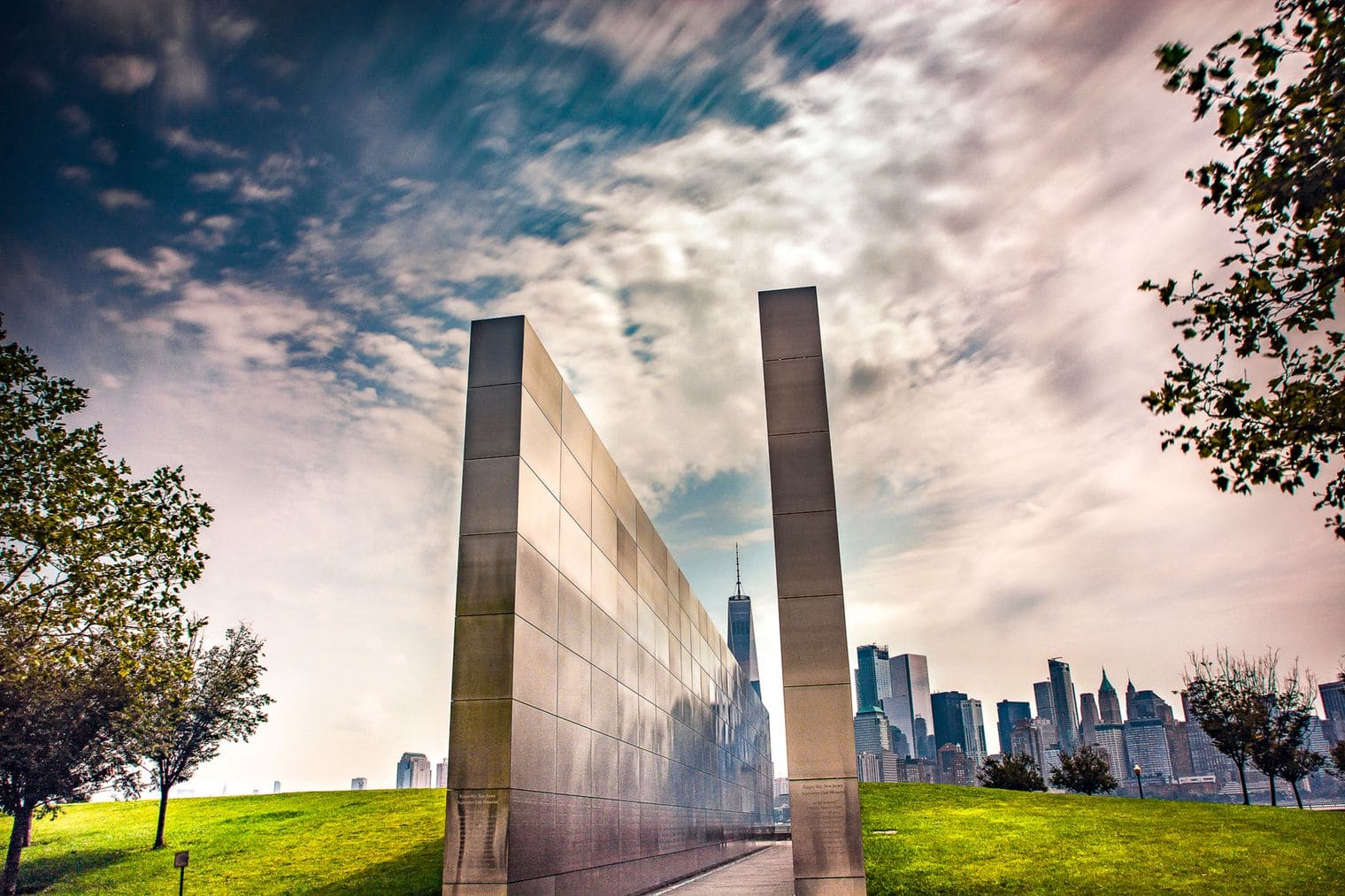
The skyline-facing northeast, where Jersey City and Hoboken line the Hudson with the best free views of Manhattan, Liberty State Park looks out to the Statue of Liberty and Ellis Island, and PATH trains make the whole strip car-free.
The Jersey Shore
The 130-mile Atlantic coast and its boardwalk towns — Asbury Park and its music scene, family-friendly Point Pleasant and Ocean City, the neon of Wildwood and the Victorian streets of Cape May at the southern tip.
The Skylands (northwest)
New Jersey's rugged, rural corner of ridges and lakes, where the Delaware Water Gap, the Appalachian Trail, High Point and Lake Hopatcong trade the beaches and cities for hiking, autumn colour and open water.
Central Jersey & the Delaware Valley
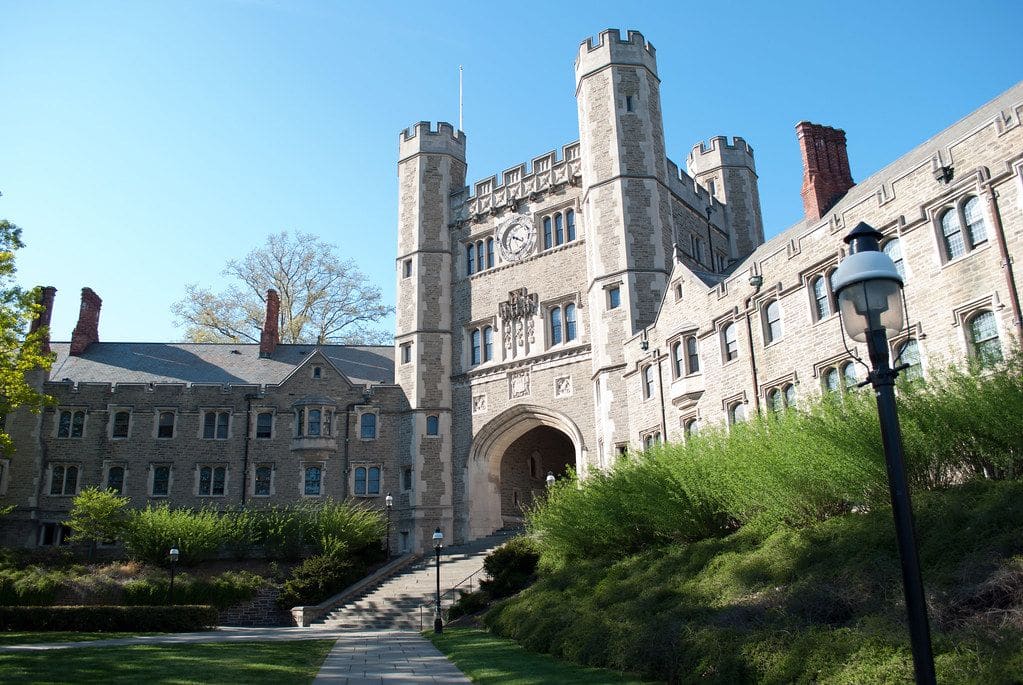
The historic middle of the state, where Princeton pairs its Ivy League campus with Revolutionary War battlefields, the capital Trenton sits on the Delaware, and the river towns run down toward Philadelphia.
The Pine Barrens & the south
The vast, sandy Pinelands National Reserve — over a million acres of pine forest, cranberry bogs and tea-coloured rivers made for canoeing — spreading south toward Atlantic City and the farmland that earns the 'Garden State' name.
Getting around
New Jersey is small and superbly connected, so how you get around depends on where you're headed. The Hudson waterfront — Jersey City, Hoboken and Newark — is genuinely car-free territory, wired into NYC by PATH trains, NJ Transit and ferries, and Princeton sits on the same Northeast Corridor rail line between New York and Philadelphia. For the Jersey Shore, the Pine Barrens and the northwest highlands, though, a car is the way: the beach towns string along the coast for over a hundred miles and the parks are thinly served by transit. Newark Liberty is the main airport, and the state is an easy drive from both New York and Philadelphia.
The highlights New Jersey's signature sights & road trips
New Jersey at a glance
The Jersey Shore 130 miles of Atlantic beaches and boardwalks, from Asbury Park's music scene to Wildwood's neon and Victorian Cape May.
The Pine Barrens The Pinelands National Reserve — over a million acres of pine forest, cranberry bogs and tea-coloured rivers made for canoeing.
Delaware Water Gap A dramatic river gorge on the Pennsylvania border, the gateway to the Skylands' hiking, waterfalls and autumn colour.
Suggested routes
The Jersey Shore run
3–4 days
The classic summer road trip down the Atlantic coast, hopping the boardwalk towns from north to south. Do it end to end, or pick two or three towns for a long weekend.
Asbury Park — start with the music-scene boardwalk
Point Pleasant Beach — family-friendly boardwalk and aquarium
Ocean City — the dry, family-classic boardwalk
Wildwood — neon, rides and a huge free beach
Cape May — genteel Victorian finish at the southern tip
Waterfront & historic heart
2–3 days
A car-light loop pairing the skyline-facing Hudson waterfront with the state's historic middle, all linked by the Northeast Corridor rail line.
It depends on where you're headed. Summer is peak season for the Jersey Shore, when the boardwalks are alive and the ocean is warm enough to swim. Spring and autumn are lovely for the cities, Princeton and the northwest parks, with September offering warm 'second summer' beach days without the July crowds. Winter is quietest, though the Hudson waterfront stays busy year-round.
How many days do you need in New Jersey?
A long weekend covers one region well — a couple of days on the Shore, or Jersey City and the NYC-facing waterfront, or Princeton and the historic Delaware Valley. Combining the beaches, the cities and a northwest park or the Pine Barrens fills a comfortable week, and many visitors add the state onto a New York or Philadelphia trip.
Do you need a car in New Jersey?
It depends on your plans. The Hudson waterfront — Jersey City, Hoboken, Newark — and Princeton are all well served by trains and are easy to explore car-free. But the Jersey Shore, the Pine Barrens and the northwest highlands are spread out and thinly served by transit, so for those a rental car makes far more sense.
What is New Jersey best known for?
New Jersey is famous for the Jersey Shore — 130 miles of Atlantic beaches and boardwalk towns like Asbury Park, Wildwood and Cape May — as well as its skyline-facing Hudson waterfront across from Manhattan, diner culture, and, despite its density, the pine forests and cranberry bogs of the Pine Barrens that give the 'Garden State' its name.
How do you get from New Jersey to New York City?
It's remarkably easy from the Hudson waterfront. PATH trains run from Jersey City and Hoboken directly into Lower and Midtown Manhattan in minutes, NJ Transit connects much of the state into Penn Station, and ferries cross the Hudson with skyline views the whole way. Many people even stay in Jersey City to explore New York more cheaply.
Which Jersey Shore town should you choose?
Each has its own character. Asbury Park is the hip, music-and-nightlife choice; Wildwood is all neon, rides and a huge free beach; Ocean City and Point Pleasant are classic family boardwalk towns; and Cape May, at the southern tip, is the genteel one, full of Victorian bed-and-breakfasts. Pick by the mood you're after rather than the distance.
Is New Jersey worth visiting beyond the beaches?
Absolutely. Princeton offers one of America's most beautiful university towns and Revolutionary War history, the Delaware Water Gap and the Skylands deliver real hiking and autumn colour, and the Pine Barrens hide over a million acres of forest and canoe-friendly rivers. The Hudson waterfront, meanwhile, is a destination in its own right for its restaurants and skyline views.
We use cookies to analyse site traffic and improve your experience.
You can accept or reject analytics cookies. See our Cookie Policy.