A day's drive links the Northeast's tallest peak, a working seaport and the country's most storied autumn colour.
New Hampshire packs the granite peaks of the White Mountains, a string of glacial lakes and a short but lively Atlantic coast into one compact New England state. From the summit of Mount Washington and the Kancamagus Highway to Lake Winnipesaukee and the colonial seaport of Portsmouth, this is classic four-season country. Use this hub to plan your trip: browse our city guides below, or start here for the regions, seasons and road trips that tie the state together.
Known for
White Mountains & fall foliage
Best for
Hiking, lakes & leaf-peeping
Capital
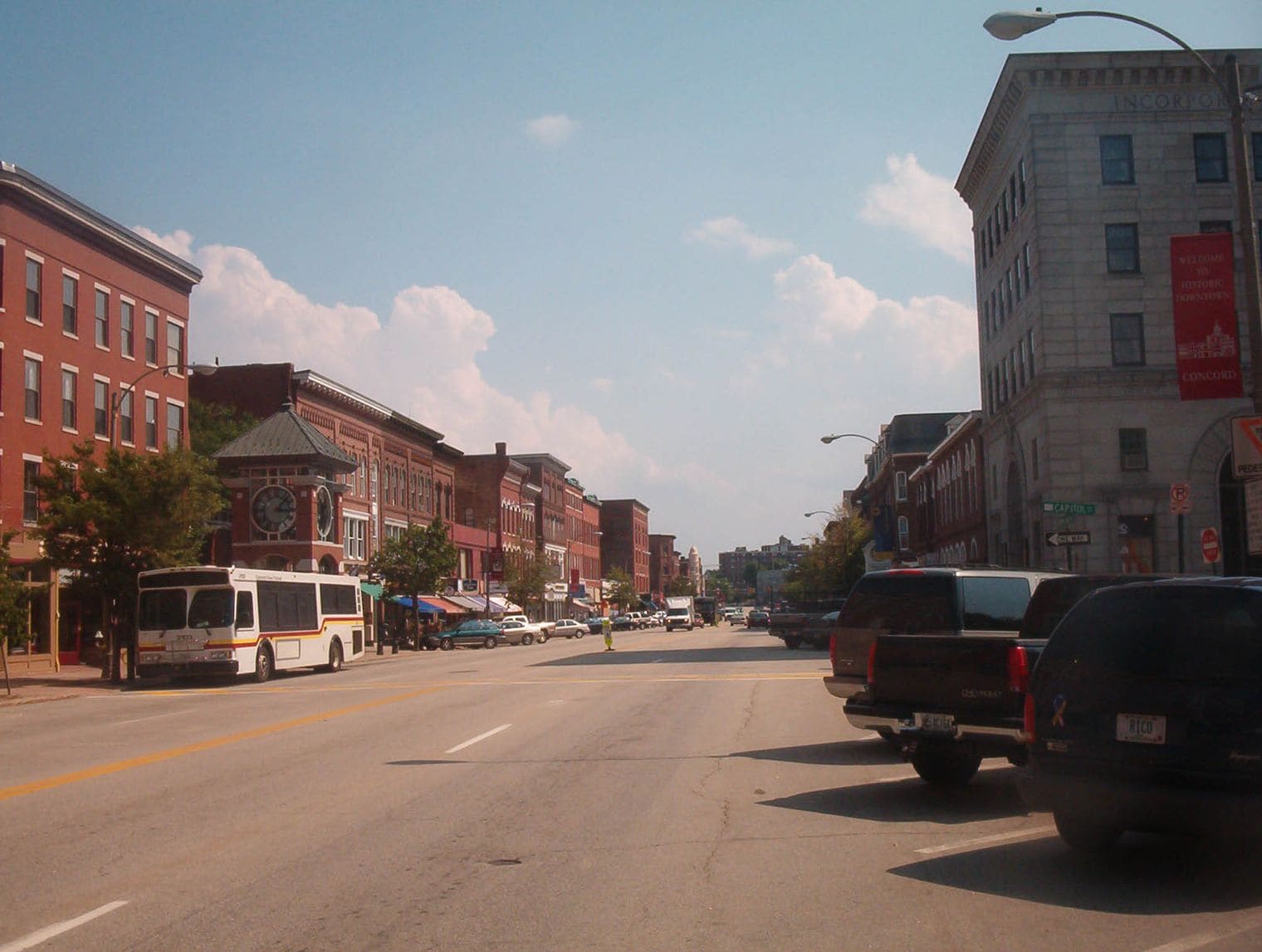
Concord
Main gateway
Manchester-Boston Regional (MHT)
Time zone
Eastern (ET)
Trip planner
Plan your trip to New Hampshire
Best time to visit — season by season
Spring
Mar–May
A muddy, in-between shoulder season: the ski slopes wind down, sugar houses run their maple boil, and the mountain notches thaw late. Lower elevations green up first while snow lingers on the higher summits into May.
Summer
Jun–Aug
Peak season on the water — Lake Winnipesaukee, Squam Lake and the Seacoast beaches around Hampton fill up, and the White Mountain trails and Kancamagus Highway are fully open. Warm, humid days in the valleys stay noticeably cooler up on the ridgelines.
Fall
Sep–Oct
The headline season. New Hampshire's hardwood forests turn brilliant red and gold, usually peaking in the northern mountains in late September and working south through October. The Kancamagus and Franconia Notch draw leaf-peepers from across the region.
Winter
Nov–Mar
Ski and snowmobile country: resorts like Bretton Woods, Loon and Waterville Valley open across the White Mountains, and the higher summits see some of the harshest weather in the country. Valley towns and the coast stay quieter and cold.
Regions of New Hampshire
The White Mountains
The rugged north-central heart of the state, where the White Mountain National Forest holds Mount Washington, Franconia Notch, the Kancamagus Highway and ski towns like North Conway and Lincoln — the state's marquee hiking and leaf-peeping country.
The Lakes Region
New Hampshire's summer playground, centred on vast Lake Winnipesaukee and quieter Squam Lake, with resort villages like Wolfeboro, Meredith and Weirs Beach for boating, beaches and lake cruises.
The Seacoast
The state's short but characterful stretch of Atlantic shore, anchored by the historic seaport of Portsmouth and the wide sands of Hampton Beach — colonial streets, seafood and beach towns within easy reach of each other.
The Merrimack Valley
The populated central corridor along Interstate 93, where the capital Concord and the state's largest city, Manchester, sit within a short drive of each other on the way north from Boston.
The Monadnock Region
The gentler southwest, named for Mount Monadnock — one of the world's most-climbed peaks — with the college town of Keene and a scatter of quintessential New England villages and covered bridges.
The Great North Woods
The remote far north beyond the White Mountains, a thinly settled expanse of forest, moose habitat and the headwaters of the Connecticut River around towns like Berlin and Colebrook.
Getting around
A rental car is essential. New Hampshire's mountains, lakes and coast are spread across the state and only thinly served by transit, and the best of it — the Kancamagus Highway, the notches, the lake villages — is reached on winding two-lane roads. Most visitors fly into Manchester-Boston Regional, or into Boston Logan about an hour south, and drive north from there. Interstate 93 is the spine up the middle toward the White Mountains, while Route 16 runs up the eastern side past Mount Washington; fuel up before heading into the northern forests, where towns and gas stops thin out.
The highlights New Hampshire's signature sights & road trips
New Hampshire's signature sights
Mount Washington The highest peak in the Northeast, reached by auto road or the historic Cog Railway, and famous for some of the world's most extreme weather.Basecamp: North Conway
The Kancamagus Highway A 34-mile scenic byway through the White Mountain National Forest, celebrated as one of the country's finest fall-foliage drives.Basecamp: Lincoln
Franconia Notch State Park A dramatic mountain pass with the Flume Gorge, Cannon Mountain and the aerial tramway, threaded by Interstate 93.
Lake Winnipesaukee The state's largest lake, ringed by resort villages and cruised by the historic M/S Mount Washington ship.Basecamp: Meredith
Portsmouth & the Seacoast A handsome colonial seaport of red-brick streets, seafood and the Strawbery Banke living-history museum, minutes from Hampton Beach.
Mount Monadnock A lone 3,165-foot summit in the state's southwest, long reputed to be one of the most-climbed mountains in the world.Basecamp: Keene
Suggested routes
The White Mountains loop
3–4 days
The classic New Hampshire mountain drive, linking the great notches, the Kancamagus Highway and Mount Washington in one scenic circuit through the White Mountain National Forest. Best in autumn for the foliage.
Franconia Notch State Park — Flume Gorge and Cannon Mountain on the way back
Lakes & Seacoast weekend
2–3 days
A lower-key long weekend pairing the state's summer lake country with its short Atlantic coast, all within easy reach of each other in the southern half of the state.
It depends on what you're after. Autumn, roughly late September through October, is the signature season for fall foliage in the White Mountains. Summer is prime for the Lakes Region and the Seacoast beaches, when the water warms and the mountain trails are all open, while December through March is ski season across the White Mountains.
How many days do you need in New Hampshire?
A focused trip to one region — the White Mountains, or the Lakes Region and Seacoast — works well in three to four days. To pair the mountains with the lakes and coast comfortably, plan on about a week. The state is compact, so you can cover a lot of ground without long drives between regions.
Do you need a car in New Hampshire?
Yes. The mountains, lakes and coast are spread out and thinly served by public transit, and the best scenery is on winding rural roads, so a rental car is essential. Most visitors fly into Manchester-Boston Regional or Boston Logan and drive north from there.
What is New Hampshire best known for?
New Hampshire is famous for the White Mountains and Mount Washington — the highest peak in the Northeast — along with some of the best fall foliage in the United States, glacial lakes like Winnipesaukee, and the historic Seacoast around Portsmouth. It's also known for its state motto, 'Live Free or Die', and for having no sales or income tax.
Where is the best fall foliage in New Hampshire?
The White Mountains are the classic choice, and the Kancamagus Highway between Lincoln and Conway is one of the most celebrated leaf-peeping drives in the country. Franconia Notch and the roads around Mount Washington are also superb. Colour usually peaks in the northern mountains in late September and moves south through October, so timing depends on the elevation and how far north you go.
Can you drive up Mount Washington?
Yes, in the warmer months. The Mount Washington Auto Road climbs to the summit from the eastern side near Pinkham Notch, and the Cog Railway carries visitors up from the western base near Bretton Woods. Both are seasonal, and the summit is notorious for extreme, fast-changing weather even in summer, so always check conditions before you go.
Is New Hampshire good for a family trip?
Very. The Lakes Region has beaches, boat cruises and family attractions around Winnipesaukee, the White Mountains have easy scenic drives and gentle waterfalls alongside the tougher hikes, and the Seacoast offers wide beaches at Hampton and the walkable historic port of Portsmouth. Distances are short enough to mix mountains, lakes and coast in one trip.
Does New Hampshire have a sales tax?
No. New Hampshire is one of the few US states with no general sales tax and no personal income tax, which is why you'll see shoppers cross state lines for larger purchases. Note that some specific charges — such as a tax on prepared meals and hotel rooms — still apply.
We use cookies to analyse site traffic and improve your experience.
You can accept or reject analytics cookies. See our Cookie Policy.