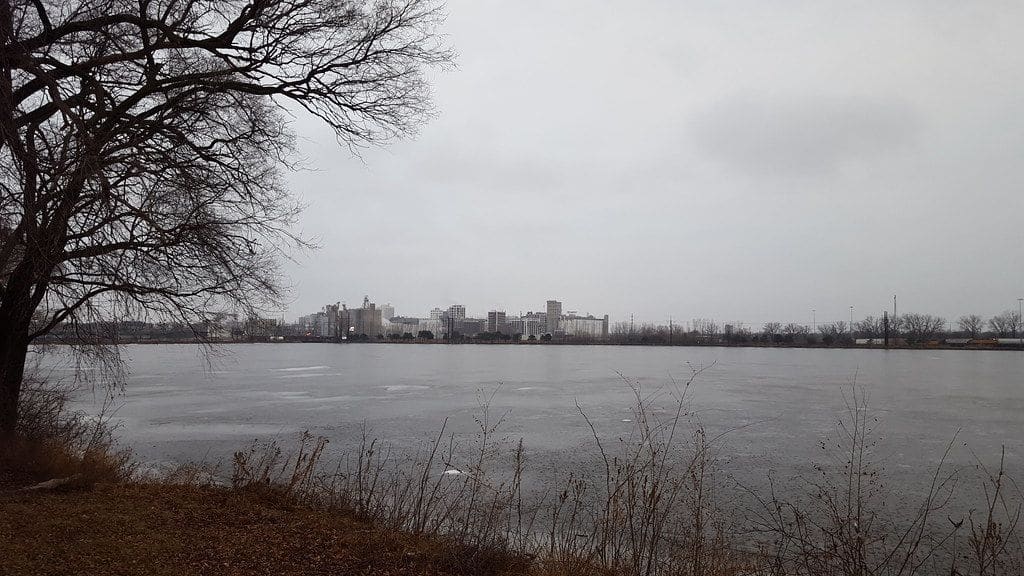
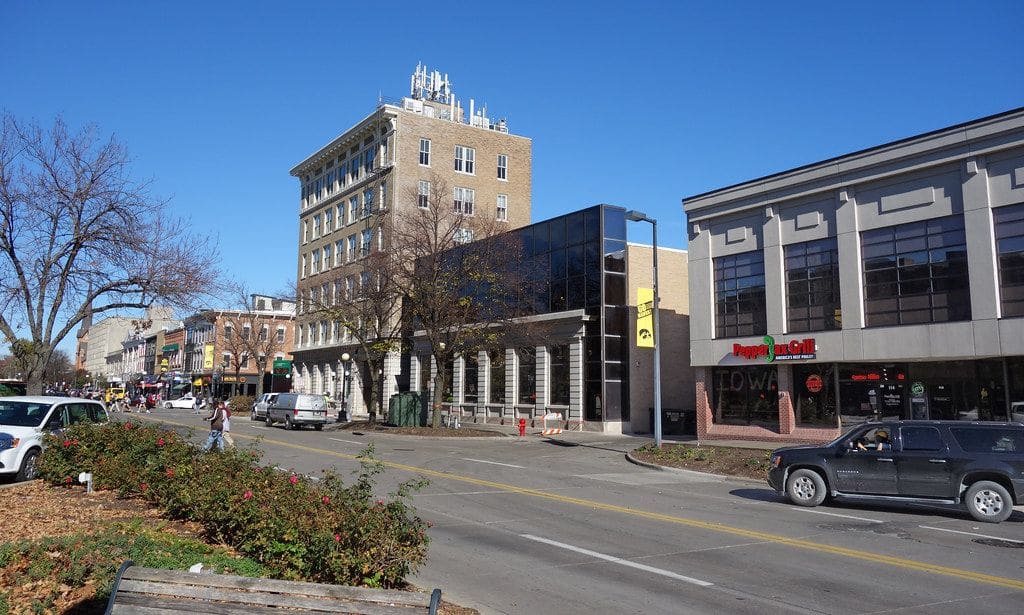
Everyone pictures the cornfields; almost no one expects the river bluffs, the effigy mounds and the loess hills.
Iowa is the heart of the American Midwest — a state of rolling farmland and covered bridges, but also river bluffs, prairie preserves and the wind-sculpted Loess Hills along the Missouri River. Between the college towns, the Amana Colonies and the great rivers on either border, there's more here than corn. Use this hub to plan your trip: browse our city guides below for the state's most rewarding stops.
Known for
Farmland, rivers & covered bridges
Best for
Road trips, college towns & river bluffs
Capital
Des Moines
Main gateway
Des Moines Int'l (DSM)
Time zone
Central (CT)
Trip planner
Plan your trip to Iowa
Best time to visit — season by season
Spring
Mar–May
The prairie greens up and the rivers run high with snowmelt, though early spring can be muddy and grey. By May the days are mild and the orchards and gardens bloom — a fine time for the eastern river towns before summer humidity sets in.
Summer
Jun–Aug
Warm, green and humid, with afternoon thunderstorms rolling across the plains. This is festival and state-fair season, when farm stands and river beaches are at their best — pack for heat in the 80s°F and the odd severe storm watch.
Fall
Sep–Nov
The finest all-round window: crisp air, harvest colour across the farmland and glowing bluffs along the Mississippi and in the Driftless northeast. September and October bring apple orchards, pumpkin patches and comfortable driving weather statewide.
Winter
Dec–Feb
Genuinely cold and often snowy, with hard freezes and the occasional blizzard sweeping the open plains. The river towns and museums stay welcoming, but plan for short days, icy roads and a car that starts in the morning.
Regions of Iowa
Eastern corridor & the college towns
The most-visited slice of the state along Interstate 80, where Cedar Rapids pairs its downtown museums with the Czech and Slovak heritage of the New Bohemia district, and nearby Iowa City brings the University of Iowa, its literary scene and the historic Old Capitol — with the seven historic Amana Colonies, German communal villages known for crafts, wineries and hearty family-style restaurants, just southwest of Cedar Rapids.
Des Moines & central Iowa
The middle of the state, anchored by the capital with its gold-domed statehouse — the only capitol in the country crowned by five domes — and the Pappajohn Sculpture Park downtown, with the rolling farm country and small-town squares of central Iowa spreading out in every direction.
The Mississippi & the Driftless northeast
Iowa's most scenic corner, where the Great River Road hugs the Mississippi past Dubuque and the bluff-top overlooks of Pikes Peak State Park, and the glacier-spared Driftless country hides Effigy Mounds National Monument and the caves at Maquoketa.
The Loess Hills & the west
The western edge along the Missouri River, where the wind-deposited Loess Hills rise in a rare rippled ridgeline found almost nowhere else on earth, and Council Bluffs faces Omaha across the river with prairie preserves and scenic byways between.
Madison County & the south
The rolling south-central countryside around Winterset, famous for the covered bridges of Madison County and as the birthplace of John Wayne, with quiet backroads, small-town squares and Iowa's own state parks nearby.
Getting around
A rental car is essential. Iowa's draws — the river bluffs, the Amana Colonies, the Loess Hills and the covered bridges — are scattered across a rural state that is thinly served by transit, and the two cities we cover, Cedar Rapids and Iowa City, sit close together in the east along Interstate 80. Des Moines International is the main statewide gateway, roughly central and two hours from the eastern college towns; the Quad Cities and Cedar Rapids airports serve the east. Distances between small towns are long and gas stops sparse on the rural highways, so fuel up before a big drive.
The highlights Iowa's signature sights & road trips
Iowa at a glance
Effigy Mounds National Monument Ancient Native American burial and ceremonial mounds shaped like bears and birds, on bluffs high above the Mississippi in the Driftless northeast.
The Loess Hills A rare rippled ridgeline of wind-deposited soil along the Missouri River in the west — one of only a few such formations on earth — laced with scenic byways and prairie preserves.
Covered bridges of Madison County The historic wooden bridges around Winterset made famous by the novel and film, an easy countryside loop south-west of Des Moines.
Field of Dreams movie site The preserved baseball diamond carved into the cornfields near Dyersville, still standing and open to visitors.
Amana Colonies Seven historic German communal villages near Cedar Rapids and Iowa City in the east, known for crafts, wineries, woollen mills and family-style restaurants.
Pikes Peak & the Great River Road Bluff-top overlooks of the Mississippi at Pikes Peak State Park, on the scenic byway that follows Iowa's eastern border.
Suggested routes
Eastern Iowa & the Great River Road
3–4 days
A focused loop through Iowa's most-visited east, pairing the college towns along Interstate 80 with the Mississippi bluffs and the Driftless northeast. Runs south-to-north; reverse it if you're arriving from the Quad Cities.
Iowa City — start at the University of Iowa and Old Capitol
Amana Colonies — German communal villages, an easy detour
Dubuque — river town on the Mississippi
Pikes Peak State Park — bluff-top overlook
Effigy Mounds National Monument — finish on the bluffs above the river
Central Iowa & Madison County
1–2 days
A short central outing from the capital, adding the covered-bridge country just south-west of the city — good for a long weekend and easy from Des Moines International.
Des Moines — state capitol & sculpture park
Winterset — covered bridges of Madison County & John Wayne's birthplace
Autumn is the sweet spot — September and October bring crisp air, harvest colour across the farmland and glowing bluffs along the Mississippi, plus apple orchards and pumpkin patches. Late spring and summer are warm and green and cover the state-fair and festival season, while winters are genuinely cold and snowy, so plan indoor stops and watch the roads.
How many days do you need in Iowa?
A focused trip to the eastern college towns — Cedar Rapids and Iowa City, which sit just half an hour apart — works well in two or three days. Adding Des Moines and the Amana Colonies, or the Mississippi bluffs and the Driftless northeast, easily fills a long weekend, and a full loop taking in the Loess Hills in the west stretches to a week.
Do you need a car in Iowa?
Yes. Iowa's attractions are spread across a rural state and thinly served by public transit, so a rental car is essential. Most visitors fly into Des Moines International, which is roughly central and about two hours from the eastern cities; the eastern college towns are also reachable via the Cedar Rapids and Quad Cities airports.
What is Iowa best known for?
Iowa is famous as the heart of the Corn Belt — farmland, the Iowa State Fair and the first-in-the-nation presidential caucuses — but it also draws visitors for the covered bridges of Madison County, the wind-sculpted Loess Hills, the Mississippi river bluffs and the Field of Dreams movie site near Dyersville.
What are the best small towns and day trips in Iowa?
The Amana Colonies, a cluster of seven historic German communal villages near Cedar Rapids and Iowa City, make a classic day out for crafts, wineries and family-style dining. Other favourites are Winterset for the covered bridges of Madison County, Dubuque and Pikes Peak State Park along the Mississippi, and Dyersville for the Field of Dreams baseball diamond.
Is Cedar Rapids or Iowa City better to base in?
They complement each other and sit only about half an hour apart, so you can easily see both from one base. Cedar Rapids is the larger city, with downtown museums and the Czech and Slovak heritage of its New Bohemia district; Iowa City is the smaller, walkable university town, with the University of Iowa, a lively literary and arts scene and the historic Old Capitol. Many visitors split their time between the two.
What is the Great River Road in Iowa?
It's the scenic byway that follows the Mississippi River along Iowa's eastern border, linking river towns like Dubuque with bluff-top overlooks such as Pikes Peak State Park and, a short way inland, Effigy Mounds National Monument. It's one of the state's most rewarding drives, especially in autumn when the bluffs turn colour.
Where can you see the covered bridges of Madison County?
They're clustered around Winterset in Madison County, about forty-five minutes south-west of Des Moines. Several of the historic bridges made famous by the novel and film still stand and are easy to visit on a countryside loop, and Winterset itself is also the birthplace of John Wayne.
We use cookies to analyse site traffic and improve your experience.
You can accept or reject analytics cookies. See our Cookie Policy.