The Olympic Peninsula loop
4–5 daysA full circuit of US-101 around Olympic National Park, pairing rainforest, alpine ridge and wild coast — easily started and finished from Seattle or Tacoma via the ferries.

Why visit WashingtonOne state, two climates — glacier volcanoes and rainforest on one side of the Cascades, sun-baked wine country on the other.
Washington is two states in one, split down the middle by the Cascade Range: a wet, evergreen west of rainforest, islands and Puget Sound cities, and a dry, sunny east of wheat country, wine valleys and coulees. Use this hub to plan your trip — browse our city guides below, then build a loop around Mount Rainier, the North Cascades and the San Juan Islands.
A green, showery shoulder season west of the Cascades — tulip fields bloom in the Skagit Valley and waterfalls run full, though mountain passes and high trails stay snowbound well into the season. The dry east side warms faster and clearer.
The payoff months, and the reason locals endure the grey winters. Rain all but stops around Puget Sound, the volcano and North Cascades trails melt out, and long dry days settle over Seattle, the San Juans and the eastern wine valleys. Book ferries and park lodging well ahead.
September stays warm and clear before the rains return — a quieter window for the islands and the mountains, with larch gold flaring in the North Cascades in late September and harvest in the Yakima and Walla Walla wine country.
Grey, mild and wet at sea level, with snow piling up in the mountains — the Cascades hold some of the deepest snowpack in the country, feeding resorts like Crystal Mountain and Stevens Pass. Cascade passes can close in storms, so check conditions before crossing.
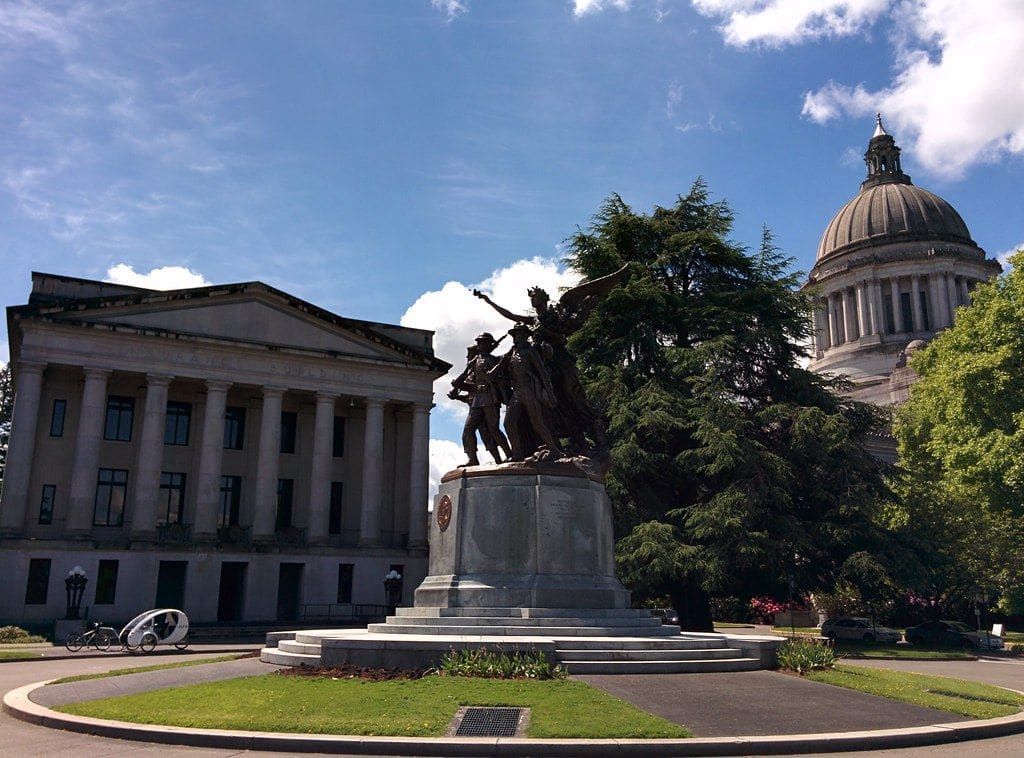
The populated heart of the state, where Seattle's Pike Place Market and Space Needle sit an hour north of Tacoma's museums and Mount Rainier views, with the capital, Olympia, at the sound's southern tip and Bellingham to the north.
An archipelago reached by ferry from Anacortes — San Juan, Orcas and Lopez islands for whale-watching, sea kayaking and quiet harbours, with the Skagit Valley's springtime tulip fields on the mainland approach.
A loop around Olympic National Park, pairing the Hoh Rain Forest and Hurricane Ridge with wild beaches at Rialto and Ruby, the Victorian port of Port Townsend and the long, flat sweep of the Long Beach coast.
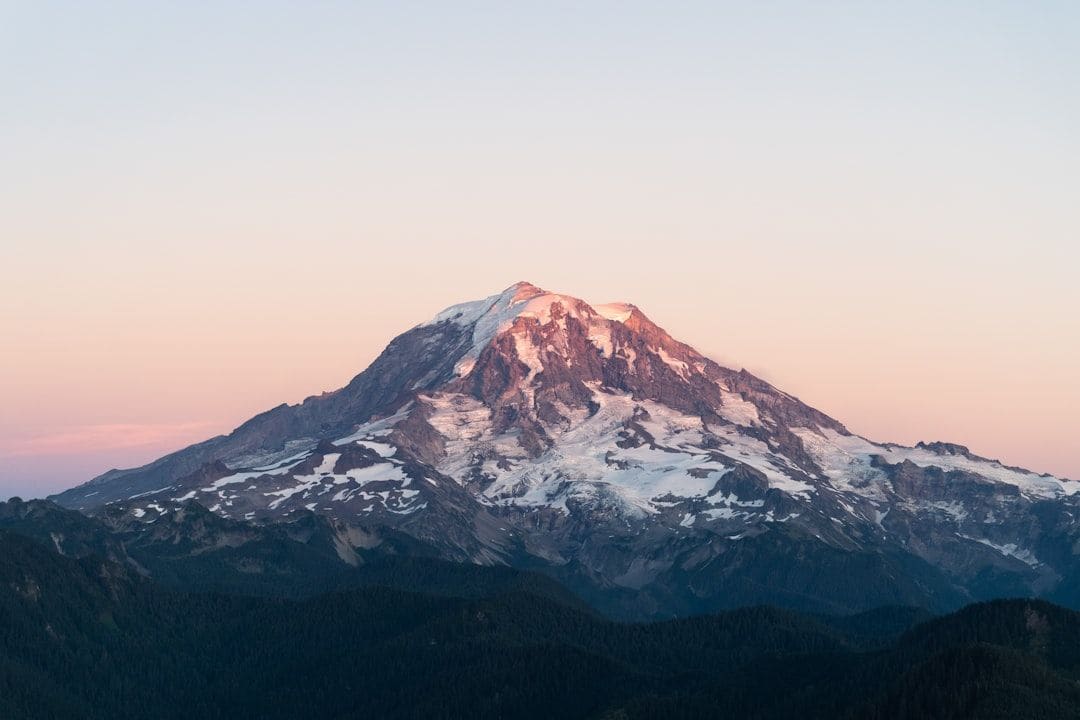
The volcanic spine of the state — Mount Rainier and its wildflower meadows at Paradise, the granite peaks of North Cascades National Park, the Bavarian-themed town of Leavenworth and Mount St Helens' blast zone to the south.
The dry, sunny side of the mountains, where Spokane anchors the northeast, the Yakima and Walla Walla valleys pour the state's best wines, and the Grand Coulee and Palouse hills roll out across the scablands.
A rental car is essential for everything beyond central Seattle: the national parks, wine country and the coast are spread far apart and thinly served by transit. Nearly everyone flies into Seattle-Tacoma International (SEA), the region's hub, midway between Seattle and Tacoma. The Washington State Ferries system — the largest in the country — is part of the road network out here, carrying cars to the San Juan Islands, Bainbridge Island and across Puget Sound, so factor sailing times and summer queues into any island plan. East-west travel means crossing a Cascade pass; the passes are ploughed but can close briefly in winter storms.
A full circuit of US-101 around Olympic National Park, pairing rainforest, alpine ridge and wild coast — easily started and finished from Seattle or Tacoma via the ferries.
A west-to-east traverse over the Cascades, trading rainforest and volcanoes for sunshine and vineyards — the best way to feel how two different states share one border.
A short northern trip built around the ferries, linking the big Sound cities with an island escape for whale-watching and quiet harbours.
 Map of Washington
 Summer, roughly July through early September, is the clear winner: the rain around Puget Sound all but stops, the mountain and volcano trails melt out, and the San Juan Islands are at their best. September stays warm and quiet, spring is green but wet with snow still on the passes, and winter is grey and mild at sea level but excellent for skiing in the Cascades.
Three to four days covers Seattle and a day trip to Mount Rainier or the wine country. A week lets you add the Olympic Peninsula loop or the San Juan Islands, and ten days or more is ideal if you want to cross the Cascades and combine the rainy west with the sunny east side of the state.
For anything beyond central Seattle, yes. The national parks, the coast and the wine valleys are far apart and thinly served by transit, so a rental car is essential. Most visitors fly into Seattle-Tacoma International and drive from there — and remember that the Washington State Ferries are part of the road system, carrying your car to the islands and across the sound.
Washington is famous for its evergreen scenery and three very different national parks — Mount Rainier, Olympic and the North Cascades — plus Seattle's coffee and tech culture, the Puget Sound ferries and the San Juan Islands, and the wine valleys of Yakima and Walla Walla in the drier east.
Most visitors drive to Anacortes, north of Seattle, and take a Washington State Ferry to San Juan, Orcas or Lopez island. In summer, car queues can be long, so arrive early or consider going as a foot passenger and using island shuttles and bikes. There are also passenger-only ferries and small flights from the Seattle area.
Not in the way people expect. The famous grey and drizzle sit west of the Cascades, mainly from late autumn through spring, and summers around Seattle are reliably dry and sunny. East of the mountains, cities like Spokane and the Yakima and Walla Walla wine valleys are genuinely sunny and dry year-round — the Cascades wring most of the moisture out of the incoming Pacific weather.
Ideally both, because they feel like different states. The west has Seattle, the islands, the rainforest and the volcanoes; the east has sunshine, wine country around Yakima and Walla Walla, Spokane and the dramatic scablands of the Grand Coulee. If you only have a few days, base yourself on the west side; with a week or more, cross a Cascade pass and see the contrast.
It depends on your time and interests. Mount Rainier is the easiest day trip from Seattle or Tacoma, with wildflower meadows at Paradise. Olympic National Park needs a loop of its own to combine the Hoh Rain Forest, Hurricane Ridge and the wild Pacific beaches. The remote North Cascades offer the most rugged alpine scenery and are best in late summer for the trails and autumn larches.