Tacoma sits on Commencement Bay at the south end of Puget Sound, Washington's third-largest city and a working port with a restored brick downtown. It grew up as the "City of Destiny," chosen in 1873 as the western terminus of the Northern Pacific Railroad, and it takes its name from Tahoma, the Indigenous name for the volcano that looms over it, Mount Rainier.
What sets Tacoma apart is its concentration of museums along the waterfront and Pacific Avenue: the Museum of Glass, the Tacoma Art Museum, LeMay - America's Car Museum, and the Washington State History Museum all sit within a short walk. Ring that core with 760-acre Point Defiance Park, the Point Defiance Zoo & Aquarium, and the twin Tacoma Narrows Bridge, and the list of things to do in Tacoma runs long. Its spot on Interstate 5 also makes Tacoma a comfortable base for exploring the rest of Washington, from Puget Sound to the Cascades.
Fun Facts About Tacoma, Washington
Tacoma is nicknamed the “City of Destiny” because it was chosen in the 1870s as the western terminus of the Northern Pacific Railroad.
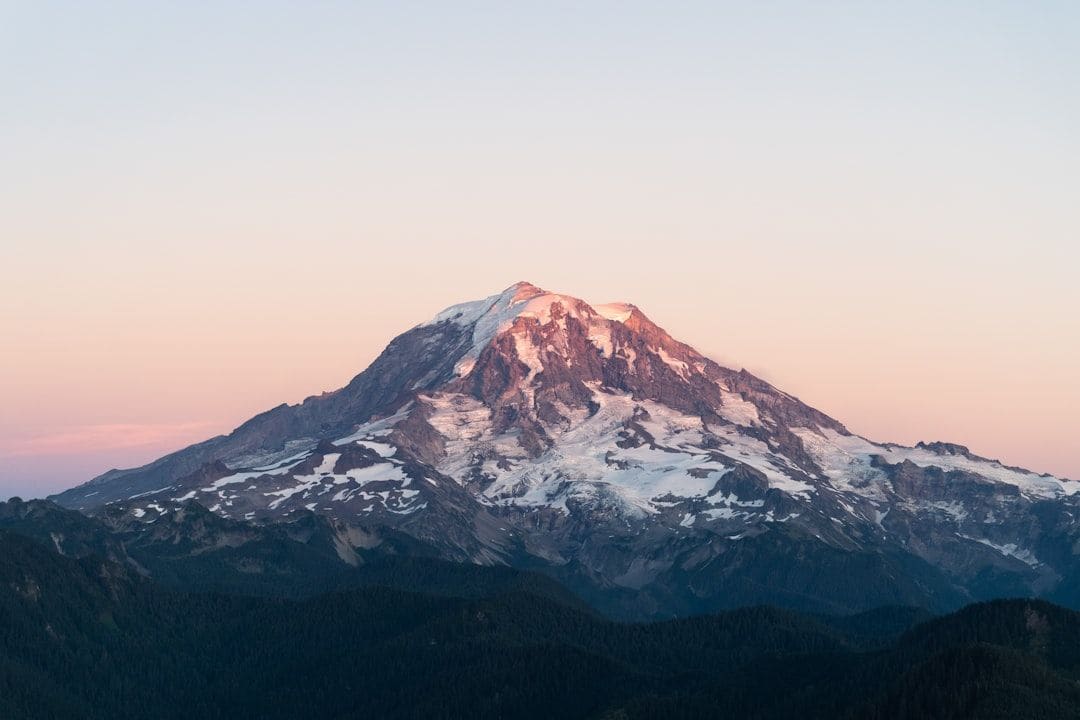
The city takes its name from Tahoma, the Indigenous name for Mount Rainier, the glaciated volcano that dominates its skyline.
Glass artist Dale Chihuly was born in Tacoma, and his work anchors the Museum of Glass and the free Bridge of Glass downtown.
Stadium High School began in 1891 as a French-chateau luxury hotel; abandoned after a financial panic, it became a school and later starred as the campus in the film 10 Things I Hate About You.
Tacoma is Washington’s third-largest city, sitting on Commencement Bay at the south end of Puget Sound.
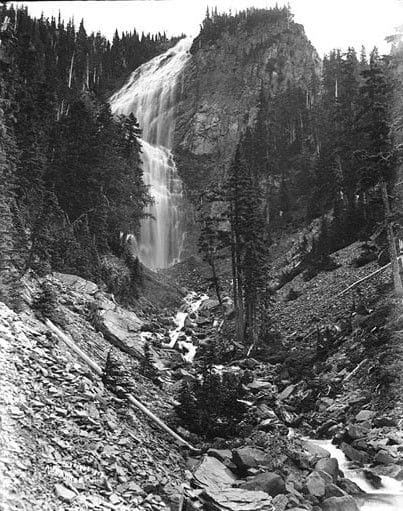
About 60 miles southeast of Tacoma, Mount Rainier National Park was established in 1899 as the fifth national park in the United States. Its 236,381 acres wrap around the glaciated volcano that gave Tacoma its Indigenous name, Tahoma, and the park draws well over a million visitors a year to its old-growth forest, subalpine meadows, and waterfalls.
The centerpiece is 14,411-foot Mount Rainier itself, the most heavily glaciated peak in the contiguous United States and a designated Decade Volcano. The 93-mile Wonderland Trail circles the mountain, and the Paradise and Sunrise areas open the high country to day hikers; on a clear day you can trace the summit straight from downtown Tacoma.
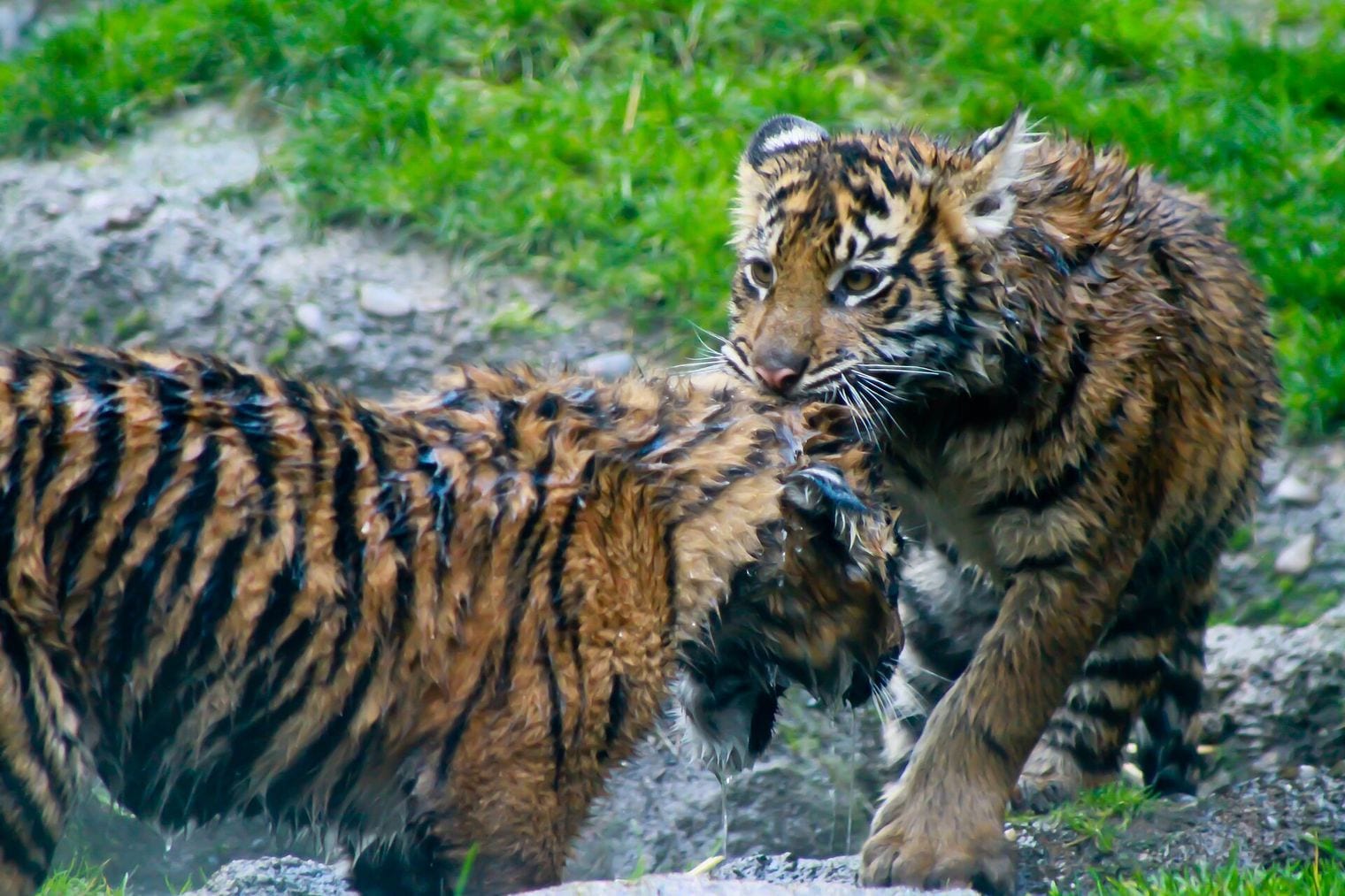
The Point Defiance Zoo & Aquarium opened in 1905 inside Point Defiance Park and added its aquarium in 1935, making it one of the oldest zoos in the Pacific Northwest. Spread across roughly 29 acres, it houses hundreds of species and is the only combined zoo and aquarium in the region, run by Metro Parks Tacoma.
Signature habitats include the Asian Forest Sanctuary with Sumatran tigers, clouded leopards, and elephants, and the Rocky Shores and Arctic Tundra exhibits with polar bears, walruses, and sea otters. The aquarium's Pacific Seas tank holds sharks and eagle rays, and each winter the grounds host Zoolights, a walk-through display strung with hundreds of thousands of bulbs.
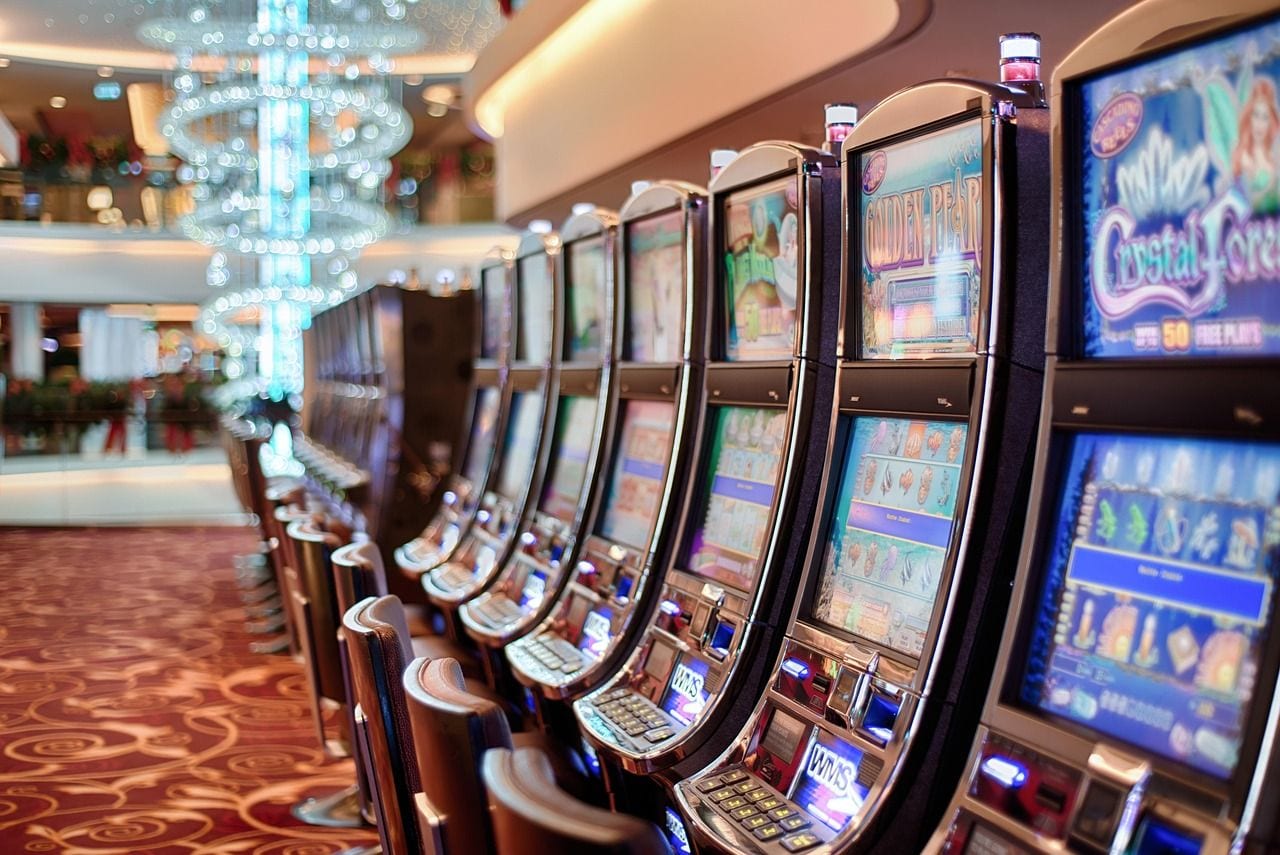
Owned and operated by the Puyallup Tribe of Indians, the Emerald Queen Casino traces its name to a Mississippi riverboat the tribe brought to the Tacoma tideflats in the 1990s. The current $400 million resort casino opened in June 2020 just off Interstate 5, replacing the older land-based hall on the same site.
The Emerald Queen floor carries more than 2,000 slot machines, around 60 table games, and a sportsbook, alongside several restaurants and a showroom that books touring music and comedy acts. It remains one of the largest tribal gaming venues in the South Sound and a hub of the Puyallup Tribe's holdings along the I-5 corridor.
At 760 acres, Point Defiance Park is one of the largest urban parks in the country, occupying a peninsula that juts into Puget Sound at Tacoma's northern tip. Set aside as a federal military reserve and turned over to the city in the 1880s, it now draws several million visits a year to its zoo, gardens, beaches, and forest.
A five-mile scenic drive loops through a stand of old-growth Douglas fir, some more than 400 years old, with pullouts at viewpoints looking toward Gig Harbor and the Olympic Mountains. Point Defiance Park also holds rose, dahlia, and Japanese gardens, miles of forest trail, an off-leash dog park, and a saltwater beach at Owen Beach.
The Tacoma Dome opened in 1983 and remains one of the largest wood-domed arenas in the world, its 530-foot span built from Douglas fir in a nod to the region's timber trade. A major renovation completed in 2018 modernized the concourses and seating while keeping the distinctive dome intact.
With a capacity around 23,000 for concerts, the Tacoma Dome has hosted touring acts since David Bowie played its opening year, along with sports, graduations, and trade shows. Its flexible floor and seating let it scale from arena football to full-house concerts, and it sits beside the transit hub linking Tacoma to Seattle by rail.
Wild Waves Theme and Water Park sits in Federal Way, about 20 minutes north of Tacoma, and combines a water park with a full amusement park on roughly 70 acres. It opened in 1977 and is the largest combined theme-and-water park in Washington state.
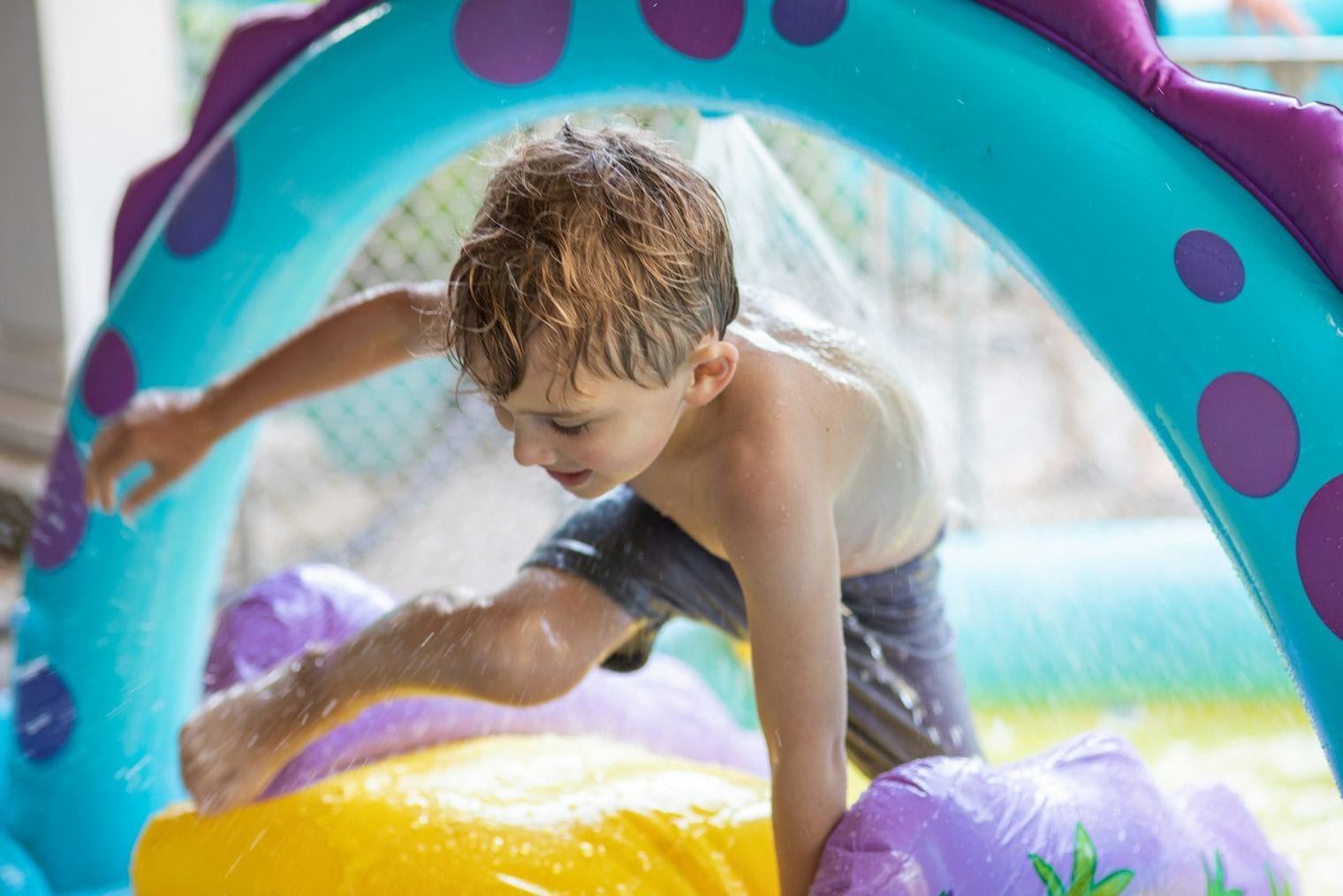
The dry side runs roller coasters and a classic carousel, while the water side spins out a wave pool, a lazy river, and clusters of body and tube slides. Family-scaled zones like Hooks Lagoon give younger children a shallow play structure, making Wild Waves a summer standby for South Sound families.
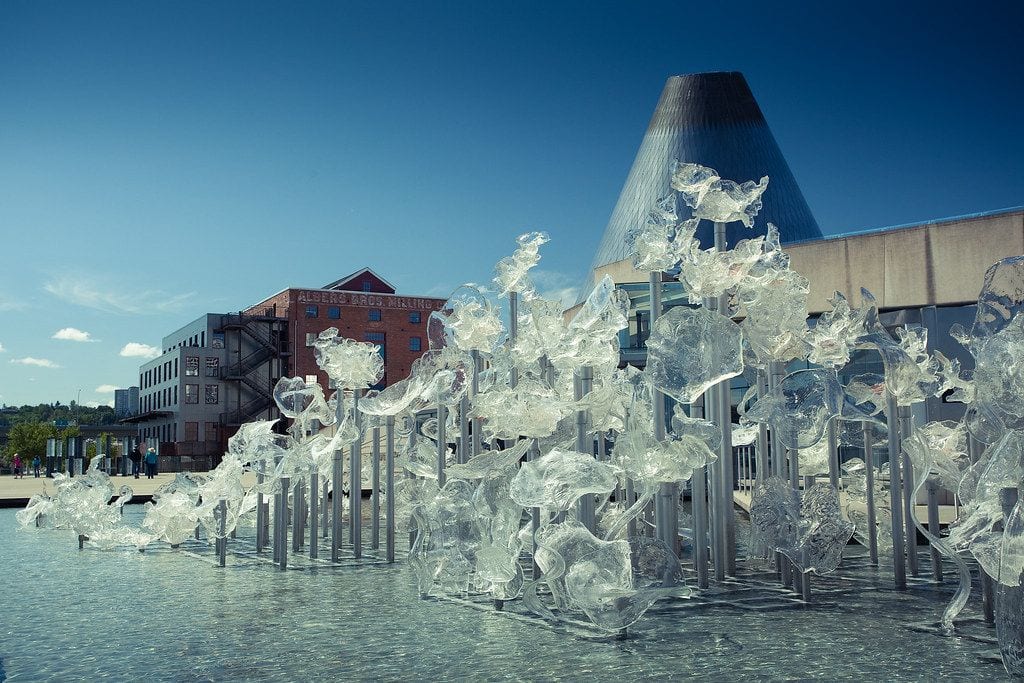
Tacoma's Museum of Glass opened in 2002 on the Thea Foss Waterway, designed by Canadian architect Arthur Erickson around a 90-foot stainless-steel cone that has become a city landmark. The cone caps the Hot Shop, and reflecting pools and a stepped roofline tie the building to the working waterfront below.
Inside that cone, visitors watch a resident team of glassblowers work live in the Hot Shop Amphitheater, the largest of its kind. The Museum of Glass connects to downtown across the Chihuly Bridge of Glass, a pedestrian span lined with installations by Tacoma-born artist Dale Chihuly, and rotating galleries show contemporary work in the medium.
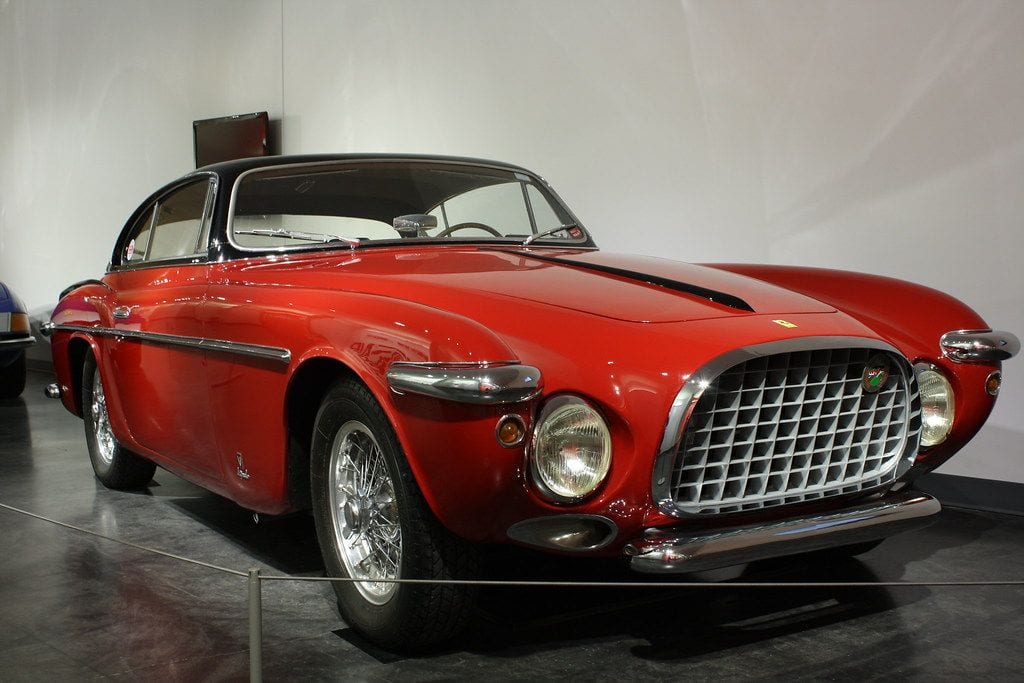
LeMay - America's Car Museum opened in 2012 next to the Tacoma Dome, its swooping ribbed roof visible from Interstate 5. It grew out of the collection of Harold LeMay, a Tacoma refuse hauler whose personal fleet was once recognized by Guinness as the world's largest.
The museum spreads 165,000 square feet over four floors and rotating galleries, showing several hundred cars from early brass-era machines to muscle cars and concept vehicles. Themed exhibits trace American car culture, and the hilltop site delivers views over downtown Tacoma toward the Olympic Mountains.
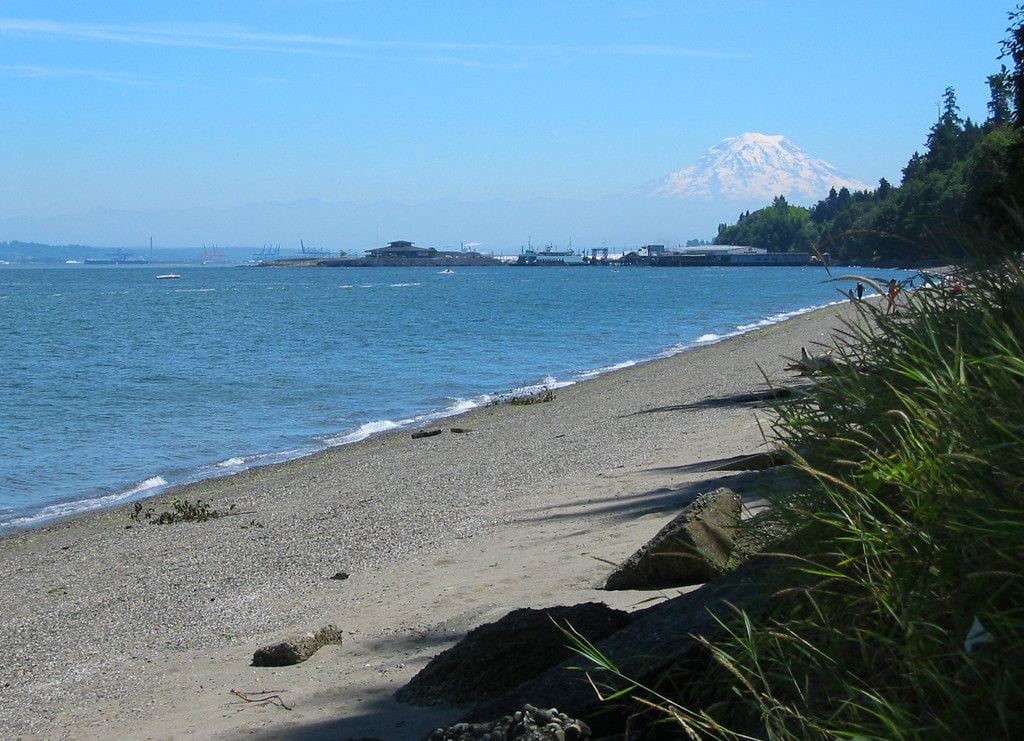
Owen Beach is the saltwater shoreline of Point Defiance Park, a broad pebble-and-sand strand facing Vashon Island across Dalco Passage. It reopened in 2022 after a rebuild that raised the beach against rising tides and added a wider promenade, picnic shelters, and kayak launch.
From the sand at Owen Beach you look straight across the water, and harbor seals and the occasional passing whale turn up in the passage. A paved waterfront path runs from the beach along the shore, a level walk that stays worthwhile even in the grey months when the water is too cold for swimming.
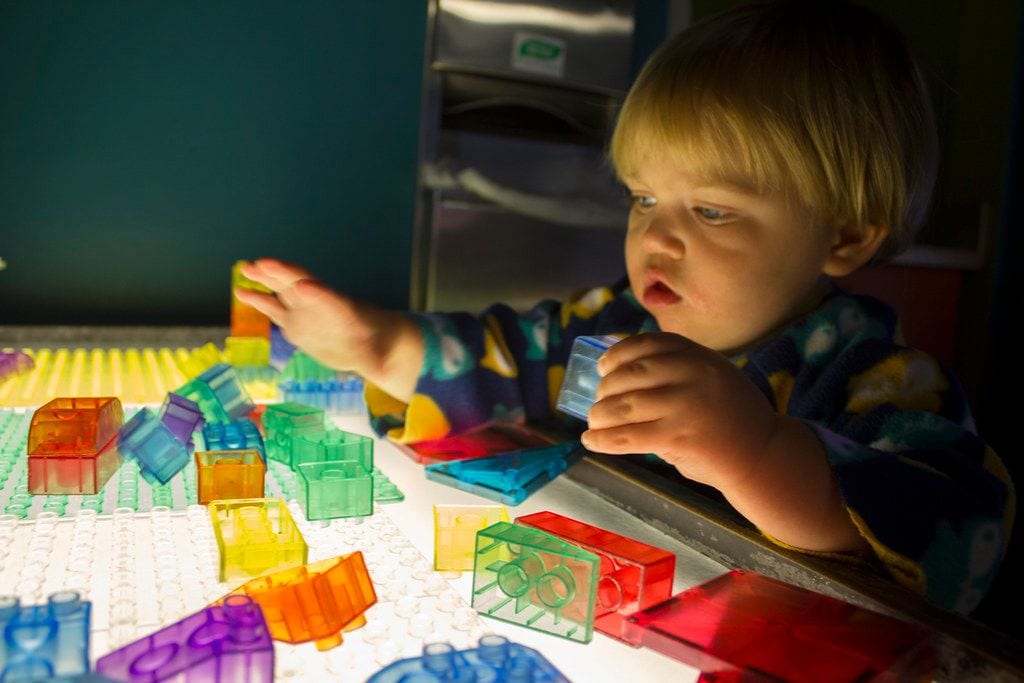
The Children's Museum of Tacoma opened in 1986 and moved into its downtown home on Pacific Avenue in 2012. It runs on a "pay as you will" admission model, so any family can come through the door, and it is built around learning through open-ended play rather than screens or scripted exhibits.
The floor is divided into five hands-on "playscapes" - Woods, Water, Voyager, Invention, and Becka's Studio - where children build with real tools, move water through channels, and climb a treehouse. The Children's Museum of Tacoma anchors the family end of the downtown museum district, a short walk from the Washington State History Museum.
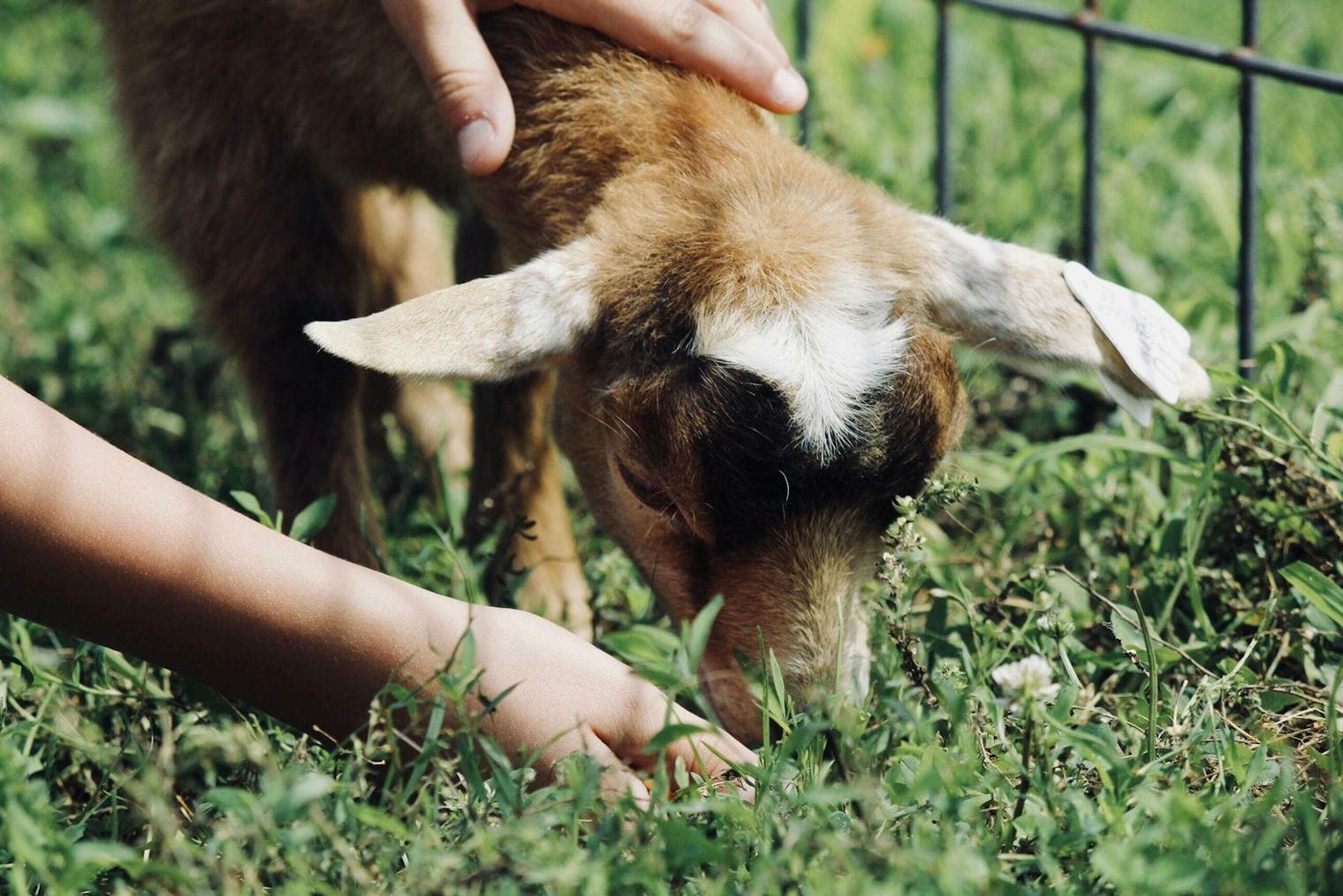
Debbie Dolittle's Animal Experience is an indoor petting zoo in Tacoma's Parkland neighborhood, open year-round regardless of the region's grey weather. Named for the owner's late wife, it lets visitors get close to dozens of species under one roof.
The animals at Debbie Dolittle's range from farm regulars like goats, lambs, and bunnies to exotics such as capybaras, wallabies, and kangaroos. Cups of feed let you hand-feed the residents, and the site pairs the petting zoo with a party room and small arcade, making it an easy rainy-day stop for families with young children.
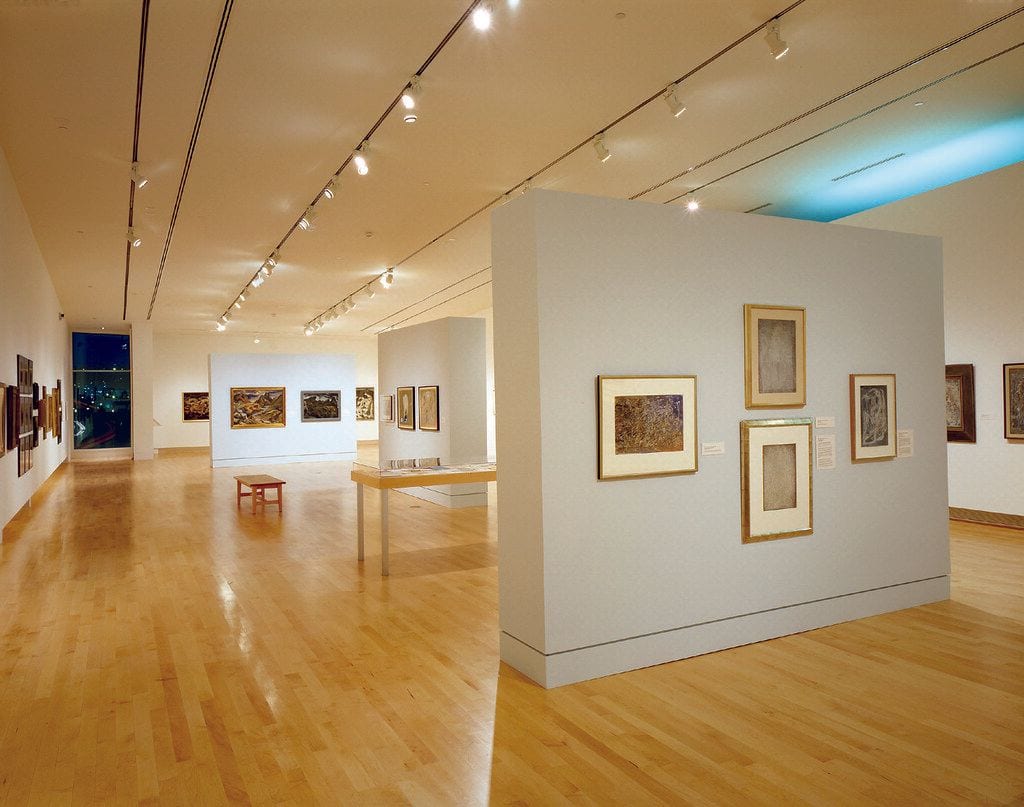
Founded in 1935, the Tacoma Art Museum concentrates on artists of the Pacific Northwest and the American West, and moved into its current Antoine Predock-designed building on Pacific Avenue in 2003. Its permanent holdings number in the thousands of works across painting, sculpture, and studio glass.
The Tacoma Art Museum is the largest public repository of Dale Chihuly's glass, displayed alongside a strong collection of Northwest painting and a haul of Western American art in the Haub wing. A studio space invites visitors to make their own work, tying the galleries to the hands-on spirit of the surrounding museum district.
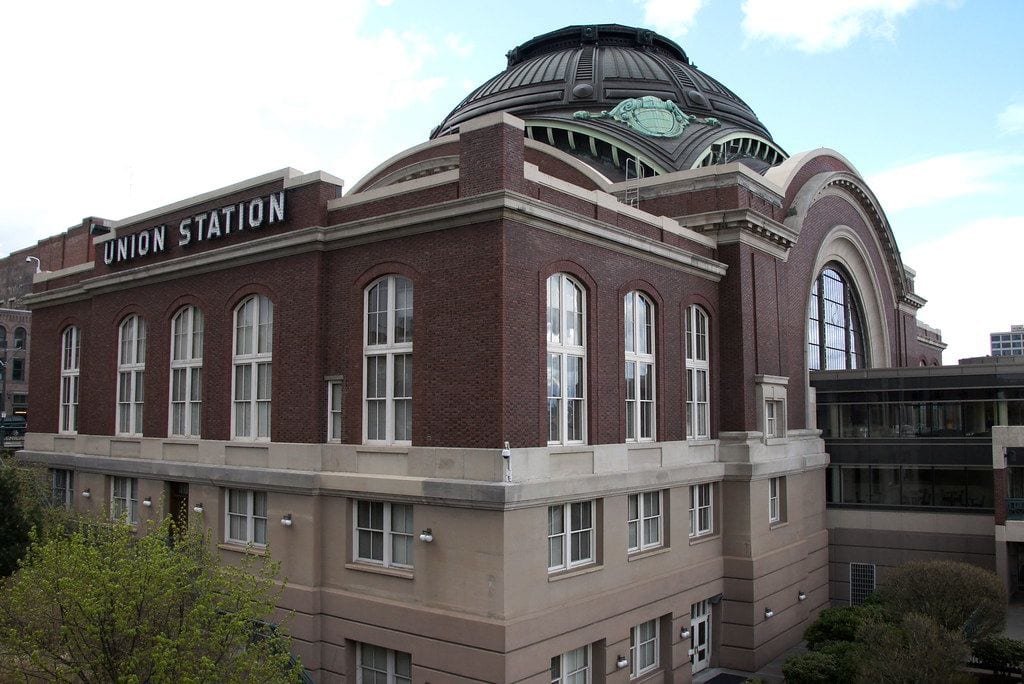
The Washington State History Museum opened in 1996 beside the domed, Beaux-Arts Union Station on Pacific Avenue, its arched brick facade echoing the 1911 depot next door. Run by the Washington State Historical Society, it tells the state's story from Indigenous peoples through settlement, railroads, and industry.
An operating model railroad recreates scenes along the Northern Pacific line that made Tacoma its terminus, and galleries carry Coast Salish artifacts, pioneer displays, and a hands-on History Lab. The Washington State History Museum bookends the downtown museum row with the Museum of Glass a few blocks south.
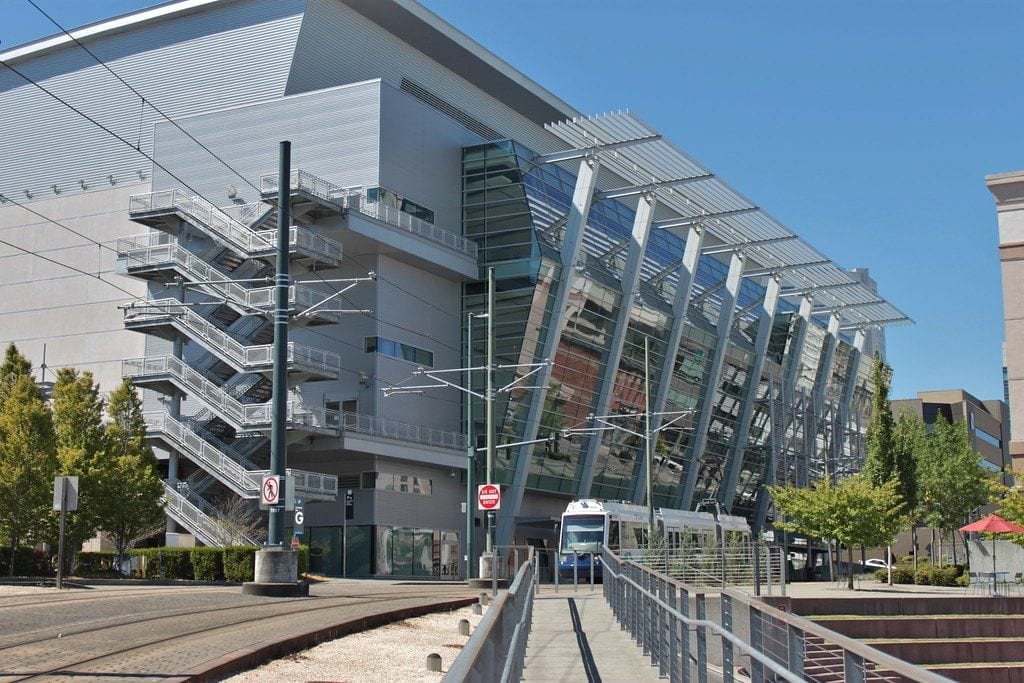
The Greater Tacoma Convention Center opened downtown in 2004 with more than 100,000 square feet of meeting and exhibition space, one of the larger convention venues in western Washington outside Seattle. Its glass-walled ballroom looks out toward Mount Rainier and Commencement Bay.
Beyond conventions and trade shows, the Greater Tacoma Convention Center hosts consumer expos, community festivals, and holiday events that draw the public in. It sits at the heart of downtown within walking distance of the museum district, hotels, and Pacific Avenue's restaurants, and connects to the free light-rail line that loops the core.
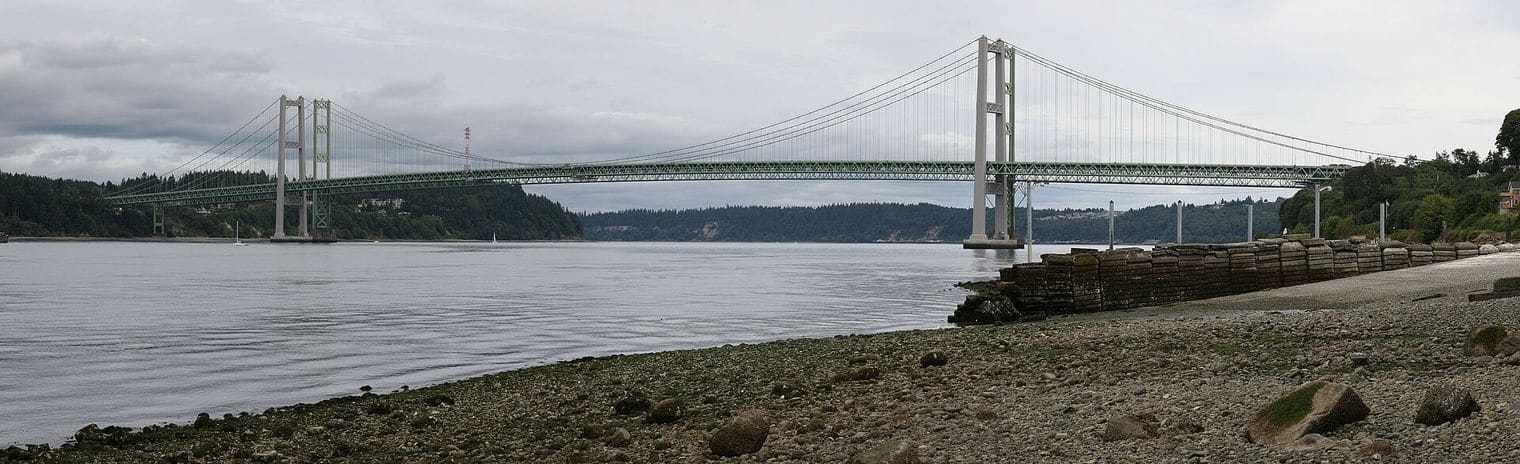
The Tacoma Narrows Bridge is a pair of side-by-side suspension bridges spanning the Narrows strait to connect Tacoma with the Kitsap Peninsula and Gig Harbor. Together they rank among the longest suspension spans in the United States, and the crossing frames wide views of Puget Sound.
The site is famous in engineering history: the first Tacoma Narrows Bridge, nicknamed "Galloping Gertie," opened in July 1940 and tore itself apart in a windstorm four months later, footage of its collapse still shown in physics classes. Its sturdier replacement opened in 1950, and a second parallel bridge was added in 2007 to carry eastbound traffic.
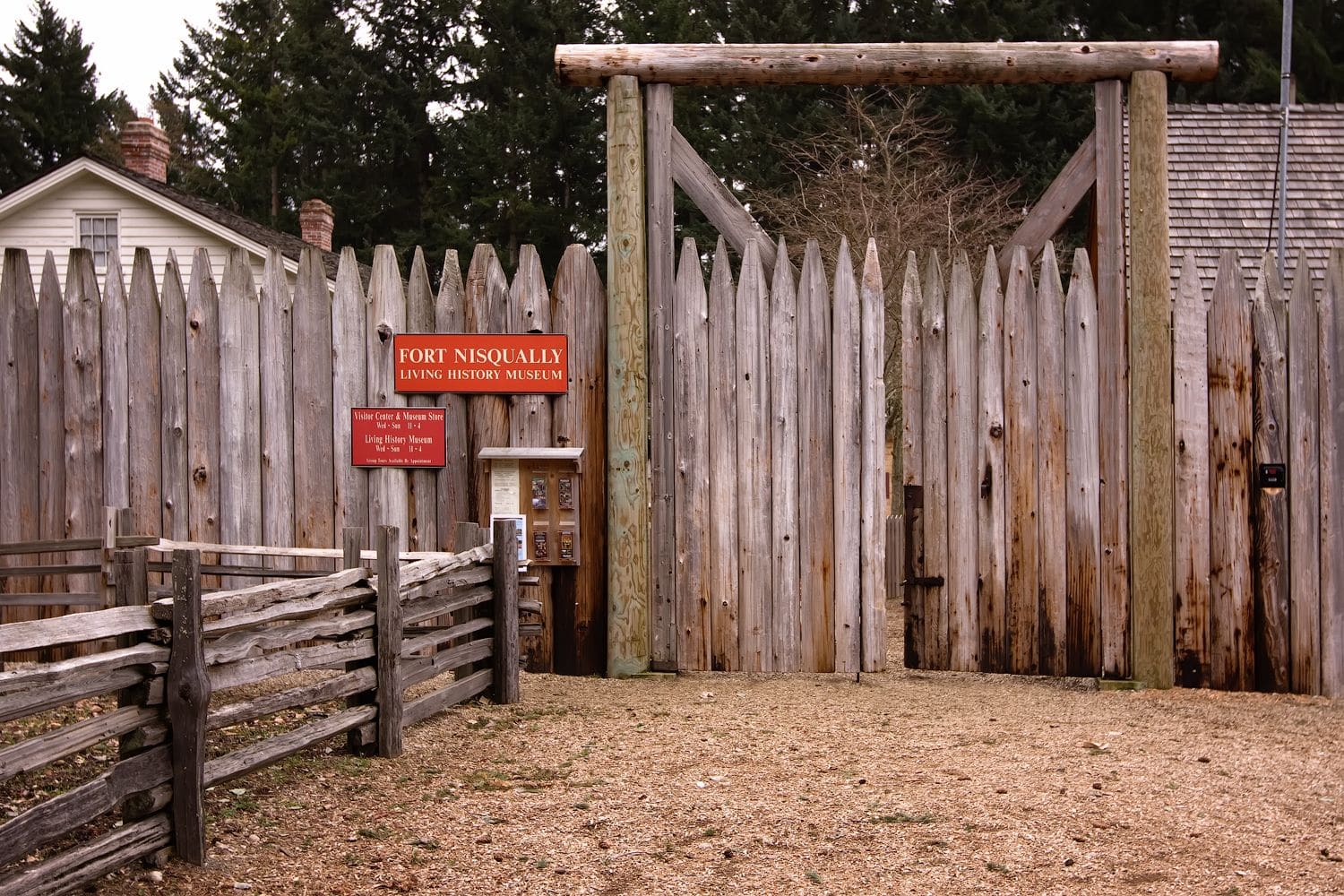
Fort Nisqually Living History Museum recreates a Hudson's Bay Company fur-trading and farming post as it stood in the 1850s. The original Fort Nisqually stood on the prairie between Tacoma and Olympia and was the first European settlement on Puget Sound.
Reconstructed inside Point Defiance Park, the fort's palisade encloses several furnished buildings, including two originals moved to the site: the Factor's House and the Granary, the oldest surviving building in Washington. Costumed interpreters carry on 19th-century trades, giving Fort Nisqually the feel of a working post rather than a static display.
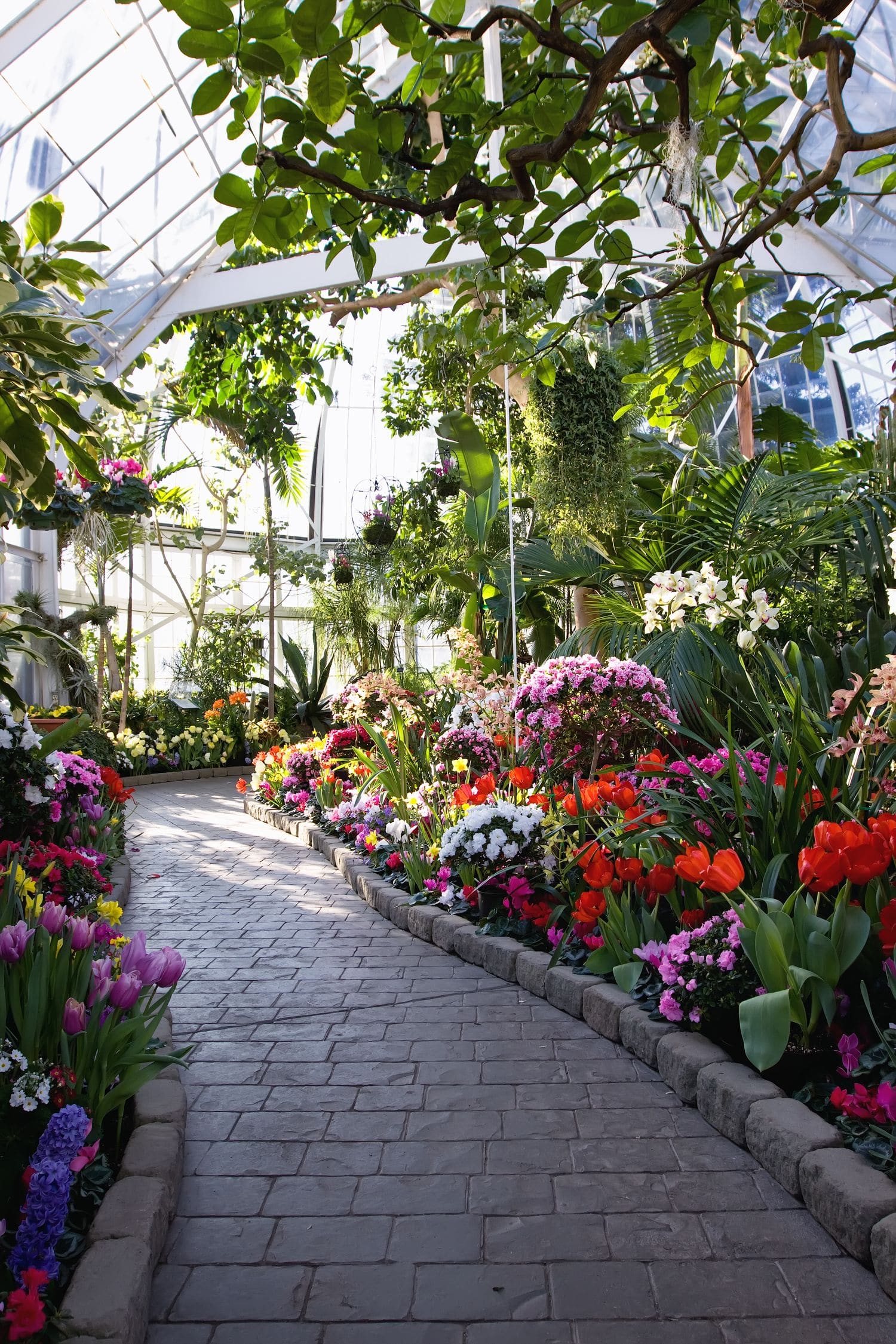
The W.W. Seymour Botanical Conservatory stands in historic Wright Park, a Victorian glasshouse that opened in 1908 and counts among the oldest continuously operating conservatories on the West Coast. Its twelve-sided central dome is glazed with some 3,000 panes of glass.
Under that dome the W.W. Seymour Botanical Conservatory keeps a permanent collection of a few hundred tropical and exotic plants, from orchids to palms, refreshed with seasonal flower shows through the year. It sits inside the tree-shaded Wright Park, an 1880s landscaped green with a duck pond and an arboretum of mature specimens.
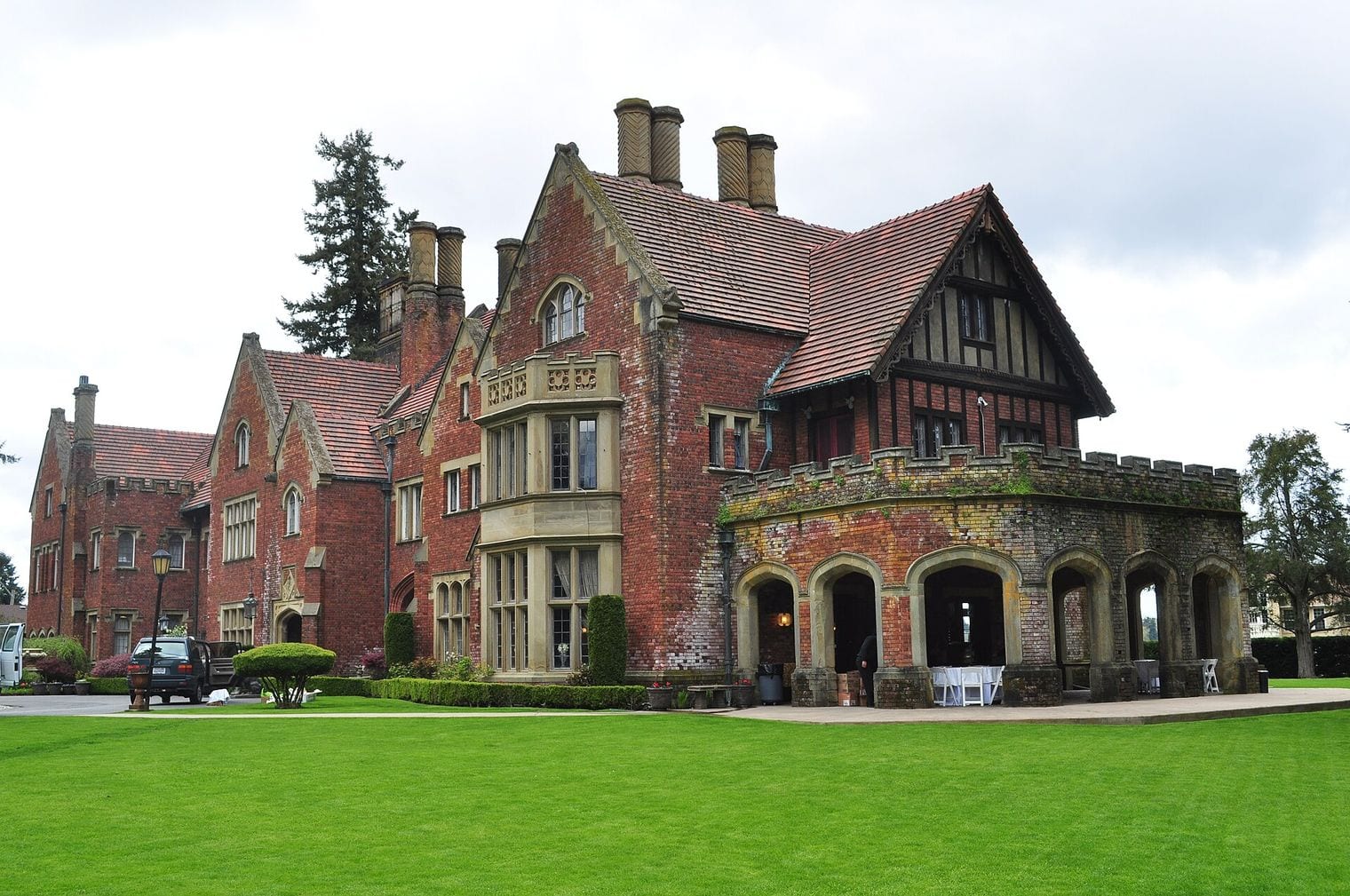
Thornewood Castle stands on the shore of American Lake in Lakewood, about 15 minutes from downtown Tacoma. Chester Thorne built it between 1908 and 1911, importing paneling, stained glass, and brick from a dismantled 15th-century English manor to assemble a genuine Gothic Tudor estate.
The roughly 27,000-square-foot mansion holds around 54 rooms and is fronted by sunken English gardens laid out with help from the Olmsted firm. Now run as a bed-and-breakfast, Thornewood Castle drew wider fame as the filming location for Stephen King's 2002 miniseries "Rose Red," and it trades on a longstanding reputation for being haunted.
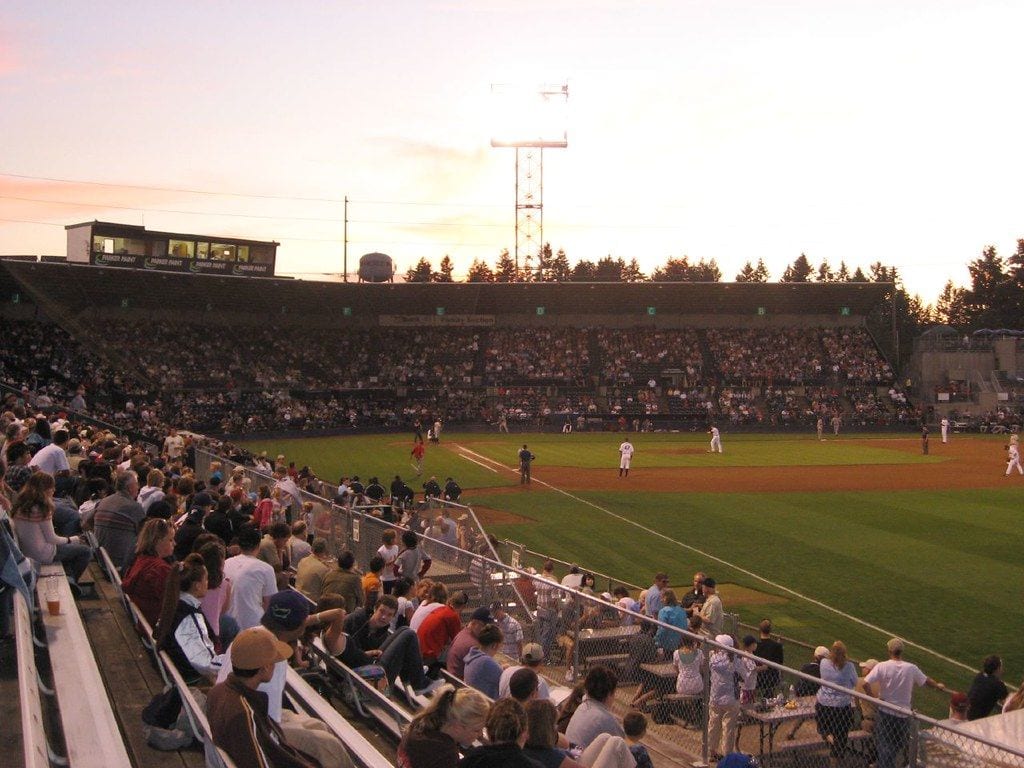
Cheney Stadium opened in 1960 and is home to the Tacoma Rainiers, the Triple-A affiliate of the Seattle Mariners, along with the OL Reign of the professional women's soccer league. It was named for Ben Cheney, a local lumber magnate whose push brought minor-league baseball to the city.
Famously, Cheney Stadium was built in barely three and a half months, using girders and light towers salvaged from San Francisco's old Seals Stadium. A 2011 renovation modernized the seating bowl while keeping its intimate, old-school feel, and its roughly 6,500 seats look out toward the wooded ridge beyond the outfield.
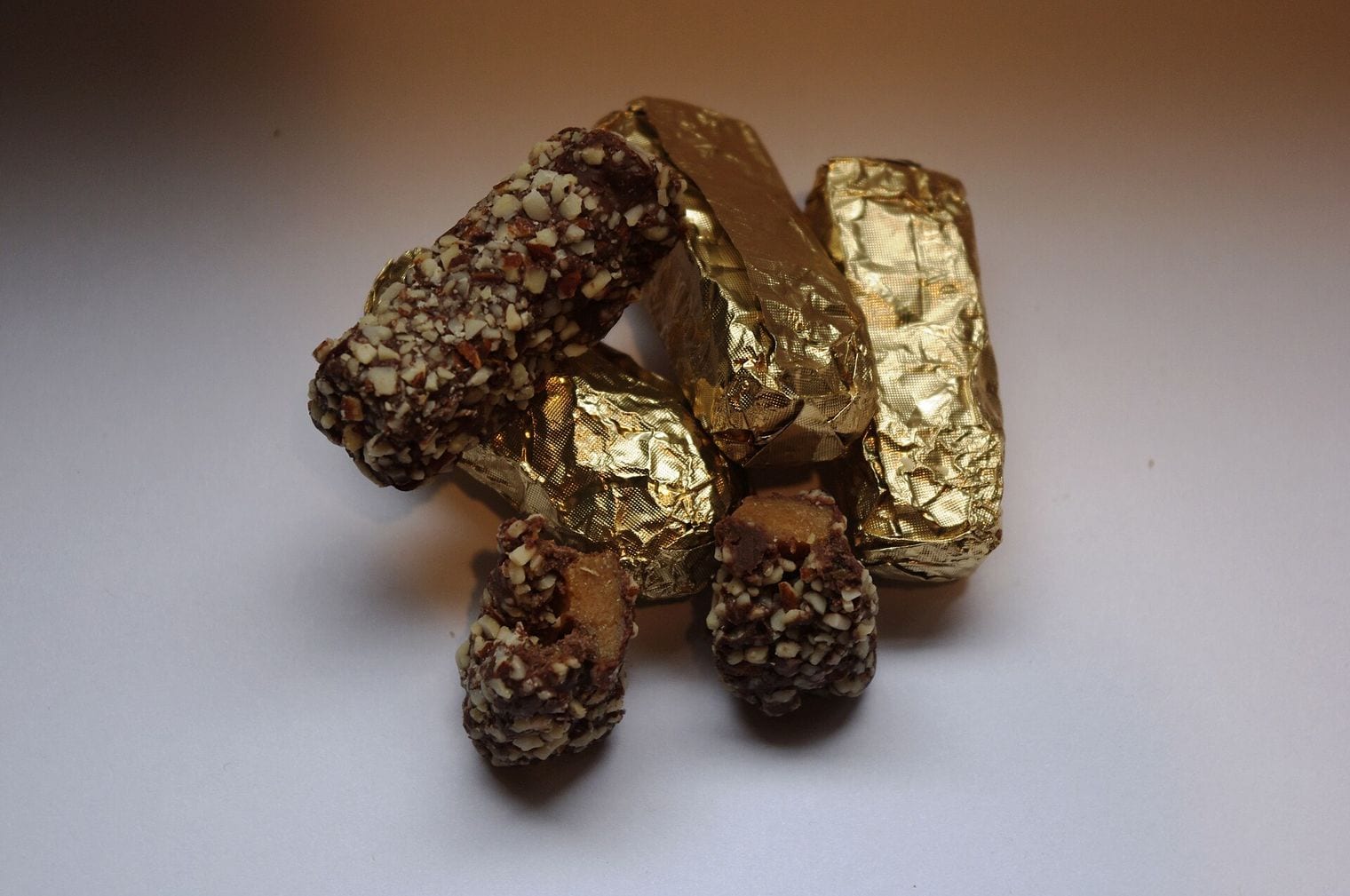
The Brown & Haley Factory Store sells straight from the Tacoma confectioner behind Almond Roca, the log-shaped buttercrunch toffee wrapped in pink foil and sold around the world. Harry Brown and J.C. Haley founded the company in Tacoma in 1912, and it has made candy in the city ever since.
At the outlet you'll find the full Brown & Haley range - Almond Roca, Mountain Bars, and caramel clusters among them - plus discounted "factory seconds" that miss the retail bar but taste identical. The store is a practical stop for a regional souvenir with more than a century of Tacoma history behind it.
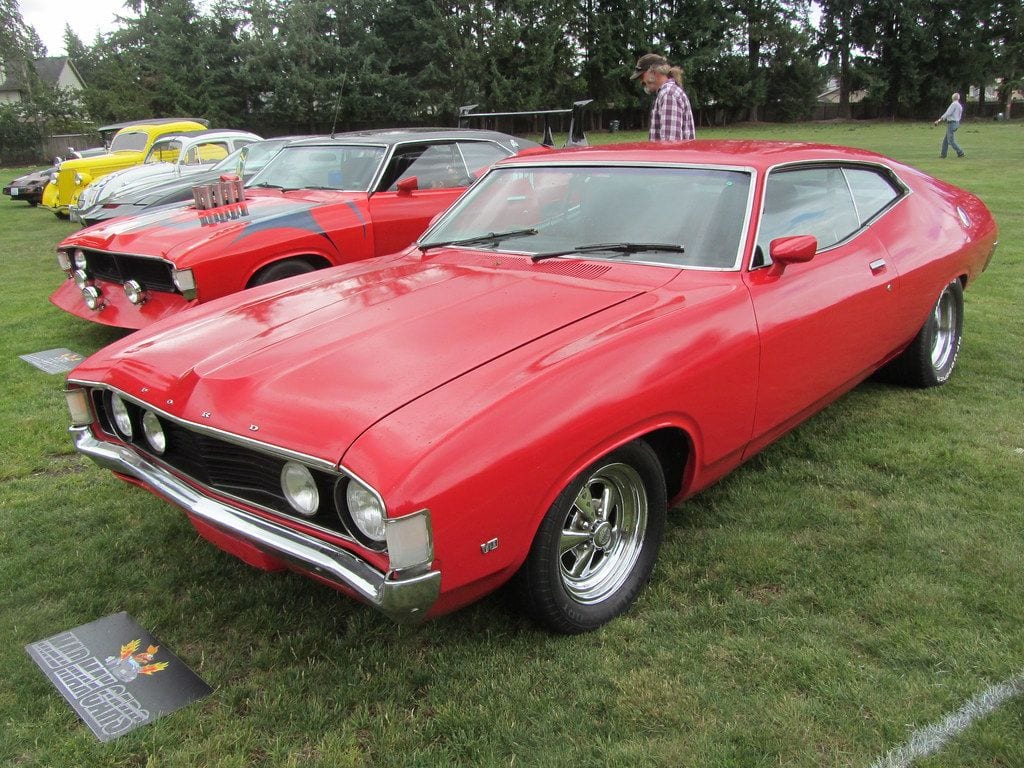
LeMay Collections at Marymount occupies the former Marymount Military Academy on Tacoma's south side and is run by the LeMay Family Collection Foundation, separate from the downtown car museum that shares the name. It is the surviving heart of Harold and Nancy LeMay's original, record-setting hoard.
Hundreds of vehicles fill the academy buildings and grounds - not just cars but trucks, fire engines, RVs, and buses - alongside rooms of Americana from vintage radios to farm tools and toys. The grounds include a Rodin sculpture garden, and each summer LeMay Collections at Marymount hosts a large annual car show across the campus.
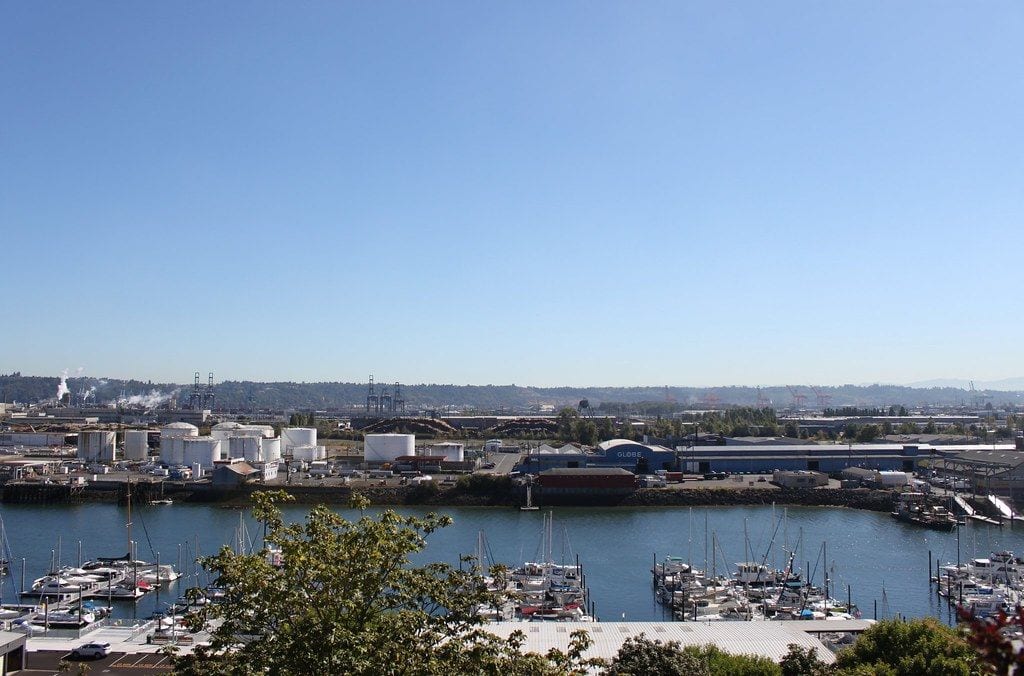
Foss Waterway Seaport occupies a restored 1900s wheat warehouse on the Thea Foss Waterway, one of the last survivors of the wooden dockside sheds that once lined it. The museum, which opened in the 1990s, tells the maritime story of Tacoma and Puget Sound.
Inside, Foss Waterway Seaport keeps historic small craft, a working boat shop where volunteers restore wooden vessels, and touch tanks stocked with local sea life. The building sits on the water below the Museum of Glass, so a visit pairs naturally with a walk along the revitalized Foss waterfront.
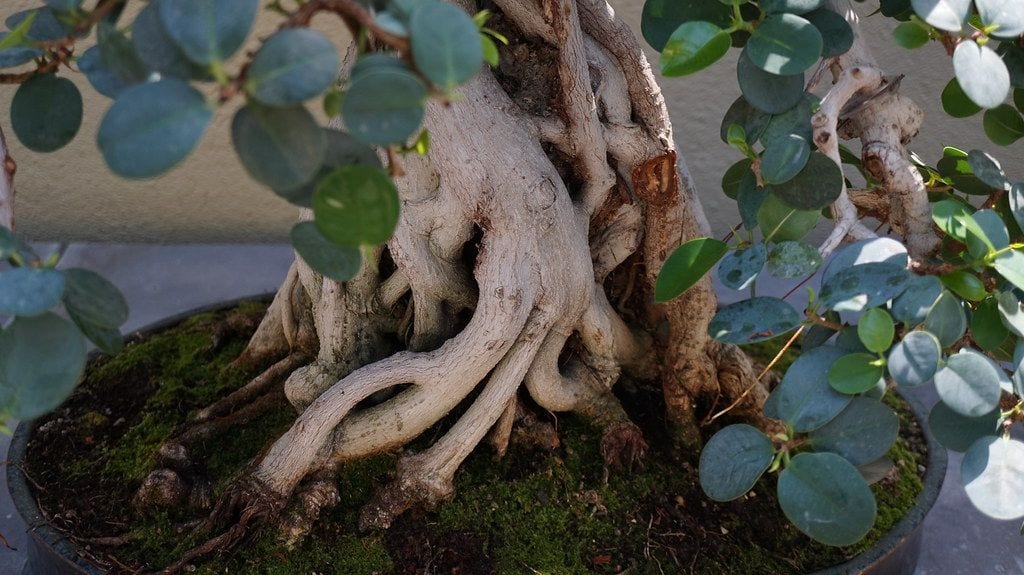
The Pacific Bonsai Museum in Federal Way, about a 15-minute drive from downtown Tacoma, holds one of the largest public bonsai collections in North America. Its trees come from Japan, China, Korea, Taiwan, Canada, and the United States, displayed outdoors along a wooded walk.
Weyerhaeuser founded the collection in 1989 to mark the Washington State Centennial, and it became an independent museum in 2013. The Pacific Bonsai Museum sets its specimens against changing seasonal backdrops, and some of the trees on display are centuries old, a few traceable back to the 1500s.
The Tacoma Nature Center protects 71 acres of forest and wetland around Snake Lake, a green pocket tucked into the middle of the city off South 19th Street. Boardwalks and gravel trails loop the serpentine lake, whose shape gives the water its name.
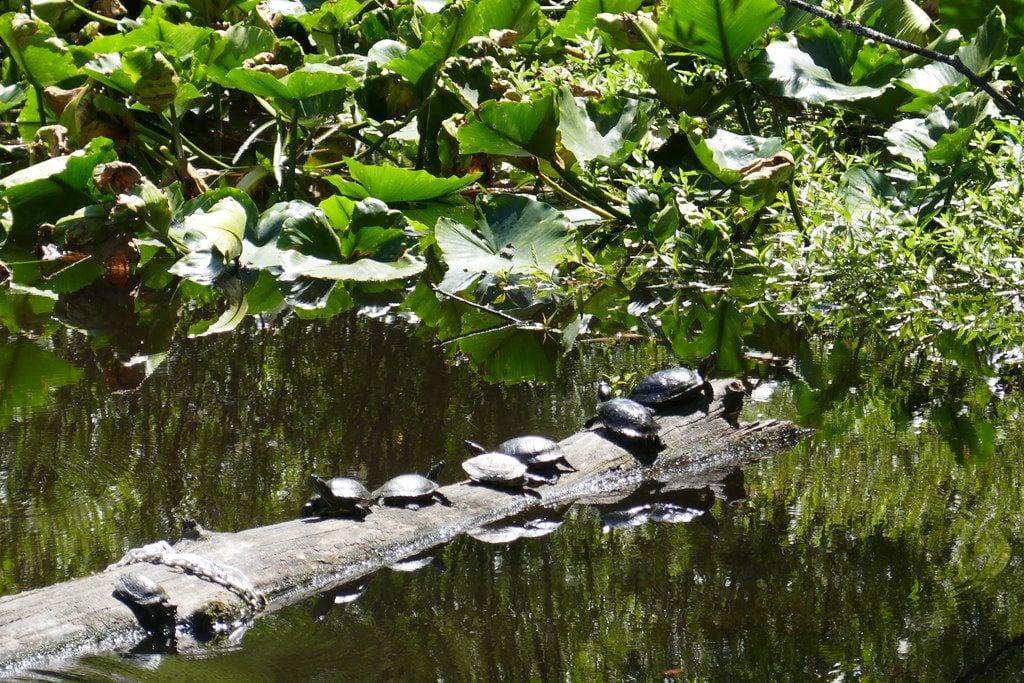
Ducks, turtles, and Canada geese work the shallows of Snake Lake, and interpretive signs point out the wetland's plants and birdlife along the way. The Tacoma Nature Center pairs the trails with a nature-play area built from logs and boulders, making it an easy, free outing close to downtown.
Duke's Seafood occupies a waterfront spot on Ruston Way, the stretch of restored shoreline where Tacoma's old mills gave way to a promenade and restaurant row. Its windows and deck look straight across Commencement Bay toward the water and, on clear days, Mount Rainier beyond.
Part of a Seattle-founded, family-run group, Duke's Seafood leans on sustainably sourced fish and its award-winning clam chowder, alongside crab cakes and Northwest salmon. The Ruston Way setting makes it a natural pairing with a walk along the waterfront path that runs the length of the shore.
Best Time to Visit Tacoma
The most comfortable stretches for exploring Tacoma on foot are the shoulder seasons of late spring and early autumn, when the Pacific Northwest damp eases off, the days run long, and the temperatures stay mild enough for a full day between the waterfront, the museum district, and the trails of Point Defiance Park without either rain gear or crowds. Summer is the city’s brightest window, with reliably dry, sunny weather that opens up the drive to Mount Rainier National Park and long evenings along Commencement Bay, though it is also the busiest time and the one stretch when you should book a place to stay well ahead.
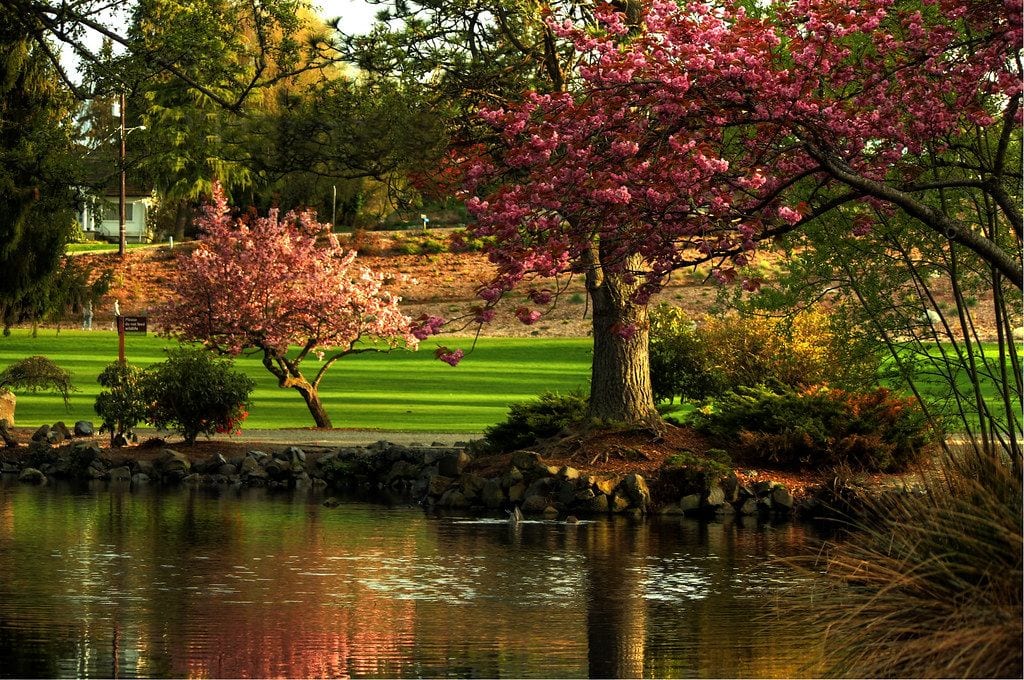
Winter is grey, cool, and wet rather than harsh, with snow uncommon at sea level, so it suits indoor-leaning trips built around the art and glass museums, the car museum, and the domed arena; it also happens to be football-and-hockey weather, when the arena and the region’s sports calendar draw a steady crowd downtown. Autumn brings crisp air and colour to the parks and is a lovely, quieter time to walk the old neighbourhoods, while a bracing early-spring visit rewards you with cherry blossom and the first clear-day glimpses of the mountain on the horizon.
Getting to Tacoma
Tacoma sits on Interstate 5, the main north-south spine of the Pacific Northwest, which puts it within easy reach by car from either direction. A short spur interstate loops off I-5 to deliver you straight into downtown near the arena and car museum, while a state highway runs west from the city across the Tacoma Narrows Bridge toward the Kitsap Peninsula, so most road trips into town are simple and well-signed.
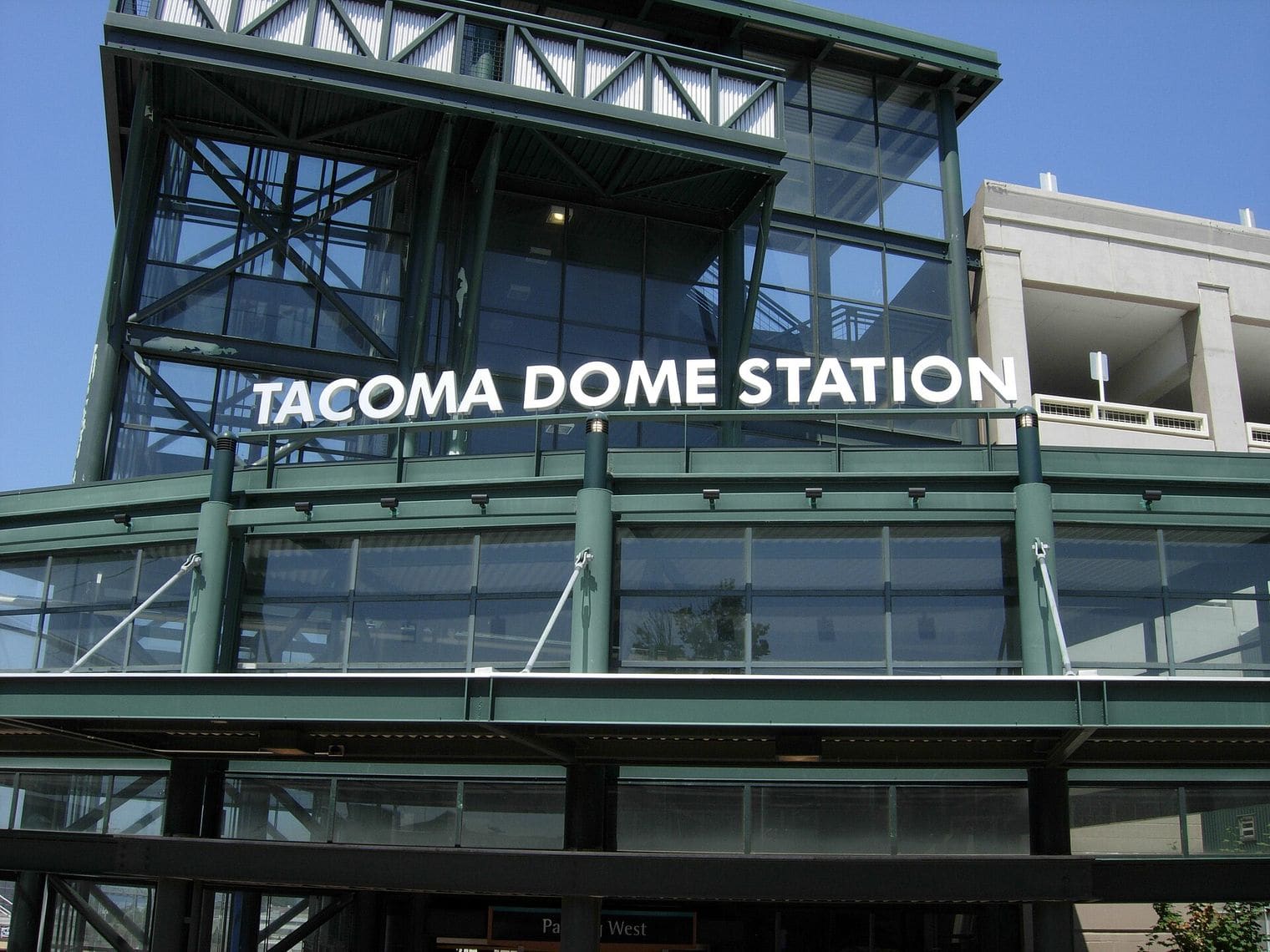
The region’s major hub airport lies just to the north and is the airport most visitors fly into, roughly a 30-to-40-minute drive down the interstate in normal traffic. Tacoma also has its own downtown rail station in the Dome District, served by regional and long-distance passenger trains as well as commuter rail, light rail, and intercity and regional bus lines, making it straightforward to arrive without a car and connect onward to the airport, the state capital, or points up and down the coast.
Getting Around Tacoma
Tacoma’s core is compact and rewards walking: the downtown museum district, the revitalised waterfront along Commencement Bay, and the historic warehouse and theatre blocks all sit close together and are easily strung into one day on foot, helped along by a short light-rail line that links the downtown neighbourhoods with the Dome District transit hub. For everything beyond that walkable centre, though, a car is the practical choice, since the hillside residential districts, the sprawling headland park on the point, and the mountain and coastal day trips are all much easier with your own wheels.
Local buses cover the wider city and connect to the regional transit network, rideshare is readily available downtown, and the terrain, while famously hilly in places, has bike lanes and waterfront paths for cyclists who don’t mind a climb. Parking is easiest and most plentiful away from the immediate downtown core, at the large park on the point, and around the arena and its transit station, so basing yourself with a car and dipping into the walkable centre works well.
Where to Stay in Tacoma
For a first visit, base yourself downtown, close to the museum district and the waterfront, where you can walk to the glass, art, and car museums and reach the light rail and rail station without needing to drive for most of the day. This central area is the most walkable and the best connected, and it puts the city’s cultural highlights and dining on your doorstep.
If you prefer somewhere quieter, the leafy residential districts up on the hill and out near the big headland park trade walkability for calm, greenery, and easy access to trails and the shoreline. Travellers who plan to spend their time on the road, whether commuting to the region’s hub airport or setting off for the mountain, will find the districts near the interstate and the arena the most convenient for coming and going, while a stay near the university quarter suits anyone wanting a studenty, café-lined neighbourhood a short hop from the centre.
Where to Eat in Tacoma
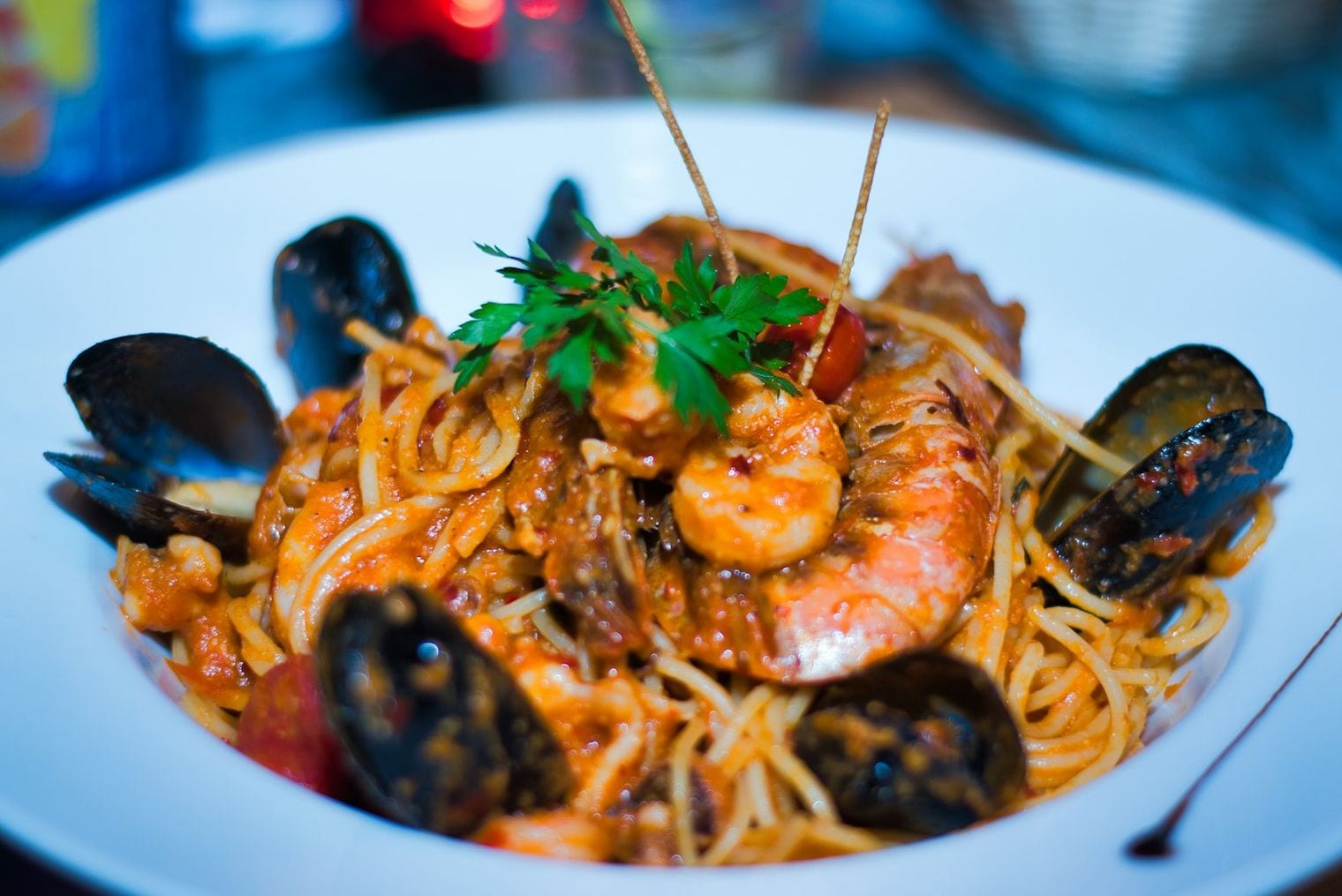
Tacoma’s dining clusters in a few walkable pockets: the downtown and waterfront blocks, the old commercial district on the hill above the harbour with its cafés and international kitchens, and the university quarter with its casual, student-friendly spots. Being a working port on Puget Sound, the city leans hard into Pacific Northwest seafood, so the local plates to seek out are fresh oysters and clams, Dungeness crab, planked or grilled salmon, and steaming pots of the region’s shellfish, often paired with the Northwest’s craft beer and coffee.
Beyond the seafood, Tacoma’s tables reflect a genuinely diverse city, with well-established Vietnamese, Korean, and other Asian kitchens, Mexican taquerías, and Pacific Islander cooking all easy to find across the dining districts. It is also worth saving room for the Northwest’s berry desserts in season and its serious specialty-coffee culture, both of which turn up on menus and in cafés all over town.
One Day in Tacoma
Tacoma rewards a day that starts on the water and ends downtown — open-air green space and saltwater in the morning, the walkable museum district by afternoon, and a proper Puget Sound seafood dinner to close it out.
Morning: Begin at the northwest tip of the city inside Point Defiance Park, where old-growth forest, a five-mile scenic loop drive, and Commencement Bay overlooks give you the freshest, quietest hours of the day. Wander down to Owen Beach for a driftwood-strewn stretch of shoreline with the Olympic Mountains across the water, then double back to Fort Nisqually Living History Museum, a reconstructed 1850s Hudson’s Bay Company trading post tucked inside the same park. If you’re traveling with kids — or simply want to see the resident sharks and clouded leopards — the adjacent Point Defiance Zoo & Aquarium is right there and easy to fold in before you head back toward the center.
Afternoon: Point the car toward the waterfront museum corridor, where nearly everything sits within a few walkable blocks. The Museum of Glass and its landmark cone are the anchor — watch a live studio session, then cross the Chihuly Bridge of Glass toward the Tacoma Art Museum and the Washington State History Museum next door. Maritime types should detour to the Foss Waterway Seaport along the working waterway, and there’s always time to grab a box of the city’s famous Almond Roca at the Brown & Haley Factory Store before dinner.
Evening: Trade the car for a table at Duke’s Seafood, a Northwest institution for chowder and wild salmon with a view over the water, then swing by LeMay – America’s Car Museum or catch whatever concert or event has the Tacoma Dome lit up in the Dome District. If you have a second day, save it for Mount Rainier National Park — the glacier-capped peak that dominates Tacoma’s skyline is a full day-trip on its own, about a two-hour drive southeast and worth every mile.
Free Things to Do in Tacoma
You can fill a full day in Tacoma without paying admission. Roam the trails and old-growth firs of Point Defiance Park, stroll the waterfront path and watch for harbor seals at Owen Beach, step into the Victorian glasshouse of the W.W. Seymour Botanical Conservatory, and circle Snake Lake on the boardwalks of the Tacoma Nature Center.
Day Trips from Tacoma
The signature day trip from Tacoma is Mount Rainier National Park, whose glaciated summit dominates the skyline on clear days and lies roughly an hour and a half to two hours southeast by road, close enough for a full day of alpine meadows, waterfalls, and old-growth forest trails before returning to the city by evening. Closer to hand, the state capital of Olympia sits about forty minutes southwest down the interstate, an easy half-day for its capitol grounds, harbour, and downtown.
For a bigger outing, the historic river-mouth port of Astoria, just over the line in Oregon, is around two-and-a-half to three hours southwest and pairs the drive with the beaches and headlands of the Pacific coast. Nearer options in every direction round out the choices, from the forested Kitsap Peninsula reached west across the Narrows Bridge to the islands and shoreline of Puget Sound to the north.
FAQ: Visiting Tacoma
What is Tacoma best known for?
Tacoma anchors Washington's densest cluster of art and history museums: the Museum of Glass with its 90-foot cone-shaped Hot Shop, the Tacoma Art Museum's Dale Chihuly holdings, LeMay - America's Car Museum, and the Washington State History Museum. The city also frames views of Mount Rainier, the 14,411-foot volcano it was named for.
Is Tacoma worth visiting?
Yes. Few cities this size pair 760-acre Point Defiance Park, its adjoining Zoo and Aquarium, and Owen Beach with a downtown museum district reachable on foot. Add Fort Nisqually, the Tacoma Narrows Bridge, and day-trip access to Mount Rainier National Park, and Tacoma rewards a weekend without feeling stretched thin.
How many days do you need in Tacoma?
Two full days covers the essentials: one for the downtown museum row - Museum of Glass, Tacoma Art Museum, Washington State History Museum, and Foss Waterway Seaport - and a second for Point Defiance Park, the Zoo and Aquarium, and Owen Beach. Add a third day if you want to drive out to Mount Rainier National Park.
What can you do for free in Tacoma?
Several of Tacoma's best sights cost nothing. Wander 760-acre Point Defiance Park and its old-growth Douglas firs, walk the paved trail at Owen Beach, step inside the 1908 W.W. Seymour Botanical Conservatory in Wright Park, and hike the loop around Snake Lake at the Tacoma Nature Center. All are open to the public without an admission ticket.
When is the best time to visit Tacoma?
Late spring and early autumn are the most comfortable, with long, mild days, the Pacific Northwest damp at its lightest, and the best odds of a clear-day view of Mount Rainier. Summer brings the warmest, driest weather and the liveliest waterfront, while a quieter early-spring trip is rewarded with cherry blossom in the parks.
How far is Tacoma from Seattle?
Tacoma sits about 33 miles south of Seattle, roughly a 40-minute drive down Interstate 5 outside of rush hour. Sounder commuter trains also connect the two downtowns in around an hour, making Tacoma an easy add-on to a Seattle trip or a base for exploring the wider Puget Sound region.
Is Tacoma good for families?
Very much so. The Point Defiance Zoo & Aquarium, the pay-as-you-will Children’s Museum of Tacoma, and the hands-on Museum of Glass are all built for kids, while Point Defiance Park, Owen Beach, and Wild Waves Theme and Water Park give younger visitors room to run. Most of the museum district is walkable, so a family can string several stops together on foot.