Few states let you chase sunrise on a wild-horse beach and stand atop the highest peak east of the Mississippi in the same week.
North Carolina runs from the Great Smoky Mountains and the Blue Ridge in the west, across the rolling Piedmont cities of Charlotte, Raleigh and the Triad, to the barrier-island beaches of the Outer Banks and the Cape Fear coast. Use this hub to plan your trip: browse our city and coast guides below, from the Smokies gateway of Cherokee to the wild-horse dunes of Corolla and historic Wilmington on the Atlantic.
Known for
Blue Ridge mountains & Outer Banks beaches
Best for
Mountains, beaches & road trips
Capital
Raleigh
Main gateway
Charlotte Douglas Int'l (CLT)
Time zone
Eastern (ET)
Trip planner
Plan your trip to North Carolina
Best time to visit — season by season
Spring
Mar–May
A lovely, mild window statewide: dogwoods and azaleas bloom across the Piedmont, the coast warms before the summer crowds, and the mountains green up — though high-elevation trails on the Blue Ridge Parkway can stay cool and wet into May.
Summer
Jun–Aug
Beach high season on the Outer Banks and Cape Fear coast, hot and humid at sea level with afternoon thunderstorms. The mountains around Cherokee and Asheville stay noticeably cooler and greener, a classic escape from the Piedmont heat.
Fall
Sep–Nov
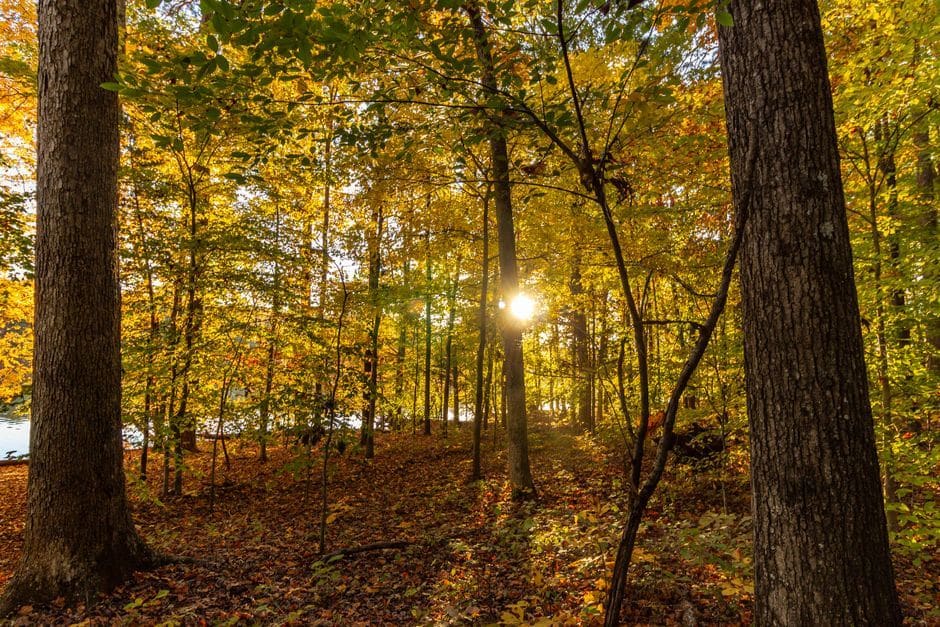
Arguably the best all-round time: crisp air, thinning crowds and spectacular colour rolling down the Blue Ridge through October. Coastal waters stay warm into September, though this is also the tail of the Atlantic hurricane season.
Winter
Dec–Feb
Mild and quiet on the coast, with the Outer Banks nearly deserted. The Piedmont sees the occasional cold snap, while the high mountains get real snow and ice — some Blue Ridge Parkway sections close, so check before driving the high country.
Regions of North Carolina
The mountains (the west)
North Carolina's high country, where Cherokee is the gateway to Great Smoky Mountains National Park and the southern end of the Blue Ridge Parkway, with Asheville, the Biltmore Estate and Mount Mitchell — the highest peak in the eastern US — all within a scenic drive.
The Piedmont Triad
The central heartland around Greensboro, Winston-Salem and High Point, a cluster of history, museums and college towns rolling east toward the state's larger cities.
Charlotte & the metro region
The state's biggest city and main air gateway, a fast-growing banking and NASCAR hub in the southern Piedmont, close to the Carolinas' lakes and the South Carolina line.
The Triangle (Raleigh–Durham)
The capital region, where Raleigh, Durham and Chapel Hill pair state museums and university towns with the Research Triangle, midway between the mountains and the coast.
The Cape Fear coast
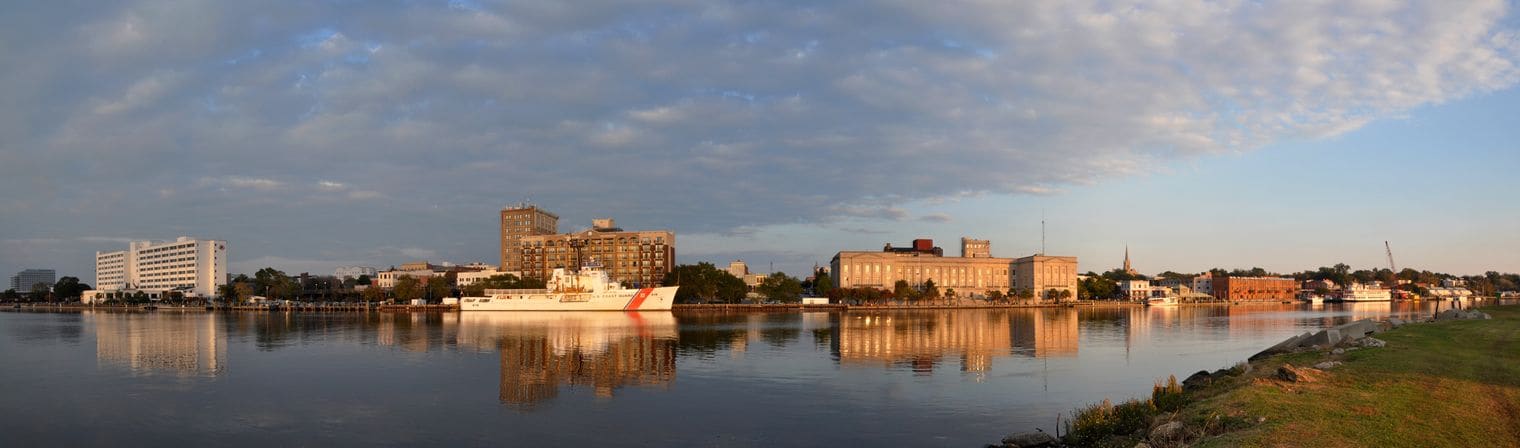
The southern shoreline, where Wilmington's historic riverfront anchors the nearby beaches of Wrightsville, Carolina and Kure, with the USS North Carolina battleship moored across the river.
The Outer Banks
North Carolina's famous barrier islands, from the wild-horse dunes and 4x4 beaches of Corolla south past Kitty Hawk, Nags Head and the lighthouses of Cape Hatteras National Seashore.
Getting around
A car is essential for a North Carolina trip: the state is wide, and the mountains, Piedmont cities and Outer Banks are hours apart and thinly linked by transit. Charlotte Douglas International is the busiest gateway and the hub for the west and the Piedmont, while Raleigh-Durham (RDU) serves the Triangle and the coast, and Wilmington (ILM) is handy for the Cape Fear beaches. Distances add up — it's roughly a full day's drive from the Smokies to the Outer Banks — and the barrier islands themselves are reached by long two-lane causeways, so plan fuel and driving time around the region you're basing in.
The highlights North Carolina's signature sights & road trips
Blue Ridge Parkway America's favourite scenic drive, threading the western mountains past overlooks and Mount Mitchell to its southern end near Cherokee.
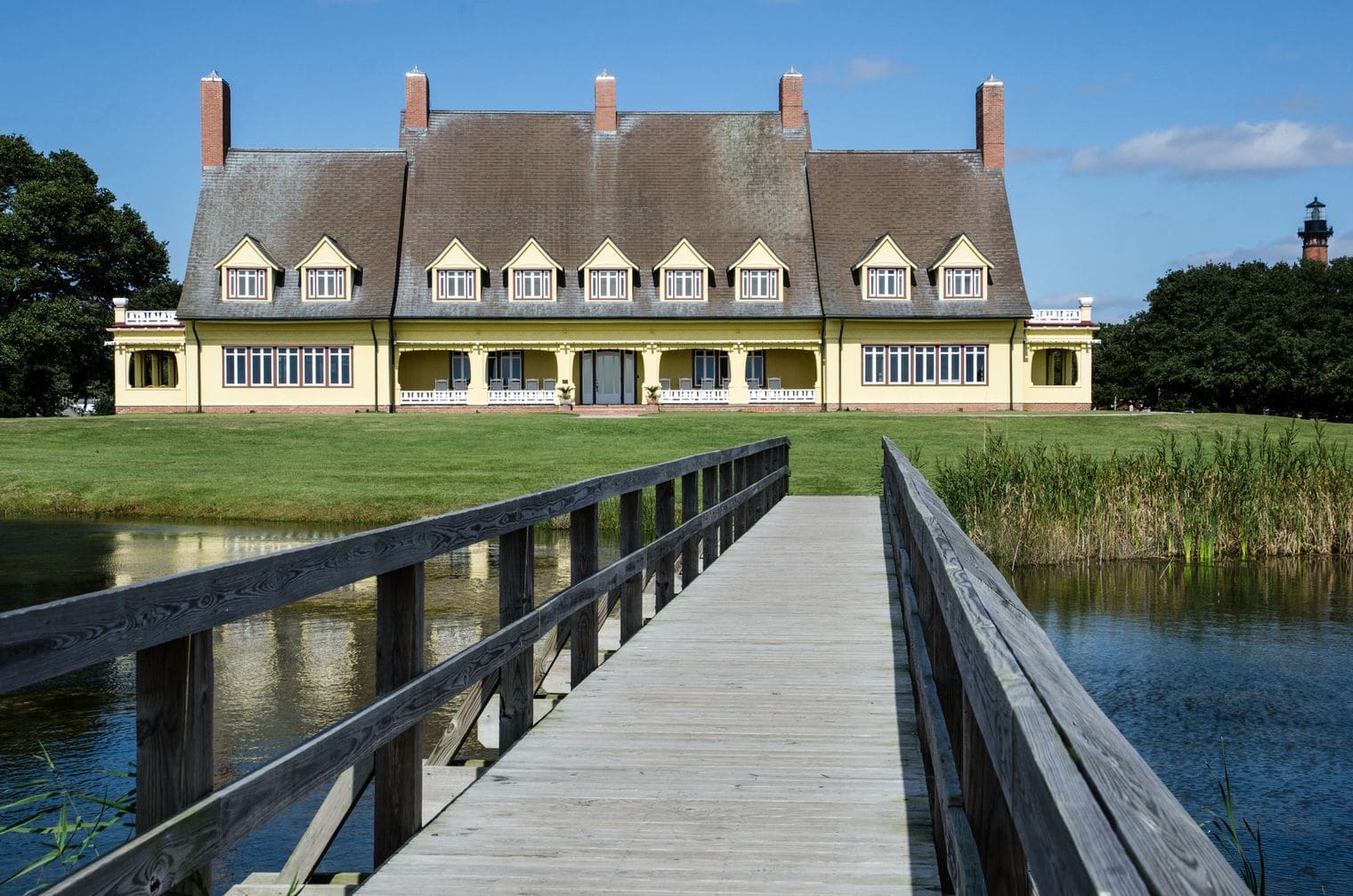
Cape Hatteras National Seashore Wild Outer Banks beaches, tall striped lighthouses and the barrier-island dunes that stretch south from the northern beach towns.
Wright Brothers National Memorial The Kill Devil Hills site where the first powered flight took off in 1903, on the northern Outer Banks near Kitty Hawk.
The classic coast-to-coast North Carolina road trip, crossing the whole state from the Smokies to the Atlantic. It's a lot of driving, so give it a week and treat the Piedmont cities as breaks between the two headline regions.
A focused coastal trip down the Atlantic shore, pairing the wild northern Outer Banks with the historic Cape Fear region to the south. Best in late spring or early autumn, when the beaches are warm but the summer crowds have thinned.
A long-weekend loop through the high country around the southern Blue Ridge, built around the Smokies and the parkway. Ideal in October for fall colour, when the ridgelines light up.
It depends on where you're headed. Spring and autumn are ideal almost everywhere — mild days, thinner crowds and, in October, spectacular fall colour along the Blue Ridge. Summer is beach season on the Outer Banks and the Cape Fear coast (and a cooler escape in the mountains), while winter is quiet on the coast and brings real snow to the high country.
How many days do you need in North Carolina?
A focused trip to one region — the Smokies and the Blue Ridge Parkway, or the Outer Banks, or the Cape Fear coast — works well in three to five days. Combining the mountains and the coast means a lot of driving, so give yourself a week to ten days if you want to see both ends of the state without rushing.
Do you need a car in North Carolina?
Yes. The mountains, the Piedmont cities and the coast are spread far apart and thinly served by public transit, so a rental car is essential for touring the state. Most visitors fly into Charlotte or Raleigh-Durham and drive from there; Wilmington's airport is convenient if you're focused on the southern beaches.
What is North Carolina best known for?
North Carolina is famous for the Great Smoky Mountains and the Blue Ridge Parkway in the west, and the Outer Banks beaches and lighthouses in the east — where the Wright Brothers made the first powered flight at Kitty Hawk. It's also known for Carolina barbecue, college basketball, and cities like Charlotte, Raleigh and Asheville.
Should you visit the mountains or the coast?
Both are worth it, but they're very different trips. The western mountains around Cherokee and Asheville offer the Smokies, the Blue Ridge Parkway and cool summer air; the Outer Banks and Cape Fear coast offer long Atlantic beaches, wild horses at Corolla and historic Wilmington. If you have a week or more you can pair them, but expect a long drive between the two — they're at opposite ends of a very wide state.
Can you drive the Blue Ridge Parkway across North Carolina?
Yes — the Blue Ridge Parkway winds for hundreds of miles through the state's western mountains, ending near Cherokee at the entrance to Great Smoky Mountains National Park. It's a slow, scenic drive with frequent overlooks rather than a fast highway, and October is the classic month for it. Note that high-elevation sections can close in winter snow and ice, so check conditions before you set out.
How do you see the wild horses on the Outer Banks?
The wild Colonial Spanish mustangs roam the beaches and dunes north of Corolla, on a stretch reachable only by four-wheel drive along the sand. Many visitors book a guided wild-horse tour rather than driving the beach themselves; you may spot the herd anywhere along the northern dunes, but never approach or feed them — they're protected.
Is North Carolina barbecue different from other states?
Very much so. North Carolina is famous for whole-hog and pork-shoulder barbecue, and the state splits into two rival styles: eastern-style, dressed in a thin vinegar-and-pepper sauce, and the Lexington or Piedmont style of the west, which adds tomato to the vinegar. Trying both is practically a rite of passage on any road trip across the state.
We use cookies to analyse site traffic and improve your experience.
You can accept or reject analytics cookies. See our Cookie Policy.