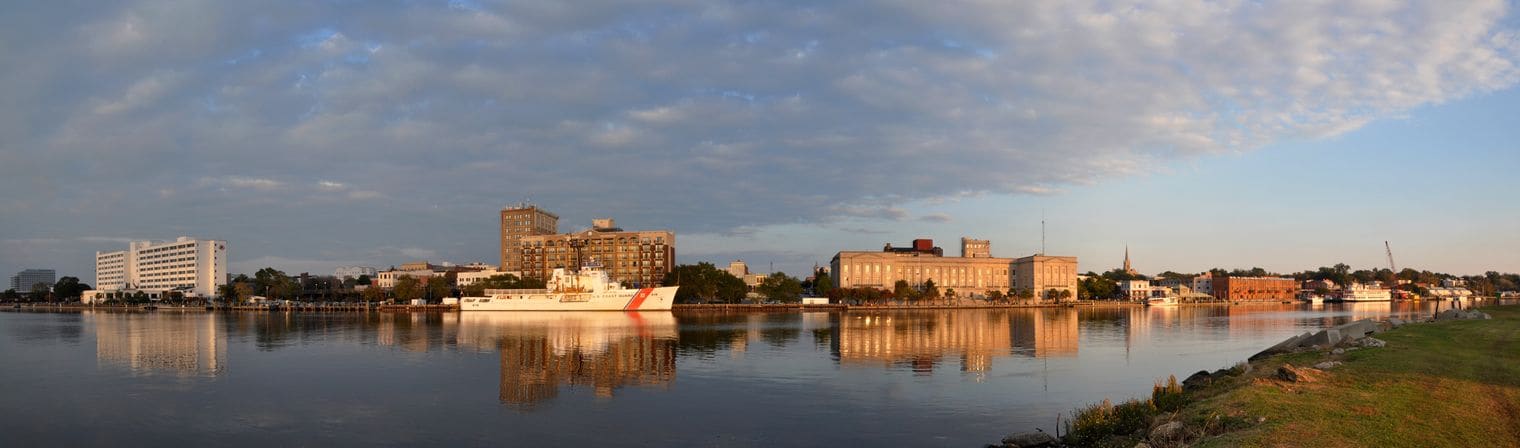
A historic port city on the Cape Fear River, Wilmington pairs a beautifully preserved downtown with easy access to the beaches of the North Carolina coast. It is best known for the WWII battleship USS North Carolina moored across the river, one of the country’s largest historic districts, and a thriving film industry that has earned it the nickname “Hollywood East.”
Beyond the riverfront, Wilmington rewards visitors with Civil War history, antebellum mansions, gardens draped in Spanish moss, and quick trips to Wrightsville, Carolina and Kure beaches. It also makes a natural base for a wider North Carolina road trip. Here are 25 of the best things to do in and around the city.
Fun Facts About Wilmington, North Carolina
Wilmington was founded in 1739 and named for Spencer Compton, the Earl of Wilmington.
It is nicknamed “Hollywood East” for its film industry — EUE/Screen Gems is one of the largest studios outside California, and shows like Dawson’s Creek and One Tree Hill were filmed here.
Wilmington was the last major Confederate port to fall in the Civil War, holding out until Fort Fisher was captured in 1865.
Its historic district is one of the largest in the country, spanning more than 230 blocks along the Cape Fear River.
In 2020 Wilmington became the first American World War II Heritage City, recognizing its wartime shipbuilding and preservation efforts.
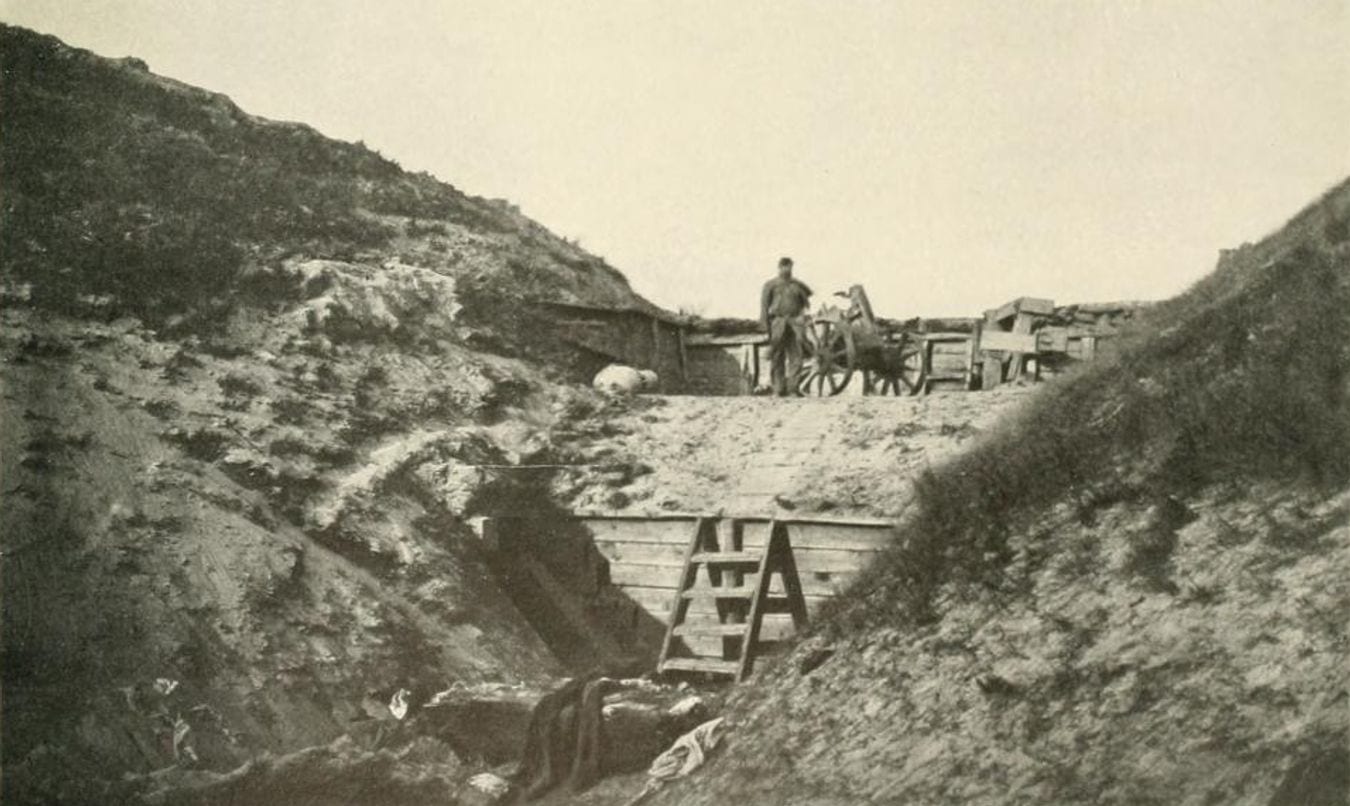
Fort Fisher State Historic Site sits on Pleasure Island near Kure Beach, about 20 miles south of Wilmington, and admission is free. As the largest earthwork fort in the Confederacy, it guarded the port of Wilmington, a vital blockade-running supply line feeding Robert E. Lee's army throughout much of the Civil War.
The defenses held until January 1865, when a massive Union amphibious assault overwhelmed the fort and hastened the war's end. Today a large modern visitor center anchors the grounds with exhibit galleries, while reconstructed earthwork traverses, gun positions, and an enterable bombproof shelter exhibit let you walk the ground where that decisive battle unfolded.
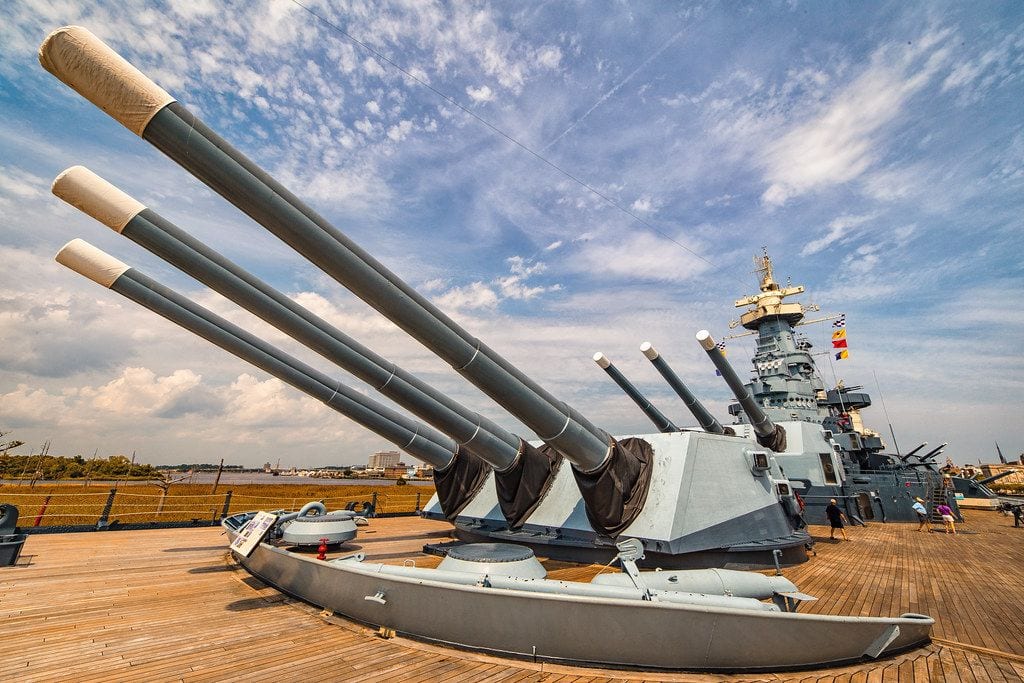
USS North Carolina, a WWII battleship moored on the Cape Fear River across from downtown Wilmington, stands as a memorial to the North Carolinians who served. As the lead ship of her class, she fought in major Pacific campaigns and survived a Japanese torpedo hit before being preserved as the striking monument seen today.
Construction began in 1937, and she was completed in 1941. Now well-preserved and open to the public, she invites self-guided and staff-led tours across her upper and lower decks. Interpretive signs throughout tell the story of her wartime service and the crew who kept her fighting through the Pacific.
Carolina Beach Boardwalk is a classic oceanfront promenade regularly ranked among the country's best, lined with shops, restaurants, and a compact amusement area of roughly 25 rides. A carousel and Ferris wheel anchor the fun, while fudge and ice cream stalls perfume the salt air along the wooden walkway.
Summer evenings are the liveliest, when crowds spill out for rides, treats, and the buzz of a proper seaside hangout. The energy carries into the cooler months too, with off-season events like the Island of Lights Festival keeping this stretch of shore worth a visit year-round.
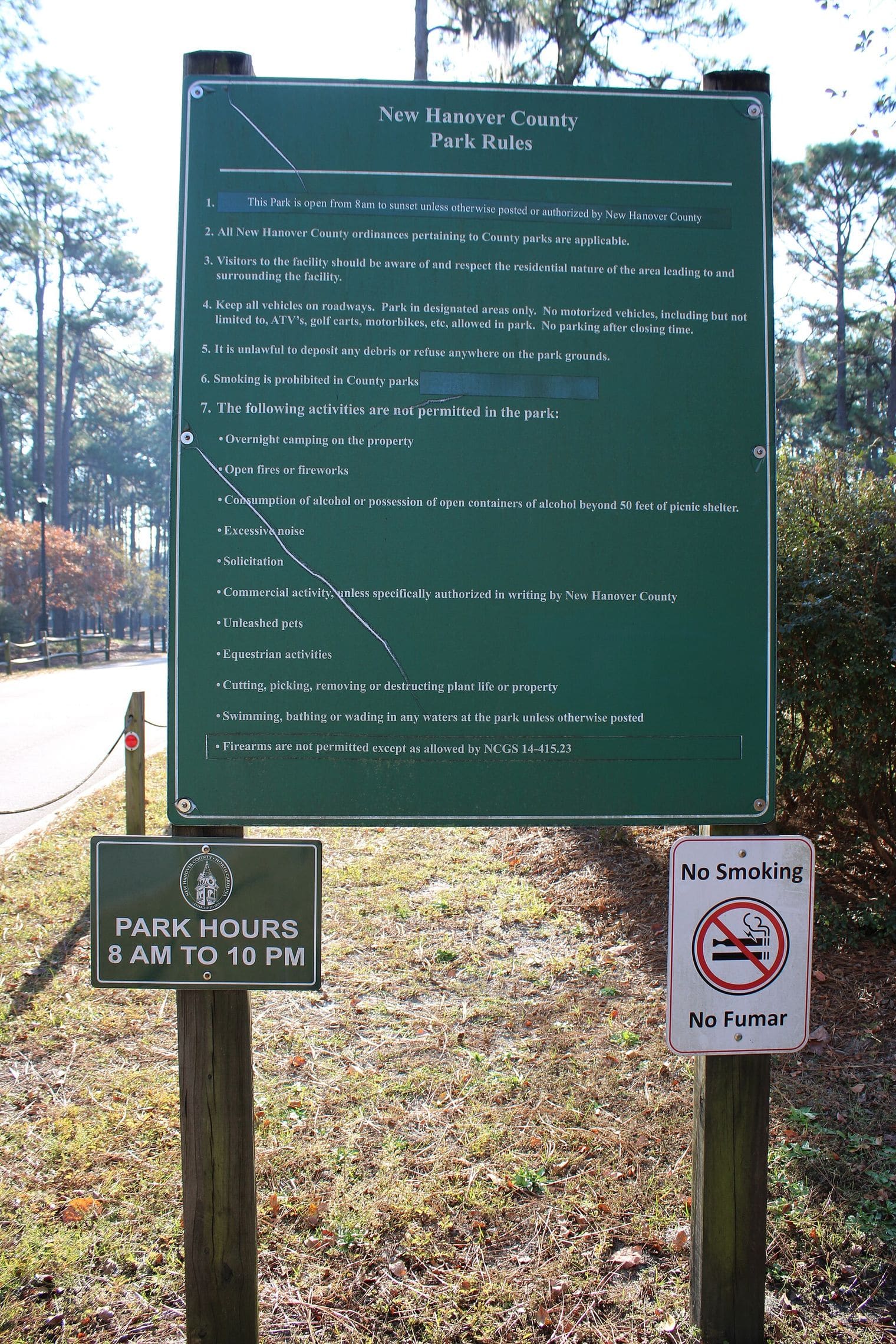
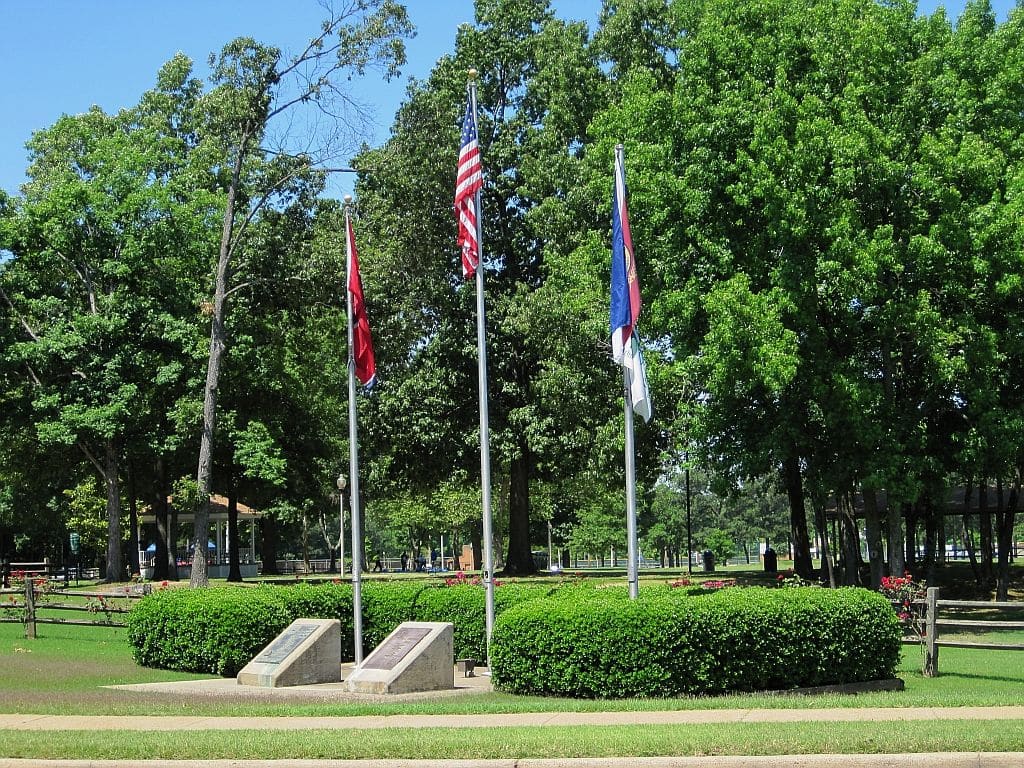
Long Leaf Park, a New Hanover County urban park known as Hugh MacRae Park until its 2020 renaming, spreads across shaded picnic areas, a landscaped garden, and a pond crowned by a gazebo. Athletes have plenty to work with too, from baseball and soccer fields to sand volleyball, basketball, and lighted tennis courts.
Families gravitate toward the all-abilities playground and the summer splash pad, while a roughly 1.5-mile trail loops the grounds for walkers and joggers. Dogs get their own turn as well, thanks to a fenced off-leash park where they can run freely. It is a genuine all-purpose green space, equal parts recreation, relaxation, and room to roam.
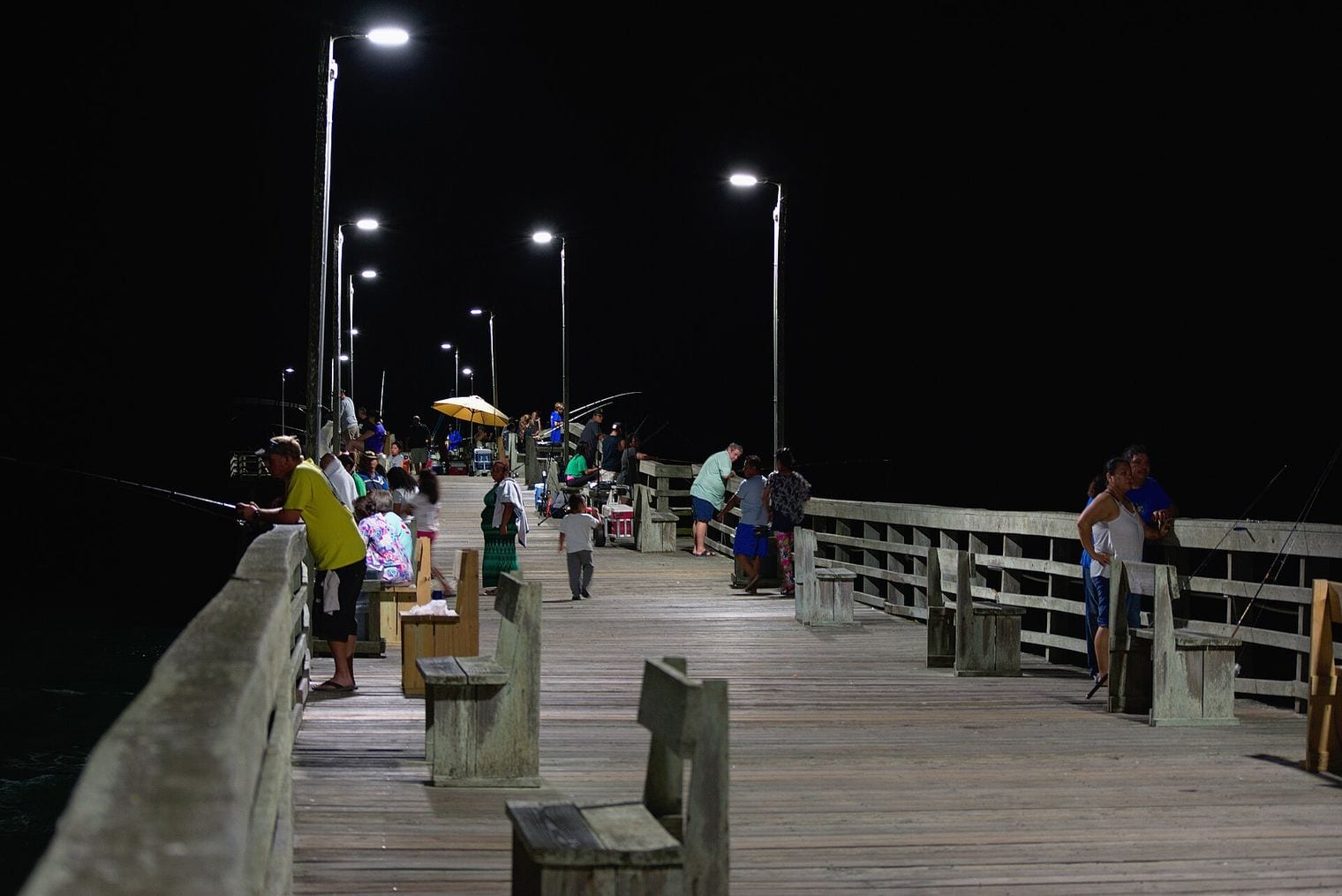
Johnnie Mercers Fishing Pier reaches roughly 1,200 feet into the Atlantic at Wrightsville Beach. Built in durable concrete, it replaced a 1930s wooden pier lost to hurricane damage, and today it draws saltwater anglers after king mackerel and drum, with rod and bait rental plus a tackle shop stocking whatever the day's bite demands.
Beyond the fishing, the pier keeps landlubbers happy with food spots, a gift shop and a small arcade. Benches line the deck for anyone content to sit and take in the wide ocean views, making it as much a place to stroll and watch the surf as to cast a line.
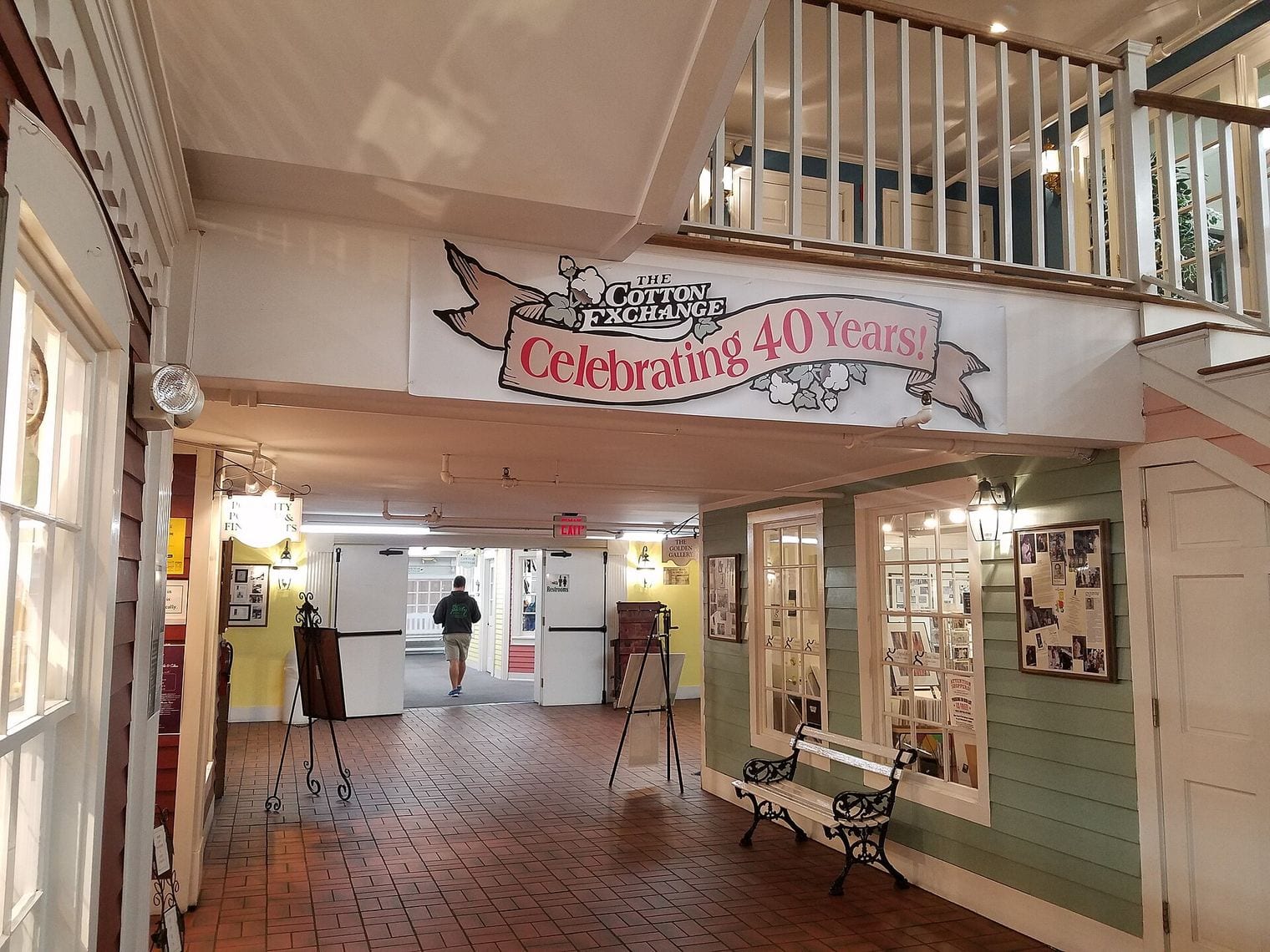
The Cotton Exchange fills eight restored buildings from the late 1800s and early 1900s, knit together by cobblestone courtyards in downtown Wilmington. The complex takes its name from a company that was once the largest cotton exporter on the East Coast, and today the historic shells house a lively mix of boutiques, restaurants and a neighborhood coffee house.
Wandering the linked passageways feels like moving through the city's mercantile past while shopping and dining in the present. The grounds also hold the Wilmington Walk of Fame, which honors local notables who left their mark on the region, making the complex as much a stroll through Wilmington heritage as a spot to browse and eat.
Carolina Beach State Park spreads across 761 acres of hiking trails, fishing spots, and Pocosin wetlands just south of Wilmington. White-tailed deer, foxes, and rare birds move through the landscape, but the real draw is botanical: this is one of the few places on earth to spot native Venus flytraps growing in the wild.
Beyond the trails, the park offers a campground with cabins for overnight stays and a visitor center that grounds you in the local ecology. A marina anchors the waterside, with boat access for kayaking and boating along the surrounding channels, making the park as much a launch point for the water as a refuge on land.
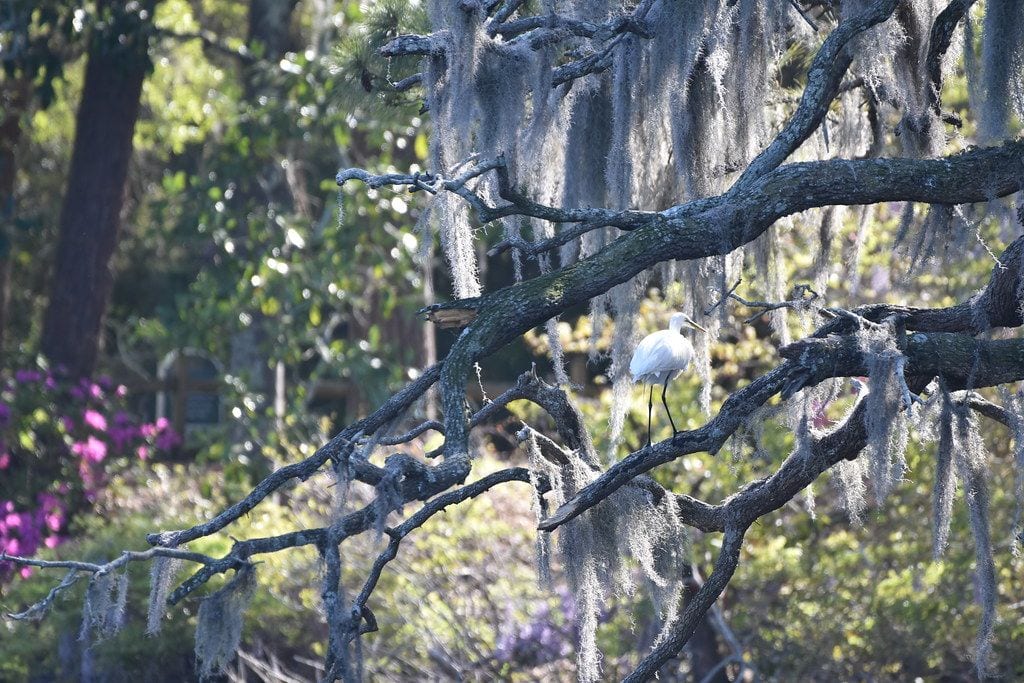
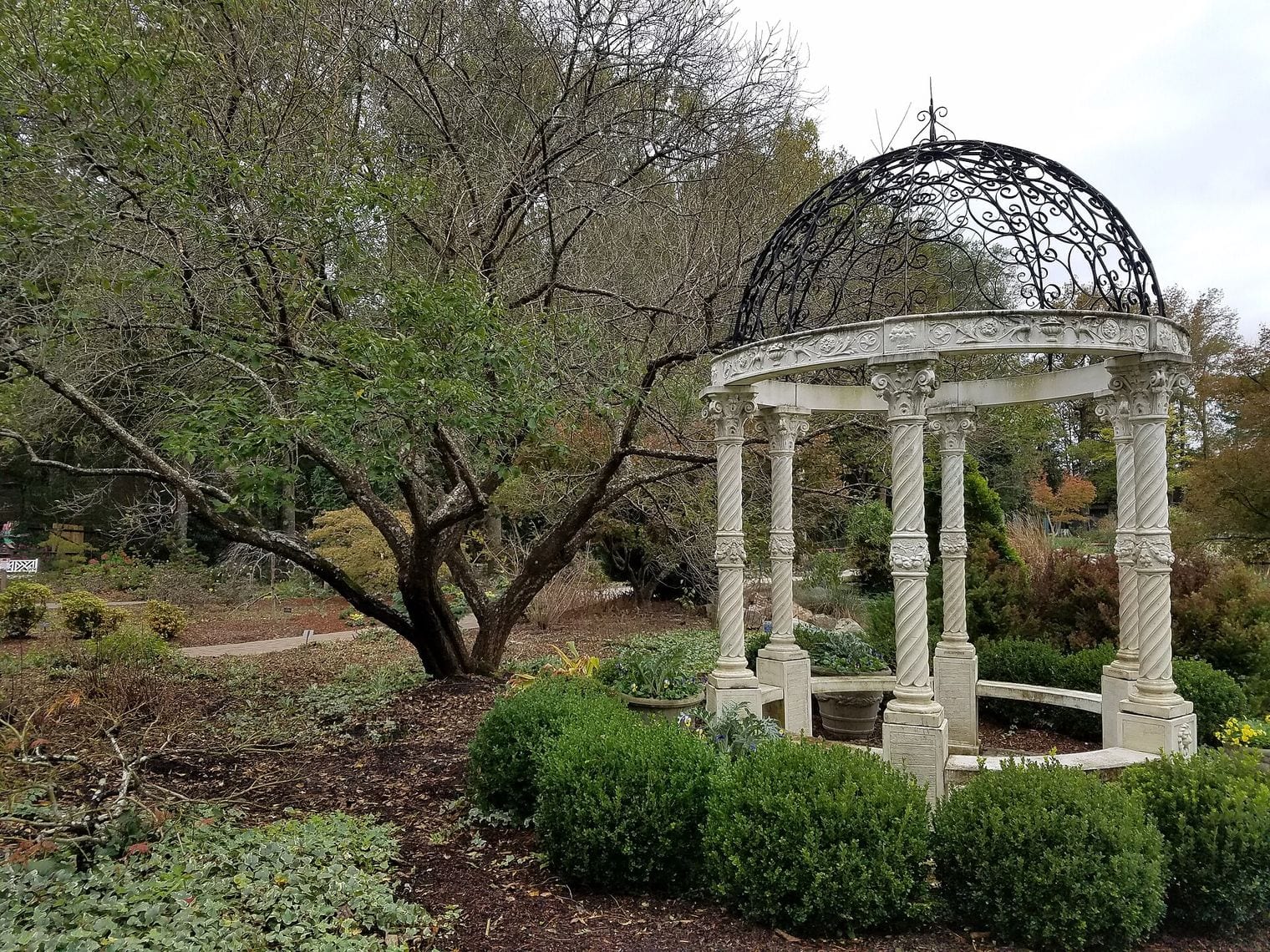
Airlie Gardens is a 67-acre historic public garden created in 1886, sitting two miles from Wrightsville Beach. Its grounds hold ten acres of lakes and more than 75,000 azaleas, alongside camellias, magnolias, palms and a seasonal butterfly house. Winding paths weave through blooms that draw color across every season.
The garden's signature landmark is the Airlie Oak, a sprawling live oak draped in Spanish moss and dating to around 1545, centuries older than the garden itself. Come the holidays, the grounds transform under strings of lights, glowing across the lakes, moss-hung branches and flower beds after dark.
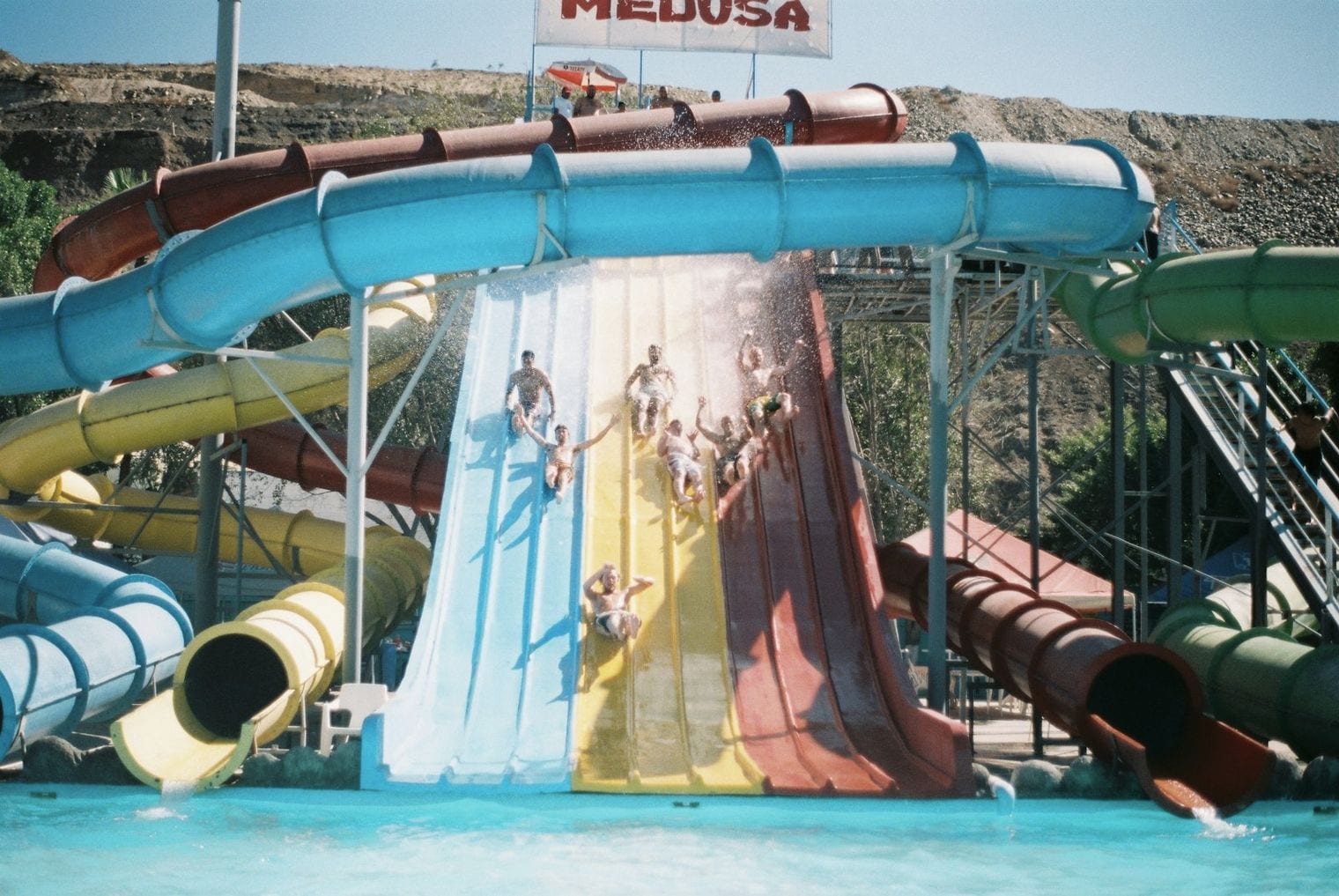
Jungle Rapids Family Fun Park pairs a full water park with a whole side of dry attractions. The water park centers on a wave pool, a lazy river, speed slides, a towering Volcano Mountain, and a big splash pool built for younger kids. Cool off between rides, then dry off and cross over to everything else the park packs in.
The dry side keeps the energy going with mini-golf, laser tag, go-karts, bumper cars, a rock climbing wall, and a stocked arcade. When you need a break, an on-site cafe and snack bar handle refueling, so families can spend the whole day bouncing between water thrills and land-based games without leaving the grounds.
Freeman Park sits at the north end of Carolina Beach, off Canal Drive, a secluded stretch set apart from the crowded main shore. Sunbathe, swim, surf, fish or crab along the sand, and let dogs roam off-leash. Drive-on access lets you park right at the water's edge.
Reserve ahead and you can pitch a tent for permitted overnight camping, building a beach campfire as the sun goes down. It is the rare coastal spot where you can settle in past dusk, watching the sunset from the same sand you fished all afternoon.
Tregembo Animal Park has welcomed visitors since 1952, when the Tregembo family opened what remains Southeastern North Carolina's oldest zoo. Still family-owned, this smaller park is home to more than 100 animal species, many of them rescued, including giraffes, lions, a white tiger, sloths, reptiles, zebras and kangaroos.
The intimate scale makes for close encounters you won't find at a sprawling city zoo. Visitors can buy feed for the goats, monkeys and other friendly animals, turning a stroll through the grounds into hands-on time with the residents. A gift shop rounds out the visit before you head back out.
Museum of the Bizarre sits in downtown Wilmington near the waterfront, a small private collection you can browse for a modest admission. Opened in 2015, it packs its rooms with genuine oddities, vintage medical equipment, movie memorabilia and all manner of strange artifacts curated for the curious.
Beyond the display cases, a mirror maze rewards anyone willing to get pleasantly lost, and photo ops are scattered throughout for anyone who likes proof they were there. Each Halloween the space transforms into a haunted house, giving the collection an extra jolt of theatrics when the season calls for it.
The Arboretum, a free 7-acre garden in Wilmington run by the New Hanover County Cooperative Extension, has bloomed since 1989 into 33 themed seasonal gardens. Wander past roses, camellias and water lilies, each planting arranged to showcase what thrives in the coastal Carolina climate across changing seasons.
Highlights include a Japanese garden with a tea house and graceful maples, plus a water garden crossed by a red bridge over a koi pond. A dedicated children's garden welcomes younger visitors, and thoughtful plantings honor all five branches of the United States military.
Thalian Hall has anchored Wilmington's cultural life since it was built in 1858, making it one of the oldest theaters in the country still in use. Today it stages hundreds of performances a year across three distinct spaces: the Main Stage, the Grand Ballroom, and the Ruth and Bucky Stein Theatre.
A 2010 renovation carefully preserved much of the original 19th-century structure and detail, keeping the venue's period character intact. The result is a working theater that honors its long history while continuing to serve as a vibrant hub for live entertainment in downtown Wilmington.
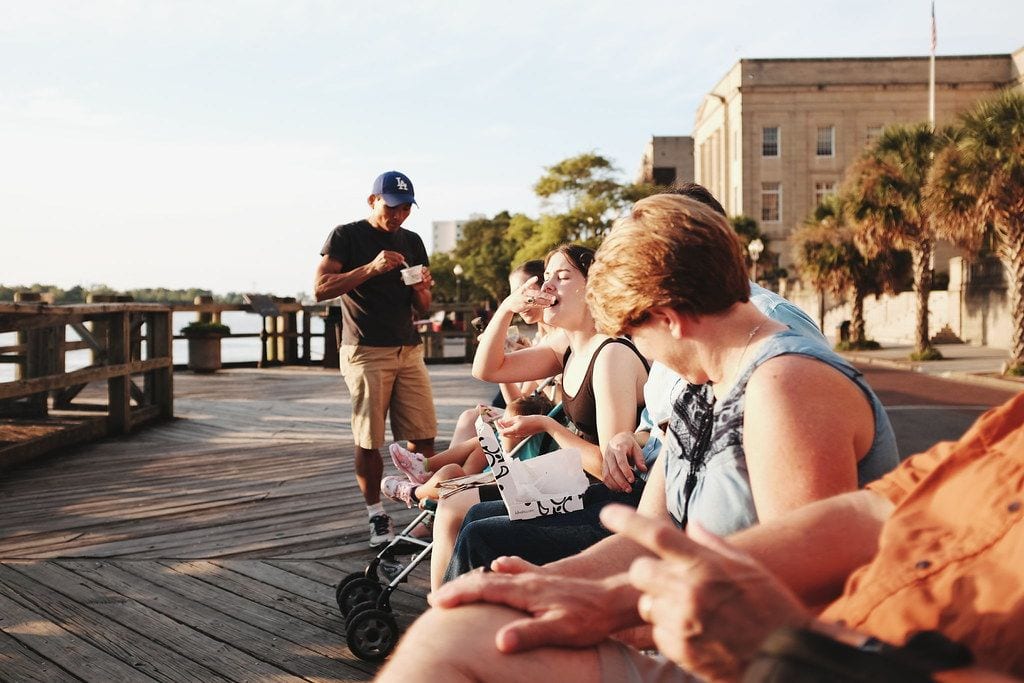
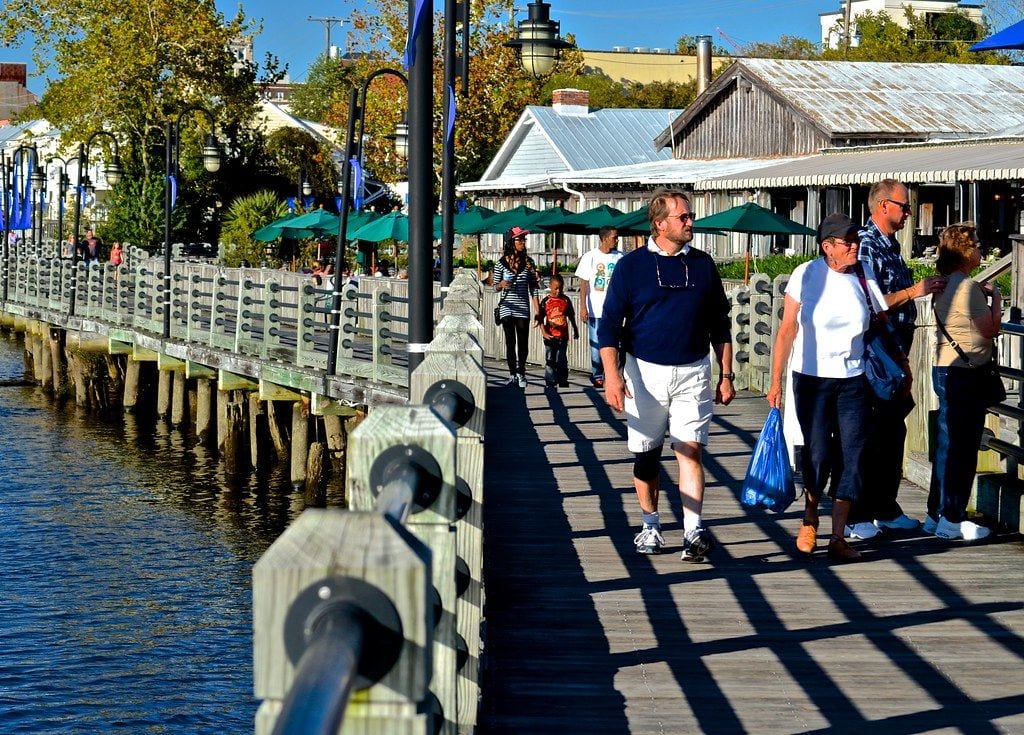
Wilmington Riverwalk stretches roughly 1.75 miles along the Cape Fear River, a scenic riverfront boardwalk established in the 1980s. Colorful shops, outdoor cafes, art galleries and historic buildings line its length, giving downtown a lively spine that ties together most of the city's waterfront attractions in one easy, walkable stretch.
Open year-round and free to enjoy, the boardwalk makes an effortless connection between downtown Wilmington's sights. A popular fishing pier reaches out over the water, offering wide river views and a spot to pause. Whether you're browsing galleries or simply strolling, the Cape Fear setting keeps the whole route memorable.
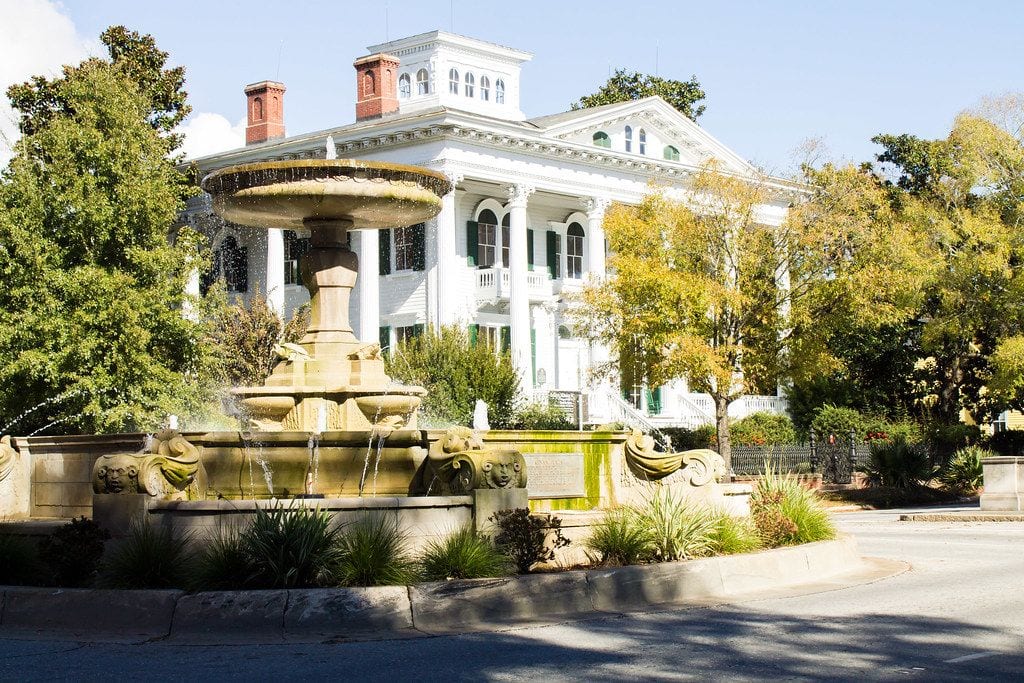
Bellamy Mansion Museum stands on Market Street as one of North Carolina's finest examples of antebellum architecture: a four-story, roughly 10,000-square-foot home completed in 1861. Today it operates as a museum of history and design arts, filled with period antiques and exhibits tracing Civil War history and the building's remarkable architecture.
Recreated gardens surround the grounds, and rare surviving urban enslaved quarters remain open for visitors to tour, offering an unflinching look at those who lived and labored here. A self-guided smartphone tour lets you explore the house, outbuildings, and gardens at your own pace, tracing the full story behind one of the South's great historic homes.
Poplar Grove Plantation is a former peanut plantation in Scotts Hill, just outside Wilmington. Its 1850s manor house opened as a museum in 1980, telling the story of the families who lived and worked on the land. A tenant house and blacksmith shop round out the historic grounds, tracing everyday life across the estate's working years.
Beyond the manor, a picnic area, playground and trails into the neighboring Abbey Nature Preserve give the grounds room to wander. A weekly farmers market draws local growers and makers, while seasonal programming brings paranormal investigations and holiday-lit Christmas tours through the old house and its outbuildings.
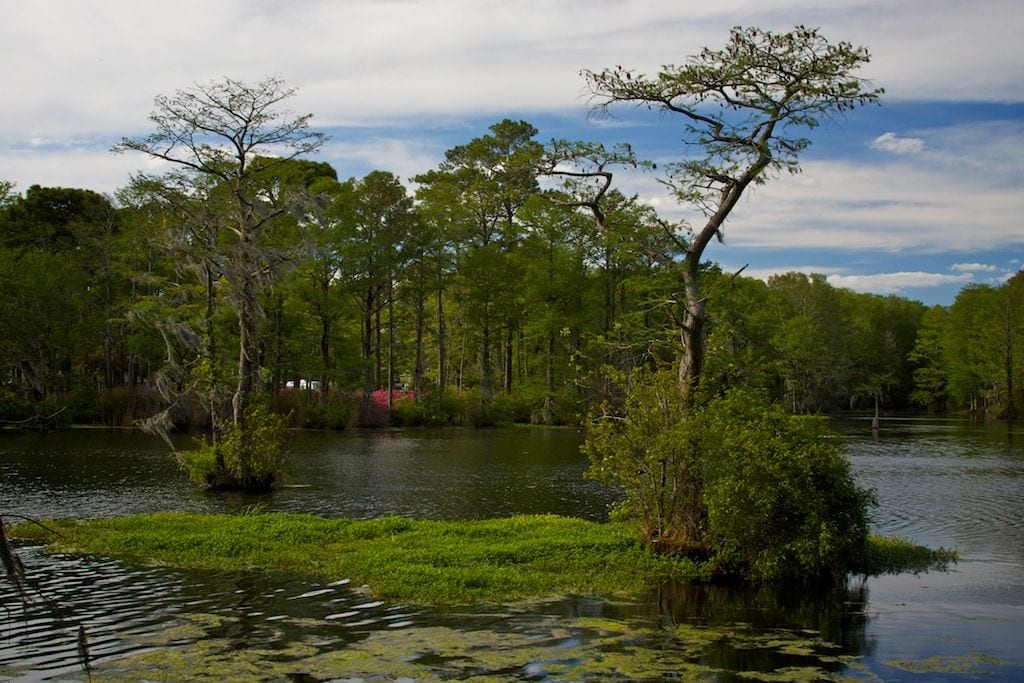
Greenfield Park wraps 250 acres around Greenfield Lake, making it one of the area's best dog-friendly retreats. Roughly five miles of trails link gardens, tennis courts, picnic areas, a skate park and a playground, so there is room for both quiet strolls and energetic afternoons across this sprawling city green.
Rent a kayak or boat to explore the lake, where alligators occasionally surface, and keep an eye out for the abundant birdlife along the water. An outdoor amphitheater anchors the grounds, hosting concerts and shows beneath the trees, rounding out a park that balances active recreation with easygoing natural escape.
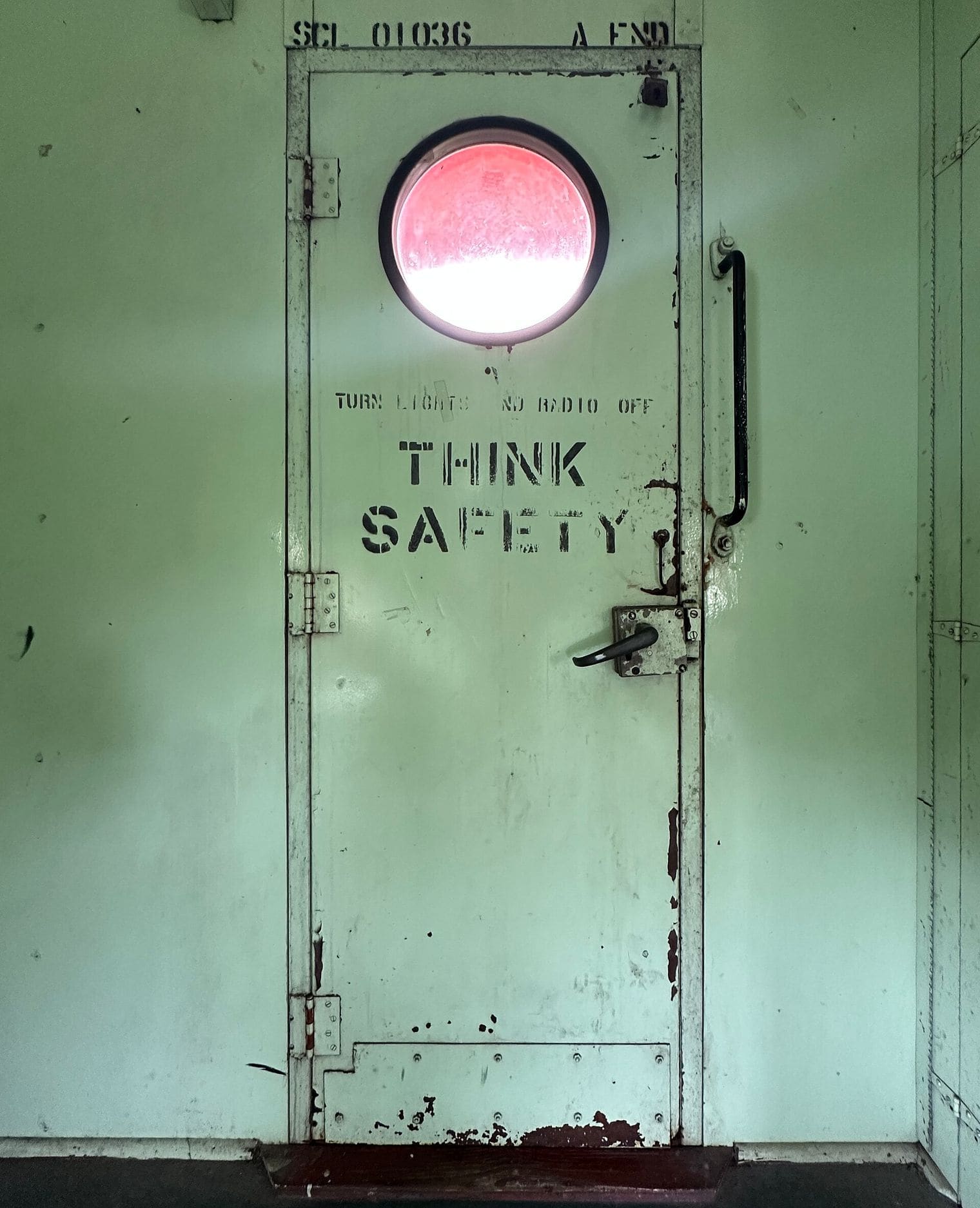
Wilmington's rail heritage comes alive at the Wilmington Railroad Museum, set inside an 1880s freight warehouse and devoted to the Atlantic Coast Line Railroad. Displays of railroad memorabilia surround a life-size caboose, a boxcar and a century-old steam locomotive, tracing how the tracks shaped the port city's growth and industry.
Younger visitors gravitate to the Thomas the Tank Engine play area, while the museum's model-train layout claims a genuine Guinness World Record: the longest model train, set right here in Wilmington in 2011. Together the exhibits turn a working warehouse into an accessible, hands-on tribute to the railroad era.
Masonboro Island Reserve is an 8.4-mile undeveloped barrier island, one of the longest undisturbed stretches of its kind in southern North Carolina. Reachable only by boat, kayak or canoe from Wrightsville Beach or Carolina Beach, this coastal reserve rewards the effort with a raw shoreline few crowds ever reach.
The island is a protected habitat for fish, birds and sea turtles, so the atmosphere stays wild and quiet. Popular for fishing, beaching, photography and shelling, it offers empty sand and clear water for anyone willing to make the short paddle or ride across.
The Children’s Museum of Wilmington fills three historic downtown buildings with roughly 17,000 square feet of hands-on discovery for preschool and elementary-age kids. Interactive exhibits turn science, math and art into play, spread across imaginative areas like the Toddler Treehouse, Wellness Way, a Port of Call and Animal Alley.
Every space rewards curiosity, letting little ones climb, build and experiment their way through each theme. Beyond the permanent lineup, rotating traveling exhibits and seasonal events keep the museum fresh, so young explorers always find something new to touch, test and discover on their next visit downtown.
Noni Bacca Winery is a small, family-run winery founded in Wilmington in 2007 by Toni and Ken Incorvaia. They craft European-style wines on site, pouring more than 60 varieties alongside a few craft beers. Standout bottles include Chianti, Merlot, Cabernet Sauvignon, Malbec and Chardonnay.
The winery is a frequent award-winner, collecting medals at competitions such as the Finger Lakes International Wine Competition. What sets a visit apart is the tasting itself: customizable and often led by the owners, giving you a relaxed, personal walk through the lineup rather than a rushed pour at a crowded bar.
Cameron Art Museum anchors Wilmington's art scene, opened in 1962 and moved to its current site in 2001. Named for Louise Wells Cameron, whose family donated the land and funding, it holds three exhibition spaces, a lecture and reception hall, a clay studio, an education center, and grounds preserved as a historic Civil War site.
The collection spans 18th- through 20th-century art, complemented by rotating exhibits showcasing local, national, and international artists. Between galleries, visitors can pause at the well-regarded cafe, making an afternoon here as much about the food and grounds as the art itself.
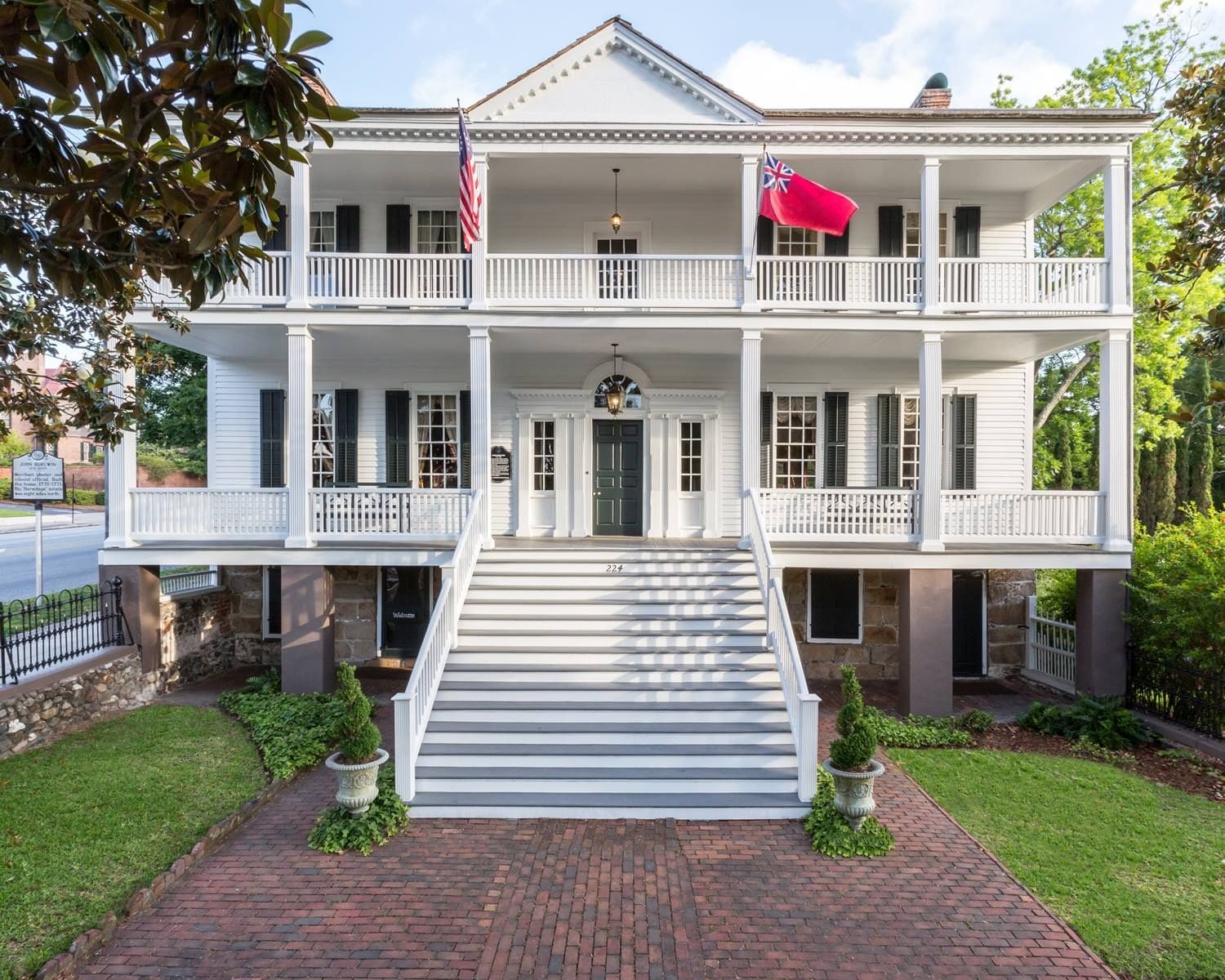
Burgwin-Wright Museum and Gardens preserves a house built in 1770 for colonial official John Burgwin, the only colonial-era structure in Wilmington open to the public and one of its oldest historic sites. This fine example of Georgian architecture is furnished with 18th- and 19th-century pieces, offering a window onto pre-Revolutionary life through guided tours.
The house rises atop former jail walls, with original jail cells still preserved in the basement. Outside, a two-acre period garden unfolds with roses, pomegranates and fig trees, recreating the domestic landscape of the era. Together, the restored rooms and grounds make one of the region's most vivid portraits of eighteenth-century Wilmington.
Copper Penny is a locally loved downtown Wilmington pub and restaurant, and a reliable spot to catch a game over lunch or dinner. Its turn behind the bar earned it a Food Network feature, and the old-style bar anchors a warm, easygoing room built for lingering conversation and afternoon matchups.
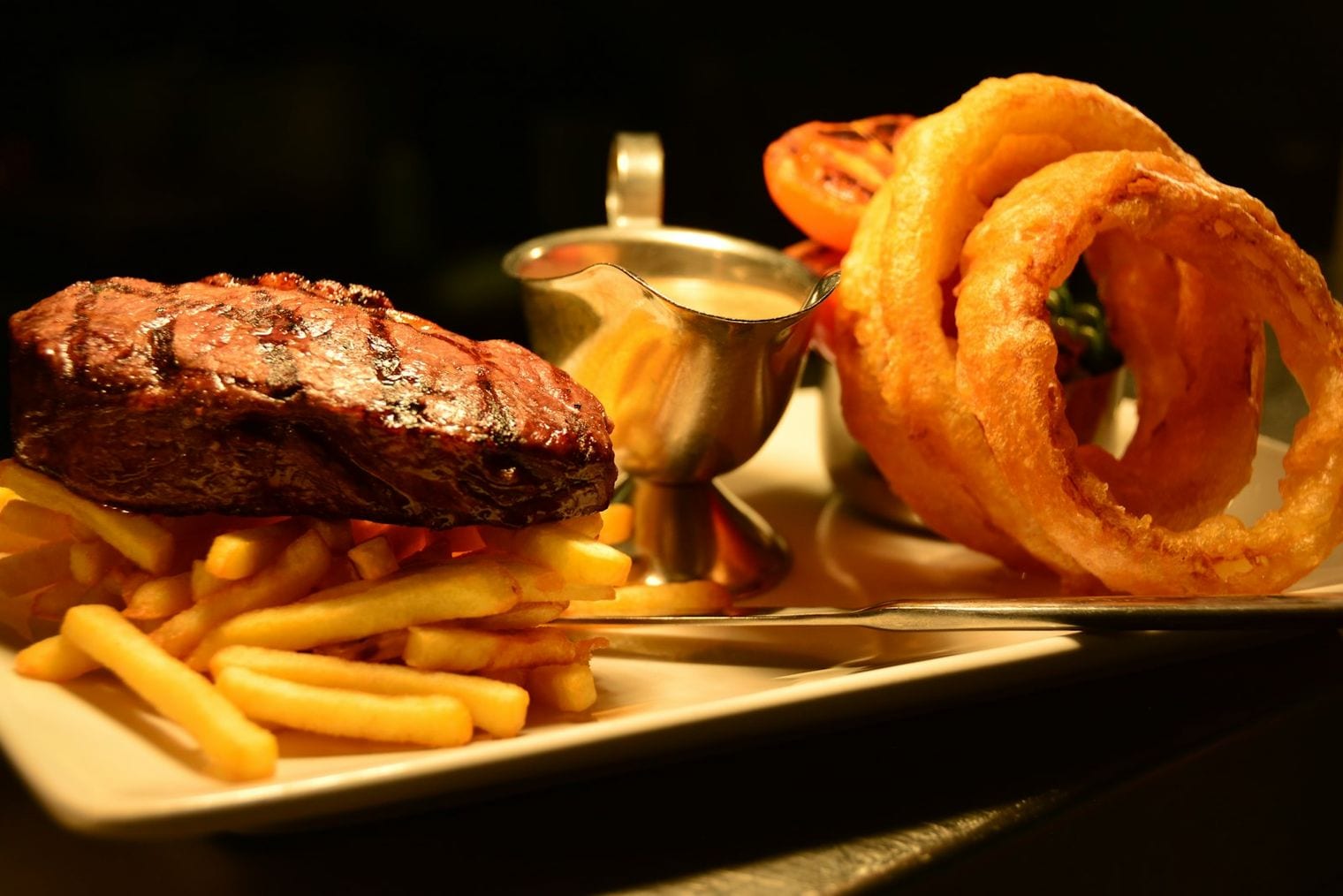
The eclectic menu runs from pork and southwest chicken sandwiches to burgers, wings and the signature onion rings, with vegetarian options for the crowd that skips meat. When the weather warms up, the patio opens for outdoor seating, turning a casual meal into an unhurried afternoon in the heart of downtown.
Getting to Wilmington
Wilmington sits at the eastern end of Interstate 40, which runs clear across the state and makes the city an easy straight shot from the central Piedmont; where I-40 winds down it hands off to US 117 and US highways that fan out along the coast. A bypass interstate loops traffic around the north and west side of town, carrying the main north-south coastal route past the center so you can reach the beaches and the river district without crawling through downtown. Other US highways feed in from the south and west, so however you approach, you arrive on a well-signed divided road rather than back lanes.
The city has its own commercial airport just north of downtown, with a compact terminal and a short drive to the historic riverfront. For a wider choice of routes you can also fly into the larger hub airport up in the state’s Research Triangle and drive down, roughly a two-hour trip southeast on the interstate; a smaller coastal airport to the south is closer still, under two hours away. There is no direct passenger train, but a connecting motorcoach links Wilmington to the national rail network at a station inland, and long-distance intercity buses stop at the downtown transit hub.
Getting Around Wilmington
The historic downtown and riverfront district are the most walkable part of Wilmington: a compact grid of brick sidewalks, the waterfront promenade, and blocks of shops and restaurants you can cover entirely on foot, with a pleasant stroll across the river to the battleship memorial or along the water. Beyond that core, though, the city and its beach towns are spread out, so for most visitors a car is the practical way to link the downtown, the gardens and parks on the outskirts, and the island beaches to the south.
A local bus network covers the main corridors and links downtown with the university area and outlying neighborhoods, and rideshare and taxis are easy to summon in the busier districts. Cyclists will find flat terrain and a growing set of greenways and beach cruisers, especially near the boardwalk and along the river. Downtown parking runs to metered street spots and public decks that are simplest to use outside peak evenings; out in the beach and suburban areas parking is generally plentiful and free, though the barrier-island lots fill fast on warm-season weekends, so arriving early pays off.
Where to Stay in Wilmington
For a first visit, base yourself in the historic downtown and riverfront district, where you can walk to the waterfront, the shops and dining, and the river crossing to the battleship, and reach the rest of the city easily by car. This central area suits travelers who want atmosphere and everything on their doorstep; it is also the liveliest at night, so light sleepers may prefer a quieter residential pocket just inland from the water.
If beach time is the priority, look at the barrier-island and coastal-town neighborhoods south of the city, close to the boardwalk, the state park, and the historic fort at the point, where the pace is slower and the mornings are for the sand. Travelers passing through or wanting a quick highway getaway often stay in the commercial districts out by the interstate and the airport, which trade charm for convenient parking and fast road access. Visitors with university business will find handy neighborhoods near the campus on the east side of town, an easy drive from both downtown and the beaches.
Where to Eat in Wilmington
Wilmington eats like the coastal Carolina town it is, and the historic downtown and riverfront district hold the densest run of restaurants, from riverside patios to tucked-away rooms in old brick storefronts around the cotton-warehouse shopping quarter. Along the barrier-island beach towns to the south you will find the more casual end of the scale: seafood shacks, boardwalk snack stands, and oyster bars a short walk from the water. Neighborhoods near the university and the midtown corridors round things out with everyday cafes and international spots.
The signature eating here is the daily catch from the Cape Fear and the Atlantic: shrimp and local oysters, crab in season, and flaky white fish, often served fried, in a boil, or in a chowder. Look for Carolina barbecue with the region’s vinegar-based sauce and its traditional sides, cornmeal hush puppies, shrimp and grits, a Low-Country-style boil, and a fish or shrimp fry, and finish with a slice of coastal-style pie. It is a place to eat by the season and by what came off the boats that morning rather than to chase any single address.
One Day in Wilmington
Wilmington rewards a day that starts among live oaks and Spanish moss and ends under the gilded proscenium of a nineteenth-century theater — here’s how to string the best of it together without doubling back.
Morning: Beat the heat and the crowds at Airlie Gardens, a few miles east of downtown, where sixty-odd acres of azaleas, tidal ponds, and the sprawling Airlie Oak make for an easy, shaded first walk of the day. If you’d rather trade the formal gardens for something quieter and free, the nearby The Arboretum: New Hanover County Co-Op Ext covers similar botanical ground just up the road. From there, point the car toward the river and the compact historic district, where the rest of the day unfolds mostly on foot.
Afternoon: Base yourself downtown and work the historic core. Tour the antebellum Bellamy Mansion Museum and the colonial-era Burgwin-Wright Museum and Gardens — the oldest house museum in the city, built over a former town jail — then stroll the Wilmington Riverwalk along the Cape Fear, ducking into the brick-and-timber shops of The Cotton Exchange for a browse and a bite. Across the water you can’t miss the gray hull of the USS North Carolina, a World War II battleship you can board and explore deck by deck; save an hour for it if the day’s running long.
Evening: Have dinner riverside at Copper Penny, an easy downtown standby, then walk the block to Thalian Hall for a play, concert, or film in one of the country’s oldest continuously operating theaters — a fitting, curtain-down finish. With a second day, drive the length of Pleasure Island down to Fort Fisher State Historic Site, pairing the Civil War earthworks with the wide, uncrowded sand at the tip of the cape.
Free Things to Do in Wilmington
Wilmington is an easy city to enjoy without spending much. Several of its best experiences — from the riverfront to the beaches — cost nothing beyond parking, so you can fill a day on a small budget.
Stroll the mile-and-three-quarter Wilmington Riverwalk past shops, murals and the Cape Fear River, and admire the exterior of the USS North Carolina from the waterfront. Wander the free Arboretum with its 33 gardens, explore the trails and gardens of Greenfield Park, or spend an afternoon on the sand at Wrightsville, Carolina or Kure beaches, all free to visit. History fans can also walk the earthworks at Fort Fisher State Historic Site, which is free to enter.
FAQ: Visiting Wilmington
What is Wilmington, NC known for?
Wilmington is known for its riverfront historic district, the WWII battleship USS North Carolina, and a busy film and TV industry that earned it the nickname “Hollywood East.” It is also a gateway to nearby beaches and rich in Civil War and antebellum history.
Is Wilmington worth visiting?
Yes. Wilmington combines a walkable, well-preserved downtown with gardens, museums, historic sites and easy access to three beaches. Its mix of history, coastal scenery and a growing food scene makes it a rewarding stop for couples, families and history lovers alike.
How many days do you need in Wilmington?
Two to three days is ideal for the highlights — the Riverwalk, the battleship, a couple of historic homes or gardens, and a beach day. Add a fourth or fifth day if you want more beach time or day trips along the Cape Fear coast.
What is the best time to visit Wilmington?
Spring (March to May) and fall (September to November) offer mild weather and lighter crowds than the busy, hot summer months. Summer is peak beach season, while the gardens are especially beautiful in spring when the azaleas bloom.
What beaches are near Wilmington?
Three beaches are a short drive away: Wrightsville Beach, Carolina Beach and Kure Beach. All are free to visit and offer swimming, surfing and fishing, with Carolina Beach also home to a lively boardwalk.
Is Wilmington good for families?
Very much so. Family favorites include the battleship, Jungle Rapids Family Fun Park, the Children’s Museum of Wilmington, Tregembo Animal Park and the beaches, plus plenty of parks and gardens suited to all ages.
How far is Wilmington from Raleigh?
Wilmington sits about 130 miles southeast of Raleigh, roughly a two-hour drive on Interstate 40, making it a popular weekend and beach getaway from the Triangle and an easy coastal launch point for a North Carolina road trip.