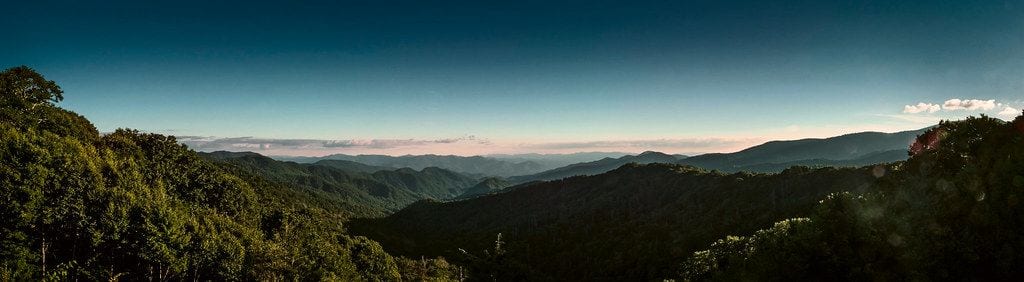
One of the best places to soak up Great Smoky Mountains air is Cherokee, North Carolina. It may not headline the tourism magazines, but that is exactly its charm: a hidden gem on the Qualla Boundary, home of the Eastern Band of Cherokee Indians, where deep Native American history meets waterfalls, mountain trails, and easy access to the national park. It also makes a natural base for exploring the wider mountains and small towns of North Carolina.
Fun Facts About Cherokee, North Carolina
Cherokee is the capital of the Eastern Band of Cherokee Indians, the only federally recognized tribe headquartered in North Carolina, descended from the Cherokees who remained in the mountains after the Trail of Tears.
The land around town, the Qualla Boundary, is a land trust rather than a government-created reservation — it is held in federal trust but was bought outright by the tribe in the 1870s.
The Cherokee syllabary was created by Sequoyah, who could not read or write any language when he single-handedly devised its roughly 85 characters — one of the few times in recorded history a member of a pre-literate people invented an original writing system.
Cherokee is the southern gateway to Great Smoky Mountains National Park, the most-visited national park in the United States, with the Oconaluftee entrance right at the edge of town and no entrance fee to enter.
The “Unto These Hills” outdoor drama has been staged at Cherokee’s Mountainside Theatre every summer since 1950, making it one of the oldest outdoor historical dramas in the country.
Elk roam the valley again — reintroduced to the North Carolina side of the Smokies in 2001 after more than a century away, they are now regularly seen grazing the fields near the Oconaluftee Visitor Center.
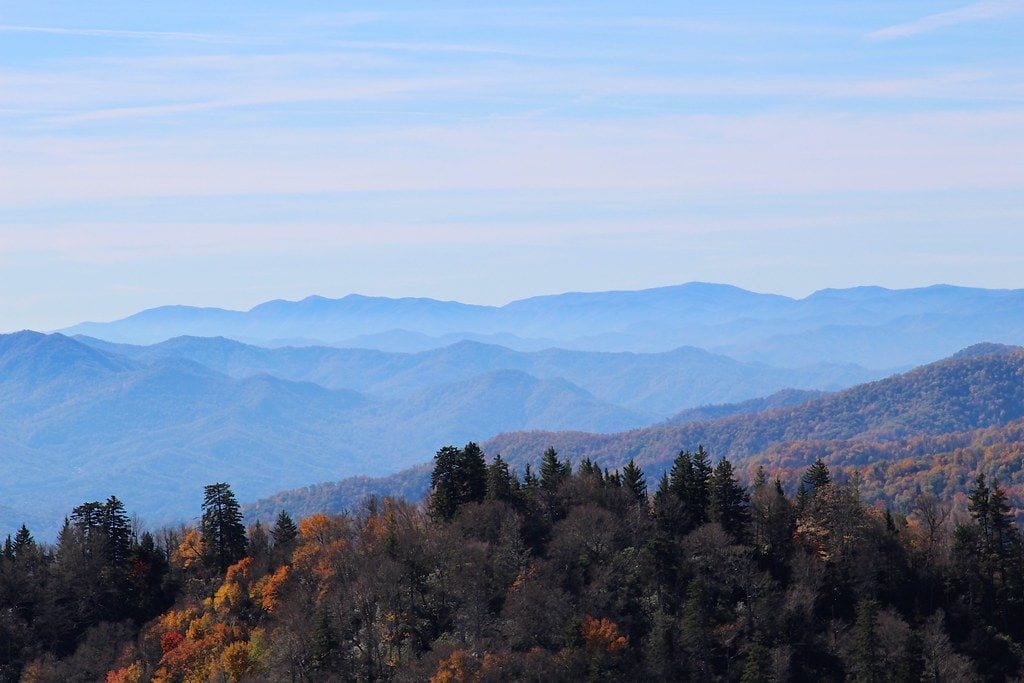
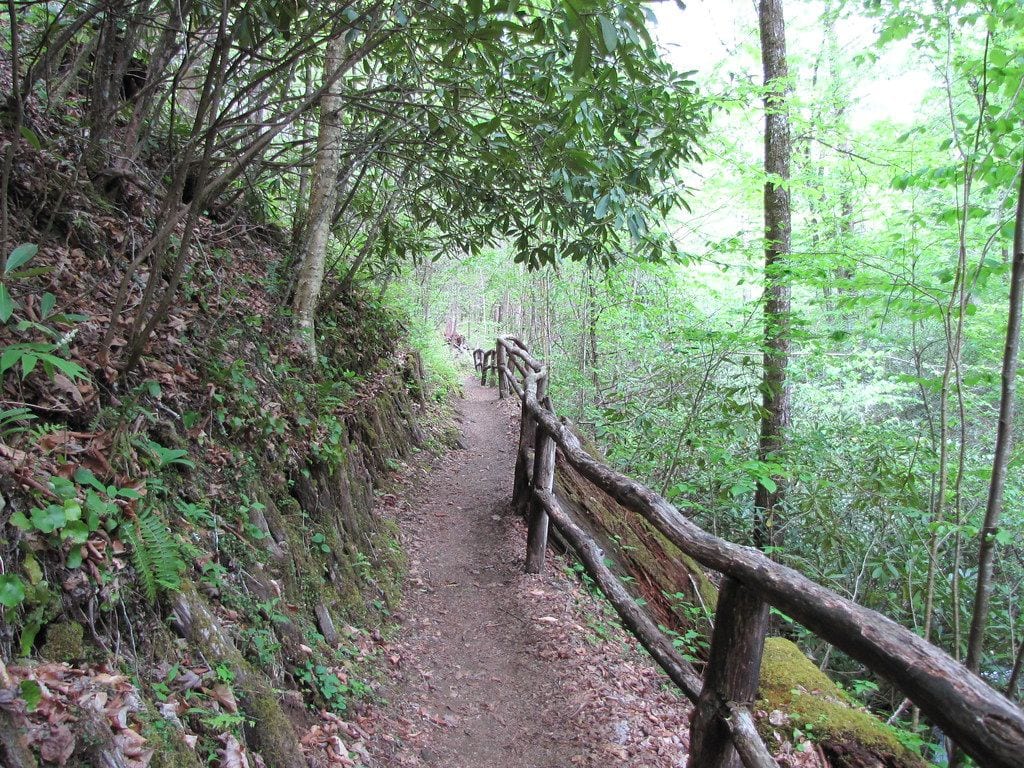
The Great Smoky Mountains rise right on Cherokee's doorstep, threading more than 850 miles of trails through ridgelines and hollows. Cades Cove draws the most devoted walkers, preserving the widest variety of early-European-settler buildings anywhere in the Smokies. Wildlife and quiet meadows reward anyone who lingers past the trailhead, and the scenery shifts with every bend in the road.
For a half-day hike, the 5-mile Abrams Falls loop winds past wildflower meadows, part of a park sheltering over 1,500 species of blooms. Seasoned hikers can tackle the 14-mile Thunderhead Mountain trail, which climbs to roughly 5,500 feet before delivering long views across successive waves of forested peaks.
Peter's Pancake and Waffles is a long-loved local breakfast spot in Cherokee, turning out classic American mornings: biscuits and gravy, strawberry waffles, and blueberry pancakes. Plates arrive hearty and generous, the kind of homestyle cooking that has kept locals coming back for years.
Reasonably priced and unpretentious, it makes an ideal fuelling stop before a long day of hiking mountain trails or wandering the town's museums. Fill up on stacks of pancakes and strong coffee first, and you will be set for whatever the Smokies throw at you.
Museum of the Cherokee People stands on the Qualla Boundary as one of the country's longest-operating tribal museums, established in 1948. It traces more than 13,000 years of Cherokee history through exhibits that weave together animations, life-sized figures, and artifacts, turning the tribe's stories into something you walk through rather than simply read.
A 20-foot hand-carved statue of Sequoyah, who invented the Cherokee syllabary, greets you at the entrance. Beyond the galleries, hands-on craft experiences let you try pottery and traditional jewellery, connecting the deep history on display to living skills still practiced by the Cherokee today.
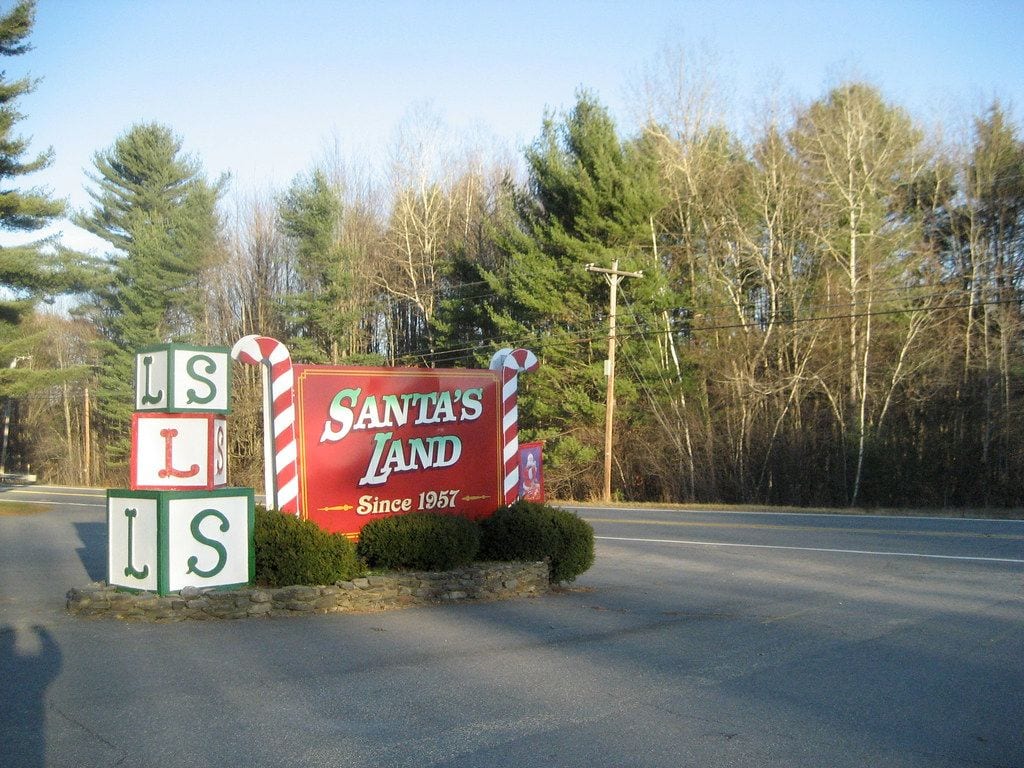
Santa's Land Fun Park & Zoo trades on a year-round Christmas theme, welcoming families to Santa's Land through its seasonal operating months. Feed the resident black bears, sample carnival treats like funnel cake, and let kids ride the family attractions before meeting Santa and his elves. It is a gentle throwback aimed squarely at young children rather than thrill-seekers.
Wrapped around the Christmas conceit is a small zoo and a lineup of easygoing rides built for little legs. Because it opens seasonally, the park draws its biggest crowds through the warmer stretch of the year. Set your expectations toward wholesome, low-key fun and it delivers exactly the kind of afternoon a family with toddlers wants.
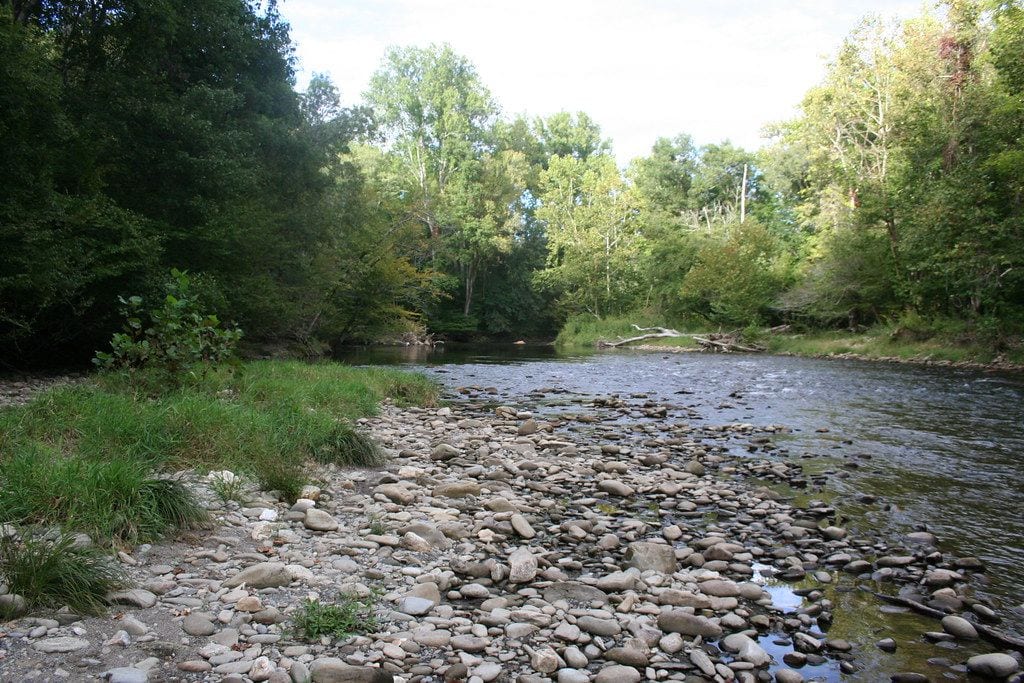
Oconaluftee Islands Park sits in the heart of Cherokee just off US-441, a green riverside pocket where you can kick off your shoes and wade into the shallows of the Oconaluftee River or stretch out on the bank with a book. A shady bamboo grove threads through the grounds, giving the whole place a calm, unhurried feel.
Seasonal farmers markets bring local growers to the park, and its Native American performance space regularly hosts tribal dancing rooted in Cherokee tradition. Tucked between the town's museums and mountain trailheads, it makes an easy midday pause where you can slow down, soak up the river air, and recharge before the next stop.
Granny's Kitchen serves up homestyle cooking on a generous buffet, and the lunch spread is the reason to show up hungry. A long salad bar leads into dozens of options, from roast turkey and baked cod to a rotating lineup of vegetables and old-fashioned sides like pickled beets. Dessert waits at the far end.
The kitchen has earned a loyal following for its popcorn shrimp, a golden pile of little crisp bites that regulars circle back for. With so many dishes laid out at once, this is comfort food built for grazing, letting you sample a bit of everything rather than committing to a single plate.
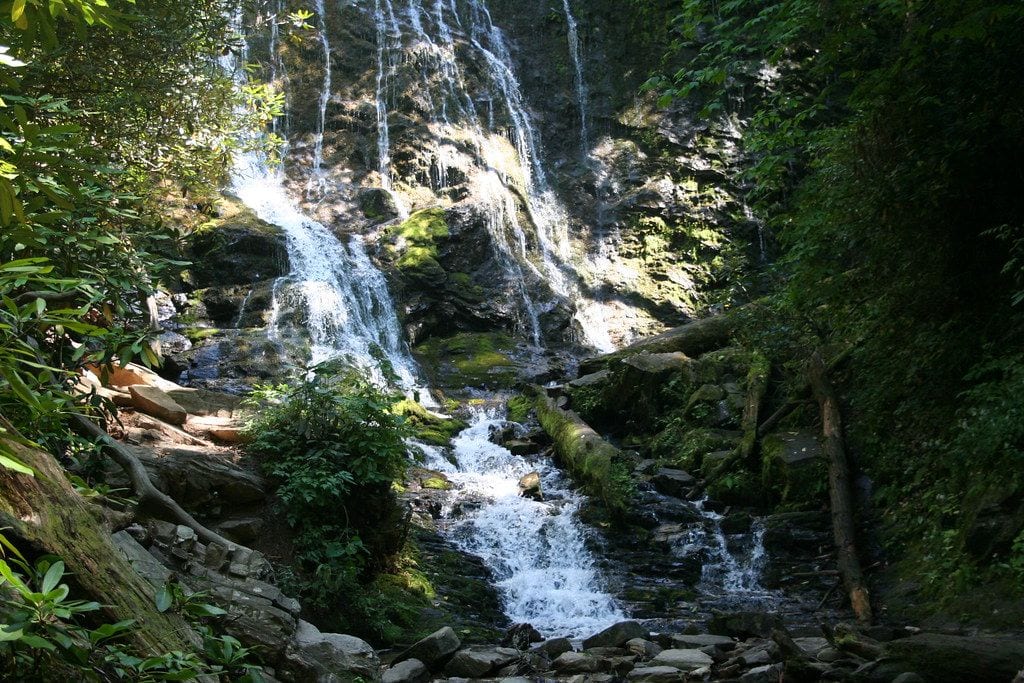
Mingo Falls tumbles roughly 200 feet down the Qualla Boundary, reached by a short quarter-mile hike that climbs 161 steps to the viewing platform. The effort keeps crowds thin, so even in peak season you can often stand before the cascade without jostling for space or waiting your turn for a clear look at the water.
The stepped route rewards you fast: a tall, feathery curtain of water framed by dense forest, easily one of the most photogenic waterfalls in the Smokies. Come in winter and you might catch it partially frozen mid-cascade, ice locking sections of the flow into place while the rest keeps pouring down the rock.
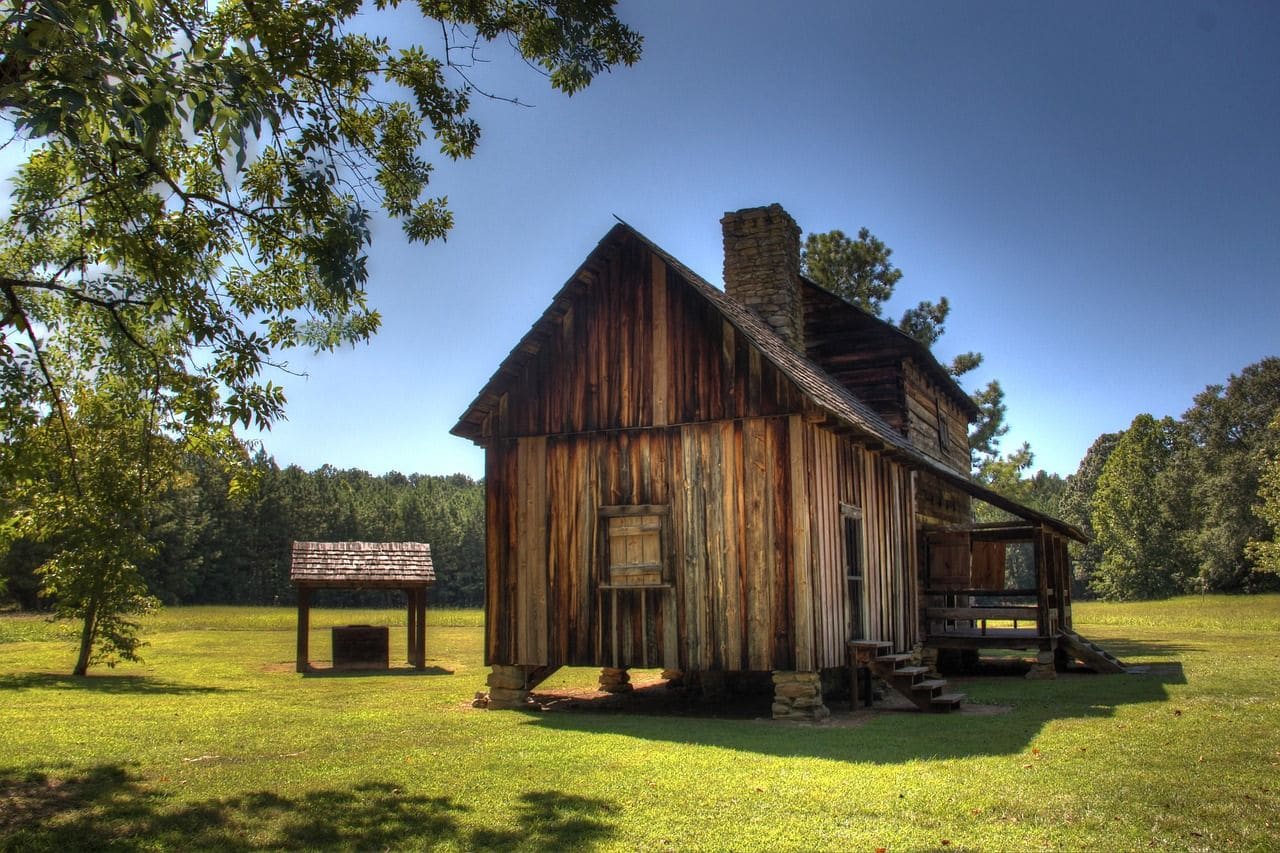
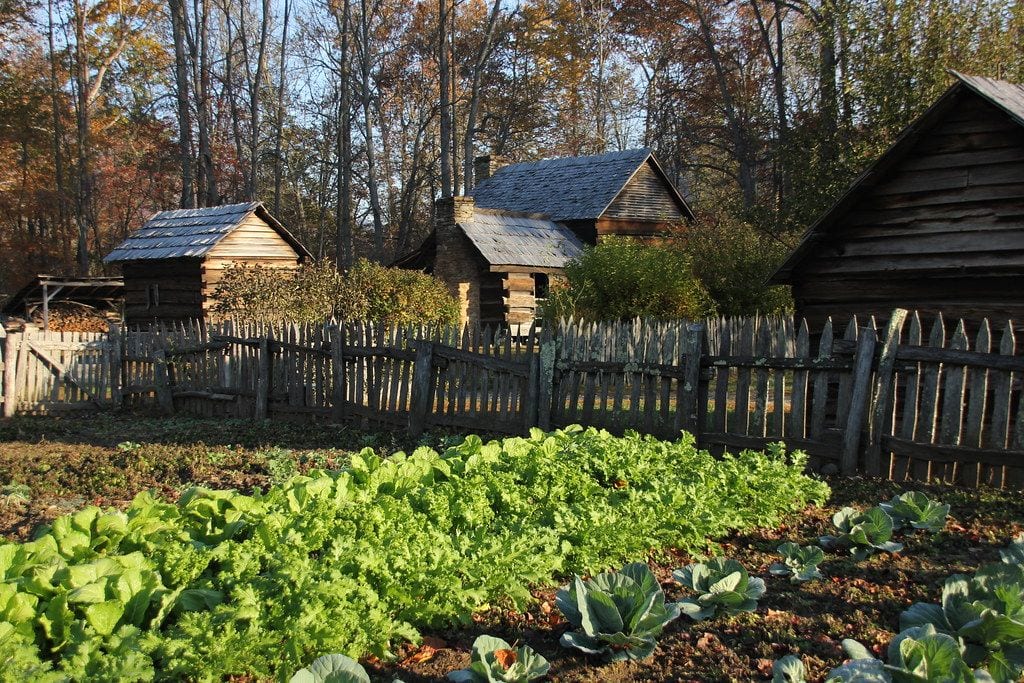
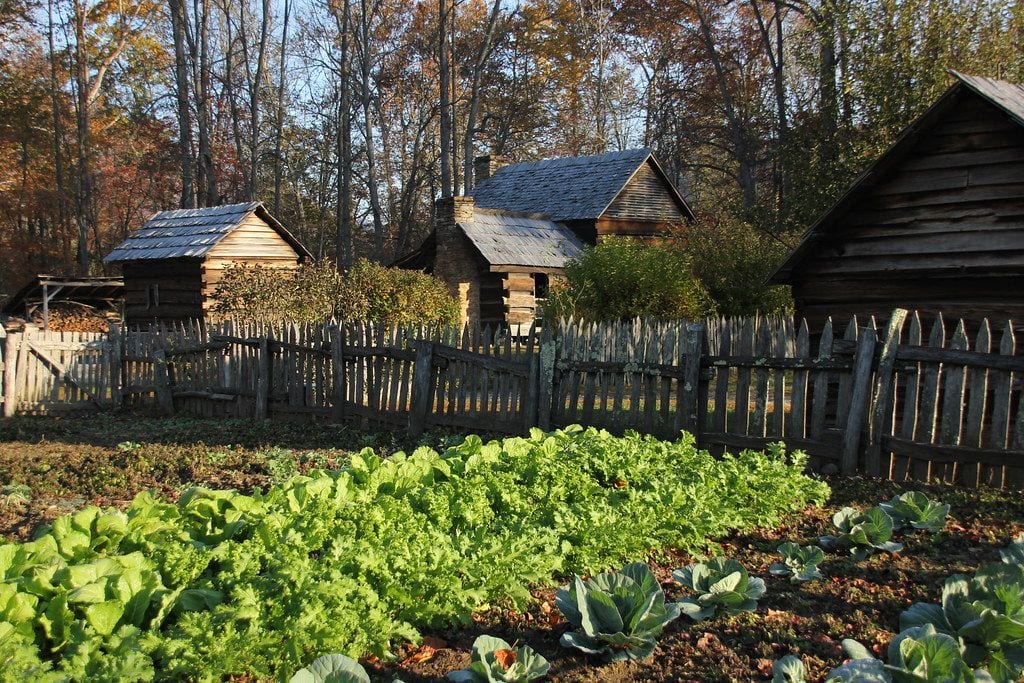
Mountain Farm Museum gathers a cluster of preserved late-1800s Appalachian buildings on a single free site near the Oconaluftee Visitor Center, where log cabins, barns, and worn hand tools sketch out the rhythms of a self-sufficient mountain farmstead and the families who once worked it.
The chestnut-wood Davis House is the standout, milled from American chestnut in an era before the tree went functionally extinct in the wild, making its timbers all but impossible to source today. Wild elk often graze the surrounding fields, so keep your eyes on the open grass as much as on the weathered buildings.
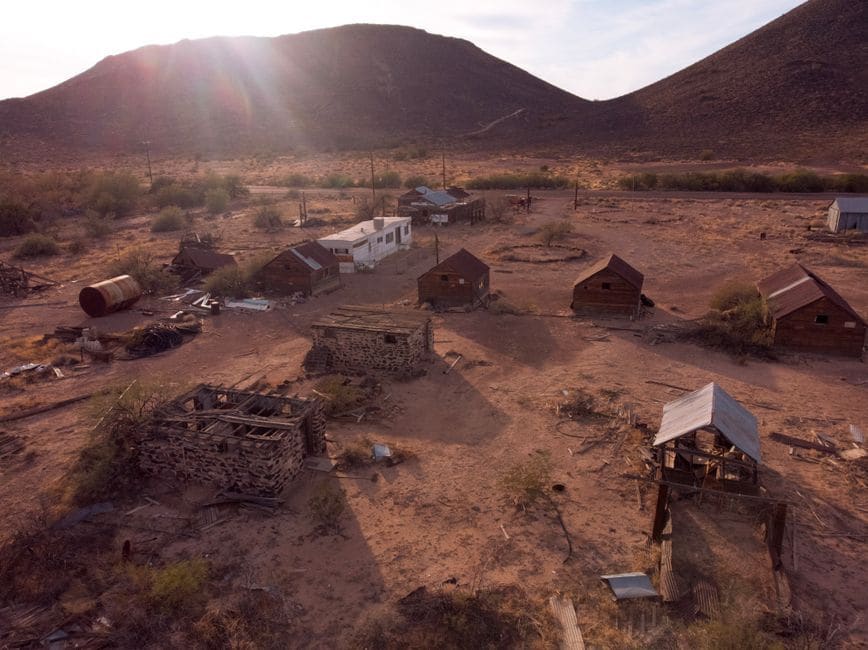
Ghost Town Village looks out toward the historic Ghost Town in the Sky, the mountaintop Wild West attraction that opened above Maggie Valley in the 1960s, roughly 14 miles east of Cherokee. Its saloons, weathered storefronts, and overgrown ride areas hold a frozen-in-time atmosphere that has drawn filmmakers looking for an authentic abandoned Western set high in the Smokies.
Regular operation wound down in the early 2000s, and the park has kept its ghostly quiet ever since. A lookout point equipped with binoculars lets you scan the surrounding ridges and take in sweeping views across the valley below, a rewarding pause that pairs the eerie history of the place with some of the finest mountain scenery in the region.
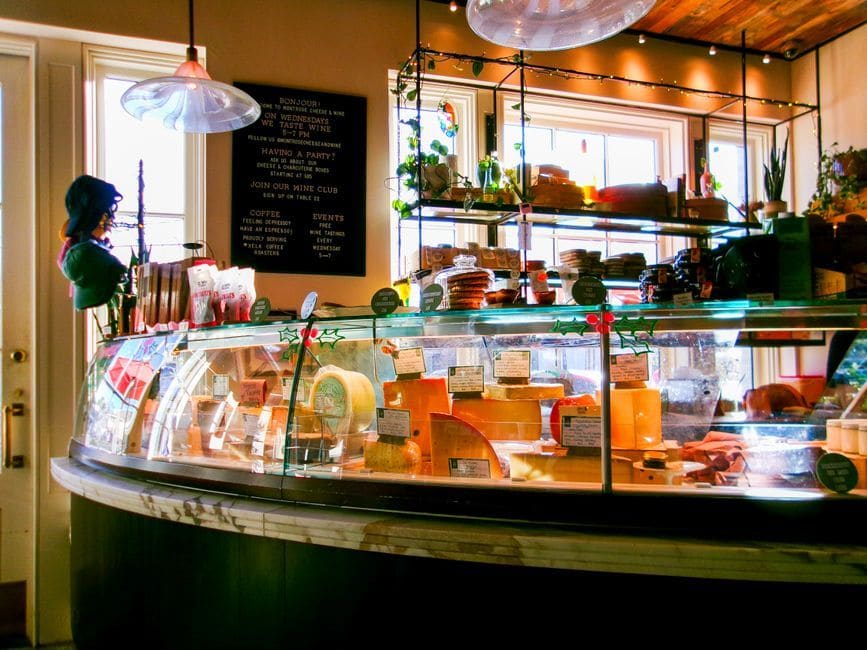
Front Porch Cakery & Deli builds its reputation on sandwiches stacked with generous fillings and rotating flavour combinations, so the lineup shifts depending on when you drop in. It is a genuinely local stop in Cherokee, the kind of counter where the menu rewards a return visit and the regulars already know which combination they are ordering.
Save room for the bakery case, which is the real draw. The cinnamon rolls arrive oversized and pull apart in warm, sticky layers, while the red velvet brownies pack a dense, cocoa-rich bite. Both sell out when word gets around, so arriving early gives you the best shot at the full spread of sweets.
Smoky Mountains Helicopter Tour lets you trade boots for rotor blades. This operator flies over the Great Smoky Mountains and the surrounding North Carolina scenery, revealing ridgelines, forested valleys, and river bends that stay hidden from the trails below. It is the fastest way to grasp just how vast and unbroken the Smokies really are.
A popular route runs roughly thirty minutes over the Fontana area, tracing the lake and the wooded slopes that ring it. From a few hundred feet up, the scale of the national park comes into focus, and you cover ground in minutes that would take hikers the better part of a long, sweaty day.
12. Fly Fishing Museum of the Southern Appalachians
The Fly Fishing Museum of the Southern Appalachians celebrates the region's angling heritage, though this museum focused on fly fishing has moved from Cherokee to nearby Bryson City, a 15-minute drive west. You will find it downtown near Island Park, marked by giant fish statues at the entrance and worth the short trip for anyone curious about the sport.
Inside, displays feature gear from legendary anglers, iconic reels and rods, and a hand-built drift boat that captures generations of craft. A working rod-building workshop shows the trade in action, and a gift shop rounds out the visit. Modest in scale, it rewards the detour for the stories woven through Southern Appalachian waters.
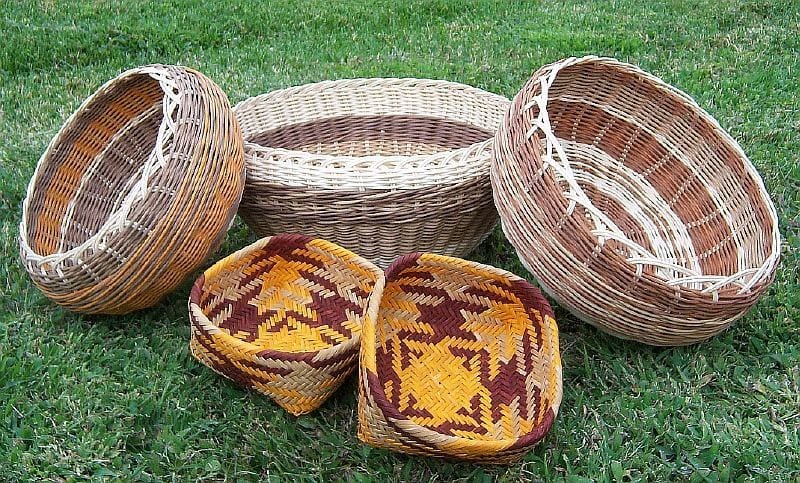
Oconaluftee Indian Village recreates an 18th-century Cherokee community through living history. Costumed interpreters work at their crafts across the site, hulling canoes from logs, weaving baskets by hand, and demonstrating the blowgun and wartime skills that once shaped daily life here. Traditional dances punctuate the day, performed the way they have been for generations.
Guided forest walks lead visitors deeper into the setting, past historic structures and through the plant life the Cherokee relied on for food, medicine, and tools. Every station is staffed by someone ready to explain the technique in front of you, turning a walk through the village into a close look at a culture still very much alive.
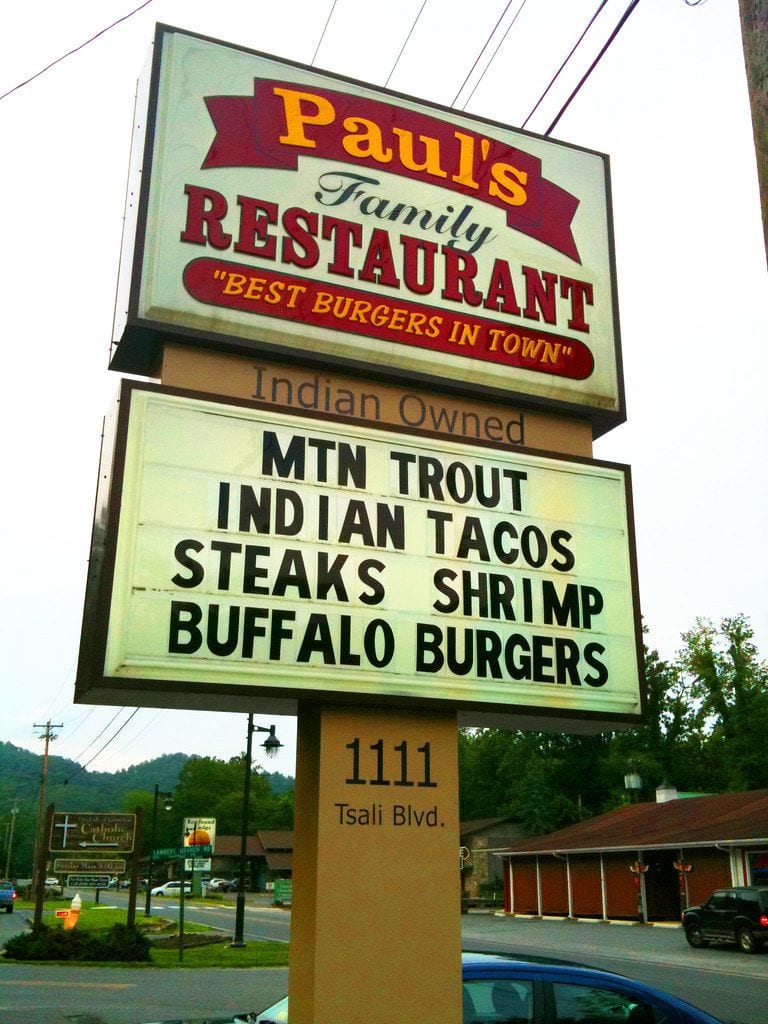
Paul's Family Restaurant serves Indian tacos built on puffy traditional fry bread, a Cherokee staple worth seeking out. The menu leans into regional specialties you won't find just anywhere, including elk burgers and pheasant breast, giving you a genuine taste of Appalachian and Native American cooking in a relaxed, family-run setting.
Save room for the sweet side of the fry bread, which comes dressed with blueberries and other simple toppings that turn the same dough into dessert. Quaint outdoor seating makes it a pleasant spot to linger over a plate, watching the mountain town go by between bites of something you rarely see on a menu.
Harrah's Cherokee Casino Resort spreads out like a small city, so much so that you could spend a day here without ever touching a slot machine. Around eleven restaurants cover everything from Tuscan pasta to quick sandwiches, and cocktail bars pour drinks against a backdrop of Smoky Mountain views. Harrah's Cherokee Casino gives non-gamblers plenty of reasons to walk through the door.
Beyond the gaming floor, the resort keeps families and groups busy with bowling lanes, billiards tables, karaoke, and an arcade packed with screens. When you want to slow down, a full-service spa handles the unwinding. It is less a single attraction than a cluster of them stacked under one roof, each one worth a stop.
Wize Guyz Grille is a fast, casual grill built for big appetites, with a sprawling menu that runs from pizza and nachos to hot dogs, chicken wings, and burgers. Portions arrive generous, and the pace is quick, making it an easy stop when hunger hits between adventures around Cherokee.
Plant-based eaters are looked after too, with vegan choices that include an Impossible burger holding their own against the meaty lineup. It is a straightforward, satisfying spot to refuel, no fuss required, and the variety means there is something to please just about every craving.
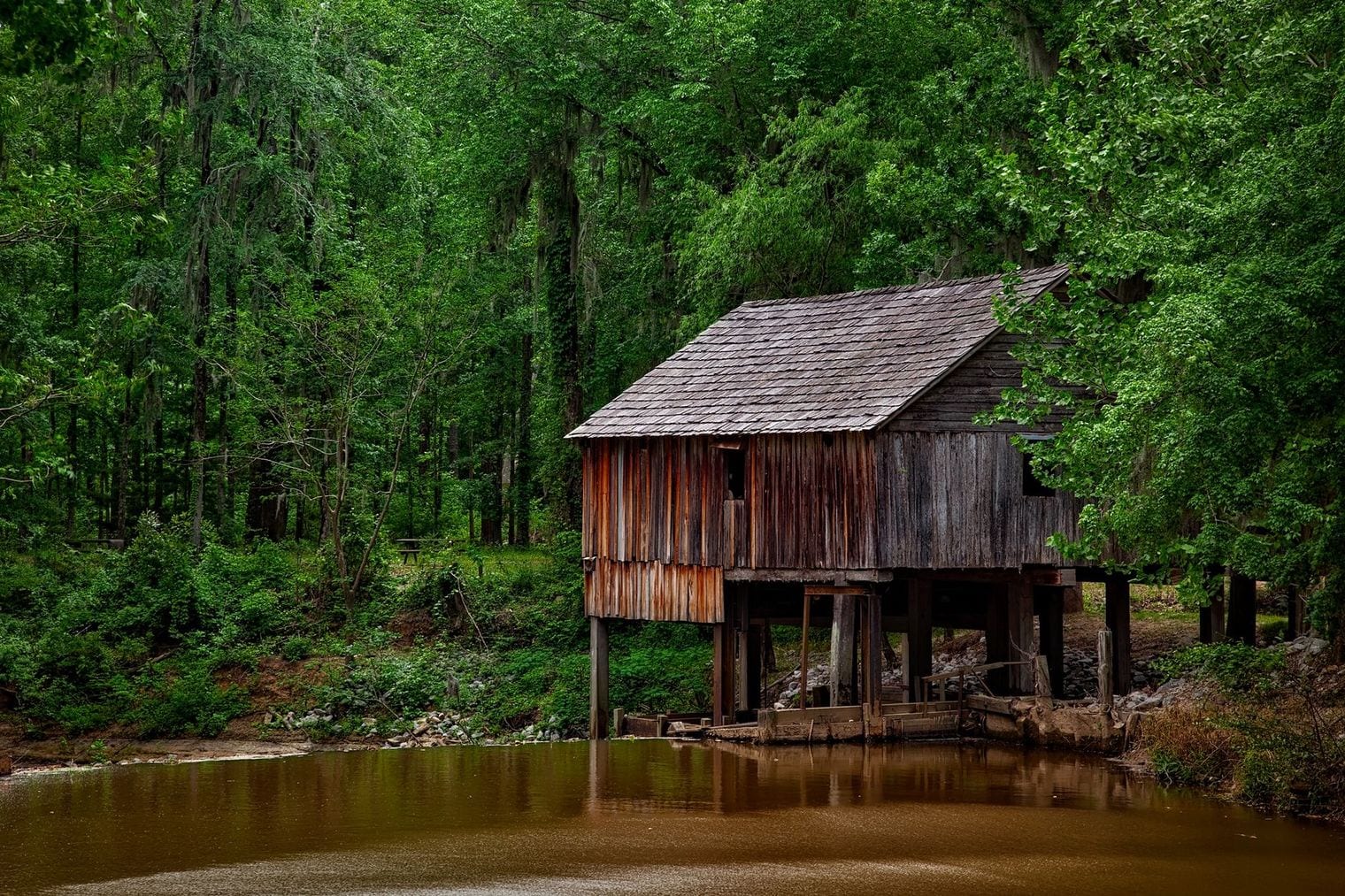
Saunooke Mill is a historic working mill in Cherokee, and one so old that its exact origins have slipped from the record. It still turns out freshly milled foods, the same everyday work it has done for generations, giving you a rare chance to buy stone-ground goods straight from a mill that never stopped running.
Alongside the flours and meals, the mill carries a growing selection of local gifts, making it a great spot to pick up authentic Cherokee goods to take home. Between the milled staples and the handmade crafts, it rewards a slow browse and sends you off with something genuinely rooted in the place.
Joyce Kilmer Memorial Forest protects 3,800 acres of old-growth woodland named for the poet Joyce Kilmer, author of "Trees." Two roughly two-mile loop trails wind beneath the canopy, carrying you past some of the largest tulip poplars in the region, ancient giants that have stood for more than four centuries.
The stand ranks among the finest tracts of old-growth hardwood left in the Eastern United States, a rare window into how these mountains looked before logging reached them. Walking here feels quieter and cooler than the surrounding terrain, the forest floor thick with ferns, moss, and the slow accumulation of centuries.
Qualla Arts and Crafts is a cooperative founded in 1946, making it one of the oldest Native American arts cooperatives in the country. It preserves and sells the authentic craftsmanship of the Eastern Band of Cherokee, gathering traditional and modern work from member artists into a single collection that reflects generations of skill.
You will find it near the Museum of the Cherokee People, an easy pairing for an afternoon spent exploring the region's heritage. The prices here reflect genuine authenticity rather than mass production, and every basket, carving, and beaded piece carries the mark of a working craft tradition that has never lapsed.
Cherokee Roots, run by Bob Blankenship, an enrolled member of the Eastern Band, gives visitors a way into the deep history of the Cherokee people. Blankenship has gathered an extensive collection of research materials here, drawing on years of study devoted to the families, records, and lineages that trace the tribe's presence in these mountains.
If you suspect Cherokee ancestry in your own family tree, the research service can help you follow the thread. Staff work through the available records to confirm or rule out a connection, turning vague family stories into something you can actually document. It is a meaningful stop for anyone curious about where they come from.
BJ's Diner is a Cherokee spot that stakes its reputation on serving the best burgers in town. The name to know is the Buddy burger, a huge, unapologetically indulgent creation built from nearly a pound of beef and stuffed with peppers, onions, bacon, and cheese, then finished with salad and sauce on a sesame bun.
It is easily one of the most indulgent burgers around, and the sort of meal that turns a quick lunch stop into the highlight of the day. Come genuinely hungry, because this is a burger designed to be shared or seriously reckoned with, and you will leave in no doubt about why locals keep coming back.
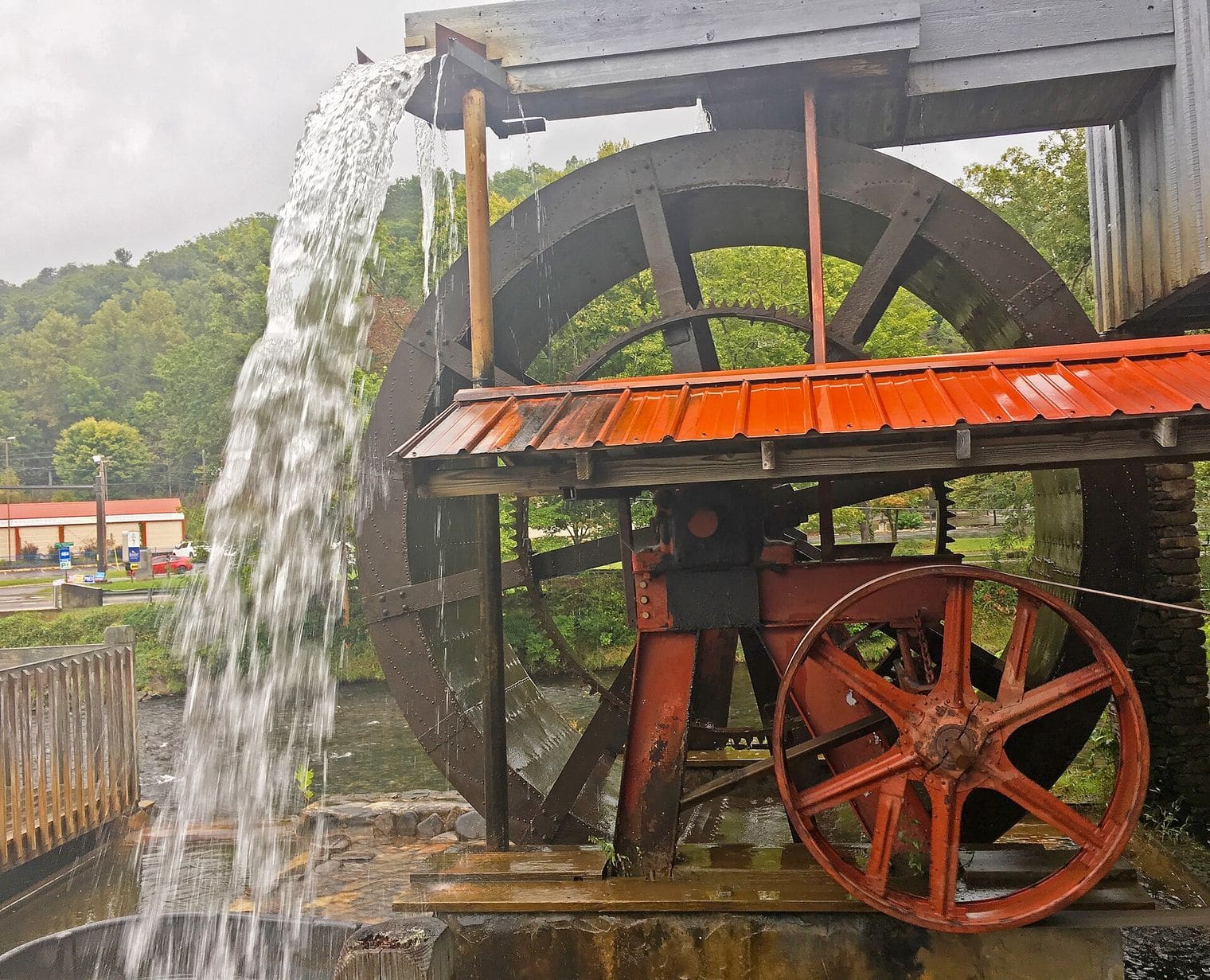
Mingus Mill grinds corn much as it did when it opened in 1886. A historic functioning mill powered entirely by water, it sits near the Oconaluftee Visitor Center, where knowledgeable staff run the machinery as a working demonstration. Watch the wheels turn, then carry home a bag of freshly milled corn straight from the stones.
The setting rewards a longer stay. Several trails branch off nearby, threading through the woods for those who want to stretch their legs after the mill. A short walk also leads to a historic graveyard whose earliest markers date to the late 1700s, quietly rooting the whole site in more than two centuries of local history.
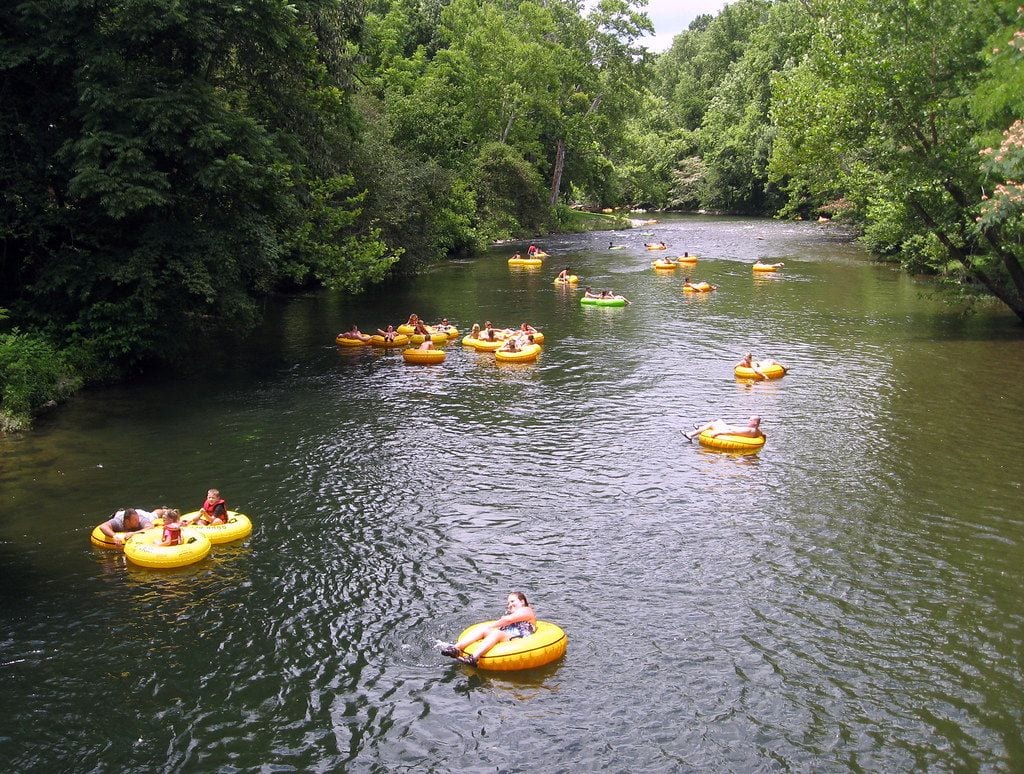
Cherokee Rapids River Tubing trades whitewater thrills for a slow summer float down the river. The outfitter hands you a tube and life jacket, then shuttles you to the top of the run so you can drift back down at your own pace. Along the way, gentle features keep the trip lively, including a rope swing for anyone who wants to add a splash.
The float runs through the warm-weather months, roughly from Memorial Day into early September, when the river is at its friendliest. It is an easygoing way to cool off between hikes and mountain drives, suited to families and first-timers who want the water without the rapids. Pack sunscreen, leave the schedule behind, and let the current do the work.
Qualla Java Café is a Native-owned specialty coffee shop on the Qualla Boundary at 938 Tsalagi Rd, run by enrolled members of federally recognised Indigenous nations alongside a Colombian partner. That heritage shapes the cup: small-batch Colombian coffee poured across a range of roasts, from bright and light to deep and dark, with fresh pastries to round out the order.
Settle in and the café rewards a lingering stop. Behind the shop, a riverside seating area lets you take your coffee out to the water, trading the counter for the sound of the current. It is an easy, grounding pause between Cherokee's bigger attractions, and a genuine taste of local ownership on the Boundary.
Sequoyah National Golf Club rewards players who like a course with teeth. This 18-hole mountain layout in Whittier, just outside Cherokee, runs about 6,600 yards through classic Smoky Mountain terrain, with elevation changes and scenery working equally hard against your scorecard. It was built to test skilled golfers, and it delivers on that promise hole after hole.
Warm up first on the generous practice area, and if your swing needs tuning, the resident PGA professionals handle club fitting on site. Prefer to walk the ridges without hauling your own bag? Caddy hire is available, leaving you free to read the breaks and take in the mountain views that frame nearly every fairway.
Best Time to Visit Cherokee
Autumn is Cherokee's headline season. Sitting around 2,000 feet at the southern edge of the Great Smoky Mountains, the surrounding ridges turn gold and crimson from roughly early October into early November, and the drive up to the national park is one of the finest leaf runs in the Southern Appalachians. It is also the busiest stretch, so weekday mornings on the Blue Ridge Parkway and park entrances reward an early start.
Late spring and early summer bring rushing waterfalls, wildflowers, and comfortable hiking weather before the humid heat of high summer settles in. Summer is family-attraction season, when Santa's Land, tubing on the Oconaluftee, and the outdoor drama season are all in full swing. Winter is the quiet shoulder: the town slows, some seasonal attractions close, and the higher trails can see snow, but the casino, museum, and mountain scenery stay open year-round for anyone wanting the Smokies without the crowds.
Getting to Cherokee
Cherokee sits at the southern doorstep of the Great Smoky Mountains, where two of the region’s main mountain highways meet. US Highway 441 runs north through the national park as Newfound Gap Road and south toward the Georgia line, while US Highway 19 threads east and west across the Blue Ridge; most visitors reach town by leaving Interstate 40 for the Great Smoky Mountains Expressway (US 74) and following it west to the Cherokee exits. There is no interstate directly into town, so the final stretch is a scenic run of two-lane and four-lane mountain highway rather than a freeway.
The closest commercial airport is the regional field near Asheville, roughly an hour’s drive east, which is the most convenient option for a short trip. Travellers who want a wider choice of flights often fly instead into the larger hub across the state line near Knoxville, Tennessee, about two hours away by car, and drive in from there. Cherokee has no passenger rail and no scheduled long-distance bus service of its own, so a car is essential for the last leg of the journey no matter which airport you choose.
Getting Around Cherokee
The compact riverside core of Cherokee, strung along the main highway where the shops, the tribal museum, and the island park cluster together, is easy to explore on foot once you have parked, and a riverside stroll links several of the town’s central sights. Beyond that walkable stretch, though, the community spreads out along the highway corridors and up into the surrounding valleys, and the national park trailheads, the outlying attractions, and the mountain overlooks are all distances that reward having your own vehicle.
A car is genuinely the practical way to get around here; there is no comprehensive local transit network aimed at visitors, cycling is best suited to confident riders on the mountain roads rather than casual point-to-point trips, and rideshare availability is thin and unreliable this deep in the mountains. The upside is that parking is generally free and plentiful, with lots beside the central attractions and the park entrances, so driving between sights and leaving the car while you walk the core is straightforward.
Where to Stay in Cherokee
For first-time visitors, the central riverside district along the main highway is the most convenient base: it puts you within walking distance of the tribal museum, the island park, and the shops, and it keeps the shortest possible drive to the Newfound Gap Road entrance into the national park. Staying central means you can leave the car and stroll to dinner or the river in the evening rather than driving for everything.
If you prefer quiet over convenience, the valleys and ridges just outside the core, set back along the creeks and up the mountain roads, trade a short drive for more seclusion and a more rural, wooded setting, which suits travellers here mainly for hiking and the park. Bases nearer the highway junctions on the eastern approach are handy if you plan to arrive late or day-trip out toward Asheville, since they shave time off the drive back to the expressway, while anywhere along the US 441 corridor keeps the park itself only minutes away.
Where to Eat in Cherokee
The dining in Cherokee concentrates along the central highway strip and the riverside core, where casual mountain cooking is the mainstay. This is Southern Appalachian food country, so look for the regional staples: trout pulled from the cold mountain streams, country ham and biscuits, slow-cooked barbecue, cornbread, beans, and fried mountain vegetables, along with the hearty comfort-food breakfasts that fuel an early start on the trails.
The most distinctive thing to seek out is traditional Cherokee cooking, which leans on ingredients native to these mountains. Bean bread and hominy-based dishes appear on local menus, along with fry bread, and the freshwater trout that gives the town its own fly-fishing heritage a place at the table. Between the central strip and the small eateries near the park entrance, you can eat your way from a mountain-trout dinner to a plate of Appalachian home cooking without straying far from the river.
One Day in Cherokee
Cherokee packs a surprising amount into a compact valley on the Qualla Boundary, and a single well-planned day lets you pair a mountain morning with an afternoon steeped in Cherokee history & craft.
Morning: Start with a caffeine fix at Qualla Java Café before the roads fill, then drive the short way north toward the national-park boundary to chase falling water. The trail to Mingo Falls is a quick but stair-heavy climb that rewards you with one of the tallest cascades in the Southern Appalachians — go early while the light is soft and the parking lot is still empty. From there it’s a few minutes to the Mountain Farm Museum, a cluster of relocated log homesteads, and the beautifully preserved Mingus Mill, where a water-powered turbine still drives the stones. These open-air stops sit close together and make the most of the cool early hours.
Afternoon: Head back into town for lunch, then dive into the culture that gives Cherokee its name. The Museum of the Cherokee People lays out thousands of years of history through the tribe’s own voice, and just up the hill the living-history Oconaluftee Indian Village re-creates an 18th-century community with hands-on demonstrations of pottery, beadwork & canoe-carving. Walk it off next door at Qualla Arts and Crafts, the artisan co-op where you can buy authentic basketry and carvings straight from the makers, then cool your feet on the walking trails and river islands of Oconaluftee Islands Park.
Evening: As the valley cools, point the car toward Harrah’s Cherokee Casino Resort, the after-dark hub of the Boundary, for a proper sit-down dinner, live entertainment and gaming under one roof — a relaxed end to a full day. If you have a second morning to spare, give it entirely to The Great Smoky Mountains, whose Oconaluftee entrance sits right on Cherokee’s doorstep and easily justifies a day of scenic drives and trailheads all its own.
Free Things to Do in Cherokee
You do not need to spend a cent to enjoy the best of Cherokee. Entry to Great Smoky Mountains National Park is free, so you can hike the gentle Oconaluftee River Trail, wander the open-air Mountain Farm Museum, and browse the exhibits at the Oconaluftee Visitor Center without paying admission.
In town, Oconaluftee Islands Park is a free riverside spot to wade, picnic, or catch tribal dancing, and the short trail to Mingo Falls delivers one of the most photogenic waterfalls in the Smokies for the price of a quarter-mile walk. Keep an eye on the fields near the visitor center in the cooler hours, when the resident elk herd often comes out to graze.
Day Trips from Cherokee
The obvious day trip is simply north: Newfound Gap Road (US 441) climbs straight through the heart of the Great Smoky Mountains National Park to the Tennessee side, and about an hour’s drive northwest over the crest brings you to Gatlinburg, the busy resort town at the park’s northern entrance. A little farther on, roughly an hour and a half northwest, Sevierville anchors the wider foothills, making an easy pairing with Gatlinburg for a full day across the mountains.
For a longer excursion, Johnson City lies well to the northeast, a drive of a bit over two hours through the high country of the Blue Ridge, and rewards the effort with a change of scene from the Smokies. Closer to home, the national park that wraps around Cherokee is a destination in its own right, with waterfalls, high overlooks, and the historic mountain farmstead all within an easy drive, so you never have to leave the immediate area to fill a day outdoors.
FAQ: Visiting Cherokee
What is Cherokee, North Carolina known for?
Cherokee is the capital of the Eastern Band of Cherokee Indians, the only federally recognized tribe headquartered in North Carolina, and it is known for living Cherokee culture at sites like the Museum of the Cherokee People, the Oconaluftee Indian Village, and Qualla Arts and Crafts. It is equally famous as the southern gateway to Great Smoky Mountains National Park and as the home of Harrah’s Cherokee Casino Resort.
Is Cherokee, NC worth visiting?
Yes. Cherokee rewards a visit with a rare combination of authentic Native American heritage and easy access to the most-visited national park in the country. You can spend a morning learning Cherokee history and craft, then chase waterfalls or spot elk in the afternoon, all within a few miles.
How many days do you need in Cherokee, NC?
Two days is the sweet spot: one for the cultural core — the Museum of the Cherokee People, Oconaluftee Indian Village, and Qualla Arts and Crafts — and one for the outdoors on the doorstep of Great Smoky Mountains National Park. Stretching it to three lets you explore deeper into the Smokies or add Harrah’s without rushing.
What is the best time to visit Cherokee, NC?
Late spring through fall is ideal. Summer is prime for tubing on the Oconaluftee and river play, while fall brings autumn color to the Smokies and the elk rut near the Oconaluftee Visitor Center. Elk are commonly seen grazing the fields in the cooler hours of spring, summer, and fall.
Is Cherokee, NC family-friendly?
Very much so. Hands-on culture at the Oconaluftee Indian Village, gentle wading and picnicking at Oconaluftee Islands Park, and beginner-friendly hikes and waterfalls like Mingo Falls make it a natural fit for kids of all ages, and the living-history demonstrations keep them engaged.
How far is Cherokee, NC from Gatlinburg and the Smokies?
Cherokee sits right at the park’s southern doorstep, with the Oconaluftee entrance just a couple of miles up US-441. Gatlinburg is roughly 35 miles away, about an hour’s drive over the mountains on Newfound Gap Road, the only route that fully crosses the national park. Asheville is around 50 miles east, also close to an hour by car.
What are some free things to do in Cherokee, NC?
Entry to Great Smoky Mountains National Park is free, so you can hike the Oconaluftee River Trail, tour the open-air Mountain Farm Museum, and see the exhibits at the Oconaluftee Visitor Center at no cost. In town, Oconaluftee Islands Park and the short trail to Mingo Falls are both free, family-favorite ways to enjoy the river and the waterfalls.