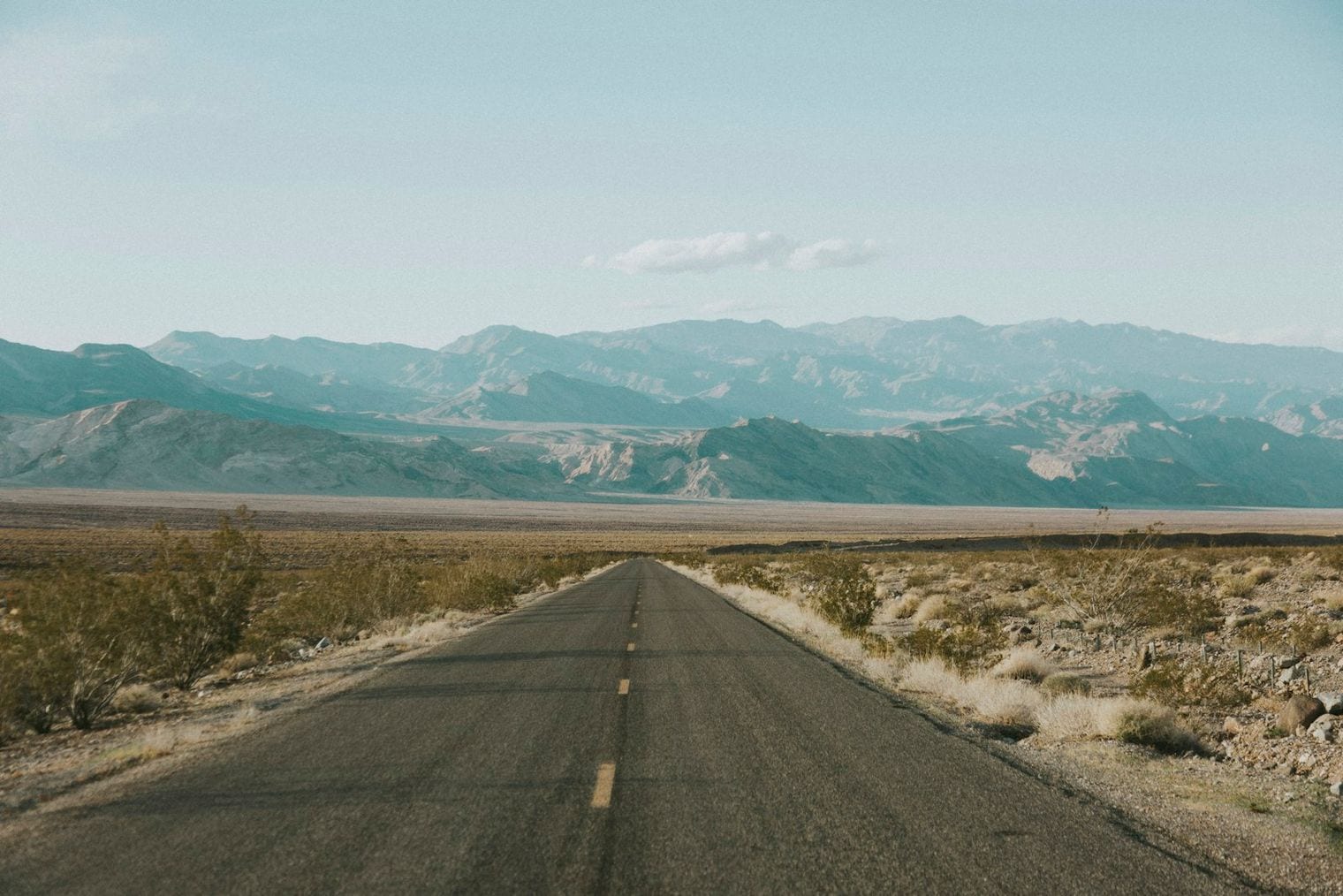
One state where you can surf at dawn, hike a granite valley by afternoon and cross a desert of Joshua trees before dark.
California runs more than 800 miles from the redwood coast to the Mexican border, packing surf beaches, Sierra Nevada peaks, wine country and desert national parks into a single state. Use this hub to plan your trip: browse our city and adventure guides below, or start with the full statewide list for the headline sights.
Green hills and wildflowers statewide, and the sweet spot for the deserts — Death Valley and Joshua Tree are comfortable before the summer heat. The coast can be grey with 'May gray' fog, but Yosemite's waterfalls run at full force from the snowmelt.
Summer
Jun–Aug
High season on the coast and in the mountains, when the Sierra passes and high country are fully open. Inland valleys and the deserts bake past 100°F, so save Death Valley for another season; San Francisco stays cool and foggy while Los Angeles and San Diego warm up.
Fall
Sep–Nov
Arguably the best all-round window: warm, clear days statewide, thinner crowds after Labor Day and harvest season in Napa and Sonoma. The coast often sees its sunniest weather now, and the deserts cool back into hiking range.
Winter
Dec–Feb
Ski season in the Sierra around Lake Tahoe, with storms that can close mountain passes for days. The southern coast and deserts stay mild and hikeable, whale-watching runs along the shore, and Yosemite Valley is quiet and dusted with snow.
Regions of California
Southern California & the coast
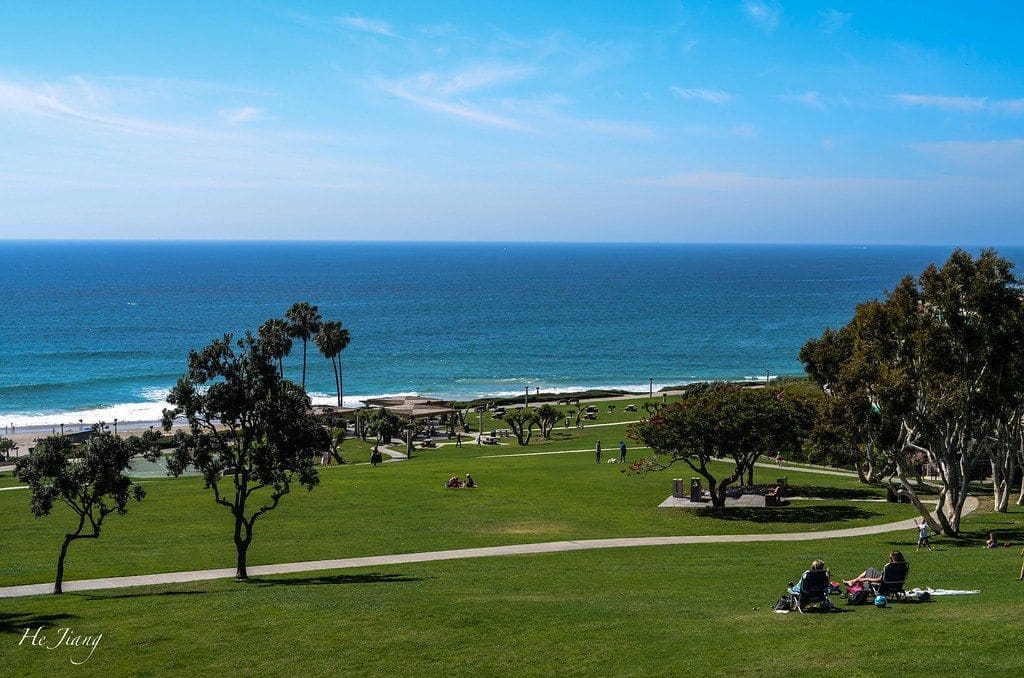
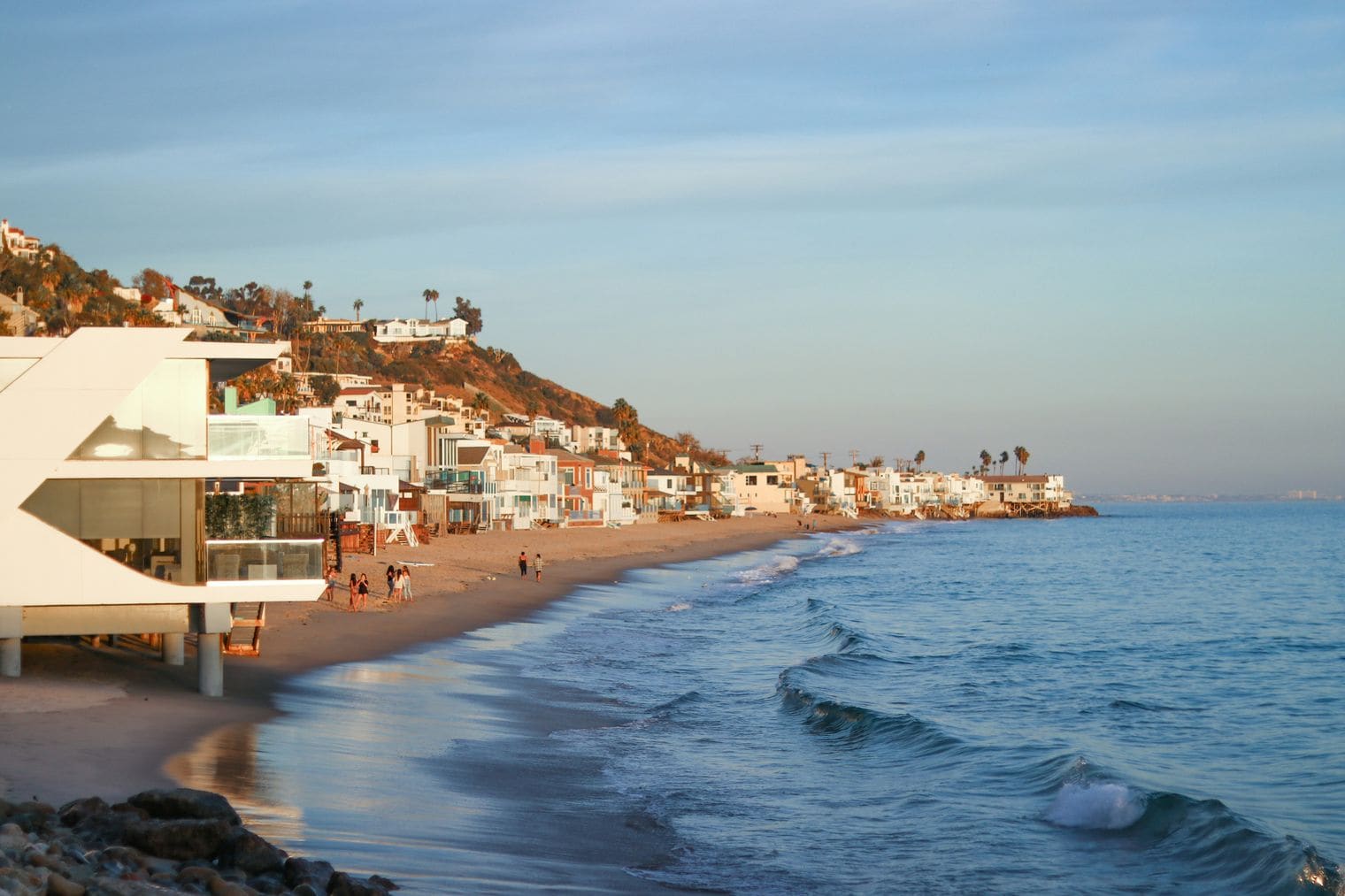
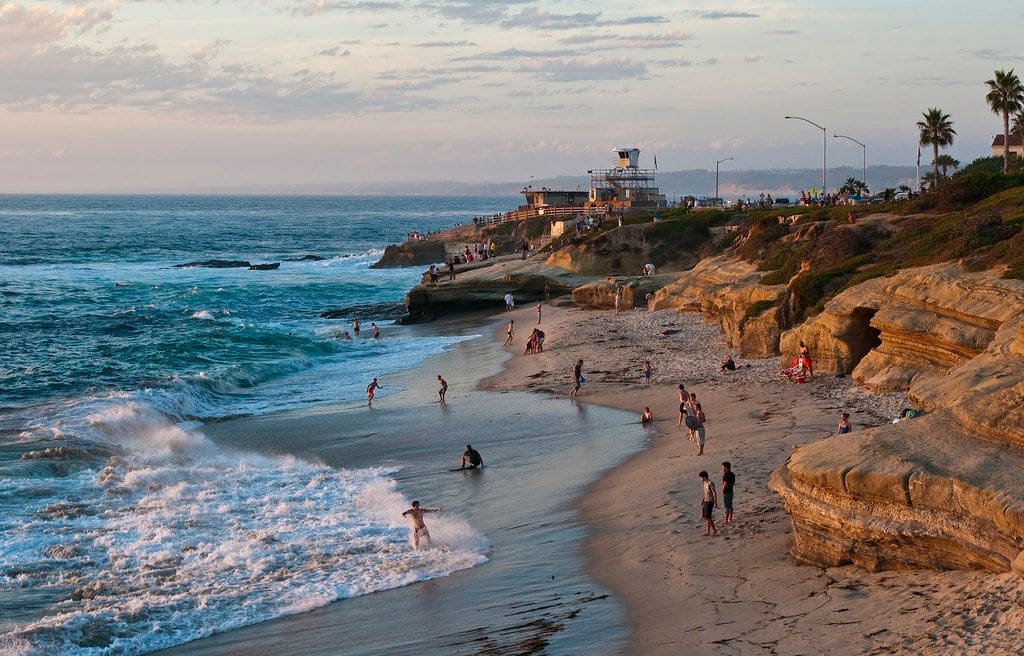
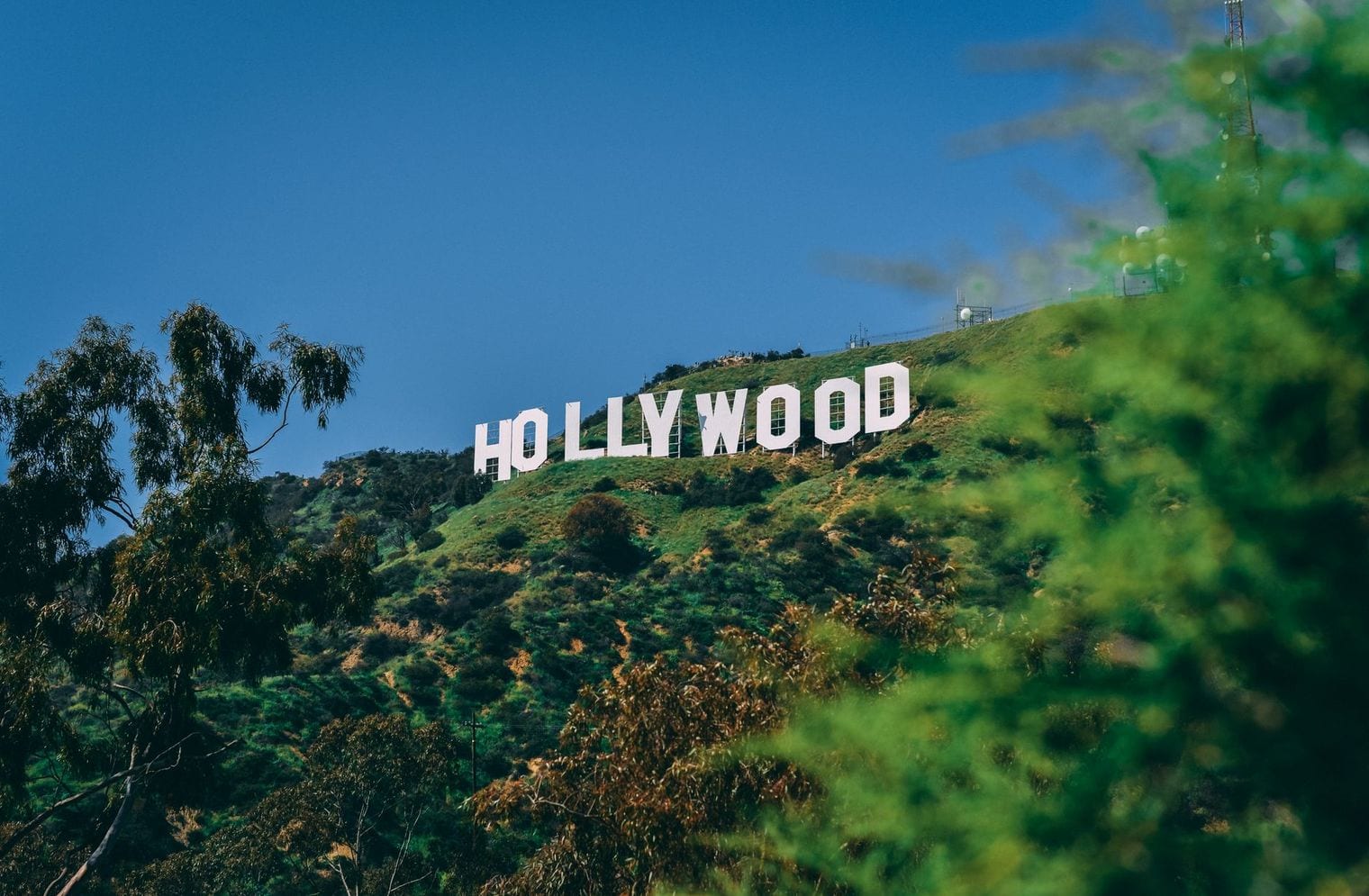
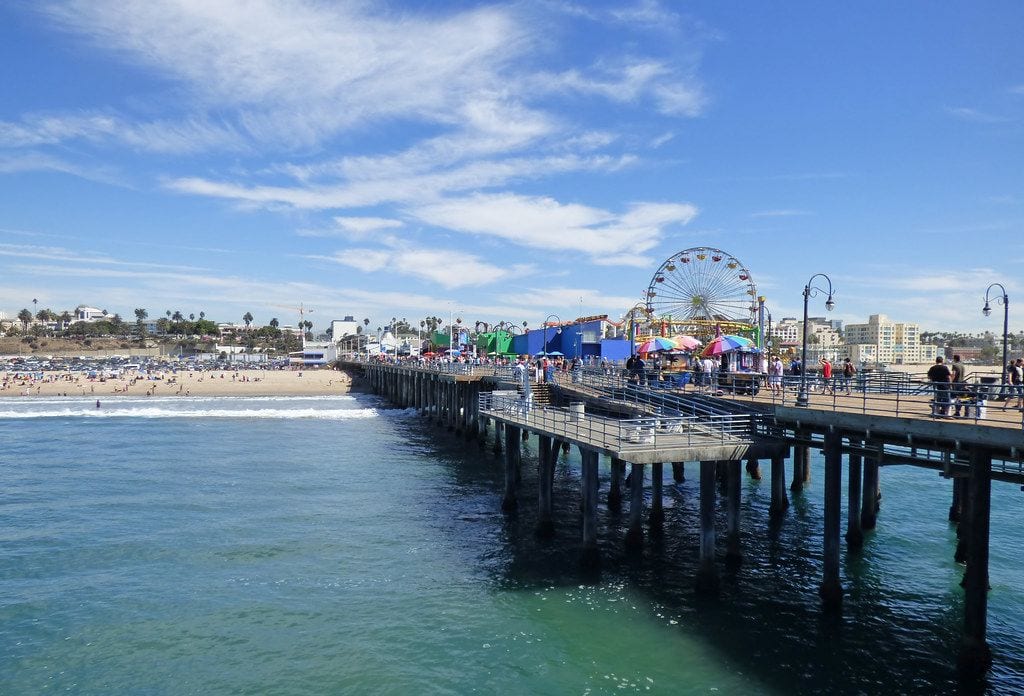
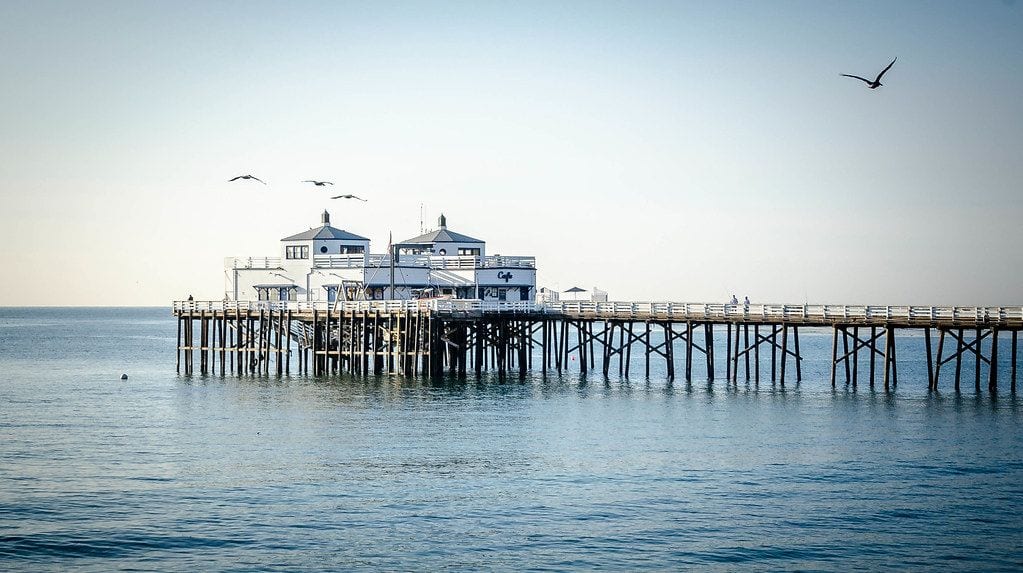
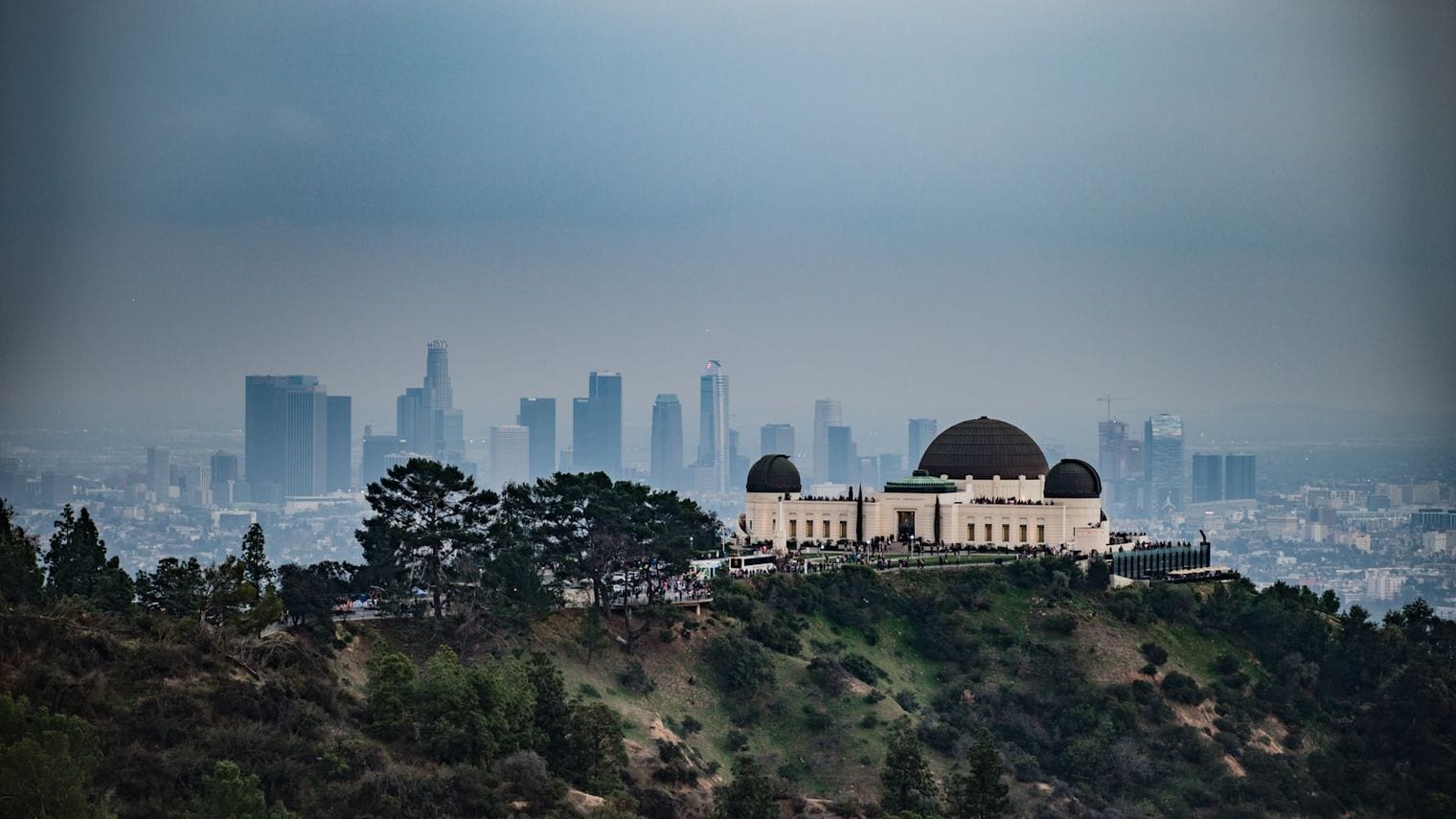
The sun-belt heart of the state, where Los Angeles pairs Hollywood and its beaches with day trips to Malibu, Pasadena, Irvine and the theme parks of Orange County, and San Diego anchors the far south.
The Bay Area & the north coast
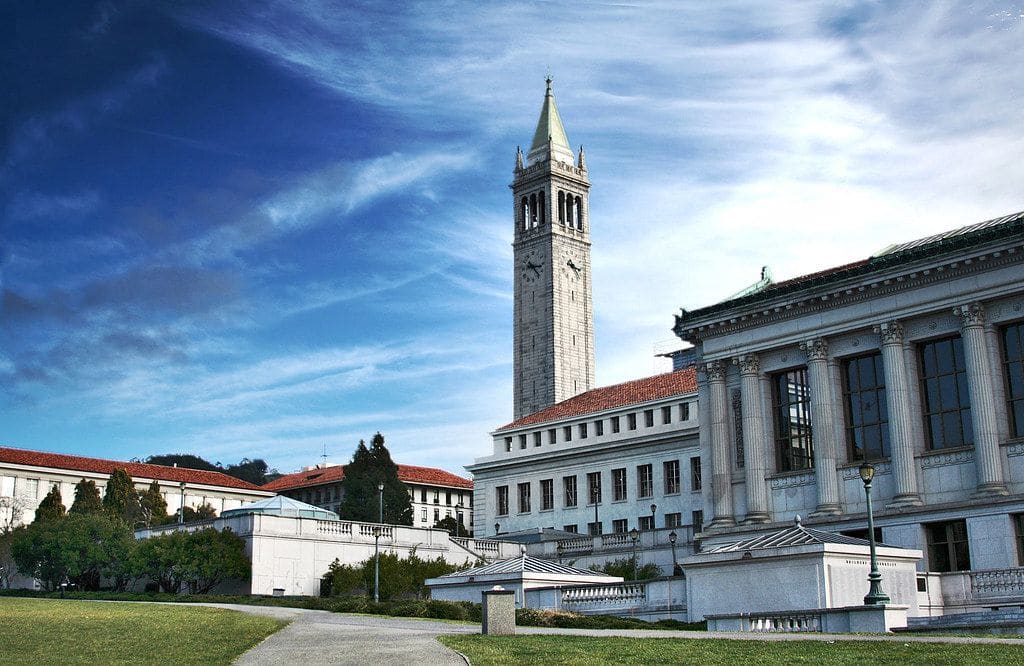
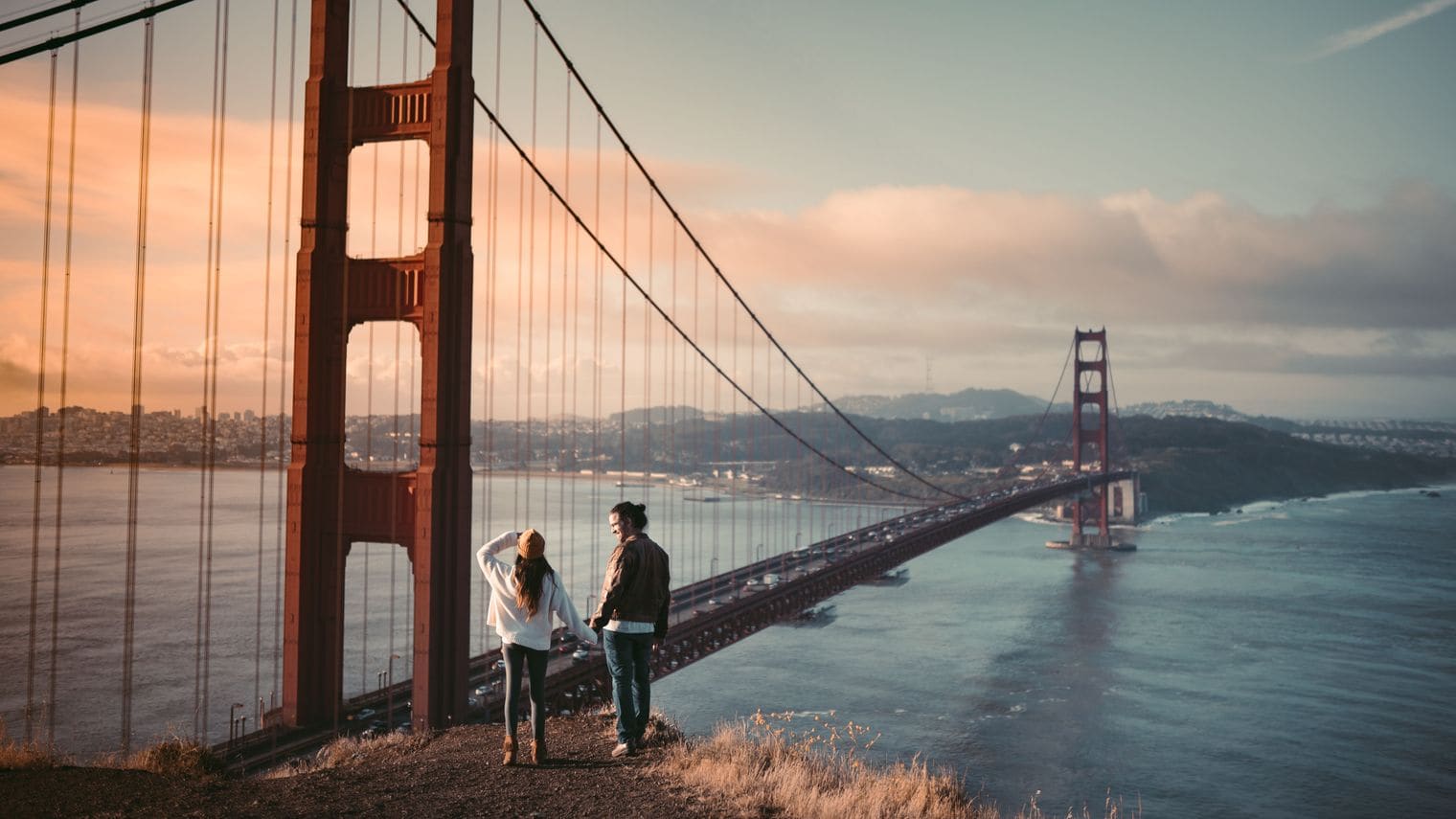
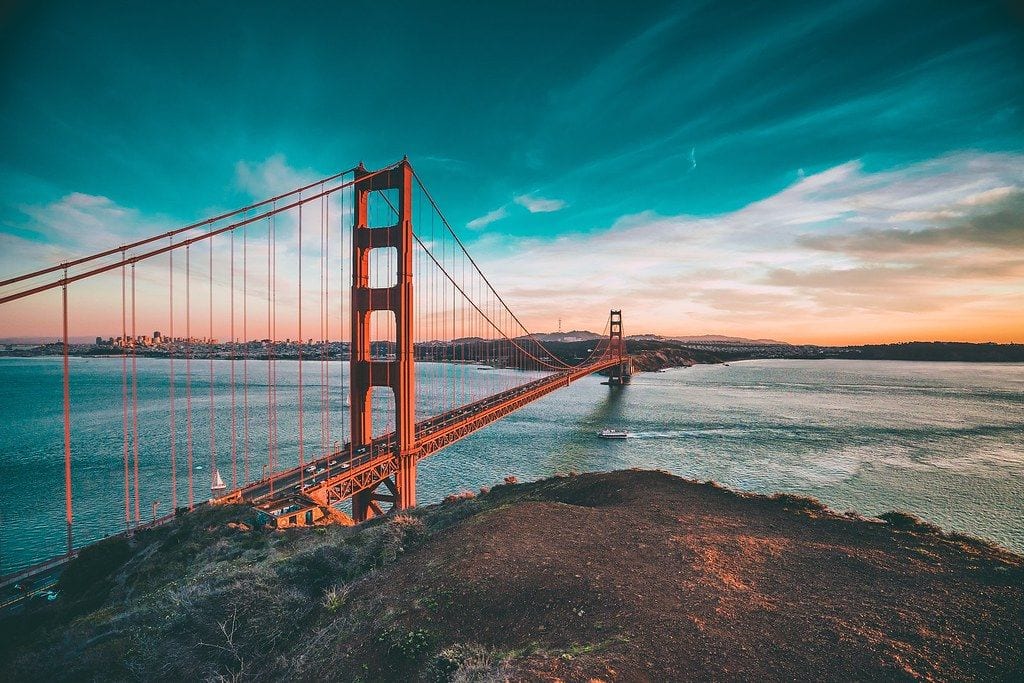
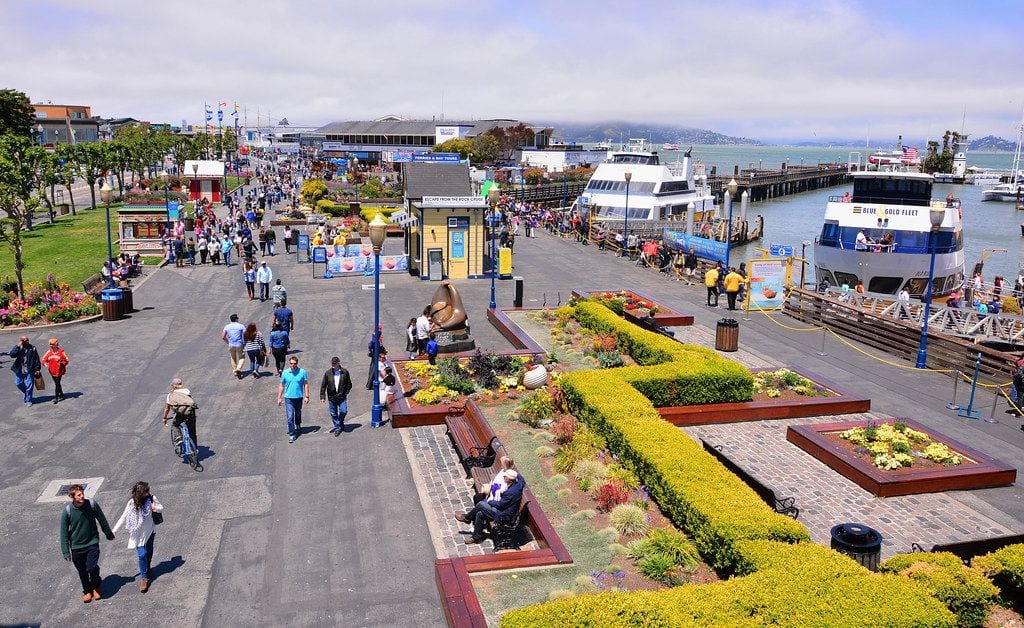
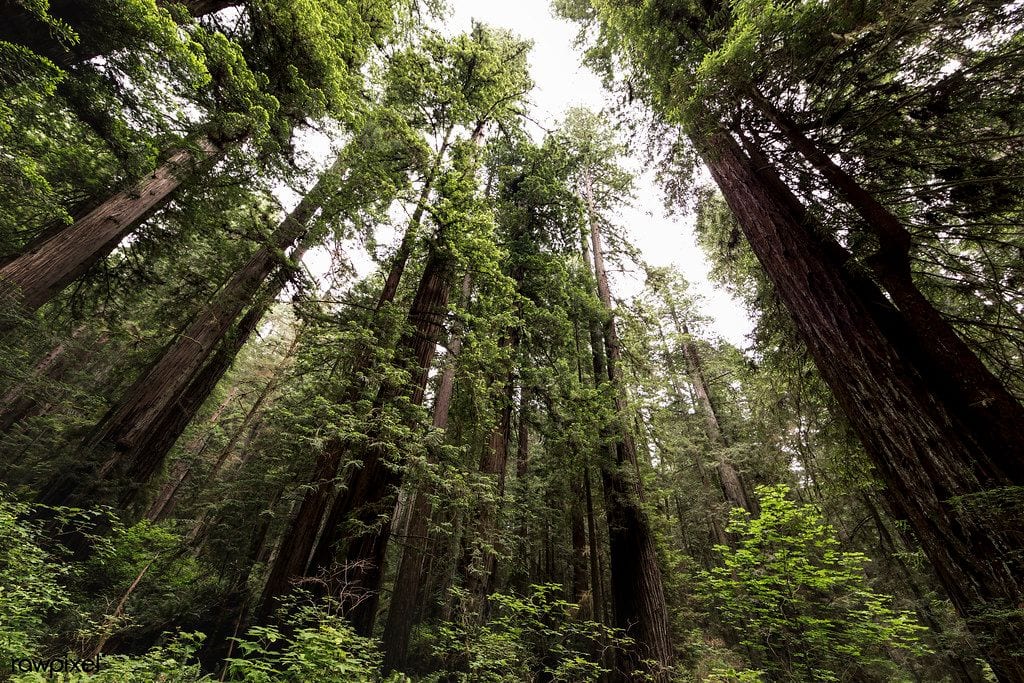
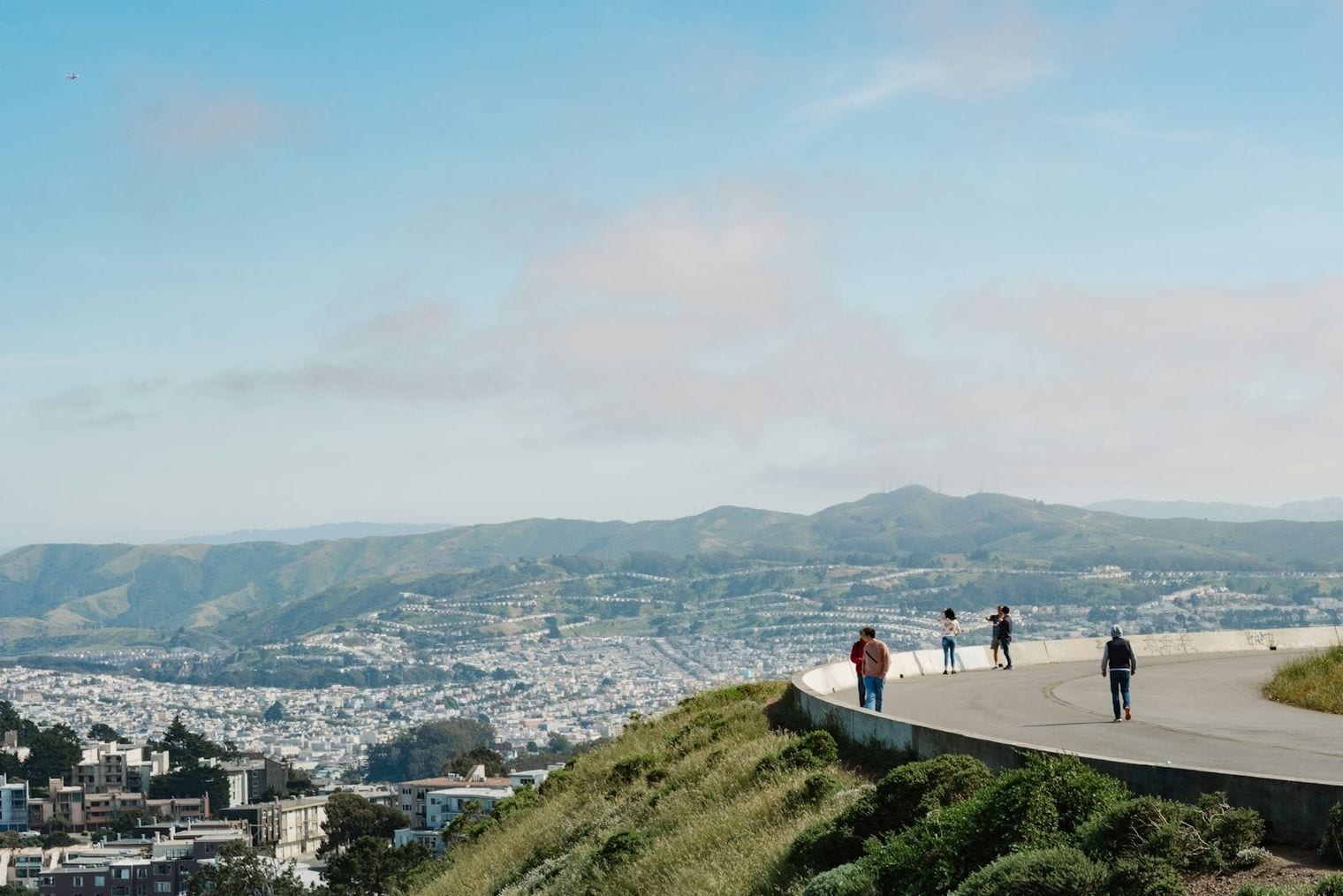
San Francisco and its neighbours — Berkeley across the bay — gateway to the wine country and the fog-belt redwoods, with Santa Rosa the basecamp for Sonoma and the drive north toward the giant redwood parks.
Central Coast
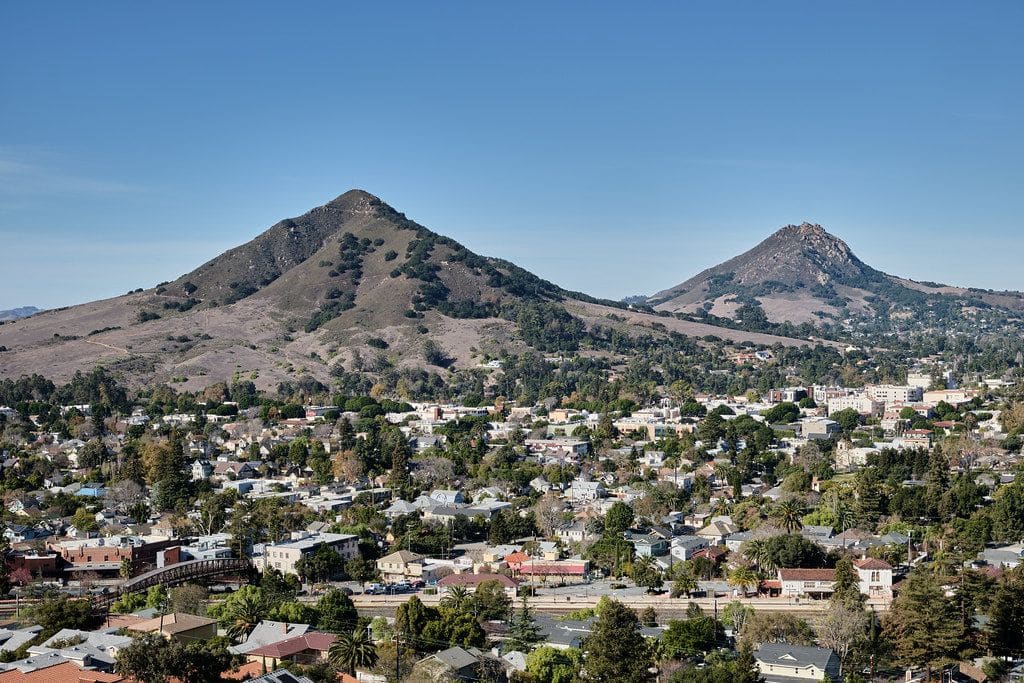
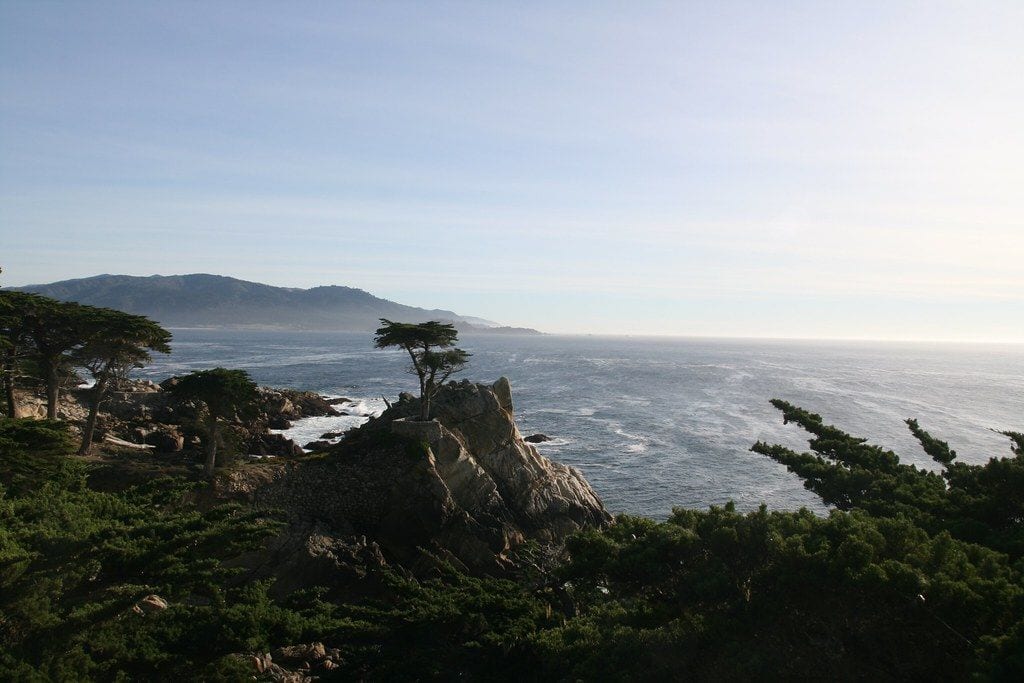
The scenic middle of Highway 1, where San Luis Obispo and Danish-styled Solvang anchor a stretch of beach towns, sea cliffs and the Monterey Peninsula between Los Angeles and San Francisco.
The Sierra Nevada
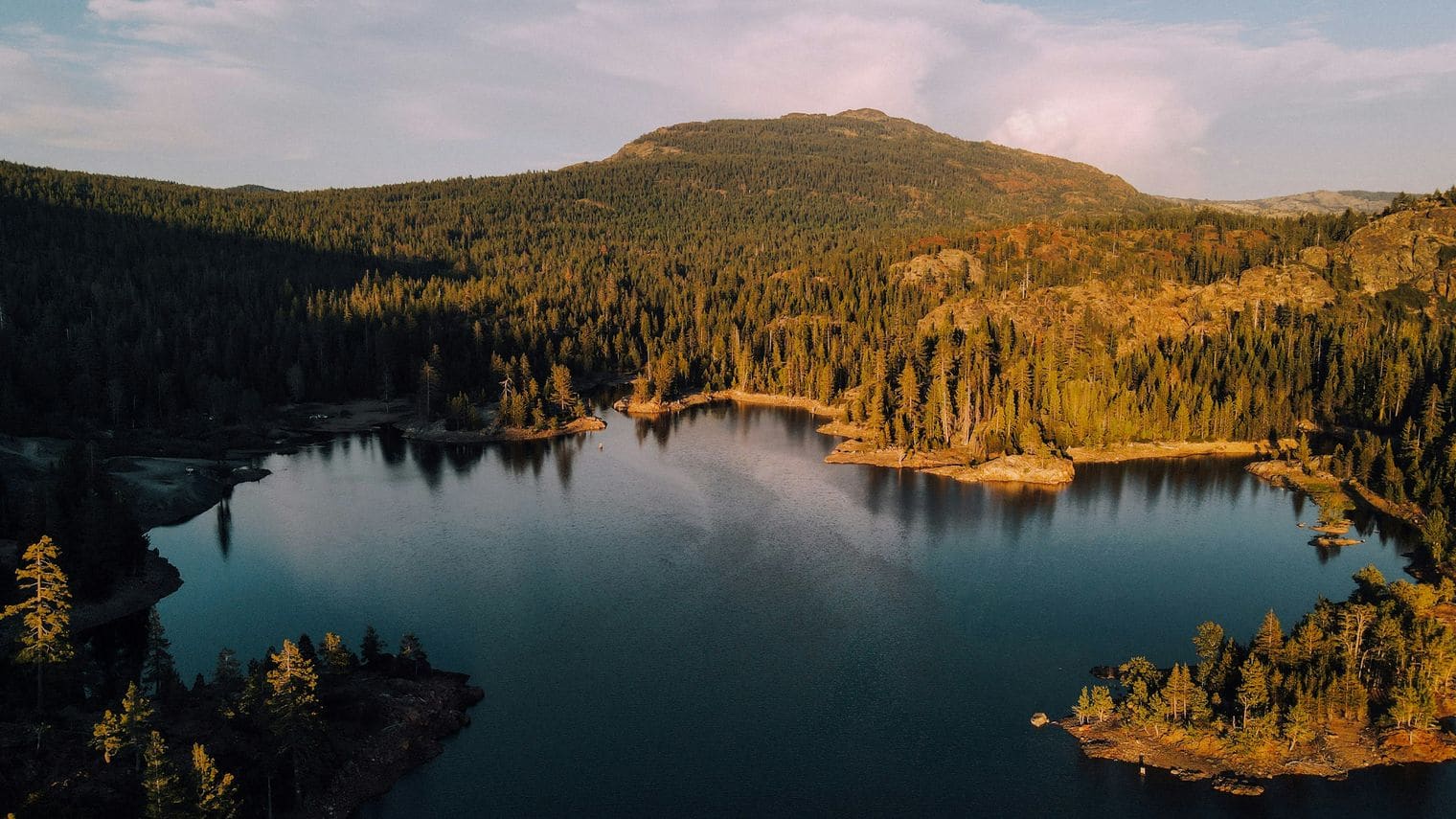
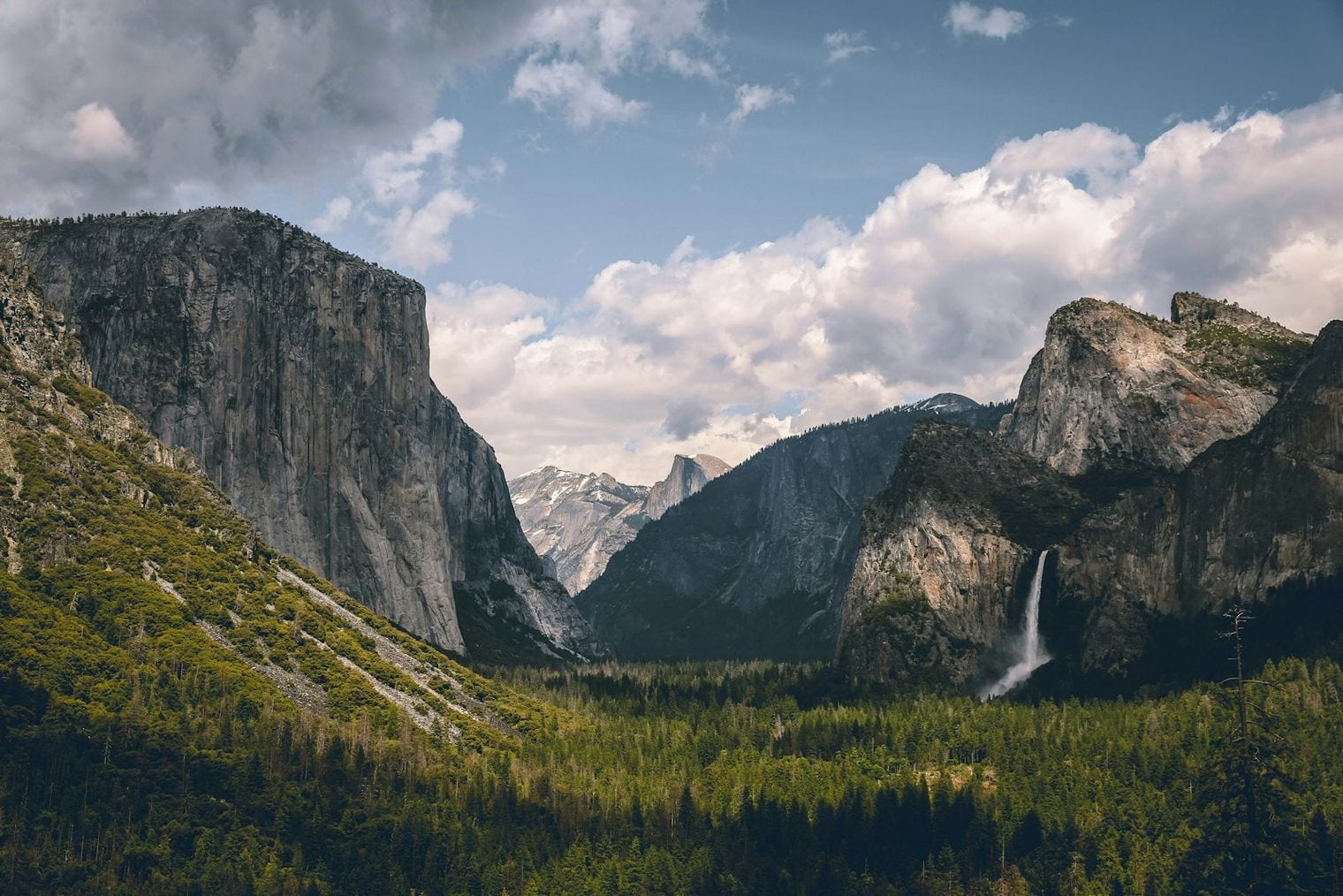
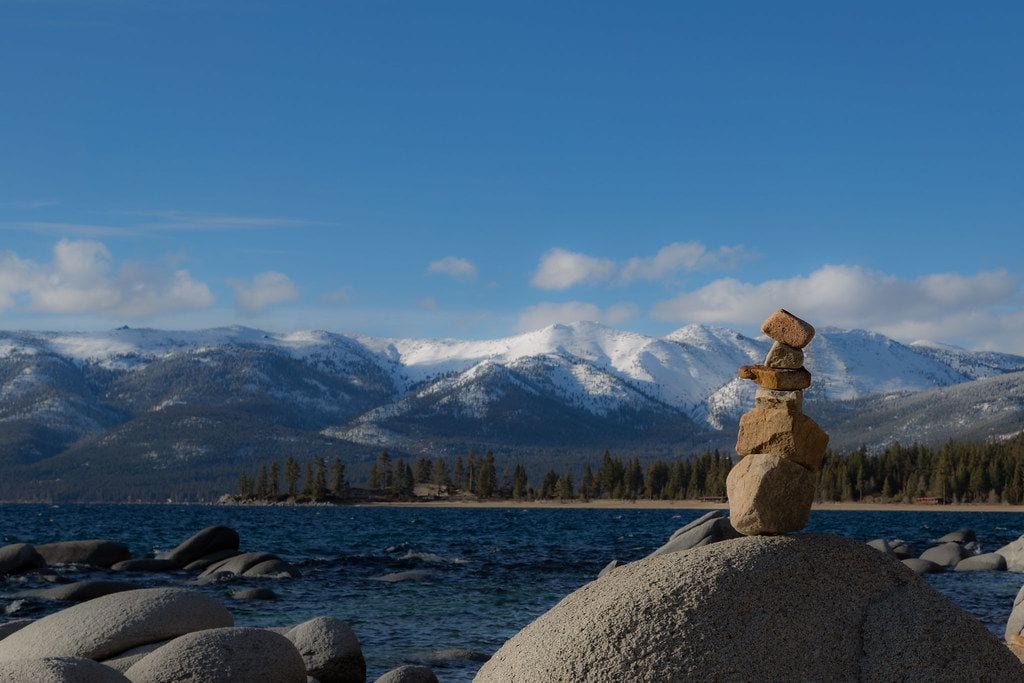
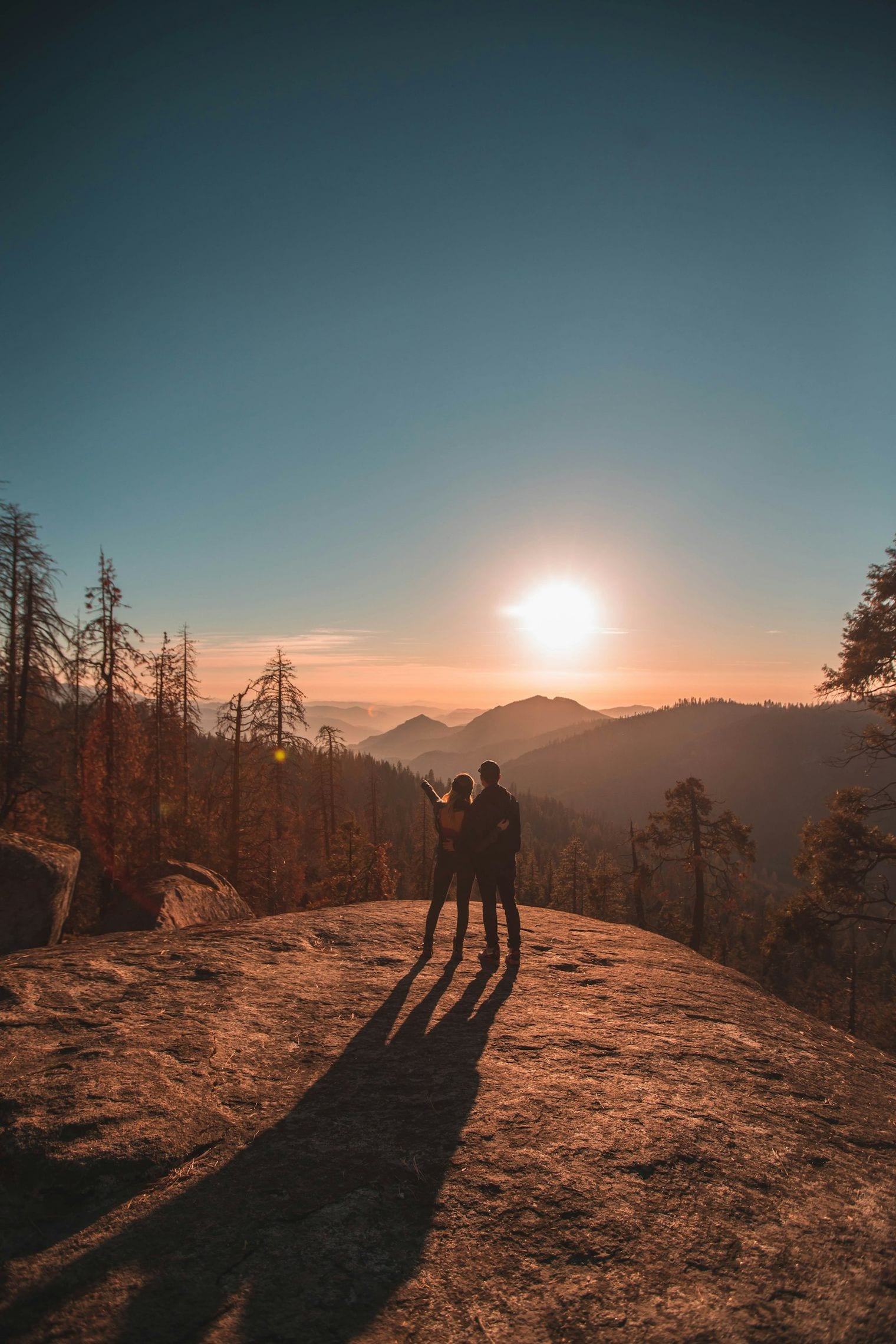
California's mountain spine, home to Yosemite, Sequoia and Kings Canyon and the granite high country, with Lake Tahoe straddling the Nevada line for skiing in winter and lake days in summer.
The deserts & inland empire
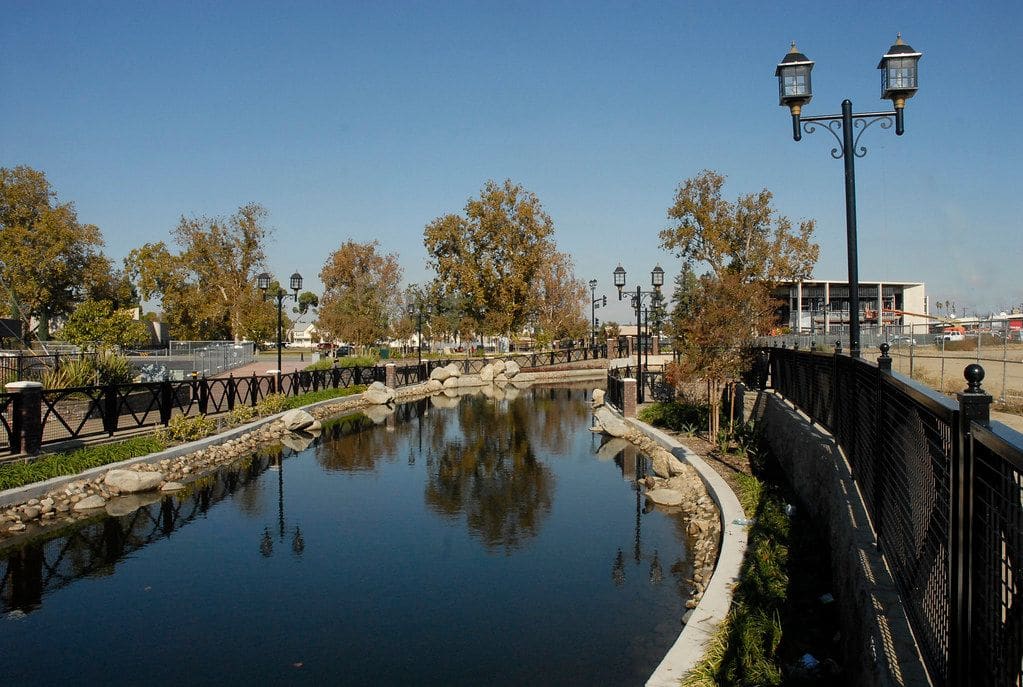
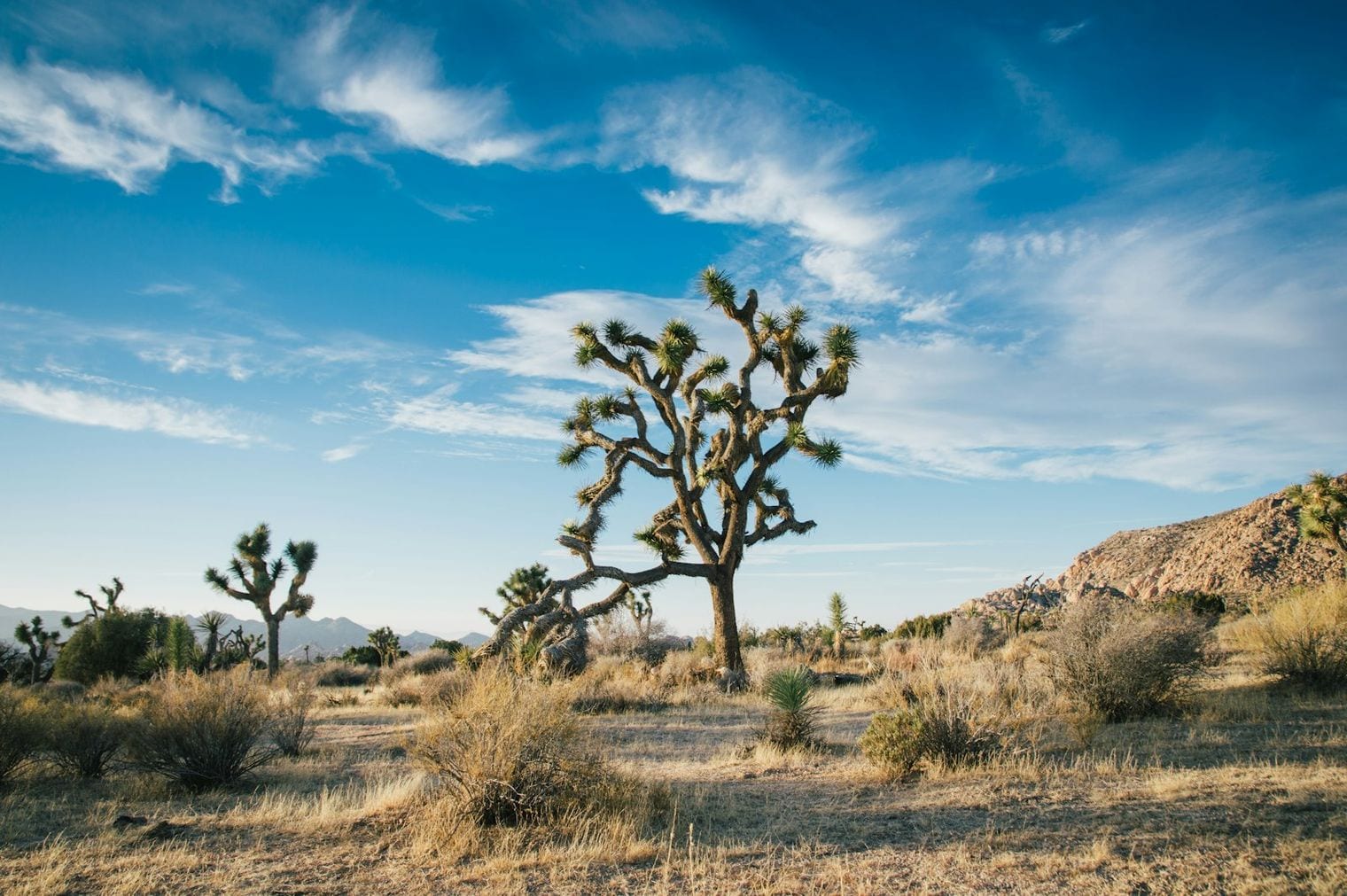
The dry southeast, from the Joshua trees of Joshua Tree to the below-sea-level basins of Death Valley, with Palm Springs, Riverside and the citrus-and-agriculture heart of the Central Valley around Bakersfield to the north.
Getting around
A rental car is essential for anything beyond a single city: California is vast, and the parks, coast and wine country we cover are spread across long distances thinly served by transit. Los Angeles International is the main gateway for the south and the deserts, while San Francisco International anchors the north, the Bay Area and the road to Yosemite and the wine country. Big cities have some transit — BART in the Bay Area, a growing Metro in Los Angeles — but distances are long and the classic coastal and Sierra drives simply need a car, so fuel up before remote desert stretches.
The highlights California's signature sights & road trips
The classic California coast road trip, tracing Highway 1 down the shore through the Monterey Peninsula and Big Sur to the beach towns of the south. Fly into one end and out of the other to avoid backtracking.
A Los Angeles loop pairing the city's icons with the desert of Joshua Tree and the theme parks and beaches of Orange County — easy to run from a single southern basecamp.
A mountain trip through California's granite high country, linking Yosemite with the giant sequoias to the south. Best in late spring through autumn, when the high roads are open.
It depends on where you're headed. Spring and autumn are the best all-round windows, with warm clear days and thinner crowds statewide. Summer opens the Sierra high country but bakes the deserts and inland valleys, and winter is ski season around Lake Tahoe while the southern coast and deserts stay mild — save Death Valley for the cooler months.
How many days do you need in California?
A focused trip to one region — Los Angeles and the theme parks, the Bay Area, or Yosemite — works well in three to four days. Driving a chunk of the coast, say San Francisco to Los Angeles on Highway 1, comfortably takes about a week, and combining the coast, the Sierra parks and the southern deserts pushes it to two weeks or more.
Do you need a car in California?
For most trips, yes. The parks, coast and wine country are spread across a huge state and thinly served by transit, so a rental car is essential. The big cities are the exception — San Francisco and the Bay Area have BART and good transit, and Los Angeles has a growing Metro — but the classic coastal and Sierra drives really need a car.
What is California best known for?
California is famous for its beaches and surf, Hollywood and the theme parks around Los Angeles, the Golden Gate Bridge and San Francisco, the giant redwoods and Sierra Nevada national parks like Yosemite, and the wine country of Napa and Sonoma — plus year-round sunshine across the south.
Is it better to fly into Los Angeles or San Francisco?
It depends on your route. Los Angeles International (LAX) is the gateway for Southern California, the theme parks and the southern deserts, while San Francisco International (SFO) anchors the Bay Area, the wine country and the road to Yosemite. For a one-way coastal road trip, many visitors fly into one and out of the other to avoid backtracking the length of the state.
Can you drive the whole California coast on Highway 1?
Largely, yes — Highway 1 hugs the shore for much of the state, and the stretch from San Francisco down through the Monterey Peninsula and Big Sur to San Luis Obispo is one of the world's great drives. Note that the Big Sur section occasionally closes for landslide repairs, so check the road status before you go and allow far more time than the distance suggests, as it's slow and winding.
Do you need reservations for California's national parks?
It varies by park and changes from year to year, so always check the National Park Service site before you go. Yosemite has used a peak-season timed-entry reservation system in recent summers, and some popular areas cap access, while many parks need no reservation at all. Entry is otherwise by the standard park pass.
Is California expensive to visit?
It can be, especially in San Francisco, coastal Los Angeles and the wine country, where hotels and dining run high. Costs ease inland and in the smaller cities and desert towns, and the national and state parks themselves are inexpensive to enter — camping and a rental car keep a road trip far more affordable than a city-only stay.
We use cookies to analyse site traffic and improve your experience.
You can accept or reject analytics cookies. See our Cookie Policy.