Riverside may be only the 12th-largest city in California, but its place in the state's history is outsized: this is the birthplace of California's citrus industry, 50 miles east of Downtown Los Angeles in the Inland Empire. From the palatial Mission Inn and the citrus-boom mansions to Mount Rubidoux and a wealth of museums, here are the 25 best things to do in Riverside. Well-placed on the Inland Empire corridor east of the coast, it also makes a natural base for a wider California road trip.
Fun Facts About Riverside, California
Riverside is the birthplace of California's citrus industry — the state's famous navel-orange boom began here in the 1870s.
The city is home to the surviving Parent Washington Navel Orange Tree, planted by Eliza Tibbets, from which California's navel orange groves are descended.
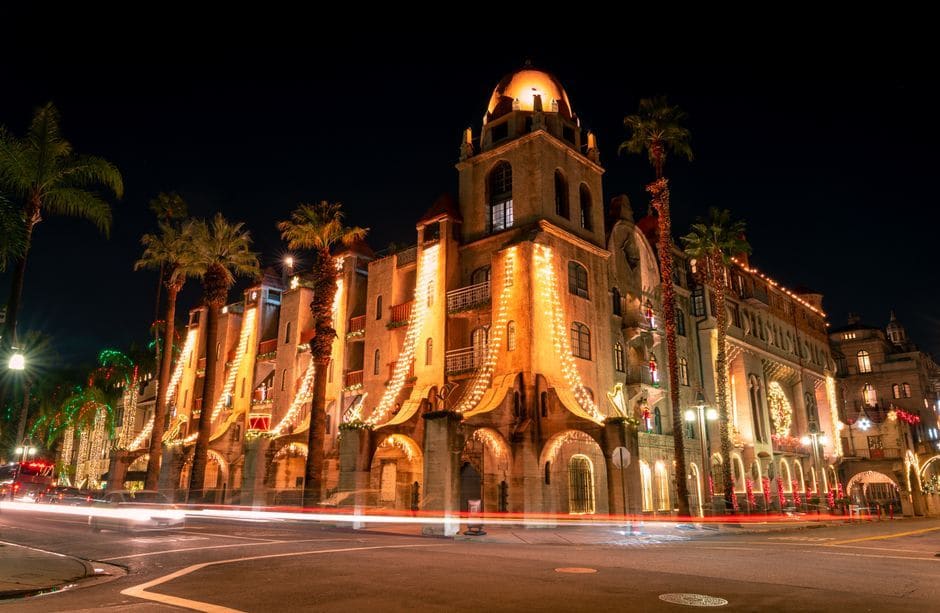
The historic Mission Inn is the largest Mission Revival–style building in the United States and has hosted presidents, movie stars, and royalty.
Riding the citrus boom, Riverside was reportedly the wealthiest US city per capita by the mid-1890s.
President Theodore Roosevelt ceremonially replanted one of the original navel orange trees at the Mission Inn in 1903.
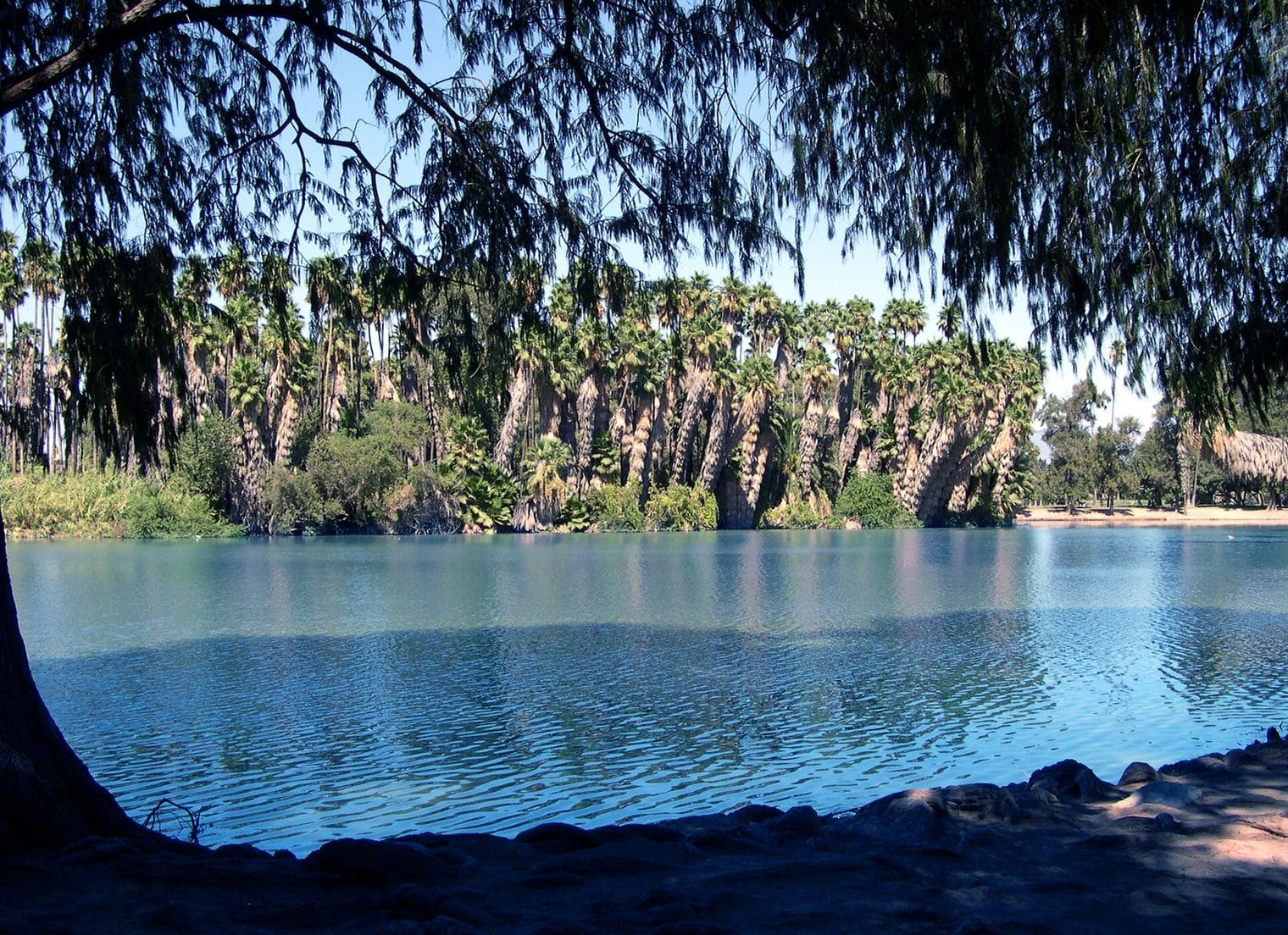
Fairmount Park anchors Riverside's green space as its largest, a heritage-listed 250-acre grounds that opened in 1898 around the 40-acre Lake Evans. The water draws sailing, fishing, and paddle boating, while the Santa Ana River Trail carries runners and hikers. A golf course, tennis courts, lawn bowling, and public barbecues round out the day.
A restored 1920s Mission-style bandshell hosts open-air concerts, and a rose garden and gazebo make a popular wedding backdrop. Near the water sits an amphibious WWII tank nicknamed the "Water Buffalo," commemorating Riverside's role in manufacturing the vehicles during the war.
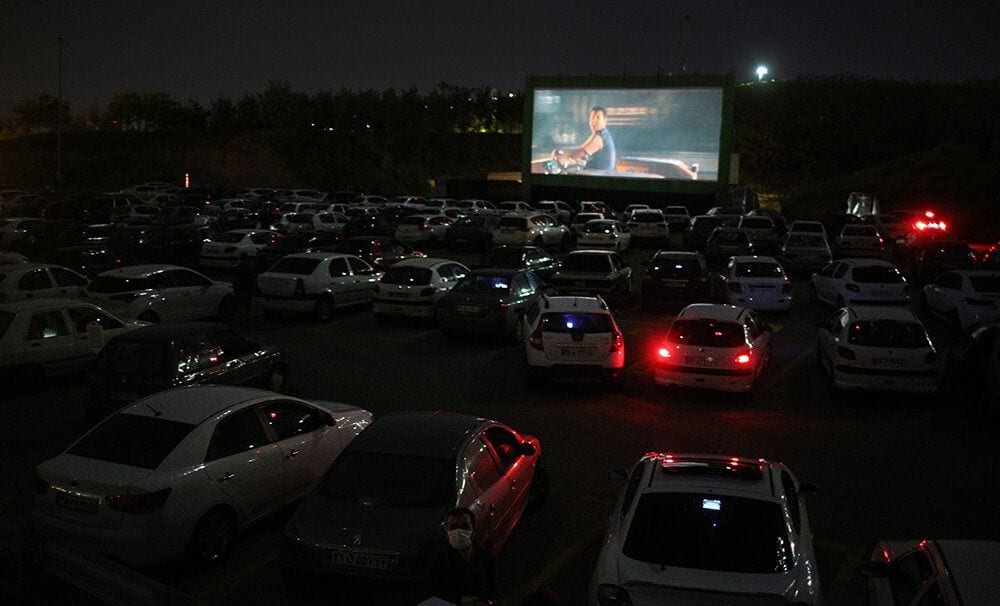
Van Buren Drive-in has anchored Riverside's Arlington district since 1964, a triple-screen holdout of classic Americana. One screen wears a mural of 1930s-era Riverside, and a 2007 remodel added digital projection and FM-radio sound wrapped in an 'Old California Orange Ranch' theme that leans into local citrus heritage.
By day the lot flips personality entirely, opening as a sprawling swap meet and flea market. Rows of vendors make it a solid stop for bargains and souvenirs, while the night program keeps the nostalgic, big-screen-under-the-stars ritual alive for a modern audience.
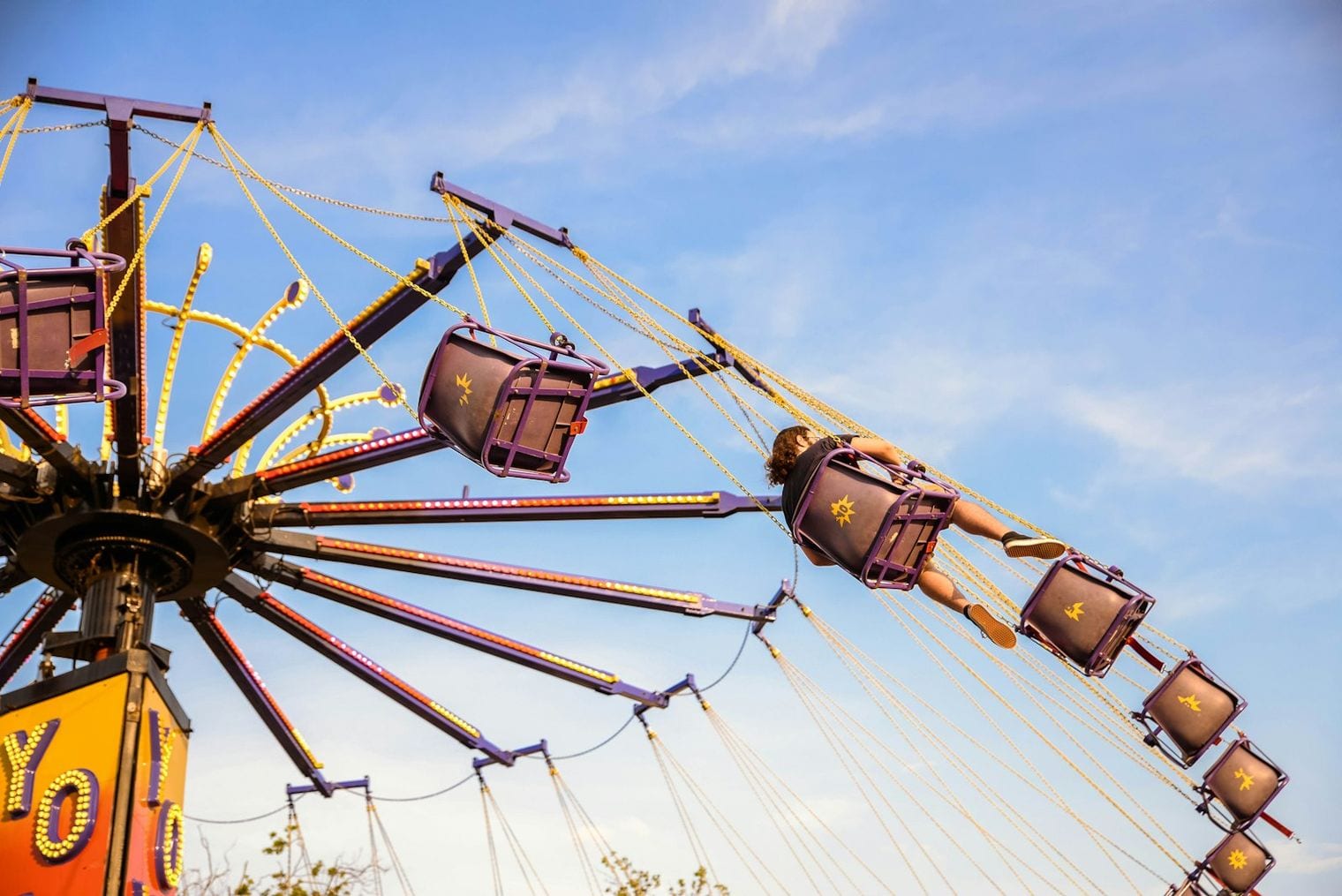
Castle Park is a medieval-themed family amusement park in Riverside that has been running since 1976. Spread across 25 acres, it packs in dozens of rides, from the Dragon's Tower drop ride to roller coasters like Merlin's Revenge and Screamin' Demon. The Buccaneer Cove water-play area rises four stories, threaded with bridges and slides.
Classic attractions round out the day, including a Dentzel carousel, a Tilt-a-Whirl, and the Flying Saucer. Younger visitors and competitive families can also head for the bumper cars, the arcade, or the miniature golf course, giving the park plenty of variety beyond its signature thrill rides and towering water play.
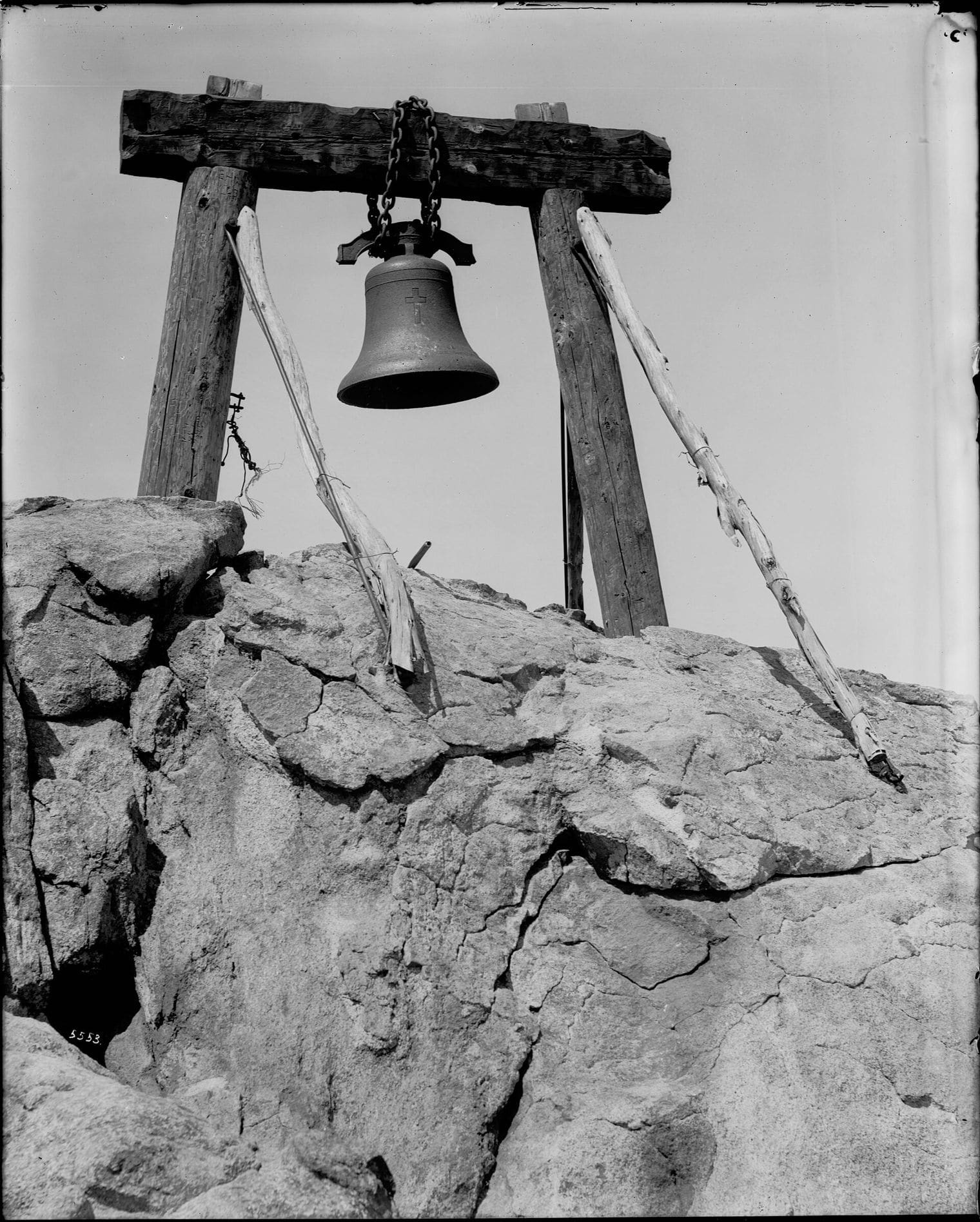
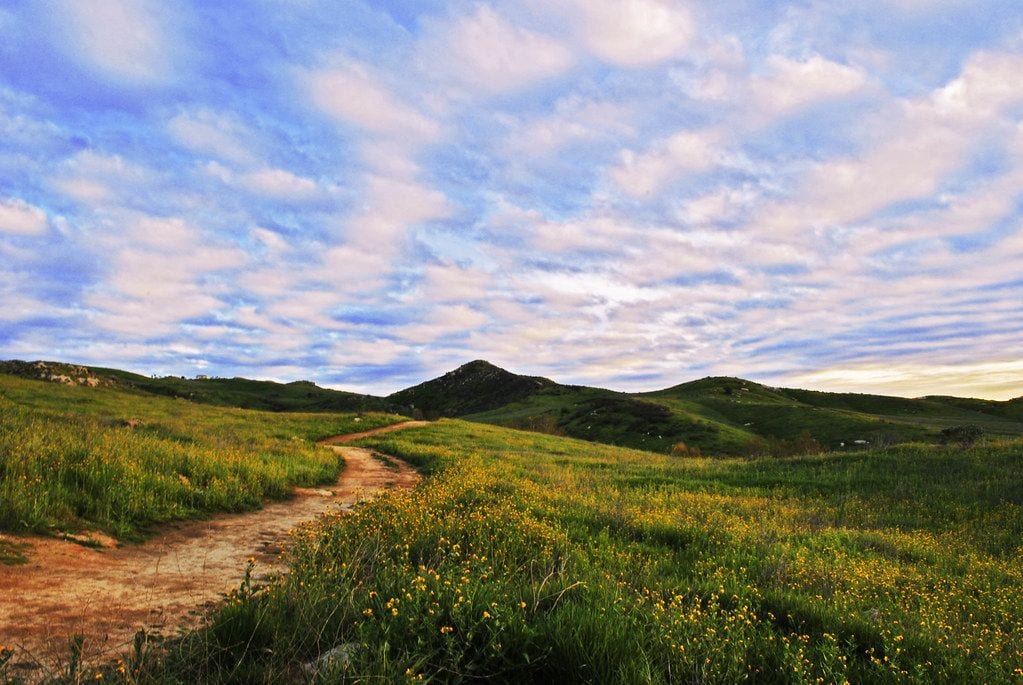
Mount Rubidoux is a 161-acre landmark hill in Riverside, rising about 1,331 feet (406 m) and named after Louis Rubidoux. Its large summit cross was dedicated in 1907 to Father Junipero Serra, and the hill hosts the oldest outdoor non-denominational Easter sunrise service in the US, first held in 1909.
The Peace Tower and Bridge crown the slopes, linked by roughly 3.5 miles of paved and dirt trails. An easy hour's walk to the summit rewards you with some of the Inland Empire's best views, making this one of Riverside's most rewarding outdoor climbs.
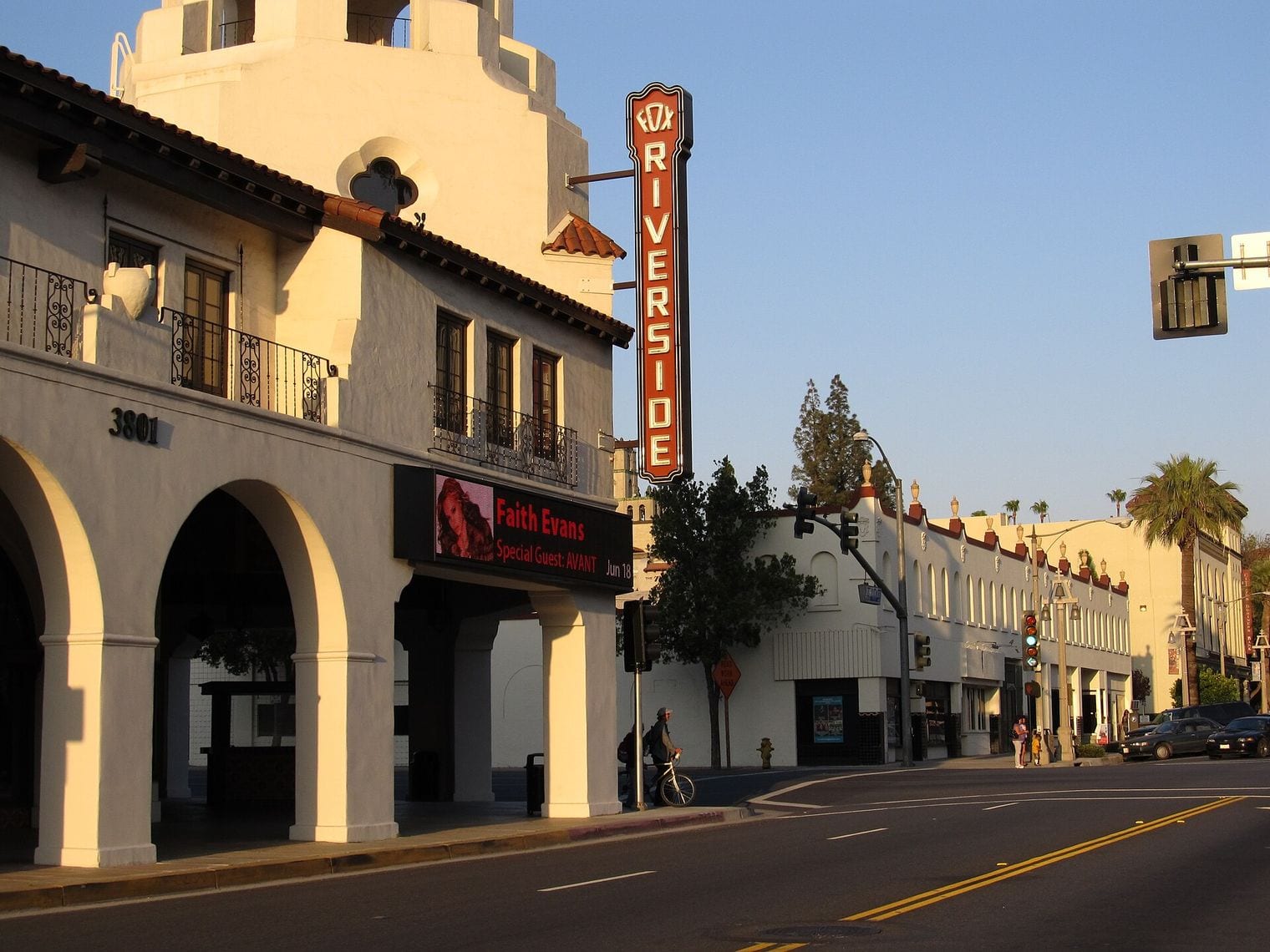
Fox Performing Arts Center is a 1929 Spanish Colonial Revival theater in Downtown Riverside, restored and now hosting concerts, Broadway shows, and film screenings. Its most storied moment came in 1939, when it hosted the very first public preview screening of Gone With the Wind – ahead of the film’s official world premiere in Atlanta – cementing its place in cinema history.
In its golden-cinema heyday, the theater drew stars like Bing Crosby, Judy Garland, and Jimmy Stewart, and it served as a soldiers' dormitory during World War II. Film-history fans passing through Riverside will find it a must, blending Hollywood glamour with beautifully preserved architecture.
6. The Cheech Marin Center for Chicano Art & Culture
The Cheech Marin Center for Chicano Art & Culture opened in 2022 in Downtown Riverside as part of the Riverside Art Museum. Set in a former public library, it is the first major US institution dedicated to Chicano art, built around a landmark collection donated by actor and comedian Cheech Marin.
Two floors of galleries hold hundreds of paintings, sculptures, and works on paper, including large-scale pieces and the famous lenticular installation Collidoscope. A signature stop on Riverside's Mission Inn Avenue museum row, it stands apart as a museum devoted entirely to the Chicano art form.
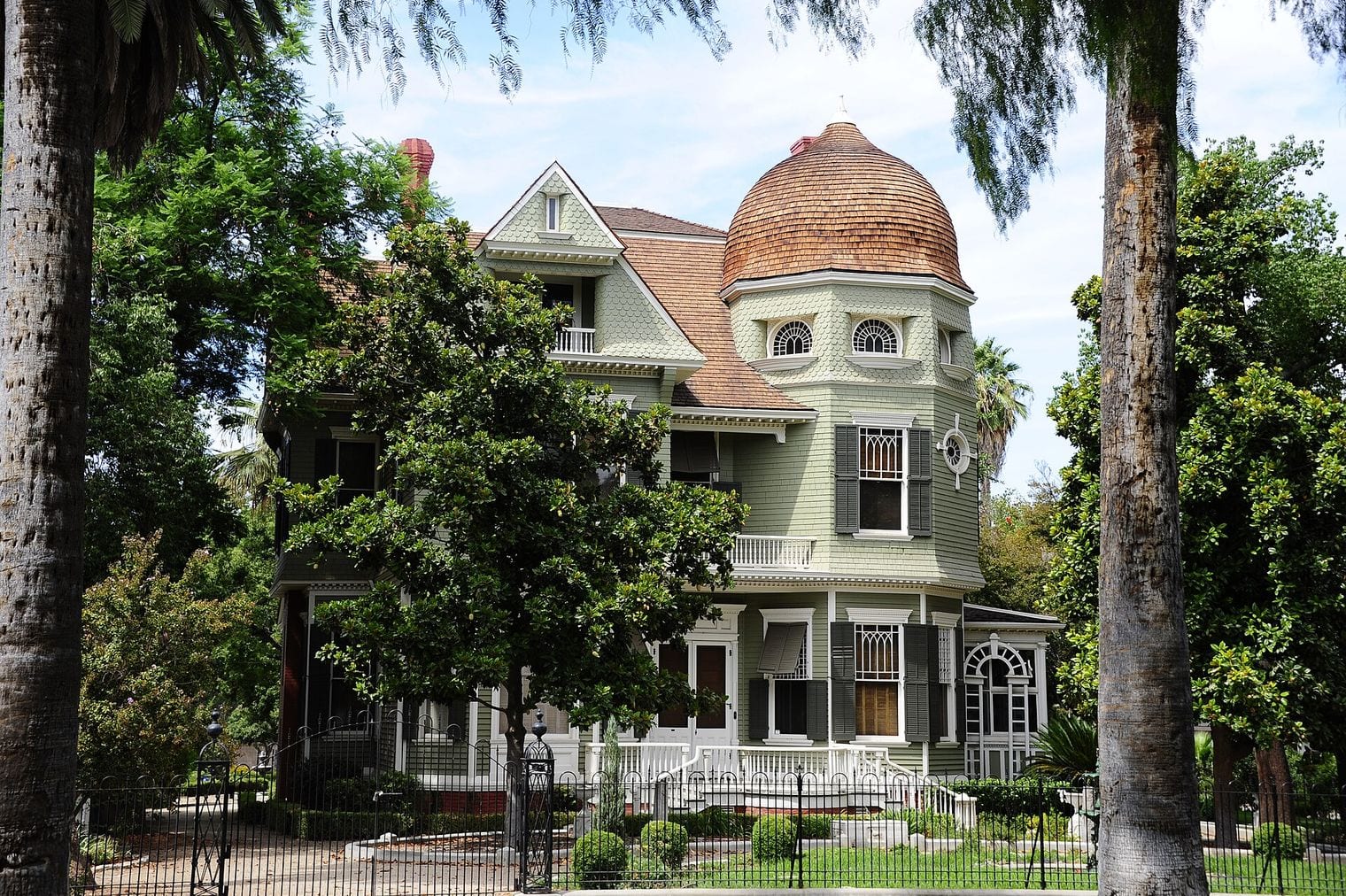
Heritage House is an 1891 Queen Anne Victorian on Magnolia Avenue, built for Catherine Bettner, widow of an early citrus pioneer, and now run by the Museum of Riverside. Listed on the National Register of Historic Places, it has been restored and furnished to capture upper-class life during Riverside's 1890s citrus boom.
Docent-led tours walk visitors through the period rooms, offering a quiet, evergreen window into Victorian-era Riverside. Admission is free, with a donation suggested, making it an easy and rewarding stop for anyone curious about the city's grand citrus-era past.
Hunter Hobby Park is a 32-acre green space in Riverside's Hunter industrial area, welcoming for kids with baseball fields plus picnic and barbecue facilities. The headline attraction is roughly 10,000 feet of miniature-railroad track hosting regular mini steam-train rides through the grounds.
Industrialist Joe Hunter established the miniature showcase in the 1950s to preserve the legacy of steam locomotives. Today the trains are operated by volunteers, the Riverside Live Steamers, who carry around 20,000 riders each year across the sprawling network of tiny rails.
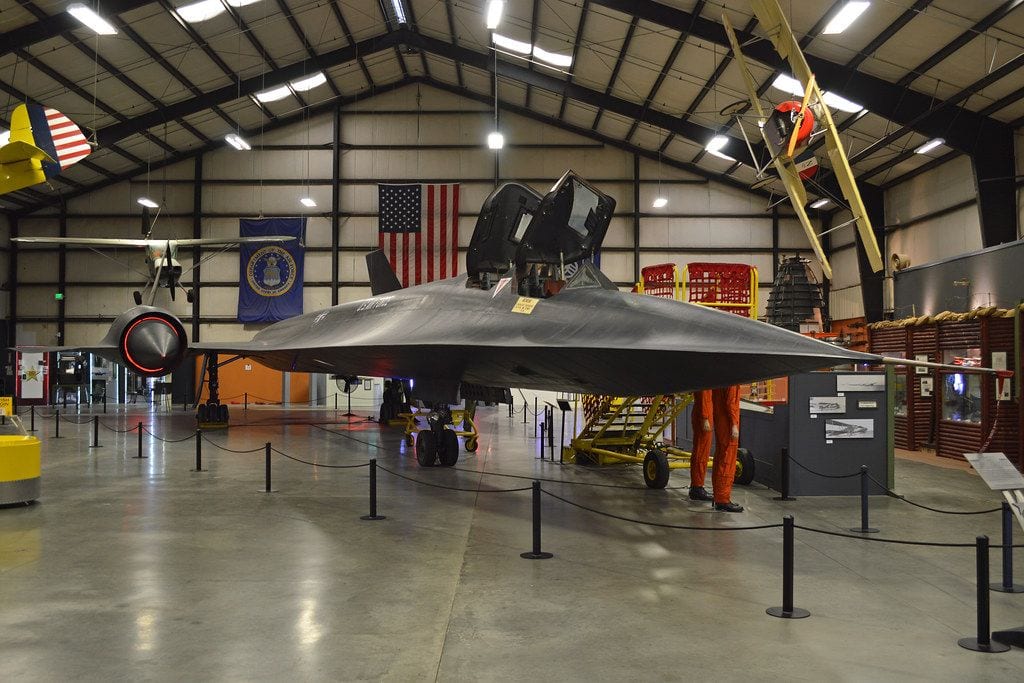
March Field Air Museum sits at March Air Reserve Base near Riverside, a base that opened in 1917 as one of the oldest US military airfields. Founded in 1979, the museum holds one of the country's largest collections of military aircraft, with well over 100 planes alongside tens of thousands of artifacts.
Standout aircraft include an SR-71 Blackbird, a B-52 Stratofortress, a B-17, and a replica of the 1903 Wright Flyer. Volunteer guides, many of them retired military members and aviators, share the backstory behind the planes, turning a walk through the collection into a firsthand aviation history lesson.
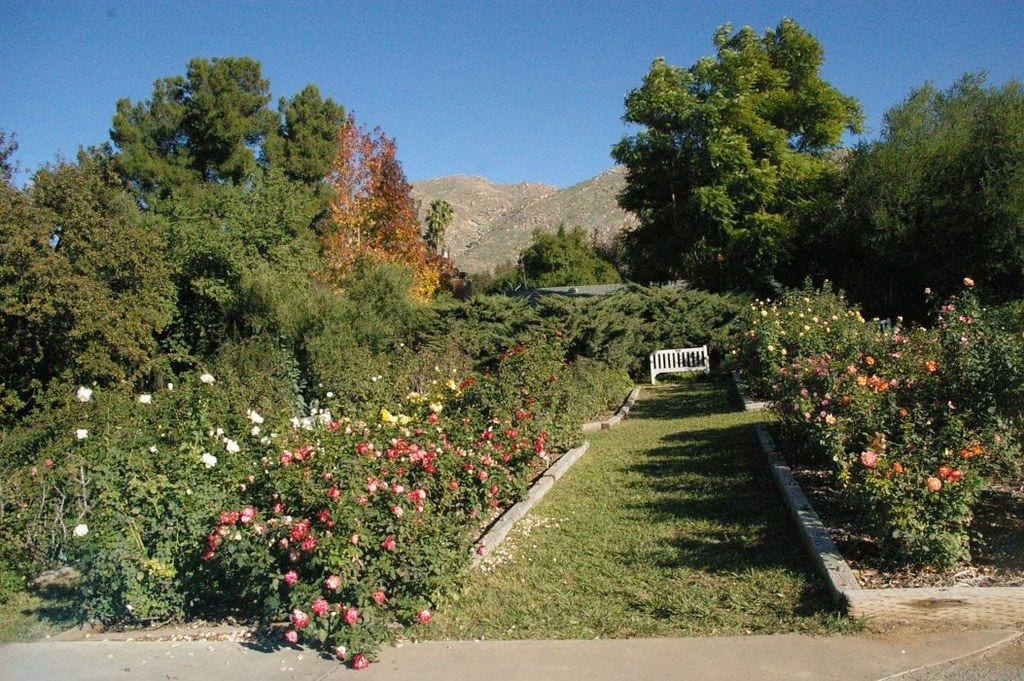
UC Riverside Botanic Gardens spans 40 acres of Box Springs Mountains foothills on the university campus, established in 1963. More than 3,500 plant species grow across roughly four miles of trails, where varied microclimates support Mediterranean and arid-California natives alongside dedicated Australian and South African sections.
Themed pockets reward slow exploration, from a fragrant rose garden and herb garden to a fluttering butterfly garden. Deeper in, a secluded turtle pond offers a quiet pause among the winding paths, making the grounds a rewarding stop for anyone drawn to plants, wildlife, and unhurried outdoor wandering.
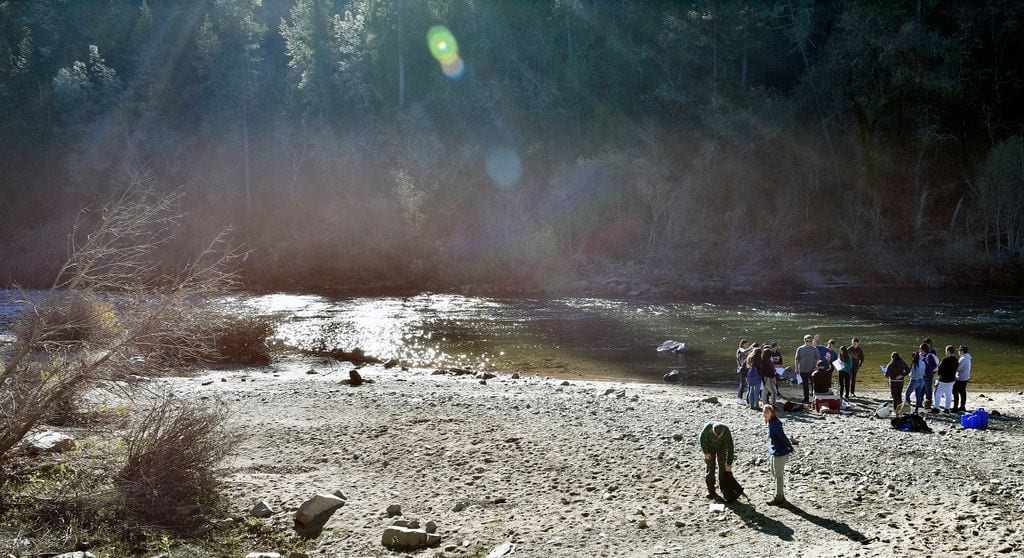
Whitewater Preserve spreads across roughly 2,851 acres about an hour from Riverside, managed by the Wildlands Conservancy on the Whitewater River below San Gorgonio and part of the Sand to Snow National Monument. Vertical canyon cliffs ring the grounds, where hikers pick up the Canyon View Loop and connect to the Pacific Crest Trail.
Free primitive camping, birdwatching, and wildlife like bighorn sheep draw visitors deeper into the canyon. Dark skies overhead make the preserve a favorite for stargazing, a quiet contrast to the trails and river below.
Mission Inn Museum sits inside the historic Mission Inn Hotel in Downtown Riverside. The Inn began in 1876 as the modest Glenwood Cottage, an adobe boarding house, and grew during a major 1902-1932 building phase led by the Miller family into a landmark Mission Revival hotel that hosted celebrities and US presidents.
Guided tours reveal the courtyards, fine-art collection, and intricate architecture, while a permanent exhibit traces the Miller family, the Inn's construction, and the wider history of the Inland Empire. It is a rich stop for anyone drawn to architecture, art, and California's storied past.
Doty Trust Park spreads across 21 acres at the base of the La Sierra Hills, named for Riverside police officers Dennis Doty and Philip Trust, both killed on duty in 1982. Opened in June 2012 as a tribute, it pairs a steep dirt trail with easygoing grassland recreation.
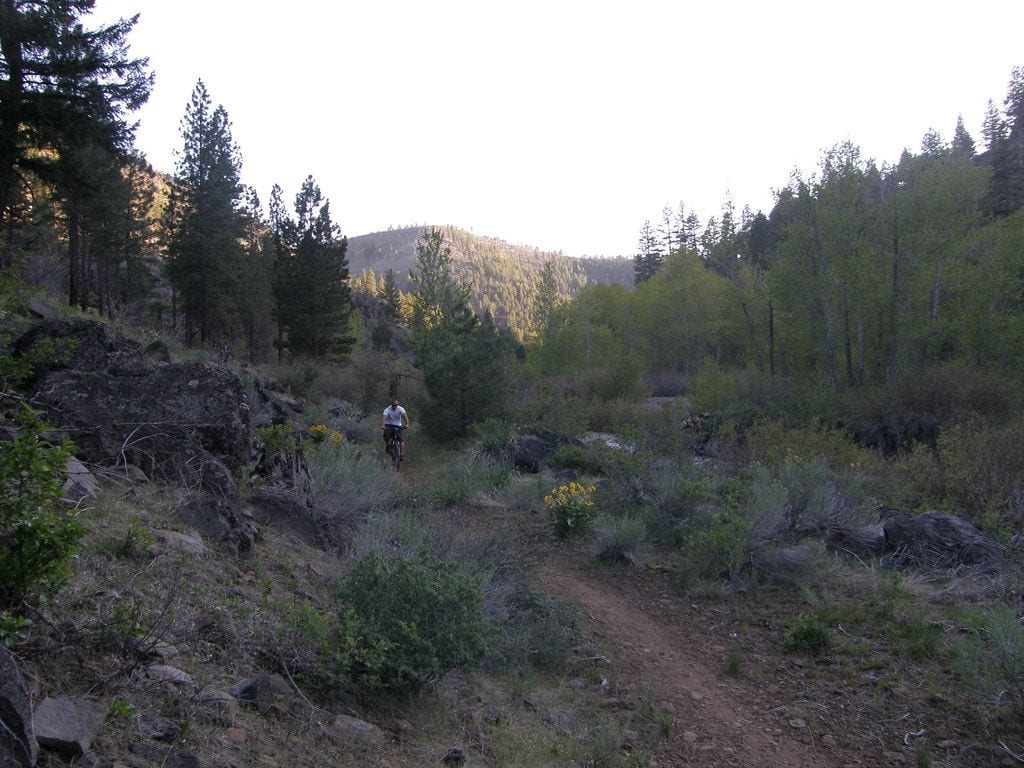
The trail climbs a boulder-strewn hill for mountain biking and hiking, rewarding the effort with 360-degree views of Riverside, Jurupa Valley, and Lake Matthews. Watch for coyotes and rattlesnakes along the way. Below, the grassland holds basketball and soccer facilities, a fitness station, barbecue areas, a playground, and a splash park.
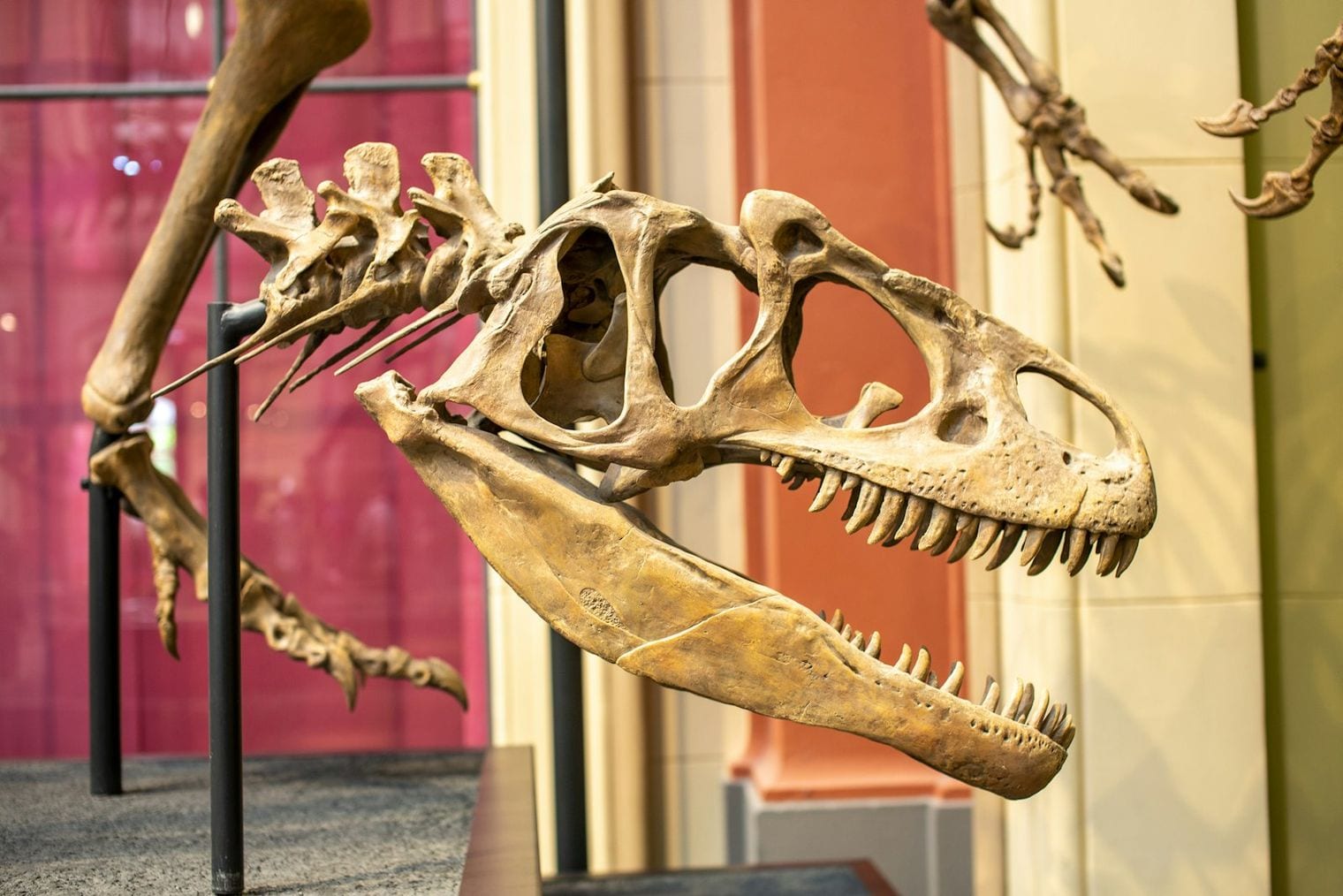
Jurupa Mountains Discovery Center is a natural-history and dinosaur attraction in Jurupa Valley near Riverside, long a favorite for school field trips. Exhibits pair real fossils with life-size prehistoric creatures — mammoths, saber-tooth cats, a Triceratops and T. rex, and raptors — alongside dinosaur eggs and Native American artifacts.
An on-site plant nursery and a Critter Corner for younger kids round out the grounds, and the popular Discovery Camp puts hands-on activities within reach — a mock fossil dig, adobe brick-making, archery, and gold panning. It is a grounded, tactile day out for curious families.
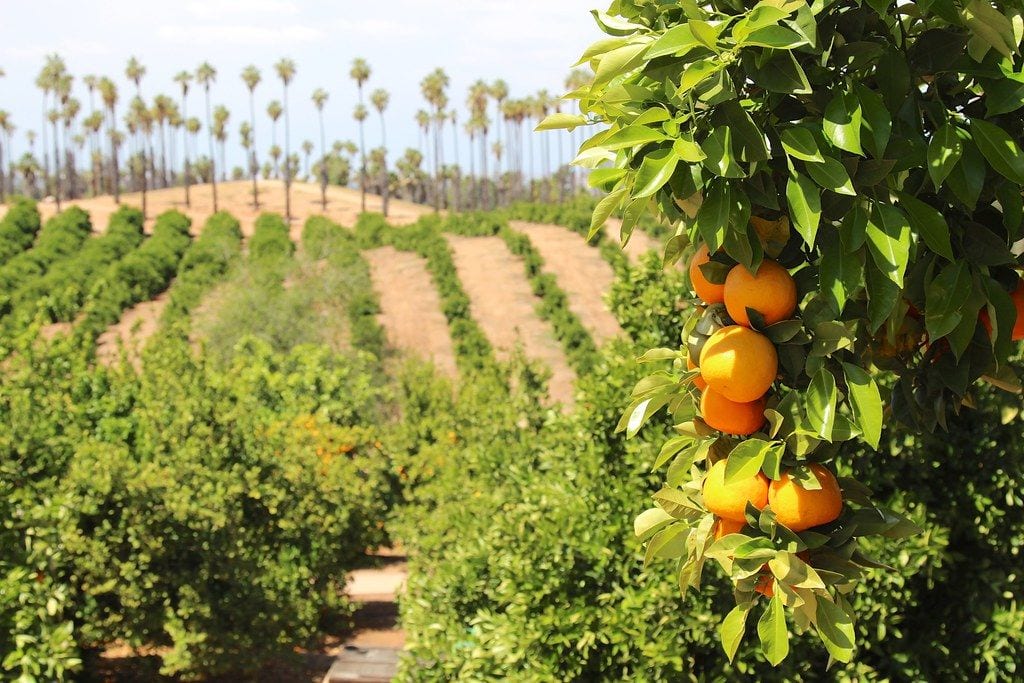
California Citrus State Historic Park preserves the groves and story of California's "second gold rush," the citrus boom sparked when Eliza Tibbets grew the first Washington Navel orange in Riverside in 1873. Wander the working orange groves and browse exhibits tracing how the fruit reshaped the state's economy.
A visitor center anchors the grounds, and seasonal events bring the citrus heritage to life. Riverside's original Parent Navel Orange Tree, the ancestor of the region's groves, still stands nearby, now protected from pests. Together they mark the spot where a single orange helped build an industry and transform Southern California.
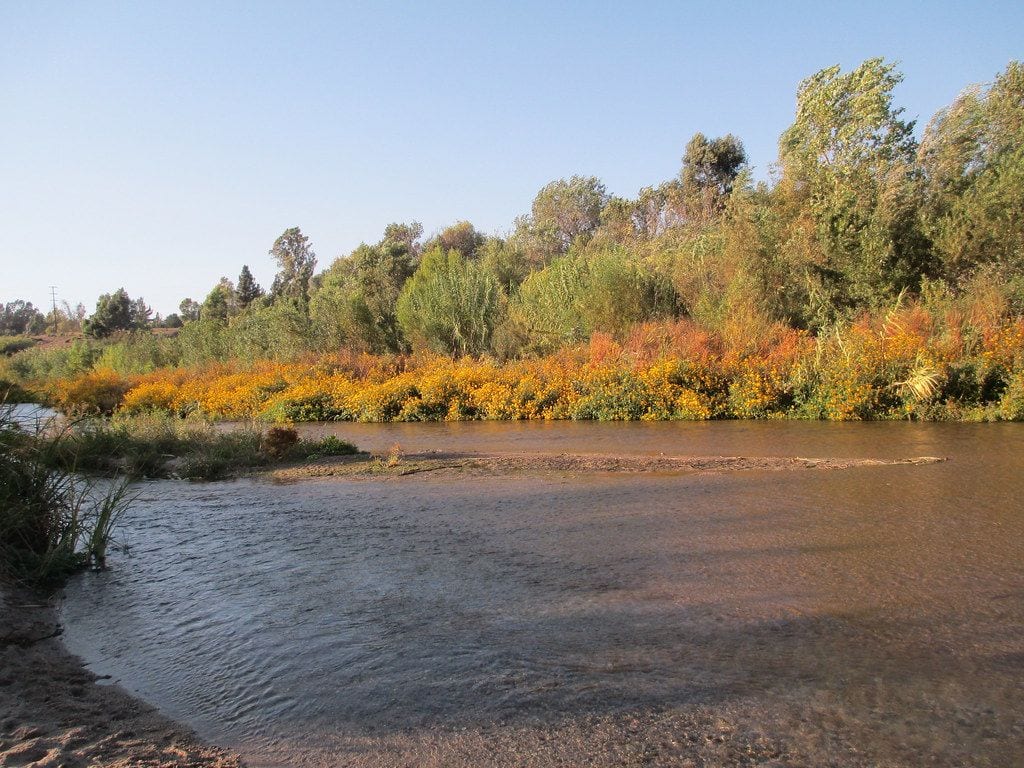
Martha McLean-Anza Narrows Park spreads across 40 acres along the Santa Ana River in Riverside, with hiking, biking, and equestrian trails plus picnic areas. It takes its name from activist Martha McLean, who fought the 1960s channelization of the Santa Ana River. The main trail runs an easy roughly 5-mile route, ideal for beginners.
The park forms part of the Juan Bautista de Anza National Historic Trail, which commemorates the 1775-76 Spanish land route through the region led by Juan Bautista de Anza. That mix of gentle riverside recreation and layered regional history gives the setting a distinctive sense of place.
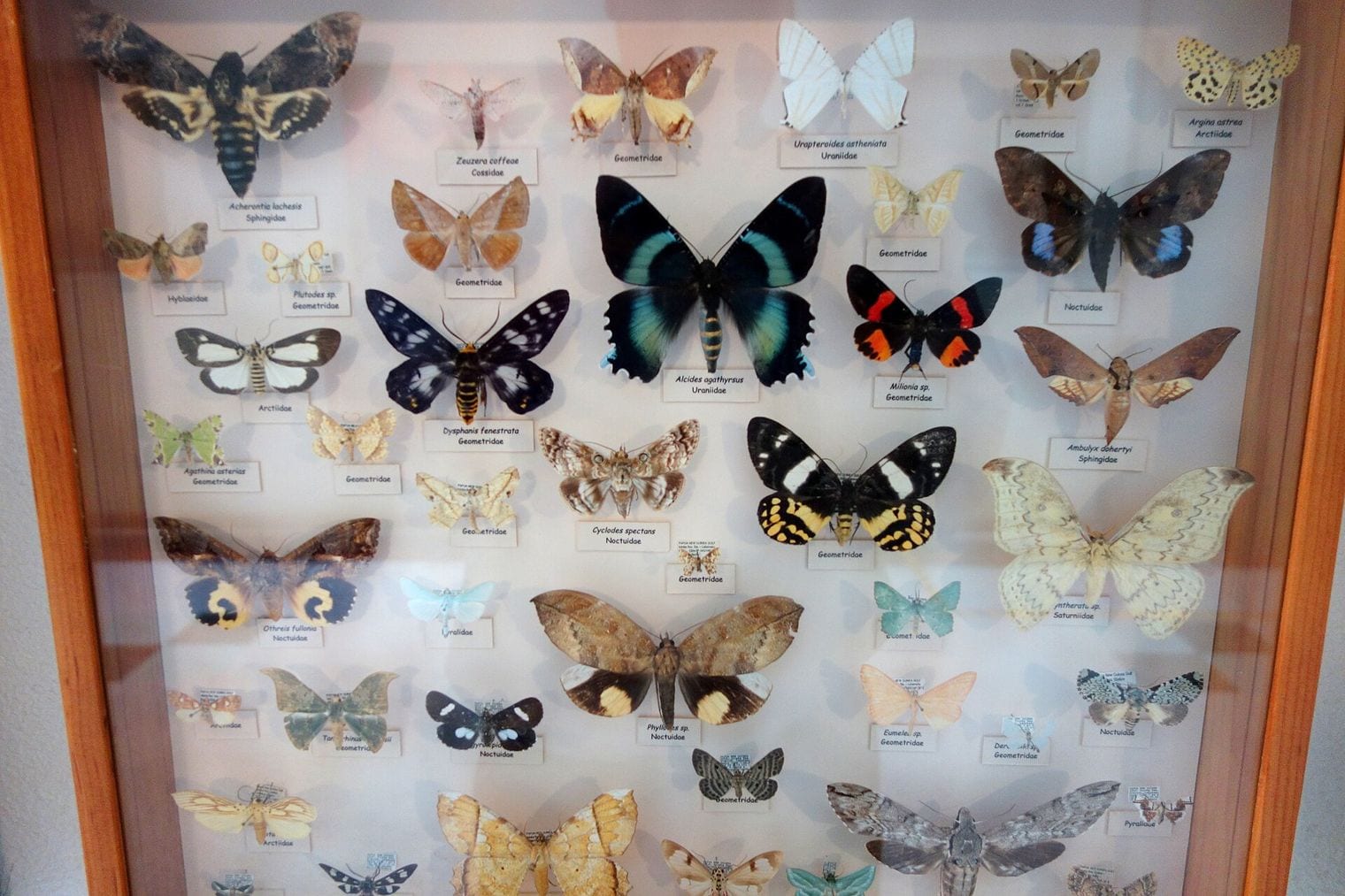
The Entomology Research Museum at UC Riverside ranks among the largest research insect collections in the United States, holding millions of specimens accumulated over roughly a century. Its holdings lean heavily toward native bees and southwestern arthropods, making it a serious scientific repository rather than a display hall built for casual foot traffic.
This is a working research collection, not a walk-in tourist attraction, so it rewards those who plan ahead and arrange access with the department. Entomology enthusiasts, students, and researchers gain the most from a visit by appointment, gaining a close look at specimens that document a century of insect life across the region.
Sycamore Canyon Wilderness Park spreads across roughly 1,500 acres between Riverside and Moreno Valley, ranking among the city's largest open-space reserves. This protected habitat shelters the endangered Stephens' kangaroo rat, and its more than 20 miles of trails welcome walkers, cyclists, and hikers, with the Ameal Moore Nature Center anchoring one end.
Wildlife runs the range here, from coyotes and foxes to hawks, owls, roadrunners, and lizards. The Red Diamond rattlesnake also calls these hills home, so keep your distance if you spot one. The park stays open from dawn to dusk, offering wide-open desert country just minutes from town.
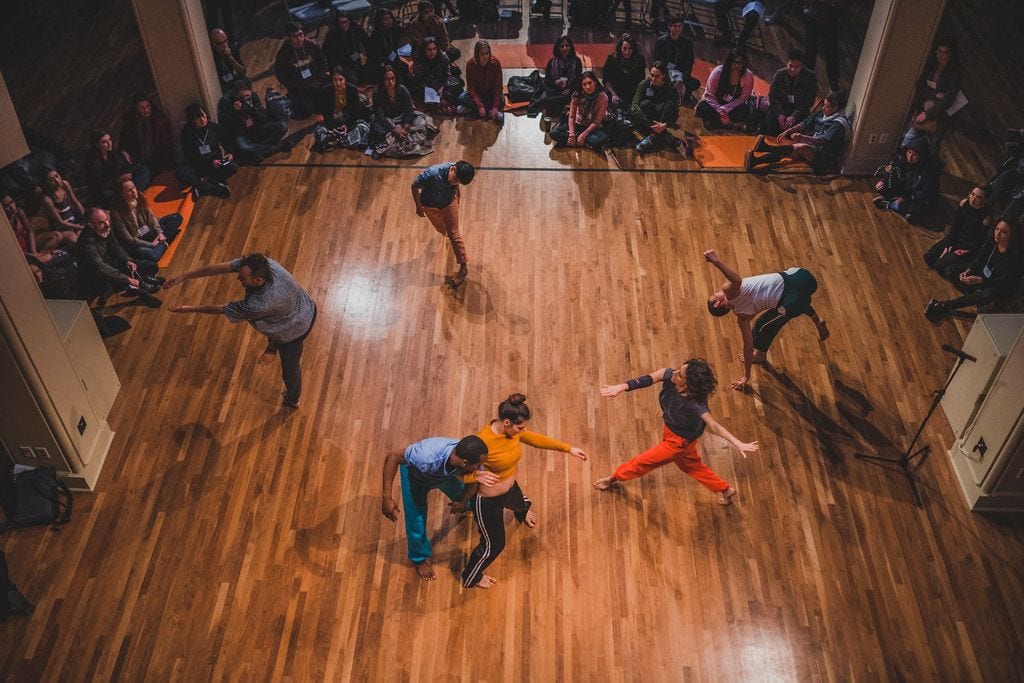
UCR Arts is a downtown Riverside arts complex uniting three centers: the California Museum of Photography, founded in 1973, the Sweeney Art Gallery, and the Barbara & Art Culver Center of the Arts, added in 2010. Together they form a leading Inland Empire venue for art and photography.
Galleries hold works by Roy Lichtenstein, Andy Warhol, and Jasper Johns, spanning themes from social justice to nature. Time a visit around the Downtown Riverside Art Walk, when the surrounding streets fill with creative energy, or catch one of the free Family Days built for all ages.
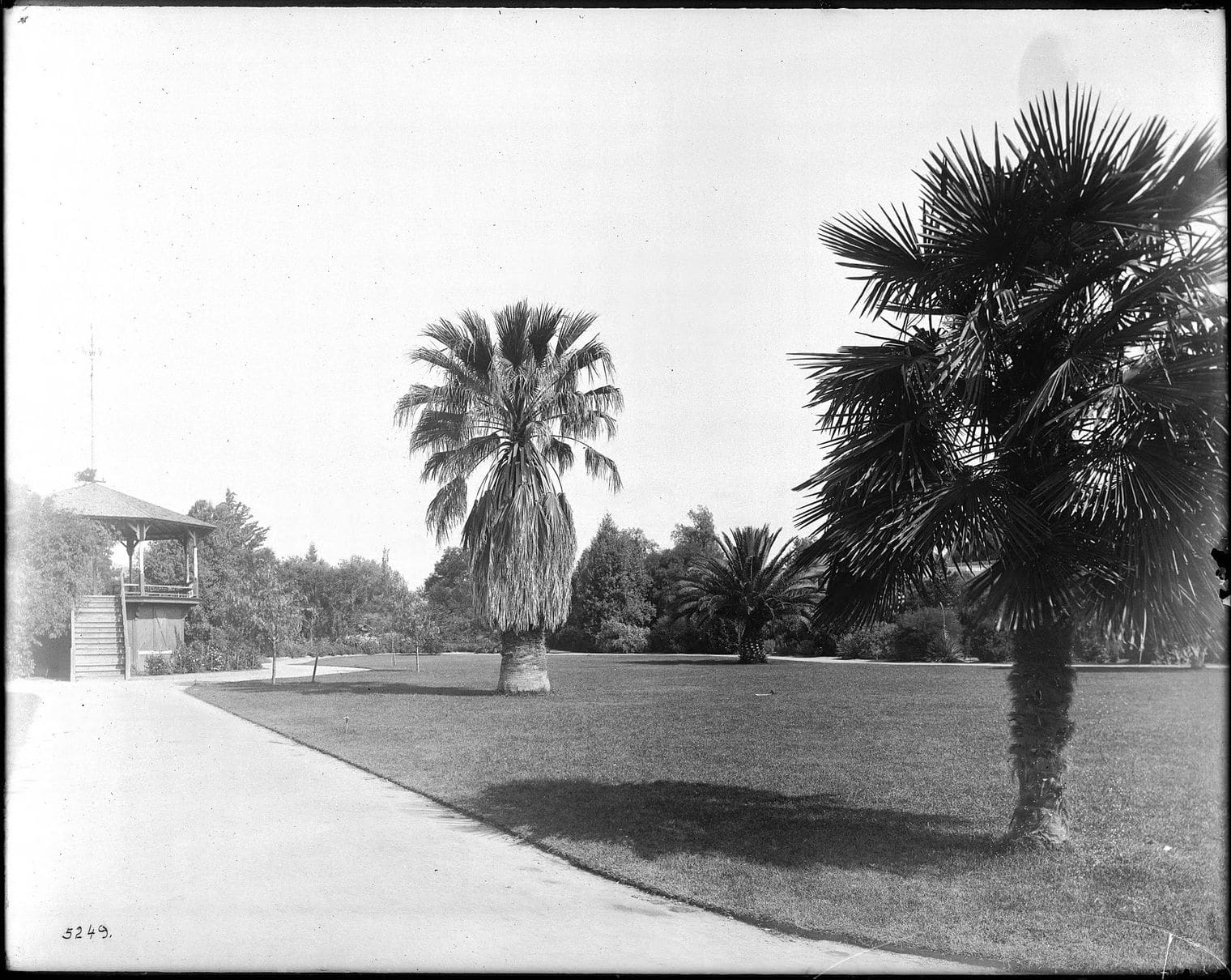
White Park sits downtown near UCR Arts and City Hall, established in 1889 and named for city trustee Albert White (officially Albert S. White Park). At its center stands a 1920s Mission-style raised gazebo, framed by botanical and rose gardens, a hummingbird garden, and cascading fountains.
Throughout the year the grounds fill with festivals, from a Día de los Muertos celebration to a Mariachi festival and various food events. The rest of the time it settles into a quieter role, offering a green, fountain-cooled spot for a downtown lunch break.
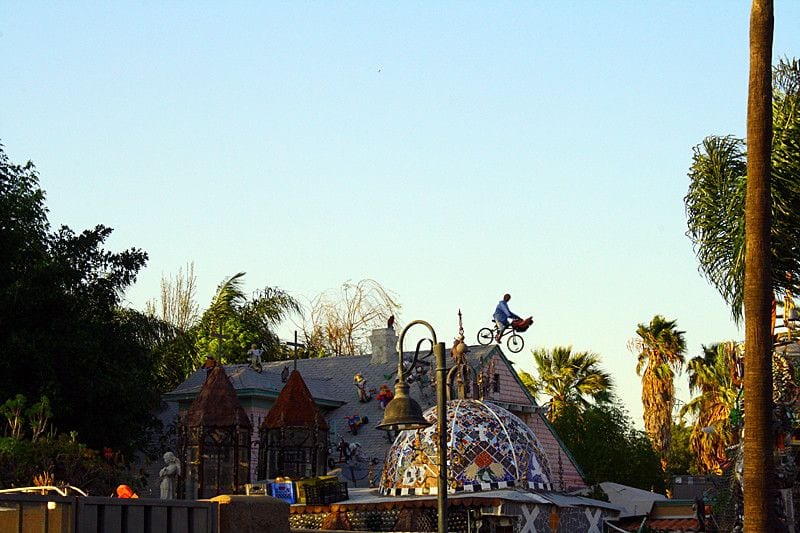
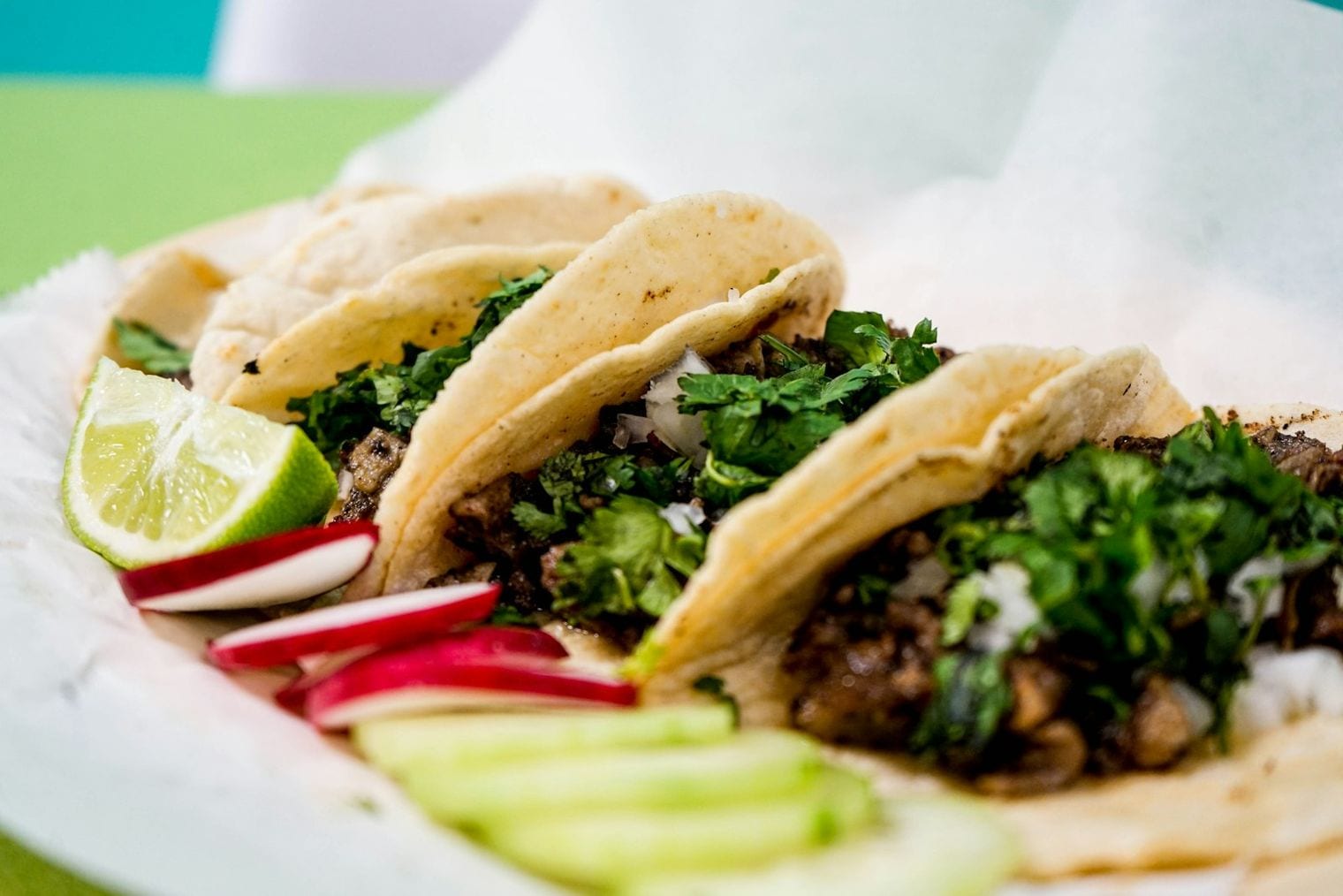
Tio's Tacos has drawn Riverside diners since the Sanchez family opened it in 1990, pairing authentic Mexican food with an extraordinary sculpture garden built entirely from recycled objects. Grab an outdoor table and an agua fresca, but the art is the real reason to come.
A skeleton couple rides on horseback, a chapel rises from glass bottles, and figures take shape from plastic milk jugs. The recycled-art complex sprawls across nearly a whole city block. Here it is the folk art, not just the food, that makes this a vital Riverside stop.
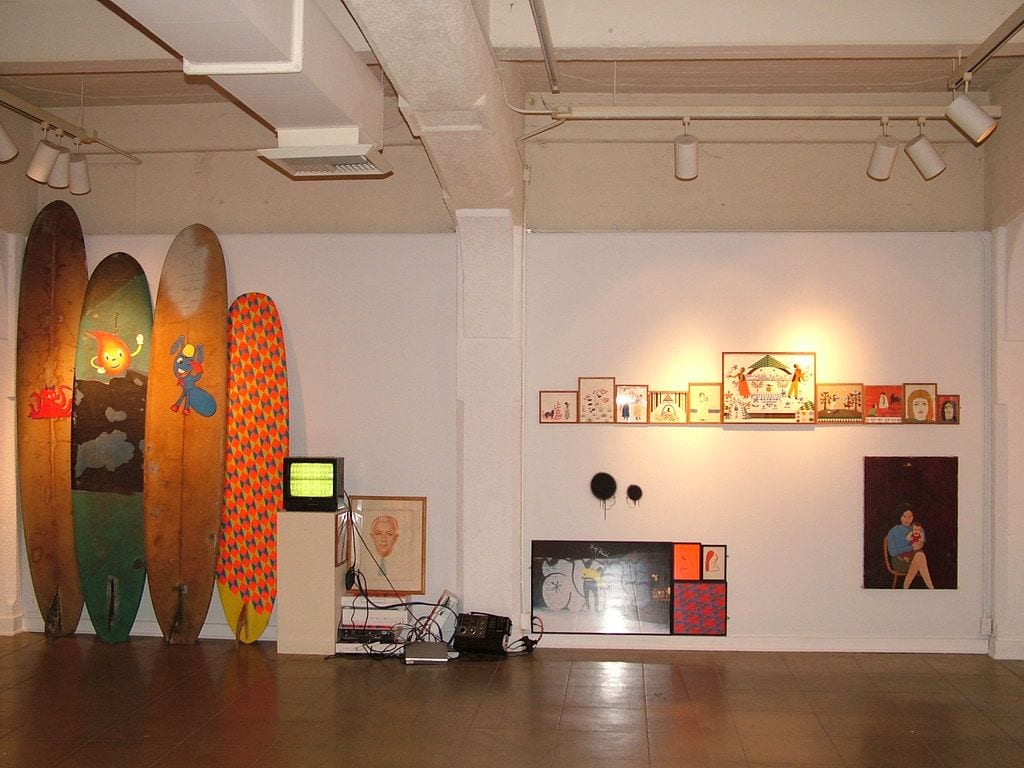
The Riverside Art Museum occupies a 1920s former YWCA in Downtown Riverside, a building designed by architect Julia Morgan and opened as a museum in 1967. Its collection ranges from classic to modern, with works by artists such as Takashi Murakami and Toulouse-Lautrec anchoring more than a thousand objects.
Rotating exhibitions bring in photography, sculpture, and textile shows that spotlight emerging talent from the local community. The mix keeps the galleries fresh across visits, pairing recognized names with the region's next generation of artists working across a range of mediums and styles.
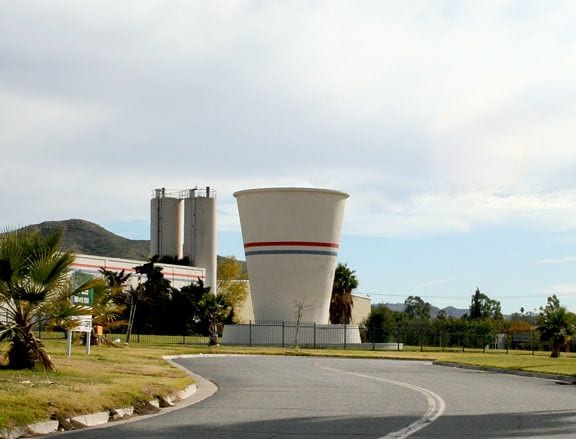
World's Largest Paper Cup earns its billing: a 68-foot (about 20.8 m) concrete sculpture rising outside a former paper-cup factory, first Lily-Tulip and later Sweetheart Cup. Standing since the 1970s, it saw its paint updated over the years to match each owner's cup design, a quirky monument to Riverside's industrial past.
Visiting is free, with no facilities and no fuss, a quick 15-minute photo stop. Locals treat the towering cup with tongue-in-cheek reverence, framing a swing-by as a lighthearted 'pilgrimage.' It rewards travelers who appreciate offbeat roadside Americana and the oddball landmarks that give a city its character.
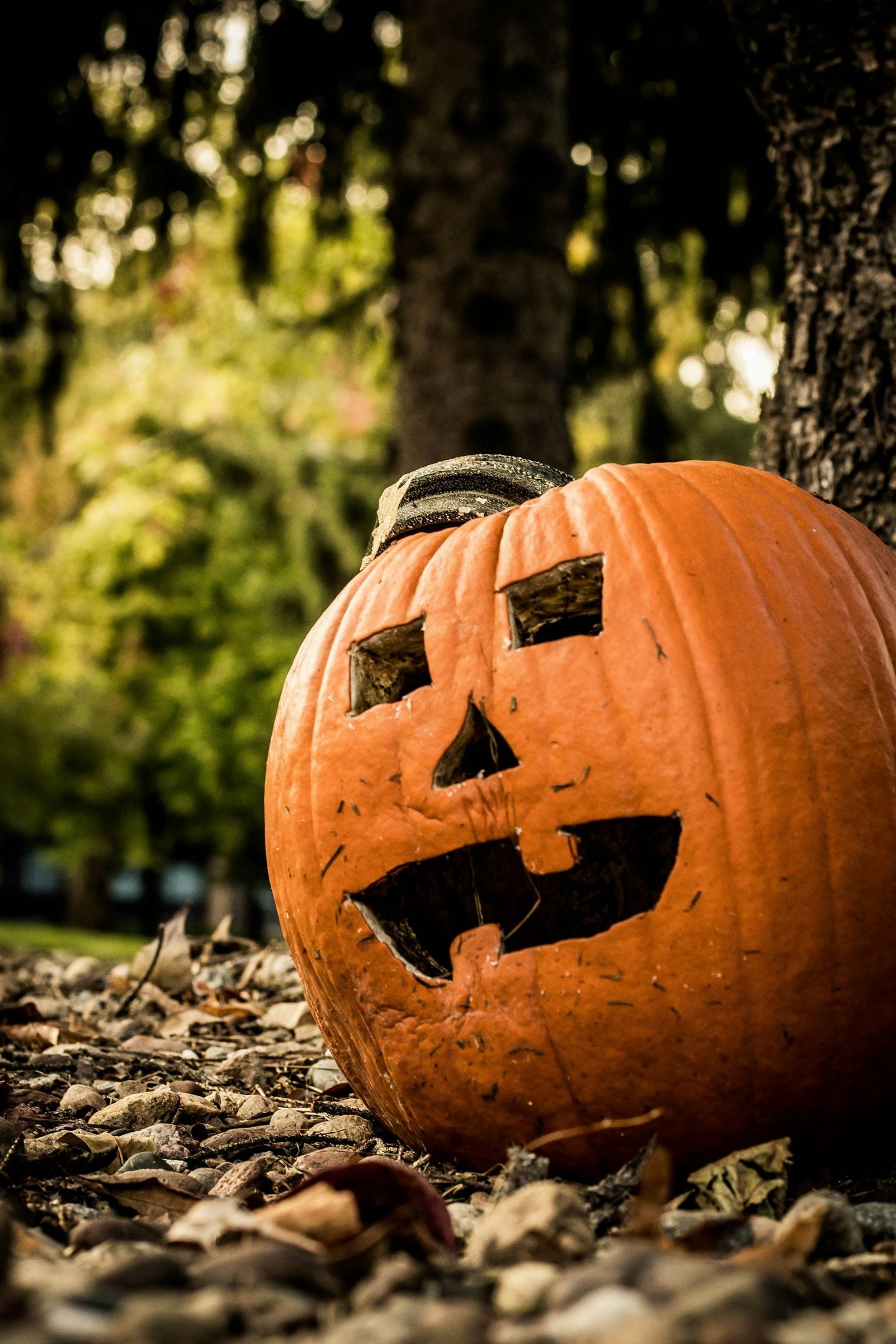
Pumpkin Rock is a painted boulder in Norco, about a 20-minute drive from downtown Riverside, decorated as a bright orange jack-o'-lantern. An easy roughly 1.2-mile trail (about an hour, around 1,155 feet of elevation) leads to it, making it a great way to get kids into hiking.
The rock has been painted since the 1990s, occasionally repainted as other designs or hit by graffiti, and locals and hikers keep it up by carrying touch-up paint. The result is a fun, offbeat photo hike well worth the short detour.
Anchos Southwest Grill & Bar has served Riverside since 1989, when Dean Bergstrom opened this family-owned Southwest and Tex-Mex kitchen. Decades on, Anchos Southwest Grill still turns out homemade tamales, mesquite-smoked meats, chiles rellenos, diablo shrimp, and beef steak tacos al carbon, all delivered fast by a friendly, family-run crew.
The signature draw is the fresh tortillas, pressed and fired in-house throughout the day. Many locals say those tortillas alone are worth the trip, and they anchor everything on the plate. It is a straightforward, satisfying stop that has kept generations of Riverside families coming back for the flavors of the Southwest.
Getting to Riverside
Riverside sits at a busy crossroads in the Inland Empire, where several major freeways meet. Interstate 215 is the main north-south route through the city, while State Route 91 runs east-west and is the primary link toward Los Angeles and Orange County; State Route 60 connects the metro area to the west. That freeway convergence makes the city easy to reach by car from almost any direction, though the same corridors are among the busiest in Southern California, so it pays to time longer drives outside the morning and evening rushes.
For flying, the closest commercial airport is the region’s own Inland Empire field just to the west, a short drive of well under an hour that handles a solid mix of domestic and some international service. Many visitors also fly into the far larger Los Angeles hub on the coast and drive in from there, usually about an hour and a half depending on traffic. Riverside is well served by rail, too: its downtown station is a stop for regional commuter trains and long-distance passenger rail, with connecting long-distance bus service, so arriving without a car is genuinely practical.
Getting Around Riverside
Downtown Riverside is the one part of the city built for walking. The historic core around the pedestrian-friendly main promenade puts the Fox Performing Arts Center, the Mission Inn Museum, and a dense cluster of restaurants and shops within an easy stroll of one another, and it is where most visitors spend their on-foot time. Beyond that compact center, though, Riverside spreads out in classic Southern California fashion, and a car is the realistic way to link the outlying sights such as Fairmount Park, the botanic gardens near the university, or the air museum out by the former airfield.
For getting between neighbourhoods, local buses cover the main corridors and rideshare is widely available, while flatter districts and park paths make for pleasant cycling in the cooler parts of the day. Parking is generally straightforward: downtown has structures and metered street spaces, and the outlying attractions typically offer their own lots. If you plan to base yourself in the walkable core and take day trips out, a car you can leave parked most of the time is the easiest setup.
Where to Stay in Riverside
For first-time visitors, the historic downtown core is the obvious place to base yourself. Staying in or near the central promenade district puts you within walking distance of the arts venues, the Mission Inn Museum, and the best concentration of dining, and it is the most atmospheric part of the city after dark. This is the choice if you want to leave the car parked and explore on foot.
If you would rather trade walkability for quiet or convenience, the leafier residential neighbourhoods on the city’s edges and the areas near the university campus tend to be calmer and greener, handy if you are visiting the botanic gardens or Mt Rubidoux. Districts closer to the interstate interchanges suit travellers who are road-tripping through and want a quick in-and-out with easy freeway access for day trips, while still keeping the walkable downtown a short drive away.
Where to Eat in Riverside
The city’s dining heart is the downtown district around the pedestrian promenade, where restored historic storefronts hold everything from casual cafes to sit-down dinner spots, plus the farmers’ markets and food halls that draw crowds on weekends. Beyond the center, the commercial strips near the university and the main arterial districts add more everyday and family-run options, so it is easy to eat well without leaving whichever part of the city you are based in.
As for what to order, Riverside’s food leans firmly into the flavours of Southern California and the wider region: superb Mexican cooking is the signature, from street tacos and carne asada to birria, tamales, and enchiladas smothered in chile sauce, alongside the beloved Cal-Mex burrito. The area’s citrus-growing heritage shows up in fresh-squeezed juices and orange-scented sweets, and you will also find strong Vietnamese pho, Filipino home cooking, and the fusion food-truck fare that thrives across the Inland Empire.
One Day in Riverside
Riverside rewards a plan that starts on a hilltop and ends under a marquee — the citrus-belt history, the downtown art, and the old railway grandeur all sit within a few minutes of one another, so a single day can cover a surprising amount without ever feeling rushed.
Morning: Beat the heat with an early climb up Mt Rubidoux, whose paved switchbacks loop to a summit cross and a panorama that takes in the whole valley — it’s the local ritual, and the light is best before the day warms up. Wind back down and stretch the morning at Fairmount Park, an Olmsted-influenced spread of lagoons and shade trees along the Santa Ana River where you can walk off the descent before the museums open.
Afternoon: Point the car toward downtown and give the middle of the day to Riverside’s cultural core. Tour the Spanish Revival warren of the Mission Inn Museum, then cross to the bold Chicano collection at The Cheech Marin Center for Chicano Art & Culture and, next door, the Riverside Art Museum. Break for lunch at Tio’s Tacos, as much a folk-art sculpture garden as a taquería. If there’s time, drive out to the packing-house era grounds of California Citrus State Historic Park, where groves and a heritage landscape tell the story of the fruit that built the city.
Evening: Head back to the restored 1929 movie palace that is now the Fox Performing Arts Center for a show, a concert, or simply the glow of its neon on Mission Inn Avenue — a fittingly theatrical way to close the day steps from where you spent the afternoon. With a second day, trade the city for the desert edge and the cottonwood-lined canyon of Whitewater Preserve, about an hour east, where trails follow a live stream up into the San Gorgonio foothills.
Free Things to Do in Riverside
Plenty of Riverside's best experiences cost nothing. Hiking Mount Rubidoux is free, rewarding the easy climb with panoramic Inland Empire views, and the city's parks — Fairmount Park around Lake Evans, historic White Park downtown, and the trails of Sycamore Canyon Wilderness Park — are all free to enjoy. The quirky World's Largest Paper Cup is a free roadside photo stop.
Downtown Riverside rewards a free self-guided stroll past the ornate exterior of the Mission Inn and the fountains and gardens of White Park, and the Downtown Riverside Art Walk offers free gallery-hopping. Nature lovers can wander the grounds at the UC Riverside Botanic Gardens (donation suggested) or drive out to admire Pumpkin Rock without spending a cent.
Day Trips from Riverside
Riverside’s central position makes it a natural launch pad for exploring Southern California. Head about an hour northwest and you reach Pasadena, with its grand architecture, museums, and gardens tucked against the San Gabriel Mountains. Push a little further west, roughly an hour and a half to two hours toward the coast, and you arrive at Malibu, where the Pacific beaches and canyon roads make an easy contrast to the inland heat. For a bigger day out, Bakersfield lies about two and a half hours to the northwest at the southern edge of the Central Valley.
For nature, the desert is closer than you might think: Joshua Tree National Park sits roughly two hours to the east, where the famous twisted trees, boulder fields, and star-filled night skies reward an early start. Any of these makes a comfortable there-and-back day, though the coast and the desert both reward setting off early to beat the traffic and the midday sun.
FAQ: Visiting Riverside
What is Riverside known for?
Riverside is best known as the birthplace of California's citrus industry and home of the landmark Mission Inn, the largest Mission Revival–style building in the country. It's also known for Mount Rubidoux, a growing museum scene, and its role as the historic heart of the Inland Empire.
How many days do you need in Riverside?
One to two days is enough to cover the highlights — the Mission Inn, Mount Rubidoux, a museum or two, and a downtown meal. Add a third day if you want to fold in outdoor spots like Whitewater Preserve or family attractions such as Castle Park.
Is Riverside worth visiting?
Yes. For a mid-sized city it packs in a lot of history, from the opulent Mission Inn to the citrus heritage that shaped California, plus hiking, museums, and quirky landmarks. It also makes an easy day trip or stopover between Los Angeles and Palm Springs, and a handy launch point for more places to visit across California.
When is the best time to visit Riverside?
Spring and fall bring the most comfortable weather for hiking and sightseeing, with mild temperatures and clear skies. Summers are hot in the Inland Empire, though water attractions and evening events help; winters are mild and pleasant.
How far is Riverside from Los Angeles?
Riverside sits about 50 miles east of Downtown Los Angeles, typically an hour's drive depending on traffic. That makes it an easy day trip from LA or a stop on the way to Palm Springs and the desert.
Is Riverside good for families?
Very much so. Families can ride the coasters at Castle Park, meet dinosaurs at the Jurupa Mountains Discovery Center, take a mini steam-train ride at Hunter Hobby Park, explore aircraft at the March Field Air Museum, and hike kid-friendly trails like Pumpkin Rock.
What is Riverside's connection to oranges?
Riverside is where the California navel-orange industry began: Eliza Tibbets planted a few Brazilian navel orange trees here in the 1870s, and their success sparked a citrus boom. One original "Parent" tree still survives, and the California Citrus State Historic Park preserves the story.