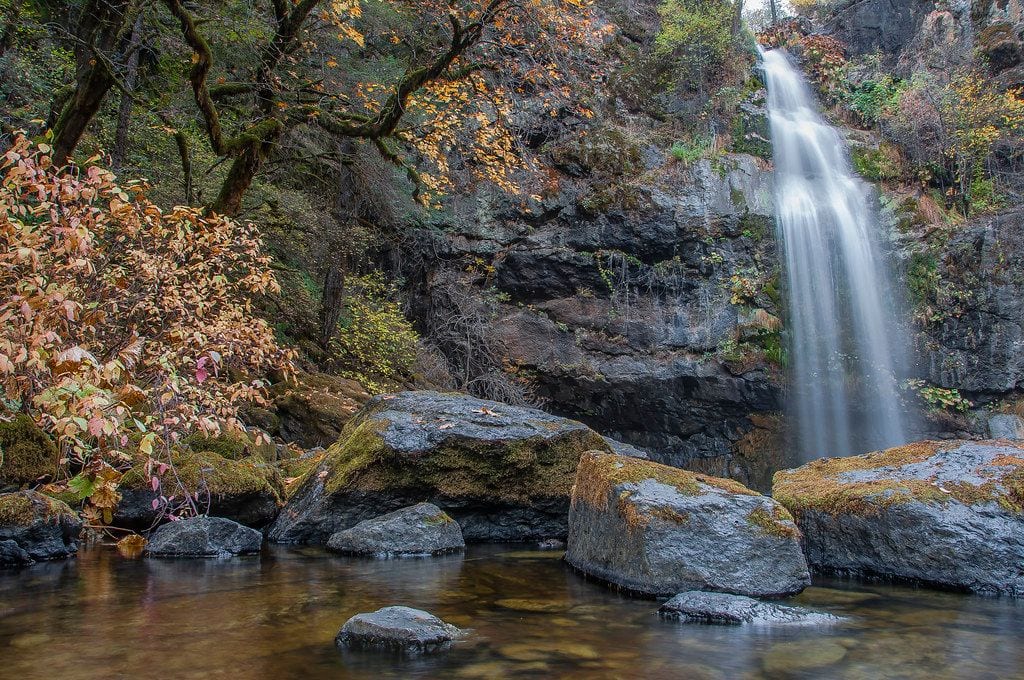
California is well known for its beaches and national parks. However, waterfalls are also a popular destination considering how refreshing the cold water and shade can be during those hot summer months in California. And if you go after a rainy season or a good snow winter, the power and magic in these peaceful places are even higher.
Not only the large number of waterfalls make California unique, but also the diversity of the waterfalls in California is absurd. Throughout the state, you can find waterfalls flowing into a beach, waterfalls with scenic pools, waterfalls in the middle of the forest, and even in the desert. Chasing them is one of the best ways to explore the Golden State, and they slot naturally into a wider California road trip.
Fun Facts About California’s Waterfalls
California is home to Yosemite Falls, the tallest waterfall in North America, which plunges 2,425 feet in a series of drops.
Yosemite Valley alone claims three of the twenty tallest waterfalls in the world, including Yosemite Falls, Ribbon Fall, and Sentinel Fall.
Most California waterfalls are fueled by snowmelt and peak in spring (roughly April to June), with many slowing to a trickle or drying up by late summer.
A few, like spring-fed Burney Falls, flow full and clear all year, regardless of drought.
The state even has rare “tidefalls” that drop straight onto the beach, such as McWay Falls in Big Sur and Alamere Falls at Point Reyes.
Yosemite Falls is the tallest waterfall in North America, plunging 2,425 feet through Yosemite National Park in three distinct stages: the Upper, Middle, and Lower falls. The thunder of that drop makes it the centerpiece of the valley, and it draws visitors from around the world to stand beneath its spray.
A short, paved walk leads to the base for an easy look at the Lower fall, while longer, strenuous trails climb toward the top and its dramatic overlooks. Time your trip for spring, when snowmelt sends the water roaring at full force; by late summer the flow can slow to a mere trickle.
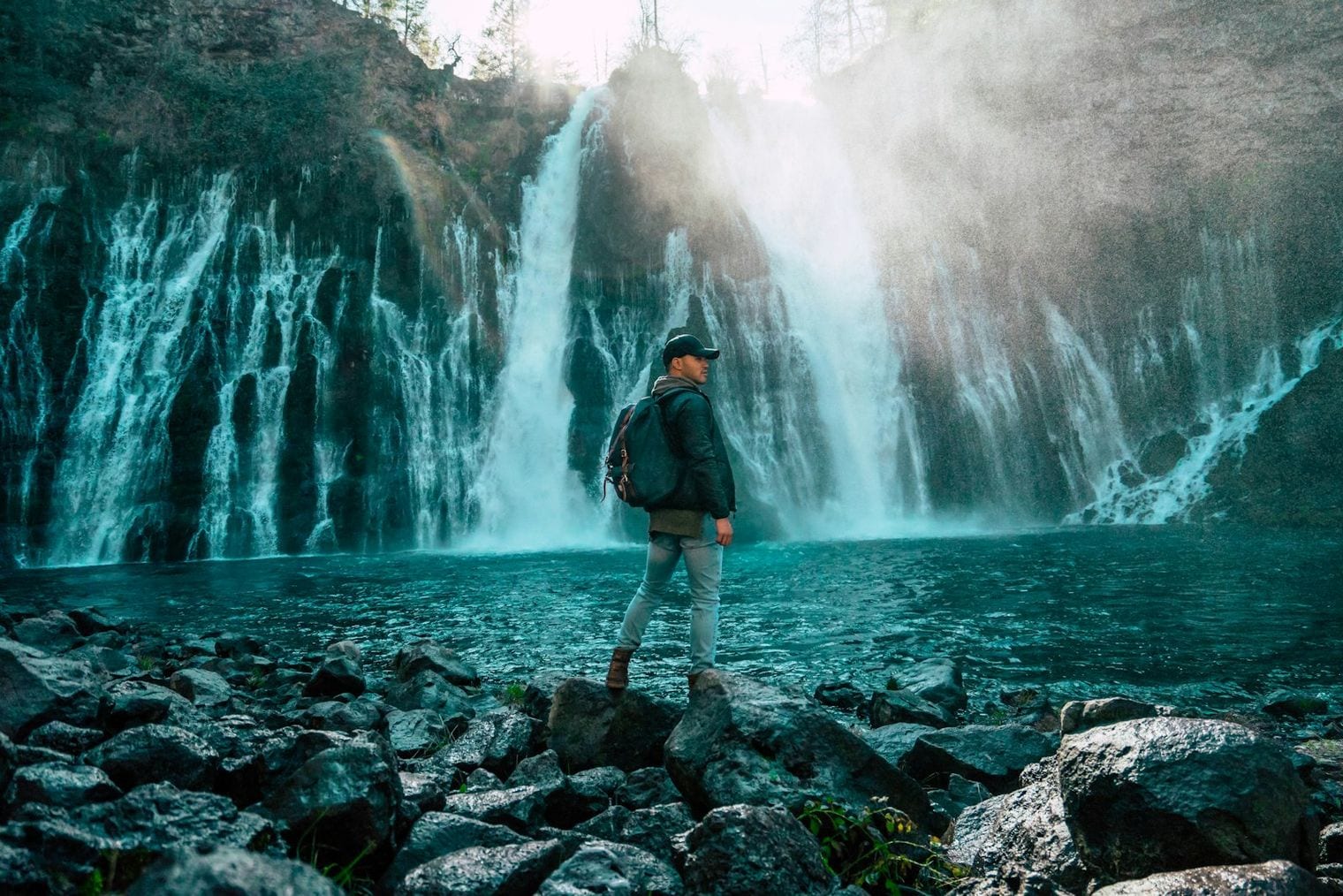
Tucked into McArthur-Burney Falls Memorial State Park in Shasta County, Burney Falls drops 129 feet in shimmering curtains over mossy basalt. Fed by underground springs rather than snowmelt or rain, it runs full and clear all year, so even in the driest heart of summer the flow never thins to a trickle.
The spring-fed water spills into a turquoise pool below, cool and vivid against the dark rock. Beyond the falls, the surrounding state park spreads out for a full day of recreation, with trails to hike, waters to fish, and quiet corners to explore well past the main overlook.
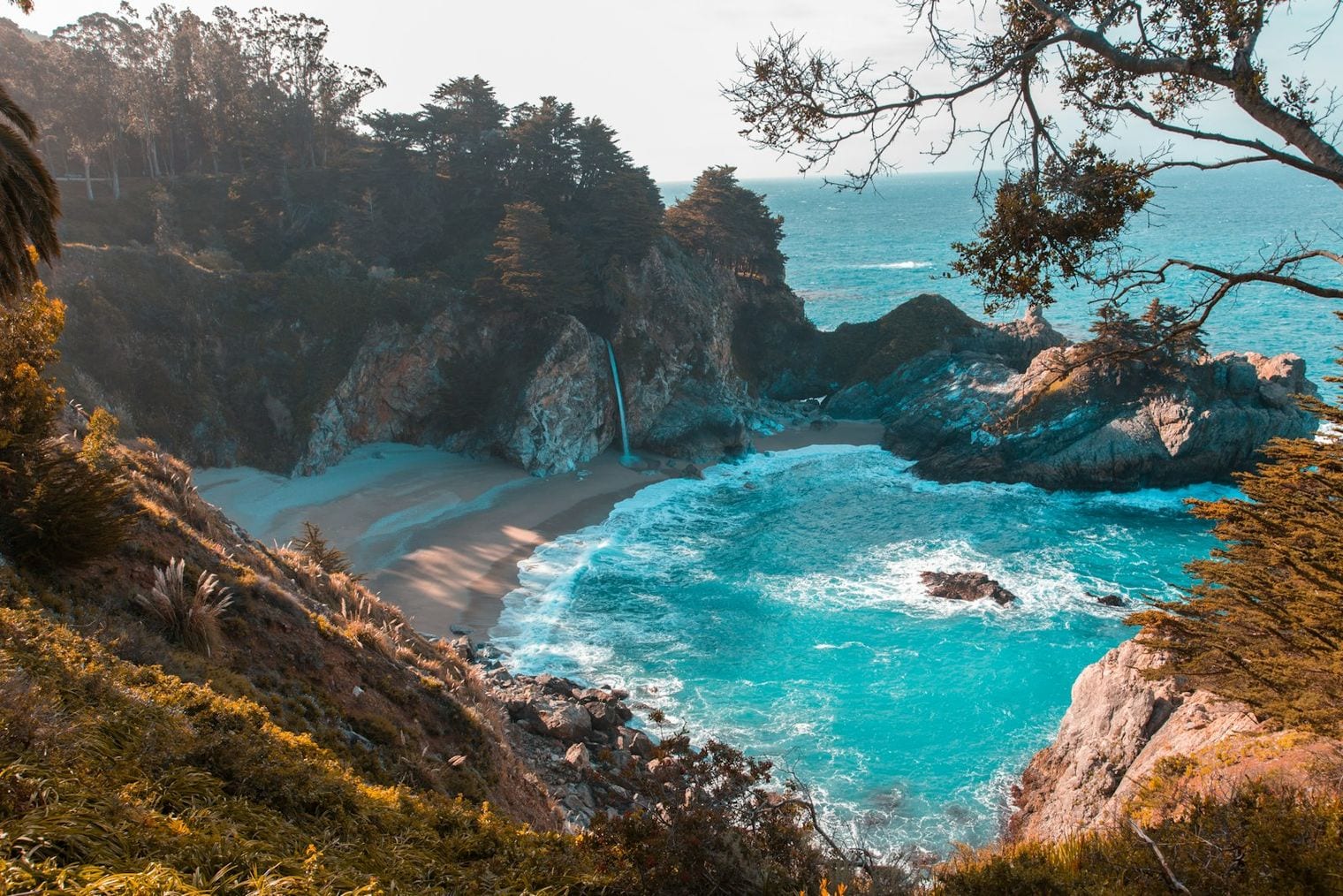
Tucked into Julia Pfeiffer Burns State Park along the Big Sur coast, McWay Falls is a rare "tidefall," an 80-foot cascade that spills directly onto a hidden sandy cove. Framed by turquoise water, it’s the kind of scene that has come to define this stretch of California’s coastline.
You can’t set foot on the beach itself, which stays off-limits to protect it, but you don’t need to. A short walk from the parking area leads to an overlook that delivers the iconic view of the falls, the cove, and that glowing turquoise water, all in a single unforgettable frame.
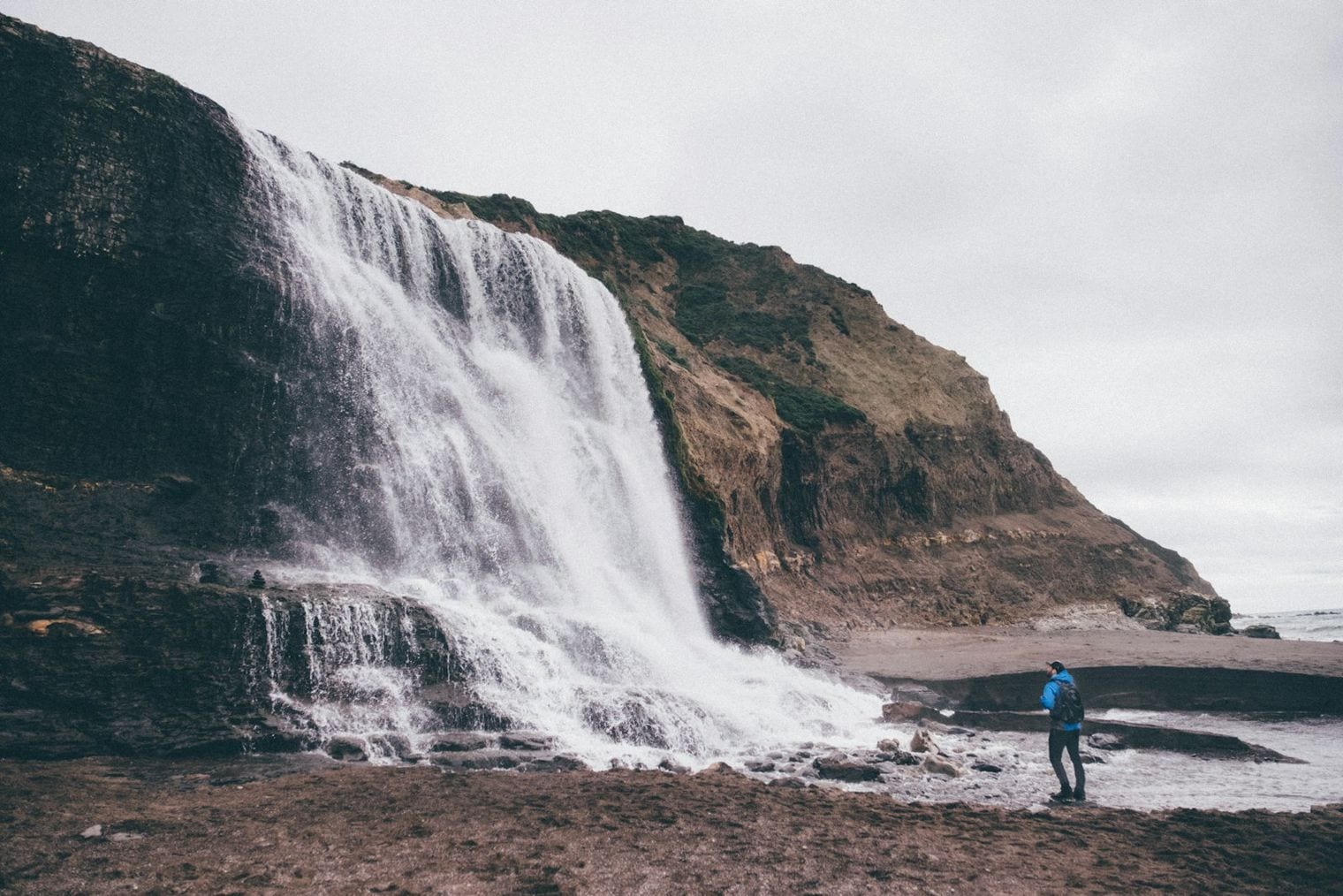
Tucked into Point Reyes National Seashore, Alamere Falls is that rare oceanfront tidefall, spilling about 30 feet down a cliff to land directly on a wild, open beach. Unlike McWay Falls, which you can only admire from above, here the reward is standing at the very base where fresh water meets sand and surf.
Getting there takes commitment: it’s a remote destination reached by a moderate hike of roughly 8-plus miles round trip, so pack water and time. Watch the tides, too, because beach access along the shore can be cut off at high tide or heavy surf. Plan around the water and you’ll have this cliffside cascade largely to yourself.
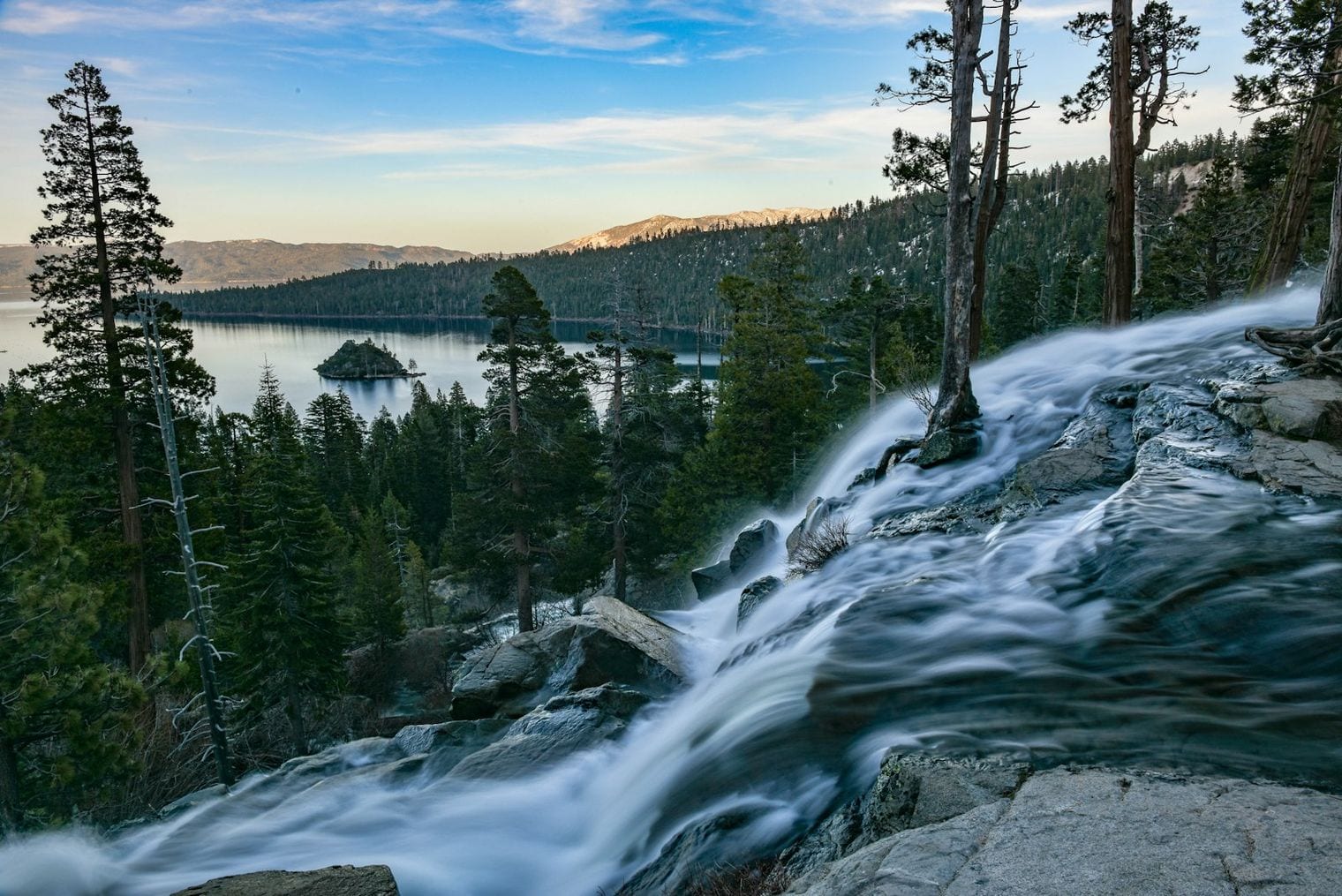
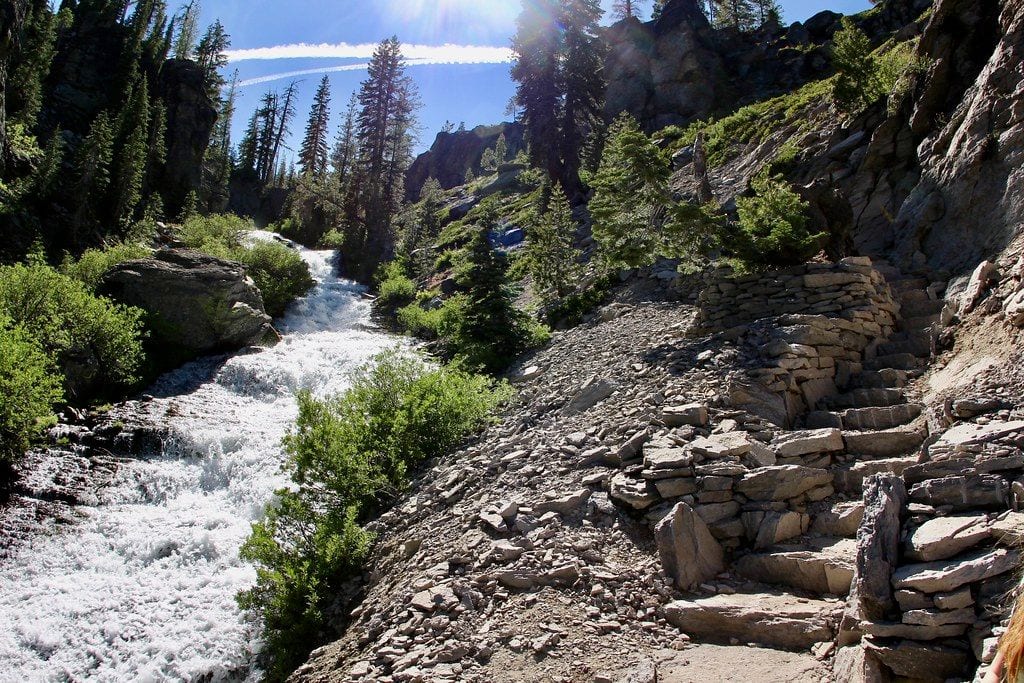
Tucked into Emerald Bay State Park on Lake Tahoe, Eagle Falls is a dramatic tiered waterfall that tumbles down a pine-studded granite cliff. A short walk of about 15 minutes brings you to the cascade, making it one of the more rewarding stops for the effort along Tahoe’s storied western shore.
The park is celebrated for its glacier-carved granite and panoramic views over Emerald Bay and Lake Tahoe, so the scenery frames the falls beautifully. If you want to keep going, a longer trail continues past the cascade toward Eagle Lake, rewarding hikers with more of the same rugged, water-laced alpine landscape.
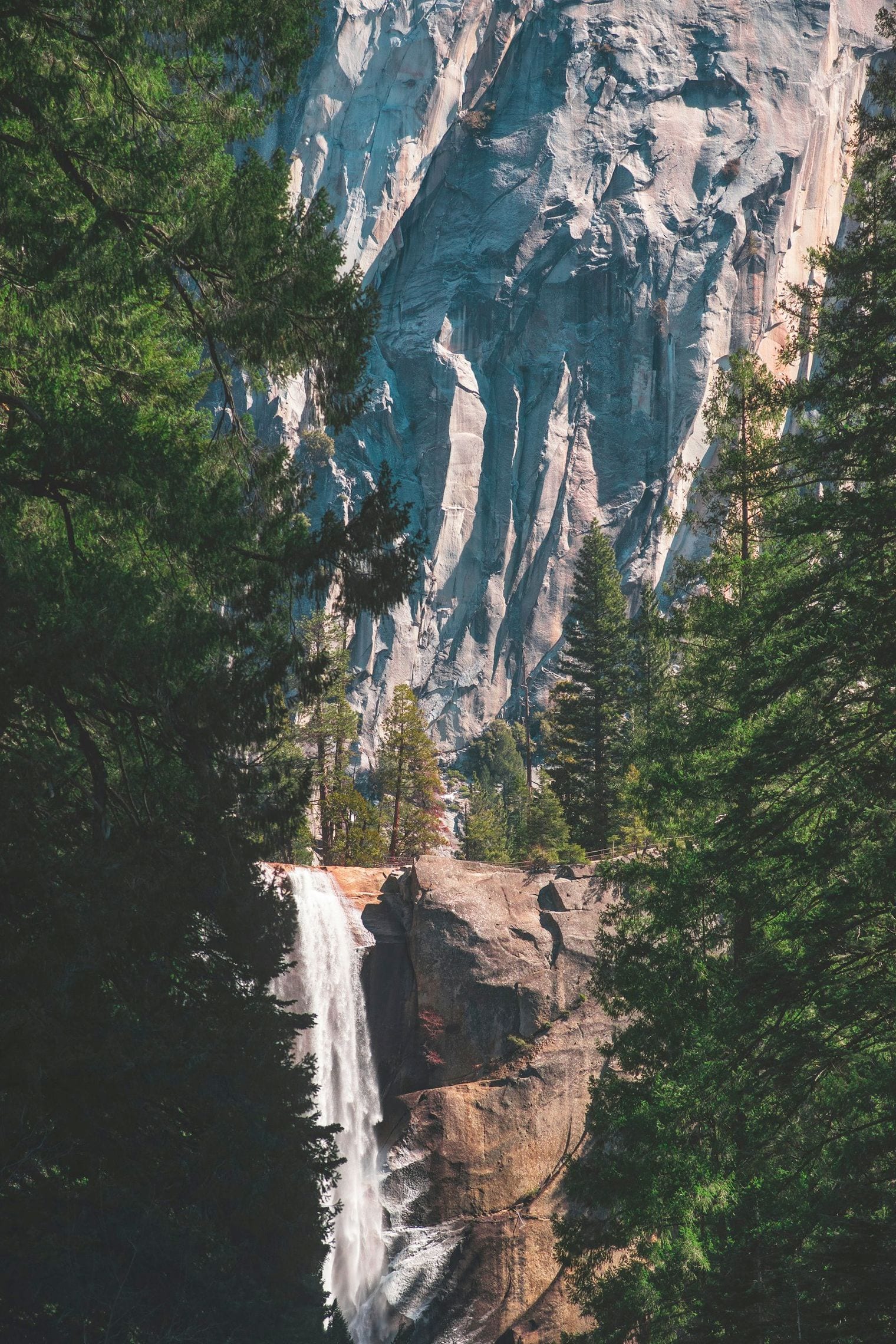
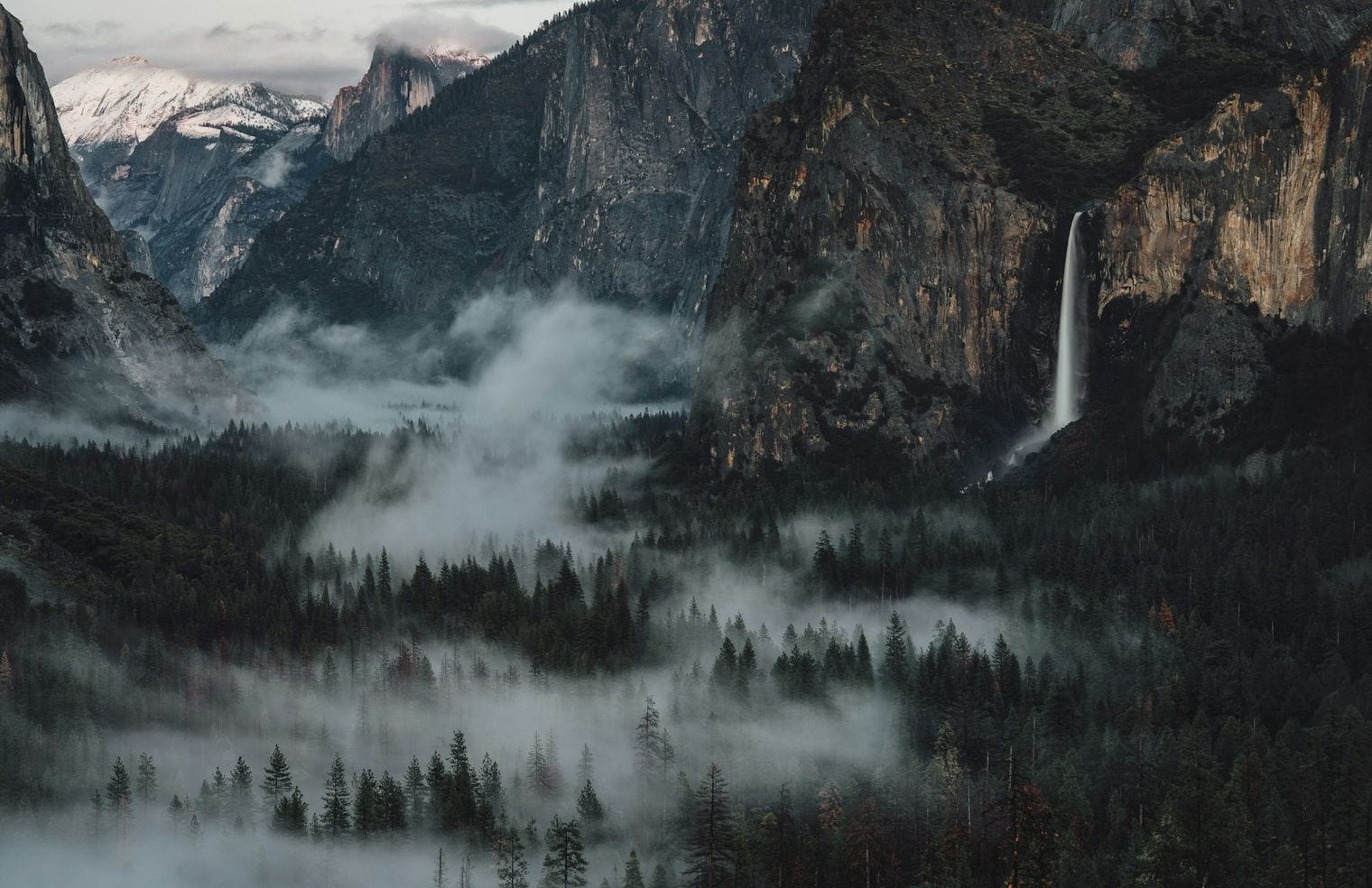
Tumbling 617 feet into Yosemite National Park, Bridalveil Fall is one of the valley’s few year-round cascades, still flowing while others thin out and vanish by late season. Catch it on a breezy afternoon and you’ll see how it earned its name.
Rather than falling in a solid sheet, its water often billows sideways in the wind, drifting like a veil across the granite. A short trail of about half a mile from the parking area leads right to the base, making it one of the park’s most accessible waterfalls.
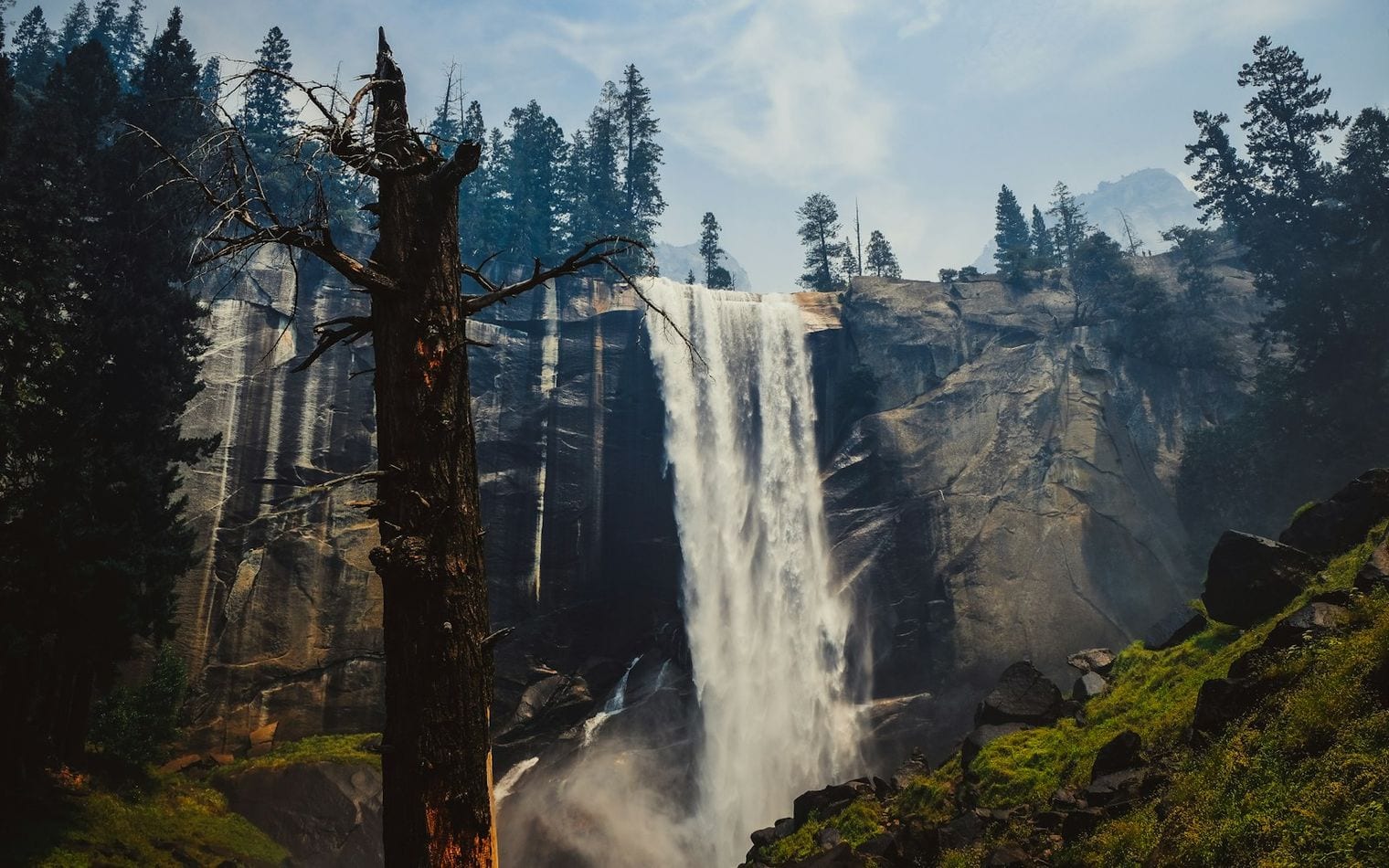
In Yosemite National Park, Vernal Fall drops 317 feet in a powerful curtain of whitewater, reached by the shady but steep Mist Trail. True to its name, the path can soak hikers in spray through spring, when the flow runs at its most thunderous and the granite underfoot turns slick.
The climb is demanding, but sweeping views reward every step up the granite staircase. Start early to beat the crowds and the heat, carry plenty of water, and pace yourself on the steps rather than rushing. Take your time, and the effort pays off in one of the park’s most memorable payoffs.
Tucked into the hills near Malibu, Escondido Falls is a multi-tier waterfall with upper and lower sections, reached by a popular creek-crossing hike. The first stretch is paved and threads through a residential area before the trail loosens up and follows the creek toward the falls themselves.
The walk to the lower falls is easy and family-friendly, making it the natural turnaround for most visitors. Pressing on to the upper falls is a different story: the route turns steep and rough, with ropes strung along the trickiest spots to help you scramble up. Go slow and mind your footing.
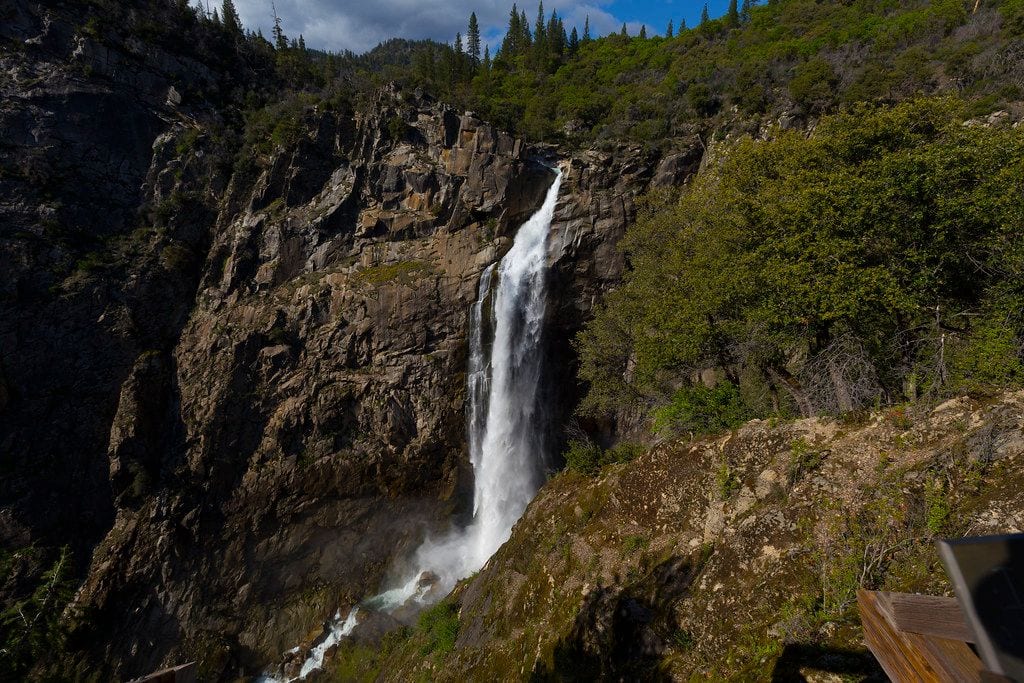
Tucked into Plumas National Forest near Oroville, Feather Falls ranks among the finest waterfalls in Northern California. Reaching it means a roughly 9-mile round-trip loop that can turn strenuous, taking a few hours to reach the overlook. The reward is a tall, forest-framed cascade that pays back every mile of the climb.
From the overlook, the views open onto the towering falls and the surrounding forest, a quiet payoff for the effort it takes to get there. The trail has since reopened following wildfire recovery work. Pack water, plan for a few hours on foot, and give yourself unhurried time to take in the scene.
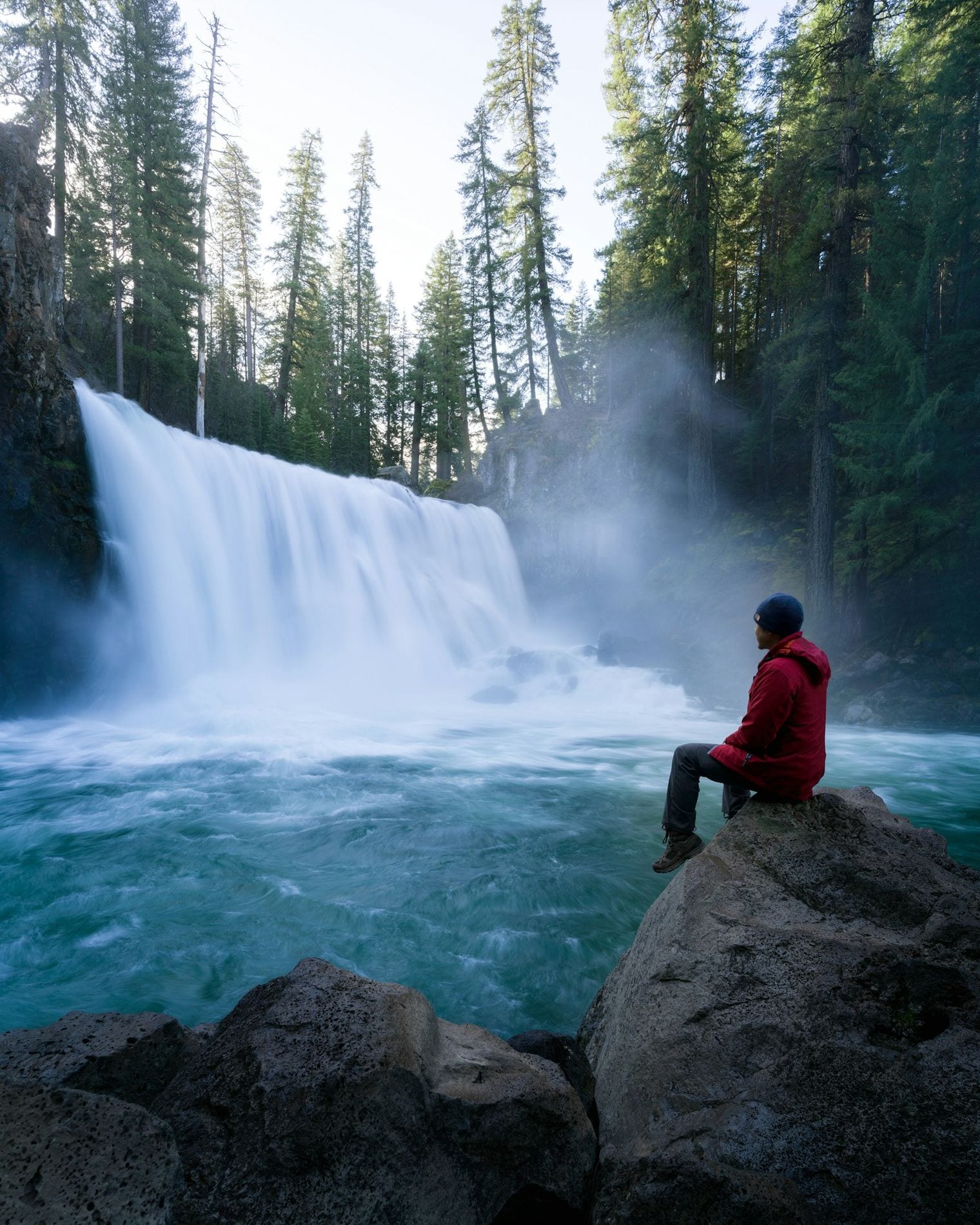
Near Mount Shasta, McCloud Falls isn’t one cascade but three: Upper, Middle, and Lower Falls, each with its own character, strung along the McCloud River. In season the pools invite swimming, the ledges tempt cliff jumping, and the surrounding rocks reward a bit of scrambling.
How you visit is up to you. Drive straight to each of the three falls for a low-effort day, or link them on foot along the riverside trail, a roughly 6-mile round trip that follows the water from one drop to the next and rewards you with every angle in between.
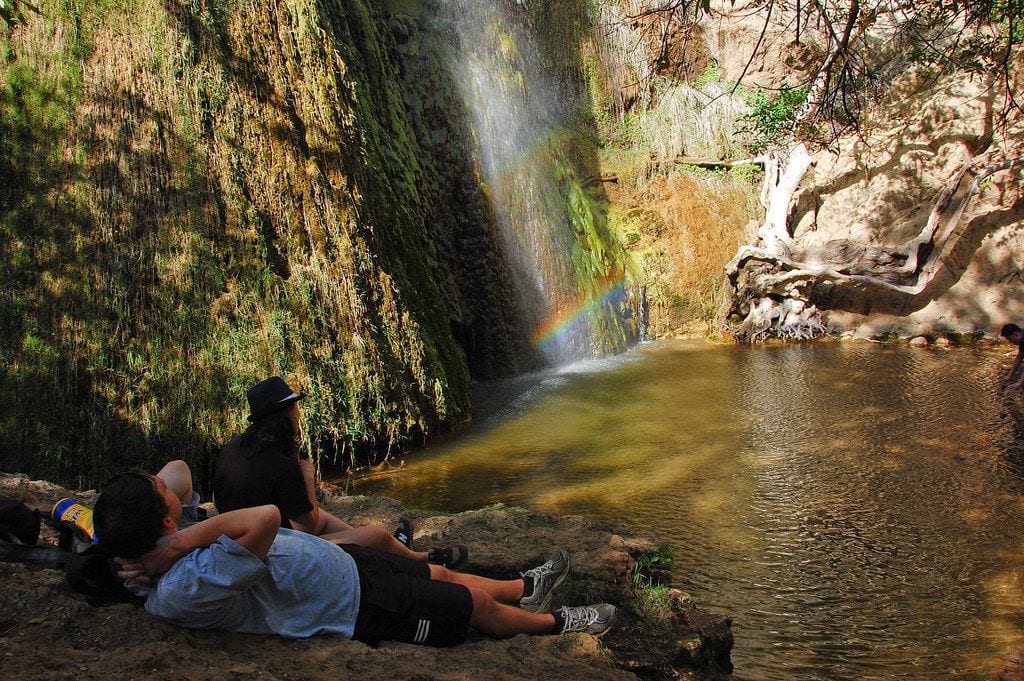
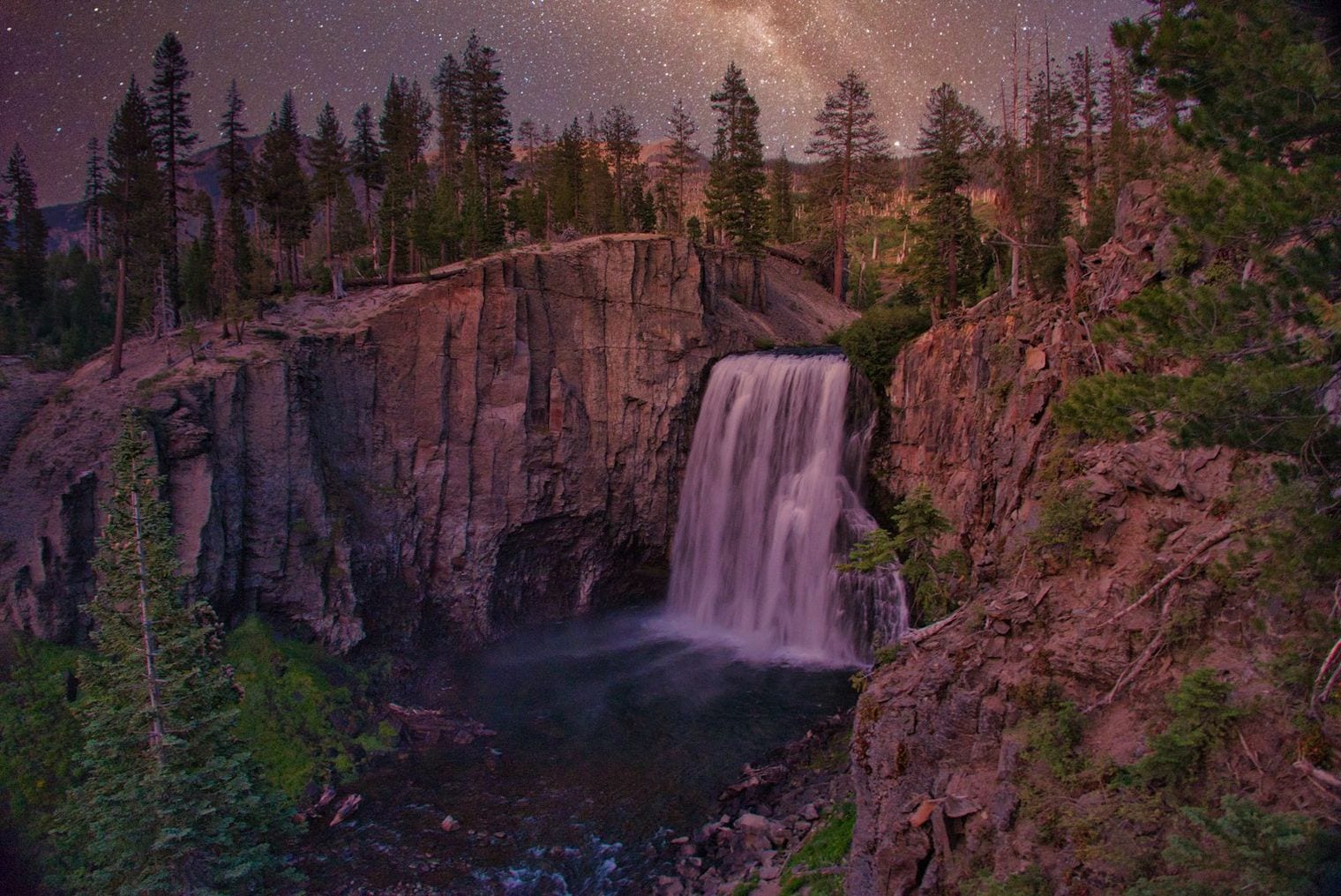
Tucked into the Ansel Adams Wilderness near Devils Postpile, Rainbow Falls rewards the hike in with a spill of water framed by tall pine forest. Well-marked trails lead you steadily toward the sound of it, and a dedicated lookout point opens up a full, unobstructed view of the falls.
The name is more than decoration. On sunny afternoons, sunlight catches the drifting mist below the drop and throws off rainbows that hang in the spray. Time your visit for a clear day and you may well see them arcing across the water, a quiet payoff for the forested walk in.
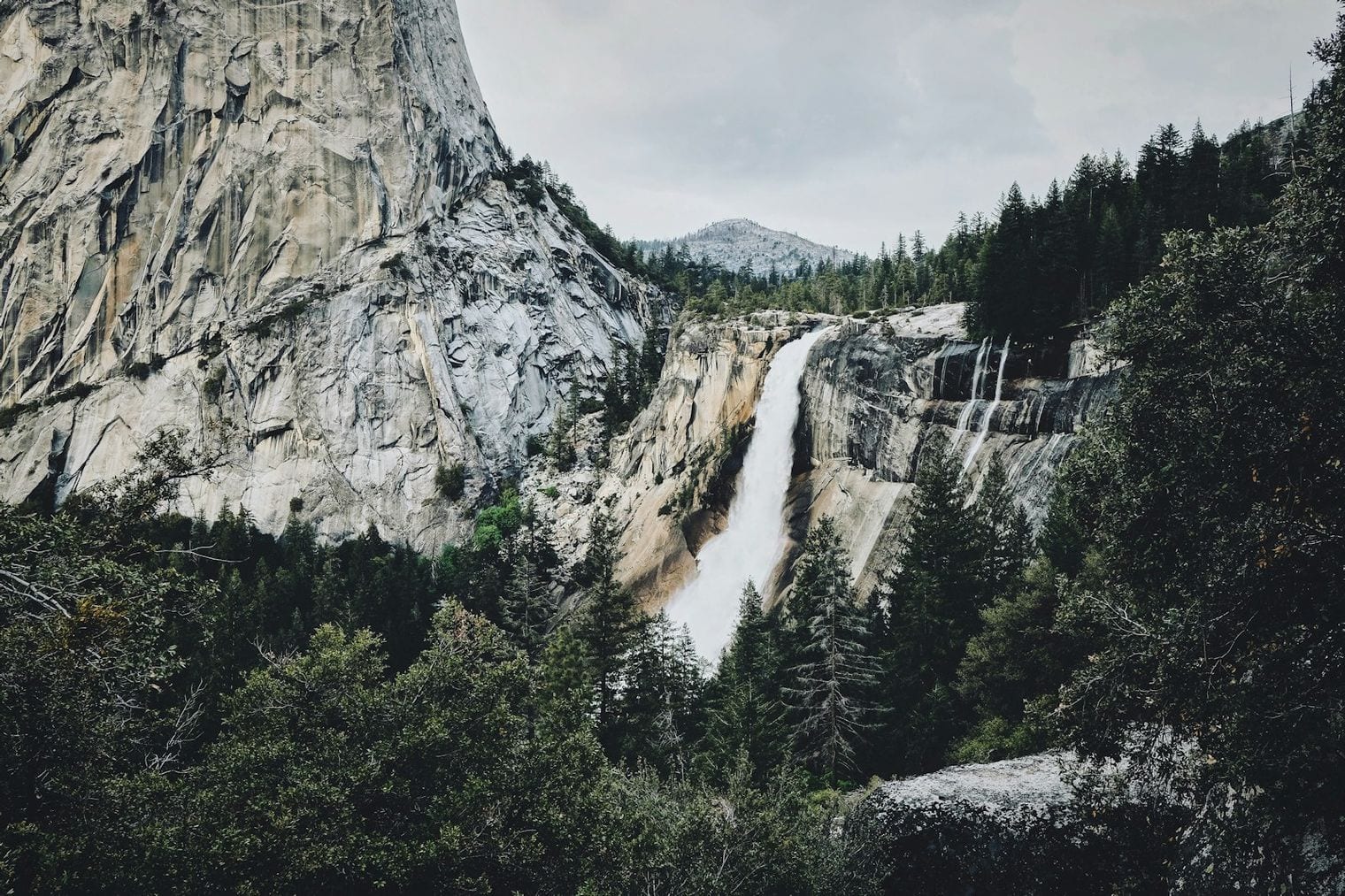
Above Vernal Fall on Yosemite’s Mist Trail, Nevada Fall drops 594 feet in a broad, powerful sheet. The climb to reach it is a workout, but the payoff is a front-row seat at the brink and sweeping vistas across the national park. It’s one of Yosemite’s classic waterfall hikes.
The trail strings together a series of picturesque viewpoints on the way up, so the reward comes in stages rather than all at once. Reach the top and you can turn back satisfied, or press on, since continuing past the fall puts you on the route toward Half Dome for those chasing a bigger day.
Tucked into Lassen Volcanic National Park, Kings Creek Falls rewards a loop trail that ranks among the park’s prettiest hikes. The catch is patience: the falls stay hidden until the very end, so you walk without any grand payoff waiting obviously in view along the way.
Instead, you follow the creek for a couple of miles, its water your quiet companion through the forest. Then the sound shifts, growing to a rush, and the falls finally reveal themselves as the trail’s overlook opens up. It is a slow build that makes the arrival feel genuinely earned.
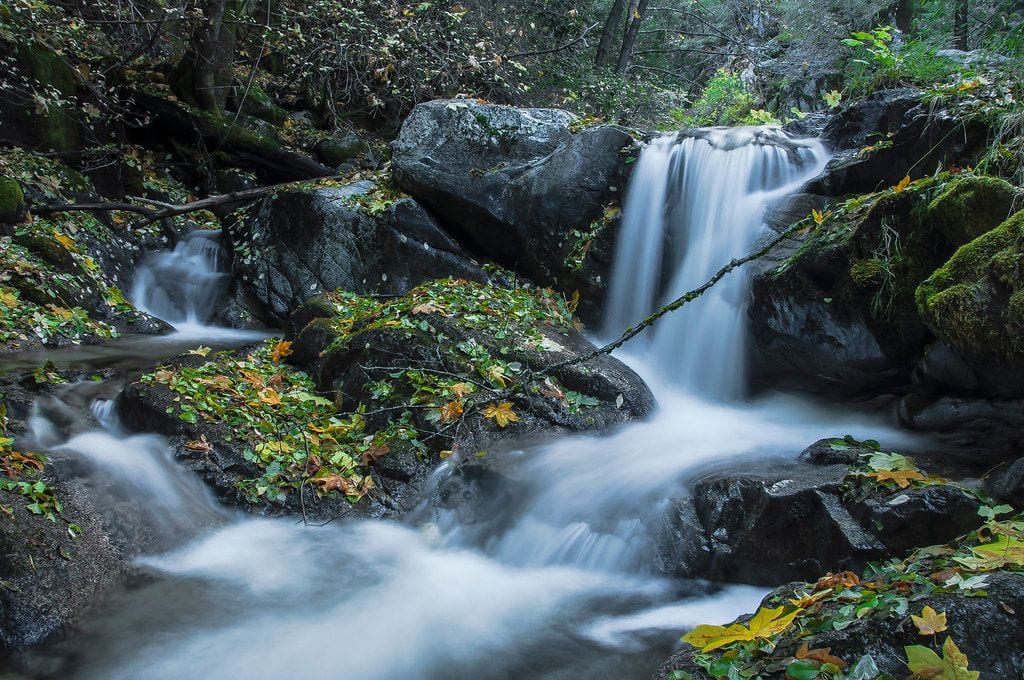
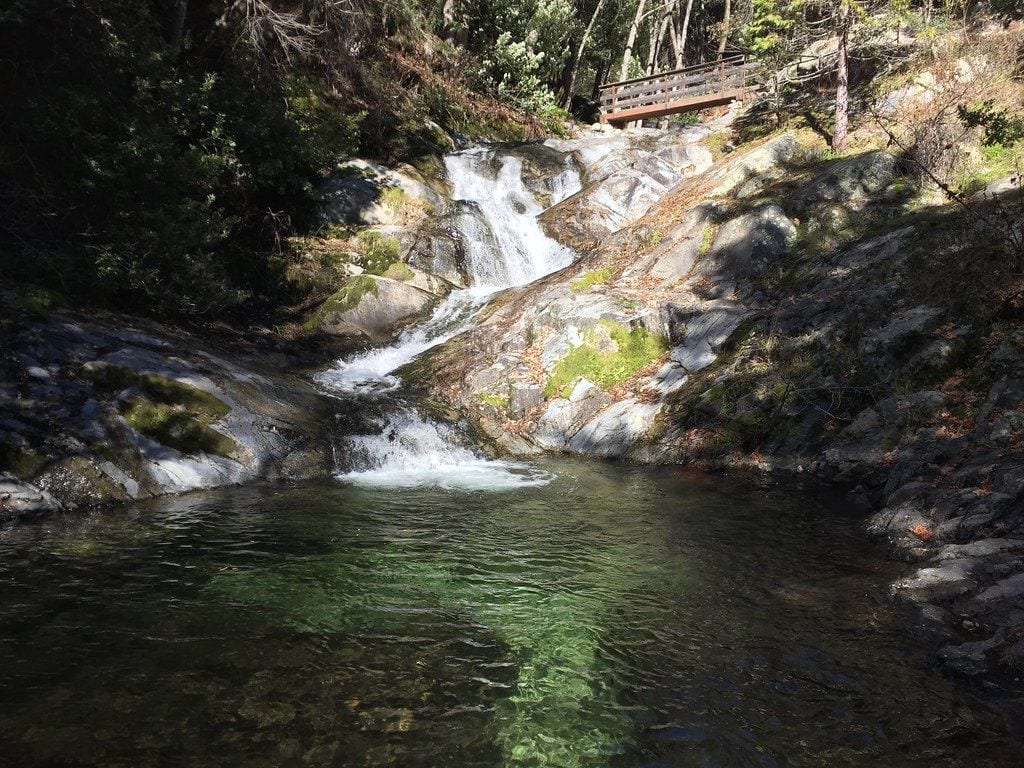
Tucked into the Whiskeytown National Recreation Area, Brandy Creek Falls tumbles through a series of cascades framed by granite. Water spills down in multiple tiers, each drop feeding the next, and the arrangement makes the falls a longtime favorite among visitors who come to watch the tumbling water work its way downhill.
Getting there rewards a little planning. Driving up the access road trims the effort considerably, leaving a scenic hike of a few miles to reach the falls themselves. Better still, the water keeps running even through summer, so the cascades stay lively long after many California waterfalls have slowed to a trickle or dried up entirely.
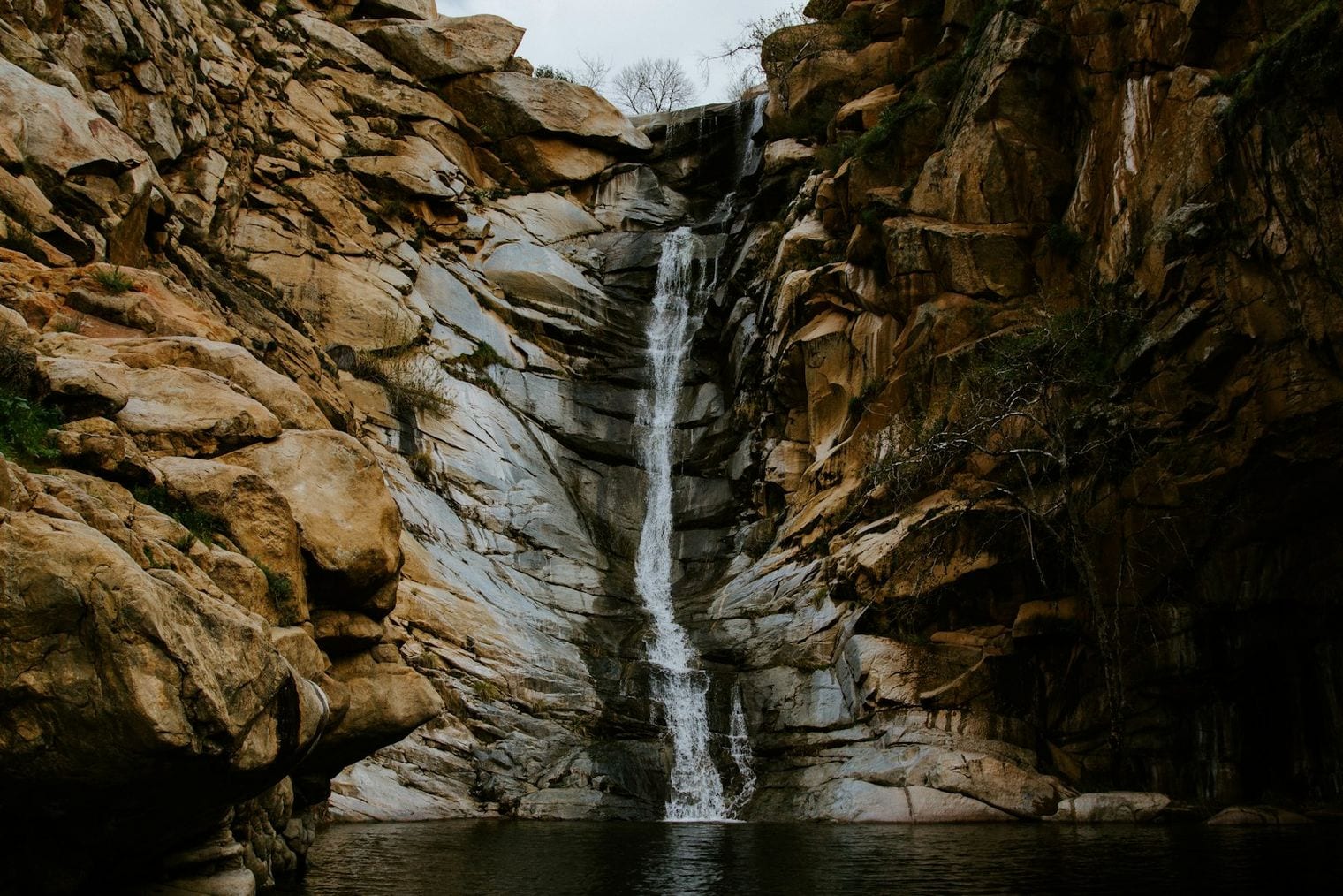
Tucked into the Cleveland National Forest not far from San Diego, Cedar Creek Falls rewards a scenic hike with the Devil’s Punchbowl, a base pool that draws crowds hoping to cool off with a swim. It’s a beloved corner of Southern California’s backcountry, wilder and quieter than the coast.
Come prepared: a permit is required to hike in, and the falls can run low or even dry by high summer, so time your visit for cooler, wetter months. The trail down is gorgeous, but remember every step drops you deeper, and the return climb is genuinely strenuous, especially the last couple of miles.
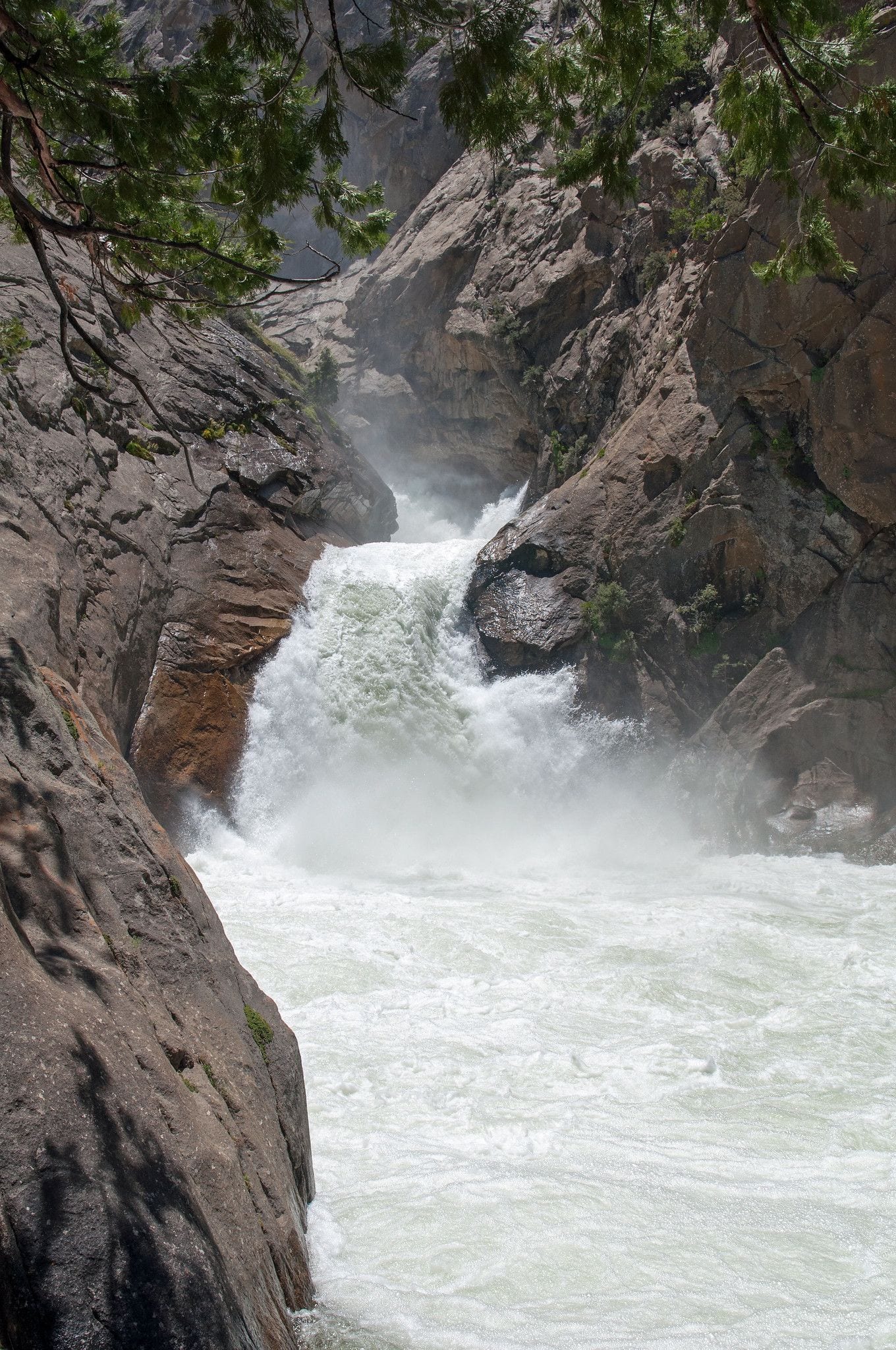
Tucked into Kings Canyon National Park, Roaring River Falls tumbles over smooth granite before settling into a clear rock pool below. A flat, paved quarter-mile path leads you straight to the viewpoint, making this one of the park’s most approachable falls and an easy detour off the main canyon road.
The short, level walk and cool, refreshing water make it a natural stop for families traveling with kids, with no scrambling or steep grades to slow anyone down. Surrounded by the canyon’s dramatic scenery, it packs a memorable payoff into just a few minutes on foot, rewarding little effort with a genuinely lovely spot.
Tucked away in Yosemite National Park, Illilouette Fall spills over bare granite in a spot you reach on foot rather than from any roadside pullout. The trails do the work of hiding it, which is part of the appeal. Getting down to the water is easy enough; it’s the climb back up that turns into a proper workout.
For the payoff without the full descent, the Panorama Trail delivers a good view from above. If you want a better angle, a short scramble leads to an overlook that frames the drop more directly. Either way, you earn the vantage, and the granite-and-water scene rewards anyone willing to trade a little effort for the quiet.
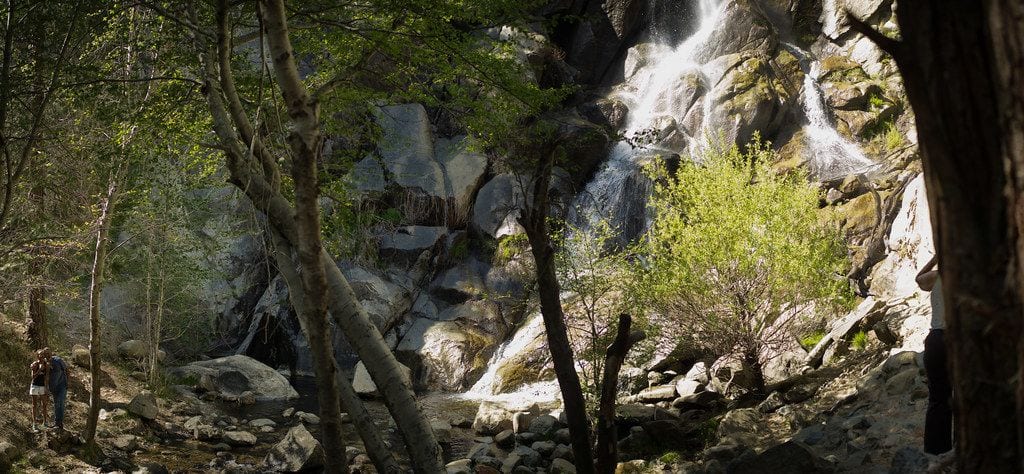
Tucked into the Kings Canyon area of the Sequoia National Forest, Grizzly Falls is that rare cascade you barely have to work for. It spills into view just a short walk from the parking area, so you can trade the trail for a shady picnic ground and still catch the water up close.
The falls run most powerful in spring, when winter snowmelt swells the flow, so plan an early-season visit if you want the water at its loudest. A roughly 100-foot path leads to a wheelchair-accessible, family-friendly picnic area, making this one of the easiest stops to fit into a Kings Canyon day.
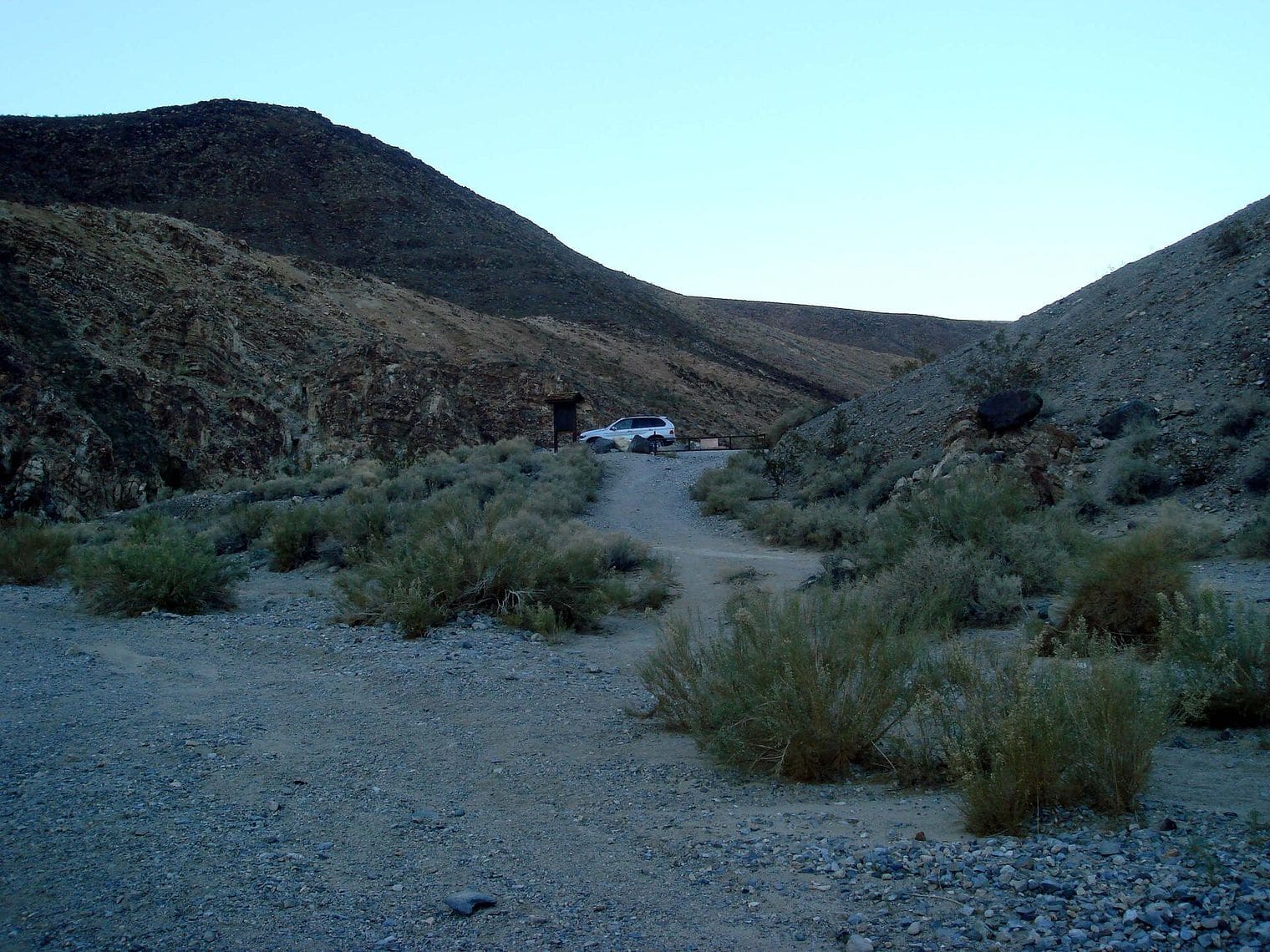
Tucked into the arid folds of Death Valley National Park, Darwin Falls is the tallest waterfall in the park, an 80-foot cascade fed by a spring. The water conjures a surprising desert oasis, threading greenery through terrain that otherwise offers little more than rock, heat, and sky.
Because it runs year-round, the falls reward visitors in any season with the rare sight of flowing water in the desert. Reaching it means an easy, roughly 2-mile round-trip hike with some welcome shade, though the rocky footing slows the going, so allow more time than the short distance suggests.
Tucked into the Whiskeytown National Recreation Area, Whiskeytown Falls rewards a little effort with a genuine sense of discovery. A 3.4-mile round-trip hike leads you there along a shaded, uphill trail that follows creeks the whole way, making the climb feel like a steady, scenic build toward something worth reaching.
Rated easy to moderate, the trail is a solid pick for beginners who want a real payoff without a punishing grade. Benches and rest stops are spaced along the route, so you can pause, catch your breath, and take in the surroundings. It stays a rewarding hidden gem well worth the walk in.
Deep in the Trinity Alps Wilderness, reached through Georgetown-area access, Canyon Creek Falls rewards hikers and backpackers willing to earn it. The route runs long, roughly twelve miles, and the main falls stay hidden until you drop off the path and scramble downhill to the water itself.
From the trail you only glimpse a smaller cascade, so the full spectacle waits for those who commit to the descent. With plenty of nearby campsites, it suits an overnight trip rather than a quick stop, letting you settle into the wilderness and take the miles at a slower, more rewarding pace.
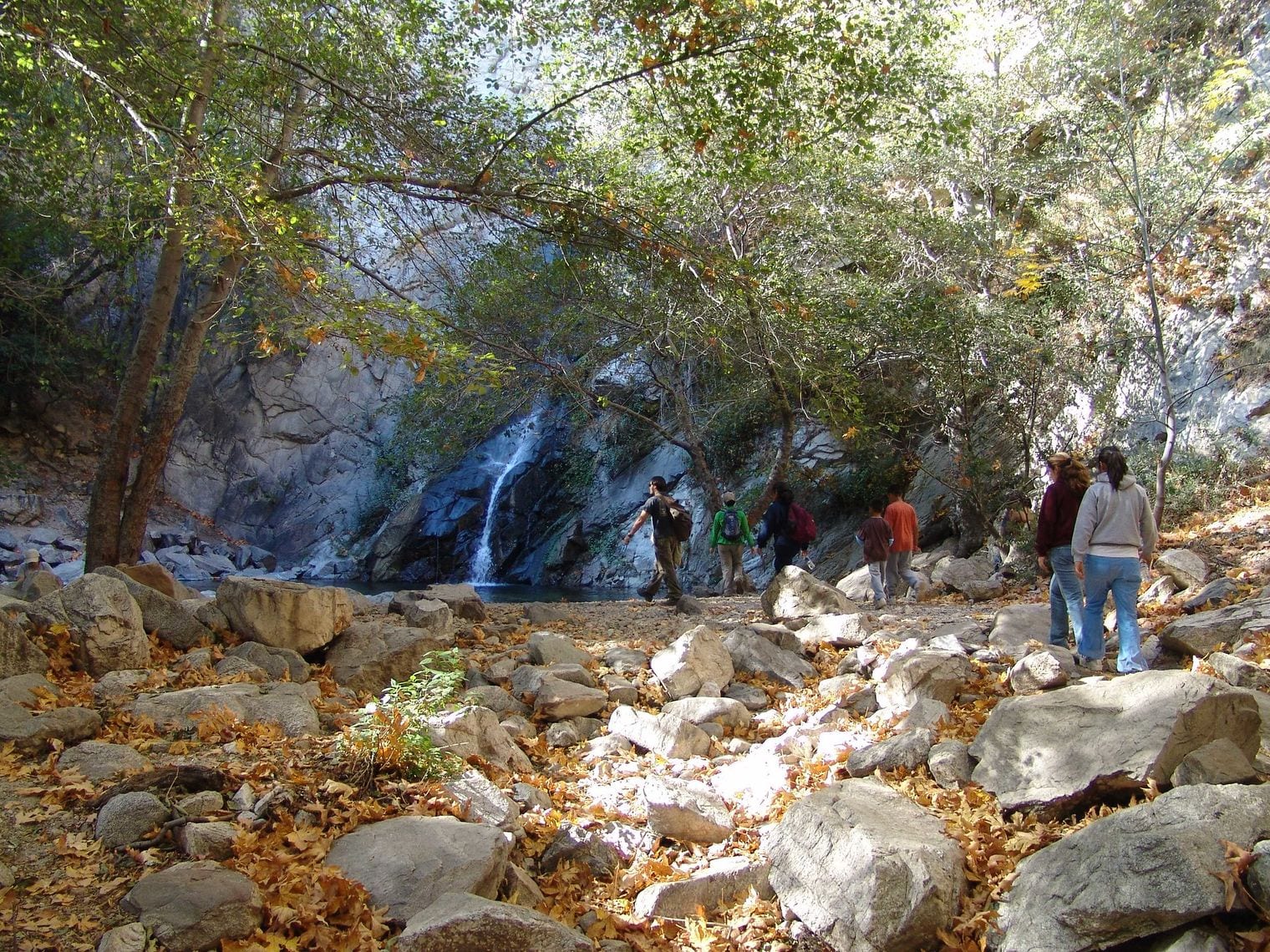
Tucked into the San Gabriel Mountains of the Angeles National Forest, Sturtevant Falls is a picturesque cascade of roughly 50 feet that rewards a moderate hike through Big Santa Anita Canyon. Set out from the Chantry Flat trailhead near Arcadia and Pasadena, following a shaded canyon path toward the water.
The trail winds past historic cabins and a handful of creek crossings before delivering you to the falls and the pool at its base. The tree-cover keeps the canyon cool even on warm days, making it a satisfying escape close to the city. Bring an Adventure Pass, which is required to park at the trailhead.
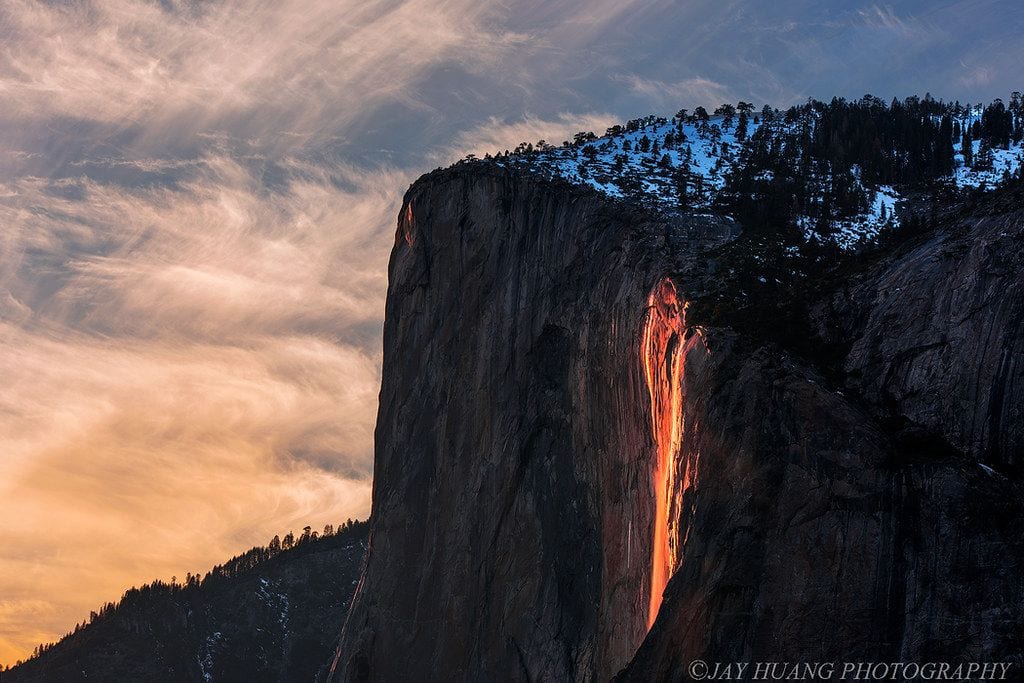
Tall and impossibly thin, Horsetail Fall spills down the east side of El Capitan in Yosemite National Park, a seasonal thread of water that most visitors walk right past. Its fame rests on a single trick of light, one that draws crowds to this particular ribbon every winter for a couple of fleeting weeks.
The "Firefall" effect arrives on clear evenings in mid-to-late February, when the setting sun catches the falling water and lights it fiery orange and red, as if the cliff were pouring molten lava. It’s a fickle spectacle: you need enough winter runoff to feed the fall and a clear western horizon to let the last light through.
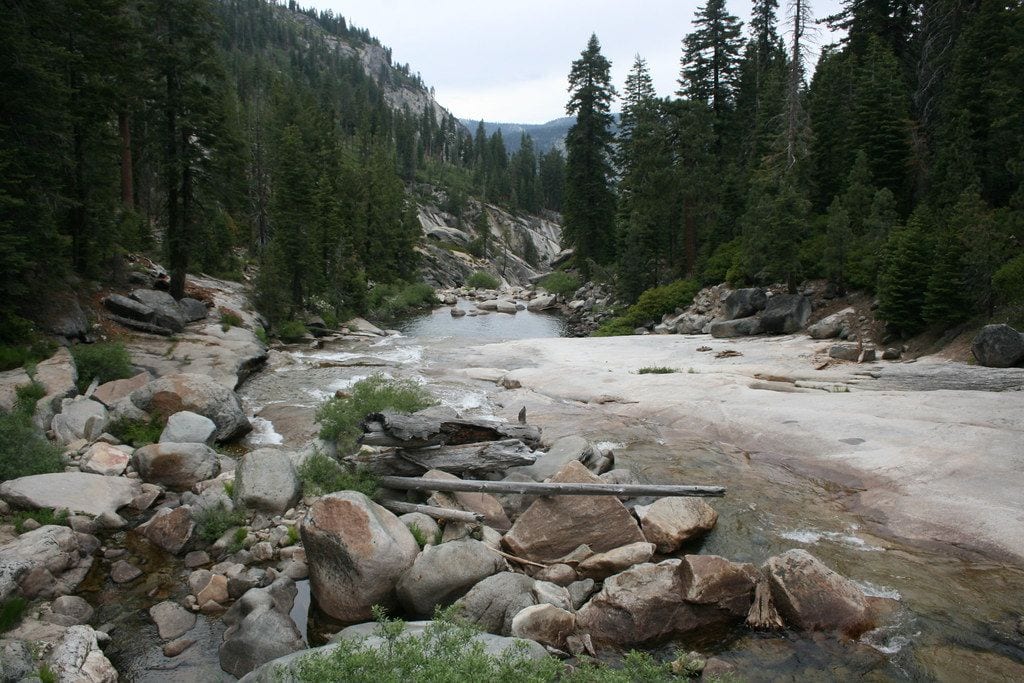
Reached at the end of a roughly 3.7-mile trail in Sequoia National Park, Marble Falls rewards the effort with a genuinely powerful cascade tucked deep in the backcountry. The path begins near the Potwisha campground, where a small parking area marks the start of the climb.
The route follows the Kaweah River upstream the whole way, and part of the pleasure is the journey itself. There are many spots to pause, cool off, and explore the riverbanks along the way, making this a hike where lingering feels just as worthwhile as reaching the roaring falls at the top.
Tucked between the Shasta-Trinity and Lassen national forest areas, Potem Creek Falls rewards a short hike with a quiet, out-of-the-way reward. The trail down can turn a little steep and rough in places, so watch your footing, but the payoff is a lush, green pocket that stays peaceful even in the warmer months.
What makes the spot worth the effort is the water itself. Shallow edges suit a quick cool-off or wading with kids, while deeper pockets invite a proper swim. Because it sits off the beaten path, it rarely draws a crowd, so you can linger in the greenery and enjoy the falls without jostling for space.
Do note that some falls sit inside parks that charge an entrance or parking fee, and a handful, like Cedar Creek Falls, require a permit to hike. Even where there’s a fee, the waterfalls themselves are a bargain for the scenery, and many roadside or short-trail falls can be enjoyed for the cost of parking alone. Several also pair well with a nearby city break: Sturtevant Falls is an easy add-on from Pasadena, while Escondido Falls sits just up the coast from Malibu.
FAQ: Visiting California’s Waterfalls
When is the best time to see waterfalls in California?
Spring, roughly April through June, is the best time for most California waterfalls, when snowmelt sends them roaring at peak flow. Many falls, especially in Yosemite and the Sierra, slow to a trickle or dry up by late summer, so aim for late spring for the biggest, most reliable displays.
What is the tallest waterfall in California?
Yosemite Falls in Yosemite National Park is the tallest waterfall in California and in all of North America, dropping a total of 2,425 feet through its Upper, Middle, and Lower sections. It’s most powerful in spring and can slow dramatically by late summer.
Are California waterfalls worth visiting?
Absolutely. California’s waterfalls range from towering Sierra cascades and year-round spring-fed falls to rare oceanfront “tidefalls” and hidden desert oases, offering something for every kind of explorer. The diversity across the state makes waterfall-chasing one of its most rewarding outdoor pursuits.
Which California waterfalls flow year-round?
A handful flow all year rather than just in spring. Spring-fed Burney Falls runs full and clear even in drought, Bridalveil Fall in Yosemite rarely dries up, and desert-oasis Darwin Falls in Death Valley flows year-round. Most others are strongest in spring and weakest in late summer.
Are there family-friendly waterfall hikes in California?
Yes. Several falls are reached by short, easy walks suitable for kids, including Roaring River Falls in Kings Canyon (a flat, paved quarter-mile path), roadside Grizzly Falls, and the overlook at McWay Falls. Others, like Feather Falls or Alamere Falls, involve long, strenuous hikes better suited to older kids and adults.
Do you need a permit to visit California waterfalls?
Most don’t require a permit, but a few do. Cedar Creek Falls near San Diego requires a hiking permit, and many falls sit inside national or state parks that charge an entrance or parking fee. Some national forest trailheads also require a parking pass, so check the managing agency before you go.
What is a “tidefall” and does California have any?
A tidefall is a rare waterfall that drops directly onto a beach or into the ocean. California has two famous examples: McWay Falls in Big Sur, viewed from an overlook, and Alamere Falls at Point Reyes, where you can reach the base of the cascade on the sand.