There is no shortage of luxury shopping destinations in California, but if you are looking for vintage treasures, great bargains on second-hand products, and truly original artwork, there are a handful of local flea markets that you should explore.
Besides offering a lively atmosphere and youthful spirited energy, flea markets are the place to go for neighborly satisfaction and community growth. Check the markets’ websites for schedules, admission fees, and other pertinent information, such as alternate locations.
Fun Facts About Flea Markets in California
The Rose Bowl Flea Market is world-famous: Held monthly in the parking lots of Pasadena's Rose Bowl since 1968, this sprawling market draws thousands of vendors and tens of thousands of shoppers, and is renowned as a treasure trove for antiques, vintage clothing, and one-of-a-kind finds.
San Jose's La Pulga has been running since 1960: The San Jose Flea Market, affectionately known as La Pulga, opened on Berryessa Road in 1960 and grew into one of the largest and oldest open-air markets in the United States, sprawling across more than 100 acres.
Alameda Point requires everything to be at least 20 years old: The Alameda Point Antiques Faire, one of California's largest antiques-only shows, is held the first Sunday of each month on a former naval air station, and enforces a strict rule that every item for sale must be 20 years or older.
California's swap meets grew out of drive-in theaters: Many of Southern California's flea-market-style swap meets began as drive-in movie lots, with operators opening daytime markets on the same asphalt during the 1950s and 1960s.
The Melrose Trading Post benefits Fairfax High School: Every Sunday, the Melrose Trading Post fills the parking lot of Fairfax High School in Los Angeles, and its proceeds run through the nonprofit Greenway Arts Alliance to fund arts and education programs for the school's students.
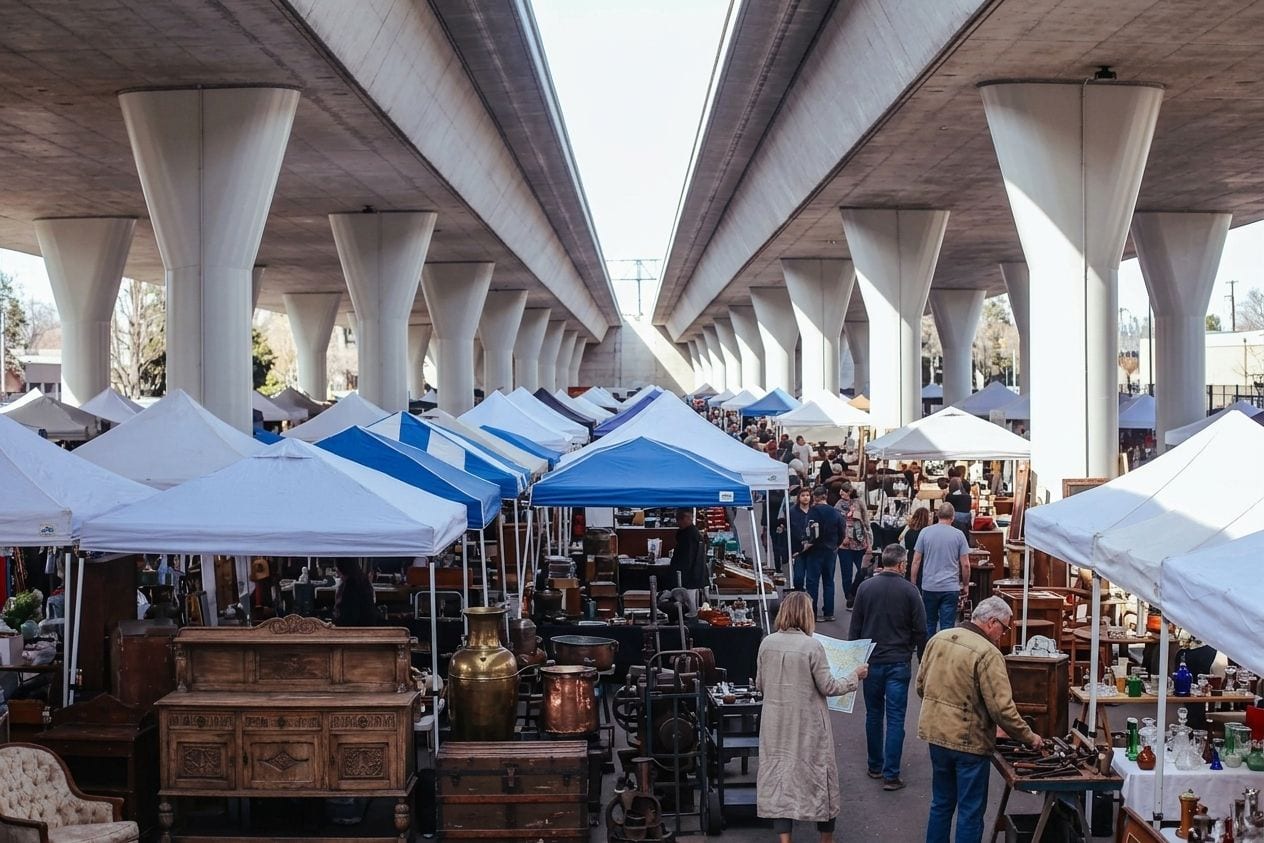
The Alameda Point Antiques Faire is a sprawling open-air antiques show held monthly on a former naval air station near Oakland, ranking among Northern California's largest antiques-only events. Hundreds of dealers spread out across the tarmac, selling vintage clothing, home decor, art, furniture and jewelry, with everything genuinely old rather than reproduction.
A strict rule keeps the quality high here: every item on offer must be at least twenty years old, so treasure hunters browse authentic finds rather than newer knockoffs. On-site food trucks keep you fueled through the aisles, while cart rentals help haul bigger scores and ATMs stand ready when you spot something you cannot leave behind.
On a Sunday in San Francisco, the Alemany Flea Market takes over the same site that hosts the weekday farmers market, spreading out a laid-back mix of antiques, artisanal goods and street eats. It's city-run and refreshingly unhurried, the kind of hunt you can wander at your own pace without elbowing through a crowd.
What sets it apart from bigger markets is the breathing room: it rarely gets overcrowded, and vendor lines stay short, so you can actually browse and haggle. Come with cash, since that's what most sellers prefer, and let the day unfold slowly between the antique tables, handmade wares and a bite from the food stalls.
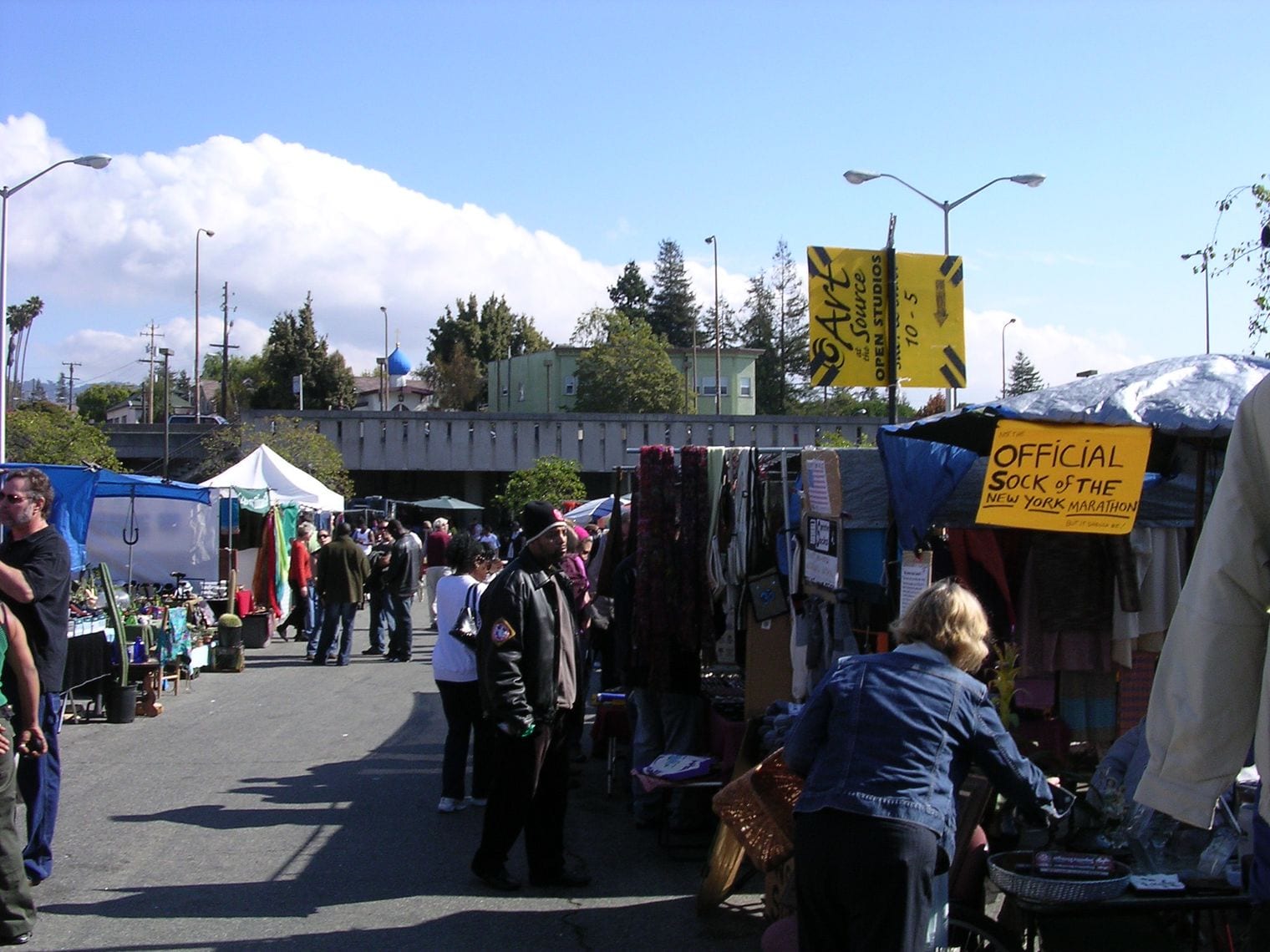
The Berkeley Flea Market sets up each weekend, year-round, in the Ashby BART parking lot, spreading out an eclectic mix of antiques, vintage collectibles and handmade crafts. A corner food court rounds out the hunt, serving up barbecue and fresh produce for browsers who want to refuel between tables.
Part of its charm is the legendary drum circle that gathers alongside the stalls, where dancers often join the rhythm. After a brief pause in 2025, the market reopened under a new nonprofit operator, so treat any visit as a fresh chapter rather than an unbroken run and confirm the schedule before heading over.
In the heart of Silicon Valley, the De Anza College Flea Market has drawn Cupertino bargain-hunters for decades, beginning life as a student project and still run by the college's student government. Every monthly gathering raises money for student programs, so browsing the aisles does a little good beyond the thrill of the find.
Wander the stalls and you'll turn up plants, clothes, accessories, home decor, collectibles, toys and all manner of odds and ends, with food vendors keeping shoppers fueled along the way. Save room for the treats too: fresh kettle corn and cold snow cones make the perfect reward after an afternoon of digging for hidden gems.
Set halfway between Napa and Vallejo in American Canyon, the Napa-Vallejo Flea Market is one of the North Bay's most enduring Sunday traditions, drawing bargain hunters to the gateway of wine country for decades. Hundreds of open-air stalls sprawl across the grounds, a cheerful jumble of the vintage, the used, and the brand-new.
Wander the aisles and you'll turn up antiques and collectibles, tools, jewelry, books, and household finds, plus fresh produce and food vendors to keep you fueled. It's a lively, unpretentious scene where haggling is half the fun and the treasure you didn't know you needed is usually a few tables away. Arrive early for the best pickings.
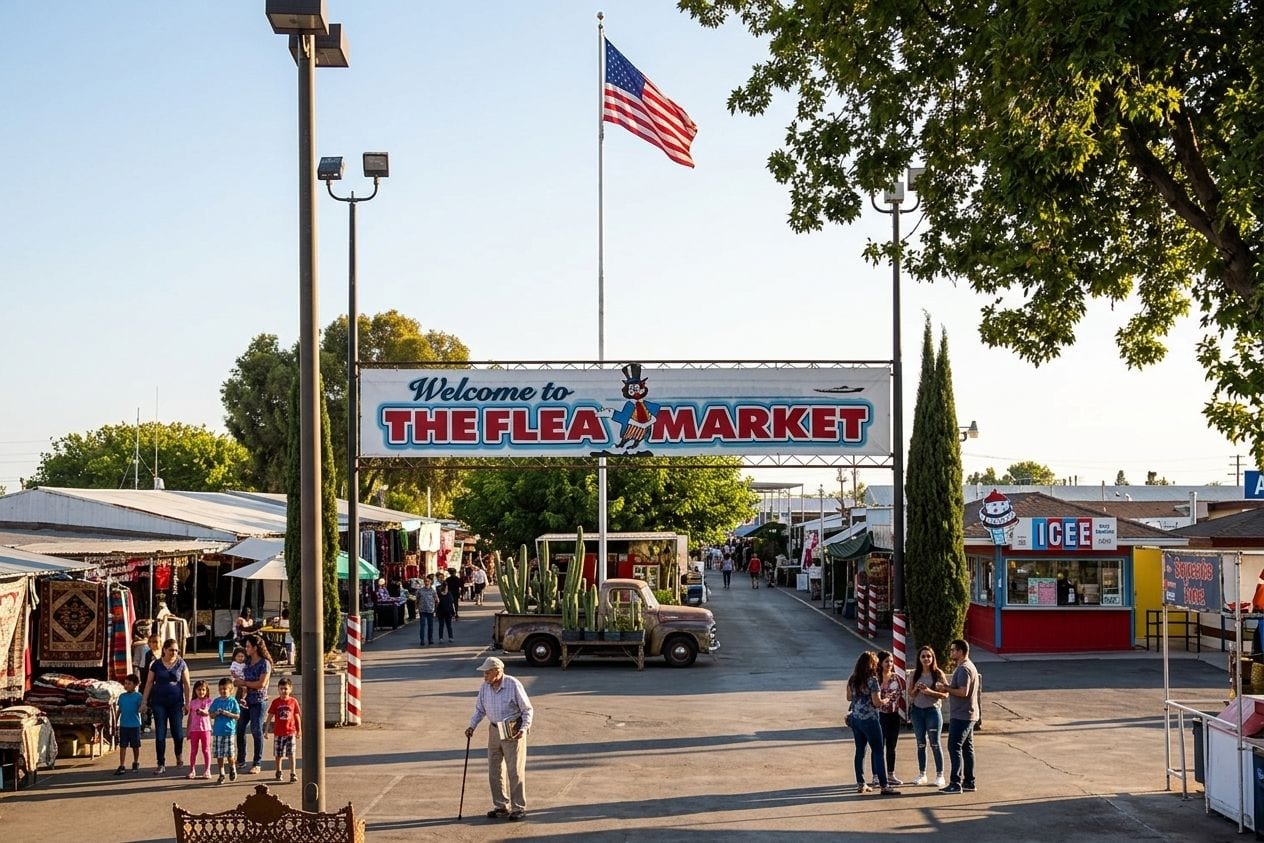
The grandfather of Bay Area flea markets, The San Jose Flea Market has been going strong since 1960, when locals nicknamed it La Pulga. One of the oldest and largest open-air markets in the country, it sprawls across more than 100 acres, keeping a small-town feel despite its enormous footprint and decades of history.
Vendors here sell just about everything: clothes, electronics, furniture, auto parts and world foods, while a vintage carousel, mini Ferris wheel and playground keep kids happily busy. Nearby redevelopment does put its long-term future in question, so it's worth wandering the aisles and soaking up the atmosphere while you can.
Held in the parking lots of the Rose Bowl Stadium in Pasadena since 1968, the Rose Bowl Flea Market is one of the largest and most famous flea markets in California. This sprawling monthly gathering draws professional dealers, working artisans and weekend hobbyists, all spreading their wares across an enormous stretch of open asphalt.
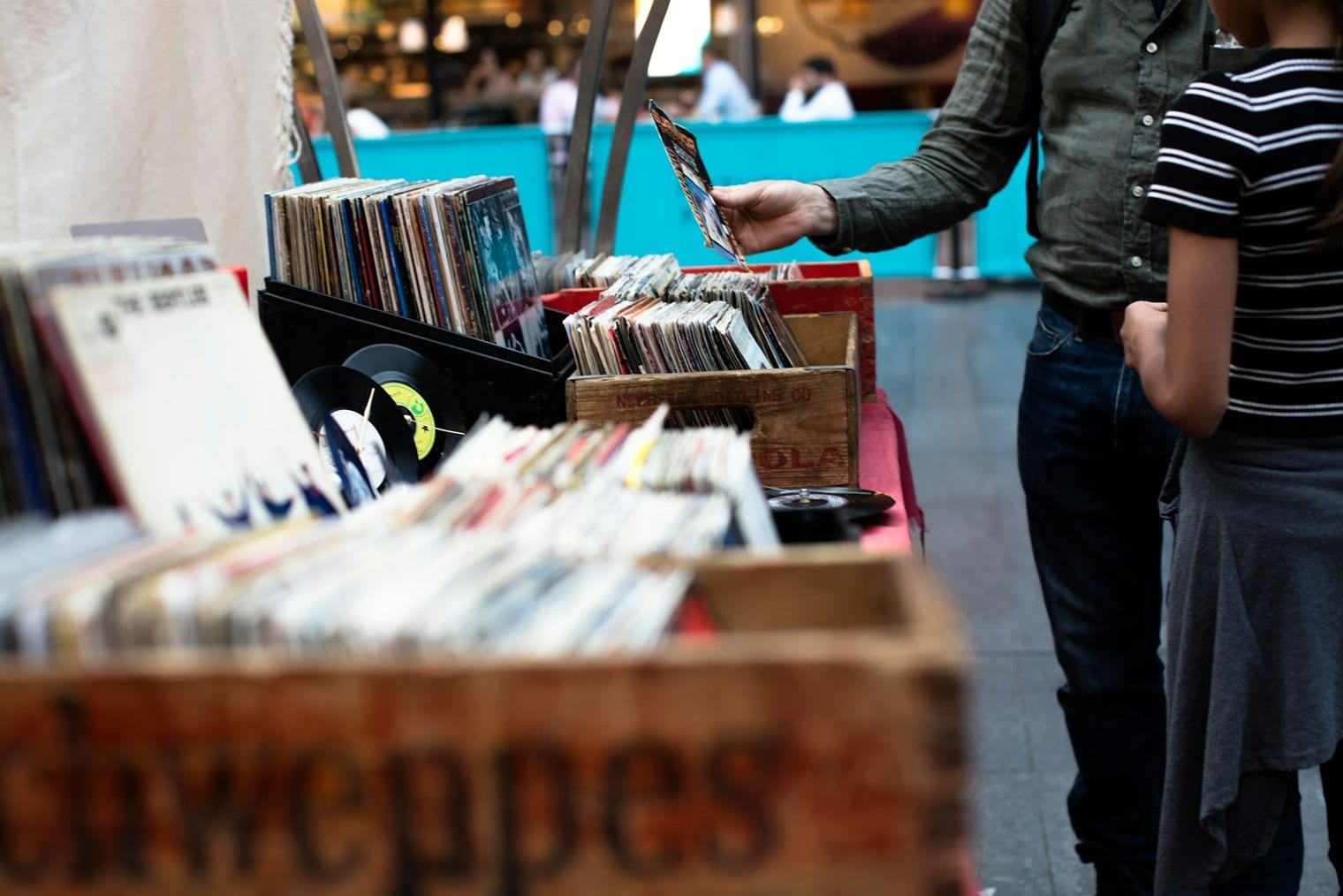
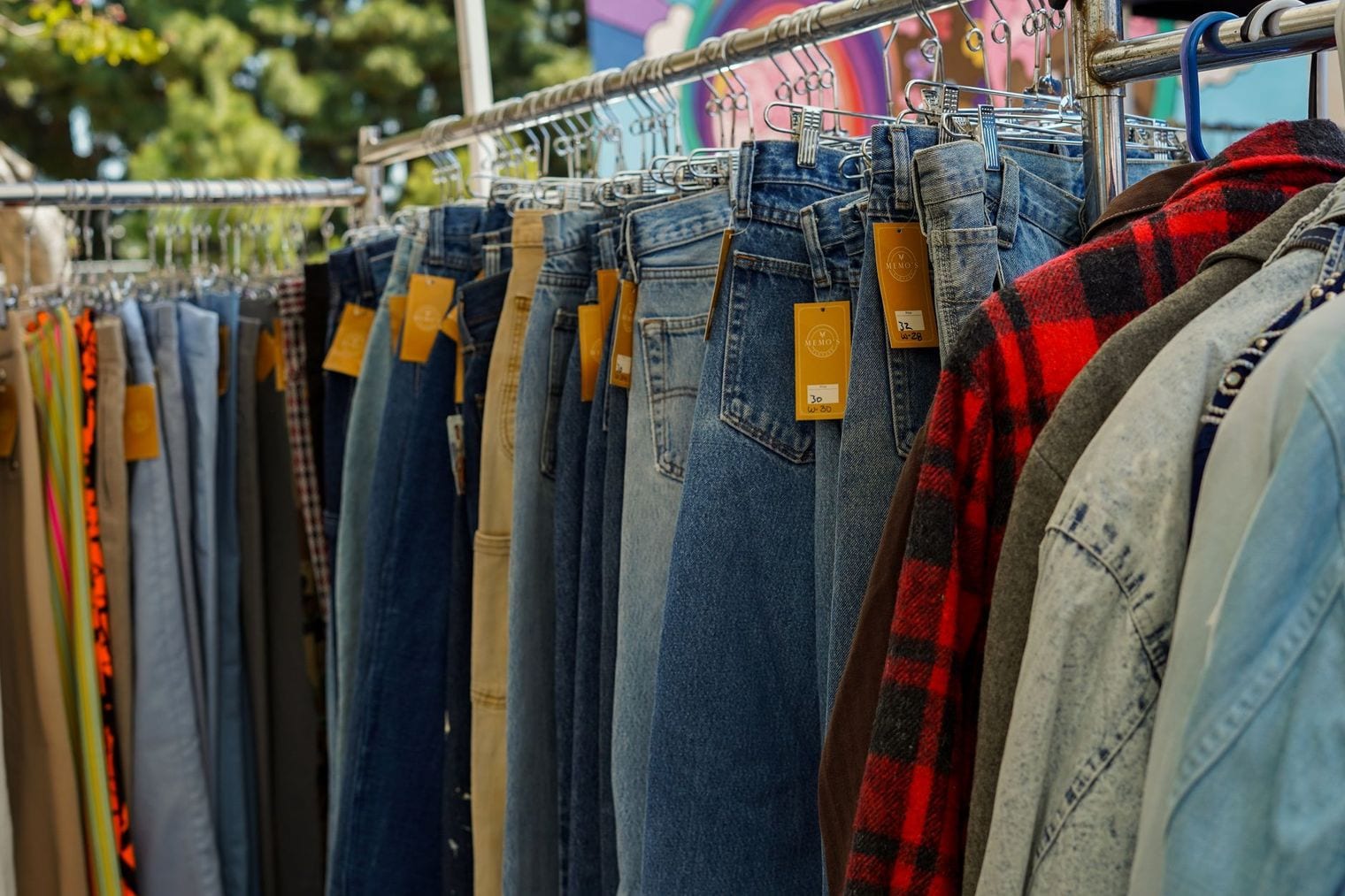
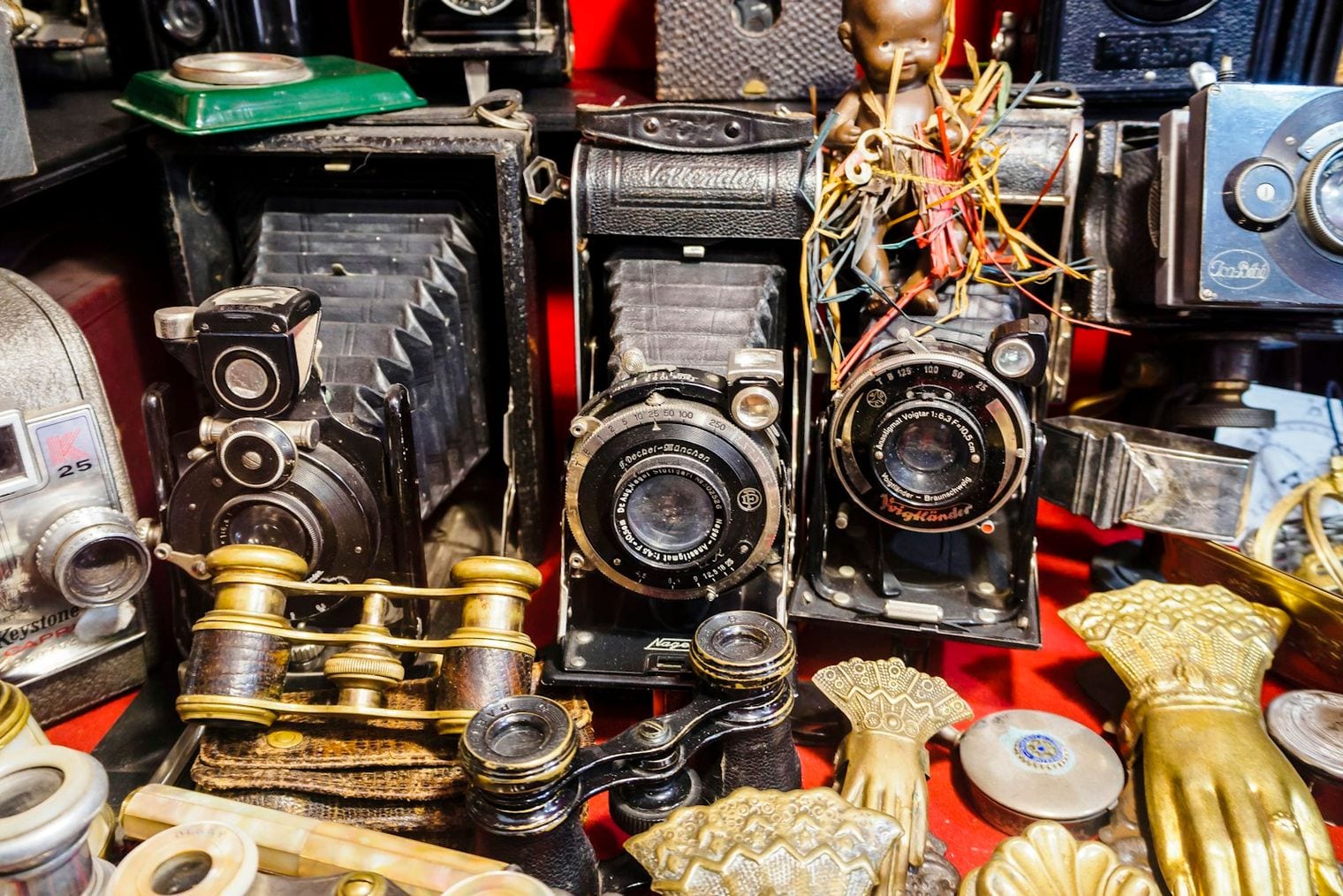
The array on offer is dizzyingly eclectic. You'll wander past handmade crafts and apparel, weathered antiques and furniture, ceramics, vintage clothing, crates of old records and one-of-a-kind art. Whether you arrive to hunt seriously or simply to browse, few places pack this much variety into a single afternoon of treasure-seeking.
Tucked onto the Pierce College grounds in Woodland Hills, the Topanga Vintage Market is the San Fernando Valley's beloved answer to the big-name LA flea scene. Held one Sunday a month, it gathers hundreds of vetted vintage and antique dealers under the open sky, drawing collectors, stylists, and weekend treasure-hunters from across the region.
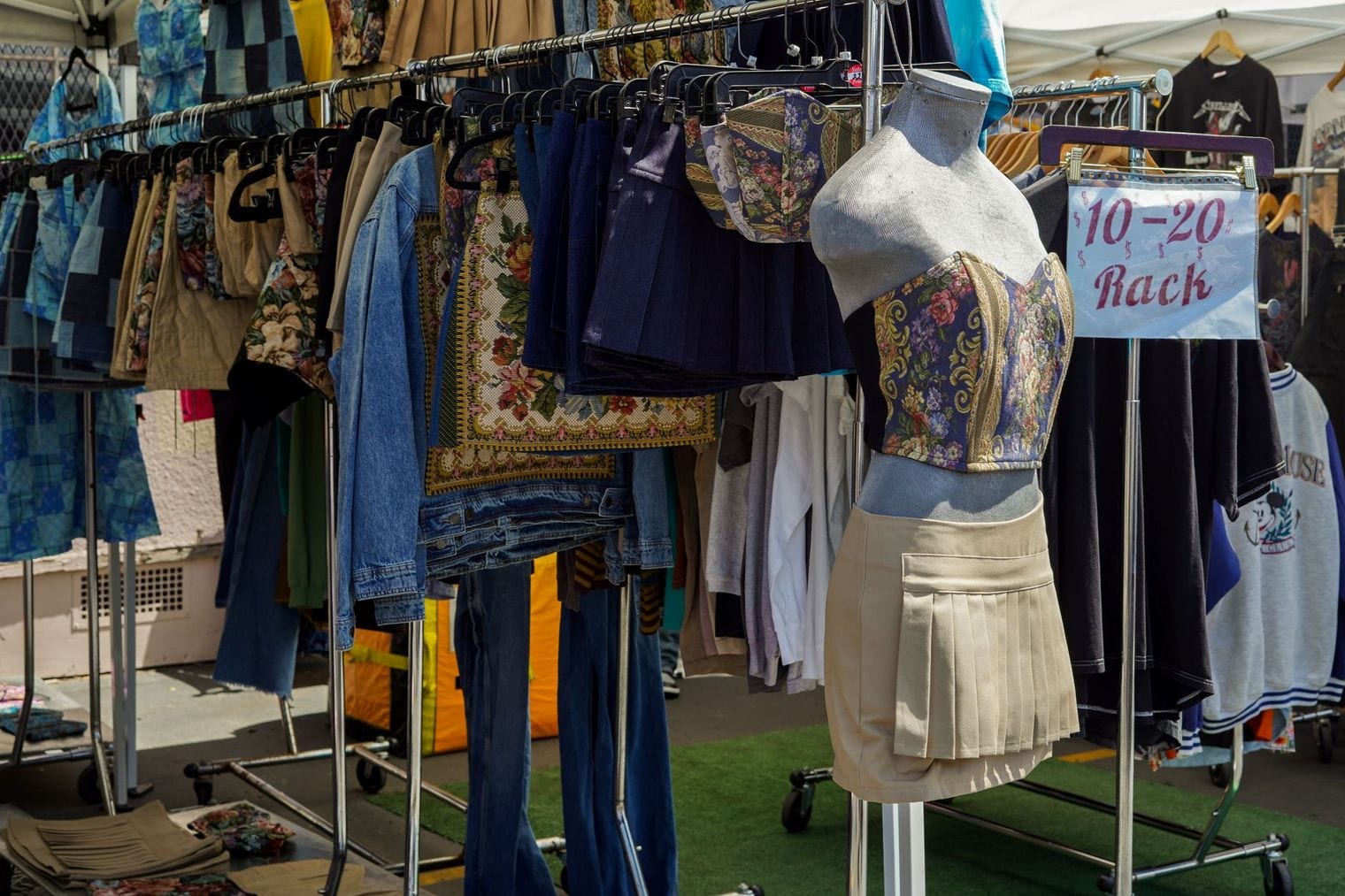
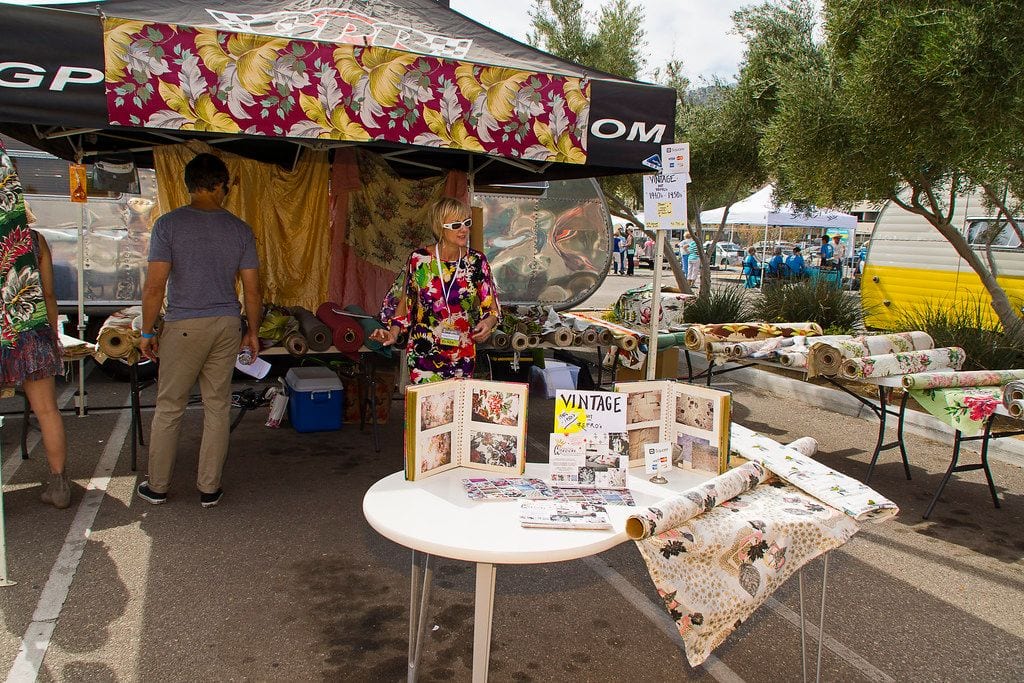
Expect racks of curated vintage clothing, mid-century furniture, vinyl, retro signage, and one-of-a-kind collectibles, all trimmed with local artisan booths and gourmet food trucks. The relaxed, sun-washed setting and genuinely knowledgeable sellers make it feel more like a treasure hunt than a market, earning it a devoted following and a reputation as one of California's coolest weekend finds.
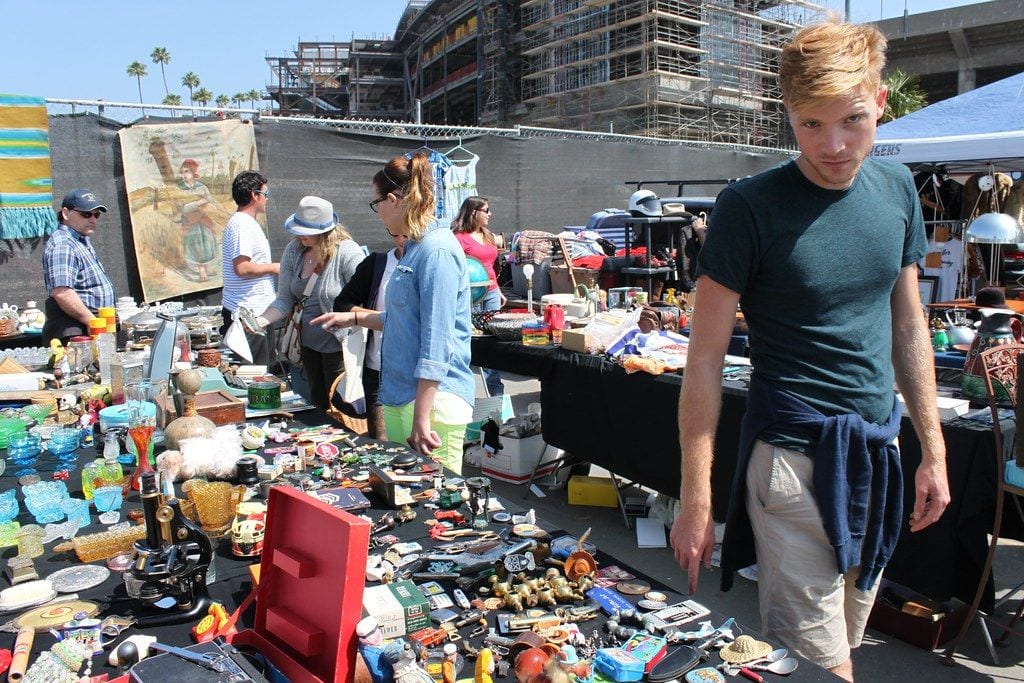
The Long Beach Antique Market is a monthly open-air treasure hunt at Veterans Stadium, where hundreds of vendors spread out antiques, collectibles and vintage clothing. It sprawls wide enough to swallow an afternoon, so arrive early, plan for several hours of browsing, and come ready to bargain your way to a better price.
It draws more than dedicated antiquers, too. Car enthusiasts gravitate here for the performance-parts swap meet, hunting down hard-to-find components alongside the vintage finds. Whether you are chasing collectibles or motoring gear, pace yourself, keep an open eye, and let the sheer scale of the market reward a patient, unhurried wander.
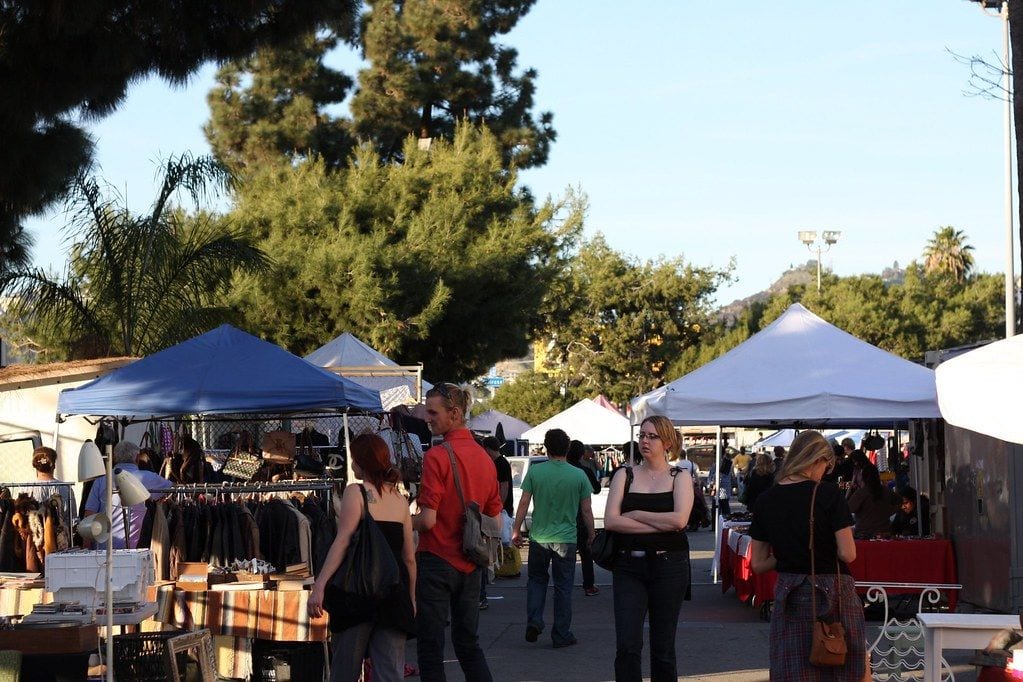
Held every Sunday in the parking lot of Fairfax High School, the Melrose Trading Post gathers well over a hundred vendors across a sprawling open-air market. Browse antiques, vintage goods and collectibles — clothes, vinyl records, postcards and more — leaning toward curated artisan finds rather than thrift-cheap castoffs.
Los Angeles shoppers make a day of it, thanks to shaded seating, food trucks and live music running throughout. Best of all, your finds come with a feel-good bonus: proceeds benefit Fairfax High through the Greenway Arts Alliance, so every treasure you carry home helps support the school right beside you.
Bigger than it first appears, the Palm Springs Vintage Market unfolds across many rows of vendors selling eclectic, highly curated throwback finds. This is treasure hunting done with taste, where the dominant style leans mid-century modern, a natural fit for a city long defined by that clean, sun-soaked aesthetic. Come ready to browse slowly and dig in.
The atmosphere makes the difference here. Good food keeps you fueled between aisles, while live jazz drifts over the crowd and turns a shopping trip into something closer to an afternoon out. Whether you leave with a small score or just soak up the scene, the curated, eclectic mix rewards anyone with an eye for the retro and unexpected.
The Sacramento Antique Faire is a large monthly outdoor show that fills multiple blocks with vendors from across Northern California. It runs high-energy and deep, with finds spanning antique, vintage, mid-century and Danish modern, all offered at reasonable prices. Come ready to browse block after block of tables and stalls.
Arrive early, before the crowds settle in and the best pieces walk away. Vendors here take offers, so don't be shy about talking price, and some will even deliver larger hauls for you. Coffee, food vendors and ATMs on site keep you fueled and cash-ready as you hunt through the aisles.
Held every weekend in the Orange Coast College parking lots, the Orange Coast College Swap Meet has been a Costa Mesa institution since the early 1980s. Sprawling across acres of asphalt beside the campus, it draws hundreds of vendors and a steady stream of families, collectors, and bargain hunters who come to browse, haggle, and graze the food stalls.
The mix is gloriously unpredictable: vintage clothing and vinyl, tools, fresh produce, plants, electronics, and household odds and ends, all elbow to elbow with taco carts and fresh fruit stands. Admission and parking are free, making it an easy, low-stakes outing. Arrive early for the best finds, wear comfortable shoes, and plan to wander a while.
Held monthly on the campus of Pasadena City College, the PCC Flea Market draws hundreds of vendors spread across parking lots and a parking structure. You'll dig through antiques, vintage clothing and all manner of wares, making it an easy morning of treasure-hunting for browsers and serious collectors alike.
Plant lovers gravitate toward the tables of succulents, cacti and rare finds, while crate-diggers comb a dedicated section of records, CDs and music. With so much ground to cover, wear comfortable shoes and bring sunscreen. Best of all, your finds do some good, since proceeds support the PCC Foundation.
15. Santa Monica Airport Outdoor Antique and Collectible Market
Tucked onto the tarmac, the Santa Monica Airport Outdoor Antique and Collectible Market is a small, carefully curated affair with about a hundred vendors. Browse furniture, rugs, crystal and china alongside exotic plants and gloriously eccentric finds. It stays well-organized and easy to navigate, so you can drift from stall to stall without the sprawl of a bigger market.
What sets this open-air market apart is the atmosphere: warm, welcoming vendors and organizers who clearly love what they do. Prices stay fair and the variety is genuinely hard to believe. A couple of food trucks and fresh baked goods keep you fueled between discoveries, making it an easy, unhurried morning of hunting for vintage treasures.
Free Things to Do at California Flea Markets
Half the joy of a flea market is that browsing itself costs nothing. Most California markets are free or just a few dollars to enter, so a day of treasure-hunting can be as cheap as you want it to be:
Wandering the aisles, people-watching, and soaking up the live music and food-truck atmosphere at markets like the Melrose Trading Post is free even if you never buy a thing.
Bring cash, arrive early, and treat it as a free-form scavenger hunt — you only spend if you find something you love.
FAQ: California Flea Markets
What is the biggest flea market in California?
The San Jose Flea Market, known as La Pulga, is among the largest, spreading over more than 100 acres with thousands of vendors, while the Rose Bowl Flea Market in Pasadena is one of the biggest and most famous monthly markets in Southern California.
What is the best flea market in California?
It depends on what you're after: the Rose Bowl Flea Market is the go-to for vintage and celebrity-favorite finds, Alameda Point is unbeatable for genuine antiques, and La Pulga in San Jose offers the biggest, most eclectic all-around experience.
When is the Rose Bowl Flea Market?
The Rose Bowl Flea Market is held on the second Sunday of every month at the Rose Bowl Stadium in Pasadena. It's best to confirm the current date and hours on the official website before you go.
Are California flea markets worth it?
Absolutely, especially if you love hunting for vintage clothing, antiques, handmade goods, and unique decor at prices well below retail. Beyond the shopping, they're a lively, only-in-California cultural experience with food vendors and live atmosphere.
Do California flea markets take cash or card?
Many vendors now accept cards or mobile payments, but cash is still king. Bringing small bills and change gives you the best shot at quick transactions and better haggling, since it saves sellers processing fees.
What should you bring to a flea market?
Pack cash in small bills, a sturdy reusable tote or a cart with wheels for hauling finds, comfortable shoes, water, sunscreen, and a tape measure if you're shopping for furniture. A little planning makes a long day of browsing far more comfortable.
When is the best time to arrive at a flea market?
Arrive early, ideally right when the gates open, to get first pick of the best merchandise before it's gone. Shopping later in the day can mean thinner selection but sometimes better deals, as vendors would rather sell than pack up unsold items.