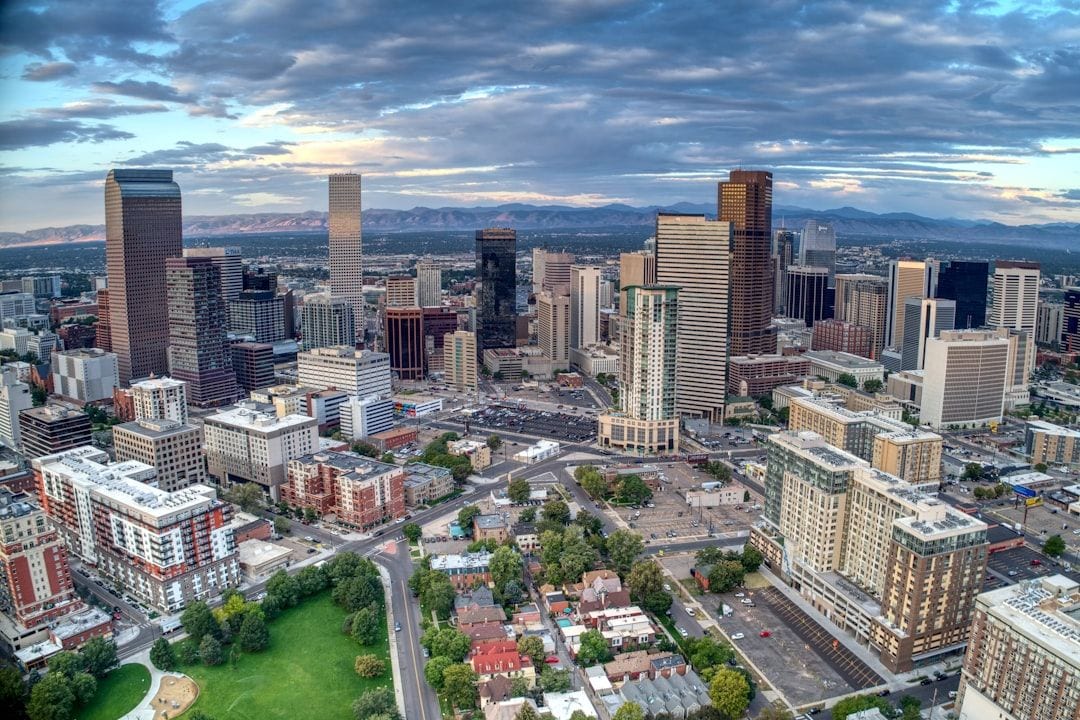
Few states hand you a mile-high city, a wall of 14,000-foot peaks and ancient cliff dwellings on the same tank of gas.
Colorado is the roof of the United States, where the Great Plains crash into the Rockies and more than 50 peaks top 14,000 feet. It pairs the mile-high energy of Denver and Boulder with the alpine wilderness of Rocky Mountain National Park, world-class ski towns, red-rock canyons and the ancient cliff dwellings of the southwest. Use this hub to plan your trip: browse our Colorado city guides below for the headline sights, or read on for the regions, seasons and road trips that tie the state together.
Known for
Rocky Mountains & skiing
Best for
Hiking, skiing & mountain towns
Capital
Denver
Main gateway
Denver International (DEN)
Time zone
Mountain (MT)
Trip planner
Plan your trip to Colorado
Best time to visit — season by season
Spring
Mar–May
A season of two Colorados — March is still deep ski season high in the Rockies, while Denver and the Front Range green up and warm into the 60s°F. Mountain passes stay snowy and trails muddy, so this is the time for the plains, the foothills and the last of the powder.
Summer
Jun–Aug
Peak season for the high country, when Rocky Mountain National Park's Trail Ridge Road and the alpine trails fully open and the wildflowers peak. Days are warm and dry, but afternoon thunderstorms build over the peaks almost daily — start early and be off the summits by noon.
Fall
Sep–Nov
Arguably the finest window: crisp blue days, thinning crowds and hillsides of golden aspen through late September, best around Aspen, Telluride and the Kebler Pass. Early snow can dust the highest passes by November.
Winter
Dec–Mar
Ski season, and the reason many people come — Vail, Aspen, Breckenridge and the I-70 corridor resorts draw some of the country's best snow. The Front Range cities stay surprisingly mild and sunny between storms, though mountain passes can close in a blizzard.
Regions of Colorado
The Front Range
Colorado's populated eastern edge where the plains meet the mountains — Denver anchors it with its museums and breweries, Boulder sits beneath the Flatirons, and Colorado Springs and Pueblo run south toward Pikes Peak.
Rocky Mountain National Park & the northern Rockies
The alpine heart of the state, where Estes Park is the eastern basecamp for Rocky Mountain National Park, Trail Ridge Road and the tundra, with Grand Lake guarding the quieter western entrance.
The high country & ski towns
The I-70 mountain corridor and beyond — Vail, Breckenridge, Aspen and Glenwood Springs trade powder in winter for hiking, biking and hot springs in summer, with Leadville sitting highest of all.
The San Juans & the southwest
Colorado's most rugged corner, where Durango, Silverton, Telluride and Ouray ring the jagged San Juan Mountains, and Mesa Verde National Park preserves the cliff dwellings of the Ancestral Puebloans.
The Western Slope & canyon country
West of the Continental Divide, where Grand Junction anchors wine country and mesas, the Colorado National Monument carves red-rock canyons, and the Black Canyon of the Gunnison plunges to dizzying depths.
Getting around
A rental car is essential for seeing Colorado properly: the national parks, ski towns and the cities we cover are spread across the state and thinly linked by transit. Denver International is the main gateway, and Interstate 70 is the spine that carries you west from Denver into the mountains and the ski resorts. Mountain driving is slow and weather-dependent — high passes can close in winter storms, and altitude affects both cars and people — so allow more time than the mileage suggests and keep the tank full before long stretches between towns.
The highlights Colorado's signature sights & road trips
Pikes Peak The 14,115-foot 'fourteener' above Colorado Springs that inspired 'America the Beautiful', reached by cog railway, road or trail.
Mesa Verde National Park Cliff dwellings built into canyon walls by the Ancestral Puebloans, the largest such archaeological preserve in the United States.
Great Sand Dunes National Park North America's tallest sand dunes, rising 750 feet against the Sangre de Cristo Mountains in the San Luis Valley.
Garden of the Gods Towering red-rock fins and spires framing Pikes Peak, free to enter at the foot of the Front Range near Colorado Springs.
Suggested routes
Front Range & the Peak-to-Peak
3–4 days
A mile-high sampler linking Colorado's biggest cities with its most accessible mountain scenery, driving the Peak-to-Peak Scenic Byway up into Rocky Mountain National Park.
Rocky Mountain National Park — Trail Ridge Road & the tundra
San Juan Skyway loop
~1 week
Colorado's most spectacular road trip — a high, winding loop through the San Juan Mountains that includes the famous 'Million Dollar Highway' between Silverton and Ouray, plus the cliff dwellings of Mesa Verde.
Durango — start of the loop, historic rail town
Mesa Verde National Park — the cliff dwellings
Telluride — box-canyon ski town
Ouray — 'Switzerland of America'
Silverton — over the Million Dollar Highway
Denver to the high country
4–5 days
The classic westbound run up Interstate 70 from the mile-high city into the ski resorts and hot springs of the central Rockies, good in any season.
It depends on what you're after. Summer, from June to August, opens the high country for hiking and Trail Ridge Road in Rocky Mountain National Park. Autumn brings crisp days and golden aspens in late September. Winter, roughly December through March, is prime ski season in the mountains, while the Front Range cities stay mild and sunny year-round.
How many days do you need in Colorado?
A focused trip — the Front Range cities plus Rocky Mountain National Park, or a single ski region — works well in three to four days. To combine Denver and Boulder with the mountains you'll want five days or more, and driving a big loop like the San Juan Skyway in the southwest comfortably takes about a week.
Do you need a car in Colorado?
Yes, for most trips. The national parks, ski towns and the cities we cover are spread across the state and thinly served by transit, so a rental car is essential. Most visitors fly into Denver International and drive from there, following Interstate 70 west into the mountains. Denver, Boulder and a few resorts are the main exceptions where you can manage without one.
What is Colorado best known for?
Colorado is famous for the Rocky Mountains — including more than 50 peaks over 14,000 feet, known as 'fourteeners' — and for some of the best skiing in the country at resorts like Vail, Aspen and Breckenridge. It's also known for Rocky Mountain National Park, the mile-high city of Denver, its craft-beer scene and outdoor culture, and dramatic sights from the Great Sand Dunes to the cliff dwellings of Mesa Verde.
How high is Colorado, and will the altitude affect me?
Colorado is the highest state in the country by average elevation. Denver sits at exactly 5,280 feet — a mile high — and mountain towns and passes climb well above 9,000 feet. Many visitors feel the thin air as shortness of breath, headaches or trouble sleeping for the first day or two. Take it easy on arrival, drink plenty of water, go easy on alcohol, and give yourself time to acclimatise before strenuous hikes at altitude.
How do you visit Rocky Mountain National Park?
The eastern entrances are reached from Estes Park, about a 90-minute drive from Denver, while the quieter west side is entered near Grand Lake; the two are linked in summer by Trail Ridge Road, which crosses the tundra above 12,000 feet. The park has used a timed-entry reservation system in peak season in recent years, so check the National Park Service site before you go. Trail Ridge Road typically closes in late autumn and reopens in late spring once the snow clears.
Is Colorado only worth visiting in ski season?
Not at all. Winter draws skiers, but many people rate summer and early autumn even higher, when the alpine trails, scenic byways and mountain towns are at their best and the ski resorts run their lifts for hikers and mountain bikers. Autumn's aspen colour and the Front Range cities' year-round appeal mean there's no bad time to come — just match the season to what you want to do.
Is recreational marijuana legal in Colorado?
Yes. Colorado was one of the first states to legalise recreational cannabis, and licensed dispensaries are common in the cities and many resort towns. There are rules to be aware of, though — you must be 21 or over, you can't use it in public or while driving, and it's still prohibited on federal land, which includes the national parks and forests that cover much of the state.
We use cookies to analyse site traffic and improve your experience.
You can accept or reject analytics cookies. See our Cookie Policy.