Sitting on the banks of the Arkansas River in southern Colorado at about 4,690 feet, Pueblo grew from a frontier trading post into the industrial heart of the region. Nicknamed the “Steel City” for the mill that built it, it is also known as the “Home of Heroes”, birthplace of four Congressional Medal of Honor recipients — more per capita than any U.S. city. Today visitors come for its historic districts, riverwalk, outdoor recreation, and the world-famous Pueblo chile.
Fun Facts About Pueblo, Colorado
Pueblo traces its roots to Fort Pueblo, a trading post built in 1842, and was incorporated as a city in 1873 as the region industrialized.
The city sits at an elevation of about 4,690 feet where the Arkansas River leaves the mountains and enters the plains of southern Colorado.
With roughly 112,000 residents, Pueblo is the ninth-most populous city in Colorado and the largest in the state’s southern half.
Nicknamed the “Steel City,” Pueblo was long the most important steelmaking center west of the Mississippi, anchored by the CF&I mill from 1882.
Pueblo is the “Home of Heroes,” having produced more Congressional Medal of Honor recipients per capita than any other American city.
The city’s signature dish is the Slopper, a hamburger smothered in Pueblo green chile and eaten with a spoon, celebrated each fall at the Chile & Frijoles Festival.
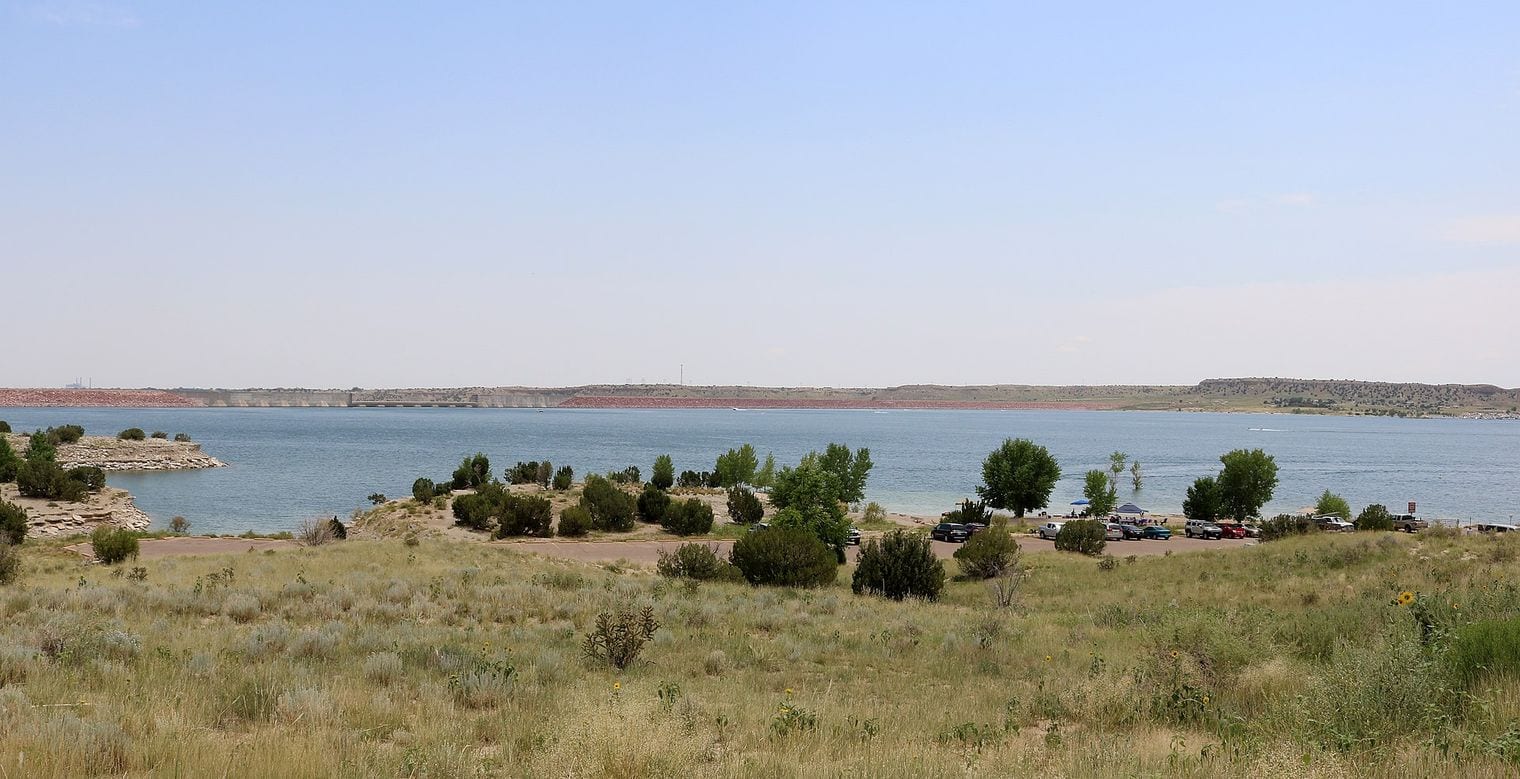
Lake Pueblo State Park is the biggest state park in the city, sitting just a ten-minute drive west of downtown. Most people come to fish, but the park stretches far beyond a single afternoon on the water. With 60 miles of shoreline wrapping its lakes, there is more here than one visit can reasonably cover.
The park’s beach draws swimmers through the warmer months, and the open water gives sailors plenty of room to work. When you need a break from the shore, picnic areas make an easy spot to regroup. Campers can settle in overnight too, turning a quick fishing trip into a longer stay by the lakes.
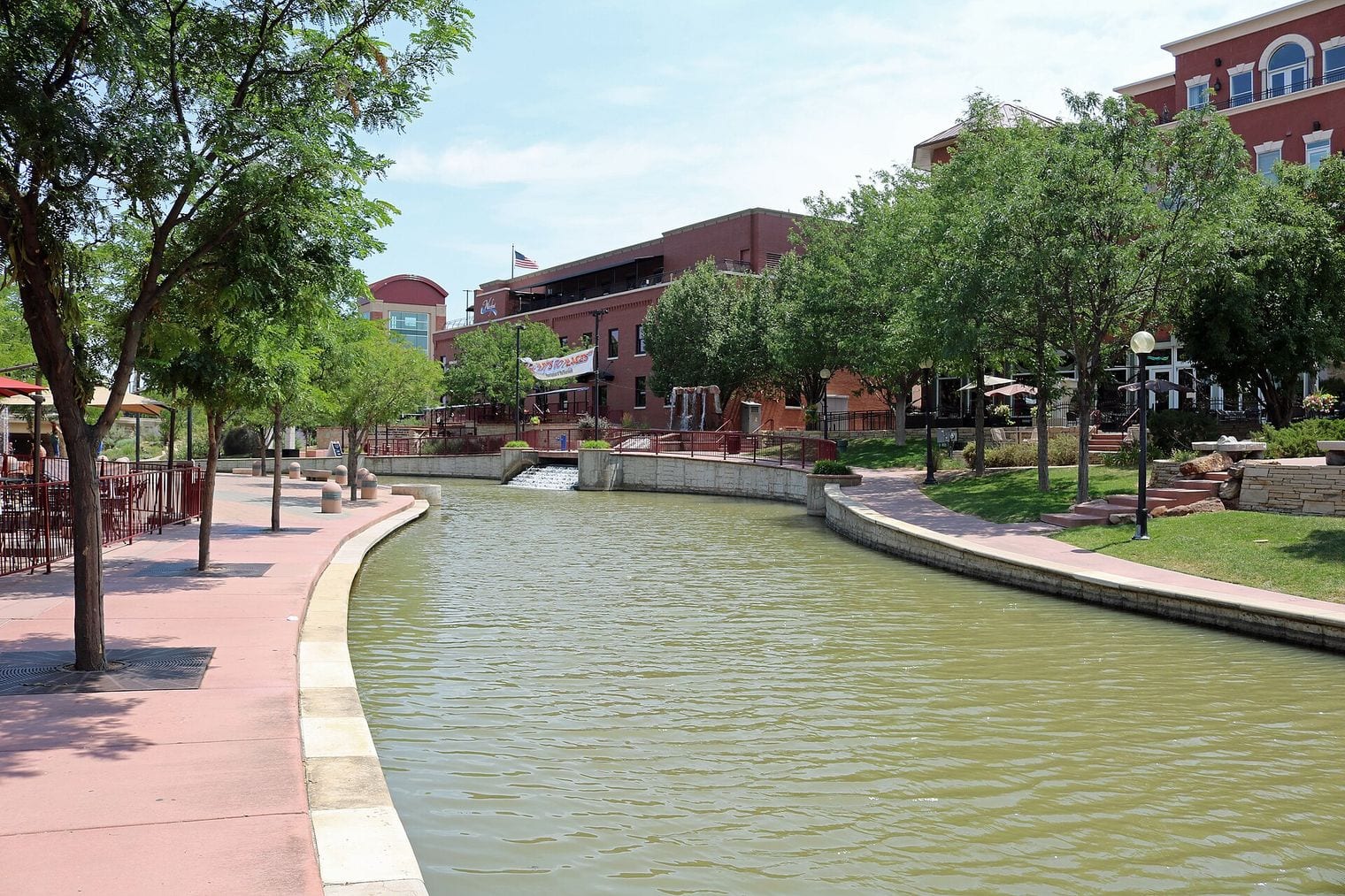
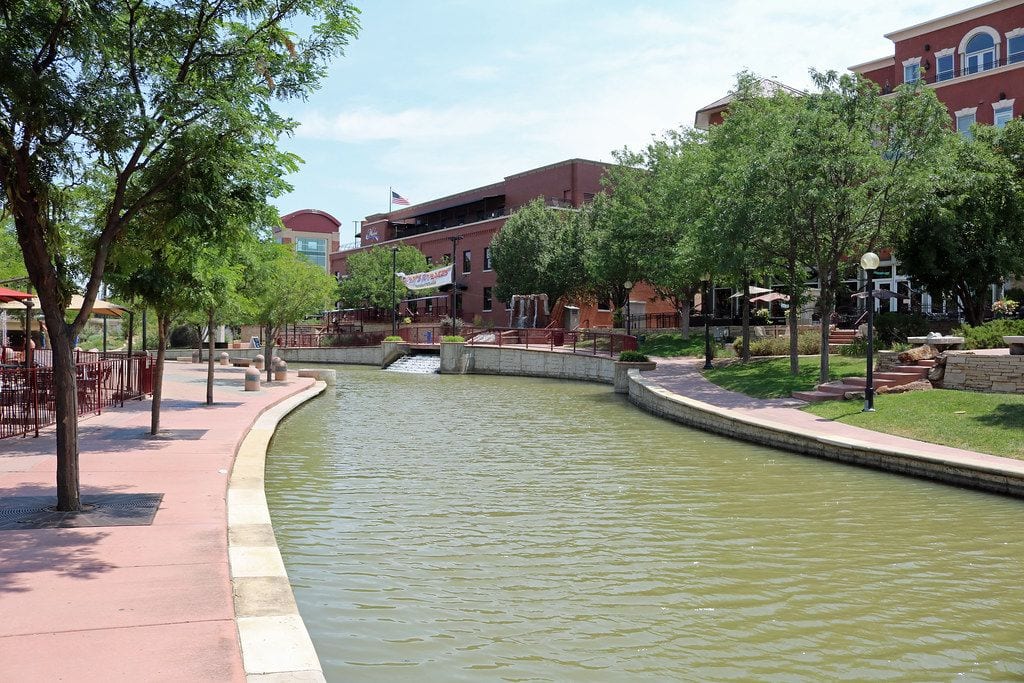
Historic Arkansas Riverwalk runs through downtown Pueblo, where a 30-minute cruise along the channel traces the city’s story and the 1921 flood. Along the water you’ll pass the Veterans Bridge and numerous art pieces, all set within a lively district of upscale restaurants, luxury hotels, and bars.
The Riverwalk keeps its calendar full with the Holiday Lighting Extravaganza, a Chile and Frijole Festival, and the Big Bear Riverwalk Brewfest, among other gatherings. It’s an easy place to linger, and strolling the channel at sunset makes a fitting stop for anyone planning a romantic getaway to Pueblo.
3. Union Avenue Historic District & Creative Corridor
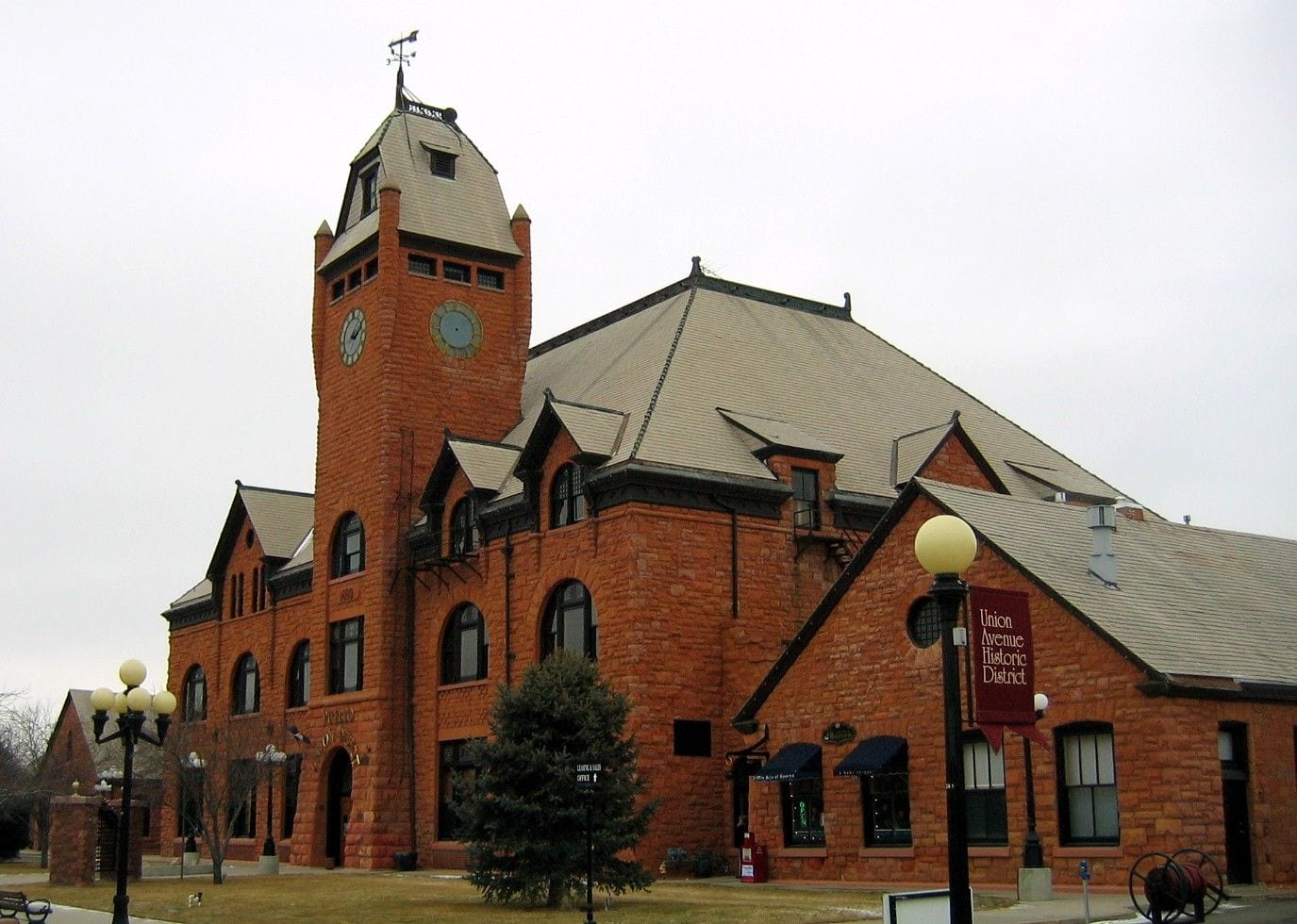
The Union Avenue Historic District & Creative Corridor is the most picturesque part of Pueblo. This old neighborhood was once the city center, and during the gold rush it housed brothels and rough bars. Today the antique brick buildings hold chic boutiques, and the area anchors Pueblo’s Creative Corridor, filled with art galleries and cafes.
Live music and street performers fill the streets, while sculptures and fountains punctuate the walkways between the shops. The blend of sound and public art turns a stroll through the old brick blocks into one of the most beautiful experiences Pueblo offers, pairing the district’s storied past with a lively contemporary creative scene.
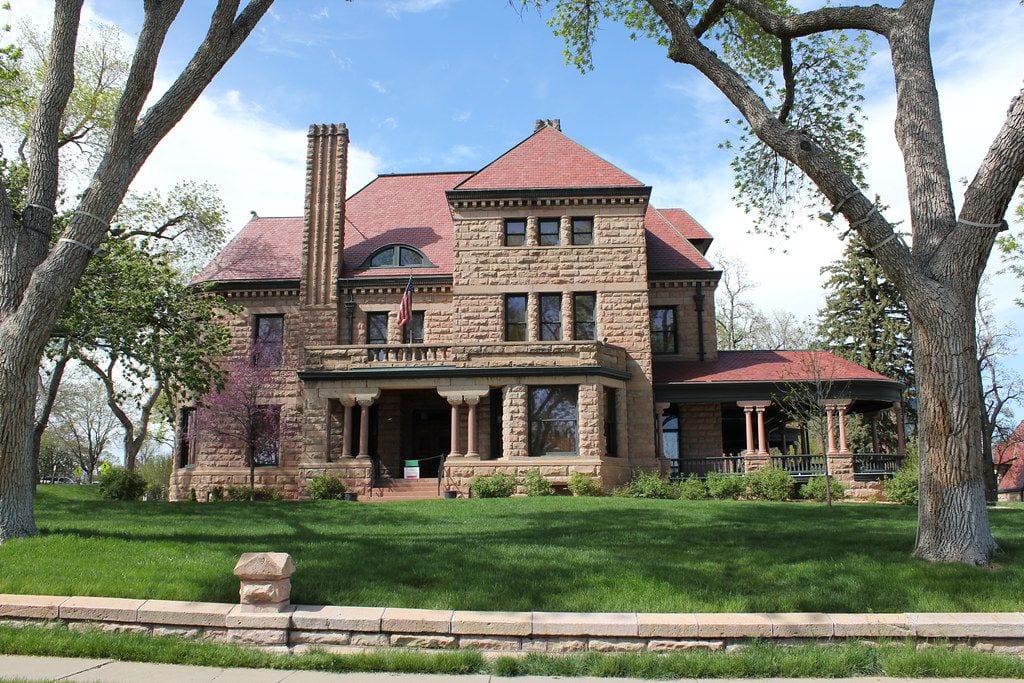
A short drive north of the Historic Arkansas Riverwalk, the Rosemount Museum occupies a stunning 37-room mansion that dates back to 1893. Once a private home and now a house museum, it was built for John A. Thatcher and Margaret Thatcher, and much of its original furniture and objects still belonged to those first owners.
Walking through the preserved rooms feels like stepping back in time, surrounded by the family’s own belongings rather than reproductions. Passionate volunteer guides lead every tour and share the story behind the house. Around the holidays, seasonal decoration lends the grand mansion an especially warm, cozy atmosphere for anyone exploring its history.
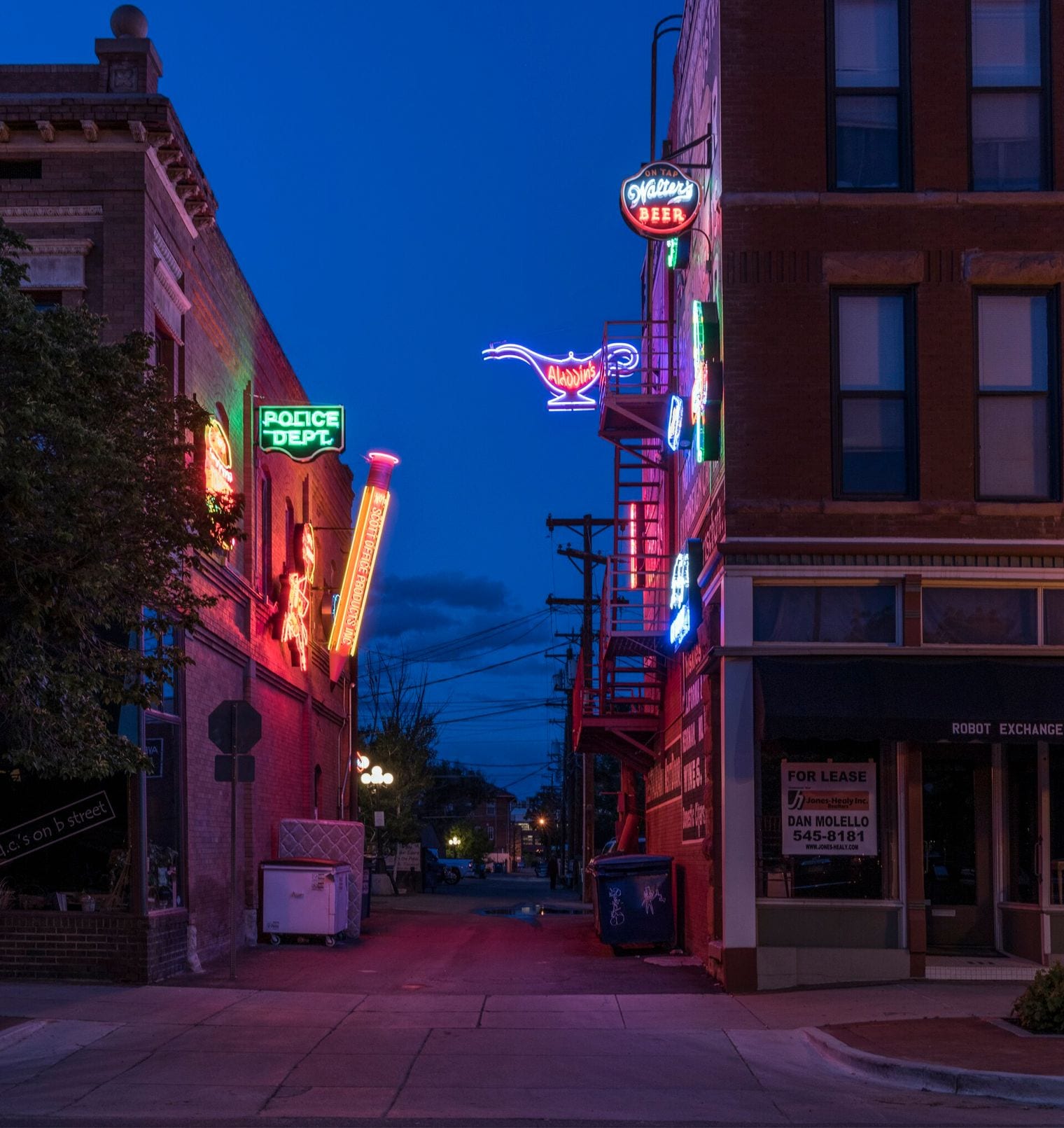
Tucked into the central Union Avenue Historic District, Neon Alley is one of Pueblo’s most colorful corners and a genuine hidden gem. It showcases more than 40 vintage neon signs donated by collector Joseph Koncilja, glowing against weathered brick and turning an ordinary passageway into a pocket of pure light and color.
The signs found their home here for a practical reason. City laws keep neon off buildings that face the street, but they are permitted in this tucked-away alley. The result is a photographer’s dream, where the shine of the neon plays against the old brickwork, making it an easy stop for anyone hunting standout shots downtown.
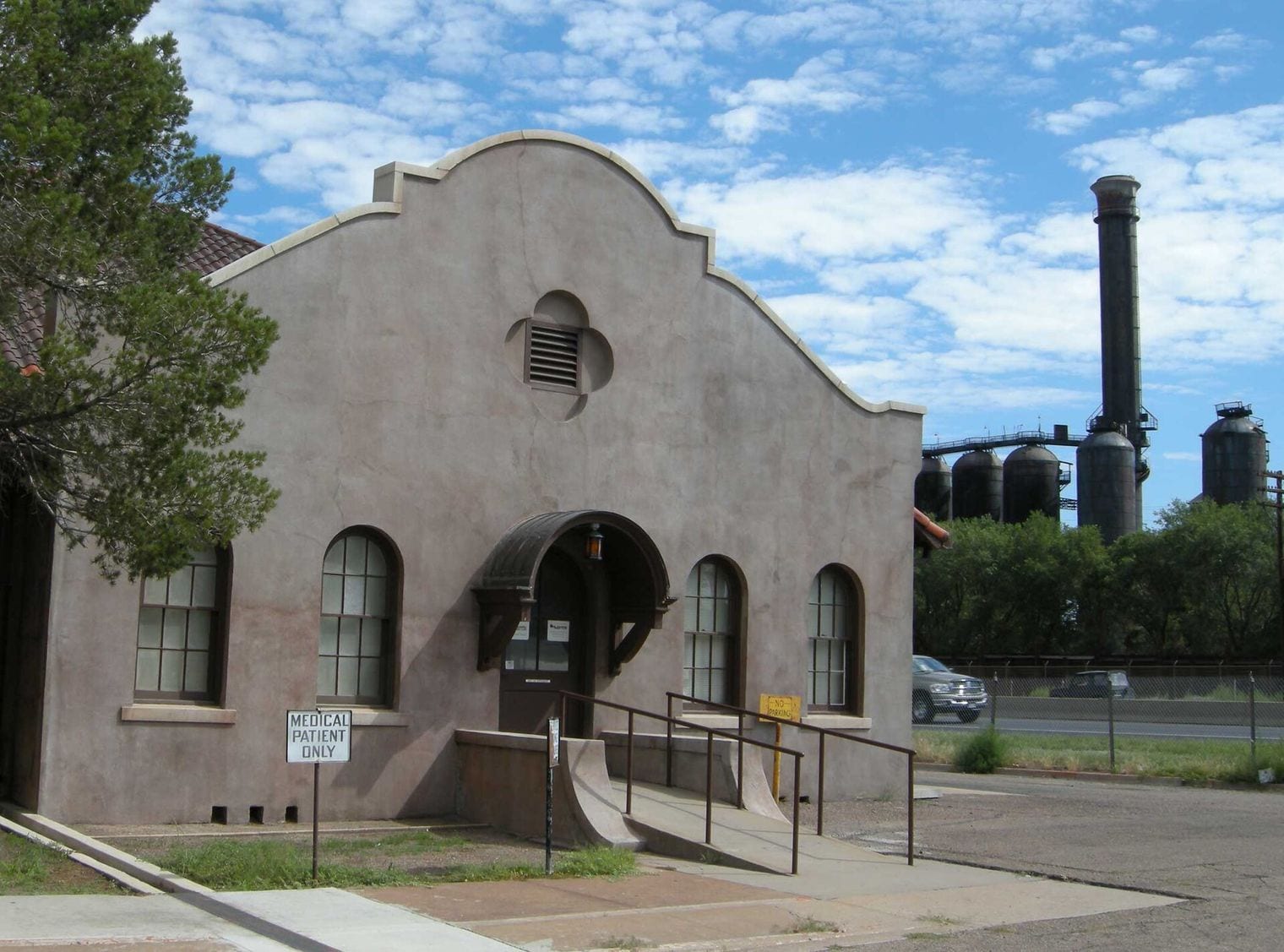
To understand Pueblo’s past, visit the Steelworks Museum of Industry & Culture. This history museum is central to grasping the city’s role during the Industrial Revolution, when steel shaped its identity and growth. Its exhibits trace the story of the men, machines, and mills that turned Pueblo into a working industrial hub.
The collection carries you on a journey through Pueblo and Colorado’s steel industry, connecting the region’s raw materials to the products that built the West. You’ll find the museum south of the city center in the Bessemer neighborhood.
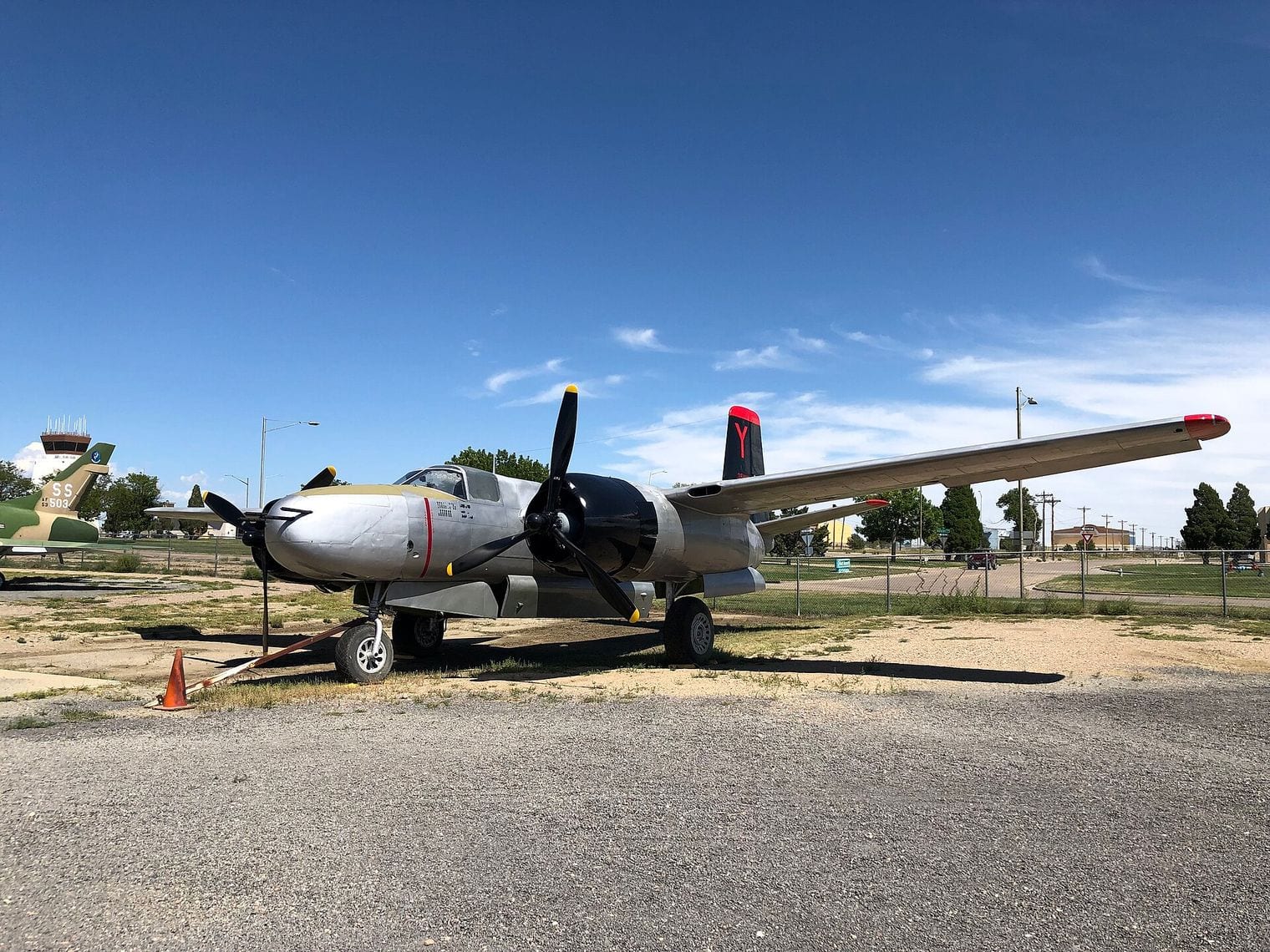
The Pueblo Weisbrod Aircraft Museum holds an impressive collection of airplanes spread across more than 85,000 square feet. Its two hangars display not only aircraft but also weapons and uniforms tied to aviation history, giving visitors far more to explore than the planes alone. The oldest artifacts on view date all the way back to World War I.
You’ll find the museum about six miles east of Pueblo, sitting adjacent to the Pueblo Memorial Airport. That convenient location makes it an easy stop for anyone passing through the area, and the pairing of hangars and airfield gives the collection a fitting home. It’s a rewarding destination for aviation enthusiasts and history buffs alike.
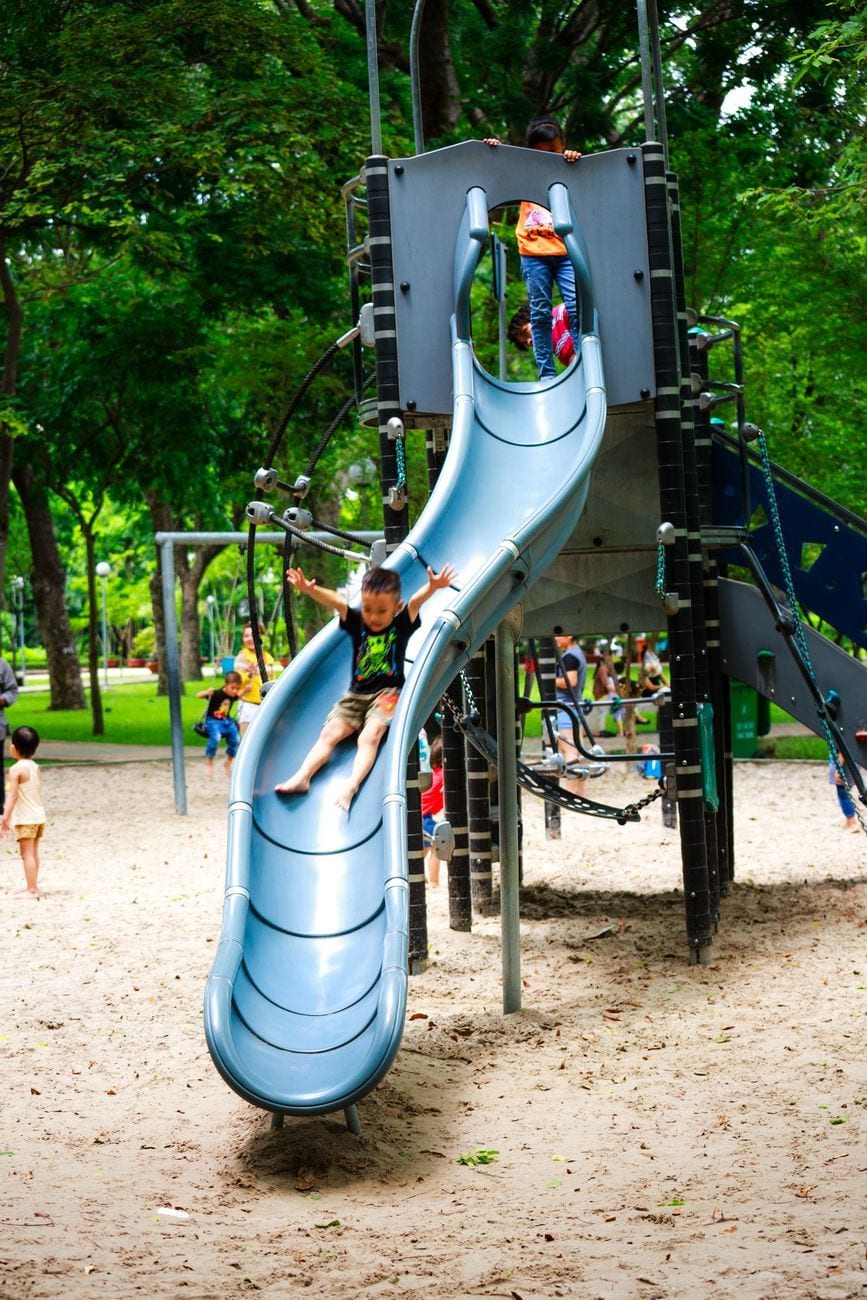
West of downtown Pueblo, City Park packs an impressive range of attractions into one green space. Carousels, small roller coasters, swimming pools, tennis courts, and a zoo all share the grounds, giving visitors plenty of ways to fill an afternoon without ever leaving the park.
The variety here suits almost any kind of trip. Families can spend the day riding the coasters and touring the zoo, while couples looking for a quieter outing will find quieter corners. However you plan your visit to Pueblo, this park earns a spot on your itinerary.
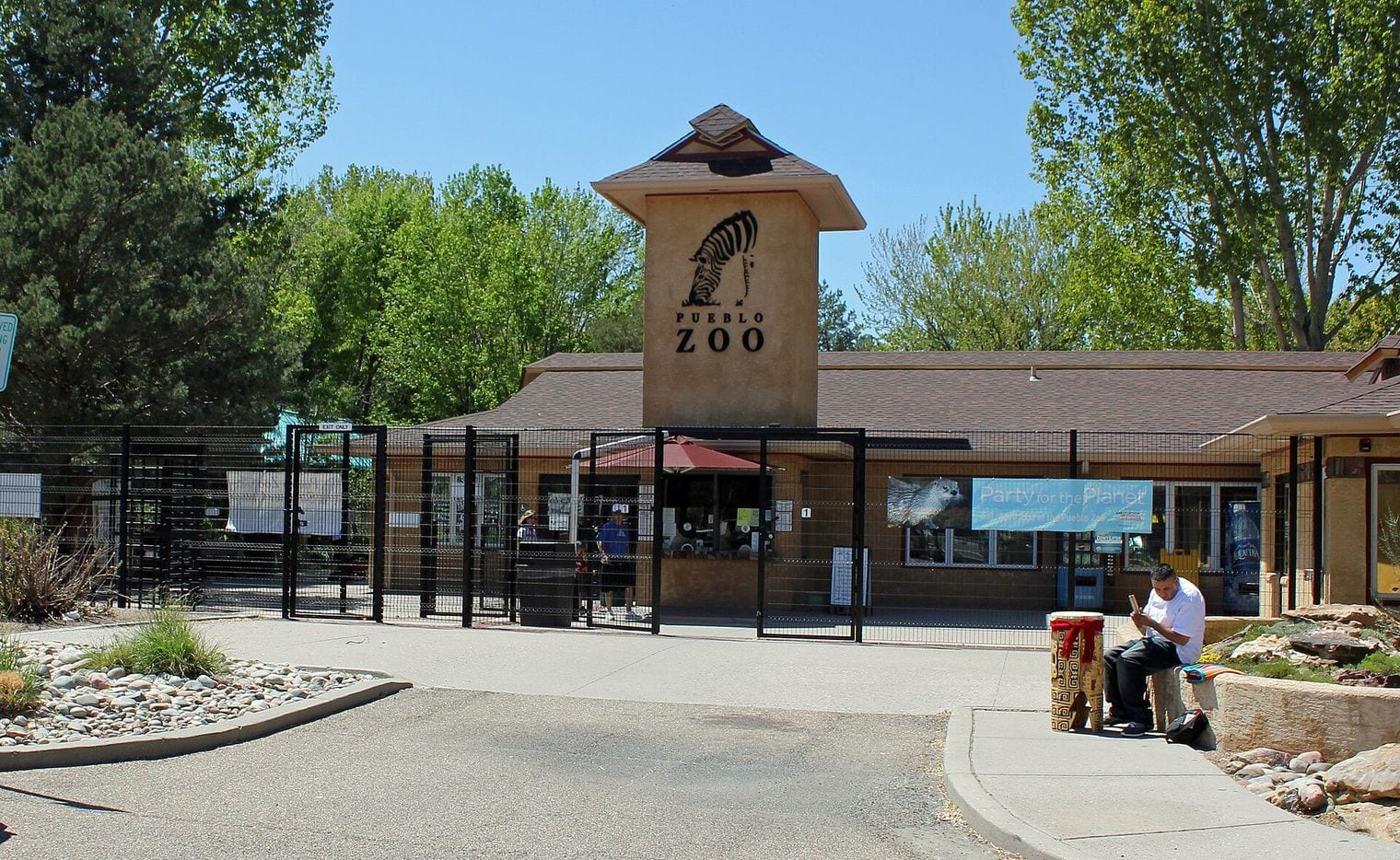
Set inside City Park, Pueblo Zoo is a rewarding stop for families exploring the city. It houses more than 400 animals spanning around 125 different species, so there is plenty to keep visitors of every age curious as they wander the grounds and meet the residents along the way.
Among the animals you can spot are otters, penguins, and lions, each drawing a crowd. The zoo also plays an active role in conservation, supporting endangered species such as red pandas. That mix of close-up encounters and meaningful protection work makes it a genuine highlight of any trip to Pueblo.
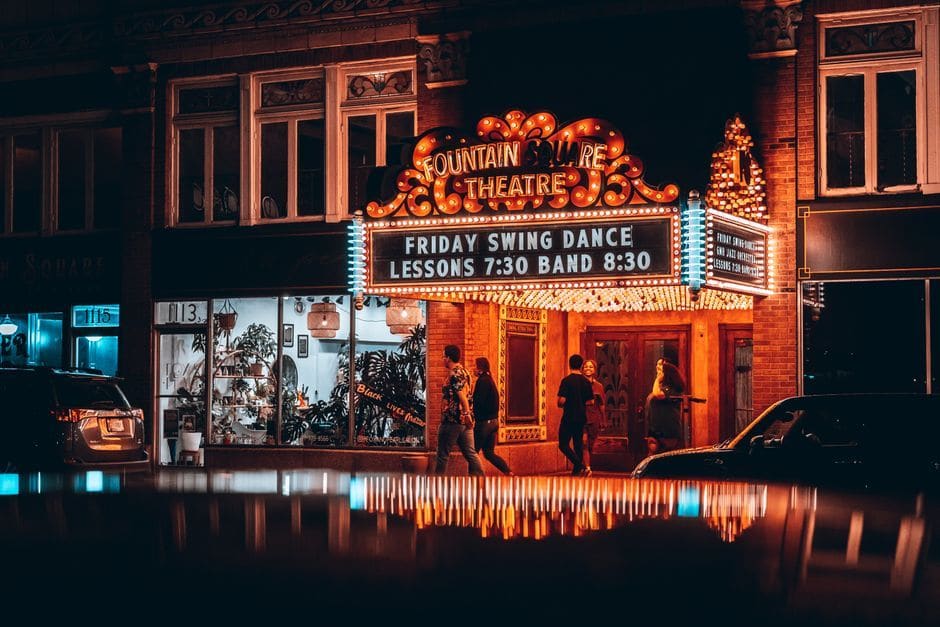
The Steel City Theatre Company anchors Pueblo’s cultural scene from a spot in the downtown area. Alongside its regular theater plays, it pairs live performances with dining, so an evening here can mean catching a production and enjoying a meal in the same visit.
Beyond the shows on its stage, the venue runs regular workshops and classes for those wanting to get involved, and these reach past theater into other creative pursuits. That mix of performance, food, and hands-on learning makes it a well-rounded stop for anyone drawn to the local arts.
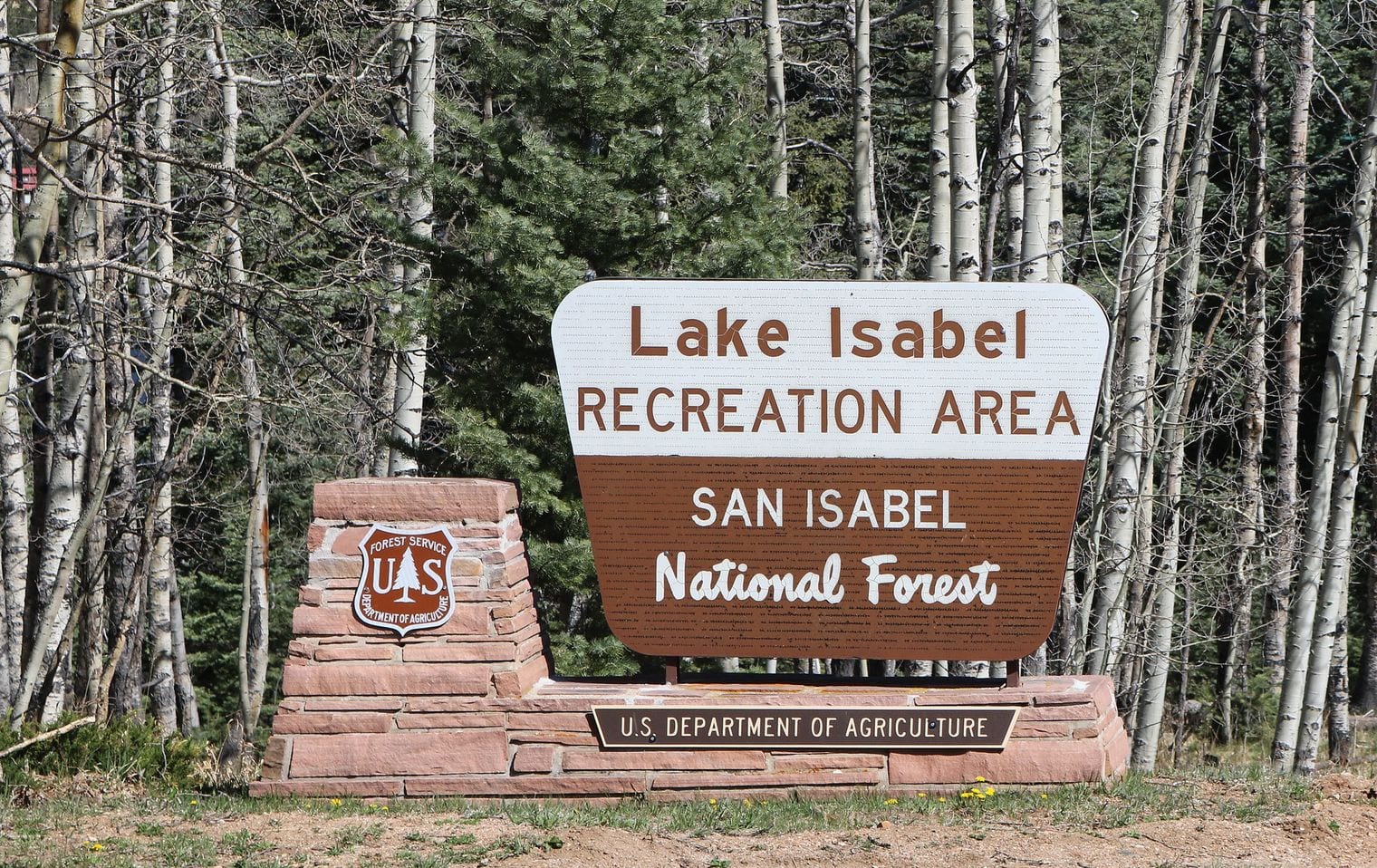
Just a 10-minute drive northwest of Downtown Pueblo, San Isabel National Forest is one of eleven national forests in Colorado and a genuine draw for outdoor enthusiasts. Its rugged terrain includes towering peaks such as Mount Elbert, which rises to more than 14,000 feet (4,267 m) above sea level.
The forest rewards visitors with room to roam and a spread of ways to spend the day. Hiking trails wind through the high country, mountain bikers tackle the backcountry routes, and anglers find plenty of water to fish. It remains one of the region’s favourite escapes for anyone drawn to the mountains.
Honor Speedway sits in the northern part of Pueblo, where a quarter-mile dirt track draws fans of speed and motor racing. The track brings a different, high-energy side of the city into focus, trading the usual sights for the roar of engines and the churn of dust under competing cars.
Racing here spans several categories, with Sport Compacts and Sport Mods among the classes that take to the dirt. It is a straightforward, local racetrack experience built around the action on the dirt, offering visitors a lively alternative to Pueblo’s more familiar attractions and a taste of the region’s grassroots motorsport scene.
Set in central Pueblo near the Historic Arkansas Riverwalk, the Pueblo Heritage Museum gathers artifacts and stories from the city’s past. Also known as the Heritage Center, it preserves the objects and everyday history that shaped this corner of southern Colorado, offering a grounded look at how the community grew over the generations.
The collection traces Pueblo’s story across pivotal chapters, from the devastating 1921 flood through the hard years of the depression era. Together these exhibits function as an extended portrait of the city, connecting local landmarks and lived experience so the region’s character and resilience come into clearer focus for anyone exploring downtown.
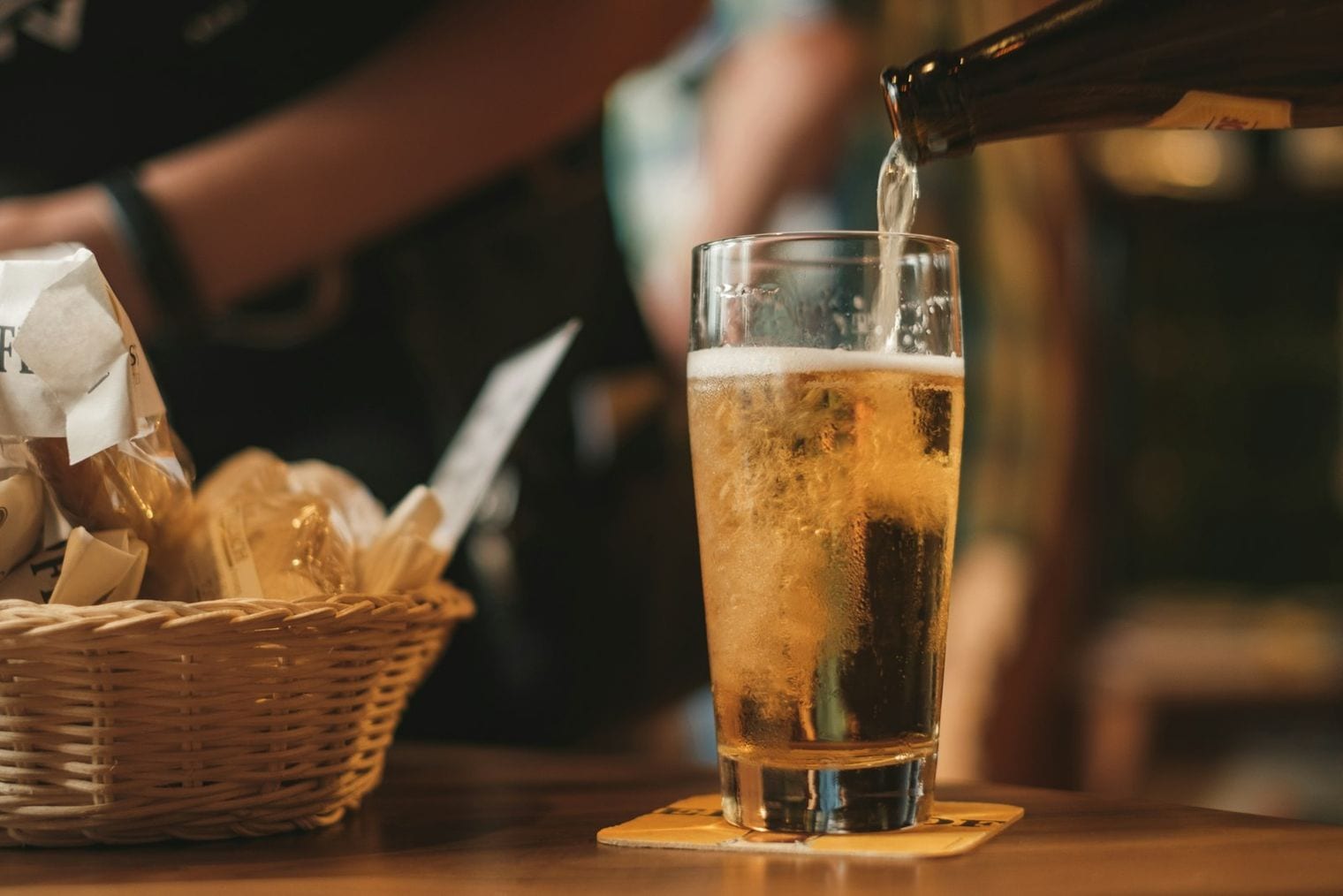
Set in the central part of the city, Walter Brewing Company holds the distinction of being the oldest brewery in Pueblo. It first opened its doors in 1898, and a visit reveals the story of the obstacles this long-running operation has faced to keep pouring across more than a century of business.
The bar pours a range of refreshing craft beers, giving you plenty of styles to sample and compare. Food served on theme nights rounds out the experience, pairing the brewery’s deep heritage with plates that make it worth settling in for more than just a quick tasting.
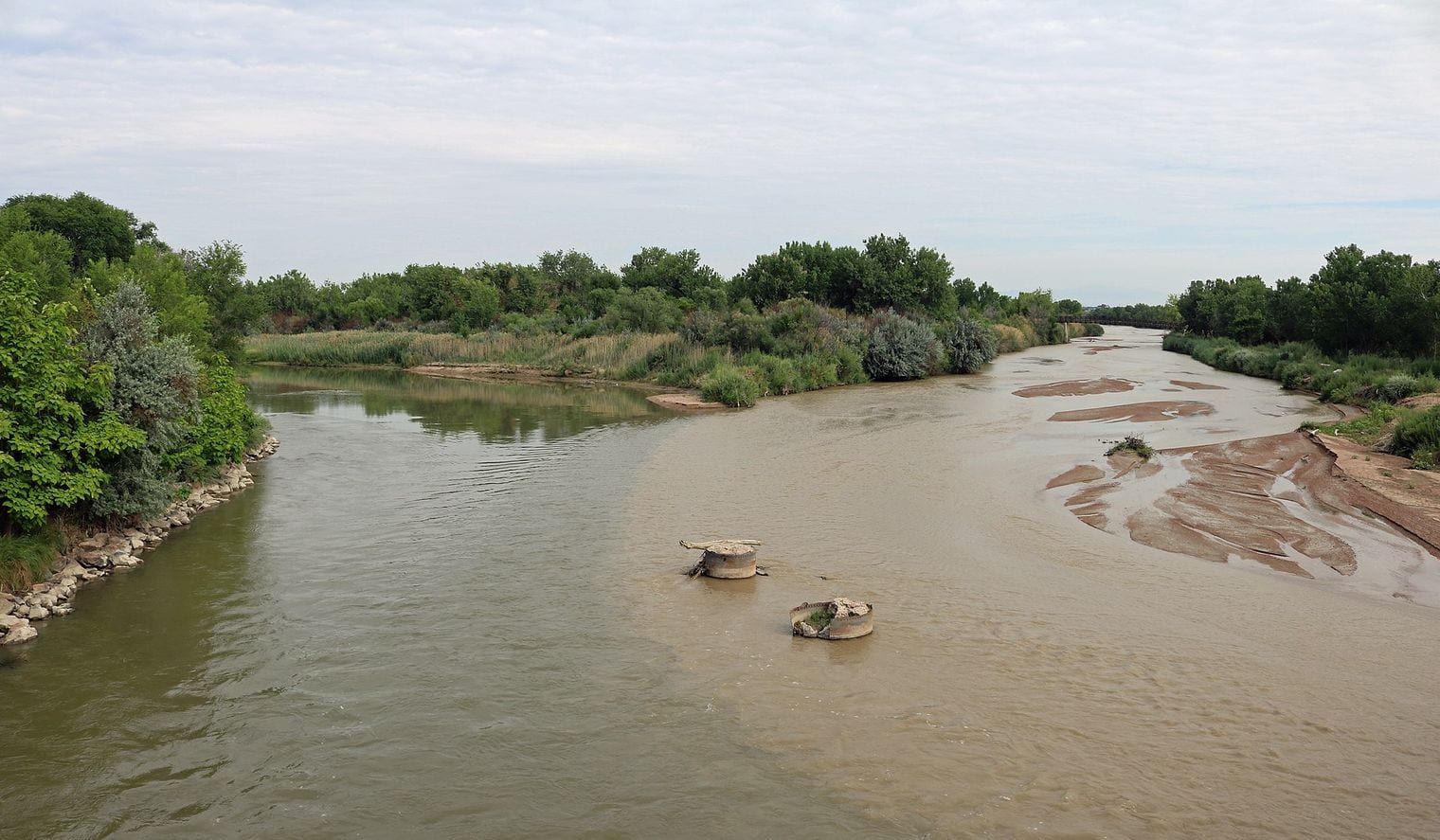
Fountain Creek sits about 10 minutes north of downtown Pueblo by car, an easy detour for anyone drawn to quieter, off-the-beaten-path landscapes. The stream begins in Woodland Park, winds south through El Paso County, and joins the Arkansas River right here in Pueblo, threading a natural corridor through the region on its way.
Stretching 74.5 miles (119.9 km) in all, the creek is edged by scenic trails that follow the water and open up long, unhurried views. It makes a relaxed counterpoint to Pueblo’s busier attractions, rewarding walkers who prefer flowing water and open ground over crowds and pavement.
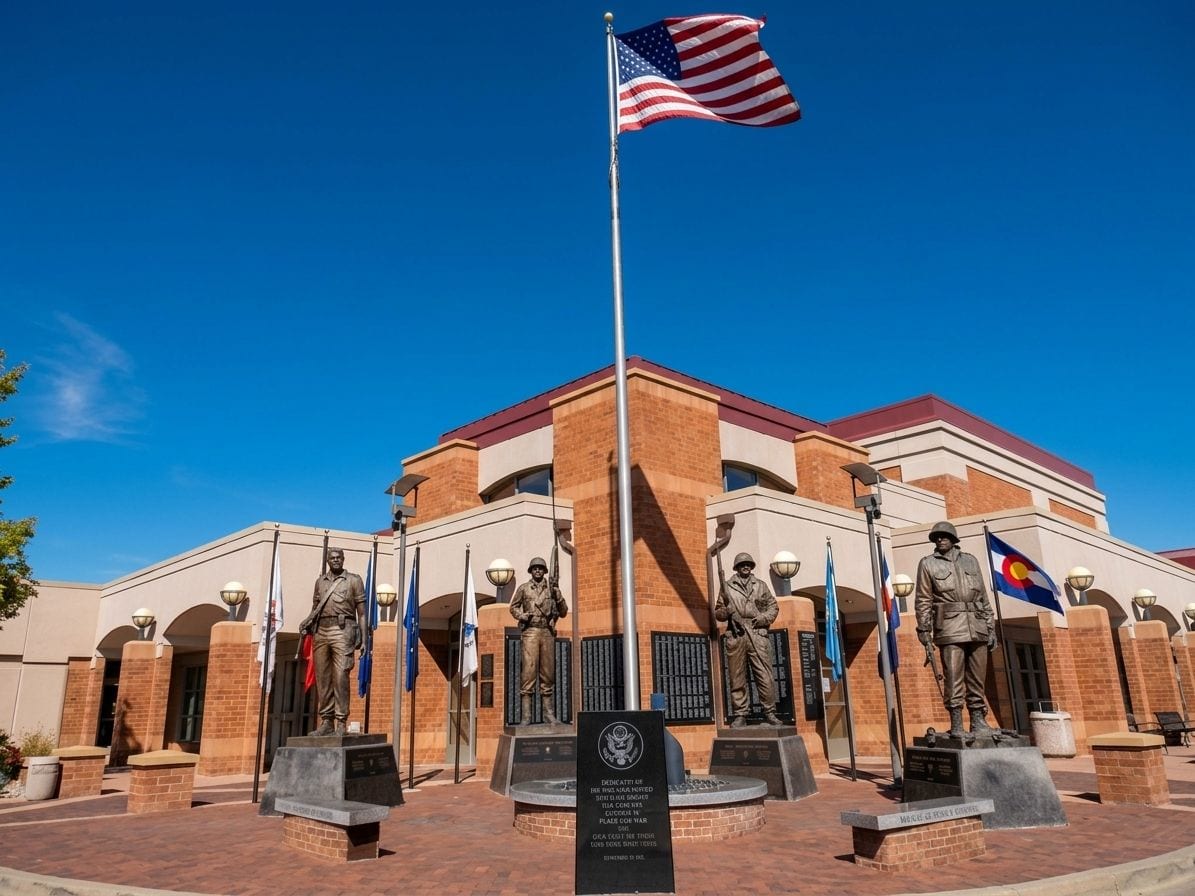
Set close to the Riverwalk, Heroes Plaza honors Pueblo’s Medal of Honor recipients. The tribute takes shape through statues of four soldiers: Drew Dix, Carl Sitter, William Crawford, and Murphy. It is a fitting stop for anyone drawn to the stories of local servicemen who earned the nation’s highest military distinction.
The plaza sits right beside the Pueblo Convention Center, so it pairs easily with time spent downtown. The four statues give the space a quiet, reflective character, and its position along the Riverwalk makes it a natural pause on a walk through the heart of the city. It rewards a slower, thoughtful visit.
17. Nature & Wildlife Discovery Center – River Campus
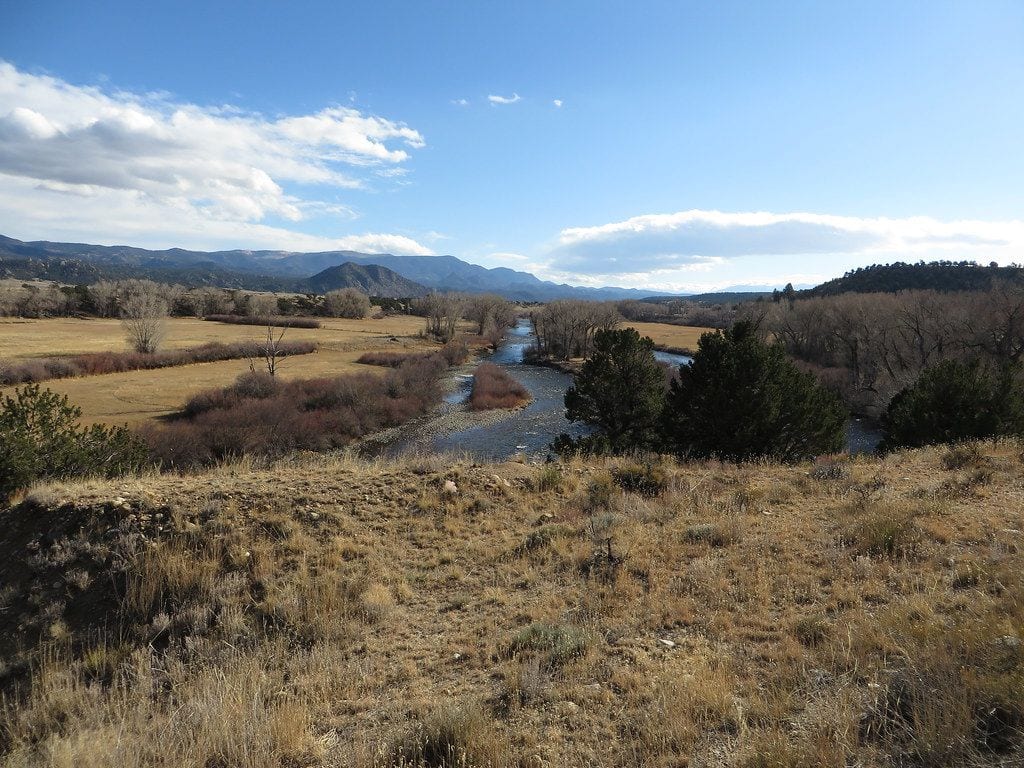
A ten-minute drive northwest of downtown Pueblo brings you to the Nature & Wildlife Discovery Center – River Campus, set on the banks of the Arkansas River within the dramatic Rock Canyon. The setting alone rewards the trip, with sweeping canyon views framing a stretch of river that feels a world away from the city.
Beyond the scenery, the campus is home to a rehabilitation center for birds of prey, a genuine highlight for anyone who loves wildlife. Watching these raptors up close adds a memorable dimension to a visit, pairing the natural beauty of the canyon and riverbank with a closer look at the animals that call this corner of Colorado home.
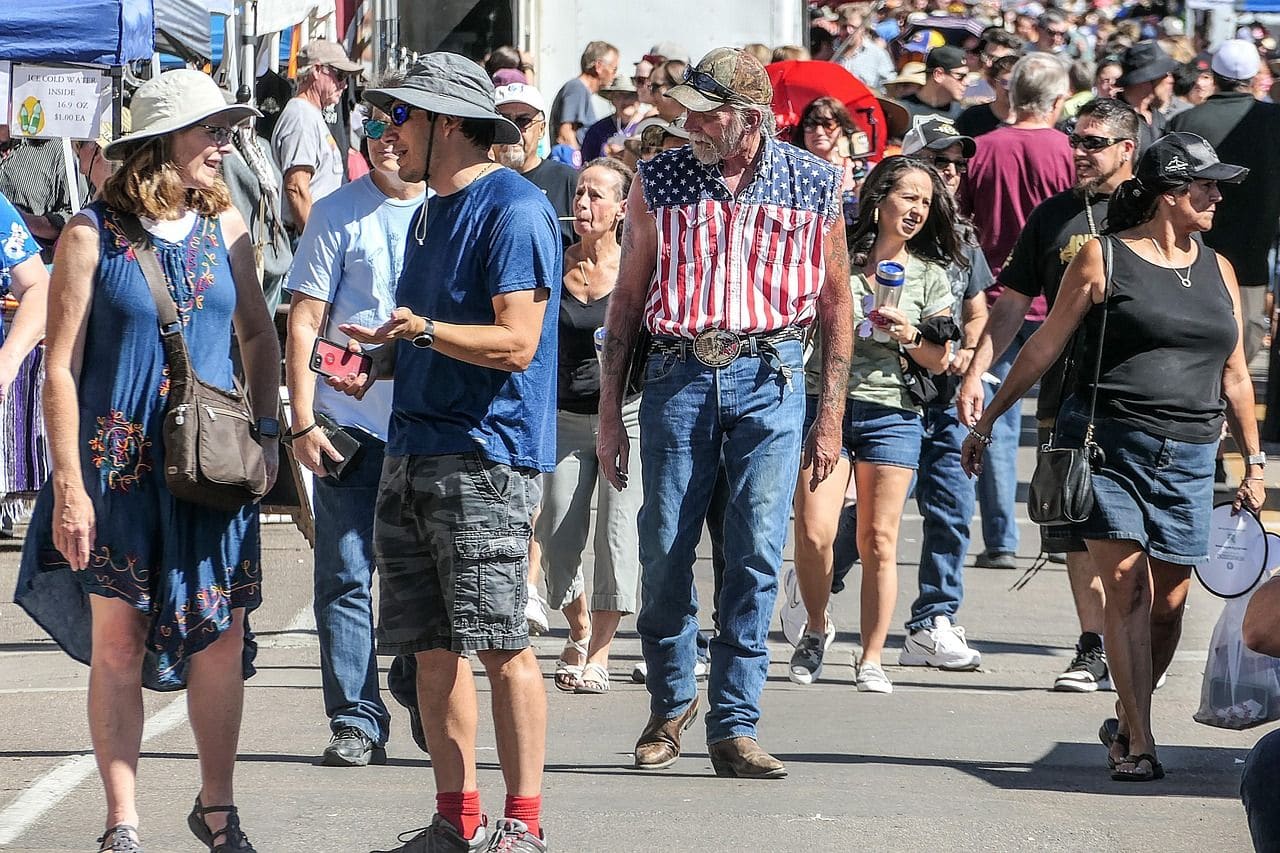
The Chile & Frijoles Festival is an annual celebration honoring two of Pueblo’s favorite crops: green chiles and frijoles, the pinto beans that feature in so much local cooking. Held along the Historic Arkansas Riverwalk, the gathering fills the waterfront with the aroma of roasting chiles and draws crowds who come to eat, browse, and take in the atmosphere.
Started in 1994, the event has grown into one of the city’s signature food traditions. Alongside the cooking competitions, visitors find live music, arts and crafts vendors, and plenty of entertainment throughout the grounds. It is a lively showcase of the ingredients and flavors that define Pueblo’s kitchens, set against the scenic backdrop of the riverwalk.
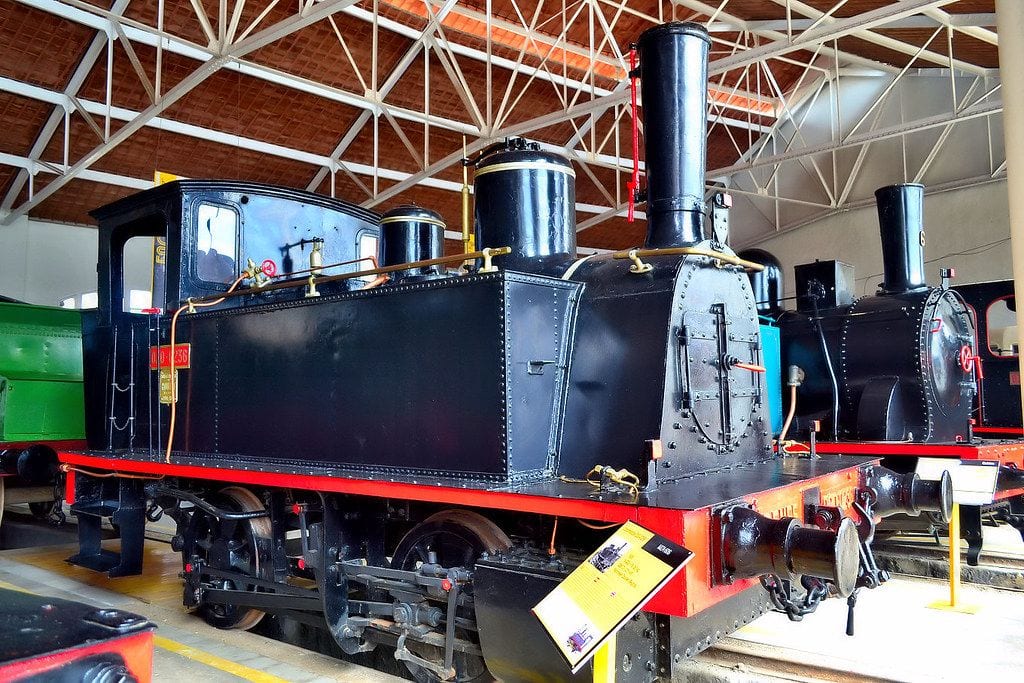
The Pueblo Railway Museum sits in the central part of the city, preserving the machinery that once moved people and freight across the region. Its exhibits gather locomotives and railroad equipment, giving visitors a close look at the heavy engineering and rolling stock that defined an earlier era of American rail travel.
The collection’s most prized holding is the Santa Fe 2912, built in 1944 and counted among the largest Northern type steam locomotives ever produced. Standing beside such a machine conveys the sheer scale of steam-era engineering, making the museum a rewarding stop for anyone drawn to trains, industrial history, or mechanical craftsmanship.
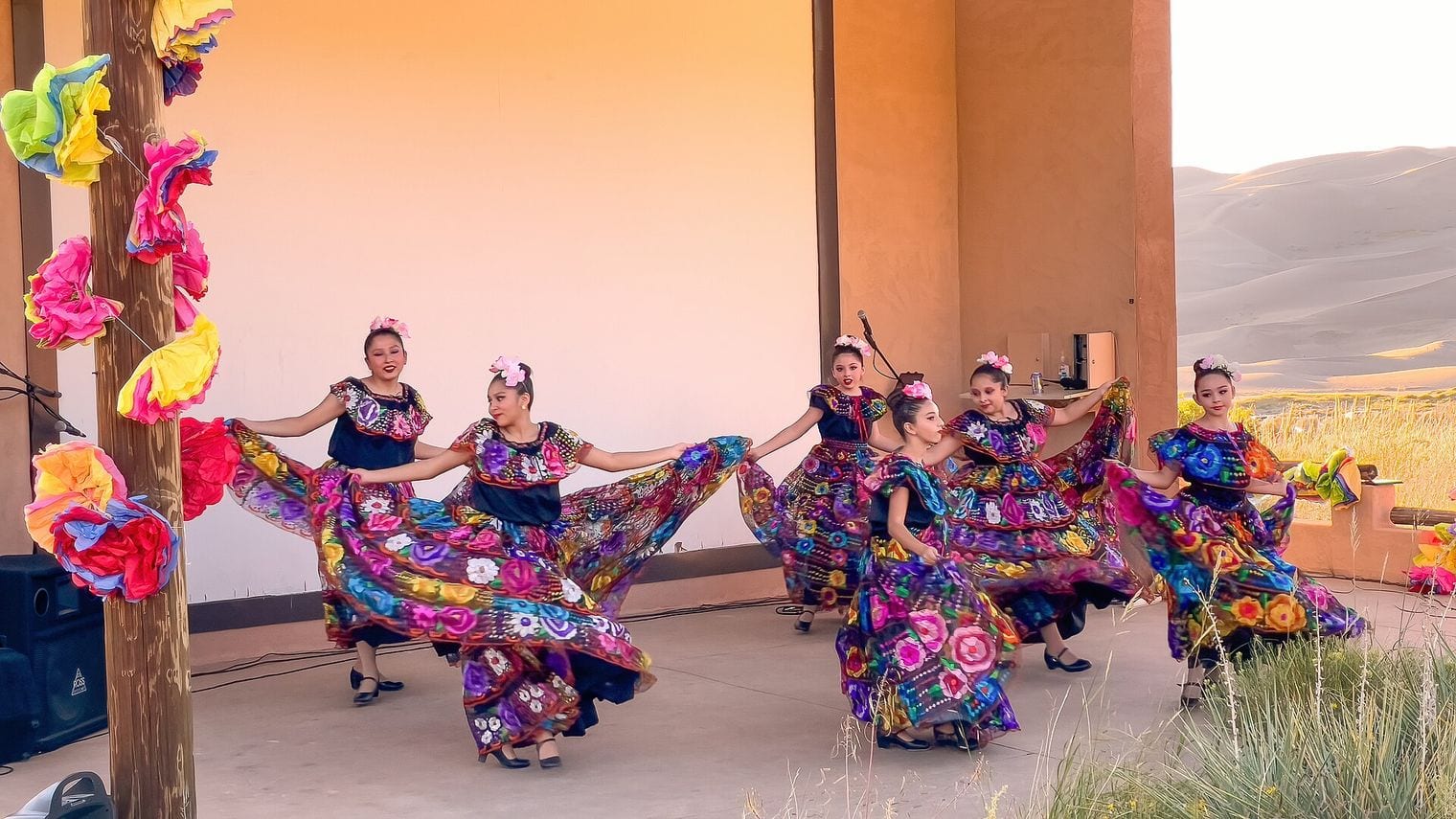
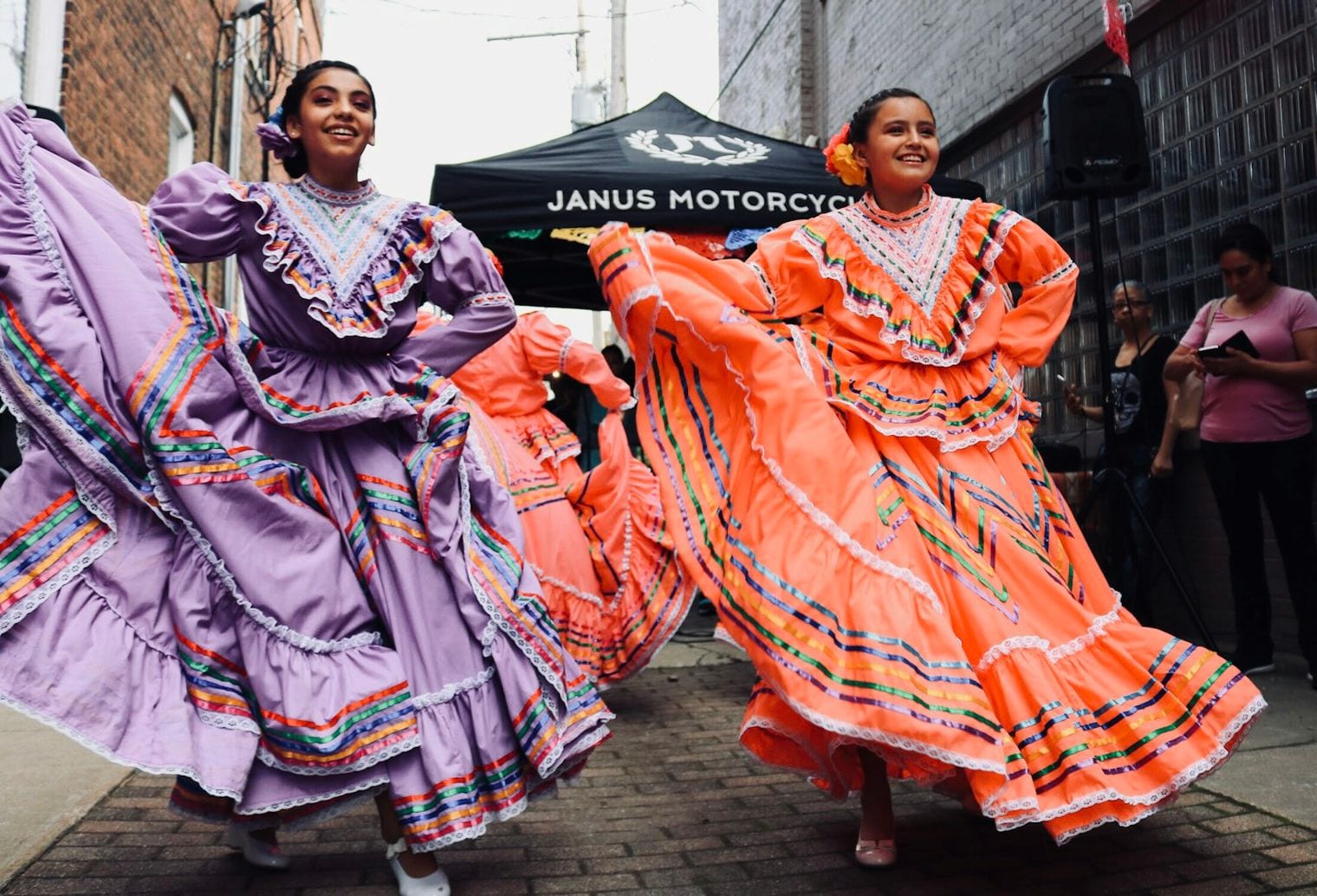
Grupo Folklórico Del Pueblo is the city’s dedicated folk dance group, performing around town and keeping traditional dance alive as a living part of Pueblo’s cultural life. Catching one of their recitals is a genuine highlight, a chance to see spirited, expressive folk dance shared with the community rather than tucked away in a studio.
If simply watching the performances leaves you wanting to do more, you can take it a step further and join their dance classes. It’s a welcoming way to learn the movements yourself, connect with local folk dance traditions firsthand, and appreciate the craft and energy that go into every recital they stage.
Southwest of downtown, the Colorado State Fairgrounds is the home of the annual Colorado State Fair, the event that brings Pueblo to life as summer winds down. This is the site where the celebration unfolds each year to the grounds on the edge of the city.
The fair packs plenty into one grounds, from an amusement park and live concerts to a rodeo and a spread of food. With rides, music, competition, and cooking all in one place, there really is something here for everybody, whatever pulls you toward the fairgrounds in the first place.
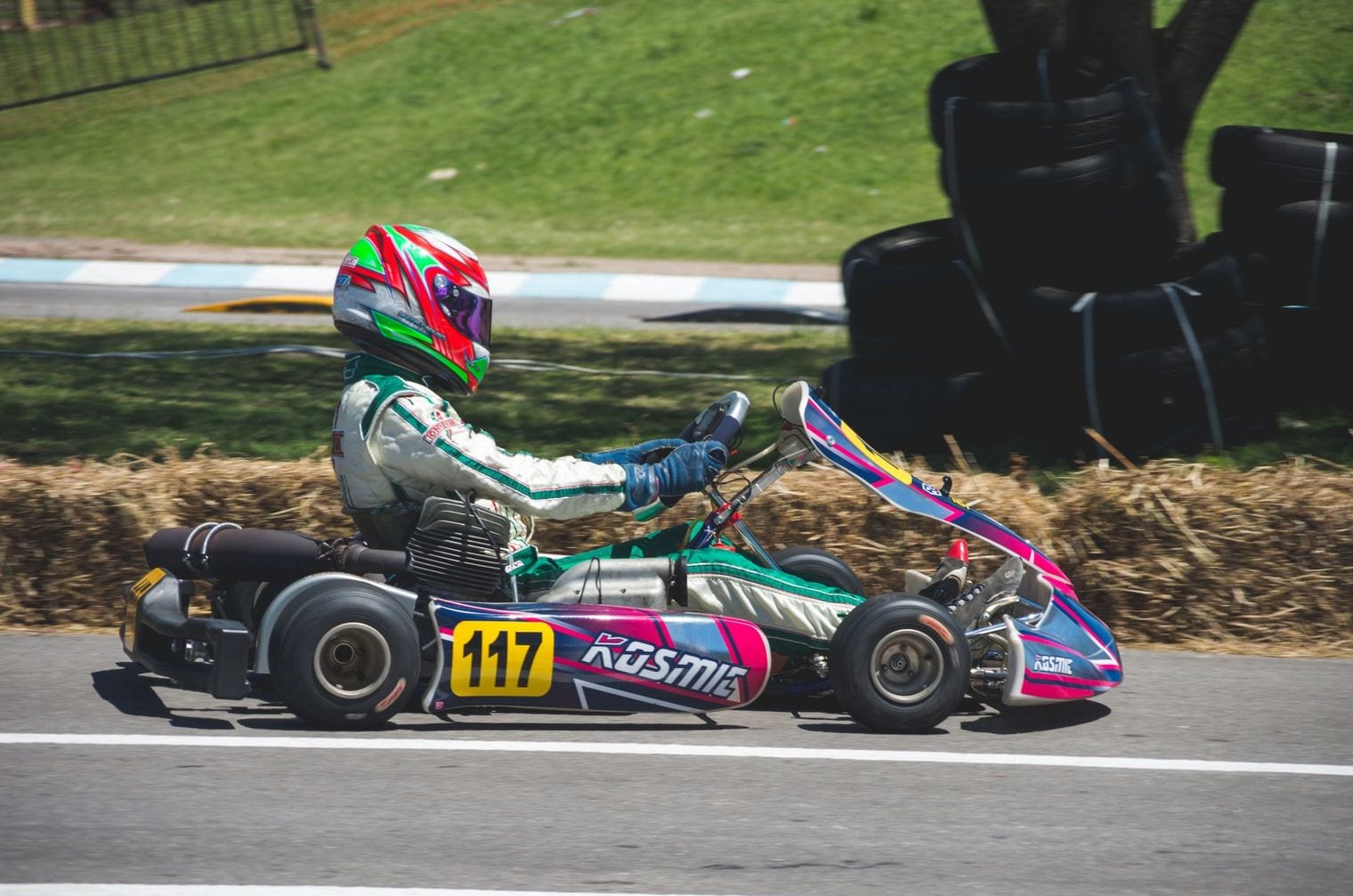
Pueblo Family Fun Center sits in southern Pueblo and makes an easy afternoon out, especially for families traveling with kids. The venue packs plenty into one spot, from go-karts to arcade games, giving younger visitors and their parents room to burn off energy and try a little friendly competition together.
Alongside the go-karts and arcades, the center rounds out its lineup with laser tag and more, so groups can move from one activity to the next without leaving the property. It is a straightforward, kid-friendly stop that works well when you want an active break from Pueblo’s museums and outdoor sights.
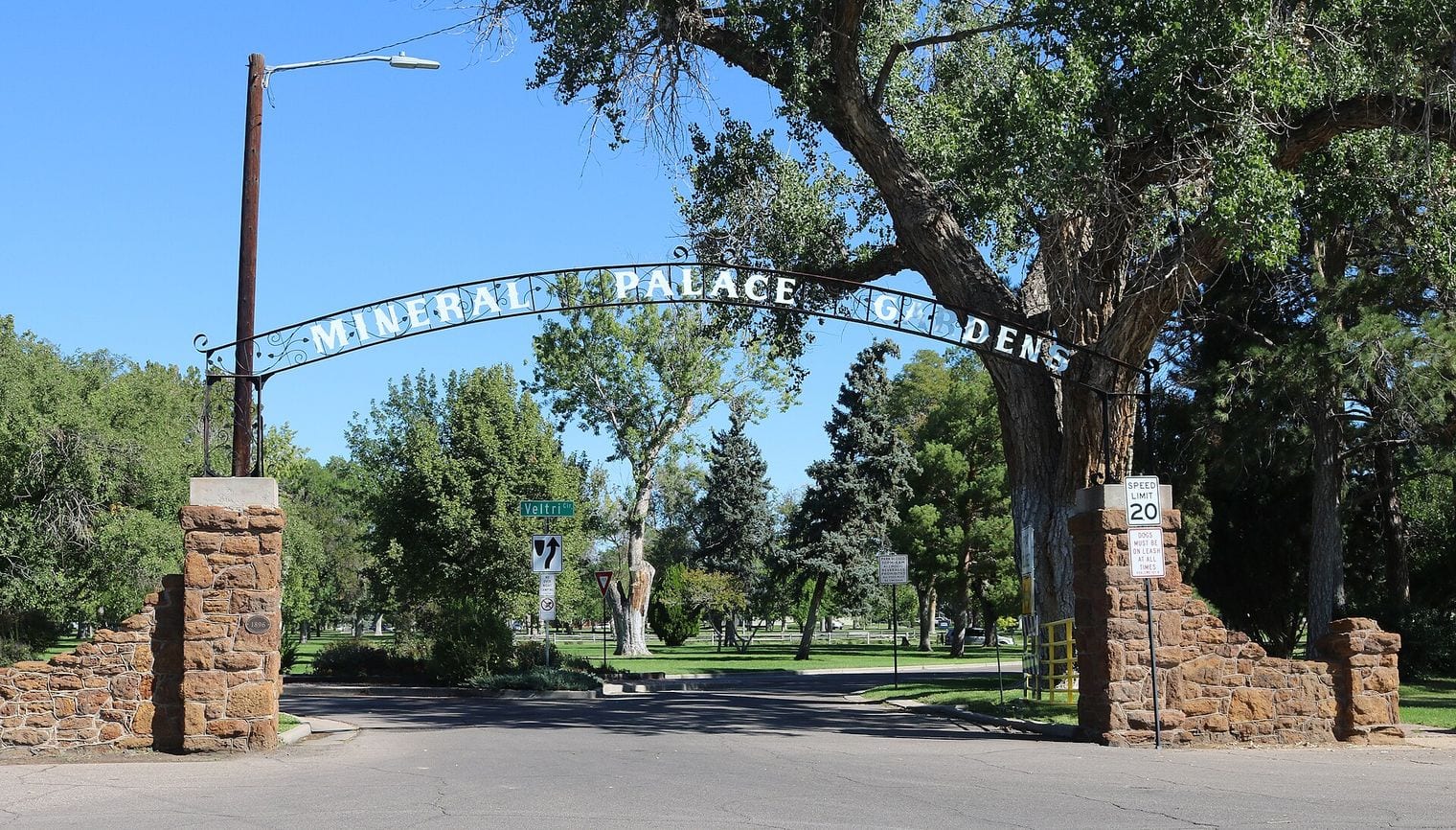
Mineral Palace Park is one of the nicest parks in Pueblo, sitting just north of downtown. Its beautiful bridge is a favorite of photographers, and you’ll likely spot pictures of it before you ever reach the city. Peaceful and green, the park stays camera-ready throughout the year.
The park once housed a palace built to represent Pueblo’s mineral wealth. Over the years the buildings fell into poor condition and the palace eventually closed. What remains is a calm, leafy retreat that gives this side of town its welcome breathing room.
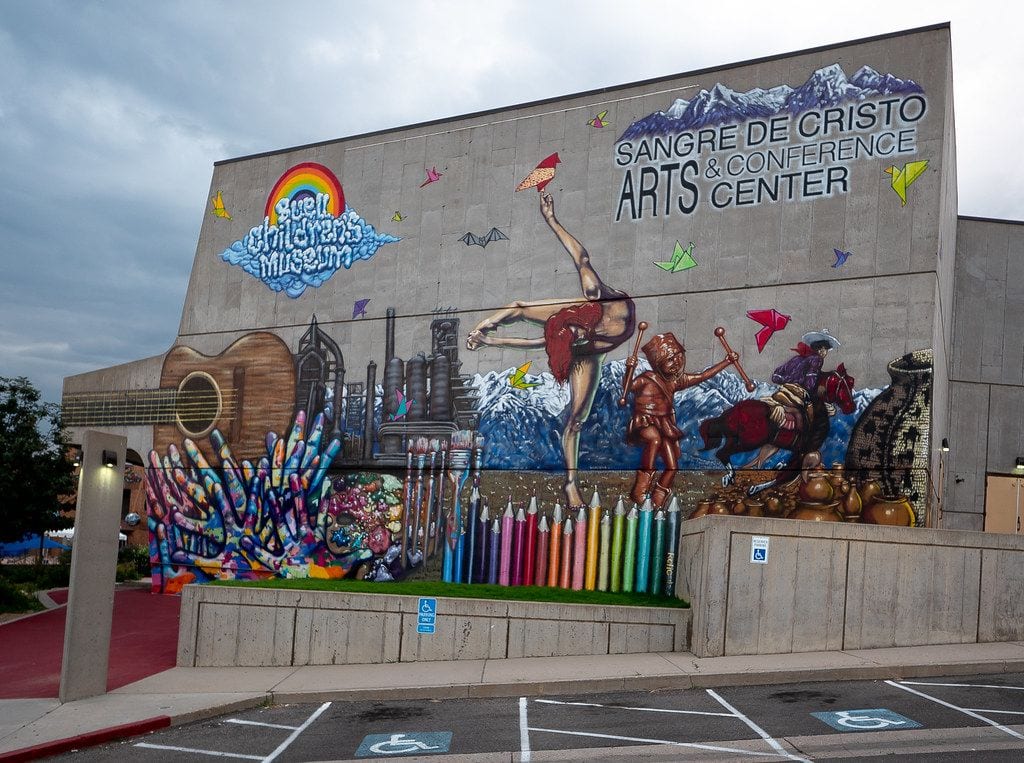
In the heart of the city, the Sangre de Cristo Arts & Conference Center brings several cultural spaces together under one roof. Its White Galleries hold a permanent collection of contemporary art, offering a grounded look at how modern artists work across different mediums and forms.
Families gravitate toward the on-site Buell Children’s Museum, where interactive exhibitions invite hands-on exploration and play. Beyond the galleries and museum, the center stages performances throughout the year, making it a steady anchor for the arts in Pueblo and a natural stop for visitors of every age.
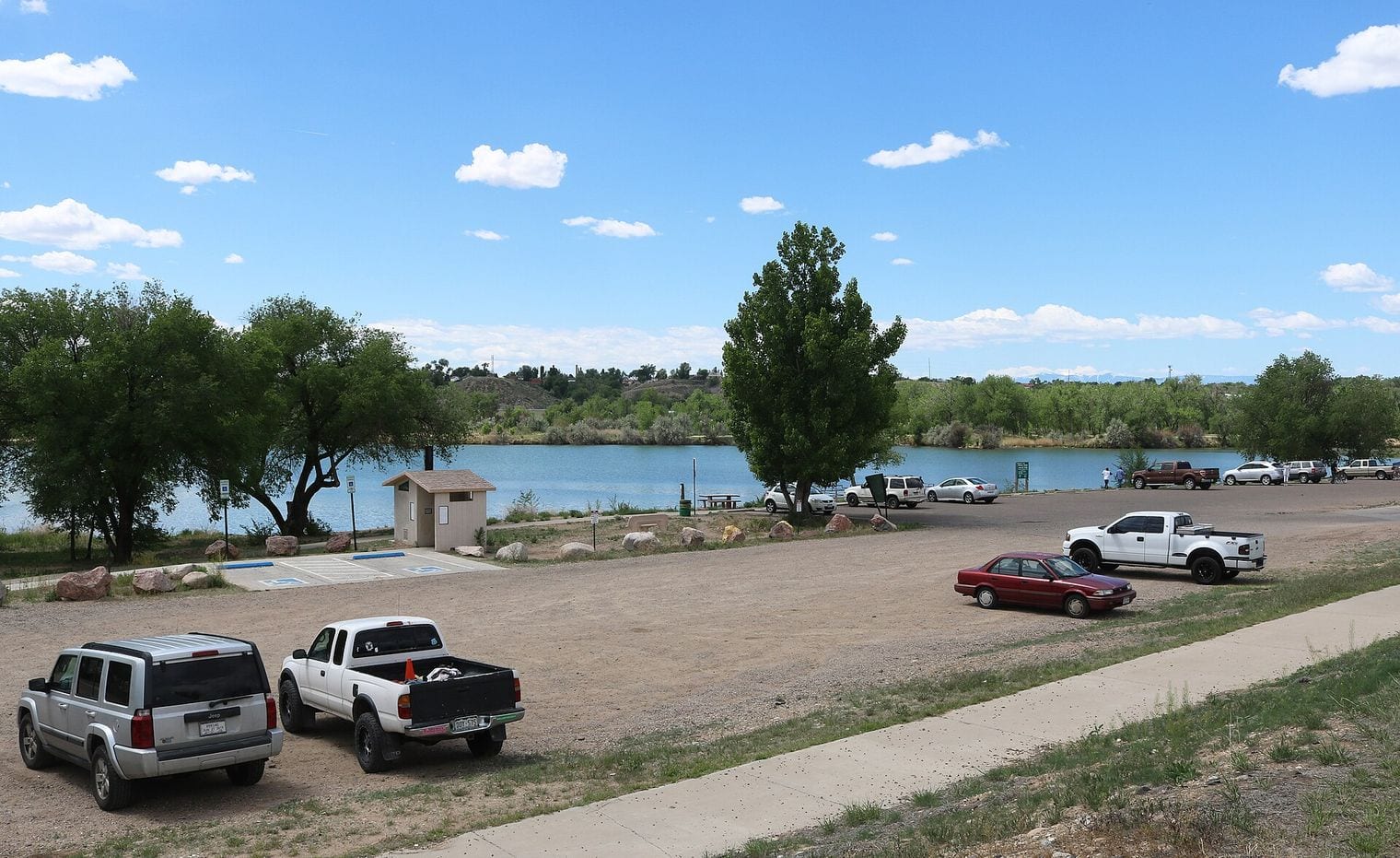
Runyon Lake sits east of downtown Pueblo, just a short four-minute drive away. Spanning five acres, this natural spot draws visitors for its scenery alone. The surrounding area is home to many different species of birds and animals, making wildlife watching one of the most rewarding ways to spend time along the water’s edge.
Beyond the views, the lake offers plenty to do. Swimming is not allowed, but you can cast a line for fishing or head out on non-motorized boats to explore the water at a gentle pace. Between the fishing, paddling, and abundant wildlife, it’s an easy, low-key escape from the city that rewards a slow visit.
Getting to Pueblo
Pueblo sits at the crossroads of southern Colorado, where Interstate 25 runs north-south through the heart of the city and US Highway 50 crosses it east-west, so most road trips arrive on one of the two. A cluster of state highways feeds the surrounding neighbourhoods and county towns off those main arteries, making the city easy to reach whether you are coming down from the Front Range, up from New Mexico, or across the plains.
The city has its own small commercial airport a few miles from downtown, but most visitors fly into the larger regional hub about 45 minutes north, or into the major international gateway roughly two hours north, and drive down on I-25. There is no scheduled passenger train today, but long-distance coach service and a regional intercity bus connect Pueblo to the bigger Front Range cities, with the local transit centre acting as the hub for those routes.
Getting Around Pueblo
Pueblo is spread out, so a car is the easiest way to see the whole city, but its most rewarding areas are compact and walkable once you park. The downtown historic district and the riverwalk corridor beside it are best explored on foot, with the historic Union Avenue quarter’s shops, galleries and eateries clustered close enough to wander between. Beyond those cores, distances open up and driving becomes the practical choice for reaching the museums, the reservoir park and the residential neighbourhoods.
A local bus network covers the main corridors, rideshare is available, and flat riverside paths make cycling pleasant along the water, though the wider grid is car-oriented. Parking is generally easy and inexpensive: downtown has street parking and lots near the riverwalk, and the outlying attractions all offer their own on-site parking, so you rarely have to circle for a spot.
Where to Stay in Pueblo
For a first visit, base yourself downtown or along the riverwalk corridor, where the historic Union Avenue district puts you within walking distance of restaurants, galleries and the water, and the walkable core means you can leave the car parked. This central area suits travellers who want atmosphere and evening strolls over quiet.
If you would rather have easy highway access for day trips or an early start, the districts along the Interstate 25 corridor are convenient and quick to reach, while the neighbourhoods out toward the reservoir and the university area on the city’s edges tend to be quieter and more residential. Choosing between them mostly comes down to whether you want to be in the middle of the walkable historic core or closer to the highway and open space.
Where to Eat in Pueblo
Pueblo’s signature dish is the slopper, an open-faced cheeseburger drowned in green chile and eaten with a spoon, and it is the thing to seek out first. The city’s green chile is a point of local pride, grown in the surrounding valley and ladled over everything from burritos to fries, so look for it on menus across town. Alongside the chile, the working-class steel-town heritage shows up in hearty tavern food and a strong thread of Mexican-American and Italian-American home cooking.
The best hunting grounds are the downtown historic core and the Union Avenue district, where the riverwalk-adjacent streets hold a walkable concentration of cafés, taverns and family-run kitchens. For the most authentic green chile and sloppers, the old neighbourhood taverns scattered through the city’s east and south sides are where locals send visitors, and late summer is the season to catch fresh roasted chiles perfuming the air.
One Day in Pueblo
Pueblo rewards an early start on its western edge and a route that works steadily east, trading open water and green space for the brick-lined heart of downtown as the day warms. Save the mountains for another morning and this becomes an easy, unhurried loop.
Morning: Begin at the city’s western reach on the reservoir shore of Lake Pueblo State Park, where the water and the bluffs above it make the quietest start to the day. Drive back toward town and pull into City Park, then spend the balance of the morning next door at the Pueblo Zoo before its paths fill. If small hands need running room, the nearby Nature & Wildlife Discovery Center – River Campus puts riverbank trails within easy reach.
Evening: Stay in the district as the light drops and settle in at Walter Brewing Company for dinner and a pour, an easy walk from everywhere you have already been. If a longer, all-day outing calls you back, save a second morning for the drive west into San Isabel National Forest, whose peaks and trails sit far enough out of town to deserve a day of their own.
Free Things to Do in Pueblo
Pueblo makes it easy to fill a day without spending much. The Historic Arkansas Riverwalk is free to stroll, with public art, plazas, and pedestrian bridges along the channel, and the nearby Pueblo Levee Murals stretch for roughly three miles of vibrant painted concrete. Heroes Plaza and its Medal of Honor statues cost nothing to visit, and wandering the brick blocks of the Union Avenue Historic District and its Creative Corridor is a free way to soak up the city’s galleries and heritage.
The outdoors are just as budget-friendly. City Park spreads across acres of green space with walking paths and open lawns, Mineral Palace Park offers a photogenic bridge and shaded lawns north of downtown, and the trails along Fountain Creek and the Arkansas River are open to all. Lake Pueblo’s shoreline and the surrounding open space reward a scenic drive, so a full day of Pueblo sightseeing can cost little more than gas and a Slopper.
Day Trips from Pueblo
Pueblo makes a good base for exploring southern Colorado, with the mountains and the Front Range cities all within easy reach. Head about 45 minutes north up I-25 and you reach Colorado Springs at the foot of the Rockies, while continuing north for roughly two hours brings you to Denver, the state capital, and a little beyond that to Boulder tucked against the foothills, both worthwhile as full-day outings.
For scenery closer to home, drive about an hour west on US 50 toward Cañon City and the Royal Gorge, where a deep canyon and its famous bridge span the Arkansas River. Between the mountain foothills to the west and the reservoir country on the city’s own doorstep, there is enough within a short drive to fill several days.
FAQ: Visiting Pueblo
What is Pueblo, Colorado known for?
Pueblo is best known as the “Steel City,” long the most important steelmaking center west of the Mississippi, and as the “Home of Heroes,” birthplace of four Medal of Honor recipients. It is also famous for its Pueblo chile and the Slopper, a green-chile-smothered burger, along with the Historic Arkansas Riverwalk and Lake Pueblo State Park.
How many days do you need in Pueblo?
Most visitors find two to three days ideal. That leaves time for the Riverwalk and downtown museums, a day at Lake Pueblo State Park, and stops like the Steelworks Museum, the Pueblo Zoo, and Rosemount Museum, with room for a Slopper and a walk through the Creative Corridor.
What is a Pueblo Slopper?
The Slopper is Pueblo’s signature dish: a hamburger on a bun smothered in a ladle of Pueblo green chile and melted cheese, served in a bowl and eaten with a spoon. It grew out of the city’s beloved Pueblo chile, a variety chile-lovers travel for, and appears on menus across town.
When is the best time to visit Pueblo?
Late summer and early fall are especially rewarding, when the Colorado State Fair and the Chile & Frijoles Festival bring the city to life and the chile harvest is in full swing. Spring and summer suit outdoor time at Lake Pueblo and the Riverwalk, while the mild, sunny climate makes most of the year pleasant for sightseeing.
Is Pueblo good for families?
Yes. Family-friendly stops include the Pueblo Zoo and the rides at City Park, the hands-on Buell Children’s Museum at the Sangre de Cristo Arts Center, the Pueblo Weisbrod Aircraft Museum, and the boating and beaches at Lake Pueblo State Park. Many of the city’s parks and the Riverwalk are free and easy for kids.
How far is Pueblo from Colorado Springs?
Pueblo lies roughly 45 miles south of Colorado Springs along I-25, about a 45-minute drive. That makes it an easy day trip or a natural southern anchor for a Front Range road trip through Cañon City, the Royal Gorge, and beyond. Head north on I-25 instead and the same corridor connects Pueblo to Denver and the university city of Boulder.
Is Pueblo worth visiting?
Pueblo is well worth a visit for travelers who enjoy history, food, and the outdoors without big-city crowds or prices. Its steel and military heritage, distinctive chile-driven food scene, walkable riverwalk, and quick access to Lake Pueblo State Park give it a character all its own in southern Colorado.