The birthplace of the blues, an antebellum river road and a barrier-island coast — all strung along one unhurried Southern drive.
Mississippi runs from the wide, blues-soaked farmland of the Delta down through antebellum river towns to a warm barrier-island coast on the Gulf of Mexico, with the Natchez Trace Parkway threading the whole state north to south. This is the birthplace of the blues and of rock 'n' roll's Elvis Presley, and a place where Civil War battlefields, civil-rights landmarks and white-sand beaches sit within an easy drive of one another. Use this hub to plan your trip: browse our city guides to Jackson and the Gulf Coast below.
The prime window statewide: azaleas and dogwoods bloom, Natchez opens its historic homes for the spring pilgrimage, and days settle into the comfortable 70s°F before the deep-summer humidity arrives.
SummerJun–Aug
Hot and very humid, with highs in the 90s°F and afternoon thunderstorms — but it is beach season on the Gulf Coast, where the barrier islands and warm Gulf water are the natural escape. This is also peak hurricane season, so watch the forecast on the coast.
FallSep–Nov
A lovely, mellow stretch as the heat breaks — ideal for driving the Natchez Trace, touring Vicksburg's battlefield and following the Delta blues trail with cooler, drier days and thinner crowds.
WinterDec–Feb
Mild by national standards, rarely freezing hard, though it can be grey and rainy. The coast and the southern river towns stay pleasant for walking, and the juke joints and casinos keep the off-season lively.
Regions
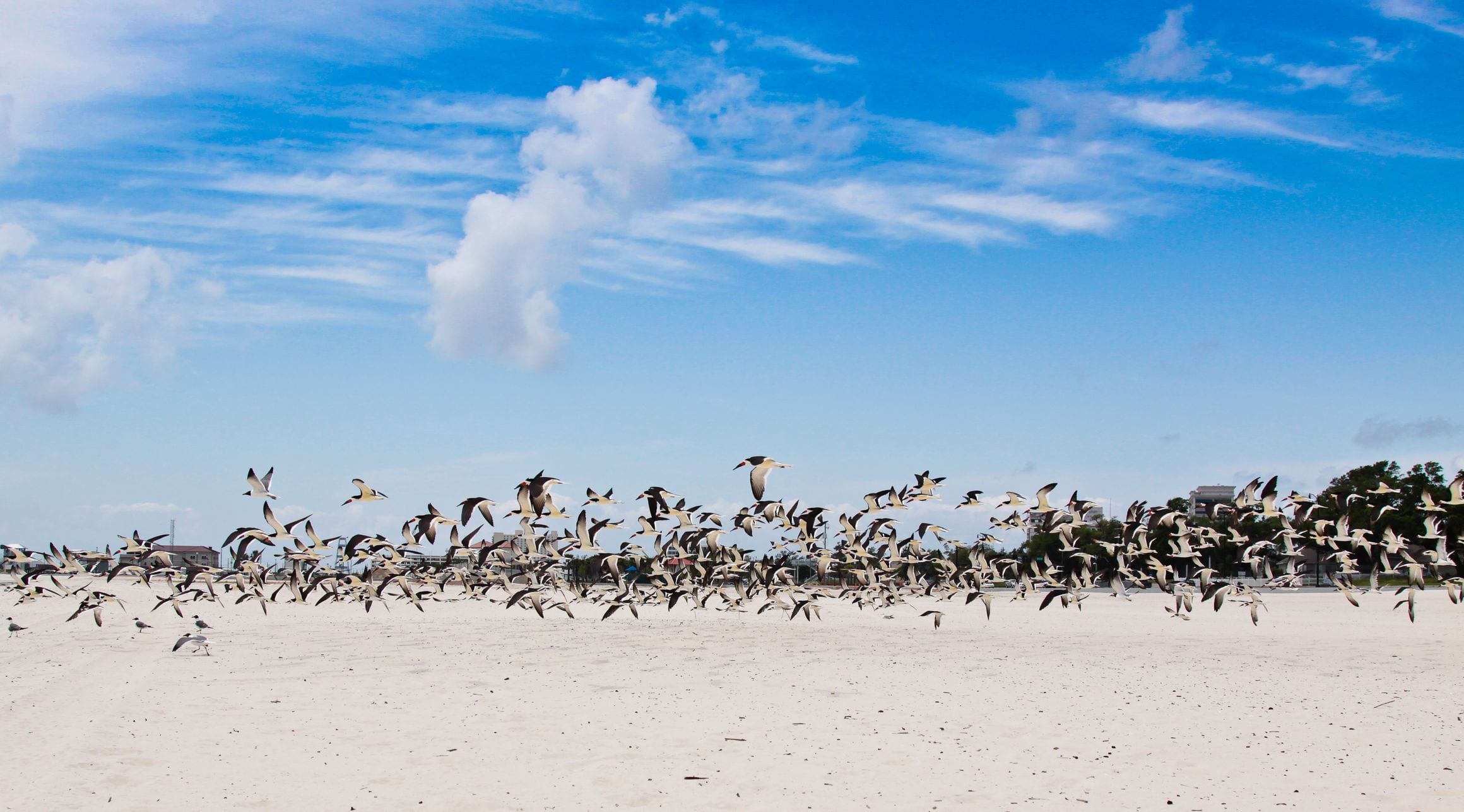
The Gulf CoastMississippi's warm-weather playground, where Gulfport and neighbouring Biloxi front white-sand beaches, casinos and seafood, and boats run out to the barrier islands of Gulf Islands National Seashore, including Ship Island and its Civil War-era Fort Massachusetts.
The DeltaThe flat, fertile northwest along Highway 61 — the cradle of the blues, where Clarksdale's juke joints and the legendary crossroads, plus B.B. King's Indianola, anchor a musical pilgrimage across cotton country.
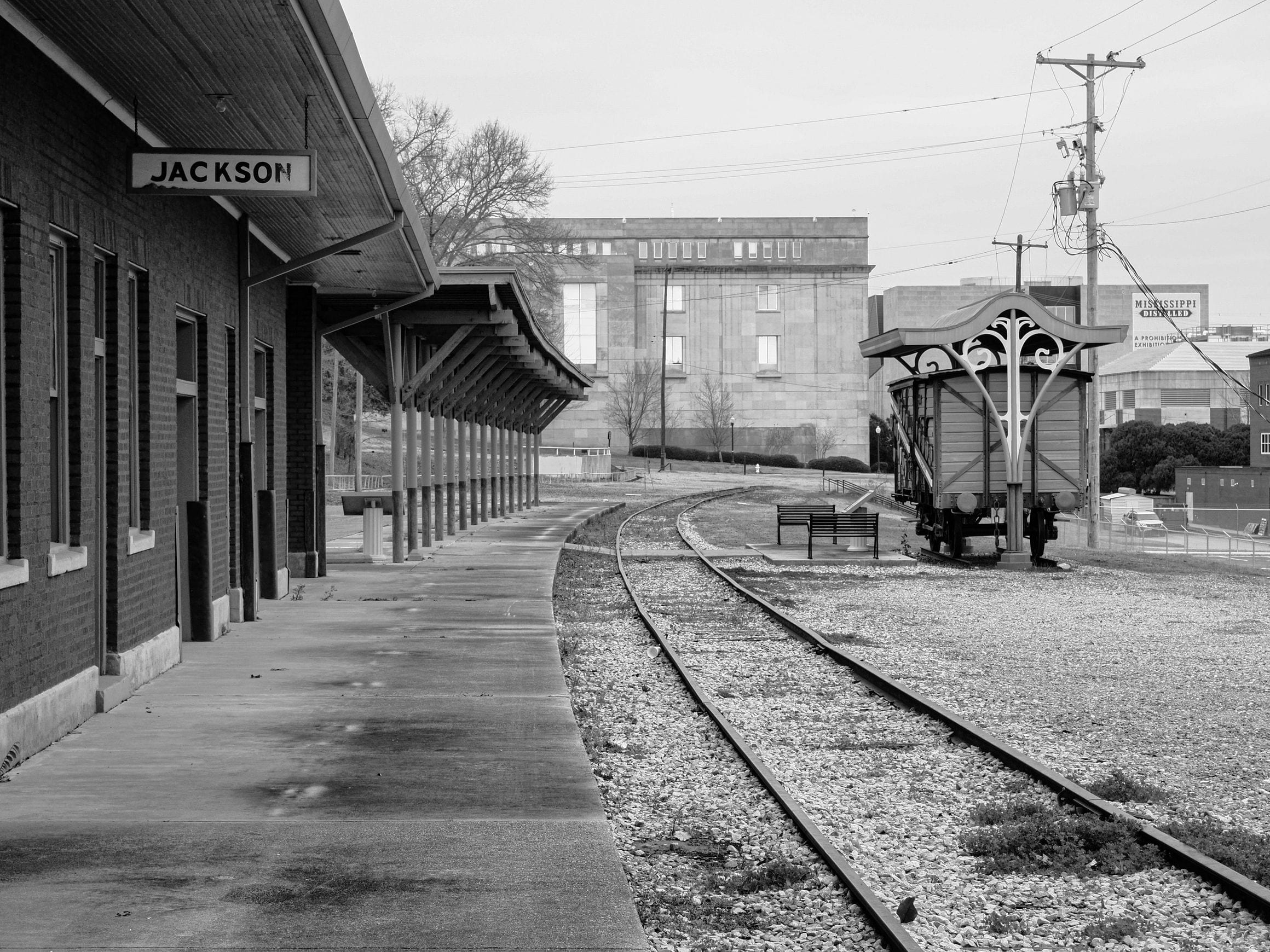
Jackson & the centreThe capital and the heart of the state, where Jackson pairs the Mississippi Civil Rights Museum and the Museum of Mississippi History with easy access to the Natchez Trace and the Ross Barnett Reservoir just north of town.
The river road & the southwestThe Mississippi River corridor from Vicksburg's national military park down to Natchez, the antebellum town of grand historic homes that marks the southern end of the Natchez Trace Parkway.
The Hills & the northThe rolling northeast, home to Oxford and the University of Mississippi's literary heritage and to Tupelo, birthplace of Elvis Presley and a major stop on the Trace.
The Pine Belt & the southeastThe wooded southern interior of longleaf pine and small towns, centred on Hattiesburg and the Longleaf Trace rail-trail, midway between Jackson and the coast.
Mississippi's signature draws
The Mississippi Delta & the blues trailThe birthplace of the blues along Highway 61 — Clarksdale's juke joints and crossroads and B.B. King's Indianola.Basecamp: Clarksdale
Natchez Trace ParkwayA 444-mile scenic, commercial-free drive from Natchez through Jackson and Tupelo toward Nashville.
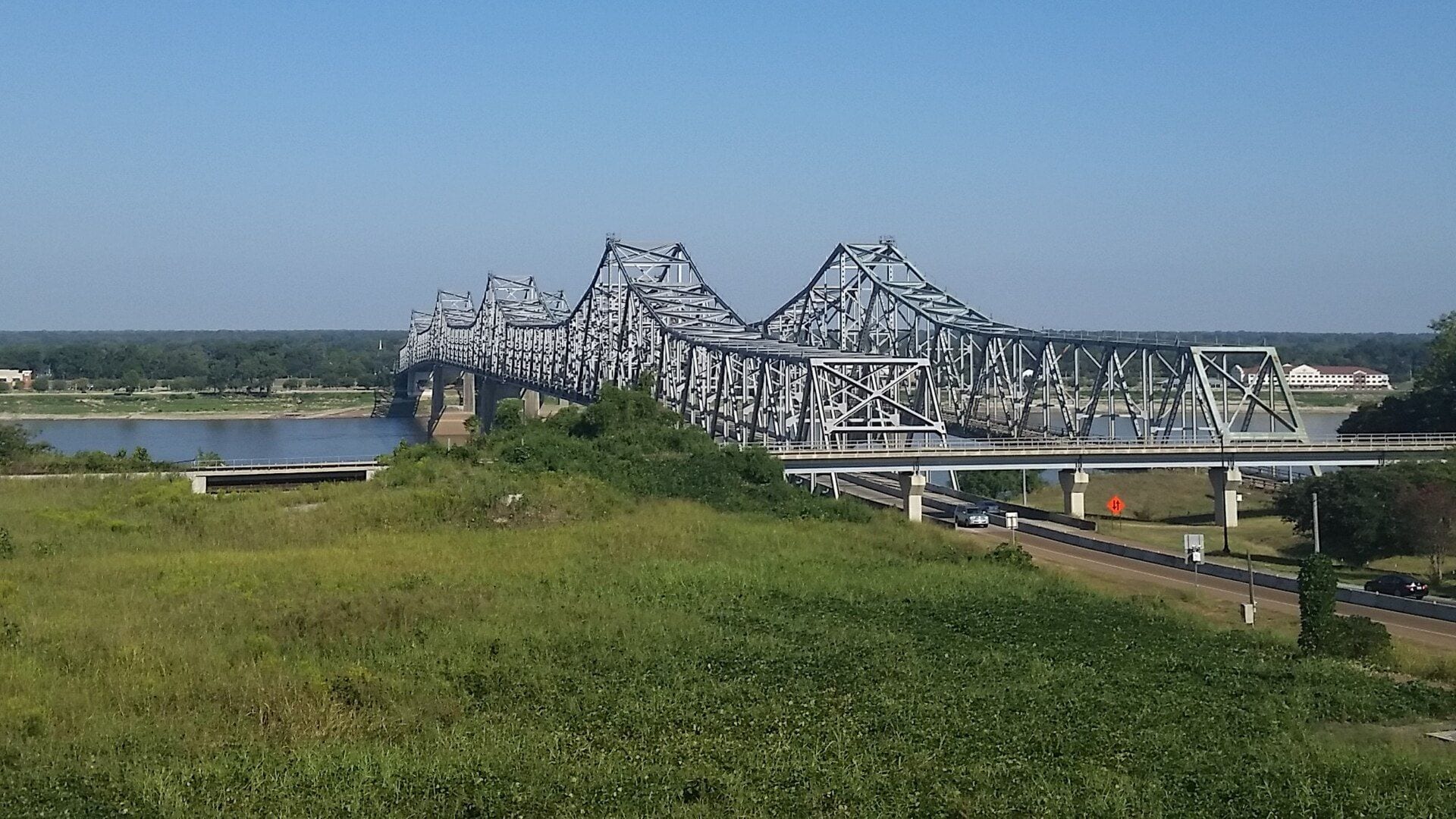
Vicksburg National Military ParkThe sprawling battlefield and monuments of the decisive 1863 Civil War siege, above the Mississippi River.
NatchezThe antebellum river town of grand historic homes at the southern end of the Trace.
Elvis Presley Birthplace, TupeloThe tiny two-room house where Elvis was born, now a museum and chapel in the northeast hills.Basecamp: Tupelo
Suggested routes
The Natchez Trace & river road
4–5 days
A history-rich drive down the western half of the state, pairing the low-speed Natchez Trace Parkway with the Mississippi River towns of Vicksburg and Natchez. Run it north to south, or reverse it out of New Orleans.
3Vicksburg — the Civil War battlefield above the river
4Natchez — antebellum homes at the Trace's end
Blues, capital & coast
~1 week
The full cross-section of Mississippi, running from the Delta blues country down through the capital to the Gulf beaches — a week that trades cotton fields for casinos.
1Clarksdale — Delta juke joints and the crossroads
A relaxed long weekend on the Mississippi Sound, mixing beach and barrier islands with the seafood and casinos of the coast — easy to reach from New Orleans.
2Ship Island — boat out to the barrier island and its fort
3Biloxi — casinos and the lighthouse next door
Mississippi travel FAQ
Eight questions travellers ask before they go.
When is the best time to visit Mississippi?
Spring (March to May) and autumn (September to November) are ideal, with warm, comfortable days and thinner crowds — perfect for driving the Natchez Trace, touring history sites and following the blues trail. Summer is hot and humid but it is beach season on the Gulf Coast; just keep an eye on the forecast, as it overlaps hurricane season. Winters are mild and good for the coast and the southern river towns.
How many days do you need in Mississippi?
A focused trip works well in three to four days — say the Gulf Coast on its own, or Jackson paired with Vicksburg and a stretch of the Natchez Trace. To combine the coast, the capital, the Delta blues towns and the Natchez river road, plan on about a week of driving, which lets you take the state's slower pace in stride.
Do you need a car in Mississippi?
Yes. The state's highlights are spread out and thinly served by public transit, so a rental car is essential. Most visitors fly into Jackson, in the centre of the state, or into Gulfport-Biloxi for the coast — which is also an easy drive east from New Orleans.
What is Mississippi best known for?
Mississippi is famous as the birthplace of the blues — born in the Delta along Highway 61 — and of Elvis Presley, who was born in Tupelo. It's also known for its antebellum river town of Natchez, its Civil War history at Vicksburg, its landmark civil-rights sites in Jackson, and the warm beaches and barrier islands of the Gulf Coast.
What is the Natchez Trace Parkway?
The Natchez Trace Parkway is a 444-mile scenic drive, managed by the National Park Service, that follows a historic trail from Natchez in southwest Mississippi up through Jackson and Tupelo and on to Nashville, Tennessee. It's free, commercial-traffic-free and low-speed, with frequent pull-offs at historic sites, making it one of the most relaxed and rewarding drives in the South.
Where should you go to experience the Mississippi Delta blues?
The Delta, the flat farmland of the northwest, is the heartland of the blues. Clarksdale is the usual base, with its juke joints, the famous 'crossroads' of Highways 61 and 49, and museums devoted to the music; Indianola honours B.B. King, and the wider region is dotted with markers on the Mississippi Blues Trail. It's an easy add-on to a Jackson-based road trip up Highway 61.
Is the Mississippi Gulf Coast good for a beach trip?
Yes. Gulfport and neighbouring Biloxi front long stretches of white-sand beach on the warm Gulf of Mexico, backed by casinos, seafood restaurants and family attractions. For the clearest water and quietest sand, catch a boat out to the barrier islands of Gulf Islands National Seashore — Ship Island, with its historic fort, is the classic day trip.
What kind of trip is Mississippi best for?
Music heritage, history and Gulf beaches.
We use cookies to analyse site traffic and improve your experience.
You can accept or reject analytics cookies. See our Cookie Policy.