Jackson’s history runs from the Choctaw Nation and the era of the region’s Native Americans through to the Civil Rights Movement of the 1950s and 1960s. That deep past is why its museums span such a wide range—history, civil rights, African-American culture, natural sciences, and art. Jackson is also home to the largest Jewish community in Mississippi.
The city sits along the Pearl River and, remarkably, atop the extinct Jackson Volcano, buried far below downtown. As the capital and largest city of Mississippi, it grew alongside the discovery of natural gas beneath the Jackson Dome in the early twentieth century. Today it is known as the “City with Soul” for its blues, gospel, folk, and jazz scene.
Fun Facts About Jackson, Mississippi
Jackson was founded in 1821 as Mississippi’s new capital and named for General Andrew Jackson, the War of 1812 hero who later became the seventh U.S. president.
The city is nicknamed the “City with Soul” for its deep blues, gospel, folk, and jazz roots—and it’s the longtime home of Malaco Records, a leading gospel, blues, and soul label.
Downtown Jackson sits directly atop the extinct Jackson Volcano, buried thousands of feet below the Mississippi Coliseum and dormant for tens of millions of years.
The world’s first human lung transplant was performed in Jackson at the University of Mississippi Medical Center in 1963.
Jackson sits at a Deep South crossroads, roughly halfway between Memphis and New Orleans, where Interstates 55 and 20 meet.
The Mississippi Civil Rights Museum is the state museum devoted to Mississippi’s role in the civil rights movement. Eight interactive galleries, including "Mississippi Freedom Struggle," "Mississippi in Black and White," "This Little Light of Mine," and "A Closed Society," walk you through that history using artifacts, videos, and immersive exhibits.
The galleries pair the state’s story with the wider national civil-rights struggle, grounding the movement in the place where much of it unfolded. Between the objects, film, and hands-on displays, there is a lot to absorb, so plan on spending several hours to take it in fully.
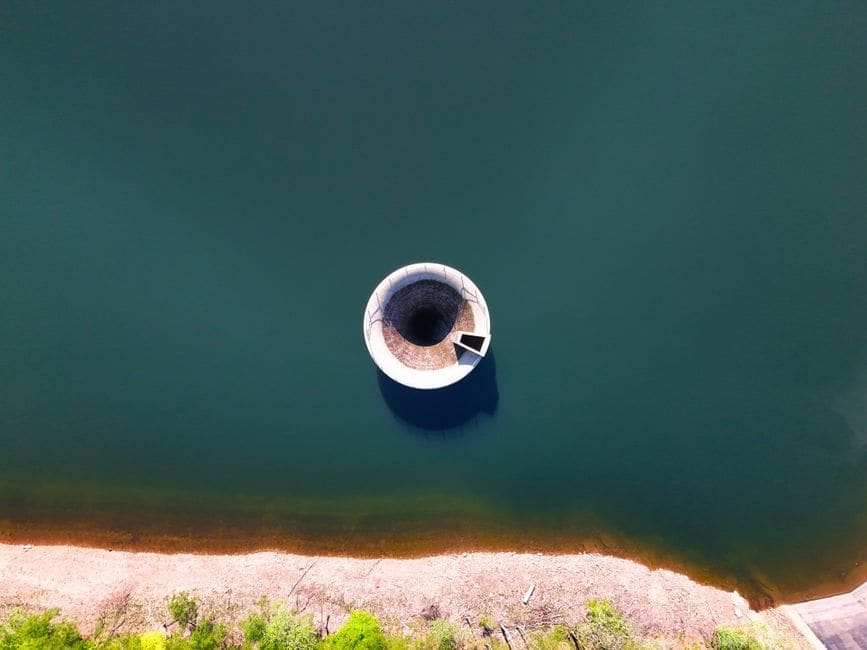
Reservoir Overlook sits about 20 minutes from Jackson along the Natchez Trace Parkway at Milepost 105.6, overlooking the Ross Barnett Reservoir. It marks the northern terminus of the paved Chisha Foka Multi-Use Trail, a route open to walkers and cyclists. Wide, shaded, and easy to follow, the trail runs beside the water with picnic areas set nearby.
This stop also connects you to the wider parkway. The Natchez Trace runs 444 miles from Natchez to Nashville, and you can pick it up right here for a longer drive north or south. Whether you come for a short walk, a picnic, or a bike ride, the overlook works as an easy, unhurried break close to the city.
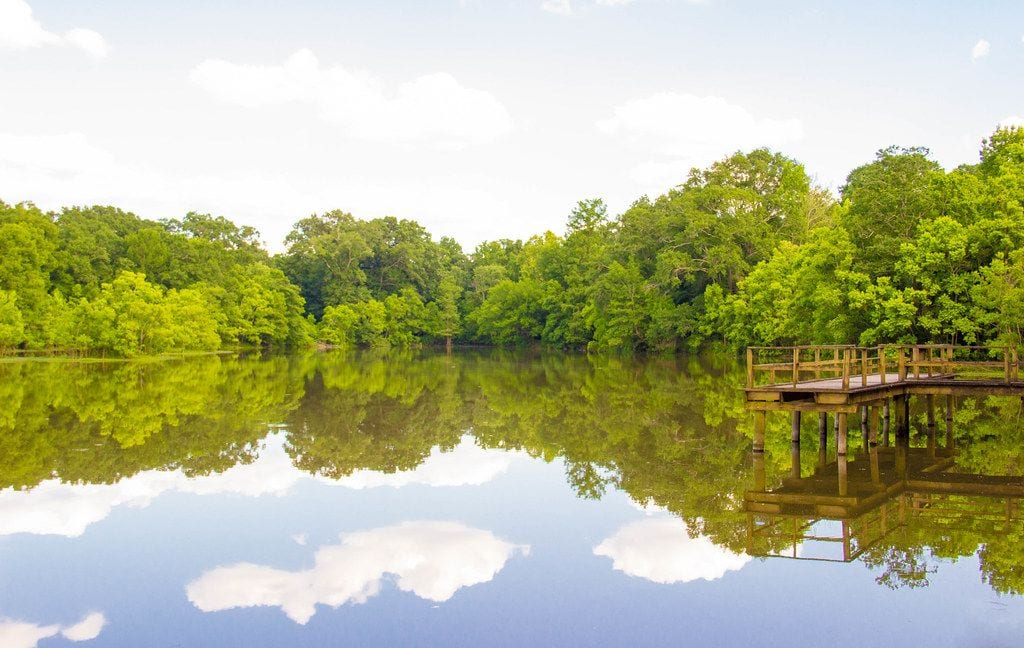
LeFleur’s Bluff State Park sits at the heart of Jackson, spread across 305 wooded acres between the Pearl River and Mayes Lake. Pitch a tent or settle into a developed campsite, cast a line on Mayes Lake, or wander the nature trails. An 18-hole disc golf course threads the trees, and wildlife moves freely throughout the grounds.
The park also holds two of the city’s family draws: the Mississippi Museum of Natural Science and the Mississippi Children’s Museum. Between the shaded campground, the playground, and the abundant wildlife, it works as both a quiet outdoor retreat and a full day out with kids close to downtown.
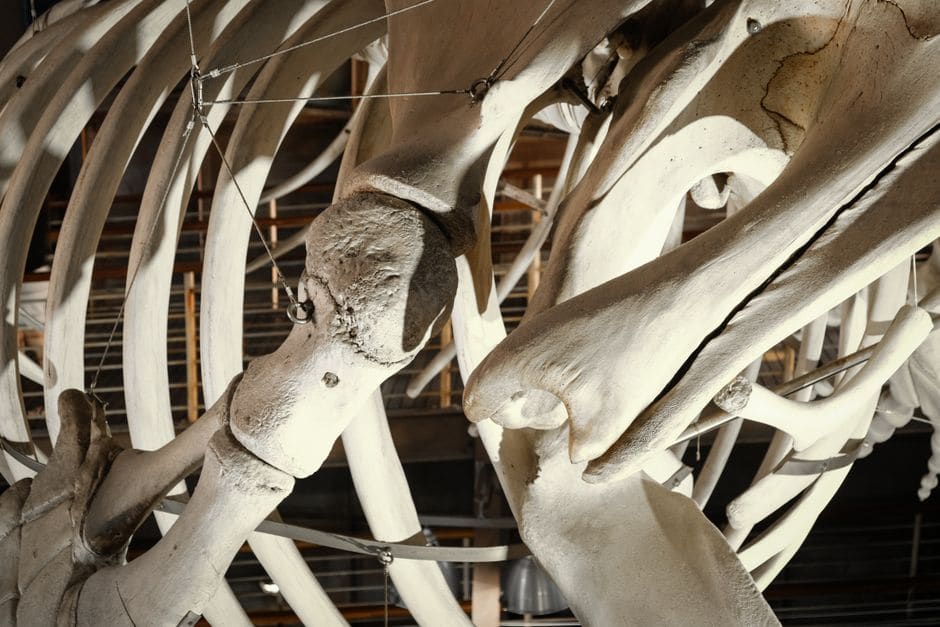
Set inside LeFleur’s Bluff State Park, the Mississippi Museum of Natural Science packs roughly 73,000 square feet of exhibits into a compact circuit. A sprawling aquarium network holds more than 200 living species, and fossil displays sit alongside live turtles, alligators, snakes, and fish. A greenhouse rounds out the indoor galleries.
Outside, nature trails wind through the woods behind the building, giving you a chance to swap glass tanks for the real thing. Kids can burn off energy at the playground, and a Dinosaur Trail adds a prehistoric twist to the walk. It’s an easy stop that works for curious minds of any age.
The Jackson Zoo occupies a century-old park on West Capitol Street, where animals live in simulated, moated habitats rather than bare cages. Open-air enclosures and glass viewing areas let you watch the residents up close, moving through settings built to echo the landscapes they’d naturally roam.
Currently undergoing revitalization, the ZAA-accredited park pairs its animal exhibits with a splash pad for cooling off on warm Mississippi afternoons. Renewed community events bring fresh energy to the grounds, giving longtime visitors and first-timers a reason to see how this enduring institution continues to grow.
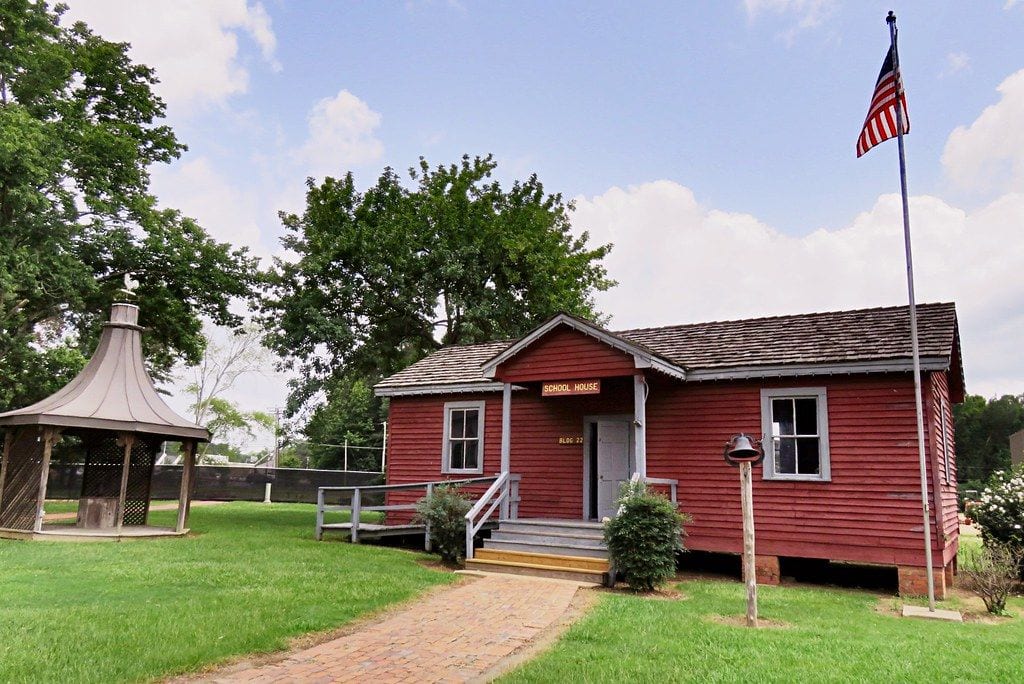
Mississippi Agriculture and Forestry Museum on Lakeland Drive preserves the state’s rural past as a living-history farm. Barns, mills, mule sheds, and a general store were relocated here from across Mississippi, along with the farm equipment and tools that once worked them. It is a place where the everyday machinery of country life is kept intact rather than merely described.
At its center stands "Small Town, Mississippi," a recreated 1920s crossroads town that recalls the era’s rural community life. Reenactments and special events bring the grounds to life, staffing the buildings and demonstrating the trades and daily routines that shaped the countryside. Wander the fields and streets, and the working farm and its town feel less like exhibits than a landscape.
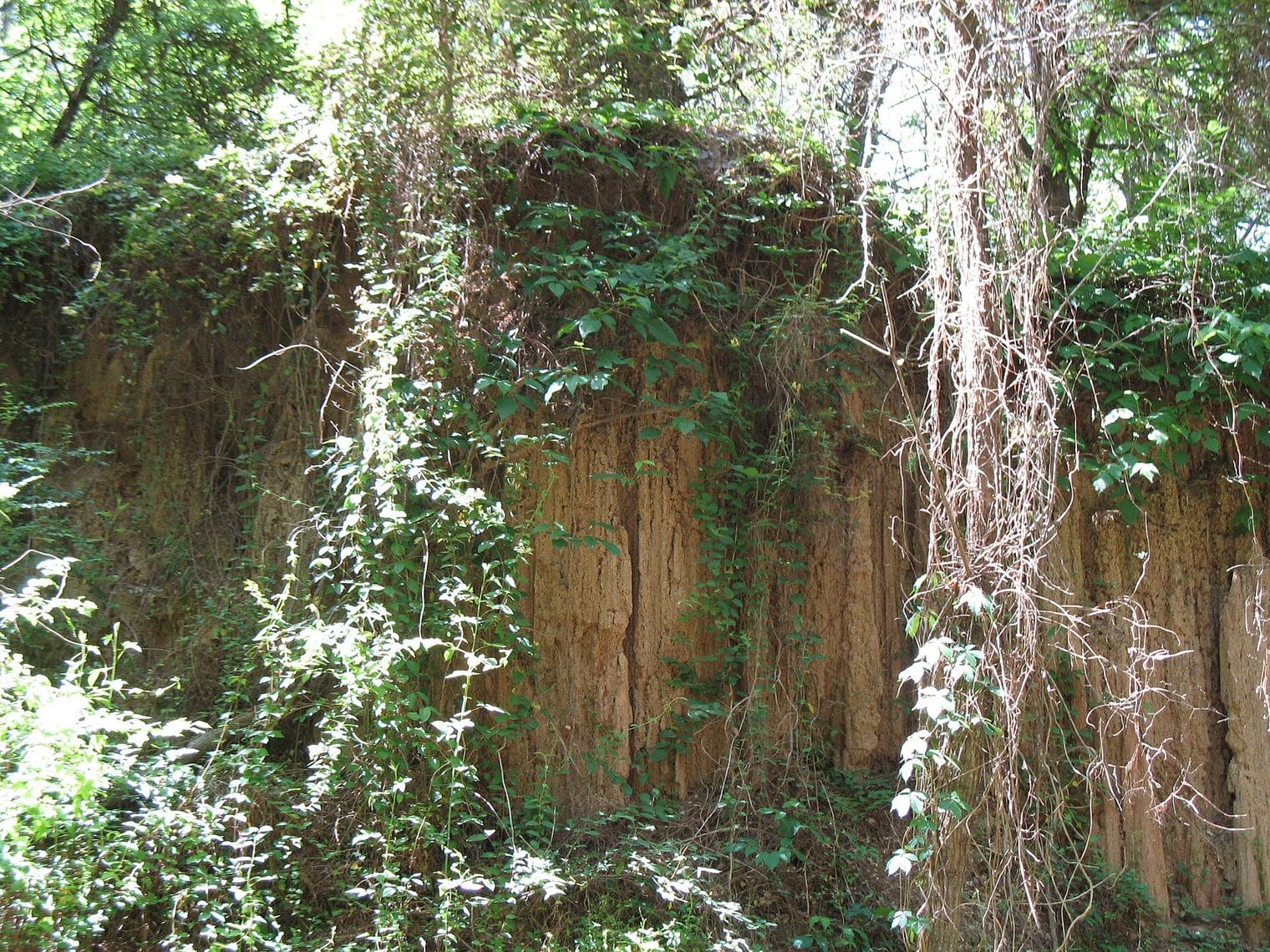
Mississippi Petrified Forest sits in Flora, about 30 minutes northwest of Jackson, where a self-guided nature trail winds past petrified logs roughly 36 million years old. Designated a National Natural Landmark in 1966, it preserves ancient trees turned to stone, giving you a walkable window into a landscape that existed long before the modern South took shape.
Beyond the trail, an Earth Science museum displays gems, minerals, and fossils, while a gem-flume mining area lets you sift for stones of your own. A gift shop rounds out the visit, and an on-site campground means you can stretch a stop into an overnight stay under the Mississippi pines.
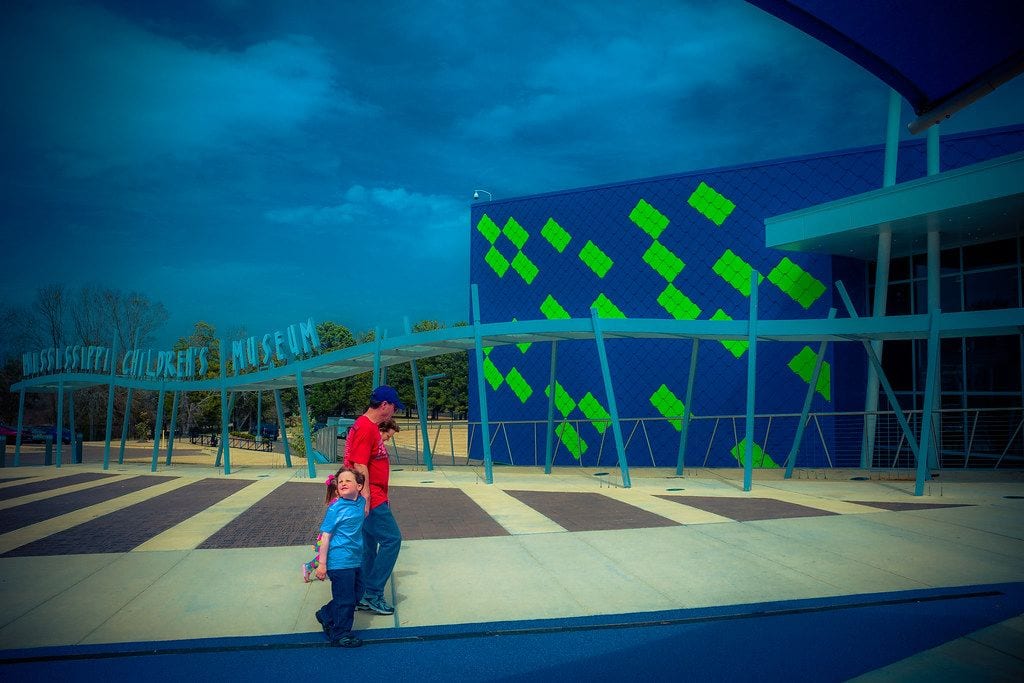
Mississippi Children’s Museum on Museum Boulevard spreads its exhibits across three levels, with hands-on galleries built around arts, history, health, literacy and science. Children move from one interactive station to the next, exploring ideas by touching, building and playing rather than reading placards or standing behind ropes.
Outside, a literacy garden and a summer splash pad extend the fun into the open air. Because the museum is mostly indoor, it holds up well when the weather turns extreme, giving families a comfortable place to spend a few hours during a brutal Mississippi heat wave or a rare cold snap.
Mississippi’s largest art museum sits downtown on South Lamar Street, and the Mississippi Museum of Art fills its galleries with work by both state and national artists. A permanent collection anchors the space, while rotating and traveling exhibitions keep the walls changing, so repeat visits rarely look the same twice.
Step outside into the Art Garden, where a water feature doubles as a splash area for kids on warm days. A cafe handles a coffee break or a light lunch, and a performance space hosts events under the same roof, making the museum an easy afternoon in the heart of the city.
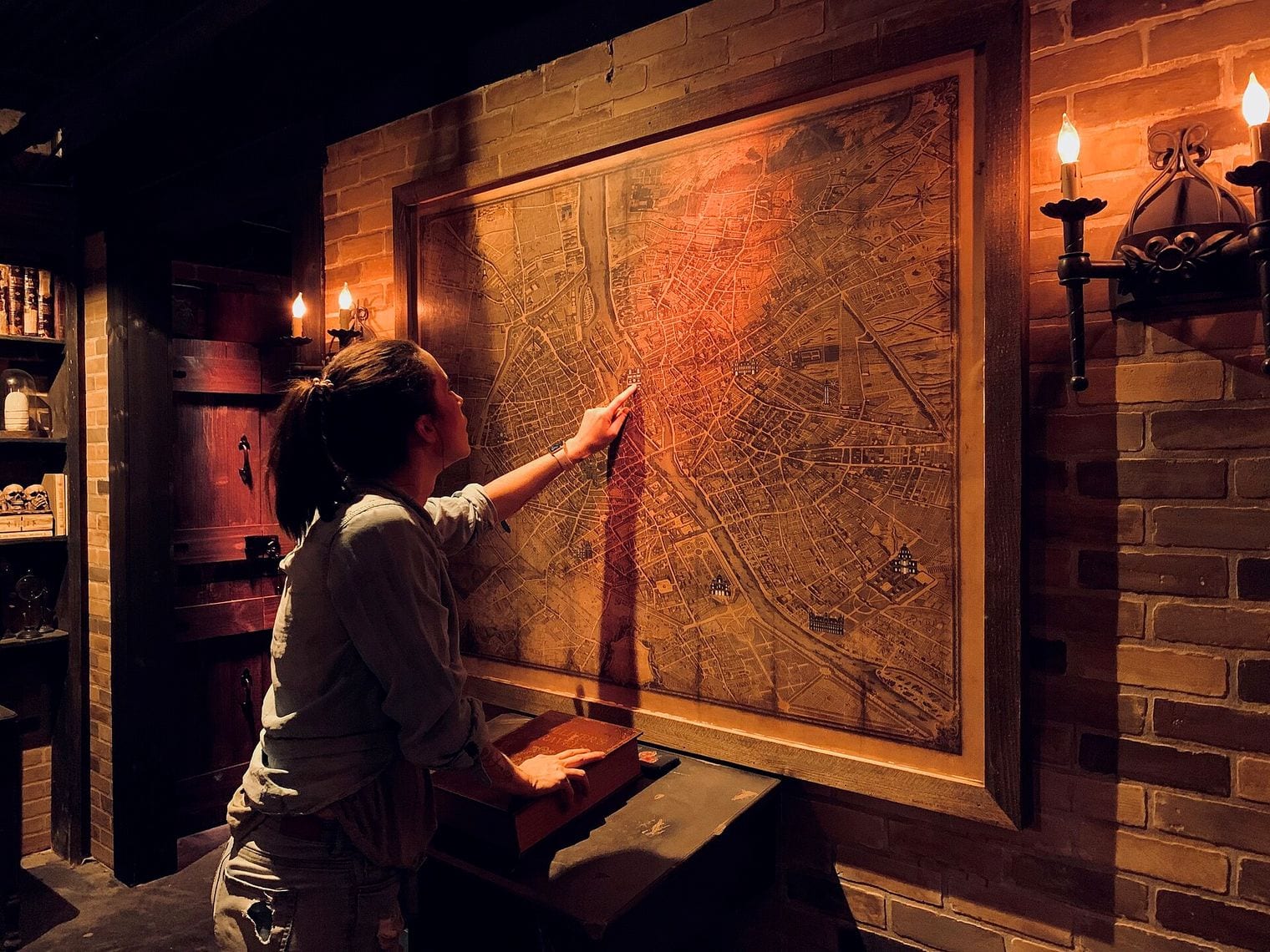
Enter/Locked Escape Rooms sits in Ridgeland, just north of downtown Jackson, and puts your group inside a series of themed rooms built around puzzles, clues, and custom storylines. A game master runs each session, watching your progress and feeding hints when the group stalls, so the challenge stays paced whether you race ahead or hit a wall.
The lineup of rooms rotates, so repeat visits rarely feel the same. Puzzles are tuned to test adults without leaving younger players behind, which makes this a solid pick for mixed groups and families. Gather a team, pick a room, and work the clues together against the clock.
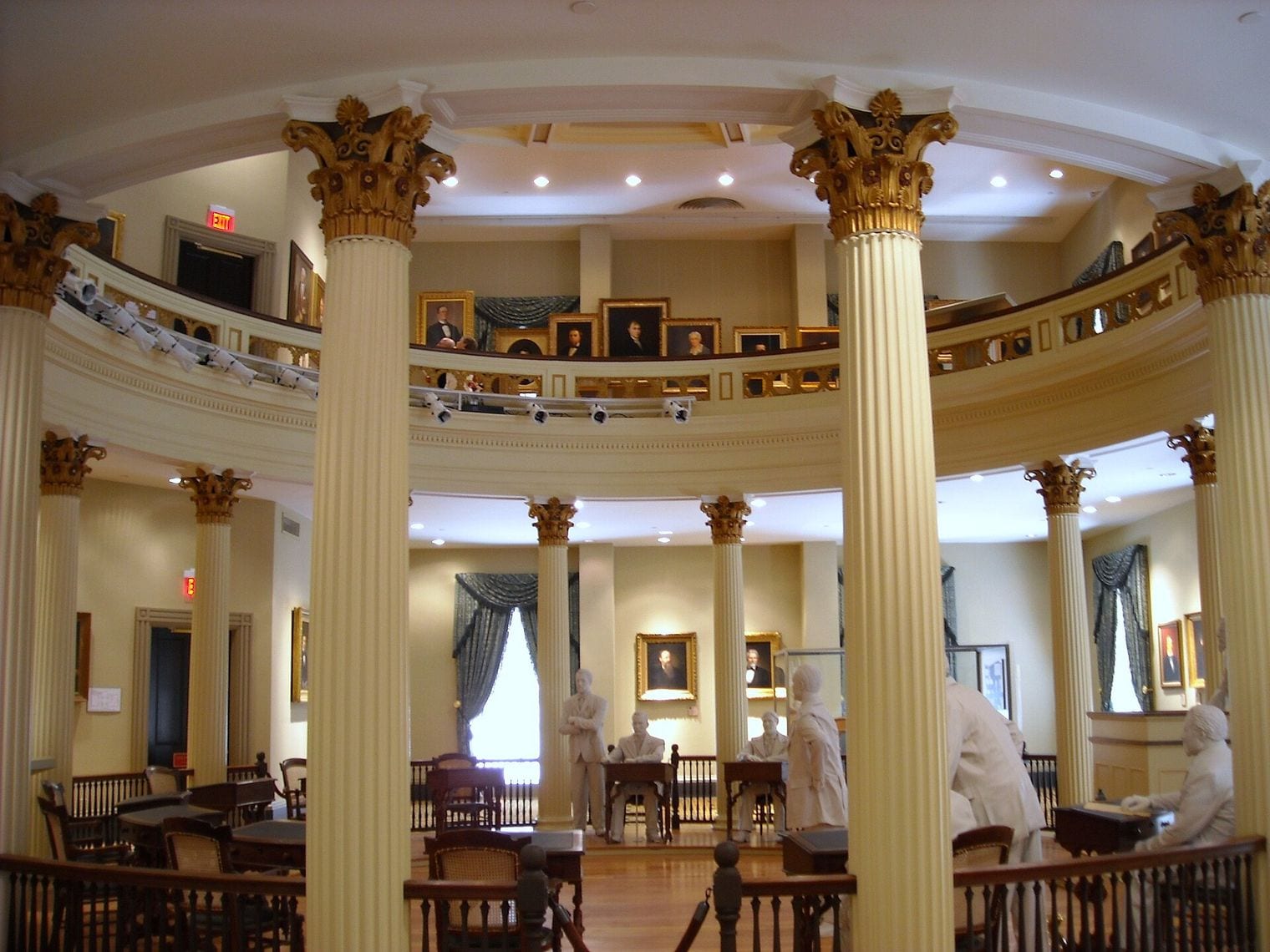
Old Capitol Museum anchors downtown Jackson in a Greek Revival former statehouse completed in 1839. A National Historic Landmark, it stands among the finest examples of Greek Revival public architecture in the country. It served as the seat of Mississippi’s state government from 1839 to 1903, spanning a formative century of the state’s political life.
Inside these walls the legislature passed the 1839 Married Women’s Property Act, voted for secession in 1861, and framed the 1868 and 1890 constitutions. The building is now a free museum, with interactive multimedia exhibits tracing the work of the legislature, the governor, and the high court.
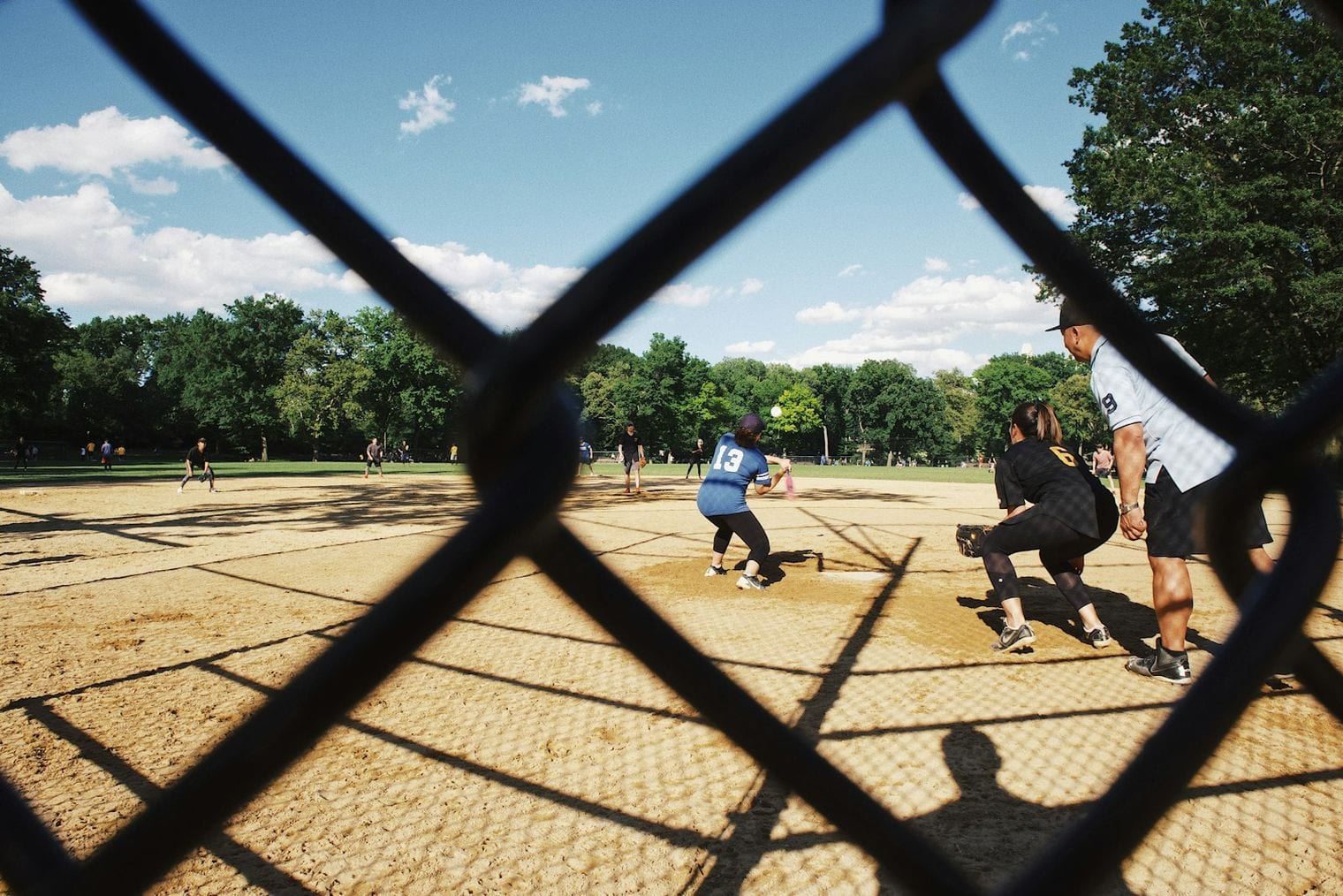
Freedom Ridge sits about twenty minutes from Jackson in Ridgeland, a roughly 50-acre athletic complex where lighted softball, baseball, and soccer fields anchor the grounds. Two playgrounds round out the space, including a separate area for small kids and a wheelchair-accessible section, so families can spread out while games run under the lights.
Beyond the fields, picnic pavilions and a lighted walking trail make it easy to slow down and stay a while. A shaded pond area draws ducks and offers a quiet corner away from the action, giving the park an easygoing side that balances its busier sports schedule for anyone just passing through.
13. Medgar and Myrlie Evers Home National Monument
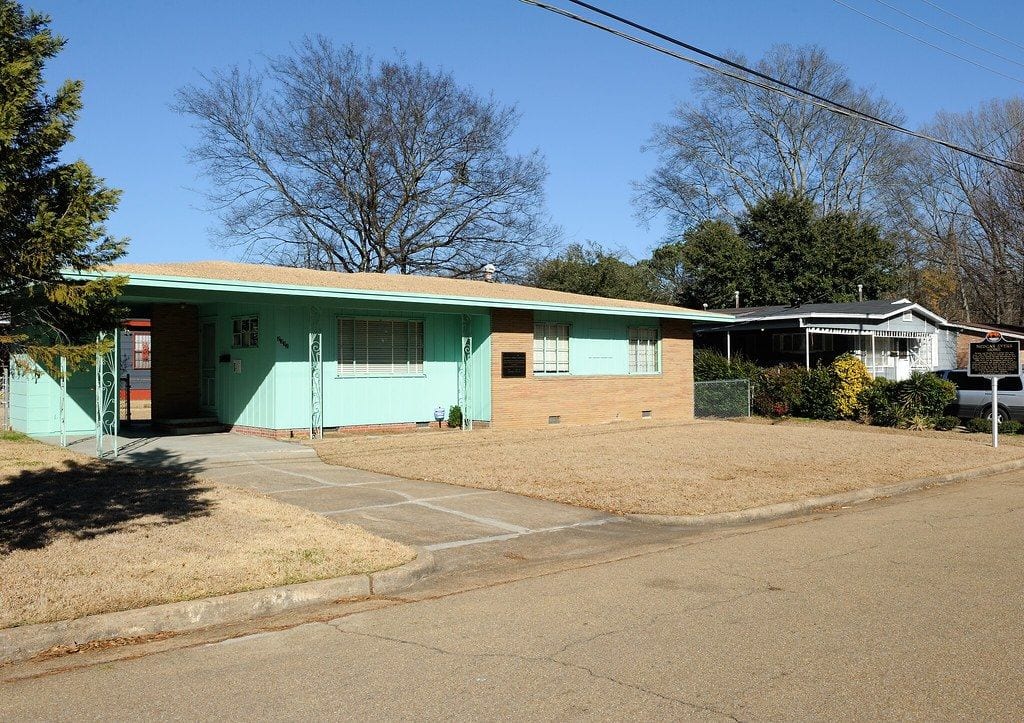
Medgar and Myrlie Evers Home National Monument preserves the modest 1956 ranch house where civil-rights leader Medgar Evers was assassinated in his driveway in 1963. Designated a national monument in 2020 and administered by the National Park Service, the home is open to the public for guided tours that walk you through the space where the family lived and organized.
Docent-led tours are the way to experience the site. Guides recount the family’s daily life, Medgar Evers’s work, and the events of the night he was killed, grounding the broader civil-rights story in one specific house and driveway. It is a sobering, intimate stop that connects Jackson directly to a pivotal moment in American history.
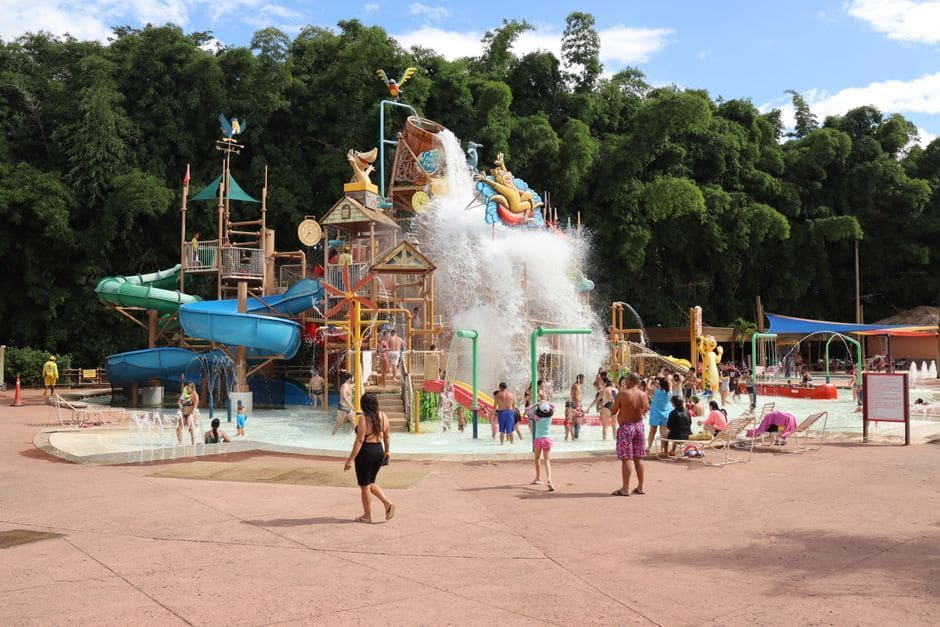
Shiloh Splash Park is a zero-depth splash pad at Shiloh Park in Brandon, about fifteen minutes east of downtown in metro Jackson. Kids run through dump buckets, spray rings, ground geysers and water cannons, then dry off on a small slide. It is built for young children and made for hot days.
The surrounding park rounds out the visit. Baseball and soccer fields sit alongside a walking trail, with picnic tables and sheltered areas for parents watching from the shade. Pack towels and a change of clothes, settle in for the afternoon, and let the little ones cool off between spins around the water features.
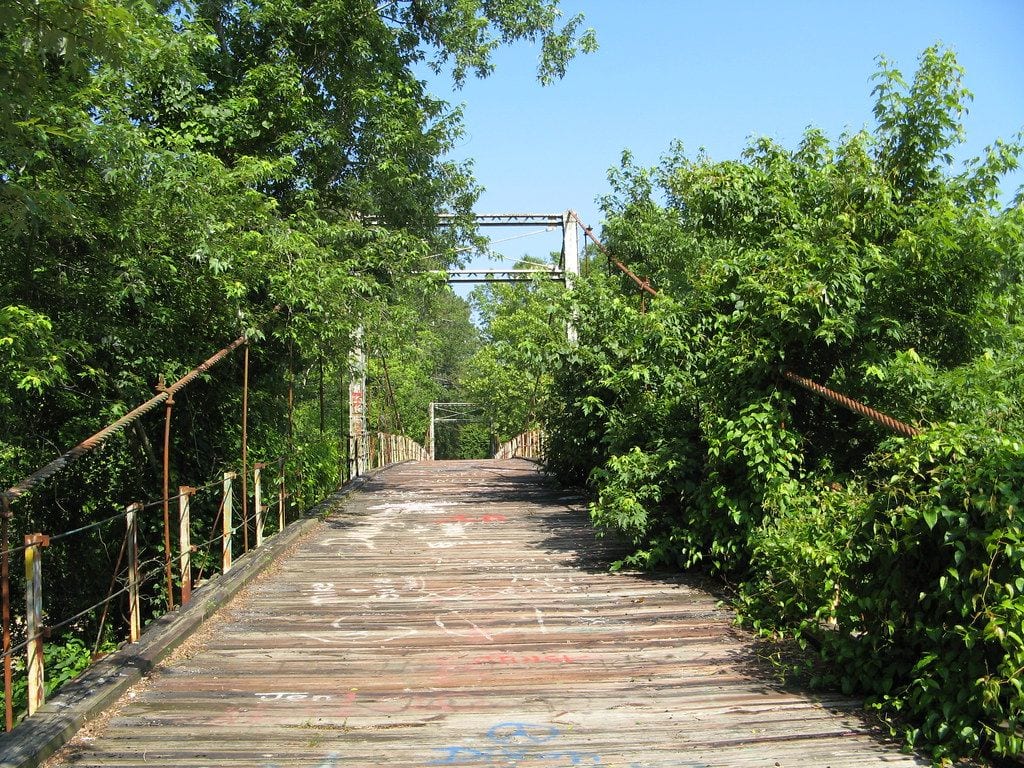
Byram Swinging Bridge is a historic suspension footbridge that stretches 360 feet across the Pearl River, about 15 minutes south of Jackson. Built in 1905, its wooden deck hangs from cables strung between Hinds and Rankin counties, gently swaying underfoot as you cross. The bridge earned a place on the National Register of Historic Places in 1979.
Closed to vehicles in 1987, the structure was later restored and reopened as a pedestrian crossing. Today it’s a quiet, scenic river spot worth a short detour, where you can walk out over the water, watch the Pearl slide past below, and take in the wooded surroundings before continuing on your way.
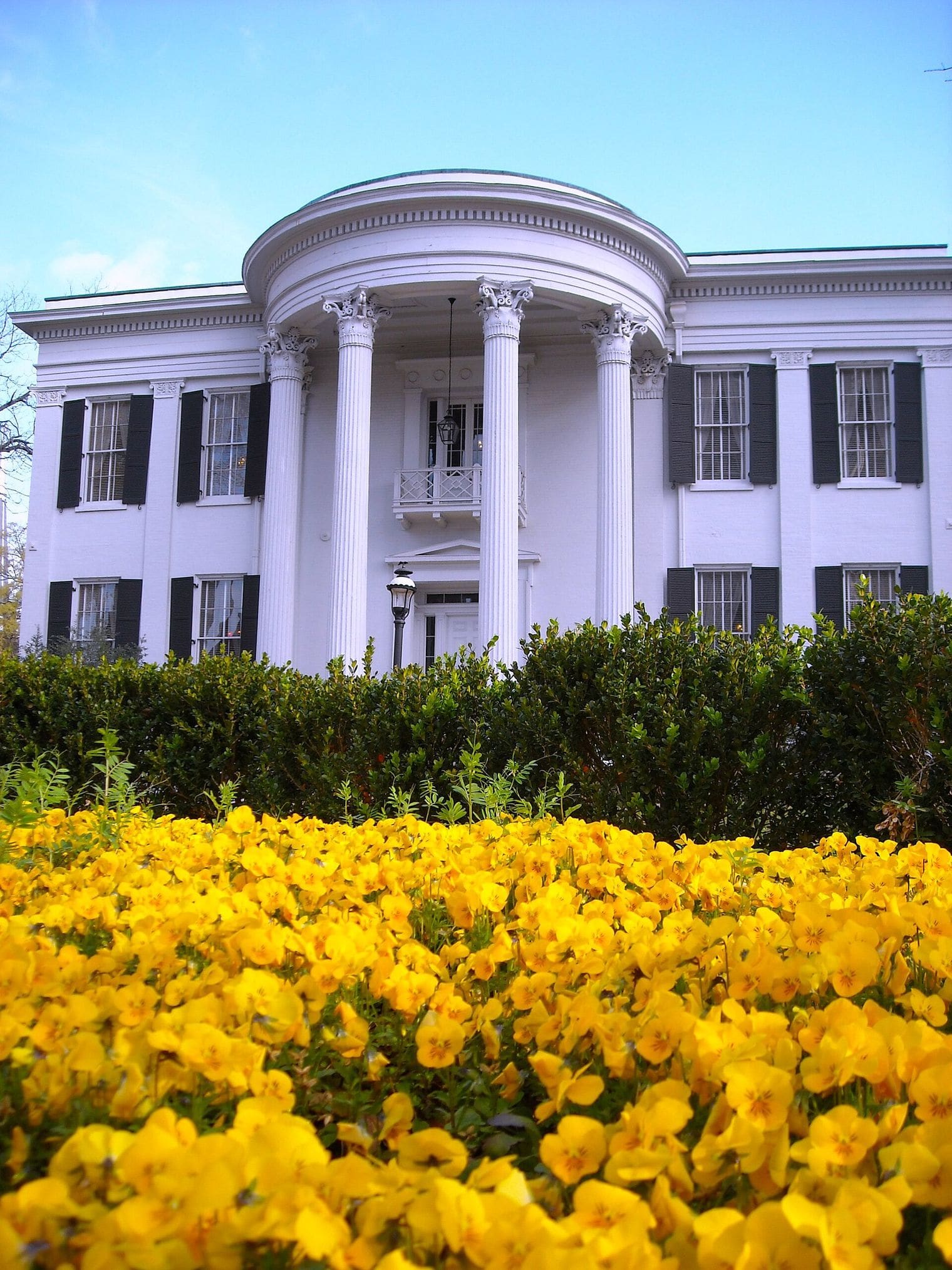
Governor’s Mansion has served as the official residence of Mississippi’s governor since 1842, and its Greek Revival design has earned it recognition as a National Historic Landmark. The building stands as a working home for the state’s leaders and a preserved piece of Mississippi’s architectural past, still fulfilling the role it was built for.
Free guided tours of the 1842 historic section run about thirty minutes and can be arranged by reservation. As you move through the rooms, guides share the story of the governors and their families who have lived here, connecting the residence to the people who have shaped the state from within its walls.
Mississippi Sports Hall of Fame & Museum celebrates the athletes and teams that shaped the state’s sporting history. Interactive exhibits and memorabilia trace their careers and rivalries, and an introductory video sets the stage before you explore. It’s a grounded, hands-on stop that rewards fans and curious visitors alike with plenty to examine up close.
Head to the second floor for a section carrying displays from the former Dizzy Dean Museum, folding another slice of baseball heritage into the collection. Together the exhibits build a broad picture of Mississippi’s contributions across many sports, letting you move at your own pace through the memorabilia and stories gathered under one roof.
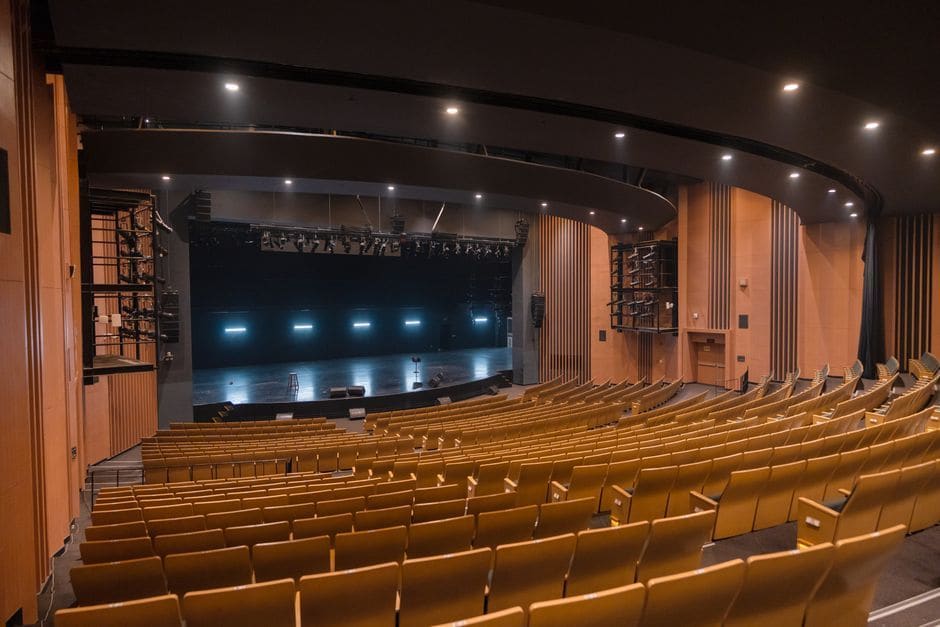
New Stage Theatre is Mississippi’s professional regional theatre, performing at the Jane Reid-Petty Theatre Center on Carlisle Street. Its intimate mainstage draws resident and guest actors through a full season of plays, capped each year by a holiday production. Strong sightlines mean no seat leaves you straining to follow the action on stage.
Beyond the mainstage, the theatre reaches into the community. An annual SchoolFest brings students to live performance, while a youth summer camp gives younger participants a hands-on introduction to the craft. Together they extend the company’s work well past opening night and root it firmly in Jackson’s cultural life.
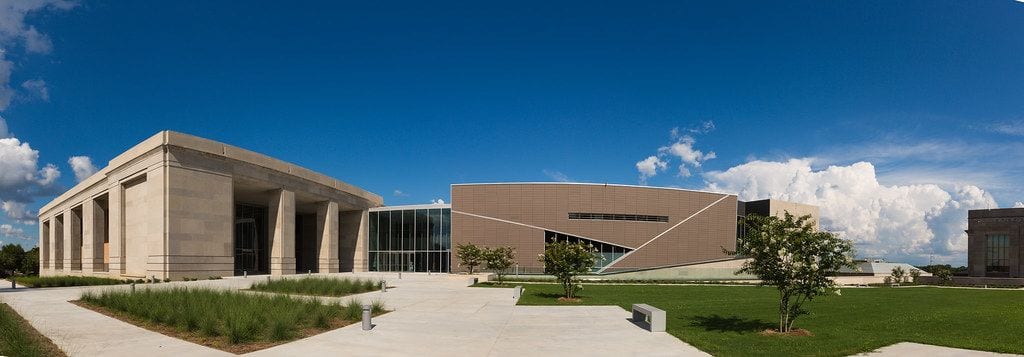
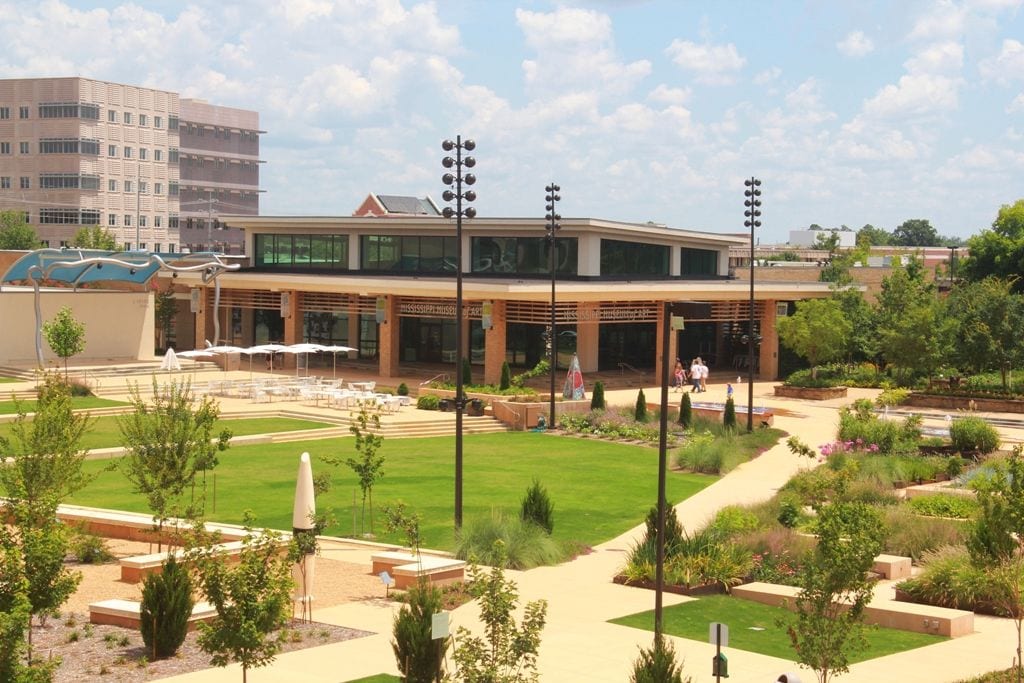
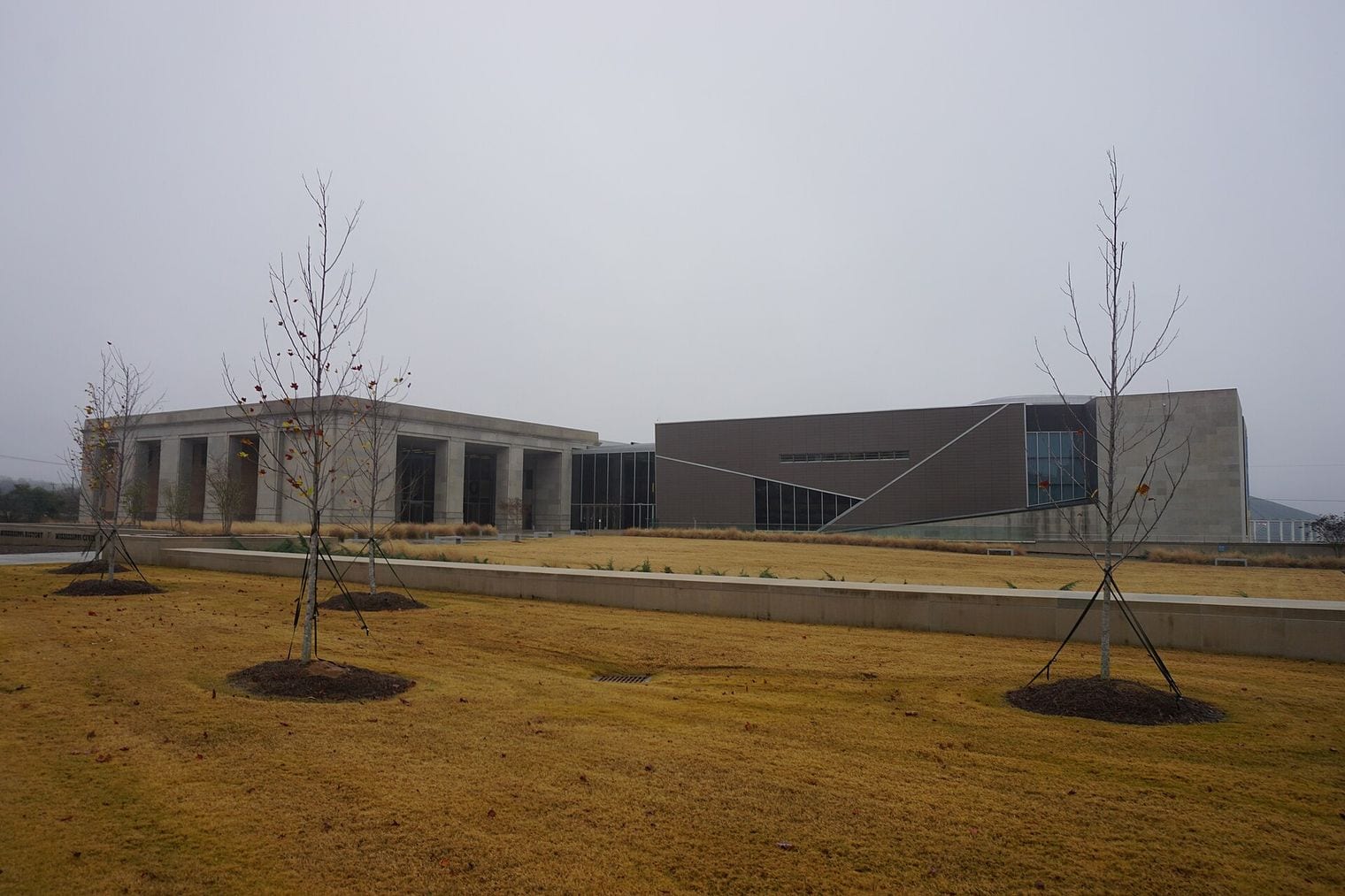
The Museum of Mississippi History traces 15,000 years of the state’s story across eight chronological galleries, moving from the First Peoples and Cultural Crossroads through the Cotton Kingdom, the World Remade, and the Civil Rights era. Interactive exhibits and original artifacts anchor each section, giving the long sweep of the past a hands-on shape you can follow room by room.
The museum shares a downtown campus with the Civil Rights Museum, so the two sit side by side and read as companion halves of one visit. Together they let you trace how the deeper currents of Mississippi’s past set the stage for the struggles and turning points explored next door, all within a single walkable stop.
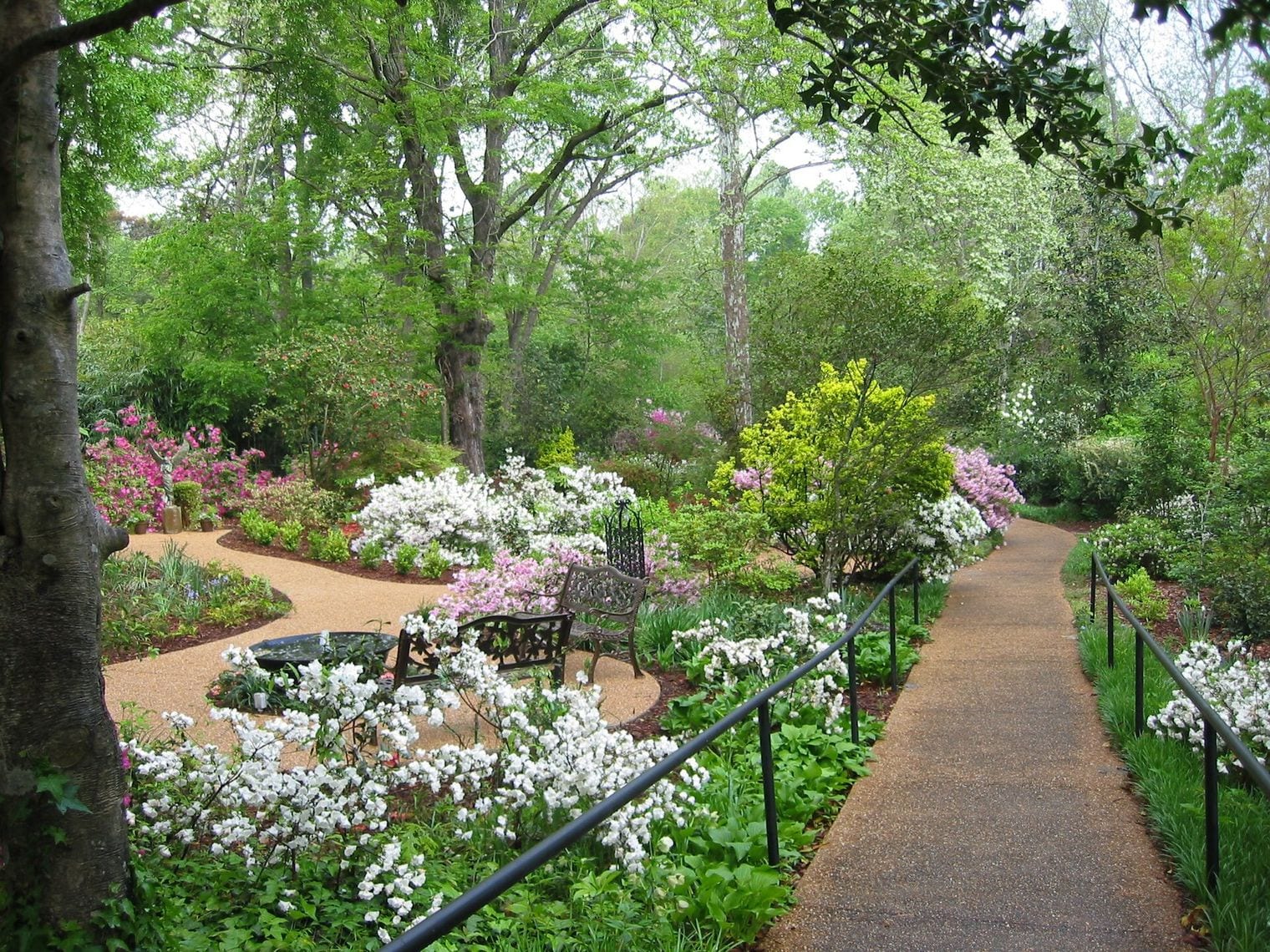
Mynelle Gardens Arboretum & Botanical Center began as the private garden of Jackson native Mynelle Westbrook Hayward, who later donated it to the city. Today its roughly seven acres hold azalea and camellia trails, beds of daylilies, and hundreds of perennials, all set among the historic houses and greenhouses that still stand on the grounds.
Shaded paths wind over streams and around a pond, crossing arched bridges and passing a fountain. The layout rewards a slow, unhurried walk, with plenty of shade for warm afternoons and quiet corners where the water and plantings take center stage. It is an easy, restful stop within the city.
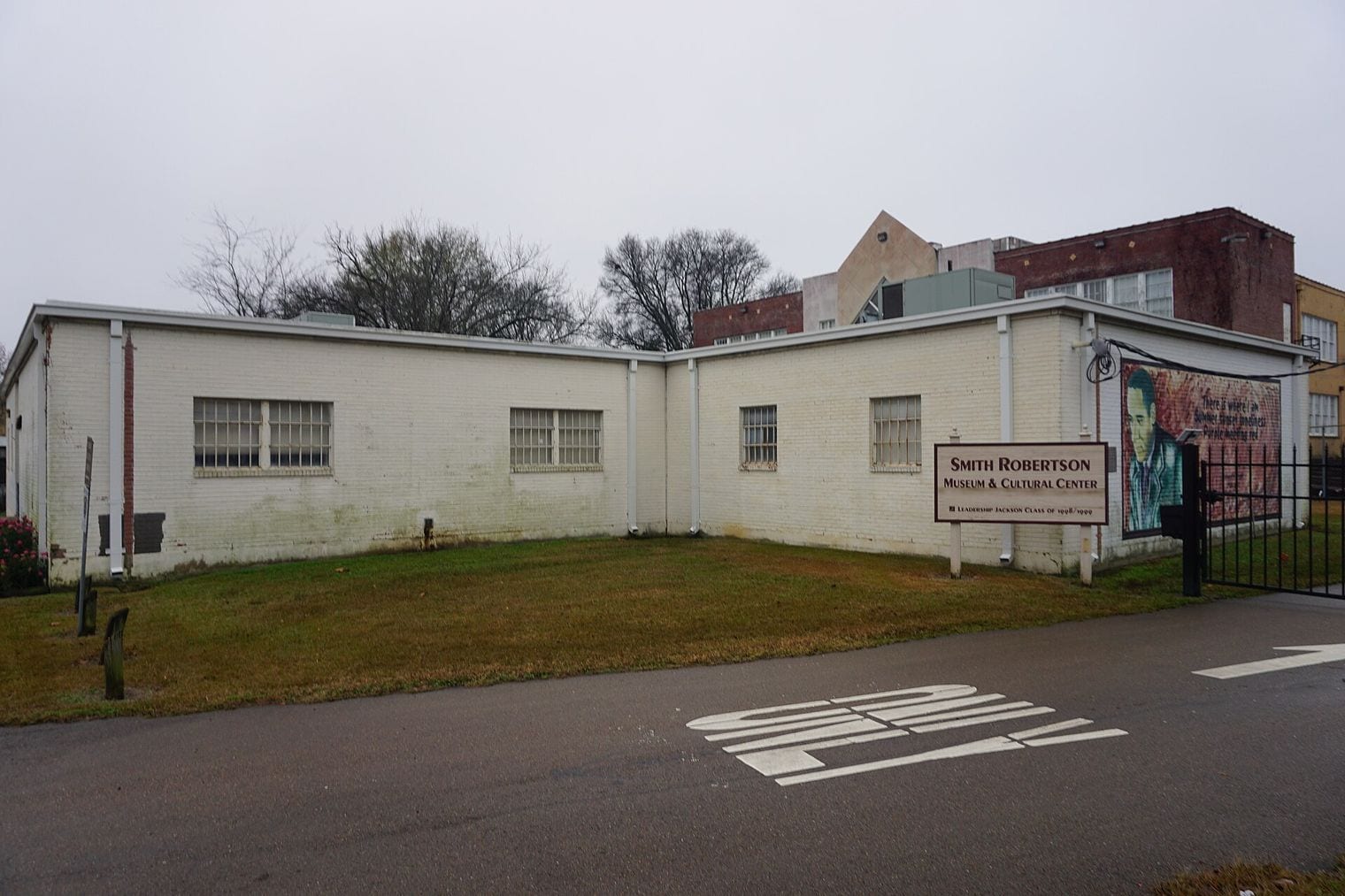
Smith Robertson Museum tells the story of African American history and Jackson and Mississippi heritage inside a restored building that was once the city of Jackson’s first public school for Black children. Its exhibits gather photos and artifacts that trace that past, giving weight to a place where education and community intersected.
Among the material you’ll find are displays on author Richard Wright, who attended the school. A walk-through model of a slave ship brings the history within reach, turning abstract accounts into something you move through. The museum is educational and engaging, grounding the city’s heritage in real objects and stories.
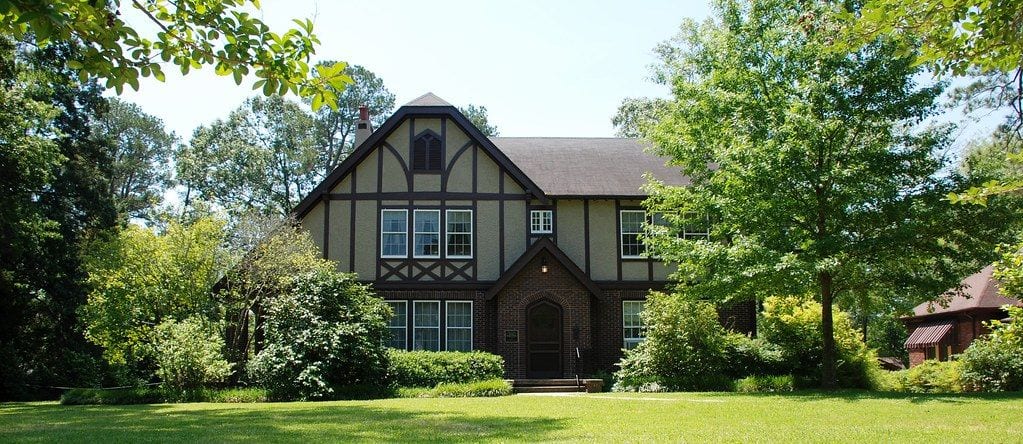
Eudora Welty House & Garden preserves the Tudor Revival home, built in 1925, where Pulitzer Prize–winning author Eudora Welty lived for nearly 80 years. Now a National Historic Landmark, the site offers guided tours of the house alongside a visitor-center museum, where an introductory film sets the stage for your walk through the writer’s world.
Outside, Chestina Welty’s historic garden, also dating to 1925, keeps year-round bloom across its beds and pathways. Note that the historic house itself is not wheelchair accessible, so plan accordingly if that affects your visit. Together the home, museum, and garden trace the surroundings that shaped a remarkable literary life.
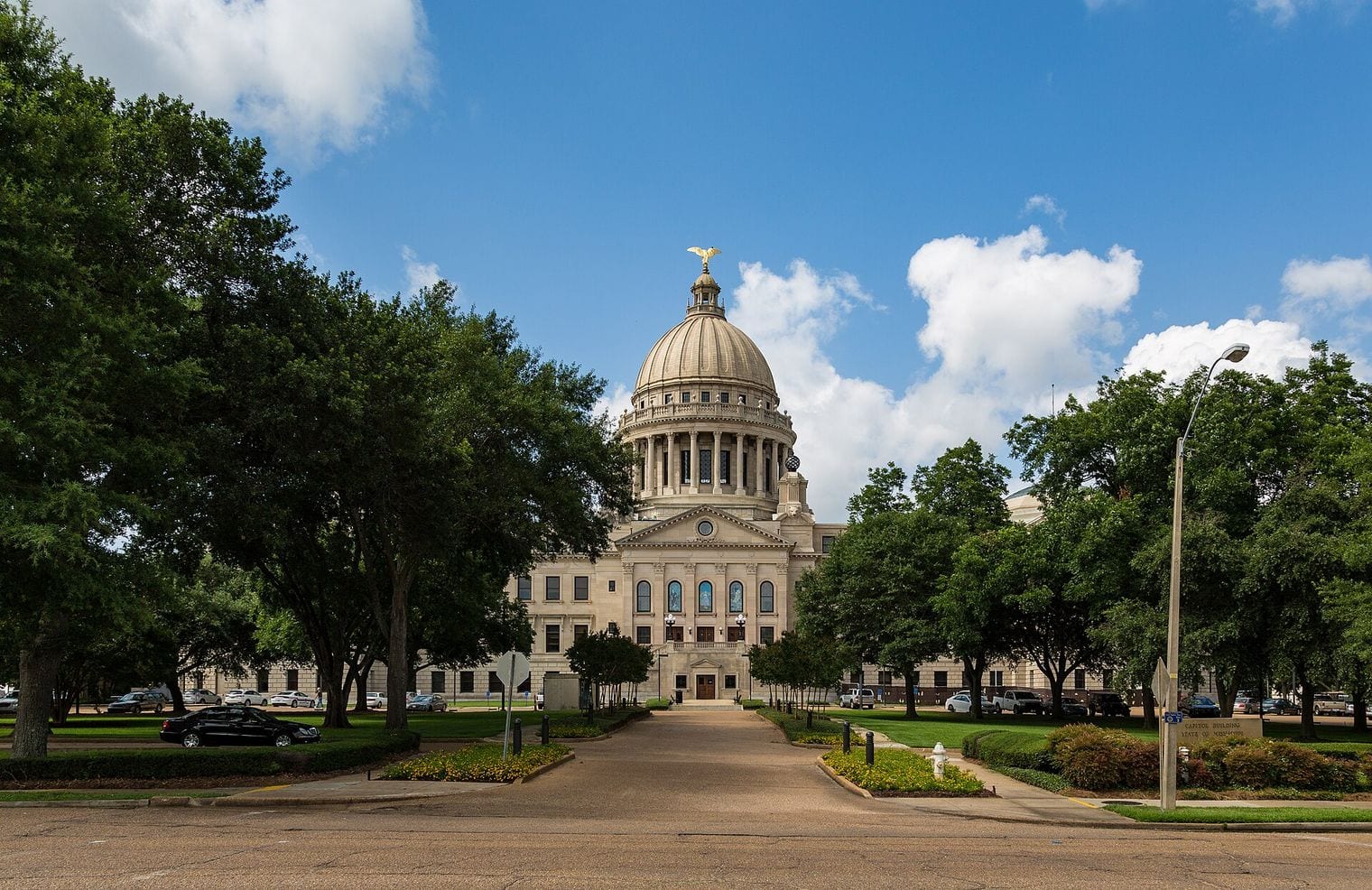
Mississippi State Capitol anchors downtown Jackson as one of the state’s grandest buildings. Completed in 1903, this Beaux-Arts statehouse still houses state government, so working offices sit alongside historic artifacts and a grand interior. Both self-guided and guided tours let you explore the halls at your own pace or with commentary from a knowledgeable escort.
Outside, landscaped grounds surround the building, giving you room to admire the architecture from the sidewalks and lawns before or after your visit. The setting pairs civic function with genuine sightseeing appeal, making it a rewarding stop for anyone curious about how Mississippi’s government and its architectural heritage share one address downtown.
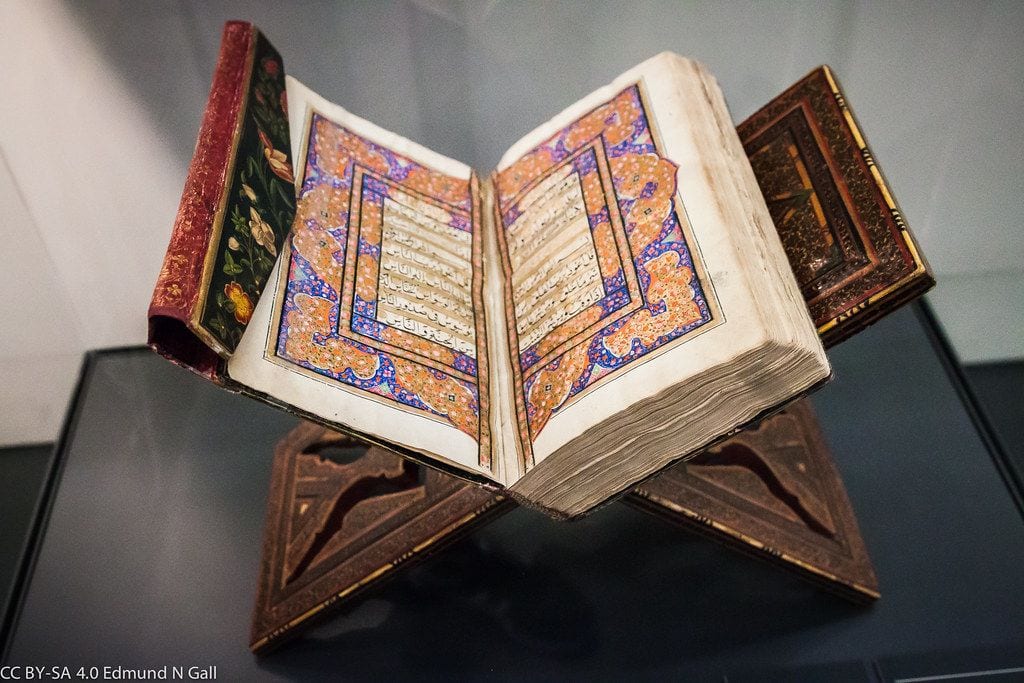
International Museum of Muslim Cultures bills itself as America’s First Muslim Museum, founded in 2001 and housed in the Mississippi Arts Center downtown. Its well-researched exhibitions trace Islamic history, art, and culture, giving Jackson a serious space to explore a global heritage that reaches far beyond the American South.
Exhibits carry you through Moorish Spain and the fabled learning centers of Timbuktu and Mali, with careful attention to how faiths have coexisted across the centuries. The educational interpretation is thorough, the displays are attractive, and the whole visit rewards anyone curious about a rich and often overlooked story.
The Iron Horse Grill is a Southern-style pub set inside a restored 1906 former smokehouse on West Pearl Street. The airy, industrial space serves charcoal-grilled meats, seafood, burgers and craft cocktails, with live regional music adding to the atmosphere. The building itself has a hard-won history, having survived two fires and a long abandonment before reopening in 2014.
Upstairs, the Mississippi Music Experience turns the venue into more than a place to eat. This music museum honors the state’s deep musical roots with lifelike wax statues of Mississippi music legends alongside memorabilia. Come for the grill and the cocktails, then head up to trace the artists who shaped the sound of Mississippi.
Getting to Jackson
Jackson sits at the crossroads of two major interstates, which makes reaching it by car simple from almost any direction. Interstate 20 runs east and west across the southern edge of the city, linking it toward the Mississippi River in the west and Meridian in the east, while Interstate 55 threads north and south through the metro, connecting Jackson with Memphis to the north and the Gulf Coast and New Orleans to the south. A bypass loop, Interstate 220, curls around the northern and western sides of town to help you skip the busiest downtown stretches, and US Highway 49 peels off to the southeast toward the coast.
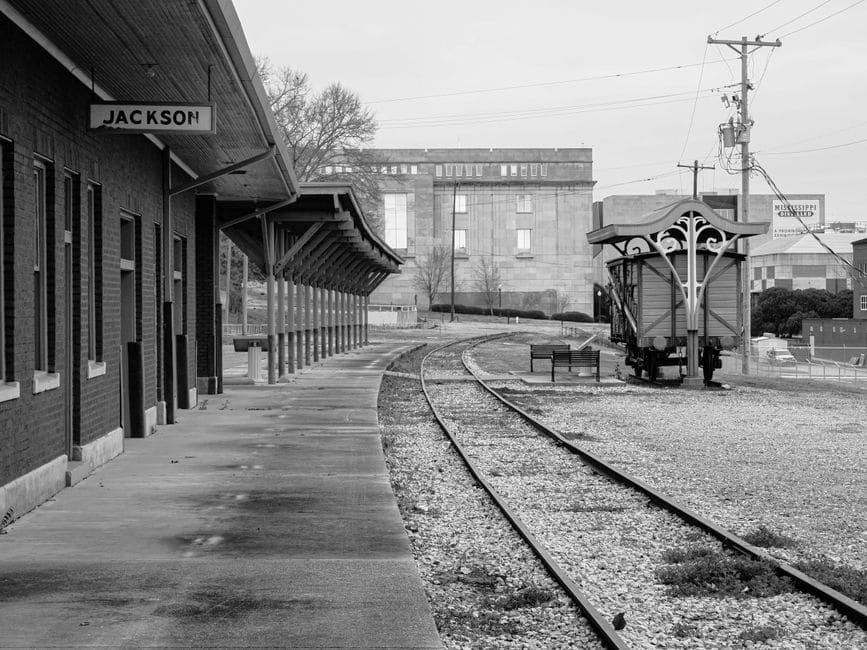
The city has its own commercial airport a few miles east of downtown, so most visitors can fly in directly. If you are chasing a wider choice of routes, the larger hub airports at New Orleans and Memphis are each roughly three hours away by car down or up Interstate 55, an easy connection if you would rather rent a car and drive in. Jackson is also a stop on the long-distance passenger rail line that runs the length of the state between Chicago and New Orleans, and intercity buses serve the same downtown transit hub, giving car-free travelers a way in.
Getting Around Jackson
Jackson is a spread-out, car-friendly city, and for most trips you will want your own vehicle to move comfortably between neighborhoods and out to the state park and museum districts. The downtown core and a handful of walkable pockets nearby reward exploring on foot once you have parked, with museums, government buildings, and dining clustered close enough to string together in an afternoon, but distances between districts are generally too far to cover without wheels.
Public transit and rideshare both operate in the metro and can cover downtown hops and airport runs, though schedules are geared more toward commuters than sightseers, so a car remains the most flexible option. Parking is rarely a headache: surface lots and garages ring the downtown core, and the shopping and dining districts along the north side offer plentiful free lots. Cycling is easiest inside the parks and along the quieter residential streets rather than on the main arterials.
Where to Stay in Jackson
Where you base yourself depends on the trip you have in mind. The downtown core puts you within walking distance of the major museums and the civic heart of the city, and is the natural choice if you want to leave the car parked for a day. For a quieter, leafier stay with easy access to the state park and the natural-science and history attractions, the north-side neighborhoods around the reservoir and the medical and university corridor trade walkability for calm and green space.
Travelers passing through or planning day trips often prefer the districts strung along the interstate interchanges, where lodging clusters near the highways make for fast getaways toward the coast or the river towns. Families visiting the zoo, the agriculture and forestry museum, or the university area tend to look at the neighborhoods near the campuses on the north and west sides, which put those attractions within a short drive.
Where to Eat in Jackson
Jackson eats like the capital of the Deep South, and its dining is spread across a few walkable districts: the downtown core and the arts-leaning neighborhoods just north of it hold the densest mix of sit-down rooms and casual spots, while the north-side shopping and restaurant corridors and the historic Farish Street area round out the scene. This is soul-food and Southern-comfort country, so expect fried catfish, slow-smoked barbecue, chicken and dumplings, cornbread, collard greens, and other plate-lunch staples served with sweet tea.
Because the city is only a few hours from the Gulf, Gulf seafood turns up often, from shrimp and oysters to gumbo and other Creole-influenced dishes that reflect Mississippi’s coastal ties. Save room for the regional sweets, too, especially sweet-potato and pecan pies. Neighborhood meat-and-three lunch counters are the best way to sample several classic sides in one sitting.
One Day in Jackson
Jackson rewards a day that starts outdoors and works its way into the capital’s dense downtown core, so plan to chase the cool morning air first and save the big-story museums and the theater for when the light goes.
Morning: Beat the heat at LeFleur’s Bluff State Park, a pocket of pine-shaded trails and lagoon boardwalk tucked improbably close to the interstate — an easy stroll to shake off the drive before the city fully wakes. From there it’s a short hop west to Mynelle Gardens Arboretum & Botanical Center, where winding paths thread past ponds, camellias, and live oaks draped in a way that feels a world removed from the streets outside.
Evening: Settle in for dinner at The Iron Horse Grill, a rebuilt warehouse just off the downtown grid that turns Southern plates and live music into a fitting close to the walking. Cap the night at New Stage Theatre for a professional production before you turn in. If you have a second day, the drive out to the Mississippi Petrified Forest northwest of town — a genuine geological oddity of stone logs and a nature trail — makes an easy half-day trip on its own.
Free Things to Do in Jackson
Jackson rewards travelers on a budget. Several of the city’s best history stops cost nothing: the Old Capitol Museum, the Museum of Mississippi History, and guided tours of both the Governor’s Mansion and the working Mississippi State Capitol are all free to enter, letting you trace two centuries of state history without spending a dime.
The outdoors is free, too. Wander the trails and lakeshore at LeFleur’s Bluff State Park, take in the water from the Reservoir Overlook along the Natchez Trace, or walk the historic Byram Swinging Bridge over the Pearl River. Downtown’s public art, the grounds of the state buildings, and the city’s live-music neighborhoods round out an easygoing day that costs little more than your time.
Day Trips from Jackson
Jackson makes a good launch point for day trips in every direction. Just under an hour west, an easy run on the interstate, lies one of the country’s most storied Civil War battlefields, a sprawling national military park set above the river bluffs that pairs well with the historic river town beside it. The scenic Natchez Trace Parkway also passes near the city, offering a slow, no-commercial-traffic drive lined with woodland pull-offs, mounds, and short trails for a relaxed half-day loop.
For a longer outing, Gulfport and the Mississippi coast sit roughly three hours to the south down the highway, trading the capital for beaches, boardwalks, and Gulf seafood. In the other direction, Little Rock is a bigger haul to the northwest, better suited to an overnight than a same-day round trip, but it makes a natural extension for anyone continuing on toward Arkansas.
FAQ: Visiting Jackson
What is Jackson, Mississippi known for?
Jackson is Mississippi’s capital and largest city, known as the “City with Soul” for its blues, gospel, and jazz heritage. It’s a major center of civil-rights history—home to the Mississippi Civil Rights Museum and the Medgar and Myrlie Evers Home National Monument—alongside strong state museums, gardens, and Southern food.
Is Jackson, Mississippi worth visiting?
Yes. For history and culture travelers especially, Jackson punches above its size: the Two Mississippi Museums, the Museum of Mississippi History, the Eudora Welty House, and the Mississippi Museum of Art are all worth a stop, and the surrounding parks and reservoir add easy outdoor time.
How many days do you need in Jackson?
Two days is a comfortable amount of time to see the highlights. You can cover the major museums and a park in a focused day, but a second day lets you slow down for the Civil Rights Museum (easily a half-day on its own), the gardens, and a meal in a local neighborhood.
What is the best time to visit Jackson?
Spring and fall bring the mildest weather and blooming gardens, making them the most pleasant seasons to explore on foot. Summers are hot and humid—plan indoor museums for the afternoons and outdoor stops for the morning—while winters are mild by national standards.
Is Jackson good for families?
Very. The Mississippi Children’s Museum, the Jackson Zoo, the Mississippi Museum of Natural Science, and the Shiloh Splash Park are all built with kids in mind, and LeFleur’s Bluff State Park adds playgrounds, trails, and space to run.
What free things are there to do in Jackson?
Quite a few. The Old Capitol Museum and the Museum of Mississippi History are free, as are guided tours of the Governor’s Mansion and the Mississippi State Capitol. LeFleur’s Bluff’s trails, the Reservoir Overlook, and the Byram Swinging Bridge are all no-cost outdoor stops.
How far is Jackson from Memphis and New Orleans?
Jackson sits roughly halfway between the two along Interstate 55—about three hours’ drive north to Memphis and about three hours south to New Orleans—making it a natural stop on a Deep South road trip, and a handy base for exploring more of Mississippi.