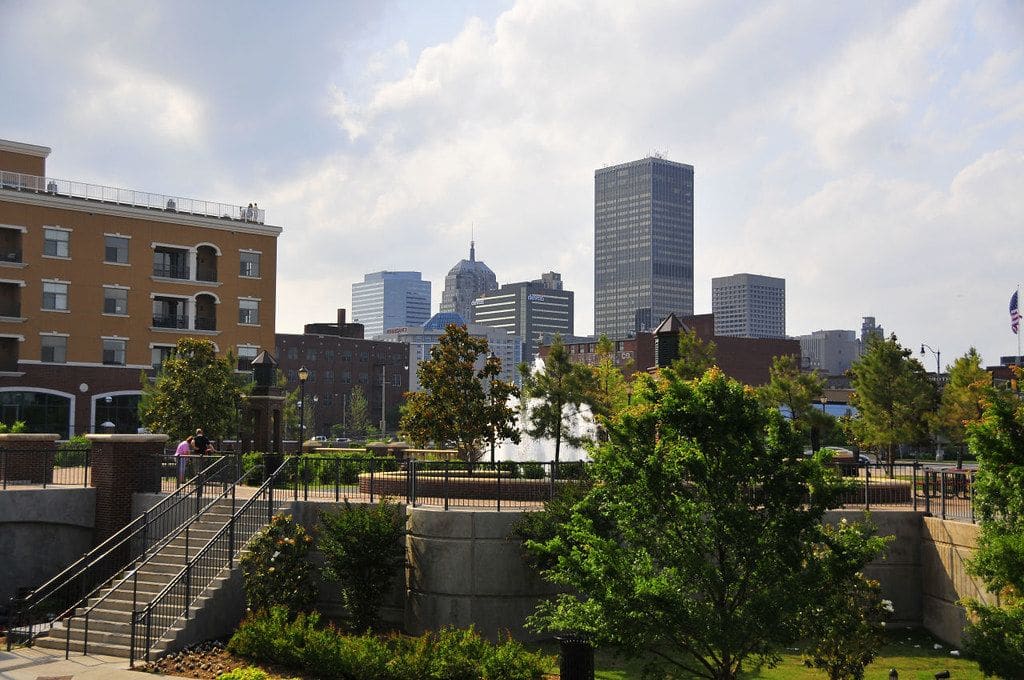
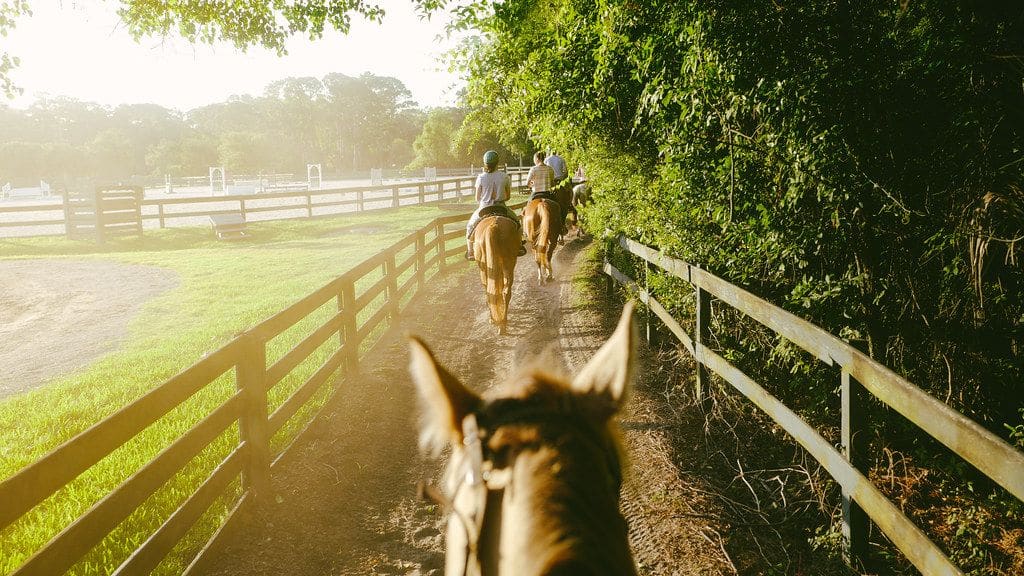
Two-lane Route 66 nostalgia, a mountain range full of bison, and cowboy country reborn as a real city — Oklahoma is the middle of the map that rewards the detour.
Oklahoma is where the American West meets the woods — the longest drivable stretch of Route 66, the bison-roamed granite peaks of the Wichita Mountains, and the pine forests and clear lakes of the southeast, all wrapped around a capital city reborn as a genuine destination. Use this hub to plan your trip: browse our Oklahoma City and Lawton guides below, or read on for the regions, seasons and road trips that tie the state together.
Known for
Route 66 & cowboy country
Best for
Road trips, Western history & lakes
Capital
Oklahoma City
Main gateway
Will Rogers World, OKC
Time zone
Central (CT)
Trip planner
Plan your trip to Oklahoma
Best time to visit — season by season
Spring
Mar–May
Green and blooming, with warm days in the 60s–70s°F and the redbuds — the state tree — in flower. It's also the heart of tornado season on the southern plains, so keep half an eye on the sky; late April and May can turn stormy in an afternoon.
Summer
Jun–Aug
Hot and humid across most of the state, regularly pushing past 95°F, with the semi-arid west and panhandle drier than the muggy east. Prime time for the lakes — Broken Bow, Grand Lake and Lake Murray — and for early-morning starts before the heat builds.
Fall
Sep–Nov
Arguably the best all-round window: heat breaks, humidity eases and the Ouachita and Kiamichi hills in the southeast turn gold and red. October is peak leaf-peeping on the Talimena Scenic Drive, though a short second storm season can flare up early on.
Winter
Dec–Feb
Shorter and milder than the northern plains, with cool days and cold snaps rather than deep snow, though ice storms are the real winter hazard here. City museums, the OKC memorial and Bricktown stay comfortable, and the Wichita Mountains are quiet and crowd-free.
Regions of Oklahoma
Frontier Country (central Oklahoma)
The heart of the state and its cultural centre, anchored by Oklahoma City with the National Memorial, Bricktown, the National Cowboy & Western Heritage Museum, and the college-town energy of nearby Norman and Guthrie's Victorian main street.
Great Plains Country (the southwest)
Big-sky ranching country where Lawton is the basecamp for the Wichita Mountains Wildlife Refuge — bison, longhorn and elk among ancient granite peaks — plus Mount Scott, the historic post at Fort Sill and the cobblestone resort town of Medicine Park.
Green Country (the northeast)
The lush, lake-dotted corner around Tulsa, with Art Deco architecture and the Gathering Place riverside park, the Woolaroc ranch and museum near Bartlesville, Grand Lake, and the longest surviving stretch of Route 66 running right through it.
Choctaw Country (the southeast)
Oklahoma's green, mountainous corner, where Broken Bow Lake and Beavers Bend State Park draw cabin-and-canoe crowds beneath the Ouachita and Kiamichi Mountains, and the Talimena Scenic Drive delivers the state's best autumn colour.
Chickasaw Country (south-central)
The spring-fed heart of the state, home to the Chickasaw National Recreation Area and Turner Falls near Davis — Oklahoma's tallest waterfall — with Lake Murray, the Arbuckle Mountains and the acclaimed Chickasaw Cultural Center at Sulphur.
Getting around
A rental car is essential — Oklahoma is a road-trip state, and its highlights are strung across long distances that transit doesn't reach. Most visitors fly into Will Rogers World Airport in Oklahoma City, the central hub for the whole state; Tulsa International serves the northeast and Green Country. From Oklahoma City, Lawton and the Wichita Mountains are about an hour and a half southwest, Tulsa is roughly an hour and a half northeast up the turnpike, and the southeastern lake country around Broken Bow is a longer three-hour-plus haul. Distances open up fast in the west and the panhandle, so fuel up before the long empty stretches.
The highlights Oklahoma's signature sights & road trips
Beavers Bend State Park & Broken Bow Lake Pine-forested cabin country in the southeast, with a clear 14,000-acre lake for paddling, fishing and fly-casting on the Lower Mountain Fork.
Talimena Scenic Drive A 54-mile ridgetop byway through the Ouachita Mountains, built to showcase the region's blazing autumn foliage.
Route 66 The Mother Road's longest surviving stretch, running diagonally across the state past neon motels, classic diners and roadside Americana.Basecamp: Oklahoma City
Suggested routes
Oklahoma's Route 66 run
3–4 days
The state's signature drive, tracing the longest surviving stretch of the Mother Road diagonally across Oklahoma from the Kansas line to Texas, through its two biggest cities and a string of roadside classics.
Tulsa — Art Deco downtown and the Gathering Place, an eastern Route 66 anchor
Chandler / Arcadia — the round barn and the POPS 66 soda ranch
Elk City — the National Route 66 Museum before the Texas line
Southwest peaks & prairie loop
2–3 days
A short loop from the capital into Great Plains Country, pairing Oklahoma City's museums with the bison and granite of the Wichita Mountains — easy to reach in an afternoon's drive.
Oklahoma City — start with the memorial and the cowboy museum
Spring and autumn are the sweet spots, with mild days in the 60s to 80s°F and the most comfortable humidity. Autumn (September through November) is especially good for the southeastern hills and the Talimena Scenic Drive's fall colour, while spring brings wildflowers and green landscapes — just be aware that late April and May are the peak of tornado season on the plains.
How many days do you need in Oklahoma?
A focused city trip to Oklahoma City works well in two to three days. Pairing it with the Wichita Mountains and Lawton to the southwest, or Tulsa and Green Country to the northeast, fills a long weekend of four to five days. To add the southeastern lake country around Broken Bow or drive a good chunk of Route 66, plan on a week or more.
Do you need a car in Oklahoma?
Yes. Oklahoma is a road-trip state and its highlights are spread across long distances with little public transit between them, so a rental car is essential. Most visitors fly into Will Rogers World Airport in Oklahoma City and drive from there; Tulsa International is the gateway for the northeast.
What is Oklahoma best known for?
Oklahoma is famous for Route 66 — it has the longest drivable stretch of the historic highway of any state — along with its cowboy and Native American heritage, the bison-roamed Wichita Mountains, and Oklahoma City's moving National Memorial. It's a land of wide plains in the west and surprisingly green, mountainous lake country in the southeast.
Is Oklahoma safe to visit during tornado season?
Yes, millions travel through Oklahoma every spring without incident. Tornado season peaks from late April through early June, with May the most active month and a shorter secondary spell in the autumn. The key is simply to stay weather-aware: watch the local forecast, know where shelter is, and heed any warnings — severe storms are usually short-lived and localised.
How much of Route 66 runs through Oklahoma?
More than any other state — roughly 400 miles of Route 66 cross Oklahoma, and it has the single longest continuously drivable stretch of the original road. The route runs diagonally through the state via Tulsa, Oklahoma City and points west, passing classic diners, neon-lit motels and roadside landmarks along the way.
What outdoor attractions does Oklahoma have?
Plenty. The Wichita Mountains Wildlife Refuge near Lawton offers hiking among ancient granite peaks with free-roaming bison and elk, Beavers Bend State Park and Broken Bow Lake anchor the forested southeast, Turner Falls near Davis is the state's tallest waterfall, and the Chickasaw National Recreation Area protects mineral springs and swimming holes in the south-central Arbuckle Mountains.
We use cookies to analyse site traffic and improve your experience.
You can accept or reject analytics cookies. See our Cookie Policy.