Lawton was founded in 1901, when a federal land lottery opened former Kiowa, Comanche, and Apache reservation lands to settlement almost overnight. That history is still the city’s spine: Fort Sill, the Army post on Lawton’s northern edge, holds Geronimo’s grave, and the Comanche National Museum and Cultural Center keeps the world’s most comprehensive collection of Comanche fine art.
The other half of Lawton’s appeal is granite. The Wichita Mountains rise just north of town, crowned by 2,464-foot Mount Scott and a wildlife refuge where bison graze beside the road. Add swimming lakes like Lake Lawtonka and Quanah Parker Lake, the cobblestone resort village of Medicine Park, and enough museums to fill a rainy day, and the list below covers a long weekend easily. It also makes a natural base for a wider Oklahoma road trip, with Interstate 44 running straight up to Oklahoma City in about an hour.
Fun Facts About Lawton, Oklahoma
Lawton was founded in a single day in August 1901, when a federal land lottery opened former Kiowa, Comanche, and Apache reservation lands and roughly 25,000 people arrived to bid on about 1,200 town lots.
It is Oklahoma’s fourth-largest city and the seat of Comanche County, sitting just south of Fort Sill in the southwest corner of the state.
The town is named for Major General Henry W. Lawton, a Civil War Medal of Honor recipient and career Army officer.
Neighboring Fort Sill has been an active Army post since 1869, and its cemetery holds the grave of the Apache leader Geronimo.
The Comanche National Museum keeps the world’s most comprehensive collection of Comanche fine art, telling the tribe’s story from its own perspective.
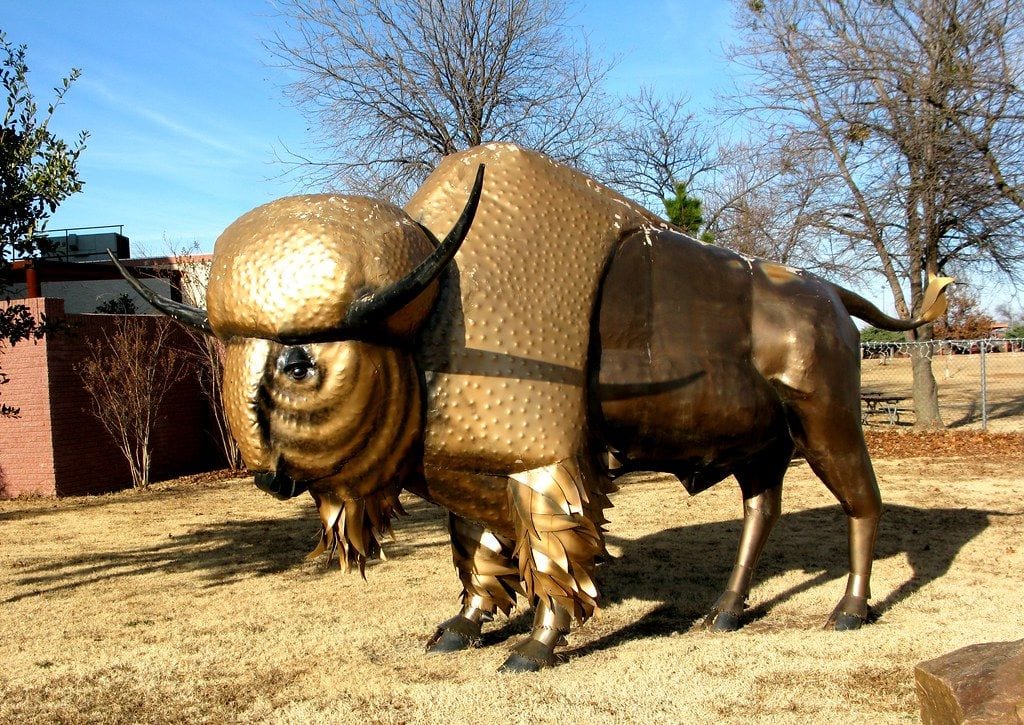
Just north of town, 2,464-foot Mount Scott crowns the Wichita Mountains, where bison and longhorn cattle roam a wildlife refuge beside the road.
Apache Casino introduced gaming to Lawton in 1999 and later grew into the Apache Casino Hotel, the only casino hotel in the immediate area. The floor carries hundreds of slot machines alongside blackjack, poker, Ultimate Texas Hold ’em, Vegas-style roulette, and craps, divided into two gaming areas so non-smokers get space of their own.
The property doubles as an event center, so concerts and themed party nights land on the calendar throughout the year. When the cards go cold, the onsite 360 Restaurant is the fallback – its grilled chili hot dog has a following in Lawton all by itself.
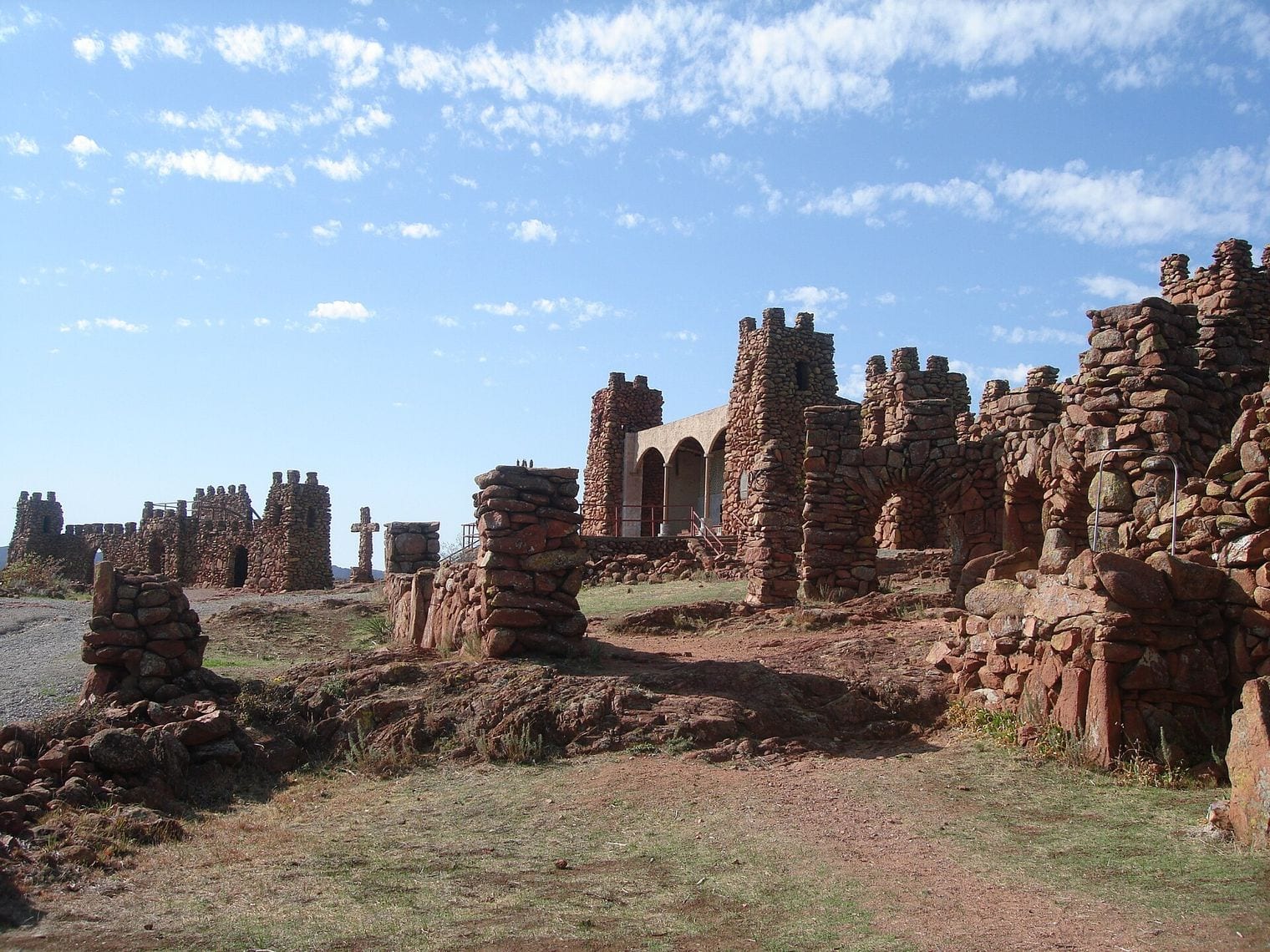
Twenty minutes from Lawton, inside the Wichita Mountains Wildlife Refuge, the Holy City Of The Wichitas spreads across 66 acres of granite hillside. Its stone recreations of Biblical Jerusalem – Pilate’s Judgment Hall, Herod’s Court, the Garden of Gethsemane, and the Lord’s Supper building – were raised in the 1930s and stay open to walk year-round, free of charge.
Each spring the site stages The Prince of Peace, billed as the longest-running Easter passion play in the United States, with the rock ledges as its natural backdrop. Look for the World Chapel and the Veterans Walkway on the grounds, and keep an eye on the flats below – bison from the refuge herd often graze within view.
3. Medicine Park Aquarium and Natural Sciences Center
In the cobblestone resort village of Medicine Park, a short drive from Lawton, the Aquarium and Natural Sciences Center displays more than 90 species of native and exotic fish, reptiles, amphibians, birds, and mammals, with a 7-acre botanical garden and picnic tables outside.
The Medicine Park Aquarium and Natural Sciences Center is built for hands-on visits: tide-pool touch tanks, a horseshoe crab station, and scheduled turtle and bobwhite quail feedings. River otters and an alligator headline the residents, and every exhibit ties back to the center’s conservation-through-education mission.
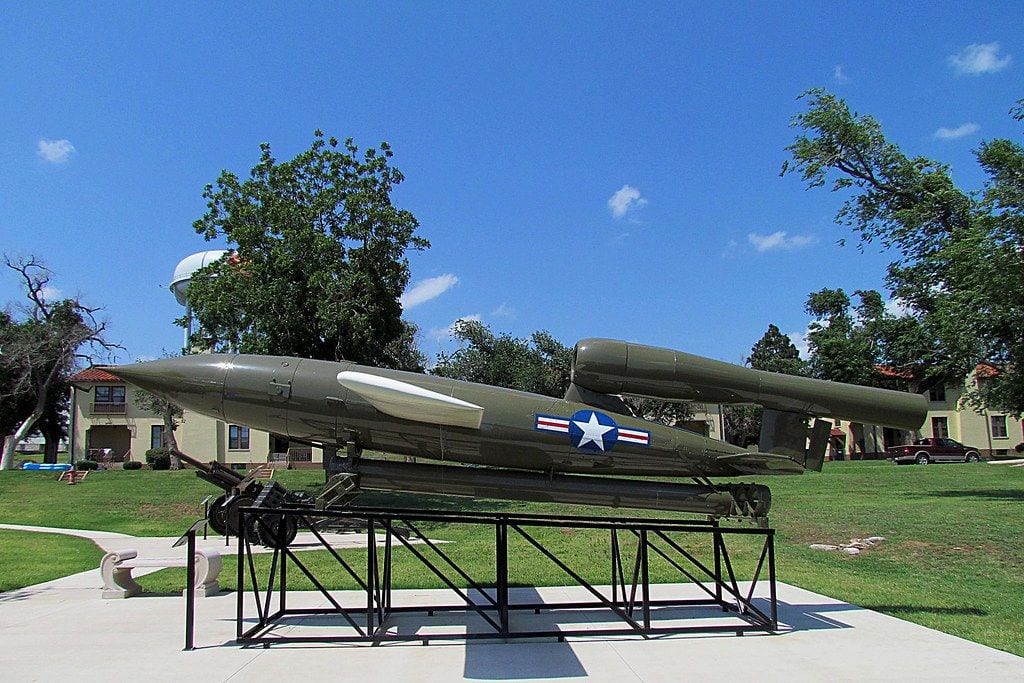
Established in 1934, the U.S. Army Field Artillery & Fort Sill Museum preserves the story of American artillery and of Fort Sill itself. Indoor galleries hold more than 70 artillery pieces plus swords, uniforms, and oddities like the largest surviving section of ENIAC, the computer built to calculate firing tables.
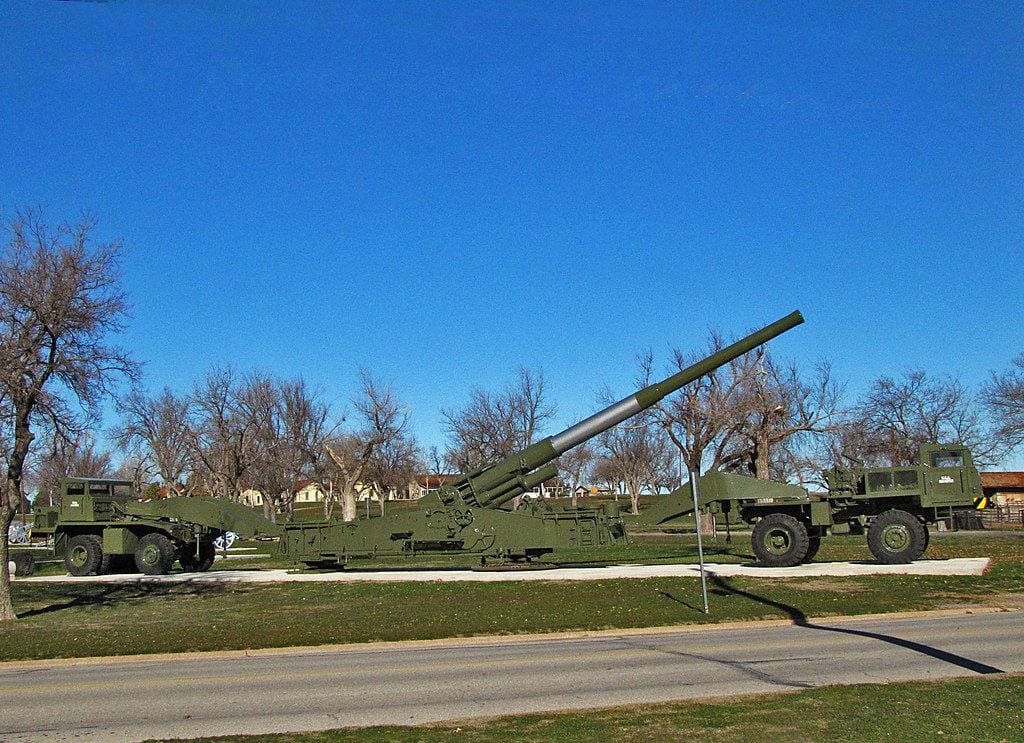
The U.S. Army Field Artillery Museum’s outdoor park is the showstopper. Among the ranks of tanks and cannons stands Atomic Annie, the 280 mm M65 atomic cannon that fired the only nuclear artillery shell ever detonated in U.S. testing, at the Nevada Test Site in 1953. The gun itself came to the museum from Germany in 1964.
Lake Elmer Thomas Recreation Area sits at the foot of Mount Scott on the edge of the Wichita Mountains Wildlife Refuge, its lake named for the Medicine Park founder who went on to the U.S. Senate. Cabins, RV pads, tent sites, and primitive camping spots ring the water, and an on-site store covers fishing permits, tackle, and forgotten supplies.
The water does the entertaining: a swim beach with water slides, kayak rentals and lessons, canoeing, beach volleyball, and even scuba diving. Playgrounds keep younger kids busy while anglers work the shoreline, which makes Lake Elmer Thomas Recreation an easy full-day stop rather than a quick photo pull-off.
The Museum of the Great Plains opened in 1961 and devotes 25,000 square feet to the natural and cultural history of the grasslands that surround Lawton. Interactive galleries walk through the peoples who lived on the southern plains and how they survived its extremes.
The Museum of the Great Plains earns its family reputation with the Tornado Simulator, but the quieter exhibits hold up just as well: a recreated Trading Post, the Domebo Dig Site modeled on a 1960s mammoth excavation, and the Council Saddle Shop, built around the working life of saddlemaker Howard Council.
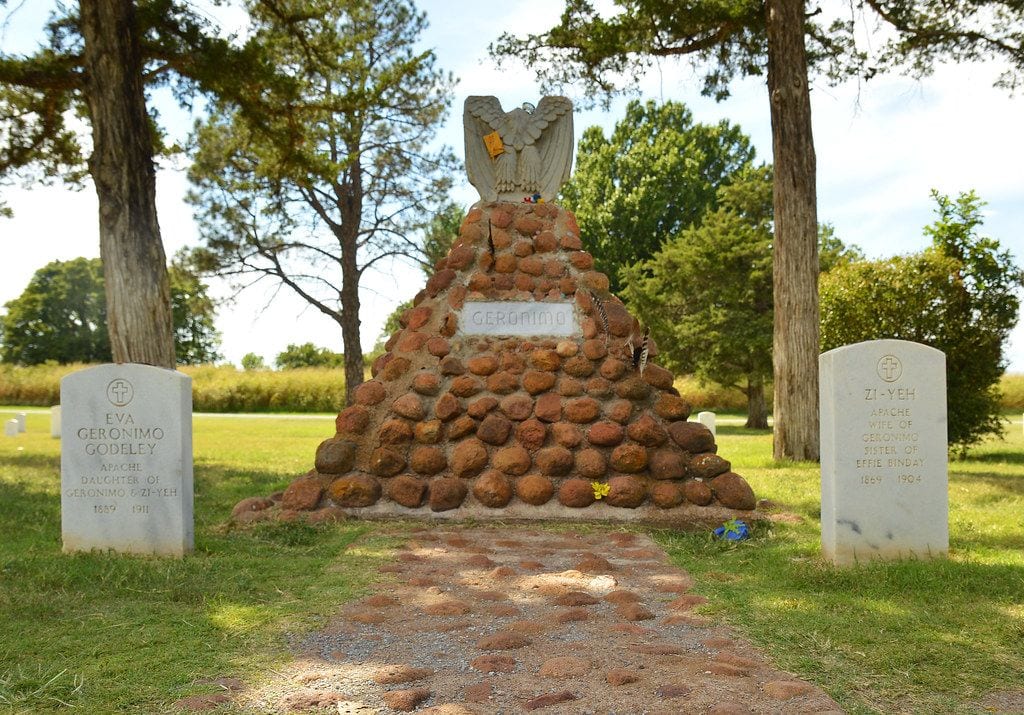
Geronimo spent his final years at Fort Sill as a prisoner of war and died of pneumonia in 1909. Geronimo’s Grave stands not in the main post cemetery but in the Apache Prisoner of War Cemetery on Beef Creek, begun in 1894, where more than 300 Chiricahua, Warm Springs, and Nedni Apaches who died in captivity are buried around him.
The marker itself is a pyramid of local cobblestones topped with a stone eagle. The site sits on an active Army post, so stop first at Fort Sill’s visitor center, where the staff hand out directions and a map – which helps, because the cemetery takes some finding. Nearby lies the grave of Chief Loco, Geronimo’s longtime rival.
The Comanche National Museum and Cultural Center opened in 2007 beside the Museum of the Great Plains and holds the world’s most comprehensive collection of Comanche fine art. Traveling exhibits have come on loan from the Smithsonian Institution, Michigan State University, and Chicago’s Field Museum.
Permanent galleries follow the tribe’s history on the southern plains through narrated displays and an outdoor village, including an exhibit on the Comanche code talkers of World War II that the museum’s Native American staff will gladly walk you through. The gift shop stocks a deep shelf of books on Comanche history alongside pressed coins and dream catchers.
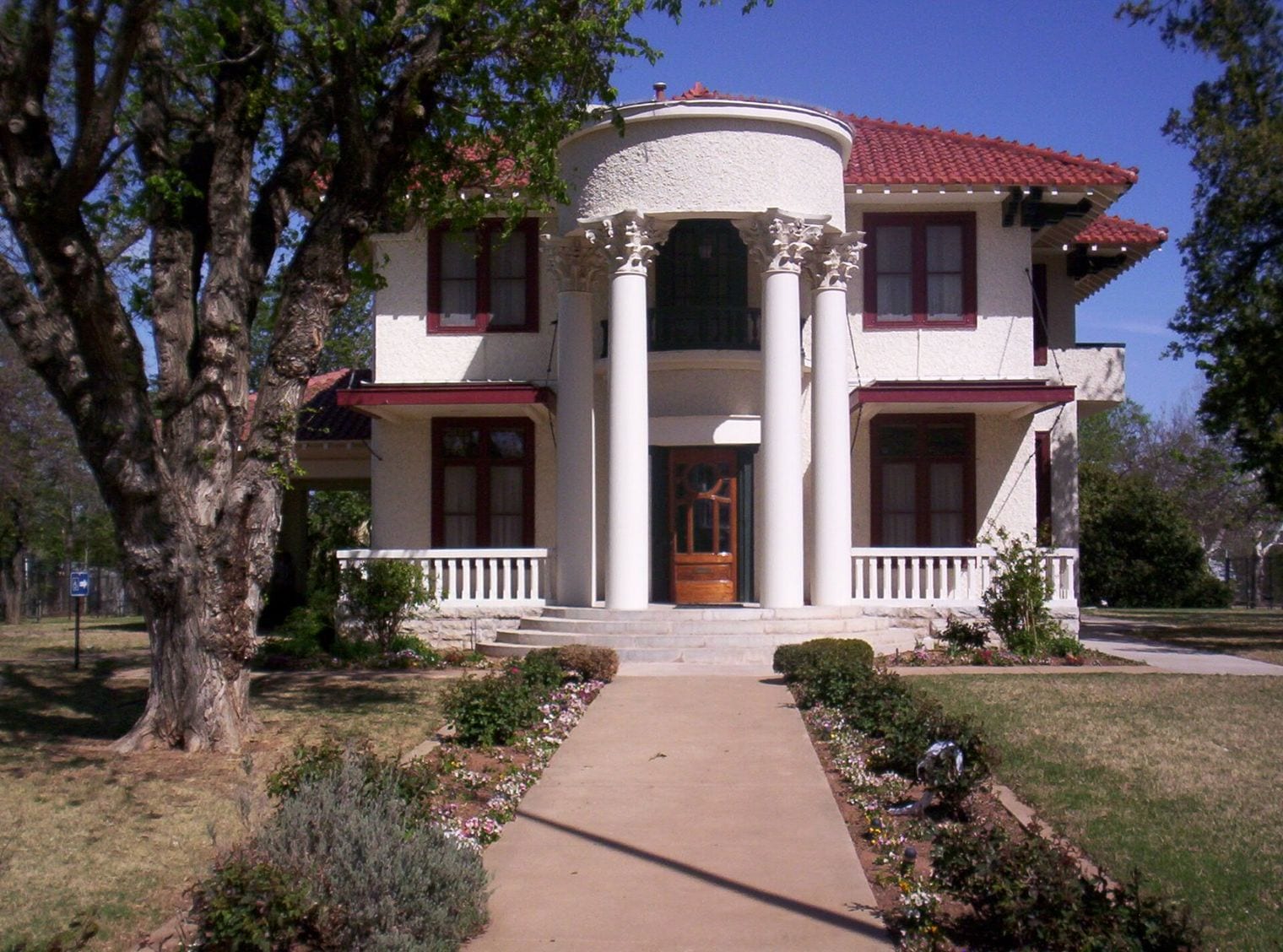
Lawton exists because of a 1901 land lottery, and nobody embodies that story like Mattie Beal, who won 160 acres in the drawing and watched a city grow around her claim. The Historic Mattie Beal Home – the 14-room, 3,580-square-foot mansion she built with her husband Charles Warren Payne in the early 1900s – still anchors her old neighborhood.
Corinthian columns, a grand staircase, and a colorful stained glass window survive from the original construction. Tours of the Mattie Beal Home run guided or self-guided, and the collections inside trace Lawton’s founding, Native American history, and the Western expansion that collided here in 1901.
10. Fort Sill National Historic Landmark and Museum
Fort Sill has been a working Army post since 1869, and its historic core is a National Historic Landmark where 46 of the original 50 buildings still serve the garrison. The Fort Sill National Historic Landmark and Museum spreads through several of them, including cavalry barracks, a mess hall, a storehouse, and a kitchen kept as they looked in 1875.
Geronimo and other Apache prisoners of war were held here, and the collections run from an 1860s kitchen pantry to ceremonial headdresses. Time a visit with one of the Fort Sill Gun Detachment’s loading and firing demonstrations if you can – the old guns are far more vivid in motion.
Comanche Nation Casino keeps the scale manageable – over 700 slot machines rather than an overwhelming mega-floor – with complimentary coffee and sodas circulating for players. Its attached venue, The Club, books live shows and concerts to stretch the evening.
Food skews local-casino comfort: the Mustang Sports Grill handles game-day crowds, while the grilled catfish and burgers at the Comanche Nation Casino Grill are the standing orders. A smoke shop near the exit covers last-minute gifts on the way out.
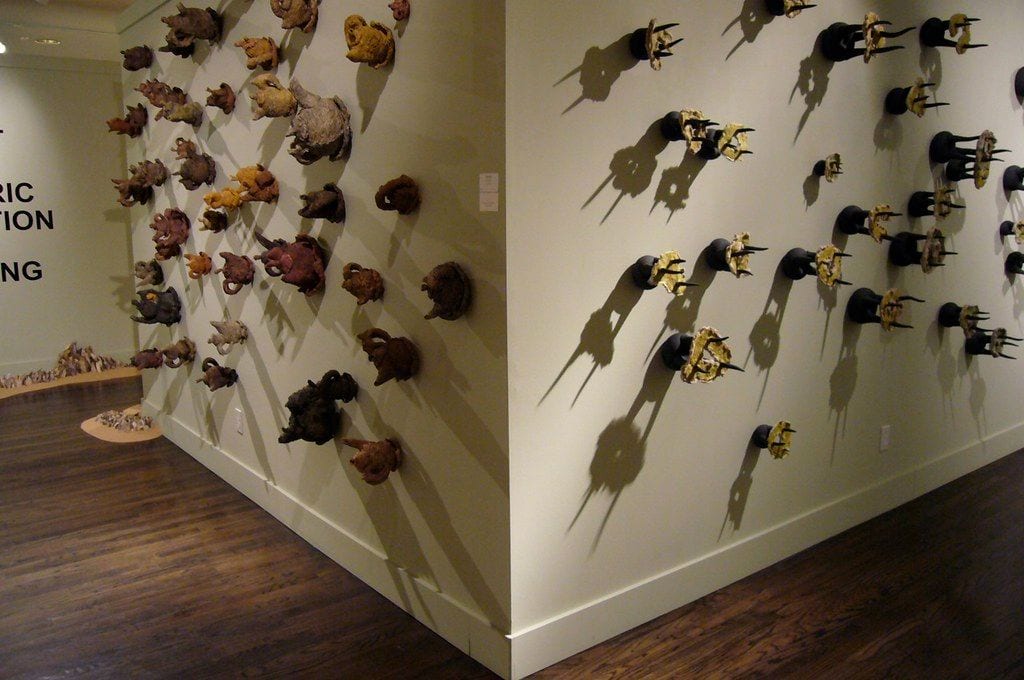
The Leslie Powell Gallery opened in 1986 inside the former Little Chapel of Lawton and moved to larger quarters in 2000 when its shows outgrew the room. It carries the name of the artist Leslie Powell, whose trust fund established it.
Exhibits rotate through the year and stay rooted in southwestern Oklahoma – paintings, drawings, and three-dimensional work by regional artists, with the long-running Indian Arts display the best-known fixture. For a read on Lawton’s working art community, this is the room to stand in.
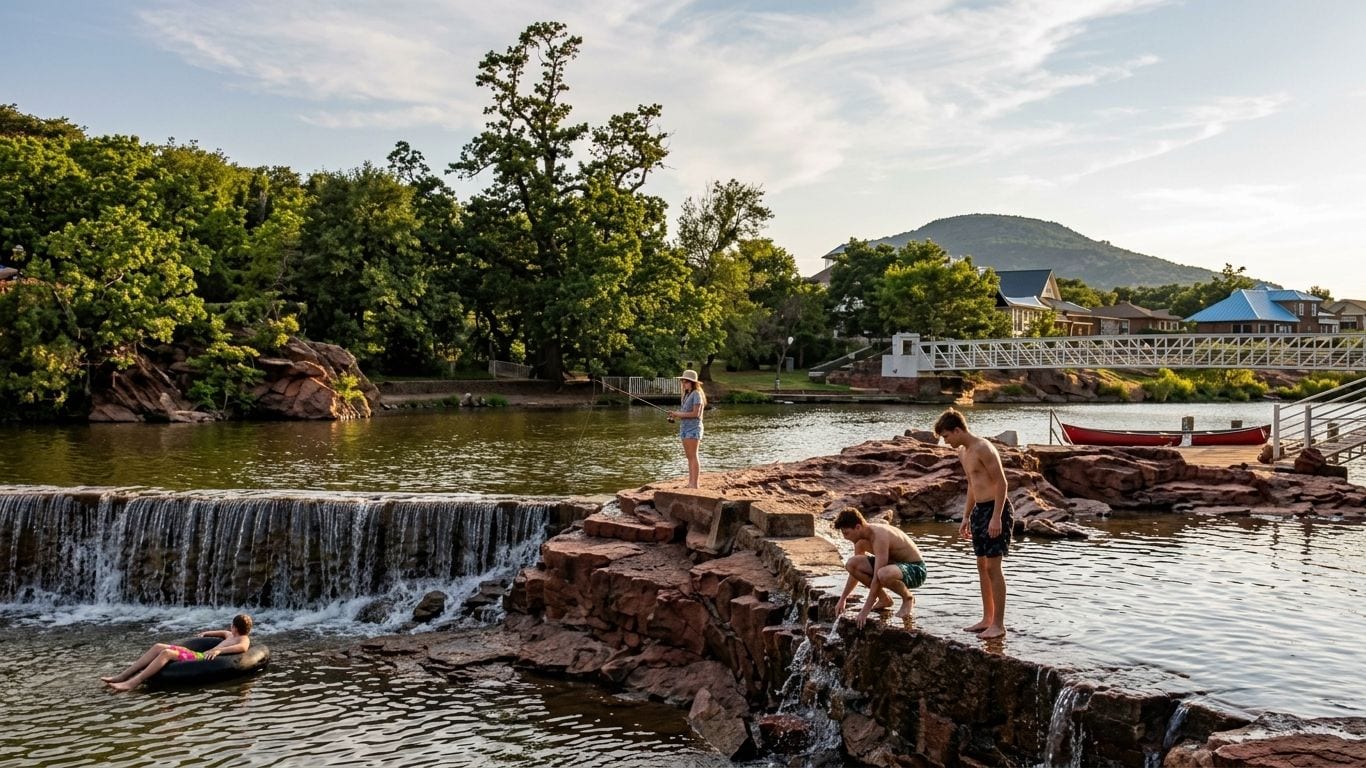
Medicine Park was founded on the Fourth of July, 1908, as Oklahoma’s first resort town, and its red-granite cobblestone buildings still line Medicine Creek. Bath Lake, the swimming hole at the heart of the village, took shape in the 1920s when two dams backed up the creek for swimmers and boaters.
Bath Lake Medicine Park remains the classic summer stop near Lawton, with deep and shallow swimming areas, waterfalls to pass on a stroll around the water, and picnic tables scattered along the banks. Come winter the swimmers clear out and the lake turns into a favorite trout-fishing spot.
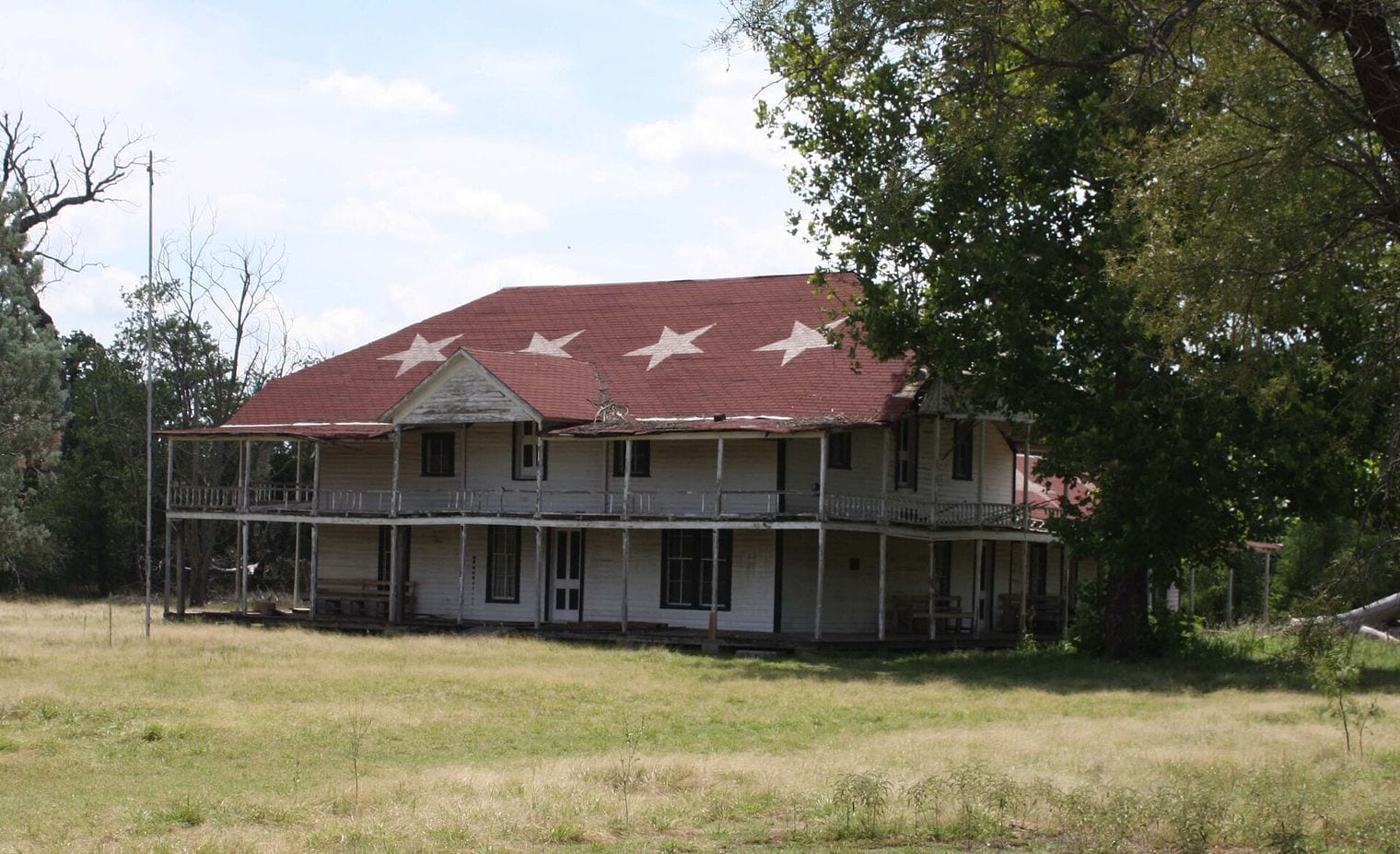
Quanah Parker, the Comanche chief and a founding supporter of the Native American Church, built his Star House in the 1890s near Cache, a half hour from Lawton. The two-story, ten-room home carries 14 white stars painted across its roof – by the most common telling, a signal that the chief’s rank equaled any general’s. Business partners, celebrities, and tribal members all dined there.
The Quanah Parker Star House still stands, but only just: it sits amid the remnants of a shuttered roadside amusement park and has been named repeatedly to Oklahoma’s list of most endangered historic places. A preservation group is working to save it, and viewings are possible by arrangement with the property’s owners – worth the effort while the house is still there to see.
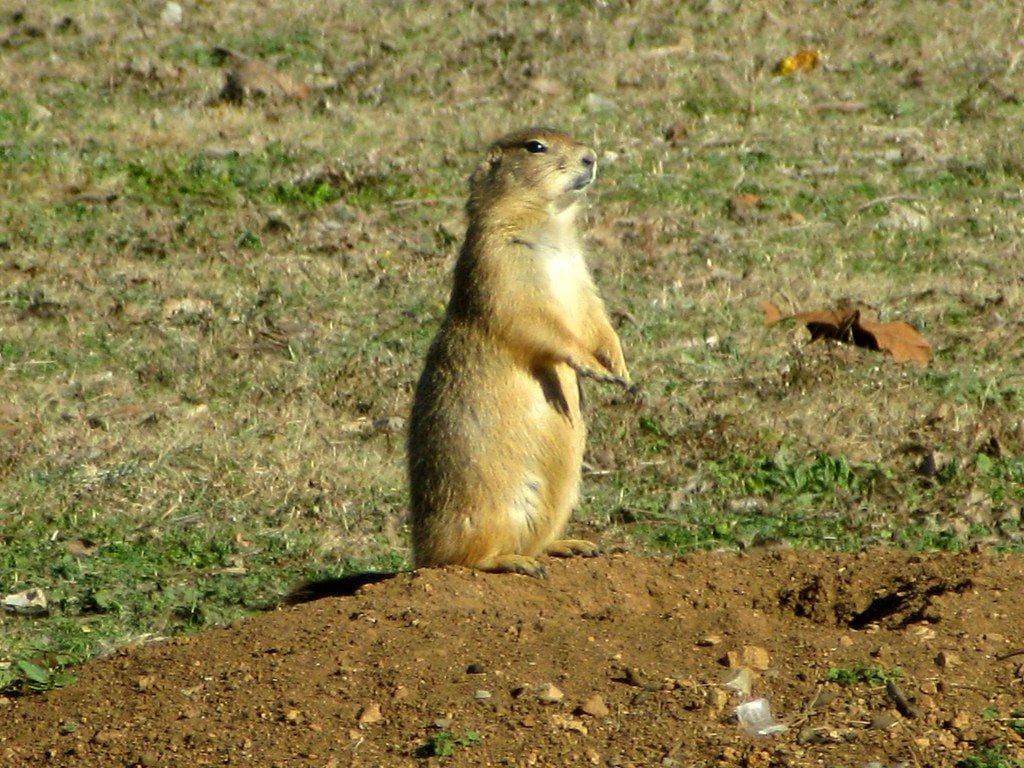
Elmer Thomas Park spreads 176 acres around Lake Helen on Lawton’s northwest side, with a 2-mile walking path, a 1-mile bike loop, and a covered playground with climbing walls and slides. The resident prairie dog colony is the star attraction – the mounds and their sentries are impossible to miss.
The park also carries Lawton’s civic calendar. Fireworks fill the sky on the Fourth of July, and from late November the Holiday in the Park display strings the grounds with lights, horse-drawn carriage rides, and local food vendors. The name honors Elmer Thomas, the U.S. Senator who founded Medicine Park – his namesake lake and recreation area lie a few miles north.
Lawton’s enclosed mall opened in 1979 as Central Mall and kept that name for four decades, until the City of Lawton bought the 526,000-square-foot property and rebranded it Central Plaza in 2021. JCPenney still anchors the retail end, joined by a food court and a rotating cast of shops.
What makes Central Plaza worth a curious walk-through is its second life: much of the former mall now houses FISTA, a hub for defense-related businesses under a 25-year lease, drawn by Fort Sill next door. An aging mall reinventing itself as a military-tech campus is a very Lawton solution, and you can watch it happen from the concourse.
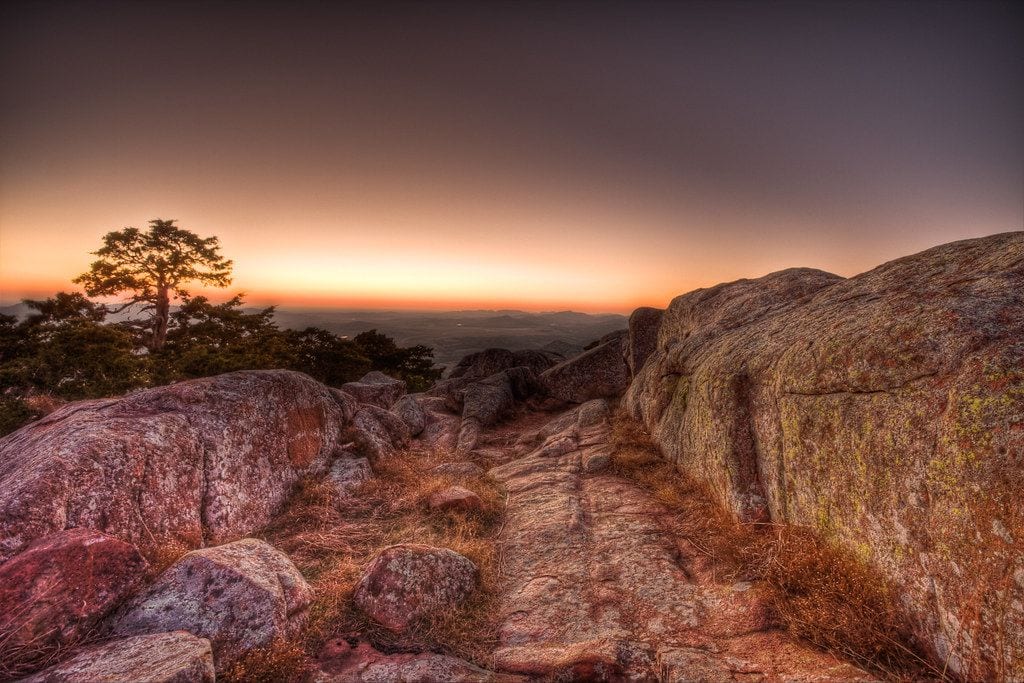
Mount Scott rises to 2,464 feet in the Wichita Mountains Wildlife Refuge, about 30 minutes from Lawton, and a 3-mile paved road corkscrews to its granite summit. From the top, the view runs across Lake Lawtonka and the refuge’s peaks to the plains beyond – the best panorama in southwest Oklahoma.
You can drive to the Mount Scott summit, ride it on a bike, or hike it – just check the refuge’s access rules first, since some days are set aside for non-motorized use. Keep the camera ready on the way: American bison, elk, white-tailed deer, prairie dogs, and the occasional coyote all range the refuge below.
Lawton Speedway has thrown clay since 1963 from its banked dirt oval on Sheridan Road south of town. Saturday race nights run through spring and summer, stacking sprint cars, USRA modifieds, and mini stocks into a single loud, dusty, family-friendly evening.
This is dirt-track racing the old way – earplugs, grandstand seats, engine noise rolling out over the plains. For a city of Lawton’s size, keeping a live short-track racing tradition running for six decades is its own kind of landmark, and the regulars at Lawton Speedway treat it that way.
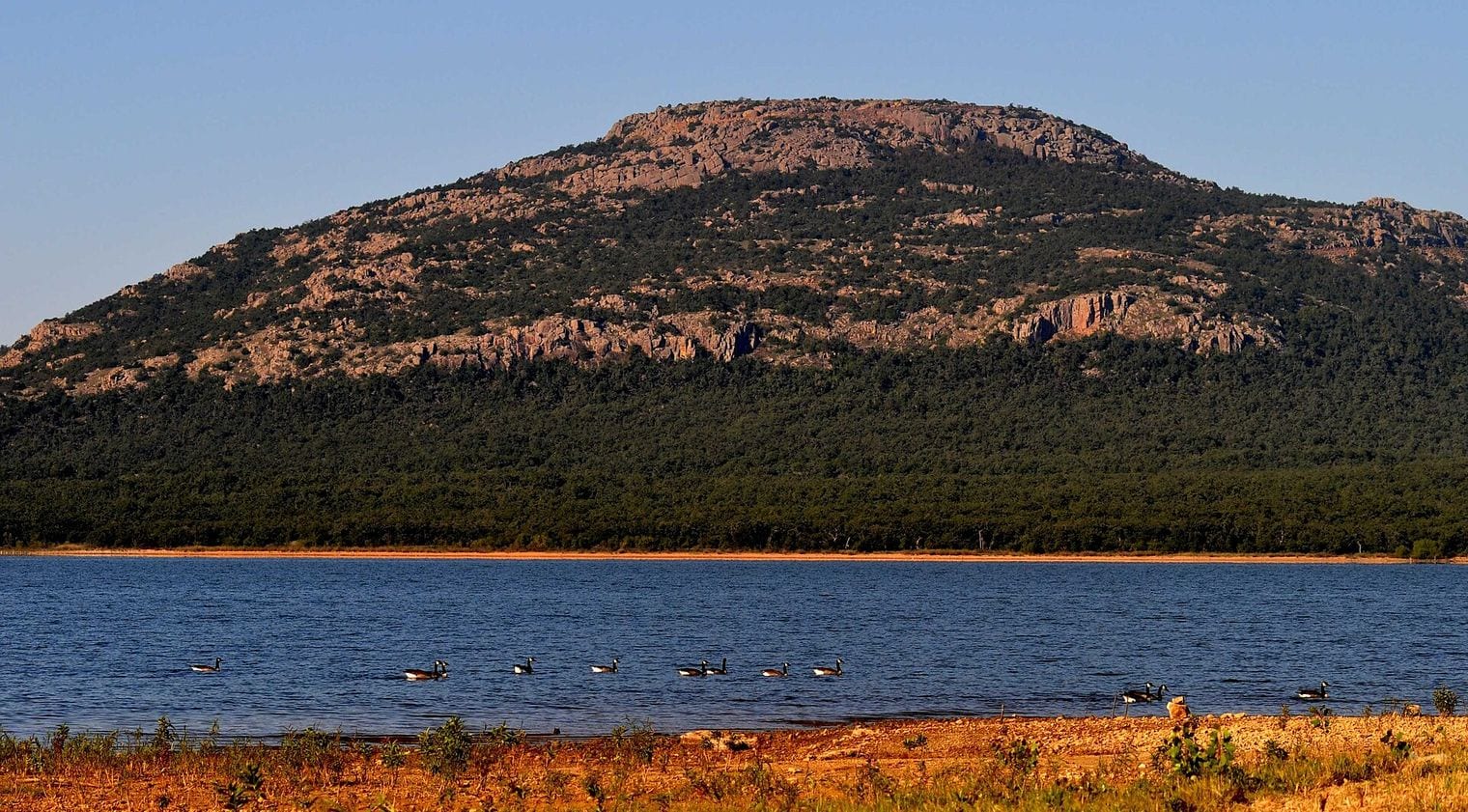
Lake Lawtonka pools behind a dam across Medicine Bluff Creek north of Lawton – roughly two square miles of water with Mount Scott rising straight off its shoreline, which gives the lake the most dramatic backdrop in the county.
Swimming, boating, and watersports fill the summer, and the roughly 4-mile Lake Lawtonka Green Trail follows the shore for hikers. Campers split between the East Campground and Robinson’s Landing, where sites come with picnic tables and grills, backed by hot showers, a grocery store, a playground, and a fish-cleaning table for the anglers.
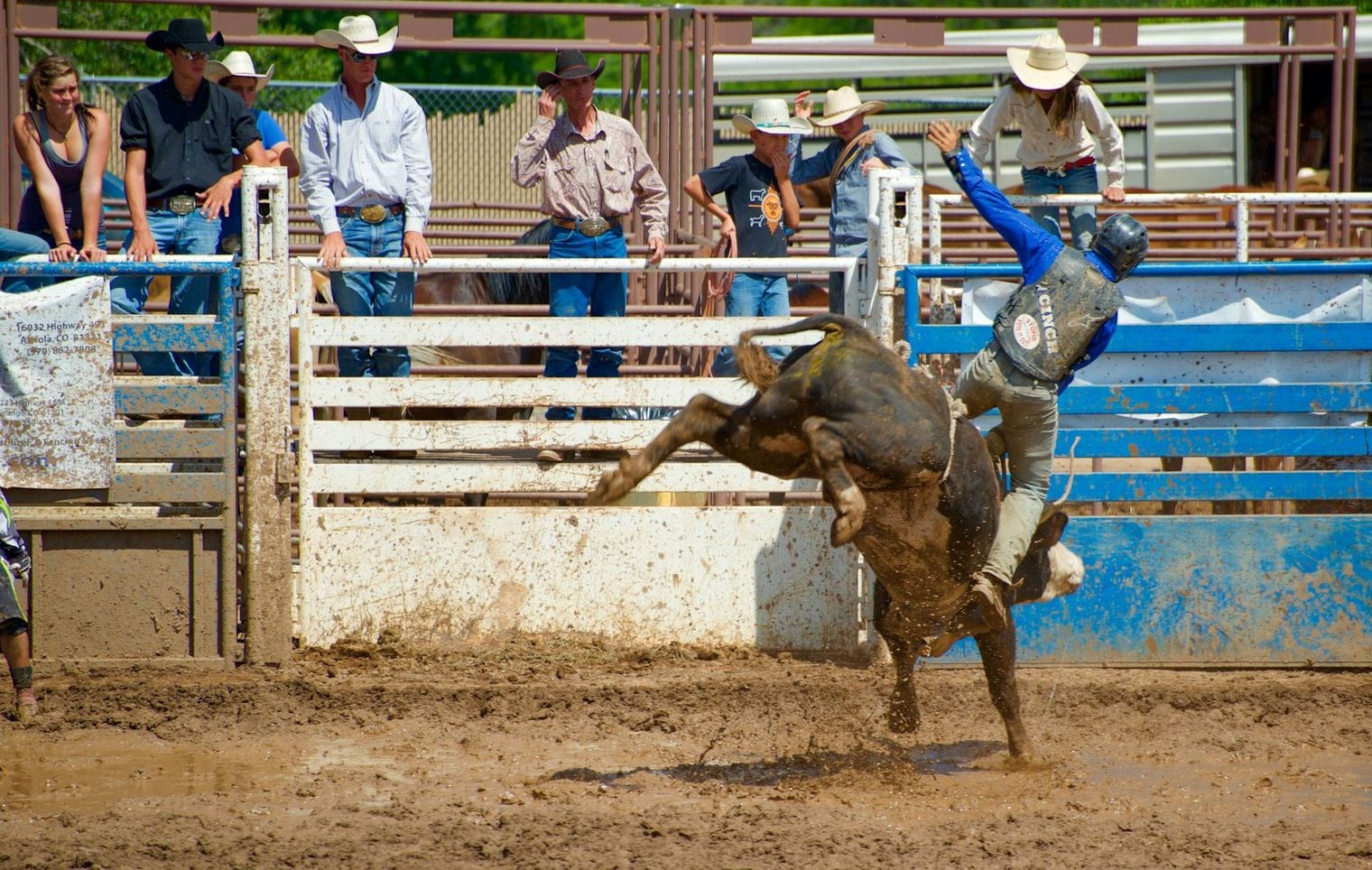
The Lawton Rangers Rodeo has run since 1938 under the Lawton Rangers, a nonprofit devoted to western heritage and agricultural education. More than 400 cowboys and cowgirls compete across tie-down and team roping, steer wrestling, and bronc and bull riding.
The ceremony lands as hard as the competition: the grand entry carries the National Flag into the arena while the whole crowd sings the anthem. As a piece of living southwest-Oklahoma culture, an evening at the Lawton Rangers Rodeo tells you more about the region than any exhibit case can.
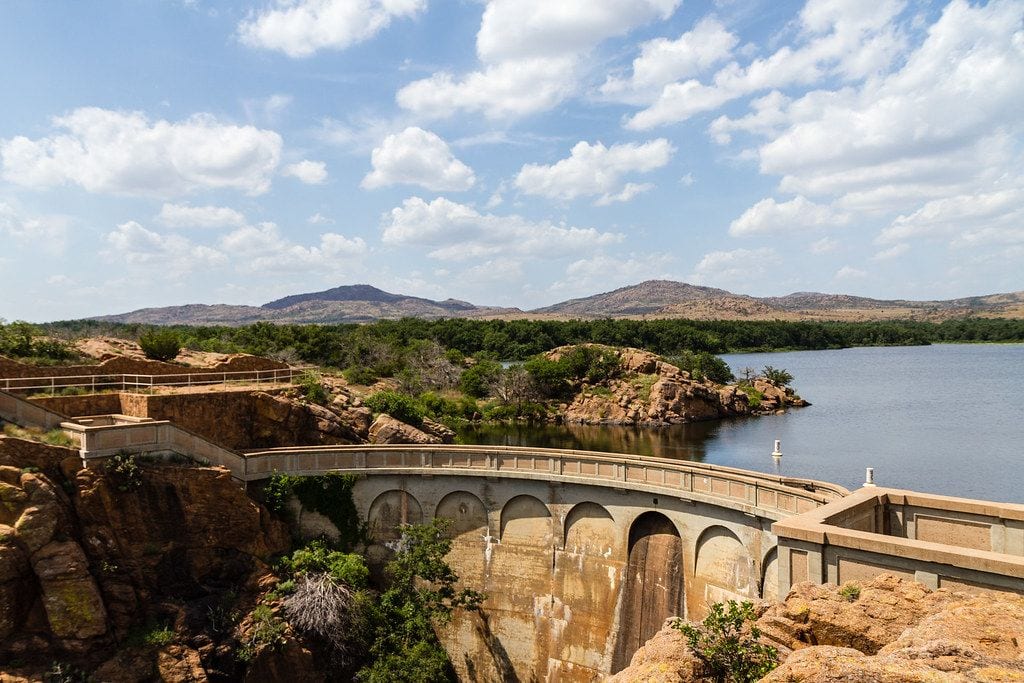
Quanah Parker Lake covers 89 acres of the Wichita Mountains Wildlife Refuge, 14 miles from Lawton, behind a stone dam built across Quanah Creek in the 1930s. Like the Star House in nearby Cache, it carries the name of Comanche chief Quanah Parker.
Anglers work the water for channel catfish, largemouth bass, and sunfish, while photographers come for the dam and the sunrise light on the granite. Rock-climbing routes, natural hiking trails, a campground, and picnic grounds with grills sit close by – and drive slowly on the way in, because the refuge’s bison treat the road as their own.
Out on NW Quanah Parker Trailway, Laugh Out Loud Family Fun Center gathers a stack of indoor activities under one roof, from laser tag and roller skating to mini bowling and a wall of arcade games. Younger kids get Ball-O-City, a multi-level soft-play structure with slides and tunnels built for climbing and burning off energy.
It is Lawton’s go-to for a rainy afternoon or a triple-digit summer day, and a reliable birthday-party pick. Hand-tossed pizza and snacks handle the refueling, private party rooms host the celebrations, and the mix of skating, tag, and games keeps a range of ages busy in the same building.
The Fort Sill Post Cemetery, established in 1869, was the only cemetery in southwestern Oklahoma until the 1880s and joined the National Register of Historic Places in 1978. Soldiers, civilians, and Native American leaders share its nine acres.
Its most storied ground is Chiefs Knoll, the high point of the cemetery, where Comanche chief Quanah Parker and the Kiowa leaders Satanta and Satank are buried – a gathering of plains leadership that has earned the site the name “the Indian Arlington.” Note that Geronimo lies elsewhere on post, in the separate Apache Prisoner of War Cemetery on Beef Creek.
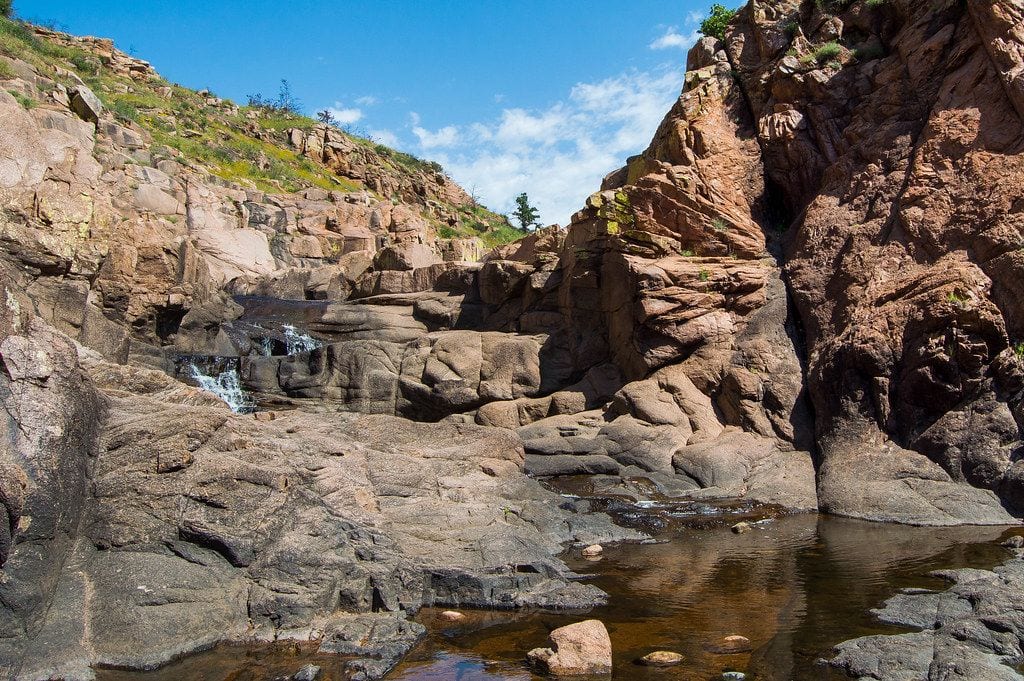
Forty Foot Hole hides in a canyon of the Wichita Mountains Wildlife Refuge near Cache, about a 30-minute drive from Lawton, where Cache Creek pours over rock ledges into a chain of pools and small waterfalls. A roughly 1.5-mile trail leads to the falls in the northwest end of the canyon.
Sturdy shoes beat sandals here – the granite is uneven and the best views ask for a little scrambling. Picnic tables and grills near the trailhead make Forty Foot Hole an easy half-day, and as anywhere in the refuge, give the bison the right of way if the herd has wandered near the path.
Los Tres Amigos has fed Lawton for more than two decades, and a travel day that ends over its fajitas, burritos, or enchiladas ends well. Chips and salsa open every table, and dinner closes with complimentary sopapillas – pillows of fried dough that regulars treat as non-negotiable.
The menu at Los Tres Amigos runs deep on Mexican classics with a side of American standbys – regulars point to the shrimp bruschetta – plus Mexican draft beer on tap, margaritas, and daiquiris. After a day split between Fort Sill’s museums and the Wichita Mountains, it’s the right last stop on this list.
Best Time to Visit Lawton
Spring and fall are the sweet spots. From April into early June and again from September through October, mild days make the Wichita Mountains, Mount Scott’s summit drive, and the swimming lakes comfortable rather than punishing, and the wildflowers and fall color add to the scenery. Spring also brings the Holy City of the Wichitas Easter passion play, staged outdoors against the granite peaks.
Summers in southwest Oklahoma run hot, with stretches of triple-digit afternoons, so plan lake mornings and save the museums and Fort Sill’s indoor galleries for the heat of the day. Winters are generally mild but changeable, with the occasional cold snap; most indoor attractions stay open year round, making it a quiet, uncrowded season for the museums and casinos.
Getting to Lawton
Lawton sits on Interstate 44, which runs through town as the H.E. Bailey Turnpike and links the city northeast to Oklahoma City and southwest toward the Texas state line. Several U.S. highways feed into the same corridor, including U.S. 62, U.S. 277, and U.S. 281, so most road approaches from the north, east, or south funnel onto I-44 for the final stretch. The interstate also threads past the neighbouring Fort Sill installation, which keeps the route busy and well maintained year round.
The city has its own commercial airport just south of the centre, with a short hop of scheduled service that connects onward through a major hub. Many visitors instead fly into the larger international airport up at Oklahoma City and drive down, a straightforward trip of about an hour and a half on I-44. There is no passenger rail, but an intercity bus line stops at a downtown transfer centre, giving a car-free way in from Oklahoma City and other regional stops.
Getting Around Lawton
Lawton is a spread-out, car-first city, so a vehicle is by far the easiest way to reach the museums, the lakes, and the mountain scenery that ring the town. The compact downtown grid is pleasant to explore on foot once you have parked, and a few older commercial streets reward a short stroll, but the attractions are too far apart to link together without driving between them. Distances open up quickly toward the wildlife refuge and the reservoirs, where a car is essential.
Parking is rarely a headache: downtown lots and kerbside spaces are plentiful and usually free, and the museum and park sites all offer their own lots. A basic local bus network covers the main corridors for those without a car, and rideshare is available around the built-up areas, though pickups thin out on the rural roads leading to the mountains. Cycling works well for short in-town hops but is less practical for the longer highway distances between sights.
Where to Stay in Lawton
For a first visit, basing yourself in or near the central downtown district keeps you within easy reach of the museums and the walkable core, and it puts you roughly midway between the town’s cultural sites and the mountains to the northwest. Travellers who want quick highway access often prefer the commercial strips along the Interstate 44 corridor and the main north-south arterials, where it is simple to load up and drive out to the refuge, the lakes, or day trips across the state line.
If your trip centres on the military heritage sites, the neighbourhoods on the north side toward the Fort Sill boundary put you closest to the historic landmark and the artillery museum. For a quieter, more scenic base, the districts out toward the lake and mountain country trade convenience for calm and easy morning access to the trails and the wildlife refuge, which is ideal if the outdoors is the main draw.
Where to Eat in Lawton
Lawton’s dining clusters around the downtown core and along the busy commercial strips that follow the main arterials and the interstate frontage, where you will find the widest spread of casual sit-down spots and drive-throughs. The regional palate leans hearty and Southern-Plains: chicken-fried steak smothered in cream gravy, slow-smoked barbecue brisket and ribs, and big breakfast plates are all staples worth seeking out.
The garrison town’s history has also seeded a genuinely international scene for a city this size, with Tex-Mex and authentic Mexican taquerias especially well represented alongside Korean, Vietnamese, and other Asian kitchens that trace back to military families. Round out a visit with local diner-style comfort food and, in the warmer months, roadside stands selling Oklahoma-grown watermelon and pecans.
One Day in Lawton
Lawton rewards an early start and a loose map — the wild granite of the Wichita Mountains sits just northwest of town, the storied army post fills the middle, and the museums and casino floor wait back in the city for when the light goes.
Morning: Beat the heat and the crowds by driving the switchbacks up Mount Scott first, where the summit opens onto a sweeping view of mixed-grass prairie and the shining sheet of Lake Lawtonka below. Drop back down and let the granite-cobbled village of Medicine Park pull you in for a while — the Medicine Park Aquarium and Natural Sciences Center is a genuinely charming stop, and the spring-fed Bath Lake Medicine Park a few steps away is the old swimming hole the whole resort town grew up around.
Afternoon: Point the car south toward Fort Sill and give the middle of the day to history. The Fort Sill National Historic Landmark and Museum anchors an active post laid out around its original stone quadrangle, and the adjoining U.S. Army Field Artillery Museum walks you from horse-drawn cannon to modern rocketry under one roof. Nearby, Geronimo’s Grave marks the resting place of the Apache leader who spent his final years here — a quiet, sobering counterpoint to the parade grounds. Back in the heart of the city, the Museum of the Great Plains ties the whole region together, from bison herds to the land runs.
Evening: Ease into the night at the Apache Casino Hotel, where the gaming floor, a bite to eat & live entertainment give you a comfortable place to land after a long day outdoors. If you have a second morning, save it for the open-air Holy City Of The Wichitas, whose stone chapels and prairie amphitheater are worth the unhurried drive back into the mountains.
The easiest bigger-city escape is Oklahoma City, about an hour and a half northeast up Interstate 44, with its museums, stockyards district, and riverfront to fill a full day. Closer at hand, a short run of roughly an hour south across the Texas line reaches Wichita Falls, a low-key stop for a change of scenery. For a nature-focused day within striking distance, the state parks tucked into the wider Wichita Mountains country to the west make an easy outing of about an hour for lake swimming, granite scrambling, and hiking beyond the town’s own refuge.
With more time, the Dallas-Fort Worth metroplex lies about three hours southeast, and the twin suburbs of Grapevine and Arlington make natural bases there. Grapevine pairs a historic main street and winery-tasting scene with the region’s big lake, while Arlington anchors the area’s major sports stadiums and theme parks, giving a very different, city-scale day out to bookend a Lawton trip.
FAQ: Visiting Lawton
What is Lawton best known for?
Lawton is best known for Fort Sill, the active Army post where Geronimo spent his final years and where his grave still stands, and for its Comanche heritage, showcased at the Comanche National Museum and Cultural Center. The granite peaks of the Wichita Mountains, including Mount Scott, rise just north of the city.
Is Lawton worth visiting?
Yes, particularly if military history, Native American culture, or mountain scenery interests you. The Museum of the Great Plains and the U.S. Army Field Artillery Museum anchor the museum side, while the Holy City Of The Wichitas, Forty Foot Hole, and the cobblestone village of Medicine Park reward a day outdoors.
How many days do you need in Lawton?
Two full days cover the essentials. Spend the first on museums and Fort Sill history, from the Museum of the Great Plains to Geronimo’s Grave, then give the second to the Wichita Mountains Wildlife Refuge for the Mount Scott summit drive, the Holy City, and a swim or hike near Medicine Park.
What can you do in Lawton for free?
Plenty. The Holy City Of The Wichitas, Geronimo’s Grave, and the Fort Sill Post Cemetery’s Chiefs Knoll cost nothing to visit, and neither does the drive up Mount Scott. In town, Elmer Thomas Park adds prairie dogs, a lake, and walking paths without an admission gate.
When is the best time to visit Lawton?
Spring brings The Prince of Peace passion play to the Holy City Of The Wichitas and wildflowers to the refuge trails. Summer suits Bath Lake and Lake Elmer Thomas swimming, though Oklahoma heat peaks then. From late November, Holiday in the Park lights up Elmer Thomas Park with carriage rides.