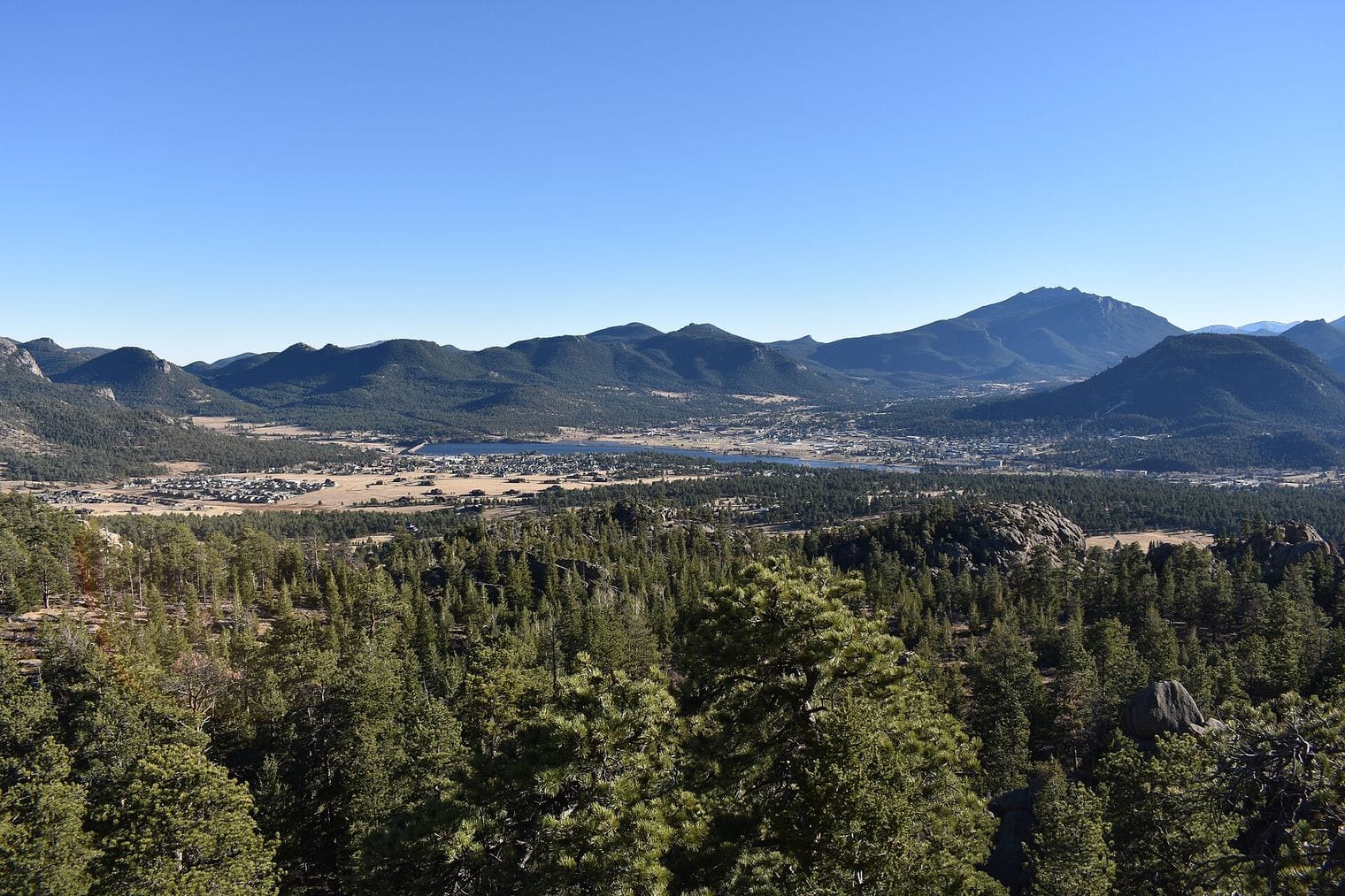
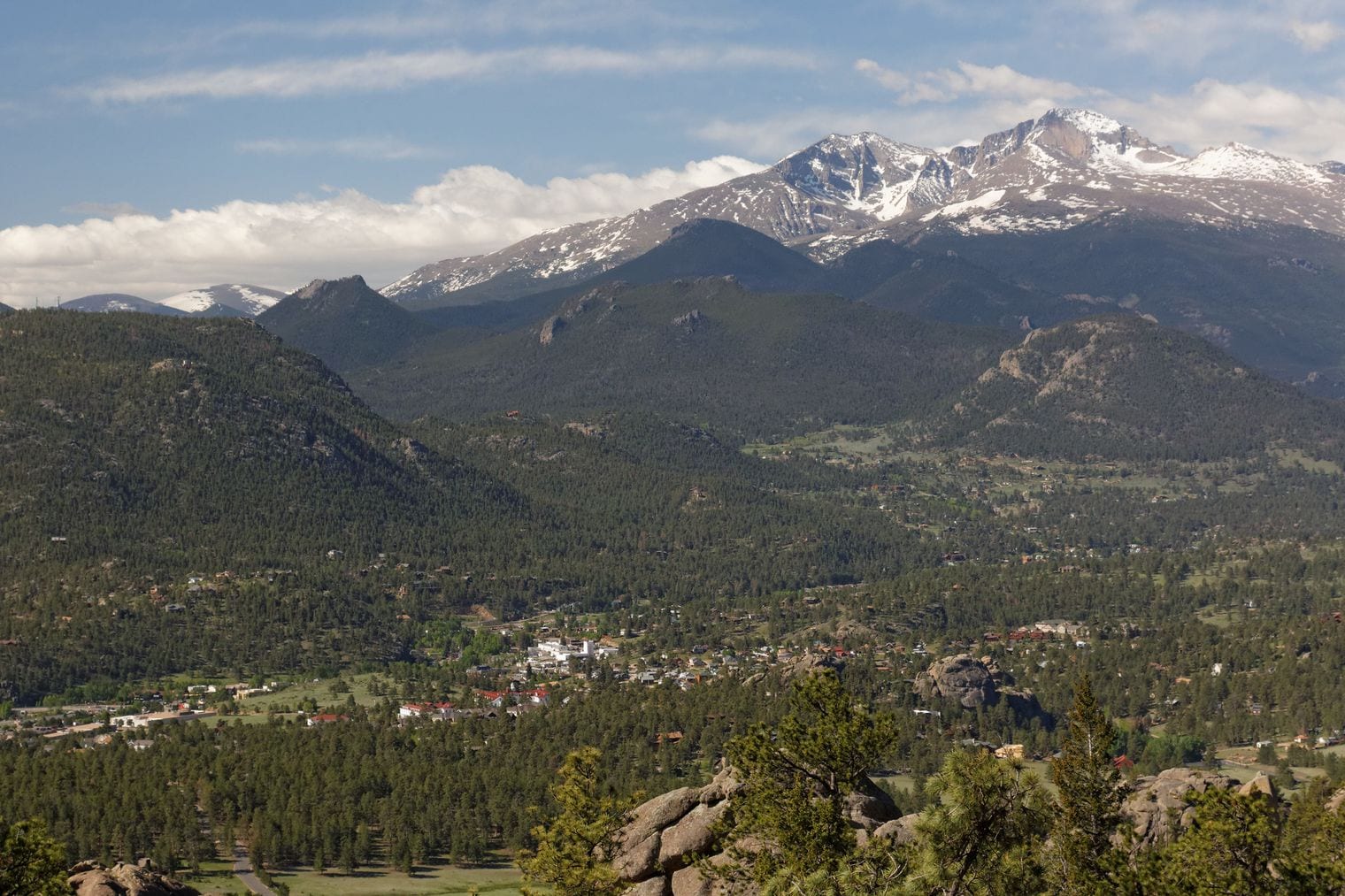
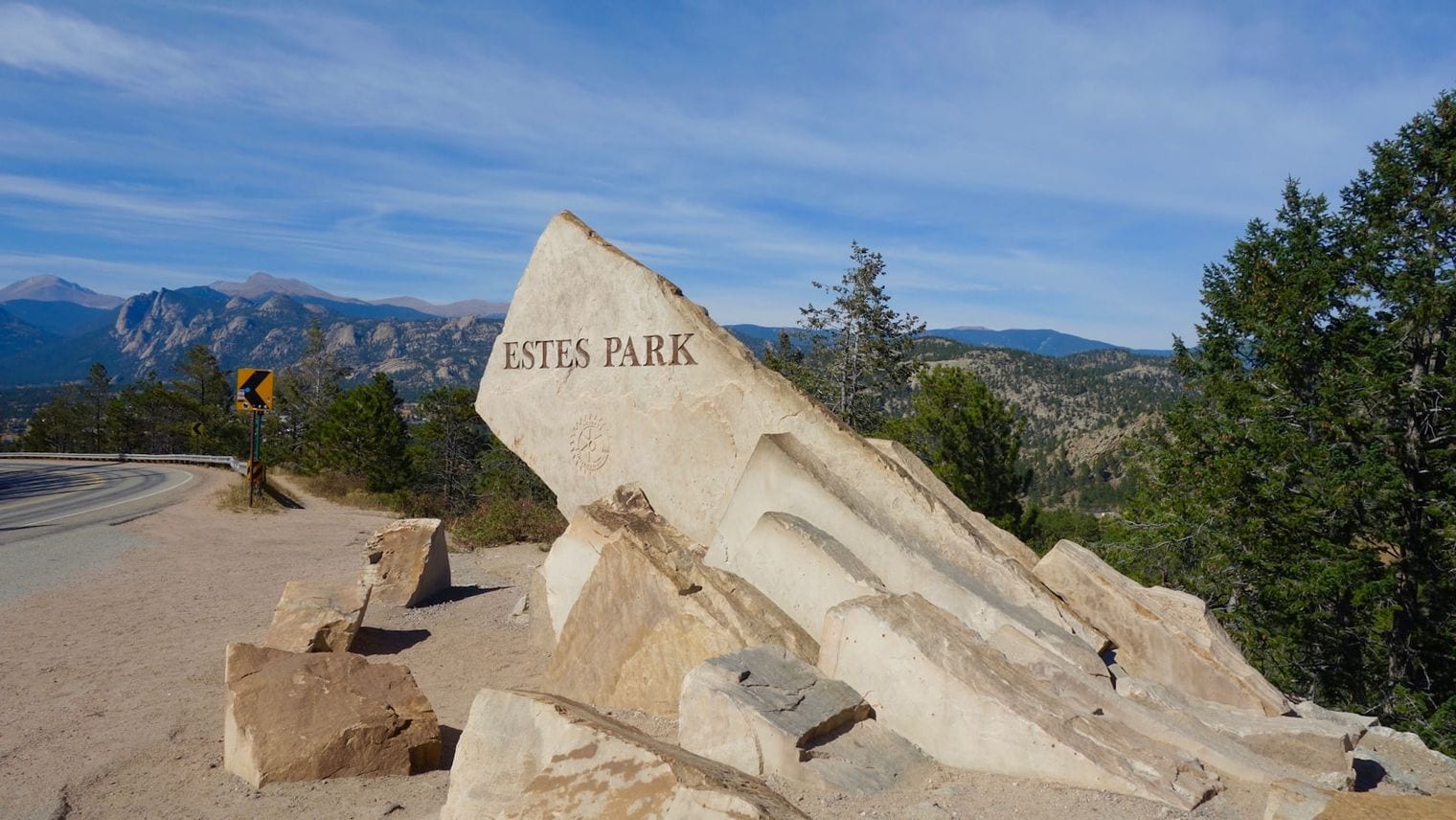
Sitting at about 7,500 feet in the Colorado Rockies, Estes Park is the eastern gateway to Rocky Mountain National Park and one of the state's classic mountain towns. Elk wander the streets in autumn, the Big Thompson River runs through downtown, and snow-capped peaks rise in nearly every direction.
From alpine drives above the treeline to a riverside downtown of shops and taffy makers, Estes Park balances easy access to high-country wilderness with small-town comfort. Here are the best things to do in and around town.
Fun Facts About Estes Park, Colorado
Estes Park sits at about 7,522 feet above sea level, high enough that visitors from lower elevations often feel the thin mountain air.
The town is the main eastern gateway to Rocky Mountain National Park, which draws around four million visitors a year — most of whom pass through Estes Park.
Naturalist Enos Mills, who lived near Estes Park, campaigned for years to create Rocky Mountain National Park, established in 1915, earning him the title “Father of Rocky Mountain National Park.”
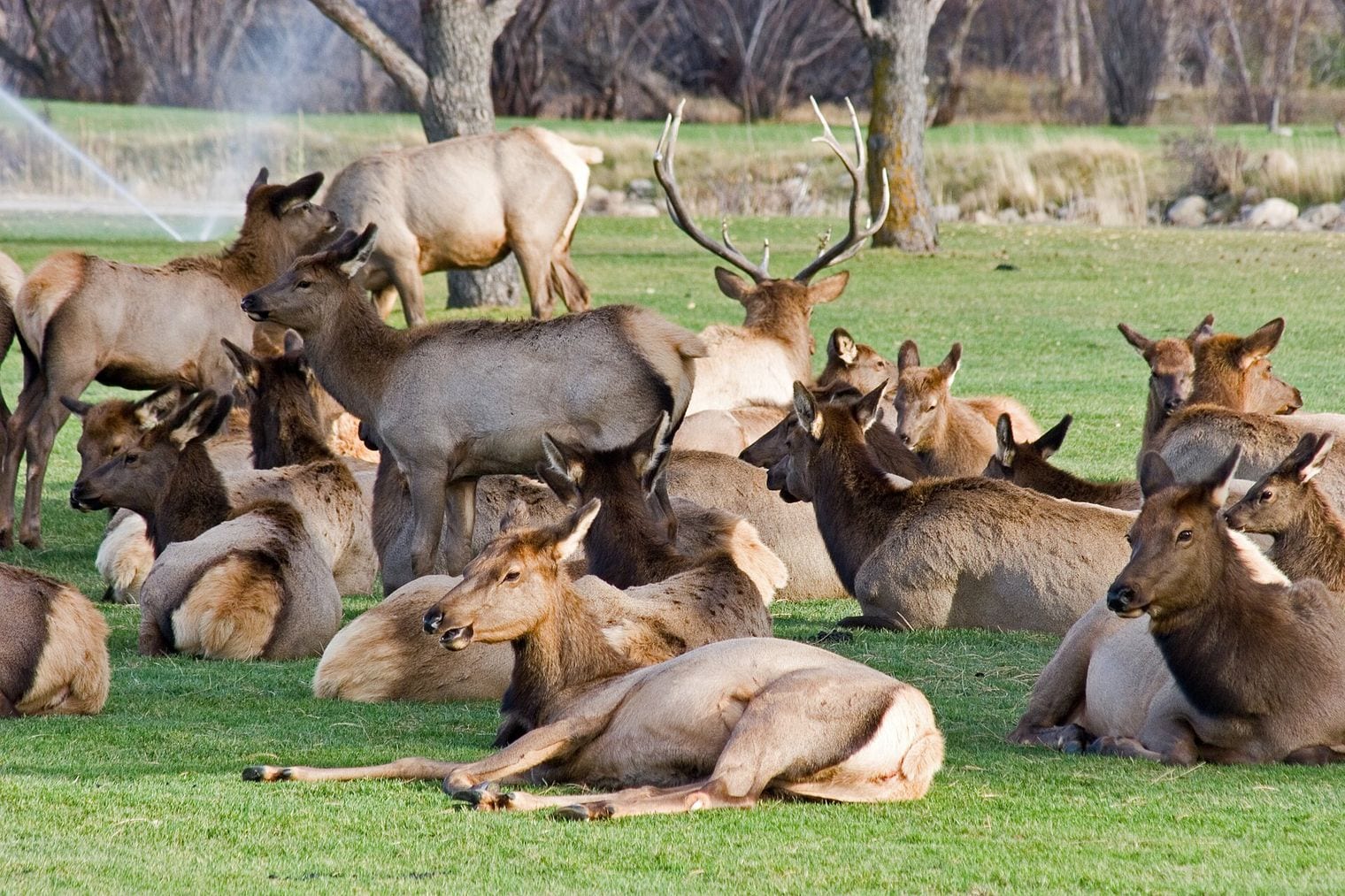
Estes Park is famous for its elk, which migrate right through town each spring and fall and are a common sight on meadows, lawns, and even the golf course.
The Stanley Hotel, opened in 1909, inspired Stephen King’s novel The Shining after the author stayed there.
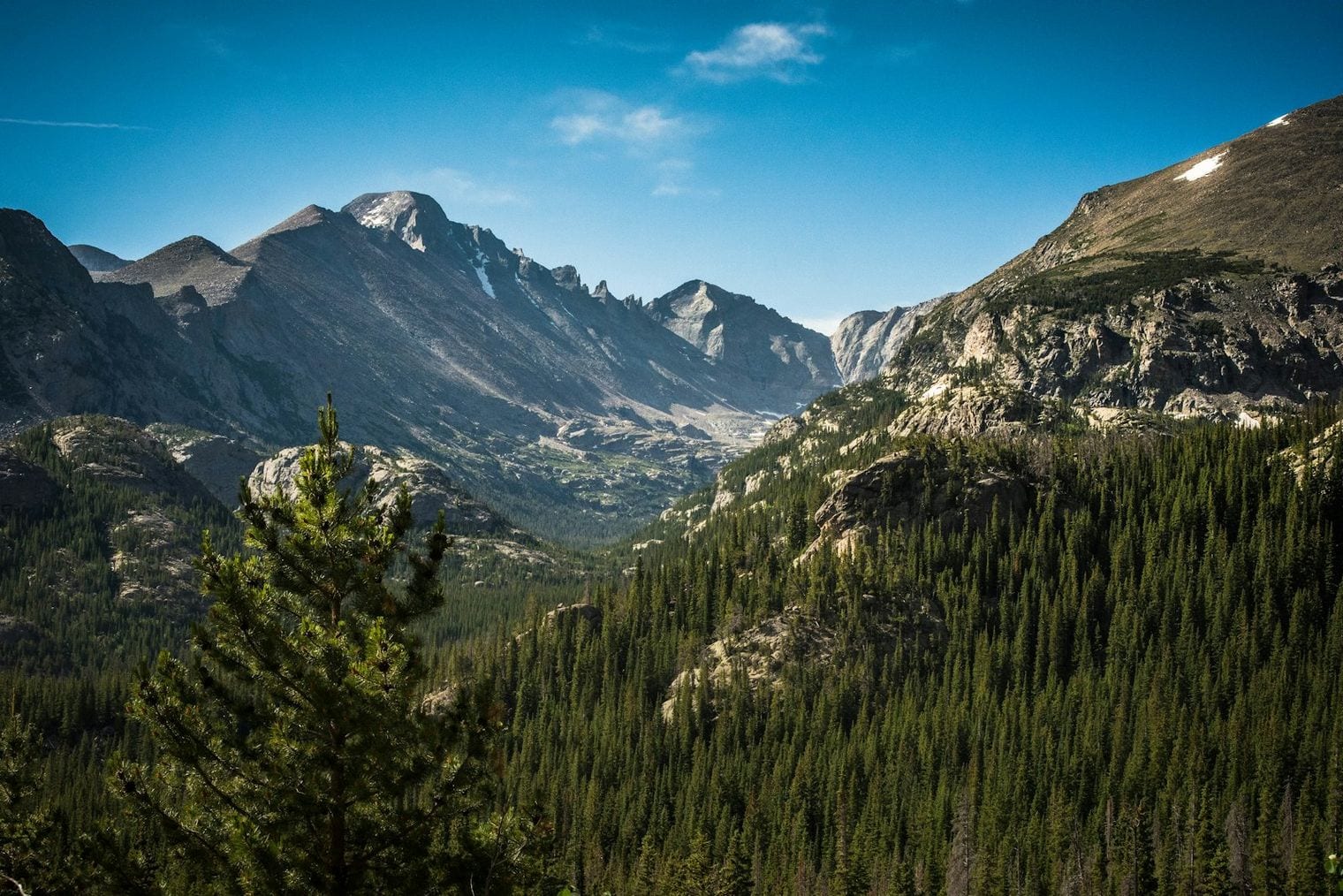
Estes Park is the primary eastern gateway to Rocky Mountain National Park, which protects more than 400 square miles of peaks, alpine tundra, and wildlife. The Beaver Meadows entrance is just minutes from downtown.
With hundreds of miles of trails, dozens of summits above 12,000 feet, and abundant elk and bighorn sheep, the park is the overwhelming reason most visitors come to Estes Park. A timed-entry reservation system often applies in the busy season.
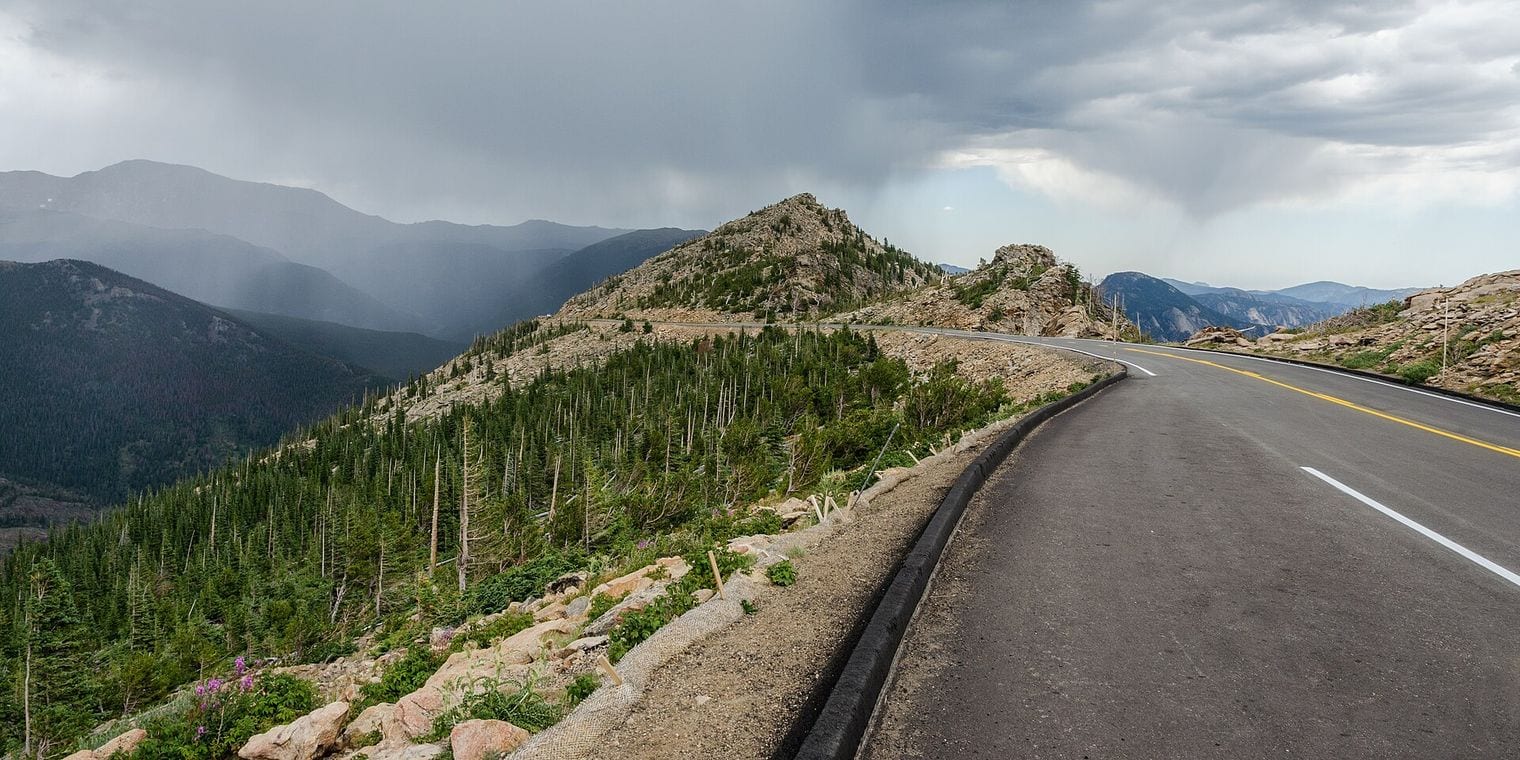
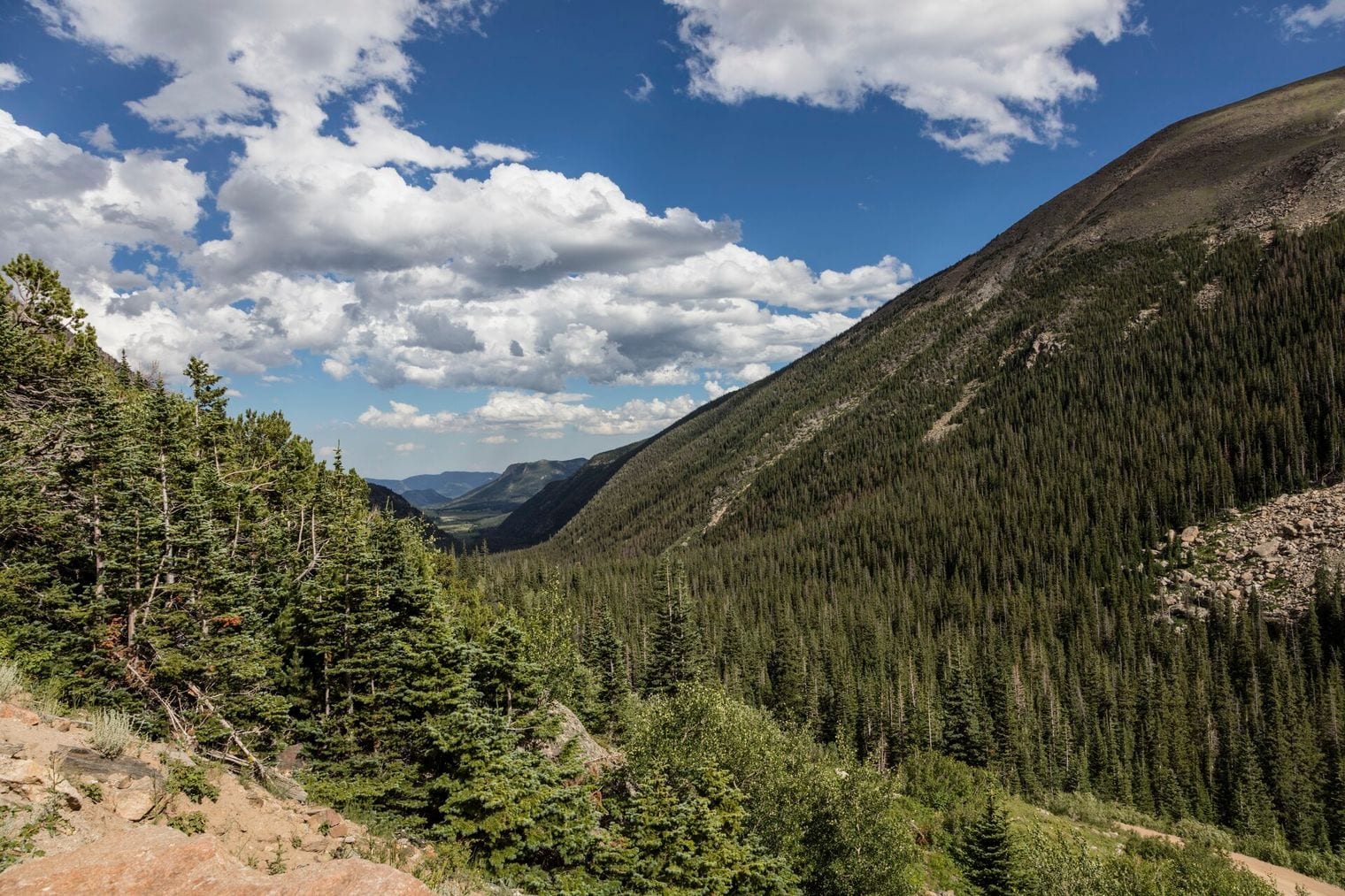
Trail Ridge Road is the highest continuous paved road in the United States, climbing above 12,000 feet as it crosses Rocky Mountain National Park between Estes Park and Grand Lake.
The drive passes through alpine tundra with sweeping views and several overlooks, including the Alpine Visitor Center. It is only open seasonally, typically late spring through fall, because heavy snow closes it in winter.
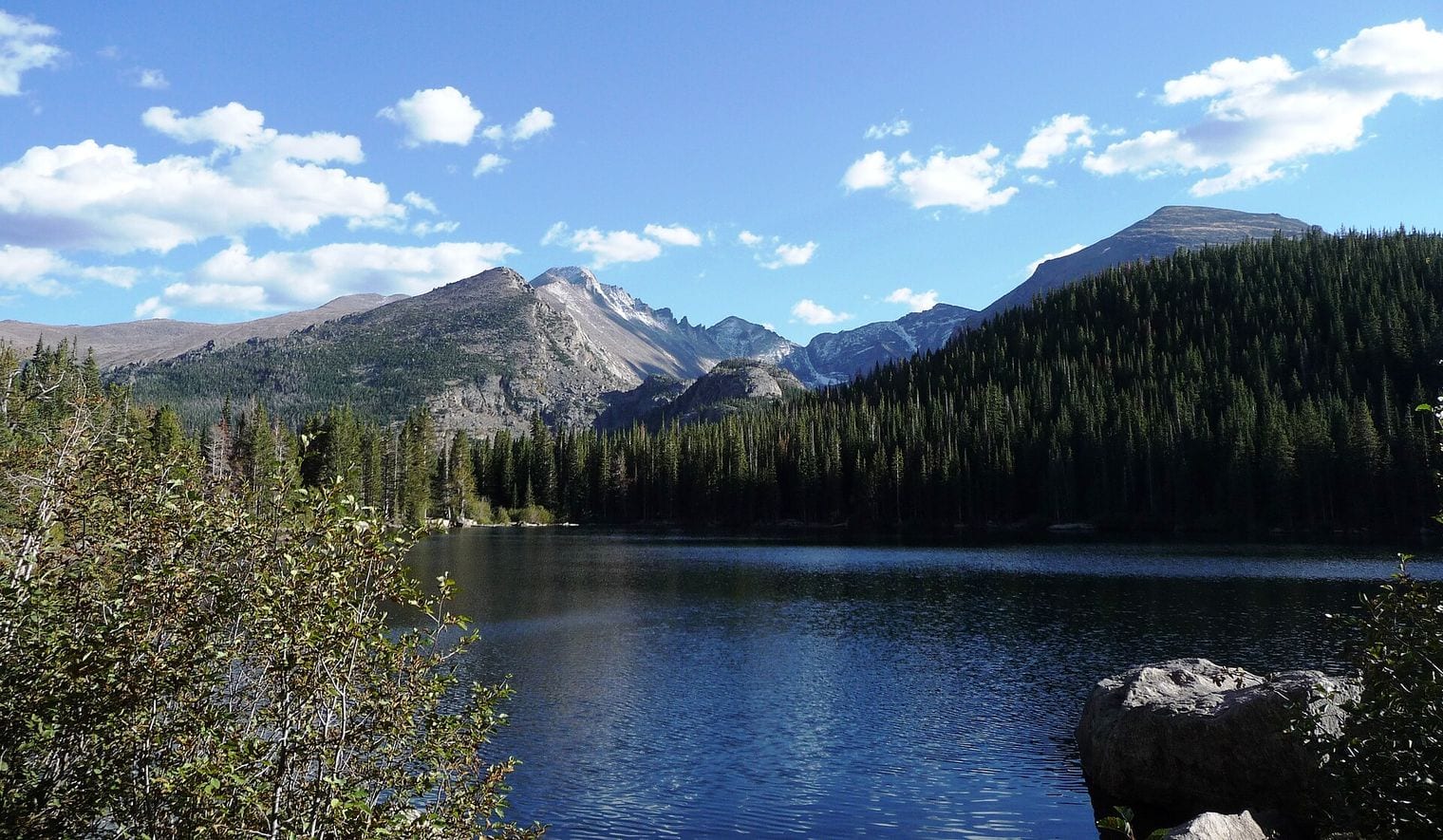
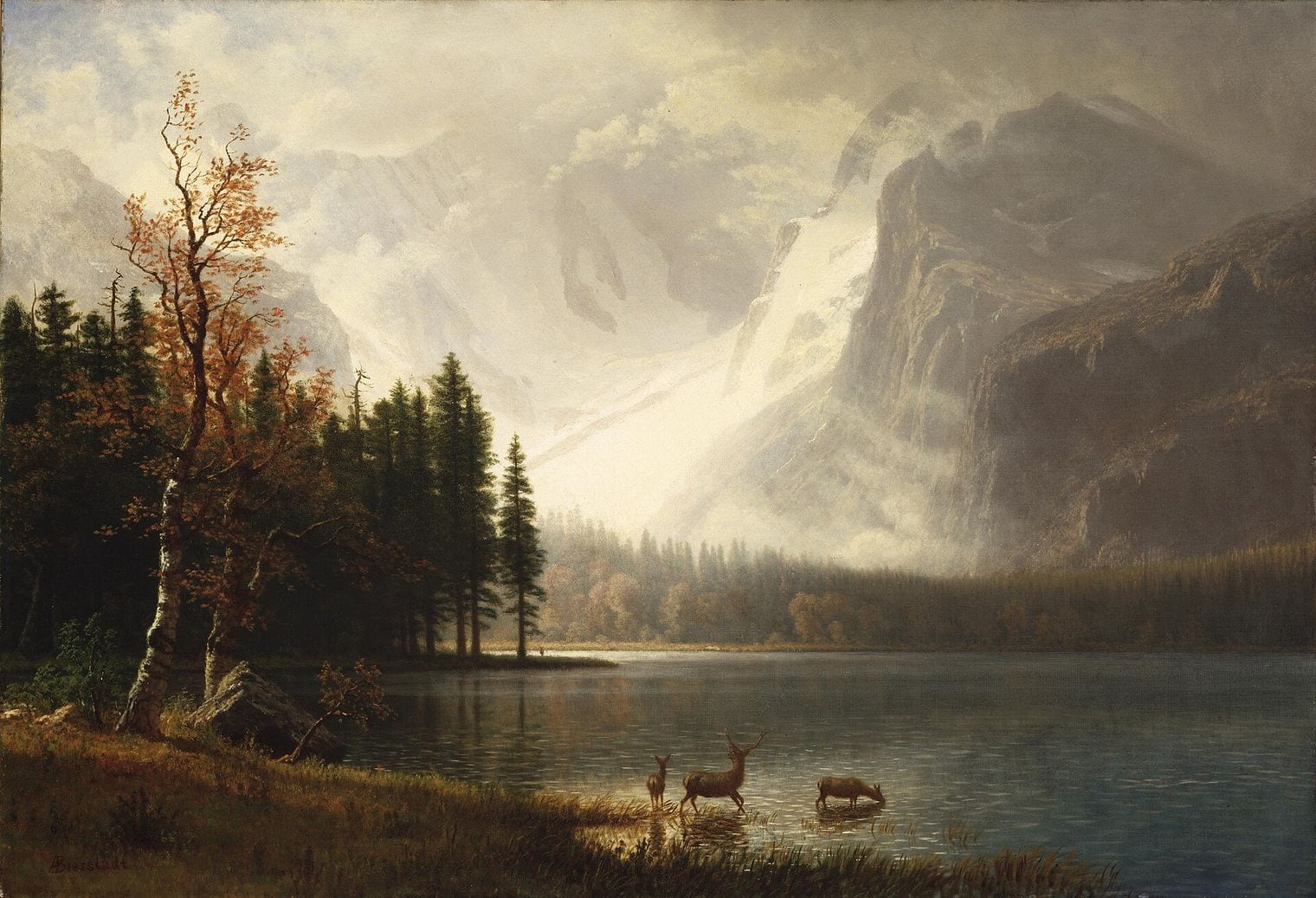
Bear Lake is one of the most popular destinations in Rocky Mountain National Park, a subalpine lake ringed by forest and backed by dramatic peaks, reached by a scenic park road.
An easy half-mile loop circles the lake, and several classic hikes to Nymph, Dream, and Emerald lakes start from the same trailhead. Parking fills early, so many visitors use the park's shuttle system.
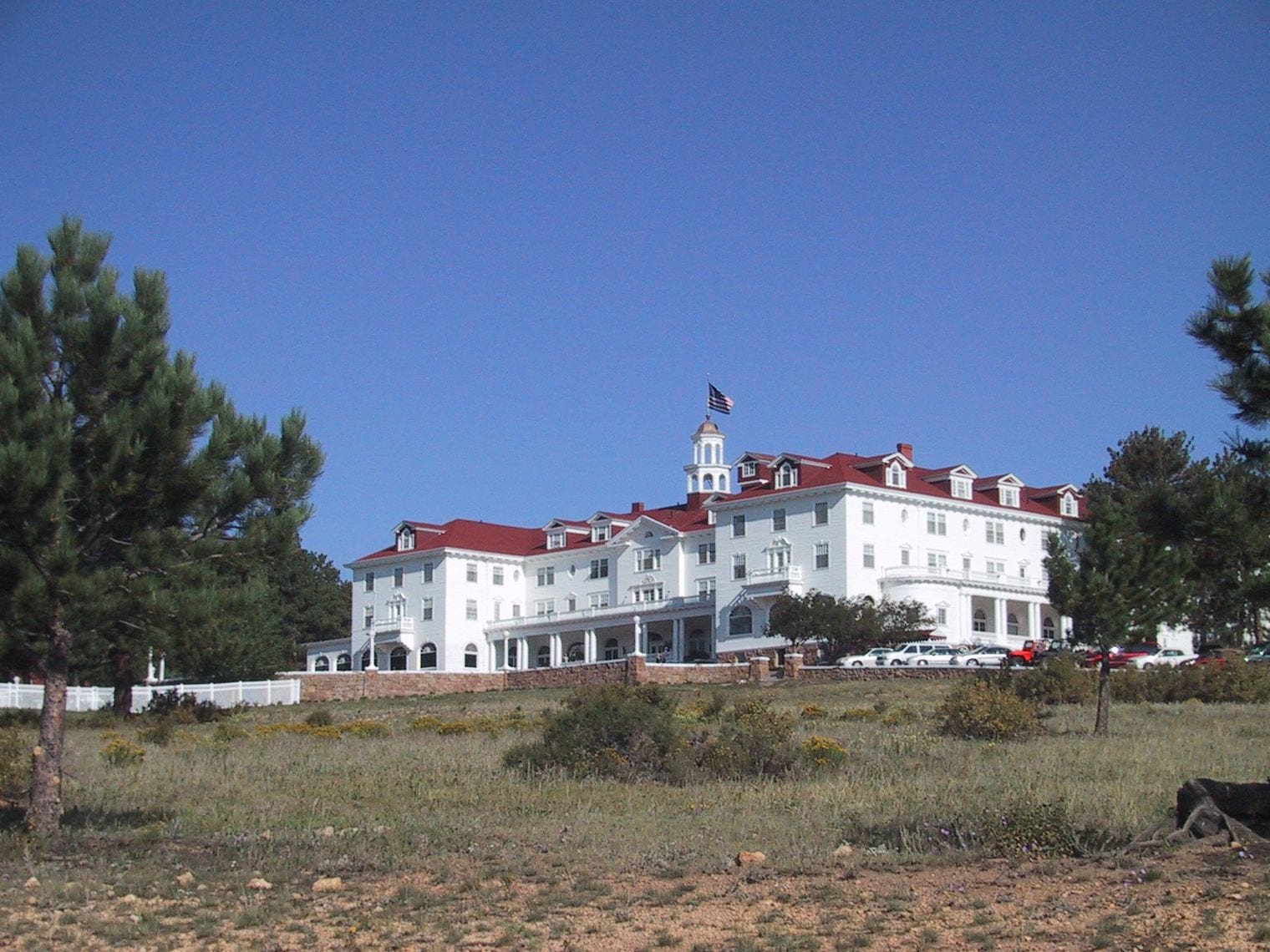
Opened in 1909, the grand white Stanley Hotel overlooks Estes Park from a hillside and is famous for inspiring Stephen King's novel The Shining after he stayed there.
Visitors can tour the historic building, learn about its reputed hauntings, or simply enjoy a drink with a view of the mountains. Its striking Georgian architecture makes it one of the town's landmarks.
Downtown Estes Park centers on Elkhorn Avenue and a pleasant Riverwalk that follows the Big Thompson River past shops, galleries, and restaurants.
The walkable district is known for taffy and fudge shops, outdoor gear stores, and patios overlooking the water, making it an easy place to spend an afternoon between mountain outings.
Estes Park is renowned for its elk, which descend into town and nearby meadows each fall during the rut, when bulls bugle and gather harems of cows.
The annual Elk Fest celebrates the season, and visitors regularly see herds grazing on the golf course, in meadows, and even on downtown lawns. Keeping a safe distance is essential, as the animals are wild and can be aggressive.
Starting from the Bear Lake trailhead, the hike to Emerald Lake is one of the park's most beloved, passing Nymph and Dream lakes on a roughly 3.6-mile round trip beneath towering peaks.
The trail gains modest elevation and rewards hikers with a string of alpine lakes, each more dramatic than the last, set against the cliffs of Hallett Peak and Flattop Mountain.
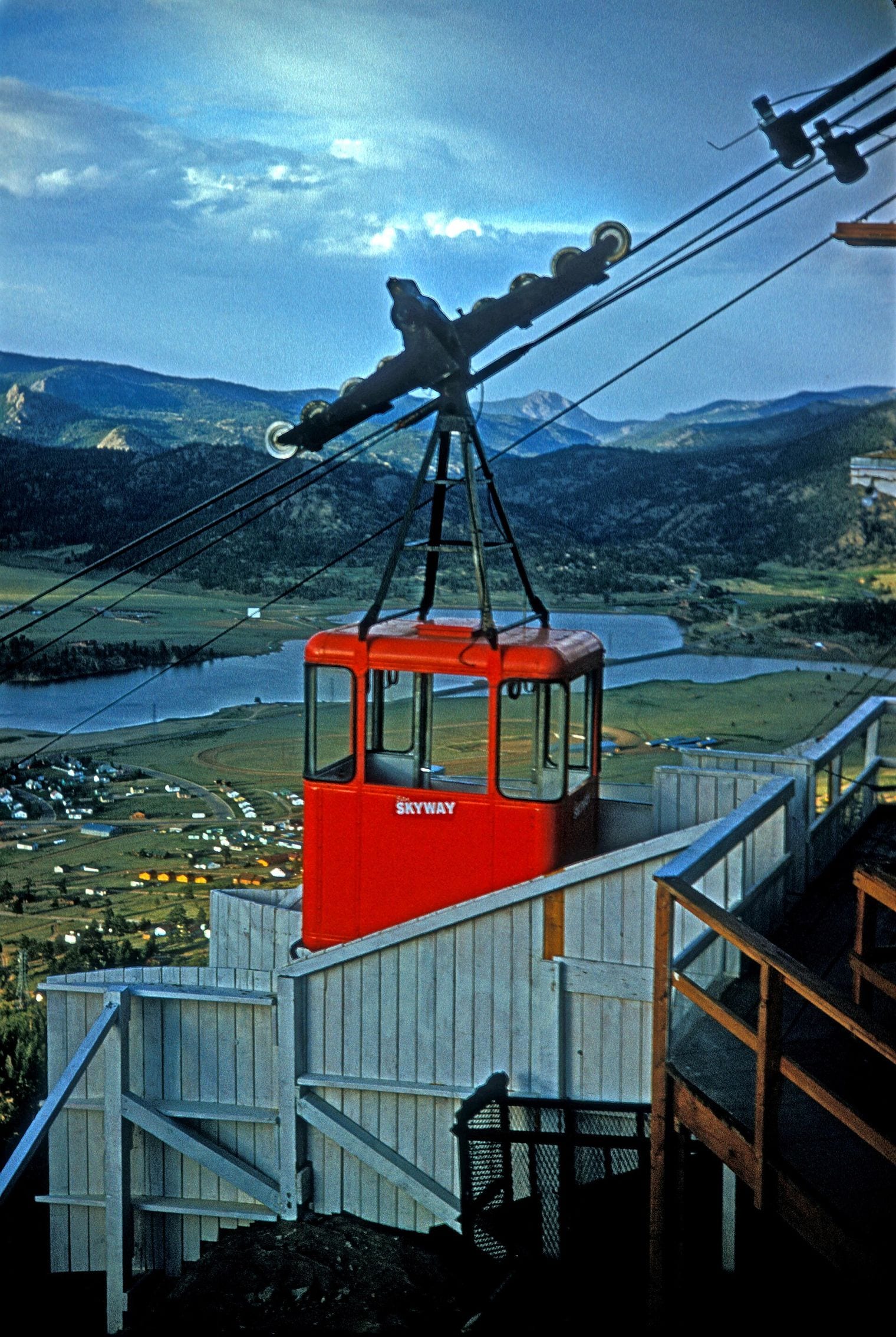
The Estes Park Aerial Tramway carries riders in small cable cars from the edge of downtown to the top of Prospect Mountain for panoramic views of the town, the valley, and the surrounding peaks.
At the summit there are short walking paths, a snack bar, and resident chipmunks, making it a quick and family-friendly way to get a high vantage point without a strenuous hike.
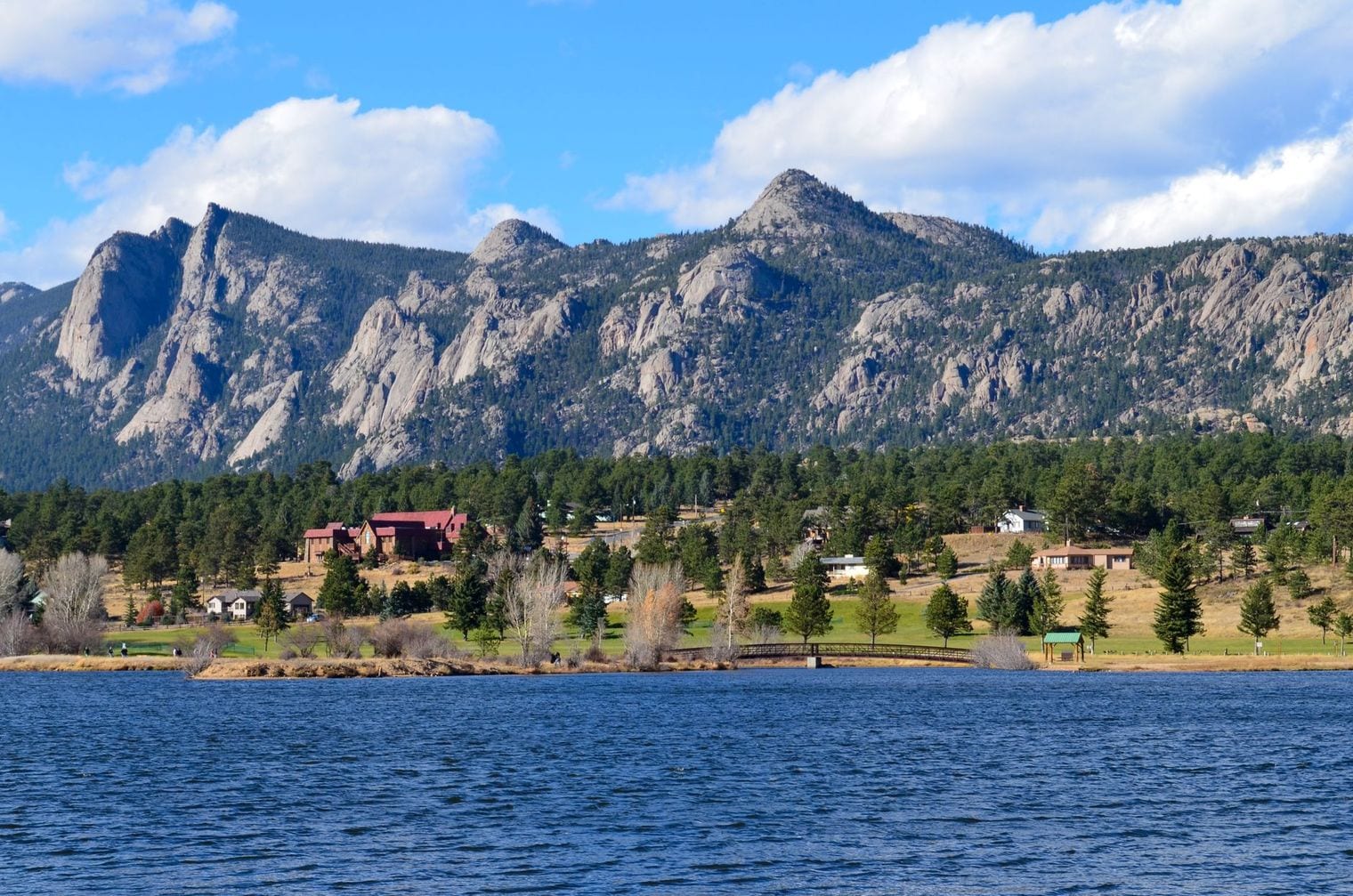
Just east of downtown, Lake Estes is a reservoir circled by a paved 3.75-mile trail popular with walkers, cyclists, and anglers, with mountain views in every direction.
The lake offers boat and paddle rentals in summer, a marina, and frequent wildlife sightings along the shoreline, providing an easy, low-elevation outing close to town.
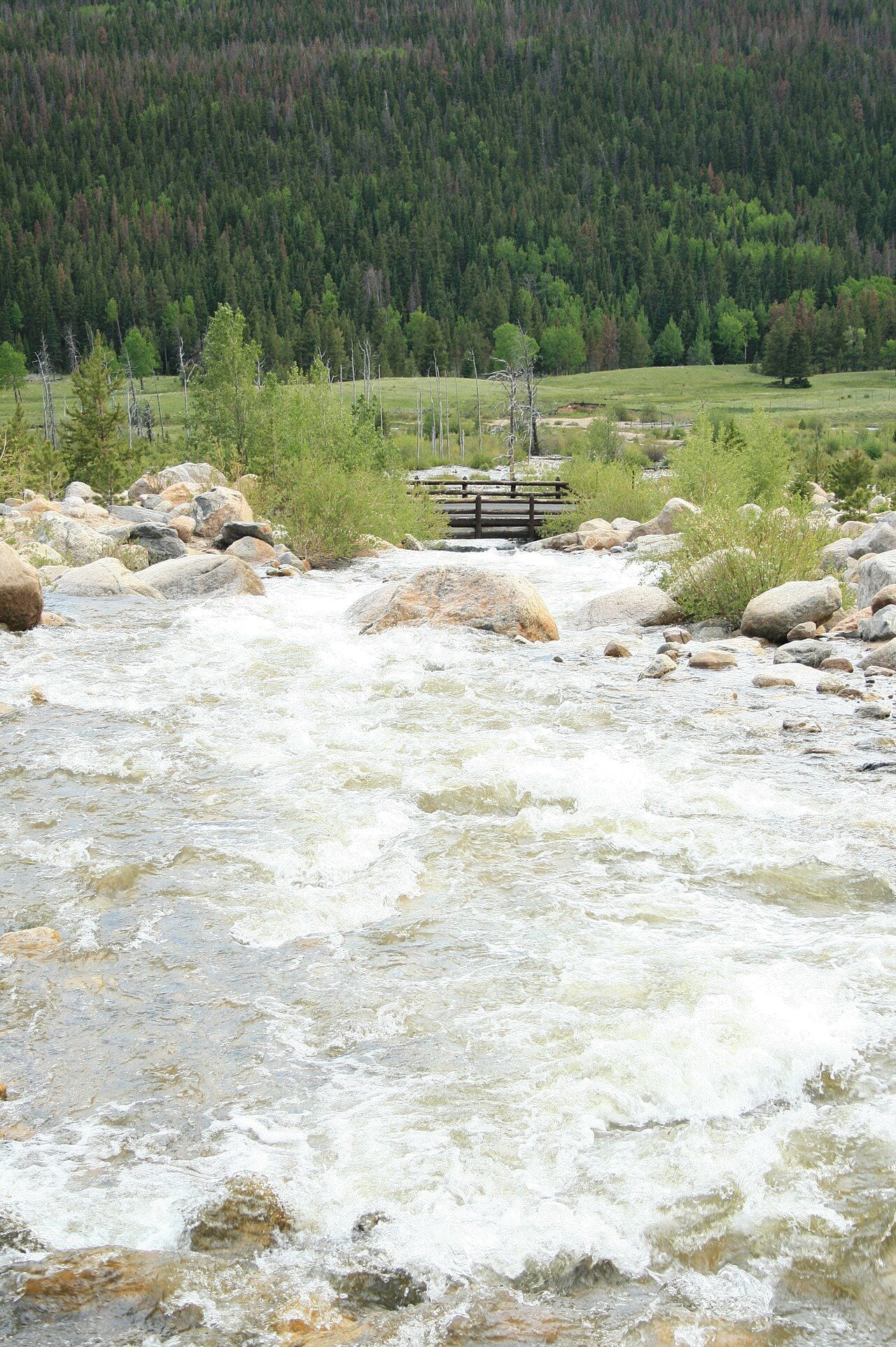
The Alluvial Fan in Rocky Mountain National Park is a spread of boulders and cascading water left by a dramatic 1982 dam failure and flood, now an accessible and scenic stop.
A short, partly accessible trail leads to the rushing water among the rocks, and the area is a good spot to take in the power of the landscape without a long hike.
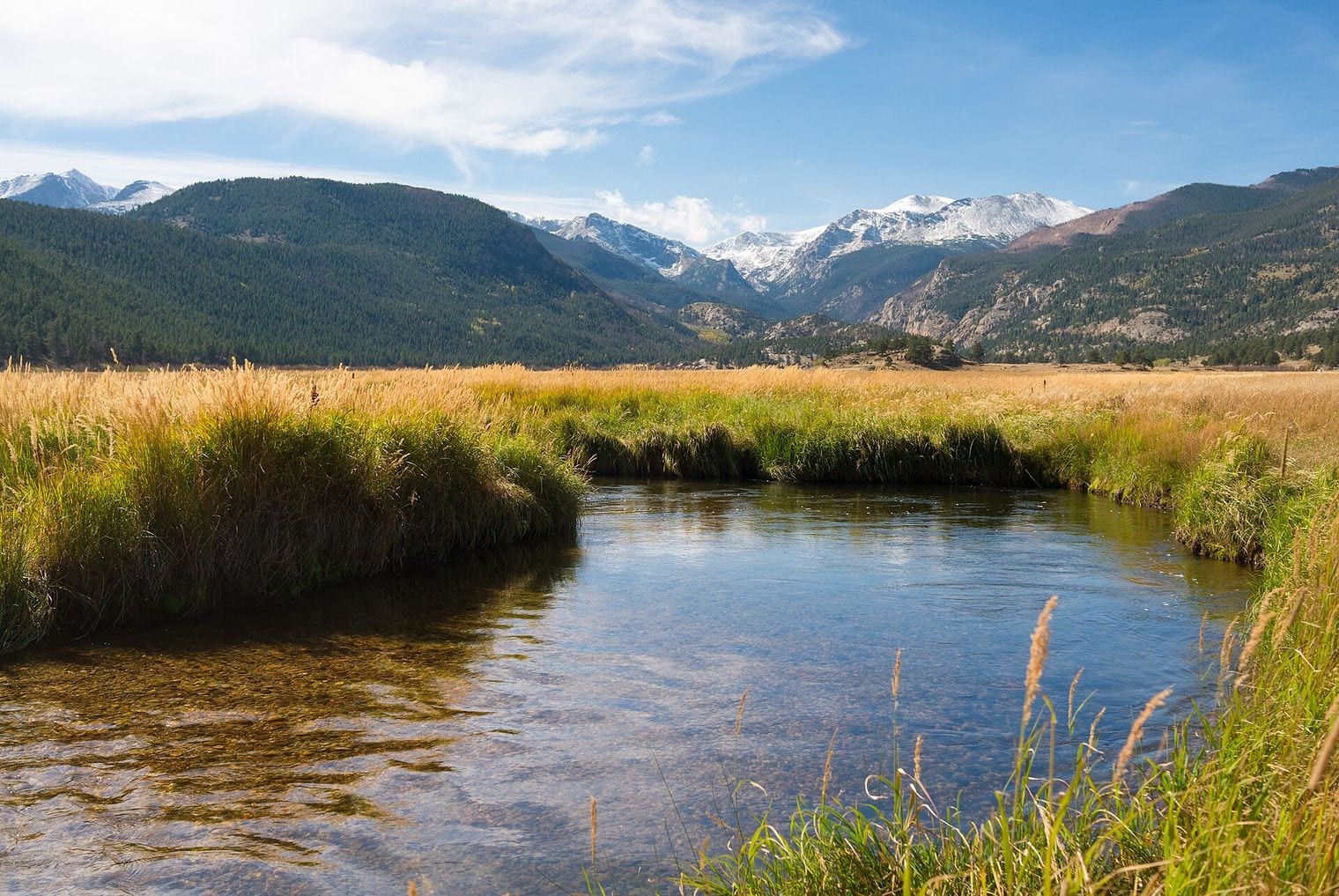
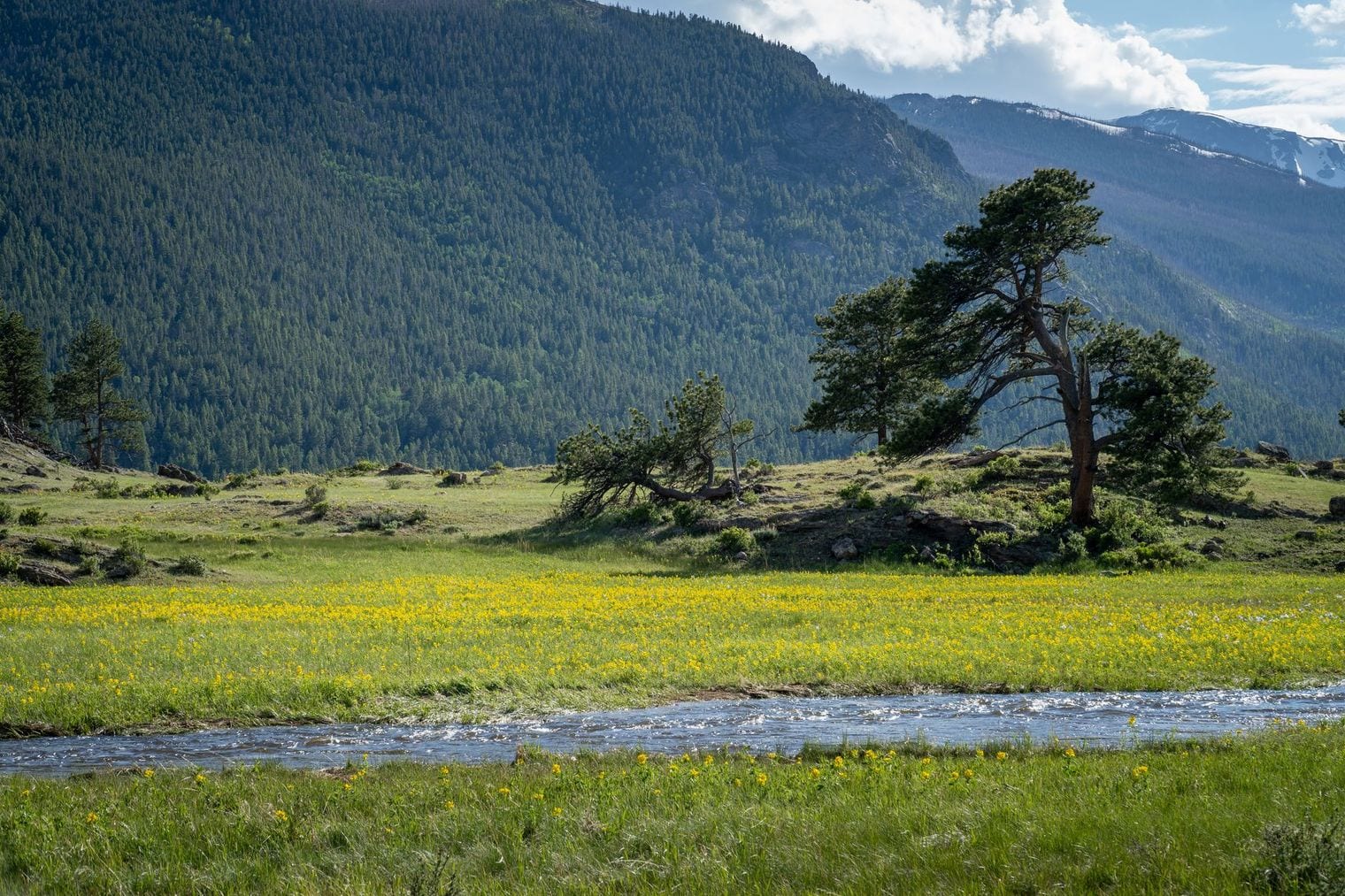
Moraine Park is a broad, grassy valley within the national park, formed by ancient glaciers and known as one of the best places to see elk grazing, especially at dawn and dusk.
The area has a discovery center, several trailheads, and a campground, and its open meadows ringed by peaks make it a quintessential Rocky Mountain landscape.
Old Fall River Road is a narrow, mostly gravel one-way route that was the park's first auto road to the high country, climbing through forest and switchbacks to the Alpine Visitor Center.
The slow, scenic drive offers a more intimate alternative to Trail Ridge Road and a sense of how early visitors reached the alpine zone. It is open seasonally and unsuitable for large vehicles.
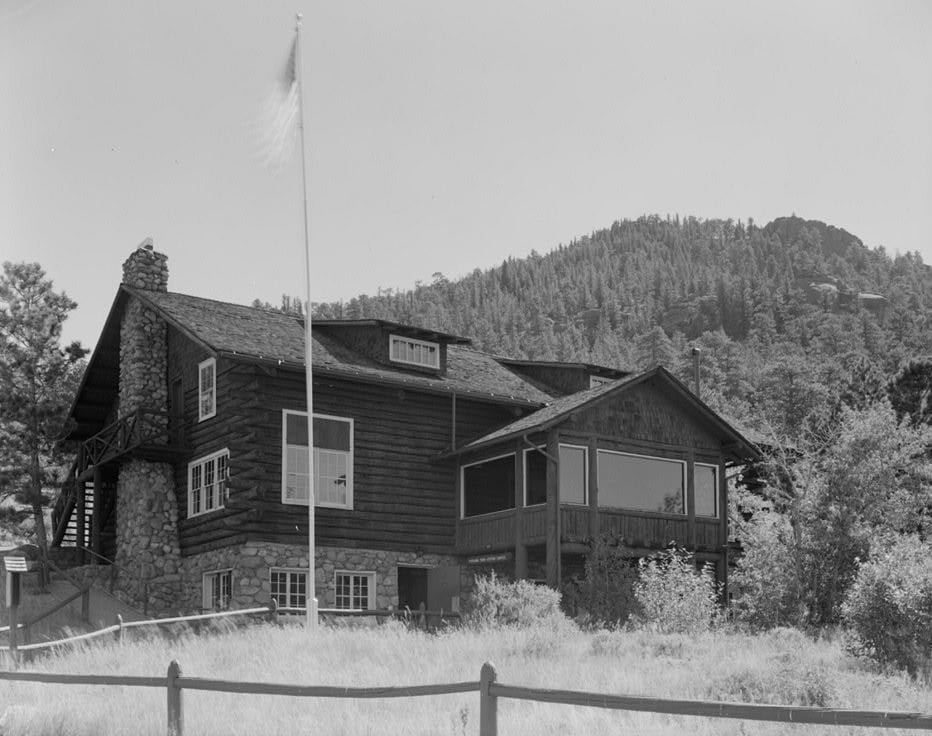
The Estes Park Museum tells the story of the town and its surroundings, from early homesteaders and the founding of Rocky Mountain National Park to the development of mountain tourism.
Exhibits include historic structures and artifacts, and admission is free, making it a worthwhile and low-key stop for understanding the region's history.
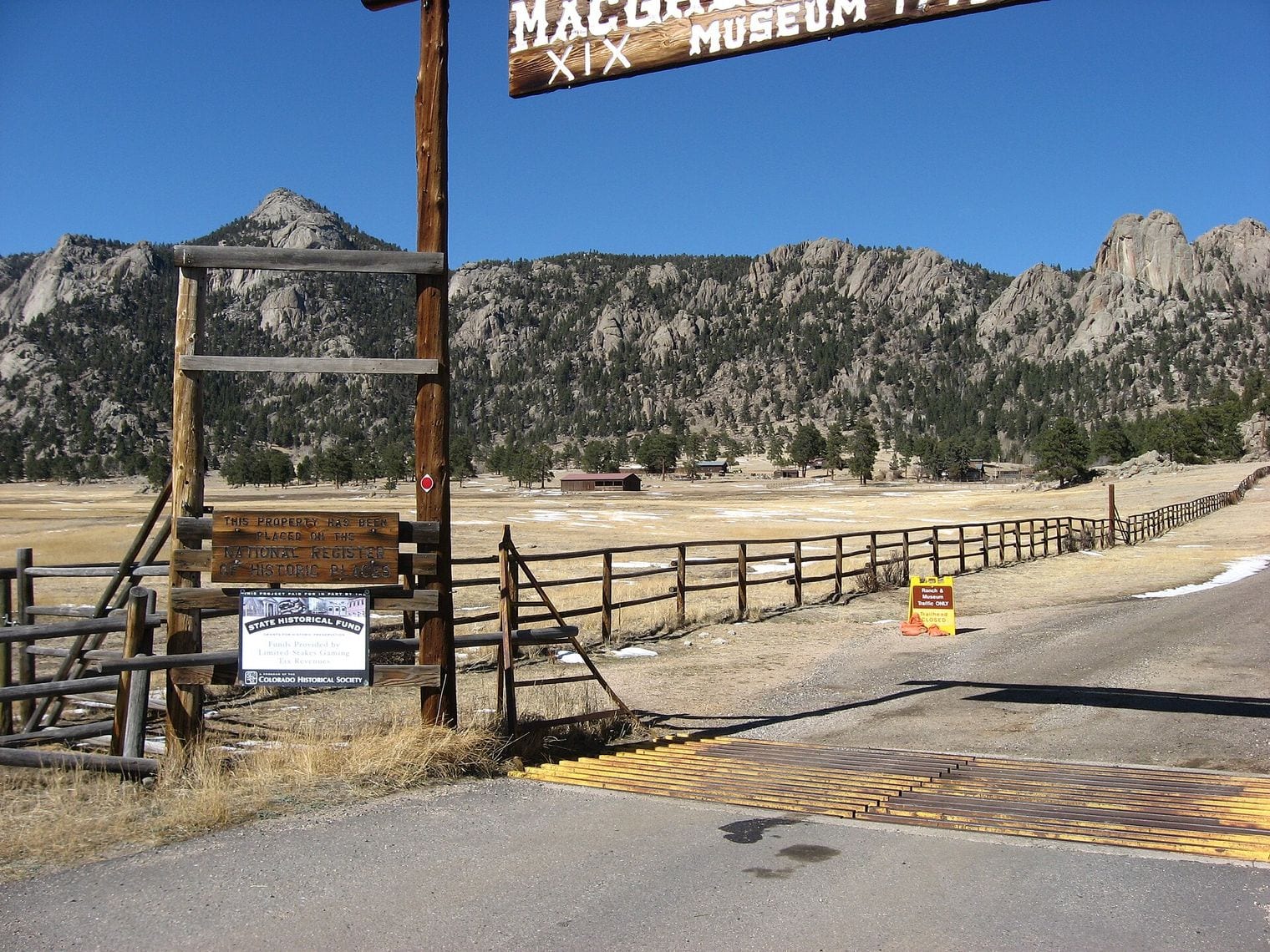
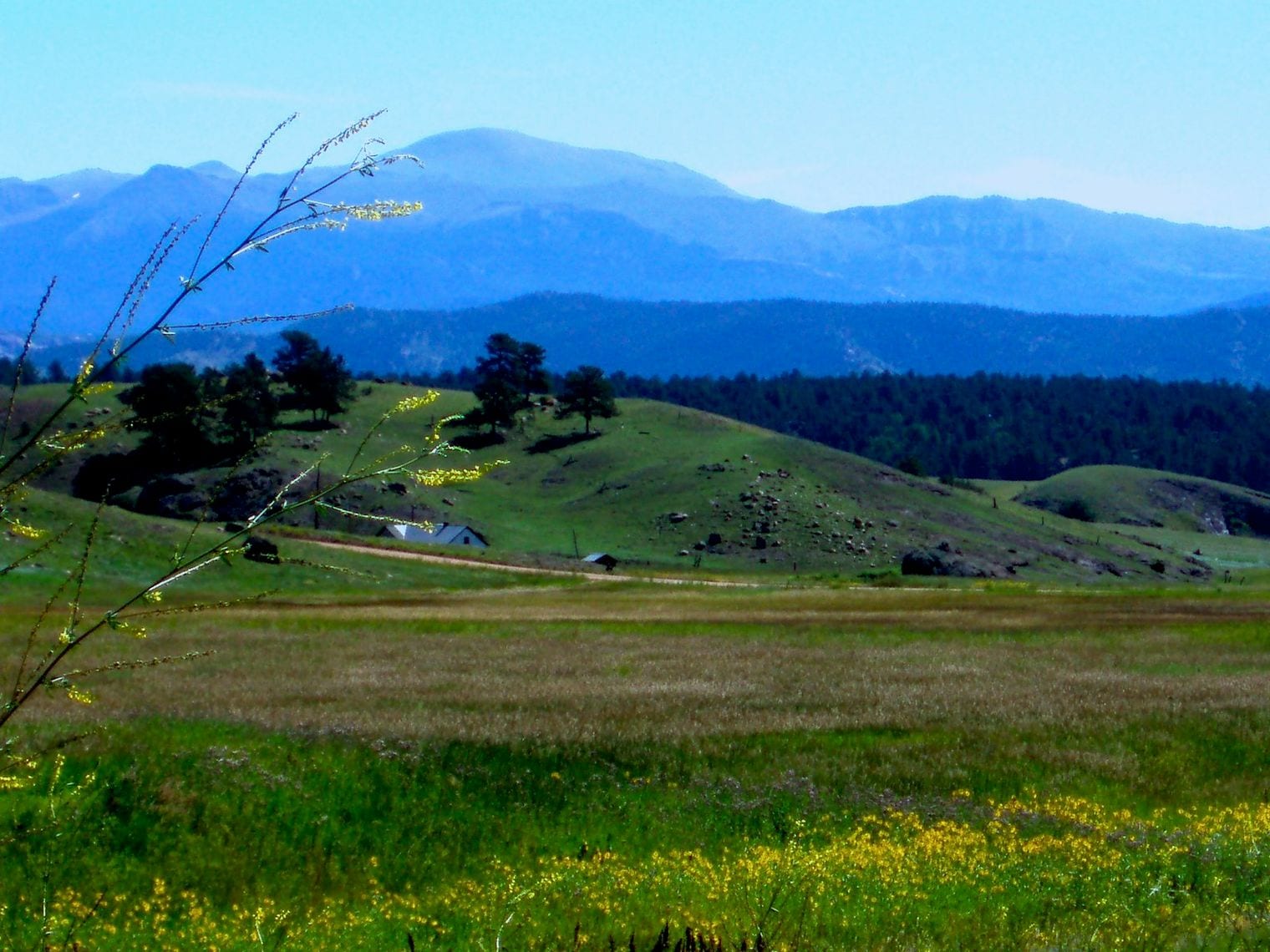
Just outside town, MacGregor Ranch is a preserved 19th-century working cattle ranch and museum set beneath the dramatic backdrop of Lumpy Ridge and Longs Peak.
Visitors can tour the historic ranch house and grounds in summer, gaining a glimpse of pioneer mountain life, while the surrounding open space is a trailhead for popular hikes.
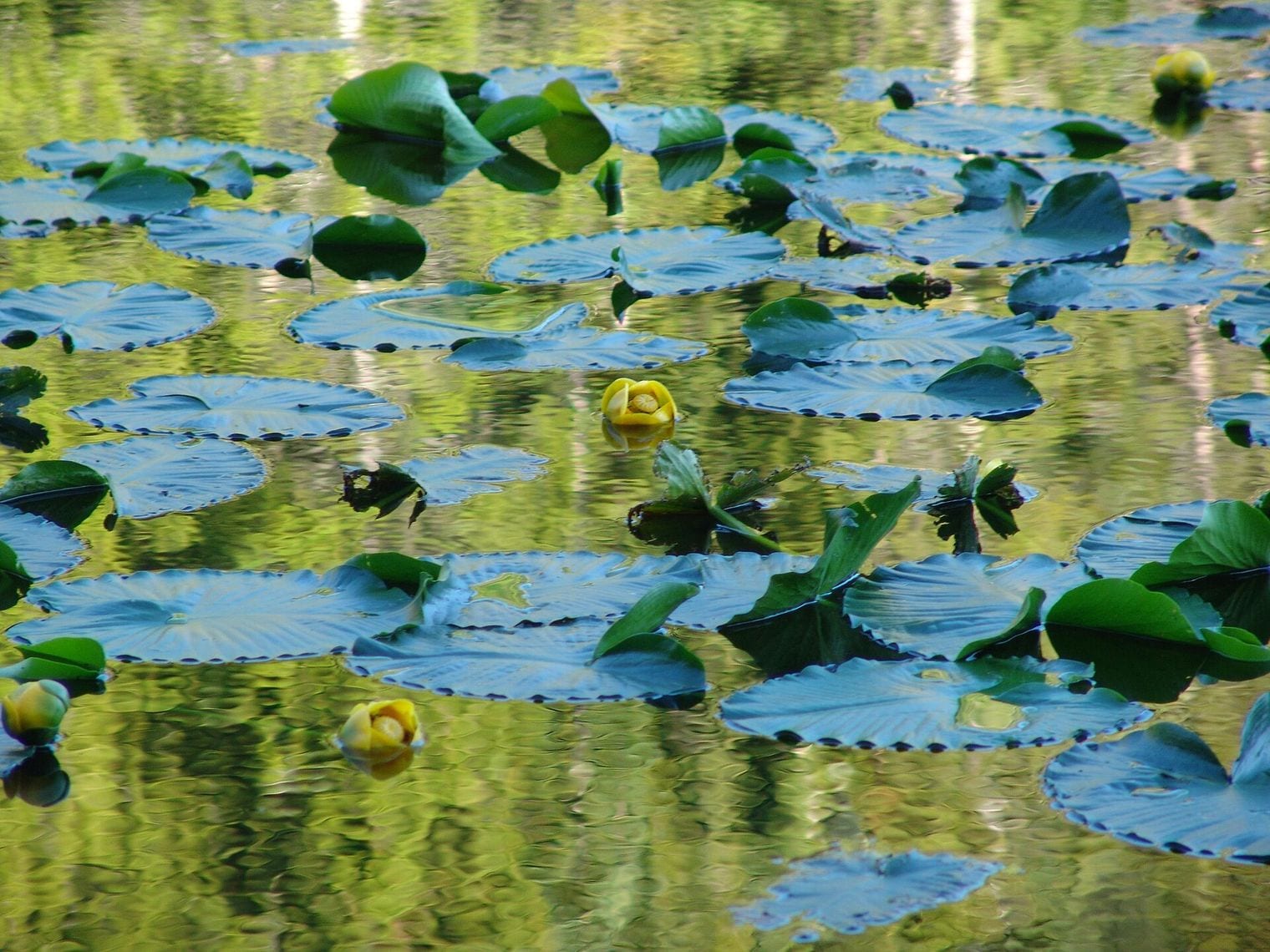
Lily Lake, on the highway south of Estes Park, is a small, picturesque lake with an easy, mostly flat loop trail of under a mile that is accessible to most visitors.
Framed by Longs Peak and surrounded by wildflowers in summer, it is an excellent low-effort spot for families, photographers, and anyone wanting a quick taste of the high country.
At 14,259 feet, Longs Peak is the highest mountain in Rocky Mountain National Park and a dominant presence on the skyline around Estes Park. Its flat summit is a coveted but serious objective.
Reaching the top is a strenuous, exposed climb best left to experienced and well-prepared hikers, but the lower trails and the views of the peak from town are rewarding for everyone.
As a major trailhead town, Estes Park is well stocked with outdoor outfitters offering rentals, guided trips, and gear for hiking, climbing, and fishing.
Local shops can arrange everything from guided rock-climbing on Lumpy Ridge to fly-fishing on the Big Thompson, making the town a practical base for active visitors.
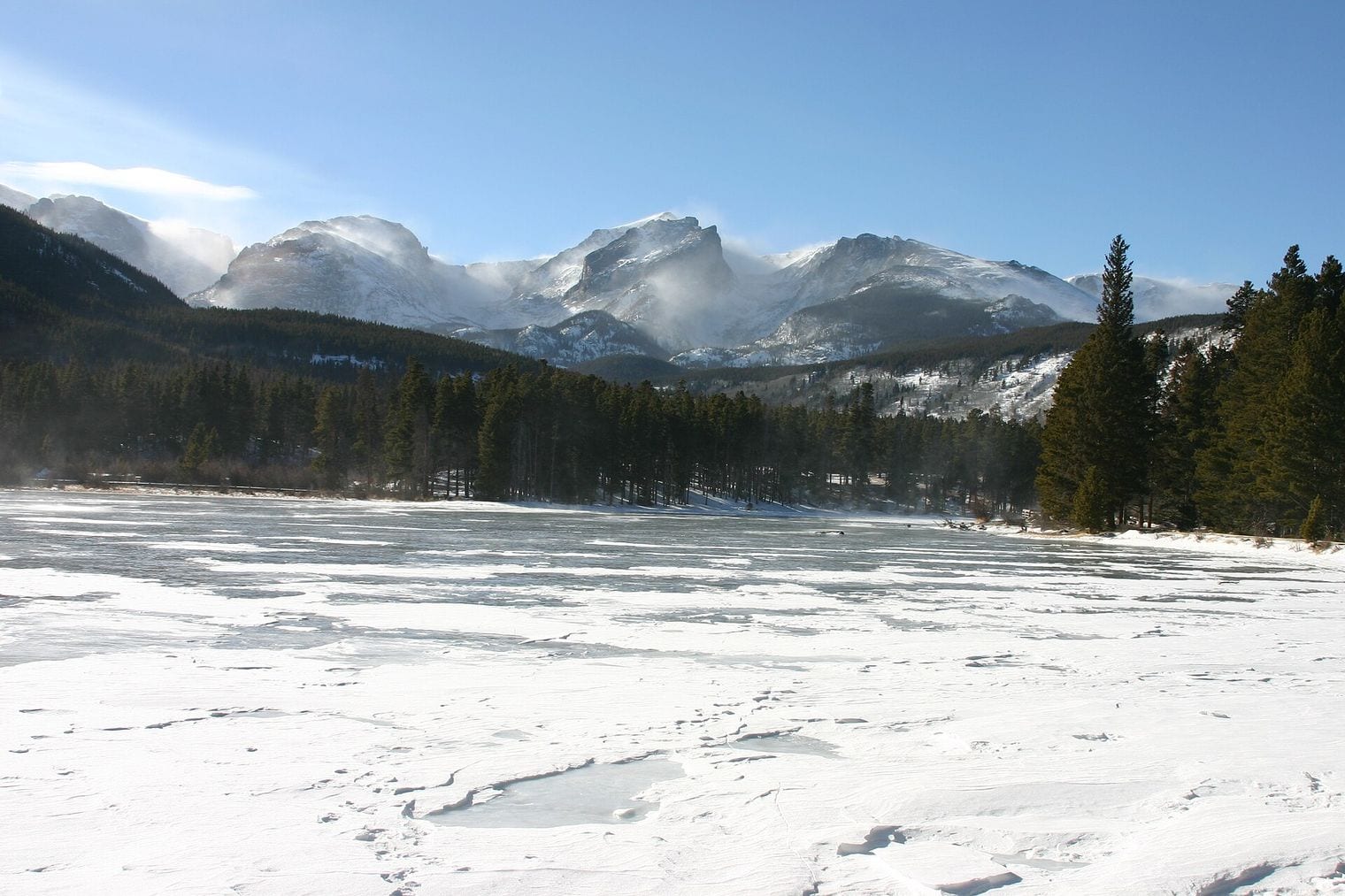
Sprague Lake is a tranquil, easily accessed lake in the national park with a flat half-mile loop and outstanding reflections of the Continental Divide on calm mornings.
The accessible trail and picnic areas make it a favorite for families and photographers, and it is one of the easier places in the park to enjoy a classic mountain-and-water scene.
On the western edge of downtown, Performance Park is an outdoor amphitheater set against a rock cliff, hosting summer concerts and events beside the Big Thompson River.
Even outside of events, the park and its riverside setting offer a pleasant place to relax, and it marks the transition from town toward the national park entrance.
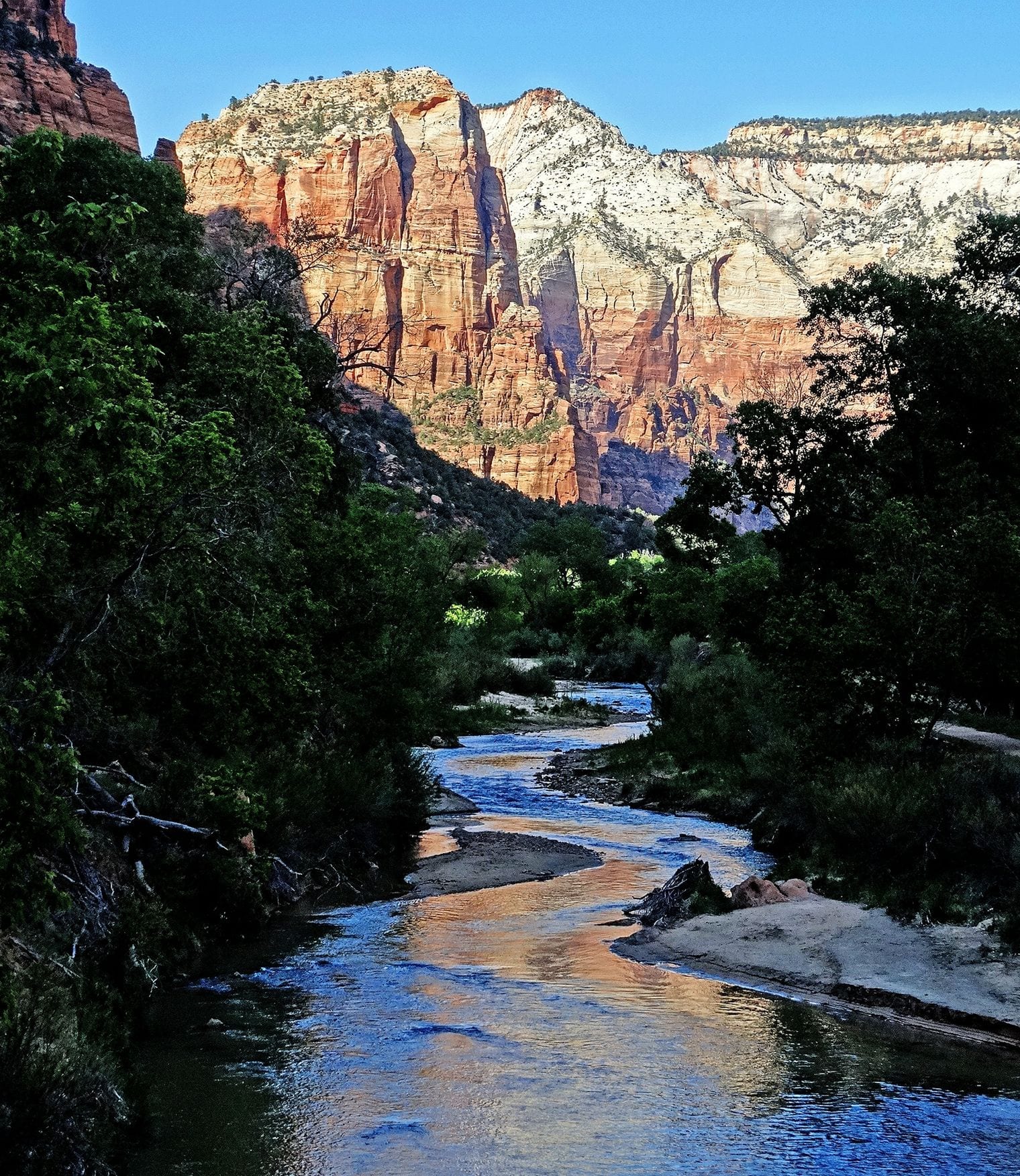
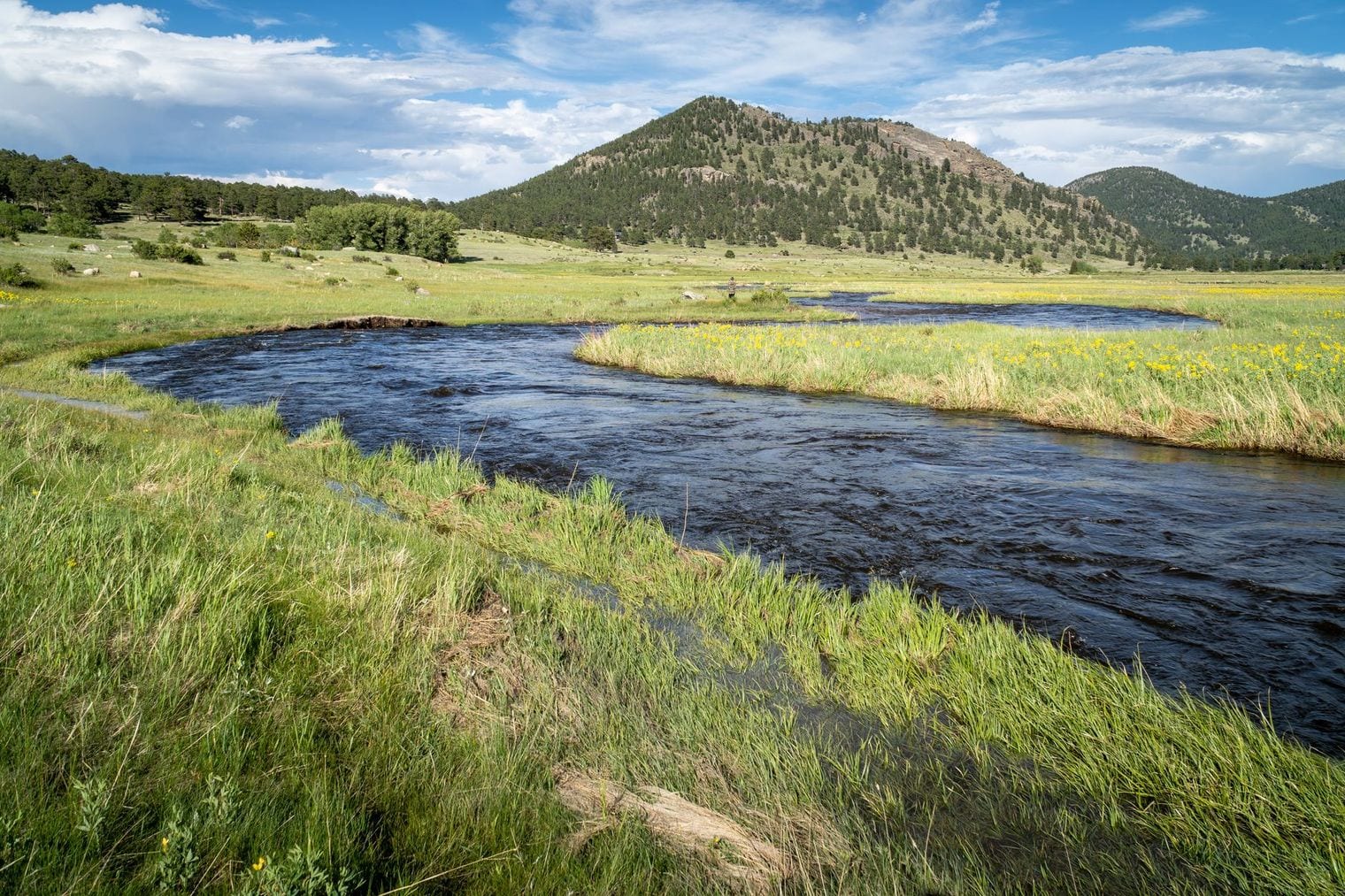
The Big Thompson River runs through Estes Park and its canyon, offering accessible trout fishing both in town and in the more secluded stretches downstream.
Guided trips and local fly shops help visitors find productive water, and the combination of scenery and accessible angling makes the river a draw for anglers of all levels.
The Estes Valley's historic 18-hole golf course is one of the oldest in Colorado and is set amid meadows where elk frequently wander onto the fairways.
Playing a round here means mountain views on every hole and a real chance of sharing the course with wildlife, an experience that is distinctly Estes Park.
The drive between Estes Park and Loveland through Big Thompson Canyon follows the river between steep rock walls and is a scenic route in its own right.
The winding canyon road offers pullouts, fishing access, and dramatic geology, and it is a reminder of the powerful floods that have shaped this corridor over the years.
23. Wildflowers and Tundra at Alpine Visitor Center
Perched above 11,700 feet on Trail Ridge Road, the Alpine Visitor Center is one of the highest visitor centers in the National Park System, surrounded by fragile alpine tundra.
Short paths and a steep stairway lead to overlooks where, in summer, tiny tundra wildflowers bloom against a backdrop of snowfields and distant peaks.
Estes Park hosts lively seasonal events, including the Scottish-Irish Highland Festival each fall and the autumn Elk Fest celebrating the rut.
These gatherings bring music, food, and crowds to town, and timing a visit around one of them adds a festive, community feel to a Rocky Mountain getaway.
Several stables in and around Estes Park offer guided horseback rides ranging from short outings to half-day trips into the national park and surrounding national forest.
Riding through meadows and forest is a classic way to experience the high country at a relaxed pace, and outfitters cater to beginners as well as experienced riders.
Best Time to Visit Estes Park
Summer, from June through August, is the peak season in Estes Park, and for good reason. This is when Trail Ridge Road and the high-elevation trails inside Rocky Mountain National Park are fully open, wildflowers color the alpine meadows, and every corner of town hums with activity. It is also the busiest and most crowded stretch of the year, so plan ahead: the national park runs a timed-entry reservation system during the busy months, and popular corridors like Bear Lake fill early. At this altitude the sun is intense and the air is thin, so pace yourself, hydrate, and keep an eye on the sky, because afternoon thunderstorms roll in quickly over the peaks and are best avoided on exposed high ground.
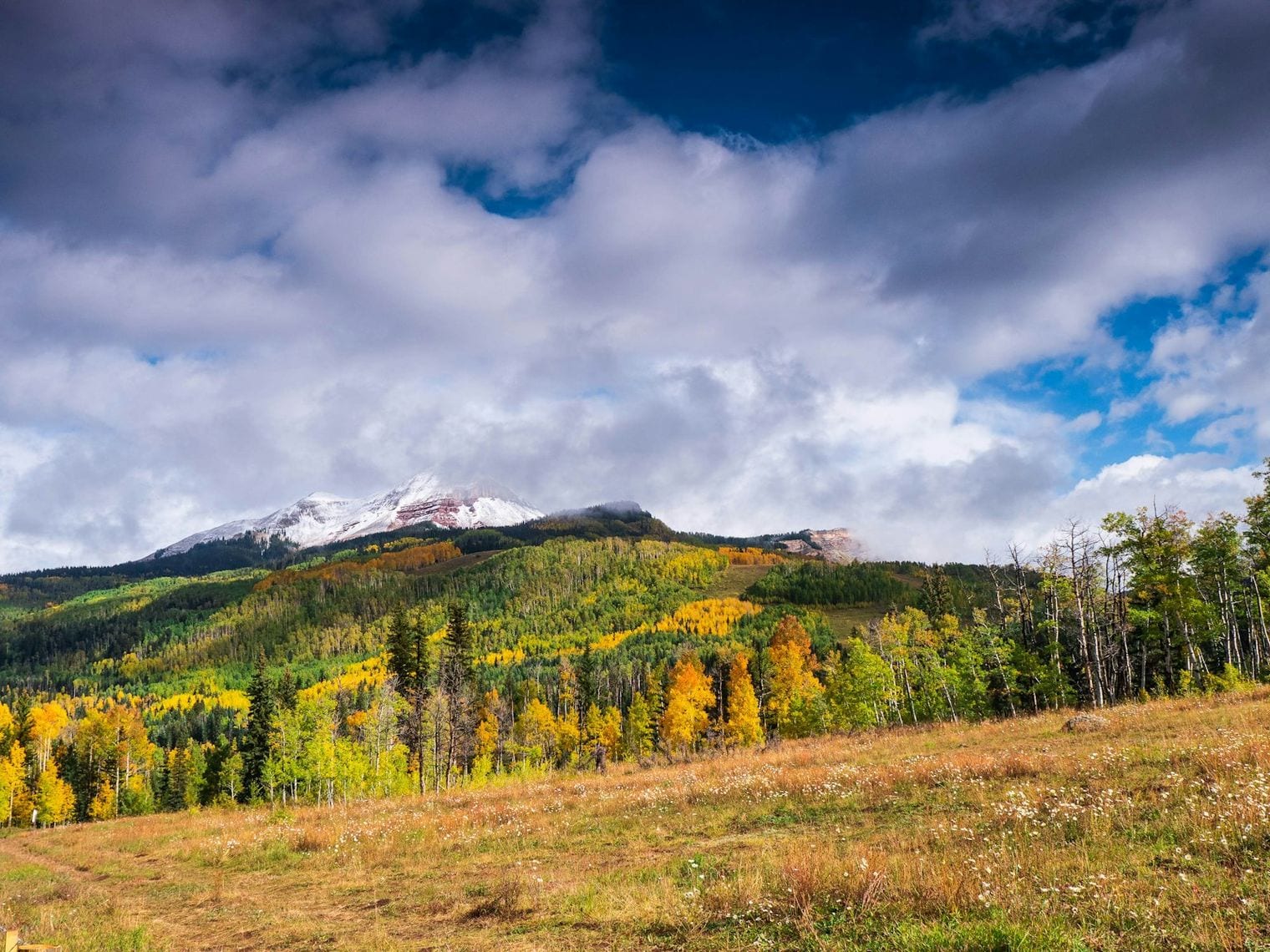
Fall, across September and October, is a favorite for many visitors, when the elk rut brings bugling bulls down into the valleys and the aspens turn the hillsides gold. The weather is crisp, the crowds thin from their summer high, and the light is beautiful, though Trail Ridge Road can begin closing with early snow. Winter is quiet and cold, with deep snow shutting Trail Ridge Road and drawing a smaller, hardier crowd to a peaceful, wintry town. Spring is a true shoulder season, a mix of lingering snow up high and warming days below, when many high routes have yet to open but the valleys begin to green and the town settles into a slower, gentler rhythm.
Getting to Estes Park
Estes Park has no airport of its own, so nearly every trip begins at Denver International Airport (DEN), roughly 75 to 80 miles and about 90 minutes to the southeast. From the terminal you pick up a rental car and drive north and west into the foothills, climbing steadily as the plains give way to the mountains and the town's 7,522-foot setting. A car is essential once you arrive, both for the drive up and for reaching Rocky Mountain National Park, whose main eastern entrance sits just outside town.
Two main routes carry you up from the Front Range. US-36 runs through Lyons and offers the more direct climb, while the scenic US-34 threads through Loveland and up the Big Thompson Canyon, following the river between steep canyon walls right into downtown. Either way, plan to arrive with daylight to spare; the mountain roads reward an unhurried pace, and pulling into Estes Park along the Big Thompson is a fitting introduction to the high country. Summer and fall bring the best conditions, though drivers should stay alert for afternoon thunderstorms in the warmer months and snow at higher elevations once the season turns.
Getting Around Estes Park
Downtown Estes Park is easy to explore on foot. Elkhorn Avenue, the town's main street, is lined with shops and eateries, and the adjoining Riverwalk traces the Big Thompson River, giving you a walkable loop through the heart of town without ever getting behind the wheel. For everything beyond the compact center, though, a car is essential. The region's marquee attractions, from Rocky Mountain National Park to Lake Estes and the scenic drives out through the Big Thompson Canyon, are spread across mountain terrain that isn't practical to reach on foot, and there is no airport in town, so most visitors drive in from the Front Range and keep their vehicle for the duration.
Once you reach Rocky Mountain National Park, plan around its access systems. During the busy summer and fall seasons, the park uses a timed-entry reservation system, so it pays to sort out your entry ahead of your visit rather than turning up unannounced. Inside the park, a free shuttle serves the popular Bear Lake corridor, which helps when trailhead parking fills early in the day; leaving your car at a park-and-ride and hopping the shuttle is often the smoother way to reach Bear Lake and the surrounding trails. In town, a seasonal shuttle also runs during the peak months, linking downtown, lodging areas, and park connection points, making it possible to leave the car parked and still get around comfortably when Estes Park is at its busiest.
Where to Stay in Estes Park
Estes Park is the main base for exploring Rocky Mountain National Park, and where you settle in town shapes the rhythm of your days. Staying downtown near Elkhorn Avenue and the Riverwalk puts you within walking distance of the shops, galleries, and restaurants, with the Big Thompson River threading right through the heart of it; it is the easiest choice if you want to leave the car parked and wander in the evenings. Just beyond the core, the areas strung along the Big Thompson River and Fall River trade some of that walkability for a quieter, water's-edge setting, while still keeping you a short drive from the park's eastern entrances and the Bear Lake corridor.
For the biggest views, look to the hillsides that ring the valley, where the terrain climbs and opens up toward the surrounding peaks and the national park beyond. Because Estes Park sits at roughly 7,500 feet and functions as the gateway to Rocky Mountain National Park, almost anywhere in and around town works well as a launch point for Trail Ridge Road, the high trails, and autumn elk viewing. In summer and fall, when the park is busiest, staying closer to downtown or the river corridors can save you time getting to trailheads early, before the crowds and the afternoon mountain thunderstorms roll in.
Where to Eat in Estes Park
The heart of the dining scene is the downtown core along Elkhorn Avenue and the Riverwalk, where casual mountain-town fare rules and most everything sits within an easy stroll of the Big Thompson River. Expect the kind of hearty, unfussy cooking that suits a day spent at altitude, along with a handful of brewpubs pouring local craft beer. Several spots take advantage of the setting with riverside patios, so you can eat outdoors with the water running past and the surrounding peaks in view.
Downtown is also famous for its candy shops, and no visit feels complete without a stop for the hand-pulled saltwater taffy and fresh fudge that have been an Estes Park tradition for generations. Beyond the Elkhorn Avenue strip you'll find a scattering of more low-key eateries and coffee stops, but the compact, walkable downtown is where most visitors settle in between trips into Rocky Mountain National Park.
One Day in Estes Park
Estes Park rewards an early start and a loose plan: catch the alpine light while the trails are quiet, drift back into town as the day warms, and end with the mountains glowing behind Main Street.
Morning: Beat the crowds to the high country while the air is still cool and the water is glass-still. Start at Bear Lake, where the half-mile loop hands you a full sweep of the surrounding peaks before you’ve even broken a sweat — then, with the trailhead already at your feet, push on up the Emerald Lake Trail, a steady climb past Nymph and Dream lakes that stacks three tarns into one unforgettable stretch. If you’d rather trade the climb for a stroller-and-sunrise moment, the flat lap around Sprague Lake just down the road delivers the same reflected skyline with almost no effort.
Afternoon: Roll back down toward town and shift gears from wilderness to history. Point the car at The Stanley Hotel, the grand white Georgian pile that inspired Stephen King — worth the visit for the porch view alone — then wander the working hay meadows and preserved homestead of MacGregor Ranch nearby for a sense of what the valley looked like before the tourists. Cap the afternoon by riding the Aerial Tramway up the shoulder of Prospect Mountain, where the whole basin, town and reservoir and jagged skyline spreads out below you.
Evening: Come back down to earth along the Estes Park Riverwalk and Downtown, following the Big Thompson past taffy shops, patios and galleries until it’s time to eat. If there’s music in the air, drift over to the open-air stage at Performance Park, and keep one eye on the meadows as you go — the herds that make Elk Viewing in Autumn so famous often wander straight into town at dusk, bugling between the storefronts. With a second day, save it for the big one: the climb up Trail Ridge Road deep into Rocky Mountain National Park is a full outing of its own, cresting above the tree line onto the alpine tundra.
Free Things to Do in Estes Park
Some of the most memorable ways to spend time in Estes Park cost nothing at all. The heart of town is the Estes Park Riverwalk, a paved path that follows the Big Thompson River past Elkhorn Avenue, where you can stroll the length of downtown, cross the footbridges, and settle onto a riverside bench without spending a dime. A few steps off the main drag, the Estes Park Museum is free to visit and lays out the town's history as a mountain gateway, a good rainy-afternoon stop. Down at Lake Estes, a level paved trail loops the shoreline with wide-open views back toward the peaks, making an easy walk or bike ride for any age. For a shady picnic and the sound of moving water, Performance Park sits along the river at the edge of downtown and asks nothing to enjoy.
Wildlife watching here is the great free attraction. In the meadows around town and along the lake, elk graze freely, and in the autumn rut you can hear the bulls bugling from the roadside without ever paying a fee. If you'd rather stay in the car, the scenic drive through the Big Thompson Canyon along US-34 toward Loveland threads between towering rock walls and the river for miles at no cost. One honest note: Rocky Mountain National Park charges an entrance fee and, in the busy season, requires a timed-entry reservation, so it isn't a free outing, but the town's riverwalk, museum, lakeside trails, and roadside elk make it easy to fill a day without opening your wallet.
Day Trips from Estes Park
Day trips from Estes Park fan out along Colorado's Front Range and over the mountains, and a car makes all of them easy. Head southeast for about an hour and you reach Boulder, a lively college town at the foot of the Flatirons with its own pedestrian mall and trail network. Continue another half hour or so and you arrive in Denver, roughly an hour and a half away, where the state capital trades alpine scenery for museums, sports, and a dense downtown; both cities also sit on the road back to Denver International Airport. Closer to home, the neighboring towns of Loveland and Fort Collins lie just down the Big Thompson Canyon and up the interstate, offering riverside art, breweries, and an easygoing plains-meets-mountains pace when you want a break from high altitude.
For a very different kind of trip, drive west over Trail Ridge Road in summer to Grand Lake, the park's quieter western gateway. The route climbs across the tundra above 12,000 feet before descending to the largest natural lake in Colorado, where boating and a rustic boardwalk downtown wait on the far side of Rocky Mountain National Park. Because Trail Ridge Road closes with the first heavy snows, this loop is a seasonal treat best saved for the warm months, and it pairs naturally with an early start to beat the afternoon thunderstorms that build over the divide.
FAQ: Visiting Estes Park, Colorado
What is Estes Park known for?
Estes Park is a mountain gateway town in Colorado best known as the main eastern entrance to Rocky Mountain National Park, sitting at about 7,522 feet elevation. Beyond the park, it's known for scenic drives like Trail Ridge Road, autumn elk viewing, the historic Stanley Hotel, and a walkable downtown along Elkhorn Avenue and the Big Thompson Riverwalk.
Is Estes Park worth visiting?
Yes, Estes Park is worth visiting for its dramatic mountain setting and direct access to Rocky Mountain National Park, with alpine lakes like Bear Lake and Emerald Lake, wildlife, and high-country drives all within easy reach. Even without hiking, the downtown Riverwalk, the Estes Park Aerial Tramway, and Lake Estes give visitors plenty to enjoy at a relaxed pace.
How many days do you need in Estes Park?
Two to three days is a comfortable amount of time to explore Estes Park, letting you split your visit between Rocky Mountain National Park and the town itself. One day works for a quick taste of the park and downtown, while three or more days lets you add scenic drives like Trail Ridge Road, more trails, and day trips to Boulder or Grand Lake.
What is the best time to visit Estes Park?
Summer, from June through August, is the most popular time because Trail Ridge Road and the high trails are open and the weather is mild. Fall, in September and October, is also excellent for the elk rut and golden aspens, while winter is quiet and cold with snow closing Trail Ridge Road; in summer, be ready for strong sun, thin air, and afternoon thunderstorms.
Do you need a reservation for Rocky Mountain National Park?
During the busy season, Rocky Mountain National Park uses a timed-entry reservation system, so it's important to check requirements and plan ahead before you arrive. The park also runs a shuttle for the popular Bear Lake corridor, which helps with limited parking at trailheads like Bear Lake and Sprague Lake.
How far is Estes Park from Denver?
Estes Park is roughly 75 to 80 miles from Denver, about a 90-minute drive, and there is no airport in town, so visitors fly into Denver International Airport and drive. Two main routes lead up from the Front Range: US-36 through Lyons, and the scenic US-34 through Loveland and the Big Thompson Canyon, and a car is essential for exploring the park and region.
Is Estes Park good for families?
Estes Park is a great family destination, with easy attractions like the walkable downtown Riverwalk, Lake Estes, gentle lakeside trails such as Sprague Lake, and the Estes Park Aerial Tramway up Prospect Mountain. Wildlife watching, especially the autumn elk, and the wide range of activities in and around Rocky Mountain National Park make it engaging for all ages, though the high elevation warrants an easy first day.