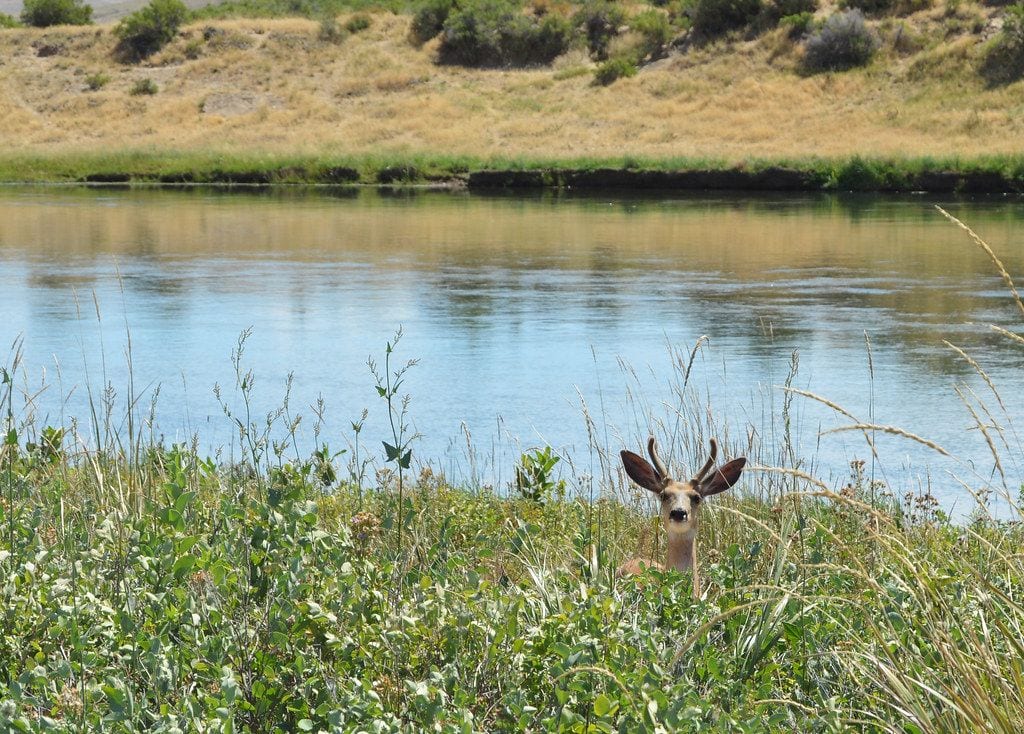
Casper, Wyoming’s self-styled “Adventure Capital,” is the state’s second-largest city and sits right in its heart, at the foot of Casper Mountain along the North Platte River. Nicknamed “The Oil City” for its boomtown past, it pairs Old West history with fly fishing, hiking, skiing and a walkable downtown. Here are the 25 best things to do in Casper.
Fun Facts About Casper, Wyoming
Casper was founded in 1888, when the Fremont, Elkhorn & Missouri Valley Railroad reached the North Platte River crossing.
The city is named for nearby Fort Caspar and Lieutenant Caspar Collins — but a spelling error during the town’s registration swapped the “a” for an “e,” so it has been “Casper” ever since.
It is Wyoming’s second-largest city, after the capital, Cheyenne.
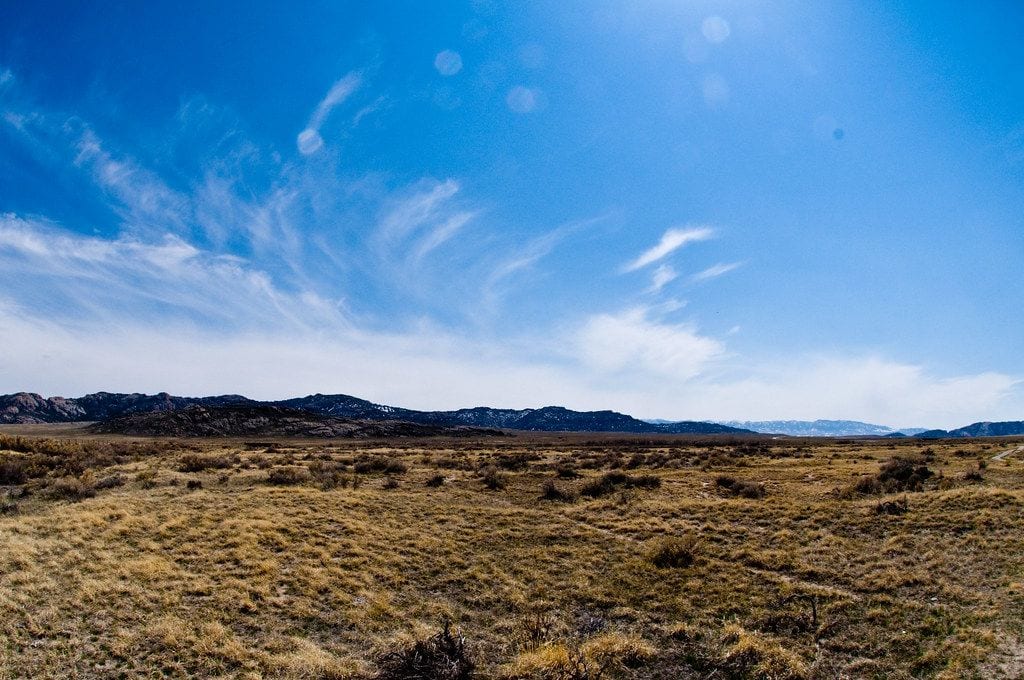
Casper sits at an elevation of about 5,150 feet on the high plains of central Wyoming.
The area is the one place where the Oregon, California, Mormon and Pony Express trails all converged, which is why the National Historic Trails Interpretive Center calls it home.
Long known as “The Oil City,” Casper grew on the strength of an oil boom that took off after 1910 and still shapes the local economy.
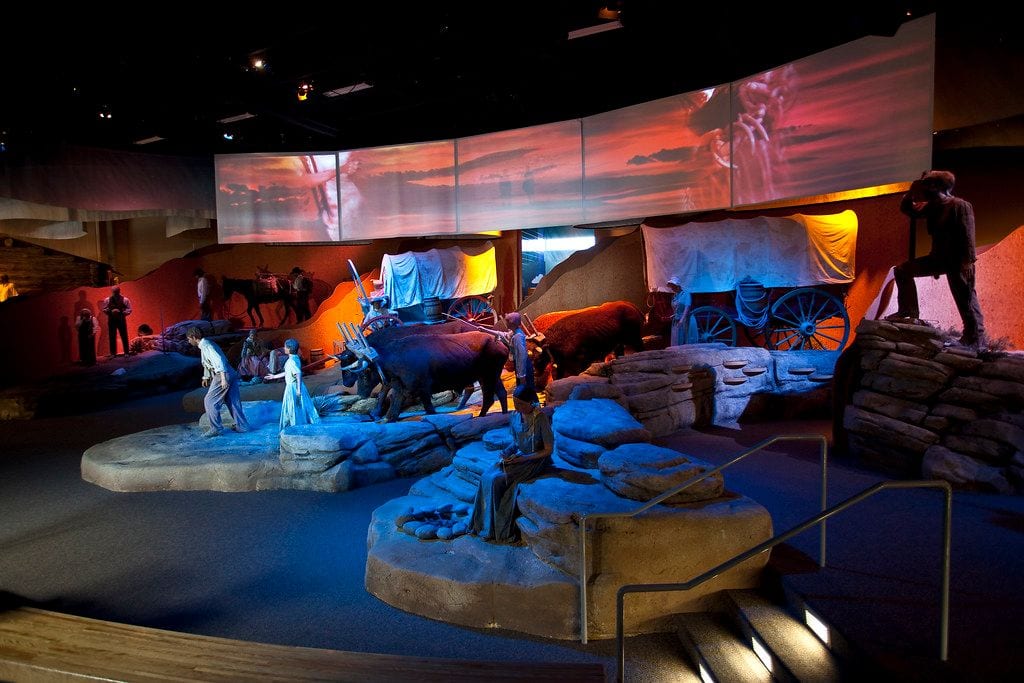
The National Historic Trails Interpretive Center gathers the story of the West's great migrations under one roof, tracing the four emigrant routes that converged near Casper: the Oregon, California, Mormon, and Pony Express trails. Interactive exhibits bring the journey close, including a simulated wagon ride lurching across a river crossing.
A moving presentation film conveys the hardships early settlers endured on the long push west, while hands-on displays keep younger visitors engaged throughout. The center is Smithsonian-affiliated and managed by the Bureau of Land Management, with free admission. It is an absorbing stop that turns the abstract distances of pioneer history into something you can see and feel.
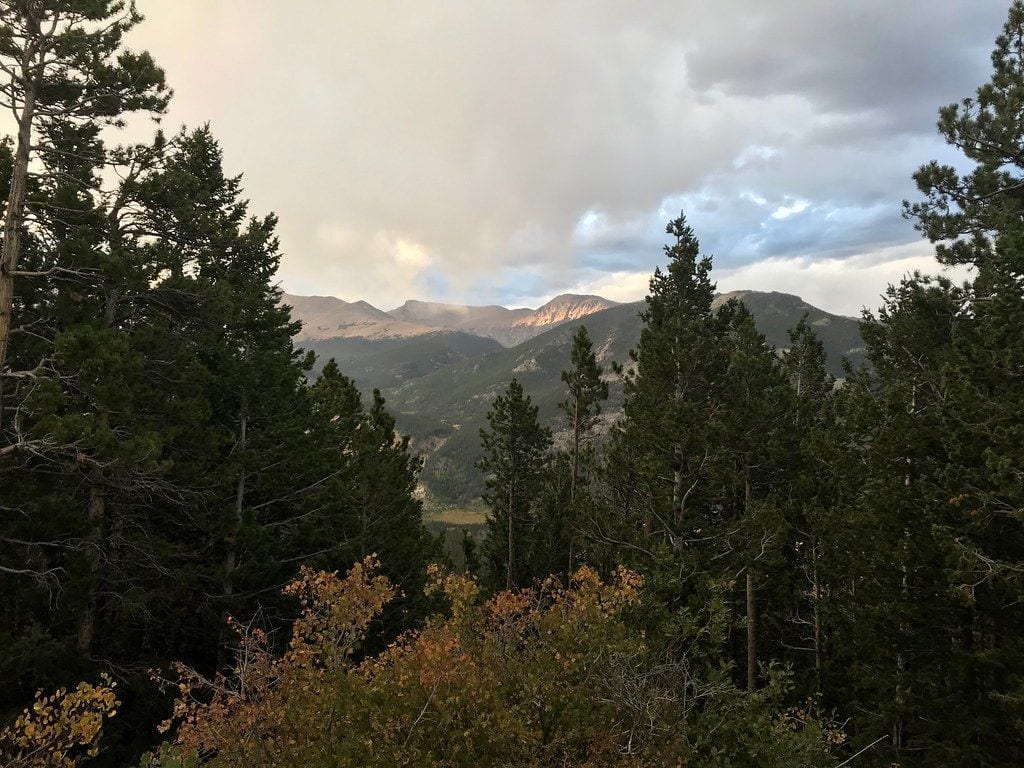
Rotary Park sits at the base of Casper Mountain, about fifteen minutes from downtown yet a world removed from it. A network of well-groomed trails threads through the pines for hikers and horseback riders alike, with picnic tables scattered along the way for anyone content to linger over lunch beneath the trees.
The main draw is a short, gradual walk to a picturesque waterfall that spills into a stream, which slips beneath a couple of small bridges as it winds downhill. A few stretches turn steep or slick, so wear proper footwear and watch your step. Bring the dog if you like, though leashes are required on every trail.
3. Central Wyoming Fairgrounds, The Industrial Building
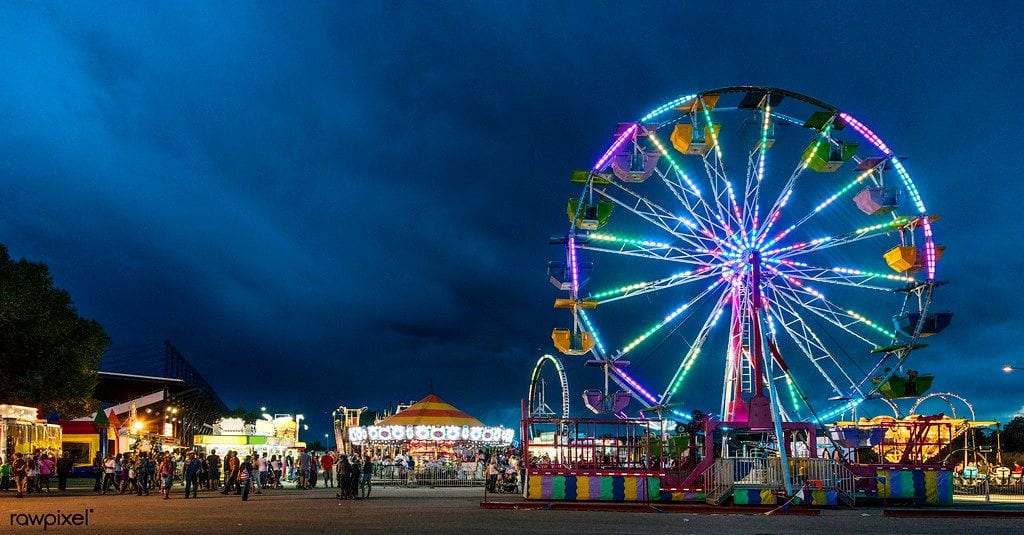
Central Wyoming Fairgrounds is Casper's public events venue, run by Natrona County. The grounds combine indoor and outdoor arenas with sprawling exhibit halls and a historic industrial building, giving the site room for everything from livestock shows to touring entertainment across every season.
The signature draw is the Central Wyoming Fair & Rodeo, a summer tradition backed by a full carnival and roaring monster-truck shows. Food vendors line the walkways throughout, and the perennial favorites rarely change: cold lemonade to beat the heat and warm funnel cake dusted in powdered sugar.
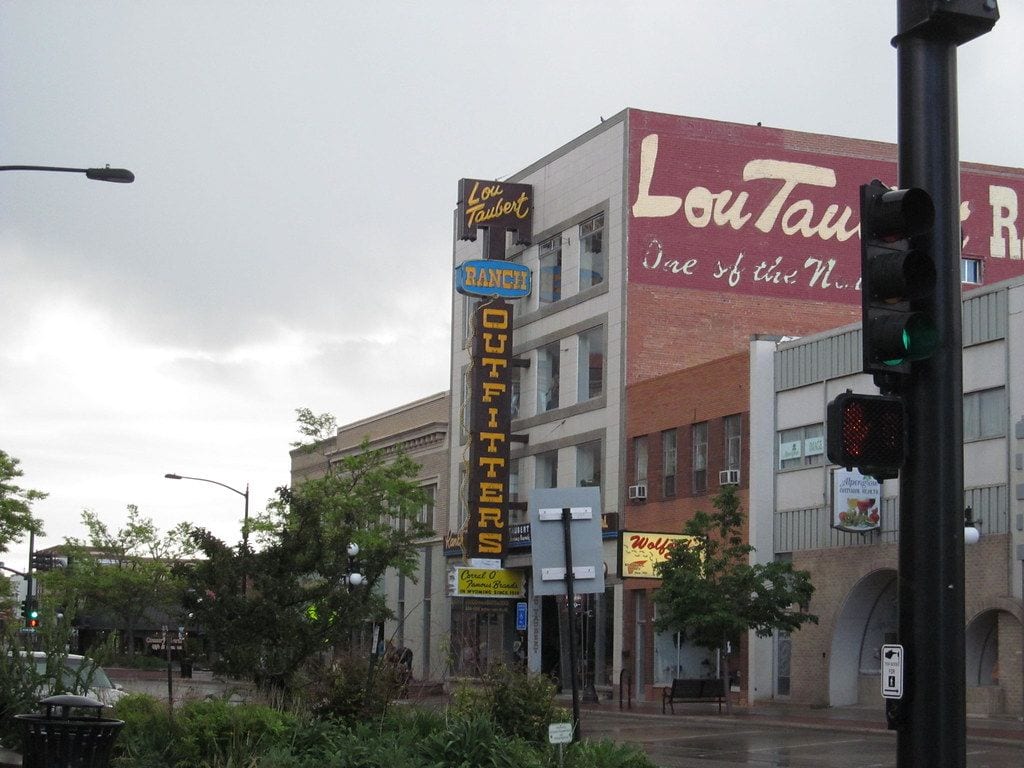
Lou Taubert Ranch Outfitters has anchored downtown Casper since 1919, dressing the West one boot and hat at a time. Nine floors and roughly 55,000 square feet climb above the street, stocking Justin, Lucchese, Kimes Ranch, Scully and Filson. It reads less like a store than a working monument to Wyoming ranch life.
Boots and hats are the signature buys, and the family-run staff treat fitting them as a craft rather than a transaction. Wander the floors and you turn up denim, outerwear and Western tailoring stacked to the rafters. Even if you leave empty-handed, the browse alone captures Casper's cattle-country roots better than any museum case could.
Washington Park is a leafy municipal green space in Casper, shaded by mature trees and built for easy days outdoors. A seasonal outdoor pool cools off summer visitors, four playgrounds offer age-graded equipment for different kids, and the open lawns invite picnics, dog walking, and jogging. When snow falls, the park's hills draw sledders of every age.
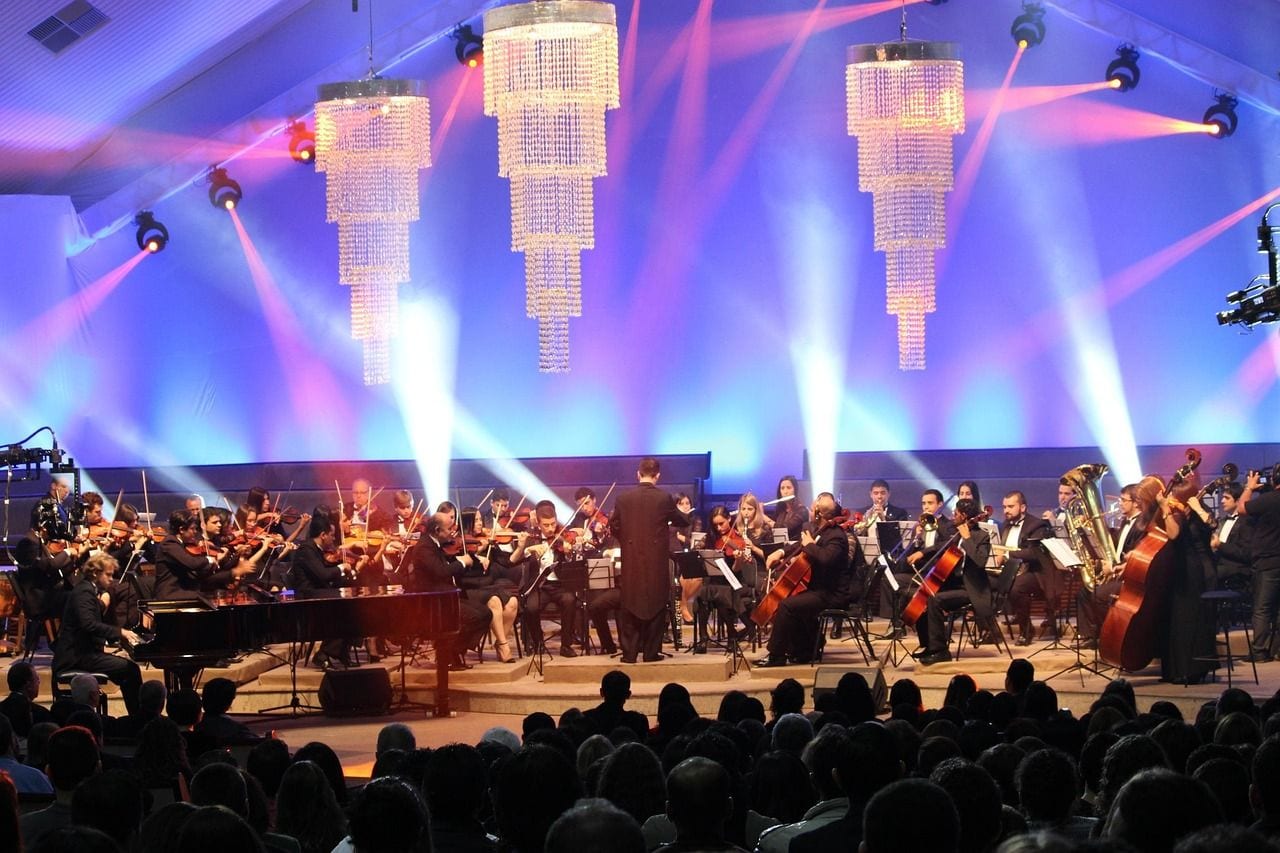
At the heart of the park, a historic bandshell stages free summer concerts by the local municipal band and orchestra. Performances are open to all ages, so families can spread a blanket on the grass and take in an evening of live music under the trees. It is one of Casper's most relaxed and welcoming public gathering spots.
Studio City Stadium 10 is Casper's modern multiplex, an all-digital cinema run by WyoMovies with crisp projection and immersive sound across every screen. Each auditorium is fitted with reserved seating and plush leather recliners, so you claim your spot in advance and settle in without the scramble for a decent view.
The concessions counter keeps the popcorn, candy, and drinks flowing, and the whole space stays clean and comfortable from lobby to screen. It is an easy, low-key stop on a rainy afternoon or a relaxed evening out, rounding off a day of Casper sightseeing with a first-run film in genuine comfort.
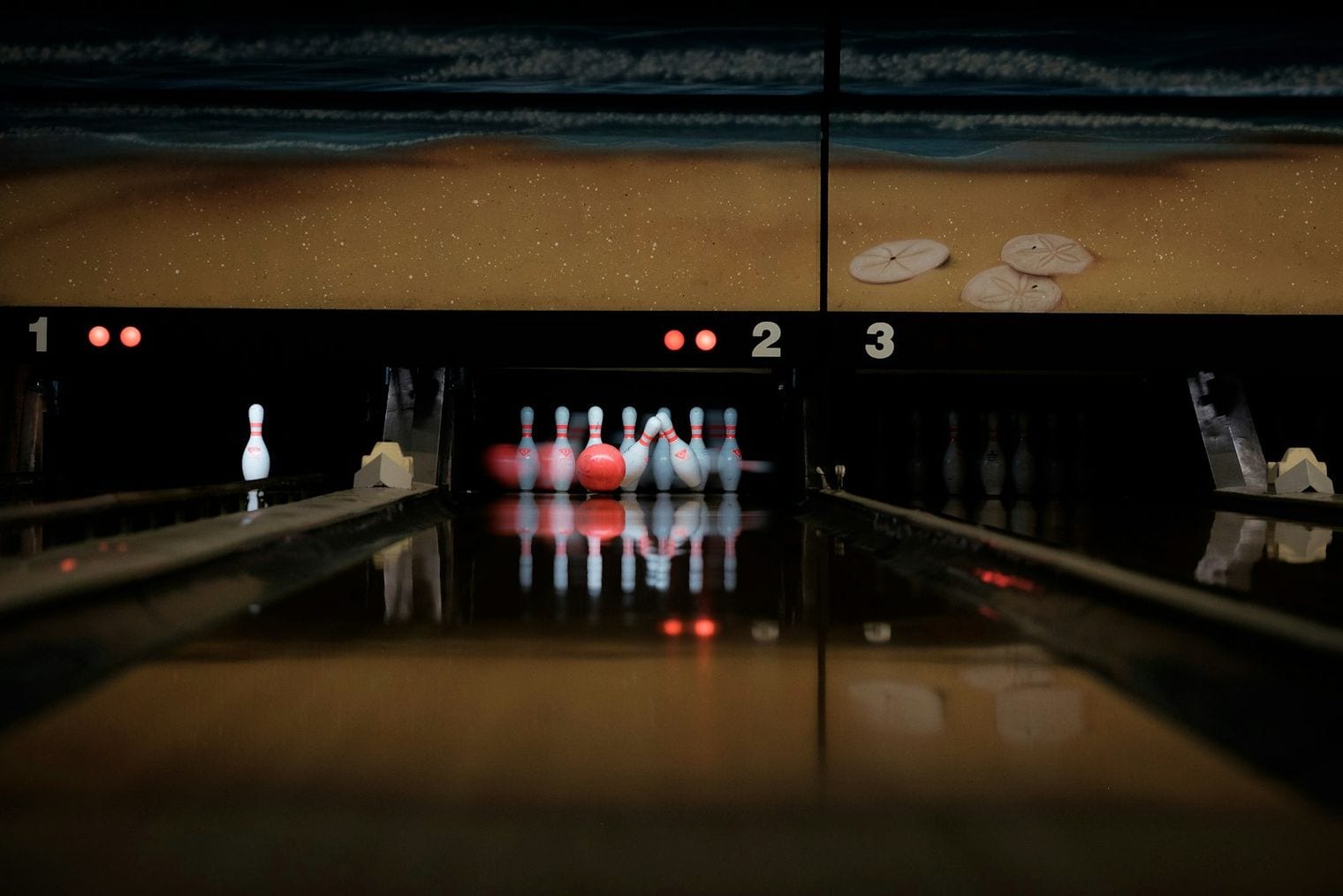
El Mark-O Lanes brings old-school bowling to Casper, spreading play across 24 lanes lit by pulsing music and lights. The party atmosphere makes it a genuine local hangout, and automatic bumpers drop into place on every lane, so younger bowlers can join the frames without gutter-ball frustration.
Between games, the snack bar serves pizza and drinks to keep the energy up, while an arcade adds a burst of games beyond the alley. An attached casino rounds out the space, giving grown-ups a spot to try their luck while the rest of the group racks up strikes.
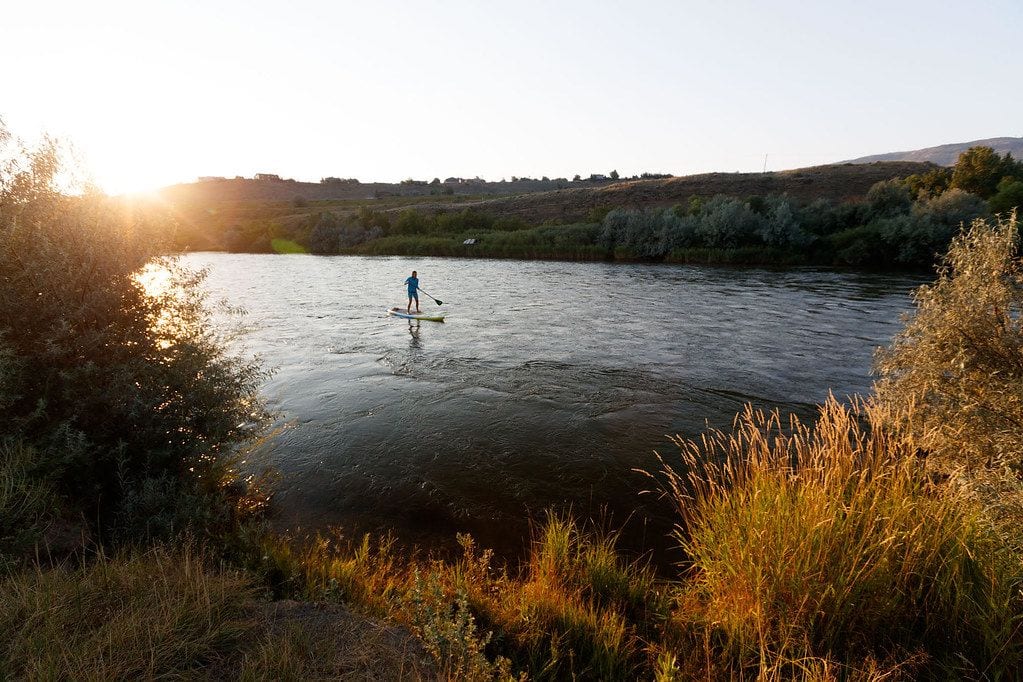
Morad Park stretches along the North Platte River in Casper, a riverside favorite among dog owners, who let their dogs run off-leash on the grassy banks and swim in the shallows. Covered picnic areas come stocked with grills and tables, and the park connects directly into the wider Platte River Trail system for walking and cycling.
Families keep an eye out for painted 'Casper Rocks' tucked around the grounds, a small treasure hunt that turns an ordinary stroll into a game. Clean-up bags and trash cans are provided throughout, so tidying up after your dog stays easy and the riverbanks remain a pleasant place to linger.
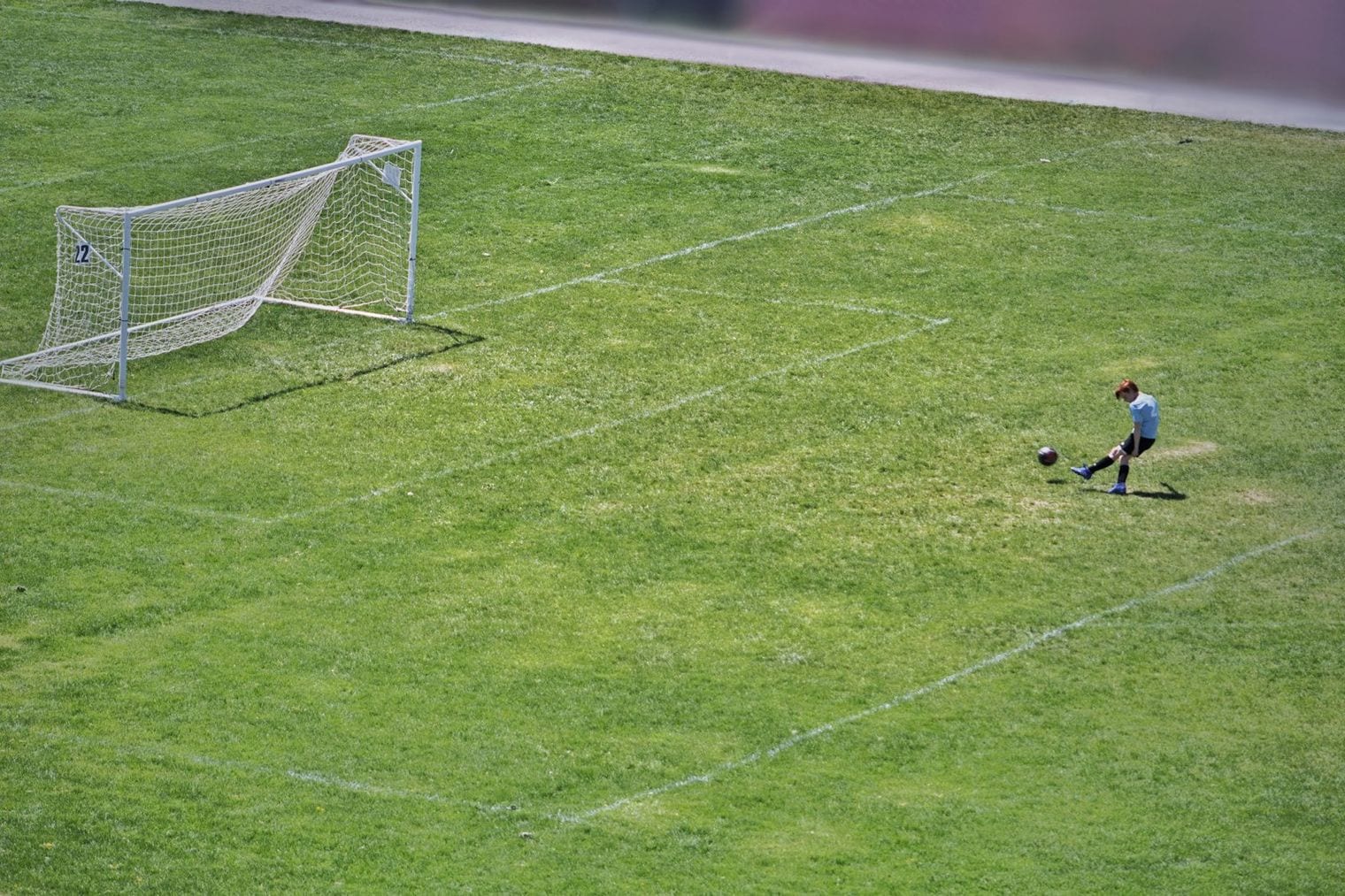
North Casper Sports Complex spreads across the north side of town with well-kept ball fields for soccer and baseball, a big event parking lot, tidy restrooms, and a children's playground. As the home base for the local soccer club, its fields stay busy with matches and practice through the season.
Beyond the pitches, walking and biking paths trace the North Platte River, with the most popular trail tucked just behind the soccer fields. It is an easy spot to stretch your legs, let kids burn off energy on the playground, or follow the water on foot or by bike.
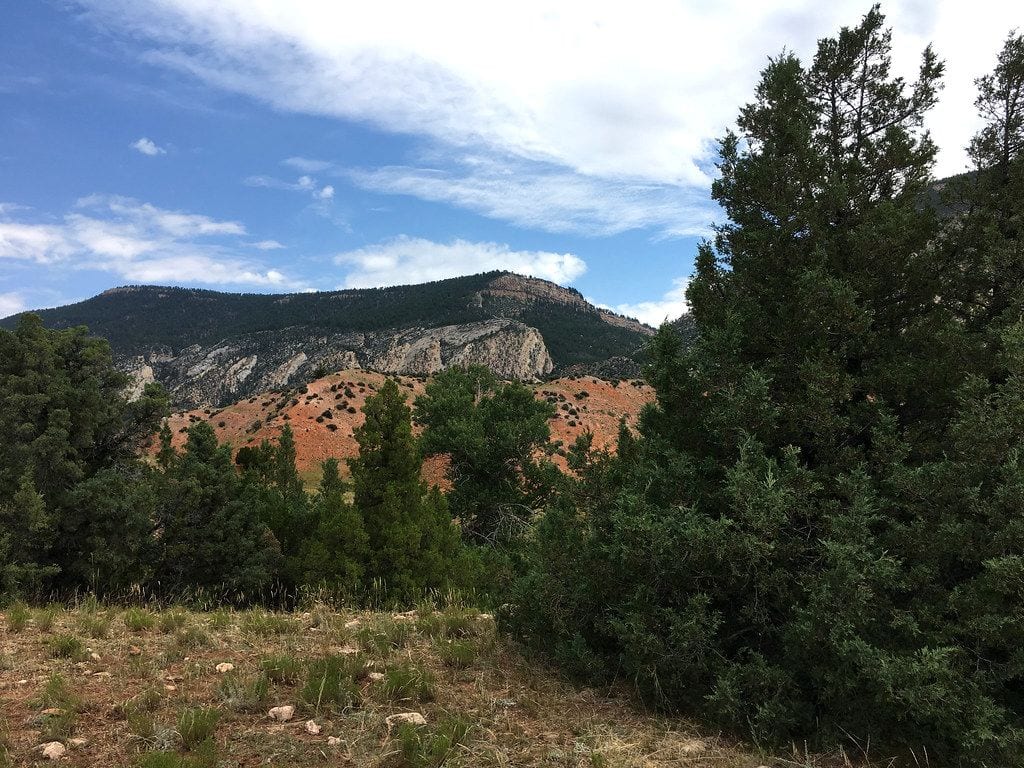
Bear Trap County Park is one of those finds that rewards a little effort, a secluded campground tucked into a mountain meadow well outside Casper in Natrona County. The drive off the beaten path leads you to open ground dotted with playgrounds and picnic shelters, where the quiet and the scenery make the extra miles worthwhile.
Sites run first-come, first-served with no reservations, so arrive early to claim your spot. A few sites cluster together, ideal for groups traveling as a pack, while more private pitches are easy to find nearby. Water is available in the campground, though not at every site, so fill up before you settle in for the night.
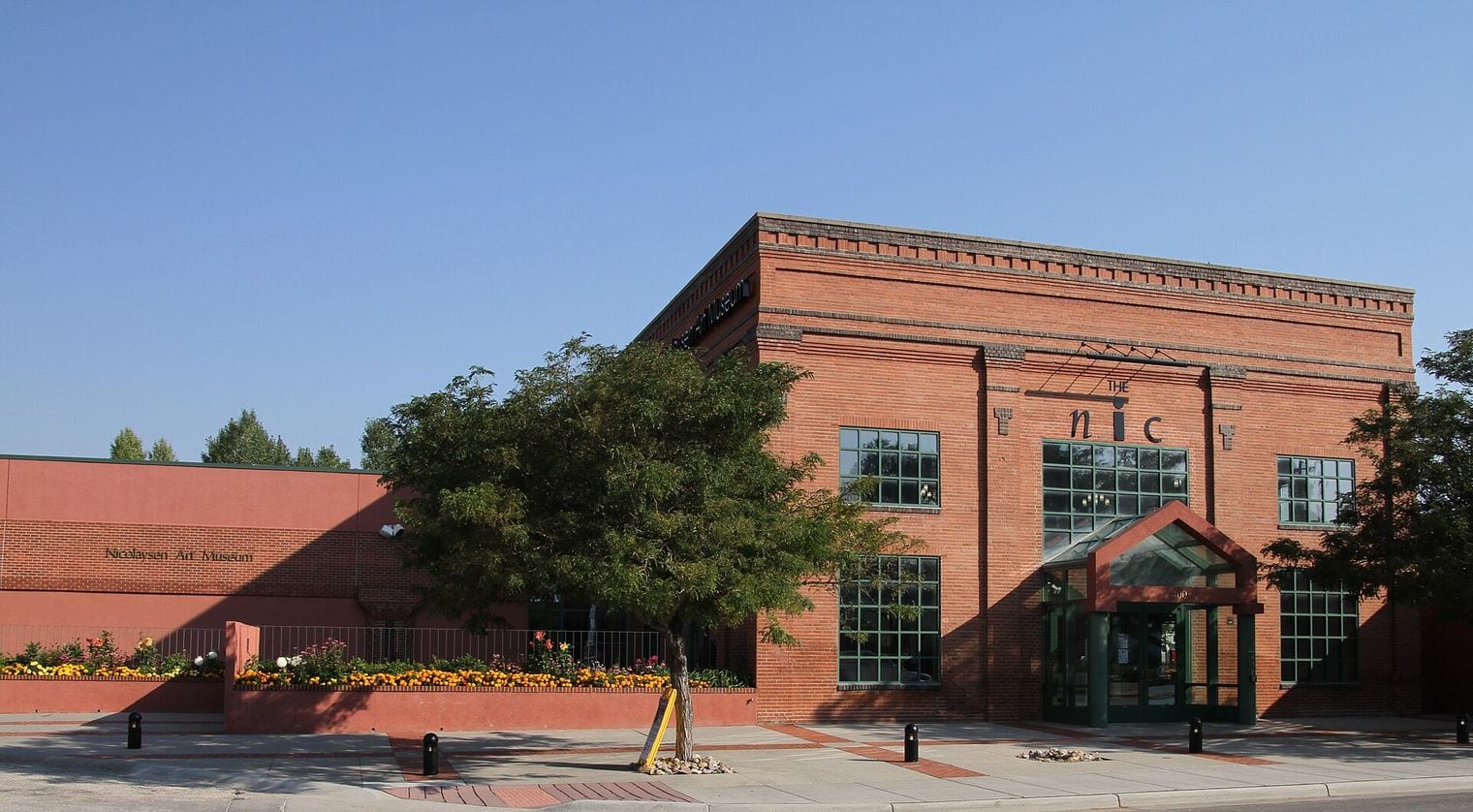
The 'Nic' is Central Wyoming's contemporary art museum, tucked into downtown Casper. Rotating exhibitions turn over regularly at the Nicolaysen Art Museum, joined by a core of permanent works and a mix that runs from contemporary pieces to Western art rooted in the surrounding high plains.
Younger visitors gravitate to the Discovery Center, where hands-on activities make the galleries feel less hushed and more inviting. Before you leave, browse the gift shop for locally made pieces, small keepsakes that carry a bit of Casper's creative spirit home with you.
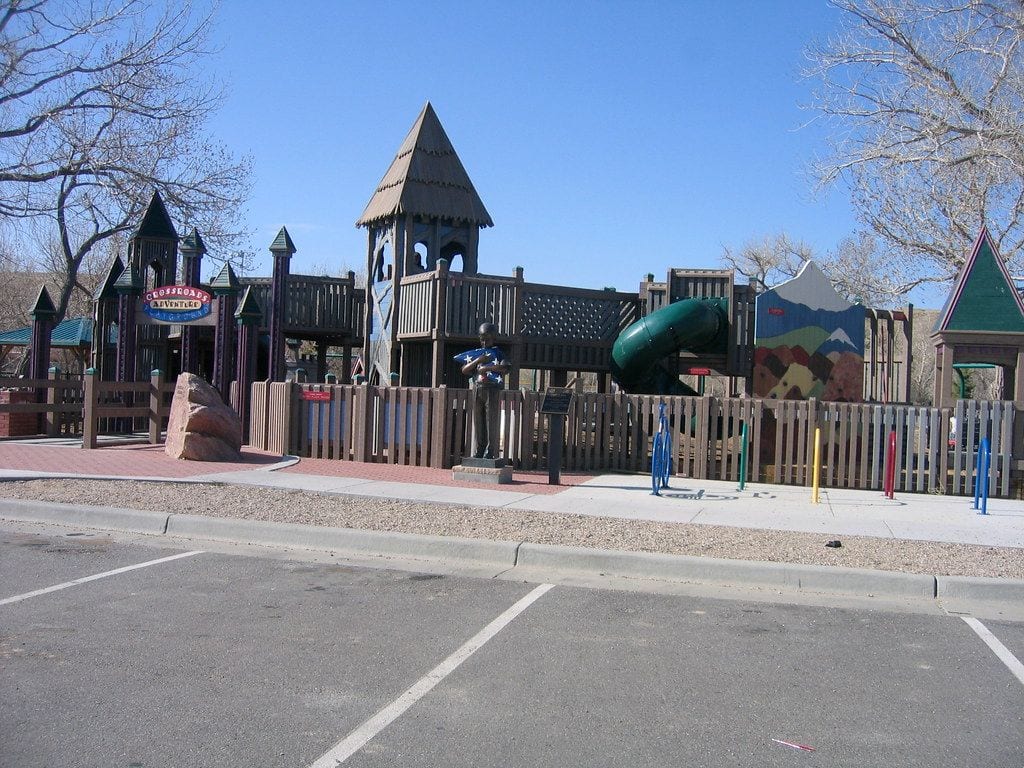
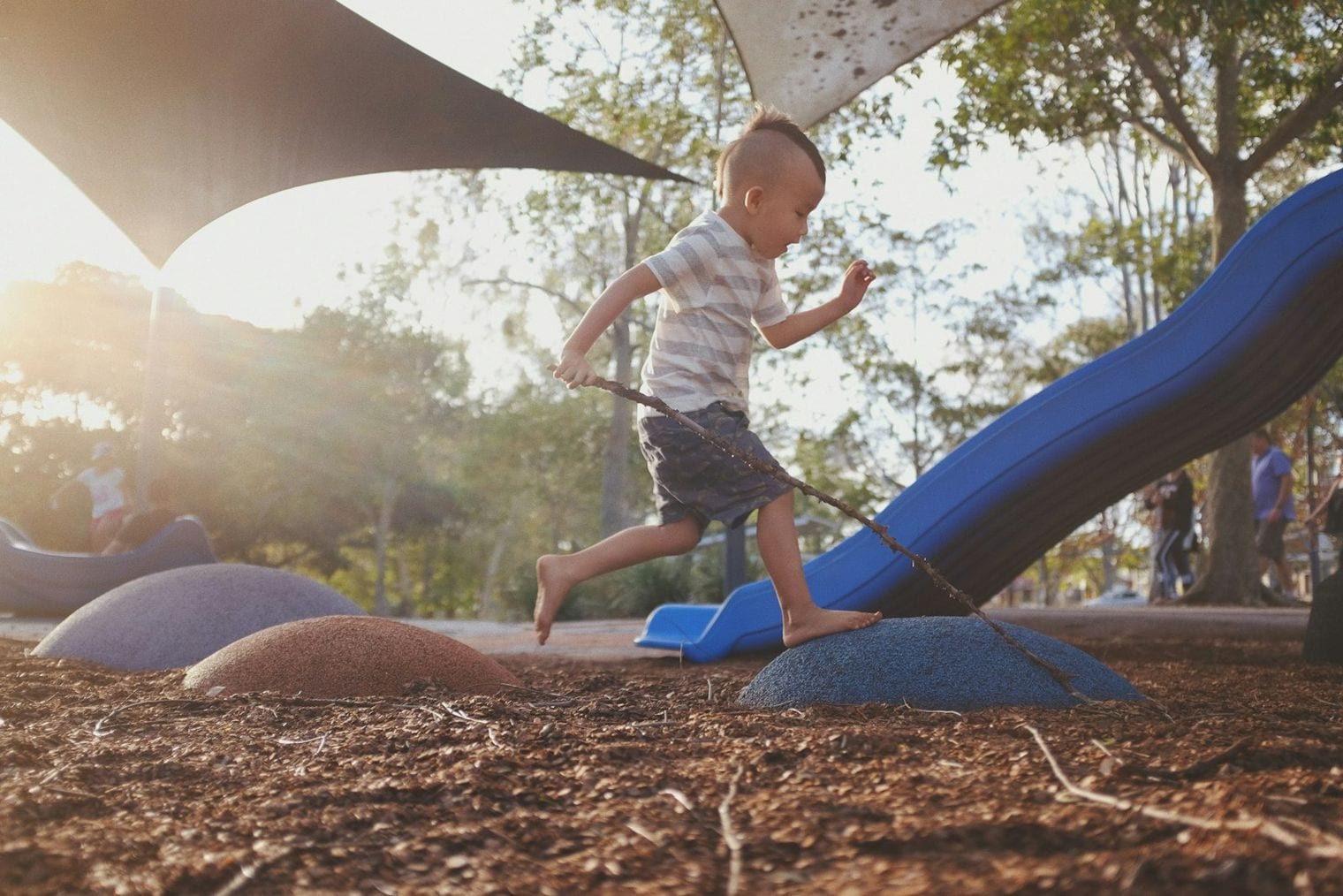
Crossroads Park sits on the banks of the North Platte River in Casper, with grills and gazebos scattered along the grass for family gatherings and easygoing afternoons. Its centerpiece is a big castle-themed playground, fenced and geared toward younger kids, with a jungle gym and a tire swing that keeps little ones circling for hours.
Beyond the playground, a nature trail and riverside paths trace the water, opening up quiet spots to fish or settle into the shade with a book. The setting is genuinely peaceful, though the river does draw mosquitoes, so pack repellent before you wander down toward the bank.
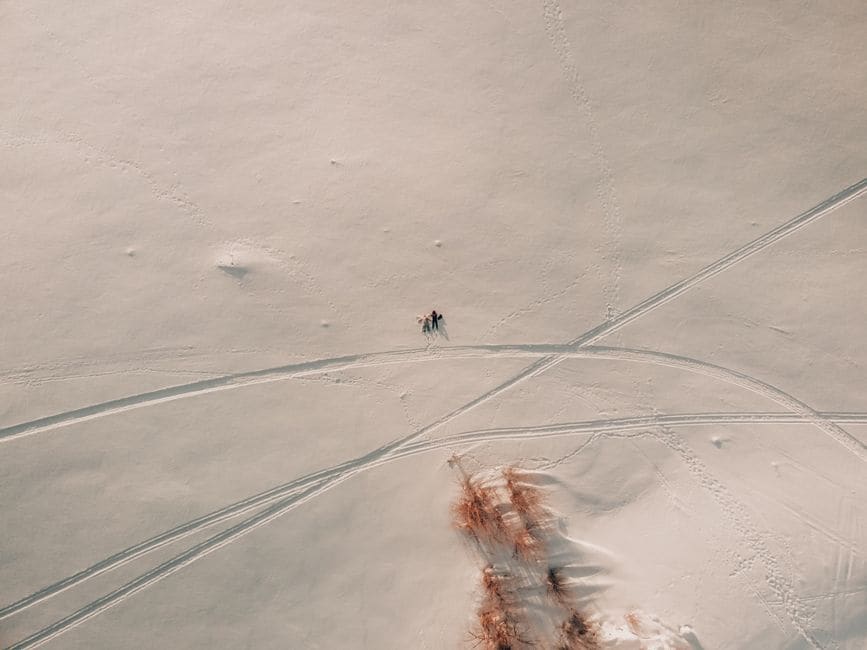
Hogadon Basin Ski Area is Casper's own downhill hill, an easy drive up Casper Mountain from town. It ranks among only three ski areas in the US where you park at the top and ski down to the lifts, with the lodge perched right on the summit. Expert runs, cross-country trails and a few terrain-park features round out the descent.
Beginners have their own advantage here: a sheltered magic-carpet lift tucked out of the wind, ideal for finding your feet on the snow. Between the modern lodge at the top and the varied terrain below, it packs a genuine mountain experience within minutes of downtown Casper.
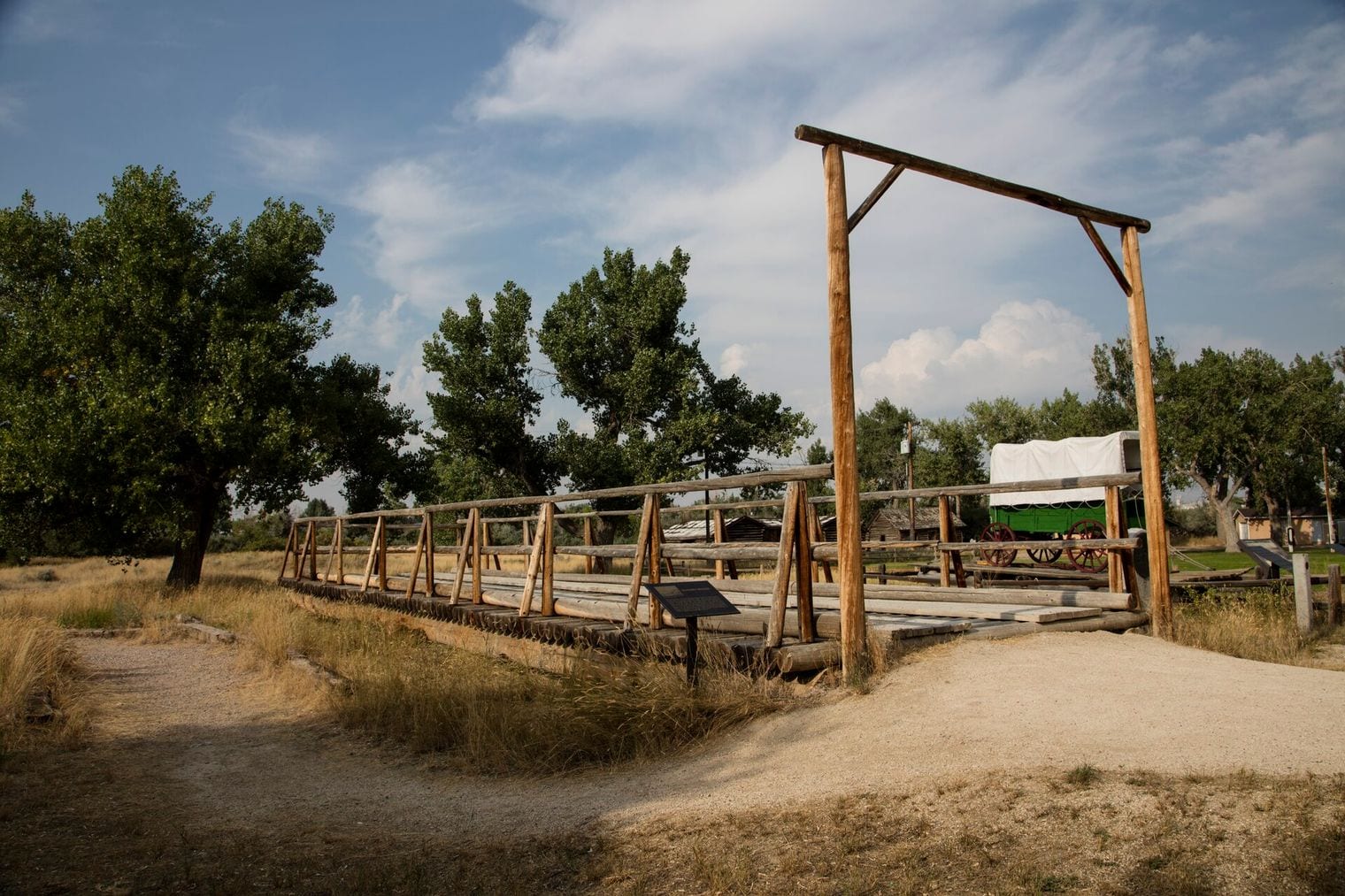
Fort Caspar Museum reconstructs an 1865 frontier fort at the North Platte River ford, the crossing point that gave rise to Casper itself. The site sits at the convergence of the Oregon, Mormon, and California trails, and its galleries trace the town's early history through original objects and interactive video, alongside a rotating slate of exhibits, programs, and lectures.
Beyond the fort walls, the grounds open onto the riverbank. An outdoor play area keeps younger visitors busy while families spread out for a picnic, and anglers can cast into the North Platte with a valid fishing license. It's a rare stop that folds regional history and open-air time into one riverside afternoon.
Casper Municipal Golf Course spreads across 27 holes laid out as three distinct nine-hole loops, giving golfers room to mix and match their round. The open front nine plays wide and forgiving, while the links-style back climbs through some genuinely steep hills, rewarding smart club choice and a willingness to work the terrain.
Beyond the fairways, a friendly staff keeps the pro shop, driving range, and bar-and-grill running smoothly, and lessons are on hand for players looking to sharpen their game. The real Wyoming touch comes from the antelope that roam the course, wandering the fairways and grazing between shots as if they own the place.
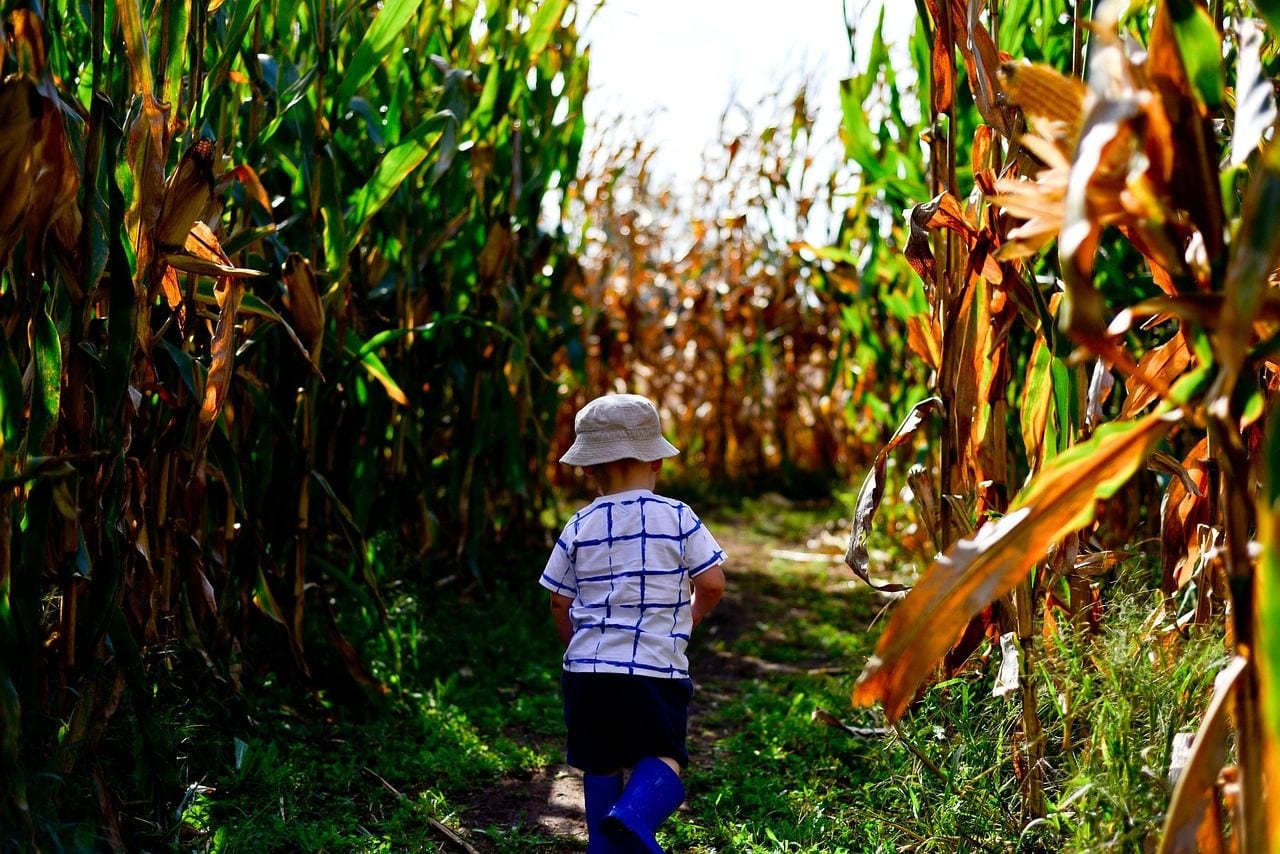
Green Acres Corn Maze is a seasonal fall farm just outside Casper, where autumn afternoons fill up fast between the twisting corn maze and a hands-on petting zoo. Ponies, llamas, alpacas, pigs, goats, rabbits, chickens and donkeys share the barnyard, while the acres beyond hold pumpkin-cart rides, a grain train, and apple cannons ready to fire.
Kids burrow into the corn pit, scramble across the hay-bale maze, and bounce on the giant air pillow, then sift for gems and arrowheads at the mining sluice. Come October, the fields turn orange with pumpkins ripe for the picking, and carving stations put the finishing touch on a proper harvest-season outing.
Conwell Park sits at the heart of downtown Casper and stays lively through every season, hosting events year-round beneath the shade of its trees. Also known as Healing Park, this compact green space keeps families comfortable with playground equipment for younger kids, scattered picnic tables, clean restrooms, and a warm welcome for four-legged visitors.
Come winter, the park earns its reputation. Dozens of trees glow with holiday lights, turning the grounds into a glittering canopy and drawing locals out for an evening stroll. It is the finest place in town to slow down, wander the illuminated paths, and soak up the seasonal sparkle after dark.
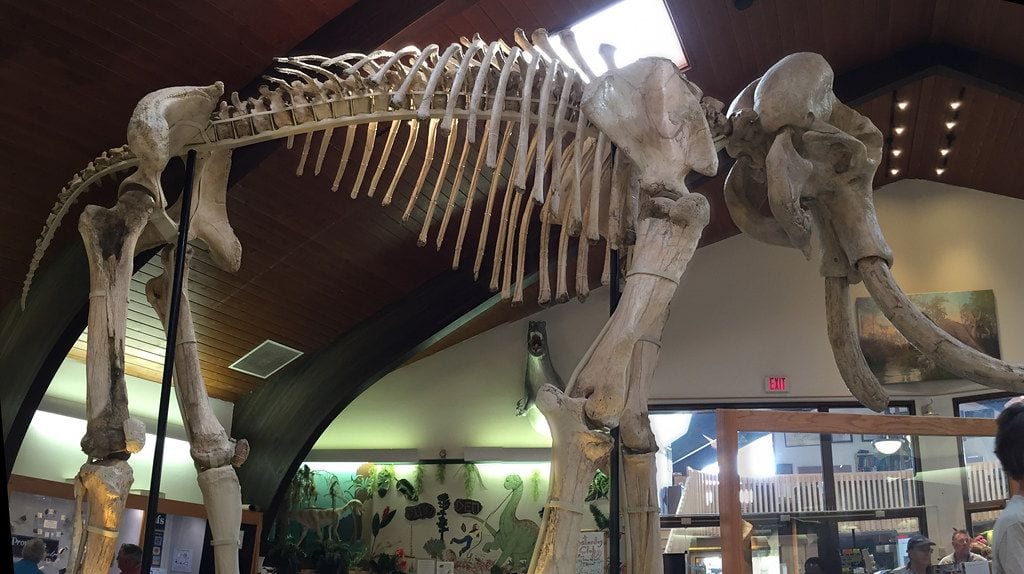
The Werner Wildlife Museum sits on the Casper College campus and has been showcasing the region's animals since 1964. Its collection of roughly 450 birds, fish and mammals ranges from native Wyoming species to creatures from farther afield, alongside displays on the dinosaurs that once roamed the area. Best of all, admission is free.
Younger visitors gravitate to The Lair, a hands-on children's area, while a garden and bird-feeding station draw wildlife right outside the windows. When you need a breather, the shaded picnic area behind the building makes an easy spot to pause before heading back to explore the exhibits.
Yesness Pond sits at the foot of Casper Mountain, a family fishing spot ringed by easy walking trails and reached by an ADA-accessible pier. Wyoming Game & Fish stocks it every year with catchable rainbow and cutthroat trout, plus channel catfish, so anglers of any age can drop a line without hiking far from the parking lot.
This is a keep-what-you-catch pond, not catch-and-release, meaning your trout can go straight into the pan. It rarely gets too crowded to find a spot, and each year it hosts a free Kids' Fishing Day that turns a first cast into a family tradition against a mountain backdrop.
Along the North Platte River, the Tate Pumphouse Trail Center serves as the hub for Casper's Platte River Trails, opening onto calm, peaceful walking paths that trace the water. The pumphouse itself is a stylish little event space, a favorite backdrop for weddings, run by the Platte River Trails organization that maintains the surrounding network.
Lace up here and choose your distance. A roughly 5K loop circles Platte River Commons, while longer routes push out toward Fort Caspar, Morad Park and Paradise Valley. Flat, well-kept and river-hugging, the trails suit an easy stroll or a serious walk, with the current for company the whole way.
Stage III Community Theatre is one of Casper's longest-standing arts institutions, a non-profit staged and run entirely by volunteers, from the producers down to the ushers. Each season brings several main productions alongside a handful of special shows, with programming that swings from timeless classics to celebrated Broadway hits.
The venue is small and the budget modest, but neither dulls the craft on display. Performances are polished and warmly acted, and the intimate room pulls you close to the stage. For a genuine taste of Casper's grassroots creative energy, an evening here rewards the effort.
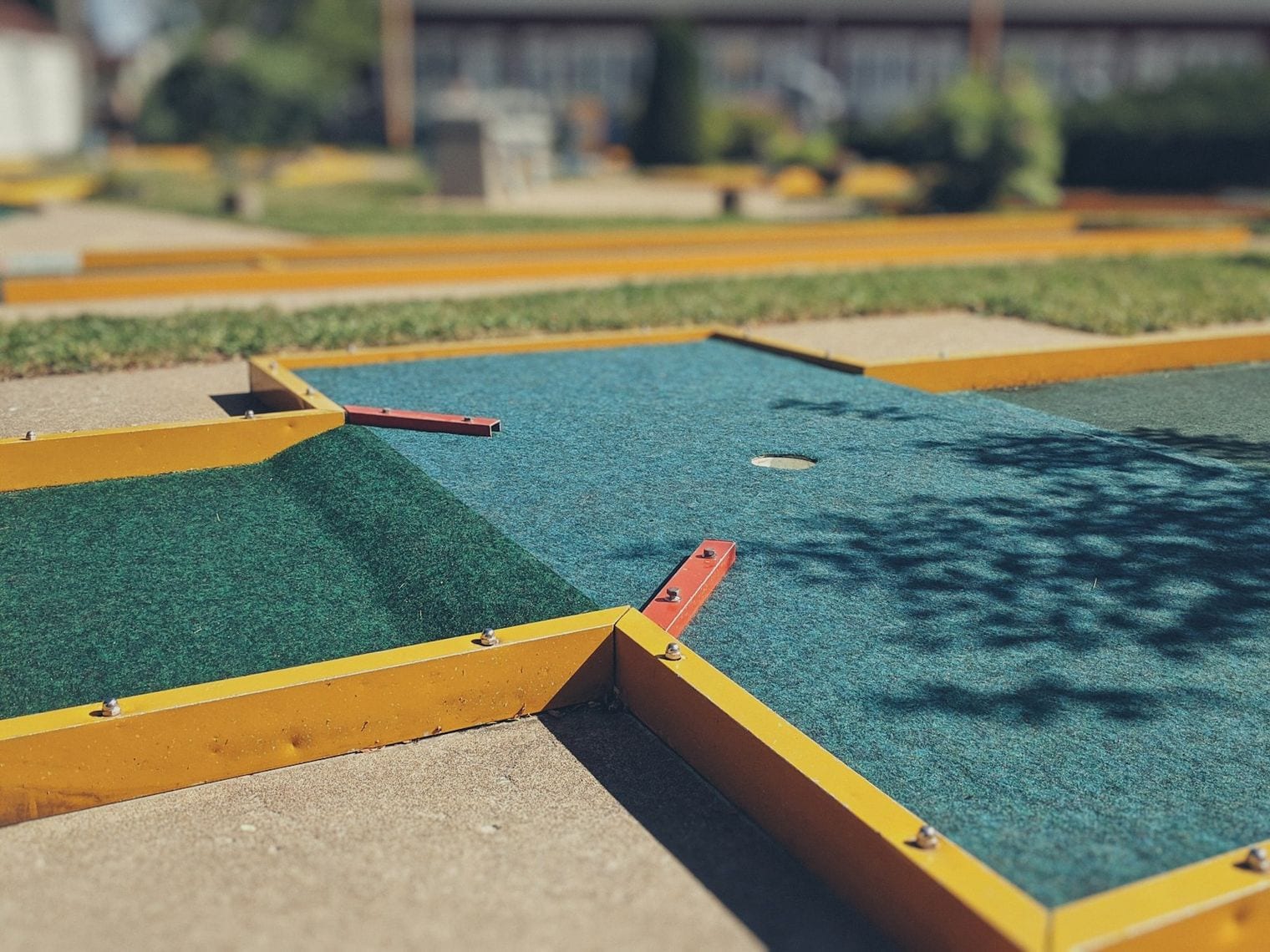
Riverfront Mini Golf swaps putters for a stroll through the past, running its 18 scenic holes along the banks of the North Platte River in Casper. The Old West-themed course is dotted with replicas of historic Natrona County landmarks and nods to the figures who shaped the region, so every putt doubles as a lesson in local pioneer and mining lore.
Once known as Old Town Family Fun & Amusements, the reimagined course leans fully into its riverside setting. The layout stays family-friendly and wheelchair accessible, with a clubhouse on hand for gatherings. Between the flowing water, the shade trees, and the frontier storytelling underfoot, it makes an easy, low-key stop for players of any age.
Edness Kimball Wilkins Park spreads across roughly 362 acres of riverside land about six miles east of Casper, hugging the North Platte River near Evansville. This Wyoming state park is laced with about three miles of paved trails threading beneath tall cottonwoods, and its marshes and riverbanks draw more than 200 bird species.
Come for the day and settle into shaded picnic areas equipped with grill-fitted ramadas, then spread out across volleyball courts and horseshoe pits. Families gravitate to the swimming pond and playground, while anglers work the water and cyclists follow the flat paved paths. Wildlife is easy to spot throughout this quiet stretch of the North Platte.
Ford Wyoming Center, formerly the Casper Events Center, has anchored the city's live-event scene since 1982. Perched above the Platte River Valley, the arena draws crowds for concerts, sporting events, trade shows, conferences and banquets, filling one of Wyoming's largest indoor rooms year-round.
Inside, the venue pairs strong acoustics with comfortable, well-sloped seating, so the sound carries whether you're near the stage or in the upper tiers. Food and drink stands keep the big crowds fed between sets, and the sheer scale of the place lends real energy to a packed house on event nights.
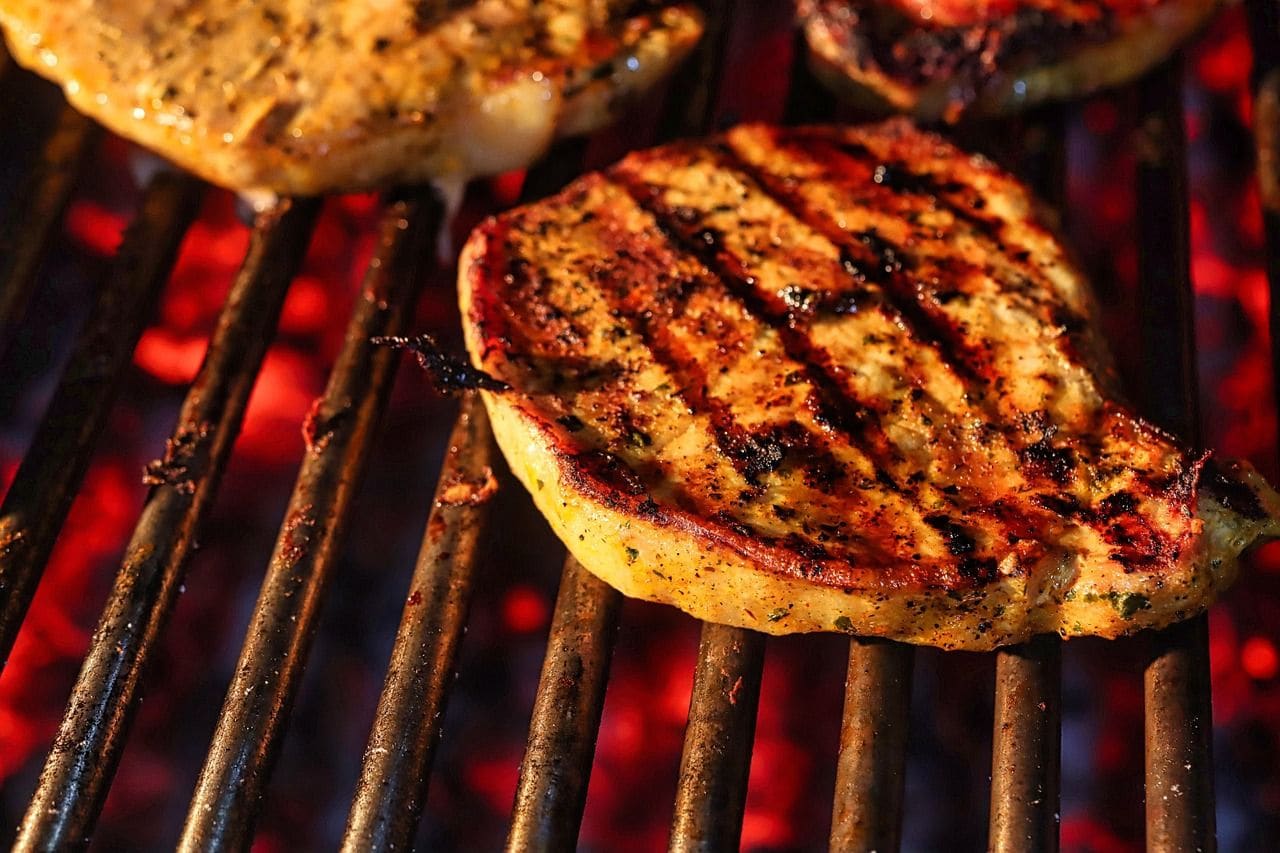
FireRock Steakhouse anchors Casper's dining scene with a cozy, family-friendly room and a menu built on American classics. The kitchen fires hand-cut, aged USDA Angus beef over an authentic oak wood-fired grill, sending steaks to the table with the deep, smoky char that only real wood delivers. An extensive wine list rounds out the meal.
Start with the stuffed mushrooms, artichoke dip, or egg rolls before the main event arrives. A dedicated kids' menu keeps younger diners happy, making this a genuine option for families rather than an adults-only splurge. It's a warm, unfussy spot to settle in for a proper Wyoming steak dinner.
Getting to Casper
Casper sits at a natural crossroads in central Wyoming, so most visitors arrive by road. Interstate 25 is the main artery, running north-south through town and linking Casper with the cities to the south along the Front Range corridor and with the interstate network to the north. Several U.S. highways converge here as well, including the routes that follow the historic Yellowstone Highway from the west and east, which makes the city an easy stop on a wider road trip through the region.
The city has its own commercial airport a few miles northwest of downtown, with connecting service to regional hubs; many travellers coming from farther afield fly instead into the large international hub roughly a four-hour drive to the south and pick up a rental car there, which is a common way to reach this part of the Rockies. There is no passenger rail in the state, but a long-distance bus stop downtown connects Casper to other cities along the interstate. However you arrive, having a vehicle is the simplest way to explore the surrounding high plains and mountains.
Getting Around Casper
A car is the most practical way to get around Casper. The compact downtown grid, with its walkable core of shops, cafes and civic blocks, is pleasant to explore on foot once you have parked, and a riverfront path along the North Platte gives cyclists and walkers a car-free route between several of the parks. Beyond the centre, though, the city spreads out and the mountain and trail attractions sit well outside walking distance, so you will want your own wheels or a rideshare to reach them.
Parking is generally easy and inexpensive compared with big cities, with ample lots and on-street spaces near downtown and at the major attractions. A local fixed-route bus service covers the main corridors for those without a car, and rideshare and taxis operate in town, but the mountain roads and outlying sites are best reached by driving yourself.
Where to Stay in Casper
Where you base yourself depends on the kind of trip you want. Downtown Casper is the best choice if you value walkability, keeping you within a stroll of the central shops, restaurants and the riverfront parks, and close to the historic and museum sites. For quick highway access and a wider spread of chain accommodation, the districts clustered along the interstate on the edge of town are convenient for road-trippers and anyone arriving late or leaving early.
If you are drawn to the outdoors, the neighbourhoods on the south side, closer to the foot of the mountain, put you nearest the trailheads, the higher-elevation park land and the quieter residential streets away from through-traffic. Areas near the college campus offer a lower-key, budget-friendly feel, while the corridors near the airport northwest of town suit travellers who want to be close to the terminal.
Where to Eat in Casper
Casper’s dining is concentrated in and around the downtown core, where independent cafes, brewpubs and sit-down spots share the walkable blocks, and along the main commercial strips further out, where you will find the larger family restaurants and casual chains. This is ranch country, so the signature plates lean hearty: locally raised beef in the form of steaks and burgers is the headline, alongside slow-cooked barbecue and the game meats the region is known for, such as bison and elk.
Look for the classic Western steakhouse experience and comfort-food diners for a taste of the local staples, and keep an eye out for regional touches like trout pulled from the state’s cold rivers, chuckwagon-style cooking, and the chili and prime-rib dishes that turn up across the plains. The craft-beer scene has grown as well, and a pint of locally brewed ale pairs naturally with the beef- and game-forward menus you will find around town.
One Day in Casper
Casper packs frontier history, a walkable riverfront, and a genuine downtown into a city small enough to see in a single day — here’s how to string the highlights together without doubling back.
Morning: Start high on the bluff at the National Historic Trails Interpretive Center, where the Oregon, California, Mormon, and Pony Express routes that all funneled through this valley are laid out with a view over the whole city — the right place to understand why Casper exists before you go stand in it. Drop down to the river and pick up the actual story at Fort Caspar Museum, a reconstructed 1860s military post on the North Platte where the trails forded the water. From there it’s a short walk to the Tate Pumphouse Trail Center, your access point onto the paved Platte River Parkway that traces the water’s edge for an easy stretch of the legs.
Afternoon: Head into downtown for lunch and the indoor stops. The Nicolaysen Art Museum anchors the arts district with rotating regional and contemporary shows, and the small, characterful Werner Wildlife Museum nearby is worth the detour for its mounted Wyoming fauna. Save an hour for Lou Taubert’s, the sprawling multi-floor Western outfitter that’s as much a local institution as a store — even if you don’t need boots, the wall of them is a sight.
Evening: Cap the day east of the center at FireRock Steakhouse for a proper Wyoming cut, then circle back downtown for a show at Stage III Community Theatre, the intimate playhouse that keeps Casper’s live-drama scene running. If you have a second day and the mountains are calling, trade the city for Casper Mountain: the trails at Rotary Park with its waterfall, the wilder canyon of Bear Trap County Park, and the runs at Hogadon Basin Ski Area are all a scenic climb south of town and easily fill their own outing.
Free Things to Do in Casper
You can fill a whole day in Casper without spending a cent. The National Historic Trails Interpretive Center and the Werner Wildlife Museum both offer free admission, and the city’s riverside parks — Morad, Crossroads, Washington and the Platte River Trails at the Tate Pumphouse — are free to walk, picnic and fish (with a license). In summer, catch a free concert at the Washington Park bandshell; in winter, stroll the holiday lights at Conwell Park.
The North Platte River itself is Casper’s greatest free asset, with miles of paved multi-use pathway threading through town for walking and cycling. Wildlife watching along the river and up on Casper Mountain costs nothing, and window-shopping the nine floors of Lou Taubert Ranch Outfitters is an experience in its own right.
FAQ: Visiting Casper, Wyoming
What is Casper, Wyoming known for?
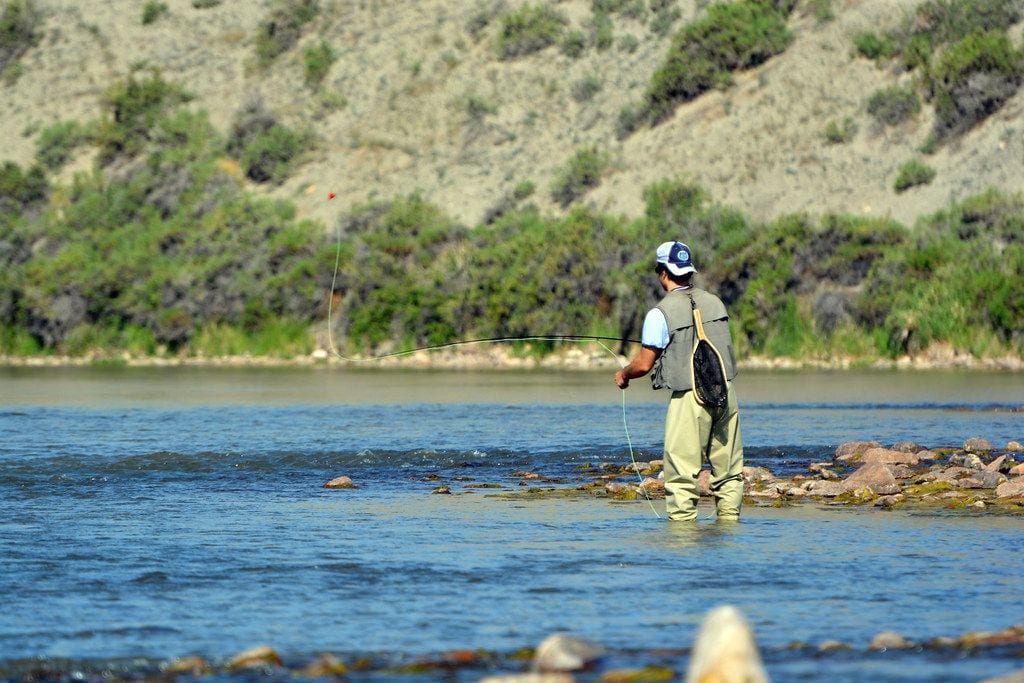
Casper is known as “The Oil City” for its energy-industry roots and as a hub of Old West and Oregon Trail history — it’s the one point where the Oregon, California, Mormon and Pony Express trails converged. Today it’s also famous for world-class fly fishing on the North Platte River and easy access to Casper Mountain.
How many days do you need in Casper?
Two to three days is enough to hit the highlights — the National Historic Trails Interpretive Center, Fort Caspar Museum and the Nicolaysen Art Museum, plus time on the river and up on Casper Mountain. Add a day or two if you want to fish, ski at Hogadon, or use Casper as a base for day trips.
Is Casper worth visiting?
Yes. Casper packs frontier history, strong museums, a walkable downtown and genuine outdoor adventure — fishing, hiking and skiing — into one central-Wyoming city, making it a rewarding stop in its own right rather than just a place to pass through.
What is the best time to visit Casper?
Late spring through early fall (roughly mid-May to September) is ideal for the rivers, trails and outdoor events, while winter brings skiing at Hogadon Basin. Casper enjoys around 220 sunny days a year, though its high-plains winters are cold and windy.
Is Casper good for families?
Very. Kids love the hands-on exhibits at the National Historic Trails Interpretive Center and Werner Wildlife Museum, the castle-themed playground at Crossroads Park, mini golf at Riverfront Mini Golf, bowling at El Mark-O Lanes, and the free Kids’ Fishing Day at Yesness Pond.
How far is Casper from Yellowstone and Cheyenne?
Cheyenne, the state capital, is about 145 miles south of Casper — roughly a two-and-a-half-hour drive. Yellowstone National Park is farther, around 300 miles (about a five- to six-hour drive) to the northwest, so it’s best treated as a multi-day trip rather than a day outing.
What outdoor activities can you do in Casper?
The North Platte River is a renowned fly-fishing destination, and the city’s riverside trails are made for walking and cycling. Casper Mountain offers hiking and, in winter, downhill and cross-country skiing at Hogadon Basin Ski Area. There’s also golf, camping at Bear Trap County Park, and abundant wildlife watching.