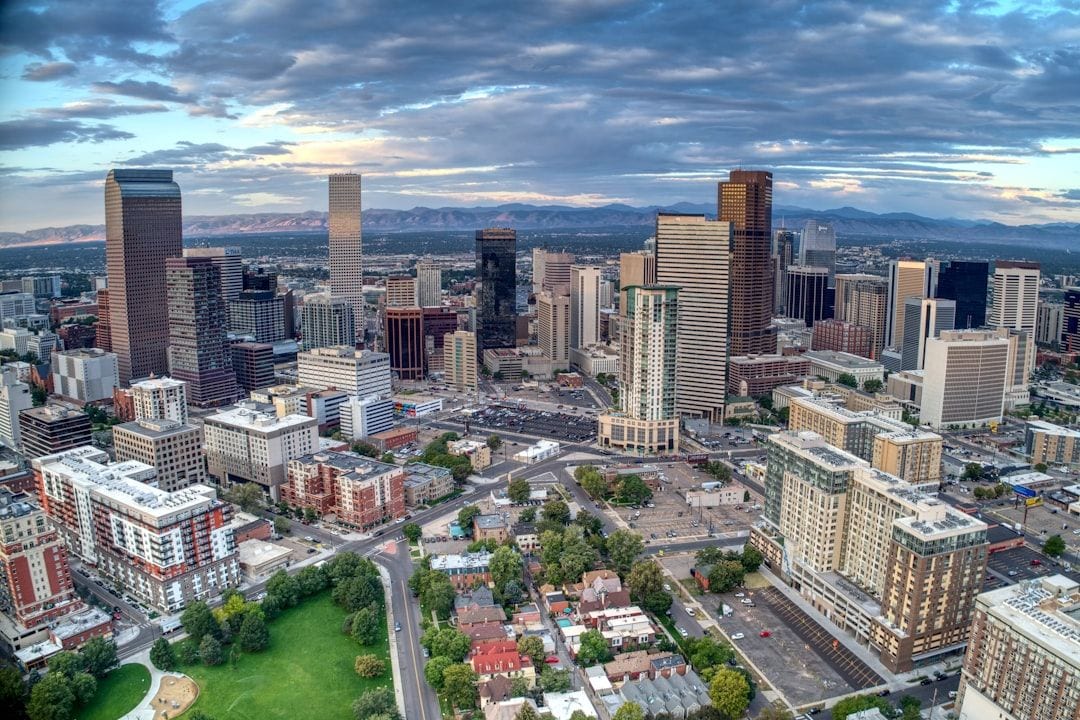
Cradled against the Front Range at exactly one mile above sea level, Denver pairs big-sky Colorado scenery with the cultural weight of a genuine metropolis. The Mile High City wears its contrasts easily: a gold-domed capitol and Beaux-Arts train hall downtown, mural-splashed warehouse districts a few blocks north, and the snowcapped Rockies filling the horizon to the west. It is a place where you can tour a world-class art museum in the morning, wander a historic gaslit block for lunch, and watch the sun drop behind the mountains from a rooftop by evening.
This guide gathers the 25 best things to do in Denver, ranked and curated to lead with the places that make the city singular — its landmark capitol, its celebrated botanic gardens, its immersive art, and its storied Victorian streets — before fanning out to the museums, parks, stadiums and neighborhoods that round out a proper visit. Whether you have a weekend or a week, these are the experiences that capture what Denver actually feels like.
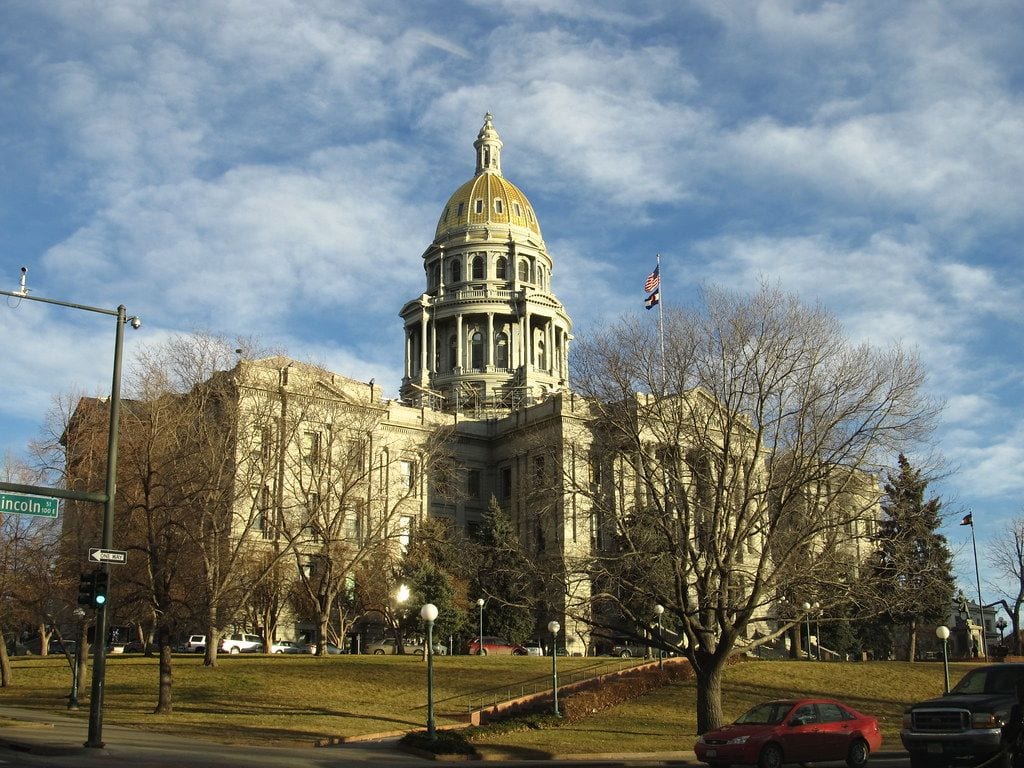
Crowned by a dome sheathed in real Colorado gold leaf, the Colorado State Capitol is the literal and symbolic heart of the Mile High City. A step on its west staircase sits exactly 5,280 feet above sea level — one mile high — and free tours climb toward the rotunda for sweeping views of the downtown grid and the Front Range beyond. Inside, rare rose onyx quarried in Colorado lines the corridors, a stone so scarce that the building exhausted the world's known supply.
Beyond the photo-ready dome, the Capitol rewards a slower look: the legislative chambers, the murals tracing Colorado's history, and the Mr. Brown's Attic exhibit tucked beneath the dome. It anchors the Civic Center district, making it a natural first stop before the museums and parks that surround it.
Spread across 24 landscaped acres just minutes from downtown, the Denver Botanic Gardens is consistently ranked among the finest public gardens in the country. Its collections range from a steamy tropical conservatory to alpine beds that showcase the hardy plants of the Colorado high country, with a Japanese garden, a water-lily pool and sweeping perennial borders in between. It is a place designed to slow you down.
The Gardens double as a cultural venue, hosting large-scale outdoor sculpture installations and a beloved summer concert series on the lawn. Whatever the season, the glasshouses stay green and warm, making this one of the few Denver attractions that shrugs off a snowy day entirely.
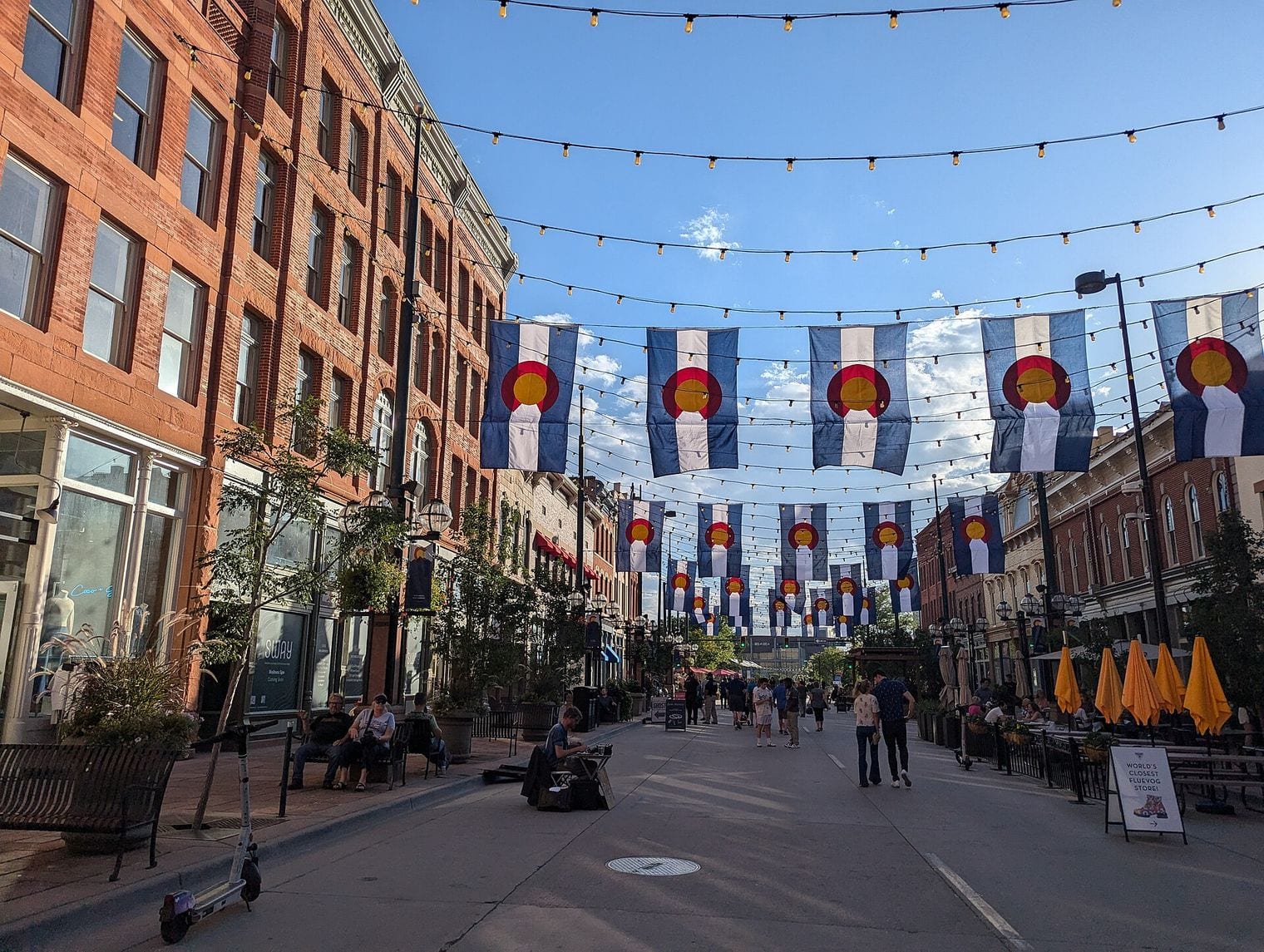
Larimer Square is Denver's oldest and most storied block, a single stretch of Victorian-era commercial buildings saved from demolition and reborn as the city's most atmospheric dining and shopping destination. Strung with canopy lights and lined with brick facades, it distills the character of frontier Denver into one walkable, lantern-lit lane.
Today the block is best known for its farm-to-table restaurants, wine bars and independent boutiques, all housed in beautifully preserved 19th-century storefronts. It sits at the edge of Lower Downtown, so a stroll here folds easily into an afternoon exploring the historic warehouse district around it.
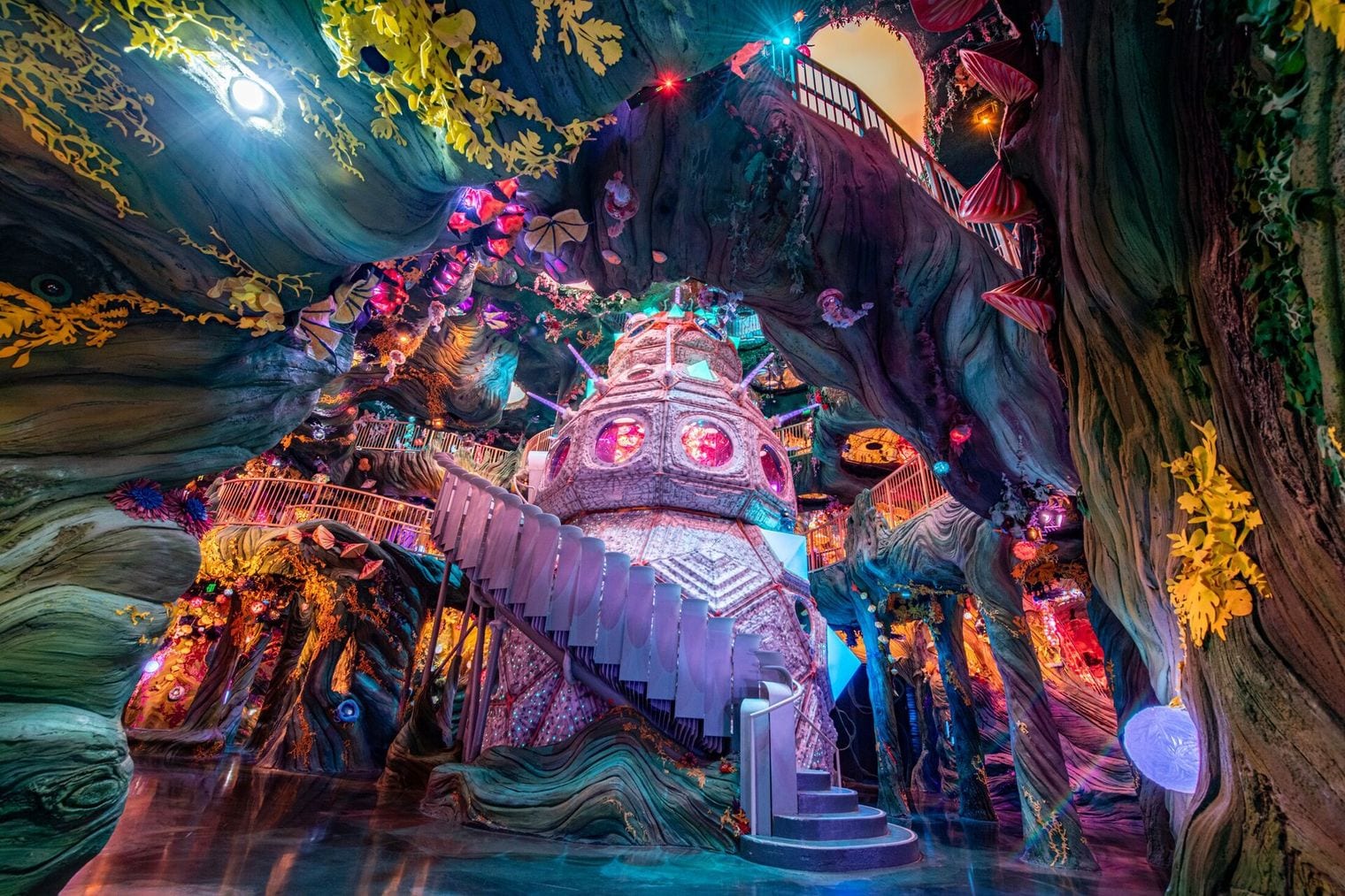
Meow Wolf's Convergence Station is a four-story immersive art experience unlike anything else in Denver — a labyrinth of neon-lit, dreamlike worlds you don't just look at but walk through, climb into and touch. Created by a collective of artists, it fuses sculpture, sound, light and a hidden sci-fi narrative into a sensory playground that reveals more the longer you explore.
Part art installation, part choose-your-own-adventure, it invites you to piece together the story of four converged worlds while losing yourself in room after room of surreal detail. It has quickly become one of the city's signature draws, equally captivating for curious adults and imaginative kids.
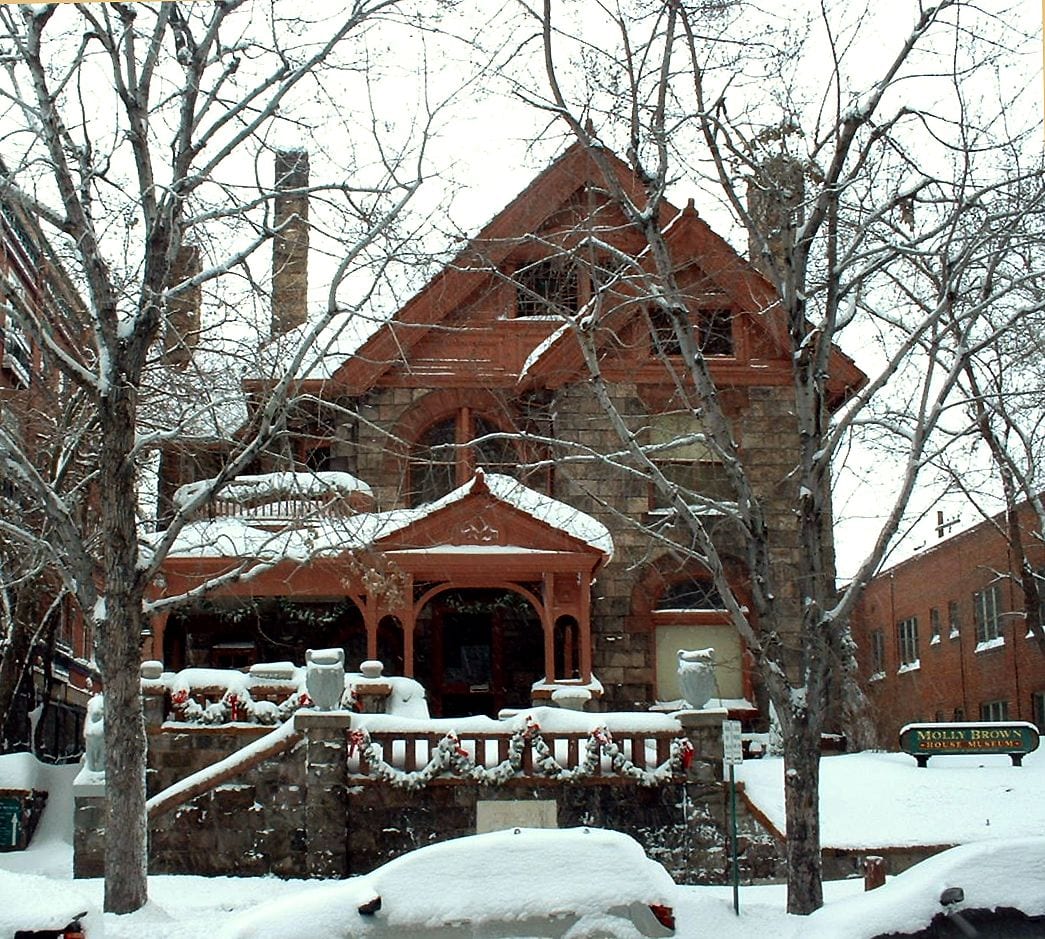
The Molly Brown House Museum preserves the elegant Victorian home of Margaret "Molly" Brown, the Denver philanthropist and activist immortalized as the "Unsinkable Molly Brown" after she survived the sinking of the Titanic. The lava-stone mansion in the Capitol Hill neighborhood has been meticulously restored to its turn-of-the-century grandeur, from the ornate parlor to the period wallpapers.
Guided tours bring Brown's remarkable life into focus — her advocacy for workers, women and children long before it was fashionable, and the drama of that April night in 1912. It's an intimate, story-rich counterpoint to Denver's larger museums, and a window into the Gilded Age city.
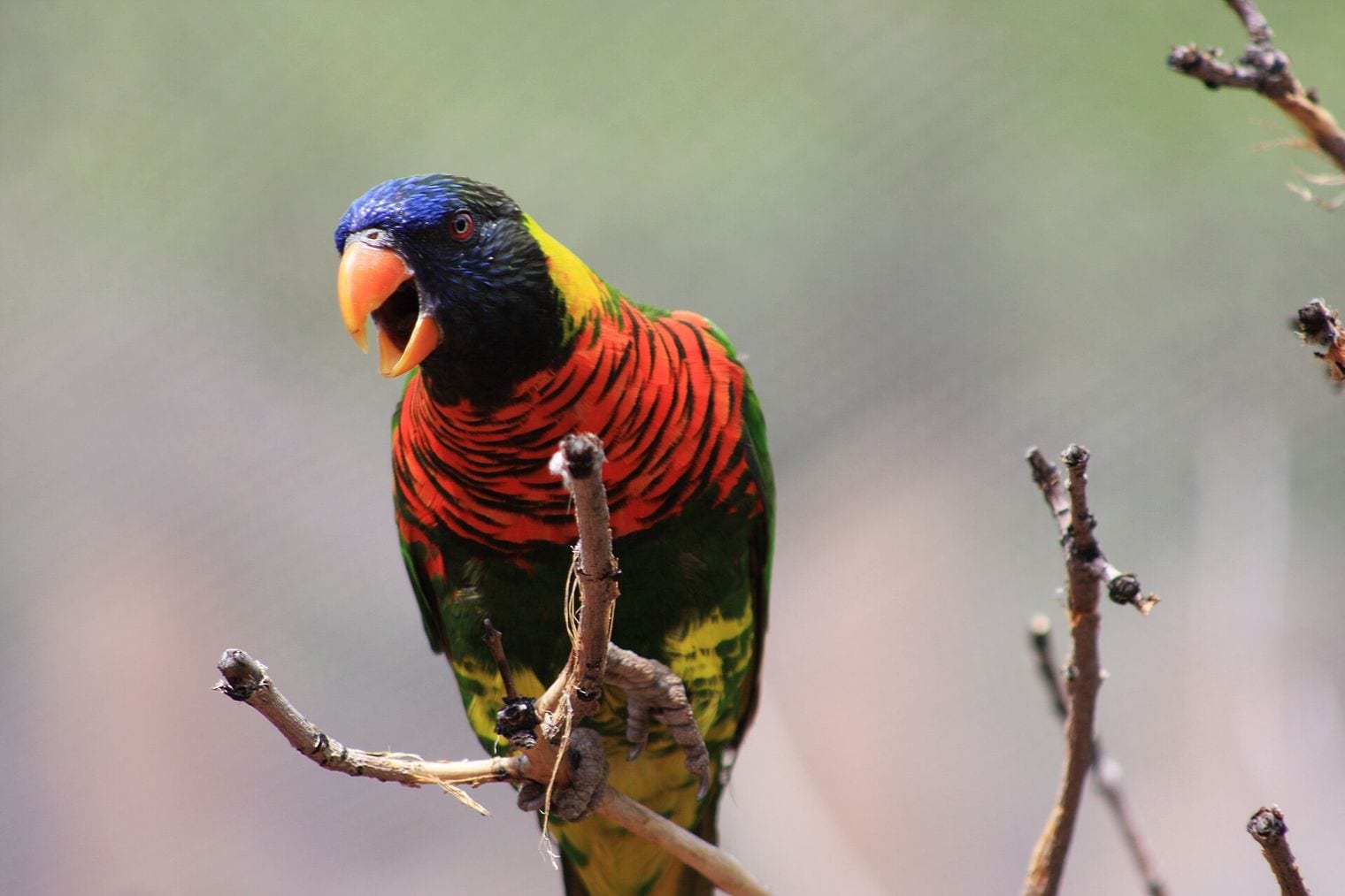
Set within the greenery of City Park, the Denver Zoo is one of the region's most popular family attractions, home to thousands of animals across habitats that range from African plains to Asian tropics. Naturalistic exhibits like the elephant-focused Toyota Elephant Passage give the residents room to roam and give visitors close, memorable encounters.
Beyond the marquee species — big cats, primates, giraffes and more — the zoo has earned a reputation for its conservation work and sustainable design. It's an easy full morning or afternoon, and its City Park setting means the mountains are often visible over the treetops.
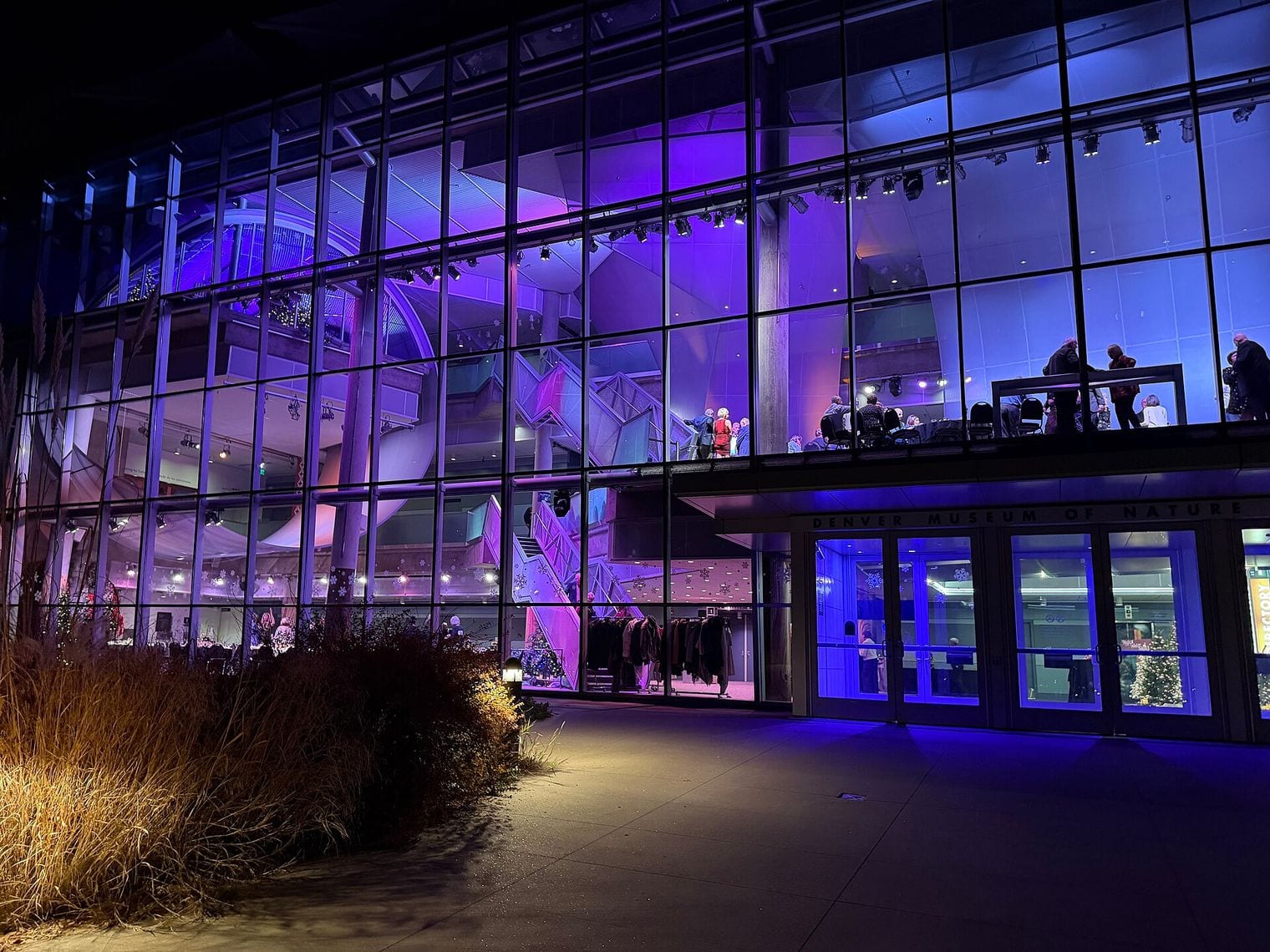
The Denver Museum of Nature & Science is the Rocky Mountain region's premier natural-history institution, a sprawling complex where you can stand beneath towering dinosaur skeletons, walk through dioramas of Colorado wildlife, and explore the human body and ancient Egypt in a single visit. Its planetarium and IMAX theater add a big-screen dimension to the science on display.
Perched on the eastern edge of City Park, the museum is also famous for the view from its upper floors, where a wall of windows frames the downtown skyline against the Front Range. It's a place that rewards both quick curiosity and a deep, all-day dive.
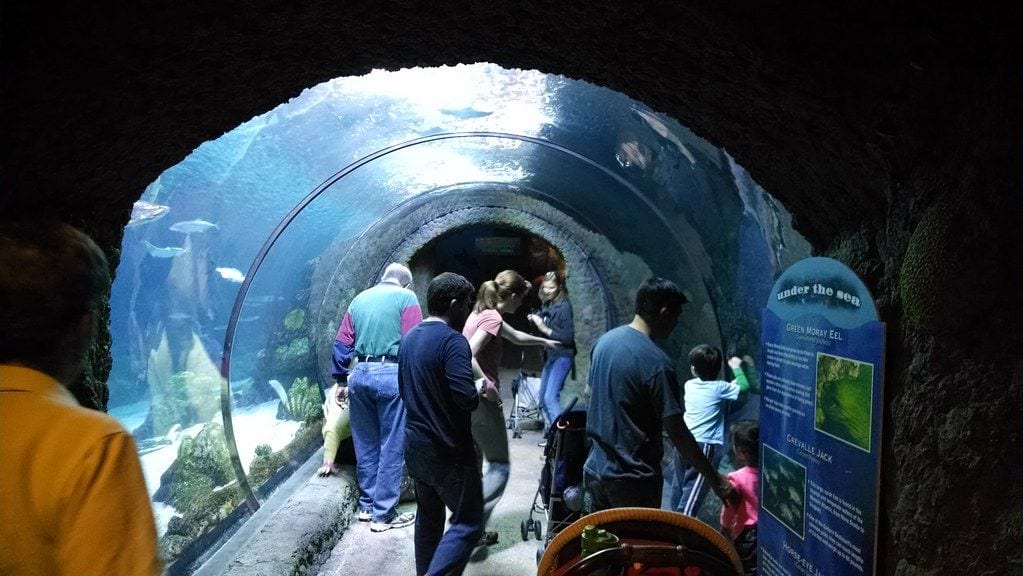
The Downtown Aquarium brings the ocean to landlocked Denver with more than a million gallons of exhibits tracing a journey from the Colorado Rockies to the coral reefs of the sea. Winding walkways pass through kelp forests, flooded rainforest and shark-filled tanks, with sea turtles, rays and even a pair of tigers among the residents.
Half attraction, half dining destination, the complex pairs its aquatic galleries with a restaurant where tables sit beside a floor-to-ceiling tank. It's a reliably fun stop for families and an unexpected pleasure in a city a thousand miles from the nearest coastline.
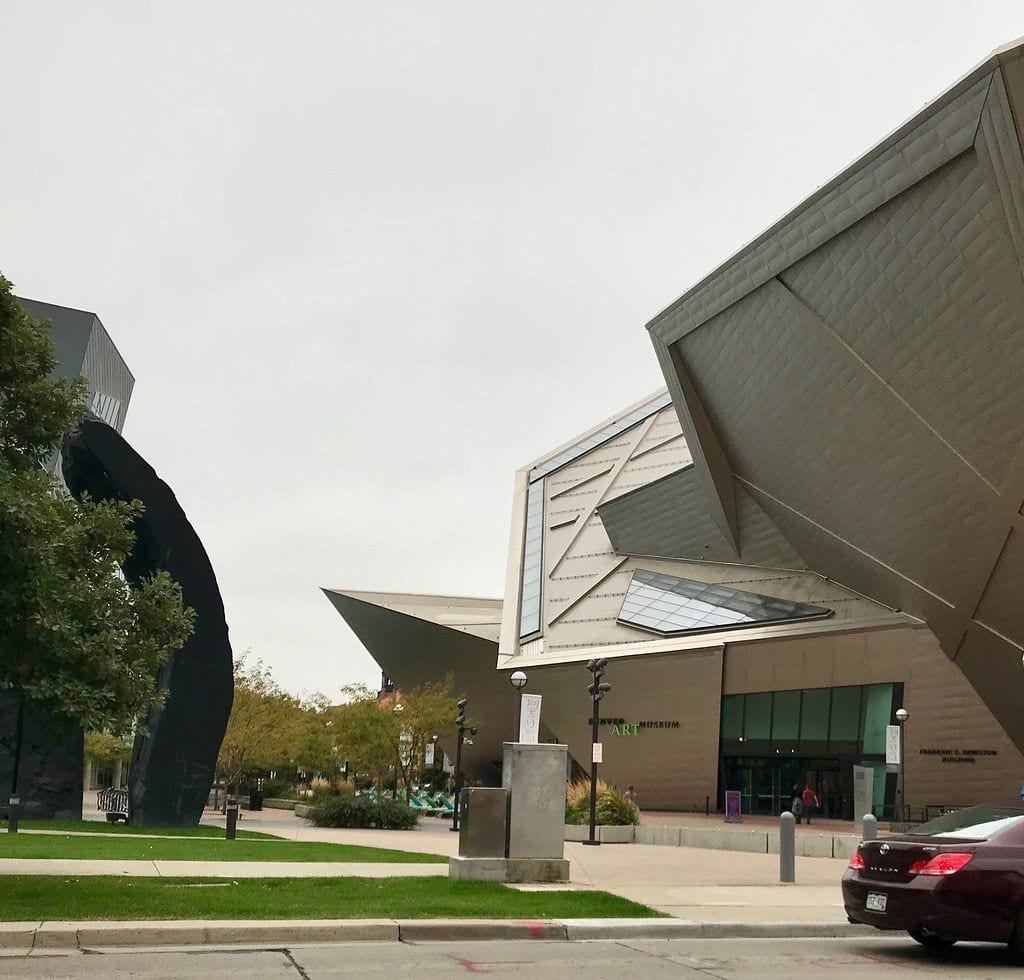
The Denver Art Museum is one of the largest art museums between the coasts, instantly recognizable for the jagged titanium peaks of its Hamilton Building, designed by architect Daniel Libeskind. Its holdings span continents and centuries, but it is especially celebrated for one of the finest collections of Indigenous art of the Americas anywhere in the world.
Inside, the galleries move fluidly from ancient textiles to bold contemporary installations, with hands-on spaces that make the collection approachable for all ages. Set in the museum-dense Golden Triangle, it pairs naturally with the Capitol and the History Colorado Center for a culture-packed day.
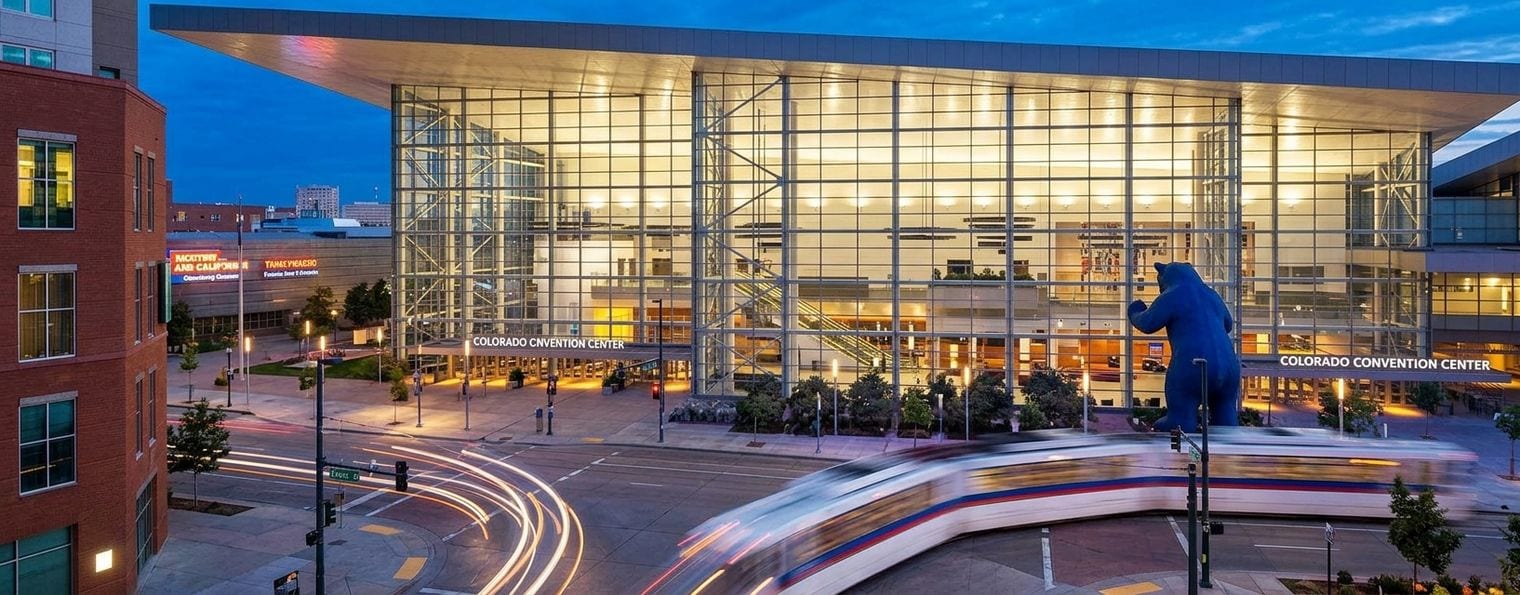
10. Colorado Convention Center
Source: Illustrative image
The Colorado Convention Center is a downtown landmark best known to visitors for the giant blue bear peering into its windows — Lawrence Argent's 40-foot sculpture "I See What You Mean," one of Denver's most photographed pieces of public art. The playful, curious creature has become an unofficial mascot of the city.
While the center itself hosts conventions and events year-round, its plaza and the Big Blue Bear are a free, only-in-Denver photo stop that anchors the surrounding 14th Street cultural corridor. It's an easy add-on while exploring the nearby theaters, museums and the 16th Street promenade.
11. Let's Roam
Source: Illustrative image
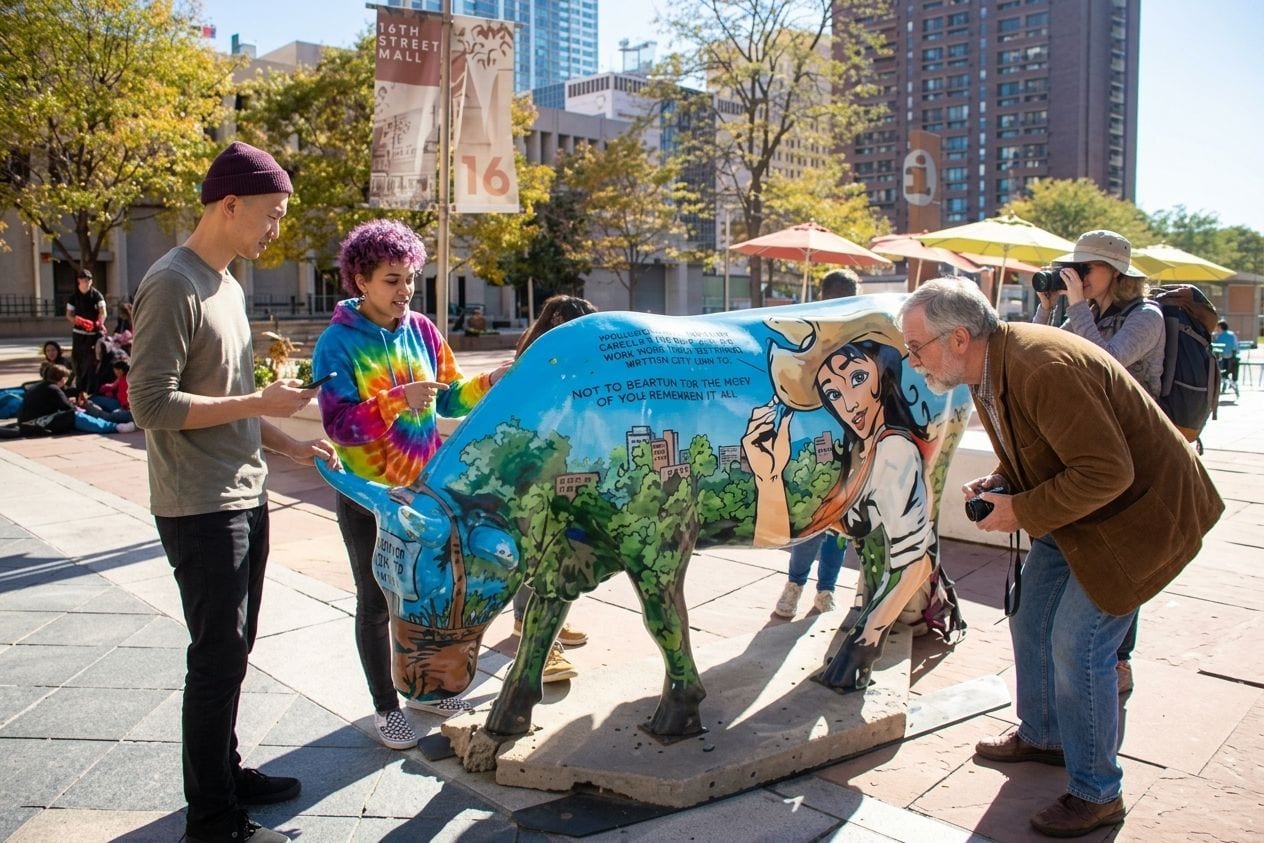
Let's Roam offers a fresh way to see Denver on foot: app-guided scavenger hunts that turn a walk through the city's neighborhoods into an interactive game. Following clues on your phone, you'll uncover landmarks, trivia and hidden corners you might otherwise stroll right past, with challenges and photo tasks along the way.
It's a flexible, self-paced option that works well for groups, families or a playful date, letting you explore areas like downtown and LoDo at your own rhythm. Think of it as a walking tour with the structure of a game — a low-key, screen-in-hand way to get your bearings in a new city.
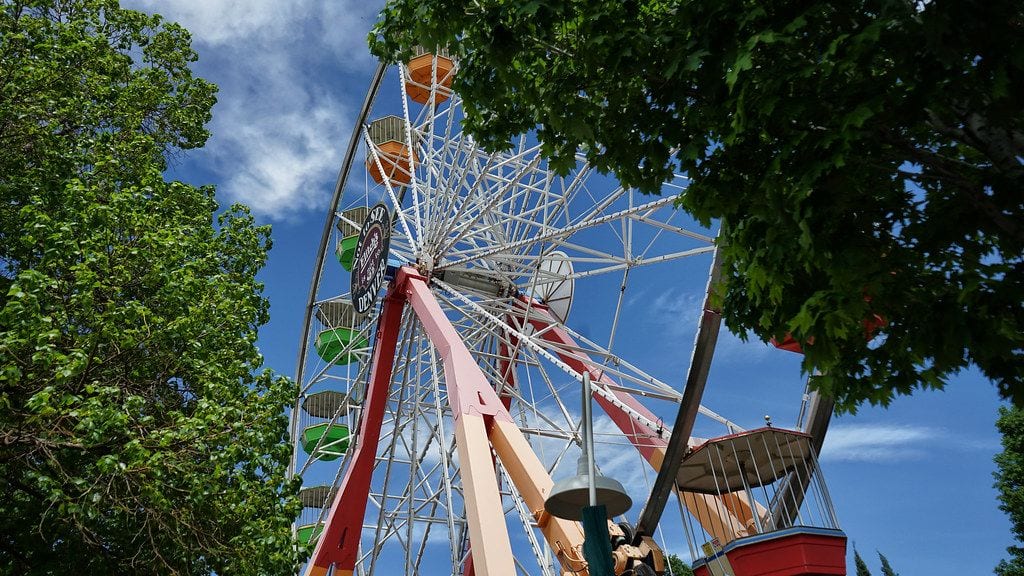
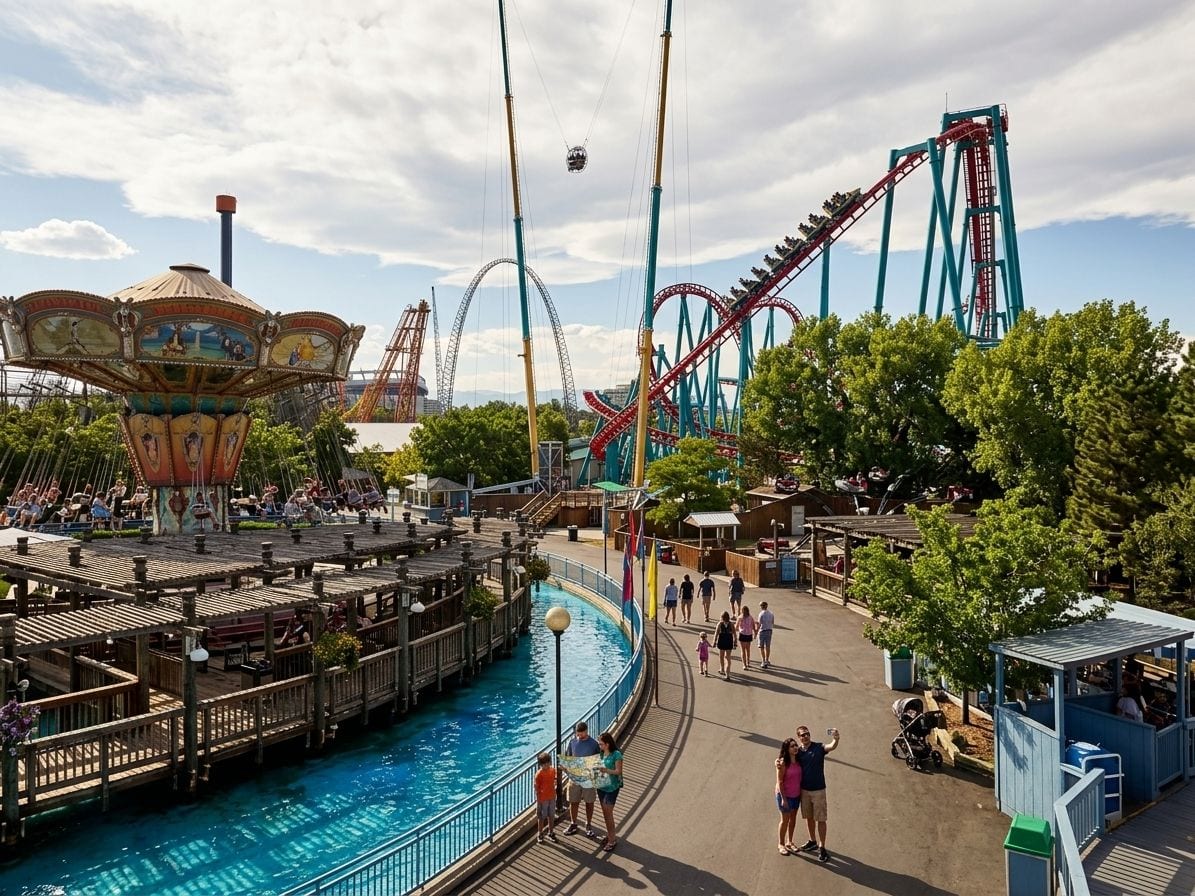
Elitch Gardens is Denver's downtown amusement and water park, a rare big-city thrill park where roller coasters and a Ferris wheel rise against the skyline. From towering steel coasters to a full water park with slides and a wave pool, it packs a full day of rides and splashing into a site just steps from the city center.
The park's central location makes it an easy addition to a downtown itinerary, especially for families or anyone craving a jolt of adrenaline between museums and neighborhoods. On a warm day, the water-park side offers a welcome way to cool off with the mountains on the horizon.
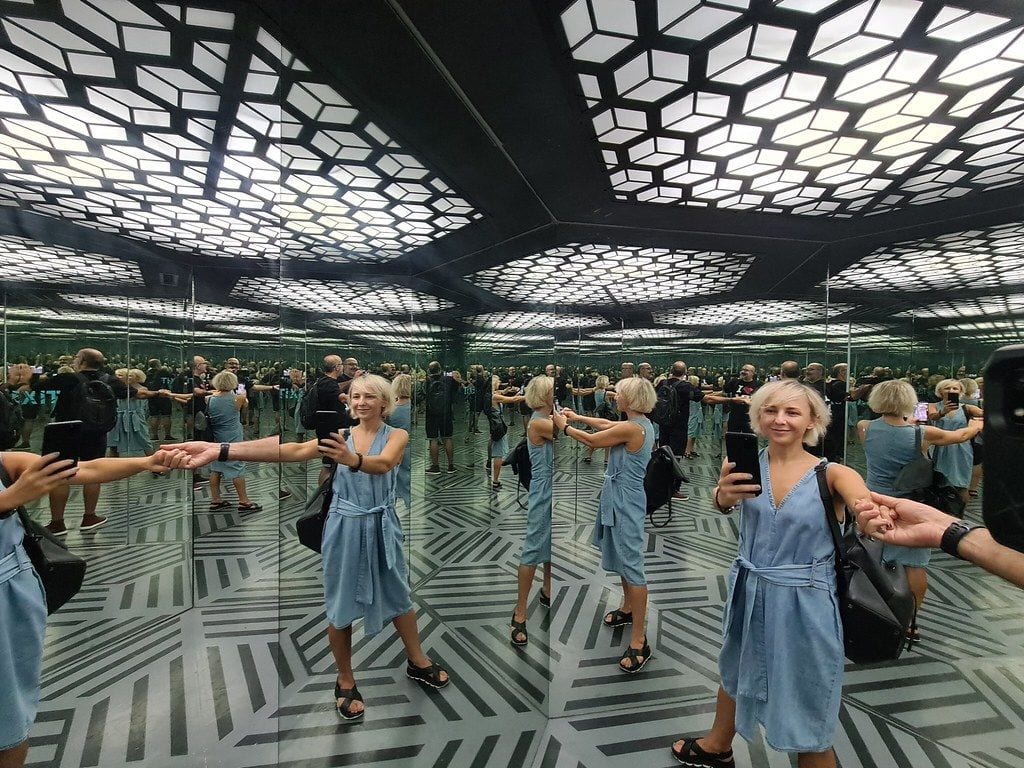
The Museum of Illusions is a playful, hands-on attraction where nothing is quite as it seems — a warren of optical tricks, mind-bending rooms and interactive exhibits designed to delight and disorient in equal measure. Walk through a rotating vortex tunnel, shrink and grow in the Ames room, or lose yourself in a hall of infinite reflections.
Every exhibit is built for photos, making it a hit with kids, teens and anyone who enjoys a good brain-teaser. Compact and centrally located, it's an easy hour of fun that slots neatly between larger downtown stops.
Housed in a historic hangar at the former Lowry Air Force Base, the Wings Over the Rockies Air & Space Museum celebrates Colorado's rich aviation and space heritage. Its cavernous main hall is packed with vintage aircraft, spacecraft and military jets, letting you walk right up to machines that shaped a century of flight.
Exhibits trace everything from early barnstormers to the space age, with interactive displays and flight simulators that appeal to budding pilots and lifelong aviation buffs alike. It's a standout for families and anyone drawn to the engineering and adventure of getting off the ground.
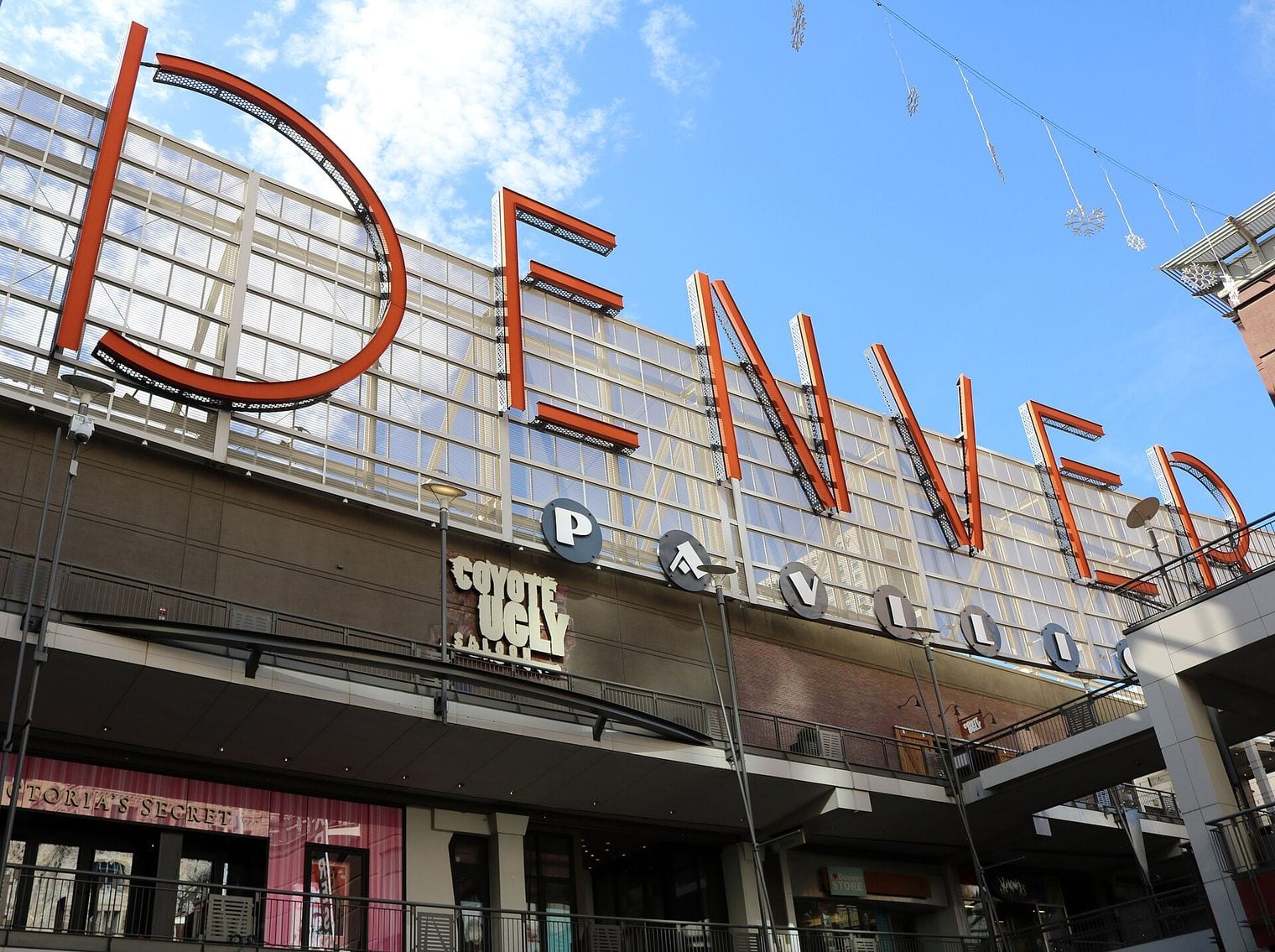
Denver Pavilions is a lively open-air entertainment and retail complex spanning several blocks of the downtown core, blending shops, restaurants and a movie theater into one energetic hub. Its central location along the 16th Street corridor makes it a natural gathering point for visitors looking to eat, shop and people-watch in the heart of the city.
With a mix of national brands and local spots, plus rooftop dining and nightlife, the Pavilions keeps buzzing from midday into the evening. It's a convenient one-stop for a break between sightseeing, especially if you're already exploring the downtown promenade.
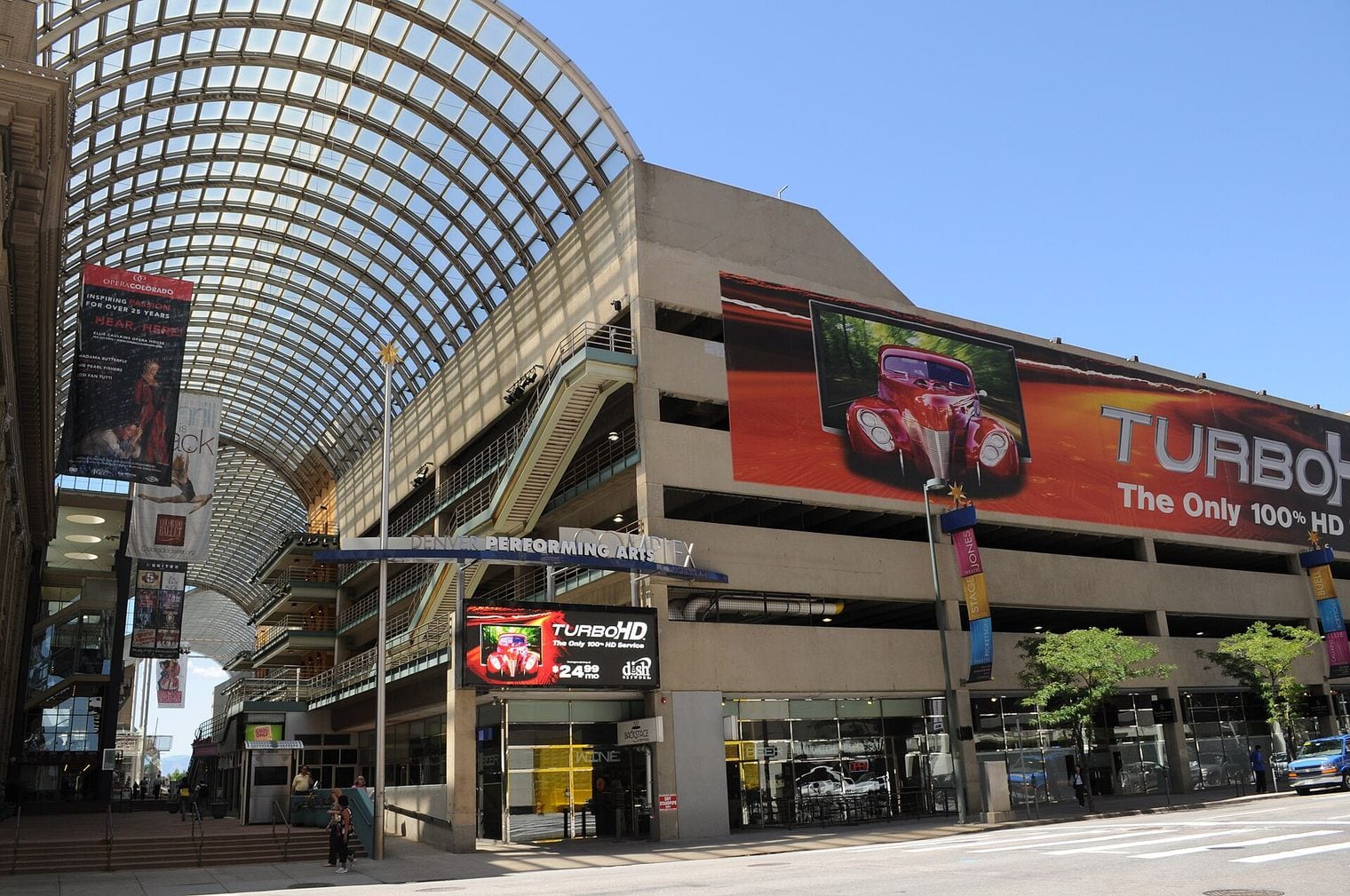
The Denver Performing Arts Complex is one of the largest performing-arts centers in the country under a single roof, a sprawling downtown campus of theaters connected by a soaring glass galleria. Home to Broadway tours, symphony, opera, ballet and acclaimed resident theater companies, it is the beating heart of Denver's stage scene.
Even without a ticket, the complex is worth a look for its dramatic architecture and the arched glass canopy that links its venues. When a show is on, few settings in the city feel more special — a night here is a cornerstone of Denver's cultural life.
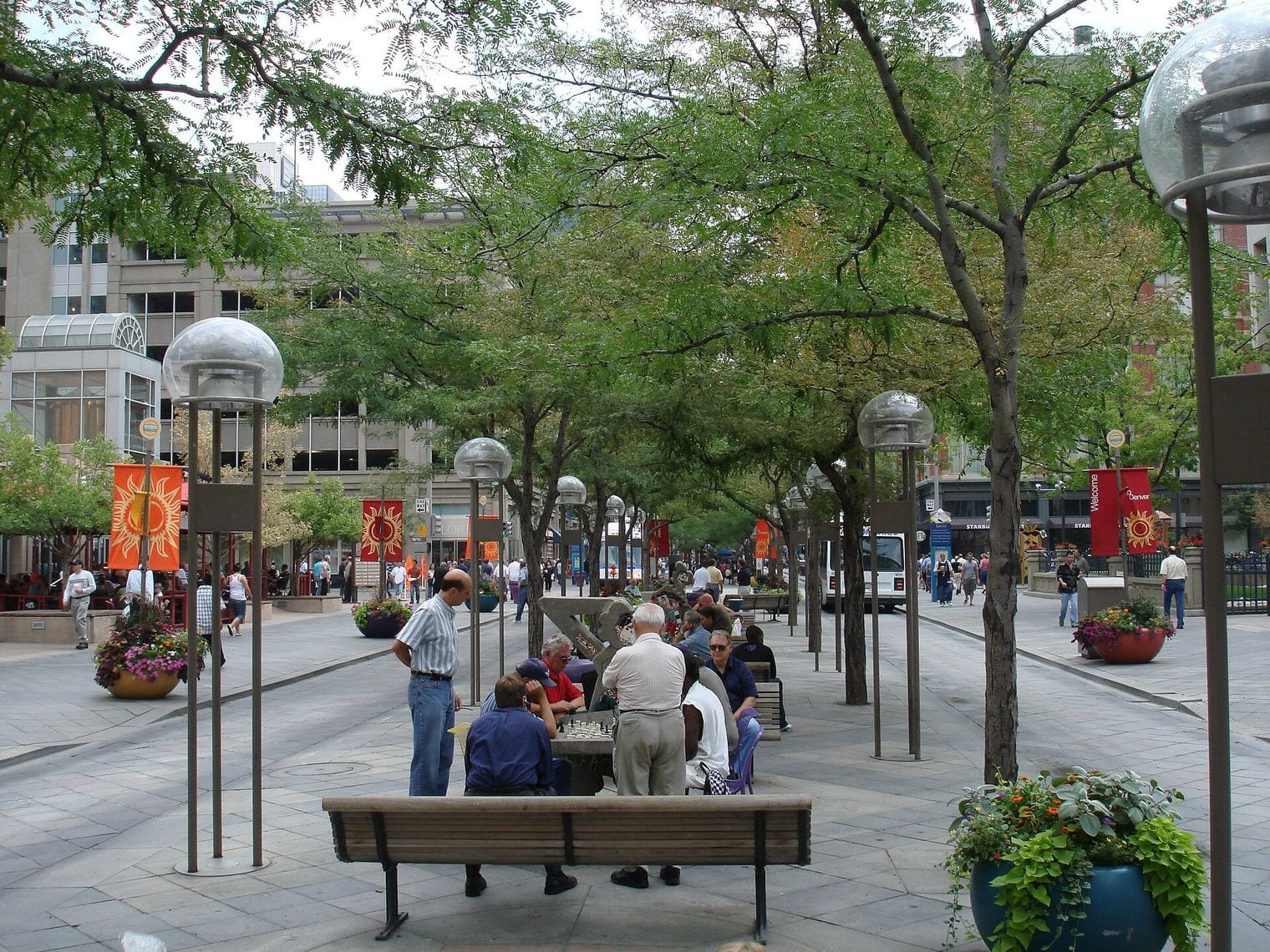
16th Street is Denver's mile-long pedestrian spine, a tree-lined promenade running through the middle of downtown that's closed to ordinary traffic and lined with shops, cafes, restaurants and street performers. Free shuttle buses glide its length, making it the easiest way to move between the city's central attractions on foot.
From historic buildings to buskers and outdoor tables, the street captures the everyday rhythm of downtown Denver and connects landmarks like Union Station, Larimer Square and the Pavilions. It's less a single sight than the connective tissue of the city center — a place to wander, snack and take the pulse of the city.
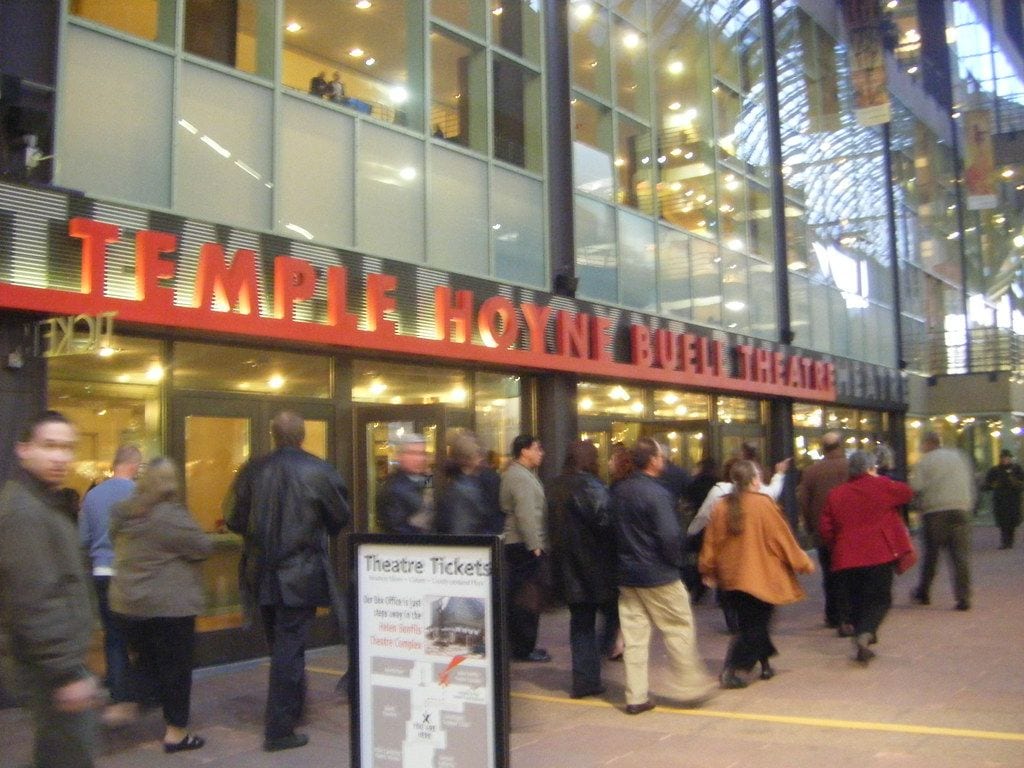
The Temple Hoyne Buell Theatre is the grand main stage of the Denver Performing Arts Complex, a spacious modern hall that hosts the biggest touring Broadway productions and large-scale performances to reach the city. Its sweeping auditorium and excellent sightlines make it Denver's go-to venue for blockbuster musicals and shows.
Catching a performance here is a highlight of any downtown evening, with the surrounding complex and its glass galleria adding to the sense of occasion. Even the pre-show buzz in the lobby, as crowds gather beneath the arched canopy outside, is part of the experience.
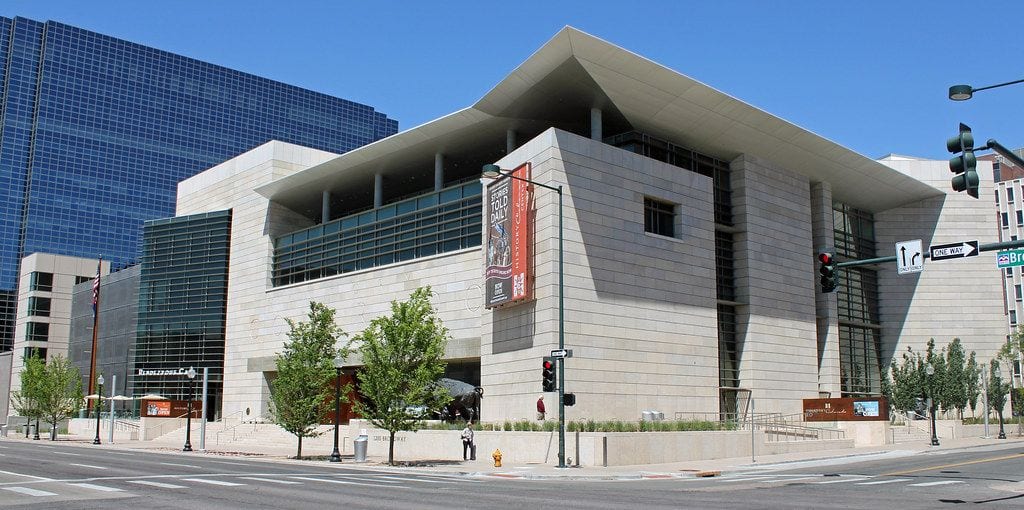
The History Colorado Center brings the state's past vividly to life through immersive, interactive exhibits that let you drive a Model T, step into a 1900s mining town, or explore the cultures that shaped the region. It's a modern, hands-on take on a state history museum, designed to engage visitors of every age.
Thoughtful galleries tackle everything from Indigenous history to the boom-and-bust cycles of the frontier economy, balancing storytelling with genuine artifacts. Located in the Golden Triangle beside the Art Museum, it rounds out a museum-rich stretch just south of the Capitol.
20. Denver City Park
Source: Illustrative image
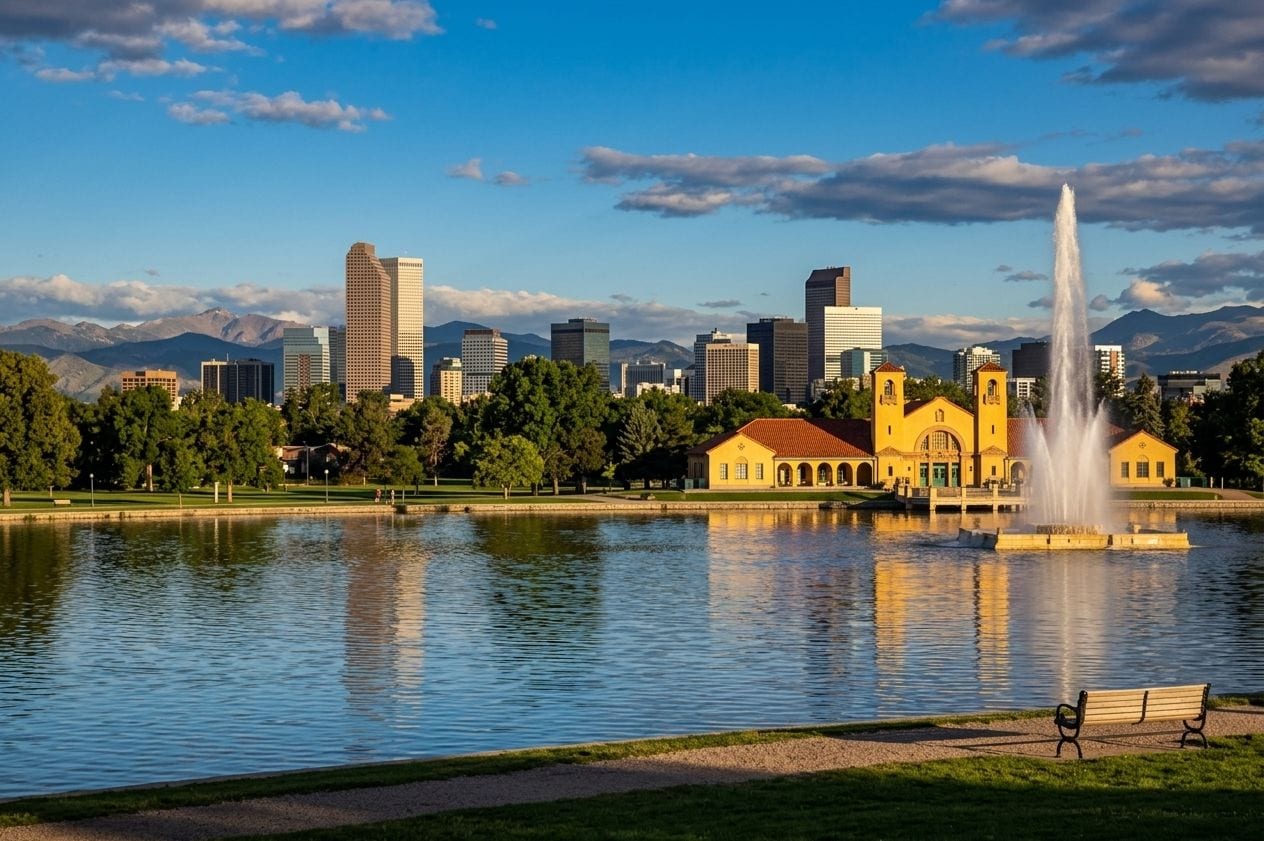
Denver City Park is the city's largest and grandest urban park, a sweeping green expanse that holds both the zoo and the Museum of Nature & Science within its borders. Its lakes, historic pavilion and tree-lined paths make it a favorite for strolling, picnicking and paddle-boating, all with the Rockies rising behind the water.
The view across Ferril Lake toward the downtown skyline and the mountains beyond is one of Denver's classic vistas, especially at sunset. Whether you come for the marquee attractions inside it or simply to wander, the park is a green heart at the center of the city.
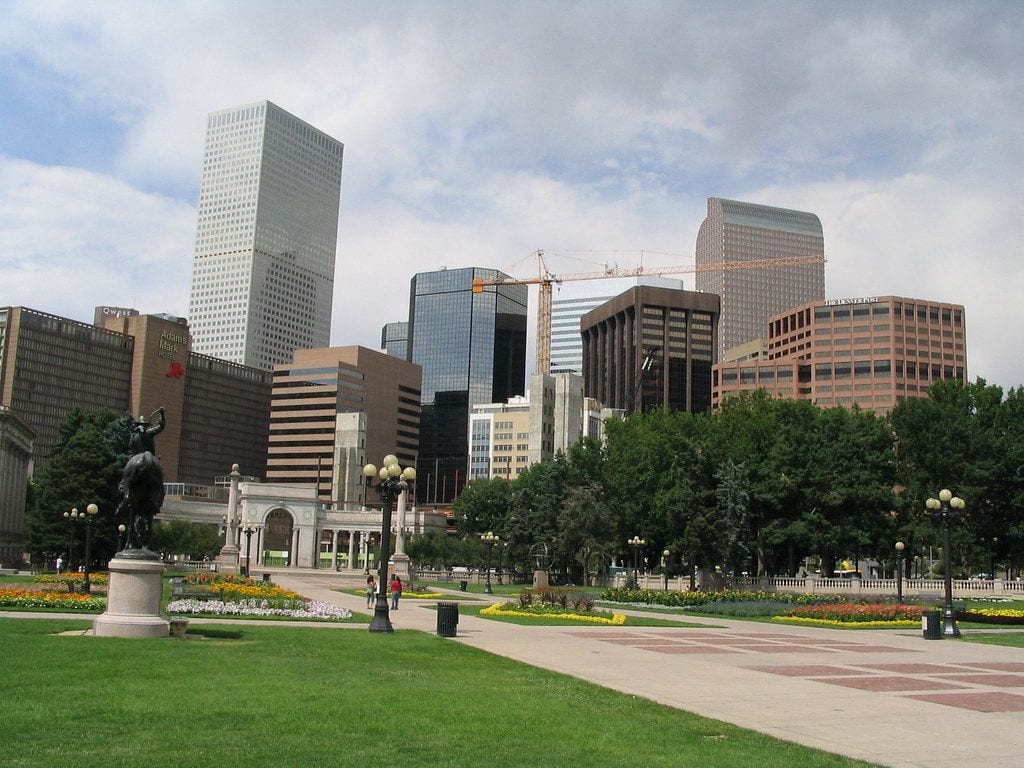
Civic Center Park is Denver's monumental heart, a formal, beautifully landscaped plaza framed by the State Capitol on one side and the City and County Building on the other. Its Greek-inspired amphitheater, fountains and war memorials give it the ceremonial grandeur of a true civic square.
Throughout the year it serves as the city's gathering place, hosting festivals, farmers markets and public celebrations against a backdrop of gold dome and grand architecture. Even on a quiet day, it's a pleasant, photogenic pause between the Capitol, the art museums and the downtown core.
22. Lakeside Amusement Park
Source: Illustrative image
Lakeside Amusement Park is a nostalgic slice of Americana, a historic amusement park whose Art Deco towers and vintage rides have delighted Denver families for generations. Set beside a lake just northwest of downtown, it trades modern polish for old-fashioned charm, from a wooden coaster to a beloved miniature railroad.
The park's retro neon and time-capsule atmosphere make it as much a photographer's delight as a place to ride, evoking the golden age of the American amusement park. For visitors who appreciate character over cutting edge, it's a uniquely charming Denver experience.
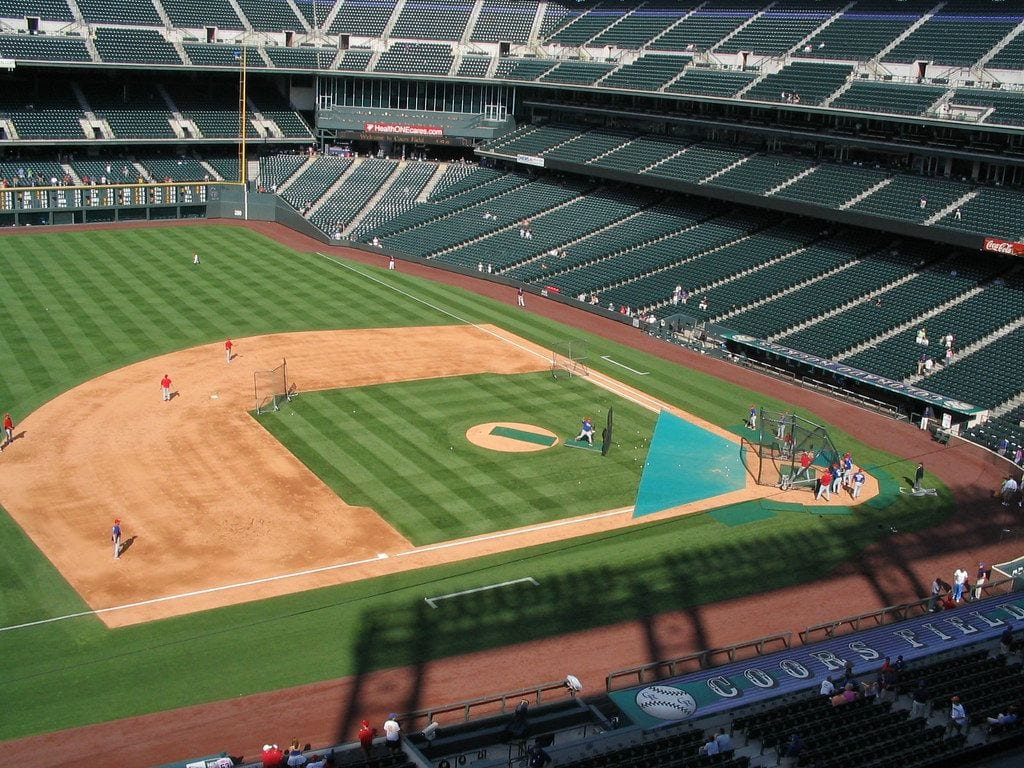
Coors Field is the open-air home of the Colorado Rockies and one of the most scenic ballparks in Major League Baseball, with mountain views beyond the outfield and a purple row of seats marking exactly one mile above sea level. Its red-brick, retro design fits seamlessly into the historic warehouse blocks of Lower Downtown.
Catching a game here is a quintessential Denver summer experience, complete with a rooftop deck and one of baseball's liveliest surrounding neighborhoods. Even non-fans enjoy the setting, and pre-game the streets of LoDo fill with the energy of a city that loves its ballpark.
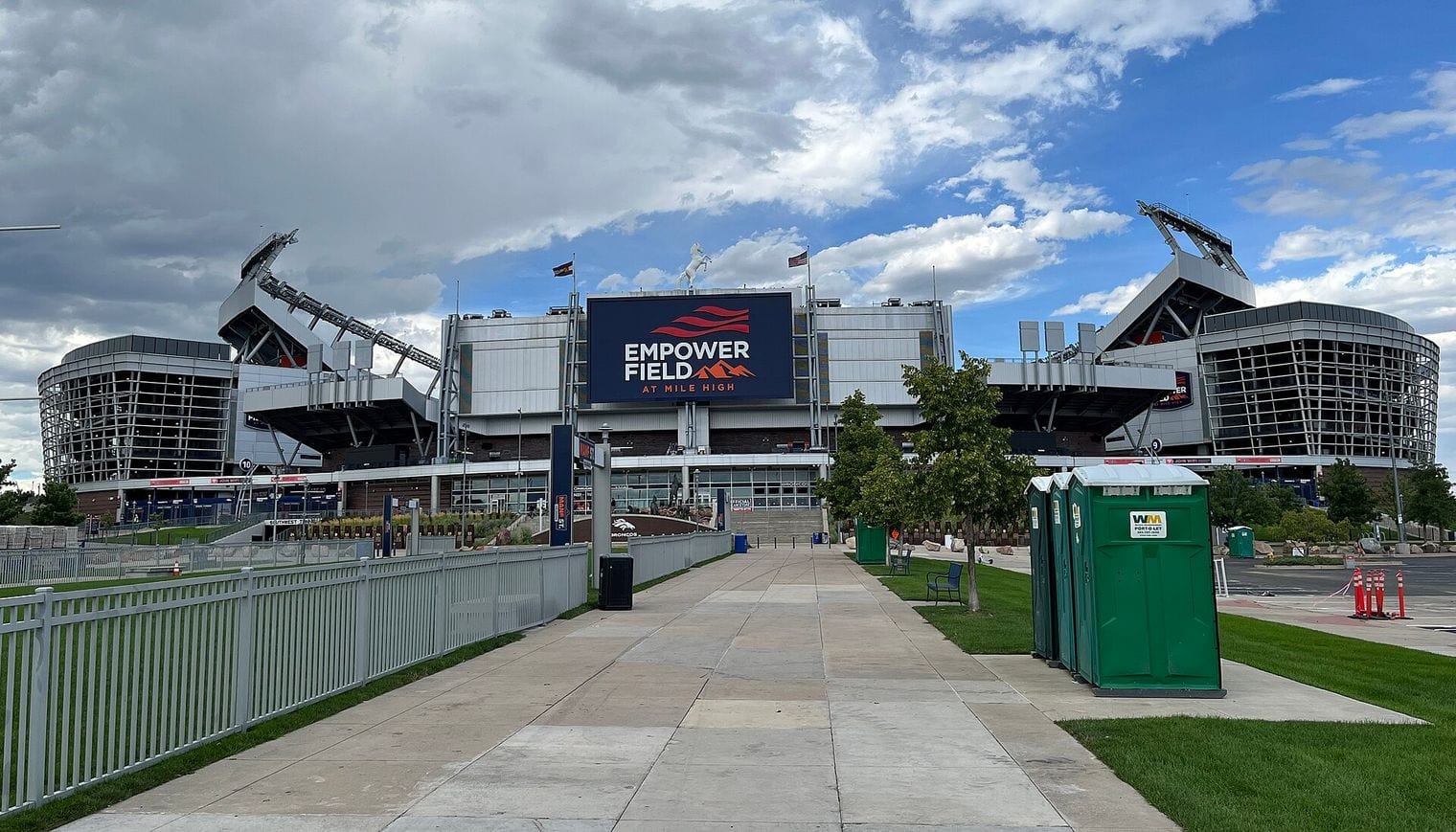
Empower Field at Mile High is the thunderous home of the Denver Broncos, a stadium whose very name nods to the city's signature elevation. On game days, the roar of a sold-out crowd and the sight of the Rockies beyond the stands make it one of the NFL's most atmospheric venues.
Even outside football season, the stadium hosts major concerts and events, and its west-side setting offers postcard views of the mountains and skyline. For sports fans, standing among the Broncos faithful is one of Denver's defining communal experiences.
25. Corinne Denver
Source: Illustrative image
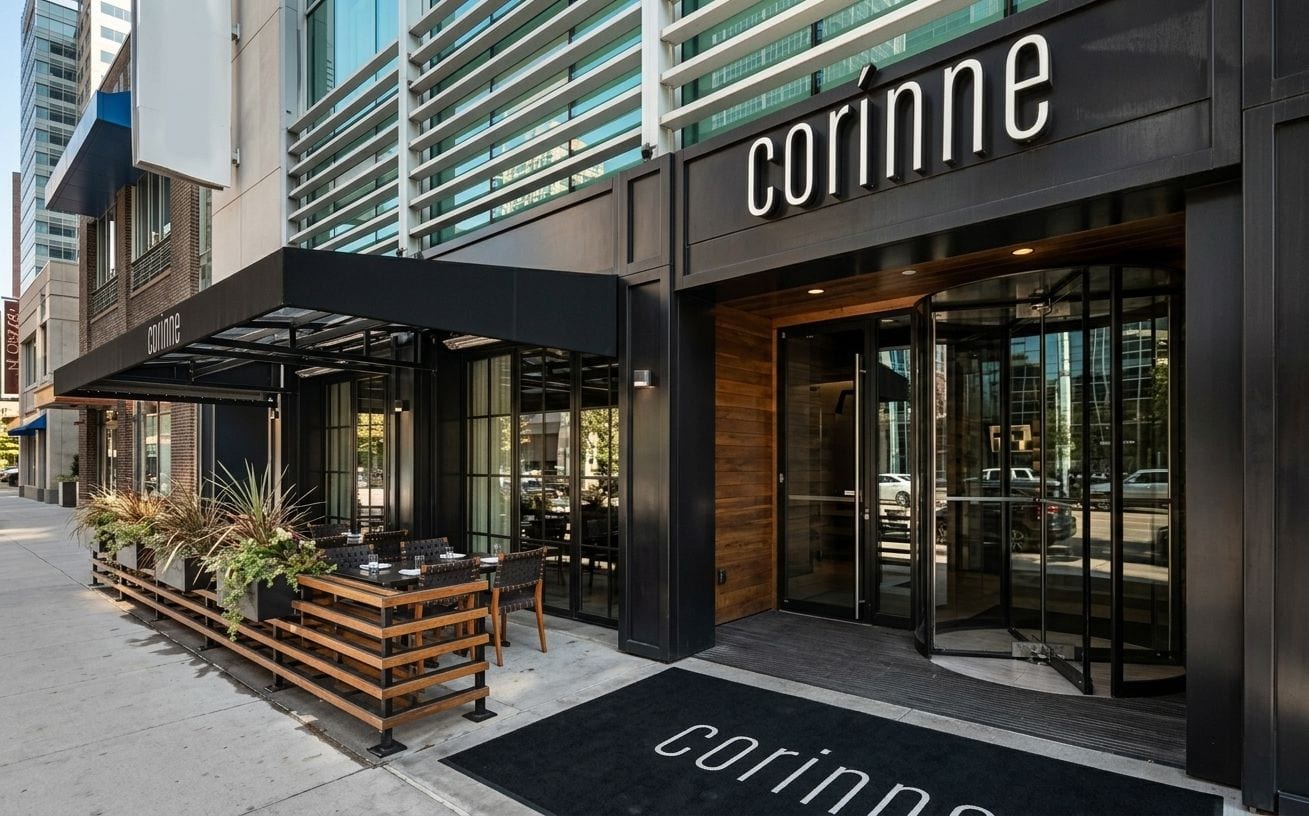
Corinne is a stylish downtown restaurant that has become a destination in its own right, known for its inviting all-day dining and a buzzing brunch scene set within a handsome historic hotel. Its seasonal, produce-forward menu and airy, light-filled room capture the polished, laid-back spirit of contemporary Denver dining.
Whether for a leisurely brunch, a craft cocktail or a relaxed dinner, Corinne offers a taste of the city's celebrated food culture in a central, walkable setting. It's an easy, elegant place to refuel between downtown sights and to see how Denver eats today.