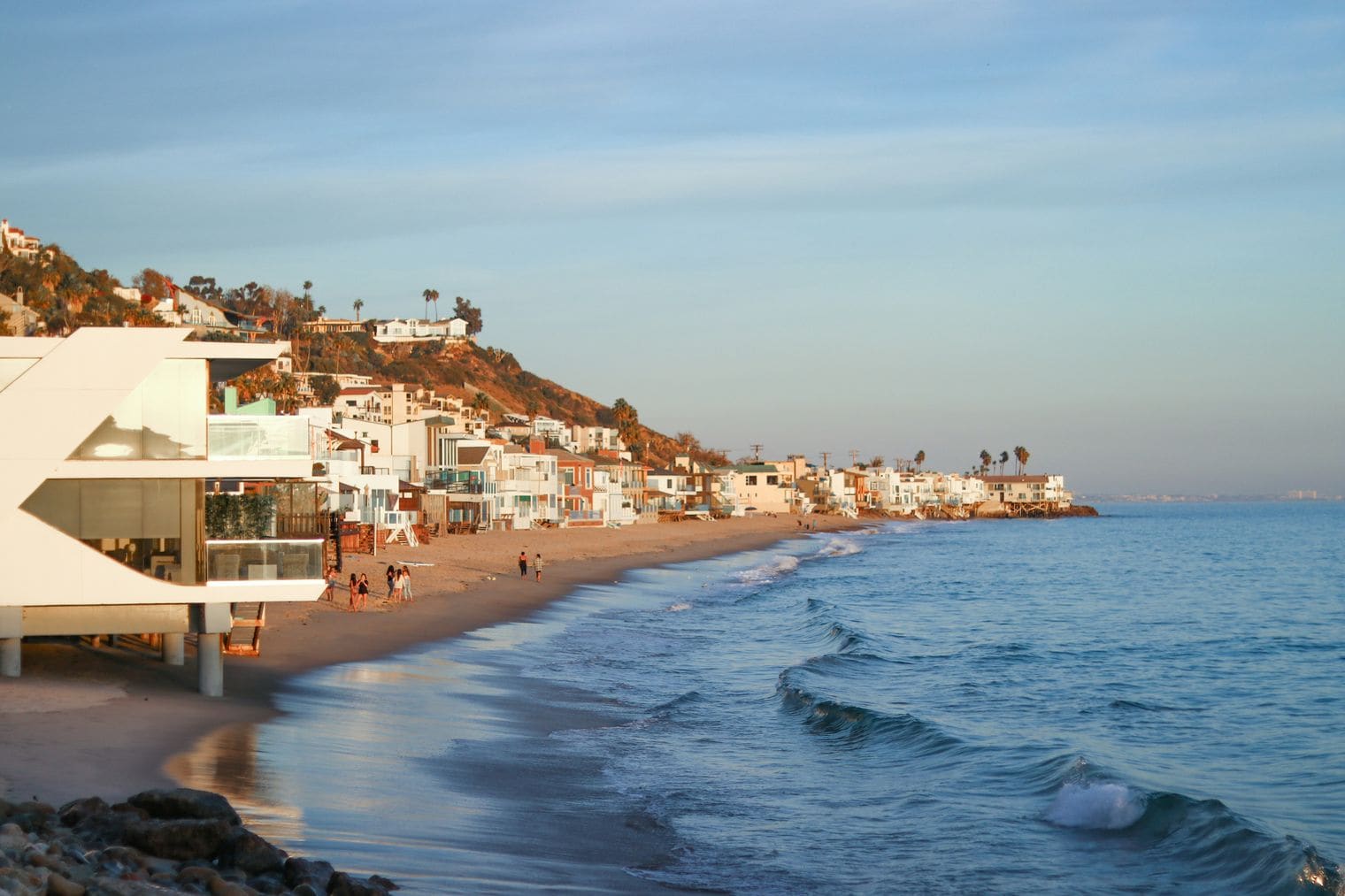
Strung along 21 miles of Pacific coastline in western Los Angeles County, Malibu is nicknamed “the Bu” by the surfers and sun-seekers drawn to its beaches. The name comes from the Chumash word Humaliwo, meaning “the surf sounds loudly,” and the town has spent decades as a byword for laid-back California cool.
Best known as a home for Hollywood stars, Malibu is also a genuine beach town of barely more than 10,000 residents, where world-class waves, state parks and canyon trails sit minutes from one another. Here are the 25 best things to do along its famous shore. Sitting at the western edge of Los Angeles County, it also makes an easy first stop on a wider California road trip.
Map of Things to Do in Malibu, California
Things to Do in Malibu, California
Fun Facts About Malibu, California
The name Malibu comes from the Chumash word Humaliwo, meaning “the surf sounds loudly” — a nod to the waves that made the town famous.
Malibu’s coast runs for about 21 miles along the Pacific, the origin of the “21 miles of scenic beauty” signs posted around town.
The city was incorporated in 1991, gaining local control of the historic Malibu land grant.
Despite its worldwide fame, Malibu is a small town of just over 10,000 residents.
Surfrider Beach was dedicated in 2010 as the world’s first World Surfing Reserve.
Malibu Pier, one of the town’s enduring landmarks, dates back to 1905.
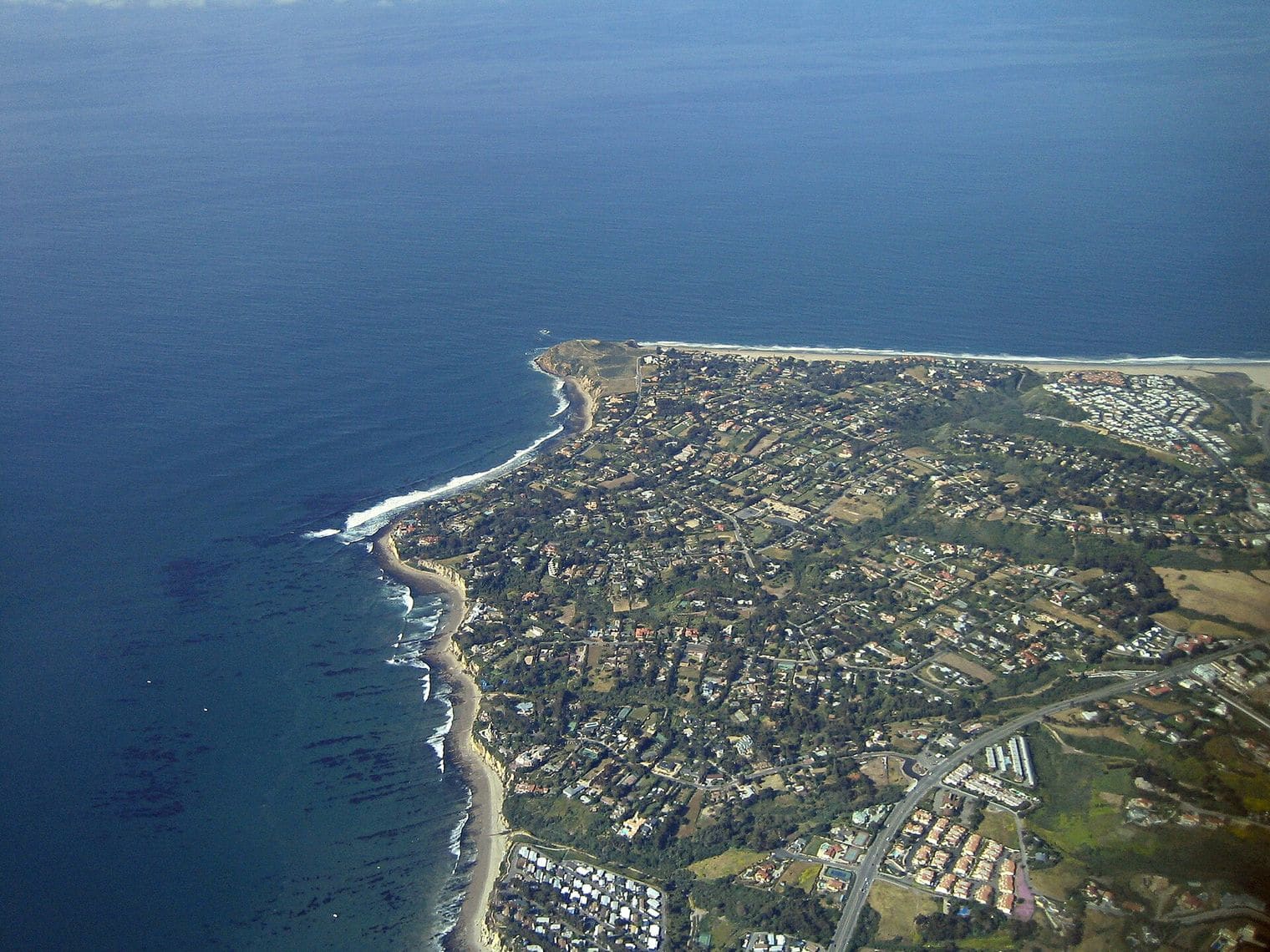
Rising at the southern tip of Malibu, Point Dume is a protected rocky headland and nature preserve where cliffs drop into secluded coves and clifftop trails trace the shoreline. Preserved sand dunes fringe the point, and on clear days you can spot Catalina Island resting on the horizon across the water.
The headland makes a prime perch for watching migrating gray whales pass by as they travel roughly from December into mid-April. Beyond the wildlife, the coves and waters here invite swimming, surfing and scuba diving, while anglers cast off the point itself. It is a rugged, scenic corner of coastline built for slow exploration.
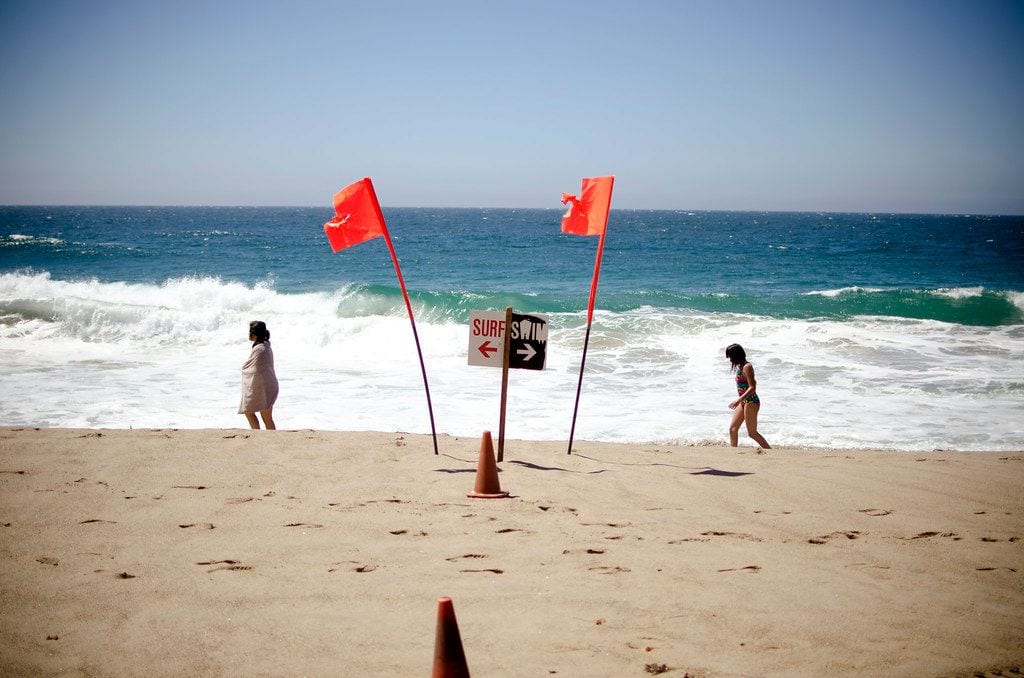
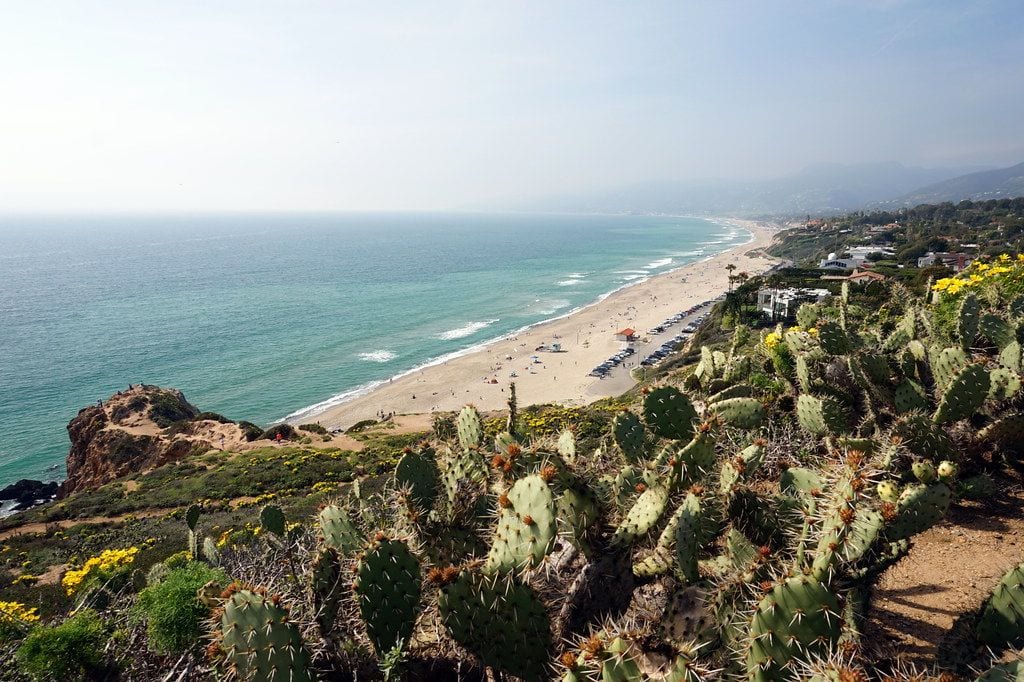
Just past Point Dume, Zuma Beach stretches wide and white across the LA County coast, a staple for tourists and locals alike. About 1.8 miles of clean sand give it plenty of room to spread out, whether you're chasing waves or simply staking a spot to soak up the Malibu sun.
The water draws bodysurfers and swimmers, though rough tides make it a poor choice for beginners, so wade in with respect. Surfers and windsurfers find their own rhythm here too, riding the open swell. Come prepared for real ocean conditions, and this broad, breezy stretch rewards you with one of the coast's finest beach days.
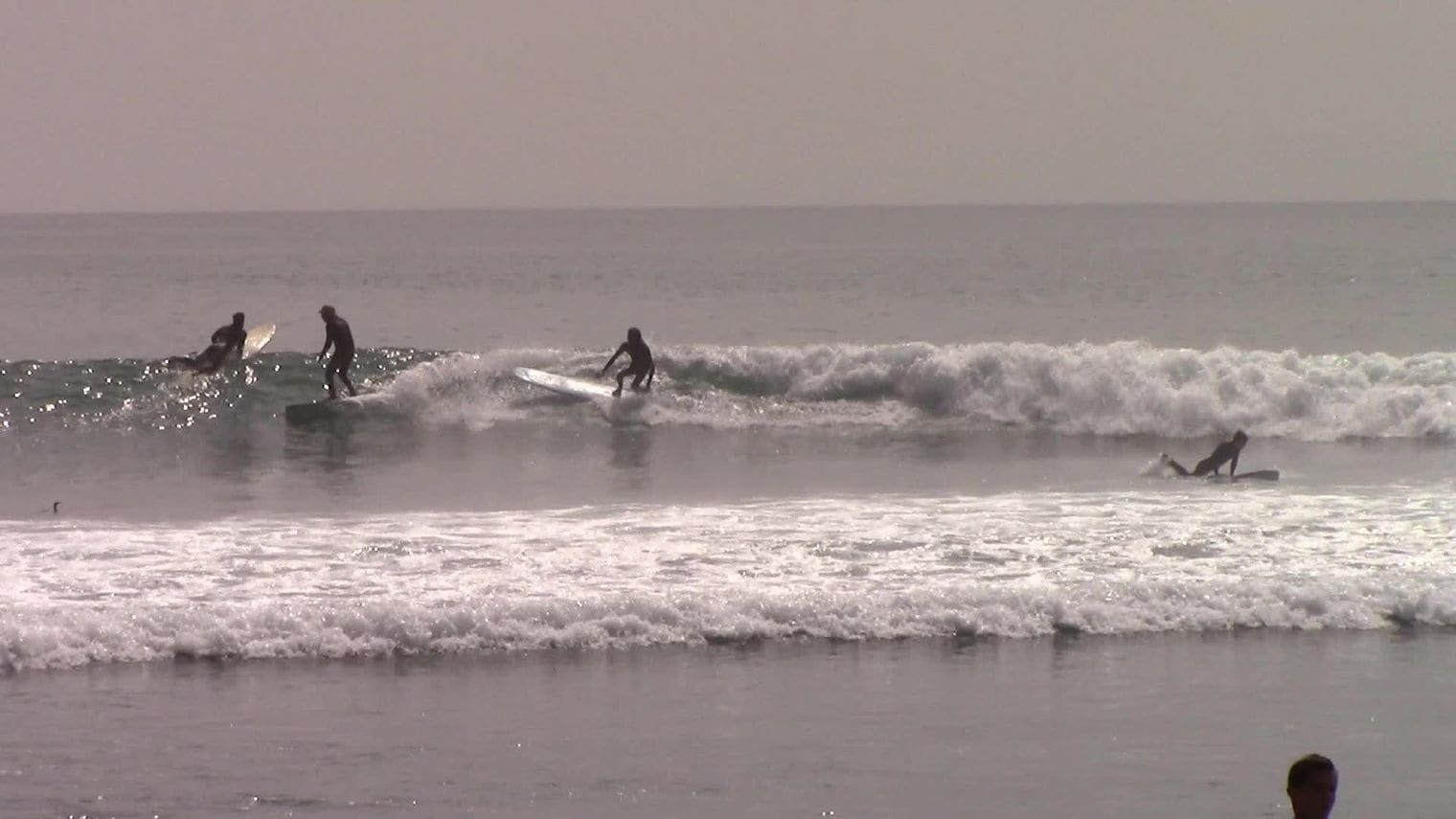
Also known as Surfrider Beach, Malibu Lagoon State Beach ranks among the most famous surf spots in the world, drawing wave-riders to its legendary breaks. The saltwater fishing is excellent too, and the wetlands themselves reward a slower pace, whether you come to cast a line, watch the surf, or simply wander the shore.
The lagoon is also home to the historic Adamson House and the Malibu Lagoon Museum, which preserve the story of the local area. Seasonal guided tours explore the wetlands, and when the season is right, you can join a gray-whale-watching outing offshore. It is a spot that blends surf culture, wildlife, and heritage in one setting.
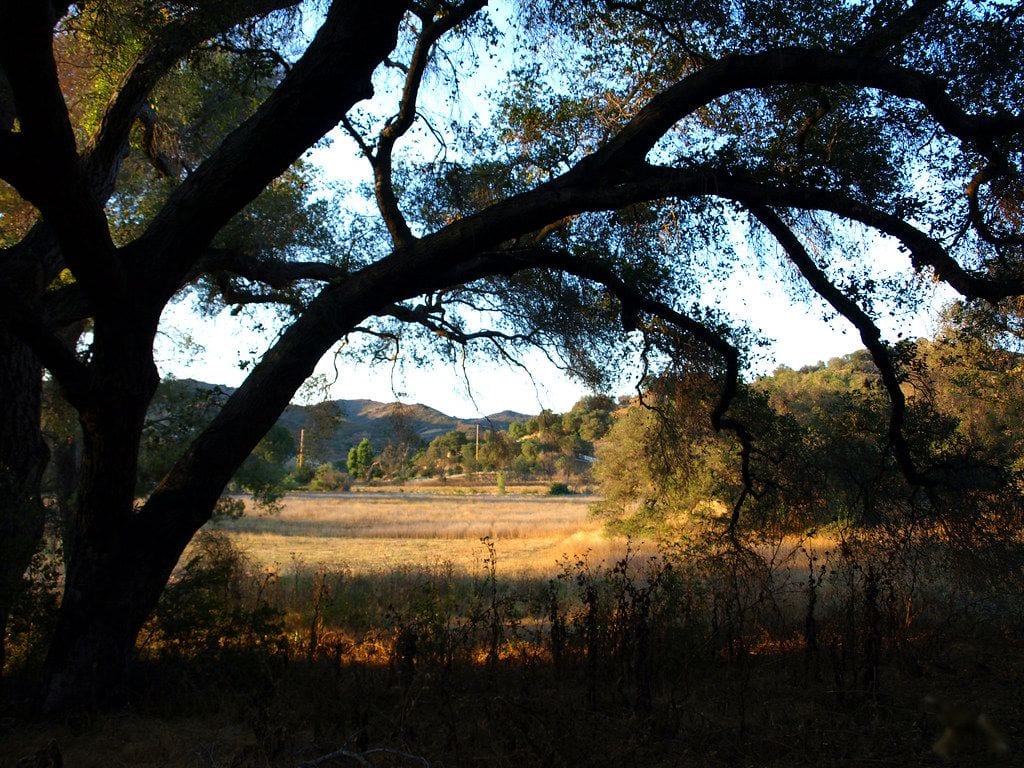
Tucked into the Santa Monica Mountains, Malibu Creek State Park is a sprawling playground for hikers, cyclists and rock climbers. Trails wind past the creek that gives the park its name, where anglers cast a line and birdwatchers scan the brush. It's a wild, rugged escape just minutes from the coast.
The land is steeped in Chumash history, and the 19th-century Sepulveda Adobe stands as a reminder of its layered past. Film buffs will recognize the scenery too: scenes from Planet of the Apes and M*A*S*H were shot among these rolling hills. Bring water, good shoes and plenty of time to wander the backcountry paths.
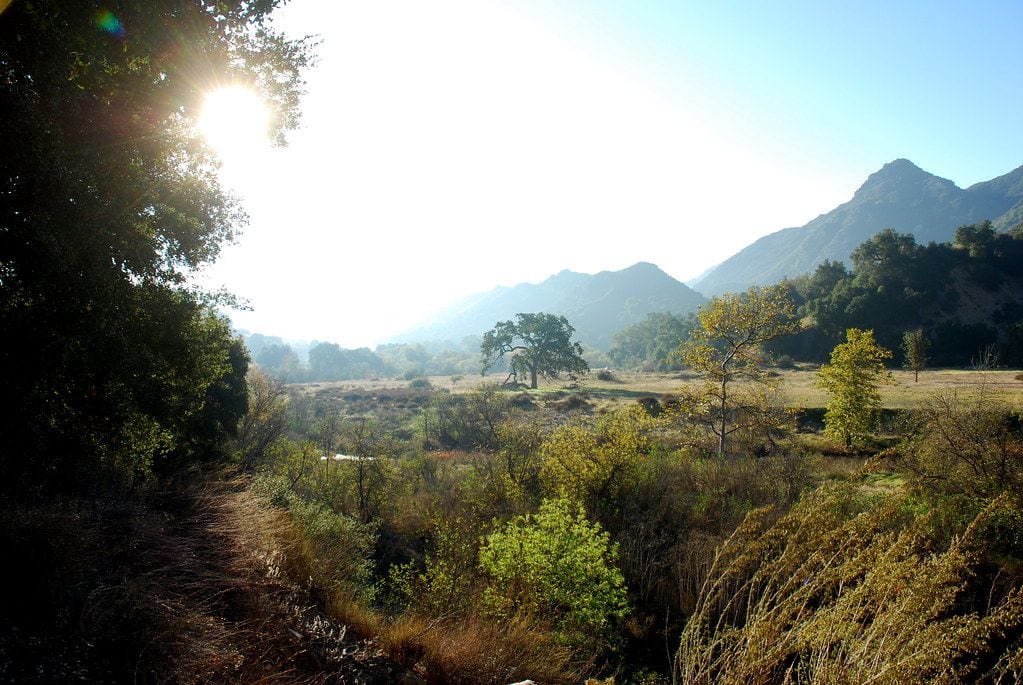
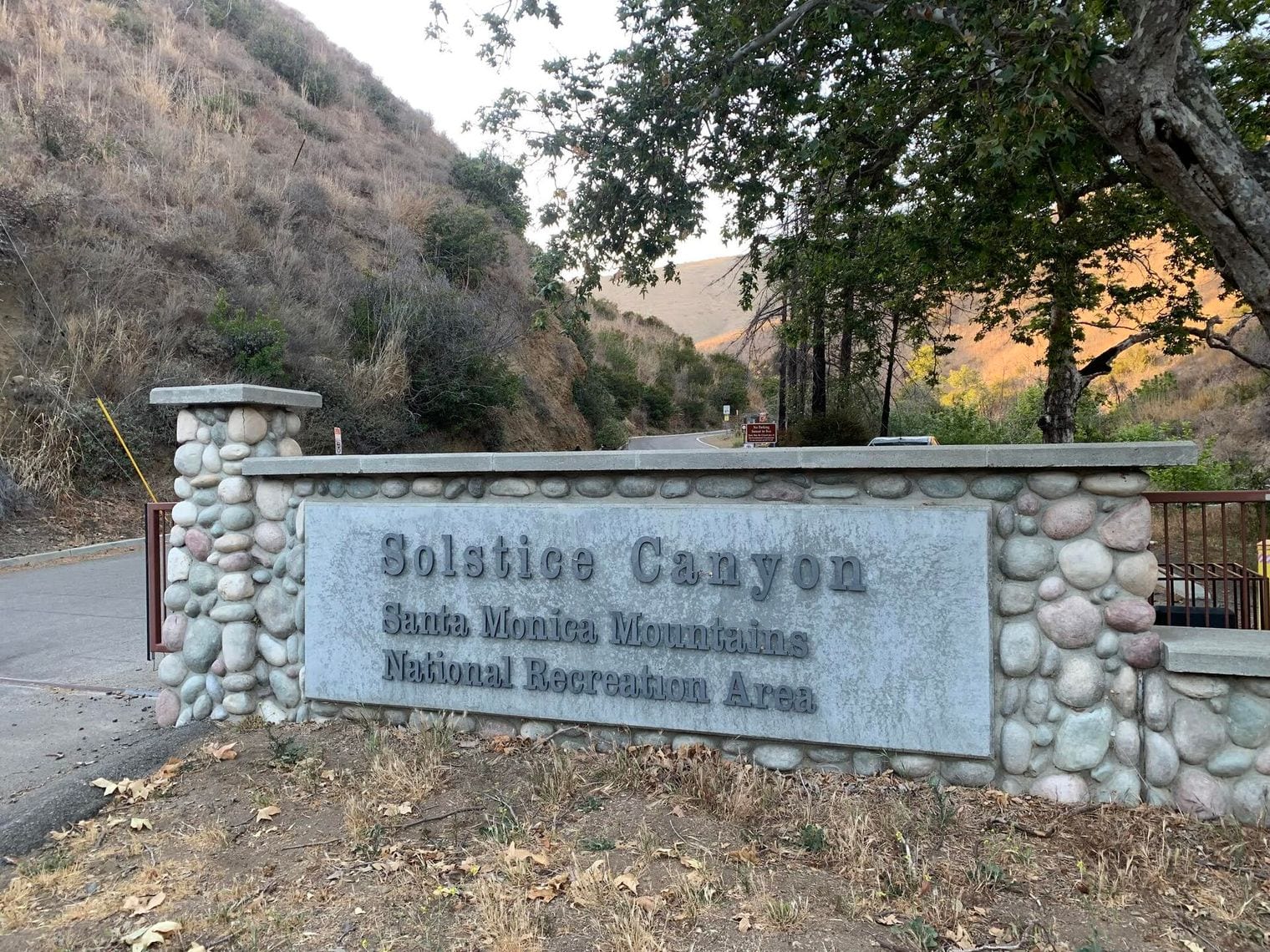
Tucked into the Santa Monica Mountains, Solstice Canyon rewards an easy roughly 2.6-mile round-trip hike with a small waterfall and the historic ruins of the Tropical Terrace ranch house, once the Roberts Ranch House. The gentle grade and steady tree cover make it an approachable outing, whether you are stretching your legs or chasing a quiet mountain escape.
The shaded trail keeps things comfortable, winding past picnic spots where you can pause, unpack a lunch, and let the day slow down. It is genuinely family-friendly, with a manageable distance and enough to hold everyone's attention along the way. Reach the ruins and the trickling falls, then wander back through the greenery at your own unhurried pace.
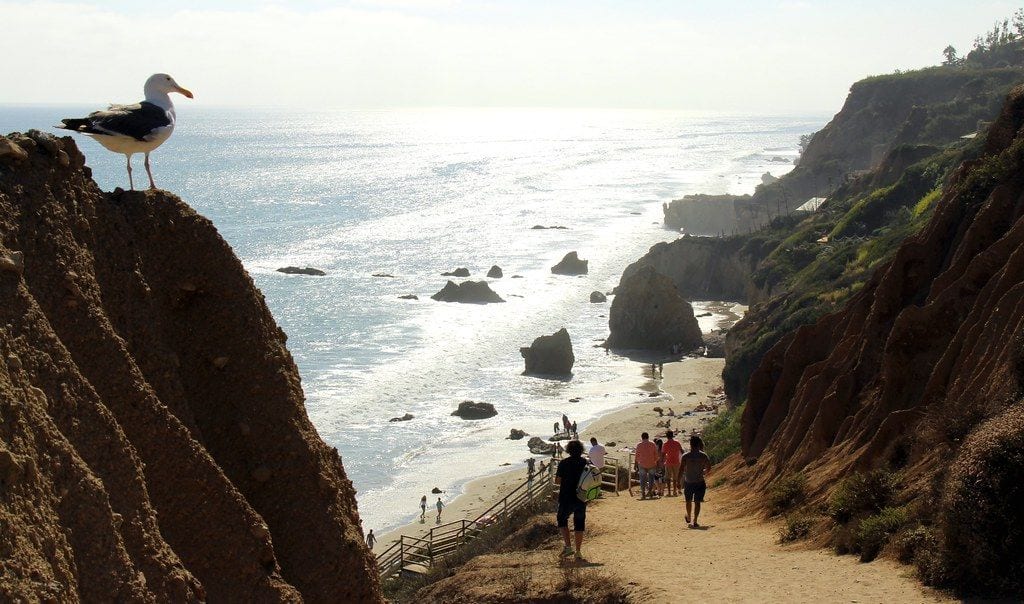
Descend the steep bluff staircase to El Matador Beach, the most popular of the three Robert H. Meyer Memorial State Beaches. Below, dramatic sea stacks rise from the sand, framed by weathered arches and hidden sea caves carved into the base of the cliff. It's a striking, rugged stretch of coastline.
Time your visit for low tide, when the receding water lets you explore the caves and arches clustered along the north side. Photographers gather here at day's end, drawn by the stunning sunsets that set the stacks and cliffs aglow. Bring sturdy footwear for the descent and plan around the tide charts.
Leo Carrillo State Park serves up trails for every ability, from the gentle Leo Carrillo Beach Trail to the more demanding Yellow Hill Trail and Nicholas Flat Trail. Whether you want a relaxed shoreline stroll or a proper climb with a payoff view, this park stretches across enough terrain to reward hikers of all levels.
There is a campground here for those who want to linger overnight, plus ranger-led activities that make it a favorite for families. Kids can join the Campfire program or earn their stripes through the Junior Ranger program, and the park is a longtime staple of local school field trips, blending outdoor adventure with a bit of learning.
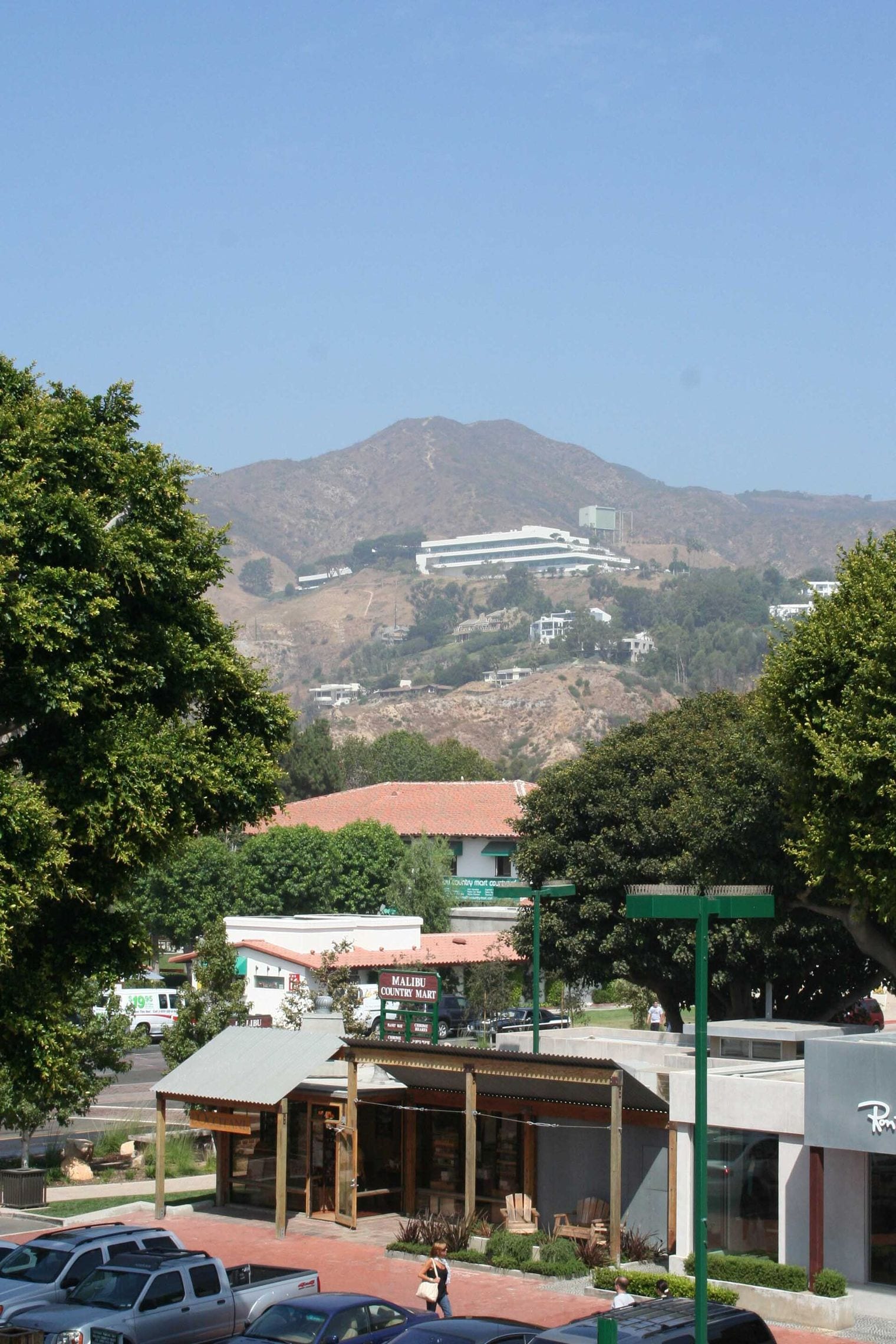
Set in the heart of the Malibu Civic Center, about half a mile west of the Malibu Pier, Malibu Country Mart is an open-air, upscale shopping and dining destination founded in 1975 by Fred Segal. Widely regarded as Malibu's "town square," it spreads across roughly six acres and is free to browse.
Around 90 high-end retail, dining and gallery tenants sit among landscaped gardens, outdoor sculptures and a popular children's playground, giving the center a relaxed, village-like feel. Restaurants such as Marmalade Cafe and Cafe Habana make it an easy spot to shop, eat and linger for an unhurried afternoon in the coastal sun.
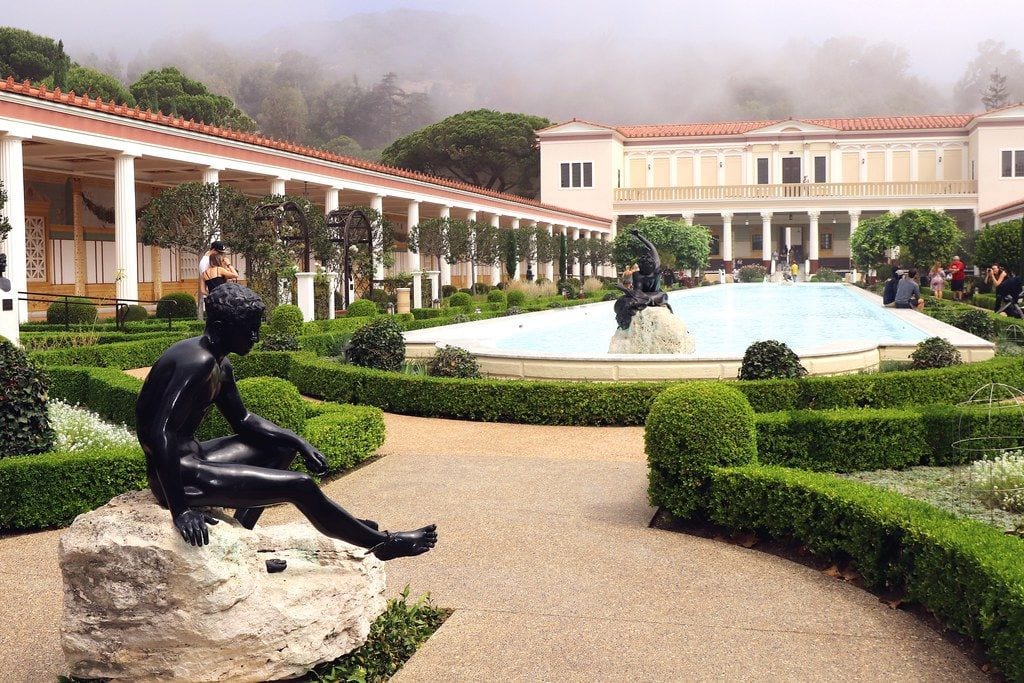
The Getty Villa is an art museum on the Malibu coast built to recreate an ancient Roman country house, modeled on the Villa of the Papyri at Herculaneum. The building opened in 1974, growing from a gallery oil magnate J. Paul Getty first opened at his ranch in 1954, and it now overlooks the Pacific.
Inside and across its gardens sit roughly 44,000 Greek, Roman and Etruscan antiquities, alongside rotating temporary exhibitions that keep repeat visits worthwhile. Admission is free, though a timed ticket is required, so plan ahead. Between the sculpture-lined courtyards and sea views, it feels less like a museum stop and more like a step into the classical world.
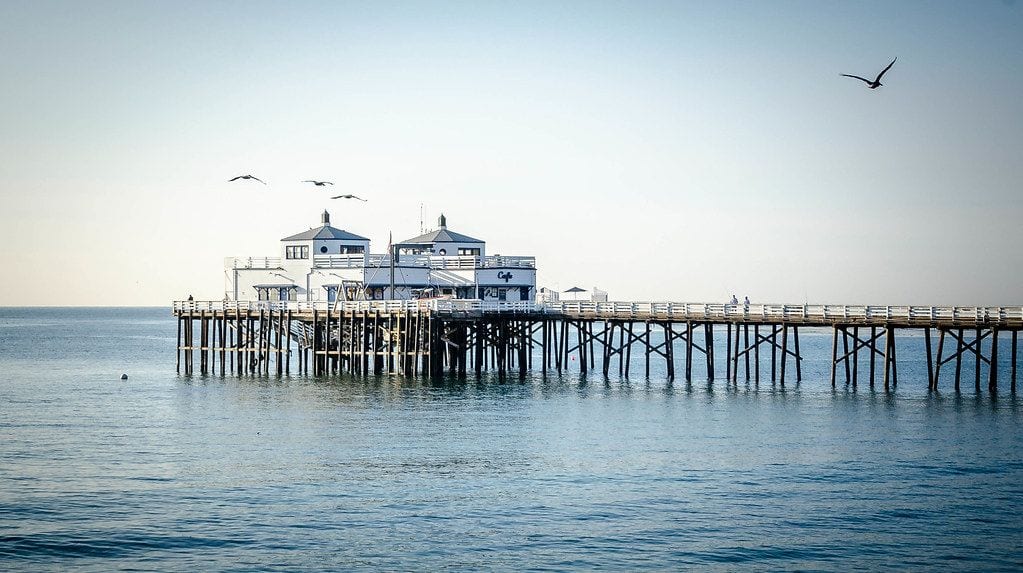
Stretching into the Pacific with more than a century of history behind it, Malibu Pier is instantly recognizable by its iconic twin buildings and stands as a cultural hub of this storied coastal town. Stroll its weathered planks, take in sweeping ocean views, and soak up the laid-back atmosphere that has drawn visitors here for generations.
The pier is home to the Malibu Farm restaurant and a cluster of shops, making it easy to linger over a meal or browse before heading back to the sand. Kayak and paddleboard rentals are available nearby, so you can trade the boardwalk for the water and explore the shoreline at your own pace.
Tucked just beside the headland, Point Dume State Beach is a secluded, crescent-shaped cove reached by a short trail. It rewards the effort of finding it, feeling like a genuine hidden gem set apart from Malibu's busier stretches of sand. Come here to trade crowds for quiet, and let the walk in be part of the escape.
Endless coastal trails fan out from the shore, giving you room to wander and explore the bluffs at your own pace. For an extra reward, follow the path to the hidden Pirate's Cove Beach, reachable from the Westward Beach parking lot. It is the kind of tucked-away corner that makes this pocket of coastline feel like a well-kept secret.
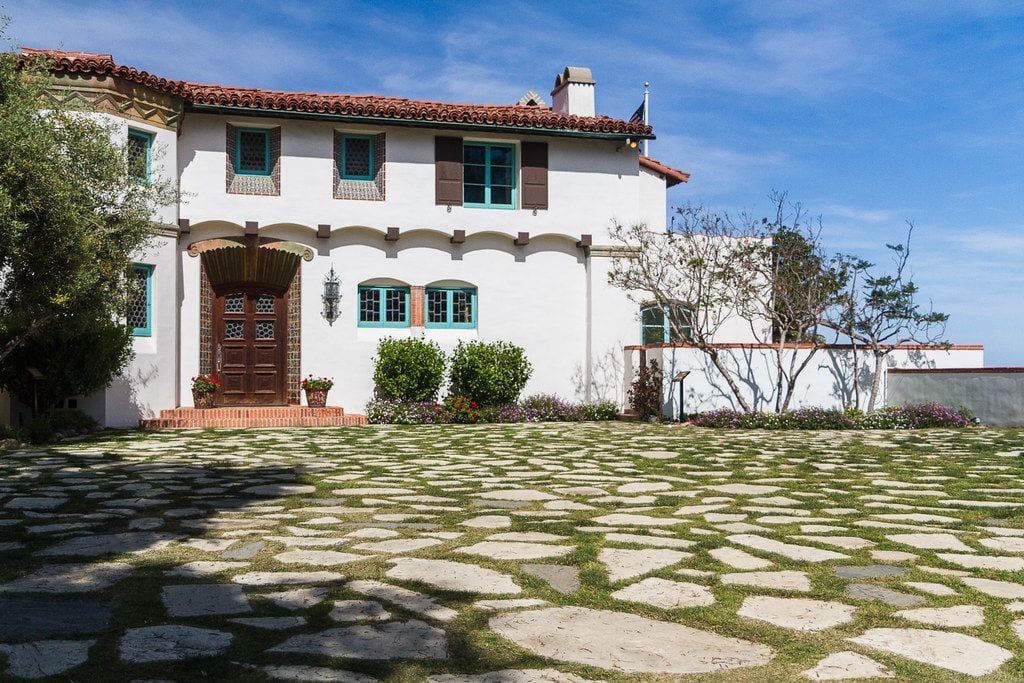
Step inside the Adamson House Museum, a 1920s Spanish Colonial Revival home celebrated for its elaborate Malibu Potteries ceramic tilework. Intricate glazed tiles cover the walls, floors and fountains, including a famous Persian-carpet-style design. The house survives as a vivid showcase of the era when Malibu's ceramics industry was booming and its colorful tiles were prized far and wide.
The attached Malibu Lagoon Museum deepens the visit, tracing Chumash and Spanish California history through photographs, documents and artifacts. Together the two collections turn a single stop into a layered story of the coastline, from its earliest inhabitants to the artisans whose handmade tiles still gleam. It is an easy, rewarding pause between Malibu's beaches and its more famous ocean views.
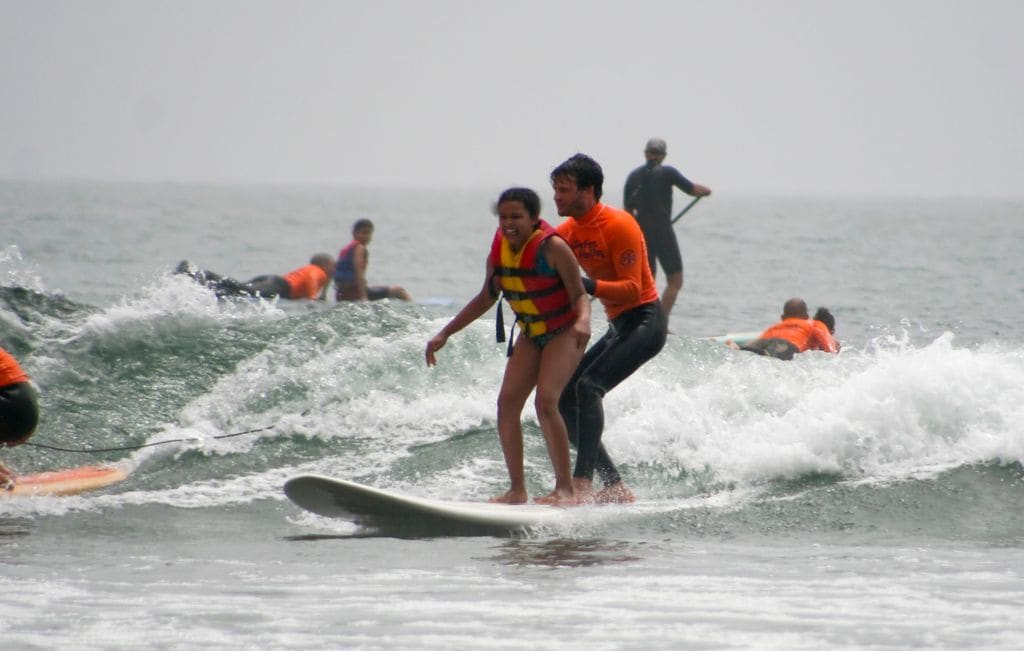
Part of Malibu Lagoon State Beach, Malibu Surfrider Beach is a legendary right-hand point break made famous by the surf films of the 1960s. In 2010 it was dedicated as the world's first World Surfing Reserve, cementing its place in surfing history and drawing wave-chasers from all over.
Beginners aren't left out: you can rent boards and take lessons nearby before paddling into the lineup. Just note that swimming here is limited, so treat it as a surf-and-watch spot rather than a splash-around beach. When you've had your fill of the waves, the Malibu Farm Pier Cafe sits close by.
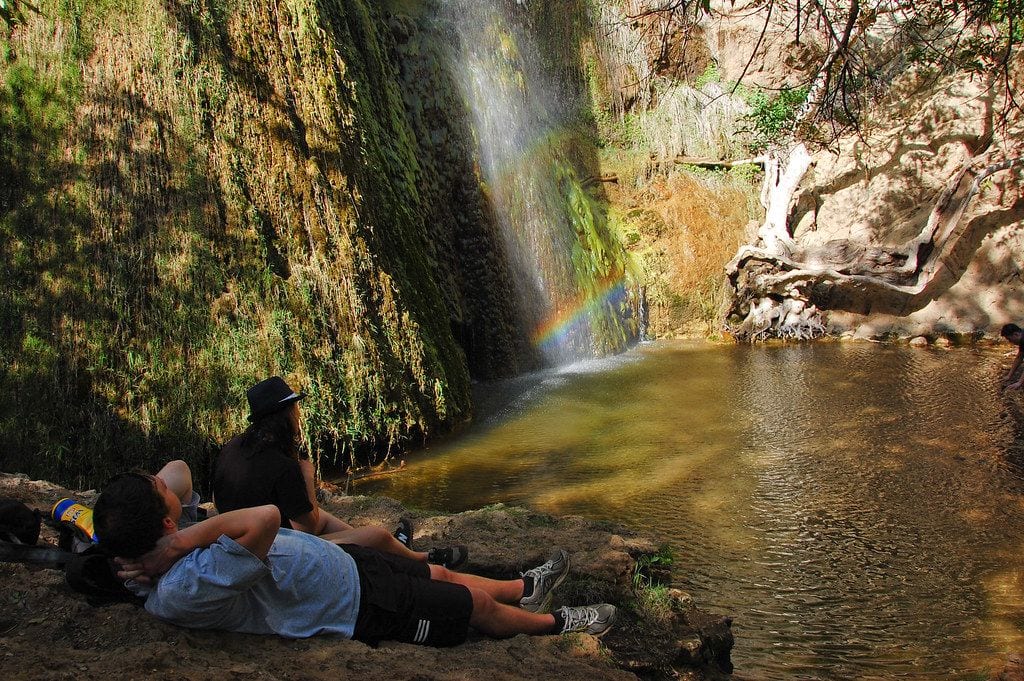
Tucked into leafy Escondido Canyon, Escondido Falls is the tallest waterfall in Malibu, a lush cascade that tumbles down multiple tiers over the rock. Reaching it is refreshingly simple: a roughly 1.9-mile creekside trail winds beneath oak and sycamore, gentle enough for most abilities and rewarding you with a cool, green pocket of the Santa Monica Mountains.
The lower falls make a satisfying turnaround for most walkers, but the adventurous can keep going. A steeper, hands-on scramble climbs to the Upper Escondido Falls, where the scenery grows even more dramatic and the crowds thin out. Pack water, wear grippy shoes, and give yourself an unhurried morning to soak in this hidden canyon retreat.
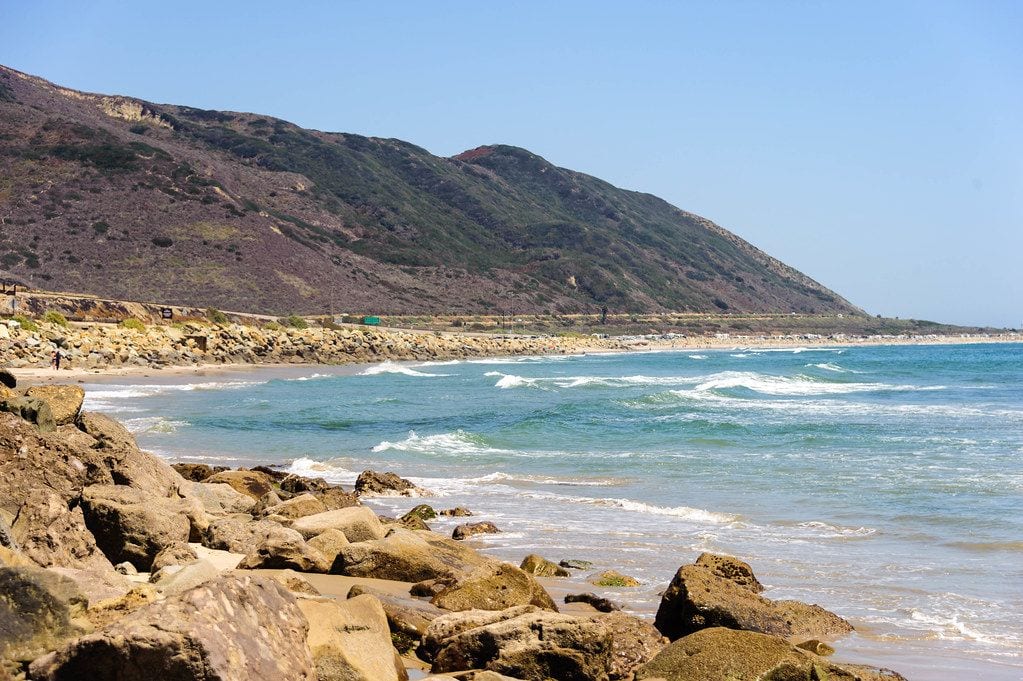
Point Mugu State Park stretches along roughly five miles of shoreline, a rugged mix of rocky bluffs, sand dunes and rolling hills backed by two major river canyons. The beach draws swimmers and bodysurfers, and the surf fishing here is excellent. It's a wild, open coast where the mountains tumble straight down to the Pacific.
Inland, miles of extensive backcountry trails climb through the canyons and hills. Beginners can ease in on the Grotto Trail or the Scenic and Overlook Trails Loop, both gentle introductions to the terrain. Stronger hikers should tackle the Mugu Peak Trail, which rewards the effort with sweeping views back across the coastline and rugged interior.
In the Santa Monica Mountains, King Gillette Ranch is a scenic property once owned by razor magnate King C. Gillette. Its grounds hold historically significant Spanish Colonial Revival buildings and the site of a former Chumash settlement, layering natural beauty with generations of human history across the rolling mountain landscape.
From the parking lot, a moderately steep hike climbs to Inspiration Point, where panoramic views open across the surrounding peaks and canyons. Rich wildlife makes the trek rewarding well beyond the vista, and the varied terrain gives visitors a genuine taste of the mountains framing Malibu.
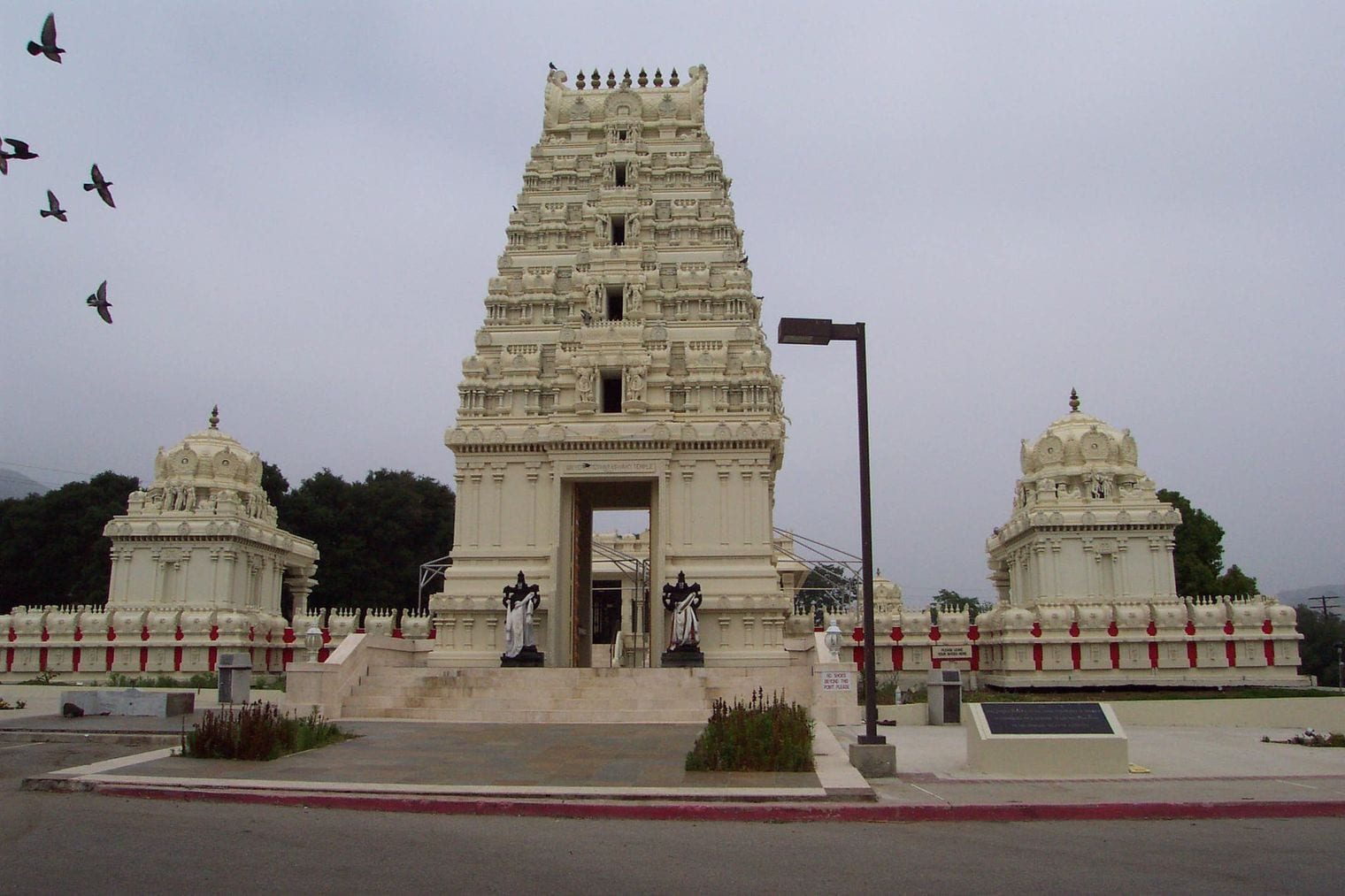
Tucked into the Santa Monica Mountains, the Malibu Hindu Temple is a traditional place of worship built in 1981 and dedicated to the god Venkateswara. Its ornate carved towers rise unexpectedly from the coastal hills, drawing visitors who come to admire the craftsmanship and soak up the serene, contemplative atmosphere that fills the grounds.
More than a landmark, the temple serves as a cultural and spiritual center for Southern California's large Indian community. Regular services and traditional Pooja rituals unfold here, alongside vibrant festival celebrations such as Ugadi. Even casual travelers are welcome to explore respectfully, making it a peaceful and enriching detour from Malibu's better-known beaches.
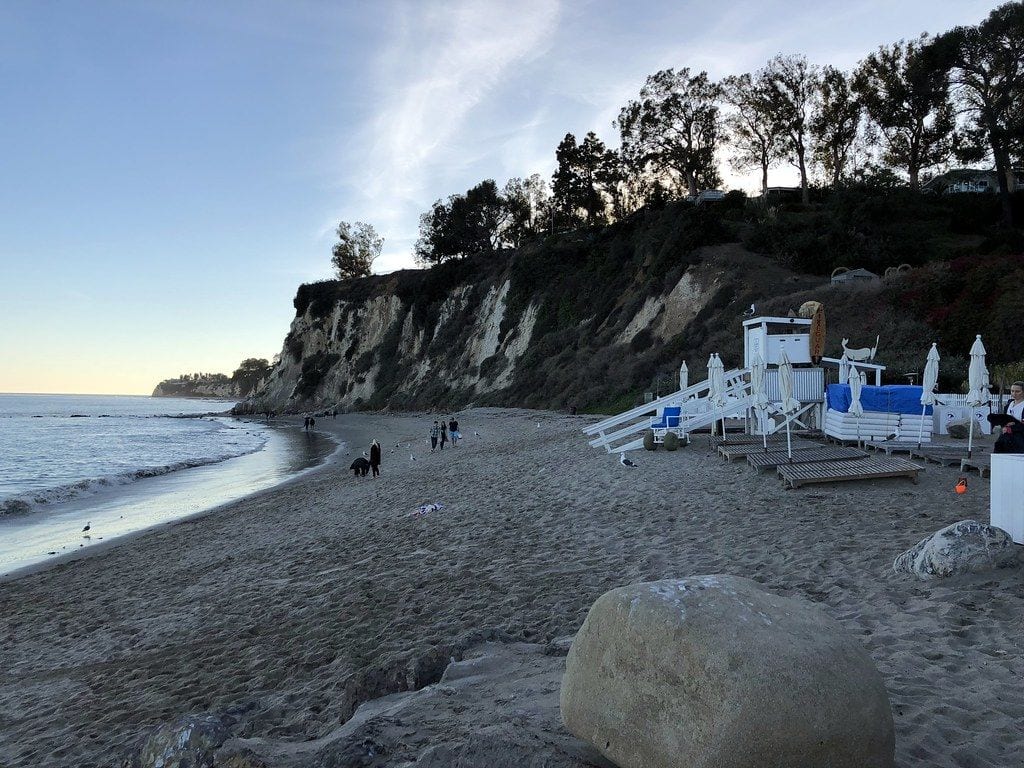
Paradise Cove Beach is an idyllic, tropical-feeling cove that has served as the backdrop for countless Hollywood movies and TV shows. The public can access the sand below the mean high-tide line for free from the Pacific Coast Highway. The Paradise Cove Beach Cafe sits right on the sand, an easy stop between swims.
The setting frames the cove beautifully. To the east, grand Malibu mansions line the shore, while to the west rise sandstone cliffs and the neighboring Little Dume Beach. It is a photogenic, sheltered stretch of coast that captures the postcard version of Malibu, well worth the detour off the highway for anyone exploring the area.
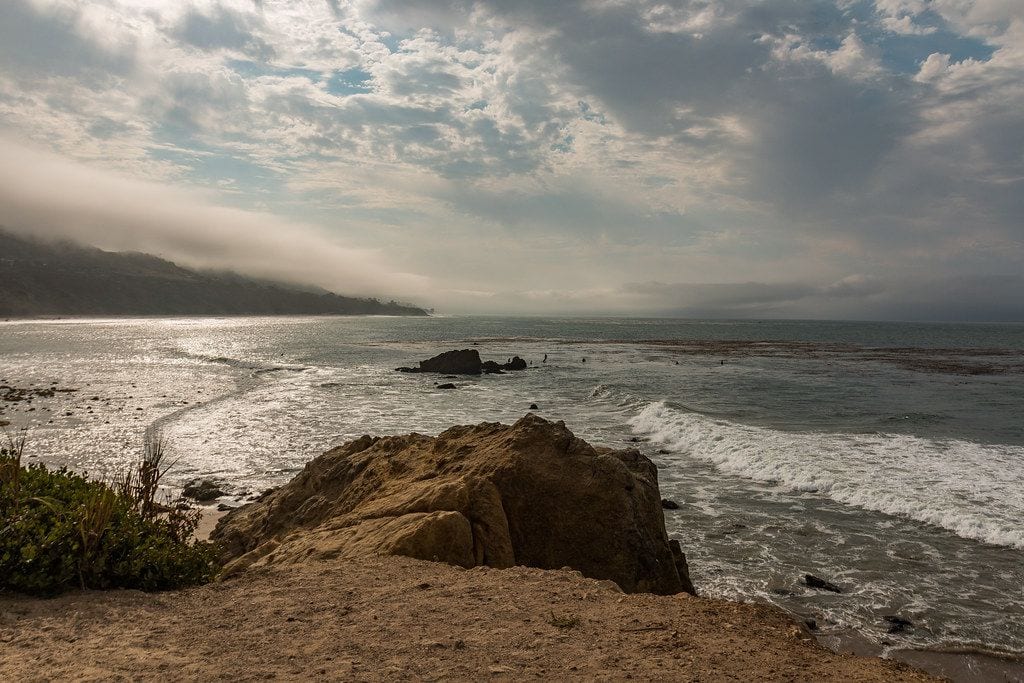
Named for actor Leo Carrillo, who served on the California Beach and Parks Commission, Leo Carrillo State Beach stretches along roughly 1.5 miles of coastline. It's a versatile stretch that welcomes swimmers, surfers and windsurfers alike, with surf fishing and easygoing beachcombing rounding out the appeal for anyone chasing a full day by the water.
The real draw here is what the shoreline hides. Explore tidepools brimming with small marine life, duck into shadowy coastal caves, and pick your way across the rocky reefs when the tide pulls back. Between the wildlife-rich pools and the rugged rock formations, it rewards curious explorers just as much as the beach loungers and surfers.
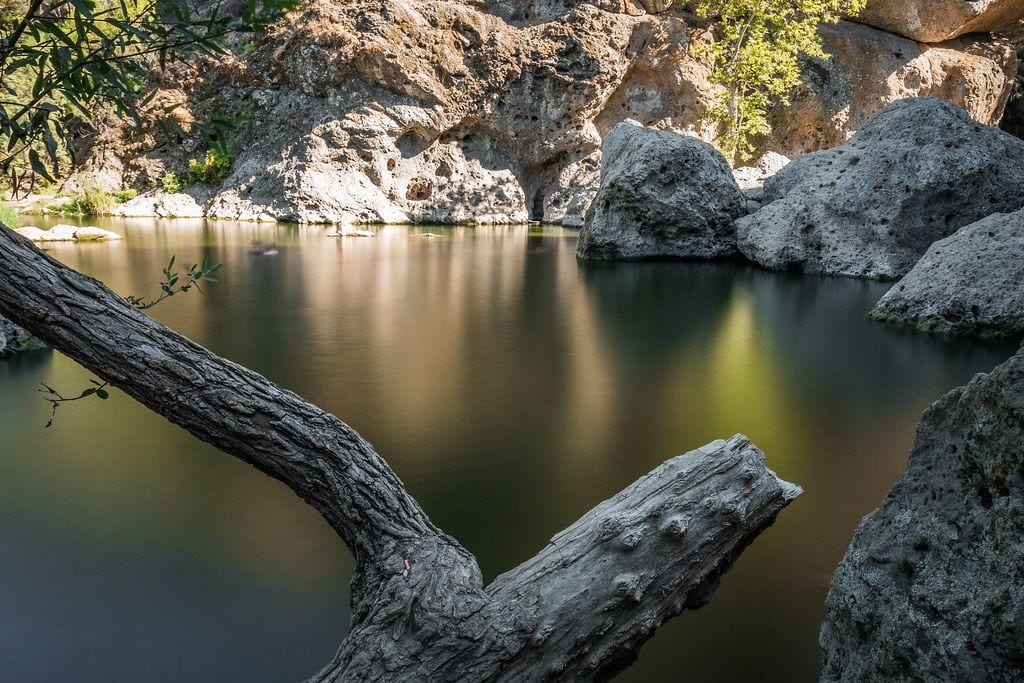
Tucked deep inside Malibu Creek State Park, the Malibu Creek Rock Pools reward hikers with secluded swimming holes cradled among dramatic rock formations. Getting there means a ~3-mile round trip on foot, but the payoff is a quiet, water-filled escape that feels a world away from the coast highway and the crowds beyond it.
The Grassland Trail that leads you in doubles as a slice of film history, passing locations used for M*A*S*H and Planet of the Apes. Once you reach the water, resist the urge to leap: jumping or diving into the pools is prohibited for safety. Wade, swim, and soak in the scenery instead, then retrace your route back out.
Set at the corner of Pacific Coast Highway and Malibu Canyon Road, Malibu Bluffs Park is one of the town's main community parks, perched on the coast with sweeping ocean views. It's an easy stop for stretching your legs and taking in the scenery that defines this stretch of shoreline.
The grounds hold two baseball diamonds, a soccer field and a children's playground, making it a natural gathering spot for families and local teams alike. The Michael Landon Community Center anchors the park, hosting classes, events and sports programs throughout the year for residents and visitors passing through.
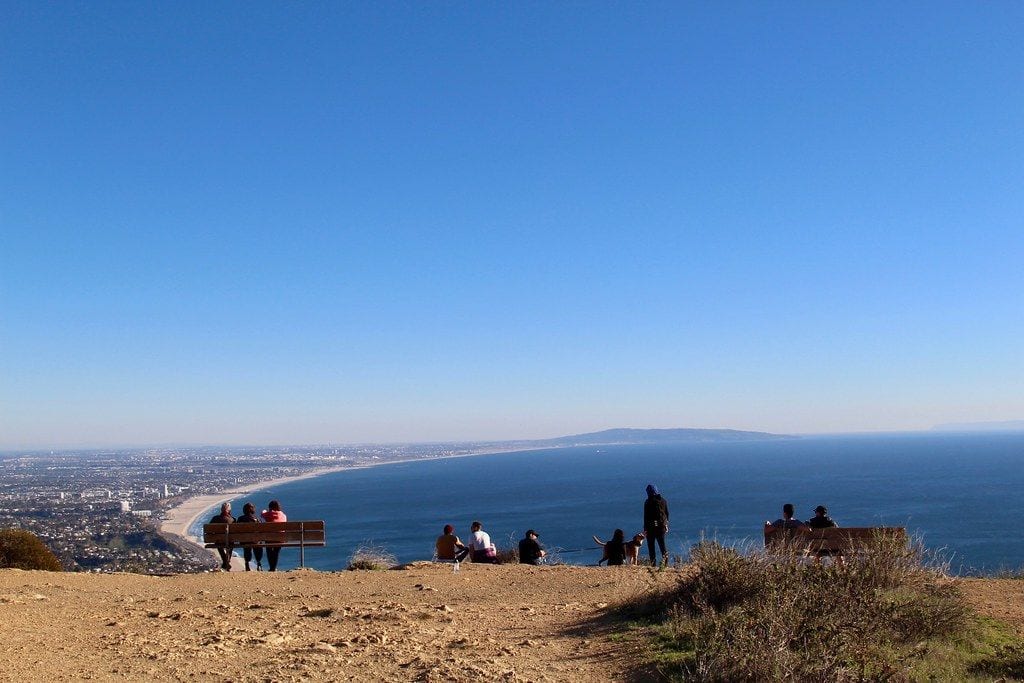
Tucked on the west side of Topanga State Park, Parker Mesa Overlook rewards the effort with a sweeping panorama of Santa Monica Bay and the wide Pacific beyond. There's no shortcut here: the viewpoint is reached only on foot, so lace up your boots and let the coastline unfold as you climb.
Routes range from roughly 5.7 miles to over 10 miles round trip, so you can tailor the trek to your legs and the day. Whichever way you go, the path winds past wildflowers and coastal vegetation, building anticipation until the bay opens up in one long, unbroken sweep at the top.
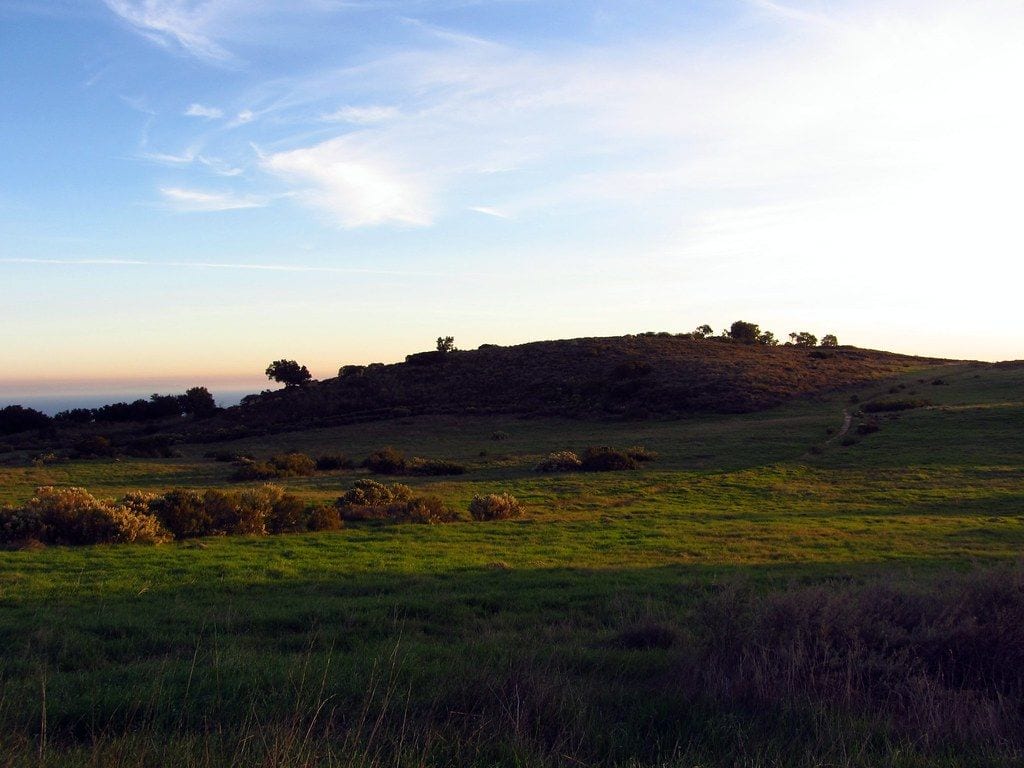
Spreading across roughly 532 acres of the Santa Monica Mountains, Charmlee Wilderness Park is a peaceful expanse of native plants, shaded picnic areas and a small Nature Center. It feels wonderfully removed from the coast below, trading Malibu's crowded beaches for open meadows, quiet ridgelines and the easy rhythm of a country walk.
Around eight miles of interwoven trails let you stitch together loops of two to four miles, so you can tailor the outing to your energy and time. Wander out to the Ranch House Ruins for a glimpse of the land's past, or climb to the Ocean Overlook, where the Pacific stretches wide beyond the hills.
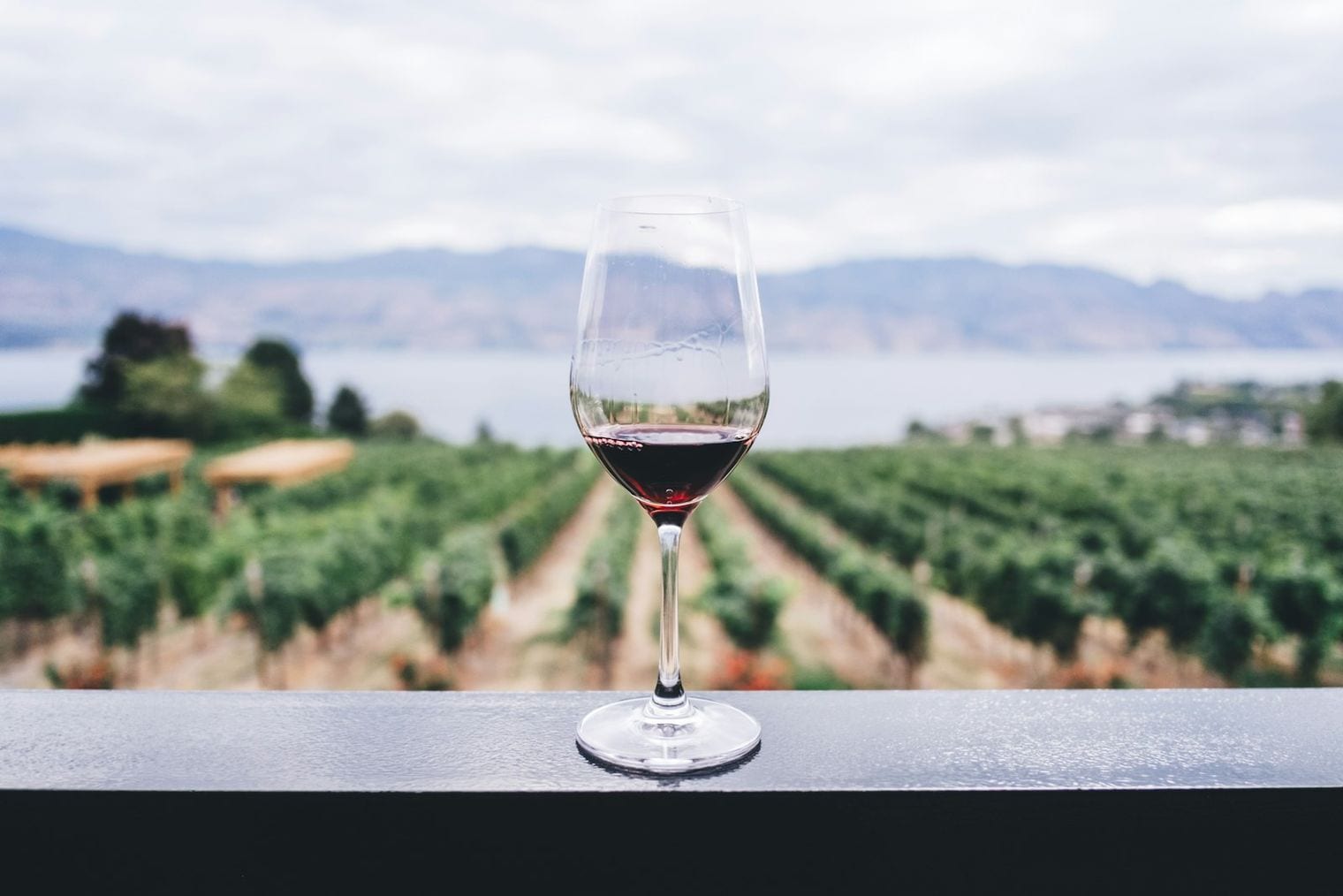
At Malibu Wine Hikes, you carry your glass along a roughly two-mile trail across the 1,100-acre Saddlerock Ranch. The guided route winds past organic gardens and Chumash cave paintings, letting you sip your wine to-go as the vineyards and rolling ranch country unfold around you at an easy, unhurried pace.
Beyond the flagship hike, the ranch offers plenty of ways to explore. Rumble through the vineyards on a 4x4 tour, or climb aboard a vintage VW bus for a slower, scenic ride. Private group hikes and seasonal special tours round out the lineup, making it easy to tailor the experience to your own crowd.
Perched right on the sand, Duke's Malibu honors Duke Kahanamoku, the Olympic swimming champion and "father of modern surfing." Part of a chain of oceanfront restaurants, it pairs sweeping water views with an easygoing island spirit, making it a natural stop for anyone chasing the classic Malibu combination of good food and an endless horizon.
The kitchen leans Hawaiian, turning out Huli Huli chicken and ahi poke alongside dependable surf-and-turf plates for heartier appetites. Save room for the signature Kimo's Original Hula Pie, the beloved way to finish a meal here. Between the waves outside and the flavors on the table, it captures the relaxed, sun-soaked mood that defines this stretch of coast.
Getting to Malibu
Malibu strings out along the coast, and the road that ties it together is the Pacific Coast Highway, the state route that runs the length of the shoreline and doubles as the town’s main street. From inland, most drivers reach it by dropping off the Ventura Freeway and threading down one of the canyon roads that link the San Fernando Valley to the sea, so almost any arrival comes down to the coast highway and a canyon connector.
The larger of the region’s two big airports sits southeast down the coast and is the hub most visitors fly into, roughly an hour’s drive away depending on traffic; a second airport to the northeast, on the far side of the mountains, is a comparable drive and a useful alternative. There is no passenger rail or long-distance bus service directly into town, so from either airport the practical options are a rental car, a shuttle, or a rideshare for the run out along the coast.
Getting Around Malibu
Malibu is a long ribbon of coast rather than a compact downtown, so a car is essential for covering any real distance between the beaches, canyons, and clusters of shops. Individual pockets are pleasantly walkable once you park, whether that’s a beachfront commercial strip, a pier and lagoon area, or a small hillside plaza, but the gaps between them are too long and too fast for walking, and public transit is sparse and infrequent along the coast highway.
Rideshare works for hops between neighbouring areas but can be slow to arrive in the more remote canyons, so most travellers keep a car for the whole visit. Cycling is popular for fitness along the shoulder of the coast highway, though the traffic makes it more of a sport than a way to run errands. Parking is easiest at the state-run beach lots and the larger commercial centres, where dedicated spaces are plentiful; the narrow turnouts and residential streets near the most popular coves fill early and are far tighter.
Where to Stay in Malibu
The most convenient base is the central coastal stretch near the pier and lagoon, where a walkable cluster of shops and eateries sits within reach of the town’s best-known beaches and you can leave the car parked for stretches at a time. Staying central puts you closest to the swimming and surf beaches and shortens every drive up or down the coast.
For a quieter stay, the western coves and the bluff-top neighbourhoods out toward the point trade walkable convenience for space, wide-open sunsets, and easier parking, at the cost of a longer drive to shops and dining. Travellers who want quick access inland often prefer the canyon-mouth areas near the freeway connectors, which cut the commute back over the mountains to the wider metro area and its airports.
Where to Eat in Malibu
Dining clusters along the coast highway, with the densest run of options in the central strip near the pier and a second pocket of casual spots out toward the western coves. The signature experience is seafood pulled from the Pacific: grilled local fish, fish tacos, ceviche, chowder, and platters of shellfish, usually eaten with an ocean view. Fresh coastal California cooking leans on the same idea, pairing that seafood with farmers’-market produce, avocado, and citrus.
Beyond the water, the wider Los Angeles food culture shows up strongly, so you will find first-rate Mexican taquerias, the region’s beloved breakfast burritos, and health-minded juice-and-bowl cafes catering to the beach crowd. For a treat, look for the roadside stands and casual counters serving smoothies, açaí, and cold-brew coffee that are as much a part of a Malibu morning as the surf itself.
One Day in Malibu
Malibu unspools along a single ribbon of coast highway, so the smartest one-day plan simply follows the road west to east — chasing morning light on the cliffs, spending the hottest hours in the shade of a canyon, and ending with your feet near the sand as the sun drops into the Pacific.
Morning: Begin where the crowds aren’t yet — the sculpted sea caves and tide-carved arches of El Matador Beach, where the low sun rakes gold across the rock stacks and photographers scramble down the bluff-side staircase. From there drift east to Point Dume, climbing the short headland trail for a sweeping look back over Santa Monica Bay and the long crescent of Zuma Beach below. It’s open-air, breezy, and exactly the kind of thing that’s best before the day heats up.
Afternoon: Duck inland to Solstice Canyon, an easy shaded walk that follows a creek past the ruins of a stone estate to a soft seasonal waterfall — a cool antidote to the midday glare. Back on the coast, make for the historic heart of town: stroll out onto Malibu Pier, watch the longboarders work the point break at Malibu Surfrider Beach, and step through the Spanish-tiled rooms of the Adamson House Museum beside the lagoon. Leave time to browse and graze at Malibu Country Mart, the low-slung open-air courtyard where locals actually shop.
Evening: Settle in for dinner at Duke’s Malibu, perched right over the waves — order something from the raw bar and time it so the sky is doing its show. If you have a second day, point the car up into the mountains for Malibu Creek State Park & its famous rock pools, or make the longer run west to the rugged campgrounds and reef of Leo Carrillo State Park. Either way, Malibu pairs naturally with the rest of the state — browse our guides to more places to visit across California to keep the trip rolling.
Free Things to Do in Malibu
Some of Malibu’s best experiences cost nothing at all. Every state and county beach — from Zuma and El Matador to Point Dume and Leo Carrillo — is free to walk, swim and surf, and the public may access the sand below the high-tide line even at private-feeling coves like Paradise Cove.
Hikers can wander Solstice Canyon, Escondido Falls, Charmlee Wilderness Park and the trails of Malibu Creek State Park without an entrance fee, and the Getty Villa offers free admission (a timed ticket is required). Strolling Malibu Pier and browsing the gardens and sculptures of Malibu Country Mart are free too — you only pay if you decide to eat or shop.
Day Trips from Malibu
The best day trip barely requires leaving town: the Santa Monica Mountains National Recreation Area wraps around Malibu, and its canyon trails and shaded creeks are only a short drive up from the coast, offering hiking and waterfalls a world away from the beach. It is the easiest half-day escape and pairs naturally with a morning on the sand.
For a change of scene, Pasadena lies about an hour northeast, a graceful city of tree-lined streets, museums, and gardens that makes a rewarding cultural counterpoint to the coast. Farther out, Riverside sits roughly an hour and a half to the east, a historic inland city with grand early-1900s architecture and orange-grove heritage. Both are comfortable day trips if you get an early start ahead of the metro traffic.
FAQ: Visiting Malibu
What is Malibu known for?
Malibu is famous for its 21 miles of Pacific beaches and its laid-back surf culture — Surfrider Beach is the world’s first World Surfing Reserve — along with its reputation as a longtime home for Hollywood celebrities. Beyond the coast, it offers canyon hikes, state parks and the Getty Villa.
How many days do you need in Malibu?
Two to three days is enough to enjoy Malibu’s highlights without rushing. A single day covers a couple of beaches and the pier, while a long weekend lets you add canyon hikes, the Getty Villa and a sunset dinner along the water.
When is the best time to visit Malibu?
The shoulder seasons — roughly May to June and September to November — bring warm weather, clear skies and thinner crowds. Summer is the busiest and warmest stretch, while winter is the best time for whale watching off Point Dume.
Are Malibu’s beaches free and open to the public?
Yes. California’s beaches are public below the mean high-tide line, so the sand at every Malibu beach — including Zuma, El Matador, Point Dume and Paradise Cove — is open to everyone, though some access points charge for parking.
Is Malibu good for families?
Very much so. Gentle hikes like Solstice Canyon, calm coves, the tidepools at Leo Carrillo, and community spots such as Malibu Bluffs Park and the Malibu Country Mart playground all make it easy to visit with children.
What is the best beach in Malibu?
It depends on what you want: Zuma for wide open sand, El Matador for dramatic sea caves and sunsets, Surfrider for surfing, Point Dume State Beach for seclusion, and Paradise Cove for a classic, sheltered cove with a beach cafe.
How far is Malibu from Los Angeles?
Malibu sits along the coast just west of Los Angeles, roughly a 30- to 60-minute drive from central LA depending on traffic and which end of the 21-mile shoreline you are headed for.