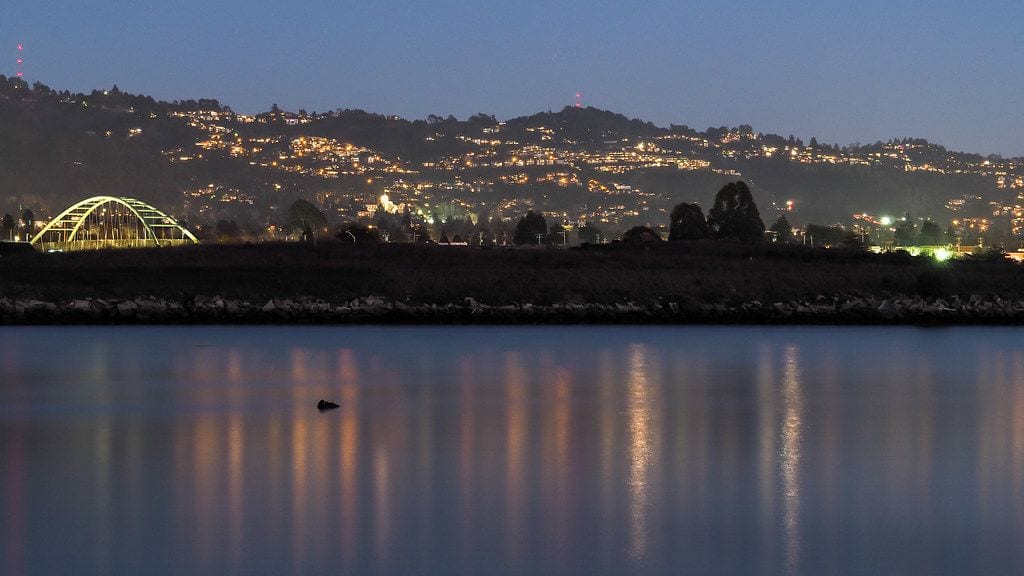
Berkeley is home to UC Berkeley, one of the finest academic institutions in the world so it is no surprise that it is often referred to as the ‘Athens of the West’. Over the years, the city has served as a hub of innovation, philosophy, and social movements.
It is perhaps best known for serving as the birthplace of the Free Speech Movement of the ’60s. Perhaps it is fitting then that the city is named after the famed Irish philosopher George Berkeley. So, without further ado, here is a list of the 25 best things to do in Berkeley, an essential stop on a wider California road trip.
Fun Facts About Berkeley, California
Berkeley is named after the Irish philosopher George Berkeley, whose line "westward the course of empire takes its way" inspired the naming of the university town.
The city is the birthplace of the University of California, whose founding campus was chartered here in 1868, and is nicknamed the "Athens of the West."
Berkeley was incorporated as a town in 1878 and today is home to roughly 124,000 residents, a large share of them students.
It is widely regarded as the birthplace of California cuisine and the farm-to-table movement, which grew out of its North Shattuck "Gourmet Ghetto" in the 1970s.
The Free Speech Movement began here in 1964, when UC Berkeley students launched a campaign that reshaped campus activism across the United States, one chapter in the broader story of the Golden State.
Map of Things to Do in Berkeley, California
Things to Do in Berkeley, California
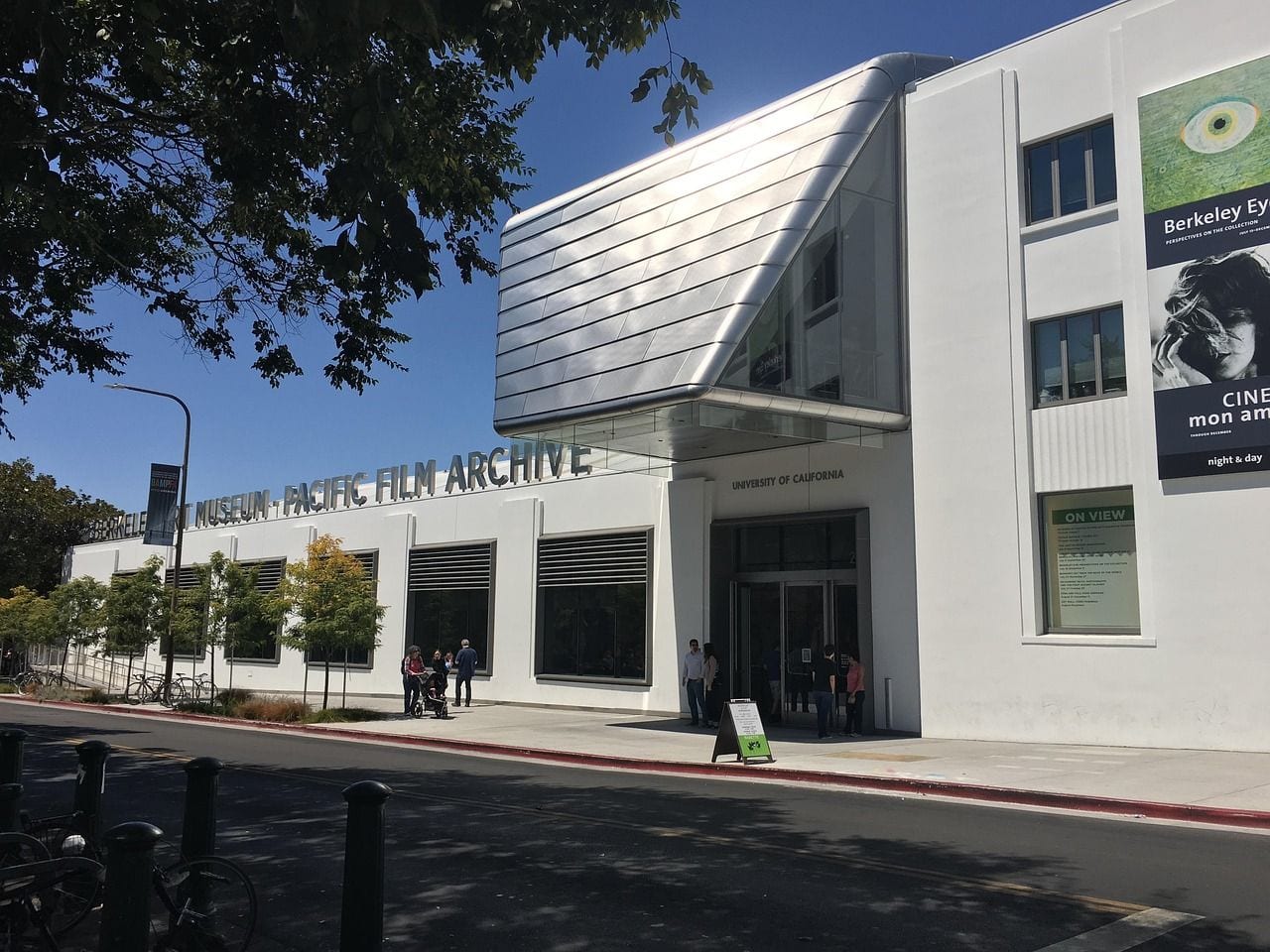
1. Berkeley Museum of Art and Pacific Film Archive
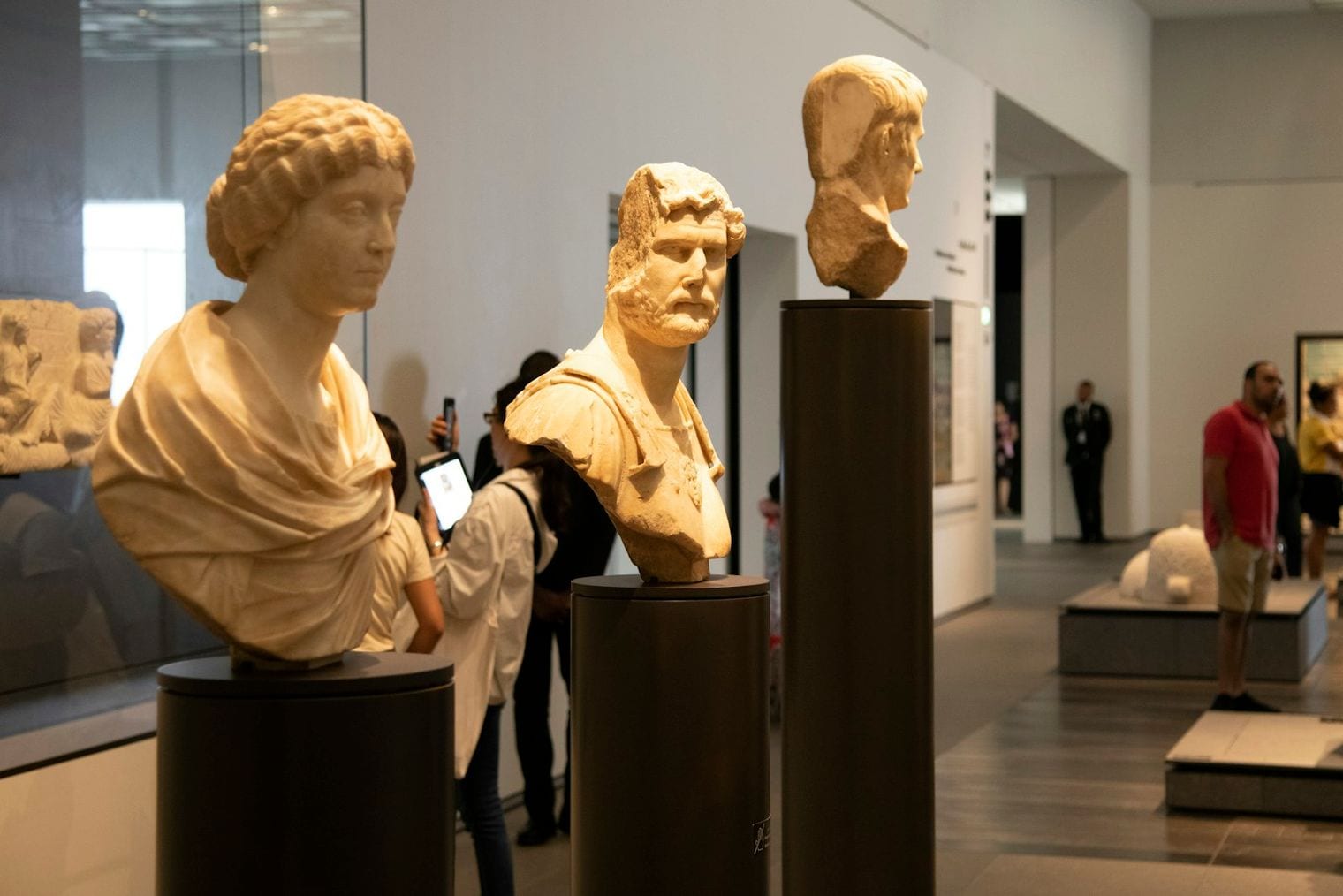
The Berkeley Art Museum and Pacific Film Archive (BAMPFA) is UC Berkeley's art museum and film archive, holding roughly 25,000 works of art alongside 16,000 films and videos. Its holdings are strongest in Qing dynasty Chinese painting, Mughal Indian painting, and early American painting, spanning centuries and continents under one roof.
The collection is too large to display all at once, so it rotates continually, meaning repeat visits reward you with something new. The Pacific Film Archive holds one of the largest collections of Japanese film outside Japan, making this a rare draw for cinephiles as much as for lovers of the visual arts.
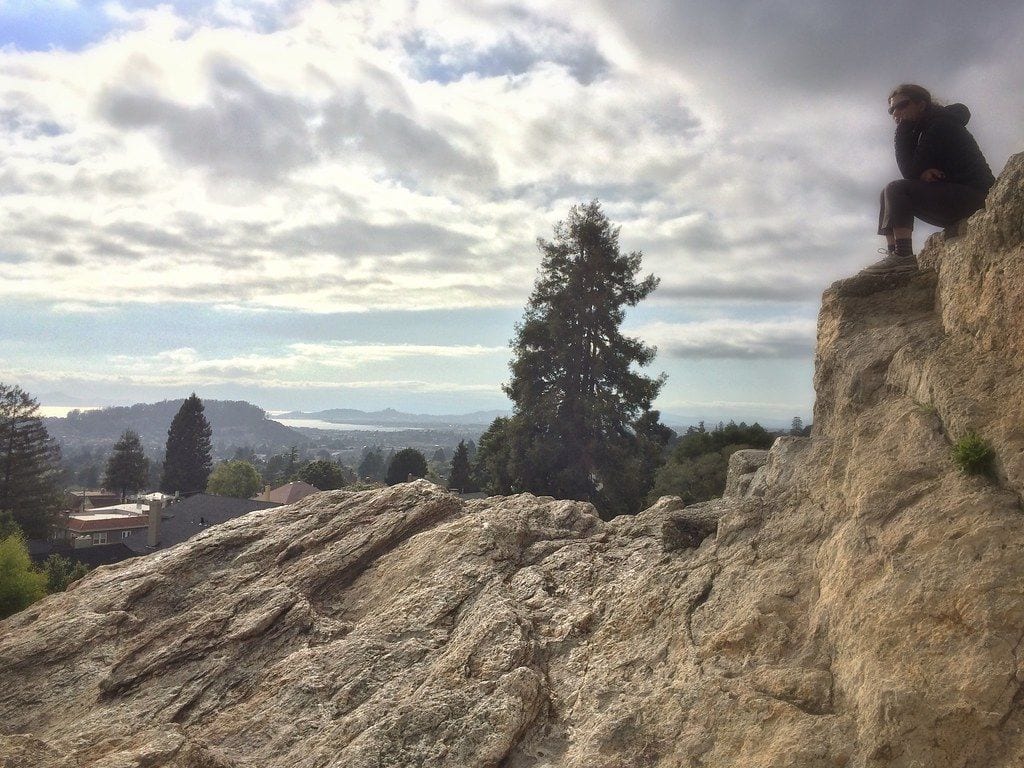
Tucked into North Berkeley's Northbrae neighborhood, Indian Rock Park centers on dramatic volcanic-rock outcrops that draw beginner boulderers and rock climbers. Carved stone steps lead to the summit, where sweeping views open over the San Francisco Bay, and a picnic area sits at the base for a slower afternoon in the shade.
The park owes its existence to the Mason-McDuffie real estate company, which donated the land to the city as the surrounding neighborhood took shape over a century ago. There is real climbing history here too: Dick Leonard, a pioneer of modern rock climbing, honed his technique on these very rocks, giving the outcrops a legacy that reaches well beyond the Berkeley hills.
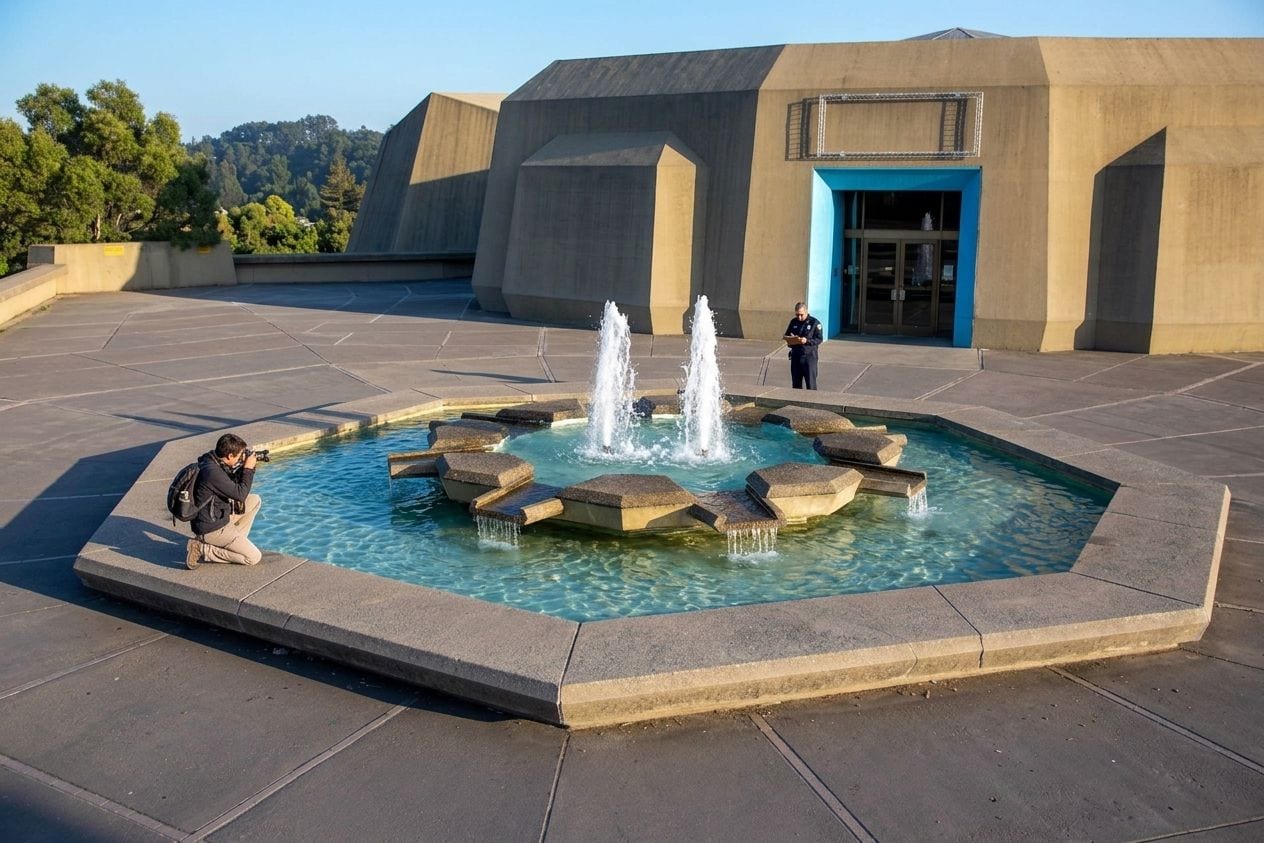
Perched in the Berkeley Hills for over half a century, the Lawrence Hall of Science is UC Berkeley's public science center, and its hillside setting delivers sweeping views over the Bay. The hands-on approach makes it a natural draw for curious kids and adults alike, and it's a longtime favorite for school field trips.
The exhibits invite you to touch, test, and play. Watch a beach ball hover impossibly on the Bernoulli Blower, shape landscapes and watch topography come alive in the Augmented Reality Sandbox, or settle in under the planetarium's dome. With regular programming rotating through, there's always a reason to make the climb up the hill.
Sprawling across 2,079 acres in the East Bay hills, Tilden Regional Park is one of the oldest parks in the district and has long been called the "jewel of the system." Even under heavy visitor use, secluded pockets tucked throughout the grounds preserve wildlife and pockets of natural beauty.
There is plenty to draw you in for a full day. Ride the vintage carousel, cool off with a swim at Lake Anza, or wander the botanic garden devoted entirely to California native plants. Between the quiet corners and the classic attractions, it earns its nickname with room to spare.
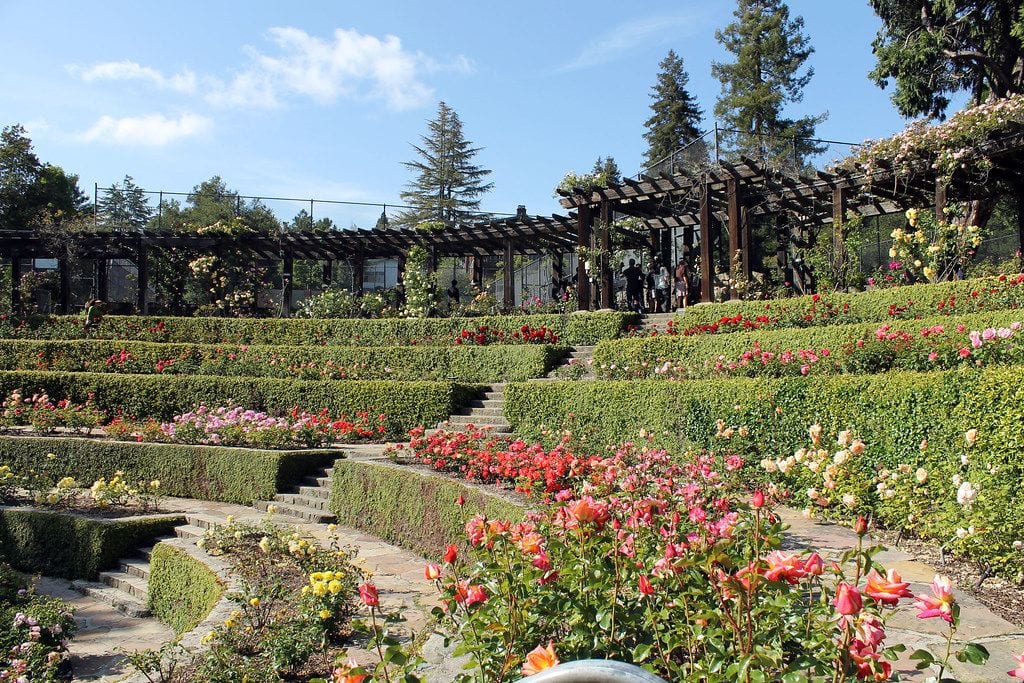
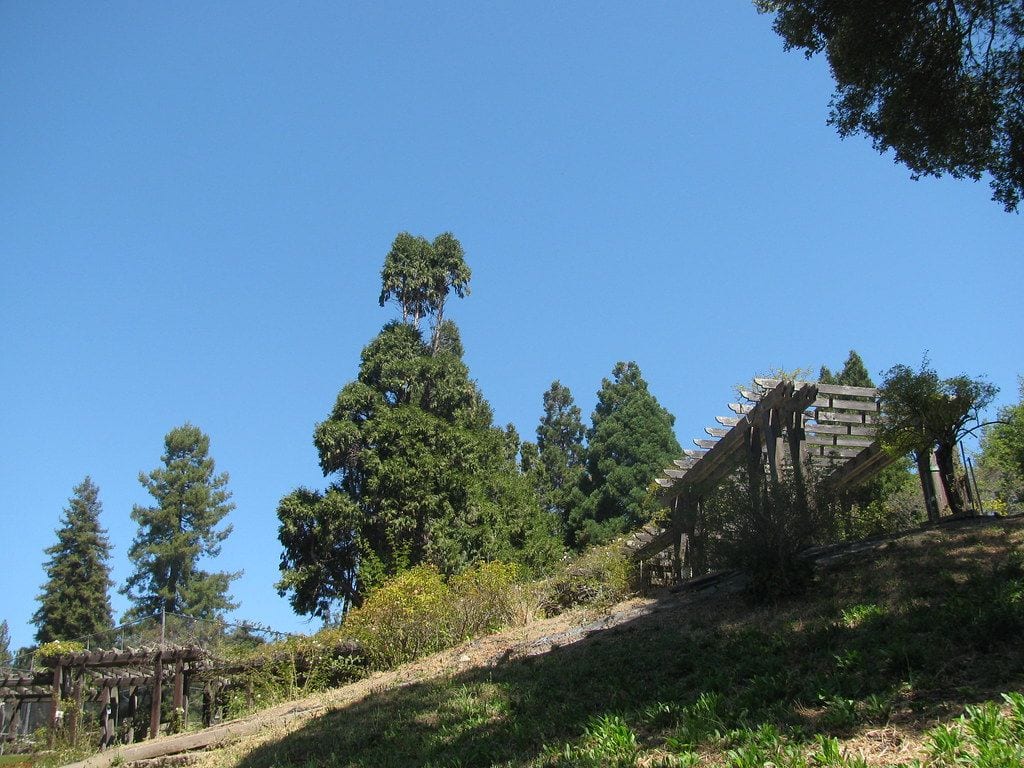
Opened in 1937, the Berkeley Rose Garden is widely regarded as one of the finest rose gardens in Northern California. Its terraced amphitheater climbs the Berkeley Hills, framing sweeping views of the San Francisco Bay and the Golden Gate Bridge. About 1,500 rose bushes fill the tiers, spanning roughly 250 varieties across the 3.6-acre site.
The garden is most spectacular in mid-May, when the terraces reach full bloom and color spills down the slope. Stroll the curved walkways at your own pace, pausing on the steps to take in the bay beyond the flowers. It's a peaceful, scenic stop that pairs classic garden beauty with one of the best outlooks in the hills.
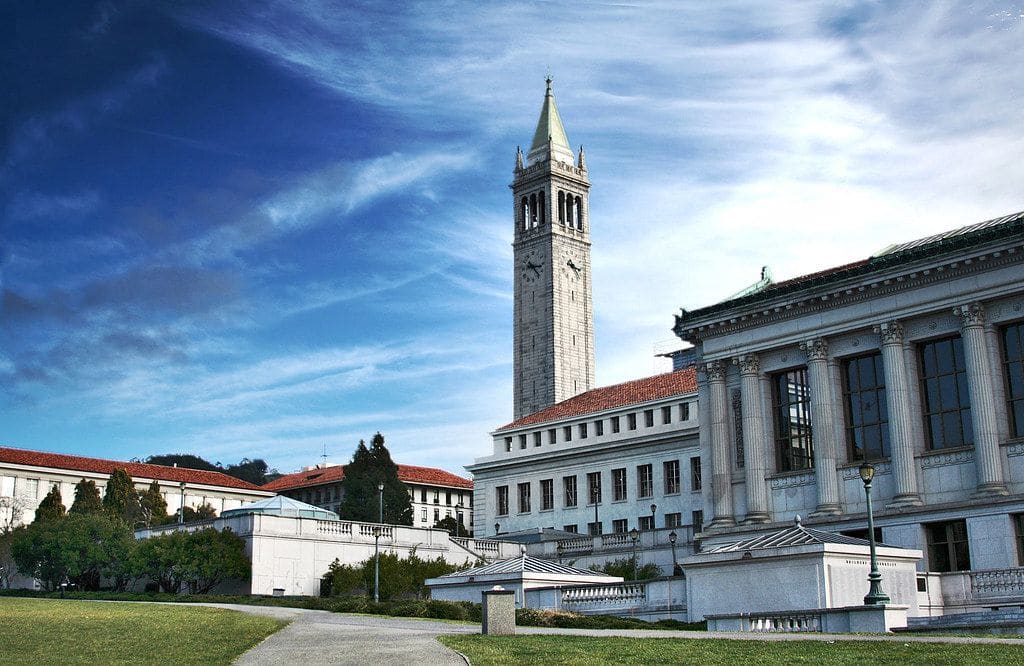
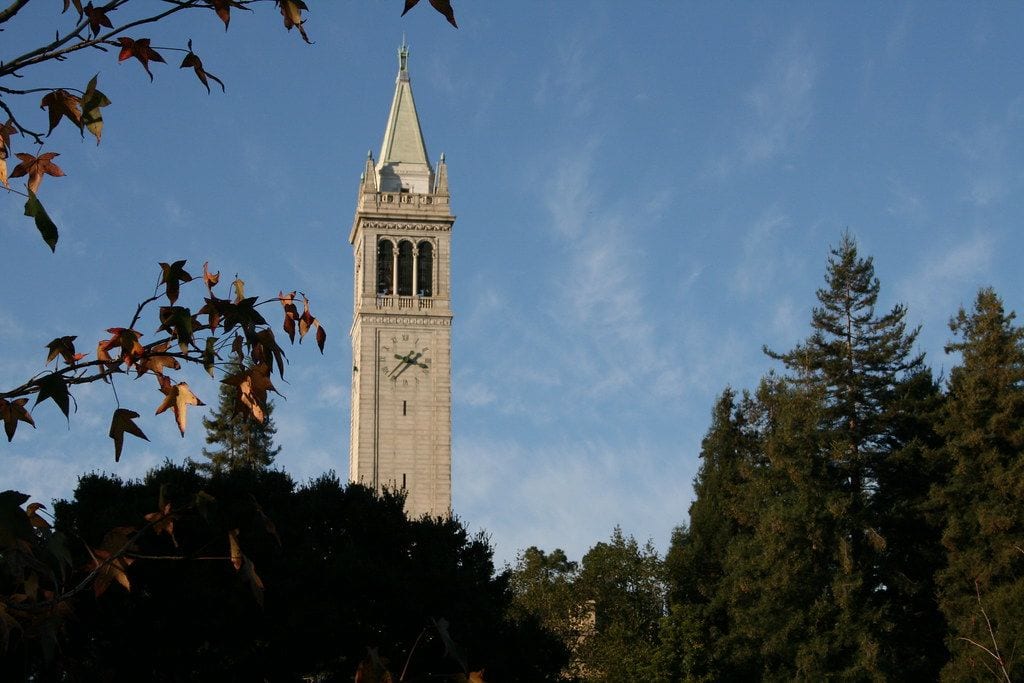
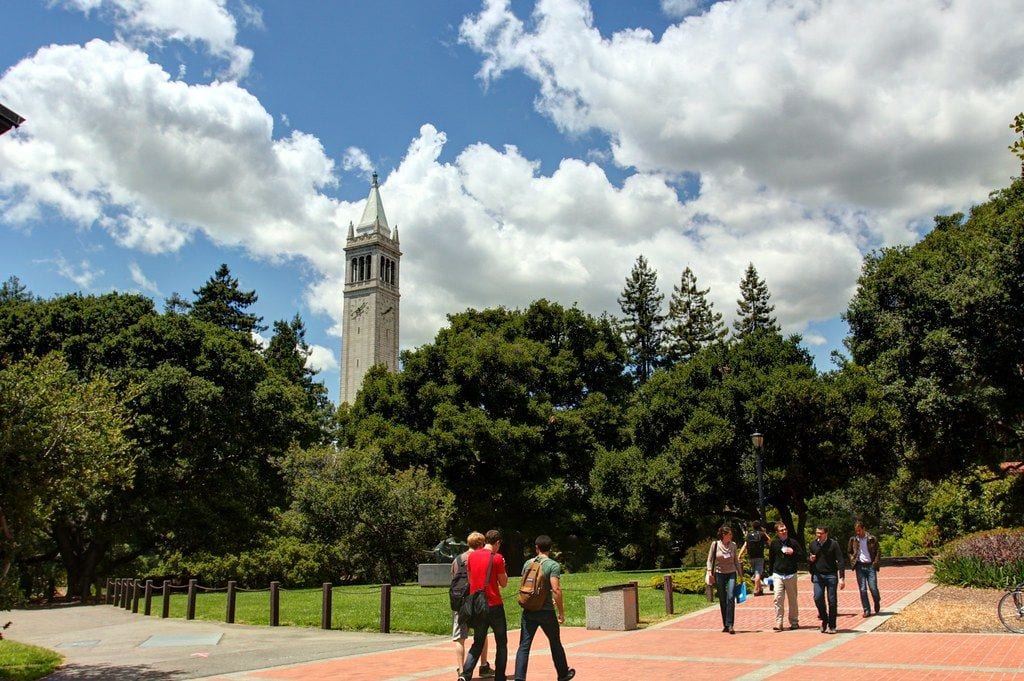
Officially Sather Tower but universally called the Campanile, this bell-and-clock tower rises 307 feet above the UC Berkeley campus, with clocks on all four sides. Its nickname nods to the Campanile di San Marco in Venice, which it resembles, and it ranks among the tallest bell-and-clock towers in the world.
Ride to the observation deck for broad, sweeping views across the Bay Area, from the campus below out toward the water and hills beyond. A 61-bell carillon crowns the tower, playing daily concerts whose melodies carry across campus, so you'll often hear the Campanile before you spot it rising above the trees.
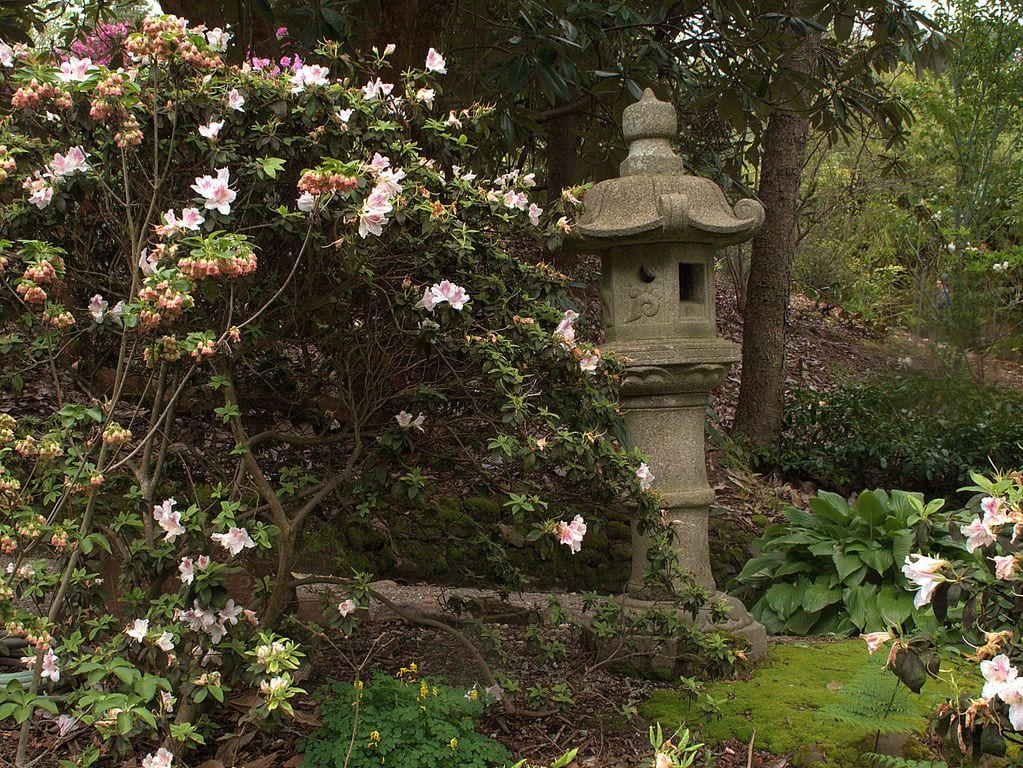
Tucked into the hills above the UC Berkeley campus, the UC Botanical Garden spreads across 34 acres and holds roughly 10,000 kinds of plants gathered from around the world. It ranks among the most diverse university collections anywhere, arranging its living specimens by where they grow rather than by tidy horticultural theme.
Wander through nine geographic regions and you travel from continent to continent in an afternoon, with five ethnobotanical gardens and four taxonomic collections adding further depth to the plantings. Regular workshops and in-school programs make it as much a place to learn as to stroll, rewarding curious visitors who linger over its labeled paths.
Built on a 90-acre former landfill, César E. Chávez Park sits on a peninsula just north of the Berkeley Marina, delivering near-360-degree views that sweep across the Bay to the Golden Gate Bridge. The open, breezy hilltop is one of the area's best spots for kite flying, and it was long home to the Berkeley Kite Festival.
Though that festival is no longer held, the park remains a favorite for casual kite flying and unhurried walks. A 1.25-mile perimeter trail, the Dorothy Stegman path and part of the Bay Trail, loops the grounds with water on nearly every side, while a wildlife area occupies the undeveloped northern end for a quieter stretch of the walk.
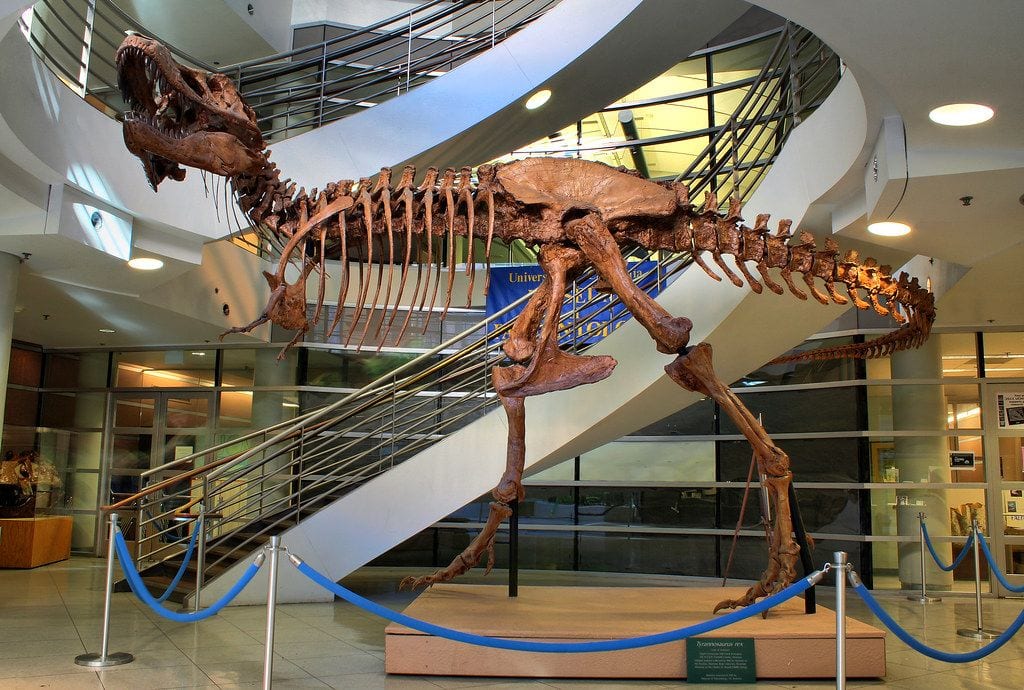
Serious fossil enthusiasts will want to seek out the UC Berkeley Museum of Paleontology, a research museum working at the forefront of the study of the history of life and Earth's biodiversity. It's a working scientific collection rather than a walk-in gallery, so plan carefully before you go.
Because it's a research collection, the museum generally opens to the public only during UC Berkeley's Cal Day open house. If your visit doesn't line up with that, take heart: its specimens, from microfossils to paleobotany, are regularly loaned out and displayed at other museums and exhibits.
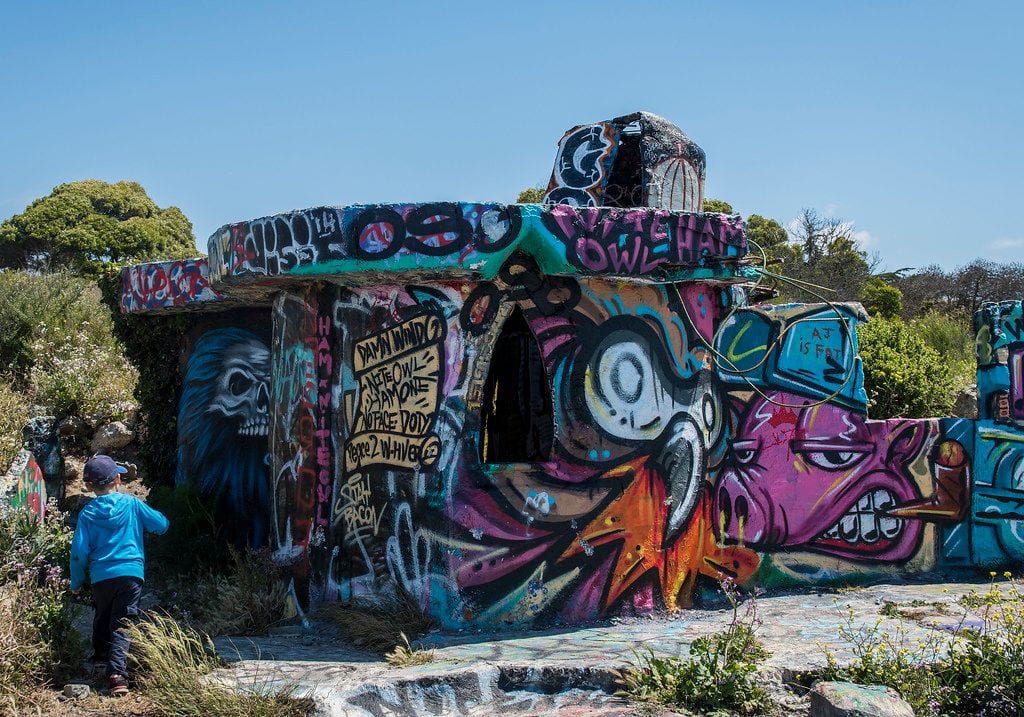
Jutting into the Bay at Albany, the Albany Bulb is a former construction-debris landfill reborn as a raw public park. There are no manicured lawns here, only guerrilla urban art scattered across the rubble: driftwood sculptures lashed together, murals splashed over concrete, and a lone giraffe figure keeping watch over the water.
The elements are part of the exhibit, steadily weathering every piece into something rougher and more haunting. The land carries its own history too, having sheltered squatters from the 1990s onward until the City of Albany evicted them and converted the landfill into the public park you can wander today. Come for a windswept walk through art that refuses to sit still.
Codornices Park is one of Berkeley's oldest parks, opened more than a century ago and tucked into the Berkeley Hills. Ballfields and trails wind beneath mature oaks, bay trees, and towering redwoods, making it an easy place to spend an afternoon whether you come to play a game, walk the paths, or simply sit in the shade.
The play areas suit kids of all ages, with large swings, a net climber, and a well-known long concrete hillside slide that has entertained generations. Best of all, an ADA-accessible tunnel runs under Euclid Avenue and connects the park directly to the Rose Garden, so you can pair a visit here with a stroll among the blooms next door.
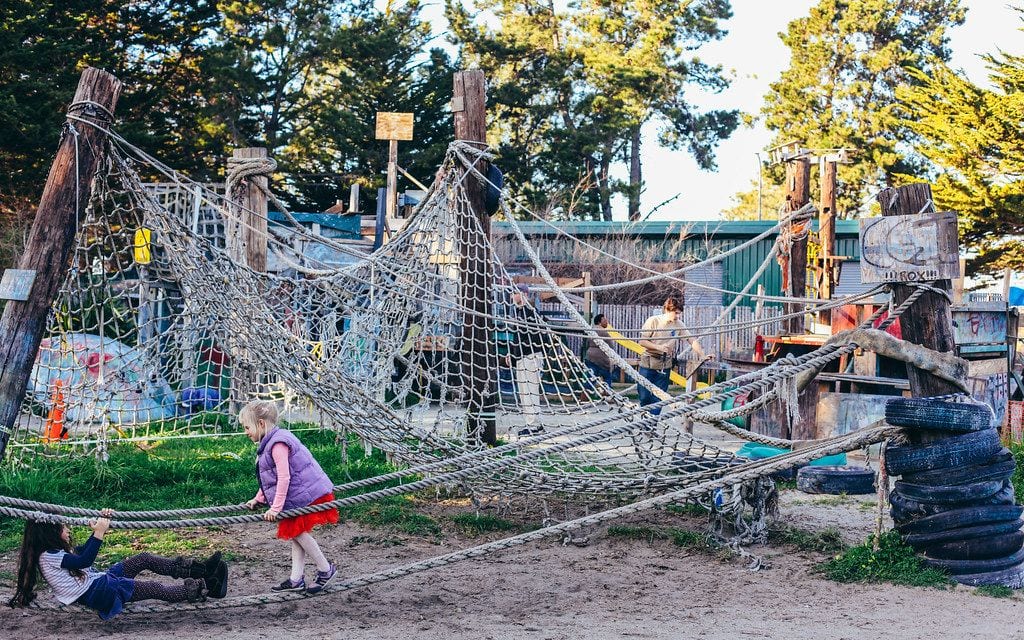
At the Berkeley Marina, Adventure Playground turns kids loose to build forts, boats, and towers out of real tools and recycled materials, then ride a zip line across the space. It's free and staff-supervised, and the whole model is built around creativity, cooperation, and social skills rather than polished equipment.
The hands-on approach has earned it national attention, featured by National Geographic and Architectural Digest as a standout children's destination. In the warmer months, a Marina Adventures program layers on extra summer activities, giving families another reason to make the trip and letting kids dig deeper into the build-it-yourself spirit of the place.
On the UC Berkeley campus, the Phoebe A. Hearst Museum of Anthropology holds the oldest and largest anthropological collection in the western United States, with more than 2 million catalogued objects. Its holdings span every continent, along with media and works on paper, drawing from cultures across the globe.
The museum reopened in fall 2023 following a renovation, and its exhibits rotate, so repeat visits reward you with fresh material. Beyond the galleries, it remains a working site of research carried out by faculty, students, and community members, giving the collection a living, evolving character rather than a static one.
Tucked into Tilden Regional Park, the Regional Parks Botanic Garden has been devoted entirely to California native plants since it opened in 1940. Its 10 acres are laid out in roughly ten sections, each representing one of the state's distinct plant regions, so a short walk carries you from coastal flora to mountain and desert species, including many rare and endangered natives.
It's a rewarding stop for more than the plants. The varied habitats draw rich birdlife, making the garden a favorite among local birders, and its calendar of classes and lecture series on native plants keeps drawing enthusiasts back. Quiet, uncrowded, and endlessly educational, it's also a popular destination for school trips throughout the year.
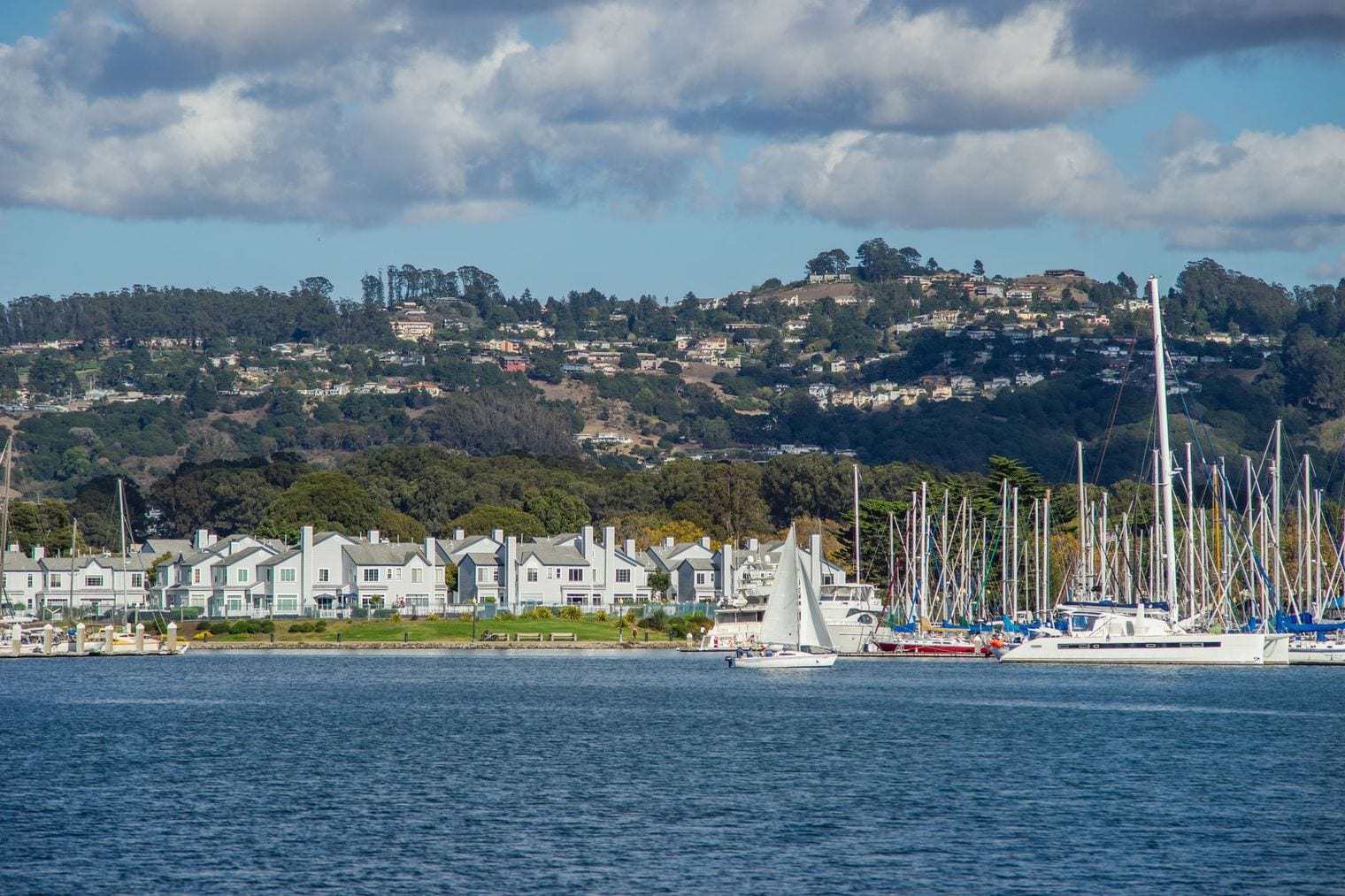
At the western end of University Avenue, the Berkeley Marina reaches out into San Francisco Bay with around 1,000 boat berths, a marina office, and a lineup of restaurants along the water. It's a working hub for sailing and windsurfing, but you don't need a boat to enjoy it.
Walking and biking paths trace the Bay Trail past a recreational pier area, connecting to César Chávez Park, the Shorebird Park Nature Center, and Adventure Playground. Wherever you stop, the views open wide: the San Francisco skyline, Alcatraz, the Golden Gate Bridge, and Mount Tamalpais rising across the water.
Once known as Round Top Park, Sibley Volcanic Regional Preserve sprawls across the East Bay around the extinct Round Top volcano. Hikers can string together the Round Top Loop, Volcanic Trail, Quarry Trail, and Pond Trail, while the East Bay Skyline National Trail carries longer-distance walkers along the ridgeline straight through the preserve.
The volcanic geology is the obvious draw, but the quirkiest feature is a pair of man-made stone labyrinths tucked into the landscape. The better-known of the two is the Mazzariello Labyrinth, a winding walking path laid out in stone. It's a rewarding spot to pair a good climb with a slower, meditative wander before heading back down.
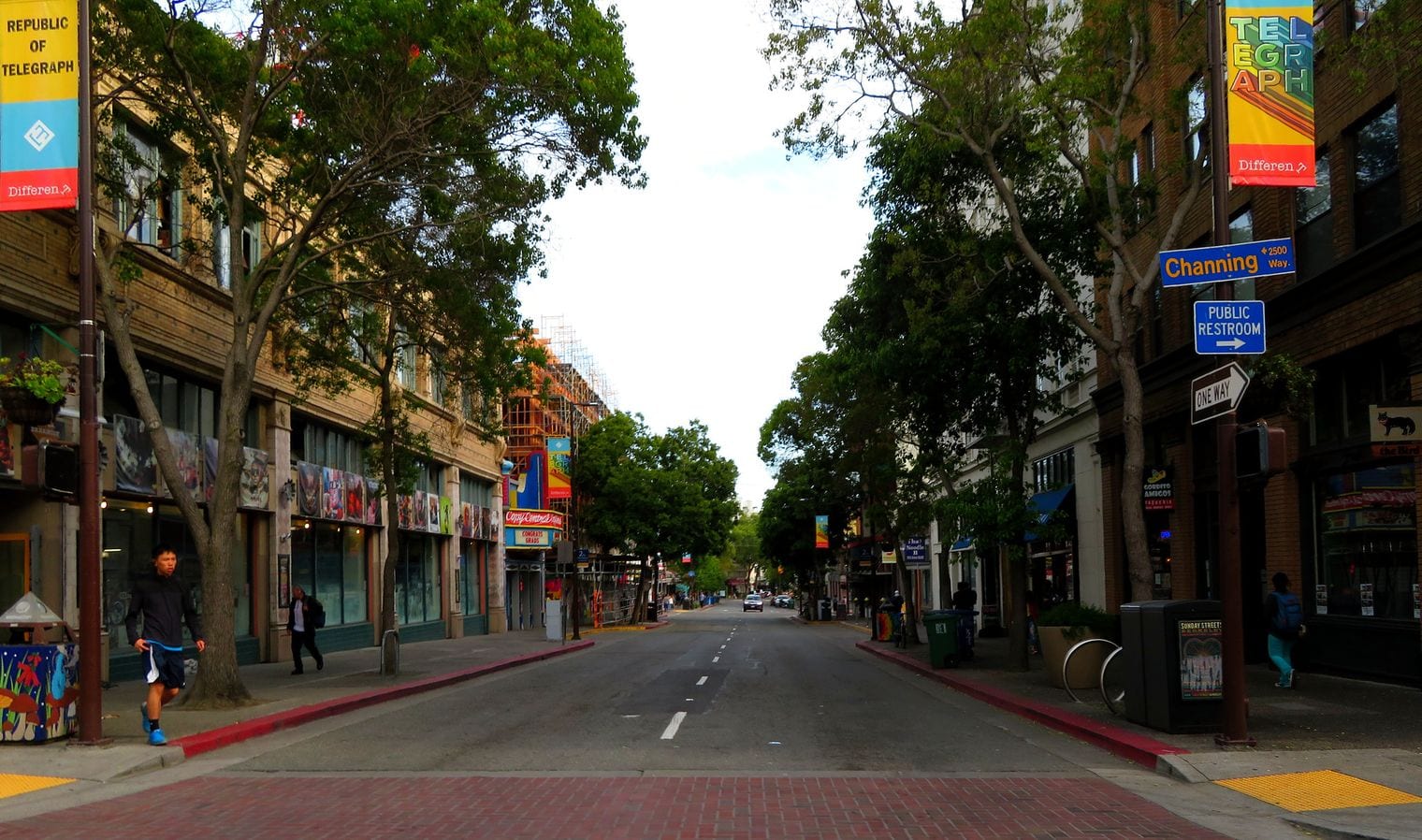
Running south from the UC Berkeley campus, Telegraph Avenue is the countercultural heart of the city, a historic stretch lined with independent bookstores, record shops, cafes, and restaurants. Street vendors set up along the sidewalks, and the whole corridor hums with the energy of students, browsers, and buskers threading between storefronts.
Two anchors define the strip. Moe's Books is a storied multi-story bookshop worth losing an afternoon in, while Amoeba Music ranks among the country's largest independent record stores, its bins rewarding patient crate-diggers. Central to Berkeley's identity since the 1960s Free Speech Movement era, the avenue still feels like the place the city's spirit was forged.
Cross the bay to Richmond and you'll find Point Isabel Regional Shoreline, a 23-acre bayfront park that ranks among the largest off-leash dog parks in the country. It's beloved by dogs and their owners, who come for wide-open room to roam and sweeping views of the Golden Gate Bridge, Marin County, and Brooks Island.
The San Francisco Bay Trail runs nearby, so you can stretch the visit into a longer waterfront walk. When the romp is done, Mudpuppy's Tub & Scrub handles the cleanup with self-service dog-wash stations, while the Sit & Stay Cafe keeps humans fed and caffeinated. It's an easy, breezy outing that pairs shoreline scenery with a genuinely dog-friendly welcome.
The University of California, Berkeley is the founding campus of the UC system, chartered in 1868, and students make up a large share of the city's residents. UC Berkeley's research history runs deep, spanning work on the atomic bomb and vaccines that reshaped modern science.
Its influence reaches well beyond the lab. Alumni went on to found or co-found companies including Tesla, Mozilla, eBay, and Apple. Consistently ranked among the top public universities in the world, the campus rewards a wander through its grounds, whatever your reason for visiting.
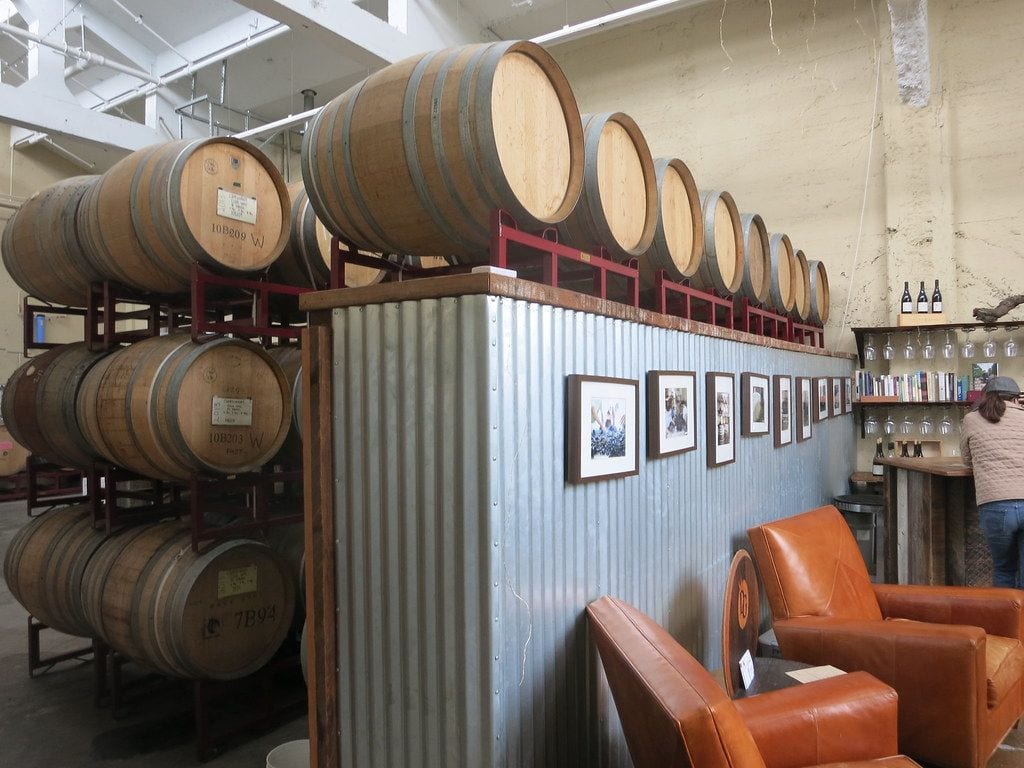
Founded in 2004, Donkey & Goat Winery is a Berkeley urban winery that helped pioneer natural, low-intervention winemaking in the US, working in that style well before "natural wine" became a familiar term stateside. Its handcrafted, small-production bottles come from organically farmed vineyards in the Sierra foothills, Mendocino County, and Napa Valley.
The tasting room doubles as a wine shop, offering seated tastings that walk you through the range and let you taste what minimal-intervention winemaking actually delivers in the glass. Special release events add reasons to return, making it a rewarding stop for curious drinkers and seasoned wine lovers alike looking for something genuinely distinctive.
Perched high in the Berkeley Hills along Grizzly Peak Boulevard, Grizzly Peak is one of the best places in town to watch the sun drop over San Francisco Bay. Pull over, step out, and let the whole basin glow gold beneath you as the light fades.
On clear days the view stretches across the water to both the Bay Bridge and the Golden Gate Bridge. Several pullouts and viewpoints line the road, so there's room to find your own spot, and the northern ones tend to stay quieter if you'd rather take it in without the crowd.
Tucked into a quiet North Berkeley neighborhood, Virginia-McGee Totland is a small, fully enclosed playground built with young children and their families in mind. The secure fencing lets little ones roam freely across play structures, climbers, and swings, while a sandbox invites the kind of unhurried, hands-in-the-dirt play that toddlers love best.
A small clubhouse brightened by a colorful mural anchors the space and gives the park a cheerful, welcoming feel. Shaded seating keeps caregivers comfortable, and a grassy lawn offers room for a picnic or some informal play in the open air. It's a low-key, easygoing stop that's perfect for burning off energy between other Berkeley outings.
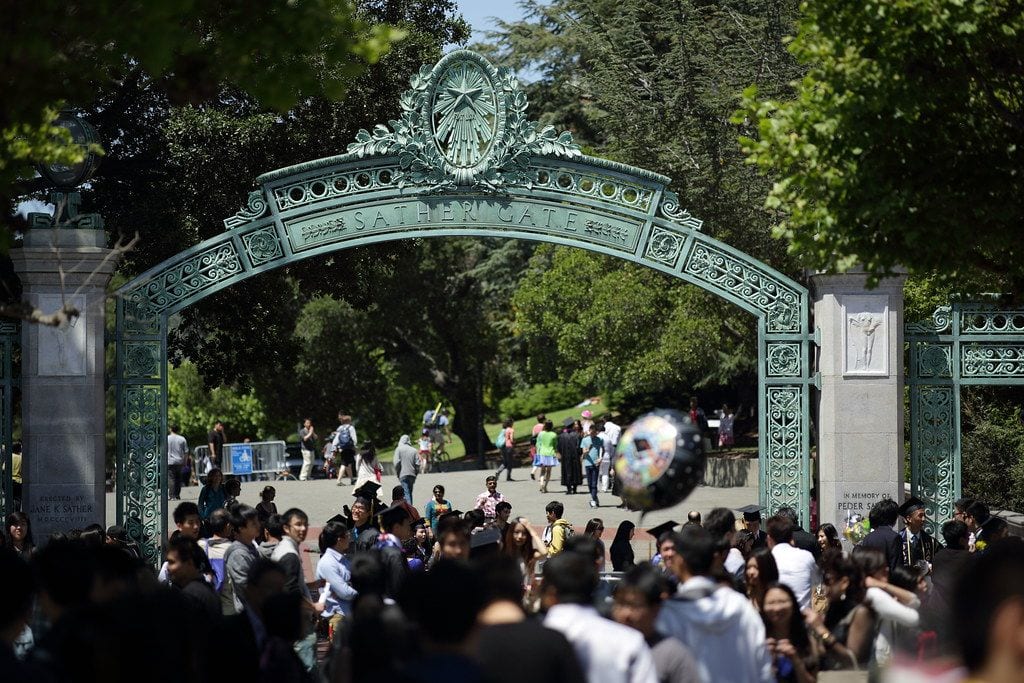
Built in 1910, Sather Gate is a graceful bridge-and-gate on the UC Berkeley campus, marking the line between bustling Sproul Plaza and the leafy calm of the Strawberry Creek area. It was donated by Jane Sather in memory of her husband, Peder Sather, an early trustee of the College of California.
Beyond its architecture, the gate anchors one of the university's most storied stretches. As part of Sproul Plaza, it stands at a historic site of protest, most famously the 1960s Free Speech Movement. Walk through today and you pass students, buskers, and campaigners, all crossing a threshold heavy with history.
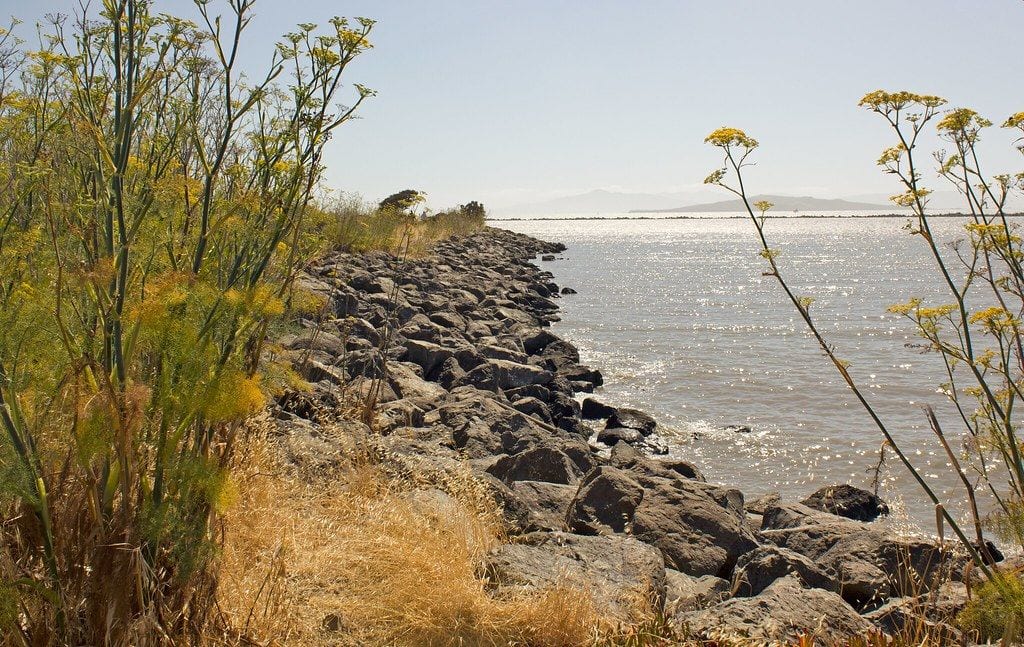
Stretching about 8.5 miles along the East Bay, McLaughlin Eastshore State Seashore preserves an open ribbon of shoreline that survived decades of citizen activism, a hard-won consensus that drew thousands of stakeholders together to keep this stretch public rather than developed. The park is named for Sylvia McLaughlin, a leader of the Save the Bay campaign.
A hiking and biking trail runs the full length of the shoreline, delivering panoramic Bay views at every turn. What makes the walk striking is the contrast: wide-open water and sky set against a heavily urbanized backdrop, a reminder of just how much was protected. Come to stroll, ride, or simply watch the light shift across the water.
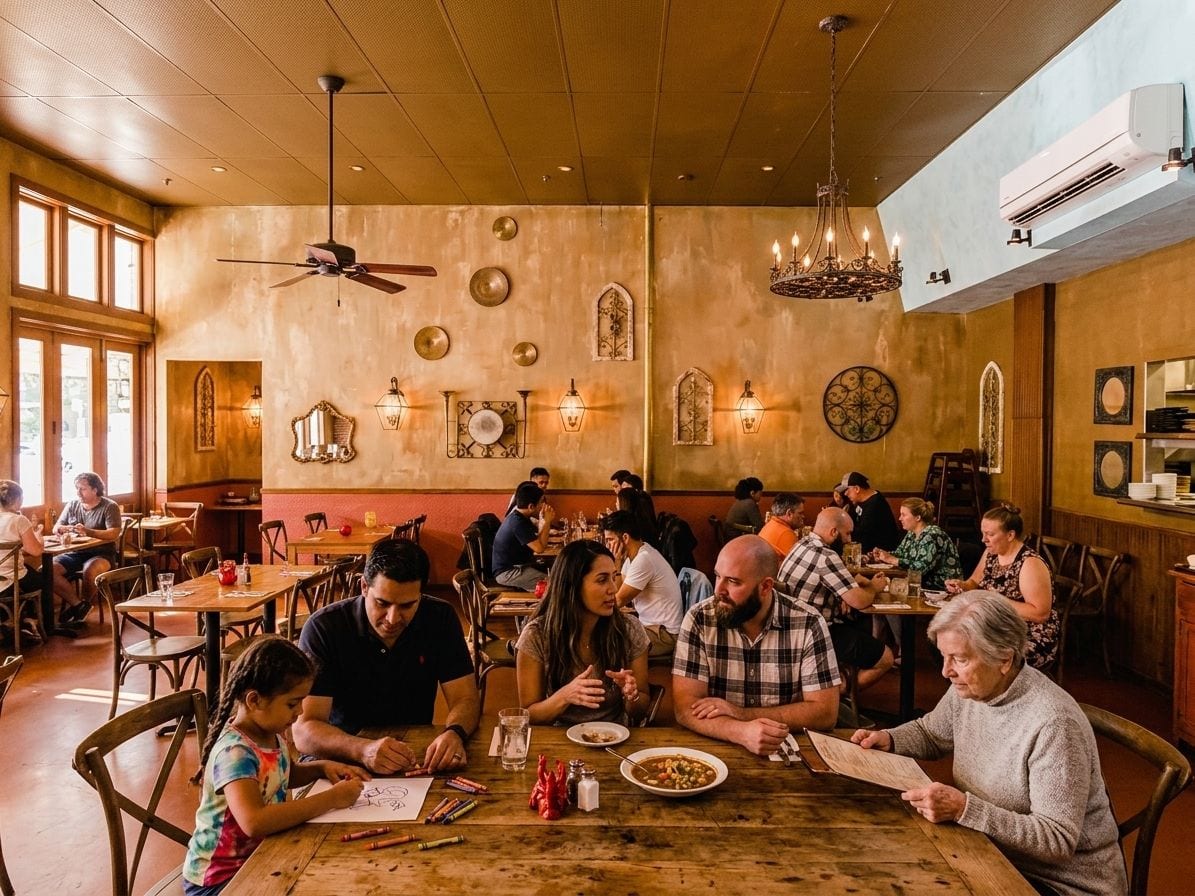
Angeline's Louisiana Kitchen brings a taste of New Orleans to Shattuck Avenue, where Cajun and Creole cooking meets warm Southern hospitality. It's the kind of place built for comfort food and easy conversation, plating up the flavors of the Deep South well outside their usual borders.
The fried chicken is the reason many regulars keep coming back, but the broad menu rewards ordering family-style and passing dishes around a full table. A longtime local favorite, it's an easy pick for a group looking to settle in and eat generously in the heart of Berkeley.
Best Time to Visit Berkeley
Berkeley is a year-round destination, but late spring and early fall are the sweet spots for wandering its parks, campus, and hill trails in mild, dry weather. Spring brings the Rose Garden into peak bloom around mid-May, while fall pairs warm afternoons with the buzz of a new university term.
Summers stay comfortably cool thanks to the Bay breeze, though morning fog is common along the waterfront. Winters are green and rainy rather than cold, keeping the hills lush; if you visit then, plan indoor stops like the museums and Telegraph Avenue around the showers.
Getting to Berkeley
Berkeley sits on the east shore of San Francisco Bay, threaded by Interstate 80 and Interstate 580 (the Eastshore Freeway) with exits at University Avenue, Ashby Avenue, and Gilman Street. Most visitors fly into Oakland International Airport, roughly a half-hour drive south, while San Francisco International is about an hour away across the Bay.
You don't need to drive at all, though: BART rapid transit links Berkeley directly to downtown San Francisco, Oakland, and both major airports, with stations at Downtown Berkeley, North Berkeley, and Ashby. Regional buses and the transbay bridges round out the connections.
Getting Around Berkeley
Berkeley is one of the most walkable cities in the Bay Area, and the flatlands around the university, Downtown, Telegraph Avenue, and the Fourth Street district are easily explored on foot. BART and the local bus network cover longer hops, and the city is broadly bike-friendly, so many visitors skip the car entirely.
A car helps mainly for the hill attractions, Tilden Regional Park, Grizzly Peak, and the waterfront, where transit thins out. Street parking is easiest away from campus and the busiest commercial strips; near Telegraph and Downtown, a public lot or garage saves circling the block.
Where to Stay in Berkeley
Downtown Berkeley is the most convenient base, walkable to the campus, the Arts District, and a BART station that whisks you across the Bay. Stay here or near the university if you want to leave the car parked and do most of your sightseeing on foot.
For a quieter, leafier feel, the neighborhoods up toward North Berkeley and the hills put you near the parks and the Gourmet Ghetto, while spots closer to the interstate suit travelers driving in and out. Wherever you land, most of Berkeley's highlights are a short transit ride or drive apart.
Where to Eat in Berkeley
Berkeley is the birthplace of California cuisine, and its North Shattuck "Gourmet Ghetto" remains the culinary heart, packed with pioneering restaurants, bakeries, cheese shops, and coffee roasters. Downtown and the Elmwood district add more sit-down dining, while Telegraph Avenue leans toward casual, student-friendly eats.
Come hungry for farm-to-table plates built around Northern California produce, wood-fired pizza, and global street food from taquerias to Southern comfort cooking. Grazing your way between the food co-ops and market stalls is half the fun, so leave room to sample as you go.
Many of Berkeley's best experiences cost nothing at all. Wander the UC Berkeley campus and pass through historic Sather Gate, stroll the terraces of the Berkeley Rose Garden, or scramble the outcrops at Indian Rock Park for a free Bay panorama.
Berkeley's location makes it a springboard for the whole Bay Area. San Francisco is a short BART ride across the water, while Oakland sits right next door for more museums, waterfront, and dining. Both make easy half- or full-day outings without a car.
For nature, the East Bay Regional Parks in the hills above town offer hiking within minutes, and a longer drive reaches the wine country of Napa and Sonoma to the north, where Santa Rosa makes a natural base, or the redwoods and coastline of Marin across the Golden Gate. Point Reyes National Seashore rewards a full day for those chasing wild Pacific scenery, and the trip slots neatly into a longer swing through California.
FAQ: Visiting Berkeley
What is Berkeley known for?
Berkeley is best known for the University of California, Berkeley, the founding campus of the UC system, and for its role in 1960s activism as the birthplace of the Free Speech Movement. It is also celebrated as the birthplace of California cuisine and the farm-to-table movement, and for a lively arts, food, and bookstore culture.
Is Berkeley worth visiting?
Yes. Berkeley packs world-class museums, a beautiful historic university campus, hillside parks with sweeping Bay views, an iconic food scene, and countercultural shopping streets into a compact, walkable city just across the water from San Francisco, making it an easy and rewarding stop.
How many days do you need in Berkeley?
Two to three days is ideal. One day covers the campus, a museum, and a hill or waterfront viewpoint; a second lets you slow down for the parks, Telegraph Avenue, and the food districts; and a third leaves room for day trips to San Francisco or the East Bay hills.
Is Berkeley walkable?
Very. Downtown, the university area, Telegraph Avenue, and the Fourth Street district are all easy to explore on foot, and BART plus local buses cover longer trips. A car is mainly useful for reaching the hill parks and the waterfront.
What is the best time to visit Berkeley?
Late spring and early fall offer the most reliable mild, dry weather for walking the city and its trails. Mid-May is spectacular for the Rose Garden's bloom, while summer stays cool thanks to the Bay breeze and morning fog.
How do you get to Berkeley from San Francisco?
The easiest way is BART, which runs directly from downtown San Francisco to the Downtown Berkeley station in roughly half an hour. By car, you cross the Bay Bridge and follow Interstate 80 up the east shore, though traffic and parking make transit the simpler choice.
Is Berkeley good for families?
Yes. Kids-oriented highlights include the hands-on Lawrence Hall of Science, the build-it-yourself Adventure Playground at the Marina, the long slide at Codornices Park, and easygoing parks like Tilden with its carousel and swimmable lake.