Known as the Golden State after the gold rush that drew fortune-seekers west in 1849, California is the most populous state in the US and home to one of the largest economies in the world, powered in part by Silicon Valley. Stretching from the Pacific coast to the Sierra Nevada and the deserts of the south, it packs world-famous cities, theme parks, beaches and some of the country’s most spectacular national parks into a single state. Here are 25 of the best things to do in California.
Fun Facts About California
California is the most populous state in the US and the third-largest by area, after Alaska and Texas.
If it were a country, California would have one of the largest economies in the world — among the top handful globally.
The state is home to Silicon Valley, the global center of the technology industry, and Hollywood, the heart of the film world.
California has more than 800 miles of Pacific coastline and nine national parks — the most of any US state.
It contains both the highest and lowest points in the contiguous US: Mount Whitney and Death Valley’s Badwater Basin, only about 85 miles apart.
The state’s giant sequoias and coast redwoods are among the largest and tallest living things on Earth.
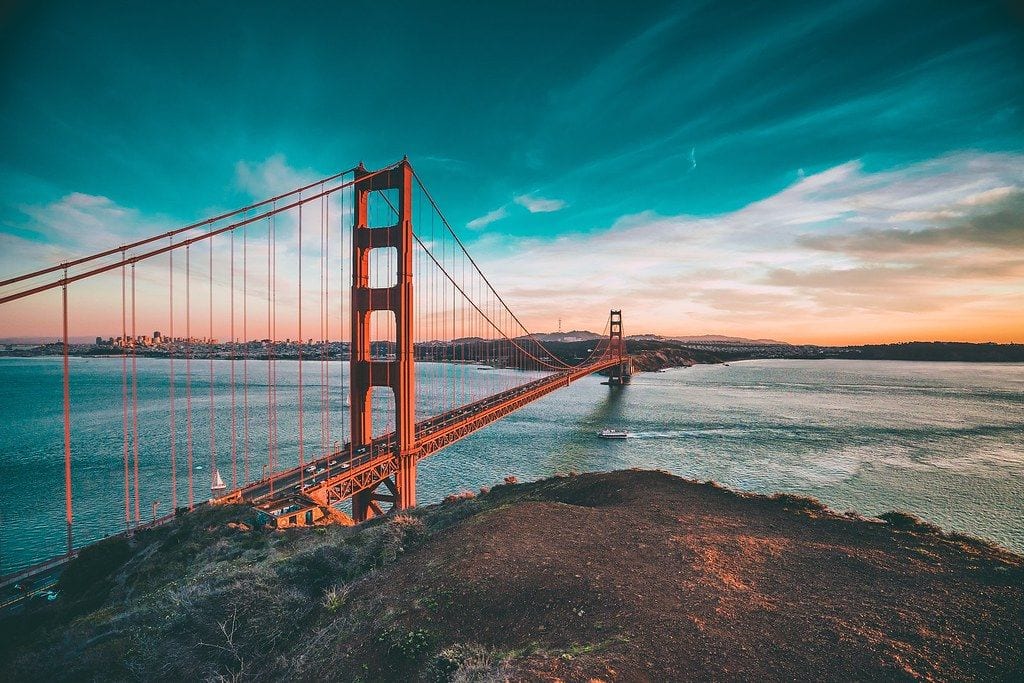
The Golden Gate Bridge spans the entrance to San Francisco Bay, its iconic red-orange suspension towers linking San Francisco to Marin County. Opened in 1937, it ranks among the most famous and photographed bridges in the world. Sweeping viewpoints anchor both ends, and few landmarks capture the spirit of the city quite like this one.
Visitors can cross on foot or by bicycle, taking in the bay, the skyline, and the headlands from the walkway above the water. It remains an essential San Francisco stop, whether framed from a nearby overlook, admired mid-span, or photographed from the Marin side, where the towers rise dramatically against the horizon.
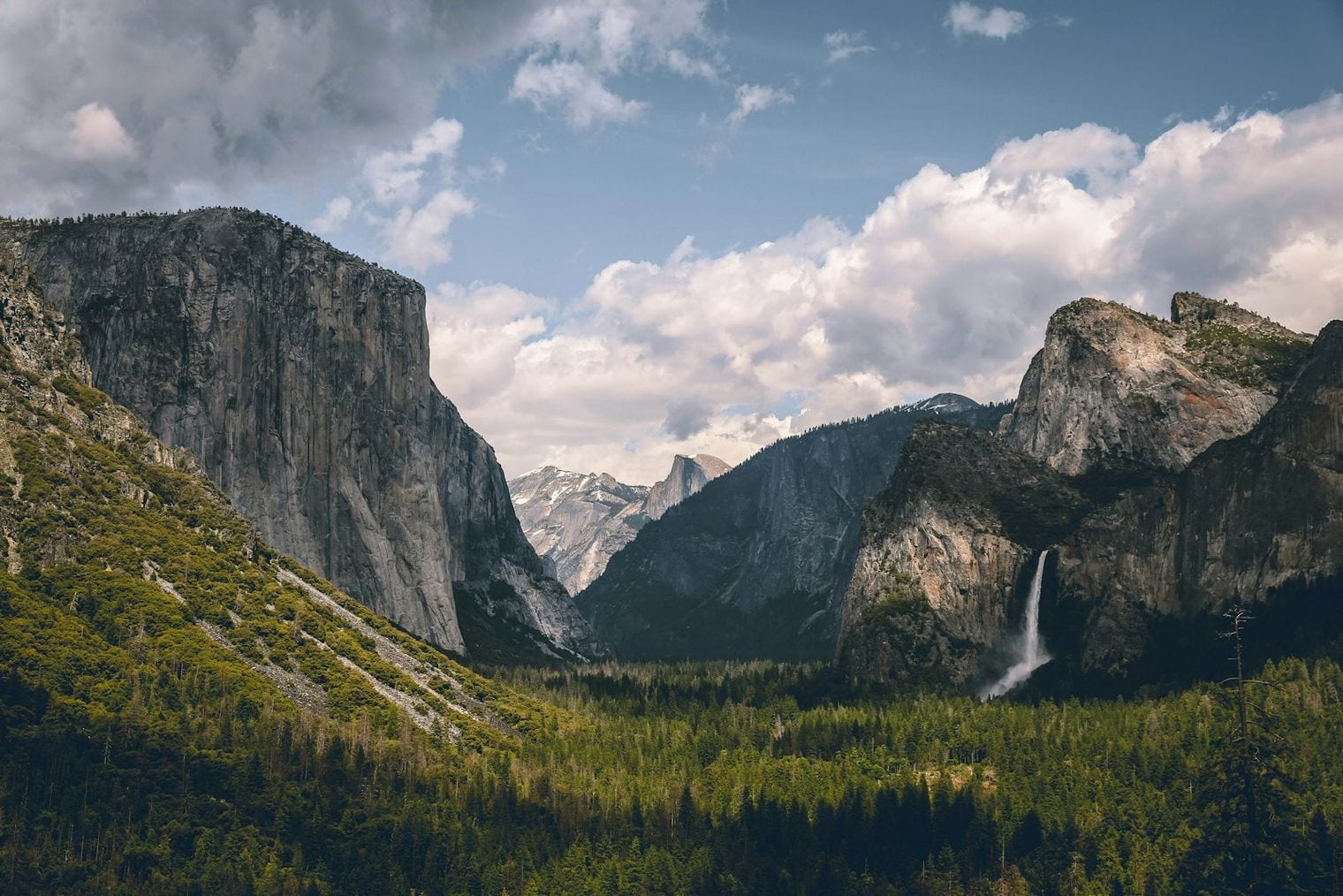
Yosemite National Park sprawls across the Sierra Nevada as one of the most visited parks in the country, and its scenery earns every bit of the acclaim. Sheer granite cliffs rise from the valley floor, thundering waterfalls spill down their faces, and groves of giant sequoias stand as living monuments to sheer scale and time.
Yosemite Falls ranks among the tallest waterfalls in North America, while El Capitan draws climbers from around the world to test themselves on one of the most famous vertical rock walls anywhere. Half Dome caps the skyline with its unmistakable sheared profile. Together these granite giants and cascades make the valley an unforgettable, endlessly photographed landscape.
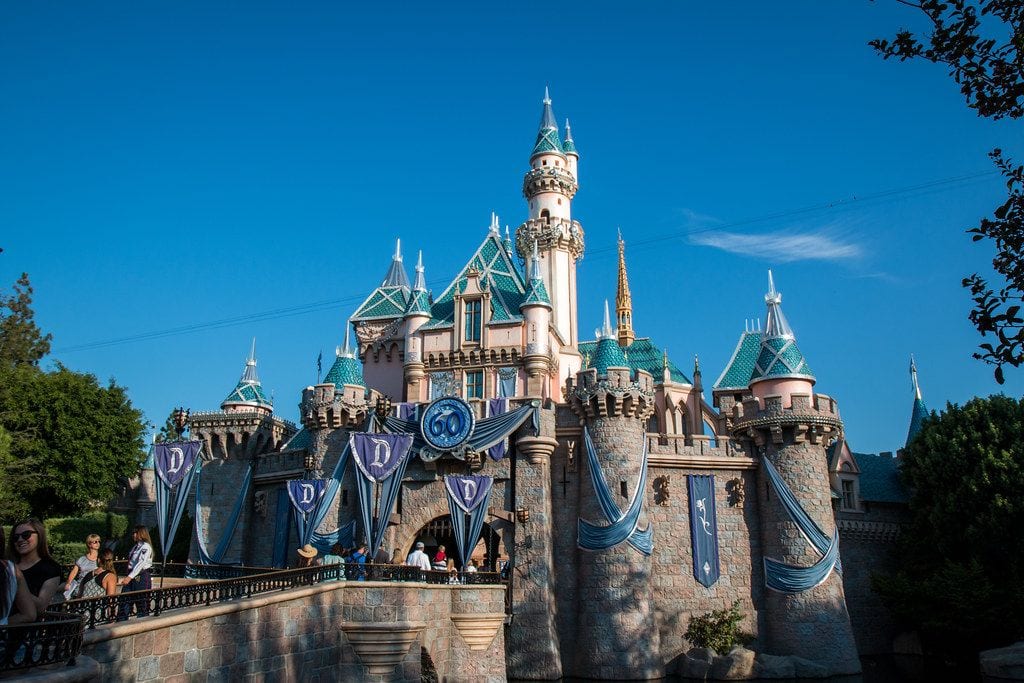
In Anaheim in Southern California, Disneyland Park opened in 1955 as the first Disney theme park in the world, and the original still sets the standard for the ones that followed. Classic themed lands unfold in every direction, each stitched together with the rides and characters that generations of visitors have grown up loving.
As the heart of the Disneyland Resort, it remains a quintessential family destination where the storybook atmosphere feels every bit as immersive today as it did decades ago. Parents who came as children return with their own kids, wandering the themed lands and meeting the characters that have made this park a lasting Southern California rite of passage.
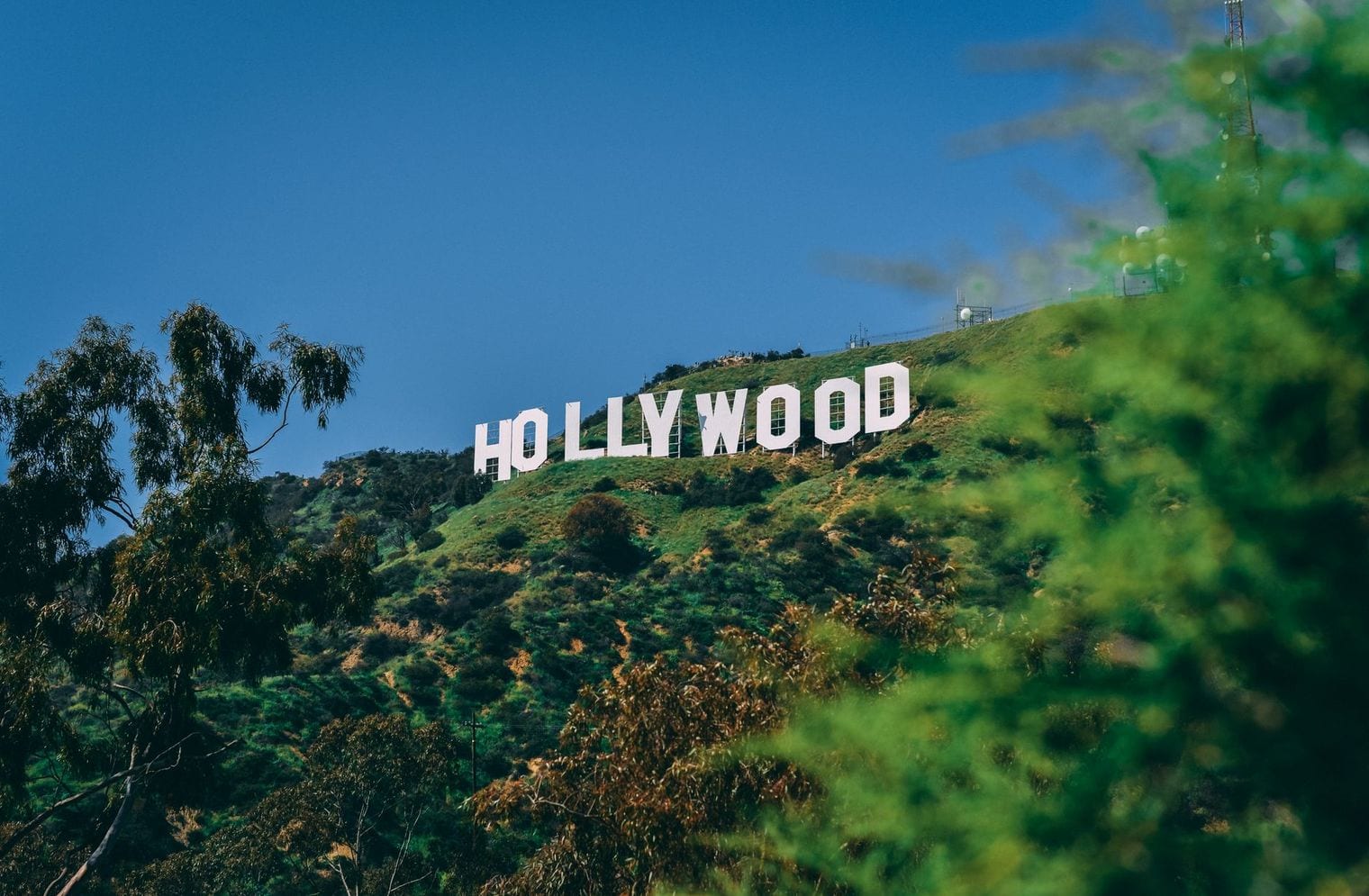
Spelling out HOLLYWOOD in giant white letters across Mount Lee in the Hollywood Hills, the Hollywood Sign is the most famous sign in Los Angeles and a lasting symbol of the entertainment industry. Perched high above the city, it draws countless eyes upward, an instantly recognizable emblem of movie-making dreams and the glamour that made the district legendary worldwide.
Visitors find plenty of ways to take it in. The Hollywood and Highland area offers an easy street-level look, while Griffith Observatory pairs the view with sweeping city panoramas. Hiking trails wind closer through the surrounding hills, and a few car-accessible viewpoints reward those who prefer to stay behind the wheel. Every angle frames an unmistakable postcard moment.
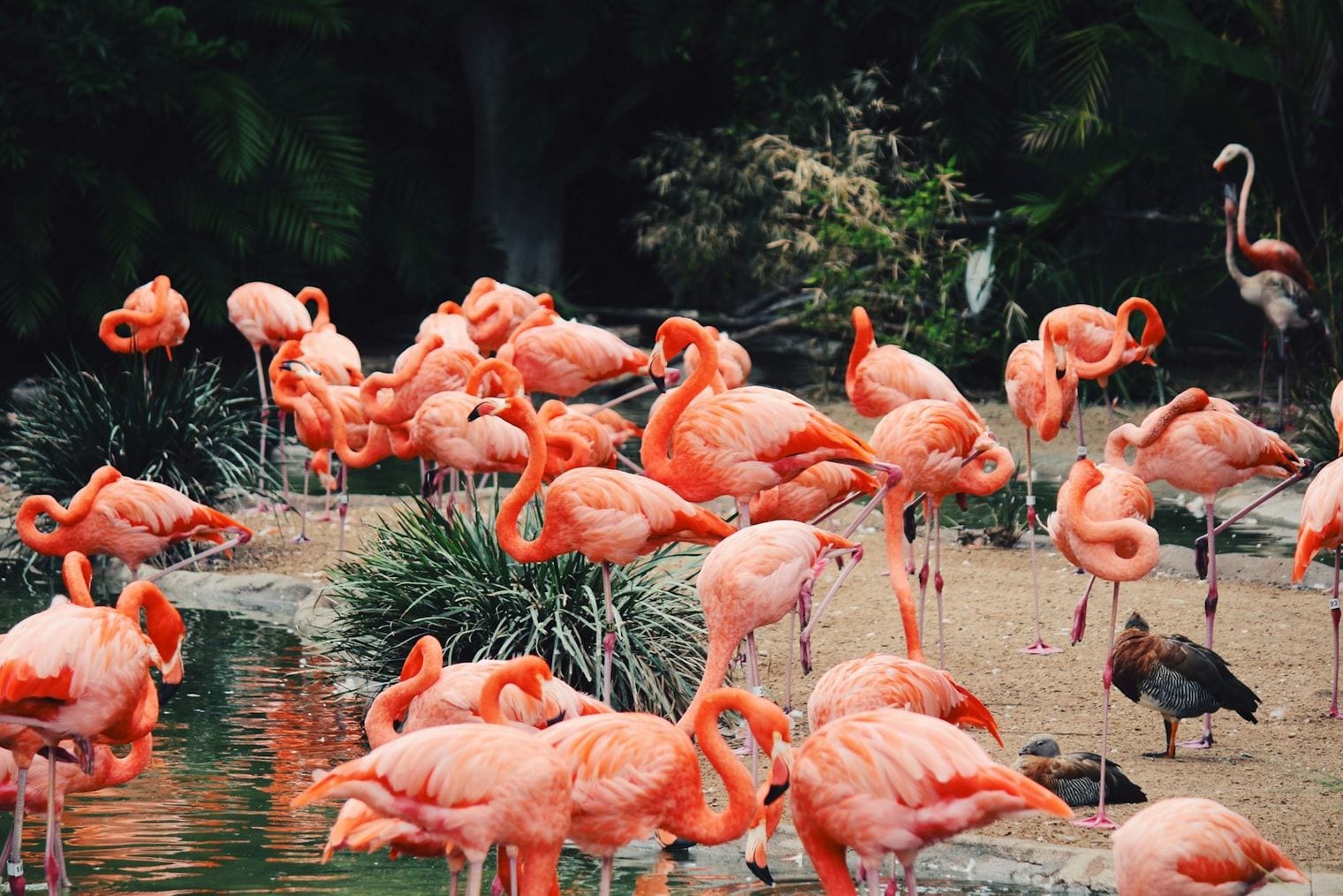
Tucked into San Diego's Balboa Park, the San Diego Zoo ranks among Southern California's most beloved family attractions. It earned its world-renowned reputation partly by rethinking how animals are displayed, swapping bars and cages for open-air, cageless habitats that let visitors observe wildlife in surroundings far closer to the wild.
The collection is vast, spanning a wide range of species from every corner of the globe, so a single visit rarely feels the same twice. Beyond the exhibits, the zoo has long been celebrated for its conservation work, giving families a day out that pairs genuine wonder with a sense of purpose behind every enclosure.
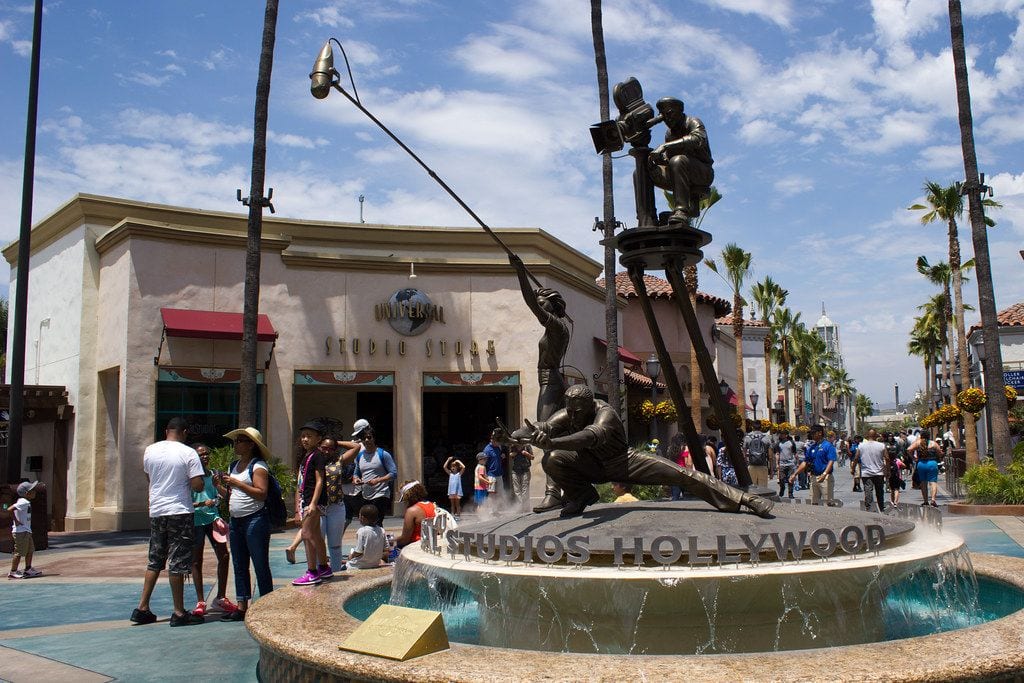
In the Los Angeles area, Universal Studios Hollywood pairs a working film studio with a theme park, so a single visit swings between roller-coaster thrills and themed attractions built around beloved movies. The blend of adrenaline and imagination makes it one of LA's marquee entertainment destinations, drawing anyone curious about how the screen stories they love come to life.
The signature experience remains the Studio Tour, a ride through genuine working backlots where sets and filming locations reveal the craft behind the movies. Between the immersive rides and that behind-the-scenes look at movie-making history, the park rewards film fans and thrill-seekers alike, turning a day trip into an easy highlight of any Southern California itinerary.
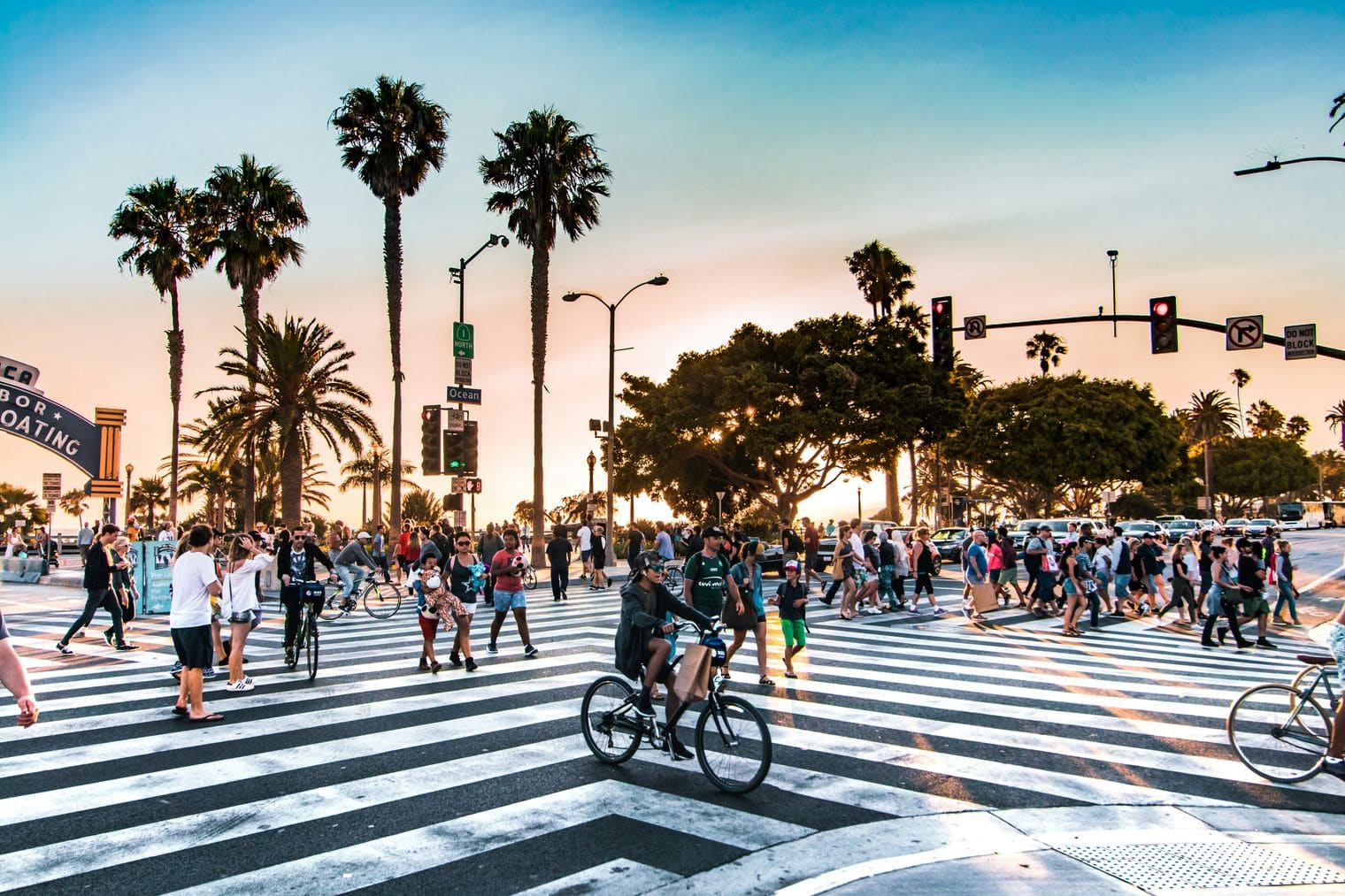
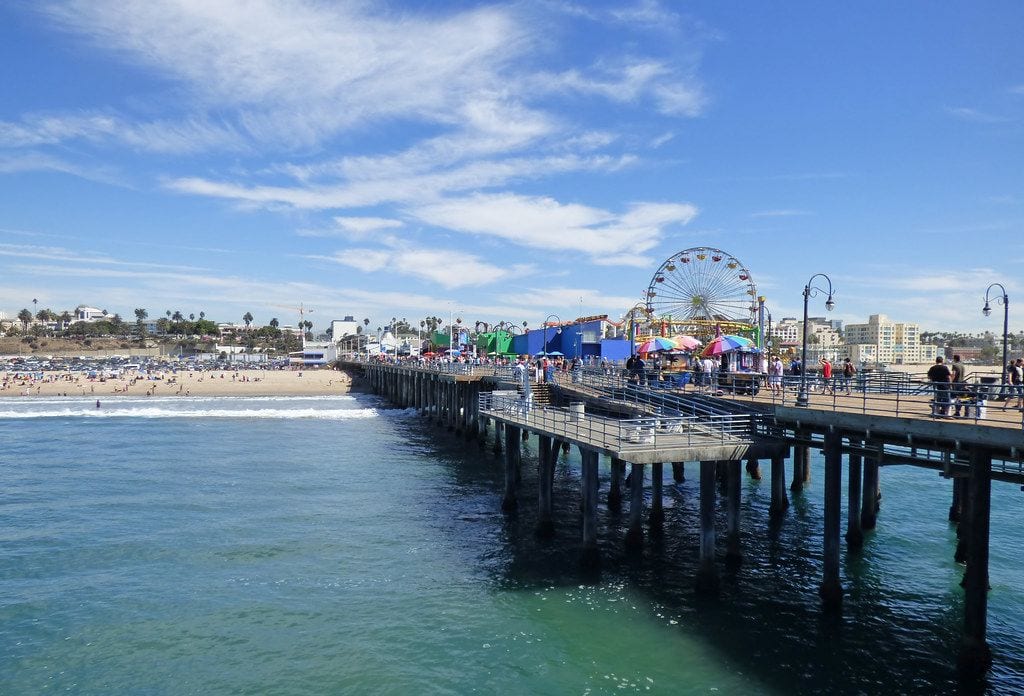
A classic boardwalk jutting into the Pacific in the Los Angeles area, the Santa Monica Pier marks the western end of historic Route 66. Its centerpiece is Pacific Park, a compact amusement park where a solar-powered Ferris wheel and a roller coaster spin above the surf, giving the pier its bright, unmistakable silhouette.
Beyond the rides, an aquarium tucks visitors close to local marine life, while a historic carousel turns inside the 1916 Looff Hippodrome, its painted horses circling to old organ music. Together the games, ocean views, and vintage charm make the pier an easy, unhurried afternoon for families, couples, and first-time California travelers alike.
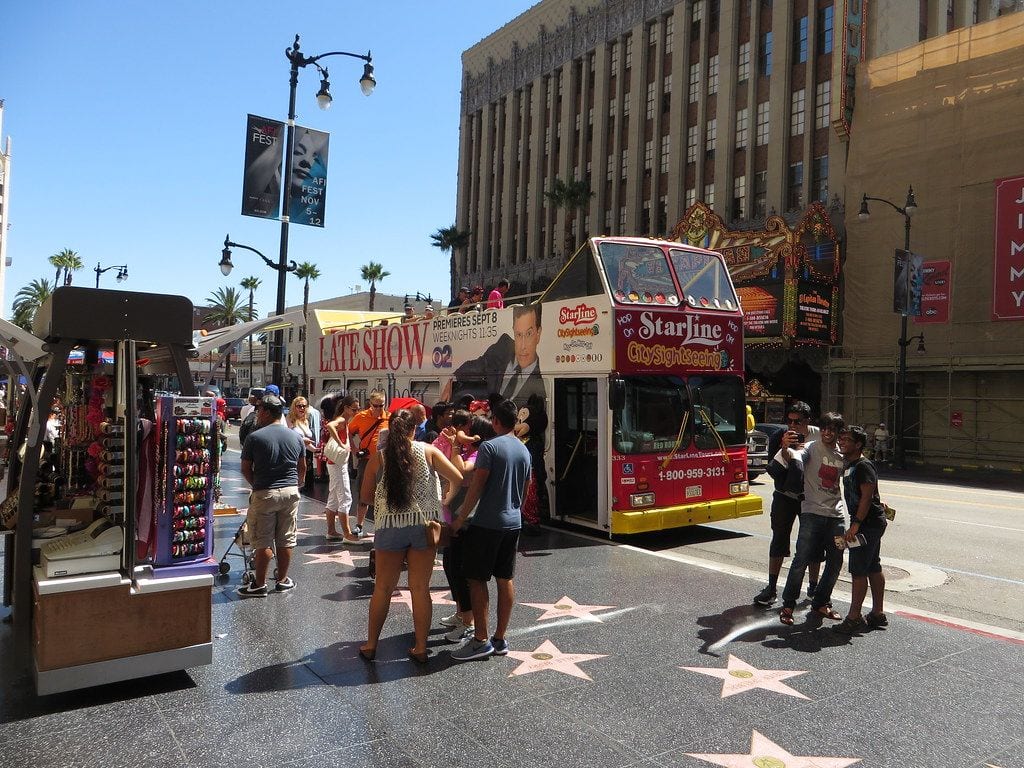
Set into the sidewalks of Hollywood Boulevard and Vine Street, the Hollywood Walk of Fame honours entertainment figures with terrazzo-and-brass stars underfoot. Construction of the famous route began around 1960, and the roll call of names has grown ever since. Strolling it costs nothing, making this one of Los Angeles's most iconic and accessible attractions.
Thousands of stars now line the pavement, each a small monument to a career in film, music, television, theatre, or radio. Visitors wander slowly, scanning the brass for the names they love and pausing for photos crouched over a favourite. It is quintessential LA: glamorous, a little kitschy, and open to everyone who walks the boulevard.
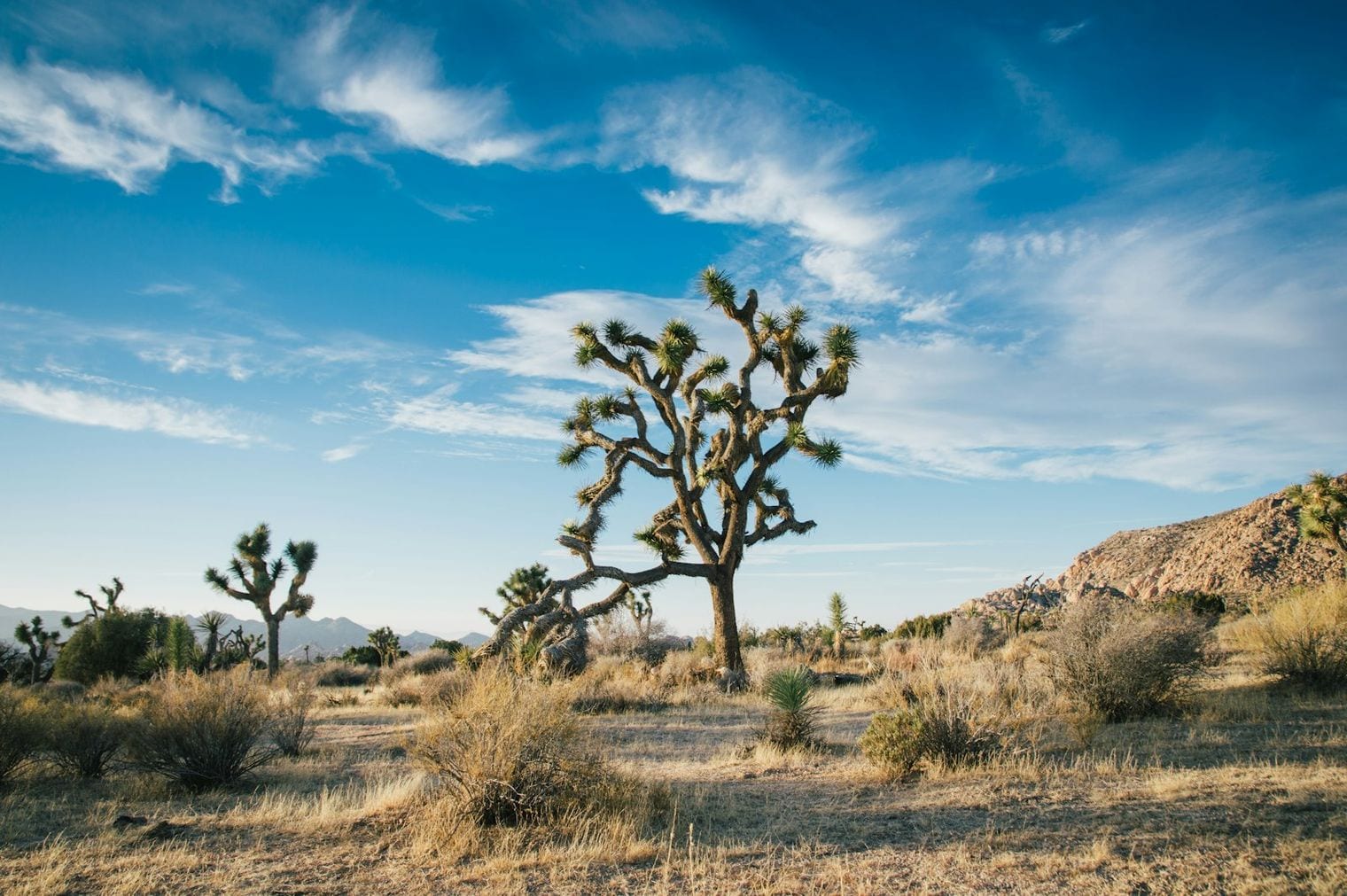
Where the Mojave and Colorado deserts collide in Southern California, Joshua Tree National Park spreads its otherworldly landscape across a stark, sunbaked wilderness. The twisted namesake trees are actually yuccas, not cacti, and their spiky silhouettes rise beside dramatic boulder piles and rock formations that give the park its unmistakable, almost surreal character.
Hikers wander trails between the rugged outcrops while rock climbers scale the weathered granite that draws enthusiasts from far beyond the desert. The Cholla Cactus Garden rewards a short stroll, and once the sun drops, the dark skies turn the park into a stargazer's dream, with countless stars glittering above the silent desert floor.
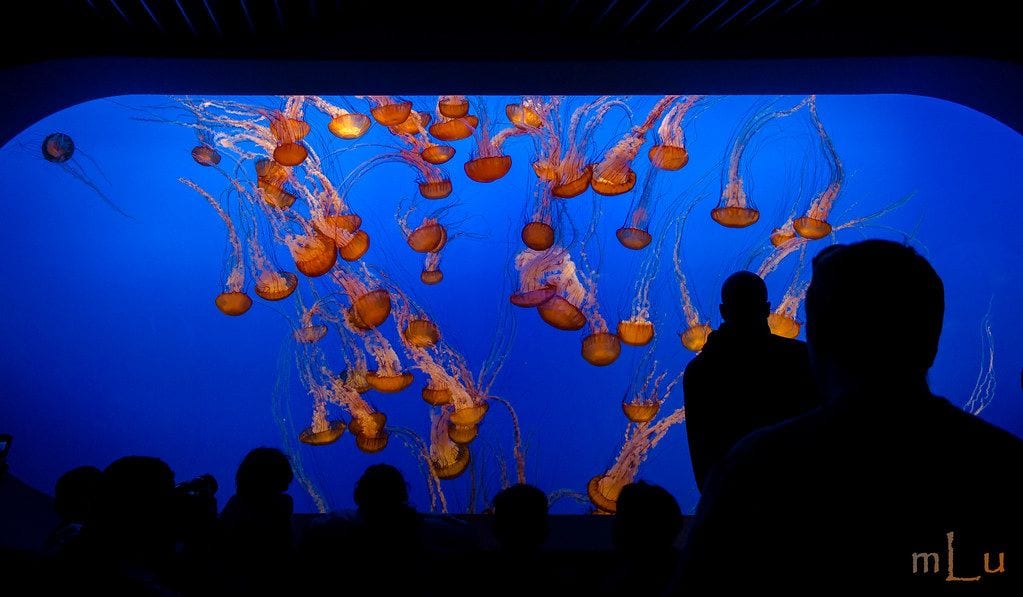
On Monterey's Cannery Row, the Monterey Bay Aquarium turns the rich marine life of Northern California's coast into unforgettable close encounters. Its exhibits draw directly on the waters just beyond the windows, from a towering Kelp Forest tank that sways like the sea itself to playful sea otters that steal every visitor's attention.
More than a place to watch fish, it stands as a leader in ocean conservation, shaping how families understand and protect the sea. That mission makes it a top family attraction on the central coast, where curiosity about Monterey Bay's living waters becomes something children carry home long after the visit ends.
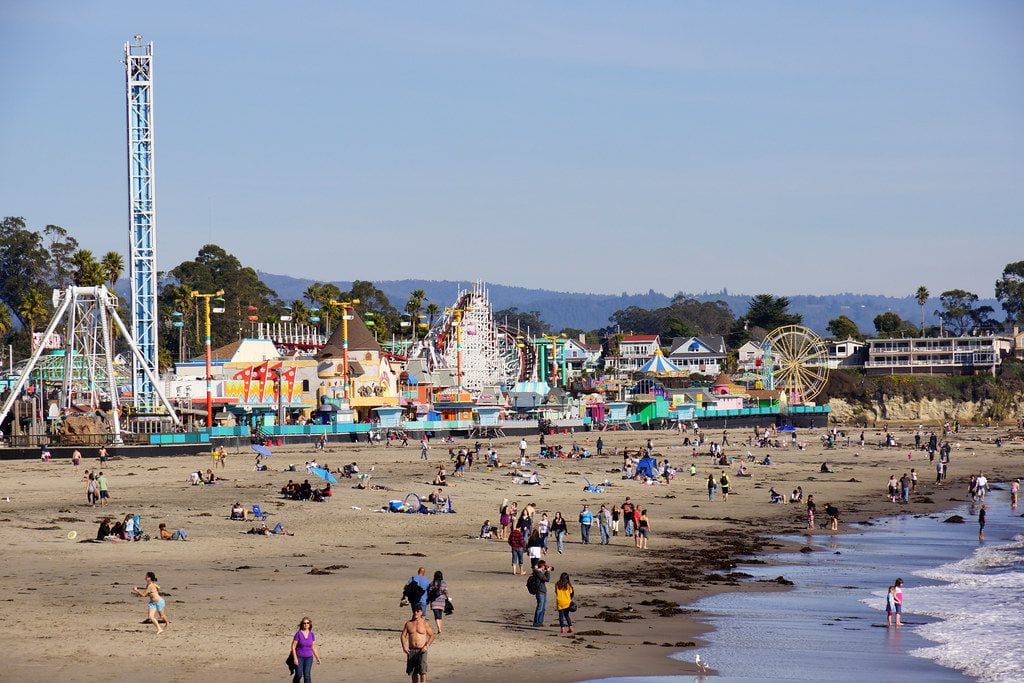
Right on the beachfront in Santa Cruz, the Santa Cruz Beach Boardwalk is Northern California's classic oceanfront amusement park. This historic seaside spot mixes rides, games and arcades with the sand and surf, so a morning on the coaster can slide straight into an afternoon on the beach itself.
The park keeps its old-school character, anchored by a wooden roller coaster and a vintage carousel that give the place its nostalgic pull. It makes an easy family day out, with plenty of rides and arcade games for every age set against the open Pacific just steps away.
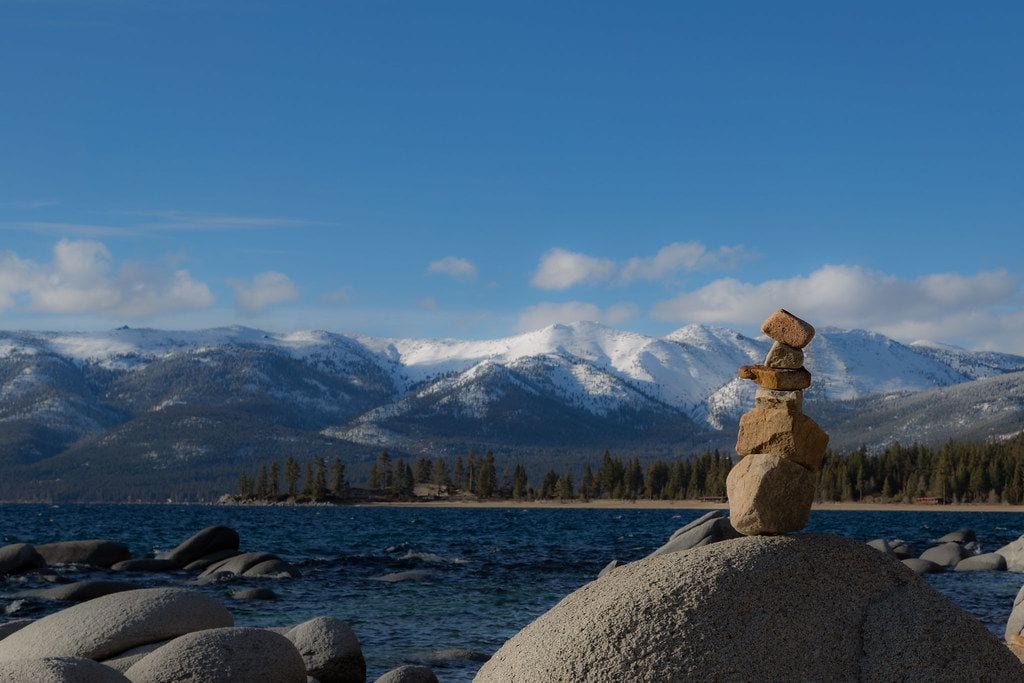
Straddling the California-Nevada border high in the Sierra Nevada, Lake Tahoe is a vast alpine lake famous for water so clear it seems almost impossibly blue. It ranks as the largest alpine lake in North America and the second-deepest lake in the country, and its cobalt expanse anchors one of the West's most beloved mountain playgrounds.
The appeal runs year-round. In summer, sandy beaches, kayaks, and boats draw crowds to the shoreline, and swimmers brave the cool, crystalline water. When snow blankets the surrounding peaks, the region transforms into a world-class skiing destination, its slopes tumbling down toward that same striking lake below. Few places pair water and mountains so completely.
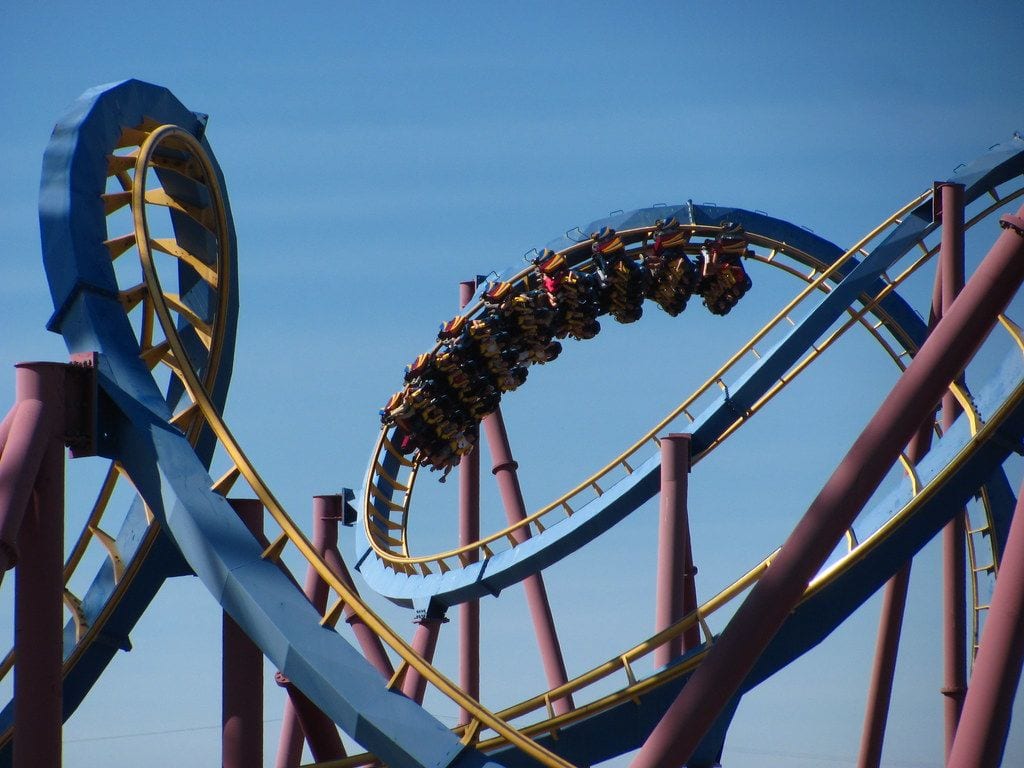
Rising north of Los Angeles in Valencia, Six Flags Magic Mountain has drawn thrill-seekers since it opened in 1971. This is a park built for adrenaline rather than gentle strolls, and it ranks among the premier roller-coaster destinations anywhere, packing in around 18 coasters that give it one of the highest ride counts of any park on the planet.
The lineup leans hard into record-breaking machines, from towering drops to loops and inversions that snap riders through the sky at speed. With nearly two dozen coasters spread across the hillside, serious enthusiasts can spend a full day queuing for track they cannot find elsewhere, making the park a bucket-list stop for anyone chasing California's biggest, boldest rides.
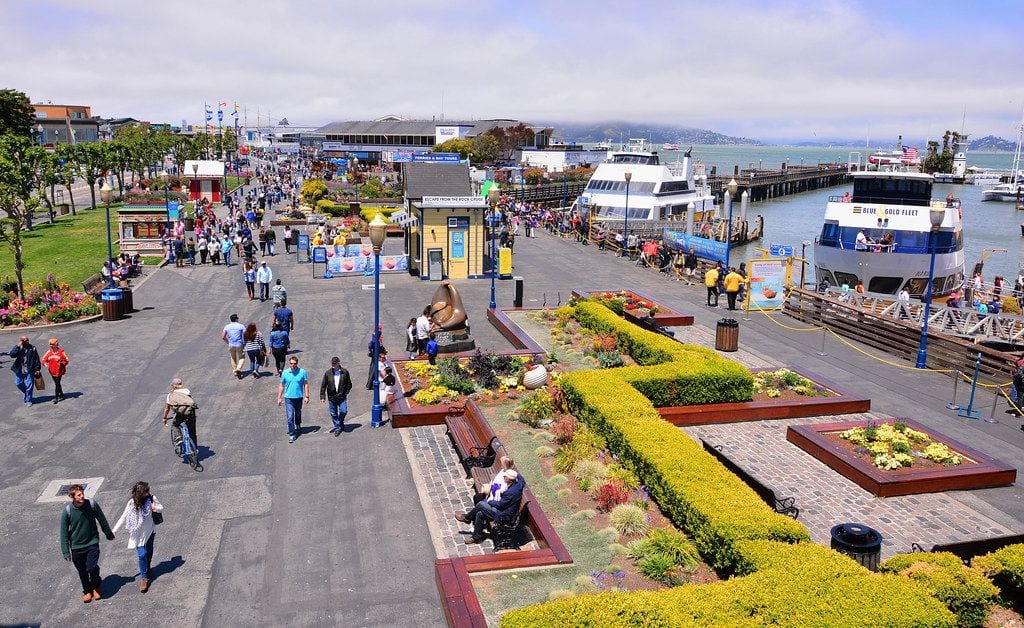
At Fisherman's Wharf, PIER 39 ranks among San Francisco's most popular tourist spots, a lively waterfront complex packed with shops, restaurants, and street performers. Its most famous residents are the sea lions that haul out on the docks, barking and jostling in a rowdy colony that draws crowds to the railings all day long.
Beyond the entertainers and storefronts, the pier serves up sweeping views across the bay toward Alcatraz, framing one of the city's signature panoramas. Many visitors treat the complex as a launching point too, since numerous boat cruises and sightseeing tours depart from here, making it an easy first stop for exploring the wider waterfront.
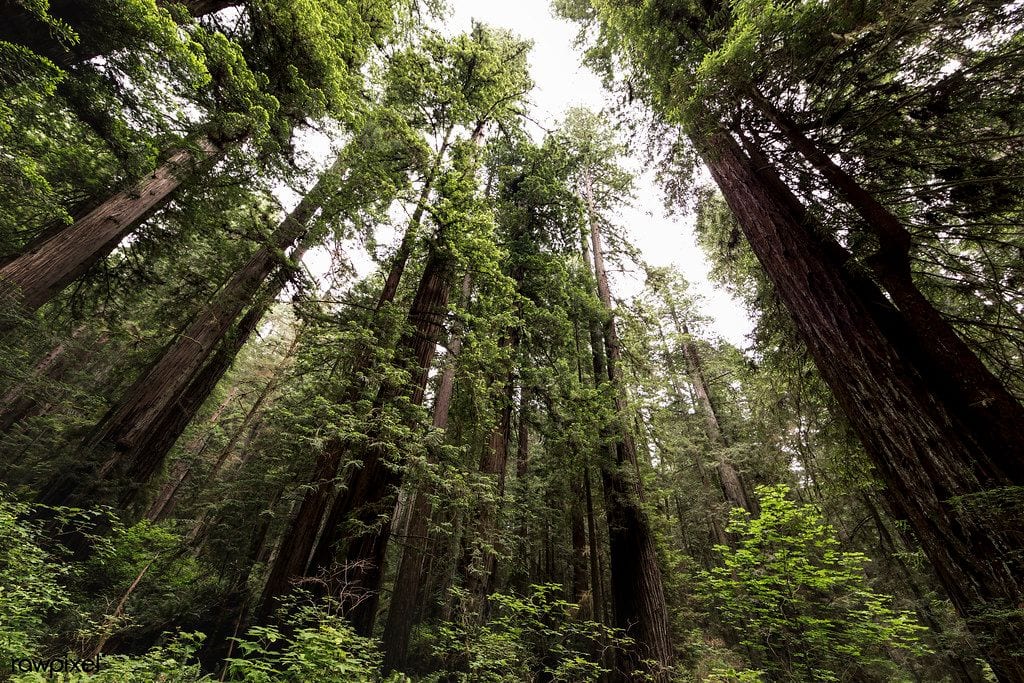
Along California's far northern coast, Redwood National and State Parks protect ancient old-growth coast redwoods among the tallest trees on Earth. This cluster of jointly managed parks earns UNESCO World Heritage status, and some of its towering giants have stood for more than 2,000 years, rooted here since long before recorded history.
Trails wind quietly through these cathedral-like groves, where sunlight filters down through impossibly high canopies and the forest floor stays cool and hushed. Walking among trees that predate empires puts human time in perspective, making a visit feel less like sightseeing and more like stepping into something vast, patient, and deeply alive.
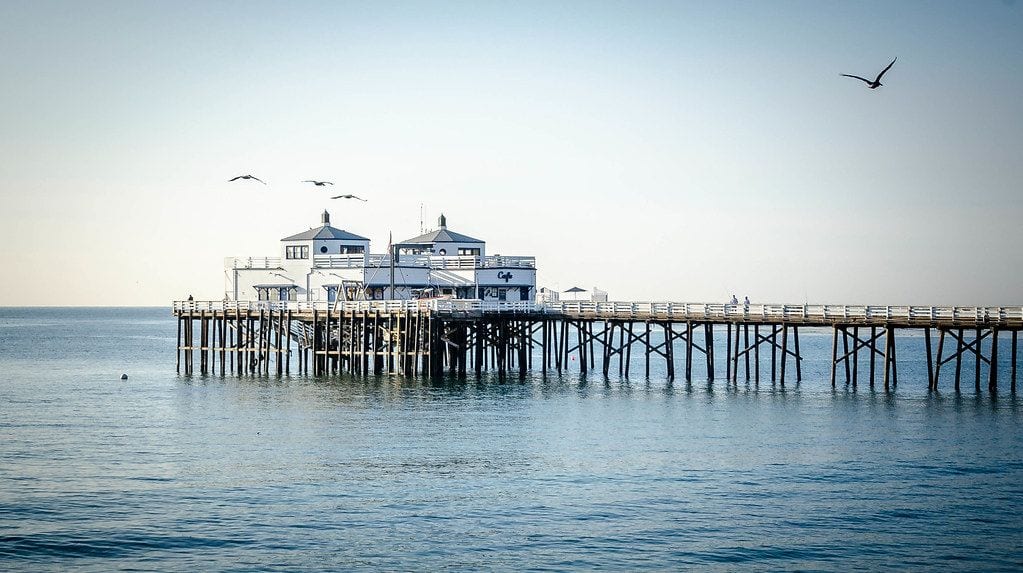
Reaching out over the water north of Los Angeles, Malibu Pier has anchored this stretch of coast since 1905. It is a laid-back place to wander, taking in wide ocean views and the easy rhythm of the surf. The structure carries a real sense of history, a wooden thread connecting today's visitors to more than a century of shoreline life.
Just alongside sit the celebrated waves of Surfrider Beach, where surfers ride some of the most storied breaks in the state. Strolling the boards in Malibu, travelers get a genuine taste of classic California beach culture, unhurried and sun-washed. It is the kind of scenic, relaxed spot that rewards slowing down and simply watching the water and the wave-riders go by.
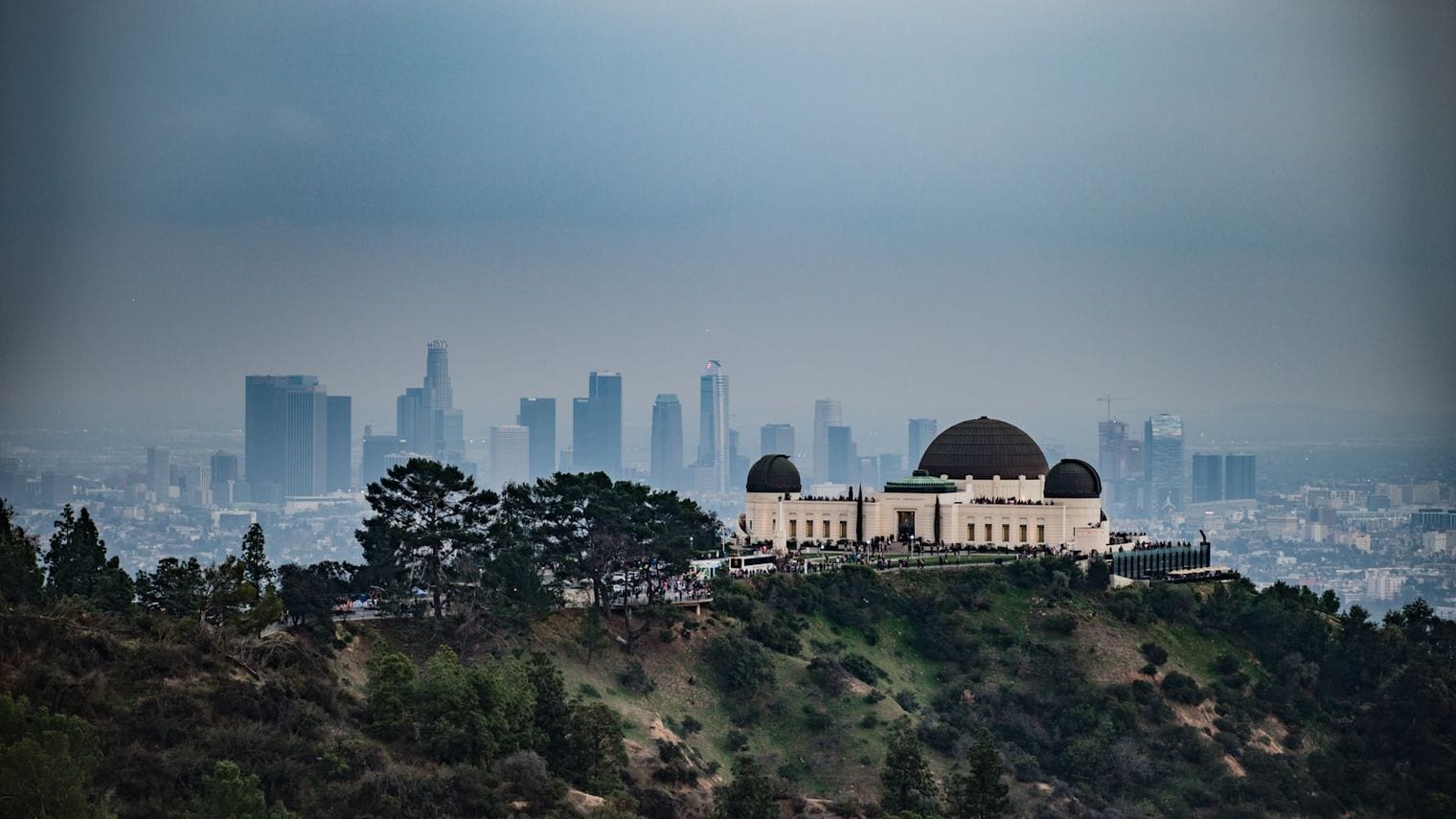
Perched on the slopes of Mount Hollywood inside Griffith Park, Griffith Observatory is a landmark public observatory overlooking Los Angeles. Admission to its grounds and exhibits is free, and visitors come to peer through telescopes, catch a planetarium show, and take in sweeping views of the city stretching out below.
The setting is as much a draw as the science. From the terraces, the Hollywood Sign sits in clear view across the park, one of the largest city parks in California. Whether tracing the stars overhead or simply watching the LA basin glitter at dusk, the observatory rewards curious minds and casual sightseers alike.
Sequoia National Park protects a sweep of the southern Sierra Nevada, where groves of giant sequoias rise from the forest floor. These are the largest trees on Earth by volume, and the celebrated General Sherman Tree stands among them. Wandering beneath such ancient, towering trunks gives visitors a humbling sense of scale.
Beyond the famous groves lies a vast mountain wilderness of deep forests, winding trails and high granite peaks waiting to be explored on foot. Many travelers pair the visit with adjacent Kings Canyon National Park, stringing the two together into one long, unhurried journey through some of California's most dramatic backcountry scenery.
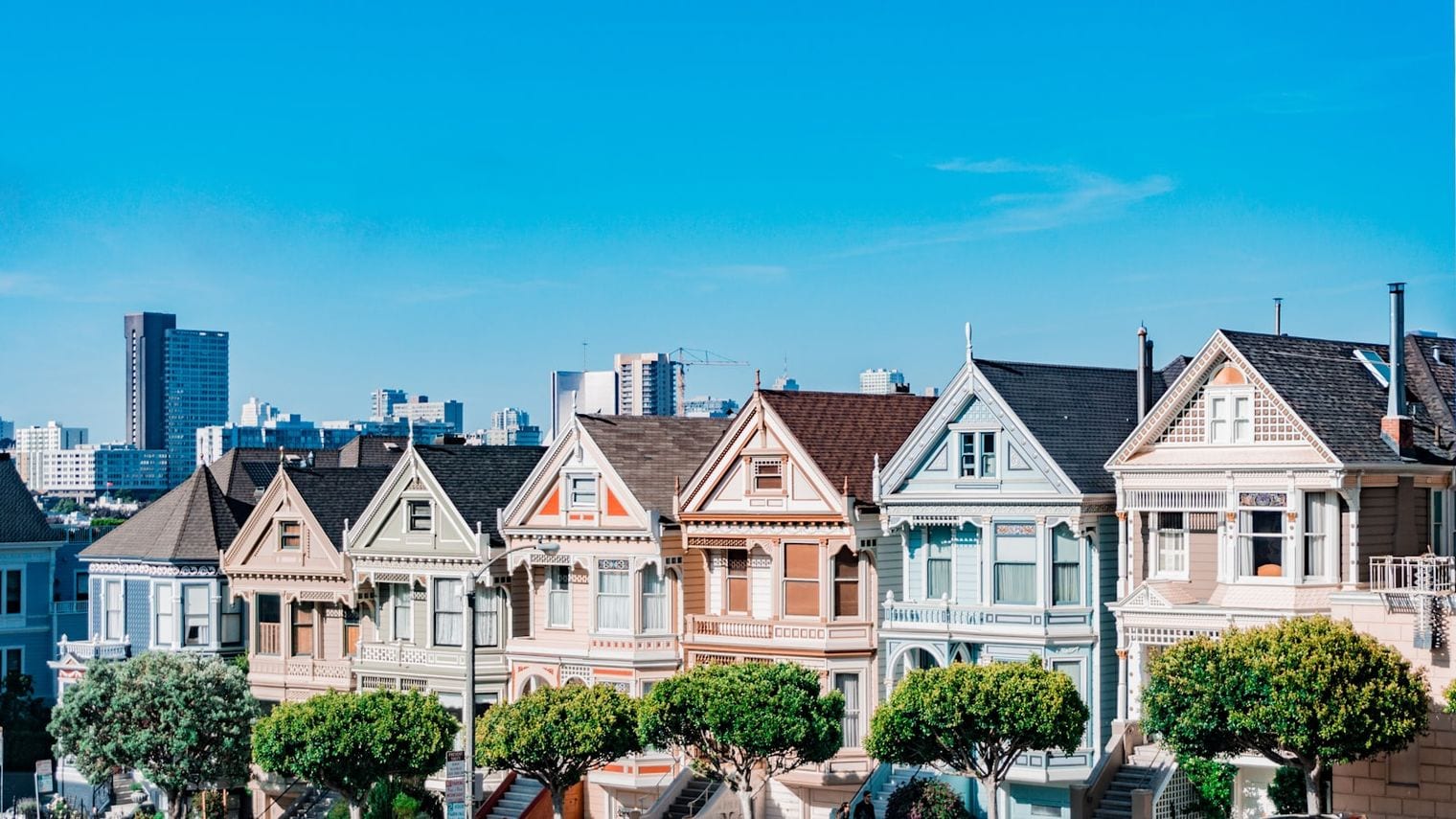
Facing Alamo Square Park in San Francisco, The Painted Ladies are a famous row of colourful Victorian houses. The seven that line Steiner Street rank among the most photographed, their trim gables and pastel facades standing shoulder to shoulder. Ranged along a gentle rise, the terrace makes an instant impression and rewards anyone who simply slows down to look.
The classic 'postcard row' view frames the Victorians against the downtown skyline, pairing period detail with modern towers in a single, unmistakable image. The park itself is run by San Francisco Recreation & Parks, and its grassy slope gives visitors room to settle in, take in the outlook, and understand why this corner has become such an enduring symbol of the city.
Rising from the waters of San Francisco Bay, Alcatraz Island once operated as a federal maximum-security prison, holding some of the country's most notorious inmates behind bars famed as nearly impossible to escape. Today the island belongs to the Golden Gate National Recreation Area, and reaching it means boarding a ferry across the bay from the city.
It ranks among San Francisco's most popular attractions, drawing visitors who come to walk the historic cellhouse on guided tours. Wandering the corridors and cramped cells offers a vivid sense of what confinement here meant, while the surrounding waters and skyline views make the crossing itself part of the experience worth savoring.
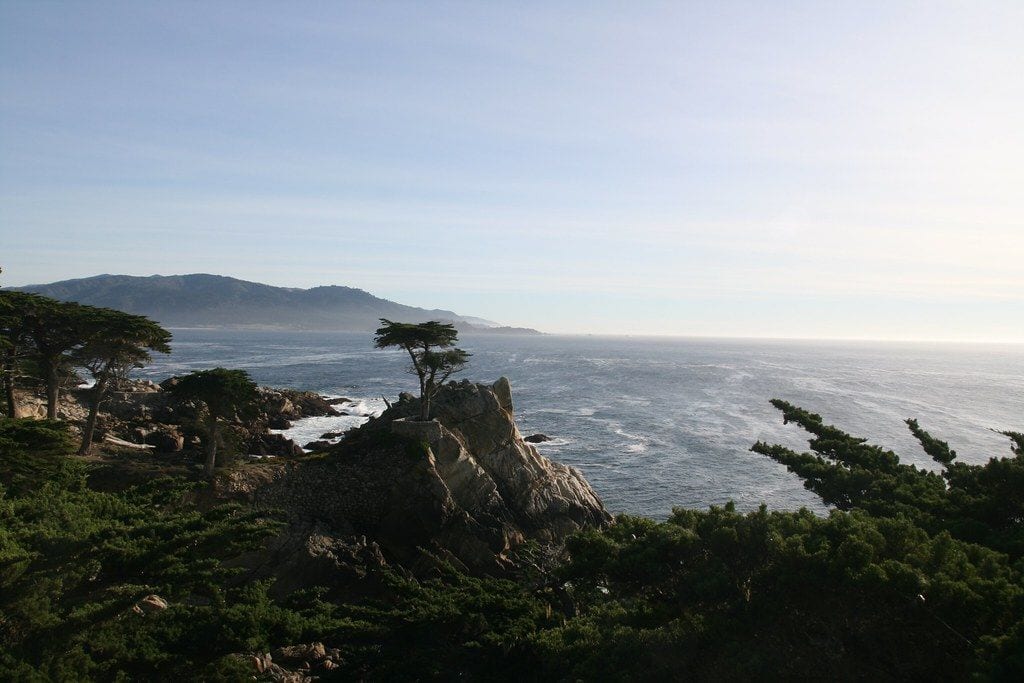
Winding along the Monterey Peninsula in Northern California, 17-Mile Drive is a scenic toll road threading through Pebble Beach and Pacific Grove. The route unspools past dramatic coastline and wind-sculpted cypress forests, delivering one of the central coast's most celebrated drives without a single dull stretch between its turnouts.
World-famous golf courses line the way, and iconic landmarks like the Lone Cypress reward drivers who pull over to linger. Open sunrise to sunset, it invites an unhurried pace, stopping for photos wherever the Pacific glitters. It's a classic outing that pairs coastal grandeur with quiet, cypress-shaded beauty at every bend.
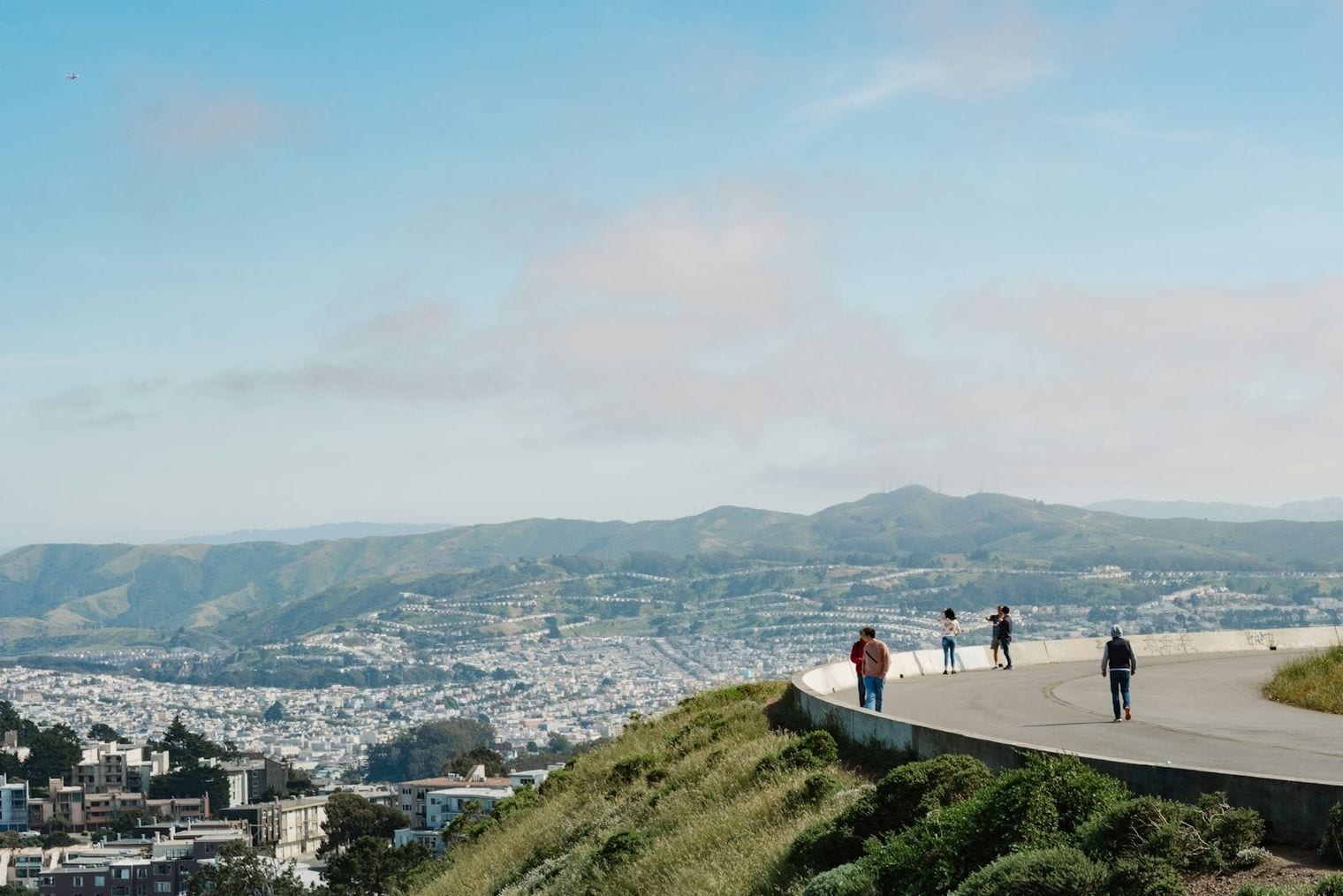
Rising near the geographic center of San Francisco, Twin Peaks pairs two prominent hills that top out around 922 feet. The open, treeless summits deliver some of the best near-360-degree panoramas in the city, sweeping across the downtown grid, the surrounding neighborhoods, and the glittering waters of the bay far below.
While nearby Mount Davidson climbs a touch higher, its wooded crown blocks the scenery, leaving these bald peaks as one of the finest viewpoints around. Visitors drive or hike to the top, then linger as the city unfurls in every direction, the perspective shifting from morning fog to the sparkle of an evening skyline.
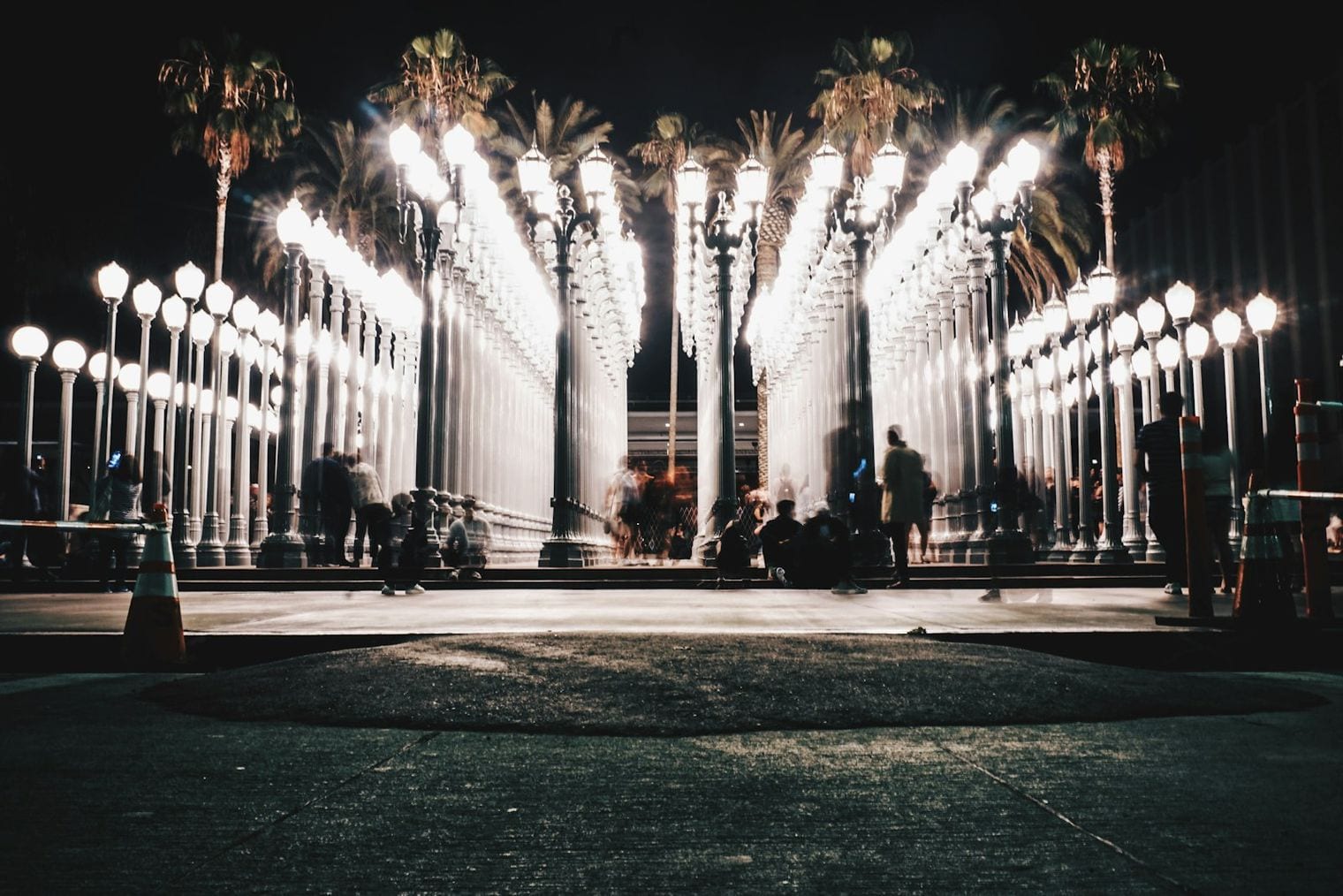
In the Miracle Mile district, the Los Angeles County Museum of Art stands as the largest art museum in the western United States. Its holdings sprawl across cultures and eras, from ancient artifacts to modern canvases, giving visitors a single stop that traverses continents and centuries of human creativity, all under one sprawling campus.
The outdoor installations draw as many cameras as the galleries inside. 'Urban Light,' a dense grid of restored vintage lampposts, glows at the entrance, while 'Levitated Mass' suspends a massive boulder over a walkway you stroll beneath. Together they rank among the most photographed features here, framing art as something you walk through rather than merely observe.
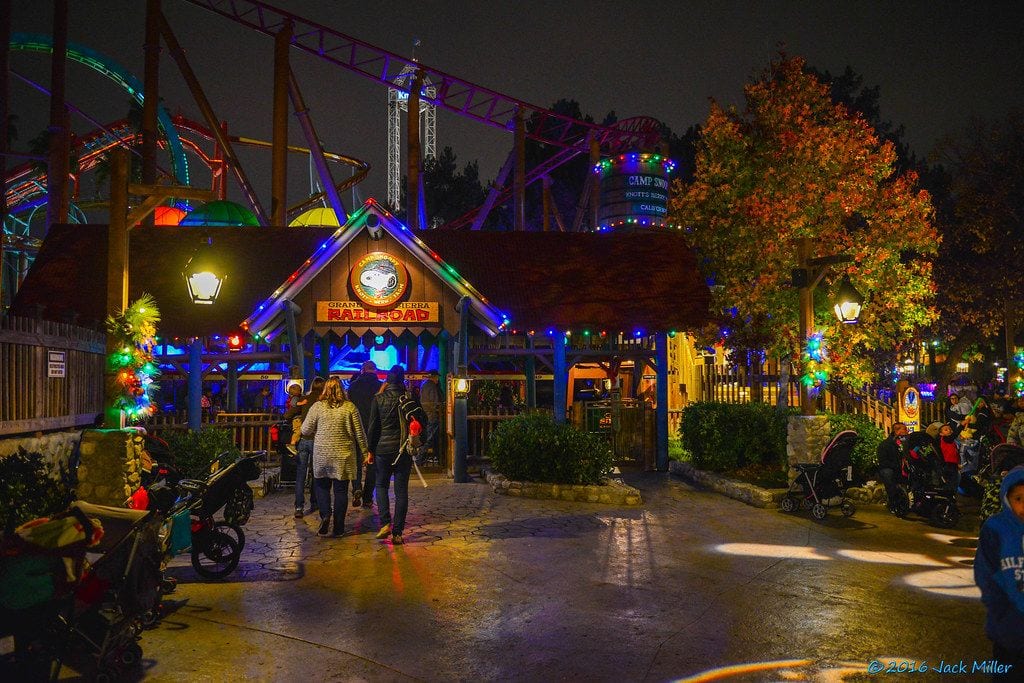
Grown from a humble berry farm and roadside restaurant that opened in 1940, Knott's Berry Farm has matured into one of the oldest and most traditional theme parks in California. Tucked into Buena Park in Orange County, it still trades on the boysenberry heritage that made its name, wrapping nostalgia and family-friendly charm around every winding lane.
The heart of the park is its Old West Ghost Town, a frontier tableau that anchors the rides and gives the place its enduring character. Thrill-seekers gravitate toward the coasters, chief among them the Silver Bullet, among the longest inverted roller coasters on the US West Coast. History and adrenaline share the same fence line here.
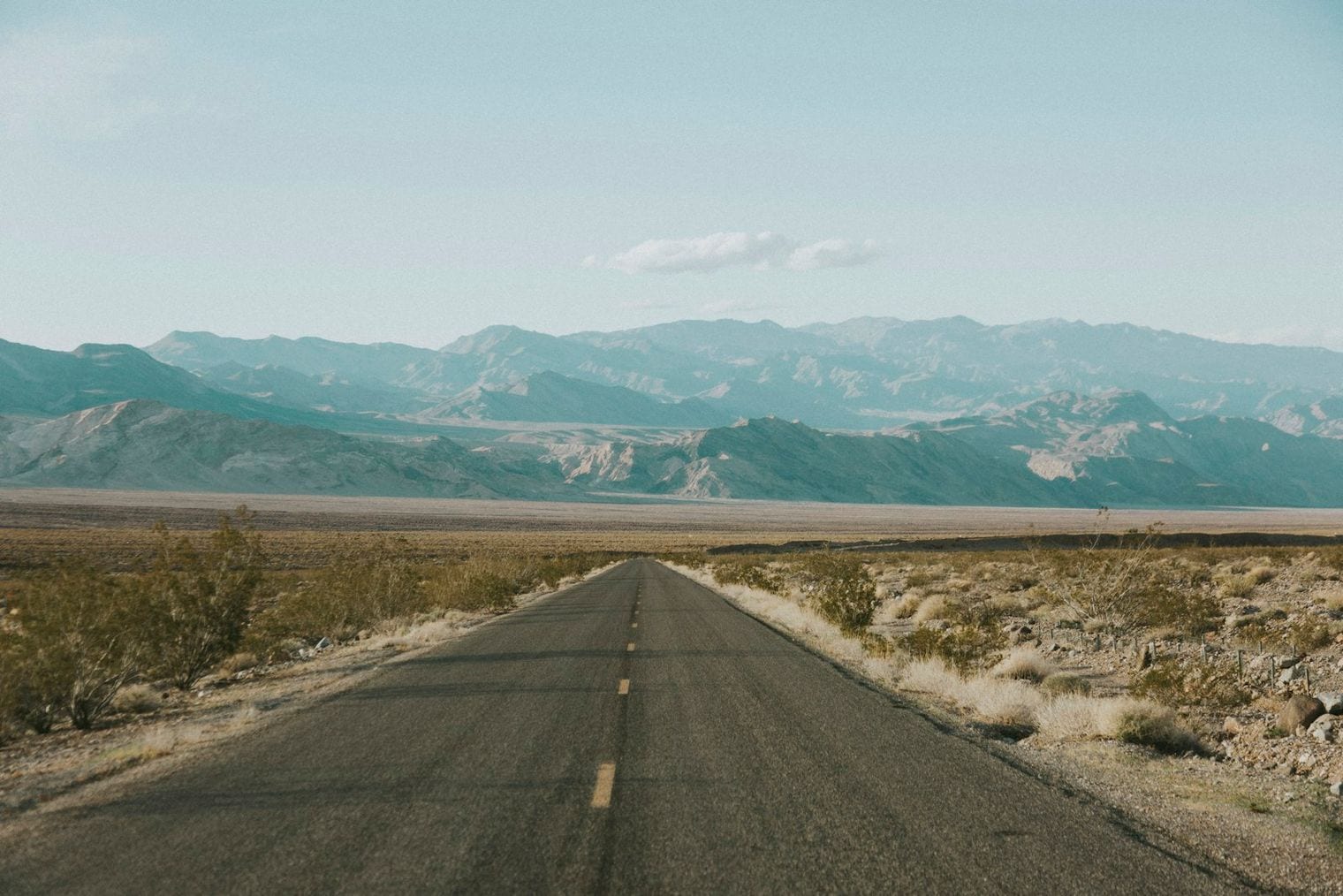
Straddling the California–Nevada border, Death Valley National Park is the hottest, driest and lowest national park in the United States. Its extremes are the whole draw: at Badwater Basin the ground drops to about 282 feet below sea level, marking the lowest point anywhere in North America and a startling place to stand on cracked white salt.
Beyond the basin, the terrain shifts constantly, from glittering salt flats to sculpted sand dunes, deep canyons and colourful badlands folded into the surrounding hills. The desert heat is fierce, so most visitors come in the cooler months, when long drives and short walks reveal one dramatic, otherworldly landscape after another across this immense stretch of wilderness.
FAQ: Visiting California
What is California known for?
California is known for Hollywood and the film industry, Silicon Valley and tech, the Golden Gate Bridge, world-class theme parks like Disneyland, more than 800 miles of Pacific coastline, wine country, and some of the country’s most spectacular national parks, including Yosemite, Sequoia and Death Valley.
How many days do you need to see California?
California is huge, so a first visit usually focuses on one region. A week lets you cover the highlights of either Northern or Southern California, while ideally you’d give yourself at least ten days to two weeks to combine cities, coast and national parks without rushing.
When is the best time to visit California?
Spring (March to May) and fall (September to October) are generally the best times, with mild temperatures and smaller crowds statewide. Summer is peak season for beaches and the mountains, while the deserts like Death Valley and Joshua Tree are best explored in the cooler months.
What are the best national parks in California?
California has nine national parks, the most of any US state. The standouts include Yosemite for its granite cliffs and waterfalls, Sequoia for the giant sequoia trees, Redwood for the world’s tallest trees, Joshua Tree for its desert scenery, and Death Valley for dramatic, otherworldly landscapes.
Is California expensive to visit?
California can be pricey, especially in major cities and around the big theme parks, but costs vary widely by region and season. You can save by visiting national and state parks (which are far cheaper), travelling in the shoulder seasons, and basing yourself outside the most expensive coastal hubs.
What are the best cities to visit in California?
The headline cities are San Francisco, with the Golden Gate Bridge and Alcatraz; Los Angeles, home to Hollywood and the beaches; and San Diego, known for its zoo, beaches and mild climate. Smaller stops like Monterey, Santa Barbara and Palm Springs add coastline, culture and desert character, while Pasadena near Los Angeles and Berkeley across the bay from San Francisco reward a closer look.
Do you need a car to get around California?
For most trips, yes. While cities have some public transit, California’s size and its national parks, coastline and small towns are far easier to reach by car, and a road trip along routes like Highway 1 is one of the classic ways to experience the state.