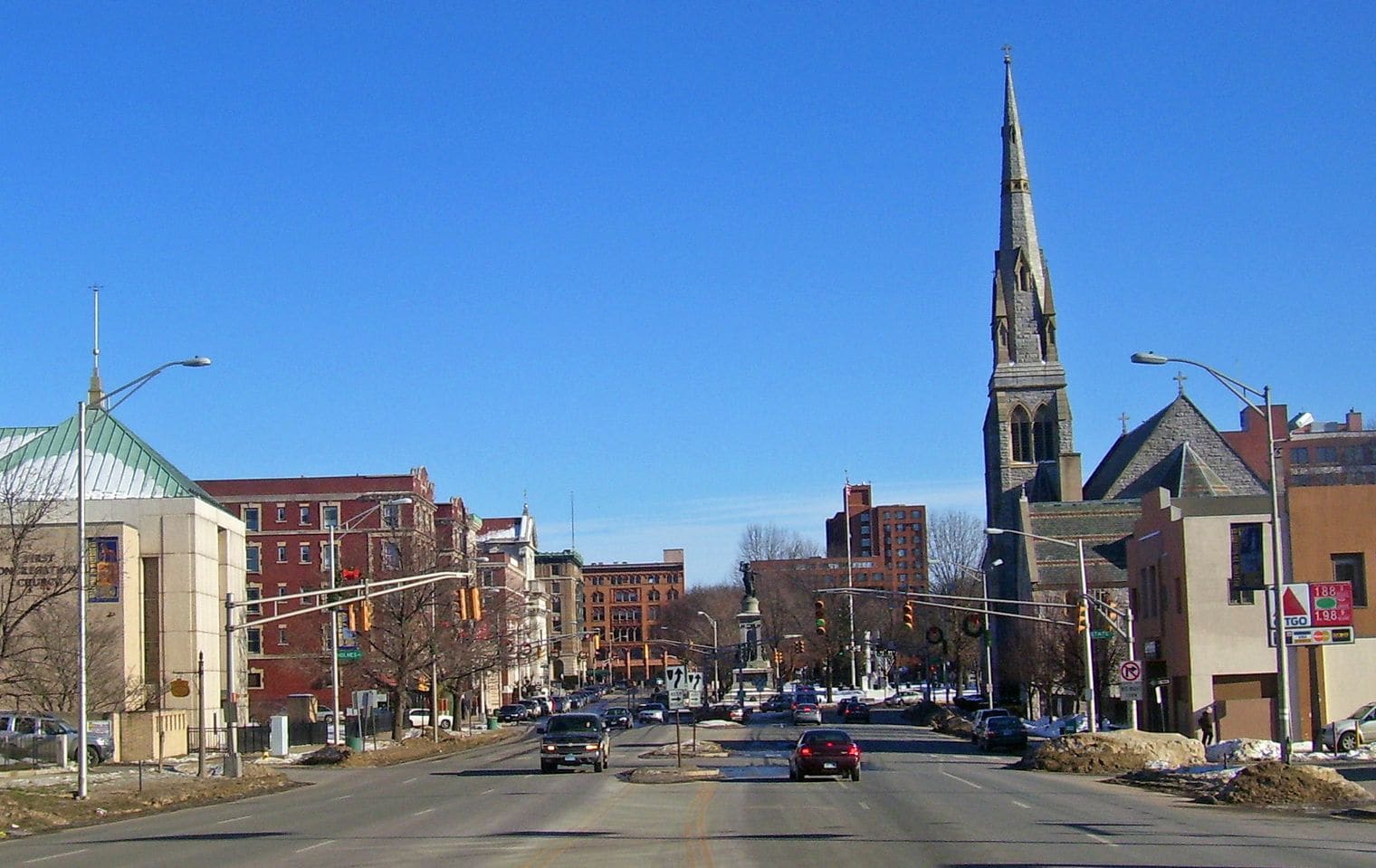
Waterbury sits on the Naugatuck River in west-central Connecticut, and for more than a century it made the metal that earned its nickname: the Brass City. Factories like Scovill and the Waterbury Clock Company — ancestor of Timex — stamped out buttons, clock movements, and brass fittings shipped around the world, and downtown still carries the evidence, from a railroad-station clock tower modeled on Siena’s Torre del Mangia to the ornate banks and theaters those fortunes built.
That industrial inheritance makes Waterbury a stranger, richer stop than its size suggests. A 1922 movie palace hosts touring Broadway shows, a museum on the Green keeps the region’s art and factory history, a 56-foot illuminated cross rises above I-84 on the site of a 1950s religious theme park, and Olmsted-designed parkland rolls out ponds and lilac paths. The 25 picks below mix those landmarks with golf courses, a chocolate factory, a brewery, and rainy-day arcades. Sitting where I-84 meets Route 8, Waterbury also makes a handy base for exploring the rest of Connecticut.
Fun Facts About Waterbury, Connecticut
Waterbury earned its “Brass City” nickname as the country’s leading brass manufacturer — by the 1920s, more than a third of all brass made in the United States came from the surrounding Naugatuck Valley.
The Waterbury Clock Company, ancestor of Timex, once employed thousands and turned out tens of thousands of clocks and watches a day, cementing the city’s reputation as a center of American timekeeping.
Union Station’s 245-foot clock tower, designed by McKim, Mead & White in 1909, was deliberately modeled on the medieval Torre del Mangia in Siena, Italy.
Waterbury was settled in the 1670s and admitted as the 28th town in the Connecticut Colony in 1686, its name a nod to the many streams pouring into the Naugatuck River.
Holy Land USA, the hilltop religious theme park above I-84, was one of Connecticut’s most-visited attractions in the 1960s and 1970s; a 56-foot illuminated cross still marks the site.
With roughly 114,000 residents, Waterbury is one of Connecticut’s largest cities and the commercial anchor of the Naugatuck Valley.
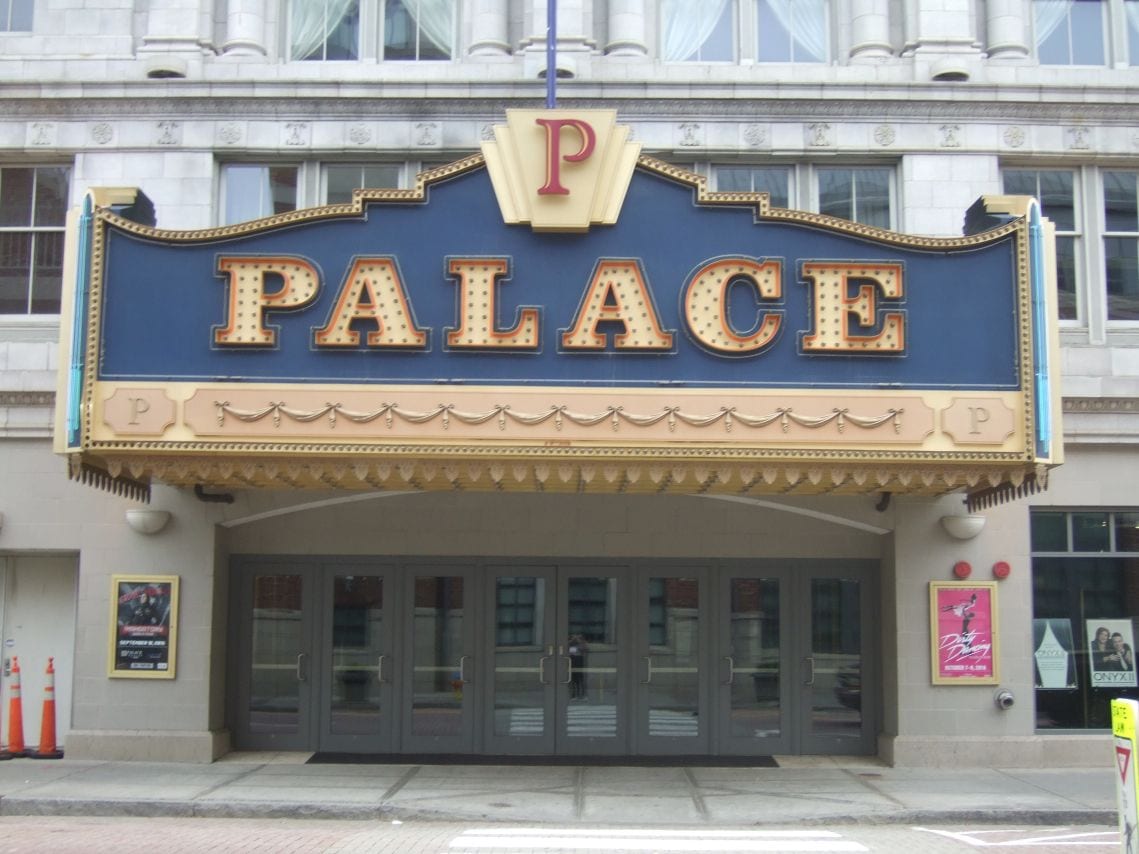
The Palace Theater opened on East Main Street in 1922 as Poli’s Palace, a million-dollar vaudeville and movie house designed by Thomas W. Lamb, the era’s most celebrated theater architect. Gilded plasterwork, marble staircases, and crystal chandeliers pile up through the lobbies, and a $30 million restoration returned all of it to service in 2004.
Today the roughly 2,600-seat hall anchors downtown Waterbury’s entertainment calendar with touring Broadway productions, concerts, and comedy, while guided tours walk visitors through the building’s architecture and backstage lore. The Poli Club upstairs serves catered dinners before select performances, making the Palace Theater an easy full evening out.
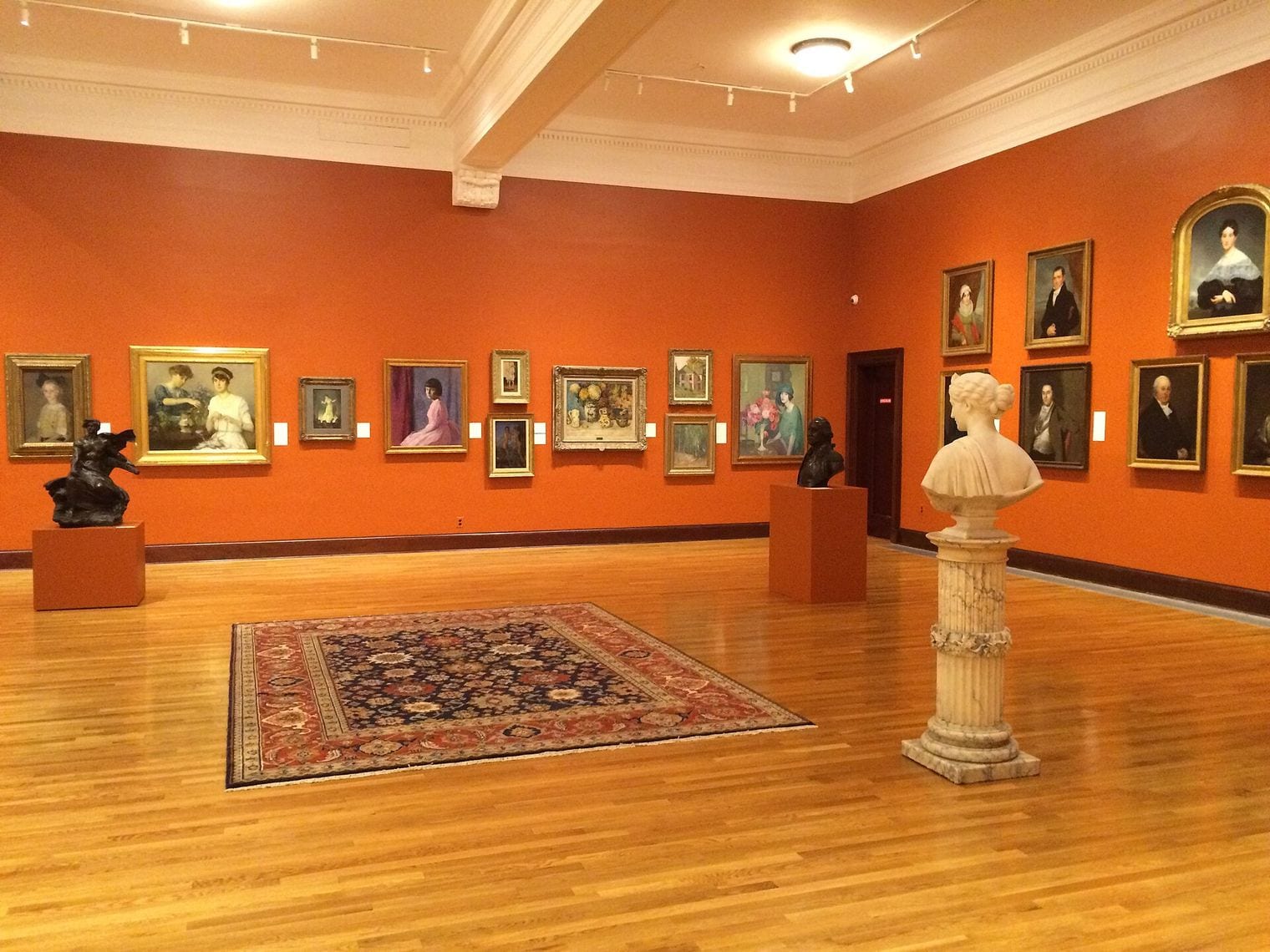
Founded in 1877 as the Mattatuck Historical Society, the Mattatuck Museum faces the Green from West Main Street and doubles as the city’s attic and its art gallery. Collections trace the brass industry that built the region alongside Connecticut painters from the colonial era to the present, and more than two dozen exhibitions rotate through each year on top of the permanent galleries.
A 2021 expansion rebuilt the museum’s entrance on the Green and added new galleries, classrooms, and a rooftop terrace overlooking downtown. The Mattatuck Museum also runs local-history walking tours, artist talks, and hands-on workshops, so it works both as a rainy-day stop and as the best primer on how Waterbury became the Brass City.
Managed by the U.S. Army Corps of Engineers as part of a Naugatuck Valley flood-control project, Hop Brook Lake spreads a 21-acre recreation pool across the city’s southwestern edge. Anglers pull trout, bass, and panfish from the water, a man-made beach handles summer swimmers, and shaded picnic groves, a ball field, and a volleyball court line the shore.
Around the water, roughly seven miles of trails loop through woods and meadows that turn over to cross-country skiers and snowshoers in winter. Non-motorized boats are welcome on the pool, and birders and photographers do well here year-round — the Hop Brook Lake ecosystem supports waterfowl and songbirds through every season.
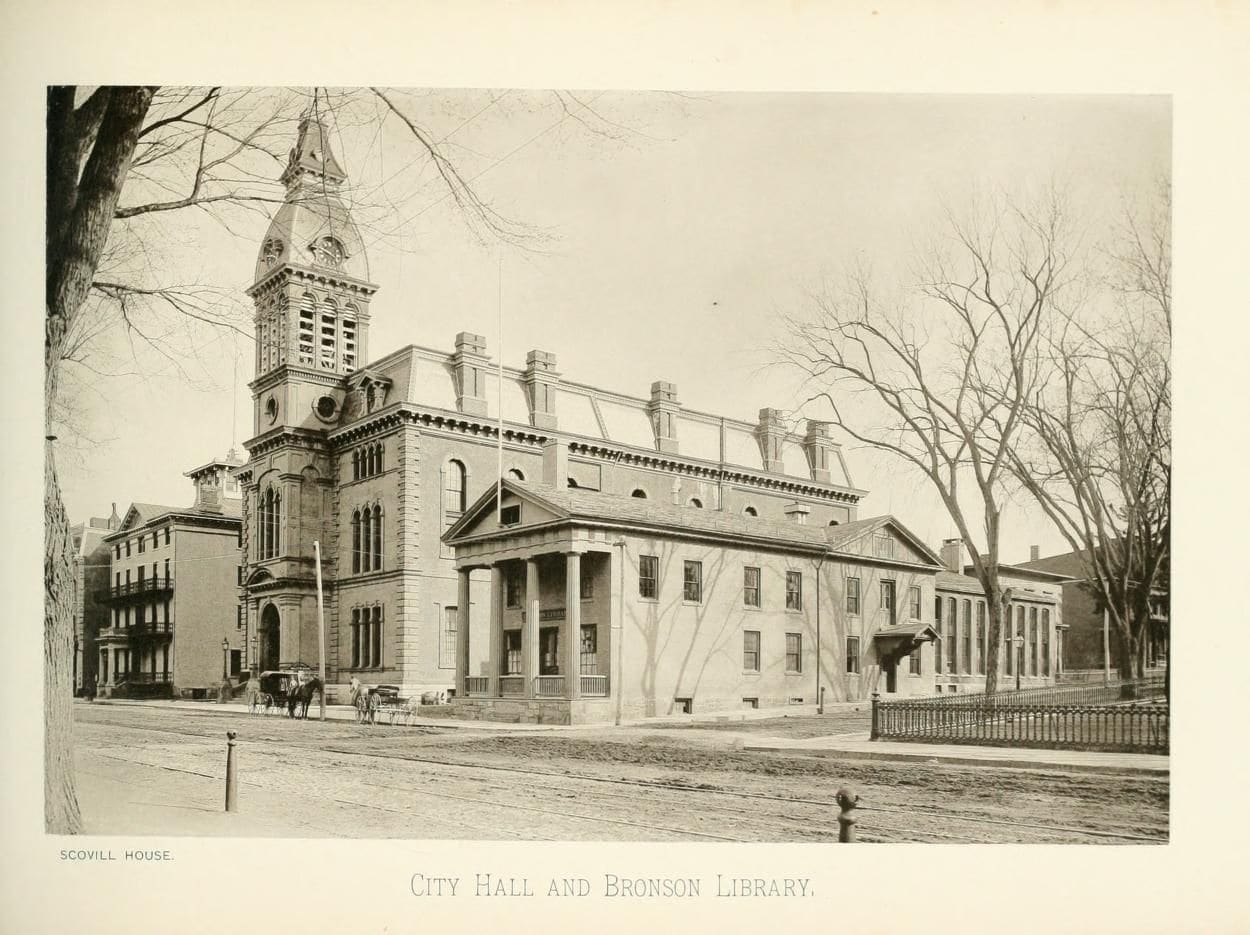
Library Park occupies a full downtown block beside the Silas Bronson Library, on ground that served as a burying ground before being converted to parkland in 1891. Mature trees, open lawns, and a bandshell give the city its default stage for festivals, fundraisers, and open-air concerts through the warm months.
On quieter days, Library Park works the old-fashioned way: borrow a book next door and claim a bench, walk the paths under the trees, or spread out on the grass with a picnic. Between the library, the lawns, and the surrounding downtown architecture, it’s an easy free hour in the middle of Waterbury.
Seven Angels Theatre grew out of a 1989 Waterbury run of the Off-Broadway hit Nunsense that sold out 21 straight performances and convinced founder Semina De Laurentis the city could support a professional stage. Since the early 1990s the company has made its home in the historic Hamilton Park Pavilion, converted into an intimate 295-seat house where no row sits far from the actors.
The season mixes musicals, plays, comedy nights, and concerts — roughly 200 events a year — with pre-show drinks poured at the Devil’s Corner Bar. Seven Angels Theatre also hosts the Halo Awards, its annual celebration of high-school theater students from across Connecticut.
East Mountain Golf Course is Waterbury’s municipal 18 on the city’s southeastern hills, a par-70 layout of about 5,800 yards built around a founding idea: an average golfer should finish a round in four hours or less. Fairways stay friendly enough for beginners while slope and tree lines keep lower handicaps honest.
Practice putting and chipping areas and lessons from the staff cover the fundamentals, and a snack bar handles lunch after the round. Tee times at East Mountain Golf Course can be booked online, and outing packages bundle greens fees, carts, and food for groups.
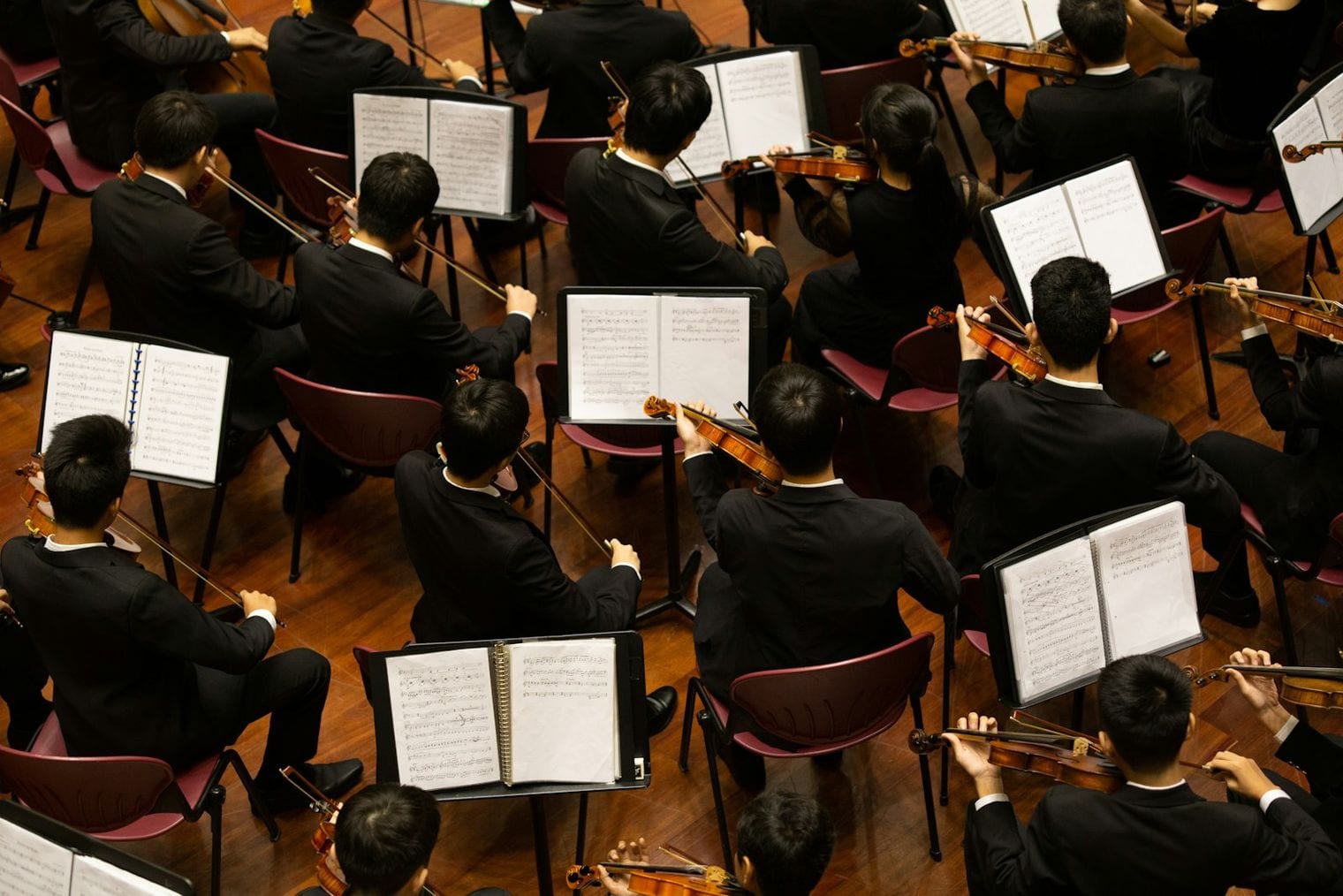
The Waterbury Symphony Orchestra has been performing since 1938, making it one of Connecticut’s longest-running professional ensembles. Its programs range from Vivaldi, Mozart, and Beethoven to pops nights and collaborations with regional choruses, quartets, and guest soloists.
Concerts land at halls and college venues around Waterbury and the wider Naugatuck Valley, and in summer the orchestra takes to the city’s parks for open-air performances. The Waterbury Symphony Orchestra’s education work — including its Bravo Waterbury! program for city students — keeps the ensemble woven into daily life here.
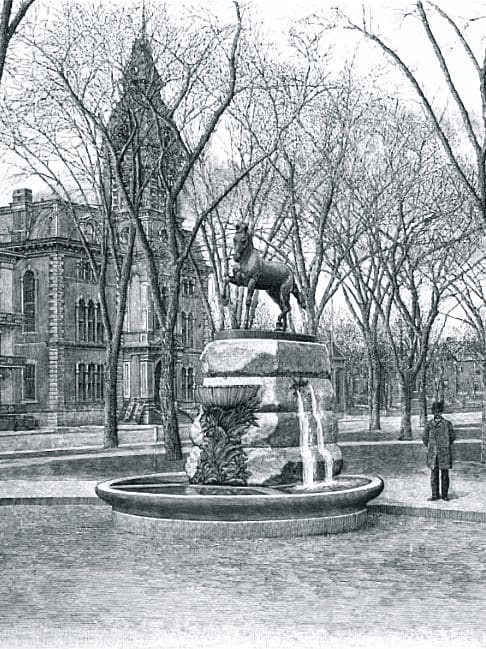
Waterbury Green has anchored the center of the city since its days as the town common, and the two-acre lawn still reads as Waterbury’s front room. On it stand the Civil War Soldiers’ Monument and the Carrie Welton Fountain of 1888, a drinking fountain crowned with a bronze of Welton’s beloved horse, Knight.
The Green earns its keep as a civic stage: farmers’ markets, holiday tree lightings, live music, and block parties rotate across the year, with the Palace Theater and the Mattatuck Museum a short walk away. For a first look at the city, start at Waterbury Green and work outward on foot.
Brass Works Brewing Company started as a circle of friends home-brewing in Waterbury and grew into the city’s own production brewery, its name a straight salute to the mills that built the town. Everything on tap is brewed in-house, with the lineup rotating through the seasons alongside canned six-packs to take home.
The taproom on Thomaston Avenue keeps things simple: relaxed seating, live music and events, rotating food trucks — or bring your own food — and an outdoor patio for warm evenings. The staff at Brass Works will happily talk you through a flight if the tap list runs longer than your decisiveness.
Delavigne’s Gourmet Foods & Gifts grew out of the Olive Oil Factory, a Waterbury flavored-oil producer, and the house specialty remains its line of infused olive oils and vinegars. The family-owned shop on Huntingdon Avenue rounds that out with gourmet cheeses, pastas, cured meats, snacks, and build-your-own gift baskets.
A tasting bar lets you sample across the full oil and vinegar range before committing, and products come with recipe ideas so what you buy actually gets used. For edible souvenirs of Waterbury that aren’t chocolate — that craving is covered elsewhere on this list — Delavigne’s is the stop.
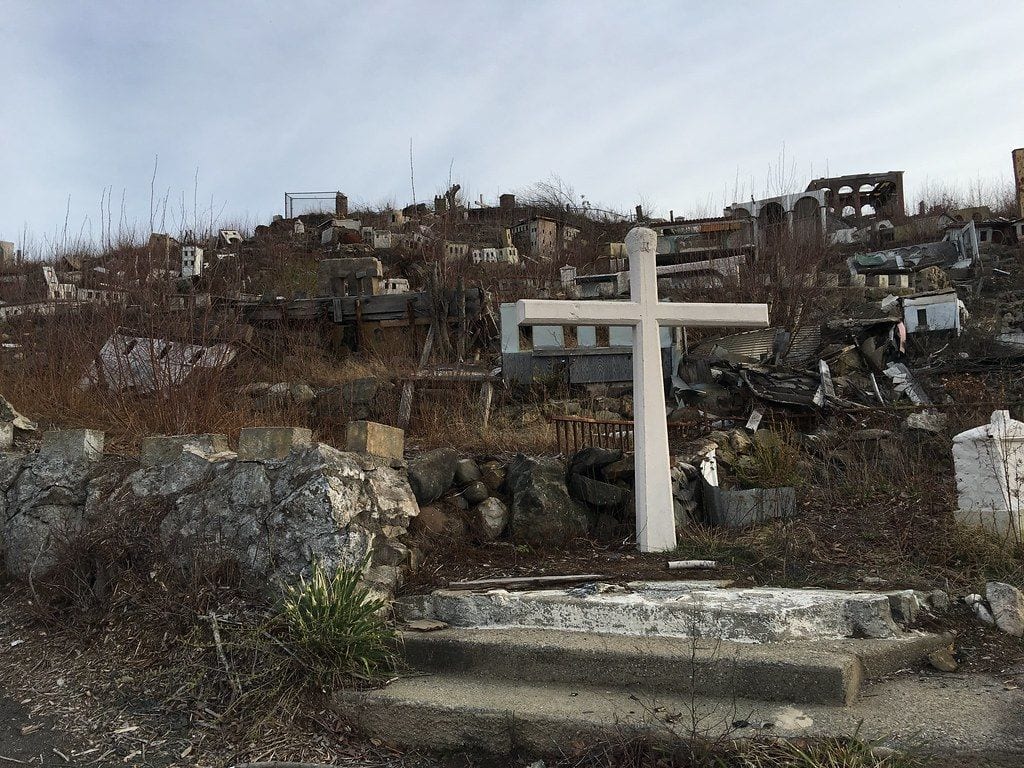
On a hilltop above I-84, Holy Land USA is one of Connecticut’s strangest landmarks: a miniature Jerusalem of hand-built shrines, catacombs, and Bible-scene dioramas assembled in the 1950s by local attorney John Baptist Greco. At its peak the park drew tens of thousands of pilgrims a year before closing in 1984 and slipping into decades of decay.
Volunteers and local backers have been reversing that slide: a 56-foot stainless-steel cross lit by color-changing LEDs went up in 2013 and now dominates the night skyline, and the grounds once again welcome respectful visitors. Wandering the weathered statuary of Holy Land USA — half restored, half ruin — is unlike anything else in New England.
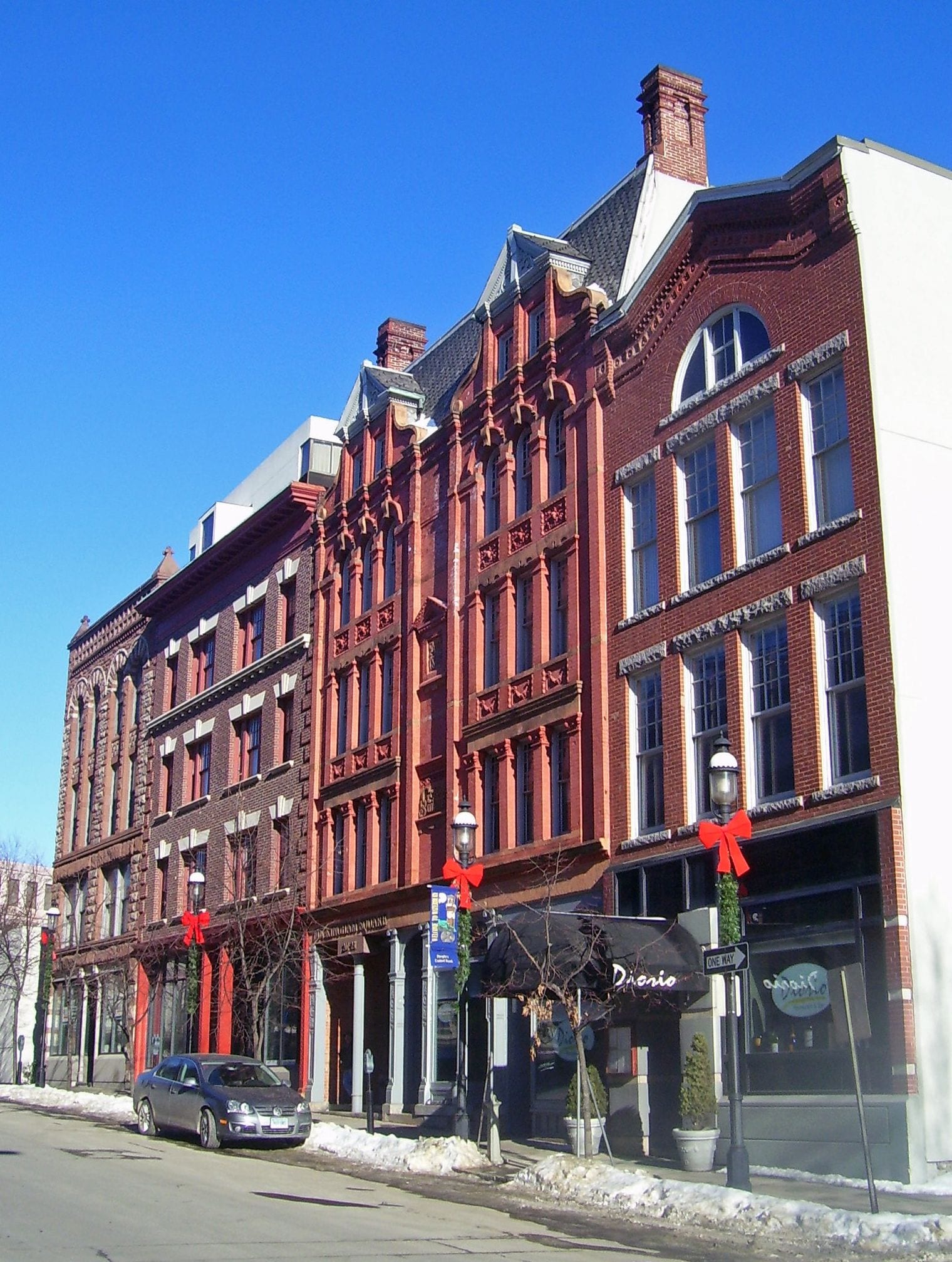
The Bank Street Historic District preserves a run of ornate 19th-century commercial buildings from Waterbury’s industrial heyday, listed together on the National Register of Historic Places. The standout is the Griggs Building, a rare commercial example of Queen Anne architecture, rising above storefronts that keep original cast-iron details and wainscoting.
It’s a short, walkable stretch best paired with the rest of downtown: the Palace Theater and the Green sit minutes away on foot, and the Mattatuck Museum’s local-history walking tours put the Bank Street facades in context. Look up as you go — the upper floors kept the ornament the street level lost.
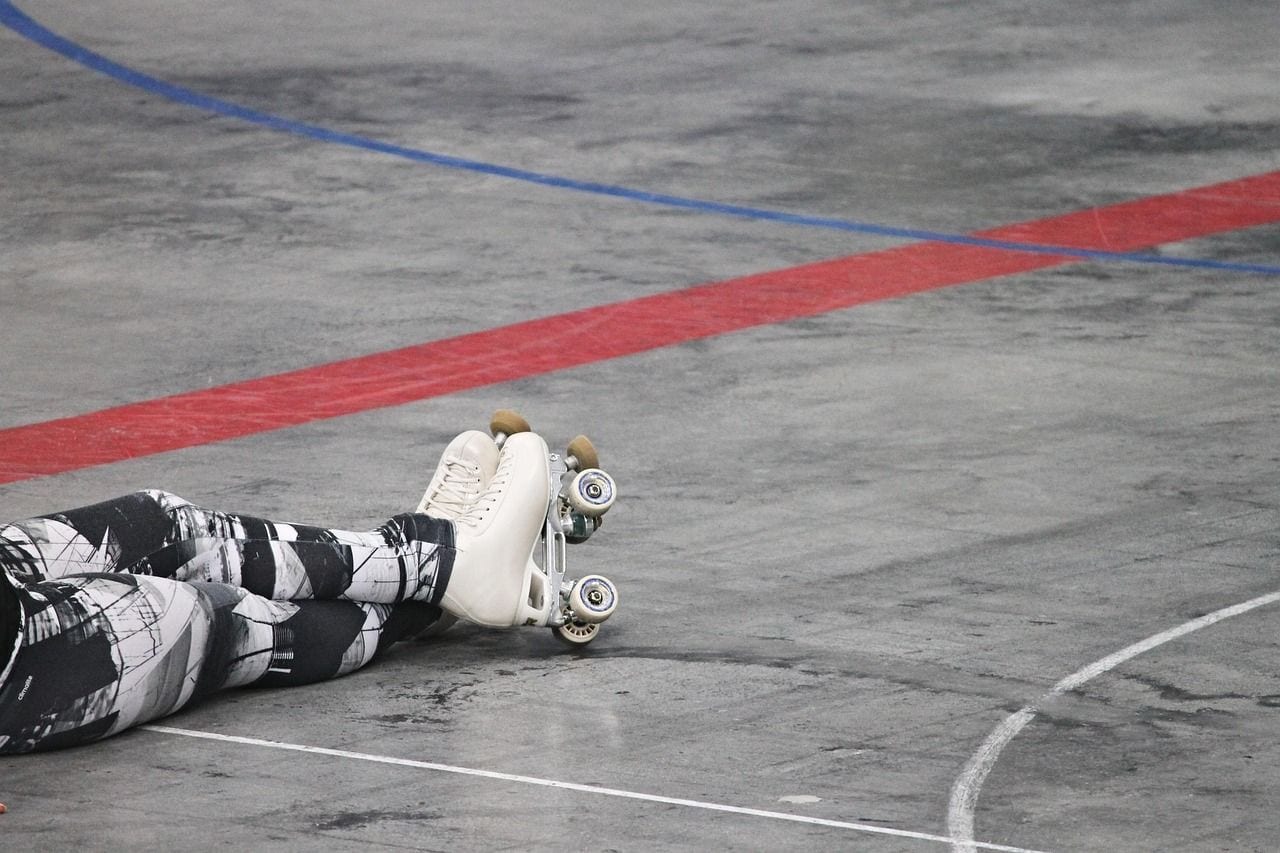
Roller Magic keeps classic quad roller skating alive in Waterbury with a retro-styled rink, a soundtrack that swings from ’70s funk to current radio, and sessions set aside for different ages and abilities, from family skates to adult nights.
Off the floor there’s an old-fashioned arcade with skeeball and air hockey plus a full snack bar, and skate rentals cover anyone who arrives without wheels. First-timers wobble beside roller-derby veterans at Roller Magic, and the staff are used to coaching both.
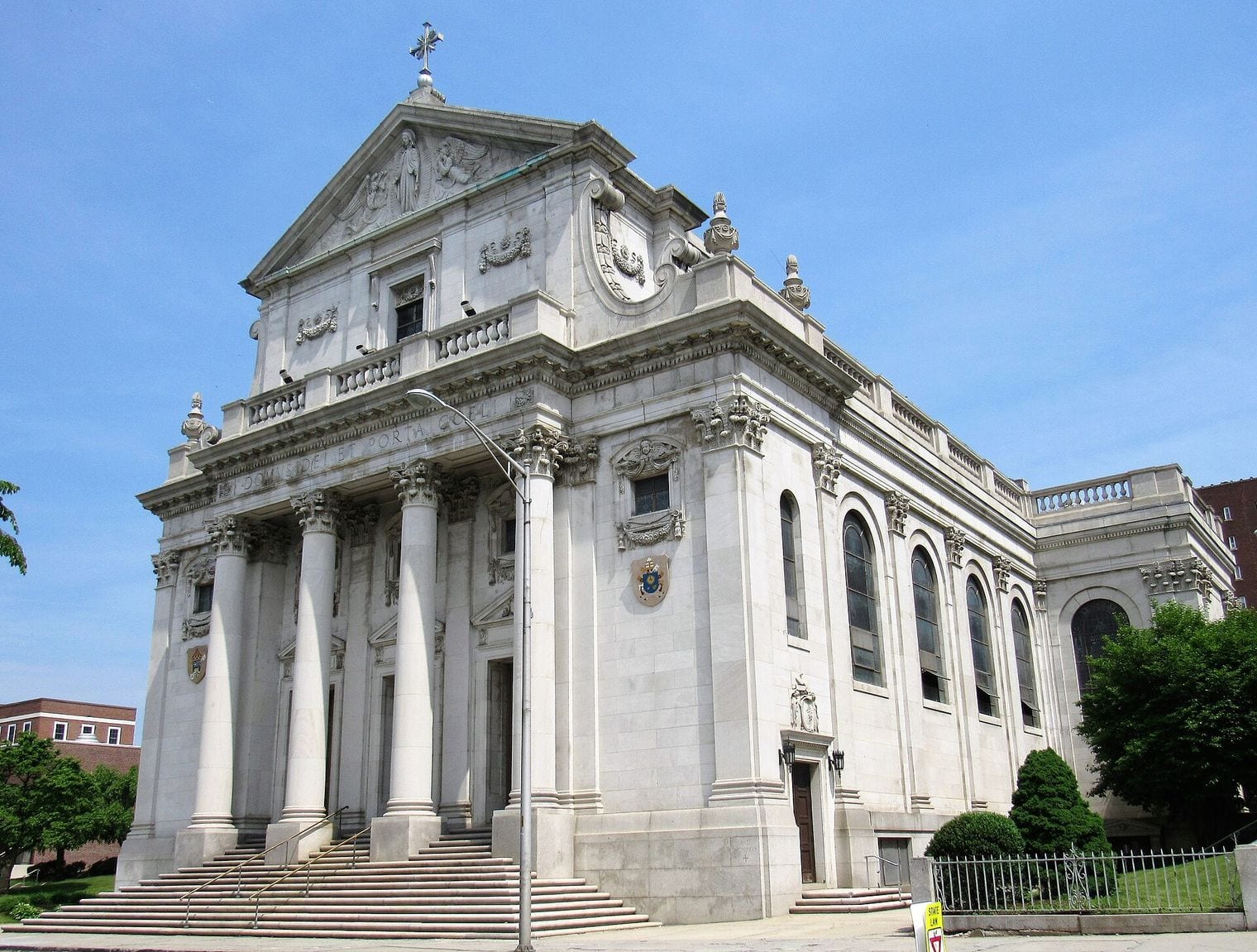
The Basilica of the Immaculate Conception traces its parish to 1847, but the present church rose in 1924 in grand Italian Renaissance style, and it retains a restored pipe organ original to the building. Religious artwork and monumental architecture fill an interior that rewards a slow lap from worshippers and architecture fans alike.
In 2008 Pope Benedict XVI elevated the church to the rank of minor basilica, a papal designation reserved for churches of special historic and spiritual importance. The Basilica of the Immaculate Conception stands on West Main Street, a short walk from the Green and the rest of downtown Waterbury.
Fulton Park is Waterbury’s showpiece landscape: roughly 70 acres designed by the Olmsted Brothers firm and largely completed by 1925, funded by brass executive William E. Fulton as a memorial to his son Lewis. The land had earlier held city reservoirs, and the designers made those waters the heart of the park.
Paths wind past the Upper and Lower Ponds, a rock garden, a rose garden, and a lilac walk, with stone bridges and mature trees carrying the Olmsted signature throughout. Listed on the National Register of Historic Places in 1990, Fulton Park is the city’s best free afternoon walk outside downtown.
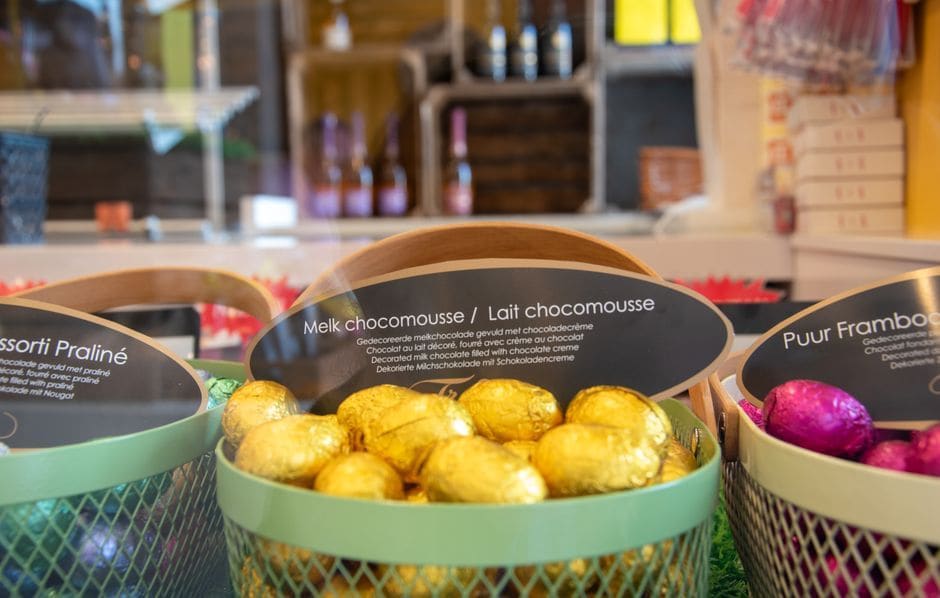
Fascia’s Chocolates began in 1964, when John and Helen Fascia started making chocolate in their basement; the family still runs the company from its factory and shop on Chase River Road. The retail counter carries truffles, turtles, barks, and boxed assortments, plus hand-made gelato by the scoop.
The factory side is the draw for visitors: tours walk through chocolate’s bean-to-bar story with demonstrations and tastings, guests can build their own chocolate bar, and adult sessions pair chocolates with spirits. Fascia’s Chocolates also runs a chocolate-of-the-month subscription for anyone fully converted by the visit.
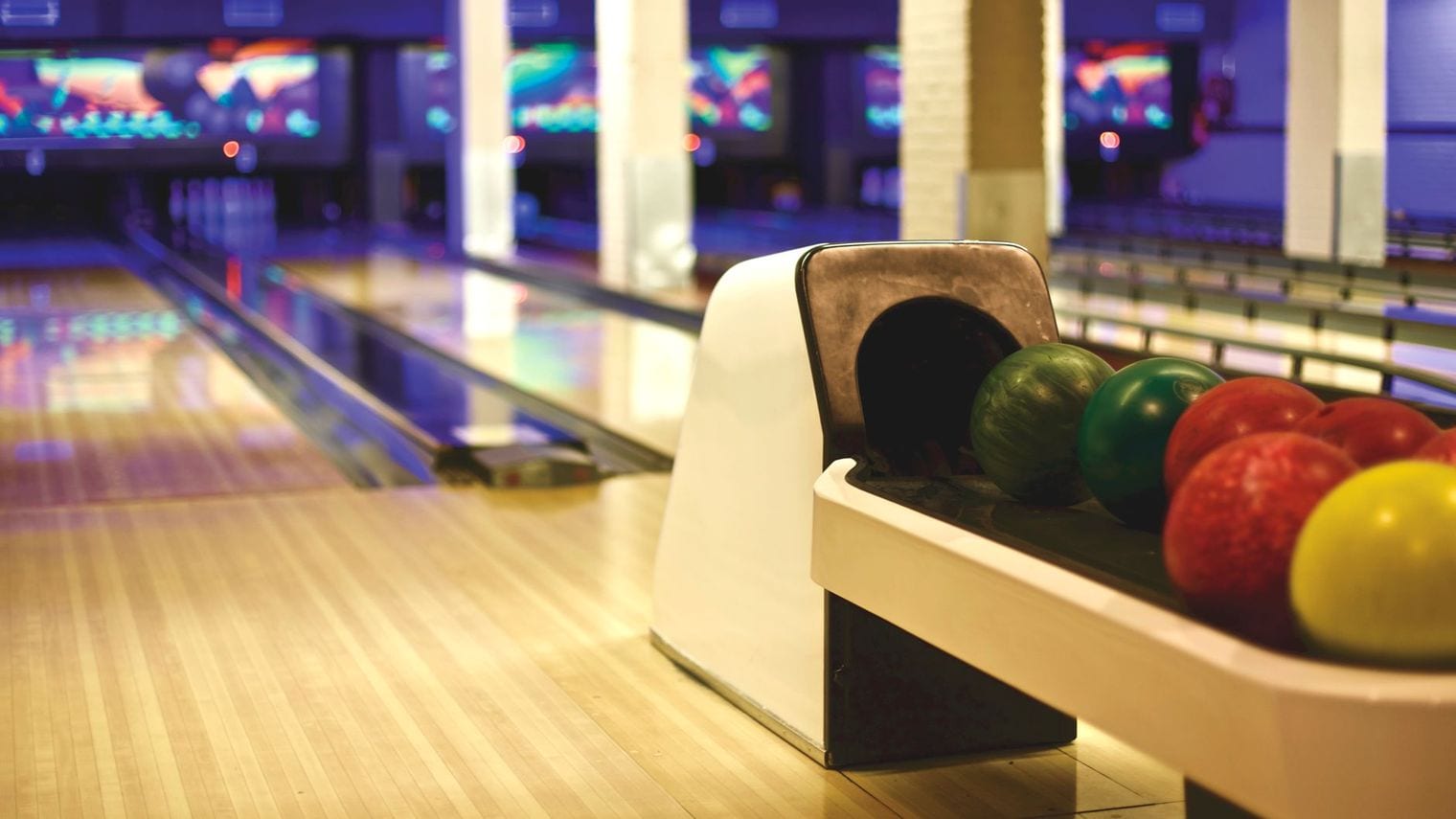
Lakewood Lanes has been rolling in Waterbury for more than six decades, and its 42 lanes make it one of the larger bowling houses in Connecticut. Automatic scoring and bumpers keep casual games easy, while leagues run for every age and ability level.
The building doubles as a night out: a game zone with arcade machines and prizes, a snack bar, and the Sports Rock bar and lounge with billiards, darts, food, and live music. Weekend galaxy bowling turns the house lights down and the lasers and DJs up — that’s when Lakewood Lanes gets loudest.
Extreme Paintball has run wooded paintball fields on Waterbury’s Boyden Street since 1992, with ten courses spread across some 75 acres of forested terrain and weekend open-play sessions anyone can join. Rental packages bundle markers, masks, and paint for first-timers, and unlimited playtime comes standard.
Staff sort players by experience so newcomers aren’t fed to tournament veterans, and larger groups can book a private field for parties and team-building days. Extreme Paintball’s woodsball format — natural cover, real terrain — beats inflatable-bunker arenas for pure atmosphere.
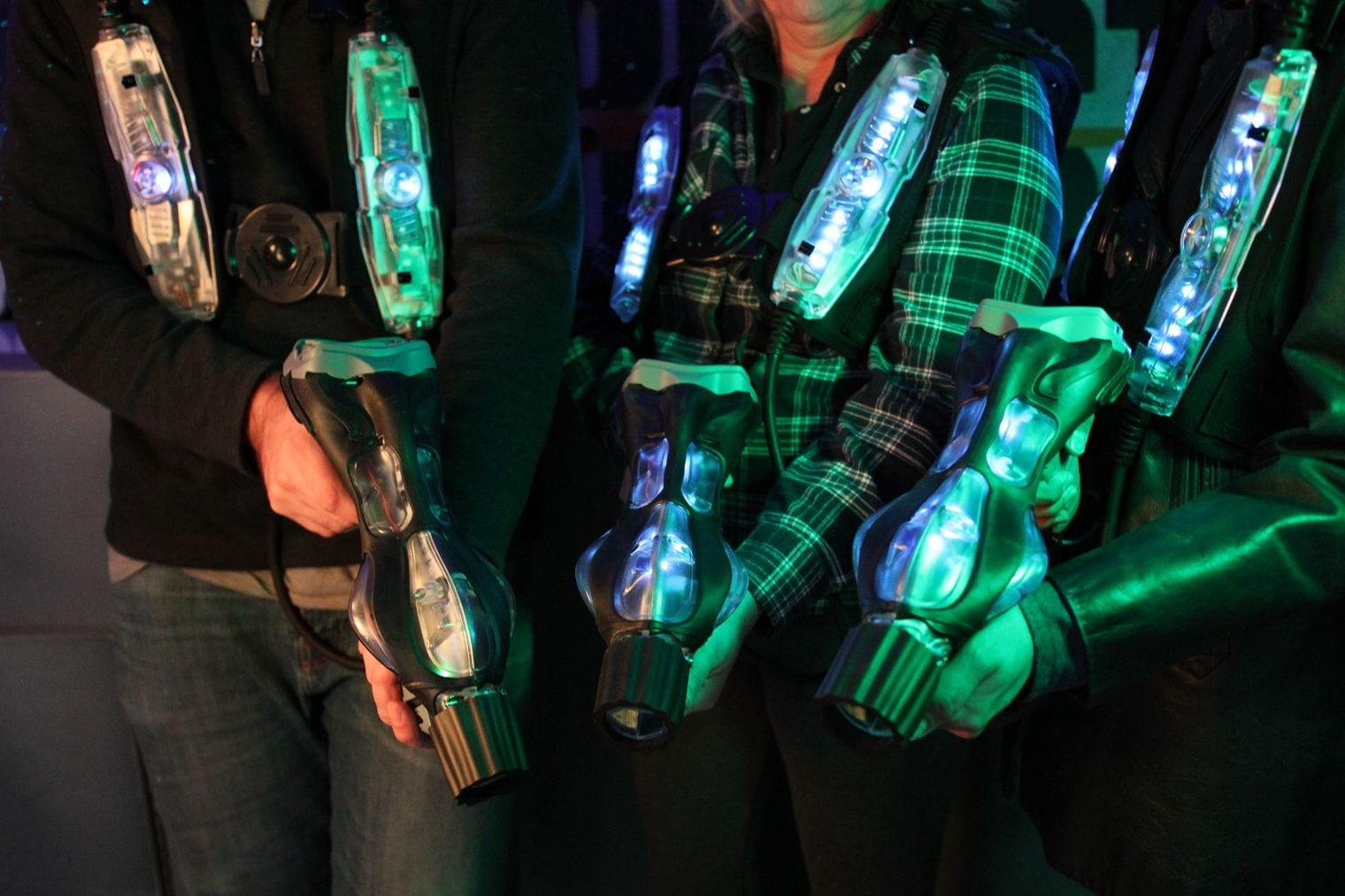
Laser Planet Plus stages laser tag on East Main Street in a multi-level, space-themed arena — among the region’s largest — thick with black lights, fog, and ramps that reward players who learn the terrain. Games run for mixed ages and skill levels, so kids and adults can share a match.
Between rounds the rest of the building keeps a group busy: bumper cars, virtual-reality games, and a full arcade. Laser Planet Plus leans hard into birthday parties and group events, but open sessions cover anyone who just wants twenty minutes of glowing cardio.
CT Virtual Reality Arcade & Golf splits its Captain Neville Drive space between virtual-reality gaming rooms and a golf simulator that recreates top courses from across the United States and the world. The gaming rooms open up a full catalog of titles, with options for all ages and abilities.
On the golf side, players choose 9 or 18 holes on standard or HD setups, and simulator-based lessons suit anyone rebuilding a swing through a Connecticut winter. CT Virtual Reality Arcade & Golf is the list’s best bad-weather ace: real competition, zero rain.
Brass City Raceway packs an adrenaline mix onto Scott Road: electric Italian-built go-karts that reach serious speeds without fumes, axe-throwing lanes, indoor batting cages, and an arcade. Fast laps earn a spot on the posted leaderboards, which keeps return visitors chasing tenths of a second.
The format suits groups — racing heats, then axe throwing, then arcade grudge matches — and sessions can be booked online. For friendly competition on a Waterbury winter night, Brass City Raceway is the city’s most reliable answer.
Diorio Restaurant & Bar has held down Bank Street since the early 1920s, and the room itself is the attraction: an original marble bar, oversized mahogany bankers’ booths, a tin ceiling, and acid-etched mirrors depicting old Waterbury. Shuttered in 1980, it was restored to its original detail and reopened in 1991.
The menu leans Italian, backed by a deep bar that fits the vintage setting, and the location puts dinner a short walk from downtown’s theaters. For a celebratory night out in Waterbury — or just a drink somewhere with a century of stories — Diorio is the classic choice.
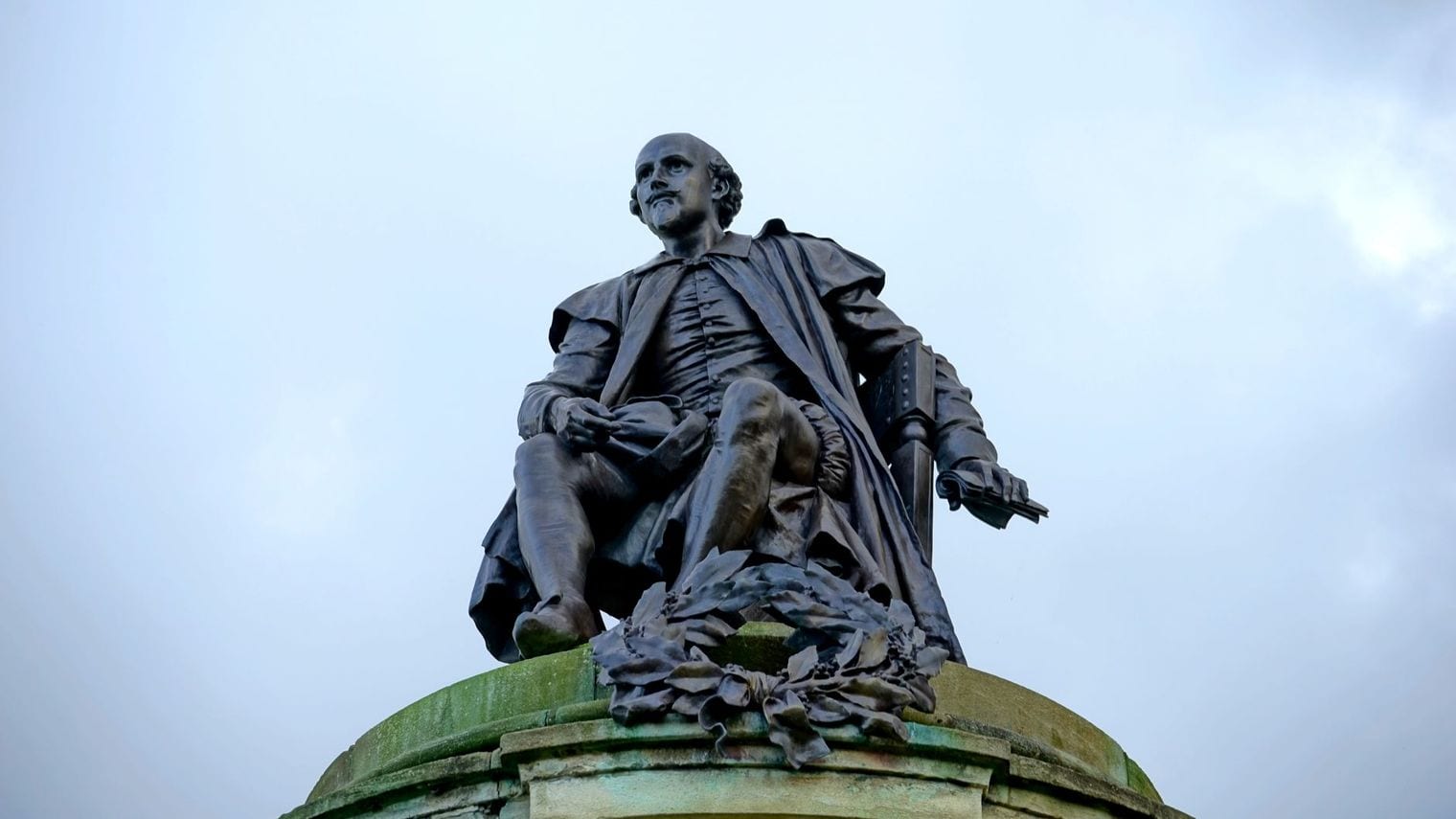
Shakesperience Productions is a nonprofit professional theater company based in downtown Waterbury that has built its identity around the Bard — staging his plays indoors, outdoors in green spaces like Library Park, and in schools across the region through touring education programs.
The company’s calling card is stamina: its Shakespeare-a-thon marathons have run 36 straight hours of programming, free of charge. Catch Shakesperience outdoors on a summer evening if you can — Shakespeare under the trees, minus admission, is Waterbury culture at its most accessible.
The Western Hills Golf Course is the second of Waterbury’s two municipal 18s and the hillier of the pair — reviewers on Golf Advisor single out its sloping lies and elevation changes as the defining challenge. A pro shop, an indoor teaching facility, and practice putting and chipping greens cover the fundamentals.
The 19th hole carries real weight here: Verdi’s, the full-service restaurant and bar on site, has a reputation among Connecticut golfers as one of the best clubhouse stops in the state. Tee times at Western Hills Golf Course can be booked online.
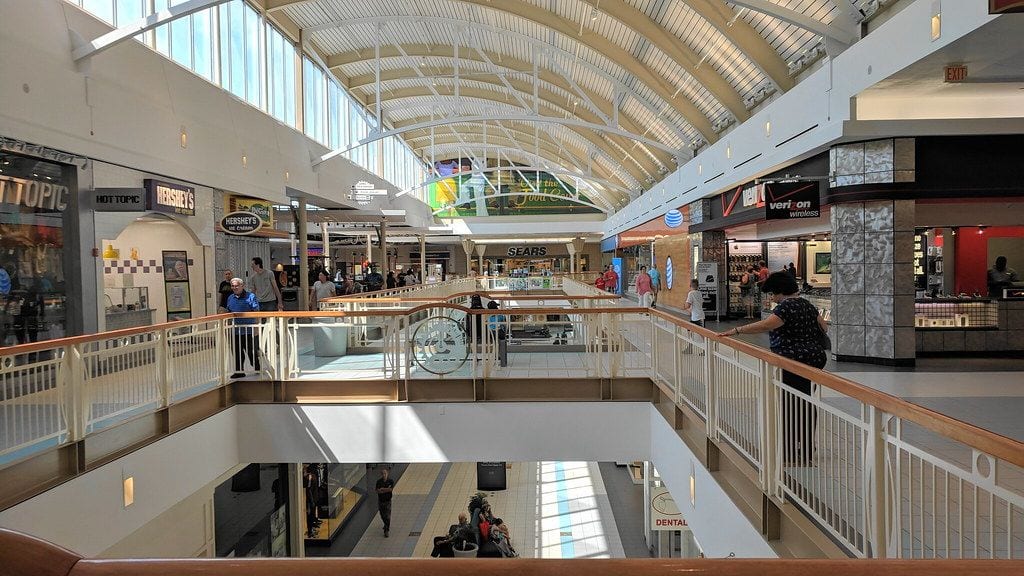
Brass Mill Center opened in 1997 on the cleared site of the Scovill Manufacturing works, the brass complex that made buttons, clock parts, and munitions here for the better part of two centuries. At roughly 1.2 million square feet, it ranks among Connecticut’s largest malls.
Inside, national retailers and specialty shops share the concourse with a food court and family entertainment, making Brass Mill Center the practical stop on this list — the place for forgotten socks, phone chargers, and air-conditioned wandering between Waterbury’s showier attractions.
Best Time to Visit Waterbury
Late spring through early fall is the easy answer, when Waterbury’s parks and golf courses are at their best and the Litchfield Hills just north are green and open for hiking. Summer brings warm, humid days ideal for Hop Brook Lake’s beach and outdoor festivals, though the city’s many indoor draws — theaters, the museum, arcades and bowling alleys — make it a workable rainy-day or off-season stop too.
Autumn is arguably the standout: crisp air, foliage rolling across the surrounding valley and hills, and a full season of Broadway tours and concerts back on the downtown stages. Winters are cold and can bring snow, but they slow the pace rather than close the city. Shoulder weeks in April–May and September–October offer the most comfortable walking weather with the fewest crowds.
Getting to Waterbury
Waterbury sits at a natural crossroads in western Connecticut, where the east-west Interstate 84 meets the north-south Route 8 expressway at the busy multi-level interchange locals call the Mixmaster. I-84 is the main artery: follow it west toward Danbury and the New York state line, or east toward Hartford and the rest of central Connecticut. Route 8 carries you north into the Litchfield Hills or south down the Naugatuck Valley toward the shoreline, so almost any approach by car funnels through one of these two highways.
There is no large commercial airport in the city itself. Most air travelers fly into the region’s main hub near Hartford, up in the northern part of the state, which is roughly a 45-to-50-minute drive northeast on the interstate; larger international gateways around New York City are reachable in under two hours when traffic cooperates. For those without a car, a branch commuter rail line runs south from downtown through the valley, connecting to the main coastal line and onward toward New York, and long-distance and regional buses stop in the city as well.
Getting Around Waterbury
Downtown Waterbury is compact and rewards walking: the historic core around the central green, the surrounding blocks of brass-era architecture, and the theater and museum district all sit within a few easy blocks of one another, so you can park once and explore the center on foot. Beyond that walkable heart, though, the city spreads across steep hills and residential neighborhoods, and its parks and outlying sights are far enough apart that a car makes visiting them much simpler.
A local bus network links the downtown, the neighborhoods, and the nearby valley towns, and rideshare is readily available for shorter hops. Cycling is pleasant on quieter residential streets and park paths but less comfortable on the busier arterial roads and the hilly grades. Parking is generally straightforward: there are municipal garages and lots near the green and the civic buildings, and street parking is easy to find away from the immediate center.
Where to Stay in Waterbury
For first-time visitors who want to walk to the theaters, the museum, and the historic streetscape, basing yourself in or near the downtown core around the central green is the most convenient choice, putting the city’s cultural sights and dining within strolling distance. Travelers who prize quiet will find the leafy residential neighborhoods on the surrounding hills calmer, with easy road access back into the center.
If you are passing through, road-tripping, or plan day trips out of the region, look to the districts near the interstate interchanges on the edges of the city, where getting on and off the highway is quick and painless. The commercial corridors along the main highways are the practical base for anyone driving in late or leaving early, while a stay closer to the green keeps you nearest the walkable, sightseeing side of Waterbury.
Where to Eat in Waterbury
The densest cluster of places to eat is downtown, in and around the historic center and the blocks near the green, where cafes and restaurants sit alongside the theaters and make an easy pre-show meal. Because the Naugatuck Valley drew waves of European immigrants during its brass-manufacturing heyday, the local table leans hearty and Old-World: expect Italian trattoria cooking, Portuguese and Brazilian grill houses, and Irish pub fare, reflecting the communities that built the city.
Signature regional bites are worth seeking out. Connecticut is known for its own style of thin-crust, coal-fired pizza (the local ’apizza’), for lobster rolls served warm with butter, and for the steamed cheeseburger, a quirky central-Connecticut specialty. Round it out with a New England clam chowder or a scoop of local ice cream, and pair the meal with something from the city’s own craft brewery scene.
One Day in Waterbury
Waterbury rewards a day that starts on its hilltops and ends under a marquee — here’s how to string the Brass City’s best together without doubling back.
Morning: Begin up on the ridge at Holy Land USA, the surreal roadside shrine whose giant illuminated cross crowns the skyline and hands you a sweeping view over the valley before the streets below have stirred. Wind back down toward the center and stretch your legs at Fulton Park, a landscaped Olmsted-inspired green of ponds, footbridges and shade trees that makes an easy, unhurried warm-up for the day ahead.
Afternoon: Aim for downtown and the compact cluster around the Waterbury Green, the historic town common ringed by the city’s grandest architecture. Step inside the Basilica of the Immaculate Conception, whose soaring nave and stained glass reward a slow look, then trace the brownstones and Beaux-Arts facades of the Bank Street Historic District — a walkable open-air museum of the city’s brass-boom heyday. Cap the afternoon indoors at the Mattatuck Museum Arts and History Center, where American art and the story of Waterbury’s industrial rise share the same handsome galleries, and swing north to Fascia’s Chocolates for a small-batch, family-run treat to carry you into the evening.
Evening: Settle into dinner and drinks at Diorio Restaurant & Bar, a downtown fixture with tin ceilings and old-school character, then walk to the restored, gilded Palace Theater for a touring show, concert or comedy act under its ornate dome — the grandest way to close out a Waterbury day. If you have a second morning to spare, trade the pavement for the water at Hop Brook Lake, a wooded recreation area just southwest of town made for a paddle, a picnic and a quieter kind of view.
Free Things to Do in Waterbury
Five of the picks above cost nothing. Library Park pairs downtown lawns and a bandshell with the Silas Bronson Library next door, and the Waterbury Green puts the Soldiers’ Monument and the Carrie Welton Fountain two blocks away, with the cast-iron storefronts of the Bank Street Historic District rewarding a slow walk between the two. Farther out, Holy Land USA opens its hand-built shrines and 56-foot hilltop cross to visitors free of charge, and Fulton Park rolls out roughly 70 Olmsted-designed acres of ponds, stone bridges, and gardens.
Day Trips from Waterbury
Waterbury’s location makes it a good launchpad for a wider New England swing. Head north, roughly an hour up the highway, and you reach Springfield, Massachusetts, an easy museum-and-riverfront day out. To the northwest, about two hours away, lies Albany, New York, the capital city at the head of the Hudson Valley, while a drive of roughly two hours east brings you to Providence, Rhode Island, with its walkable colonial-era hill and lively food scene.
Closer to home, the Litchfield Hills begin just to the north and northwest, an easy 30-to-60-minute drive into a landscape of state forests, covered bridges, and small New England villages that is perfect for hiking, leaf-peeping in autumn, or an unhurried scenic loop. Combined with the lakes and green spaces right around the city, it means an outdoor escape is never far from downtown.
FAQ: Visiting Waterbury
What is Waterbury best known for?
Waterbury is the Brass City: for more than a century its mills — Scovill and the Waterbury Clock Company, ancestor of Timex — supplied brass and clock parts to the world. That legacy survives in the Mattatuck Museum’s industry galleries, the railroad-station clock tower modeled on Siena’s Torre del Mangia, and the Brass Mill Center built on Scovill’s old site.
Is Waterbury worth visiting?
Yes — few cities this size pack in a Thomas W. Lamb movie palace, an 1877 museum, a minor basilica, and a hilltop religious theme park. The Palace Theater, Mattatuck Museum, Basilica of the Immaculate Conception, and Holy Land USA all sit within minutes of one another, with Olmsted-designed Fulton Park just beyond downtown.
How many days do you need in Waterbury?
One full day covers the downtown core — the Waterbury Green, the Palace Theater, the Mattatuck Museum, and the Bank Street Historic District are all walkable from each other. Add a second day for Holy Land USA, a Fascia’s Chocolates factory tour, and a loop of Fulton Park’s ponds and lilac walk.
What can you do in Waterbury for free?
Waterbury’s best free stops are its public spaces: the two-acre Waterbury Green with its Carrie Welton Fountain, Library Park beside the Silas Bronson Library, the Olmsted-designed ponds of Fulton Park, and the Bank Street Historic District’s Queen Anne facades. Holy Land USA’s volunteer-restored hilltop also welcomes visitors at no charge.
When is the best time to visit Waterbury?
Late spring through early fall is the sweet spot: Fulton Park’s lilac walk blooms, Shakesperience Productions stages outdoor Shakespeare, the Waterbury Symphony Orchestra plays open-air park concerts, and the Green hosts farmers’ markets. Waterbury also works in winter, when the Palace Theater season and indoor stops like Lakewood Lanes and Laser Planet Plus take over.