Wilmington sits on the site of Fort Christina, the first Swedish settlement in North America, and Delaware's largest city wears its history openly. It is synonymous with the du Pont family, who built an early gunpowder fortune on the Brandywine and left grand estates, gardens, and museums all over the area.
You can hardly go a few blocks downtown without passing a landmark tied to the family, and the riverfront has been reborn as a hub of dining, culture, and family attractions. Wilmington is also the hometown of former US president Joe Biden. So, without further ado, here are the 25 best things to do in Wilmington, Delaware.
Fun Facts About Wilmington, Delaware
Wilmington was founded on the site of Fort Christina in 1638, the first Swedish settlement in North America and the first permanent European settlement in the Delaware Valley.
It is the largest city in Delaware, the second-smallest US state by area.
The city is the historic home of the DuPont company, which began making gunpowder on the Brandywine Creek in the early 1800s and grew into a global chemical giant.
Thanks to Delaware's business-friendly laws, Wilmington is often called a corporate capital, with a huge share of major US companies incorporated in the state.
Wilmington is the hometown of the 46th US president, Joe Biden, who for decades commuted to Washington by train from the city.
On the Wilmington Riverfront, The Delaware Contemporary is a contemporary art museum built around rotating exhibitions that spotlight both emerging and established artists. Opened as the Delaware Center for Contemporary Arts, it has spent more than four decades giving experimental work a home along the water, so no two visits ever look quite the same.
Beyond the galleries, the museum runs public education programs that invite you to make art rather than just view it. Clay workshops, figure drawing sessions, and professional development offerings round out the calendar, welcoming curious beginners and working artists alike. It's a stop that rewards a slower look and a bit of hands-on curiosity.
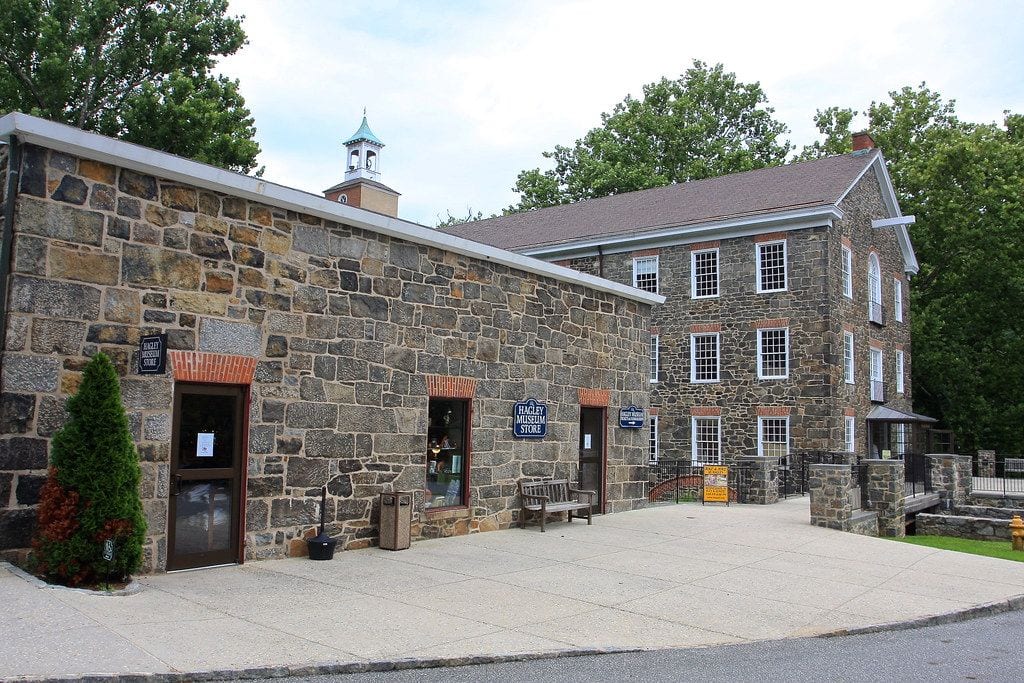
Set on the banks of the Brandywine Creek, the Hagley Museum occupies the 235-acre estate where the DuPont story began. This was the site of the family's first American home and the original DuPont black-powder works, and today the grounds celebrate American enterprise across a landscape of mills, machinery, and restored industrial buildings.
Wander the Powder Yard along the creek, then tour the du Pont home and its terraced garden to see how the founding family lived. The estate also holds one of the largest collections of patent models, tracing generations of American invention. Give yourself two to three hours to take in the full property.
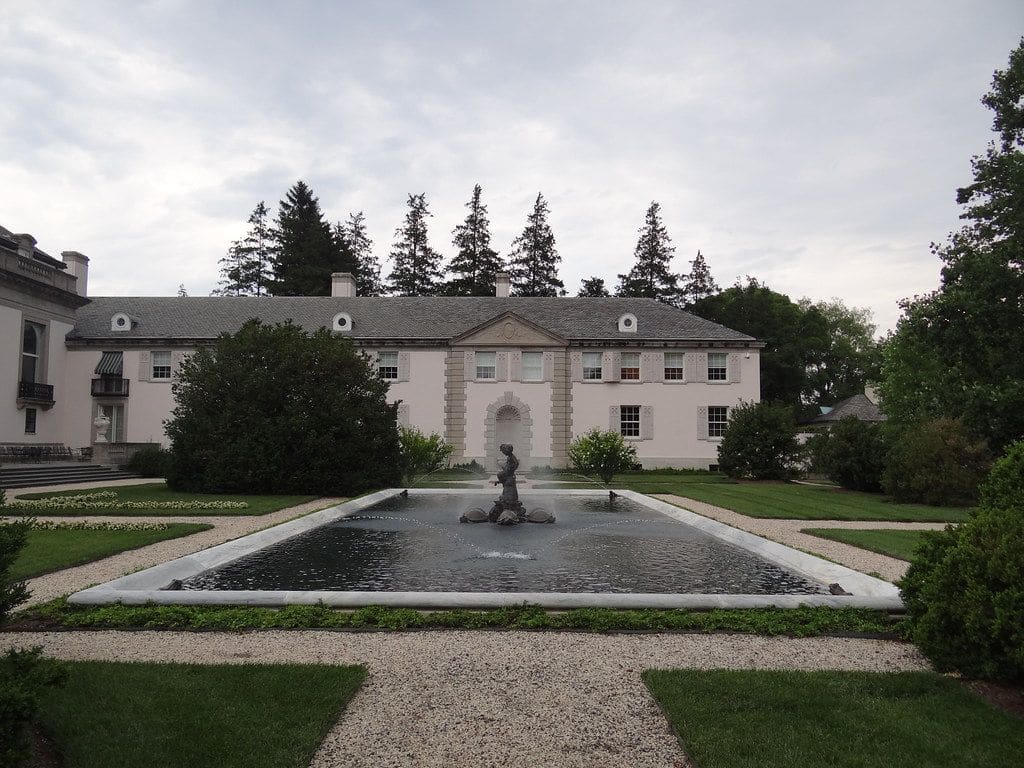
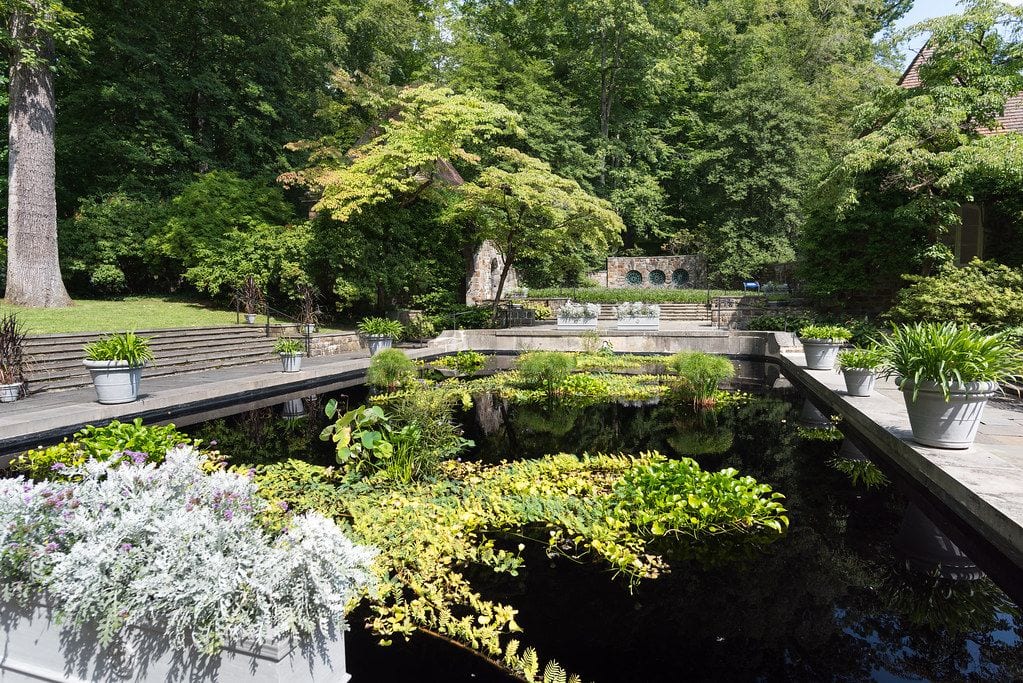
Nemours was the grand vision of Alfred I. du Pont, who built this mansion and its formal French-style gardens for his second wife, Alicia. The estate takes its name from a town in France tied to the du Pont family, and today its expansive grounds pair a stately residence with some of the most elaborate gardens in the region.
The formal gardens are the real draw here, stretching along a landscaped axis from the mansion. A long reflecting pool anchors the view, its fountain jets rising over the water, while the celebrated Long Walk leads the eye outward from the house. It's a place built for slow strolls and unhurried admiration of classical design.
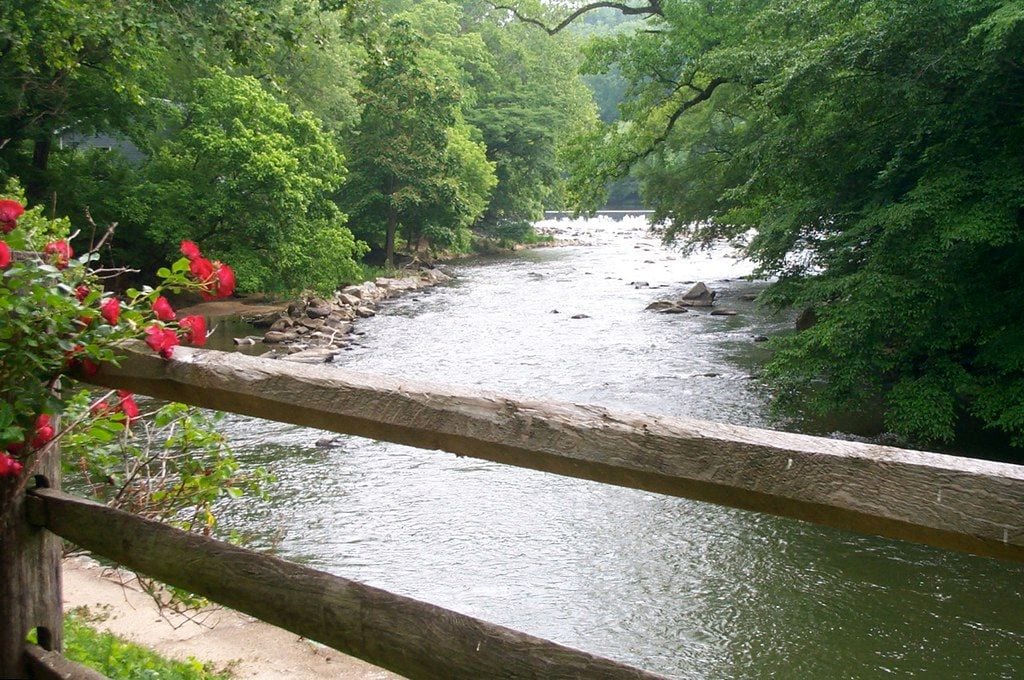
Brandywine Creek winds through Wilmington on its way to join the Christina River, and much of the city's sightseeing clusters along its banks. In its Pennsylvania stretch it earns designation as a Scenic River, and following it upstream leads toward the Revolutionary War battlefield that shares its name.
The waterway threads through a corner of the country steeped in early American history, dating back to the New Sweden colony era. Close to 30 nearby sites appear on the National Register, so a walk along the creek doubles as a passage through the region's layered past and its quieter riverside scenery.
Established in 1912 to honor illustrator Howard Pyle, the Delaware Art Museum holds one of the finest collections of Pre-Raphaelite art in the United States, alongside a deep gathering of American illustration. Much of that strength traces to philanthropist Helen Farr Sloan, whose gifts shaped the institution across generations.
Around 12,000 works fill the galleries, so a single visit only scratches the surface, and rotating exhibits and public education programs keep the experience fresh for repeat visitors. Step outside to the Copeland Sculpture Garden, where the collection spills into open air among winding paths and quiet places to linger.
Tucked into Brandywine Park along the river that gives it its name, the Brandywine Zoo packs a surprising range of wildlife into under five acres. Managed by Delaware State Parks, this compact Wilmington attraction lets you meet residents like red pandas without the sprawl and fatigue of a larger zoo.
Beyond the animal encounters, the zoo leans hard into conservation, running wildlife programs that connect visitors to the species in its care. Families with kids should note the summer camps, which turn a casual visit into a hands-on introduction to the natural world and the work of protecting it.
The Delaware Children’s Museum sits on the Wilmington Riverfront, packing roughly 37,000 square feet of hands-on exhibits into a space built for curious young minds. Displays turn STEM, financial literacy, and architecture into something kids can touch, test, and figure out for themselves, with activities pitched for children of all ages.
It is a longtime favorite for school field trips, and the museum runs dedicated field-trip programs for visiting classes. Whether you arrive with a group or just your own family, the interactive setup rewards exploration, letting children learn by doing rather than watching, and making a Riverfront stop here easy to justify.
Winterthur was the country estate and childhood home of Henry Francis du Pont, opened to the public in the early 1950s and named for the Swiss city. Today it draws visitors for a vast collection of American decorative arts, tens of thousands of objects gathered across the estate's galleries and its grand, room-by-room period interiors.
Beyond the collection lie extensive naturalistic gardens, laid out to flow with the surrounding landscape rather than fight it. The estate adjoins Brandywine Creek State Park, giving the grounds an unbroken green setting, and its education programs deepen the visit for anyone curious about American craft, design, and horticulture.
Just north of Wilmington, Bellevue State Park spreads across the former du Pont estate, with the stately Bellevue Hall mansion at its heart. The grounds mix easy pleasures and quiet history, giving you a green retreat that feels a world away from the city yet sits only minutes from downtown.
Cast a line at the fishing pond, wander the wooded hiking trails, or walk the horse-track loop that once hosted equestrian events. Shaded picnic spots make it an easy spot to linger for an afternoon, and when warm weather arrives, summer concerts fill the park with music and an easygoing crowd.
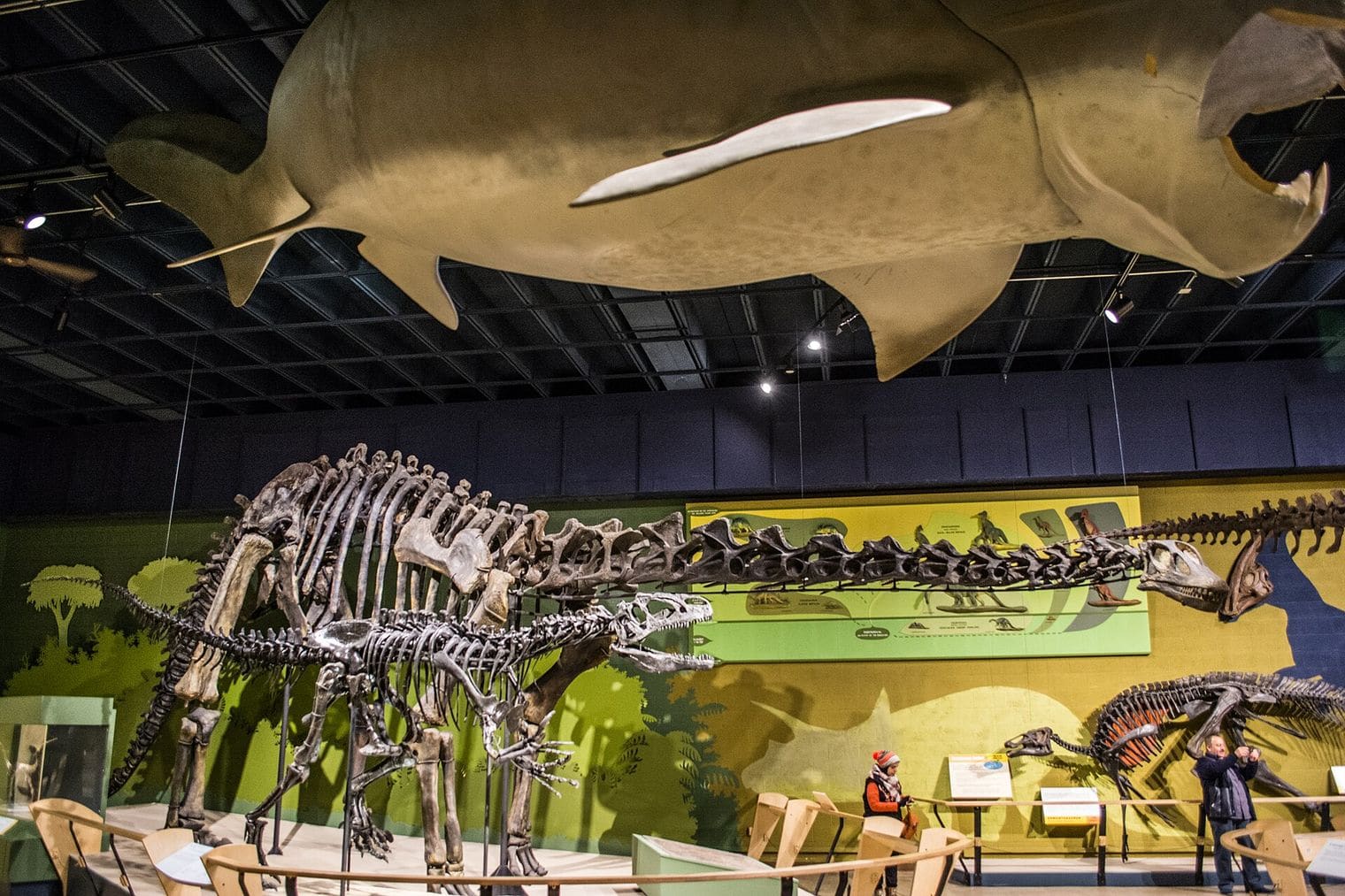
Once the Delaware Museum of Natural History, this Kennett Pike institution reopened in 2022 as the Delaware Museum of Nature & Science following a major renovation. The overhaul shifted its focus away from static mammal, bird, and shell displays toward living ecosystems, wildlife, and environmental science, giving visitors a fresh way to explore the natural world.
Sitting near Bellevue State Park, the museum pairs its exhibits with school and outreach STEM programs, making it a genuine resource for curious minds of every age. Whether you're tracing an ecosystem or digging into environmental science, it's an easy, enriching stop that rewards families and lifelong learners alike on a Wilmington itinerary.
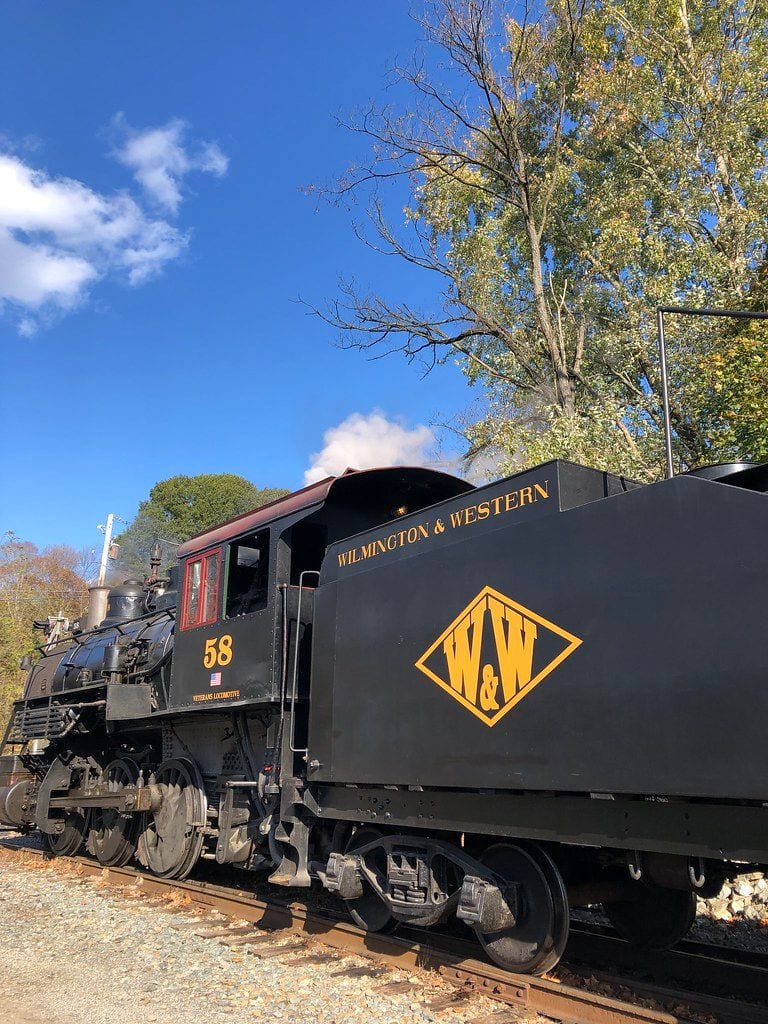
The Wilmington and Western Railroad is a heritage excursion line running steam and diesel trips along its original route through the scenic Red Clay Valley. As the train rolls through the countryside, you'll pass historic spots including Mt. Cuba, Ashland, and Yorklyn, with the valley's woods and streams unspooling past the windows.
Rides here suit every age, making an afternoon aboard an easy pick for families. Themed excursions add variety throughout the year, so the trip feels a little different each time you climb into the vintage cars. It's a relaxed, nostalgic way to see a slice of the region most drivers never notice.
Set on a former du Pont estate, Mt Cuba Center is a botanical garden devoted to the native plants of the Appalachian Piedmont and the Eastern United States. Its naturalistic display gardens weave wildflowers, woodlands, and meadows into scenes that feel discovered rather than designed, showcasing the quiet beauty of the region's own flora.
Beyond the gardens, the center anchors its mission in native-plant conservation and shares that expertise through hands-on gardening classes. Regularly ranked among the top botanical gardens in the country, it rewards a slow, unhurried visit, offering both a peaceful escape and a lesson in why native species matter to the landscapes around us.
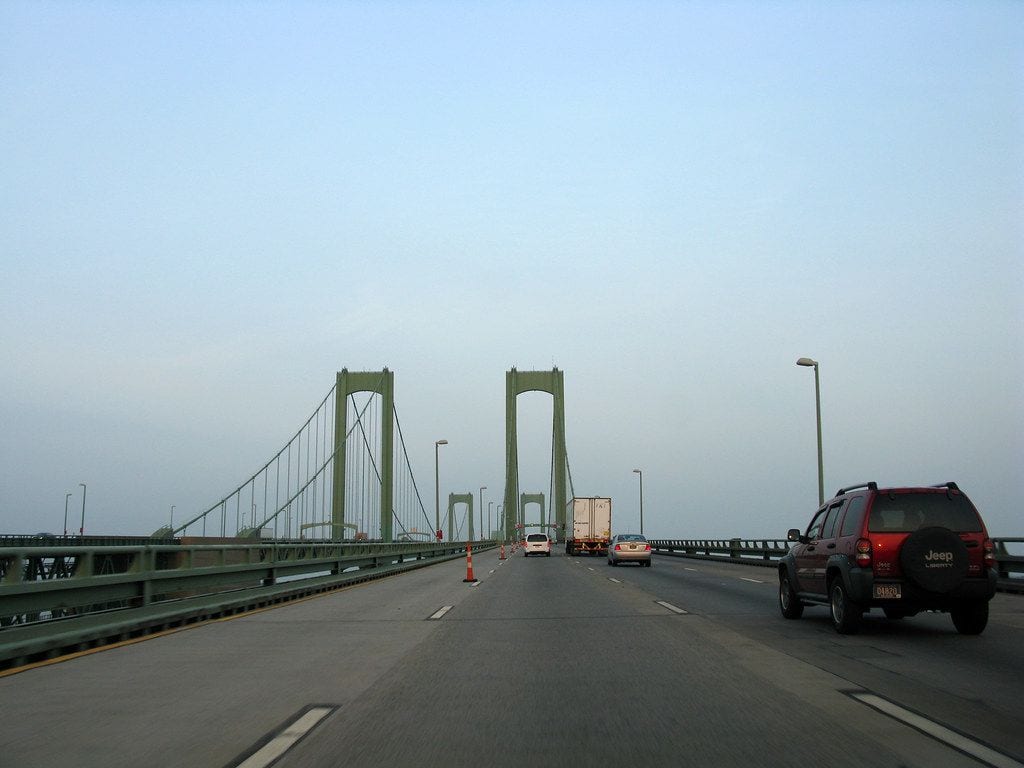
Spanning the Delaware River between Wilmington, Delaware and New Jersey, the Delaware Memorial Bridge is a twin-span suspension crossing that ranks among the busiest gateways in the region. The first span opened in 1951, and a second was added in 1968 to carry the growing flow of traffic across the water.
Beside the bridge sits Veterans Memorial Park, home to a Memorial Wall honoring service members from Delaware and New Jersey who were lost in World War II and the Korean War. It's a quiet, reflective stop that pairs the engineering feat overhead with a tribute to those who served.
Brandywine Creek State Park spreads across more than 900 acres on the banks of its namesake creek north of Wilmington. Anglers work the water for fishing, while paddlers take to canoeing and kayaking along the creek. Creekside trails draw hikers of every stripe, tracing the water through rolling woodland just outside the city.
The park protects two nature preserves, the Tulip Tree Woods and Flint Woods, where mature stands shelter quiet, shaded walking. Birders gather at the Hawk Watch site to track raptors passing overhead in season. Between the preserves, the water, and the trails, it rewards a full day of unhurried exploring close to home.
Ashland Nature Center serves as the headquarters of the Delaware Nature Society, spread across roughly 130 acres of woodlands along the Red Clay Creek. About four miles of trails wind through the property, threading past streams and forest and giving walkers plenty of quiet ground to cover at whatever pace suits them.
The center's living exhibits reward a slow visit. A Butterfly House shelters fluttering residents up close, while the Hawk Watch draws eyes skyward during migration and the Bird Banding Station offers a look at how researchers track local populations. Together they make the woodlands feel less like scenery and more like something alive worth learning.
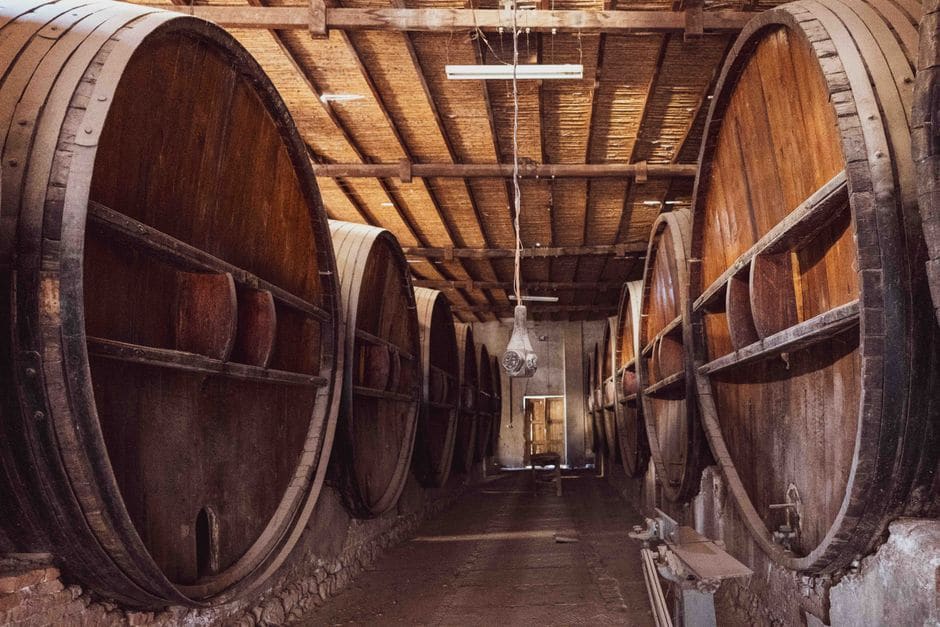
A short drive from Wilmington in Chadds Ford, Pennsylvania, Penns Woods Winery is a family-run estate winery where the pours are made from Pennsylvania-grown grapes. Its motto, "Think Globally, Drink Locally," sets the tone for a tasting that leans into the region, letting you sip your way through wines rooted in the surrounding countryside.
Settle in for a tasting and let the estate's approachable, local-first spirit come through in every glass. If you find a favorite, the wine club opens the door to tasting events and member benefits, making it easy to keep exploring the lineup long after your visit. It's an easygoing, unhurried stop that rewards anyone curious about local winemaking.
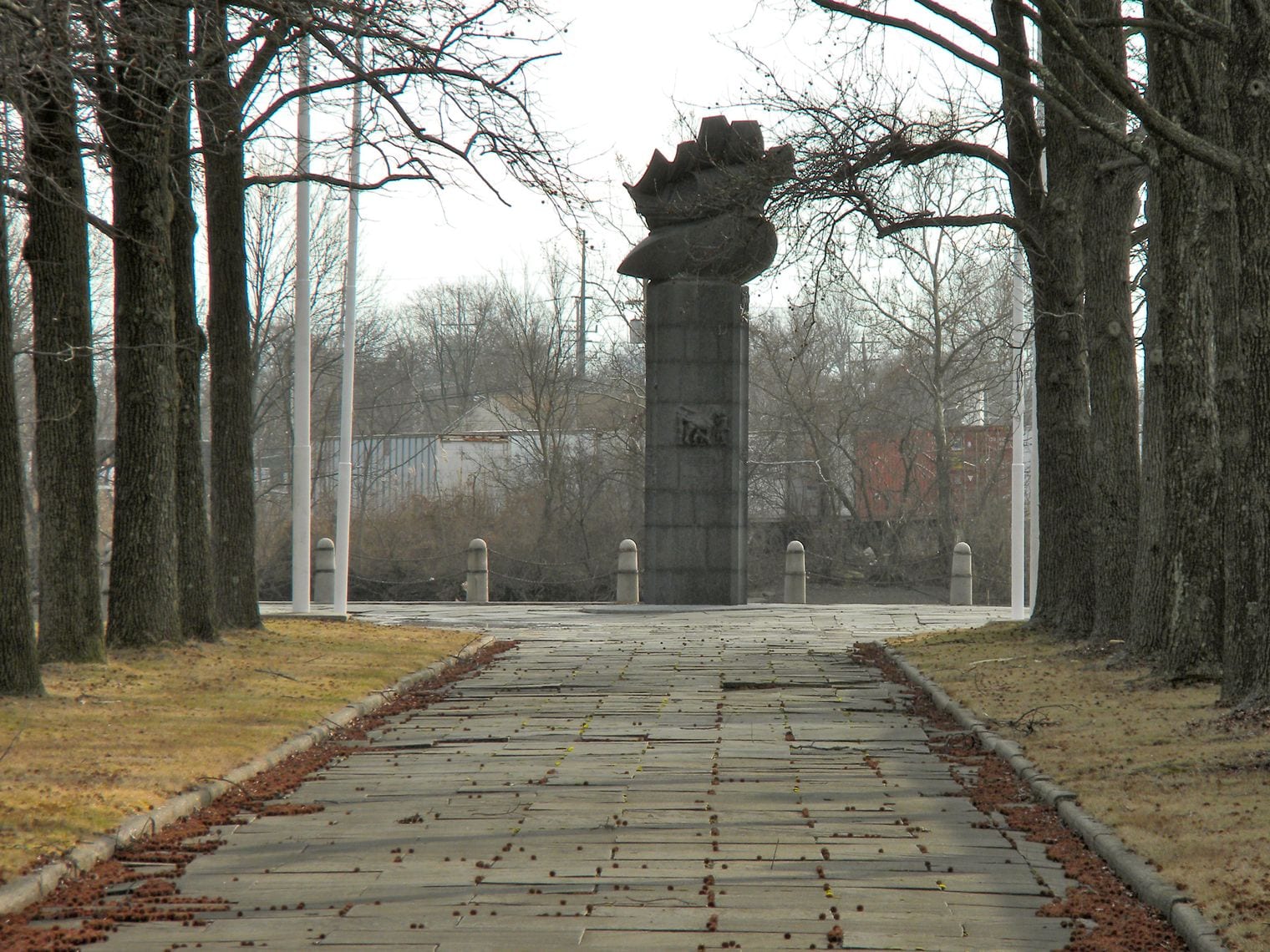
Fort Christina & The Rocks marks the spot on the Wilmington Riverfront, at the foot of E 7th Street, where Swedish and Finnish colonists aboard the Kalmar Nyckel and Fogel Grip landed in 1638. This was the first Swedish settlement in North America and the first permanent European settlement in the Delaware Valley.
Now a National Historic Landmark within First State National Historical Park and managed by the Kalmar Nyckel Foundation, the free, open site holds a monument, interpretive information, park benches, and parking. It's a must-see for anyone curious about Wilmington's Swedish colonial origins, pairing naturally with the Kalmar Nyckel ship replica elsewhere on this list.
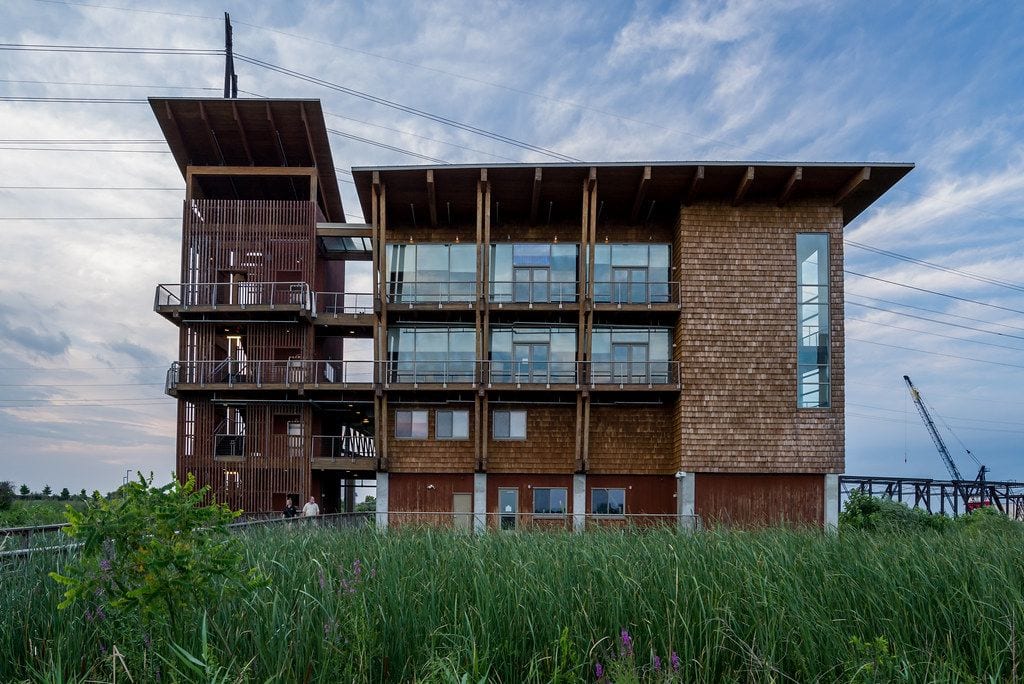
On the banks of the Christina River along the Wilmington Riverfront, the DuPont Environmental Education Center is part of the Delaware Nature Society. This modern facility, roughly 13,500 square feet, overlooks the Russell W. Peterson Urban Wildlife Refuge and gives visitors a window into the plants and creatures that thrive along the water's edge.
Inside, exhibits introduce the local amphibians, birds, mammals, fish, and native plants that make up this urban ecosystem, and the center runs nature programs throughout the year. Just outside, a riverfront and wilderness trail network connects nearby, letting you swap the exhibits for a walk through the marshland and refuge itself.
Just across the state line in Salem County, New Jersey, Salem Oak Vineyards is a small winery within easy reach of Wilmington. It pours a range of tastings and wines, including fruit wines, and has earned regional recognition for its bottles. The setting is unhurried and welcoming for anyone curious about local wine.
Beyond the tasting room, the vineyard rounds out the experience with happy hours and bottles to take home. You can book private events on-site or join the wine club to keep the good pours coming. It makes an easy, relaxed day trip for a change of pace from the city.
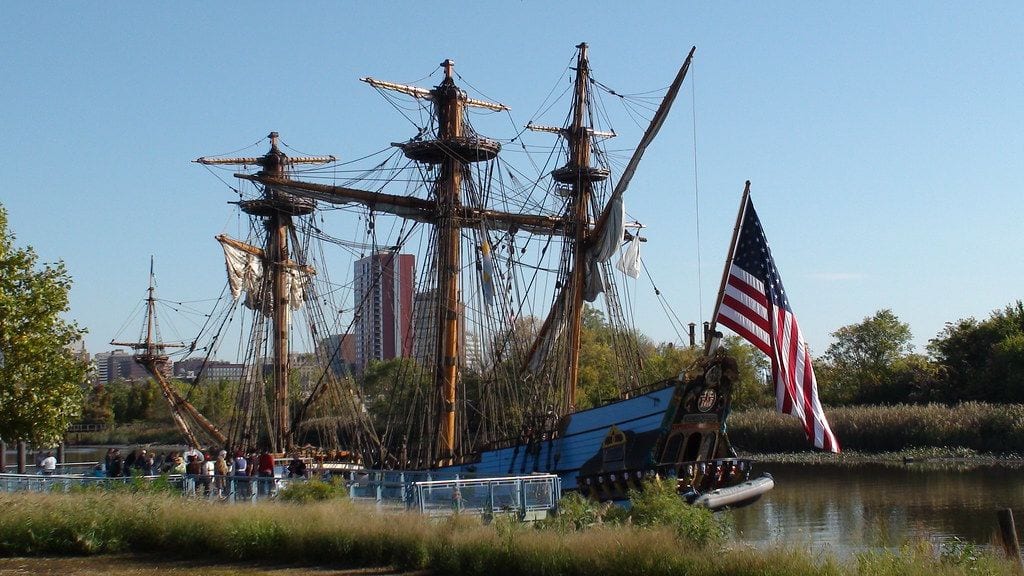
The Kalmar Nyckel Foundation operates a full-scale replica of the Kalmar Nyckel, the 17th-century Swedish ship that carried settlers to New Sweden. Those colonists landed at Fort Christina in 1638, planting one of the earliest European footholds along the Delaware River and shaping the region's story for generations to come.
You can tour the ship at its shipyard on the Wilmington Riverfront, where the rigging and decks bring that history within arm's reach. Sailing excursions run in good weather, so plan for calm skies. Educational and outreach programs round out the experience, making it a natural pairing with a visit to Fort Christina nearby.
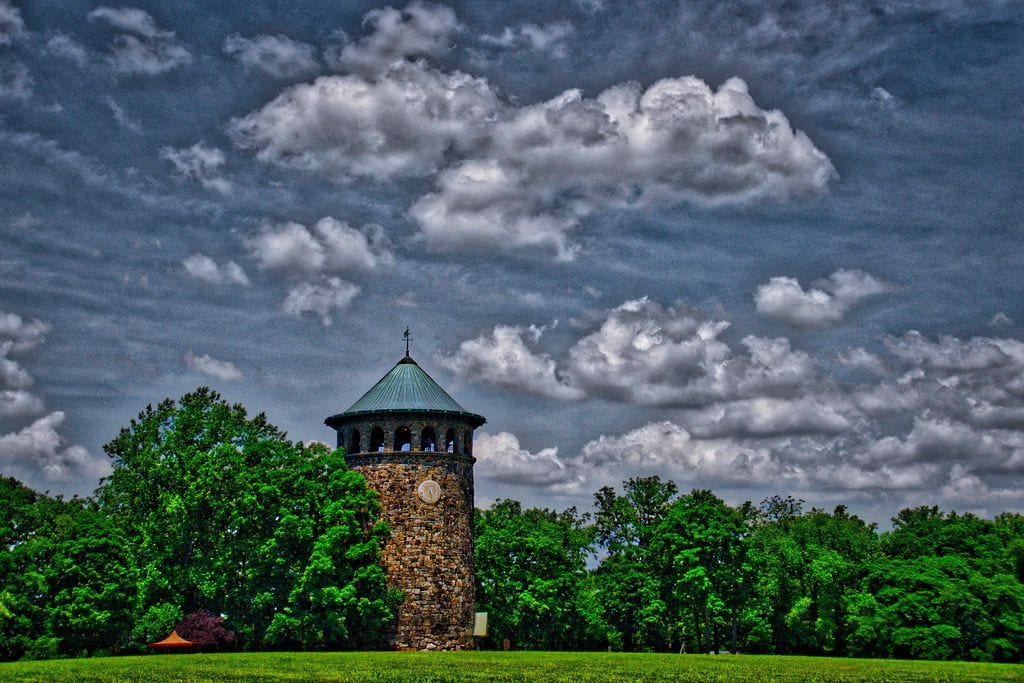
Rockford Tower crowns Rockford Park atop Mt. Salem hill, the highest point in Wilmington at roughly 330 feet above sea level. Built between 1899 and 1902, the fieldstone water tower and observatory rises about 115 feet, a sturdy stone landmark anchoring one of the city's most elevated green spaces.
Behind its rugged walls, the tower once held a half-million-gallon water tank that served the surrounding neighborhoods. Today the observation deck is the real draw, opening up sweeping views across the Wilmington skyline. It is a rewarding stop for anyone wanting to pair a park stroll with a look out over the city.
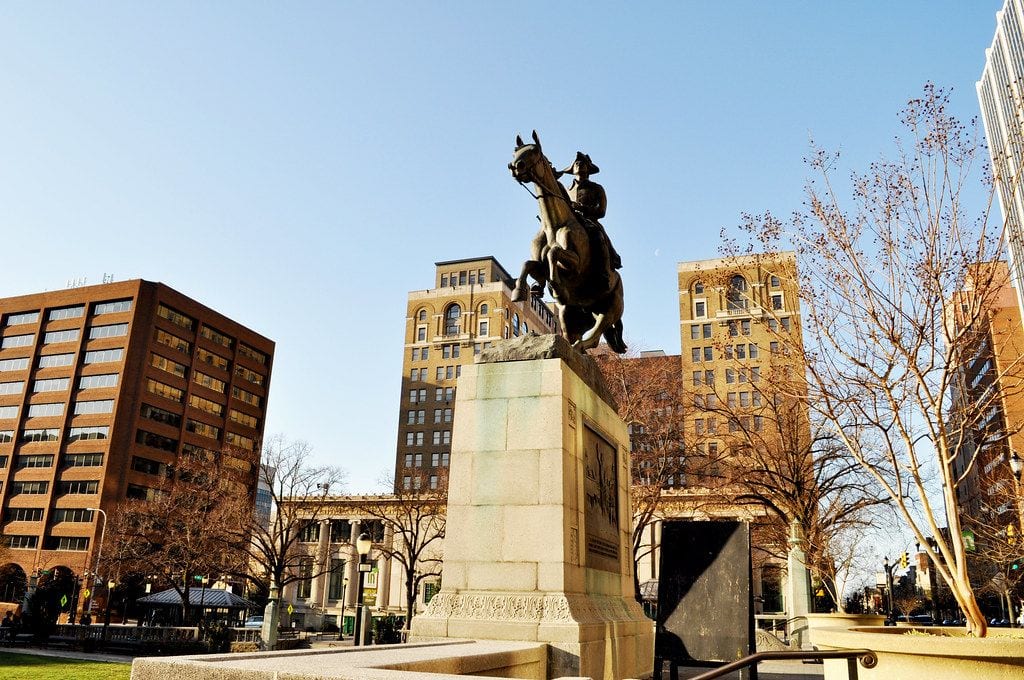
For roughly a century, Rodney Square has served as the central public square of downtown Wilmington, its layout tied to the du Pont family's development of the city. The surrounding blocks frame it with landmarks, including the DuPont Building, the Nemours Building, and the Wilmington Institute Free Library, making the plaza a natural anchor for exploring the heart of downtown on foot.
At its center stands an equestrian statue of Caesar Rodney, the Delaware patriot who rode from Dover to Philadelphia in 1776 to cast the state's tie-breaking vote for independence. That dramatic journey gives the square its enduring identity, linking a lively civic gathering place to one of the defining moments in the nation's founding story.
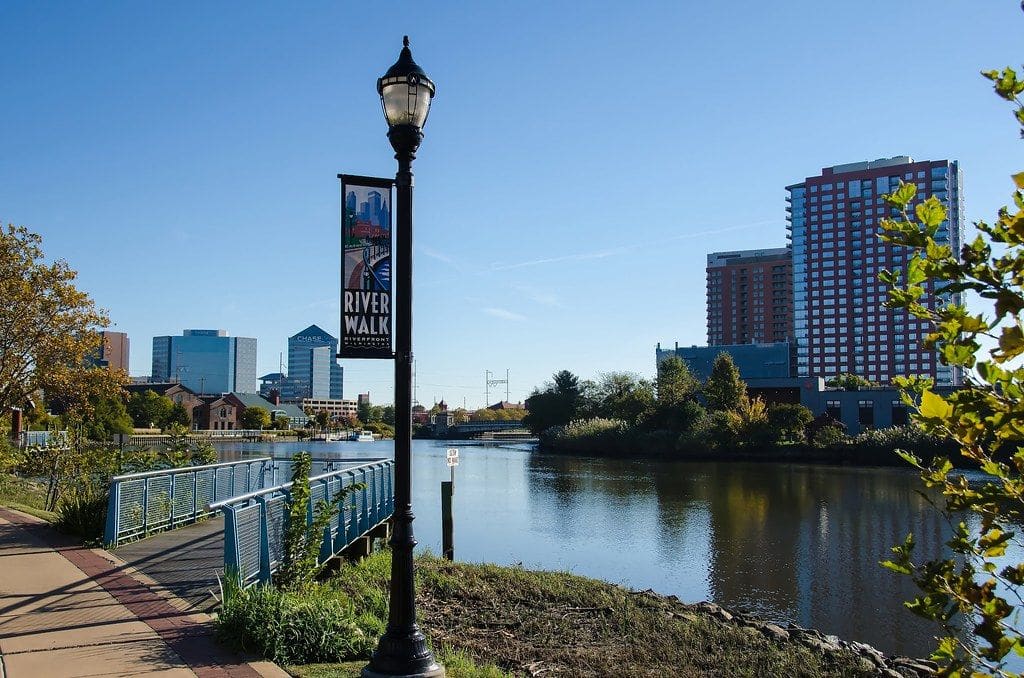
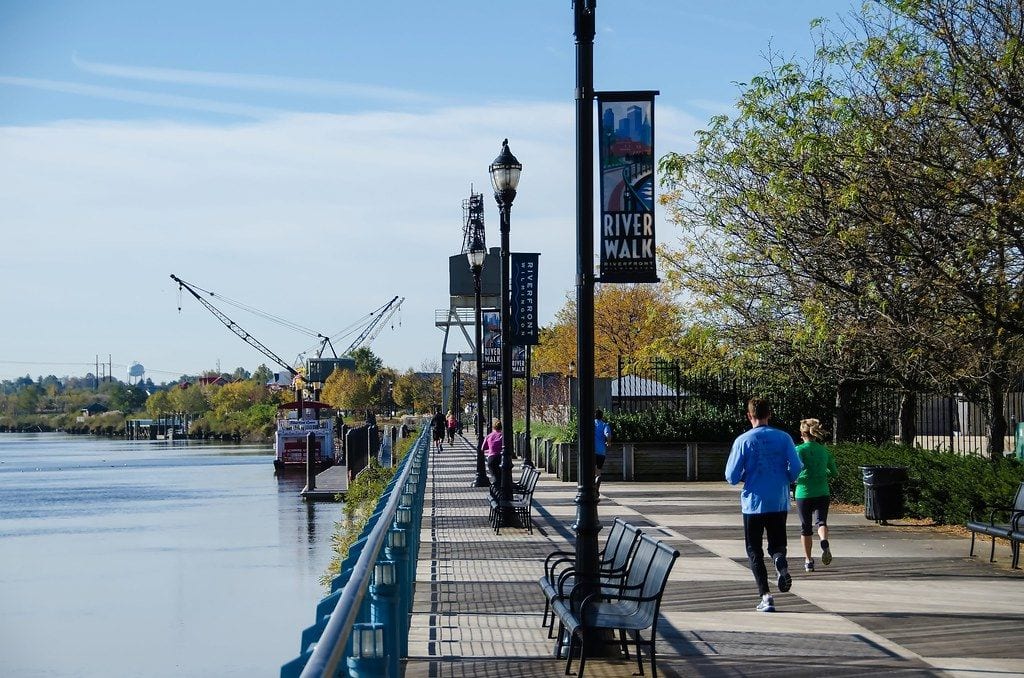
The Wilmington Riverwalk is a riverside promenade tracing the Christina River along the city's Riverfront district. Lined with restaurants, shops, and attractions, it's a scenic place for a stroll, with open river views on one side and dining and cultural venues just steps away on the other.
Come for an easy walk and stay for the mix — you can browse the shops, settle in for a riverside meal, or hop on one of the tours that push off from the water's edge. The Riverfront has seen ongoing redevelopment, and the promenade sits at the heart of it.
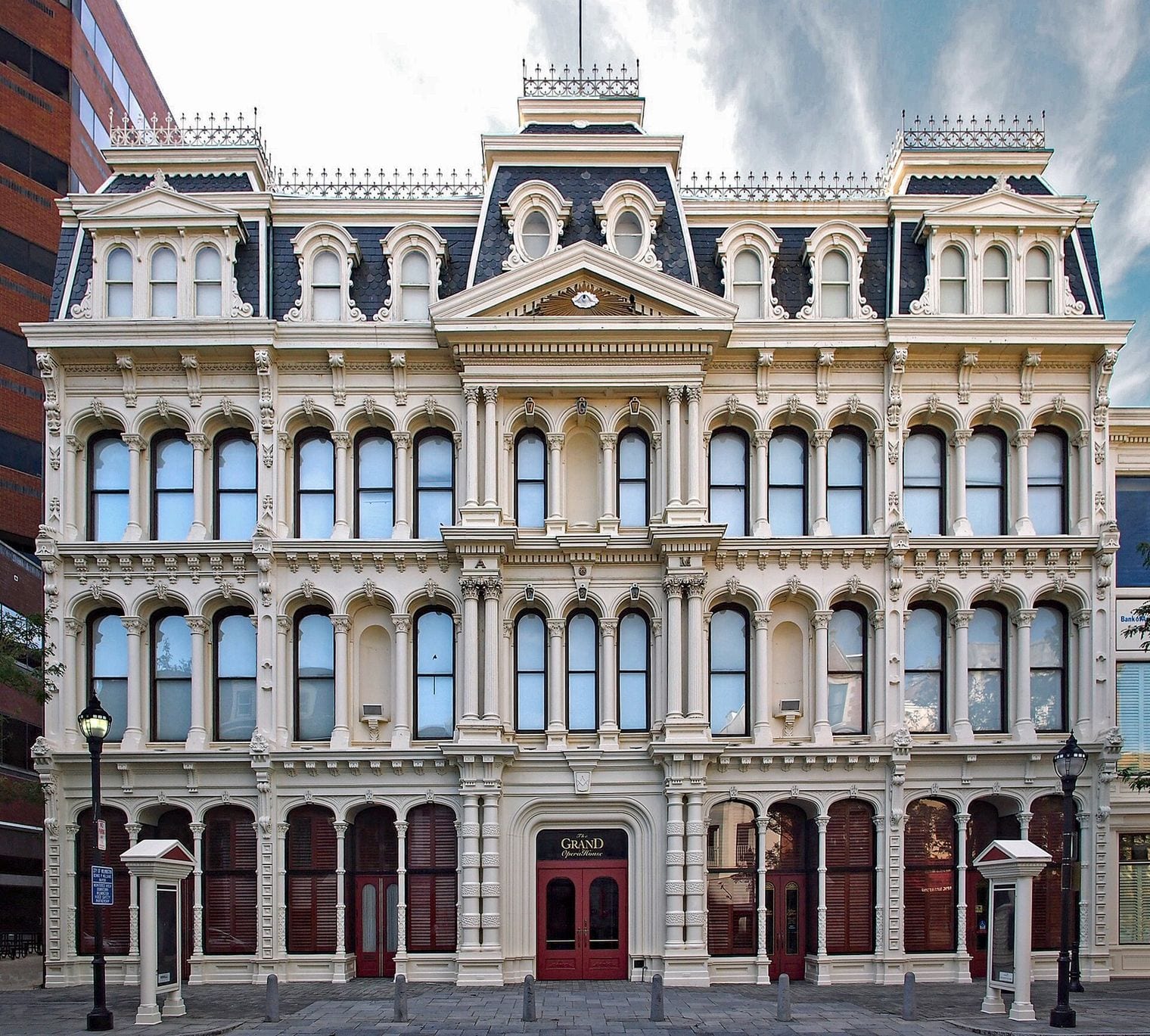
Step inside the Grand Opera House, Wilmington's historic performing-arts theater, and you'll understand why locals simply call it "The Grand." Open since the 1870s, this landmark venue keeps its stage busy year-round with touring Broadway productions, live concerts, stand-up comedy, and much more, offering something for nearly every kind of night out.
Across roughly 150 years, the theater has hosted many notable performers, cementing its place at the heart of the city's cultural life. The elegant, historic setting makes every show feel like an occasion, whether you're catching a big-name act or discovering something new. It's a downtown cornerstone that rewards anyone who loves the arts.
Big Fish Grill anchors the Wilmington Riverfront with a menu built around fresh fish, drawing a steady crowd of locals and visitors. A raw bar rounds out the seafood lineup, and the kitchen keeps the focus on straightforward, well-prepared plates that suit a relaxed sit-down dinner by the water.
When the weather cooperates, seasonal patio dining lets you eat outdoors with the river in view. It's a reliable spot to land after a stroll along the riverwalk, making it an easy pick for an evening meal once you've worked up an appetite exploring the waterfront and its surrounding paths.
Best Time to Visit Wilmington
Spring and fall are the most rewarding times to explore Wilmington. The Mid-Atlantic climate delivers pleasant, mild weather in both seasons, ideal for walking the Riverfront, strolling the Wilmington Riverwalk, or wandering the estate grounds north of the city. Spring and early summer are the peak stretch for the du Pont gardens, when Mt Cuba Center, Winterthur, and Nemours put on their fullest show of blooms and greenery. If gardens are your priority, plan around this window and give yourself time to move between the estates scattered across the Brandywine Valley.
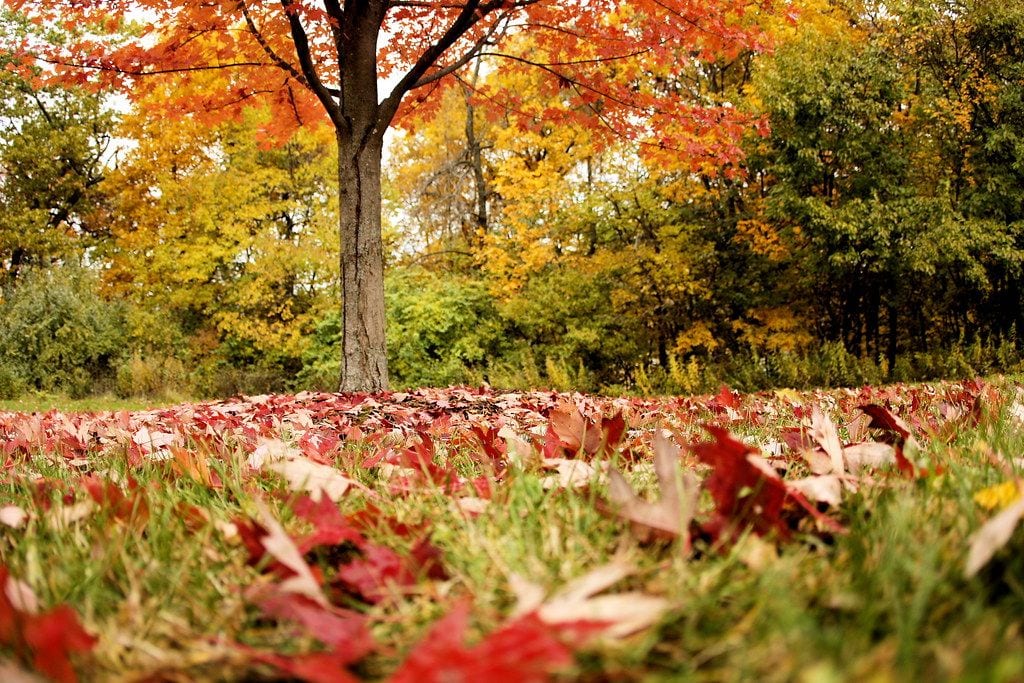
Autumn is the other standout, when fall foliage lights up the wooded hills and creek corridors of the Brandywine Valley, making it a fine time for Brandywine Creek State Park, Bellevue State Park, and Rockford Tower. Summers here run hot and humid, so if you visit in the warmer months, lean on shaded gardens, indoor stops like the Delaware Art Museum or the Delaware Museum of Nature & Science, and cooler mornings for outdoor plans. Winters are cold and quieter, better suited to the city's museums, the Grand Opera House, and Riverfront dining than to long walks in the valley.
Getting to Wilmington
Wilmington sits right on Interstate 95, the Mid-Atlantic's main north-south artery, which makes it an easy drive whether you are coming down from the northeast or up from the Chesapeake. The nearest major airport is Philadelphia International (PHL), only about thirty to forty minutes north; Baltimore/Washington International (BWI) is a reasonable alternative roughly ninety minutes to the south. From either gateway the highway delivers you straight into the city, and the compact Riverfront and downtown districts keep most of the attractions within a short hop once you arrive.
For anyone who would rather skip the drive, Wilmington is exceptionally well connected by rail. The Joseph R. Biden Jr. Railroad Station sits downtown on the Northeast Corridor, served by both Amtrak and SEPTA regional rail, which means direct, frequent connections to Philadelphia, Baltimore, Washington, and points north. Arriving by train drops you within walking distance of Rodney Square and the Market Street core, with the Riverfront and its riverwalk a quick ride away.
Getting Around Wilmington
Wilmington is an easy city to explore on foot once you are in the right district. Downtown, centered on Rodney Square and Market Street, and the redeveloped Riverfront along the Christina River are both walkable, with the Riverwalk stringing together the Delaware Contemporary, the Delaware Children's Museum and the riverside dining in one flat, pedestrian-friendly stretch. Parking on the Riverfront is plentiful and simple, so it makes a natural base for a day of strolling. City buses cover the core neighborhoods, and rideshare is widely available for short hops between downtown, the Riverfront and the train stations, so you can leave the car parked while you wander.
A car becomes genuinely useful once you head north into the Brandywine Valley, where the du Pont estates and gardens are spread across the countryside. Hagley, Winterthur, Nemours and Mt Cuba Center all sit beyond comfortable walking range and are much easier to reach and to link together with your own vehicle, especially if you want to catch the gardens at their spring and early-summer peak or chase fall foliage through the valley. Wilmington sits right on I-95, which also makes wider day trips straightforward, whether south toward Baltimore and Washington, D.C., or the short run north to Philadelphia. If you arrive without a car, the city is well connected by Amtrak and SEPTA regional rail on the Northeast Corridor at the Joseph R. Biden Jr. Railroad Station, with Philadelphia International Airport only a short drive up the interstate.
Where to Stay in Wilmington
The Riverfront is the easiest base if you want to walk to what you came for. This redeveloped strip along the Christina River puts the Delaware Contemporary, the Delaware Children's Museum, the Kalmar Nyckel tall ship, Fort Christina, the DuPont Environmental Education Center and the riverwalk promenade within a short stroll, and it is where much of the city's newer dining sits, including seafood on the water. It suits first-time visitors, families, and anyone who would rather leave the car parked and stay near the action after dark. Staying downtown around Rodney Square and Market Street trades some of that waterfront buzz for the most convenient transit connections: this is the business core, close to the Joseph R. Biden Jr. Railroad Station and the Amtrak and SEPTA lines on the Northeast Corridor, so it works well if you are here for work, arriving by train, or planning day trips north to Philadelphia or south toward Baltimore and Washington. The Grand Opera House anchors the neighborhood for an evening out.
If you have a car and your itinerary leans toward gardens and estates, look to the greener Brandywine Valley and the northern suburbs. Basing yourself up here puts you closest to Hagley, Winterthur, Nemours, Mt Cuba Center, Brandywine Creek State Park and Bellevue State Park, with quick access to I-95 for the run into the city. It is the quieter, leafier choice, best in spring and early summer when the gardens peak and in fall when the valley's foliage turns, and it rewards travelers who prefer rolling countryside and slower mornings over being in the thick of the Riverfront.
Where to Eat in Wilmington
The Riverfront district along the Christina River is the easiest place to start, especially if you want a meal with a water view. This redeveloped stretch pairs its museums and riverwalk with a run of casual, family-friendly spots and seafood-focused dining, where Big Fish Grill on the Riverfront anchors the waterfront-seafood end of the scene. It's a walkable pocket, so you can drift from an afternoon along the promenade straight into dinner without moving the car.
Downtown, the area around Rodney Square and Market Street offers a broader mix, from quick lunches to sit-down dinners, and works well if you're already exploring the Grand Opera House or the city's core. Beyond the districts themselves, the surrounding Brandywine Valley gives Wilmington a genuinely strong farm-to-table and craft streak: with the region's gardens, estates and wine country close at hand, seasonal, locally sourced menus and an independent craft-beverage scene are easy to find, and both tend to be at their best in spring and fall when the valley's produce and foliage peak.
One Day in Wilmington
Morning: Begin north of the city in the Brandywine Valley, where the du Pont legacy sprawls across rolling green estates. Tour the powder mills and gardens at Hagley Museum, then wind over to Nemours for its grand mansion and formal French gardens, or trade one for Winterthur if decorative arts and its naturalistic landscape appeal more. If the weather favors it, swap a mansion for time outdoors at Mt Cuba Center's native-plant gardens or a walk along Brandywine Creek, especially when spring blooms peak or fall foliage lights up the valley.
Afternoon: Head back toward the water and spend the afternoon on the Riverfront along the Christina River. Trace the region's early history at Fort Christina and The Rocks, the 1638 Swedish landing site, then step aboard the tall-ship replica at the Kalmar Nyckel Foundation nearby. Fit in whichever Riverfront draw suits your group, whether the contemporary galleries of The Delaware Contemporary or the marsh boardwalks at the DuPont Environmental Education Center, and stroll the Wilmington Riverwalk as the light softens over the river.
Evening: As evening settles, cap the day with a seafood dinner at Big Fish Grill on the Riverfront, watching the water from a table on the promenade. If a show suits the night, drive the short distance downtown to Rodney Square and catch a performance at the historic Grand Opera House on Market Street before calling it a day.
Free Things to Do in Wilmington
You don't have to spend a cent to get a feel for Wilmington, and some of the city's most rewarding stops happen to be free. The Wilmington Riverwalk traces the Christina River through the Riverfront district, giving you a flat, walkable promenade past the water where you can stretch your legs, watch the current, and take in the redeveloped heart of the city at your own pace. A short way along the same riverfront sits Fort Christina and The Rocks, the free historic site marking the 1638 Swedish landing that founded the settlement, a quiet spot to stand where Delaware's story began. Downtown, Rodney Square anchors Market Street as an open public plaza that costs nothing to wander and makes an easy pause between the city's civic buildings.
Nature is just as generous with no-cost options. Brandywine Creek winds down from the valley north of the city, and the parkland and trails that follow it offer free walking, birdwatching, and riverside scenery that turn gold with foliage in the fall. Up in Rockford Park, you can roam the grassy grounds around Rockford Tower for elevated views over the treetops without paying a thing. String a few of these together and you have a full, budget-free day that moves from the water to the woods to the middle of downtown.
Day Trips from Wilmington
Wilmington's spot on the Northeast Corridor makes it an easy launch point for a full slate of day trips. Philadelphia sits just ~30 minutes north up I-95, close enough to spend an afternoon among its museums, historic squares, and cheesesteak counters before heading back; the same corridor that carries Amtrak and SEPTA regional rail links the two cities, so you can leave the car behind if you'd rather. Head the other direction and Baltimore is about 1.25 hours southwest, with its Inner Harbor, crab houses, and waterfront museums, while Washington, DC, is roughly 1.75 hours southwest for the monuments, memorials, and Smithsonian collections.
Closer to home, the colonial riverfront town of New Castle lies only ~15 minutes away, where cobbled streets, brick townhouses, and a quiet green along the Delaware River preserve the feel of an early American port. And you needn't leave the region at all to fill a day: the Brandywine Valley spreads out just north of the city, stitching together the du Pont estates at Hagley, Winterthur, and Nemours with the gardens of Mt Cuba Center and the trails of Brandywine Creek State Park. Spring and early summer bring the gardens to their peak, while autumn sets the valley's wooded hills alight with foliage, making either shoulder season an ideal time to roam.
FAQ: Visiting Wilmington, Delaware
What is Wilmington, Delaware known for?
Wilmington, Delaware's largest city, is known as the historic heart of du Pont-family Delaware, with the family's grand Brandywine Valley estates at Hagley, Winterthur, and Nemours ringing the city. It is also home to Fort Christina & The Rocks, the 1638 Swedish landing site that was the first Swedish settlement in North America, plus a redeveloped Christina River Riverfront full of museums, dining, and the riverwalk.
Is Wilmington, Delaware worth visiting?
Yes, especially if you like history, gardens, and art paired with an easy day-trip base. In the city you can tour the Delaware Art Museum's Pre-Raphaelite collection, walk the Wilmington Riverwalk, and catch a show at the Grand Opera House, while just north the Brandywine Valley delivers du Pont mansions, native-plant gardens like Mt Cuba Center, and Brandywine Creek State Park.
How many days do you need in Wilmington, Delaware?
Two to three days is a comfortable amount of time. One day covers the walkable Riverfront and downtown Rodney Square area, and a second (or third) lets you spread out to the Brandywine Valley estates and gardens north of the city, which each reward a slower, unhurried visit. If you want to fold in day trips like Philadelphia or historic New Castle, add another day.
What is the best time of year to visit Wilmington, Delaware?
Spring and fall are the most pleasant, thanks to Wilmington's mild four-season Mid-Atlantic climate with hot, humid summers and cold winters. Time a spring or early-summer trip for the peak of the du Pont gardens at Winterthur, Nemours, and Mt Cuba Center, or come in fall for foliage across the Brandywine Valley.
Is Wilmington, Delaware walkable and family-friendly?
The Riverfront district along the Christina River is the walkable, redeveloped hub, with dining, museums, and the Wilmington Riverwalk clustered together, while downtown centers on Rodney Square and Market Street. Families have plenty to do, including the hands-on Delaware Children's Museum and the small Brandywine Zoo in Brandywine Park, plus the heritage Wilmington and Western Railroad.
What is the du Pont and Brandywine Valley connection to Wilmington?
The DuPont family built an early fortune on Brandywine Creek and left grand estates and gardens all across the Brandywine Valley just north of the city. That legacy is why Wilmington's top attractions include the family's estates at Hagley, Winterthur, and Nemours, along with Mt Cuba Center's native-plant garden and Brandywine Creek State Park.
How close is Wilmington, Delaware to Philadelphia?
Wilmington sits on I-95 about 30 to 40 minutes south of Philadelphia and Philadelphia International Airport (PHL), making Philly an easy roughly 30-minute day trip. The city is also on the Northeast Corridor, served by Amtrak at the Joseph R. Biden Jr. Railroad Station and by SEPTA regional rail; BWI airport is about 90 minutes away.