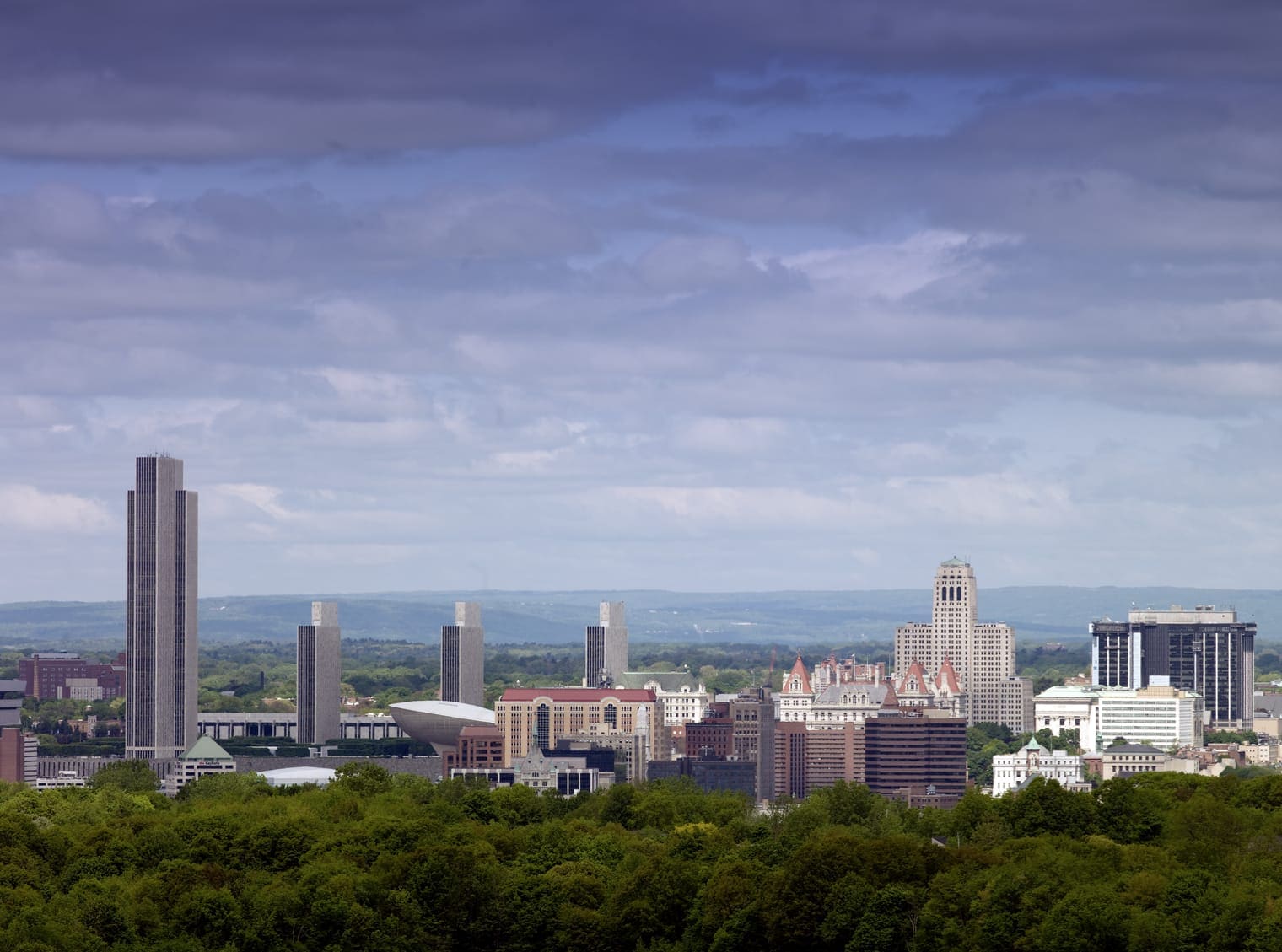
Often overshadowed by New York City, Albany has been the capital of New York State since 1797 and is one of America’s oldest cities — the longest continuously chartered city in the country. Founded as a Dutch fur-trading post in the 1600s, it wears its four centuries of history in grand civic buildings, colonial mansions and riverside parks. Here are the 25 best things to do in Albany.
Fun Facts About Albany, New York
Albany is the longest continuously chartered city in the United States, dating to the Dongan Charter of 1686.
It began as the Dutch trading post of Fort Orange, founded in 1624, giving the city roughly 400 years of documented history.
Albany has been New York’s state capital since 1797, when it succeeded Poughkeepsie.
The Erie Canal began in Albany in 1825, cementing the city as the commercial gateway to upstate New York.
The Mohican name for the area, Pempotowwuthut-Muhhcanneuw, means “the fireplace of the Mohican nation.”
The Corning Tower at Empire State Plaza is the tallest building in New York State outside of New York City.
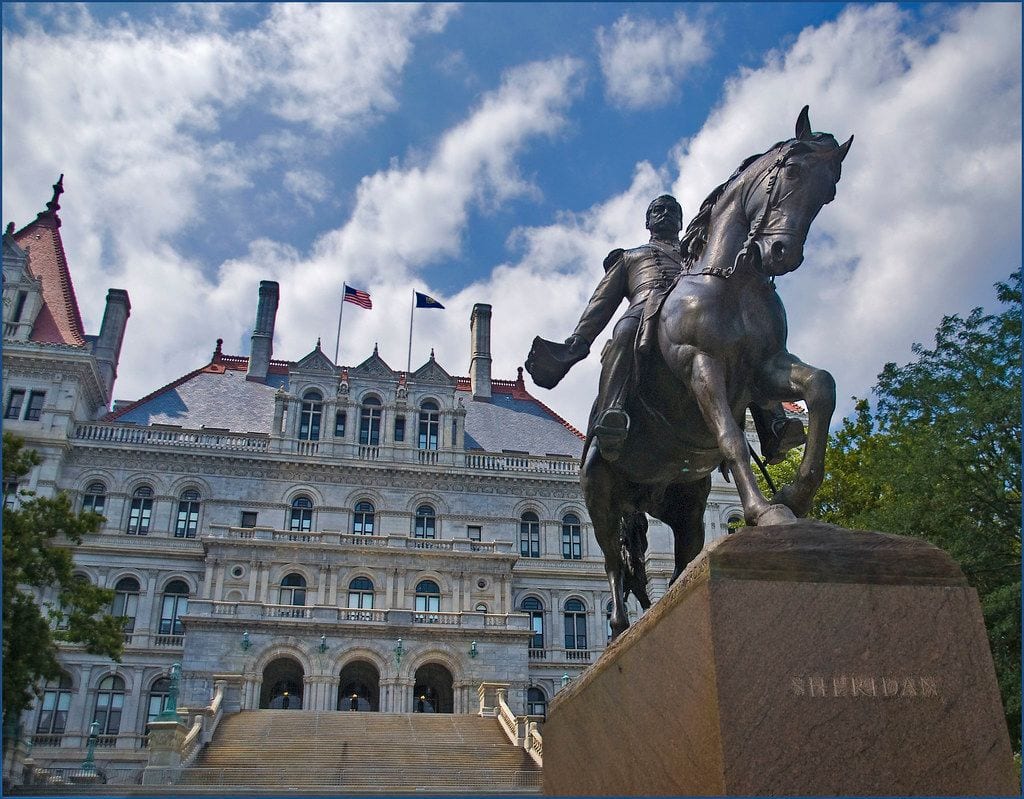
New York State Capitol, completed in 1899, ranks among the most beautiful state capitols in the country and stands as the most expensive government building of its era. You will find an ornate landmark whose craftsmanship earned it a spot on the National Register of Historic Places in 1971 and designation as a National Historic Landmark in 1979.
The building's showpiece is its hand-carved "Million Dollar Staircase," a masterwork of stonework worth lingering over as you explore. Between the sweeping architecture and the sheer artistry packed into every corner, a walk through this seat of state government offers a memorable window into Albany's grand civic ambitions and enduring history.
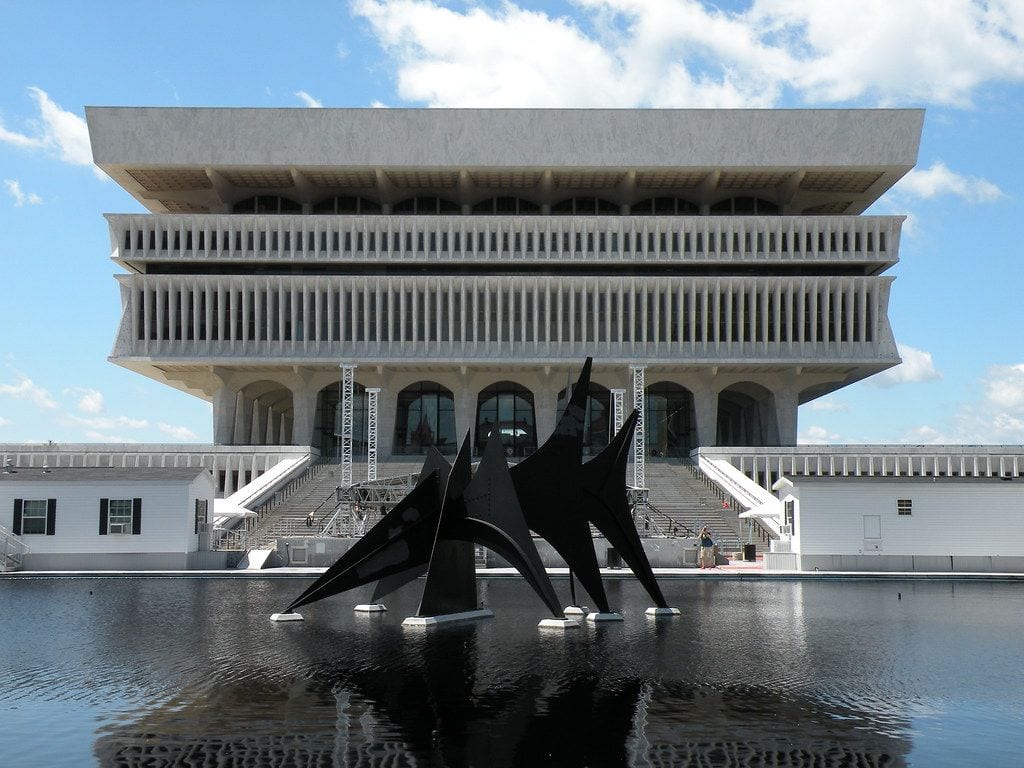
New York State Museum, directly facing the State Capitol, holds the distinction of being the oldest state museum in the country. Operated by the New York State Education Department, it shares the Cultural Education Center with the State Archives and the State Library, making this stretch of the plaza a genuine hub of the state's collective memory.
Inside, permanent exhibits carry you from the untamed Adirondack Wilderness to the glittering Minerals of New York. Most affecting of all is World Trade Center: Rescue, Recovery and Response, a moving tribute that lingers long after you leave. It's a deep, thoughtful stop, and one you can easily give a whole afternoon.
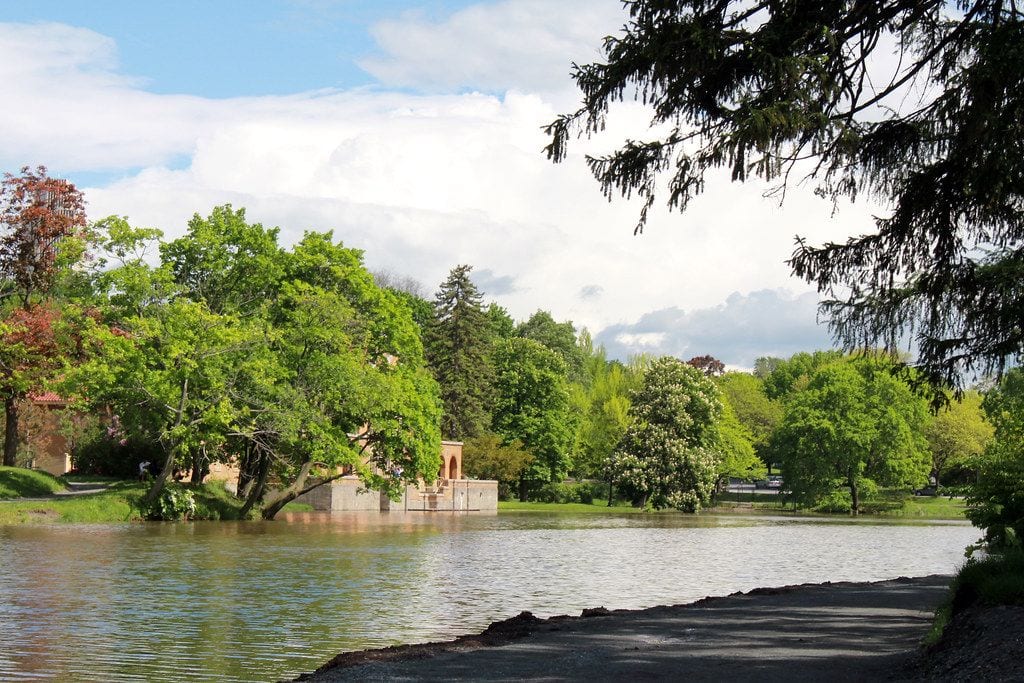
Washington Park is one of Albany's most beautiful green spaces, laid out in the second half of the 1800s by Frederick Law Olmsted and Calvert Vaux, the same visionary duo behind New York City's Central Park. Their elegant design still shapes the winding paths, open lawns, and picturesque plantings that make the park such a rewarding place to wander.
Every spring, the grounds burst into color for the beloved annual Tulip Festival, a celebration you won't want to miss. Beyond the blooms, you'll find tennis and basketball courts, playgrounds for the kids, and dining spots dotted around the edges, so pack a blanket and settle in for an easy afternoon picnic.
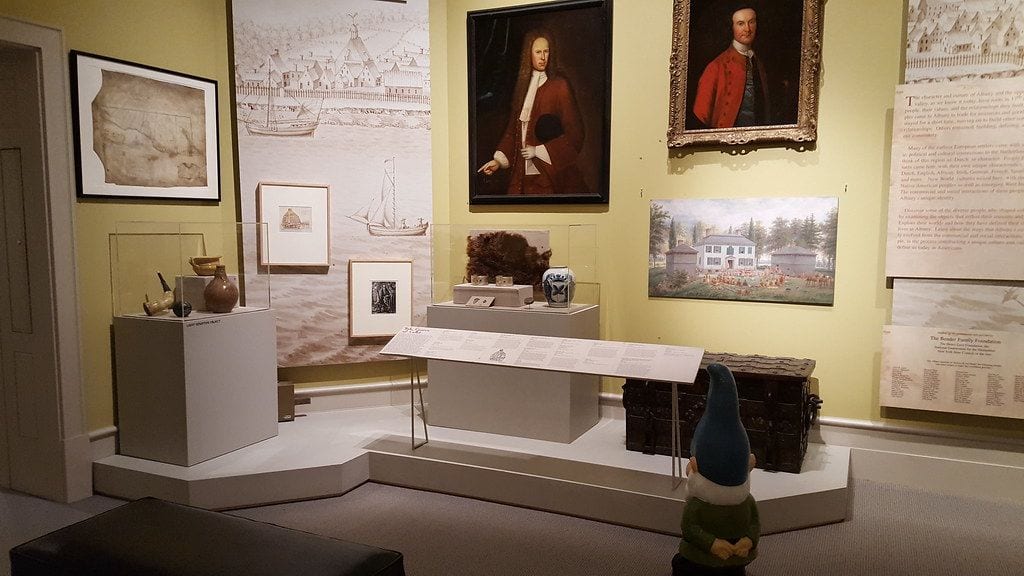
A short walk from Washington Park, the Albany Institute of History and Art was founded in 1791, making it one of the oldest museums in the country. Its permanent collection spans Hudson River School landscape paintings and the story of colonial Albany, so you get a rich sense of the region's past under one roof.
The real surprise is the Ancient Egypt gallery, where genuine mummies anchor a collection you might not expect this far north. Beyond the permanent exhibits, the museum rotates a wide range of temporary shows, so there is usually something fresh to discover no matter how often you stop by.
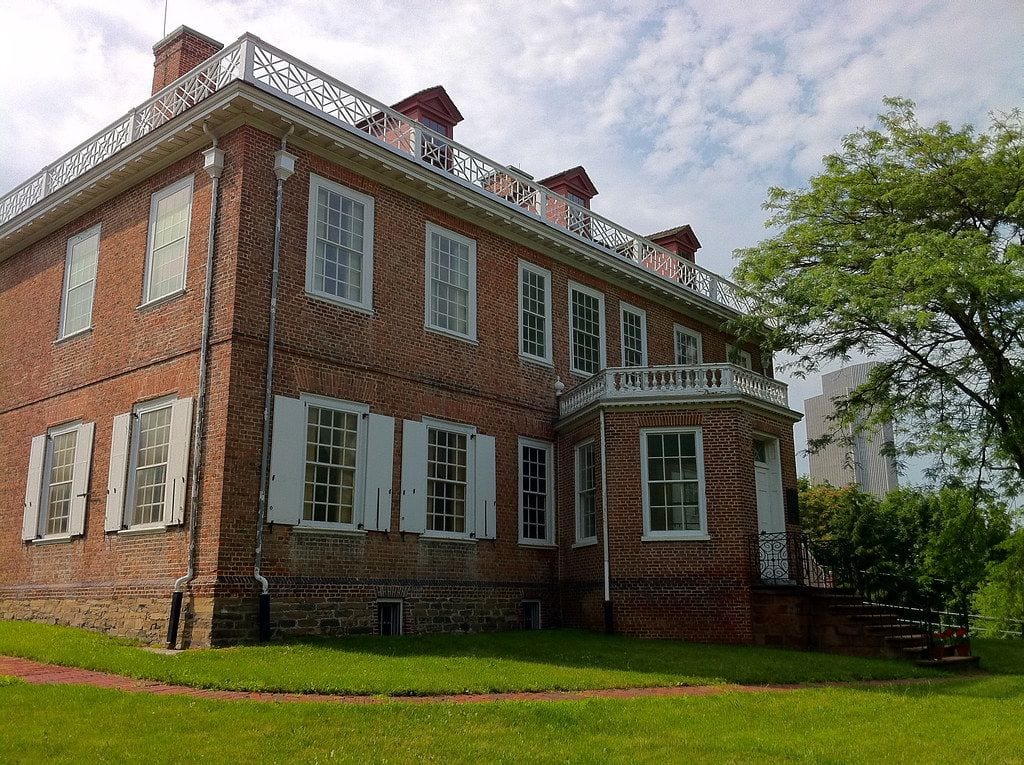
The Georgian home of Revolutionary War general and US senator Philip Schuyler, the Schuyler Mansion sits on a rise overlooking the Hudson. Philip lived here from 1763 to 1804 with his wife, Catherine Van Rensselaer, and their children, and the walls saw plenty of political intrigue over those decades.
The house also witnessed a famous romance: it was here that Schuyler's daughter Eliza married Alexander Hamilton. Today the site is a National Historic Landmark listed on the National Register of Historic Places, and stepping inside gives you a vivid window into Revolutionary-era Albany and one of its most influential families.
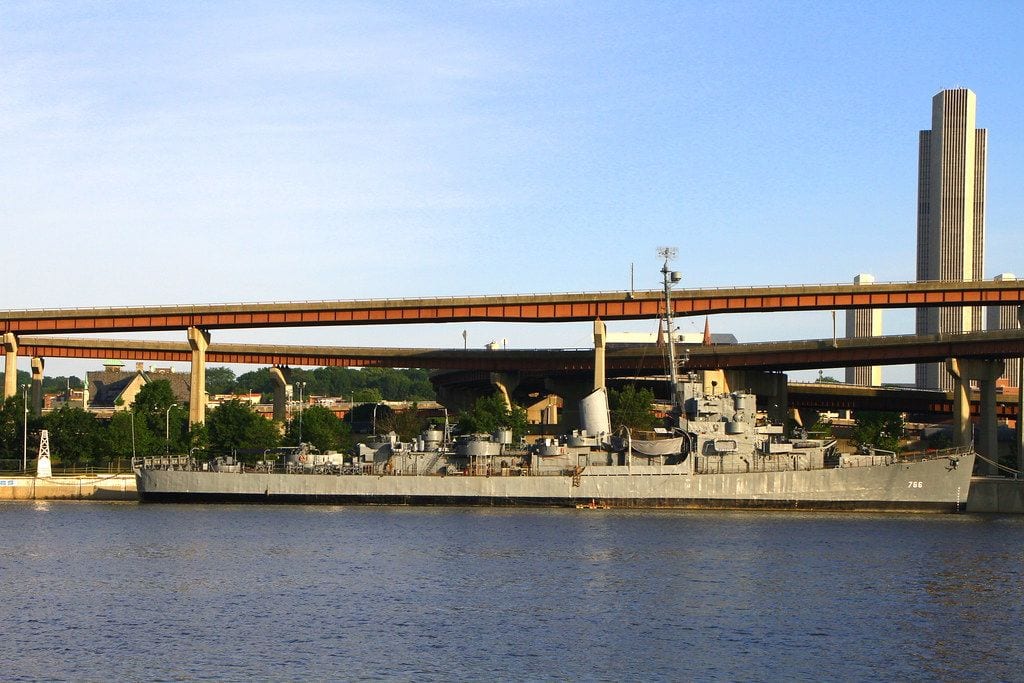
USS Slater is one of only a handful of WWII destroyer escorts still afloat anywhere in the world, and you can walk her decks as a floating ship museum on the Hudson River in downtown Albany. She was commissioned in 1944 and named for Frank O. Slater, a young sailor killed at Guadalcanal and posthumously awarded the Navy Cross.
After the war, the ship served in the Greek navy under a new name, the Aetos, before being towed back across the Atlantic and painstakingly restored to her wartime appearance. Wandering the cramped quarters, guns, and engine spaces gives you a vivid, hands-on sense of what life aboard a wartime escort was really like.
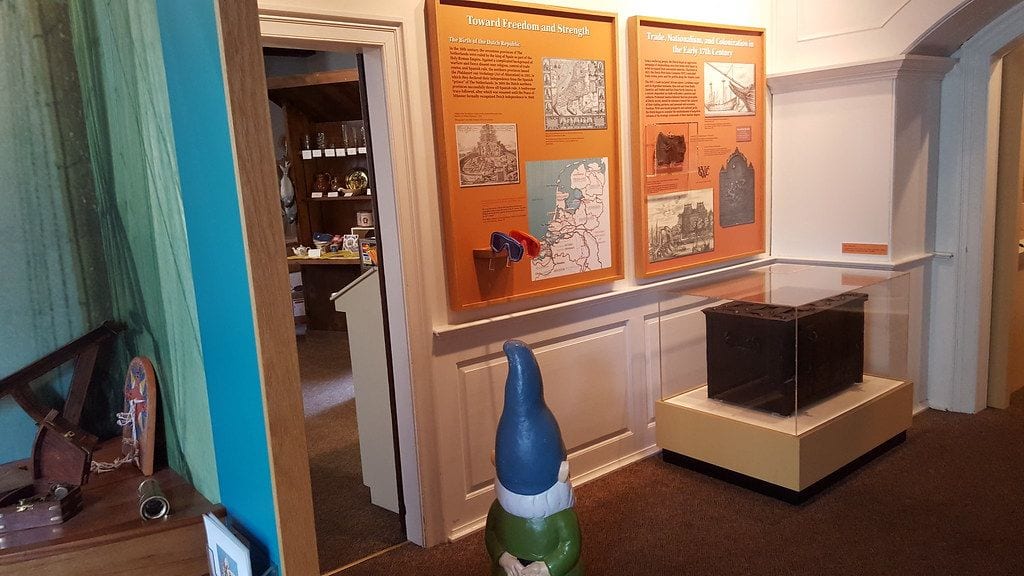
Crailo State Historic Site sits just across the Hudson from Albany, in Rensselaer, and it's an easy detour into the region's Dutch roots. The brick, Georgian-style building takes its name from the Van Rensselaer estate back in the Netherlands, a word that loosely translates to "crows' wood." It's a handsome piece of Hudson Valley history hiding in plain sight.
Before New York State took it over, the building led several lives, serving as a boarding school and later a church rectory until it was donated to the state in 1924. Today it works as a museum devoted to the Dutch settlers of the Hudson River Valley, telling the story of the people who shaped this stretch of the region long before it was Albany's neighbor.
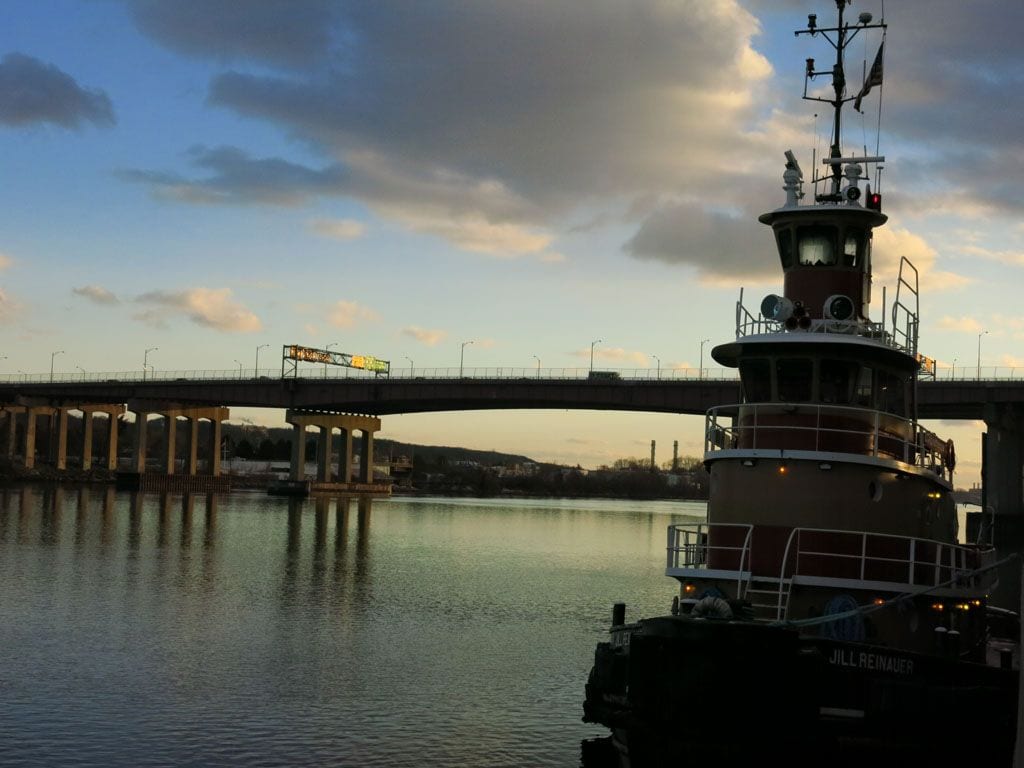
Dutch Apple Cruises glides out onto the Hudson River aboard a classic riverboat, offering narrated sightseeing trips, dinner outings, and private charters straight from downtown Albany. As you drift along the water, a Hudson River historian points out the landmarks lining the shore, turning an easy afternoon on deck into a genuine lesson in the region's past.
When the boats are docked for the off-season, the same crew leads guided walking tours through downtown Albany, tracing the city's major sights on foot. Either way you go, it is a relaxed, story-rich way to get your bearings and see how the capital city connects to the great river that shaped it.
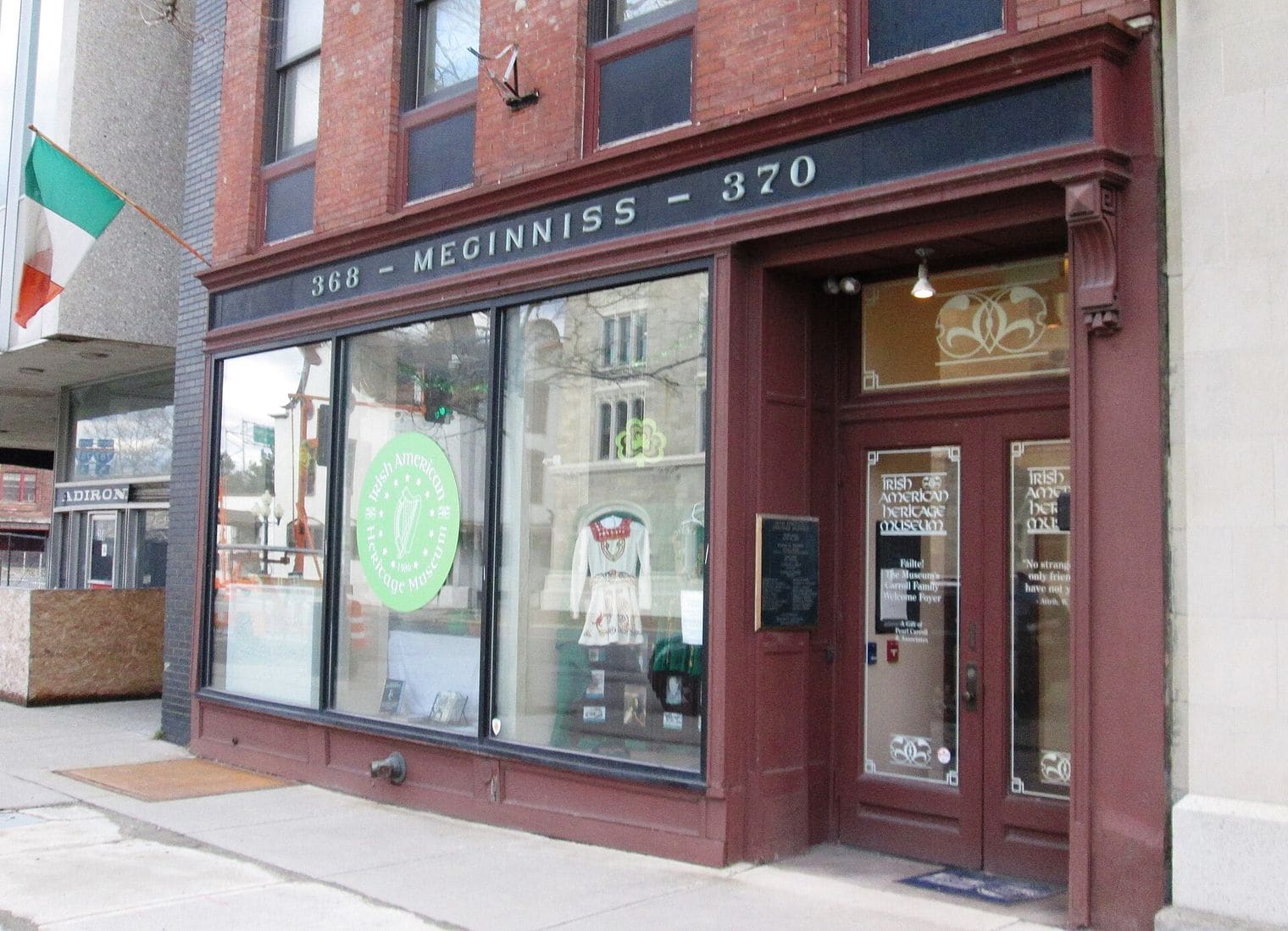
The Irish American Heritage Museum in downtown Albany celebrates the many contributions Irish Americans have made to the nation's identity. First opened in 1992, the museum settled into its current downtown home in 2012. It is a compact, story-rich stop that traces immigrant journeys and the deep roots Irish settlers put down across the country.
Permanent exhibits explore Irish Americans in the Civil War and the Irish and the Erie Canal, giving you a grounded look at the labor and service behind those chapters of history. Rotating temporary shows keep the walls fresh, so there is usually something new to discover whether you claim Irish ancestry or simply enjoy a good story.
Lincoln Park has anchored downtown Albany since long before it was a park, marking the spot where the Dutch and Mohawk met in a notable 1626 encounter. It became the city's first public playground in 1900, and today it remains a green gathering place woven into Albany's history and its everyday recreational life.
Come summer, you can cool off in Albany's only outdoor swimming pool, then rally on the tennis courts or spread out across the sports fields. When snow falls, the park's long hills turn into some of the best sledding runs around, giving this historic ground a fresh purpose in every season.
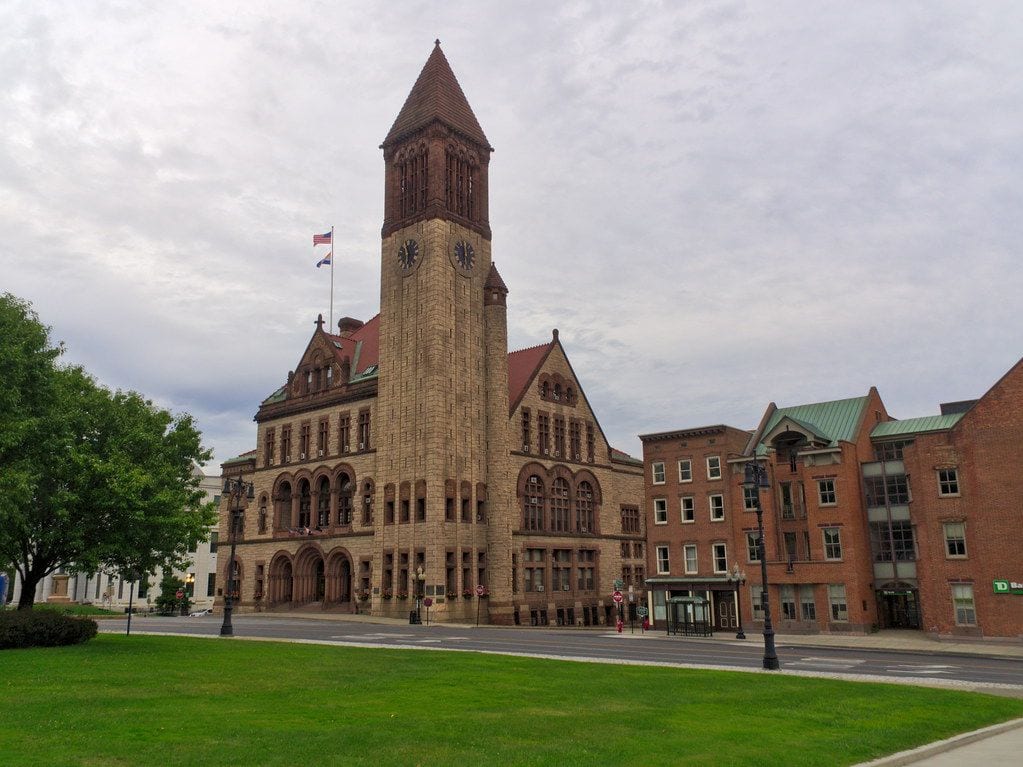
Albany City Hall rewards a closer look, an 1880s landmark designed by Henry Hobson Richardson in his signature Romanesque style and built between 1880 and 1883. Its 202-foot tower anchors the skyline and still handles the city's day-to-day business, housing the mayor's office, the city council and the courts.
The tower's real treasure is a 49-bell carillon, installed as a memorial to the fallen of World War I. Time your visit right and you can catch its music drifting across downtown, best heard from nearby Corning or Academy Park, where the bells ring out clear above the everyday hum of the streets.
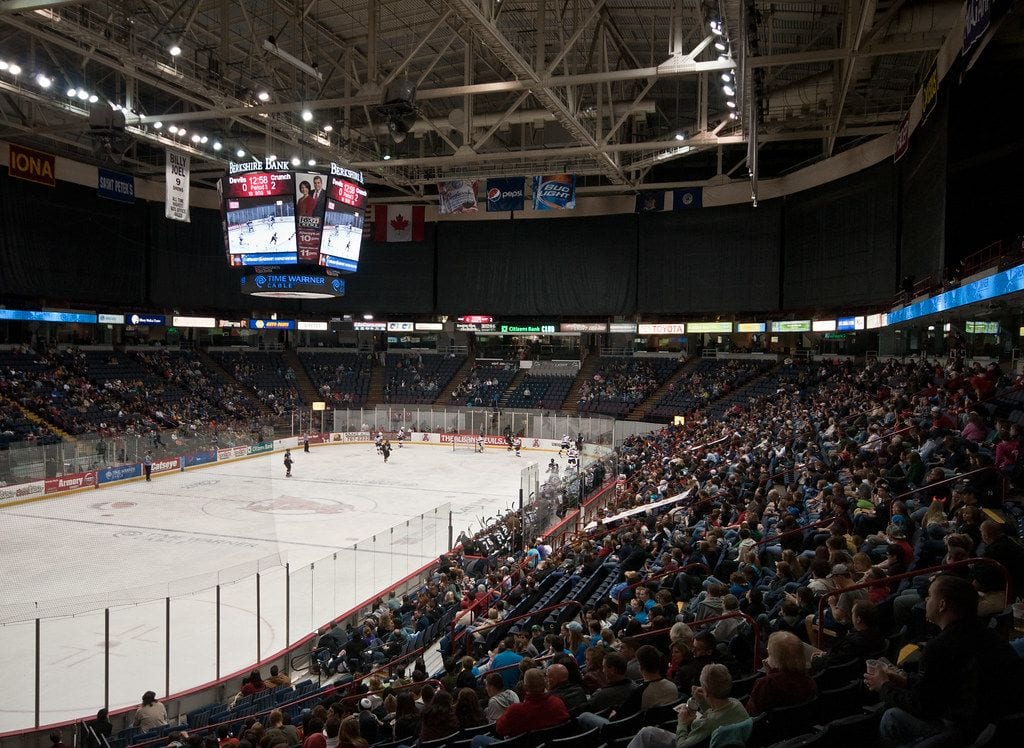
MVP Arena is Albany's main indoor arena, seating around 17,500 in the heart of downtown. Formerly known as the Times Union Center, it fills its calendar with hometown sports and headline entertainment, hosting the Siena Saints college basketball team, the Albany Firebirds arena football squad, WWE events, and family shows alongside major touring concerts.
The list of music icons who have taken this stage reads like a hall of fame, with Celine Dion, Paul McCartney and U2 all having played here. Whether you catch a big-name concert, cheer on a home team, or bring the kids to a touring spectacle, this downtown landmark puts you steps from the action in the middle of the city.
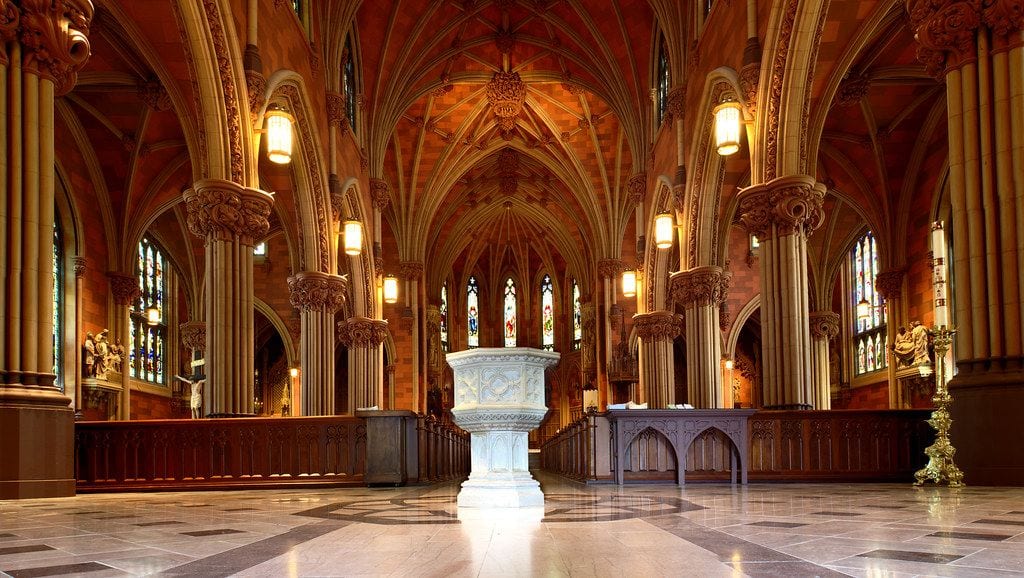
Built in the 1850s, the Cathedral of the Immaculate Conception ranks among the oldest Catholic cathedrals in the country and among the oldest in New York State. As the seat of the Diocese of Albany, this Gothic Revival landmark carries deep historical weight, its soaring silhouette dominating part of the Albany skyline and drawing the eye from blocks away.
You'll find it standing near the New York State Museum, making it easy to fold into a day of downtown exploration. Step inside to appreciate the craftsmanship of one of the region's most significant religious buildings, or simply admire the Gothic Revival architecture from the street as you pass through this historic corner of the city.
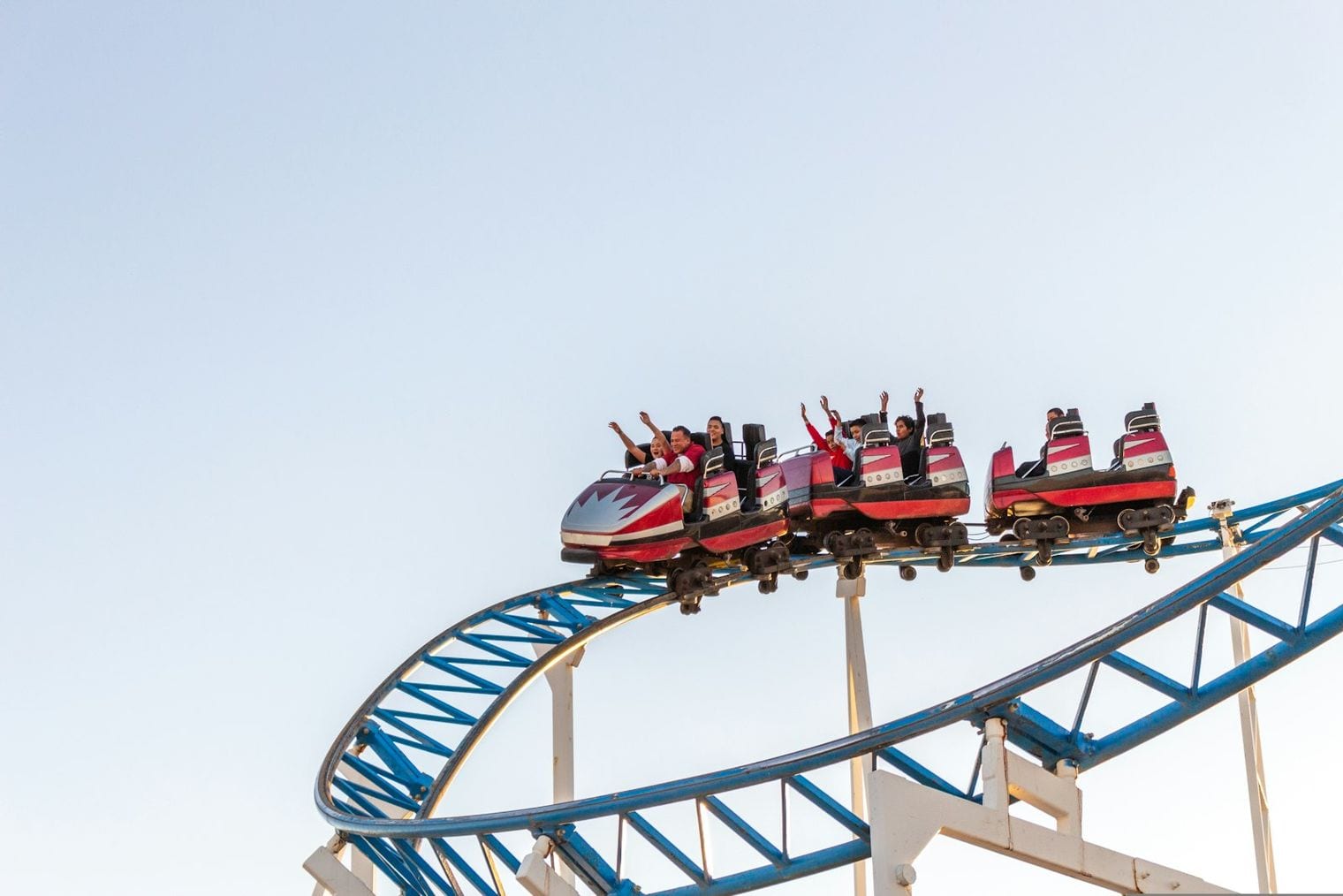
Huck Finn's Playland is a family amusement park that opened in Albany in 2015, carrying on a cherished local tradition. When the former Hoffman's Playland closed after more than sixty years of operation, its beloved rides found a new home here, so the merry-go-round, roller coaster, and train that generations of families remember are still spinning and rolling today.
Plan on a relaxed afternoon of classic, gentle fun that works well for younger kids. Alongside the vintage rides you will find indoor arcade games to round out the visit, and best of all, admission to the park itself is free, making it an easy, budget-friendly stop for families exploring the area.
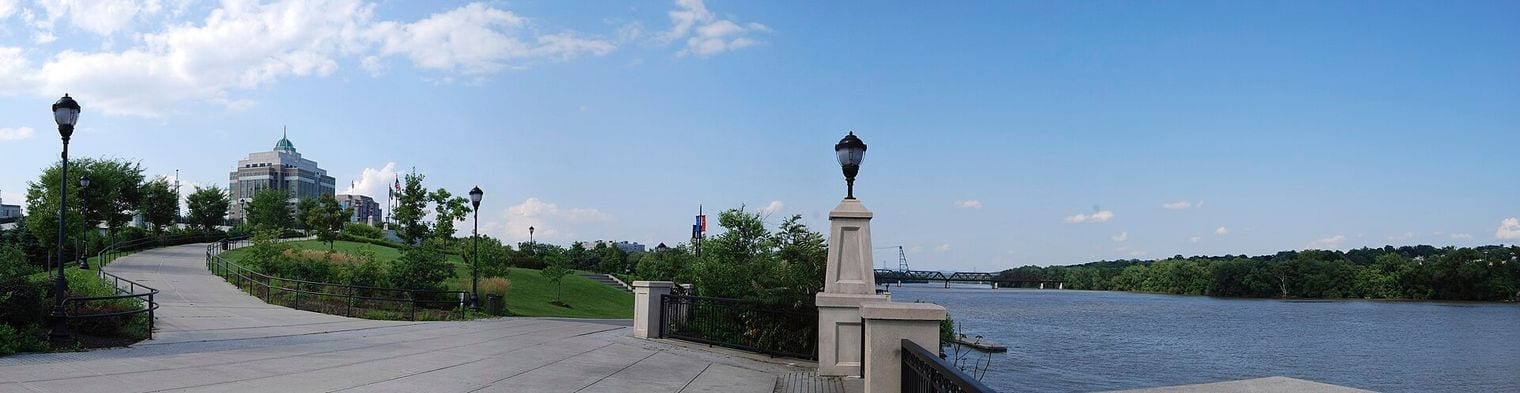
Corning Preserve stretches along the banks of the Hudson River, giving you miles of scenic trails for running and biking right at the water's edge. At its heart, the Jennings Landing amphitheater draws crowds for summer events, including the Alive at Five concert series and the Albany Riverfront Jazz Festival, all with the river as a backdrop.
If you would rather get out on the water than watch from the shore, there is a public boat launch and the Albany Rowing Center, where you can set off by kayak onto the Hudson. Whether you come to walk, ride, paddle, or catch live music, this riverfront park is one of Albany's most rewarding outdoor escapes.
Opalka Gallery sits on the Albany campus of Russell Sage College, a purpose-built art exhibition center showing modern and contemporary work by nationally known artists. Step inside its soaring vaulted exhibition space and adjoining presentation hall, where rotating displays of art and design give you a genuine reason to slow down and look closely.
Beyond the walls of art, this is a true cultural hub for the city. The gallery regularly hosts lectures, films and concerts, so your visit might pair a thoughtful exhibition with a live performance or an evening talk. It is an easy, rewarding stop for anyone curious about contemporary creativity in Albany.
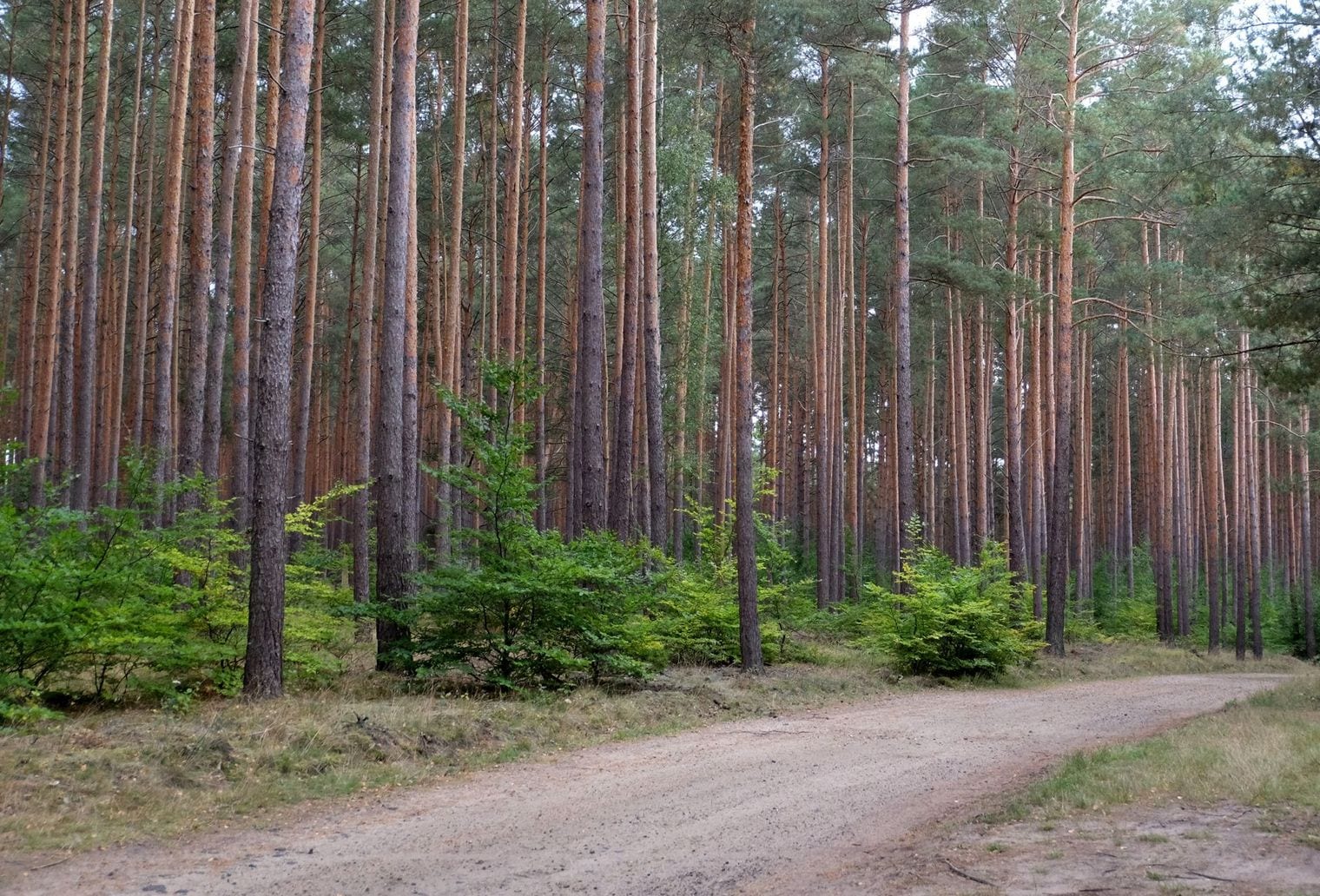
Albany Pine Bush Preserve protects one of the last and largest inland pine barrens left on Earth, a globally rare ecosystem of rolling pitch pine and scrub oak. It's also a refuge for the federally endangered Karner blue butterfly, whose survival depends on this unusual sandy landscape you can explore right at the city's edge.
Nearly 20 miles of marked, multi-use trails wind through the barrens, welcoming hikers, runners, and cyclists year-round. Start at the free Discovery Center on New Karner Road, where interactive exhibits explain the fire-shaped habitat before you head out. It's a genuine slice of wild country tucked surprisingly close to downtown.
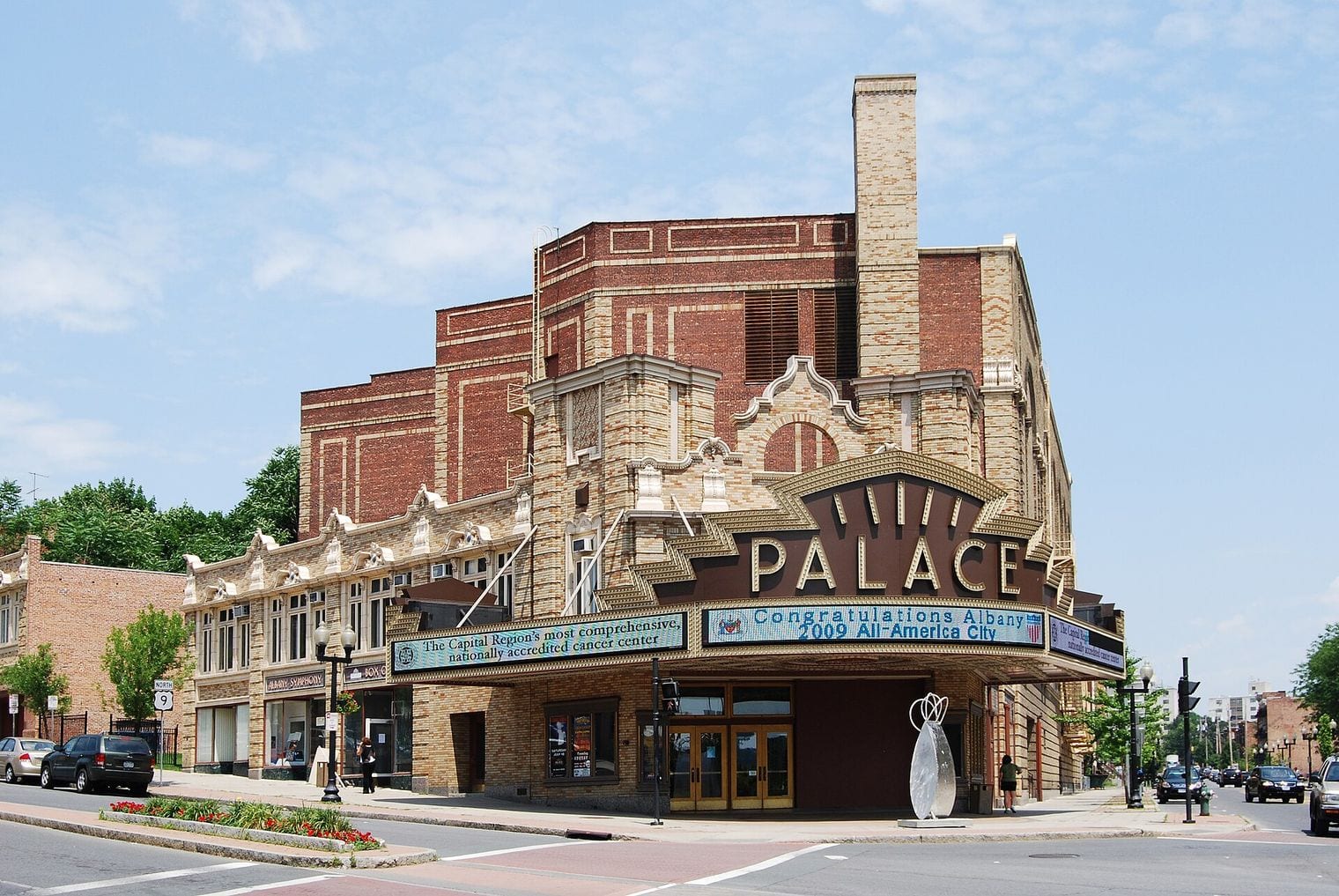
A grand movie palace opened in 1931 as Albany's largest, the Palace Theatre was designed by celebrated theatre architect John Eberson, whose flair for showmanship shaped its sweeping, ornate interior. It stands today as a proud landmark of the city's golden age of cinema, a survivor from an era when going to the movies felt like an occasion.
After nearly closing in the late 1960s, it was rescued by the City of Albany and reborn as one of the region's leading event venues. Today you can catch concerts, ballets, Broadway shows, comedy nights and screenings of classic films beneath its historic ceiling, making it a lively cornerstone of downtown's cultural scene.
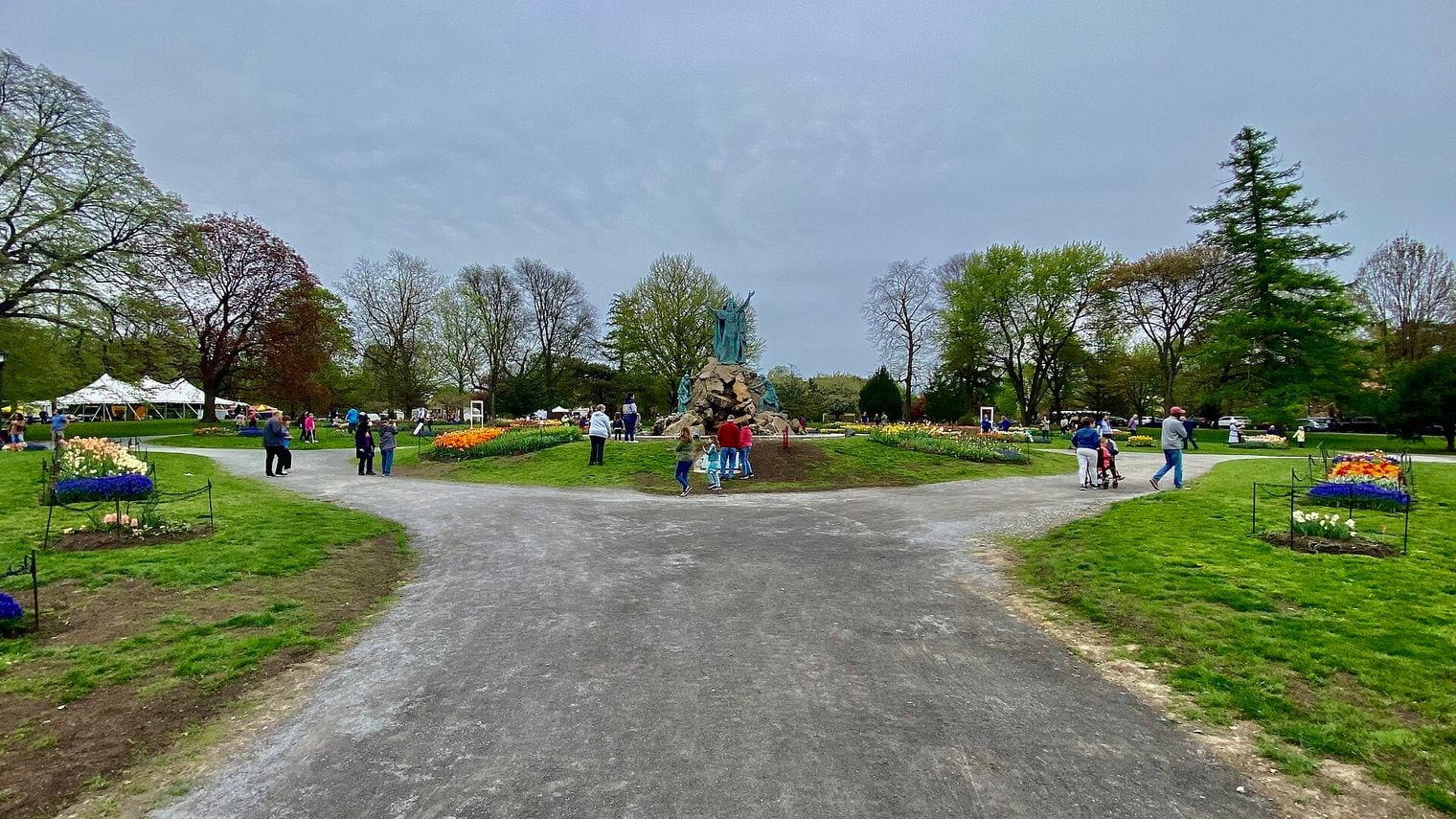
Moses Fountain rises at the heart of Washington Park, a striking centerpiece that Albany locals have gathered around since 1893. Officially the King Memorial Fountain, it honors Albany banker Rufus King, whose bequest funded its creation. Take a moment to admire the craftsmanship and settle in on a bench nearby to watch park life unfold.
Look closely and you'll see a 10-foot Moses standing atop a pile of rugged rocks. The design draws on the biblical story of Moses striking a rock to bring forth water, a fitting theme for a fountain. It's an easy, rewarding stop while you explore the rest of Washington Park's leafy paths and open lawns.
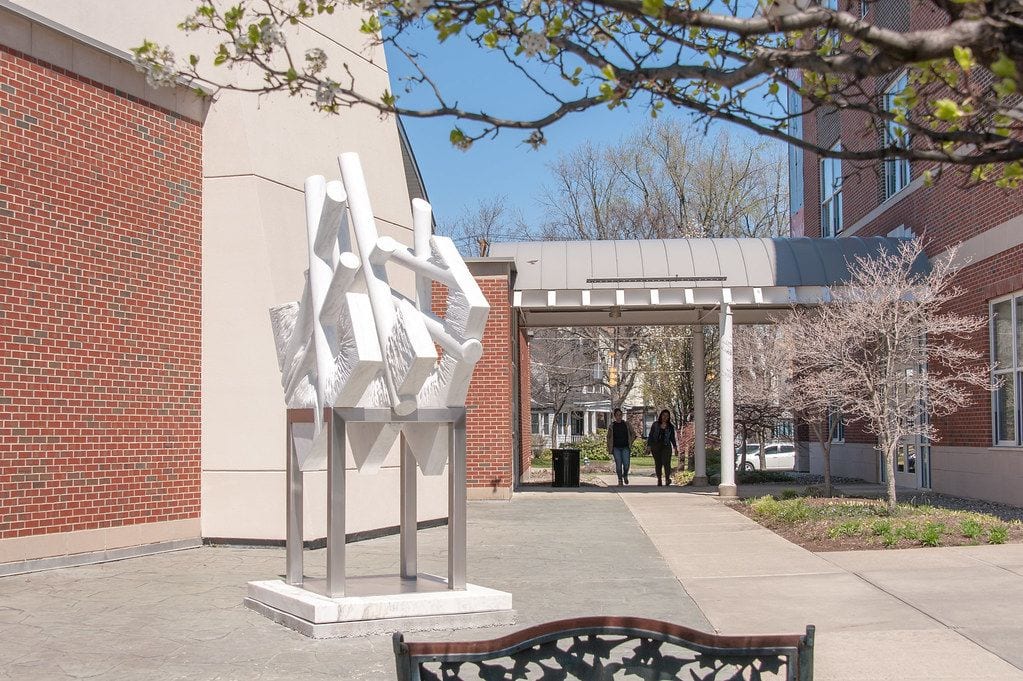
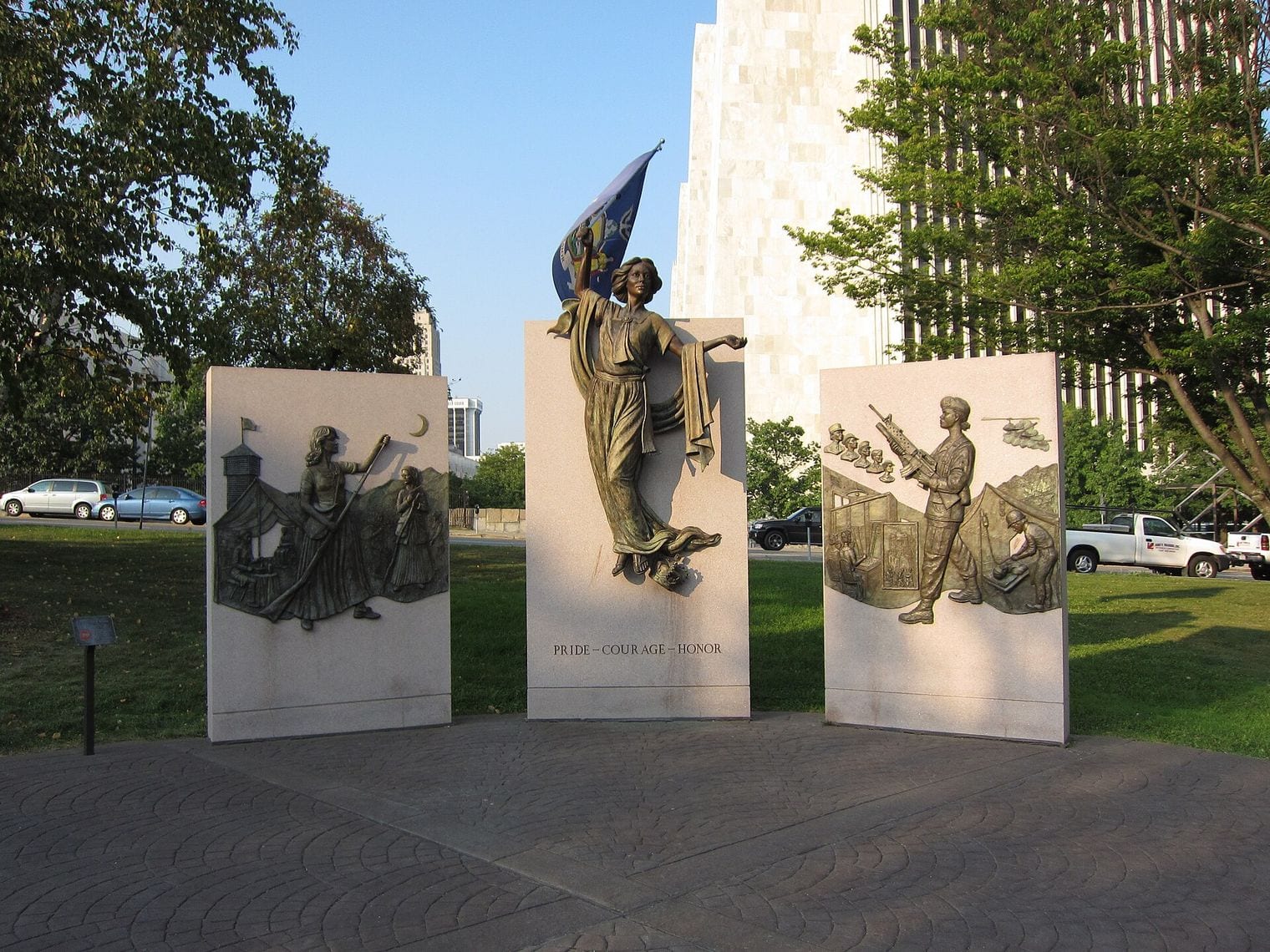
New York's servicewomen finally get their due at the New York State Women Veterans Memorial, a bronze and granite tribute completed in 1998 beside the New York State Museum. It honors the countless women from across the state who have served in the armed forces, giving their long-overlooked contributions a permanent, dignified place in the capital.
Designed by local artist Hy Rosen, the memorial rewards a slower, more reflective visit. A grove of Japanese zelkova trees encircles the sculpture, softening the surrounding cityscape and creating a genuinely quiet spot to pause. Whether you served, know someone who did, or simply want a peaceful moment, it makes a moving stop downtown.
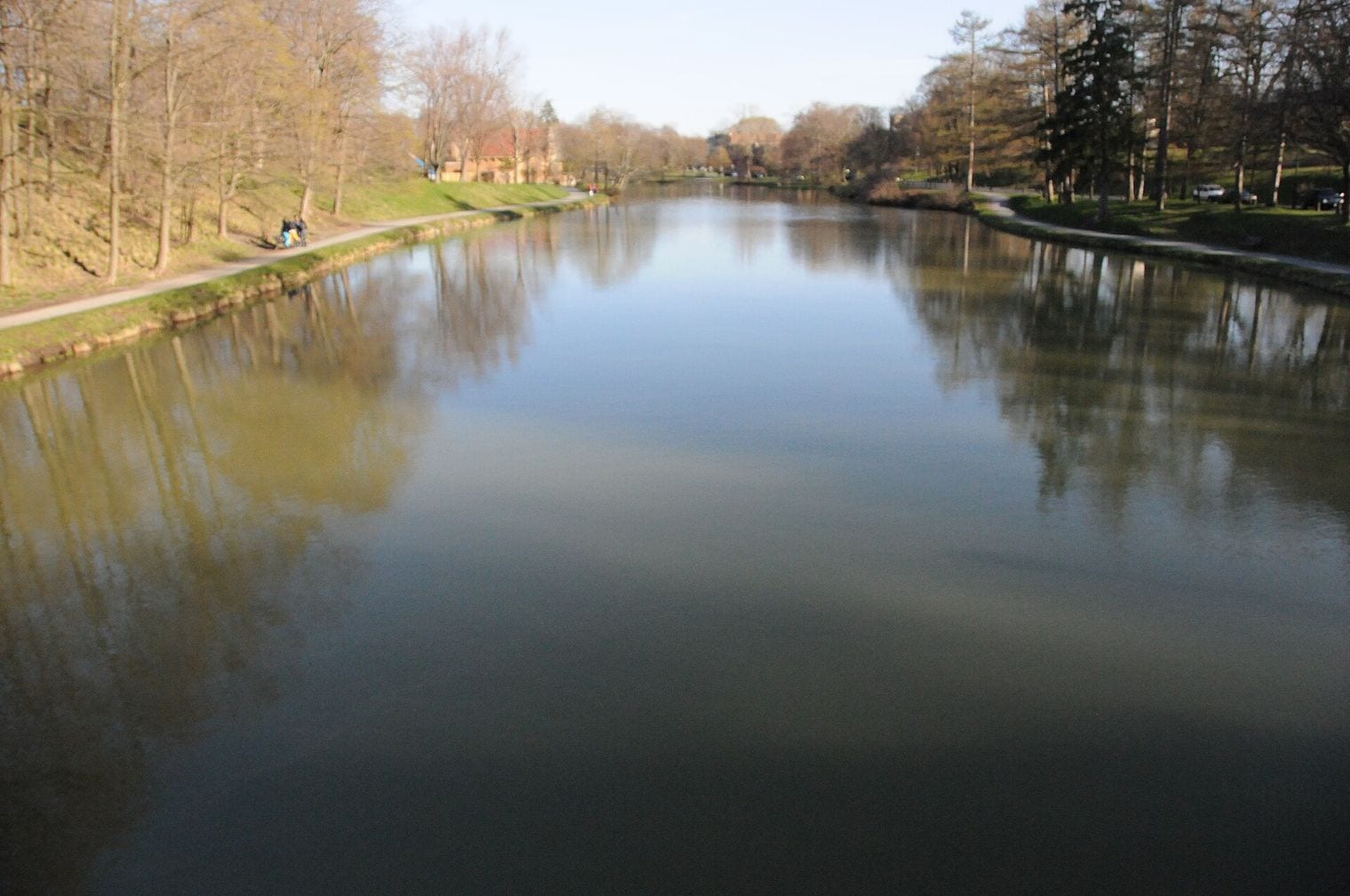
Tivoli Lake Preserve is a roughly 80-acre urban nature reserve built around Tivoli Lake, and it stands as the largest natural area within the city of Albany. Patroon Creek, a tributary of the Hudson, winds through the grounds, feeding a landscape of wildflowers and resident wildlife that feels far removed from downtown just minutes away.
You can wander the walking, running and biking trails, cast a line for some fishing, or simply watch for birds among the greenery. When snow settles in, the preserve shifts gears for winter, welcoming snowshoers and cross-country skiers onto the same quiet paths, so there is always a reason to lace up and explore.
22. Governor Nelson A. Rockefeller Empire State Plaza
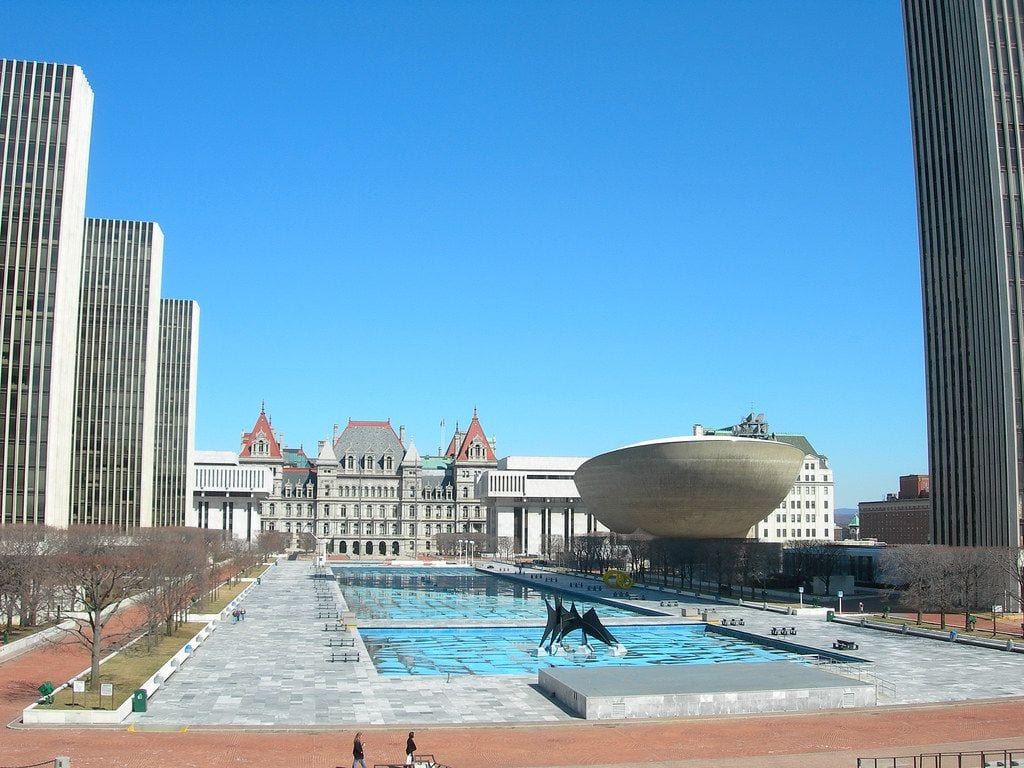
Governor Nelson Rockefeller commissioned this vast government and cultural complex, and Empire State Plaza still anchors civic life alongside the attached State Capitol. Wander the concourse and you will find a sweeping public art collection lining the walls, plus the state office buildings and the striking, egg-shaped Egg performing arts center rising from the marble expanse.
Ride up the Corning Tower for the payoff: its public observation deck crowns the tallest building in New York State outside New York City, spreading the whole region below you. Back at ground level, step into the Cultural Education Center, home to the State Museum, where the region's natural and human history fills room after room.
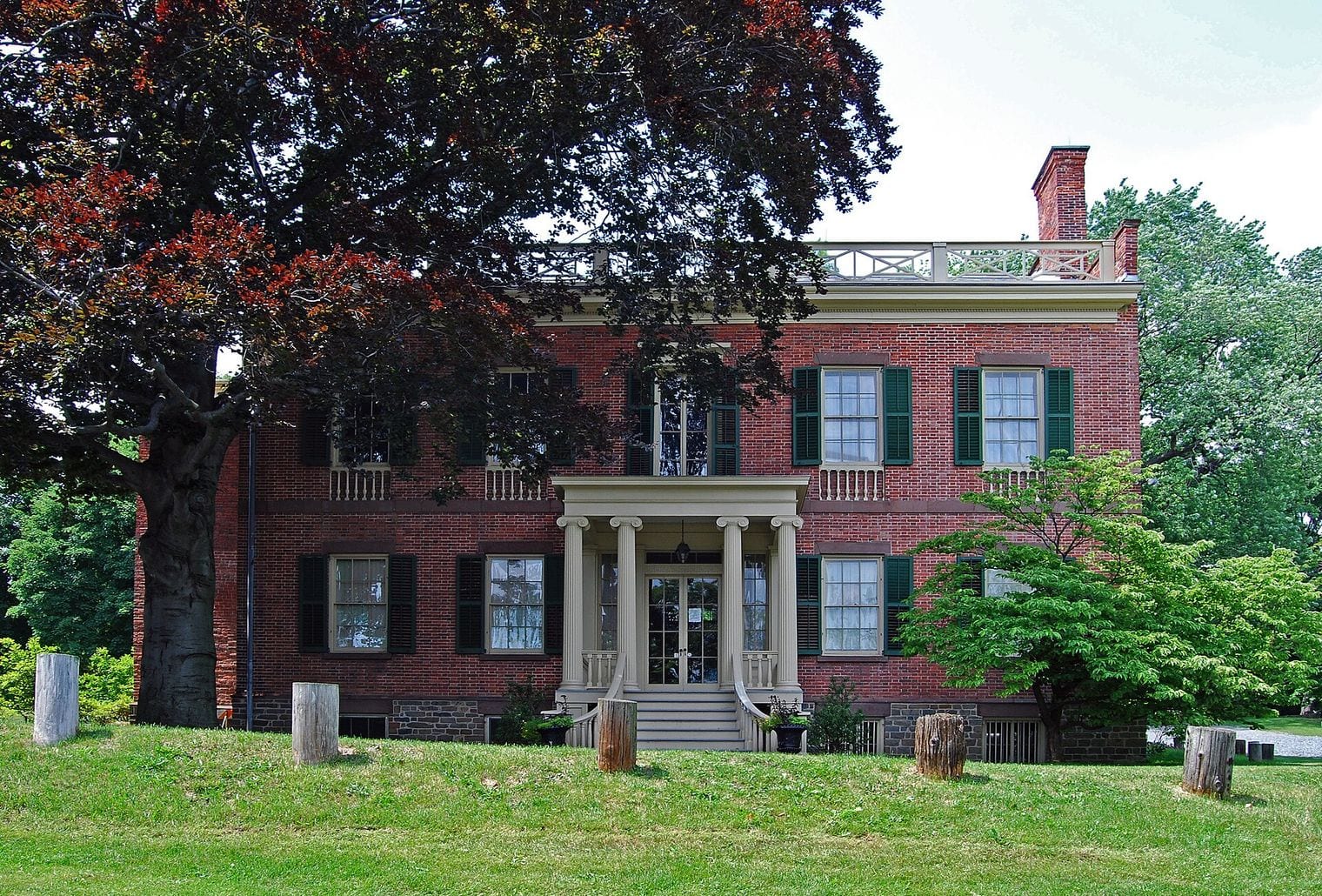
Ten Broeck Mansion crowns Albany's Arbor Hill neighborhood, a Federal-style home built by Revolutionary War general Abraham Ten Broeck and his wife, Elizabeth Van Rensselaer, who fondly named the estate "Prospect." Its handsome proportions and gracious rooms still speak to the ambitions of one of the young republic's leading families.
Later owned by the Olcott family, the house was acquired by the Albany County Historical Association in 1948 and lovingly preserved to reflect 19th-century life. Wander its period rooms and you get a warm, intimate window into how Albany's prominent households lived, entertained, and shaped the city around them.
Crossgates Mall ranks among the largest shopping centers in New York State, and since opening in 1984 it has grown to hold well over a hundred stores under one roof. If you want a break from Albany's historic streets and museums, this is where locals head to browse, wander, and escape the weather in comfort.
Shopping is only part of the draw. You'll also find a cinema for catching a film, plenty of dining options when hunger strikes, and on-site hotels if you'd rather stay close. It makes an easy, all-in-one indoor stop, especially handy on a rainy afternoon or a cold winter's day.
City Line Bar and Grill sits right on the border of Albany and Guilderland, where a modern kitchen puts an Albany spin on international cuisine. Pair your meal with something from a wide list of cocktails, wines, and rotating draft beers, and settle into a relaxed dining room built for lingering over dinner and good conversation.
When the weather turns warm, the patio becomes the place to be, letting you enjoy that same globe-spanning menu and drinks lineup under the open sky. Whether you are winding down after a day of sightseeing or meeting friends for a laid-back night out, it makes an easy, welcoming stop on the edge of the city.
Getting to Albany
Albany sits at the crossroads of two major interstates, which makes arriving by car simple from almost any direction. I-90 runs east-west through the region, linking the city to New England on one side and to central New York on the other, while I-87, known locally as the Adirondack Northway, carries traffic north toward the mountains and the Canadian border and connects southward via the New York State Thruway toward the lower Hudson Valley. Well-signed exits feed you off the interstates and onto the surface roads that ring downtown.
The city has its own commercial airport a few miles north of the centre, reached directly off the Northway and I-90, with a connector ramp that drops you almost at the terminal. It handles a solid slate of domestic connections, but if you are chasing a wider choice of long-haul or international routes, travellers commonly drive in from a larger hub airport roughly two hours to the southeast. Rail is a genuine alternative here: a major Amtrak station sits just across the Hudson River in the twin community on the east bank, putting Albany on the busy corridor between New York City, Boston, and points north. Long-distance intercity buses also serve the downtown area for a budget-friendly overland option.
Getting Around Albany
Downtown Albany and the neighbourhoods immediately around the Capitol are compact and rewarding on foot, with the government complex, the main museums, and the leafy central park all within an easy walk of one another. The riverside and the older residential streets that climb the hill west of downtown are pleasant to stroll, and if you are basing yourself centrally you can cover most of the marquee sights without ever starting a car. A car is handy, though, once you want to reach the outer neighbourhoods, the airport corridor, or the day-trip country beyond the city, and it is close to essential for anything in the surrounding towns.
A regional public bus network links the downtown core with the outer districts and the suburbs, and rideshare and taxis are readily available for hops that fall between walking and transit. Cyclists will find riverfront paths and some marked lanes, though the hilly terrain rewards a bit of stamina. Street parking downtown fills up on weekday business hours around the government district, but municipal garages and lots absorb the overflow, and parking gets noticeably easier in the evenings, on weekends, and out in the residential and suburban neighbourhoods.
Where to Stay in Albany
For first-time visitors, basing yourself downtown or in the streets just west of the Capitol puts you within walking distance of the state government buildings, the museums, and the central park, and lets you leave the car parked while you explore. The historic residential districts on the hill above downtown trade a little convenience for tree-lined quiet and handsome brownstone-era architecture, and they are still an easy walk or short ride from the core.
If you are passing through by car or want quick highway access, the commercial corridors out near the interchanges of the two interstates and along the airport approach north of the city offer easy in-and-out and simpler parking, at the cost of a less walkable setting. Travellers with business near the colleges and university campuses may prefer the neighbourhoods around them, which stay lively in term time and sit a short transit ride from the centre. Wherever you land, the compact geography means nowhere in the city is truly far from the main sights.
Where to Eat in Albany
Albany’s dining clusters in a few walkable pockets. The blocks around the central park and the lower end of downtown hold the densest run of restaurants and cafes, while the corridor climbing the hill west of the centre and the warehouse-district streets near the river offer everything from casual bars to more ambitious kitchens. These neighbourhoods are close enough together that a good evening can easily wander from one to the next on foot.
Being a capital in the heart of New York State, the food leans hearty and regional. Look for the local take on the open-faced hot roast-beef and gravy plate the area is known for, plus fried-fish sandwiches, hand-rolled Italian specialities and thin-crust pizza from the region’s long-established immigrant kitchens, and diner-style breakfasts anchored by upstate dairy and maple. Autumn brings apple and cider dishes from the surrounding orchards, and the Hudson Valley’s farms keep menus stocked with seasonal produce, cheeses, and craft beverages year-round.
One Day in Albany
Albany rewards a walker who works from the leafy western neighborhoods down through the marble civic core to the Hudson’s edge, so lace up and plan to end the day under a chandelier rather than behind a windshield.
Morning: Start where the city breathes easiest, in Washington Park, whose winding paths, tulip beds, and lake feel a world away from the government district a few blocks east. Make a point of finding the Moses Statue - King Memorial Fountain tucked among the trees — it’s the park’s quiet centerpiece and a good place to gather your bearings with a coffee before the day gets busy.
Evening: Circle back uptown for dinner near the theater district, then settle in for a show at the gilded Palace Theatre, whose 1930s movie-palace interior is worth the ticket even before the curtain rises. If you have a second day, trade downtown for the sandy trails and rare inland dunes of the Albany Pine Bush Preserve on the city’s western fringe — an easy morning of open-air hiking that pairs naturally with a swing through nearby shops on your way out of town.
Free Things to Do in Albany
Much of Albany’s appeal costs nothing. You can tour the ornate New York State Capitol and admire its famous Million Dollar Staircase for free, then walk the concourse of the Empire State Plaza to see one of the largest public art collections in the country. The New York State Museum is free to enter, with exhibits ranging from Adirondack wildlife to a moving 9/11 tribute.
Outdoors, Washington Park, Lincoln Park and the riverfront Corning Preserve are all free to explore, and the nearly 20 miles of trails at the Albany Pine Bush Preserve can be walked at no charge year-round. Time your visit for spring and you can catch Washington Park’s Tulip Festival without spending a cent.
Day Trips from Albany
Albany makes an excellent base for a wider tour of the Northeast, with several worthwhile trips within a couple of hours’ drive. Head about an hour and a half southeast, largely along I-90 through the Berkshire hills, and you reach Springfield, a river city with its own museum quarter and cultural draws. Continue roughly two hours southeast into Connecticut and you arrive at Waterbury, tucked into the wooded valleys of the state’s interior. Push about three hours northeast, threading through Vermont, and you land in Concord, a small and walkable New England capital.
For scenery rather than city streets, the mountains are close at hand. The Catskills rise less than an hour to the south, offering hiking, waterfalls, and Hudson Valley villages, while the vast Adirondack Park lies roughly two and a half hours to the north, with its lakes, high peaks, and classic mountain towns. Just east across the state line, the Berkshire hills deliver forested drives and cultural stops well under an hour and a half away, making for an easy scenic loop back to the city.
FAQ: Visiting Albany
What is Albany known for?
Albany is best known as the capital of New York State and one of America’s oldest cities. It’s famous for its Dutch colonial heritage, the grand State Capitol, the Empire State Plaza, and roughly 400 years of history along the Hudson River.
How many days do you need in Albany?
Two days is enough to see the highlights. That gives you time to tour the Capitol and Empire State Plaza, visit a museum or two and the USS Slater, and still enjoy Washington Park or a Hudson River cruise. A third day lets you add the Pine Bush Preserve and outlying historic sites.
When is the best time to visit Albany?
Late spring is a favorite, when Washington Park bursts into color for the Tulip Festival. Summer brings riverfront concerts and cruises, fall paints the Hudson Valley in vivid color, and winter offers cozy museums and holiday events indoors.
Is Albany worth visiting?
Yes. For a mid-sized city, Albany packs in an unusual concentration of history and free attractions — the State Capitol, world-class museums, a floating WWII warship, colonial mansions and expansive parks — making it a rewarding stop or weekend trip. Its central position also makes it a natural base for a wider New York road trip, with Syracuse about two hours west along the Thruway.
Is Albany a good destination for families?
It is. Huck Finn’s Playland offers free-admission amusement rides, the New York State Museum has hands-on exhibits and a working carousel, and parks like Lincoln Park have pools, playgrounds and winter sledding hills.
How far is Albany from New York City?
Albany is roughly 150 miles north of New York City, about two and a half to three hours by car up the Hudson, and a similar time by Amtrak train along the scenic riverside route.
What outdoor activities are there in Albany?
You can hike nearly 20 miles of trails at the Albany Pine Bush Preserve, walk or bike the riverfront Corning Preserve, kayak on the Hudson, explore Tivoli Lake Preserve, or relax in the Olmsted-designed Washington Park.