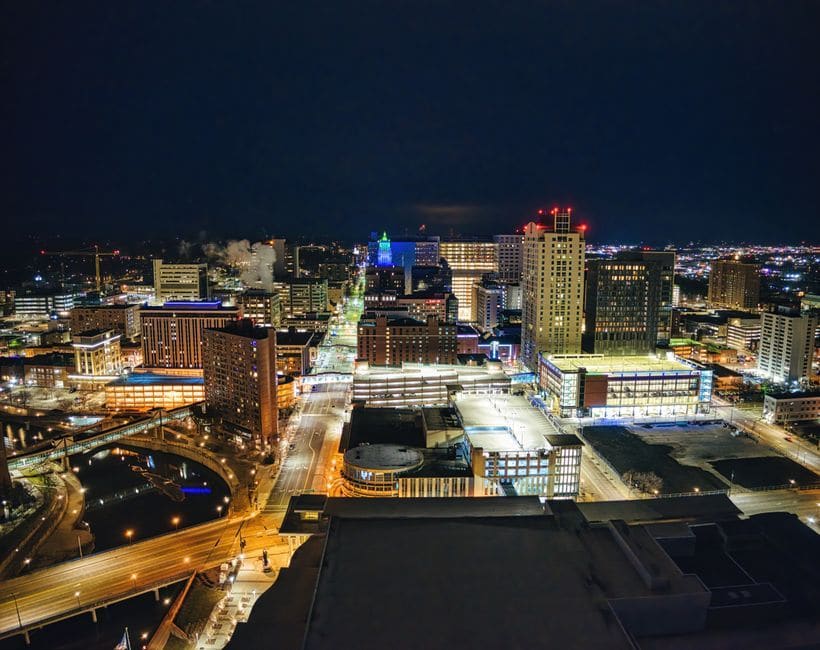
Rochester sits on the Genesee River where it tumbles toward Lake Ontario, at the heart of New York’s Finger Lakes region. Once the flour-milling boomtown known as the “Flour City” and later the “Flower City” for its nurseries, it became the home of Kodak and Xerox and a birthplace of the abolition and women's rights movements — a compact city with an outsized cultural legacy.
That history shows up everywhere, from a 96-foot waterfall in the middle of downtown to world-class museums, historic parks, and a lakeside beach. Whether you come for art, science, family fun, or a stroll along the Erie Canal, here are the 25 best things to do in Rochester.
Fun Facts About Rochester, New York
Rochester is nicknamed both the Flour City and the Flower City — first for its 19th-century flour mills powered by the Genesee River, then for its famous nurseries and gardens.
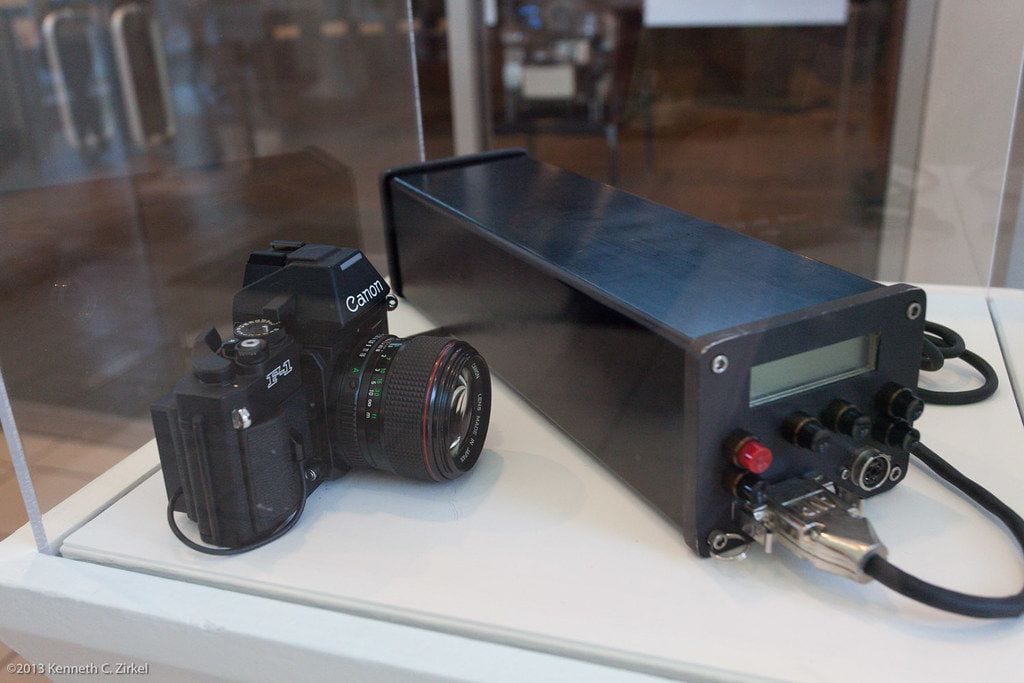
It is the birthplace of Kodak and Xerox, earning it a reputation as the “World's Image Center” of photography, film, and optics.
The city was a hub of the abolition and women's rights movements — home to Susan B. Anthony and, for years, Frederick Douglass.
Downtown Rochester has a 96-foot waterfall, High Falls, roaring through the middle of the city on the Genesee River.
Rochester is the fourth-largest city in New York State, after New York City, Buffalo and Yonkers.
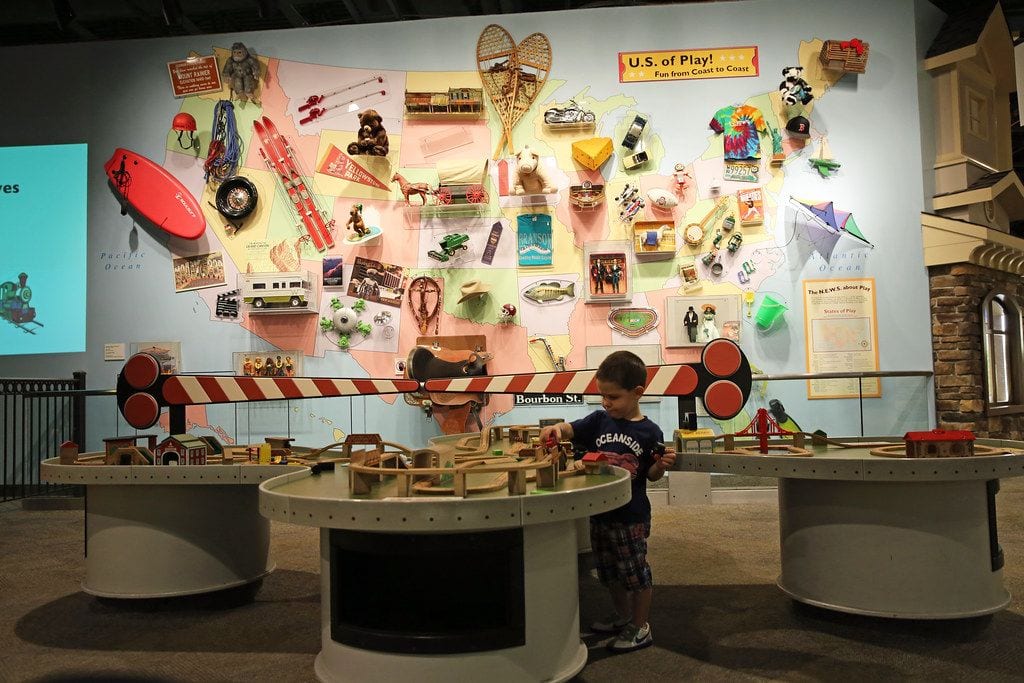
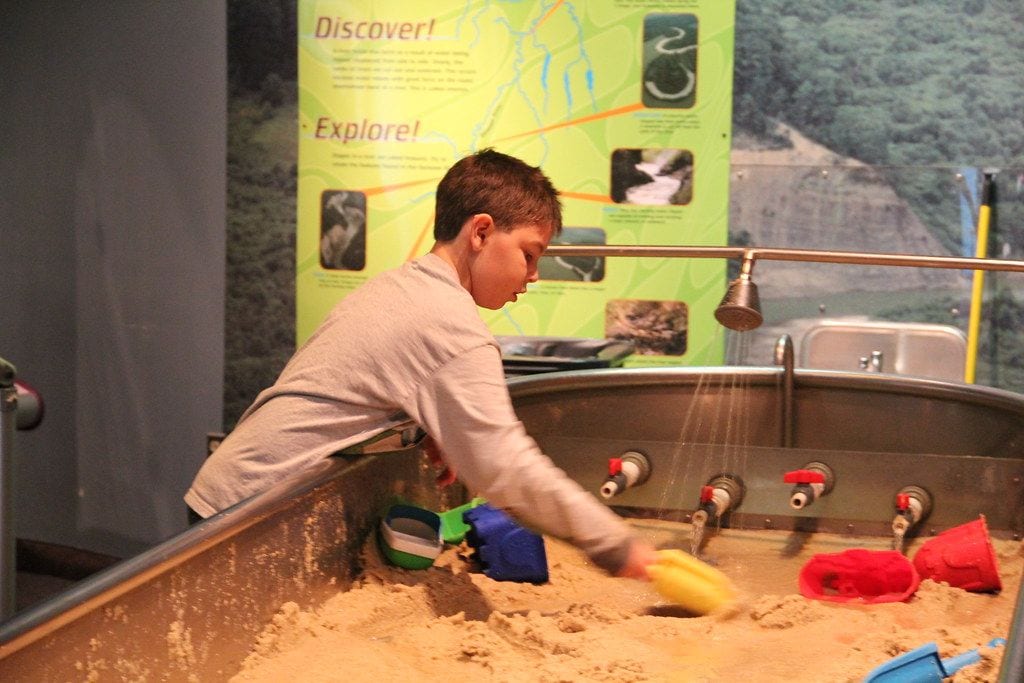
Play takes centre stage at The Strong Museum, the only collections-based museum in the country devoted entirely to it. This is a place where hands-on exhibits invite you to touch, tinker, and explore, and where the joy of games and toys is treated as a subject worth studying, celebrating, and passing down through the generations.
Inside you will find the National Toy Hall of Fame and the World Video Game Hall of Fame, alongside a vast interactive collection that keeps curious hands busy. Following a major expansion, it now ranks among the largest history museums in the country. It is a genuine family favourite, with plenty to delight visitors of every age.
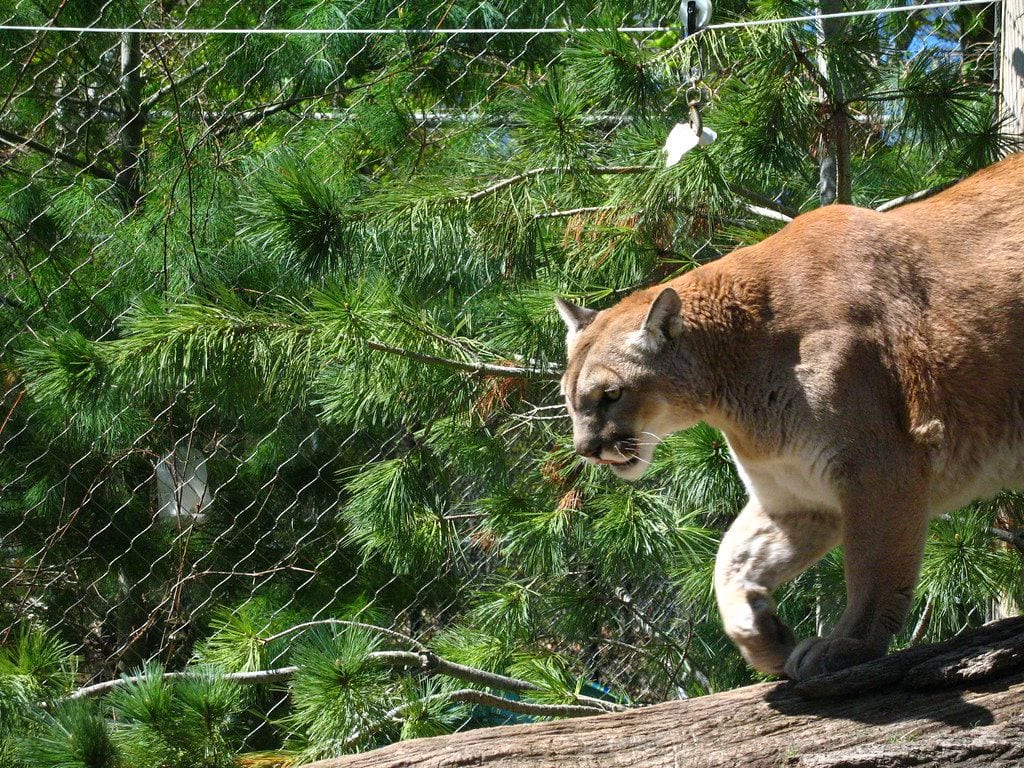
Set along the Genesee River, Seneca Park Zoo has welcomed visitors since 1894, making it one of the oldest cultural attractions in the Rochester area. Wandering its pathways, you move between habitats home to a range of animals, each corner offering an unhurried encounter with wildlife that keeps families lingering far longer than they first intended.
Beyond the pleasure of seeing the animals up close, the zoo threads a genuine sense of purpose through the day, connecting guests with the broader story of conservation and the natural world. It is the kind of place where curiosity leads the way, rewarding a slow, attentive stroll and leaving visitors thinking a little differently about the creatures they share the planet with.
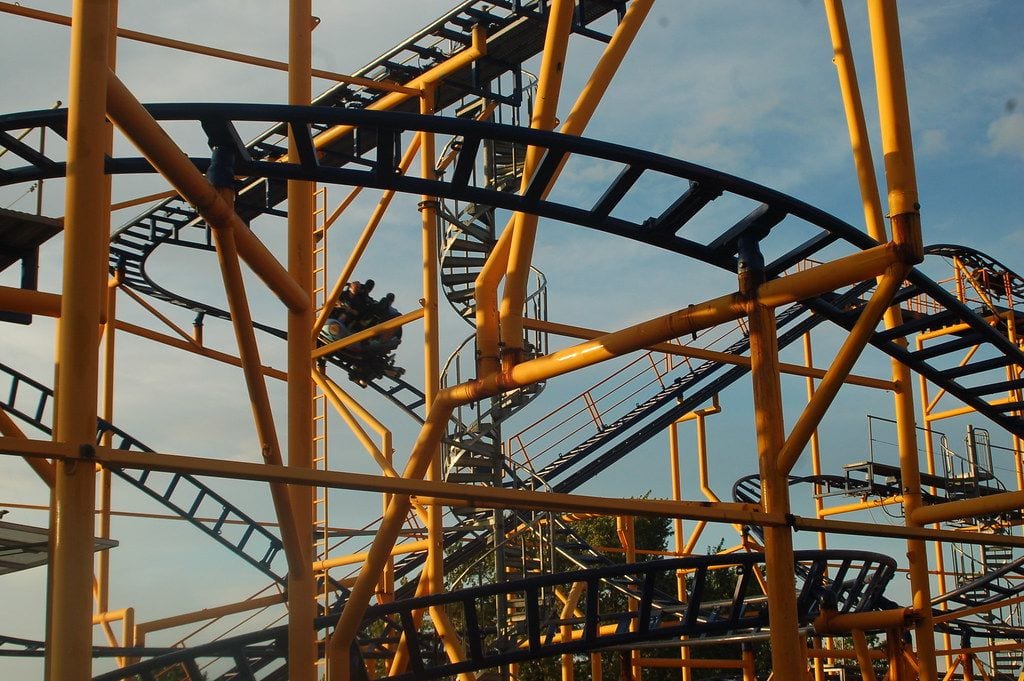
Thrill-seekers and families have been streaming to Seabreeze Amusement Park since 1879, making it the fourth-oldest operating amusement park in the country and the thirteenth-oldest in the world. Perched near Lake Ontario in Irondequoit, it endures as one of the rare surviving trolley parks, a living piece of American leisure history that still hums with laughter and motion.
Spend a day here and you can drift between roller coasters, gentle family rides, and a bustling midway lined with games and treats. When summer heat sets in, the on-site water park offers a welcome cool-down. It is the kind of place where generations of visitors return, each finding something to love beneath the lakeside sky.
Set in the founder of Eastman Kodak’s stately Colonial Revival mansion, the George Eastman Museum is the oldest photography museum in the world. It pairs the industrialist’s beautifully restored historic home and surrounding gardens with major collections devoted to photography and film, all gathered on the grounds where he once lived.
Wandering the period rooms and landscaped grounds gives you a feel for the man whose company made picture-taking accessible to ordinary people. The galleries then trace the wider story of the image, celebrating a Rochester landmark that anchors the city’s proud image-making heritage and rewards anyone curious about how photographs and film came to be.
The Rochester Museum & Science Center invites you to explore science and natural history through hands-on exhibits that reward curiosity. Displays span the natural world and human ingenuity, giving families and visitors of all ages plenty to touch, test, and discover together as they wander from one interactive gallery to the next.
Tied to the museum is the Strasenburgh Planetarium, where immersive shows carry you far beyond the city lights. Programs trace the planets of our solar system and reach out into the wider universe, making abstract cosmic ideas feel vivid and close. It is an easy, engaging stop for anyone who loves looking up and wondering.
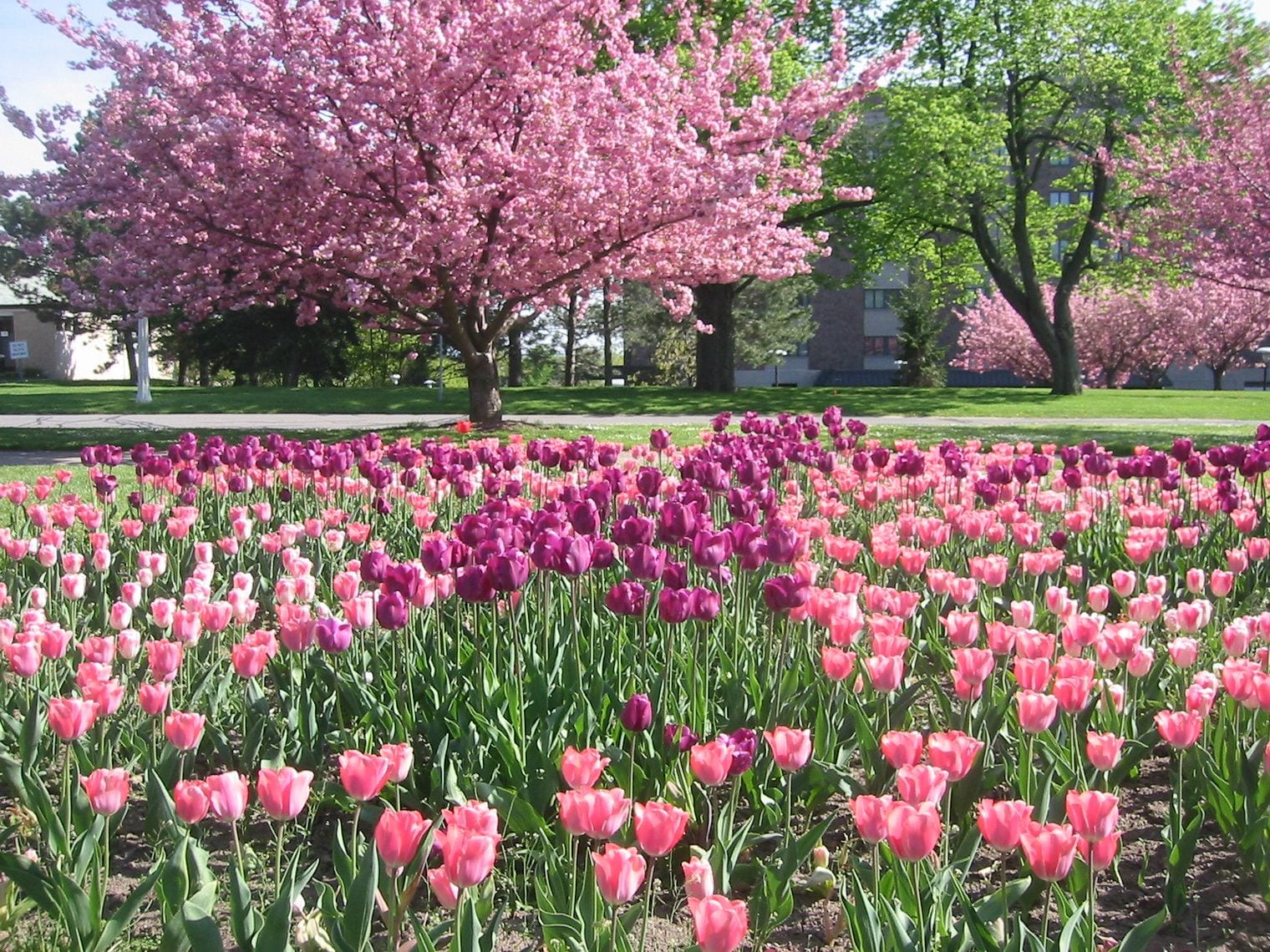
Rolling landscaped grounds designed by Frederick Law Olmsted make Highland Park one of Rochester’s most graceful green retreats. Best known for its remarkable lilac collection, the park bursts into fragrant color each spring, drawing crowds to the beloved Lilac Festival. Winding paths and gentle hills invite unhurried strolls beneath a canopy of mature, thoughtfully arranged trees.
Beyond the celebrated lilacs, the park nurtures a rich variety of flowers and trees that keep the scenery changing through the seasons. It’s an easy place to slow down, spread out a blanket, or simply wander and take in the carefully composed landscape. Whether you come for the blooms or the quiet, the setting feels endlessly restful.
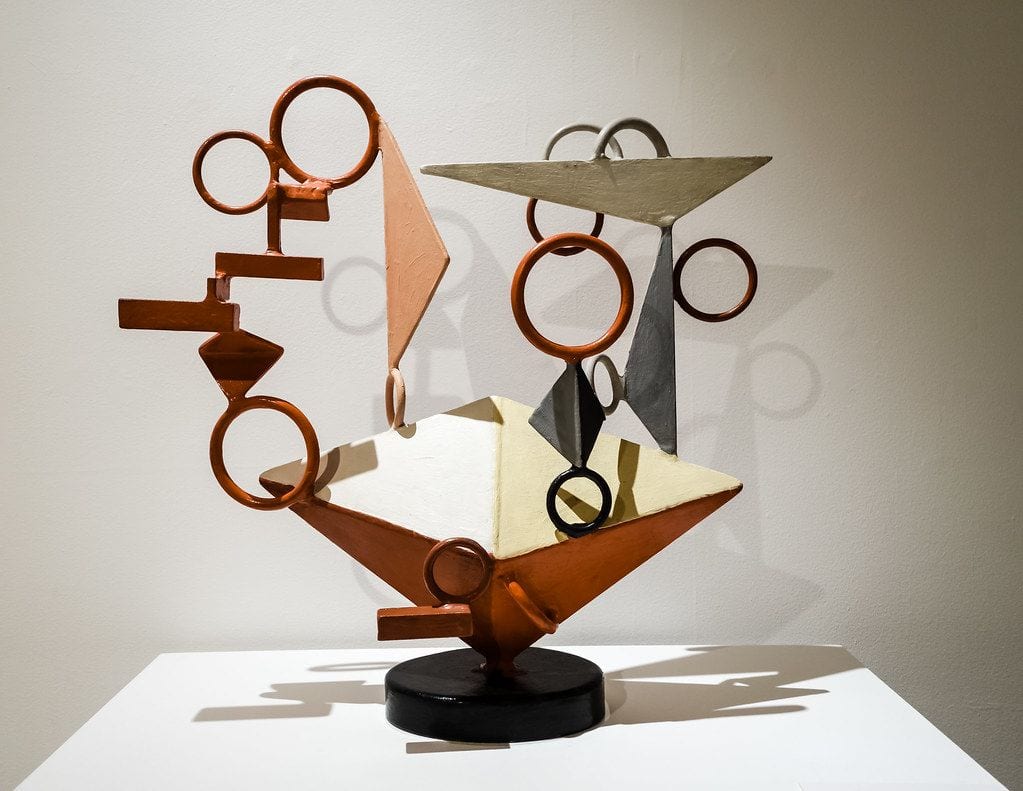
Set within the University of Rochester, the Memorial Art Gallery is the campus art museum, though it opens its doors to the wider public as much as to students. Its permanent collection is an encyclopedic one, gathering works that reach across many centuries and many cultures, so a single visit moves easily between eras and continents without ever feeling narrow.
That breadth is the real draw here, giving the museum a well-regarded reputation as a place where curiosity is rewarded rather than tested. Rotating exhibitions keep the experience changing from one season to the next, layering fresh themes and perspectives over the standing collection, so returning visitors nearly always find something they have not encountered before waiting on the walls.
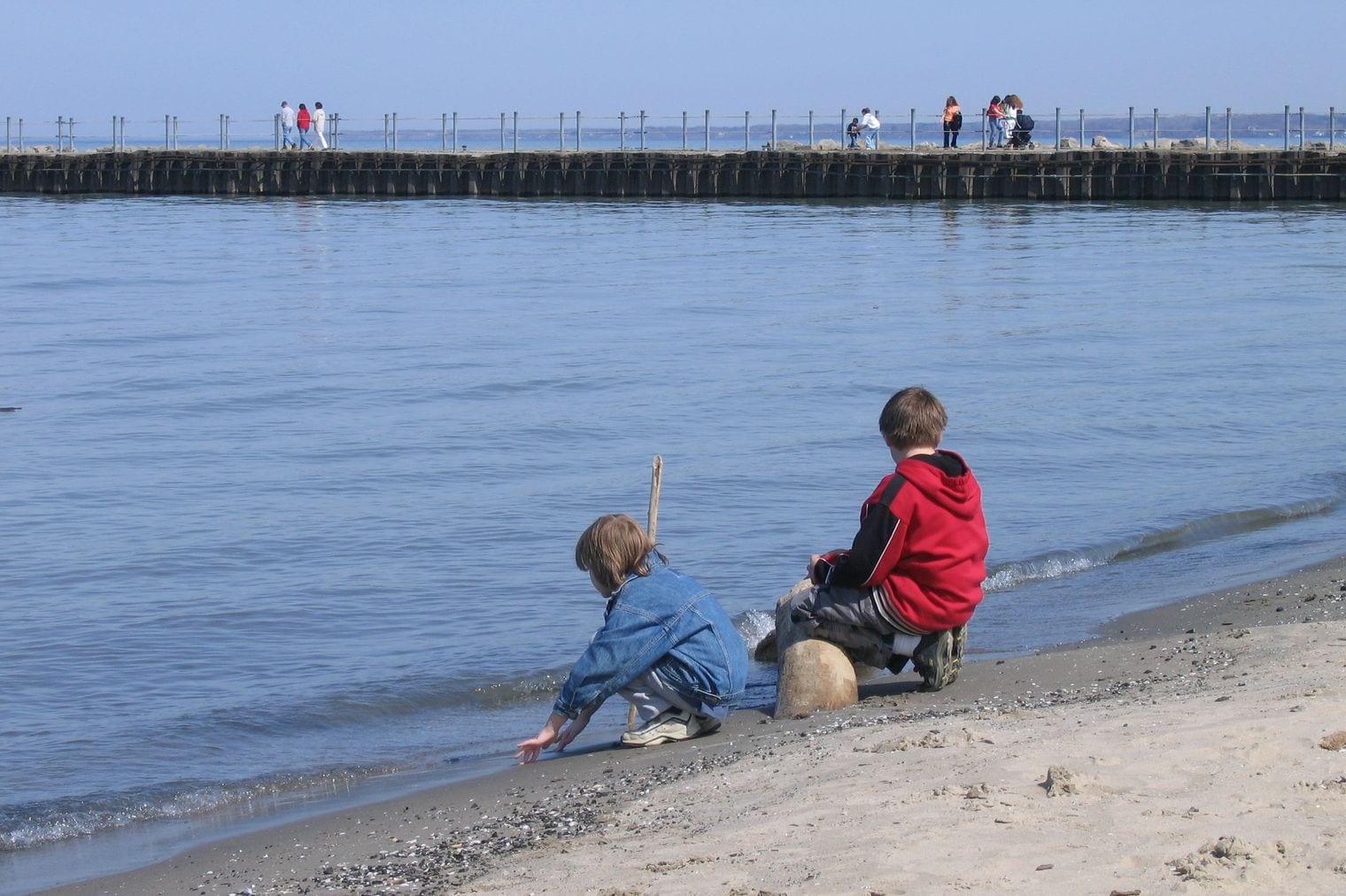
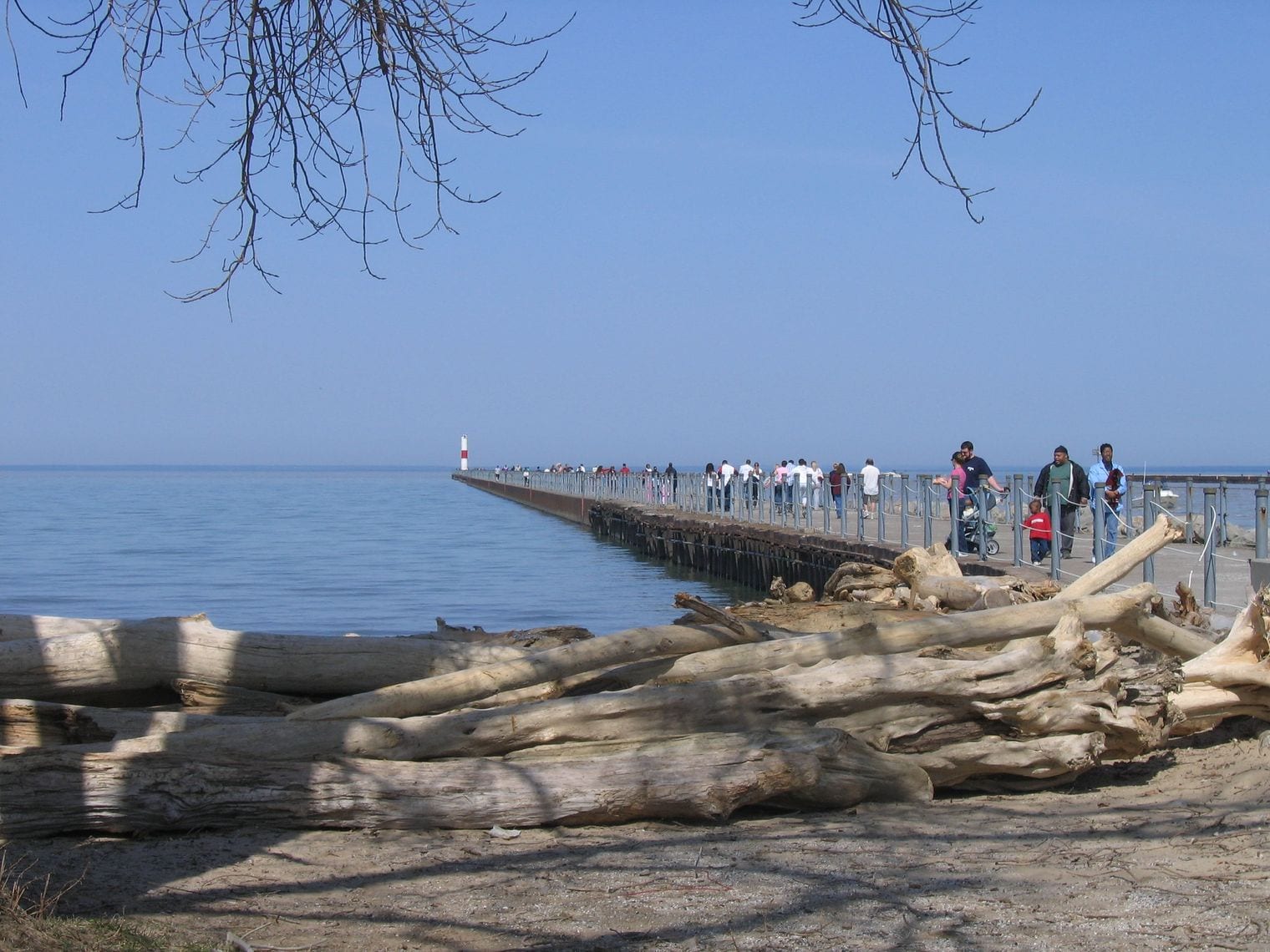
On the Lake Ontario shore in the Charlotte neighbourhood, where the Genesee River meets the lake, Ontario Beach Park spreads across 39 acres of Monroe County waterfront. It claims one of the Great Lakes’ finest natural sand beaches, a stretch that fills with sunbathers and swimmers through the warm months and draws big, cheerful crowds all summer long.
Beyond the sand, a pier and boardwalk reach out toward the water, perfect for a slow stroll or a spot of fishing with the lake breeze at your back. Shaded picnic areas invite lingering, and the historic 1905 Dentzel carousel keeps turning nearby, a charming nod to the park’s long history as a lakeside gathering place.
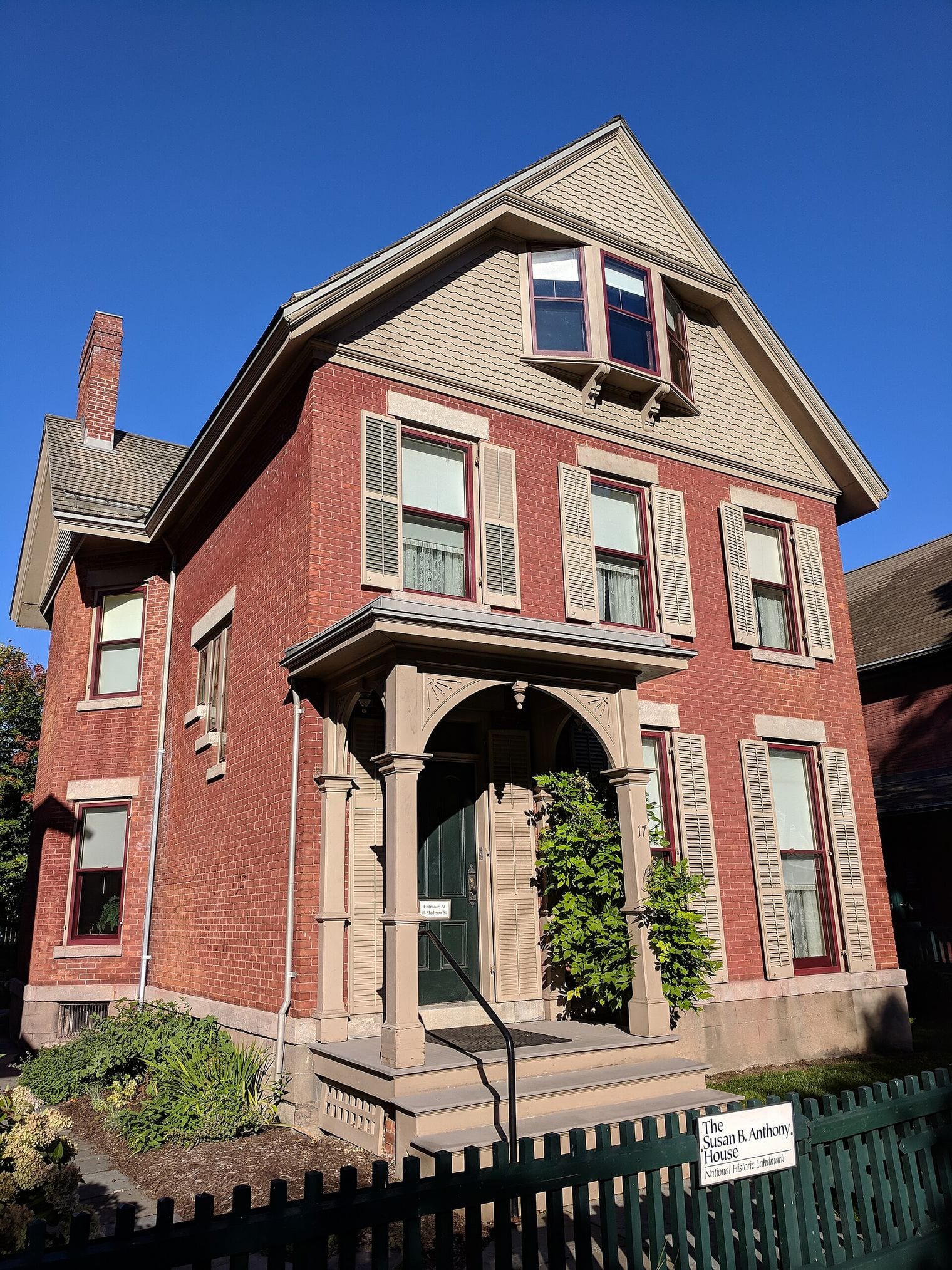
Step inside the National Historic Landmark where Susan B. Anthony lived until her death in 1906, and you enter the world of a pioneering American suffragist and women’s rights leader. This is the very home where she was famously arrested in 1872 for casting a vote, a bold act that helped galvanize a movement still felt today.
Preserved rooms and thoughtful exhibits bring her decades of activism vividly to life, letting you trace both the private woman and the public reformer. Docent-led guided tours anchor the experience, offering context and stories that transform a simple house into a moving meditation on courage, persistence, and the long, unfinished fight for equal rights.
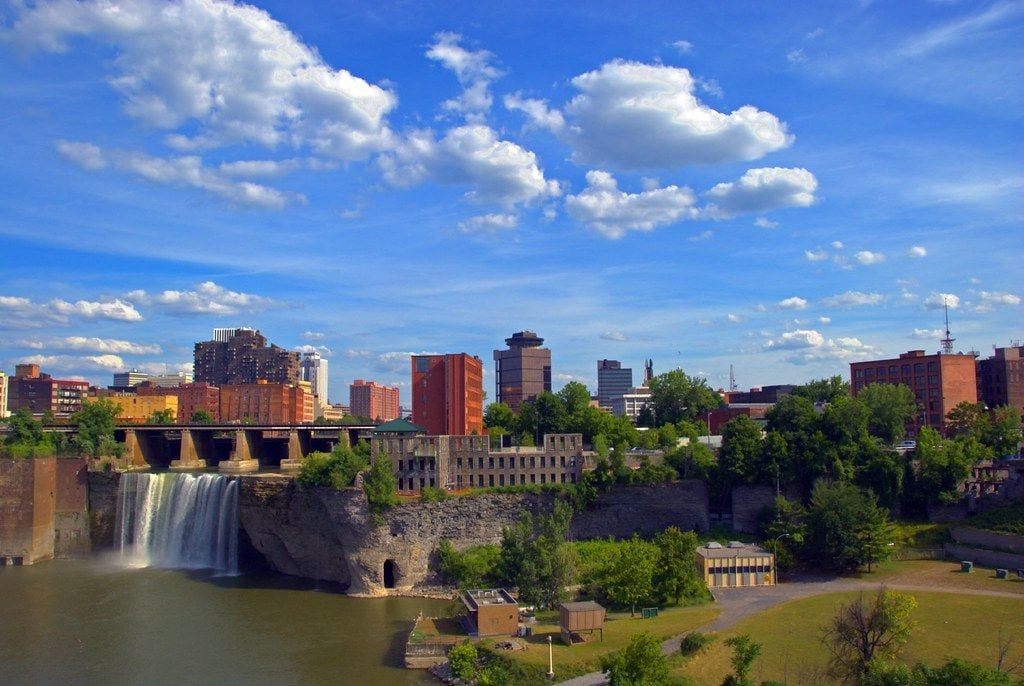
Right in the heart of downtown Rochester, High Falls sends the Genesee River plunging 96 feet, the tallest of the three waterfalls the river carves through the city. Its churning power once turned the wheels of the flour mills that earned Rochester its enduring nickname, the Flour City, making this a spot where nature and industry meet.
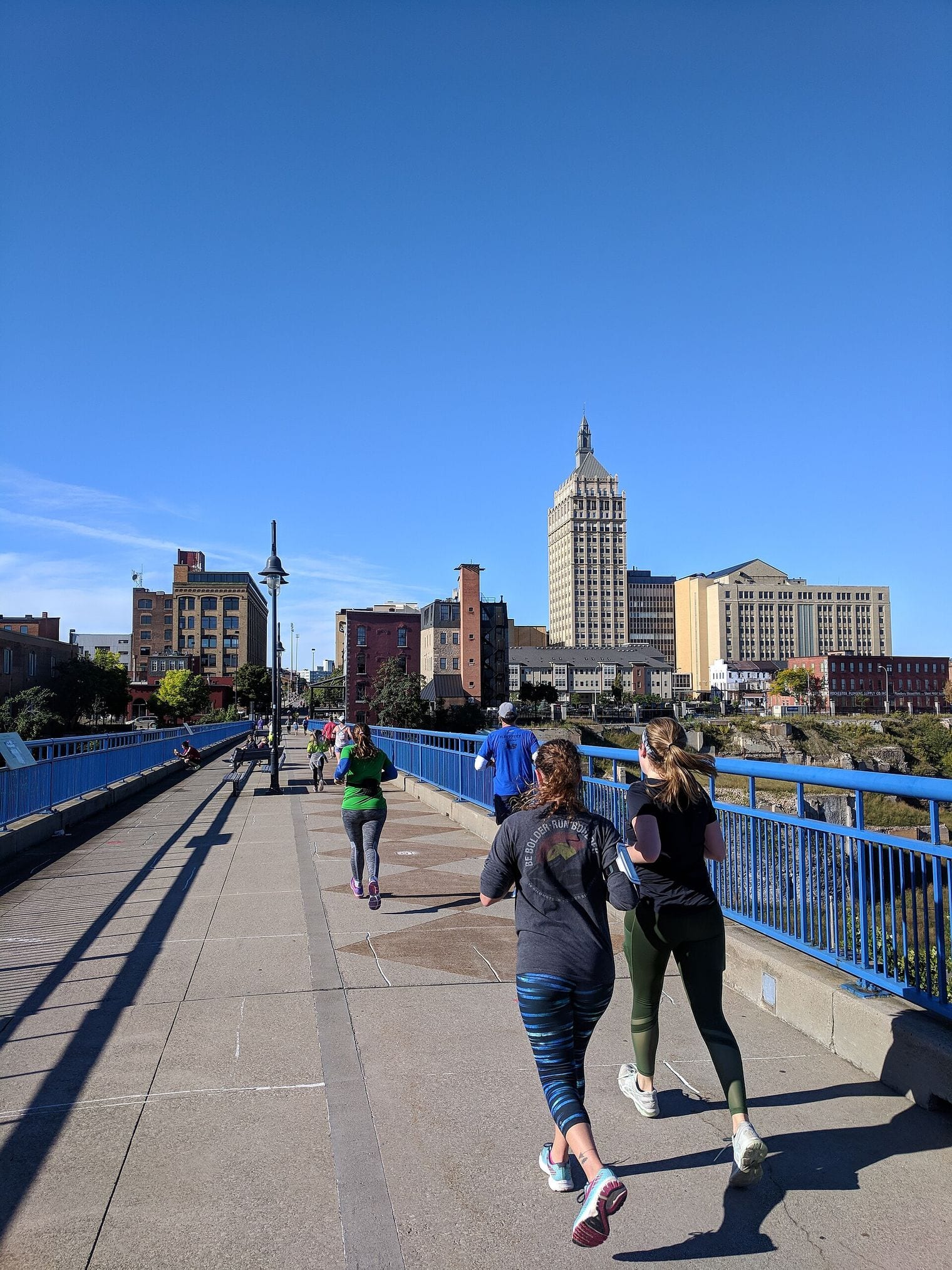
Today the cascade is a free spectacle you can take in on foot. The Pont de Rennes pedestrian bridge stretches across the gorge for a head-on view of the water thundering below, while nearby overlooks offer more angles. It is an easy, memorable stop that reveals the raw natural force sitting quietly at the center of the city.
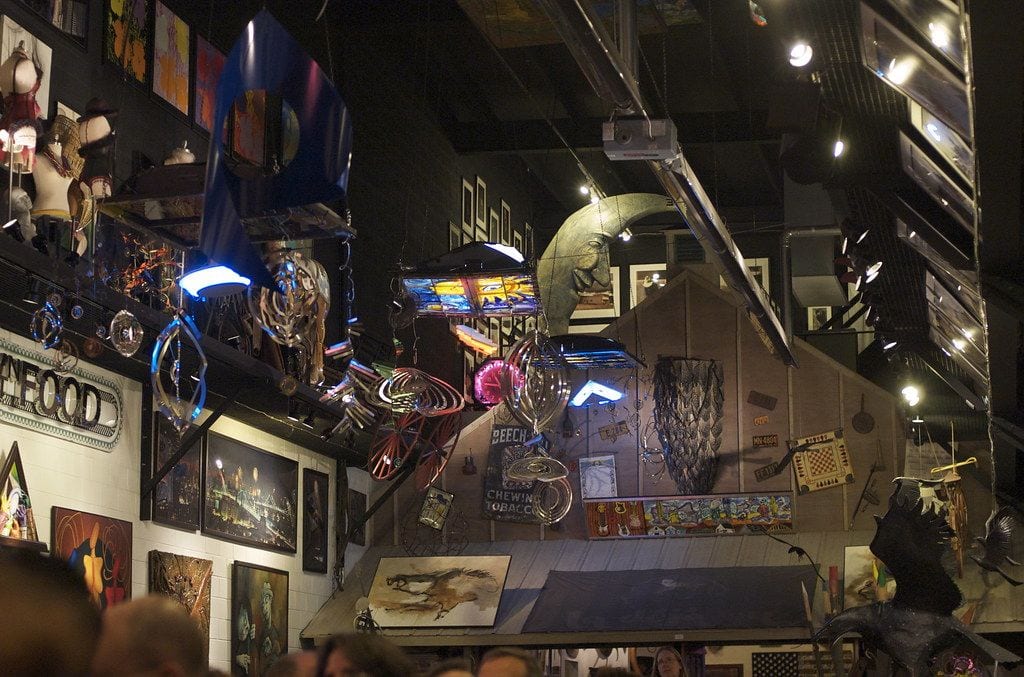
Set inside a sprawling building on Blossom Road, Artisan Works is a large not-for-profit art space that ranks among the most eclectic corners of the city. Every surface overflows with paintings, sculpture, and rare antiques gathered from around the world, creating an immersive, maze-like environment where the boundary between gallery and treasure hunt happily dissolves.
Rather than a hushed white-cube gallery, this is a place to wander, linger, and lose track of time as one room spills into the next. Rotating collections and traveling exhibitions keep return visits fresh, and the whole space is designed to spark creativity, inviting you to slow down and let the sheer abundance of art wash over you.
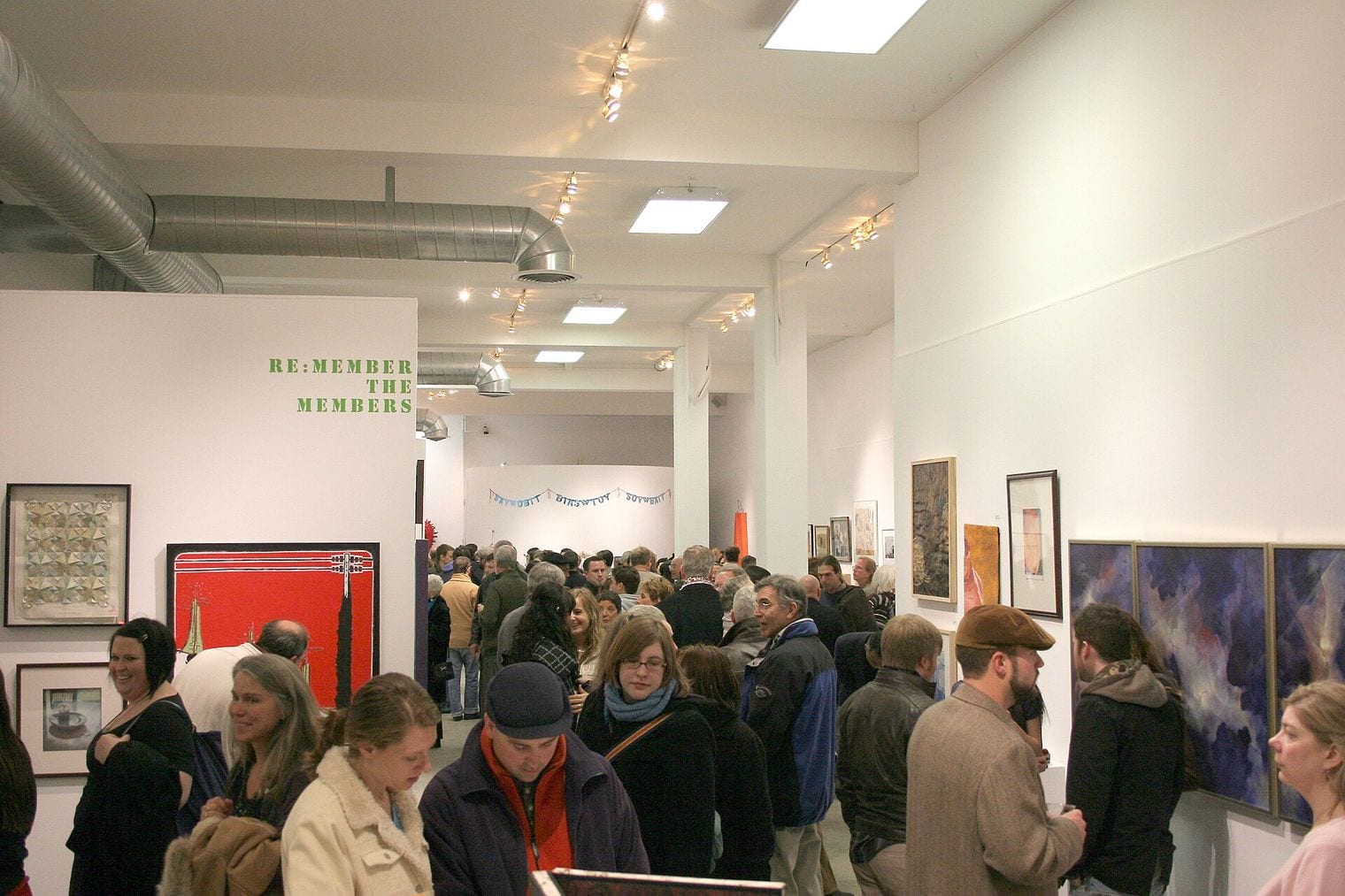
Tucked into the heart of downtown, the Rochester Contemporary Art Center, known affectionately as RoCo, serves as a hub for cutting-edge creativity. Its rotating exhibitions spotlight thoughtful, forward-looking work and open real opportunities for artists from around the world, making every visit feel fresh and worth returning to.
Come after dark and the experience shifts again, thanks to outdoor lighting installations that let art spill beyond the gallery walls and into the city streets. Whether you are a serious collector or simply curious, the ever-changing shows reward an open mind and offer a genuine window into today’s contemporary art scene.
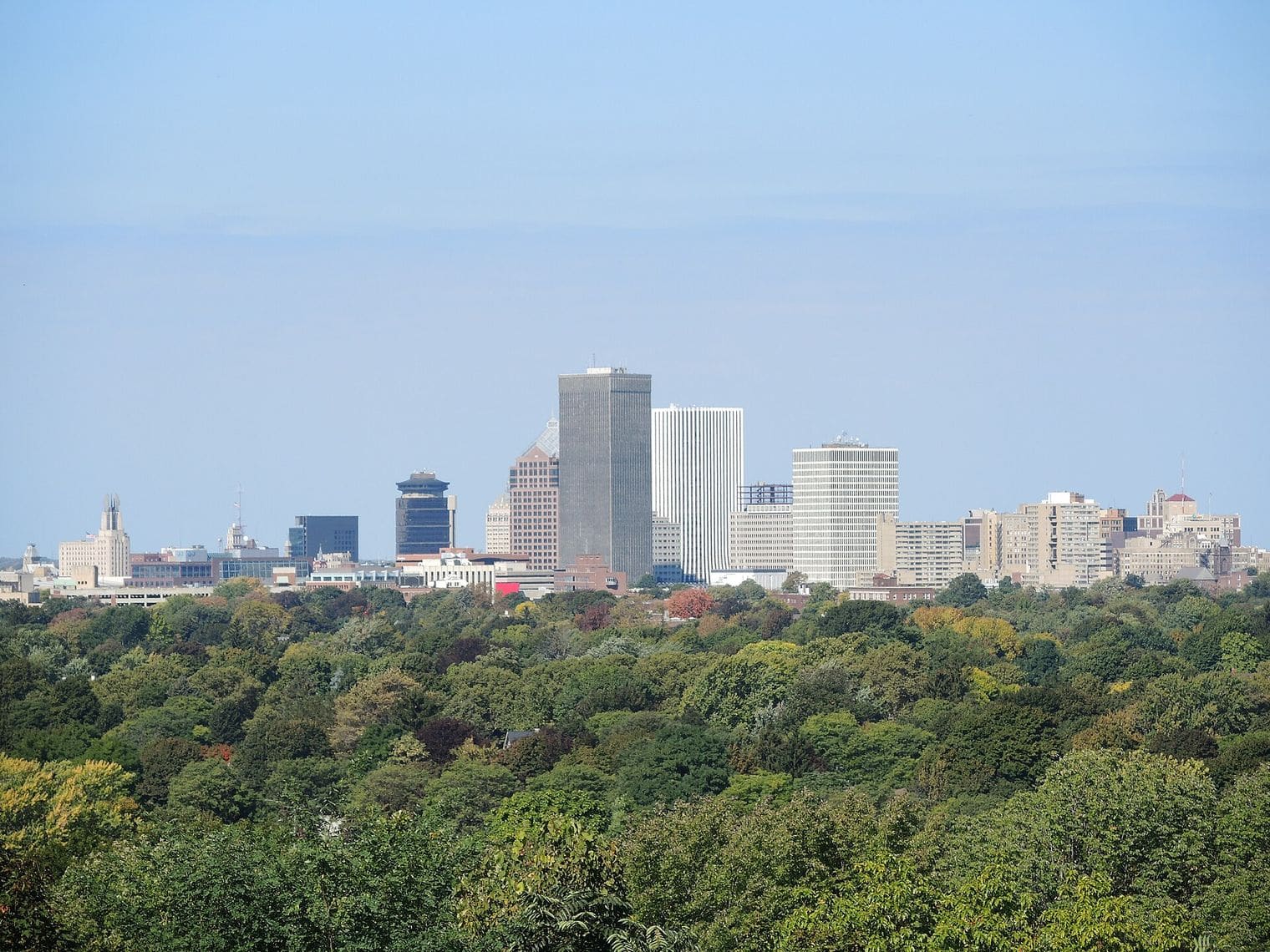
Rising above the surrounding streets, Cobb’s Hill Park crowns one of Rochester’s high points and rewards the climb with some of the best skyline views in the city. A reservoir sits at the top, ringed by a walking path that draws a steady flow of walkers and runners looping around the water while the whole city and its outskirts spread out below.
Beyond the reservoir loop, the hilltop opens into landscaped green space with broad, open lawns that invite lingering on a clear day. It is an easy, unhurried place to stretch your legs, take in the surrounding area, and watch the light shift over the neighborhoods, whether you come for a brisk run or simply to sit and enjoy the panorama.
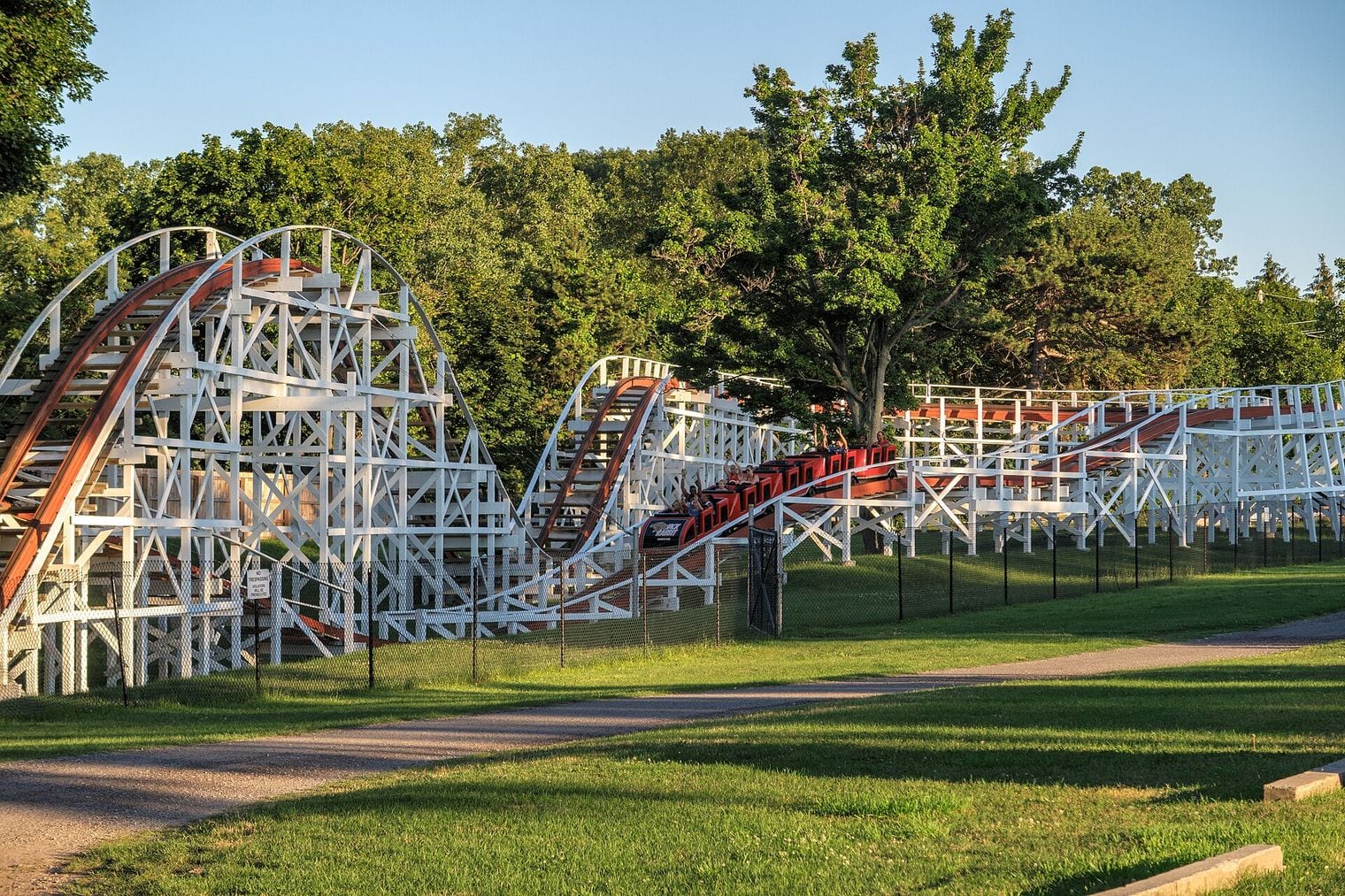
Tucked inside Seabreeze Amusement Park, the Jack Rabbit has been thrilling riders since it opened in 1920, and it holds the title of the oldest continuously operating roller coaster in the United States. This classic wooden ride was designed by John A. Miller and built by Harry C. Baker, and more than a century later it is still rattling happily along its track.
Part of the ride’s charm lies in its history: it is the oldest existing coaster to use Miller’s clever under-friction wheel design, an innovation that let cars race through dips and turns without flying off the rails. Climb aboard and you are experiencing a genuine piece of American amusement heritage, still delivering the same simple, wind-in-your-hair joy it always has.
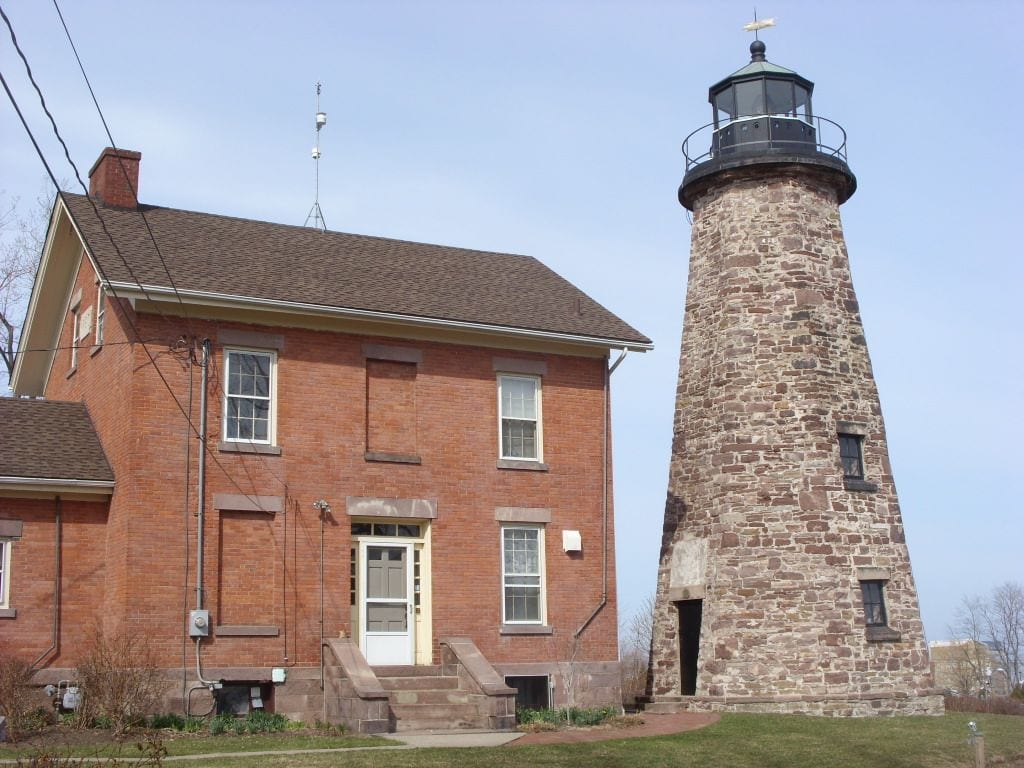
Standing sentinel over the water since 1822, the Charlotte Genesee Lighthouse is the oldest surviving lighthouse on Lake Ontario. This sturdy 40-foot stone tower rises in Rochester’s northernmost Charlotte neighbourhood, just a short stroll from Ontario Beach. Listed on the National Register of Historic Places, it has quietly watched over the shoreline for two centuries.
Open seasonally to visitors, the tower invites you to climb toward sweeping views across the lake and the mouth of the Genesee River. A small museum at its base tells the story of the keepers and vessels that once relied on its guiding light. It is a peaceful, atmospheric stop that rewards anyone drawn to maritime history and lakeside scenery.
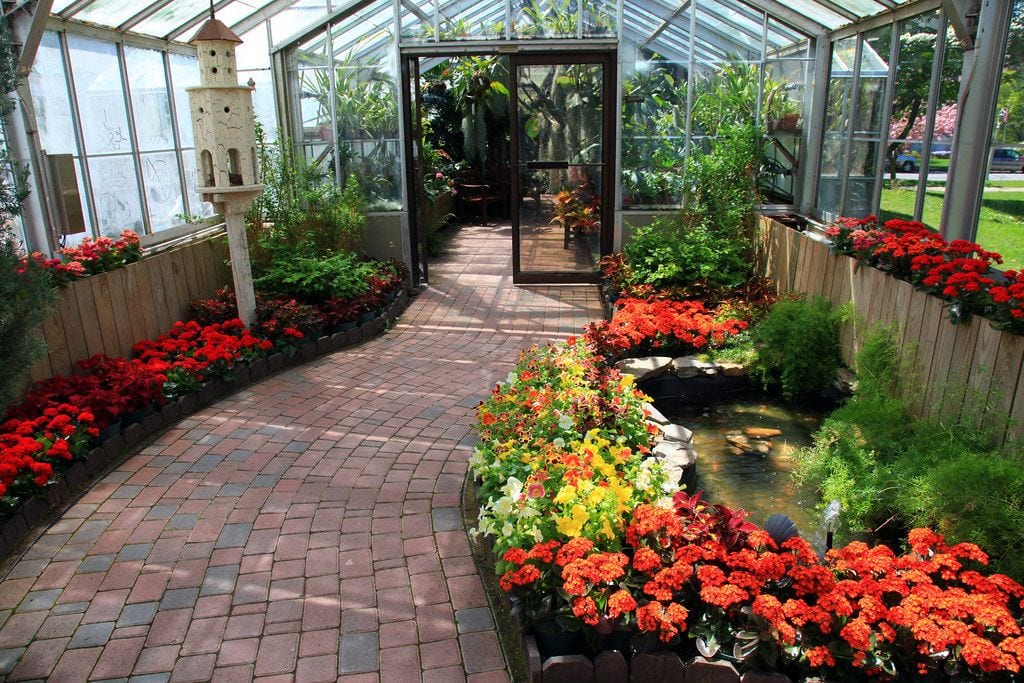
Step out of the weather and into a pocket of the tropics at the Lamberton Conservatory, a glass greenhouse tucked into Highland Park. Under its panes you’ll wander past lush tropical greenery, spiny desert succulents, and rotating seasonal flower displays that shift with the calendar, filling the humid air with color and the earthy scent of living things.
Beyond the plants, a small cast of resident animals gives the space unexpected charm, with turtles ambling underfoot and birds flitting among the foliage. It makes for a warm, unhurried escape that feels especially welcome on a gray winter day, when a few minutes among the greenery can thaw both your fingers and your mood before you head back outside.
Rochester Public Market has drawn shoppers to 280 North Union Street since 1827, making it one of the oldest continuously operating public markets in the country. Just outside downtown, it fills with local farmers, food makers, and small vendors, and over nearly two centuries it has grown into one of the city’s most beloved gathering places.
Come on a Tuesday, Thursday, or Saturday and you can browse seasonal produce, sample the work of regional food artisans, and soak up the easy, neighborly energy that keeps Rochester coming back. Part grocery run, part social outing, the market remains a genuine local institution and a rewarding stop for anyone curious about the city’s food culture.
Stretching along Rochester’s east side just off Lake Ontario, Irondequoit Bay is a broad, scenic sweep of water that draws boaters, anglers, and paddlers throughout the warmer months. Kayakers glide across its calm expanse while lakeside paths invite unhurried walks, making it an easy, refreshing escape into the outdoors close to the city.
The surrounding area rounds out the appeal, with nearby parks offering green space and quiet spots to unwind after time on the water. Durand Eastman beach sits within reach, adding sand and shoreline to a day of exploring. Whether you come to fish, boat, or simply take in the view, it rewards a lingering visit.
Set in Henrietta near the Pittsford area, Tinker Nature Park spreads across 68 acres of walking and nature trails, threading past a wildflower meadow and a wildlife observation blind. It is a quiet, unhurried place to stretch your legs, watch for birds and small creatures, and let the pace of the surrounding countryside settle in around you.
The grounds also hold the Hansen Nature Center, a natural starting point for learning about the local landscape and the wildlife you might spot along the way. Nearby, the Tinker Homestead and Farm Museum adds a glimpse of the area’s rural past. Admission is free, making it an easy, relaxed stop for anyone drawn to the outdoors.
Just outside Rochester in Henrietta, Clubhouse Fun Center packs a full afternoon of activity under one roof and across its grounds. Race around the go-kart track, bump into friends on the bumper cars, work your way through a round of mini golf, or lose track of time among the flashing lights and games of the arcade.
It is the kind of place that turns a gray, drizzly day into an easy win with the kids. When you have had your fill of the rides and screens, try your luck at the gemstone panning station, sifting for colorful stones to take home. Family-friendly and endlessly distracting, it is a dependable go-to when everyone needs to burn off some energy.
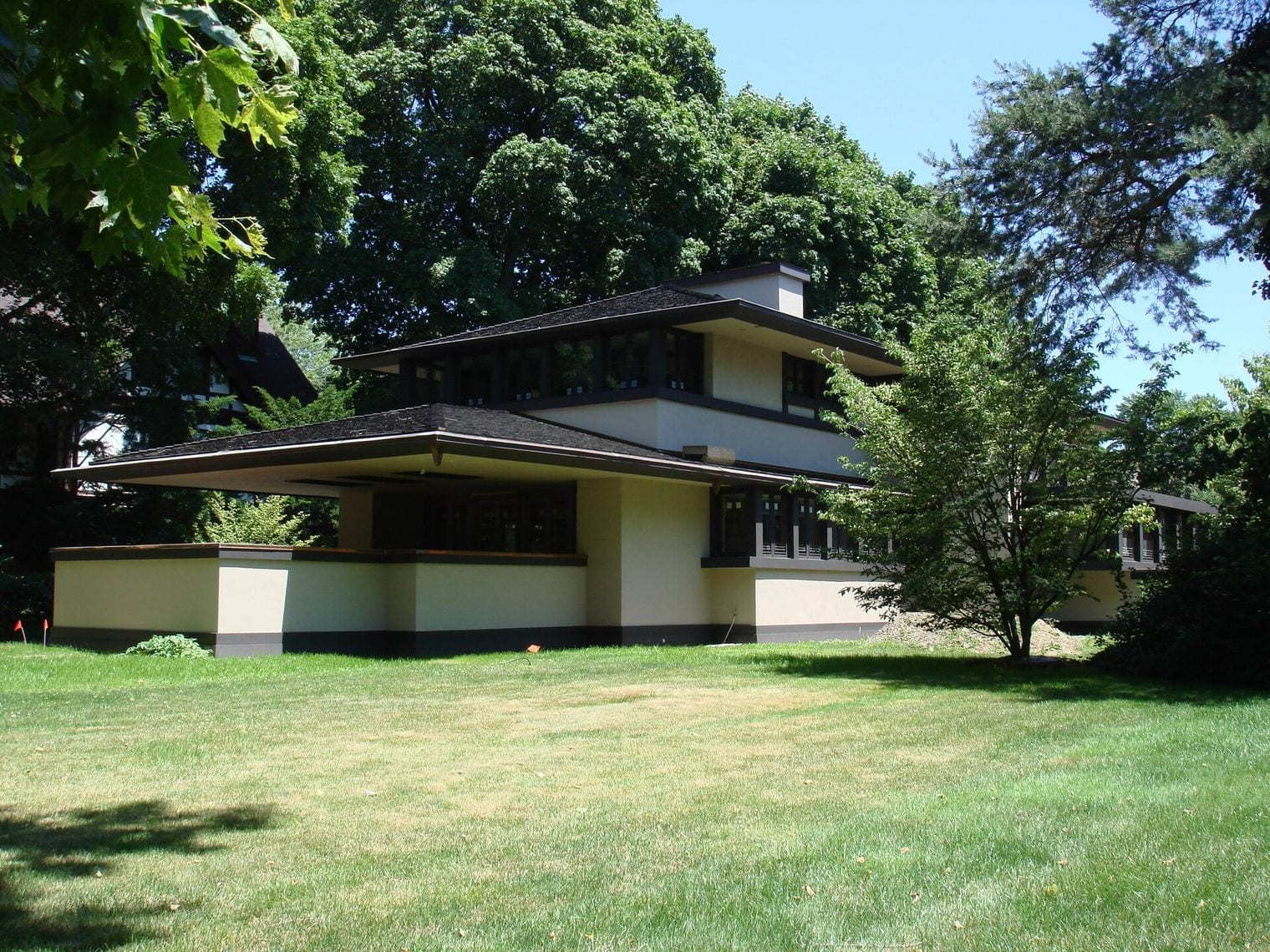
Set among the tree-lined streets of Rochester, the Boynton House offers a rare look at Frank Lloyd Wright’s early vision. Completed in 1908, this Prairie-style home carries the low horizontal lines, broad eaves, and grounded, earth-hugging profile that defined the movement Wright helped shape at the turn of the century.
Recognized as one of the architect’s notable early houses, the residence stands as a significant piece of Rochester’s architectural heritage. It remains a private home, though limited tours occasionally open its doors to visitors curious about Wright’s craft. Even from the sidewalk, the design rewards a slow, appreciative pause for anyone drawn to distinctive architecture.
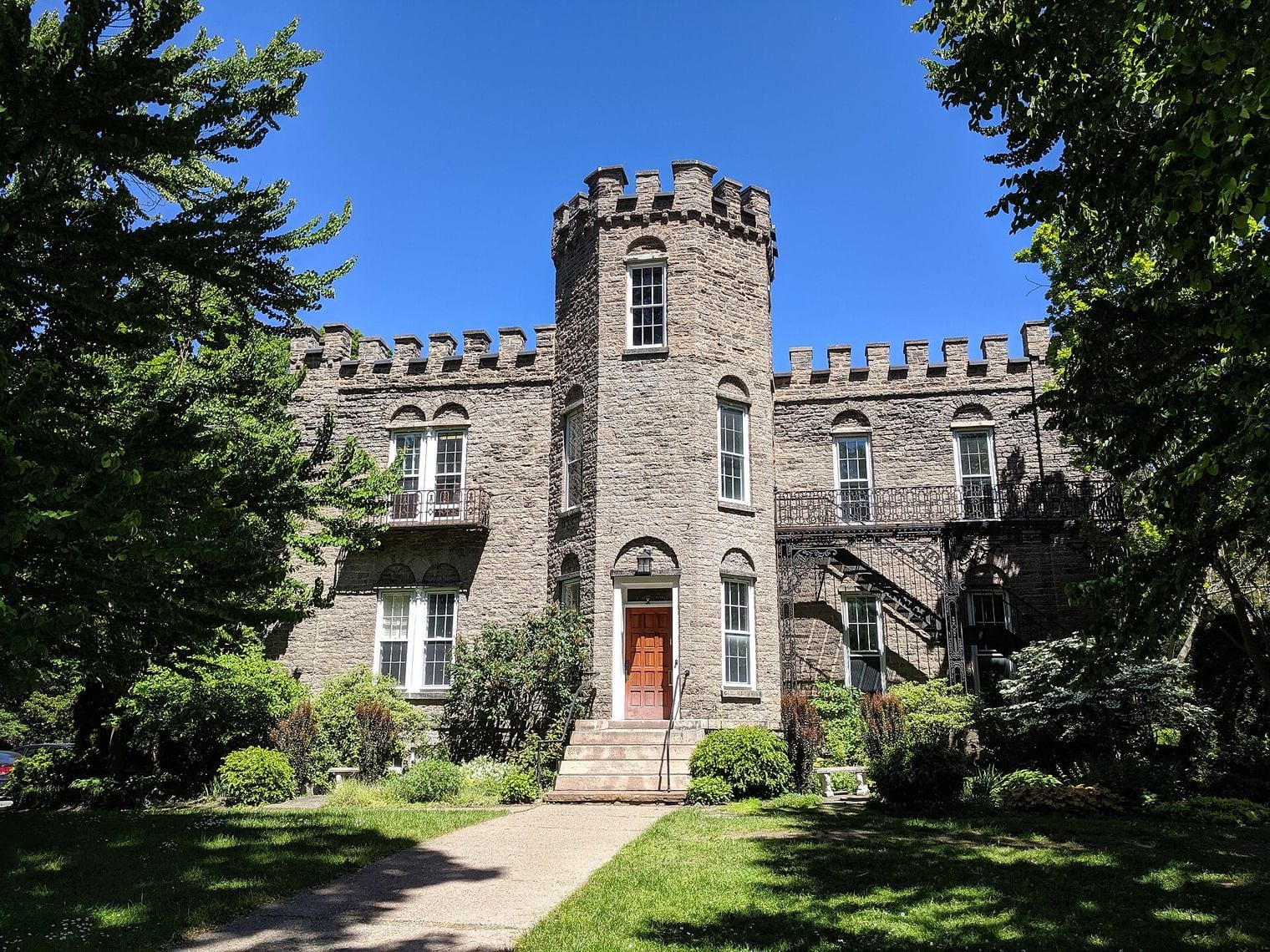
Tucked among the greenery of Highland Park, Warner Castle rises like a small fortress transplanted from another century, its Gothic-style stone walls and turret giving it the look of a proper storybook keep. The mansion now houses the Rochester Civic Garden Center, making it both a working landmark and one of the park’s most photogenic corners.
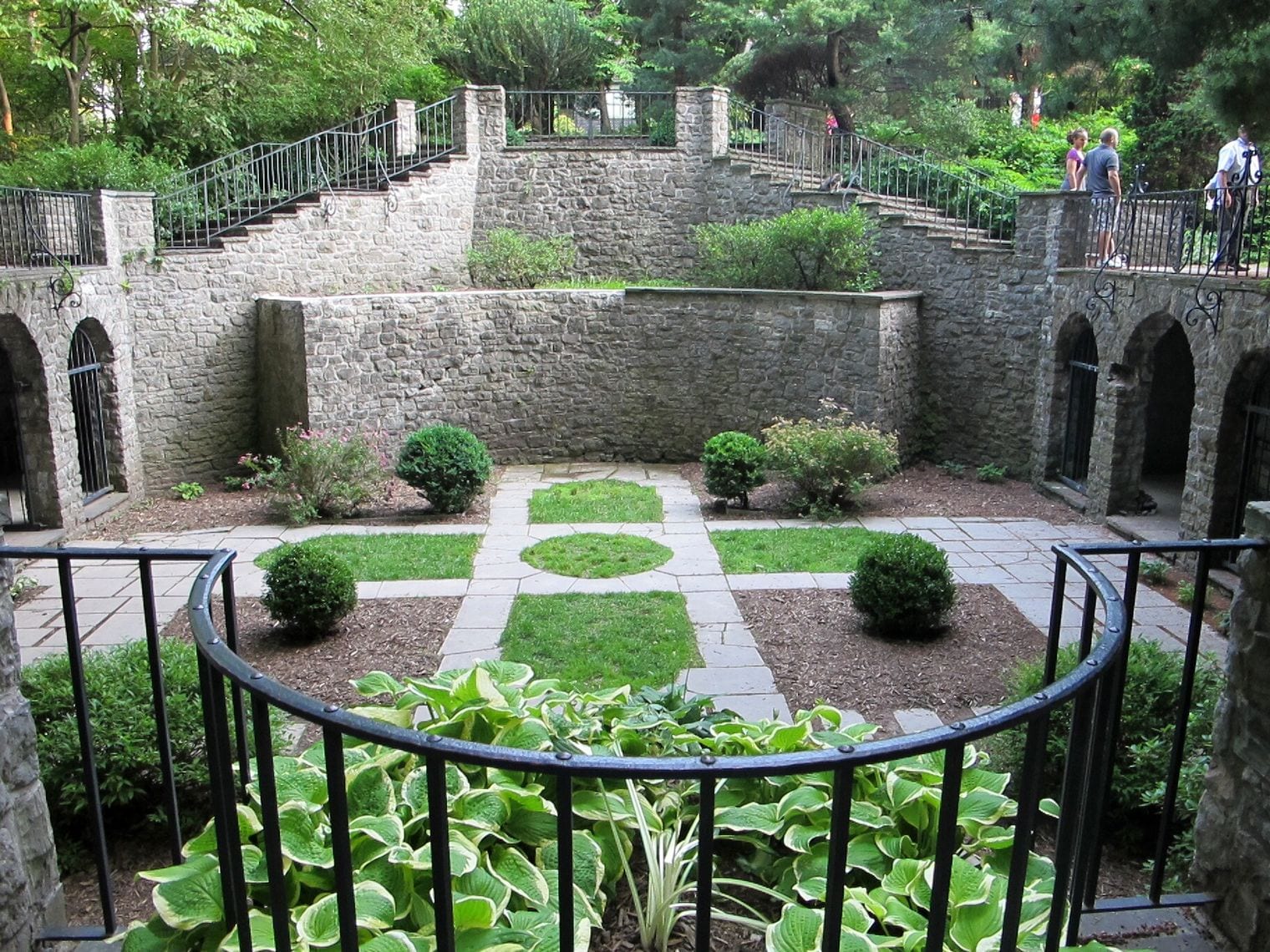
Behind the building you’ll find the Sunken Garden, a quiet pocket of manicured beds and stonework that feels tucked away from the rest of the park. Between the castle’s facade and the gardens framing it, this is a favorite spot for photographers and anyone drawn to a bit of unexpected medieval charm in the heart of the city.
Tucked behind Warner Castle in Highland Park, the Sunken Garden is a formal terraced retreat framed by weathered stone walls and winding pathways. Its layered beds shift with the seasons, offering a quiet, tucked-away corner that feels worlds apart from the busier stretches of the park just beyond its edges.
It is an easy place to slow down, whether you come to wander the terraces on a leisurely stroll or to frame a photograph against the stonework and plantings. The intimate, sheltered layout draws visitors looking for calm, making it a rewarding stop for anyone who appreciates a peaceful, carefully tended landscape.
Once a railroad crossing over the Genesee River, the Pont de Rennes Bridge now carries walkers instead of trains, and it delivers the finest free view in the city. From its span you look straight out at Rochester’s 96-foot High Falls, thundering below against a backdrop of weathered mills that shaped the city’s early industry.
The bridge doubles as a downtown walking landmark, an easy detour that stitches the riverfront to the surrounding historic mill district. Come to watch the water roar over the falls, trace the old brick facades along the gorge, or simply pause mid-span for a photograph. It costs nothing and rewards every visitor who lingers.
Set inside the handsomely restored former Lehigh Valley Railroad Station beside the Genesee River, Dinosaur Bar-B-Que brings smoky, slow-cooked flavor to downtown Rochester. The historic depot lends real character to the room, its weathered brick and railway bones giving the space a warmth that feels both storied and unmistakably local.
The kitchen leans on classic barbecue traditions, sending out platters of tender smoked meats to a room that hums with easy energy. Expect a lively, casual atmosphere where conversation runs loud and the pace stays friendly. Perched near the water, it makes an inviting stop when hunger and a taste for something hearty strike.
Best Time to Visit Rochester
Late spring and early fall are the sweet spots. Spring brings the famous lilac bloom in Highland Park and mild, uncrowded days, while autumn paints the Genesee River gorge and the Finger Lakes in brilliant color. Summer is warm and lively, ideal for the lake beaches and Seabreeze.
Winter is cold and snowy, but the city stays busy with indoor museums and the frozen drama of High Falls. Come in spring for the flowers, summer for the lakeshore, and fall for the foliage; winter suits museum-focused trips.
Getting to Rochester
Rochester sits just off the New York State Thruway (Interstate 90), which runs through the southern suburbs and connects the city east and west; Interstate 490 branches off to carry you into downtown. It's an easy drive from Buffalo, Syracuse, and the wider Finger Lakes.
By air, Frederick Douglass – Greater Rochester International Airport (ROC) is about a ten-minute drive from downtown, with connections to major hubs. Amtrak and intercity buses also serve the city for car-free travellers.
Getting Around Rochester
A car is the easiest way to reach Rochester's spread-out parks, beaches, and suburban attractions, and downtown parking is generally manageable. Many of the marquee sights — the museums, High Falls, and the Genesee riverfront — cluster close enough for walking once you're in the center.
Regional Transit Service buses cover the city and suburbs, and neighbourhoods like the East End and Park Avenue are pleasantly walkable. Rideshare fills the gaps, but a car gives you the most freedom to combine downtown with the lakeshore and Finger Lakes day trips.
Where to Stay in Rochester
Downtown and the East End put you closest to the museums, theatres, and the Genesee riverfront, with the best walkability and easy access to nightlife. The Park Avenue and Neighborhood of the Arts districts offer a leafier, Victorian, boutique feel within an easy ride of the center.
For lakeside quiet, the Charlotte area near Ontario Beach trades convenience for a beach-town atmosphere, while suburbs like Henrietta and the airport corridor suit road-trippers who want easy highway access. Pick the district that fits your trip rather than any single property.
Where to Eat in Rochester
The East End, Park Avenue, and the South Wedge are the city's liveliest dining districts, mixing chef-driven restaurants with cafés, breweries, and international kitchens. The Rochester Public Market is the place to graze on local produce and street food, especially on a Saturday morning.
Don't leave without trying the local specialty: the “Garbage Plate,” a hearty pile of meats, home fries, macaroni salad, and sauce that's pure Rochester. Add a strong craft-beer scene and Abbott's frozen custard, and you have a food culture worth exploring by district and by dish.
One Day in Rochester
Morning: Start downtown at the High Falls, walking out onto the Pont de Rennes Bridge for the head-on view, then head to the George Eastman Museum to explore the mansion and photography galleries of the Kodak founder.
Evening: Head north to Ontario Beach Park for a Lake Ontario sunset and a ride on the historic carousel, then circle back for barbecue at Dinosaur Bar-B-Que in the old railroad station by the river.
Day Trips from Rochester
Niagara Falls is about 90 minutes west, an unmissable day out, while Letchworth State Park — the “Grand Canyon of the East” — is roughly 45 minutes south with dramatic gorge waterfalls. The Finger Lakes wine country, with its vineyards and lake towns, begins less than an hour away.
To the east, Syracuse makes an easy highway run, and college-town Ithaca, with its gorges and waterfalls at the south end of Cayuga Lake, is a scenic Finger Lakes escape. Lake Ontario beaches and parks round out the options.
FAQ: Visiting Rochester
What is Rochester known for?
Rochester is known as the Flour City and Flower City, the birthplace of Kodak and Xerox, and a hub of the abolition and women's rights movements — home to Susan B. Anthony. Today it's famous for its museums, downtown's 96-foot High Falls, historic parks, and the annual Lilac Festival.
Is Rochester worth visiting?
Yes. For a mid-sized city, Rochester packs in world-class museums like the Strong and the George Eastman Museum, a dramatic waterfall in its downtown, a Lake Ontario beach, historic parks, and easy access to Niagara Falls and the Finger Lakes — more than enough for a rewarding weekend.
How many days do you need in Rochester?
Two days is enough to see the highlights — the major museums, High Falls and the riverfront, a park or two, and Ontario Beach. Add a third day if you want to slow down or fold in a day trip to Niagara Falls, Letchworth State Park, or the Finger Lakes.
When is the best time to visit Rochester?
Late spring is lovely for the Highland Park lilacs and mild weather, summer is best for the lake beaches and Seabreeze, and fall brings spectacular foliage in the river gorge and Finger Lakes. Winter is cold but good for the city's many indoor museums.
Is Rochester a walkable city?
Downtown and neighbourhoods like the East End and Park Avenue are walkable, and many top sights — the museums, High Falls, and the riverfront — cluster within the center. A car is handy for the beaches, outlying parks, and suburban attractions, and for day trips beyond the city.
What free things are there to do in Rochester?
Plenty. You can see High Falls for free from the Pont de Rennes Bridge, wander the gardens of Highland Park, walk the beach and pier at Ontario Beach Park, browse the Rochester Public Market, and take in the skyline views from Cobb's Hill.
How far is Rochester from Niagara Falls?
Niagara Falls is about a 90-minute drive west of Rochester along the New York State Thruway, making it one of the most popular day trips from the city. The Finger Lakes wine country and Letchworth State Park are even closer, each under an hour away.