Everything really is bigger in Texas, the second-largest US state by area and population, and the only one that spent nearly a decade as its own country, the Republic of Texas. The Lone Star State packs in deserts around El Paso, Gulf coast beaches, rolling Hill Country, big cities, and vast national parks, with highlights from the Alamo and San Antonio's River Walk to Big Bend, Space Center Houston, the Fort Worth Stockyards, and quirky roadside art. Its sheer size rewards road trips and regional bases in San Antonio, Austin, Houston, and Dallas-Fort Worth.
Fun Facts About Texas
Texas is the second-largest U.S. state in both area and population — about 268,600 square miles (behind only Alaska) and home to more than 31 million people (behind only California).
Texas was once its own country. The Republic of Texas existed as an independent, sovereign nation from 1836 until it was annexed by the United States in 1845 — a legacy that gives the "Lone Star State" its single-star flag and nickname.
Six national flags have flown over Texas. Over its history the land has been ruled by six different sovereign powers — Spain, France, Mexico, the Republic of Texas, the Confederate States, and the United States — the origin of the "Six Flags Over Texas" phrase.
The highest point in Texas is Guadalupe Peak, rising 8,751 feet in Guadalupe Mountains National Park in far West Texas — part of the state's dramatic sweep of landscapes that also includes deserts, Gulf coast beaches, the Hill Country, and the eastern piney woods.
"Houston" was the first word spoken from the Moon. When Neil Armstrong landed in 1969, he radioed "Houston, Tranquility Base here. The Eagle has landed" — addressing Mission Control at NASA's Johnson Space Center in Houston, still the nerve center of U.S. human spaceflight.
Texas is bigger than France. At roughly 268,600 square miles, the state covers more ground than the entire country of France (about 213,000 square miles), one reason so many distinct climate and geographic zones fit inside its borders.
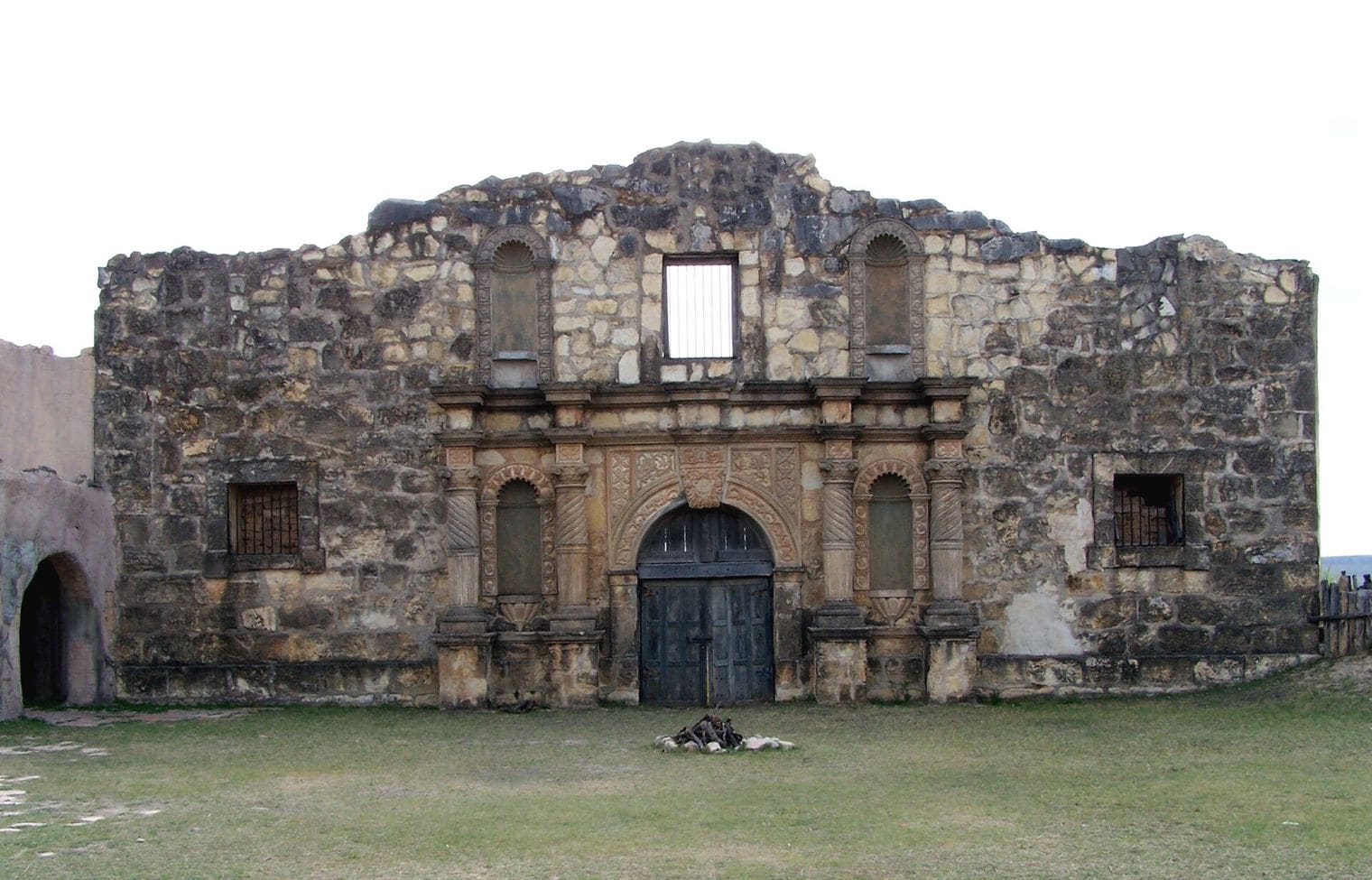
No landmark says Texas quite like the Alamo. This 18th-century Spanish mission in downtown San Antonio became legend in 1836, when a small band of defenders held out against a far larger Mexican army during the Texas Revolution. The limestone chapel and its grounds now form part of a UNESCO World Heritage Site.
"Remember the Alamo" still echoes through the way Texans tell their own story. Admission is free, and you can walk the historic footprint, study battle artifacts, and pause in the shaded courtyard. It sits steps from the River Walk, so most people pair the two; arrive early for thinner crowds and softer light on that famous facade.
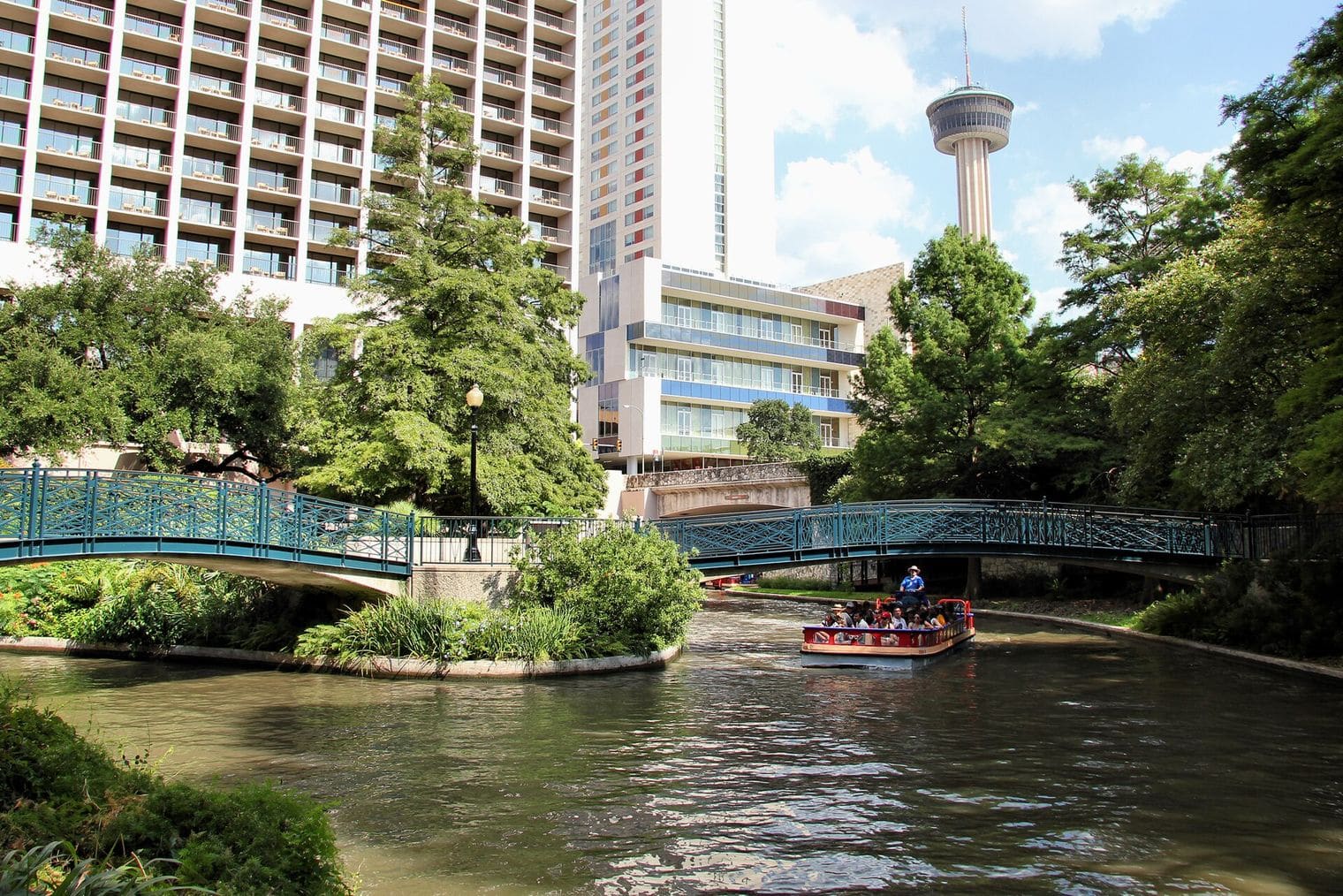
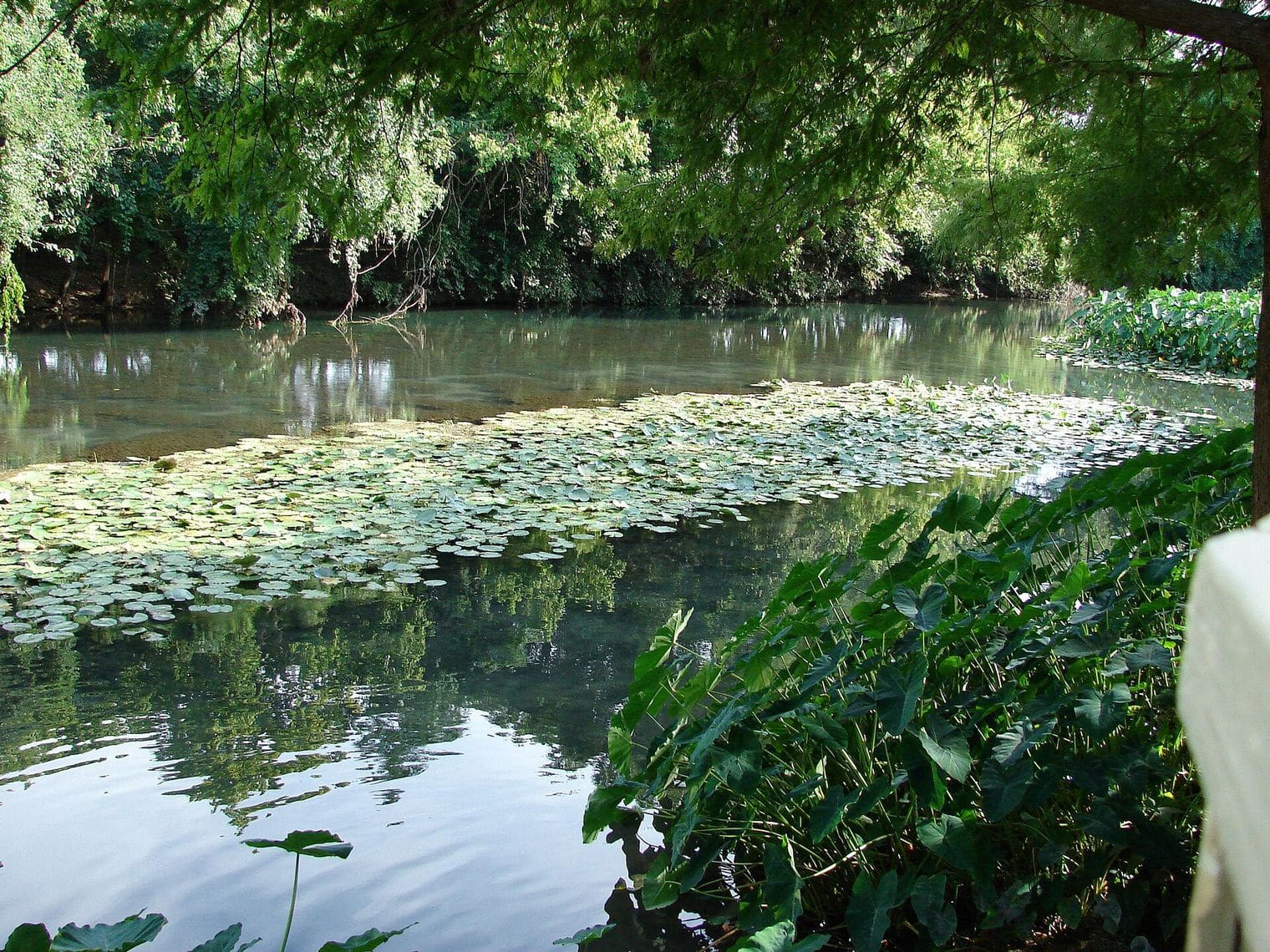
One level below downtown San Antonio, the River Walk winds for miles along the river as a landscaped promenade of stone footbridges, cypress trees, restaurants, and cantinas. It suits a slow morning stroll with coffee just as easily as a lively evening of margaritas and mariachi.
Guided barge cruises glide past the cafes and recount the river's history, while the path runs north toward the Pearl district and south toward the historic missions. During the holidays, lights strung through the trees make the whole promenade glitter. The Alamo sits just a short walk away.
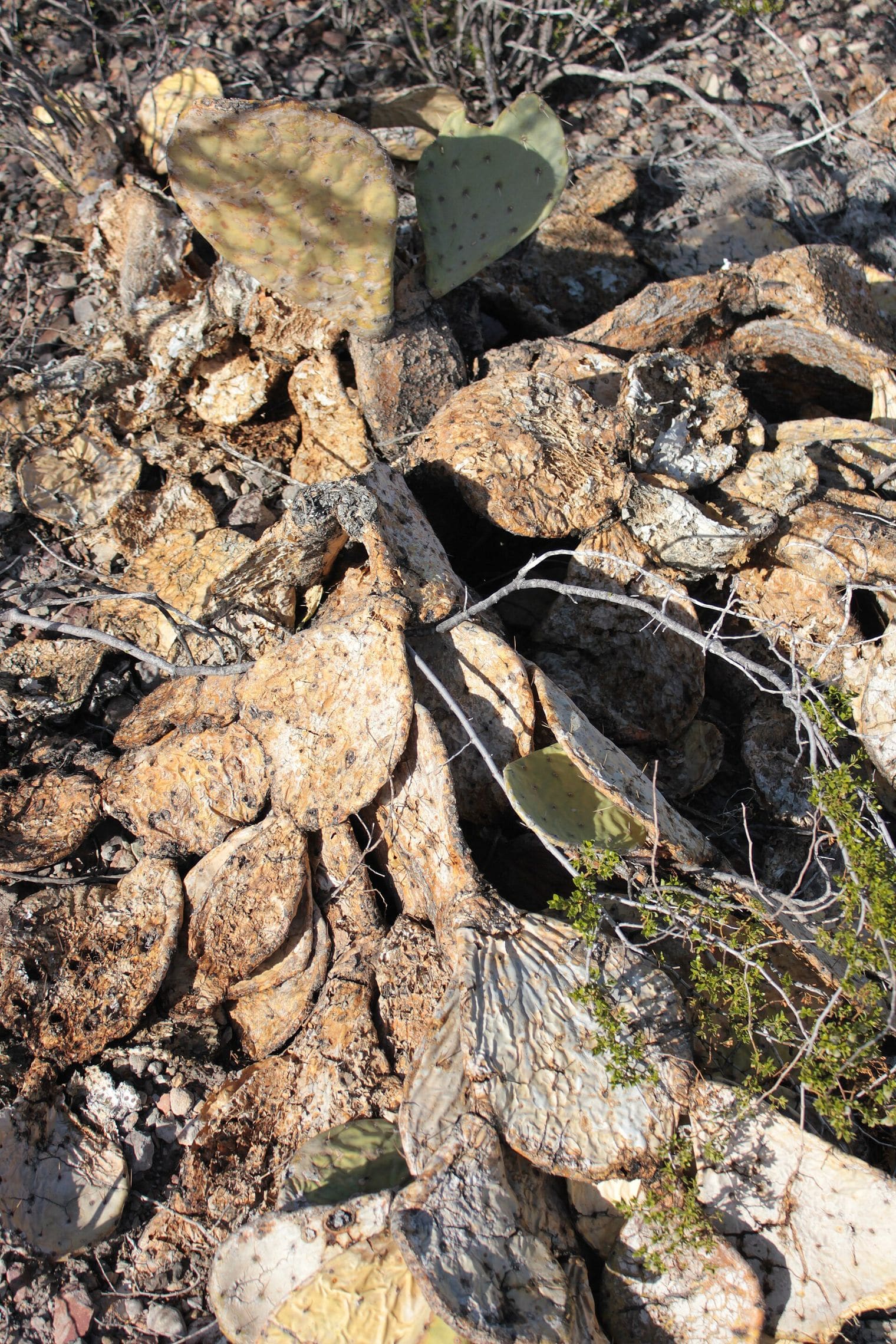
In a remote bend of the Rio Grande in far West Texas, Big Bend spreads across desert flats, forested high country, and river canyons carved over millions of years. Here the Chihuahuan Desert climbs into the Chisos Mountains, and the limestone walls of Santa Elena Canyon rise sheer above the water, wrapped in a rare, deep silence.
Hikers climb to the Window for sunset, paddlers float the river between canyon walls, and stargazers gather under skies dark enough for the Milky Way to cast shadows. The long drive from anywhere is part of the draw. Plan fuel, water, and timing with care, since the nearest services can lie far away.
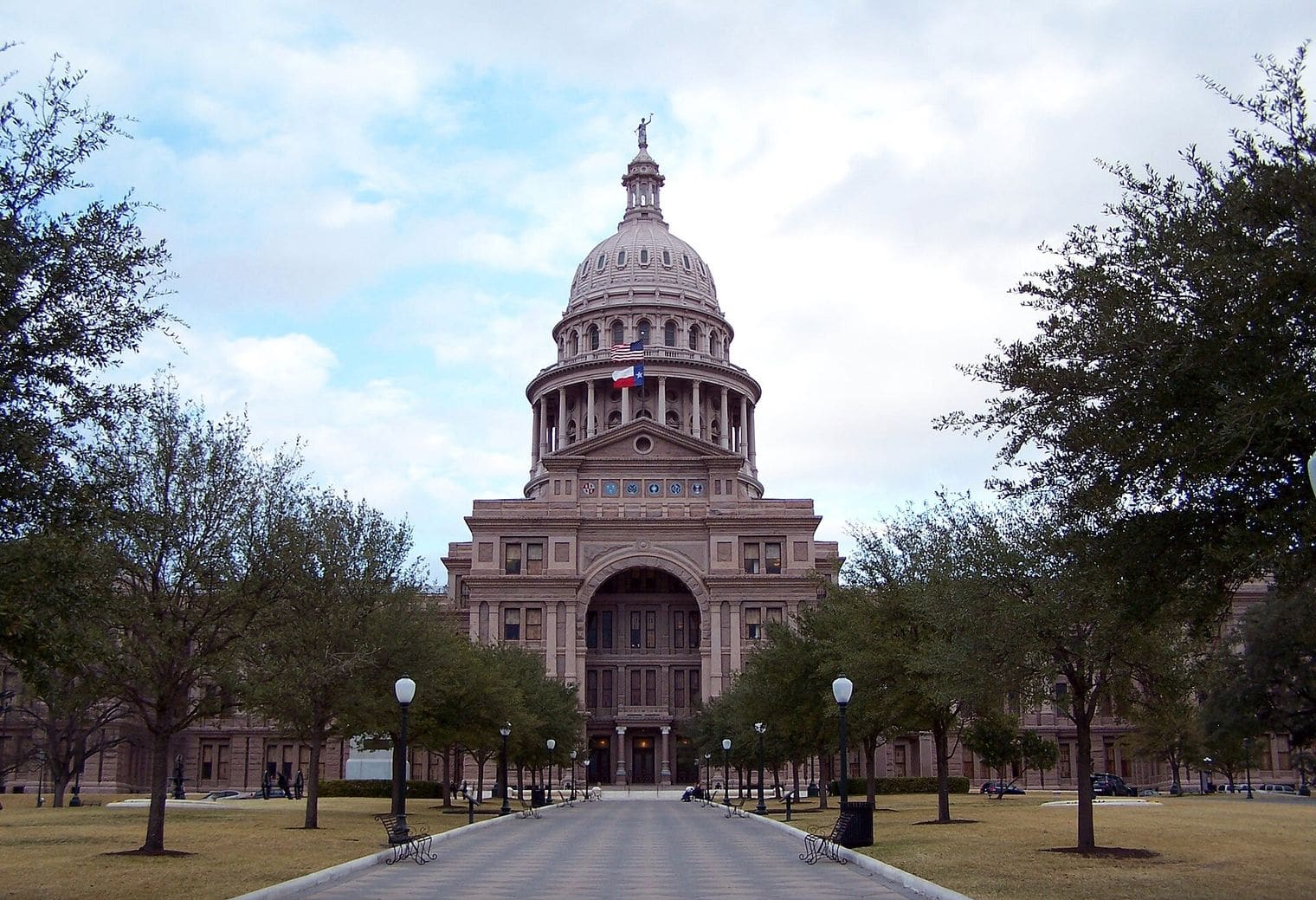
Rising above downtown Austin in pink granite, the Texas State Capitol is the largest state capitol building in the country, a fittingly grand seat for a state this size. Completed in 1888, the National Historic Landmark wears a dome that stands taller than the U.S. Capitol in Washington, a detail Texans happily point out.
Free guided tours walk you through the rotunda, the legislative chambers, and terrazzo floors inlaid with state seals, while the surrounding grounds invite a pleasant outdoor wander. It pairs easily with the rest of central Austin. Inside the rotunda, look straight up to catch the star at the dome's center from directly below.
Space Center Houston is the official visitor center for NASA's Johnson Space Center, and the place to come face to face with the history of human spaceflight. Stand beneath spacecraft that have flown, touch a piece of the Moon, and explore galleries of artifacts from the Mercury, Gemini, Apollo, and Space Shuttle eras.
The tram tour is the highlight, carrying visitors onto the working NASA campus past historic Mission Control and astronaut training facilities. A restored Saturn V rocket, laid out full length on its side, drives home just how enormous these machines were. It is Houston's top attraction and an easy full day for families and space fans.
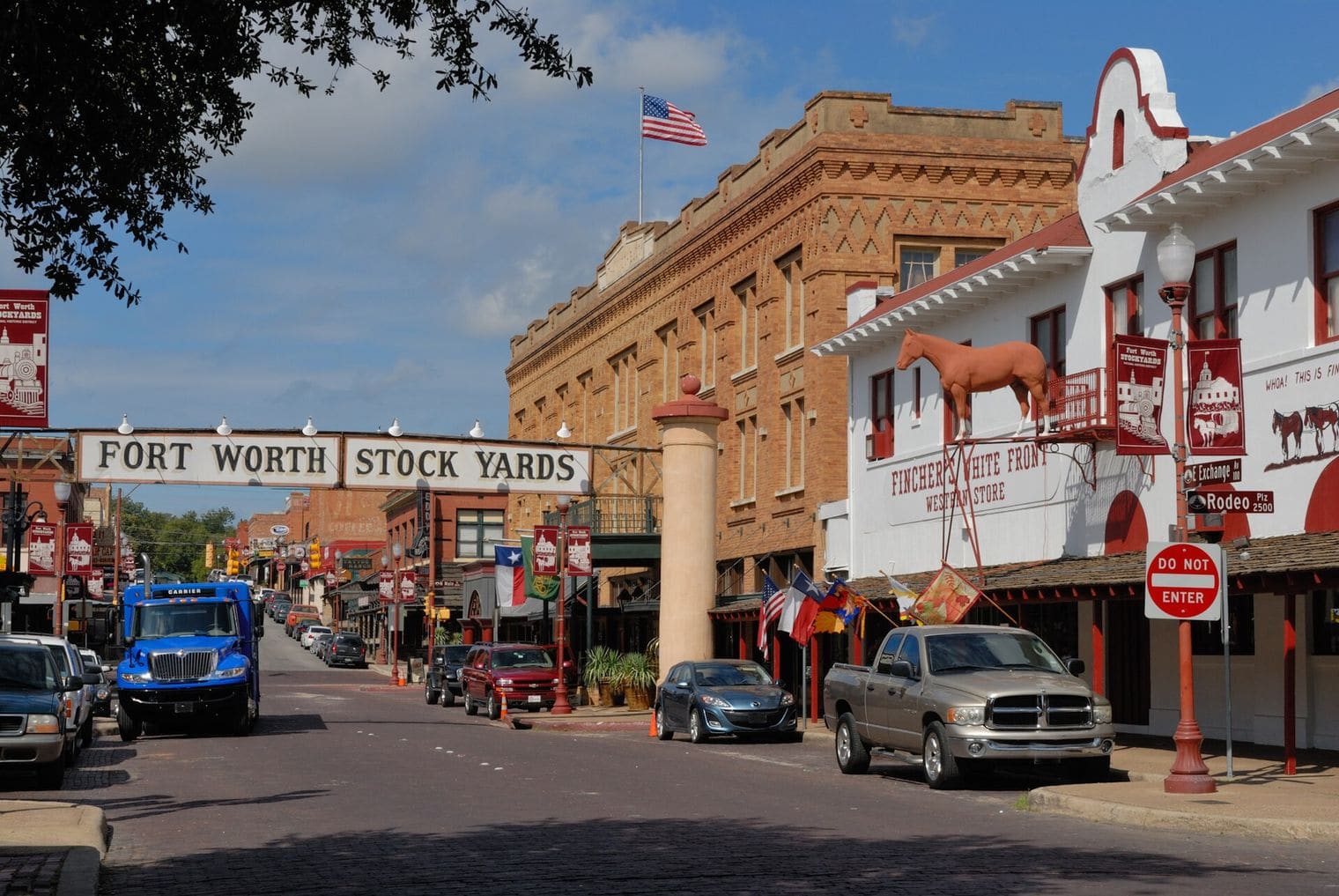
The Fort Worth Stockyards keep the Old West alive in a historic district where cattle once moved through by the millions. Today the brick-paved streets are lined with saloons, boot shops, and dance halls, and drovers in period dress drive a small herd of Texas longhorns down the main drag twice a day.
Catch a rodeo, learn the two-step at a honky-tonk, or soak up the cowboy atmosphere over barbecue and live country music. It leans into its heritage without feeling like a museum, and the twice-daily cattle drive is the signature moment, so check the schedule and stake out a spot along the rail.
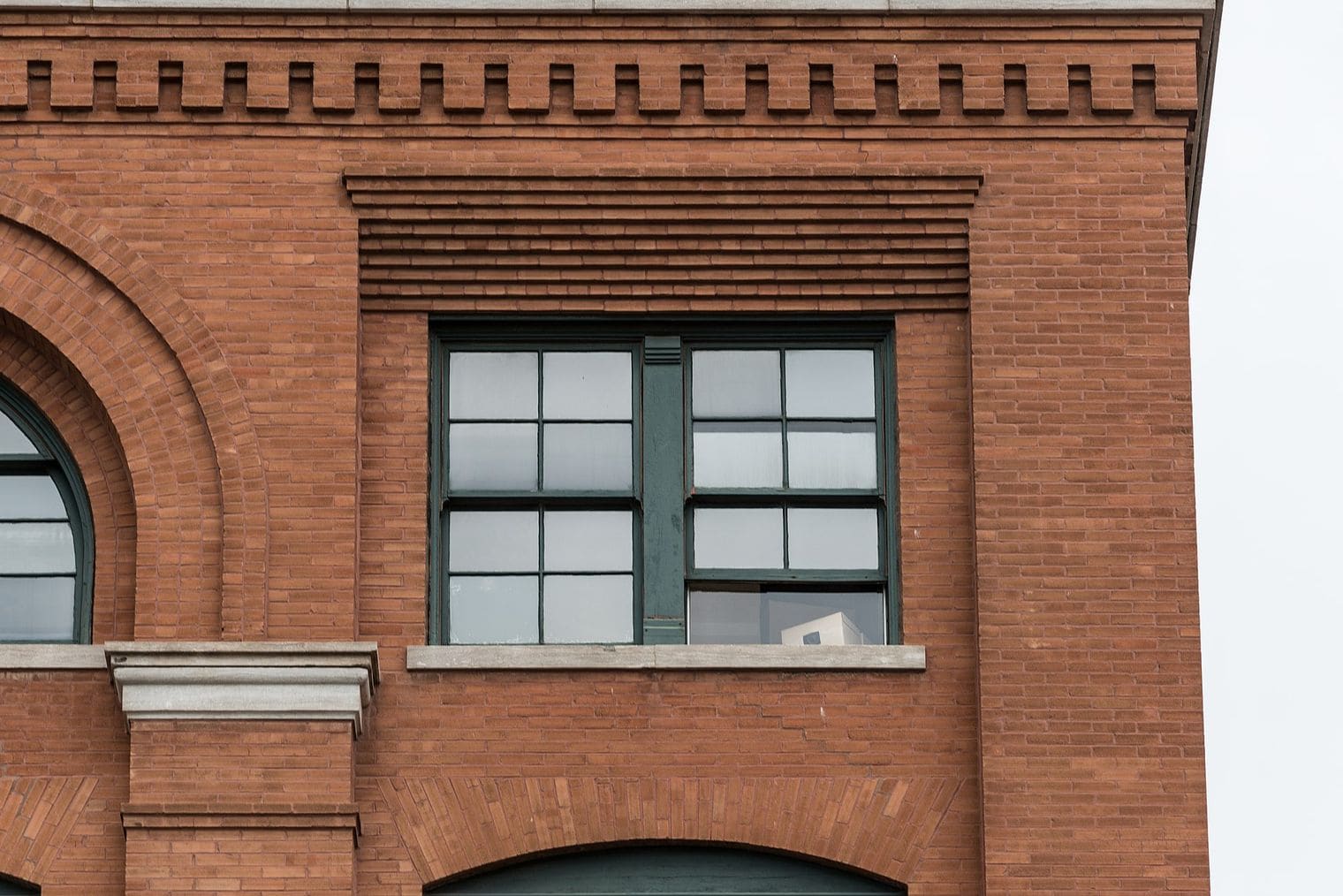
From the sixth floor of the former Texas School Book Depository in Dallas, this museum tells the story of President John F. Kennedy's assassination in the very building tied to that day in 1963. Thoughtful exhibits trace his life, the events in Dealey Plaza below, and the long aftermath that reshaped the nation.
The corner window area is preserved much as it was found, and looking down onto the plaza brings the history into sharp, sobering focus. An audio guide adds context as you move through the galleries. Just outside, Dealey Plaza remains a quiet place of reflection that you can walk for free.
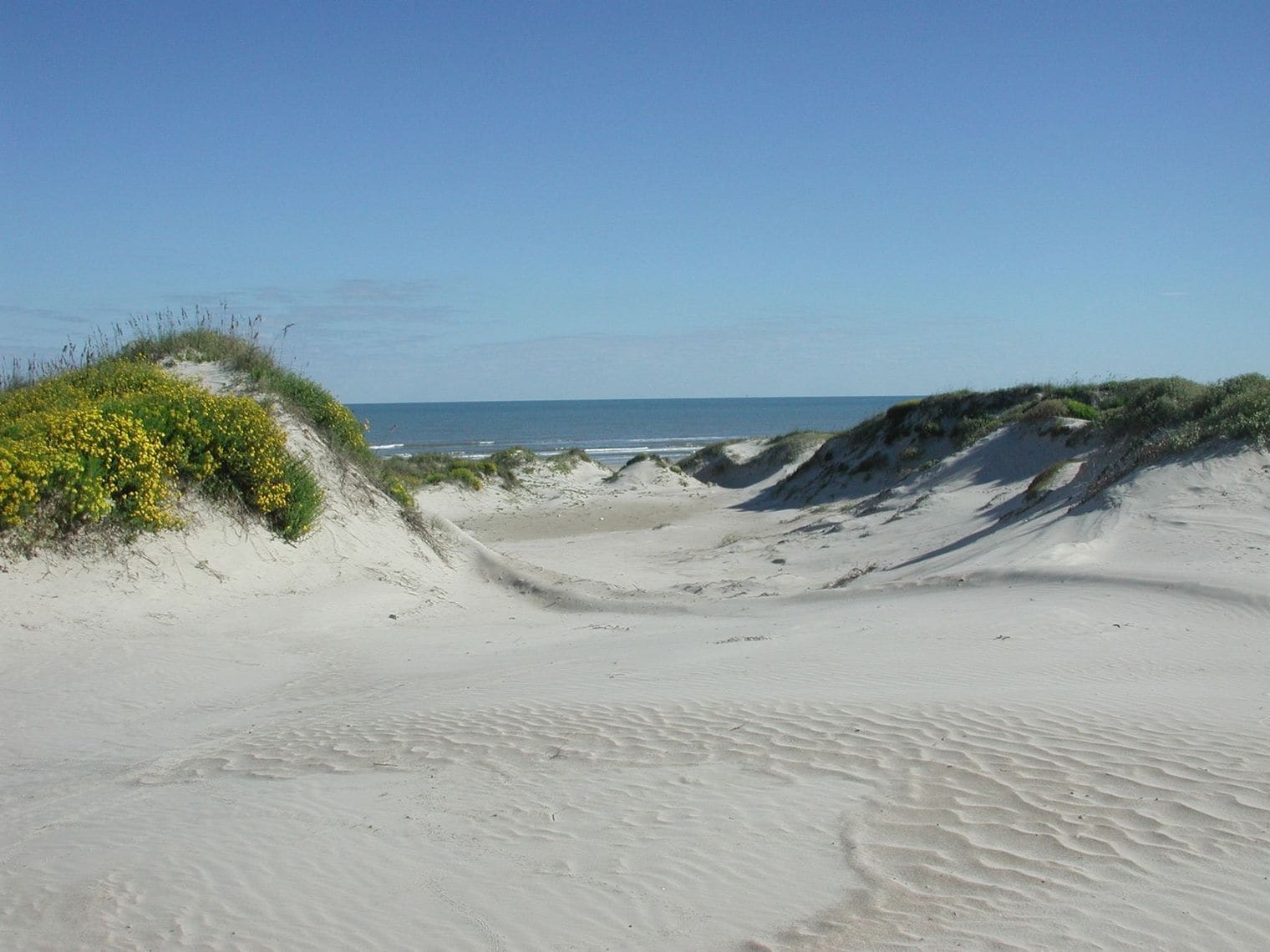
Padre Island National Seashore protects the longest stretch of undeveloped barrier island left in the world: some 70 miles of dunes, grasslands, and open Gulf beach south of Corpus Christi. Hundreds of bird species pass through, and endangered Kemp's ridley sea turtles nest right on the sand.
Visitors come to swim, fish, beachcomb, and camp under big coastal skies, and in summer the park sometimes releases hatchling turtles to the surf as crowds watch. Drive further down the beach and the solitude deepens; a high-clearance vehicle helps for reaching the wilder southern stretches.
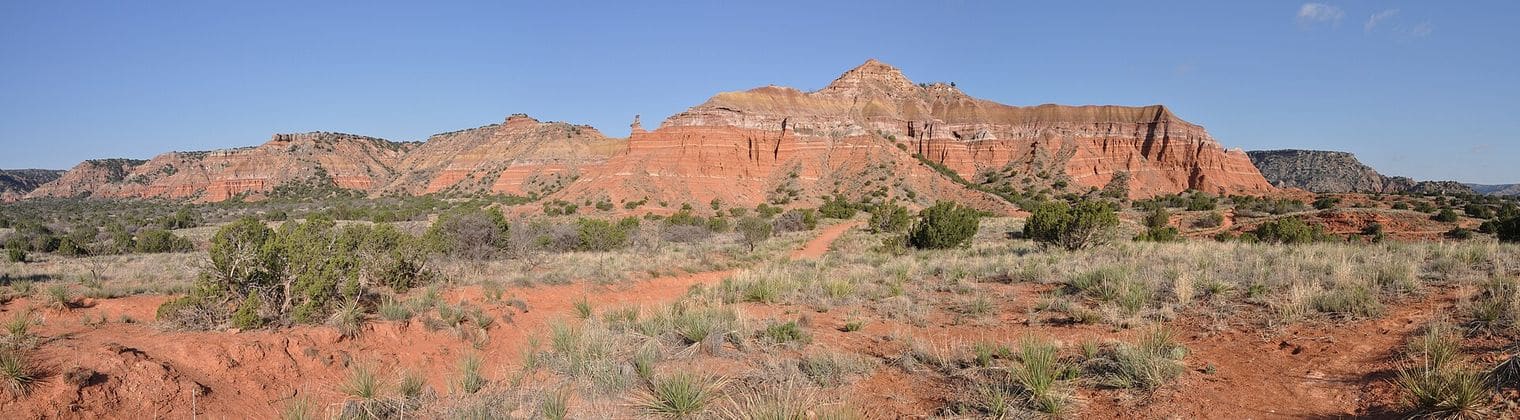
Often called the Grand Canyon of Texas, Palo Duro slices a colorful gorge into the flat Panhandle plains south of Amarillo and is commonly described as one of the largest canyons in the United States. Layers of red, orange, and white rock step down to a floor where trails wind past hoodoos and the slender spire known as the Lighthouse.
Hike, mountain bike, ride horseback, or simply drive the scenic road to overlooks that open onto the whole expanse. On summer nights the canyon hosts an outdoor musical that turns the cliffs themselves into a backdrop, and mornings and late afternoons bring out the richest color in the rock.
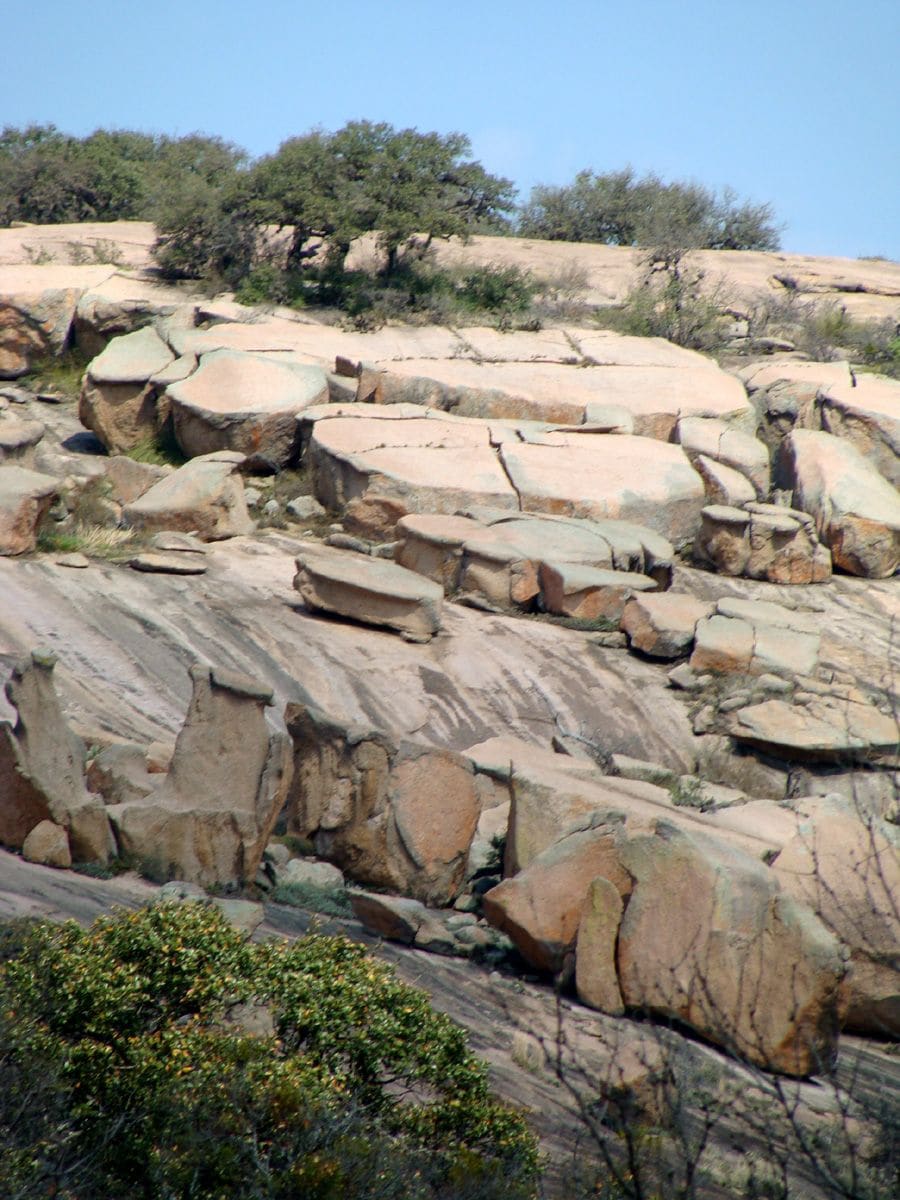
Enchanted Rock is a giant pink-granite dome that bulges from the Hill Country north of Fredericksburg, drawing hikers who scramble up its bare flanks for sweeping views. One of the largest granite formations of its kind in the country, it has been a gathering place for thousands of years and is wrapped in Indigenous legend.
The Summit Trail is short but steep, rewarding the climb with a panorama across surrounding ranchland, while shadier loop trails and dark skies round out the visit. The park draws big crowds, so weekend day passes can sell out. Aim for an early arrival or a weekday, and pack plenty of water for the exposed ascent.
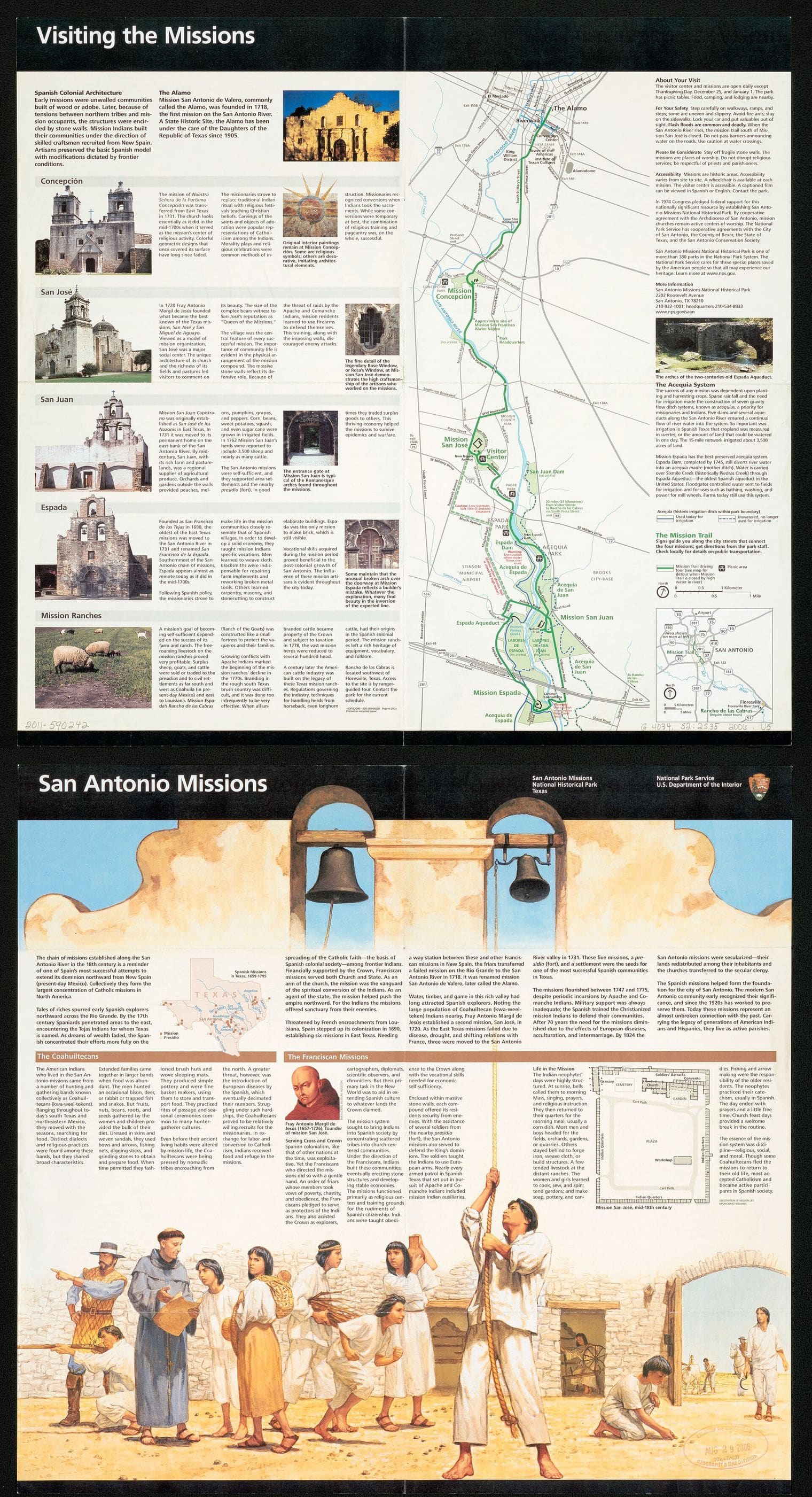
Beyond the Alamo, San Antonio preserves four more 18th-century Spanish frontier missions strung along the river south of downtown, together forming a national park within the same UNESCO World Heritage Site. Mission San Jose, the grandest of the four, is famous for its carved Rose Window and restored compound.
A hike-and-bike trail links the missions, so you can walk or cycle between these living churches and their grounds, several of which still hold services. The architecture, acequias, and quiet courtyards tell the story of the region's colonial past, and the southern missions draw far smaller crowds than the Alamo.
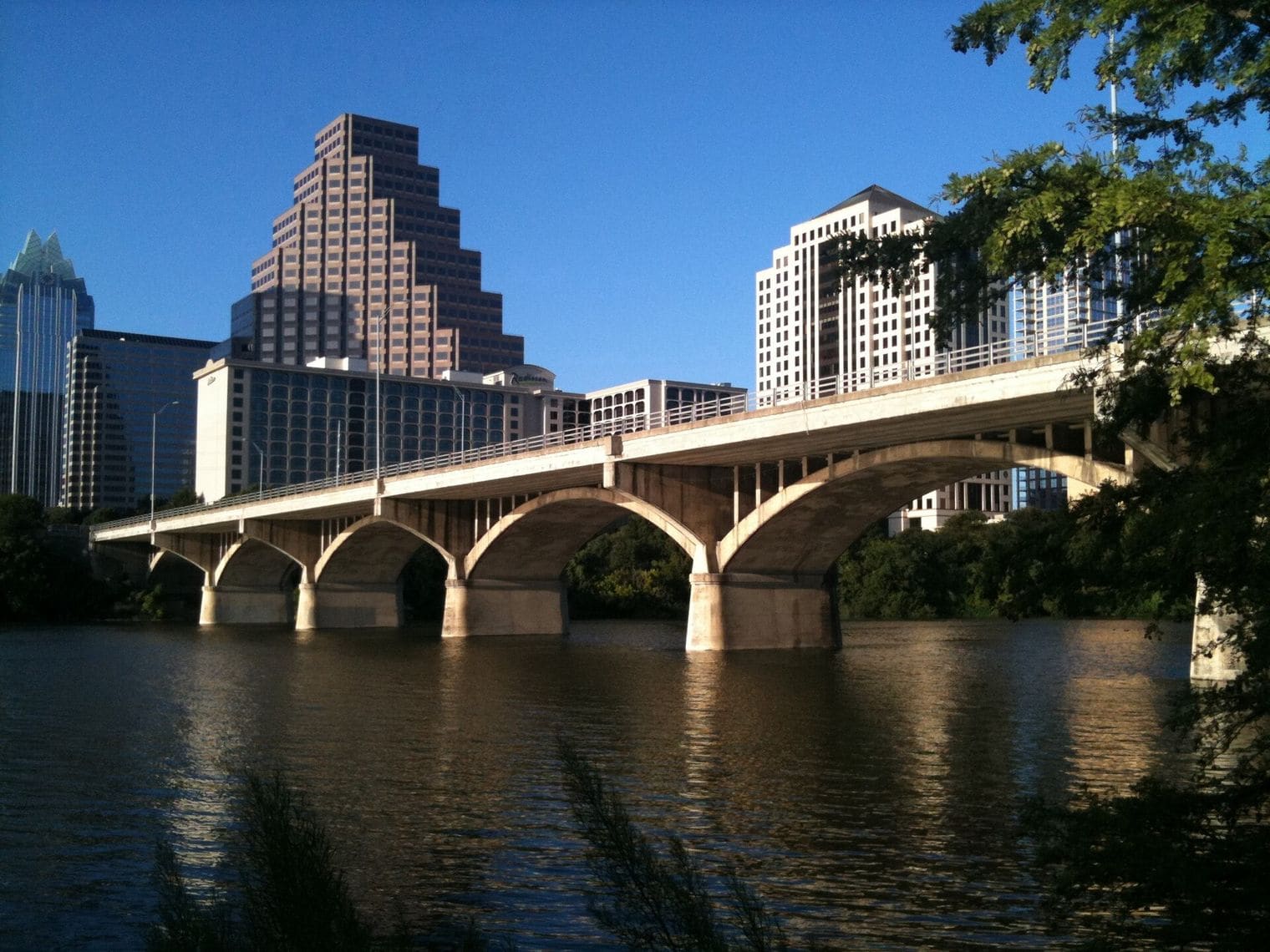
Every evening from spring through fall, the Ann W. Richards Congress Avenue Bridge in downtown Austin becomes the stage for the largest urban bat colony in North America. Well over a million Mexican free-tailed bats roost beneath its deck, and at dusk they pour out in a long, rippling ribbon to feed for the night.
Crowds gather on the bridge and the lawns below to watch it for free, while a lake cruise can position you right under the flight path. The timing shifts with the season and the sunset, so a little planning helps. For locals, it is a beloved nightly show that is hard to beat on a warm evening.
Rising abruptly from the West Texas desert near the New Mexico line, Guadalupe Mountains National Park protects the state's highest country, crowned by 8,751-foot Guadalupe Peak. Reaching that summit is a strenuous day hike, but the reward is the whole desert unfurling far below your boots.
The park also guards McKittrick Canyon, a hidden oasis where bigtooth maples blaze red and gold in late autumn, a startling sight in this arid corner of Texas. Trails run from gentle nature walks to demanding backcountry routes. Services are minimal, so arrive with plenty of water, fuel, and a full plan for the day.
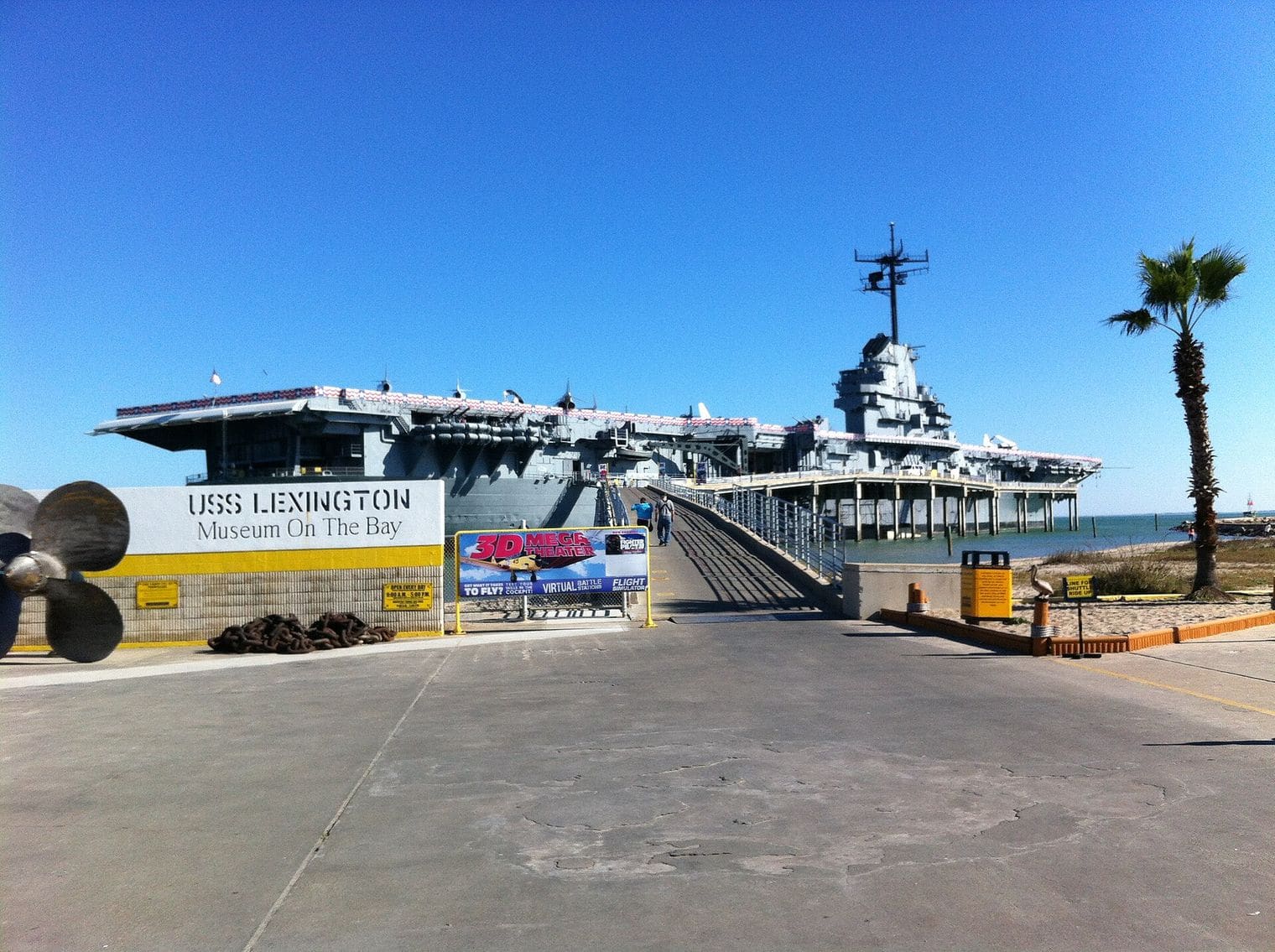
Moored in Corpus Christi Bay, the USS Lexington is a World War II aircraft carrier turned floating museum. Nicknamed the Blue Ghost, this decorated veteran now welcomes visitors aboard to roam its hangar and flight decks, peer into the bridge and crew quarters, and walk among vintage aircraft parked topside.
Self-guided tours wind through the ship's many levels, conveying what life was like for the thousands who served on her. A flight simulator and 3D theater round out the visit for younger explorers. Lit up dramatically after dark, the carrier makes a striking landmark on the Corpus Christi waterfront.
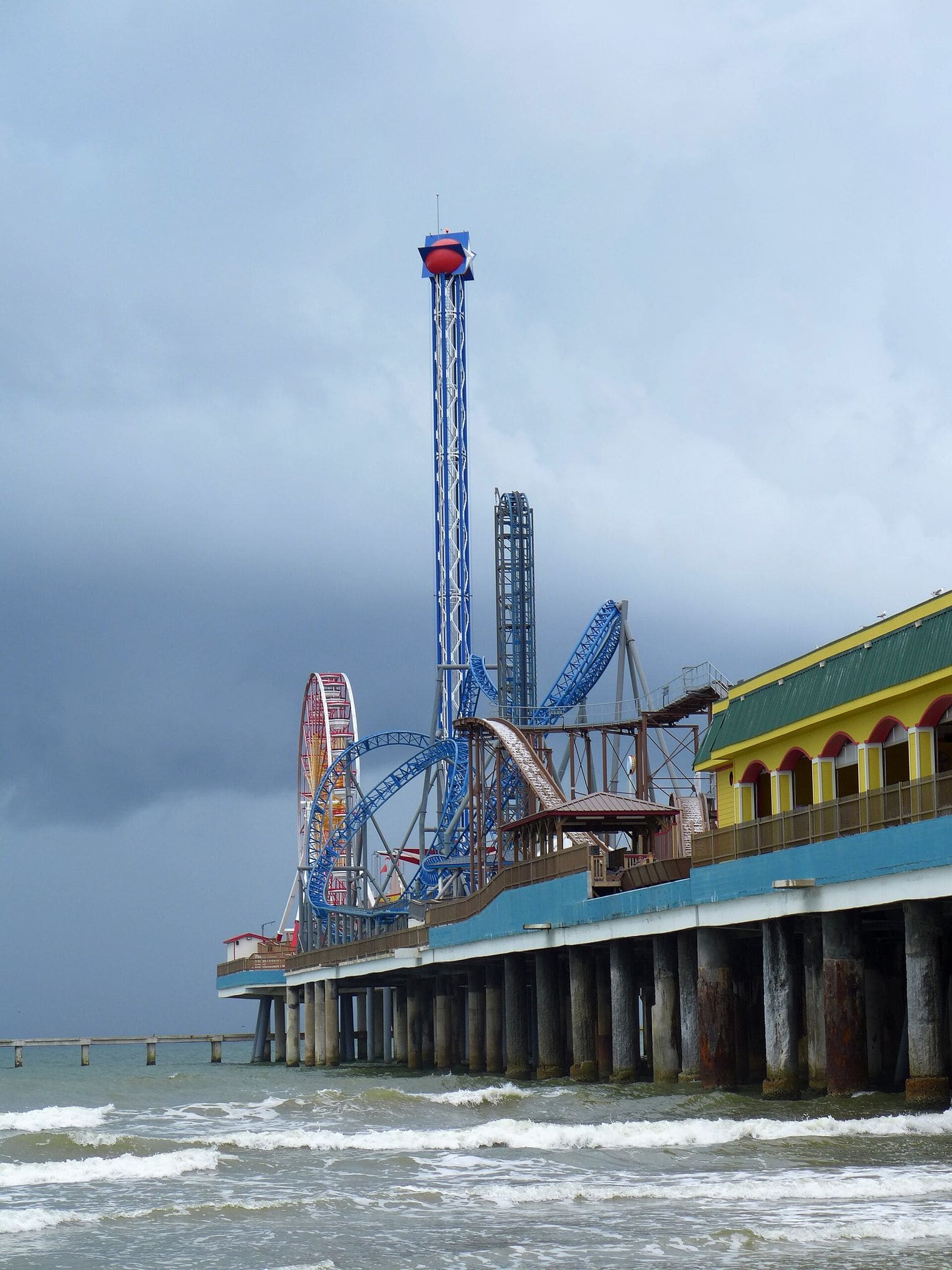
Jutting out over the Gulf of Mexico along Galveston's seawall, the Pleasure Pier is a classic seaside amusement park. A Ferris wheel, a coaster that swings out over the water, and a lit-up midway give it an old-fashioned boardwalk charm, with the surf rolling underneath as you ride.
It anchors a day at the beach in Galveston, an easy escape from Houston that pairs sand and saltwater with carnival games and arcade fun. Restaurants on the pier let you make an evening of it, and sunset is the prettiest time to visit, when the lights flick on over the Gulf.
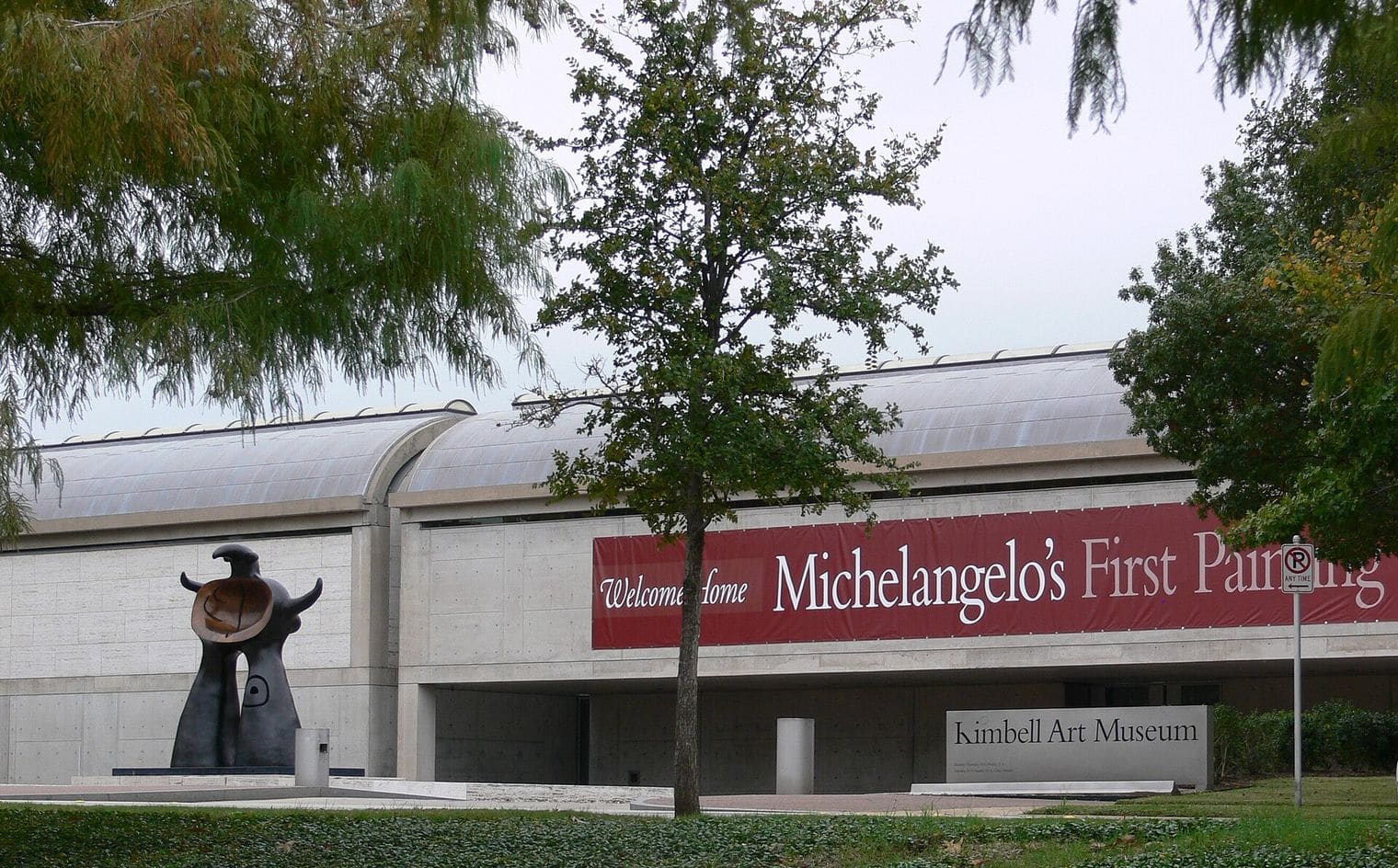
In Fort Worth, the Kimbell Art Museum is as celebrated for its building as for its art. Louis Kahn's 1972 design floods the galleries with soft natural light through its signature barrel-vaulted ceilings, and it's widely regarded as one of the finest museum buildings ever made.
Inside hangs a small but exceptional collection spanning antiquity to the 20th century, with works by Caravaggio, Michelangelo, and Rembrandt. Admission to the permanent collection is free, a rare cultural bargain, and it anchors the walkable Cultural District beside several other top museums, making an easy day of art.
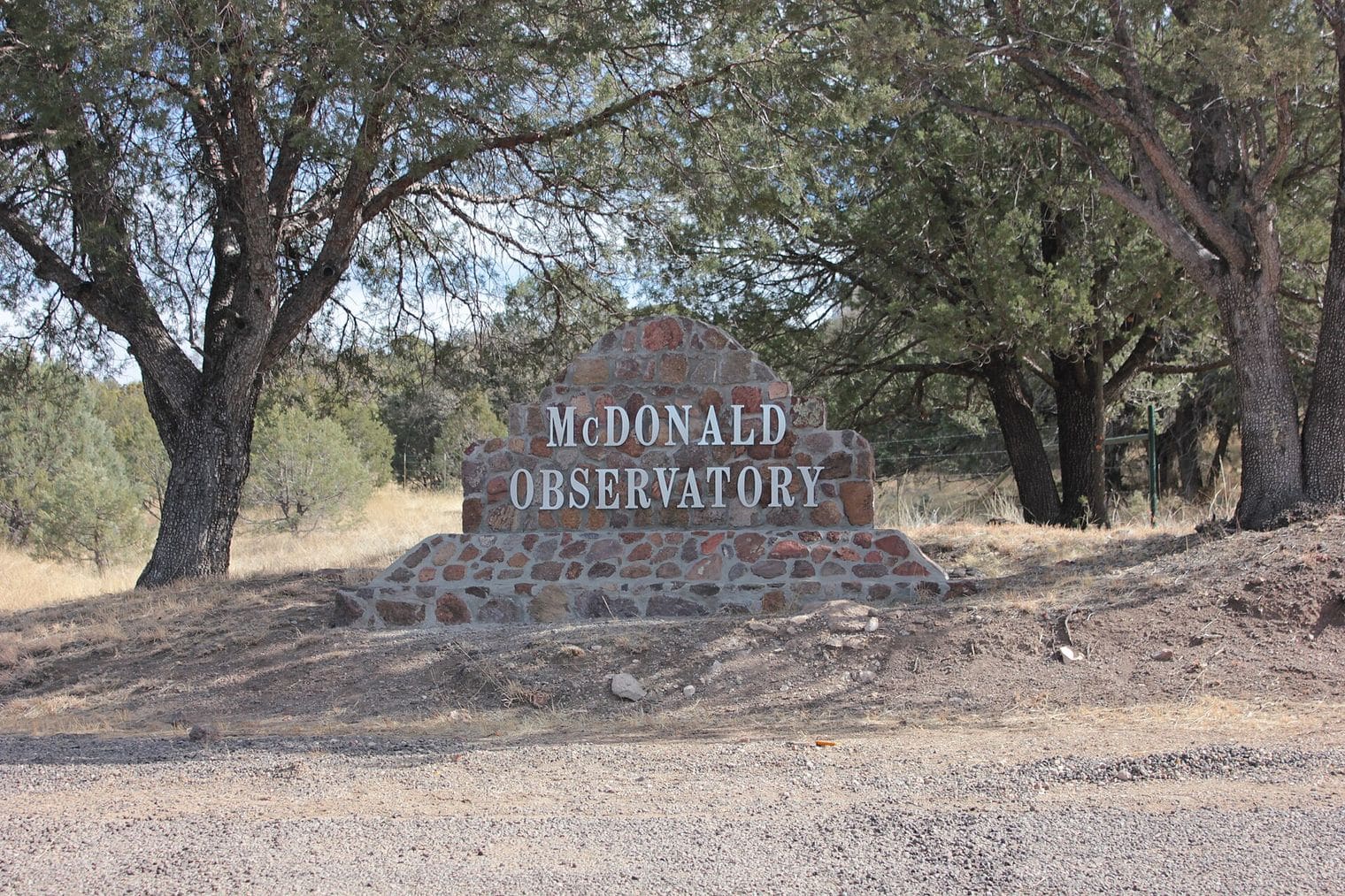
High in the Davis Mountains of West Texas, the McDonald Observatory is a major astronomical research facility set beneath some of the darkest skies in North America. Its hilltop domes house powerful telescopes, sited here precisely because light pollution stays scarce for hundreds of miles in every direction.
The public highlight is the regular Star Party, an outdoor evening of constellation tours and telescope views that leaves first-timers stunned by how many stars fill the sky. Daytime solar viewing and guided tours run too. The mountain air turns cool after dark, so pack a jacket even in summer.
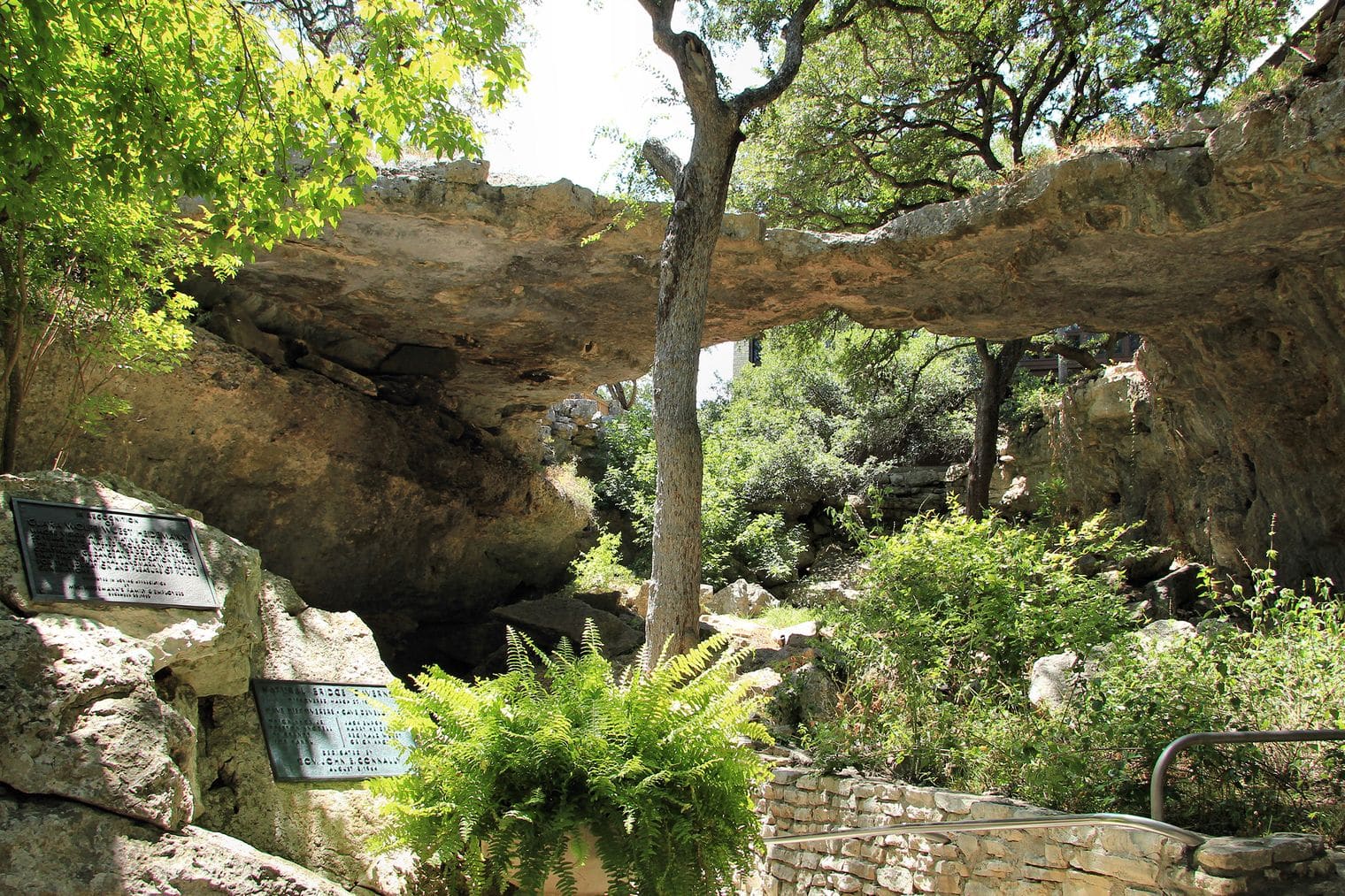
Named for the 60-foot limestone bridge arching over its entrance, Natural Bridge Caverns near San Antonio is the largest commercial cave system in Texas. Guided tours descend into vast underground chambers draped with stalactites, flowstone, and other formations that are still slowly growing today.
The main tour follows lit, accessible pathways, while more adventurous options head deeper off the standard route. Above ground, ziplines, a maze, and a gem-mining activity keep families busy. The caverns stay cool year-round, a welcome escape from the Texas heat on a scorching summer afternoon.
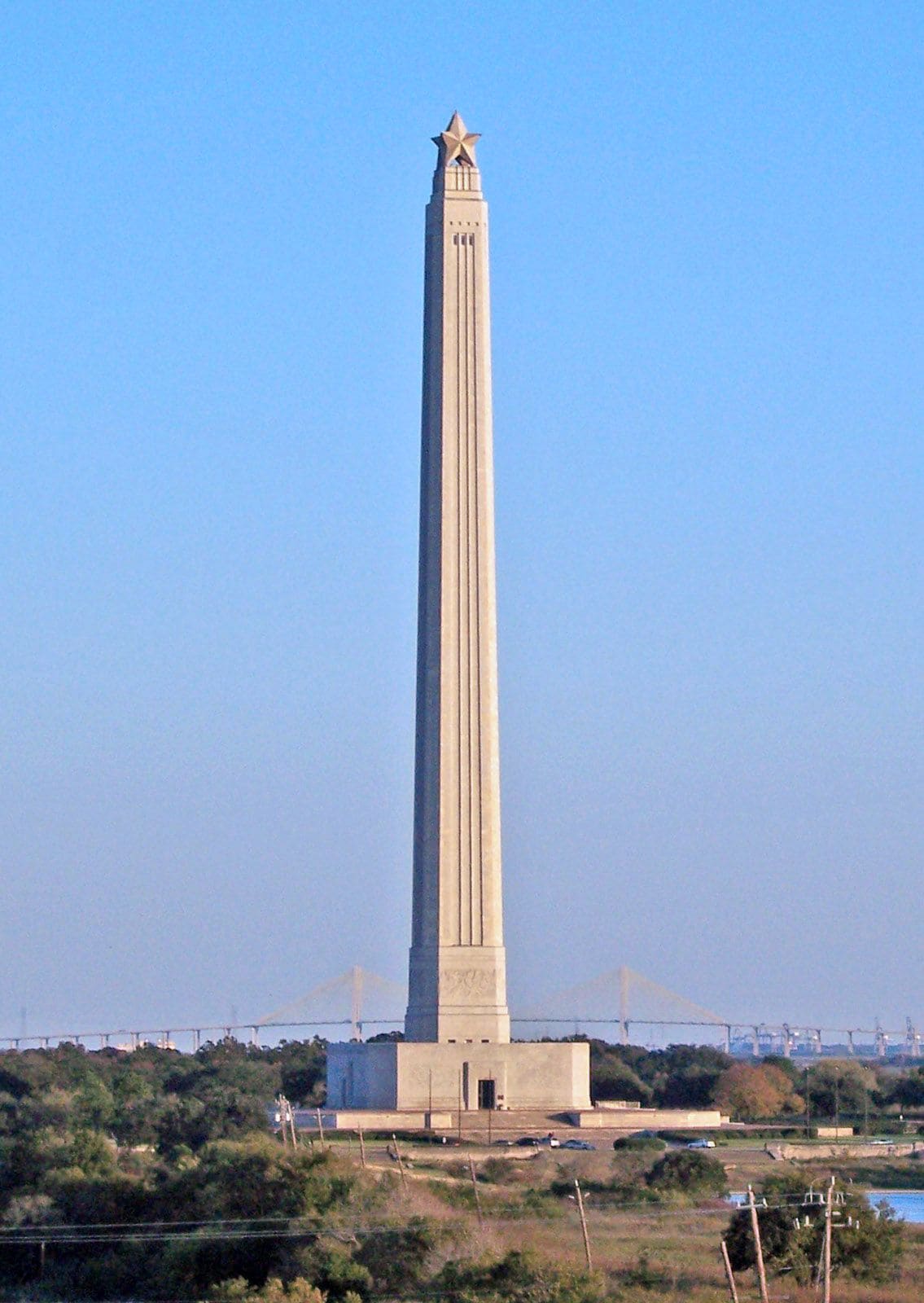
East of Houston in La Porte, the San Jacinto Monument rises over the prairie where Texas won its independence in 1836. The limestone column climbs higher than the Washington Monument and wears an enormous Lone Star at its peak, a bold marker for the battle that founded the Republic of Texas.
An elevator lifts visitors to an observation deck with views across the old battleground and the busy Houston Ship Channel, while a museum at the base recounts the revolution. Moored in the same park, the battleship Texas, a veteran of both world wars, deepens a stop already thick with state history.
The Houston Museum of Natural Science anchors the city's Museum District and ranks among the most visited museums in the country. Inside, mounted dinosaur skeletons tower over halls of gems and minerals and ancient Egyptian artifacts, while a planetarium projects the night sky across the dome overhead.
The Cockrell Butterfly Center, a glass rainforest alive with free-flying butterflies, is a perennial favorite, and rotating exhibitions keep regulars returning. It fills a half day easily, especially when summer heat makes the indoors appealing. The surrounding district holds many more museums, most within a short walk or shuttle ride.
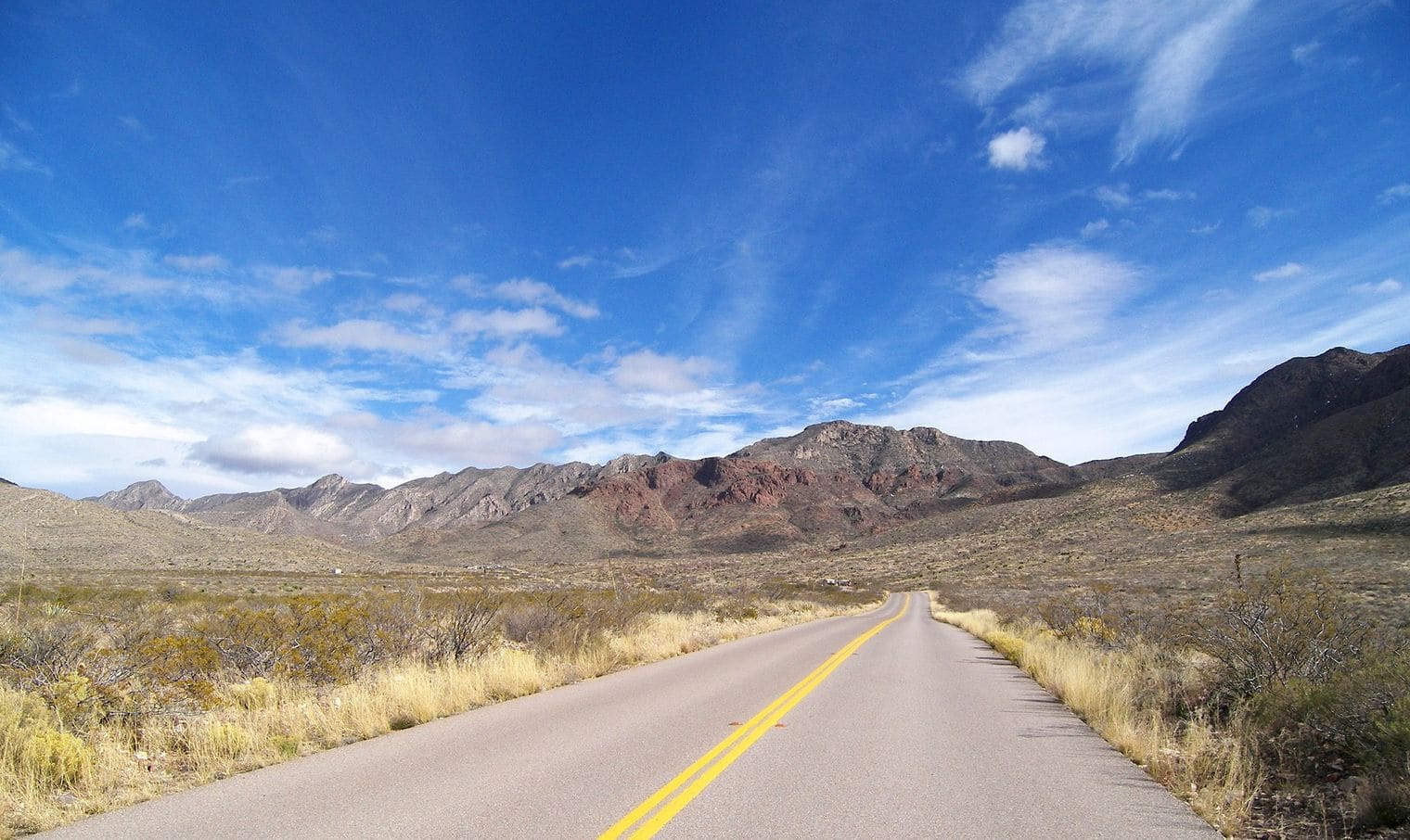
Rising straight out of El Paso, Franklin Mountains State Park is one of the largest urban parks in the country to sit entirely within a city's limits. Its rugged desert peaks draw hikers and mountain bikers, with panoramic views stretching across El Paso, the Rio Grande, and Juarez, just over the border in Mexico.
Trails range from gentle desert walks to demanding climbs into the high country, and the scenery shifts with the changing desert light through the day. It's a quick escape into wild terrain from the heart of a major city. Bring plenty of water and skip the midday heat, since shade is scarce on the exposed slopes.
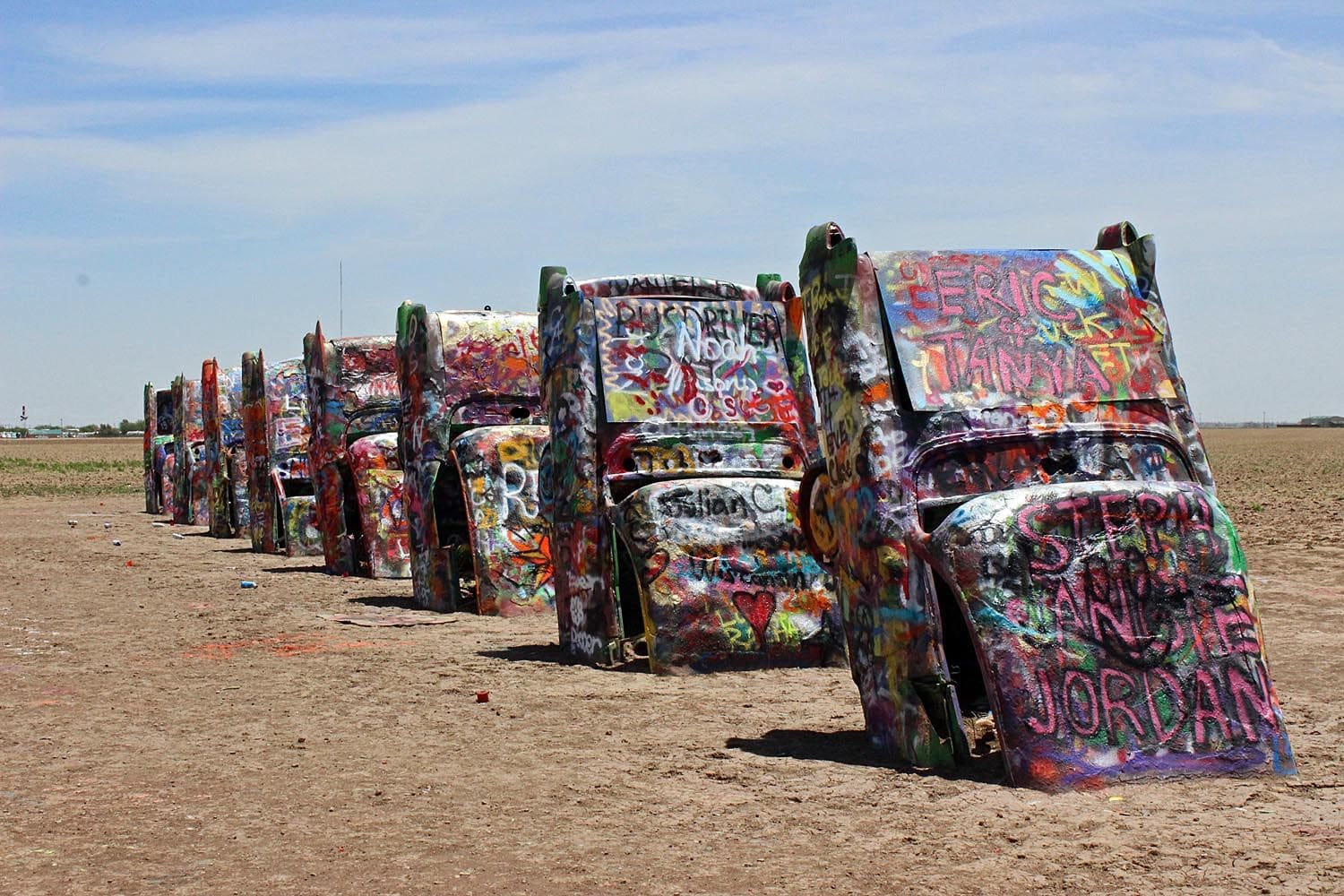
Just west of Amarillo along old Route 66, Cadillac Ranch buries ten vintage Cadillacs nose-first in a Panhandle field, their tail fins tilted toward the open sky. Installed in 1974, the cars long ago disappeared beneath thick, ever-accumulating layers of spray paint left behind by the travelers who stop here.
Bring a can and add your own mark, knowing the next visitor will paint right over it. That constant repainting means the surface looks different every single day. Pull off the interstate, walk out across the dirt, and join one of the most photographed roadside stops in America.
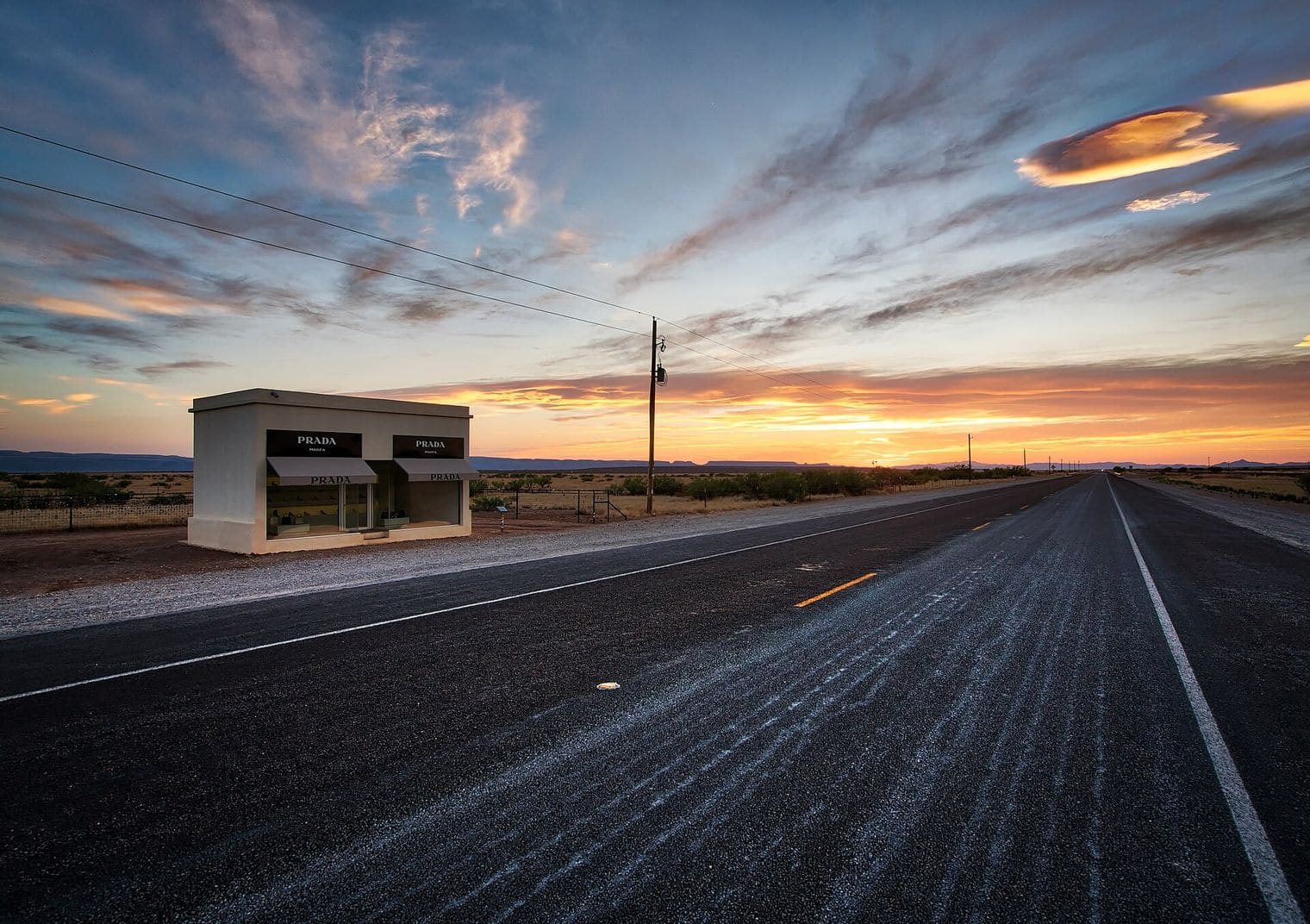
Out on a lonely stretch of U.S. 90 near Valentine, Prada Marfa first reads as a luxury boutique dropped into the empty West Texas desert. It is actually a permanent sculpture, built in 2005 to mimic a Prada store, its shoes and handbags sealed behind glass for looking but never buying.
That surreal clash of high fashion against miles of open scrubland has made it one of the most photographed spots in Texas, especially for travelers drawn to the nearby art town of Marfa. There is nothing to do but look and take pictures, which is exactly the point. Come at soft early or late light.
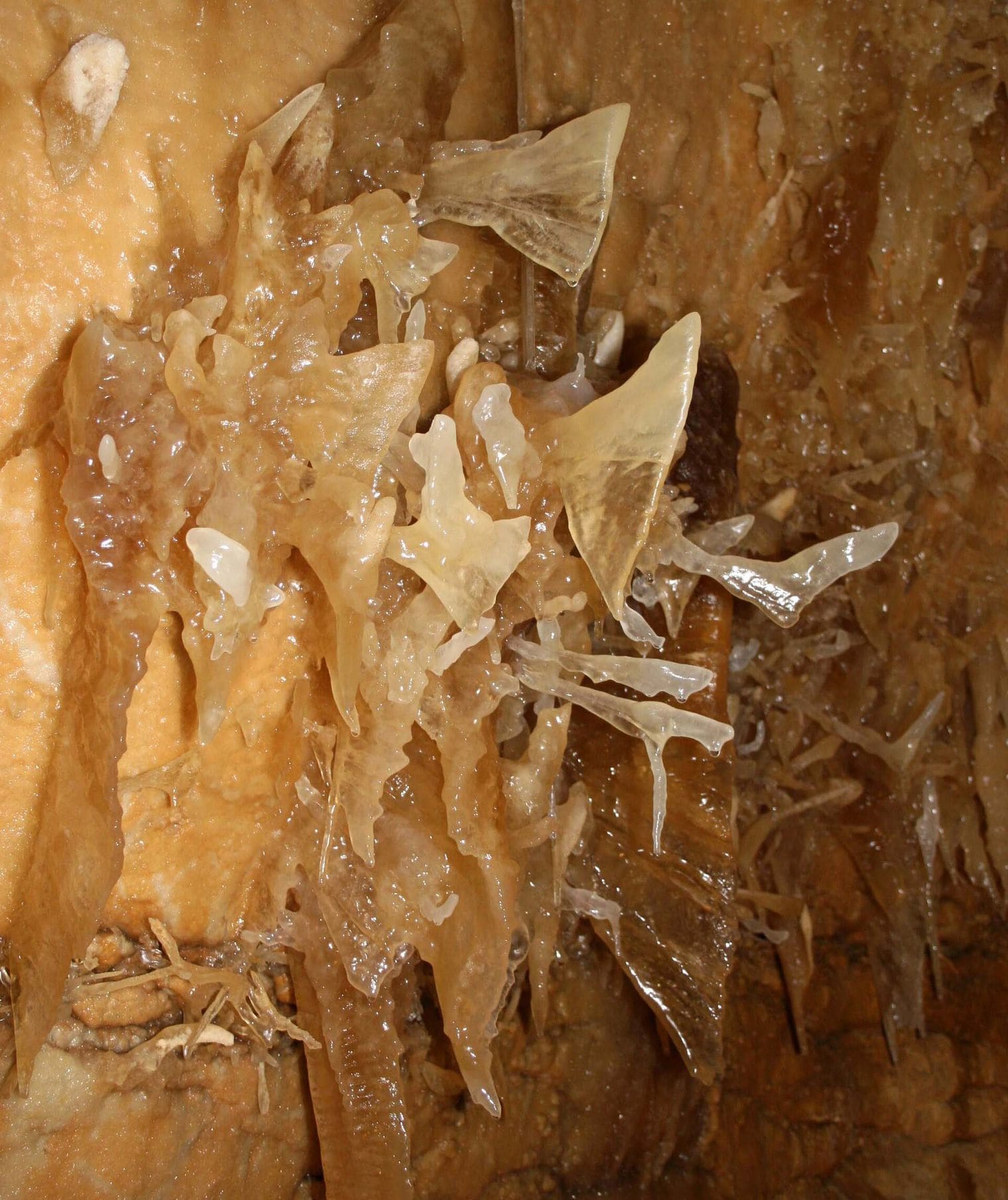
Tucked between San Antonio and the West Texas plains, the Caverns of Sonora are renowned among cavers for delicate, sparkling formations, including rare helictite crystals that branch and twist in defiance of gravity. A National Natural Landmark, it ranks among the most beautiful show caves anywhere.
Guided tours wind through chambers glittering with calcite that is still actively forming, a world apart from the bigger, blockier caverns found elsewhere in the state. The rural setting stays uncrowded and rewards the detour off the interstate. It holds cool and humid year-round, so bring sturdy shoes and a light layer.
The original Schlitterbahn in New Braunfels ranks among the best waterparks in the world, a sprawling German-themed Hill Country playground built right along the spring-fed Comal River. It is home to the Master Blaster, an uphill water coaster that made the park famous, alongside tube chutes, wave pools, and long lazy floats.
Unlike many parks, it channels cool natural river water through much of the experience, a genuine blessing in the Texas summer. Families can spend an entire day drifting from one attraction to the next. It pairs perfectly with a tube ride down the Comal or Guadalupe rivers nearby, a classic Texas summer tradition.
Many of Texas’s natural and historic sites carry only a modest fee or none at all, from wandering the grounds of the San Antonio Missions to walking the beaches of Padre Island National Seashore. Together they prove you can experience the Lone Star State on almost any budget.
FAQ: Visiting Texas
What is Texas known for?
Texas is famous for its outsized mix of frontier history, live music, space exploration, and dramatic wide-open landscapes. The Alamo and San Antonio's River Walk anchor its Spanish-mission past, the Fort Worth Stockyards keep cowboy culture alive, Space Center Houston celebrates NASA's mission control, and Austin's music scene and roadside oddities like Cadillac Ranch and Prada Marfa add its quirky, creative streak.
Is Texas worth visiting?
Yes, Texas rewards visitors with a remarkable range of experiences packed into one state, from big cities to remote wilderness. You can walk the halls of the Alamo, tour mission control at Space Center Houston, hike the desert canyons of Big Bend and Guadalupe Mountains national parks, stand at the Sixth Floor Museum where JFK's story is told, and relax on the Gulf beaches of Padre Island and Galveston, all within a single trip.
What is the best time of year to visit Texas?
Spring (roughly March through May) and fall (September through November) are the best times to visit, when temperatures are mild across most of the state. These shoulder seasons let you comfortably explore Big Bend, Palo Duro Canyon, and the Gulf beaches without the intense summer heat that makes midday hiking and long drives draining, and clear autumn nights are ideal for stargazing at McDonald Observatory.
How many days do you need to see Texas?
You cannot see all of Texas in a week because it is the second-largest state, but 7 to 10 days is enough to explore one or two regions well. A common plan pairs San Antonio and Austin with a Hill Country drive, or combines Houston's Space Center with Galveston's coast; fitting in far-flung highlights like Big Bend, McDonald Observatory, or Palo Duro Canyon usually calls for a dedicated trip of its own.
What are the best cities to base yourself in when visiting Texas?
The four major hubs are San Antonio, Austin, Houston, and Dallas-Fort Worth, each with an airport and a distinct cluster of attractions nearby. San Antonio puts you at the Alamo and River Walk, Austin offers live music and the Congress Avenue bats, Houston is the gateway to Space Center Houston and Galveston, and Dallas-Fort Worth combines the Sixth Floor Museum with the Fort Worth Stockyards.
Is Texas good for a family road trip?
Texas is one of the best states for a family road trip, with kid-friendly stops that mix learning and fun. Families can watch astronaut training at Space Center Houston, see a working cattle drive at the Fort Worth Stockyards, build sandcastles on Padre Island, hike the trails of Palo Duro Canyon, and climb the graffiti-covered cars at Cadillac Ranch, though the long distances between regions mean planning realistic driving days matters.
How do you get around Texas?
Because Texas is so large, getting around almost always means renting a car, since public transport between destinations is limited and the highlights are spread across huge distances. Driving suits regional trips like the Hill Country loop or the Houston-to-Galveston coast, but flying between the major hubs of Houston, Dallas-Fort Worth, Austin, and San Antonio saves a full day of driving when you want to combine far-apart areas such as Big Bend, El Paso, Marfa, or the Panhandle's Palo Duro Canyon.