Texas is so big that its small towns feel like passports to different worlds. In a single state you can sip your way through a German-founded wine country, wander a high-desert art colony where minimalist installations sit under some of the darkest skies in the country, kick off your shoes on a barrier-island beach, and two-step across the floor of a century-old dance hall. Add antebellum river ports draped in bayou moss, Czech and Alsatian settlements that still bake the old recipes, and dusty ghost towns on the edge of Big Bend, and you have a collection of places that share a state but almost nothing else. What ties them together is scale and spirit: courthouse squares you can walk end to end, main streets lined with local shops and murals, and a welcome that comes without traffic or crowds.
This guide gathers 20 of the finest, arranged roughly from the most iconic to the wonderfully offbeat, and it deliberately spans the whole map of Texas. You will find Hill Country favorites, Gulf Coast escapes, Piney Woods towns in the east, high-desert outposts out west, a Route 66 stop on the Panhandle, the Czech-German belt of Central Texas, and a handful of North Central gems within easy reach of the big cities. Use it to build a themed road trip through one region or to cherry-pick a single weekend base, then let each town point you toward the wider corner of Texas it calls home. However you travel, treat the list as a starting point for exploring a state where the small places often leave the biggest impression.
Fun Facts About Texas
Fredericksburg was founded by German immigrants in 1846, and its surrounding Hill Country is now the heart of Texas wine country, with dozens of wineries lining the roads outside town.
Tiny Marfa became an unlikely modern-art capital after minimalist artist Donald Judd founded the Chinati Foundation there — and it's still famous for the unexplained Marfa Lights.
Nacogdoches bills itself as the oldest town in Texas and is home to the Ruby M. Mize Azalea Garden, the largest azalea garden in the state.
Gruene Hall, in the historic Gruene district of New Braunfels, is the oldest continually operating dance hall in Texas.
Lockhart is the legislatively designated “Barbecue Capital of Texas,” while Bandera calls itself the “Cowboy Capital of the World.”
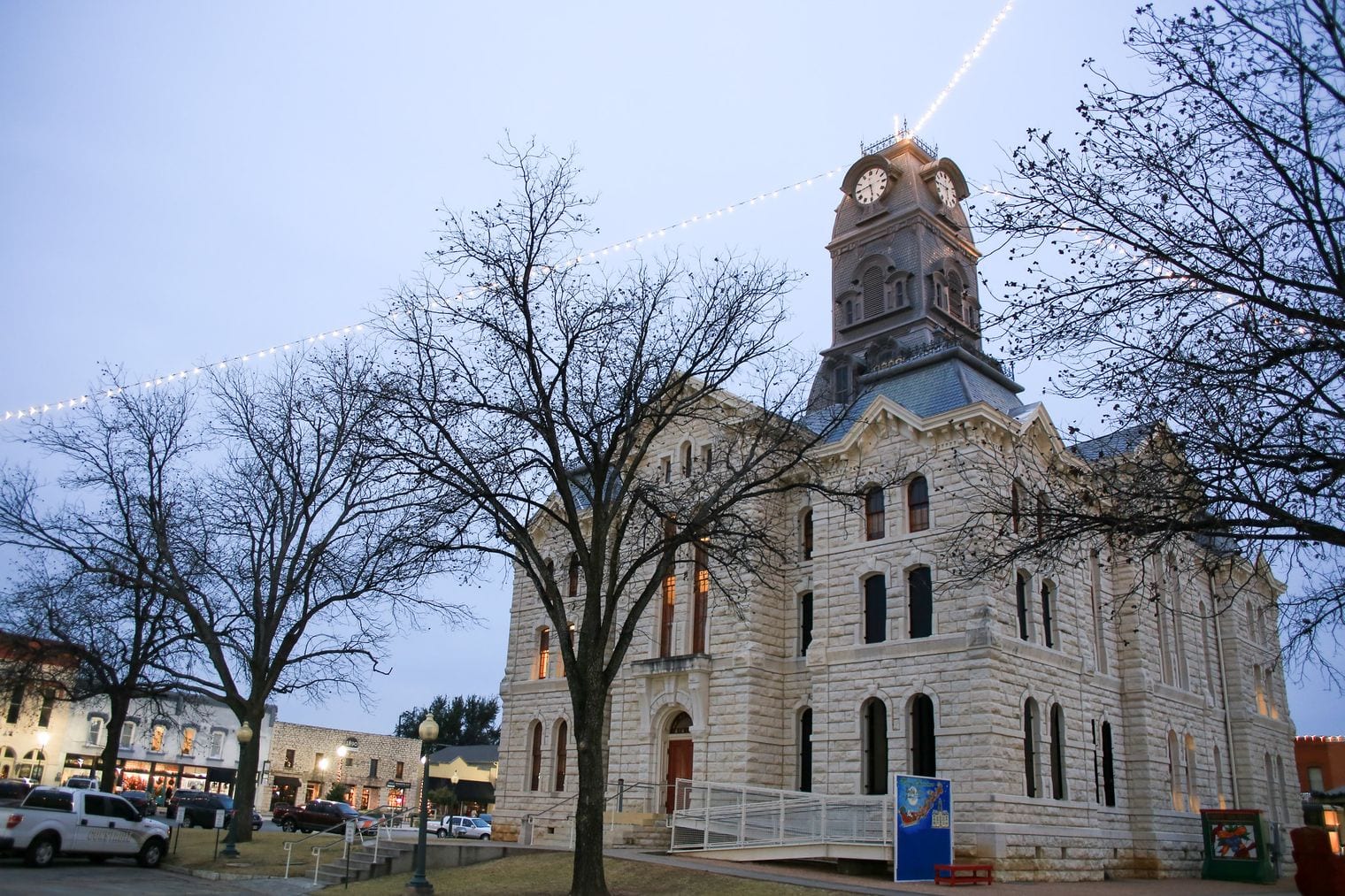
Settled by German immigrants in 1846, Fredericksburg sits at the heart of Texas wine country and wears its heritage on its sleeve, from biergartens and family bakeries to street names still spoken in the old tongue. It is the definitive Texas Hill Country small town: a long, walkable Main Street lined with historic limestone storefronts, and more than 50 wineries scattered across the rolling countryside just beyond its edges.
Spend a day strolling that Main Street, ducking into a bakery for strudel or a beer garden for something poured under the oaks, and browsing shops set in century-old buildings. From there, the surrounding Hill Country opens up: tasting rooms and vineyards along the wine trail, peach stands in the warmer months, and wildflower-dusted roads in spring. Come autumn, cooler evenings make the biergartens and back-porch tastings all the more inviting.
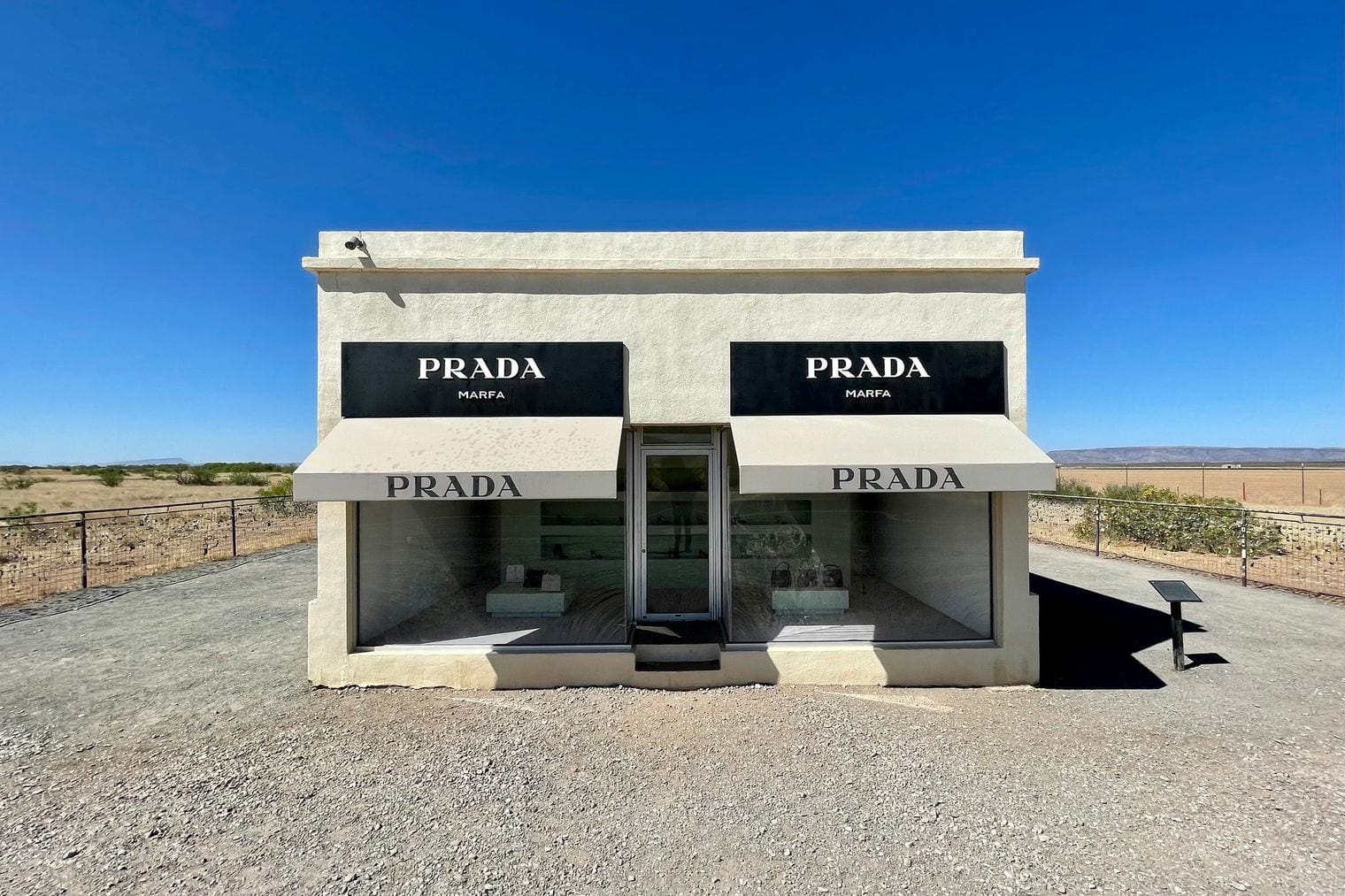
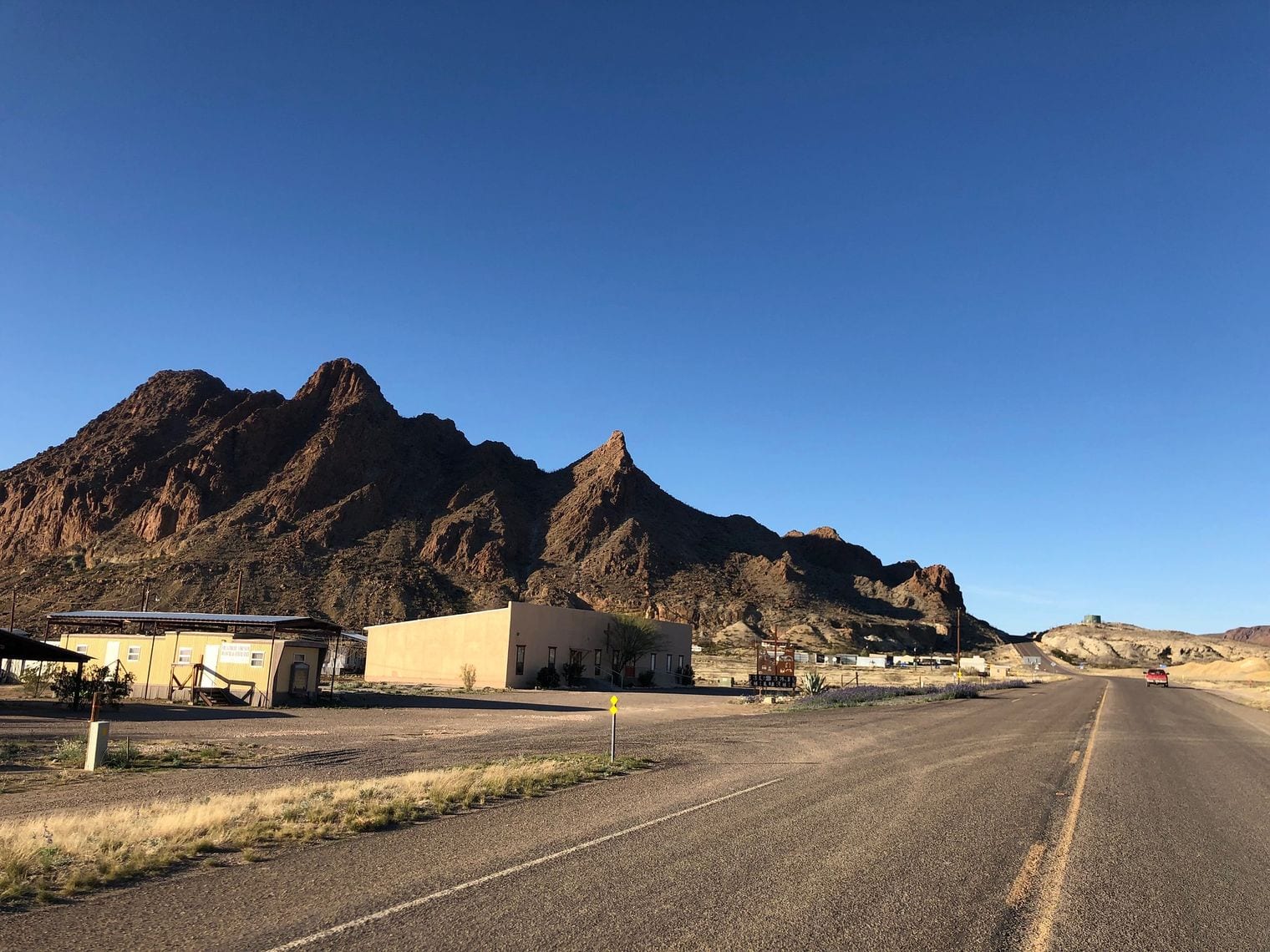
Out on the high-desert plains of West Texas, near the rugged country of Big Bend, Marfa has reinvented a former army town into one of the most improbable art destinations in America. Its reputation rests on the Chinati Foundation, the contemporary art museum founded by minimalist artist Donald Judd on the grounds of a decommissioned military post, where large-scale installations are set in deliberate conversation with the surrounding landscape. Add the town's spare, light-filled galleries and its legendary Marfa Lights, and you have a tiny outpost that punches far above its size.
Visitors come to walk among Judd's concrete works and the pared-back minimalist galleries that line the streets, then linger over the wide-open desert light that draws artists and photographers here in the first place. After dark, many drive out to the roadside viewing area east of town to watch for the Marfa Lights, the unexplained glows that flicker on the horizon and have puzzled onlookers for generations. Between the art and the stargazing, the pleasure of Marfa is its slow, offbeat rhythm, best savored under enormous skies and long, quiet evenings.
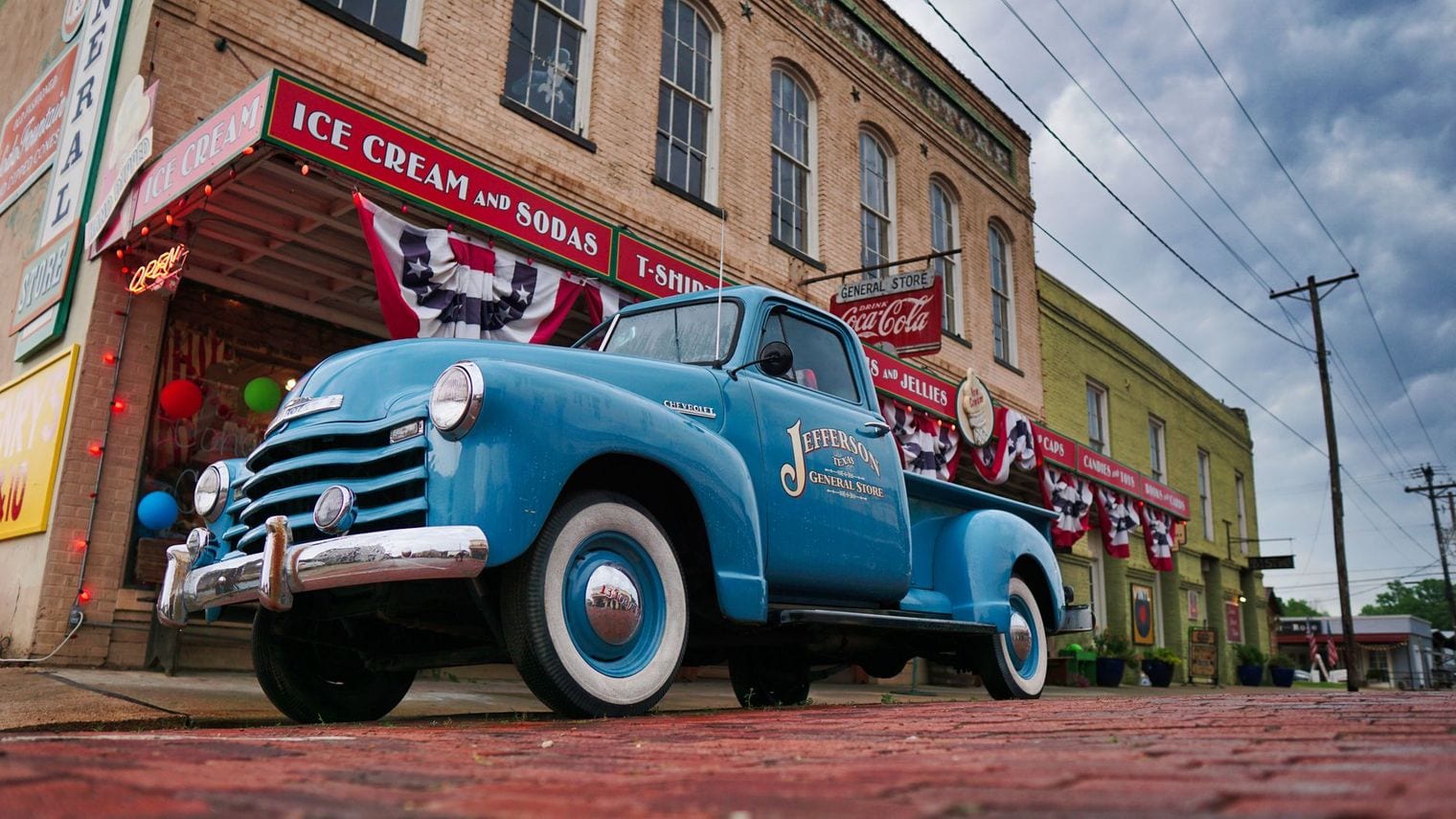
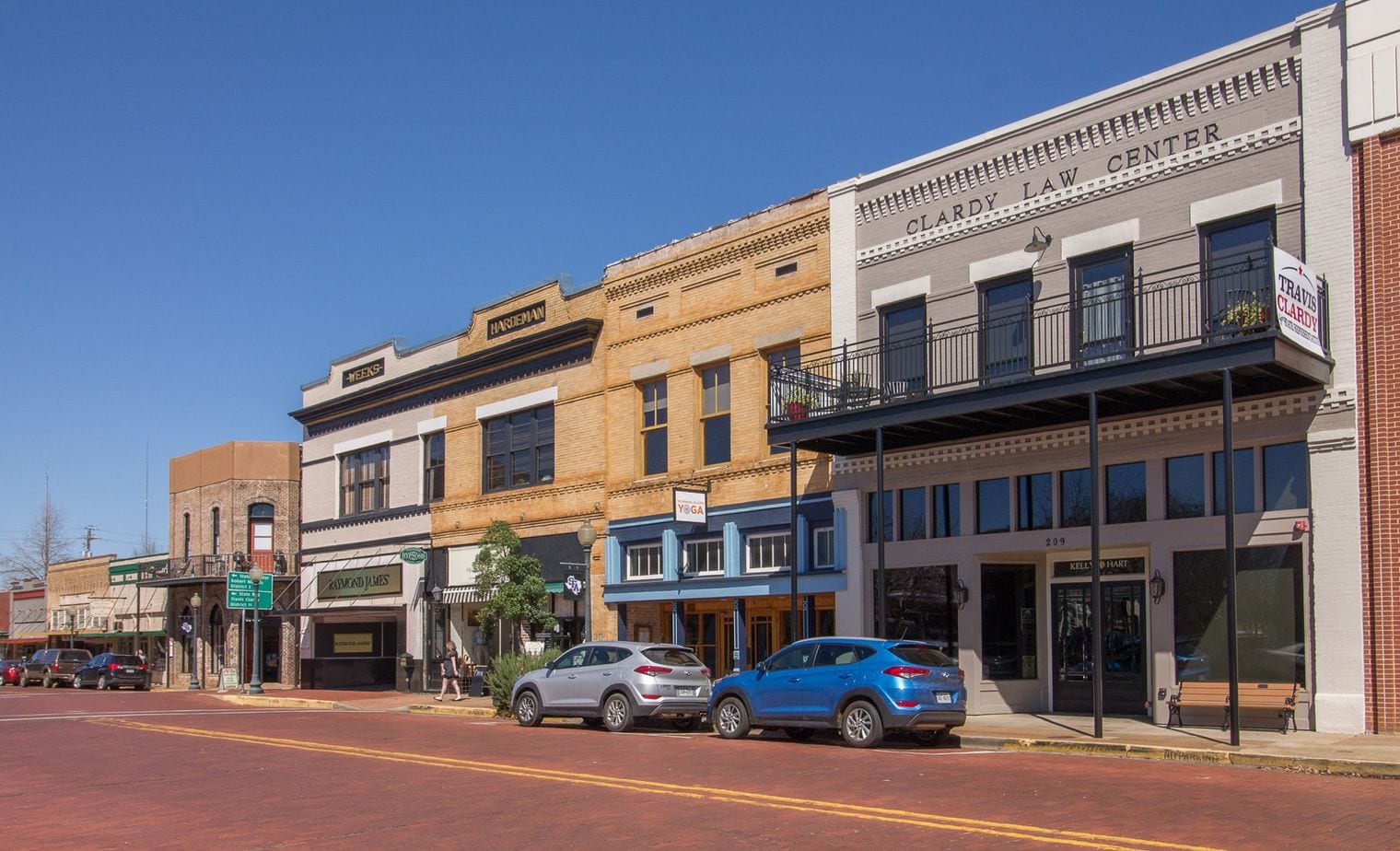
Tucked into the Piney Woods of East Texas, Jefferson is a preserved 19th-century riverport where the antebellum South lingers in the humid bayou air. Once a bustling inland steamboat hub, the town has kept its historic bones intact, and today its brick streets and shaded lanes are lined with stately antebellum homes, storefronts, and the kind of small-town quiet that feels frozen a century back. It is a place built for slow wandering rather than rushing, and its riverport past is the thread running through nearly everything you'll see.
Spend a day browsing the antique malls that fill the old commercial buildings, then climb aboard a horse-drawn carriage for a clip-clop tour past the town's grand old houses. Come evening, ghost tours lean into Jefferson's reputation for the haunted and the storied, spinning tales from its steamboat heyday. History buffs can dig into the bayou steamboat era that made the town rich, while the surrounding Piney Woods offer a green, seasonal backdrop that shifts from spring bloom to crisp autumn.
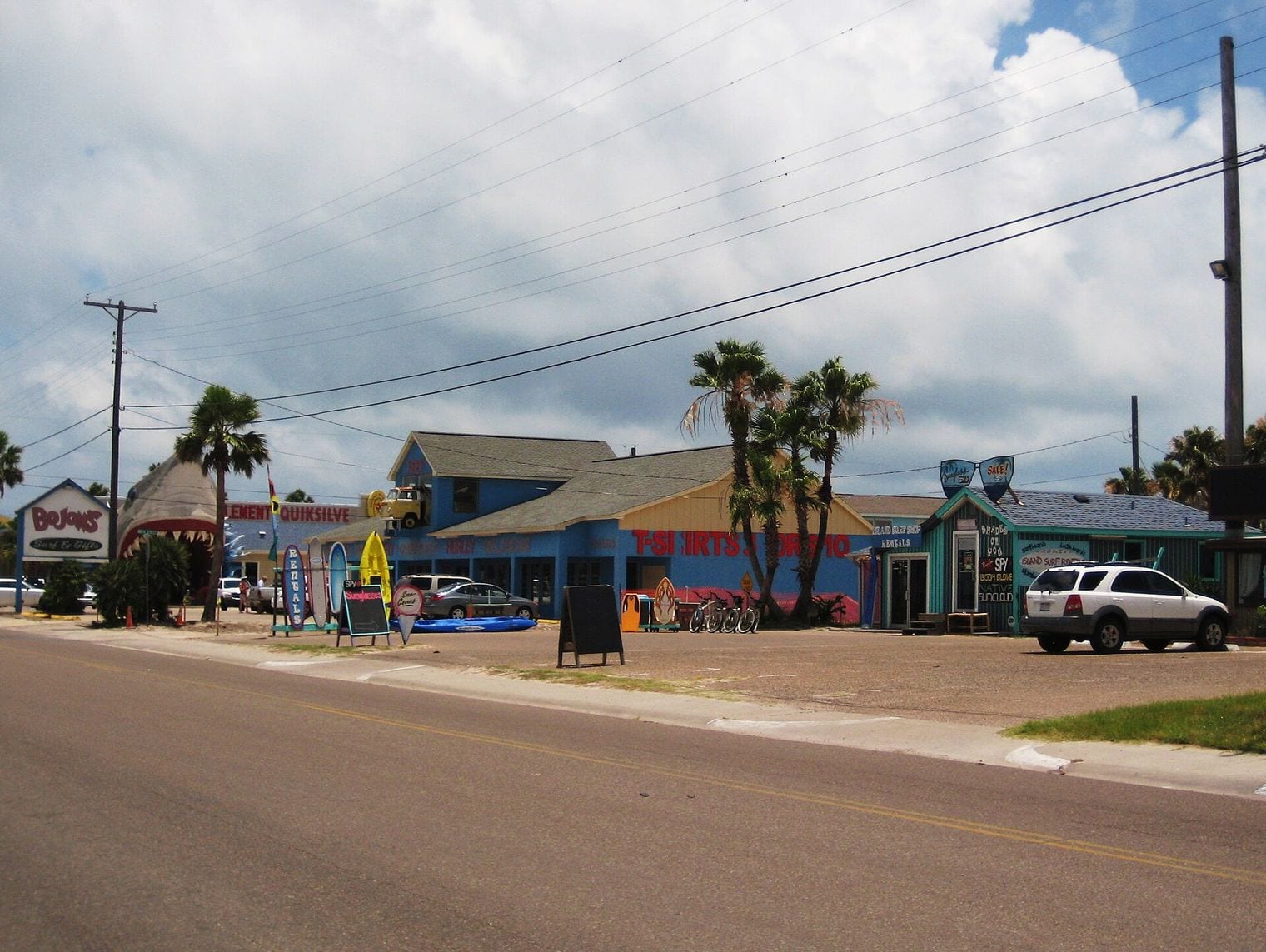
Anglers have a nickname for Port Aransas, and it fits: the Fishing Capital of Texas. Perched on the northern tip of Mustang Island along the Gulf Coast, this laid-back beach town runs on saltwater and sunshine, where charter boats head out for bay and deep-sea catches and the pace stays refreshingly slow. It is the kind of place where flip-flops count as formal wear and the day is measured by tides rather than clocks.
Spend a morning casting from a pier or booking a charter, then trade your rod for a towel on the wide, dune-backed beaches that stretch along the island. Come spring, sculptors turn the shoreline into a gallery during Texas SandFest, the country's largest native sand-sculpting competition. Between the surf and the sand, visitors wander a walkable town of seafood shacks and salty-air charm, with birding, beachcombing, and long golden-hour strolls filling the hours in between.
Tucked into the heart of the Texas Hill Country, Wimberley is an artsy village where cypress-shaded creeks, gallery-lined streets, and a famously laid-back pace draw weekenders from Austin and San Antonio alike. Its signature landmark is Jacob's Well, a mesmerizing spring whose deep-blue mouth opens into a submerged cave system fed by the Trinity Aquifer, best appreciated today as a scenic natural site rather than a swimming spot. Add in a lively studio scene and the beloved monthly market, and this small town punches well above its size.
Start at Jacob's Well Natural Area, where a short trail leads to the glassy spring and the surrounding hills. For a proper dip, head to Blue Hole, a cypress-lined, spring-fed swim spot open seasonally by reservation. Time your visit for a first-Saturday Wimberley Market Days, when hundreds of vendor booths spill across the grounds with antiques, yard art, and live music. Between outings, browse the boutiques and galleries around the square, sip on a Hill Country patio, and watch the limestone bluffs glow at golden hour.
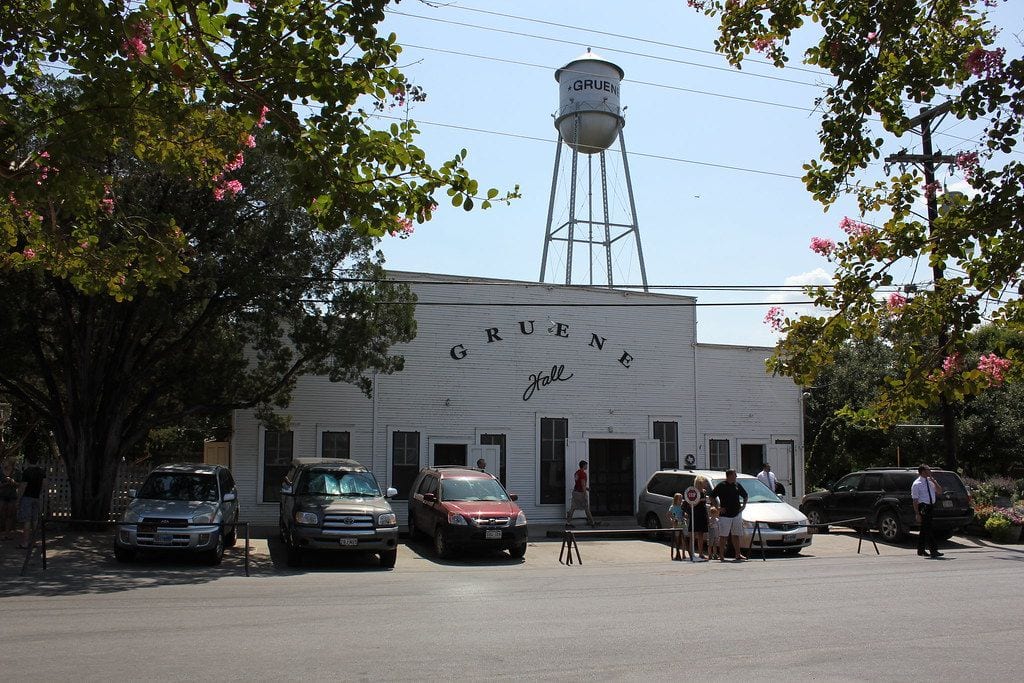
Tucked into the Texas Hill Country as a preserved historic district of New Braunfels, Gruene revolves around Gruene Hall, the oldest continually operating dance hall in Texas. Two-stepping under its high tin roof and open side flaps is the reason most people make the trip, and the sound of a live band spilling into the street sets the tone for the whole village.
What makes this pocket of the 19th century so memorable is how little it has changed: a cluster of century-old buildings, the slow curl of the Guadalupe River, and a small-town rhythm that survived long after the surrounding cotton economy faded.
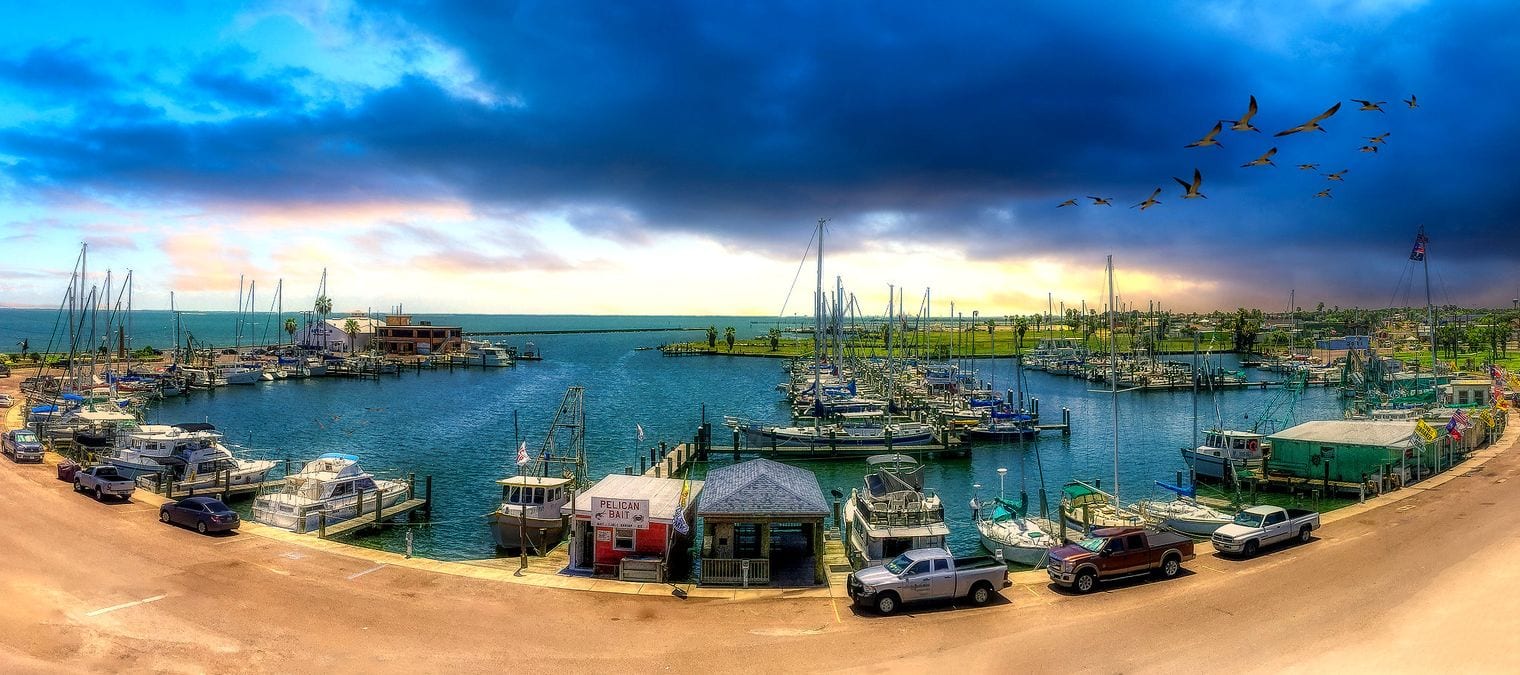
Set on a quiet stretch of the Texas middle coast, Rockport is a fishing town that traded workaday harbors for easels and gallery walls without ever losing its salt-air soul. Its calling card is Rockport Beach, the first beach in Texas to earn Blue Wave certification for cleanliness and stewardship, its shallow, sheltered water made for wading families. Wind-sculpted live oaks lean inland all over town, a living signature of a place shaped by the Gulf, and creativity runs just as deep, with the Rockport Center for the Arts anchoring a genuine coastal arts community.
Wander the waterfront and you'll find working shrimp boats, birders scanning the marshes, and the Rockport Center for the Arts staging rotating exhibitions and open-air happenings. Just north at Goose Island, the ancient, gnarled Big Tree spreads its sprawling canopy, a centuries-old live oak that has weathered countless storms. Beyond the galleries, days drift toward casting a line off the pier, watching for herons in the shallows, and catching a fiery sunset over the bay.
Part ghost town, part living art colony, Terlingua is where a boomtown built on quicksilver mining faded, then quietly came back to life. When the mercury mines gave out, the desert crept in around the crumbling adobe and stone ruins, and over the decades a scrappy community of artists, river guides, and desert eccentrics moved in among them. Today the town is best known for its raucous chili cook-off, a competition that draws cooks and characters from across the country, and for sitting at the doorstep of Big Bend National Park.
Wander the old ghost-town district and you'll find weathered ruins, a historic cemetery, and porches where locals gather to watch the sun drop behind the Chisos Mountains. Terlingua makes an ideal base for exploring Big Bend, whether you're rafting the Rio Grande with one of the outfitters in town, hiking canyon trails, or driving out into the vast Chihuahuan Desert. Evenings bring some of the darkest, most star-filled skies in the country, and the whole place trades on a rugged, off-the-grid spirit that feels a world away from anywhere else in Texas.
9. Salado
Source: Illustrative image
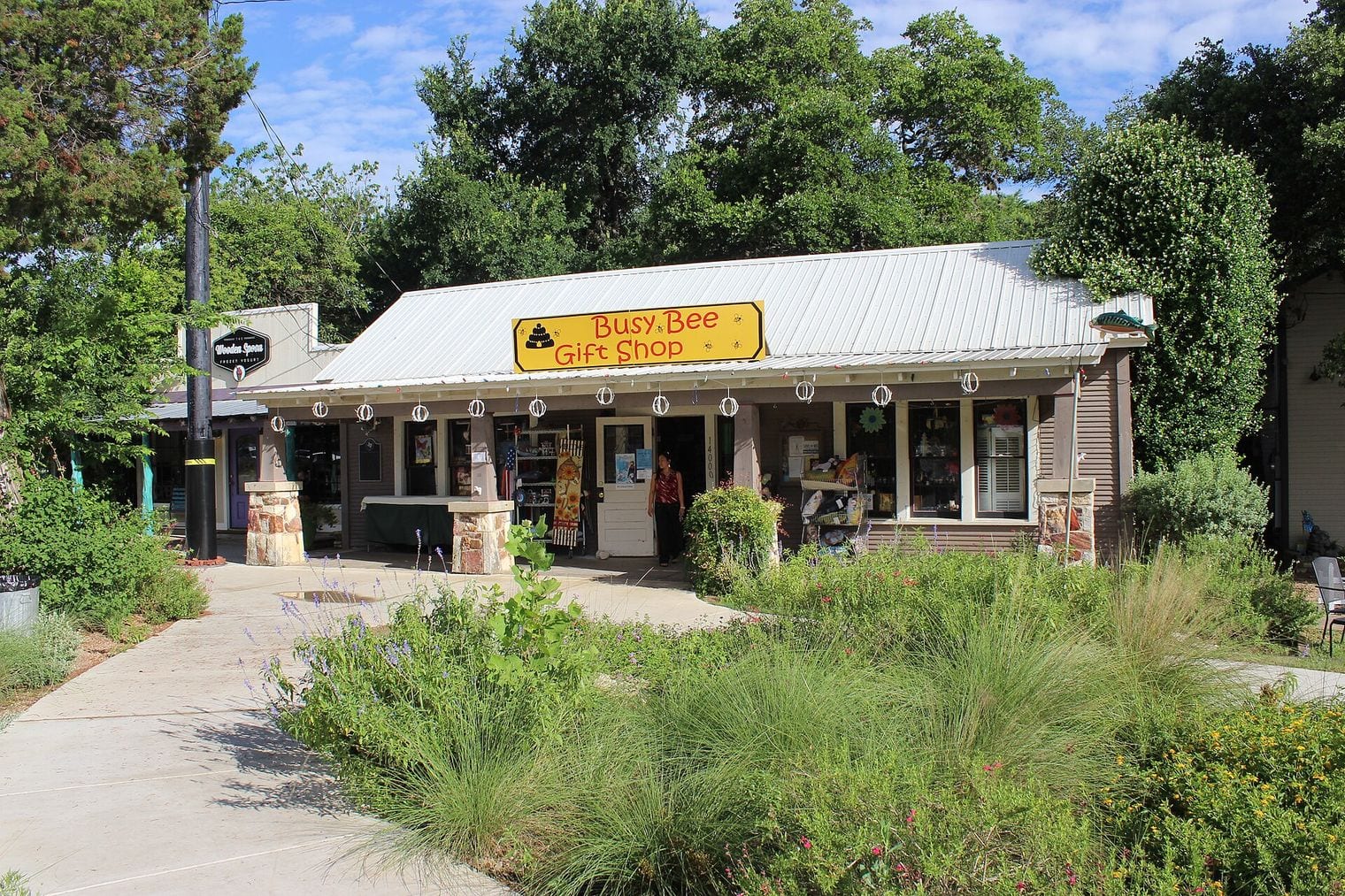
Tucked into the rolling country between Austin and Waco, Salado has spent generations reinventing itself as Central Texas's village of artists. Galleries, studios, and one-of-a-kind shops line its walkable main street, but the town's beating heart is the historic Stagecoach Inn, a storied landmark on the banks of Salado Creek that has welcomed travelers along this old stagecoach route since the frontier era. Together they've made the village a beloved antiquing and dining stop for road-trippers threading their way up the I-35 corridor.
Spend a day here and you'll drift from gallery to gallery, browsing paintings, sculpture, and handmade wares before pausing for a leisurely meal at the Stagecoach Inn. Salado Creek winds through the center of town, its clear water and shaded banks inviting a slow walk or a quiet picnic. Between the antique stores, the working artists, and the creekside setting, the pace stays unhurried no matter the season, rewarding visitors who linger rather than rush.
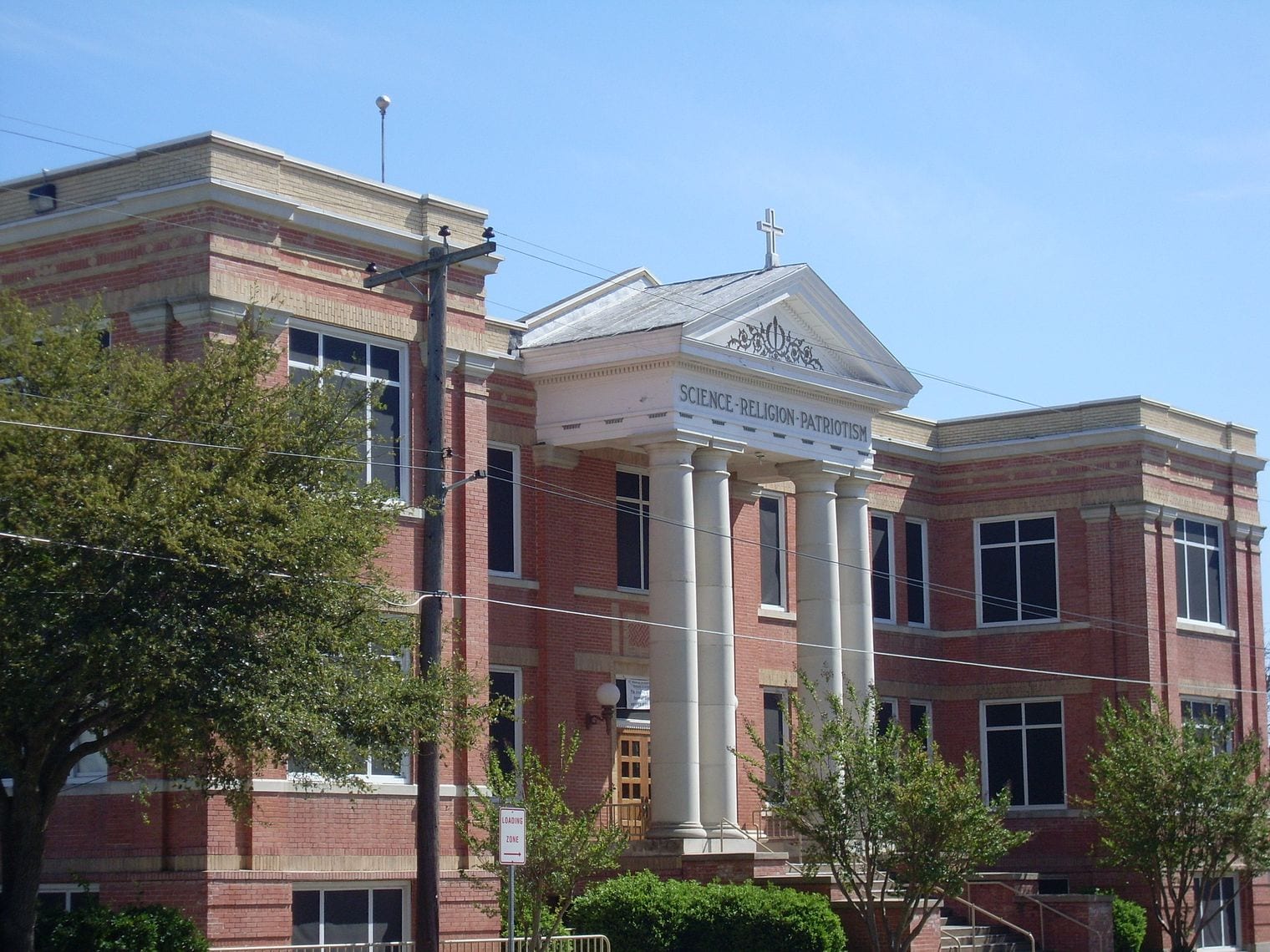
Billed as the oldest town in Texas, Nacogdoches wears its long history openly, from a brick-paved historic downtown to a deep-rooted college-town energy supplied by Stephen F. Austin State University. Tucked into the Piney Woods of East Texas, it trades the state's big-sky ranch clichés for tall pines, red clay, and a walkable, lived-in center where the past feels close at hand. This is a place that rewards slowing down and wandering, and its greatest calling card blooms right on the university grounds: the Ruby M. Mize Azalea Garden, the largest azalea garden in the state.
Spend an afternoon strolling the brick streets downtown, browsing storefronts and pausing over local history, then wander the SFA campus that anchors the town's rhythm. In spring, the azalea garden erupts into a wash of color beneath the pines, drawing visitors along its shaded creekside paths. Beyond the blooms, the surrounding Piney Woods invite easy exploration, and the town's leafy, unhurried streets reward anyone happy to linger with a coffee and let the day unfold.
Deep in the Texas Hill Country, Bandera wears its self-styled title as the "Cowboy Capital of the World" without a hint of irony. This is a working Western town, not a costume of one, where honky-tonks and dance halls line a Main Street that still runs on boots, spurs, and two-steps. Founded in the 1850s by Polish Catholic settlers alongside longtime ranching families, the town grew into a staging ground for the great cattle drives, and that heritage lingers in its dude ranches and everyday cowboy culture.
Wandering the compact downtown, you can slip into a low-lit honky-tonk to catch live country music and watch locals two-step across a worn wooden floor. Dude ranches on the outskirts offer trail rides through cedar-studded hills, while the Polish-settler roots surface in old churches and small-town landmarks. Whether you turn up for a rodeo, a saddle-worn saloon, or simply a slow amble past Western storefronts, Bandera trades on the genuine article rather than nostalgia.
Set on the shores of Lake Granbury in the state's central hill-and-prairie country, Granbury is a lakeside escape built around one of Texas's most photogenic town squares. The centerpiece is a restored 1886 opera house that still stages live performances, anchoring a historic courthouse square lined with limestone storefronts, boutiques, and gathering spots that give the town its unmistakable frontier-era charm.
Wander the square and you'll find antique shops, wine and coffee stops, and a working stage where the old opera house comes alive after dark. Steps away, the lake draws visitors for boating, fishing, and easy waterfront strolls, with a small beach that fills up on warm days. Evenings bring live music and lamplit sidewalks, while the surrounding countryside rewards anyone who lingers for a slower, small-town Texas weekend.
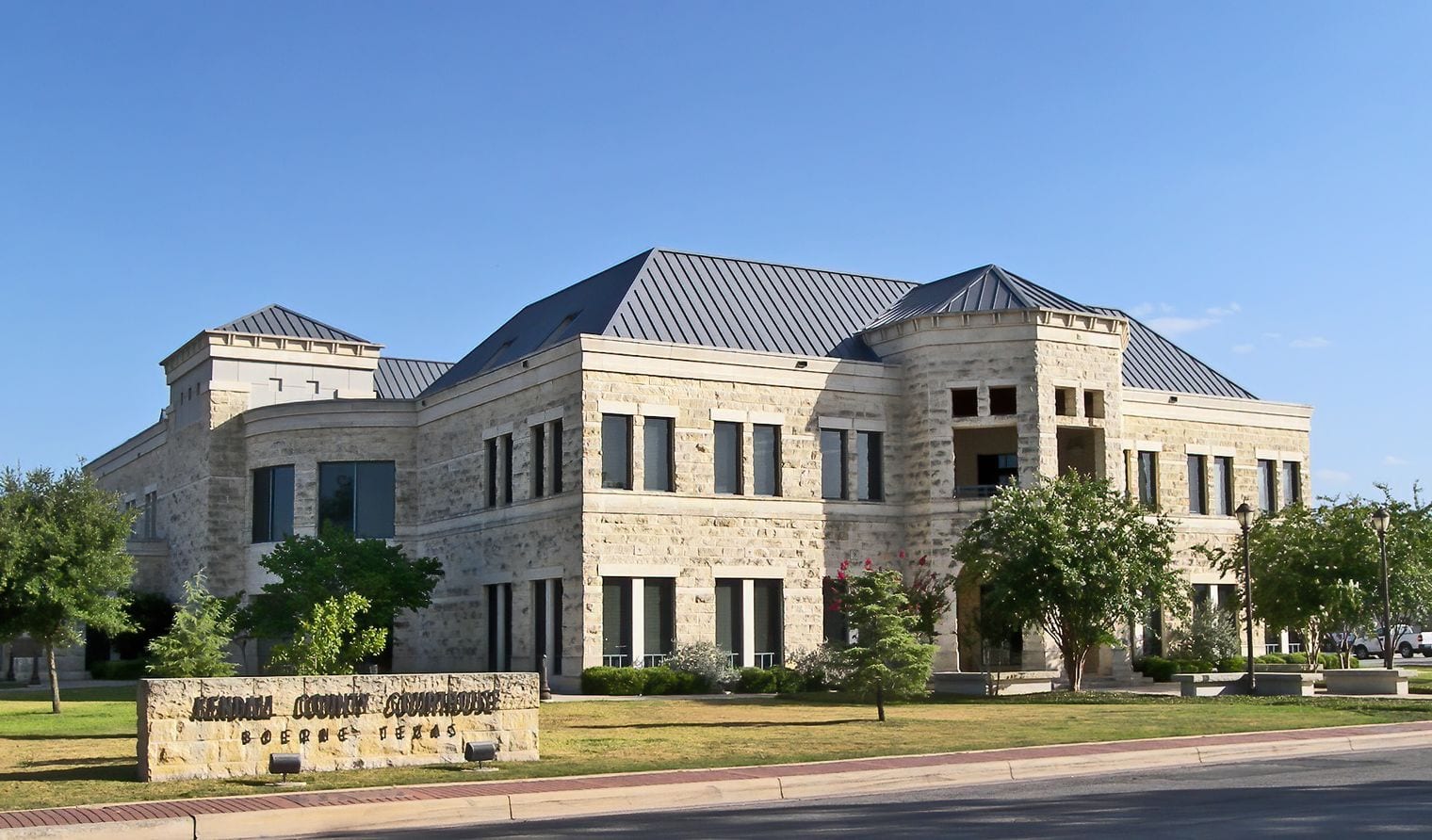
Founded by German freethinkers who prized independent thought as much as good beer, Boerne wears its heritage on its sleeve, and nowhere more visibly than along Hauptstrasse, the limestone-lined main street whose very name nods to the settlers who laid the town out. Tucked into the Texas Hill Country an easy drive from San Antonio, it pairs that old-world backbone with the rolling, oak-dotted landscape that draws people to this corner of the state.
Stroll the historic downtown and you'll find weathered limestone storefronts housing shops, galleries, and cafes, with the annual Berges Fest keeping the German traditions alive through music, food, and small-town revelry. Just outside the center, the Cibolo Nature Center offers trails winding through grassland, marsh, and woodland along the creek, while the caverns hidden in the nearby hills reward anyone curious about the cool, dripping world beneath the Hill Country. It's a place best taken slowly, on foot and in no hurry.
Known as the "Little Alsace of Texas," Castroville is a Hill Country town where a corner of old-world Europe was transplanted onto the Texas frontier. It was founded in 1844 by Henri Castro, who settled it with immigrant families from the Alsace region along the French-German border, and their legacy still defines the streets today. More than 90 preserved pioneer homes, built between 1844 and 1920 in pale native limestone, give the town a distinctly Alsatian character you won't find anywhere else in the state.
Wander the historic district and you'll pass steep-roofed cottages and stone facades that look plucked from an Old World village, many marked with the dates their first families raised them. The town leans warmly into its heritage, and travelers come for Alsatian baked goods, riverside greenery along the Medina, and a walkable core made for slow afternoons. Spring wildflowers and mild Hill Country evenings make the outdoor strolling especially rewarding, while the surrounding countryside offers an easy escape just beyond San Antonio.
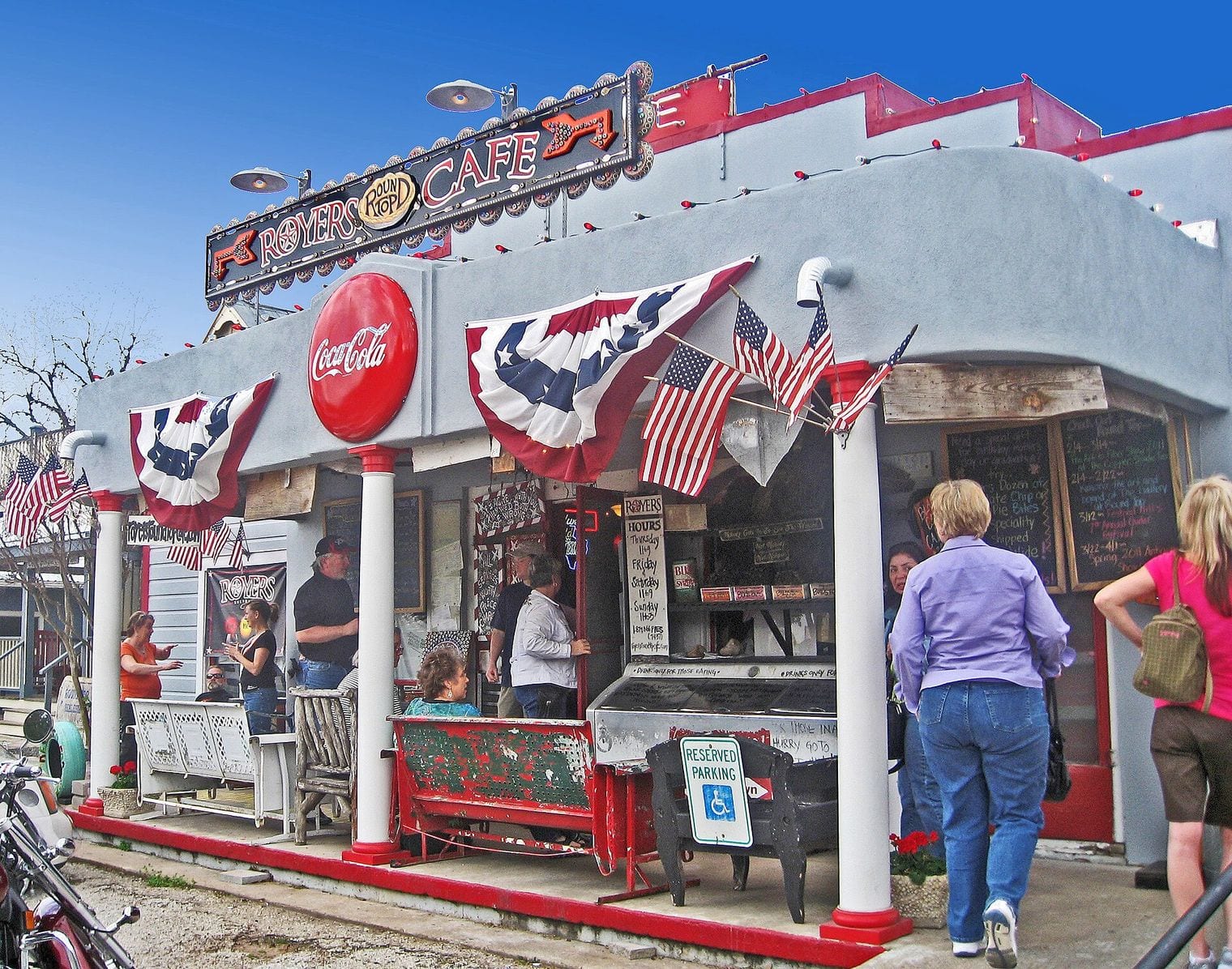
With a year-round population of roughly 90, Round Top is one of the smallest incorporated towns in Texas, yet a few times each year it becomes the center of the antiques universe. The twice-yearly Round Top Antiques Week draws collectors, designers, and dealers from across the country to one of the biggest antiques fairs anywhere, and the town's fields and pastures fill with white tents, salvage stalls, and vintage treasure. Between the shopping frenzies, the Round Top Festival Institute keeps the calendar humming with classical concerts in its acclaimed hall.
Visitors wander a walkable little square, browse antique shops and design showrooms, and refuel at farm-to-table cafes and a famed slice of pie. Beyond the fairgrounds, wildflower-lined country roads roll past the Festival Institute's grounds, historic churches, and restored 19th-century buildings scattered through the surrounding hills. Come during a show and you'll join a treasure-hunting crowd tens of thousands strong; arrive on a quiet week and you'll have a sleepy, storybook Central Texas village nearly to yourself.
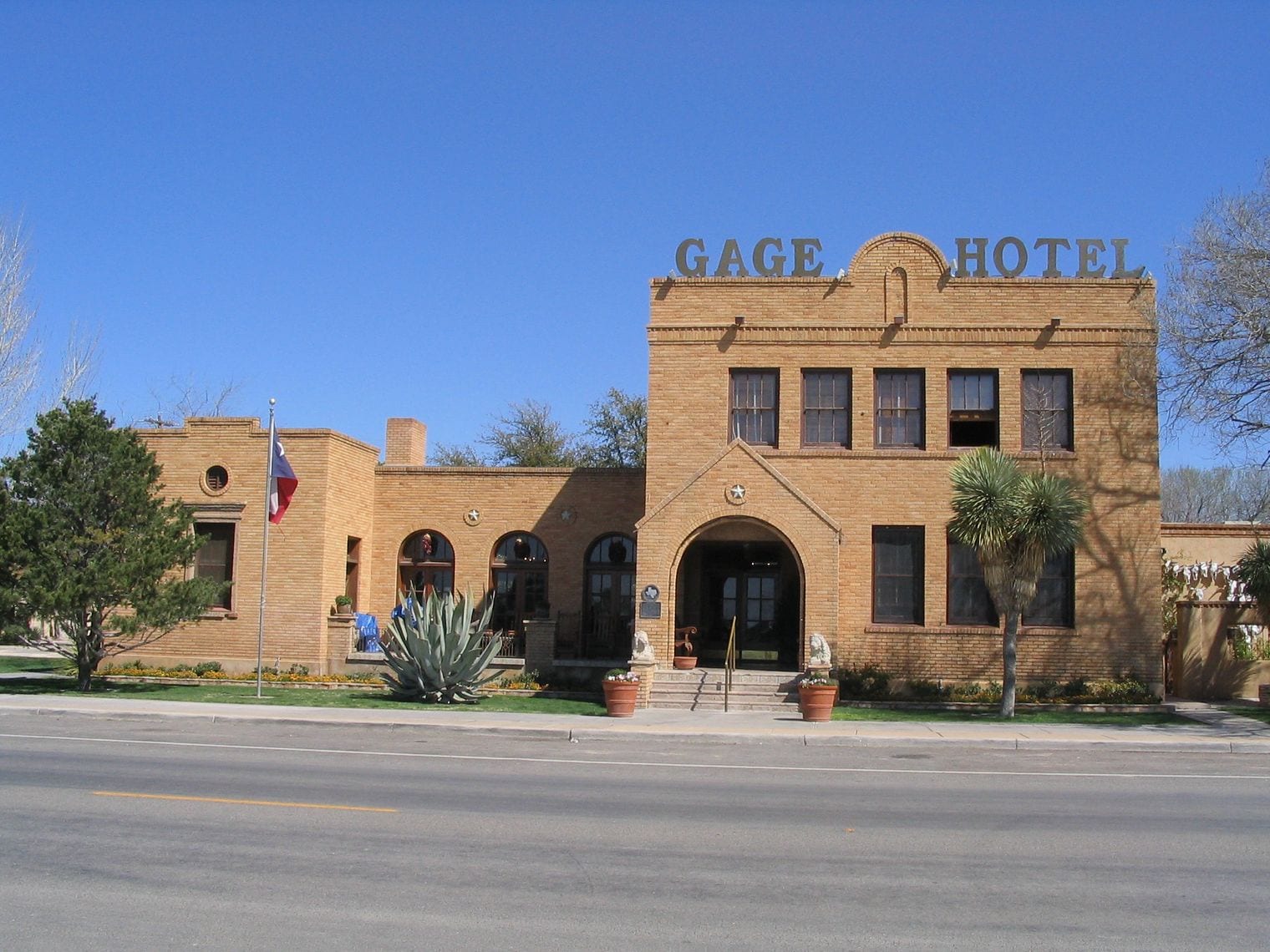
Roughly 40 miles north of Big Bend National Park, Marathon is the kind of quiet high-desert outpost travelers pass through and then can't stop thinking about. This is prime Trans-Pecos country, and the town's anchor is the historic Gage Hotel, a Spanish-revival landmark that has drawn ranchers, road-trippers, and stargazers for generations. What truly sets the place apart, though, is the sky: sitting on the edge of some of the darkest terrain in the lower 48, Marathon offers stargazing so vivid that the Milky Way reads like a smear of chalk overhead.
Days here move slowly, and that's the point. Wander the handful of adobe storefronts, linger over a meal, then settle onto a porch as the desert cools and the light show begins. The Gage anchors the town's social life, while the surrounding scrubland stretches empty in every direction toward distant purple mountains. Come nightfall, visitors trade the porch for open sky, tilting their heads back to take in constellations, planets, and the occasional streak of a shooting star. As a launch pad for Big Bend's canyons and hot springs, Marathon is unbeatable.
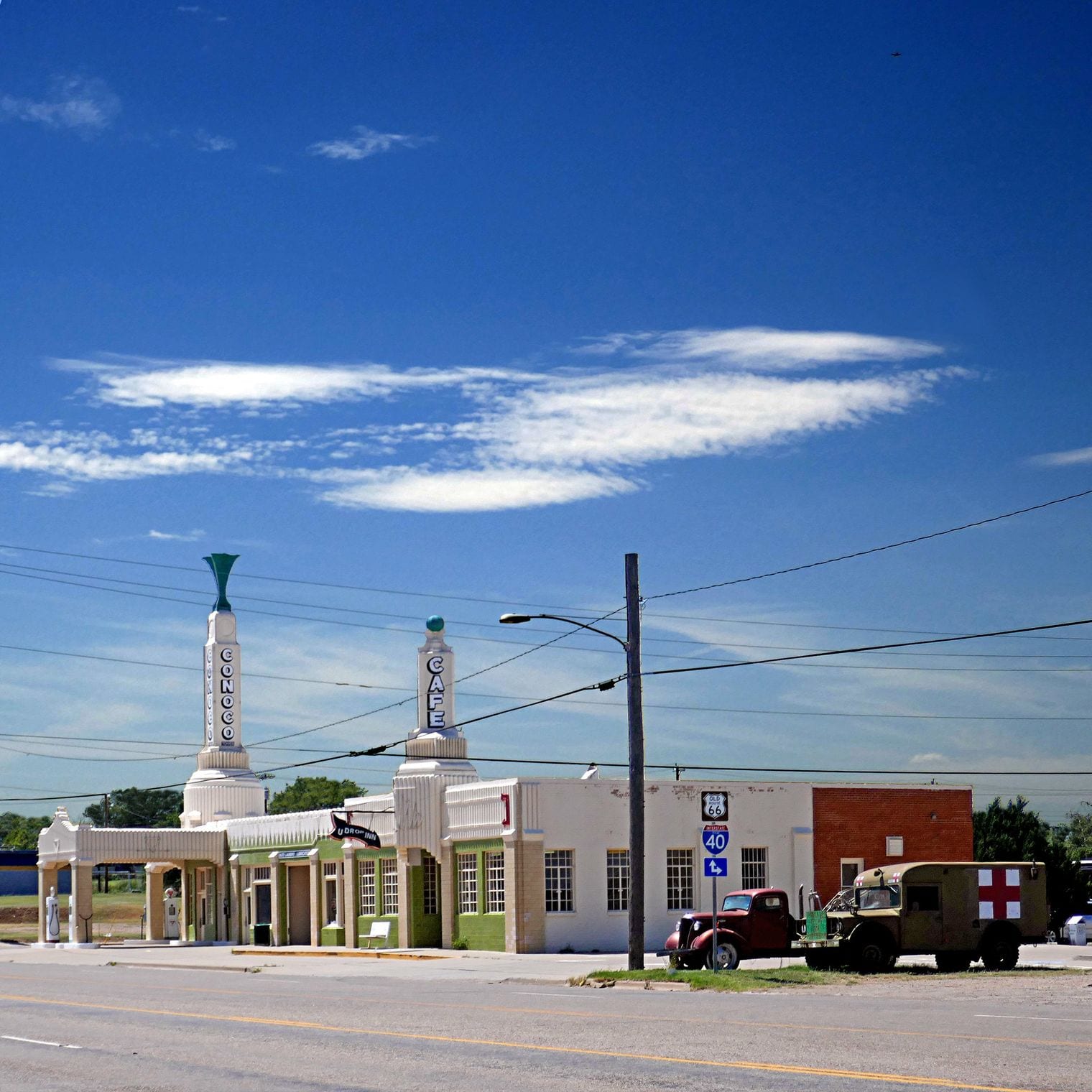
Roll into Shamrock and you land squarely in the golden age of American road-tripping, where the flat Texas Panhandle meets the mother road herself. This is a Route 66 town built around one unforgettable landmark: the art-deco Tower Conoco Station and its attached U-Drop Inn, a green-and-cream jewel of tile, curves, and neon that Pixar's designers loved so much they used it as the model for Ramone's in the film Cars. For any fan of the movie or the old highway, it's a pilgrimage stop that turns a dot on the map into a genuine destination.
Pull up beneath the station's soaring tower and the resemblance to Radiator Springs is instant and delightful. Wander the restored interior, snap the neon after dark, and let the scale of the Panhandle sky do the rest as you trace the historic alignment of Route 66 through the heart of town. Shamrock rewards the slow traveler: it's the kind of place where you cruise the main drag, chat with folks who take pride in their roadside icon, and leave understanding why a single filling station became one of the most photographed buildings on the whole highway.
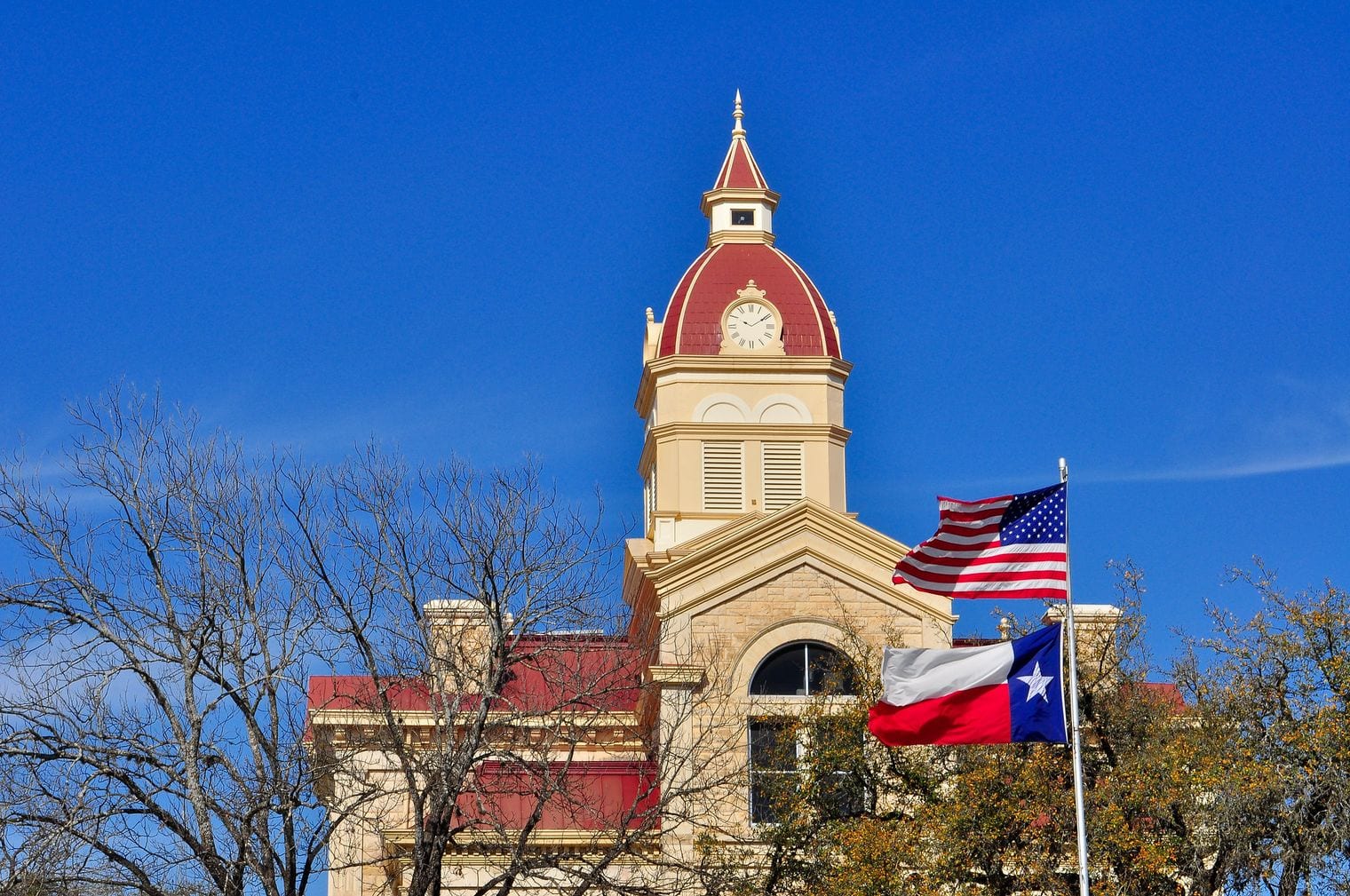
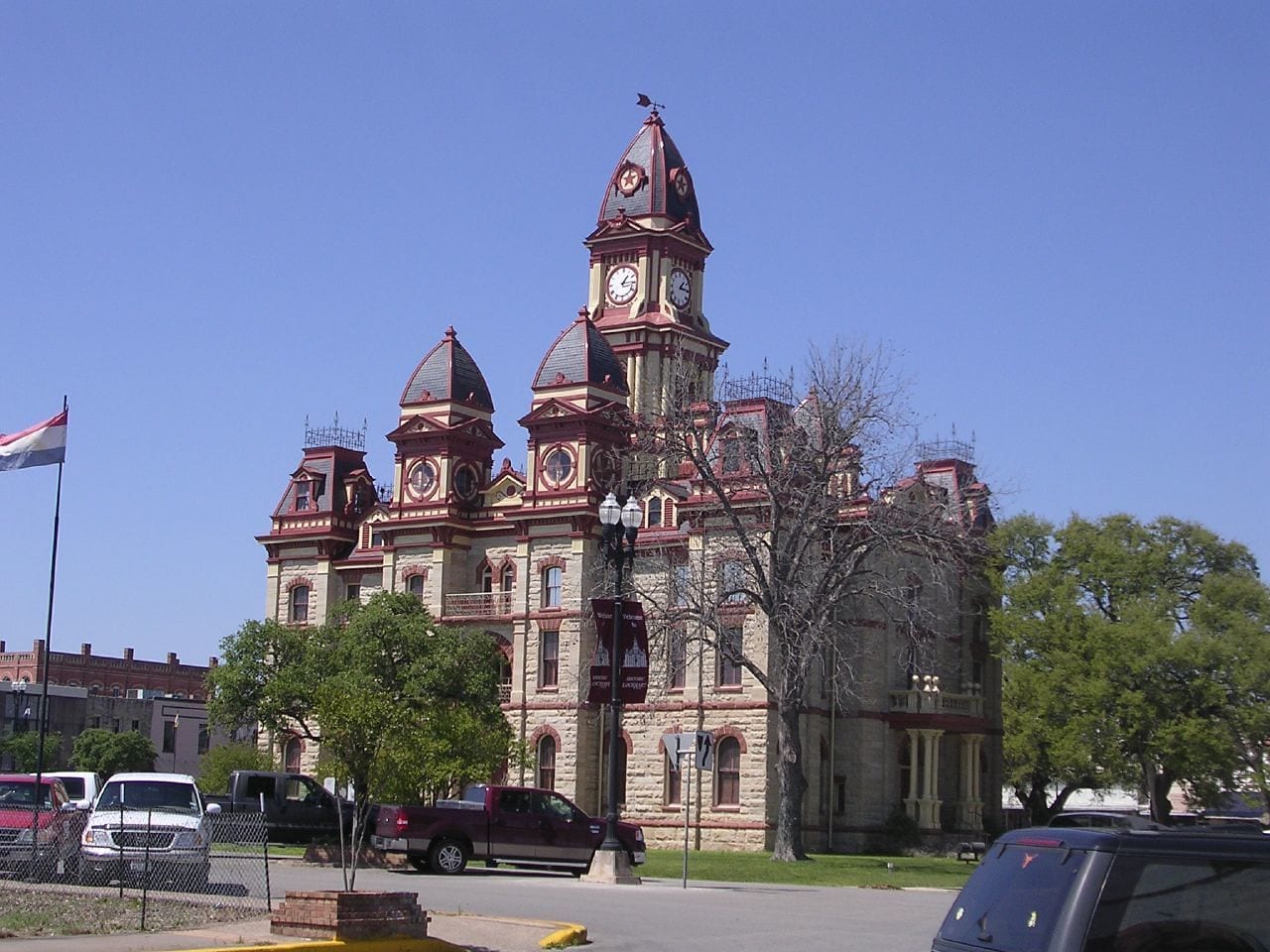
Smoke drifts over Lockhart the way fog rolls over other towns, and for good reason: the Texas Legislature made it the official Barbecue Capital of Texas, and a run of pit-smoked brisket at Kreuz Market, Smitty's Market, and Black's Barbecue is the whole reason most people point their trucks down here. This small Central Texas town has turned slow-cooked meat into a civic identity, and the rivalry between its old-guard smokehouses is friendly, fierce, and delicious enough to plan a whole day around.
Come hungry, because the ritual is to eat your way from one pit room to the next, ordering by the pound and shredding butcher paper as you go. Between meals, the courthouse square rewards a wander: the ornate 1894 courthouse rises over downtown, its mansard roof and stonework anchoring a walkable grid of storefronts, antique shops, and shaded benches. Any season suits a visit, though a cool, clear day makes lingering on the square that much easier.
Few small towns carry as much Texas history as Goliad, an inland South Texas settlement on the San Antonio River near the Coastal Bend. Its defining draw is Presidio La Bahia, the fortified Spanish presidio whose walls anchor one of the pivotal chapters of the Texas Revolution. It was here, in 1836, that the Goliad Massacre unfolded, giving the state one of its enduring rallying cries: "Remember Goliad!" Paired with the beautifully restored Mission Espíritu Santo across the river, the town preserves a rare, intact 18th-century Spanish-colonial mission-and-fort complex that few American communities can match.
A visit centers on Goliad State Park, where you can walk the reconstructed mission chapel, trace the presidio's stone ramparts, and follow interpretive trails along the wooded riverbanks. The compact courthouse square, shaded by a sprawling live oak, invites slow wandering past historic storefronts. Beyond the landmarks, the surrounding brush country and river bottoms reward birdwatchers and paddlers, and mild months bring pleasant days for exploring on foot. History here feels less like a museum and more like ground you are standing on.
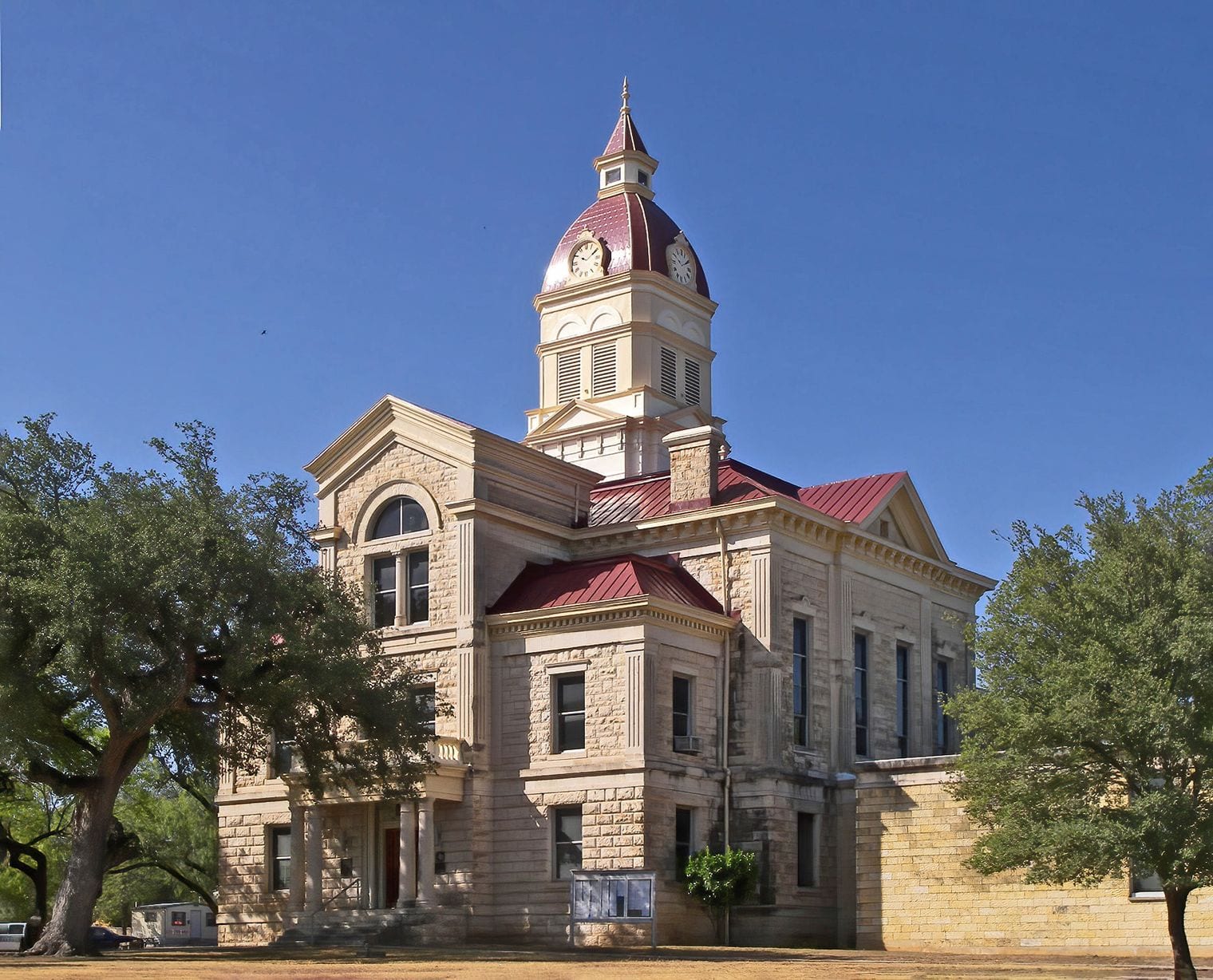
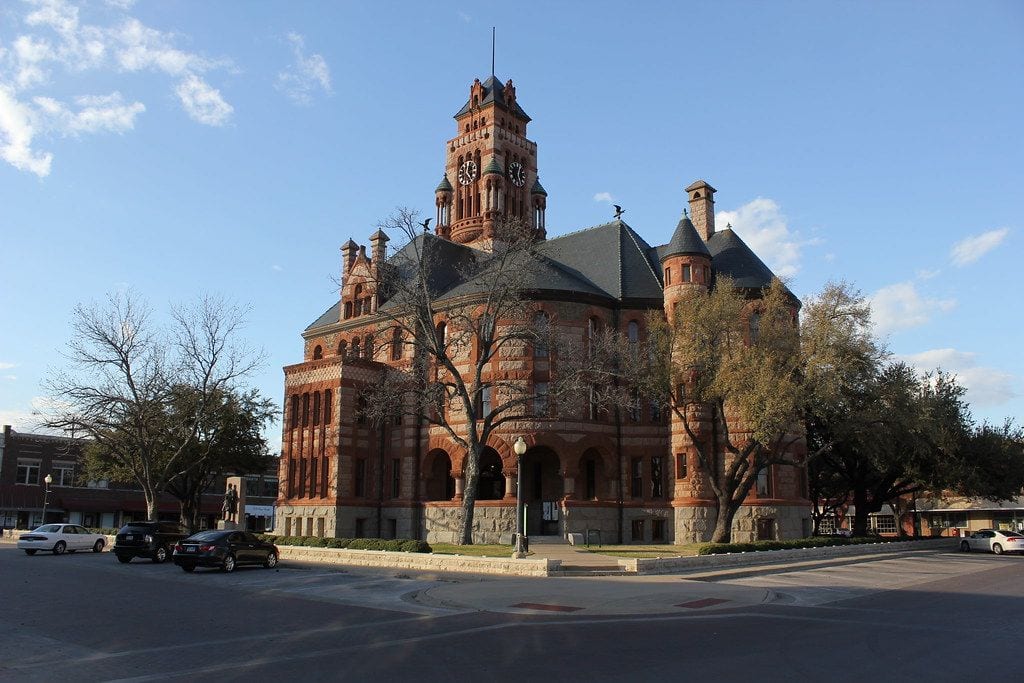
Known as the "Gingerbread City," Waxahachie sits in North Central Texas just south of Dallas, its streets lined with ornate Victorian homes trimmed in the lacy, sawn-wood detailing that earned the town its sweet nickname. Crowning it all is the 1897 Ellis County Courthouse, a fantastical pile of pink granite and red sandstone rising over the town square. That storybook density of period architecture makes this one of the state's most photogenic small towns, and a favorite backdrop for filmmakers and preservationists alike.
Wander the residential streets and you'll find porch after porch dressed in intricate gingerbread carpentry, best appreciated on foot in the mild months. Downtown, the courthouse anchors a walkable square of nineteenth-century storefronts filled with cafes, antique shops, and local businesses. Look up at the courthouse's carved stone faces and turreted rooflines, then linger over a slow afternoon soaking in a town that treats its Victorian past as a living streetscape rather than a museum.
Free Things to Do in These Texas Towns
Plenty of the best experiences on this list cost nothing at all. You can stroll the historic courthouse squares of Jefferson, Granbury, and Waxahachie, admiring the old architecture, or walk the length of Fredericksburg's Main Street window-shopping and mural-spotting. The beaches at Port Aransas and Rockport are free to enjoy, as is birdwatching along the coast. Out west, Marathon and the Big Bend region offer some of the darkest skies in Texas for free stargazing, and the Marfa Lights viewing area lets you watch for the famous mystery glow at no charge. Up on the Panhandle, Shamrock's restored Route 66 landmarks make for a classic, cost-free photo stop, and simply wandering the small-town streets of Boerne, Salado, Castroville, or Goliad is its own reward.
Planning a Texas Small-Town Road Trip
Because these towns are scattered across an enormous state, the easiest way to visit is to pick one region and string several together. In the Hill Country west of Austin and north of San Antonio, Fredericksburg, Wimberley, Gruene, Boerne, Bandera, and Castroville sit within an easy day's drive of one another, making a perfect wine-and-dance-hall loop. Along the Gulf Coast, Port Aransas and Rockport pair naturally for a beach-and-birding weekend on the Coastal Bend.
Farther afield, the East Texas Piney Woods link Jefferson and Nacogdoches through pine forest and antique towns — an easy add-on if you are already exploring Tyler and the lakes of the northeast. Out west, Marfa, Marathon, and Terlingua form the classic Big Bend art-and-desert circuit, reachable on a long haul from El Paso or Midland. And in the north, Granbury and Waxahachie make quick escapes from the Dallas–Fort Worth metroplex, while the Panhandle's Shamrock rewards anyone road-tripping historic Route 66. Wherever you start, treat each town as a doorway into the wider stretch of Texas around it.
FAQ: Visiting the Best Small Towns in Texas
What is the prettiest small town in Texas?
Fredericksburg is widely considered the prettiest small town in Texas, with its tidy German main street, surrounding wine country, and wildflower-covered Hill Country setting. Other strong contenders include Wimberley, tucked among cypress-lined creeks, and Jefferson, whose antebellum streets and mossy bayous give it a romantic, storybook charm quite unlike the rest of the state.
What is the most unique small town in Texas?
Marfa is the most unique small town in Texas. This tiny high-desert outpost near Big Bend became an unlikely art destination, pairing minimalist installations and galleries with wide-open West Texas landscapes and famously dark night skies. It draws artists and curious travelers who come for the mysterious Marfa Lights, the offbeat creativity, and the singular sense of remoteness.
What are the best small towns in the Texas Hill Country?
The best small towns in the Texas Hill Country include Fredericksburg for wine and German heritage, Wimberley for its creeks and arts scene, and Gruene for its historic dance hall. Bandera bills itself as a cowboy capital with dude ranches and Western culture, while Boerne offers a walkable main street and easy access from San Antonio.
What is the best small town in Texas for a weekend getaway?
Fredericksburg is a top choice for a weekend getaway, combining wineries, shopping, and Hill Country scenery within a compact, walkable town. For something different, Port Aransas delivers beaches and coastal ease, Marfa offers desert art and stargazing, and Round Top is a magnet for antiques hunters. Your ideal pick depends on whether you want wine, waves, or wide-open spaces.
What small towns in Texas are near the coast?
Port Aransas and Rockport are the standout coastal small towns on this list. Port Aransas sits on Mustang Island with wide Gulf beaches, fishing, and a laid-back island feel, while nearby Rockport is known for its harbor, birding, and seaside arts scene. Both make relaxed bases for exploring the Texas Gulf Coast.