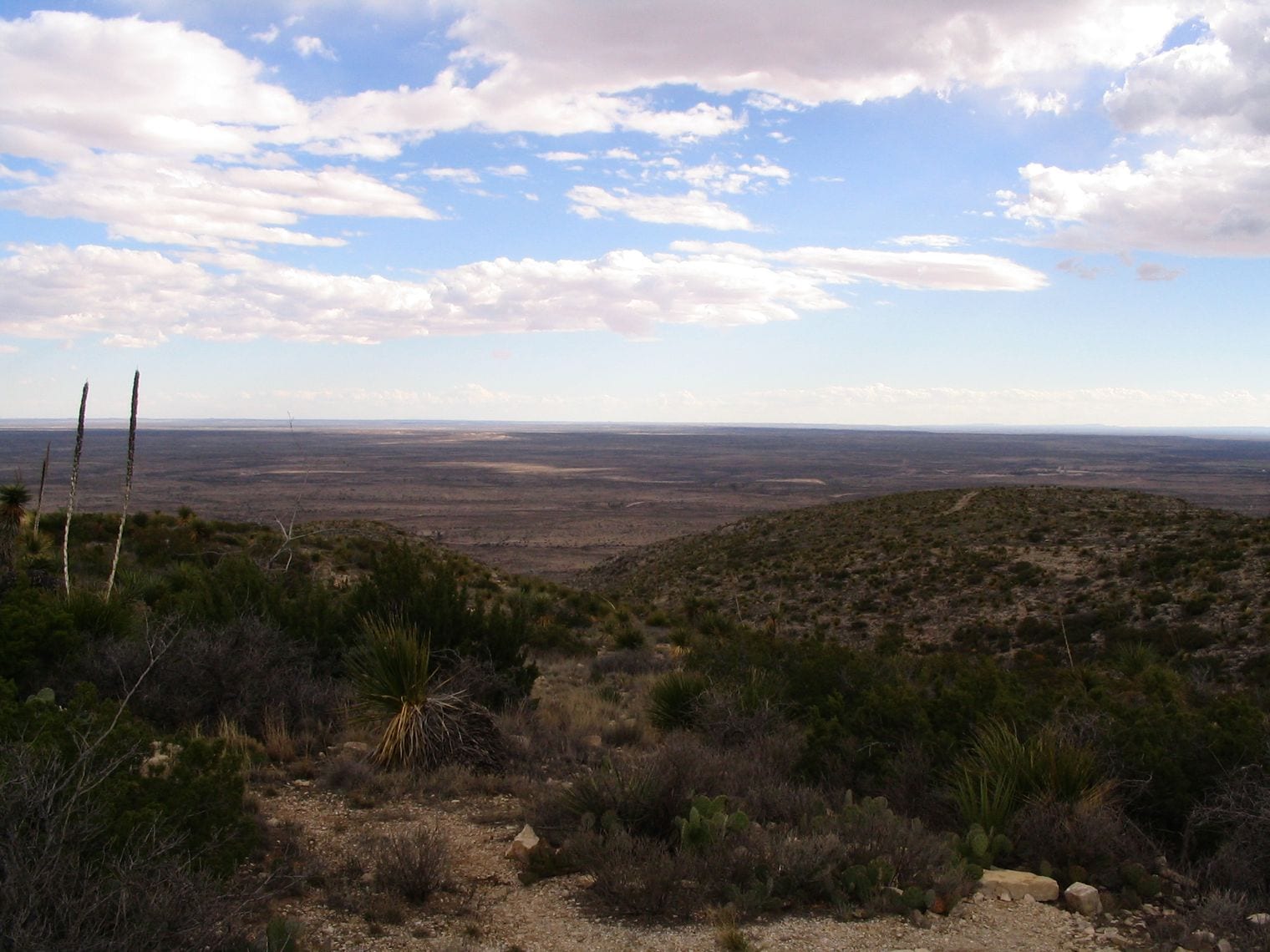
Carlsbad calls itself “The Pearl of the Pecos,” and the nickname holds up: the river is dammed right inside town to form Lake Carlsbad, ringed by a sandy swimming beach and nearly five miles of lighted riverside pathway. The city began in the late 1880s as Eddy, an irrigation-boom settlement on the frontier, and relics of that era survive all over town — an 1892 bank turned boutique hotel, a stone ranch house in Heritage Park, and a 1903 concrete flume that carries canal water clear over the river. As the largest town in New Mexico’s southeastern corner, Carlsbad also makes a natural base for a wider road trip, with Roswell an easy drive northwest.
Most travelers, of course, come to Carlsbad for what lies underneath the Chihuahuan Desert: Carlsbad Caverns National Park and its colossal Big Room wait a half-hour south of town. Budget time for the surface too. The Living Desert Zoo keeps Mexican wolves and bison on a hilltop over the Pecos valley, Sitting Bull Falls pours 150 feet down a canyon in the Lincoln National Forest, and the Guadalupe Mountains — home to the highest summit in Texas — stand an hour away. Here are the best things to do in Carlsbad, New Mexico — and if you are touring the wider state, it slots neatly into our guide to the best things to do in New Mexico.
Fun Facts About Carlsbad, New Mexico
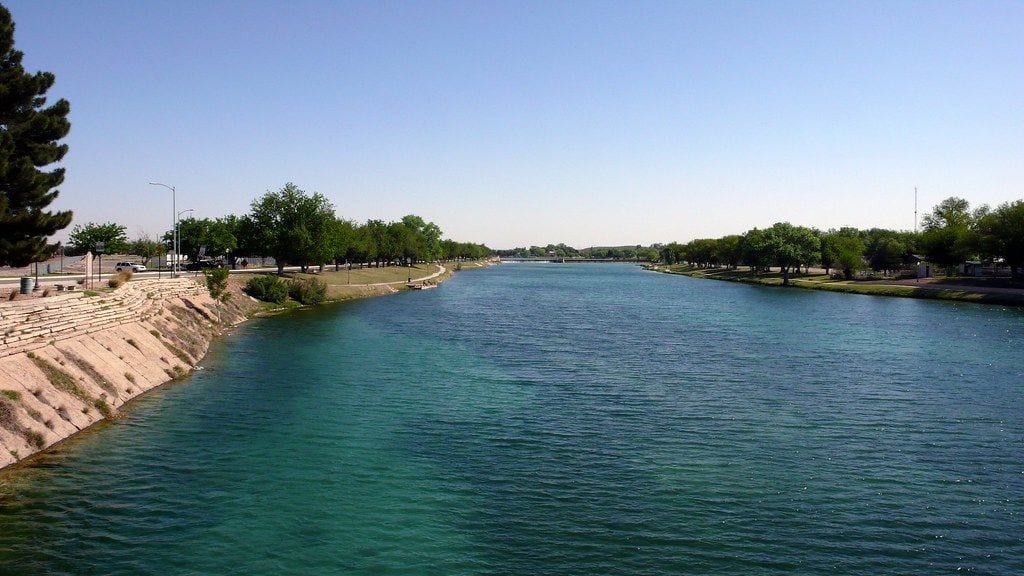
Carlsbad calls itself "The Pearl of the Pecos," after the river that is dammed right inside town to form Lake Carlsbad and its sandy swimming beach.
The city began in the late 1880s as Eddy, an irrigation-boom frontier settlement, before being renamed Carlsbad.
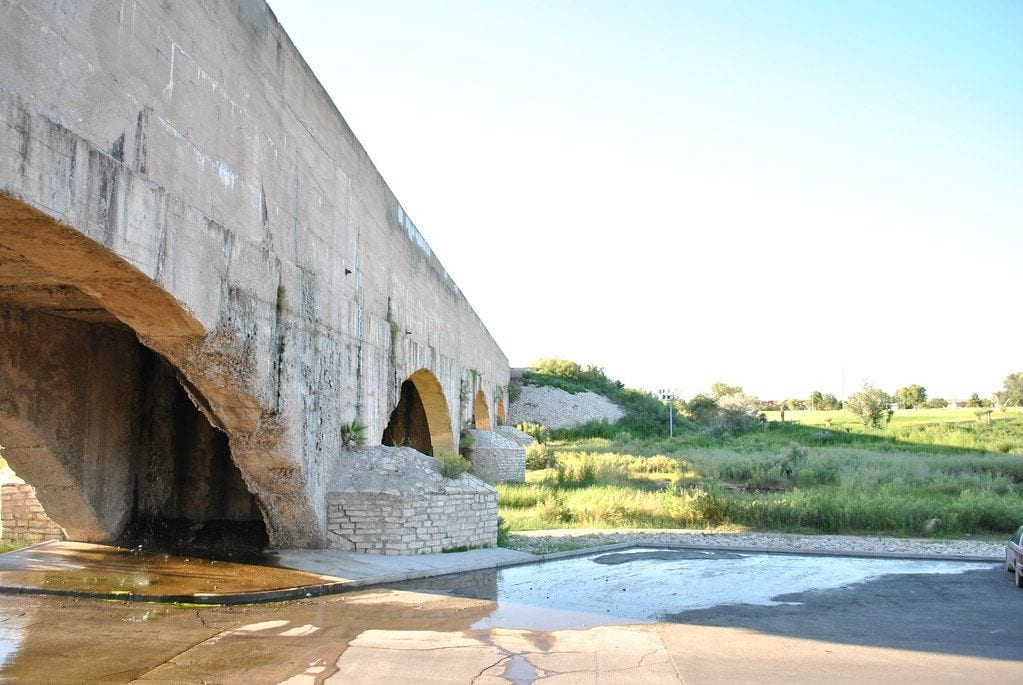
A 1903 concrete flume still carries canal water clear over the Pecos River, a survivor of the town's early irrigation era.
Carlsbad Caverns became a national park in 1930 and a UNESCO World Heritage Site in 1995; more than 100 separate caves lie beneath the surrounding desert.
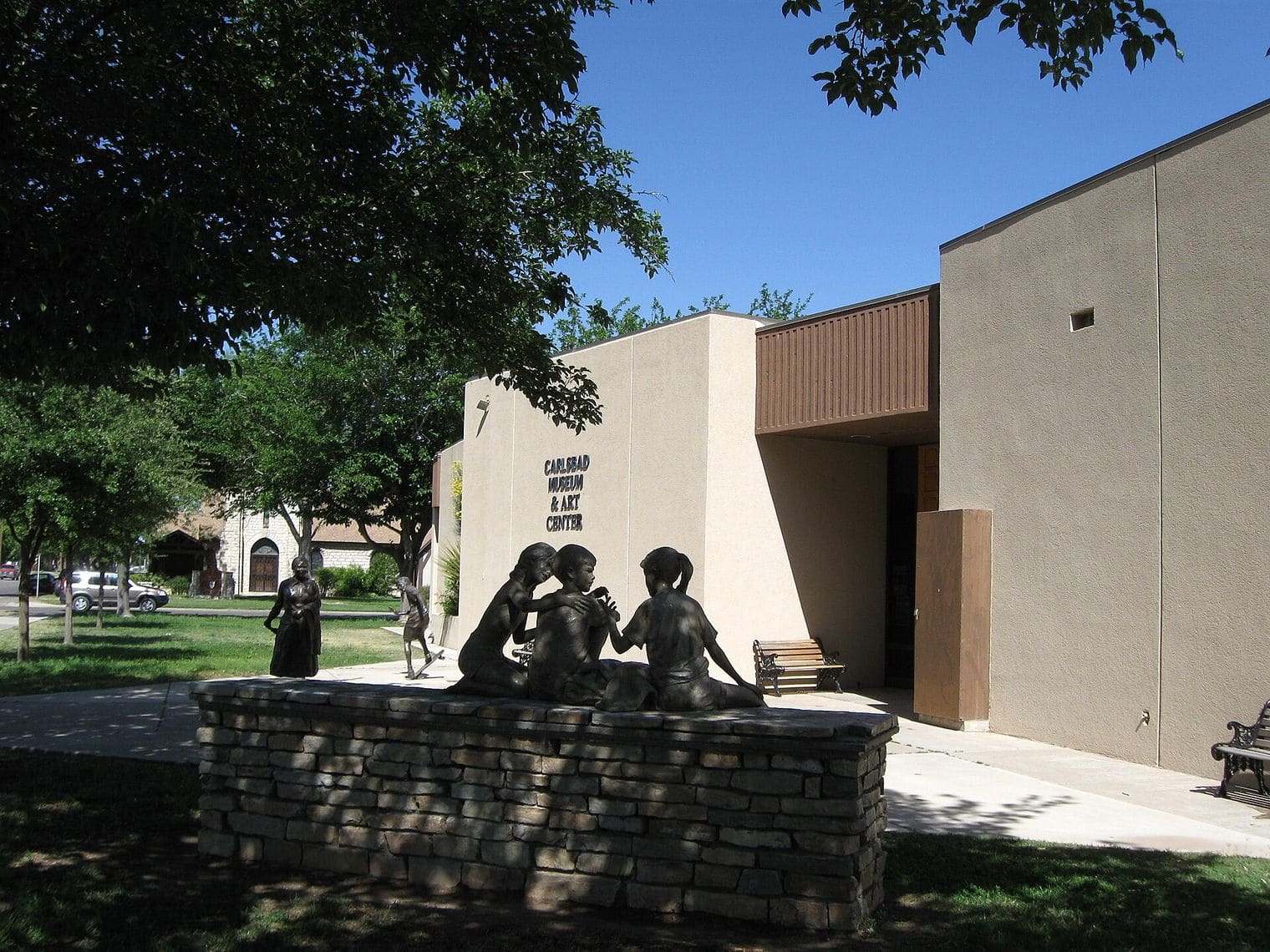
The Carlsbad Museum and Art Center, founded in 1931, is the oldest municipal museum in New Mexico — and admission is free.
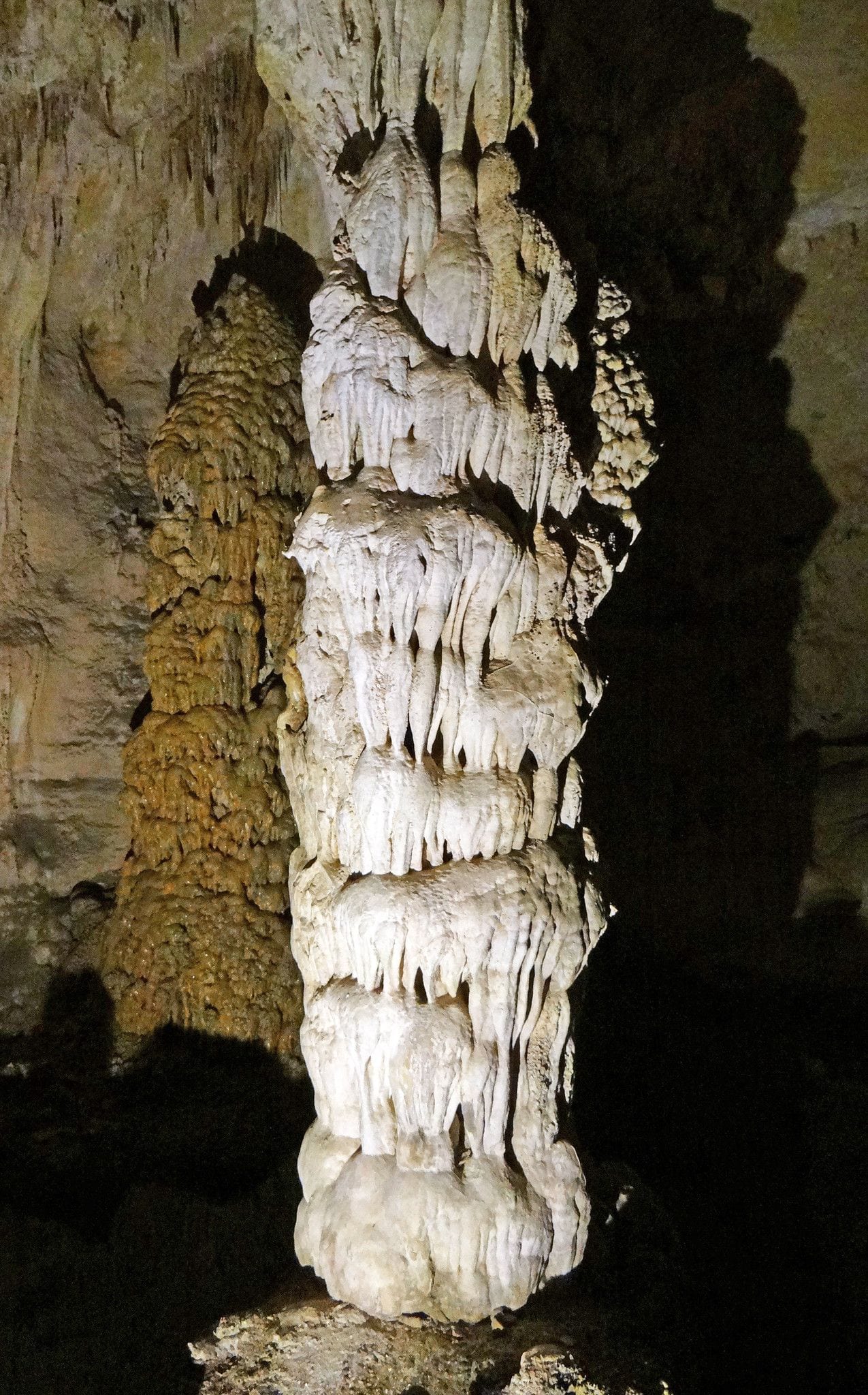
Carlsbad Caverns National Park began with a teenage cowhand: in 1898, Jim White rode toward what he took for black smoke and found a whirlwind of bats pouring from a hole in the Chihuahuan Desert. He spent decades exploring and championing the Carlsbad caverns, which became a national park in 1930 and a UNESCO World Heritage Site in 1995; more than 100 separate caves have since been mapped beneath the parkland.
Two self-guided routes cover the showpiece cave. The Natural Entrance trail switchbacks 1.25 miles down a descent equal to a 75-story building, while the Big Room loop circles the largest single cave chamber in North America — some 4,000 feet long, 625 feet wide and 255 feet high — past landmarks like the Giant Dome and the 140-foot-deep Bottomless Pit. Ranger-guided tours add the ornate King’s Palace, and on summer evenings the amphitheater at the natural entrance fills for the Bat Flight Program, when the cave’s bat colony spirals out at dusk.
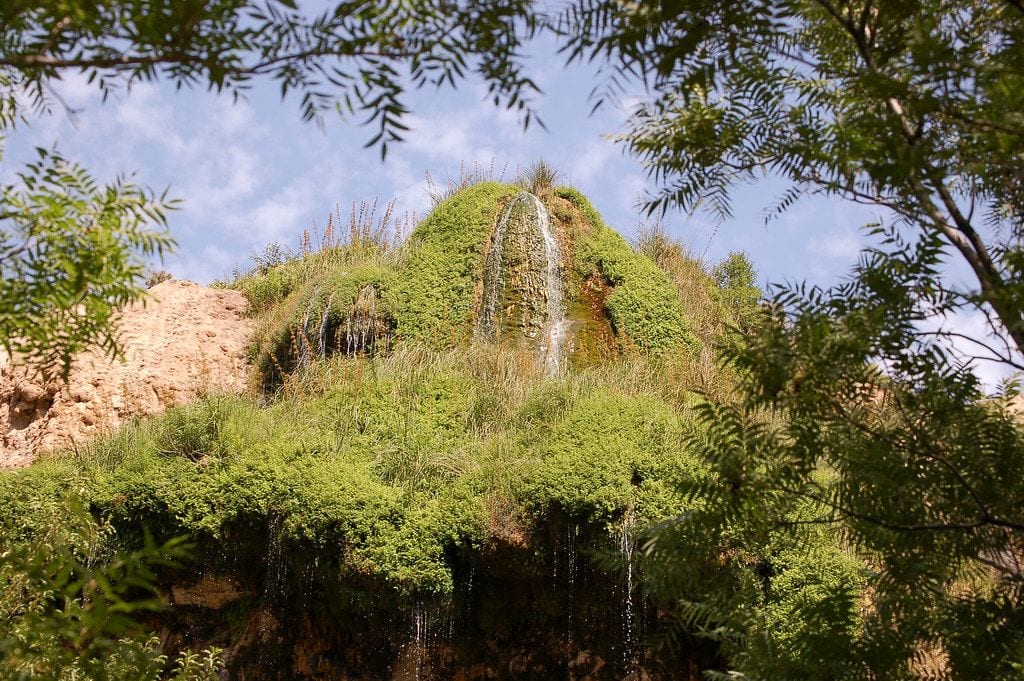
Sitting Bull Falls pours roughly 150 feet down a limestone canyon wall in the Lincoln National Forest, about an hour’s drive from Carlsbad — a spring-fed oasis in the dry foothills of the Guadalupes. A paved path leads from the day-use area to the base of the falls, and the stone picnic shelters nearby were built by the Civilian Conservation Corps in the late 1930s, craftsmanship that earned the site a listing on the National Register of Historic Places in 1993.
Trail 68 climbs to the top of the falls, where the spring surfaces and fills a chain of clear pools that double as natural swimming holes, with views back down the canyon. The Apache name for the spot is gostahanagunti, or “hidden gulch,” and despite the English name there is no documented connection to the Lakota leader Sitting Bull — how the falls were christened remains local legend.
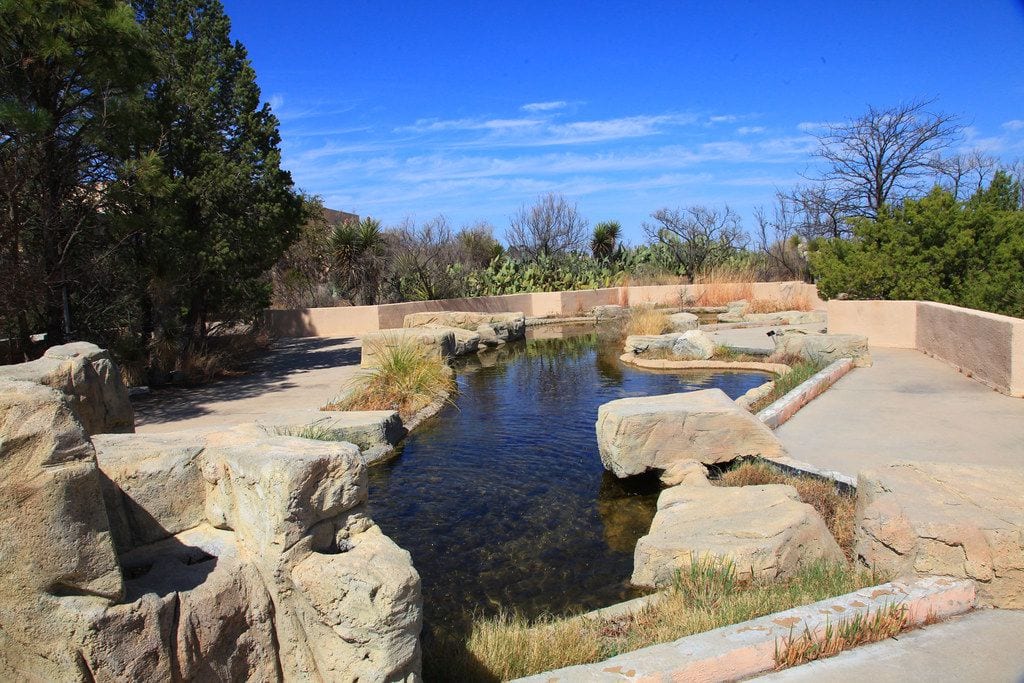
The Living Desert Zoo & Gardens State Park has crowned the Ocotillo Hills above the north edge of Carlsbad since 1971, looking out over the Pecos River valley. Its 1.3-mile self-guided trail loops through Chihuahuan Desert habitats, passing hundreds of native plant species — ocotillo, yucca, cactus gardens — on the way to more than 40 kinds of desert animals.
The Living Desert Zoo & Gardens State Park sticks to creatures native to this landscape: Mexican wolves, bison, elk, pronghorn, prairie dogs and more than a dozen snake species, with a wildlife hospital on the grounds caring for injured animals. It reads less like a conventional zoo than a concentrated version of the desert you drive through to get here — which is exactly the point.
Founded in 1931, the Carlsbad Museum and Art Center is the oldest municipal museum in New Mexico, and admission is free. Its history galleries hold Native American art and artifacts alongside relics of the Pecos Valley frontier, tracing the town’s growth from the 1880s settlement of Eddy into modern Carlsbad.
The art center wing is anchored by the McAdoo Collection of paintings by the “Taos Ten,” the early twentieth-century artists’ circle that put New Mexico on the American art map, joined by works from Gustave Baumann, Peter Hurd and Emil Bisttram and rotating exhibitions of contemporary Southwestern art.
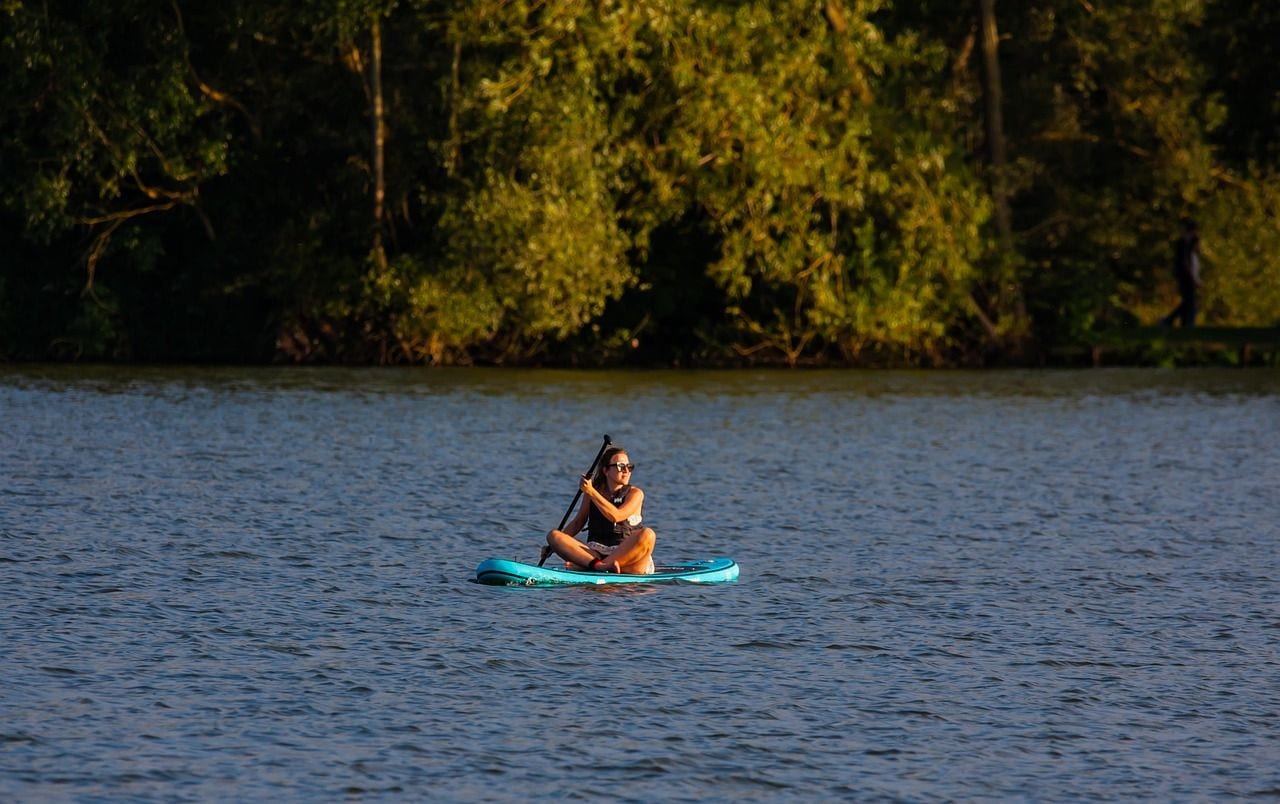
Lake Carlsbad Beach Park is what you get when a desert town dams its river inside the city limits: a genuine sandy swimming beach on a placid stretch of the Pecos, first developed by the Works Progress Administration in the late 1930s. Paddle boats, kayaks and canoes are rented right at the beach, and anglers and water-skiers share the wider lake.
The surrounding recreation area covers some 120 acres, with shaded picnic tables, grills, playgrounds and a boat launch, and it ties into the Pecos Riverwalk — nearly five miles of lighted riverside pathway that makes an easy sunset stroll from downtown. Resident ducks can be fed at the designated duck pond nearby.
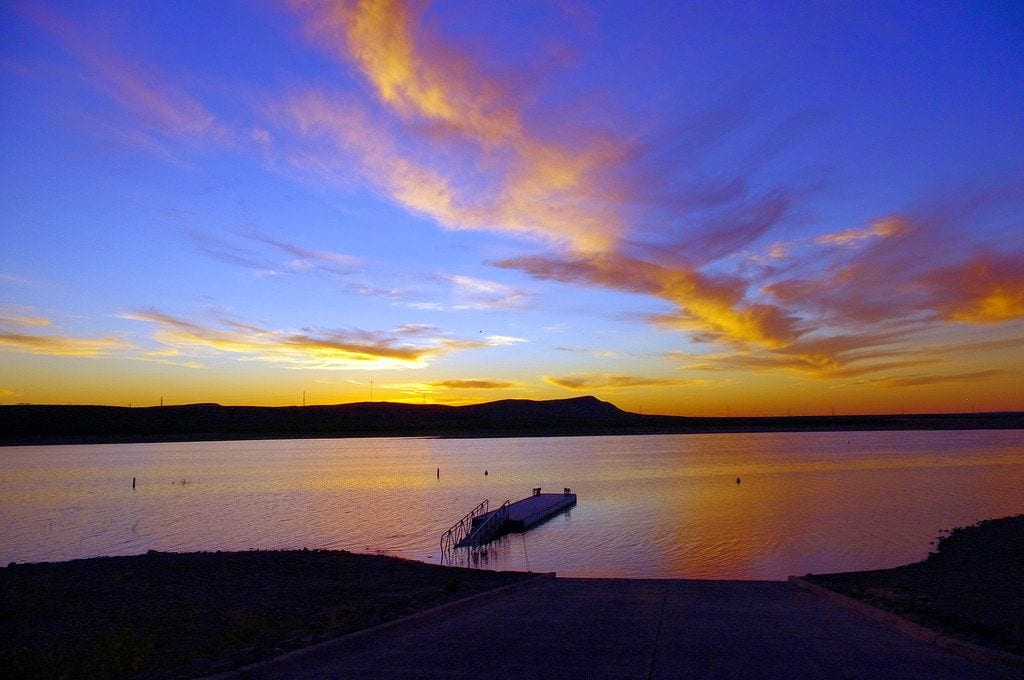
Brantley Lake State Park lies a short drive north of Carlsbad, where Brantley Dam — completed in 1988 — backs the Pecos River into the southernmost lake in New Mexico. The park’s 51 developed campsites come with picnic tables and playgrounds, and the water holds bass, catfish, carp and other warm-water species for anglers.
There is a drowned Wild West town under the surface: Seven Rivers, an 1880s settlement of stores, saloons and a hotel that counted about 300 residents at its peak before emptying out by 1896, was inundated when the reservoir filled. Exhibits in the visitor center tell its story, and after dark the campground’s distance from city lights makes for serious stargazing.
The Artist gallery at 120 South Canyon Street is a working co-op of the Carlsbad Area Art Association — roughly 30 member artists who staff the desk, hang the shows and keep the lights on themselves. The association began in a single room of the local Women’s Club and bought this building in the heart of the historic district in 2000.
Because The Artist Gallery is entirely member-run, the walls change with its roster: oils, watercolors, pottery, textiles, glass, jewelry, photography and painted gourds all share space, and the artist behind a piece is often the person ringing it up. It pairs naturally with the antique mall a few doors down for a slow browse along Canyon Street.
The antique mall at 110 South Canyon Street runs far deeper than its storefront suggests, with more than 25 dealers and consignors under one roof. Pecos River Antique Mall carries on a downtown antiques tradition dating back to the 1990s and settled into this historic-district address in 2012.
The stock leans Southwestern and rural — restored American furniture, Depression and Vaseline glass, western gear, Native American and sterling silver jewelry, old toys, postcards and linens — and it turns over constantly. Treasure-hunters can lose an easy hour here between the town’s galleries and the river.
Carlsbad Cruises Day Tours runs narrated boat trips on the Pecos from the Lake Carlsbad waterfront, with the 49-passenger Bella Sera covering local history on an hour-long loop of the river. The same dock rents paddle boats and kayaks for anyone who would rather explore the water at their own pace.
This stretch of river also hosts Christmas on the Pecos, the winter tradition of evening boat rides past elaborately lit displays along the banks. Even at the height of summer, the sunset departures are the ones regulars recommend — the desert light show over the water as the day’s heat breaks is worth planning an evening around.
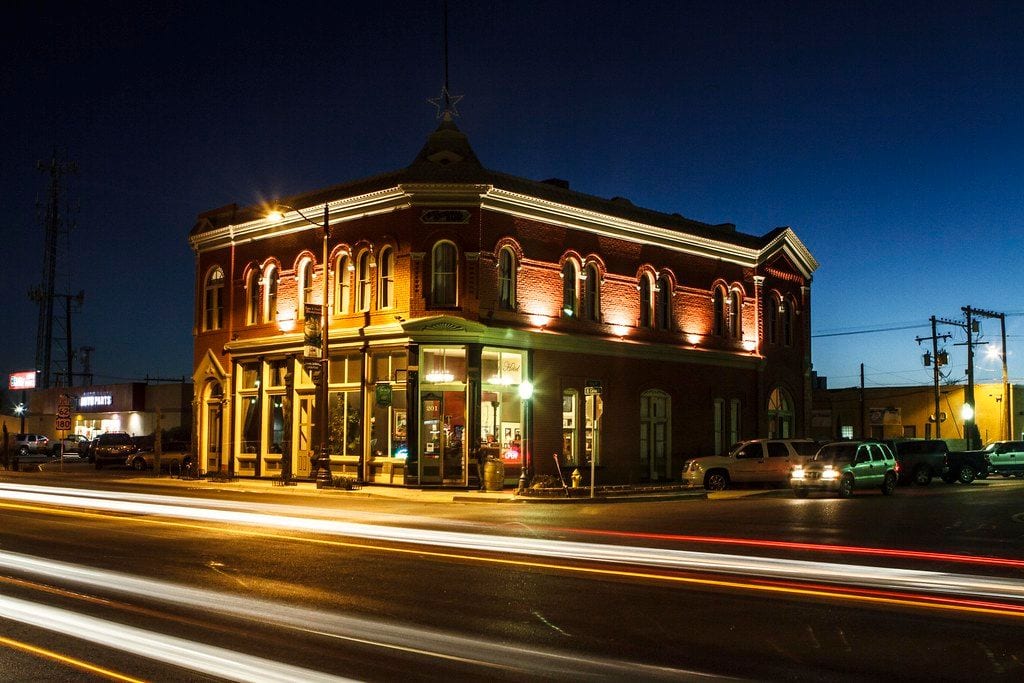
The Trinity hotel occupies the 1892 First National Bank building, where Sheriff Pat Garrett — the lawman who shot Billy the Kid — once did his banking. After later lives as home to the region’s first newspaper and the Carlsbad Irrigation District, the derelict landmark was rescued and reopened in 2007 as a nine-suite boutique hotel.
The Trinity Hotel Restaurant is why plenty of non-guests come through the door: an Italian-leaning menu served beneath the old bank’s high ceilings and chandeliers, with a wine list that includes bottles under the hotel’s own label. The restoration kept the feel of an 1890s frontier bank flush with new money, which makes dinner here the most atmospheric meal in Carlsbad.
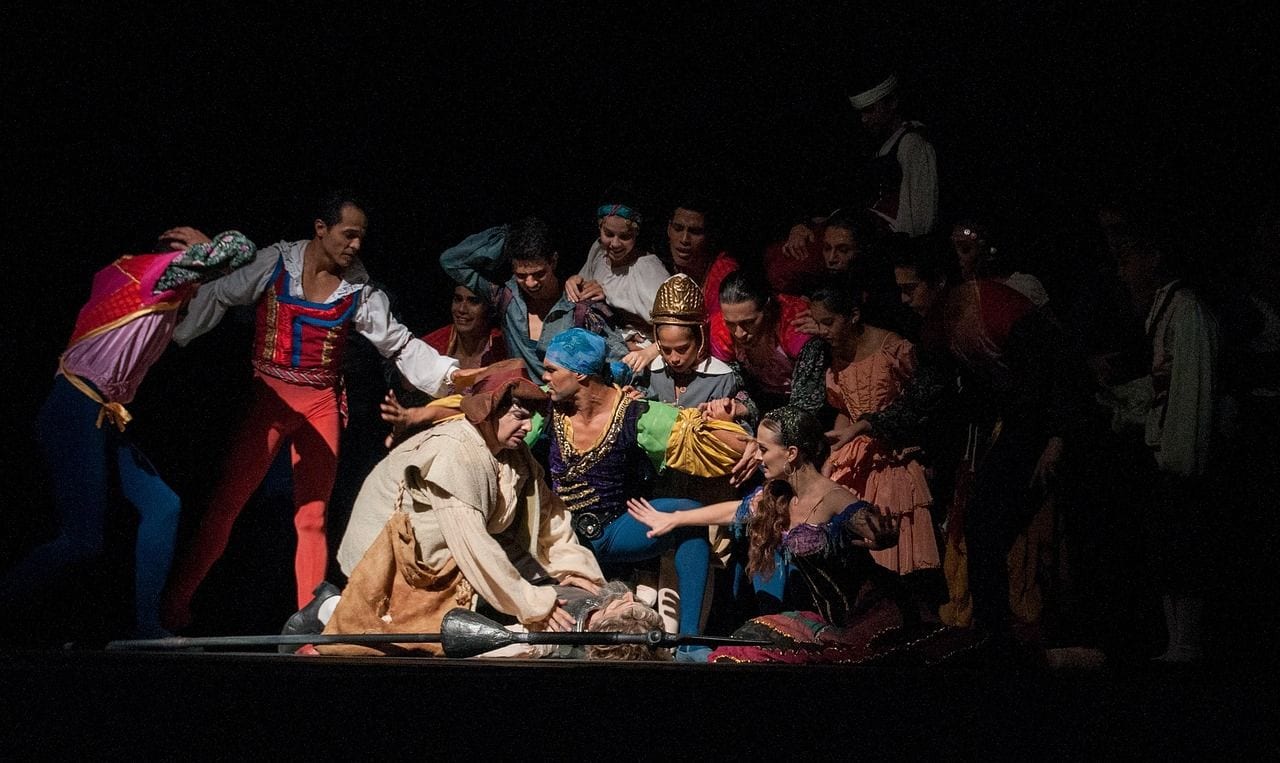
Carlsbad Community Theatre has been putting on shows since 1960 and remains the only live-stage theater company in the area, mounting five productions a season — anchored by a big summer musical, with plays through fall and spring. Its playhouse stands along the National Parks Highway on the way out toward the caverns.
Casts and crews are volunteers drawn from across Eddy County, which gives the productions an energy no touring show can match. The Carlsbad community theatre posts its season lineup online, worth checking whenever an overnight in town lines up with a show.
The Yellowbrix Restaurant serves scratch cooking out of a 1928 craftsman house on North Canal Street, built for clothier Albert Hendricks back when his store anchored Canyon Street retail. Dining rooms fill the old home, which keeps a meal here feeling more like a dinner party than a restaurant.
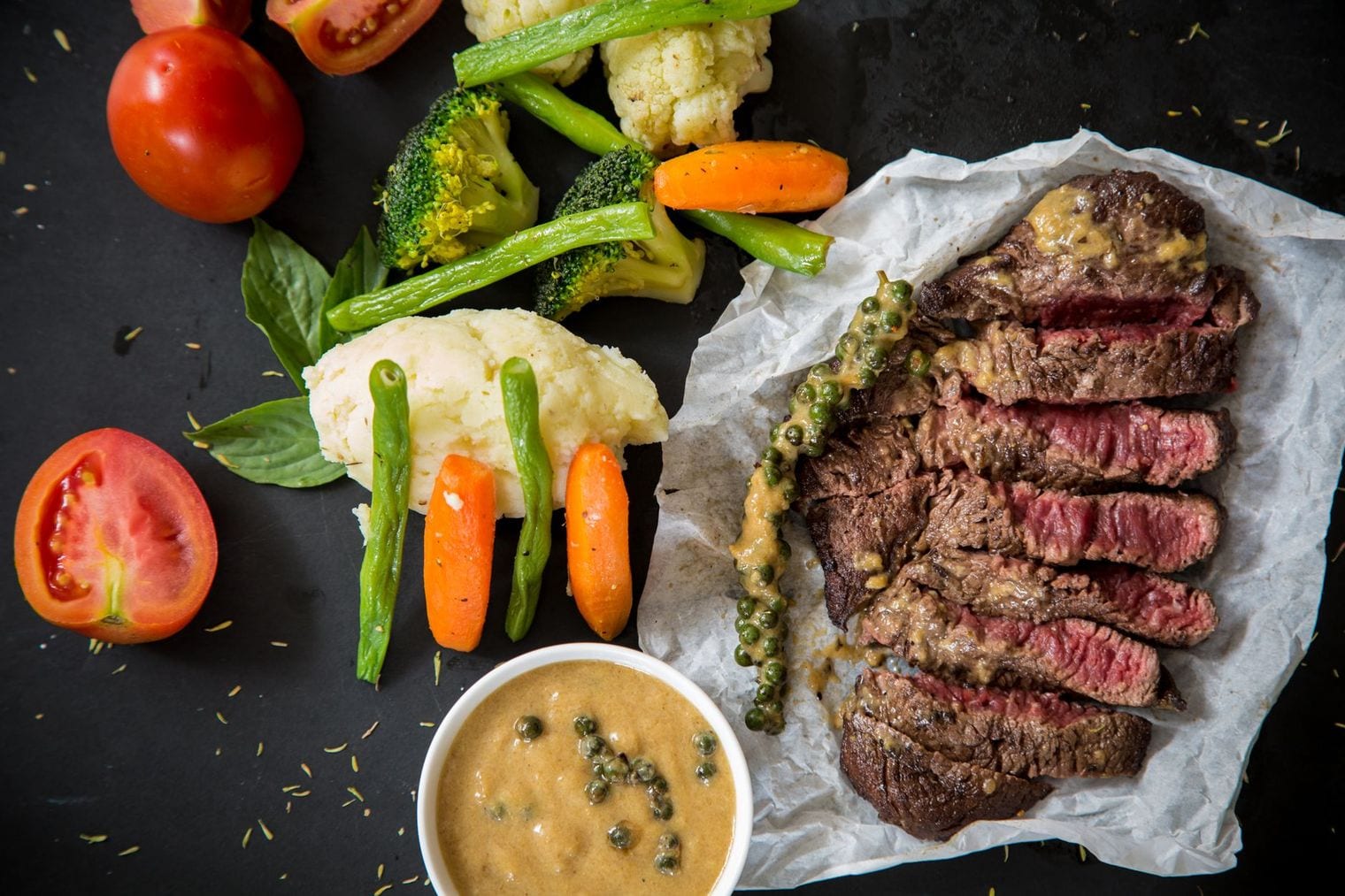
Everything at Yellowbrix is made from scratch daily — steaks and seafood headline, with vegetarian and vegan plates alongside — and the kitchen covers breakfast through dinner. After a morning underground at the caverns, a proper steak in a 1920s parlor is a satisfying way to resurface.
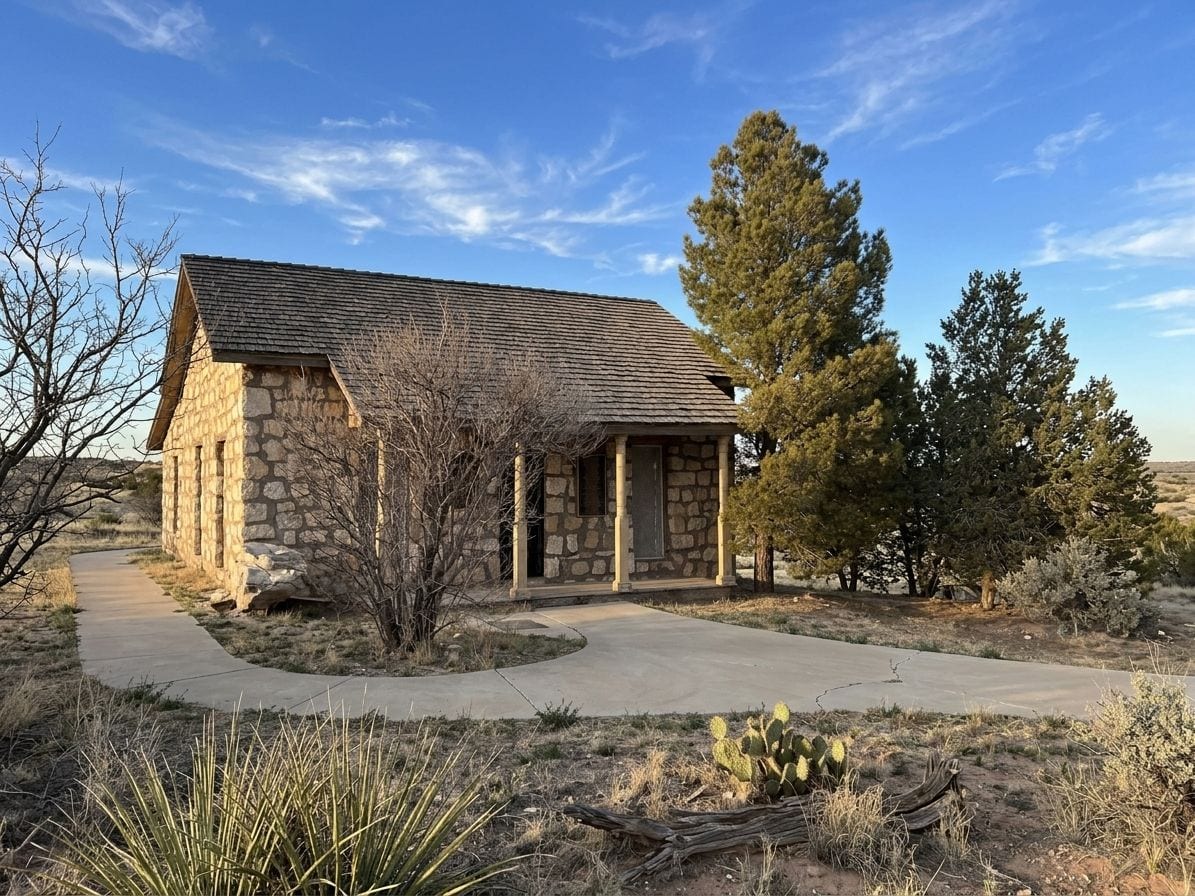
Eddy’s House is believed to be the first permanent structure built in what became Eddy County — a stone line shack from the 1880s ranch of Charles B. Eddy, the cattleman and promoter whose name the town originally carried. The Southeastern New Mexico Historical Society preserved it by moving it, stone by stone, to Heritage Park.
It is a five-minute stop rather than an afternoon, but that is the appeal: one rough-walled frontier dwelling, older than the town around it, that makes 1880s Pecos Valley ranch life concrete in a way placards cannot. Pair Eddy’s House with the Carlsbad Museum and Art Center downtown for the fuller story.
The Pecos River Flume is the engineering oddity that landed Carlsbad in Ripley’s Believe It or Not: a concrete aqueduct that carries irrigation water from Lake Avalon across the Pecos, making this, in Ripley’s phrase, the only river in the world that crosses itself. The original wooden flume of 1890 washed away in a flood, and its concrete replacement briefly ranked as the largest concrete structure in the world when it was finished in 1903.
More than a century later the flume still earns its keep, delivering water for the Carlsbad Irrigation District across its graceful concrete arches. Seen from the riverbank below, the Pecos River Flume makes one of the town’s better photographs — and it costs nothing to visit.
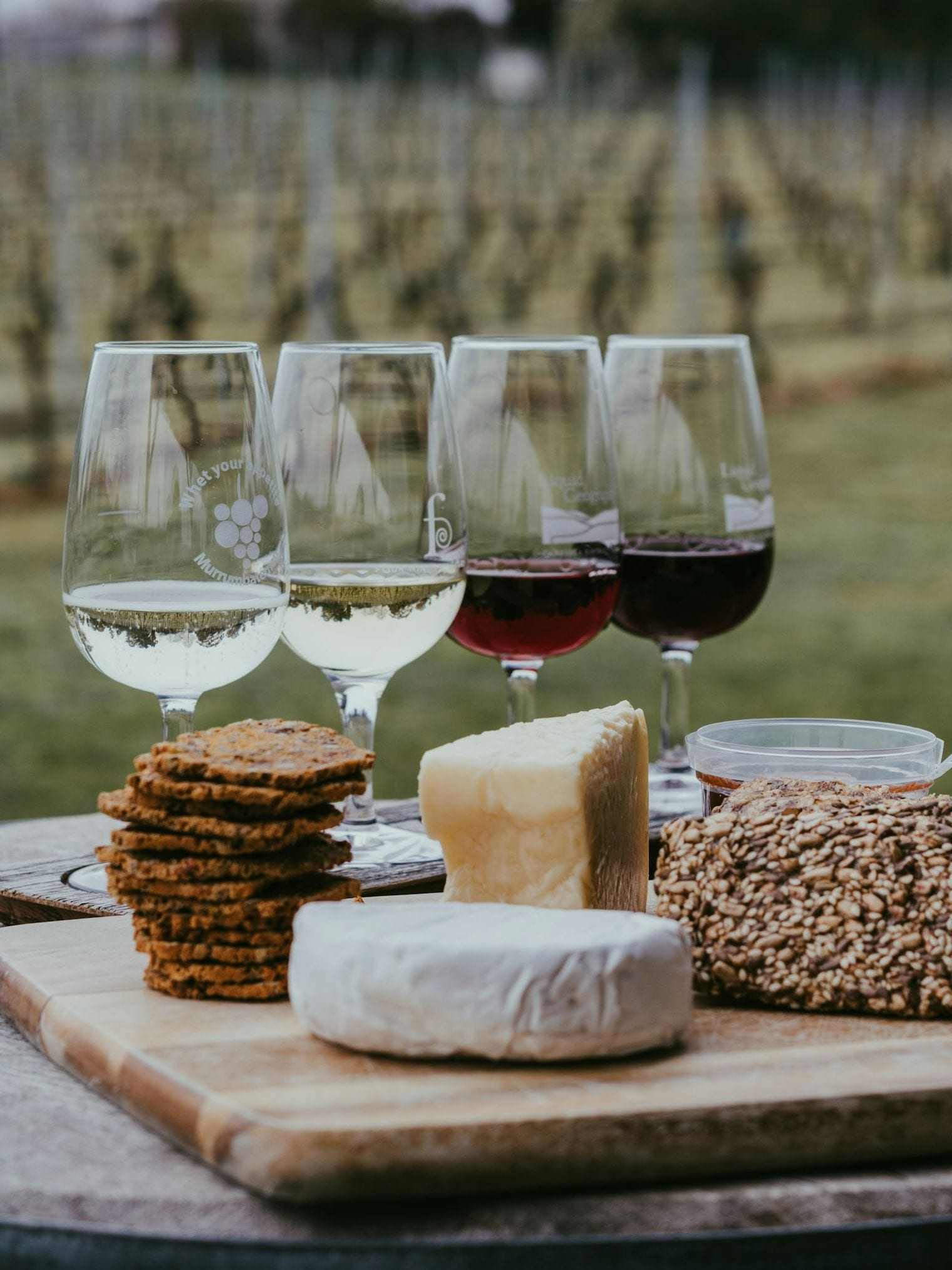
At Balzano vineyard on the Seven Rivers Highway, a Carlsbad family grows Italian red varietals in Chihuahuan Desert soil and pours the results in a tasting room with a fire pit out back. Bottles from other New Mexico producers share the list, making it a compact tour of the state’s underrated wine scene.
Balzano Vineyard runs on family-farm rhythms — the property hosts everything from reunions to a pumpkin patch that takes over the grounds on October weekends. It is the kind of place where an afternoon tasting slides into an evening by the fire, a short drive from downtown yet unmistakably out in the country.
Blue House Bakery & Cafe operates out of an actual blue house on North Canyon Street, and mornings in Carlsbad revolve around its pastry case and espresso machine — many locals treat it as the town’s default first stop of the day.
The menu stays in breakfast territory: fresh-baked croissants, French toast and the rest of the American morning canon, with coffee strong enough to set up a dawn descent into the caverns. Get there early — the best pastries are a first-come proposition.
Kaleidoscoops on North Canal Street is Carlsbad’s old-fashioned scoop shop, pairing a rotating lineup of hand-dipped ice cream flavors with a short grill menu whose patty melt has a following of its own.
Summer afternoons here regularly push past 100 degrees, which elevates Kaleidoscoops from treat to essential infrastructure. It is the natural reward stop after a day at the lake or the caverns, and the flavor board is long enough that repeat visits during a stay never feel redundant.
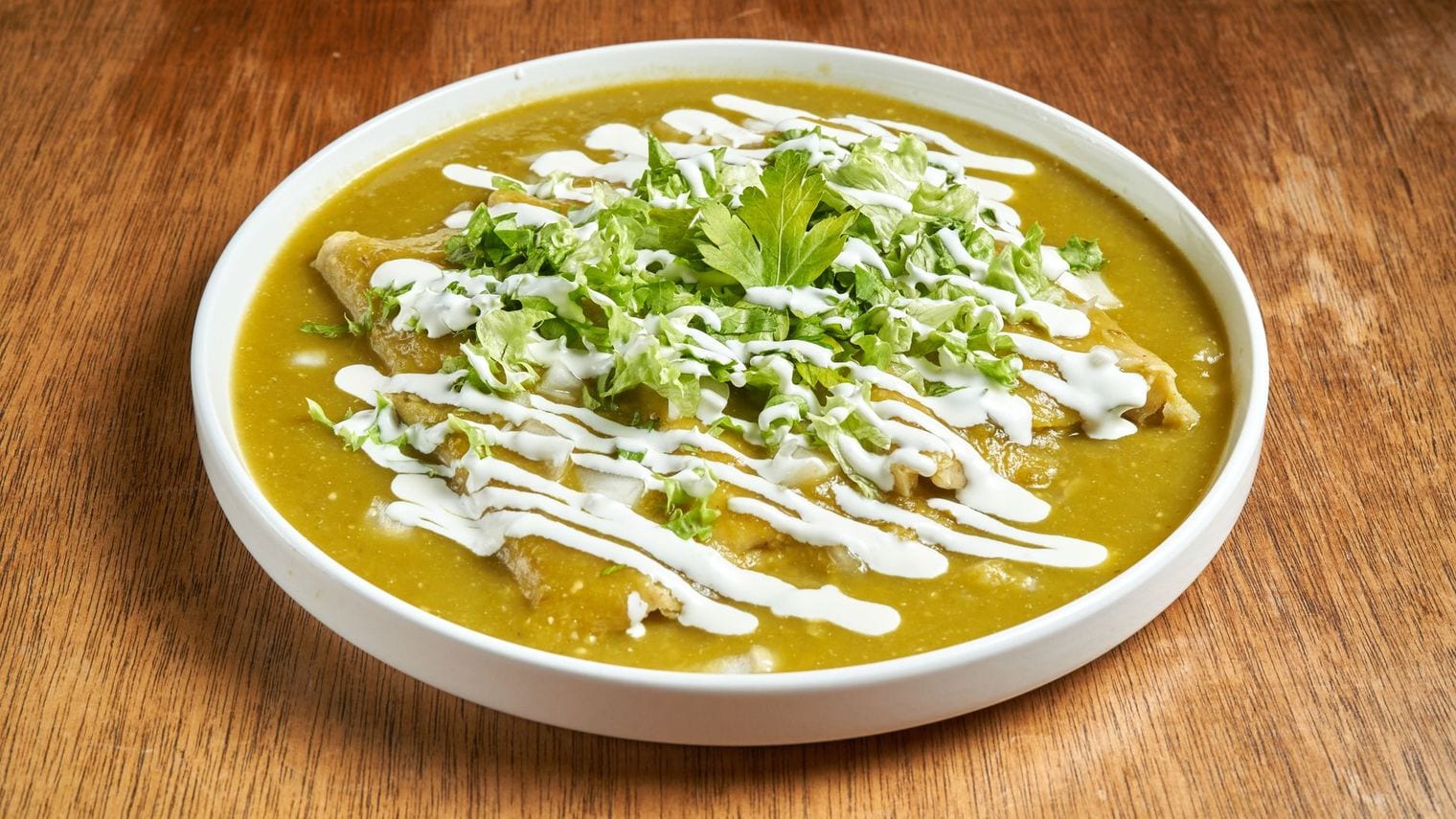
Lucy’s Mexicali Restaurant on South Canal Street is where Carlsbad gets its green chile fix — chile rellenos, enchiladas and a green chile queso dip done New Mexico-style, at a heat level that wins over travelers passing through from Las Cruces and El Paso.
Lucy’s is a long-running, family-owned institution led by Lucy Yanez, known for greeting regulars by name across a festive, family-friendly cantina. Order whatever comes smothered in green chile — red or green is the only real decision — and eat like a local.
The Lake Carlsbad Golf course runs its 18 holes along the Pecos River, a city-operated par-72 layout where irrigated fairways cut green ribbons through the surrounding desert.
Lake Carlsbad Golf Course is the kind of municipal track traveling golfers hope to find: unpretentious and scenic, with the river alongside and desert hills beyond. The contrast between turf and Chihuahuan scrub keeps even a routine round photogenic.
Guadalupe Mountains National Park rises just across the Texas line, about an hour’s drive from Carlsbad, protecting Guadalupe Peak — at 8,751 feet the highest point in Texas — and El Capitan, the sheer limestone prow that anchors the range’s southern end.
The signature outing is the Guadalupe Peak trail, 4.25 miles each way with roughly 3,000 feet of climbing to a summit pyramid of stainless steel, placed by American Airlines in 1958 to mark the centennial of the Butterfield Overland Mail stage route that passed below. The mountains are the same ancient fossil reef that honeycombs Carlsbad’s caverns — here lifted into open sky instead of hollowed out beneath the desert.
Getting to Carlsbad
Carlsbad sits in the southeastern corner of New Mexico, well away from any interstate, so most visitors arrive on the US highways that thread through the Pecos Valley. US 285 runs north-to-south through town, linking Carlsbad with Roswell and points north, while US 62/US 180 comes in from the southwest past the caverns country and continues east toward the Texas plains. From the north you can drop down off Interstate 40 and follow US 285 the rest of the way in; from the west, travelers coming off Interstate 10 pick up the highways through the desert basin. It is a scenic but long-haul approach, so fuel up and plan the drive in daylight where you can.
The city has its own small commercial field, Cavern City Air Terminal, a few miles southwest of downtown with limited regional service, which is convenient if the schedule suits you. Most people, though, fly into a larger hub and drive: El Paso International Airport to the southwest is the usual choice, roughly a two-and-a-half to three-hour drive across the state line, and the regional airports at Roswell and Midland are other options within a couple of hours. Long-distance bus service connects Carlsbad to the wider regional network, but there is no passenger rail into town, so once you land a rental car is by far the easiest way to reach and explore the area.
Getting Around Carlsbad
Carlsbad is a spread-out desert town built for driving, and you will want a car for almost everything. The compact downtown and the older streets near the Pecos River are pleasant to explore on foot once you are parked, with the museum, riverside walkways and the beach park clustered close enough to string together on a short stroll, but the distances between the outlying attractions, the state parks and the national parks to the south are far too great to cover without a vehicle.
Public transit is minimal and geared to residents rather than sightseers, so plan to self-drive or lean on rideshare and taxis for shorter hops around town. The upside is that parking is plentiful and usually free: downtown lots and street parking are easy to find, and the attractions, trailheads and riverfront parks all come with their own lots. Cycling works well along the flat riverside paths and quieter residential streets, though the heat and the highway distances make a bike a supplement to a car rather than a replacement for one.
Where to Stay in Carlsbad
Where you base yourself depends on your rhythm. Downtown and the older central neighborhoods put you within walking distance of the museum, the shops and cafes, and the riverside parks, and they make the most sense if you want to stroll in the evening and drive out to the sights by day. For quick access to the caverns and the mountain parks, the lodging strips along the southern highway corridors trim the morning drive and suit travelers who are up and out early.
If you are simply passing through or want the easiest in-and-out for a long road trip, the districts clustered around the main highway junctions on the edges of town are the most practical, with plenty of parking and quick reconnection to the routes north and south. Families and repeat visitors often prefer the quieter residential fringes near the river and the beach park, which trade walkability for calm and a little more space, while anyone with business at the local college campus will find the surrounding neighborhood a handy, low-key place to settle in.
Where to Eat in Carlsbad
Carlsbad’s dining leans hard into New Mexican cooking, and the food is the region’s own take on the cuisine rather than the Tex-Mex you find farther east. Look for enchiladas and burritos smothered in red or green chile, with the classic local order being to have it "Christmas" (both sauces at once); chile rellenos, carne adovada, posole, sopaipillas drizzled with honey, and hearty breakfast burritos are staples across town. Beef and barbecue also show up strongly here on the edge of cattle country, and the ubiquitous roasted Hatch green chile finds its way onto burgers and just about everything else.
The densest concentration of places to eat is downtown and along the main commercial highway strip that runs through the middle of town, where you will find the mix of family-run New Mexican kitchens, diners and casual grills. For a relaxed meal, the neighborhoods near the Pecos River and the beach park offer a handful of spots where you can eat with a view of the water, and a stop at a roadside stand for chile or fresh pecans, a signature local crop, is worth working into the day.
One Day in Carlsbad
The caverns pull most visitors underground, but Carlsbad rewards a day spent on the surface too — here’s how to string the town’s desert-garden, riverfront and downtown highlights into one unhurried loop.
Morning: Start before the heat builds at Living Desert Zoo & Gardens State Park, on the mesa just northwest of town, where the looping trail through Chihuahuan Desert habitats is best walked while the air is still cool and the animals are active. Drop back into the center afterward and swing by the Carlsbad Museum and Art Center for a grounding in Pecos Valley history and regional art, then linger a few doors down at The Artist Gallery.
Evening: Settle in for a sit-down dinner at Yellowbrix Restaurant, whose garden patio suits a slow desert evening, and if the marquee is lit, cap the night with a show at the Carlsbad Community Theatre. Save a second day for the region’s giants — the underground chambers of Carlsbad Caverns National Park south of town, with the rugged peaks of Guadalupe Mountains National Park just over the Texas line — each an easy full outing on its own.
Free Things to Do in Carlsbad
Several stops on this list cost nothing at all. Lake Carlsbad Beach Park and its lighted Riverwalk paths are free to enjoy year-round, admission to the Carlsbad Museum and Art Center is always free, the Pecos River Flume asks nothing to watch a river cross itself, and Eddy’s House at Heritage Park can be seen without spending a dime.
Day Trips from Carlsbad
Carlsbad is the natural launchpad for the desert-and-mountains country that surrounds it, and several of the region’s headline destinations are an easy drive away. Head about an hour and a quarter northwest along the highway and you reach Roswell, a quirky detour known for its outer-space lore and small-town museums. Southwest of town the land rises into the Guadalupe range straddling the Texas line, home to rugged trails, high desert peaks and some of the darkest night skies in the region, an easy pairing with the show-stopping caverns closer to home.
For a bigger day out, point the car southwest toward El Paso, roughly a two-and-a-half to three-hour drive across the state line, where a lively border city offers museums, markets and cross-cultural food. Las Cruces, set beneath its jagged namesake peaks in the Rio Grande valley, is a little farther west at around three hours and rewards the drive with pecan groves, wine country and a walkable historic core. Any of these makes a full-day round trip, so start early and carry water and fuel for the long, empty desert stretches in between.
FAQ: Visiting Carlsbad
What is Carlsbad best known for?
Carlsbad is best known as the gateway to Carlsbad Caverns National Park, whose Big Room is the largest single cave chamber in North America. In town, the sandy river beach at Lake Carlsbad Beach Park and the hilltop Living Desert Zoo & Gardens State Park round out its reputation as a desert oasis.
Is Carlsbad worth visiting?
Yes — few small cities sit within an hour of two national parks. Beyond Carlsbad Caverns and Guadalupe Mountains National Park, the town offers swimming at Lake Carlsbad Beach Park, the Ripley’s-famous Pecos River Flume, and dinner inside an 1892 bank building at The Trinity Hotel Restaurant.
How many days do you need?
Plan on two to three days. Give one full day to Carlsbad Caverns National Park, a second to town — the Carlsbad Museum and Art Center, Lake Carlsbad Beach Park and a river trip with Carlsbad Cruises Day Tours — and add a third for Sitting Bull Falls or Guadalupe Mountains National Park.
What can you do for free?
Swimming and strolling at Lake Carlsbad Beach Park cost nothing, and the connected Pecos Riverwalk adds nearly five miles of lighted riverside path. Admission to the Carlsbad Museum and Art Center is free, and the Pecos River Flume and Eddy’s House at Heritage Park are open-air landmarks anyone can see.
When is the best time to visit?
Spring and fall bring the mildest desert weather, while summer afternoons in Carlsbad regularly top 100 degrees. Carlsbad Caverns stays around 56 degrees year-round, so cave touring works in any season, but the evening Bat Flight Program only runs while the colony is in residence, roughly late spring through October.